
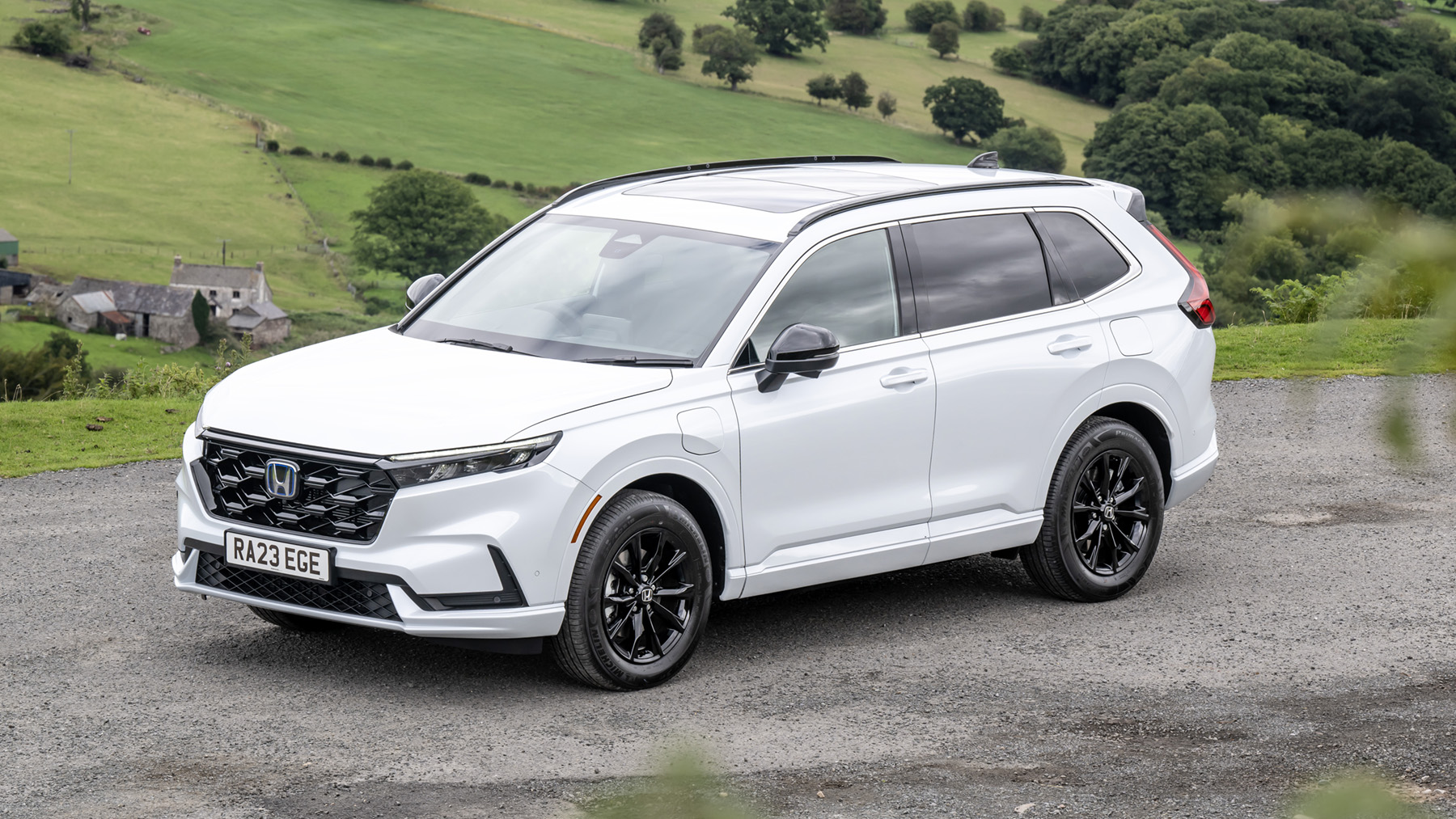
The used SUV market in 2026 is absolutely bursting with opportunity, but also packed with traps that can drain your wallet faster than you can say “check engine light.” With $15,000 in your pocket, you have real buying power. You can drive home a capable, comfortable, and well-equipped sport utility vehicle without taking on a crushing monthly payment.
But here is the hard truth: not every deal you see on a used car lot is a good deal. Some SUVs look attractive on the outside while hiding a minefield of mechanical nightmares underneath. Engine failures, transmission meltdowns, rusting frames, and sky-high repair bills have a way of turning a budget buy into a financial disaster. Knowing which models to target and which ones to flee from can save you thousands of dollars and years of headaches.
This guide gives you the complete picture. We cover five used SUVs that deliver outstanding value, reliability, and practicality under the $15,000 mark. We also expose five models that, despite their tempting prices, are best left on the lot. Whether you are hauling a family, commuting daily, or heading off-road on weekends, this guide will help you make a confident, informed decision.
5 USED SUVs WORTH BUYING UNDER $15,000
These exceptionally dependable vehicles feature proven mechanical designs and widespread parts availability perfectly suited for budget-conscious buyers seeking reliable family transportation, providing years of trouble-free service through robust naturally aspirated engines and simple all-wheel-drive systems that resist the expensive repair patterns typically plaguing complex turbocharged alternatives despite higher odometer readings at this price point.
1. Toyota RAV4 (2016–2018)
When it comes to used SUVs under $15,000, the Toyota RAV4 from the 2016 to 2018 model years sits comfortably at the very top of the list. This is not a coincidence; it is the result of decades of Toyota building one of the most dependable nameplates in the entire automotive industry.
The RAV4 earned its stellar reputation through a combination of rock-solid engineering and intelligent design. Its 2.5-liter four-cylinder engine is famously bulletproof, known to run smoothly well past the 200,000-mile mark with basic, routine maintenance. The six-speed automatic transmission paired with it is equally trustworthy, shifting smoothly and resisting the kind of premature wear that plagues cheaper alternatives.
Interior space is genuinely impressive for the segment. The RAV4 offers a roomy, practical cabin with comfortable seating for five adults and a cargo area that puts many rivals to shame. Rear passengers have ample legroom, and the layout is thoughtfully organized with controls that are intuitive and easy to use.
Safety was taken seriously in these model years. The 2016 and newer RAV4s earned top marks from both the NHTSA and IIHS, giving buyers confidence that they are protected in the event of an accident. Standard and available safety features include a pre-collision system, lane departure alert, and automatic high beams on better-equipped trims.
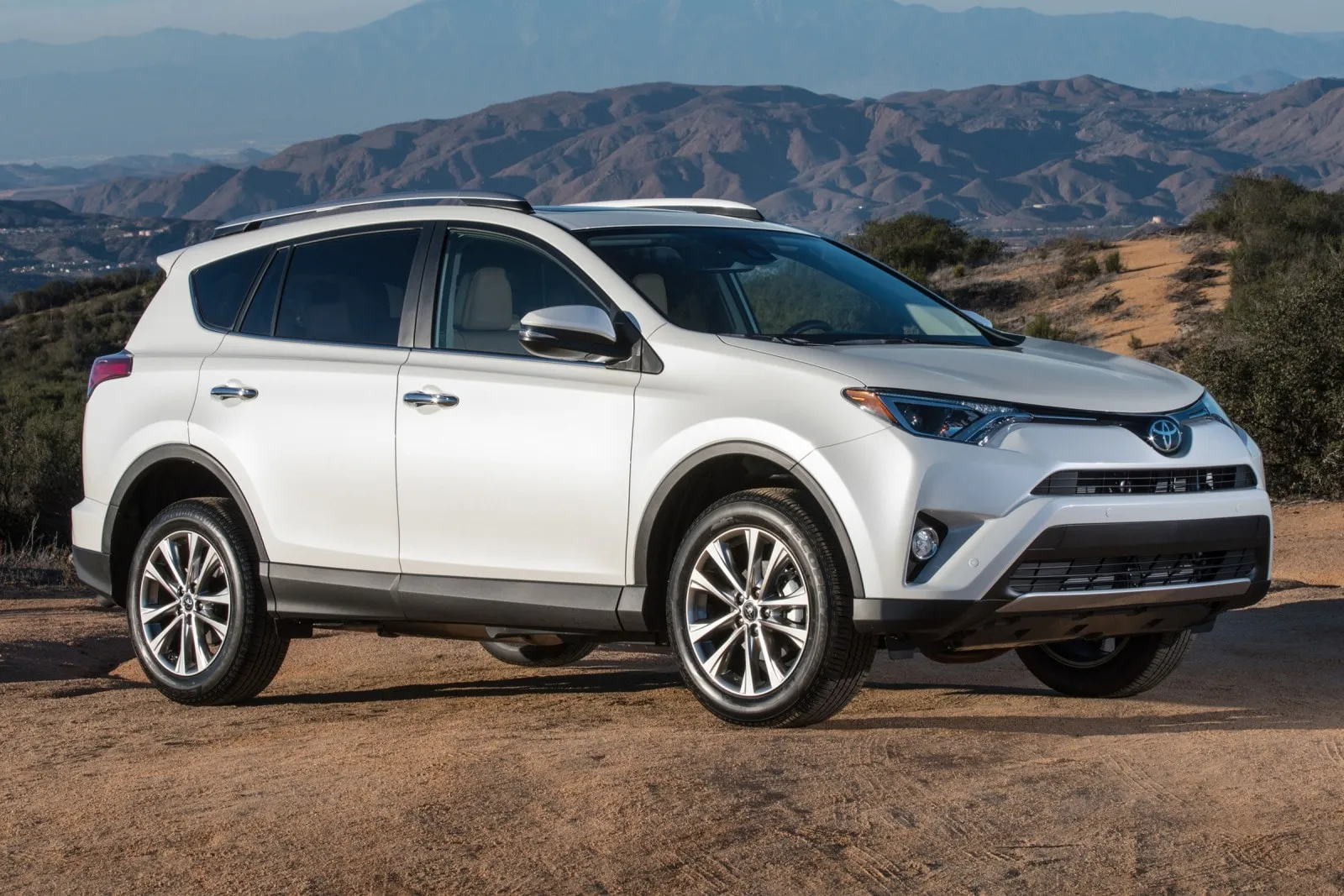
Fuel economy is another strong point. The RAV4 delivers approximately 23 mpg city and 30 mpg highway, which is highly competitive for a vehicle of this size and capability. For drivers who cover high mileage, those fuel savings add up quickly over time.
At the $15,000 price point, buyers can realistically find a 2017 or 2018 RAV4 with well under 100,000 miles. That is exceptional value by any standard. Higher trim levels like the XLE and Adventure come loaded with features, including heated seats, a sunroof, and a power liftgate.
Finding parts and qualified mechanics for the RAV4 is never a problem. Toyota’s massive dealer network and aftermarket support mean that any necessary repairs are both affordable and straightforward to carry out. Ownership costs remain consistently low across the board.
The resale value of the RAV4 is another hidden bonus for buyers. Even after purchasing a used example, owners typically retain strong resale numbers if they decide to sell or trade it in down the road. In the used SUV world under $15,000, the Toyota RAV4 is simply the gold standard: reliable, practical, affordable to run, and genuinely enjoyable to drive.
2. Honda CR-V (2015–2017)
The Honda CR-V has long been one of the most beloved compact SUVs ever built, and the 2015 through 2017 generation is a particularly sweet spot for used car buyers working with a $15,000 budget. These years represent the peak of a proven formula that Honda refined over many generations.
Under the hood, the CR-V offers a 2.4-liter four-cylinder engine that strikes an ideal balance between performance and reliability. It is not the most powerful engine in its class, but it is one of the most durable. Honda designed it to last, and real-world ownership data confirms that these engines routinely push past 200,000 miles without major issues.
One of the CR-V’s biggest selling points has always been its interior. Honda managed to package an enormous amount of usable space into a relatively compact exterior footprint. The cargo area is best-in-class for these model years, and the clever rear seat design offers adjustability that maximizes either passenger comfort or cargo capacity, depending on your needs.
Fuel efficiency is very competitive for the class. The CR-V returns around 26 mpg city and 33 mpg highway with the front-wheel-drive variant. Even the all-wheel-drive models are impressively frugal at the pump, making the CR-V an economical choice for daily commuters and road-trippers alike.
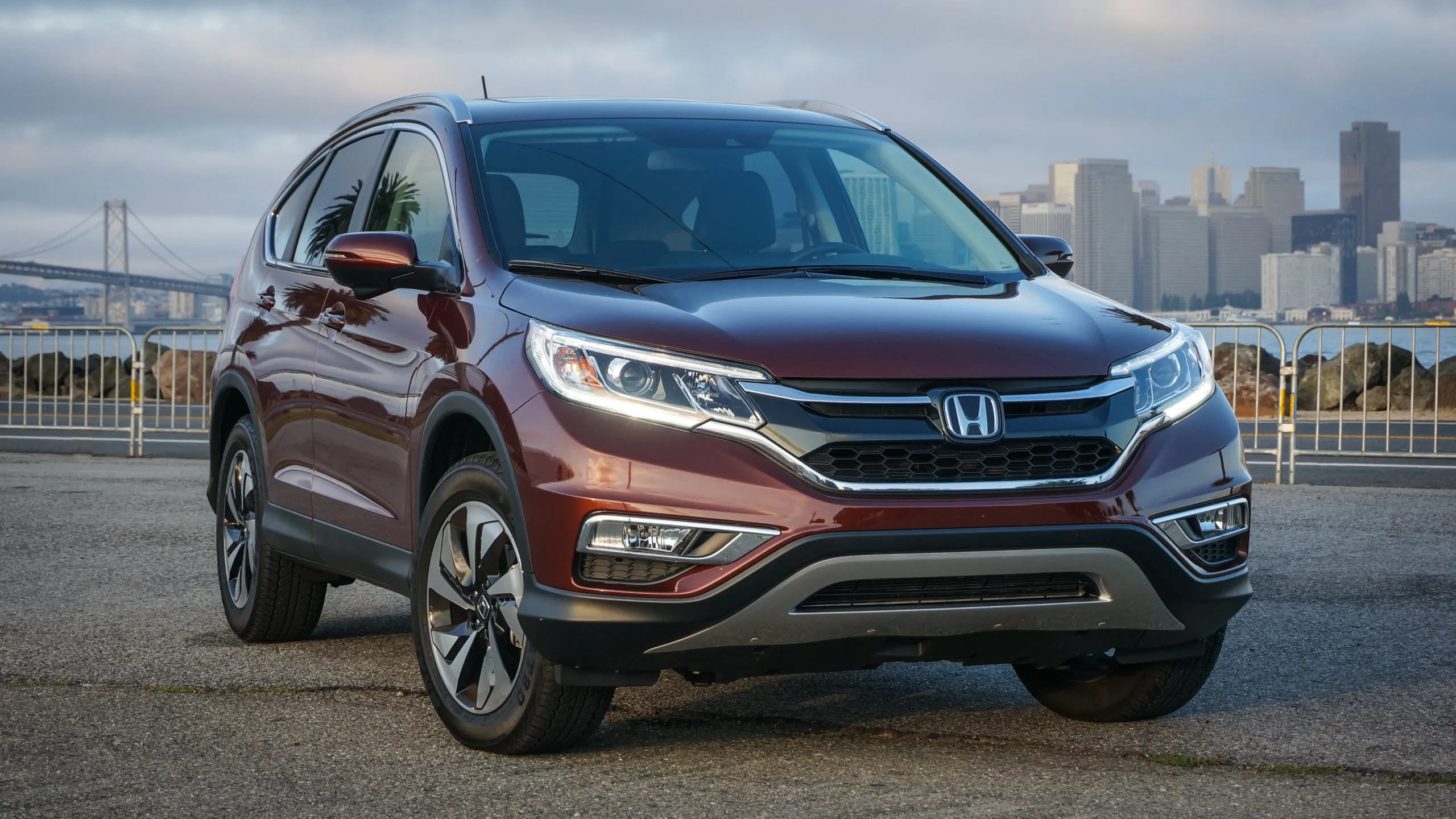
The ride quality is smooth and composed, with Honda tuning the suspension to absorb road imperfections without sacrificing handling precision. It is not sporty, but it is comfortable in a way that makes long drives genuinely pleasant. Cabin noise is also impressively well-controlled for the price segment.
Safety scores are excellent across these model years. The IIHS awarded the CR-V high ratings in multiple crash test categories, and advanced driver assistance features became more widely available across trim levels during this generation. Peace of mind is built right into the package.
Used examples from the 2015 to 2017 range are widely available across the country. The sheer volume of CR-Vs sold means buyers have plenty of options to choose from, with varying mileage and trim levels. Competition between sellers can also work in your favor when negotiating a price.
Maintenance costs for the CR-V are among the lowest in the segment. Honda parts are affordable and widely stocked, and the mechanical simplicity of these models means that even complex-sounding repairs are often straightforward and inexpensive. The CR-V is a SUV that pays you back every single year.
3. Mazda CX-5 (2017–2019)
The Mazda CX-5 is the best-driving SUV you can buy for under $15,000, and the 2017 through 2019 model years prove exactly why Mazda earns its reputation as the premium end of the mainstream segment. This is a compact SUV that genuinely makes you look forward to getting behind the wheel.
Mazda’s SKYACTIV technology powers these CX-5 models with a 2.5-liter four-cylinder engine that punches well above its weight class. The engine delivers smooth, linear power delivery with a satisfying responsiveness that simply does not exist in many similarly priced competitors. The six-speed automatic transmission is a joy to use, with precise, well-timed shifts that feel completely natural.
The interior of the 2017 and newer CX-5 is a serious step up from the rest of the under-$15,000 crowd. Mazda invested heavily in premium materials, refined aesthetics, and thoughtful design. Soft-touch surfaces, a clean dashboard layout, and genuinely supportive seats make the CX-5 feel like it belongs in a more expensive category.
Reliability data strongly support choosing the CX-5 from this era. The Auto Reliability Index gives the Mazda CX-5 an average score of 93 out of 100 across multiple model years, placing it in the excellent category. Annual repair costs average just $447, which is significantly below the segment average of $573. That is real money staying in your pocket.
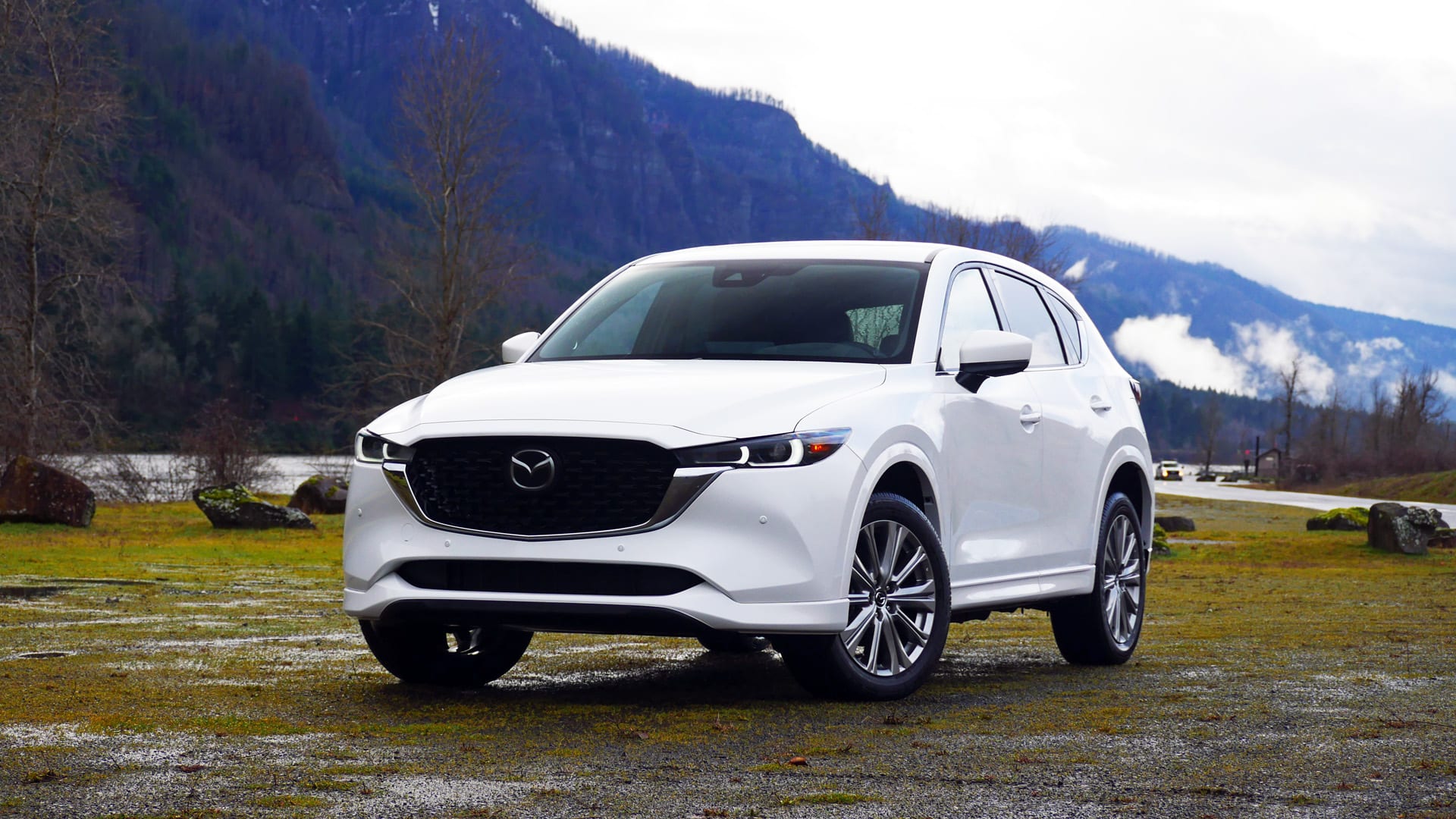
Fuel economy is another highlight. The CX-5 returns an estimated 25 mpg in city driving and up to 31 mpg on the highway. That is highly competitive for a vehicle with this level of performance and capability. Mazda managed to make efficiency and driving pleasure work together rather than against each other.
All-wheel drive is available on these model years and performs exceptionally well in wet and wintry conditions. The AWD system is proactive rather than reactive, monitoring conditions continuously and distributing torque before wheel slip occurs. It gives the CX-5 genuine all-season confidence.
Safety equipment on the 2017 and newer CX-5 includes Mazda’s i-ACTIVSENSE suite, which brings forward collision warning, lane departure warning, and blind spot monitoring to higher trim levels. The IIHS consistently rated the CX-5 as a top safety pick across this generation. You are getting serious protection for the money.
The 2019 CX-5 in particular offers Apple CarPlay and Android Auto integration, making it feel remarkably modern compared to similarly priced alternatives. If technology and connectivity matter to you, this trim year is worth seeking out. The Mazda CX-5 is the choice for buyers who refuse to sacrifice quality, driving enjoyment, or reliability even on a tight budget.
4. Subaru Forester (2016–2018)
For buyers who need genuine all-weather capability, outdoor adventure readiness, and everyday practicality all rolled into one package, the Subaru Forester from 2016 through 2018 is an outstanding choice under $15,000. Few vehicles in this price range offer the combination of standard all-wheel drive and the kind of rugged dependability that Subaru has built its entire brand around.
Every single Forester sold in these model years came standard with Subaru’s Symmetrical All-Wheel Drive system. This is not a part-time system that kicks in only when things go wrong. It is a full-time, permanent AWD setup that continuously manages traction across all four wheels in all conditions. For anyone living in regions with heavy rain, snow, or unpaved roads, this is invaluable.
Ground clearance on the Forester is another significant advantage. At 8.7 inches, it can handle light off-road terrain, rough gravel paths, and deep snow accumulation that would leave crossover competitors stuck. Subaru also gives the Forester a boxy, upright body shape that maximizes interior headroom and visibility. Outward sightlines from the driver’s seat are exceptional.
The 2.5-liter horizontally opposed “boxer” engine in these models is smooth and adequately powered for most driving situations. It produces 170 horsepower, which is not thrilling on paper, but the real-world driving experience is more satisfying than the numbers suggest. The engine’s low center of gravity also contributes to the Forester’s composed handling dynamics.
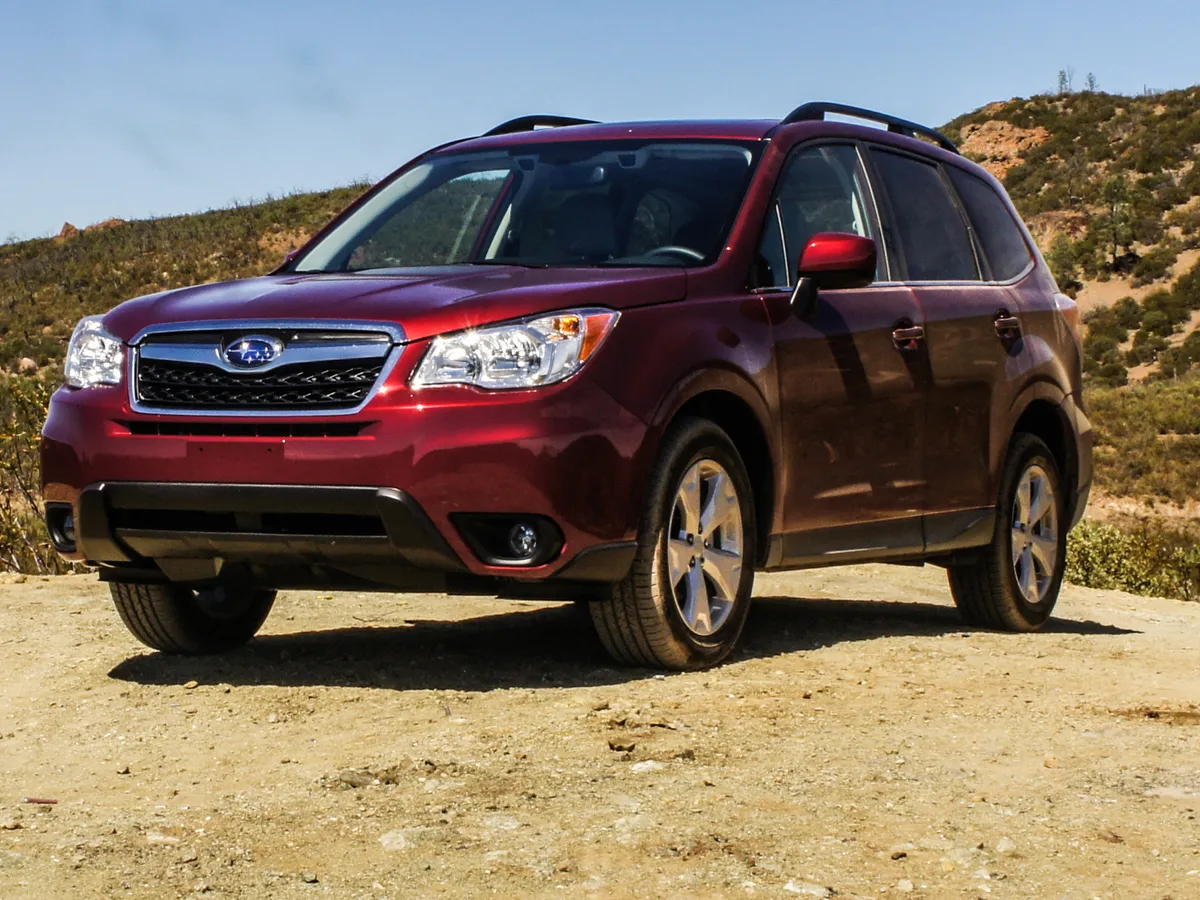
Cargo space is among the best in the compact SUV class for these model years. With the rear seats folded down, the Forester offers a flat, wide load floor that makes hauling bulky items, sports gear, and camping equipment remarkably easy. Families and outdoor enthusiasts alike will appreciate this practicality on a regular basis.
The 2016 Forester introduced Subaru’s EyeSight driver assistance system across more trim levels. EyeSight combines adaptive cruise control, pre-collision braking, and lane keeping assist in a single camera-based package. IIHS rated EyeSight as one of the most effective collision avoidance systems available at any price point during this period.
Used Foresters from these years are widely available and affordably priced. At $15,000, buyers can find clean examples with moderate mileage and full service histories. The nationwide Subaru community is active and supportive, making it easy to find owners’ forums, DIY guides, and reputable independent mechanics.
Reliability is solid, though Subaru’s reputation for head gasket issues in older models largely predates this generation. The 2016 and newer Foresters addressed earlier weak points with engineering improvements. With proper maintenance, particularly regular coolant checks and oil changes, these SUVs are built to last comfortably into very high mileage territory.
Also Read: 9 Sleeper SUVs With Supercar-Level Acceleration
5. Buick Enclave (2013–2015)
If you need three rows of seating and a genuinely premium experience but $15,000 is the ceiling of your budget, the Buick Enclave from 2013 through 2015 is one of the most impressive value propositions in the entire used car market. These are vehicles that originally carried stickers well north of $40,000, and today they can be found at a fraction of that cost.
The Enclave was built on GM’s Lambda platform, a robust and refined architecture that underpinned some of the brand’s finest crossovers of the era. The 3.6-liter V6 engine produces 288 horsepower and 270 pound-feet of torque, giving the Enclave real performance muscle. It pulls confidently from a stop, accelerates smoothly at highway speeds, and handles highway passing with authority.
Interior quality is where the Enclave truly separates itself from the competition at this price point. Buick invested serious resources in crafting a genuinely quiet and premium cabin. Real wood trim, soft leather seating, and thoughtfully designed switchgear give the Enclave an ambience that feels significantly more expensive than its used price suggests. Up to eight passengers can be accommodated across the three rows of seating.
The ride quality is exceptionally smooth for a crossover of this size. Buick tuned the Enclave’s suspension specifically for comfort and noise isolation, and the results are impressive. Road imperfections are absorbed gracefully, and wind and tire noise are kept to a minimum even at higher speeds. Long road trips in the Enclave are genuinely relaxing experiences.
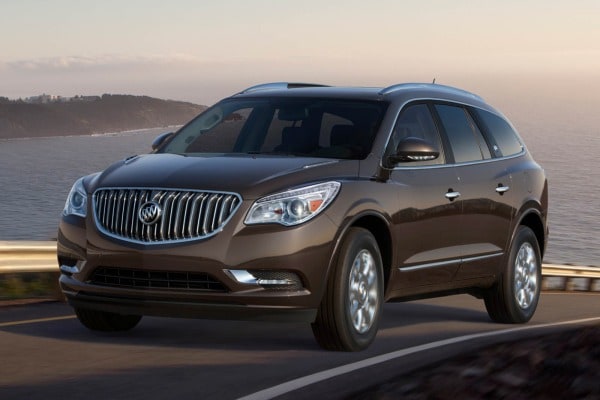
All-wheel drive was available across trim levels and remains a sought-after feature on the used market. The AWD system performs well in wintry conditions and provides added confidence on slippery surfaces. Front-wheel-drive models are also available for buyers in milder climates who prioritize fuel efficiency over traction capability.
At the $15,000 price point, buyers are often looking at Premium or Leather trim Enclaves, the upper end of the range, rather than basic models. These higher trims include heated and cooled front seats, a panoramic sunroof, rear-seat entertainment systems, and premium audio. The feature list is genuinely impressive compared to what $15,000 typically buys in the used market.
Maintenance costs can be slightly higher than a Japanese alternative, as is typical with American luxury-adjacent vehicles. However, GM’s parts are widely available and competitively priced, and independent mechanics can service the Enclave without difficulty. The 3.6-liter V6 has a well-documented service history and responds well to regular maintenance.
For families who need space, comfort, and a touch of class without spending beyond their means, the Buick Enclave from this era is a genuine bargain. Few used SUVs at this price deliver this much vehicle for the money. If you can find a clean, well-maintained example, do not hesitate.
5 USED SUVs TO RUN FROM UNDER $15,000
These catastrophically problematic vehicles suffer from documented reliability nightmares and expensive repair patterns that transform apparent bargain pricing into financial disasters, creating constant breakdowns and repair bills that quickly exceed purchase prices as inevitable failures emerge from known defects that manufacturers never properly addressed, despite class-action lawsuits and widespread owner complaints spanning multiple model years.
1. Nissan Rogue (2014–2016) with CVT Transmission
The Nissan Rogue may look attractive on paper, it is stylish, spacious, and widely available at prices well under $15,000. But beneath that pleasant exterior lurks one of the most problematic transmissions in the modern automotive industry, and it should send any informed buyer running in the opposite direction.
The fundamental flaw in these Rogue models is the Continuously Variable Transmission, commonly known as a CVT. Nissan’s CVT design from this era has been catastrophically problematic. Documented failure rates are staggeringly high, and the transmission often begins showing symptoms of trouble, shuddering, jerking, and overheating between 80,000 and 120,000 miles. Many owners report complete transmission failure shortly after.
Replacing a failed CVT in a Nissan Rogue is not a minor inconvenience. Depending on the shop and the extent of the damage, a CVT replacement can cost anywhere from $3,500 to over $5,000 in parts and labor alone. On a $10,000 used car, that repair bill is absolutely devastating. Many owners simply cannot justify the expense and end up selling or scrapping the vehicle.
Nissan CVT failures affected so many vehicles that the company extended the CVT warranty on certain models and faced multiple class-action lawsuits. According to detailed reliability tracking, CVT problems affect over 3 million Nissan vehicles from this era. The scope of the problem is enormous and well-documented across enthusiast forums and legal proceedings alike.
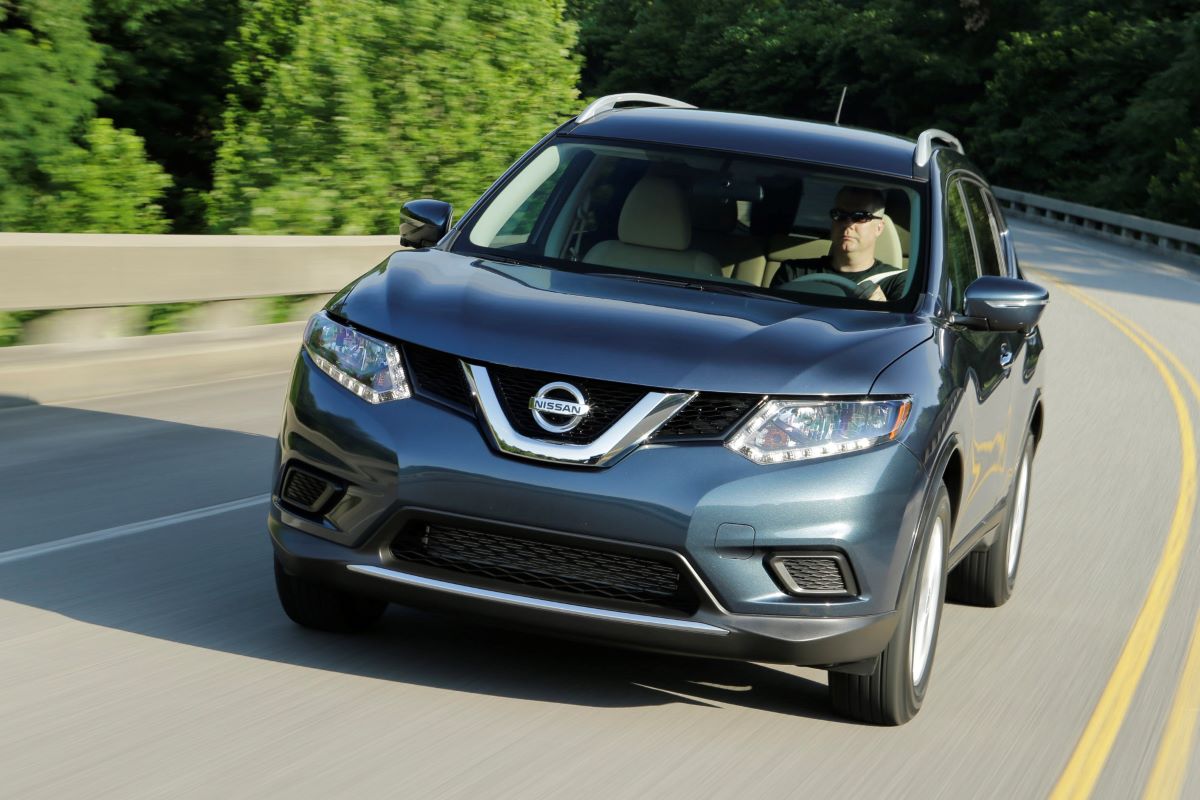
Beyond the transmission, from 2014 to 2016, the Rogues suffered from additional reliability concerns that compounded the ownership frustration. Air conditioning compressor failures are frequently reported, as are issues with the electrical system and various sensors. Repair visits can become routine rather than exceptional for owners of high-mileage examples.
The engine, a 2.5-liter four-cylinder, is relatively inoffensive on its own. But the CVT is so tightly integrated into the drivetrain that engine problems and transmission problems often influence each other. When the CVT begins to fail, it frequently causes additional strain on the engine and other drivetrain components as well.
Fuel economy is decent on paper at around 26 mpg combined. But this figure becomes deeply irrelevant when the vehicle is sitting in a repair bay waiting for a new transmission. The cost per mile of ownership on a troubled Rogue quickly exceeds what you would spend on a more expensive but reliable alternative.
There is also a significant impact on resale value. Savvy buyers increasingly know about the CVT problems, and a Rogue with high mileage from this era is genuinely difficult to sell. You could find yourself trapped with a vehicle that has dramatically depreciated beyond its already modest market value. Avoid the 2014 to 2016 Nissan Rogue entirely and spend your $15,000 on a vehicle that will not betray you.
2. Jeep Compass (2011–2016)
The Jeep Compass wears the iconic Jeep badge and carries the promise of off-road adventure and rugged capability. But the 2011 through 2016 generation of the Compass is widely regarded by automotive experts and long-suffering owners as one of the worst compact SUVs ever built. This is a vehicle that consistently fails to deliver on virtually every promise it makes.
The fundamental problem with the Compass from these years is that it manages to be bad at everything simultaneously. It is not a good highway cruiser, not a capable off-roader, and not a comfortable family hauler. It occupies an awkward middle ground that serves no purpose particularly well. Consumer Reports gave it some of the lowest scores in the compact SUV segment during this era.
Reliability is a serious concern across the board. The Compass from these model years suffers from a litany of documented problems, including transmission hesitation, electrical gremlins, premature brake wear, and HVAC system failures. The PowerTech four-cylinder engines used in base models are particularly prone to issues that result in expensive repairs over time.
The interior quality of these Compasses is genuinely disappointing. Cheap, hard plastics dominate the dashboard and door panels, and the fit and finish feel rushed and careless. Controls are awkward and unintuitive, and the infotainment system, if it can be called that is frustratingly outdated even by the standards of the time it was built.
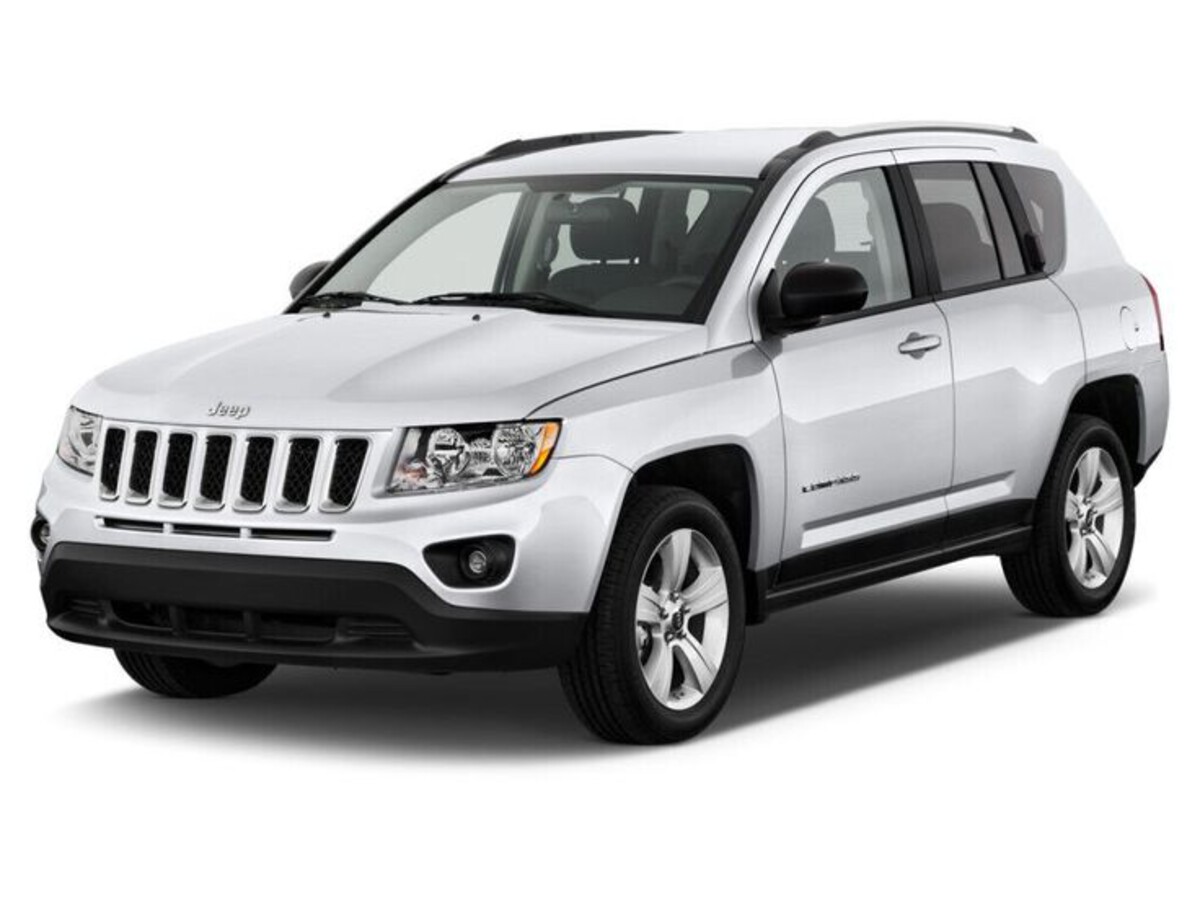
Fuel economy is poor for the class. The Compass delivers approximately 21 mpg city and 27 mpg highway with the better engines, but that figure does not account for the additional fuel consumption that comes from a rough, inefficient drivetrain. Real-world ownership returns are consistently below what the spec sheet promises.
The off-road capability that the Jeep badge implies is almost absent in most Compass configurations. The base front-wheel-drive models have no business going anywhere near a dirt road. Even the higher trims with four-wheel drive and the Freedom Drive package are only marginally more capable than a standard car in rough terrain. It is off-road branding without off-road substance.
Safety ratings from IIHS and NHTSA for the 2011 to 2016 Compass are mediocre at best. The vehicle did not receive top safety marks across the board, and the available safety technology is minimal compared to contemporaries. Paying even a discounted used car price for inadequate crash protection is a bad bargain.
Resale value for these Compasses is predictably poor. The vehicle’s poor reputation depresses demand among informed buyers, which means values erode quickly. Even if you buy at a low price, selling becomes difficult down the road. With a Jeep Compass from these years, you are essentially paying to get into a problem you will then struggle to get out of.
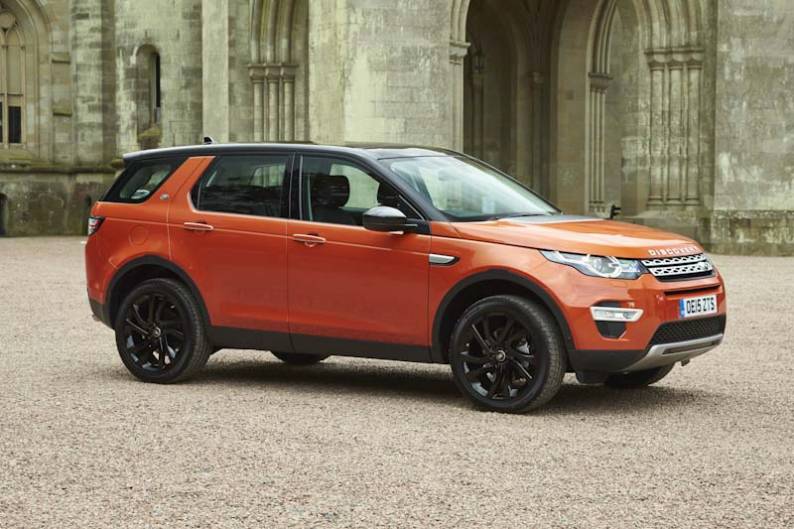
3. Land Rover Discovery Sport (2015–2017)
The Land Rover Discovery Sport sounds wonderful in theory. A premium British brand, sophisticated styling, genuine off-road credentials, and available all-wheel drive all for under $15,000 on the used market. But the deeply troubling reliability record of this vehicle should override every one of those attractive qualities for any rational buyer.
Consumer Reports gave the Discovery Sport a predicted reliability score of just 2 out of 5, placing it firmly among the worst performers in the entire SUV segment. This is not an outlier opinion it is consistent with owner reports, industry data, and the accumulated complaints filed with automotive reliability agencies over multiple years. The Discovery Sport earns that poor rating thoroughly.
The 2.0-liter turbocharged four-cylinder engine used in these models is not the problem on its own. The real trouble lies in the surrounding electronics, software, and ancillary systems that Land Rover packed into the Discovery Sport. Electrical faults are extraordinarily common, with owners regularly reporting failures in the infotainment system, sensors, suspension controls, and various modules that require dealer-level diagnostic equipment to even identify, let alone fix.
Repair costs are breathtaking. Land Rover parts are expensive to source, and the labor required to access and replace complex systems in this vehicle is significant. Even relatively minor electrical repairs can run into the thousands of dollars at a Land Rover dealer or a specialist shop. Independent mechanics without Land Rover-specific tools and software are often completely unable to diagnose the issues.
The nine-speed automatic transmission in these Discovery Sports was problematic during its early years. Jerky, hesitant shifting behavior was widely reported by owners, and the calibration issues were slow to be fully resolved through software updates. Transmission repairs on these vehicles represent another major potential expense for unsuspecting buyers.
Build quality is inconsistent and sometimes outright poor for a vehicle carrying a premium price tag, even a used one. Panel gaps, rattling interior trim, water ingress through door seals, and premature wear of interior materials are commonly reported. Owners expected a certain level of quality with the Land Rover name, and many felt genuinely let down.
There is also the matter of finding qualified service. Not every town has a Land Rover dealer or a mechanic experienced with these vehicles. When something goes wrong and it likely will, getting it properly fixed can require significant travel, long wait times for parts, and steep diagnostic fees just to start the process.
At a used price under $15,000, the Discovery Sport looks tempting. But the true cost of owning one accounting for the near-certain repairs, parts, labor, and downtime makes it an extremely risky gamble. There are simply far better ways to spend $15,000 on a used SUV than on a vehicle with this kind of documented ownership misery.
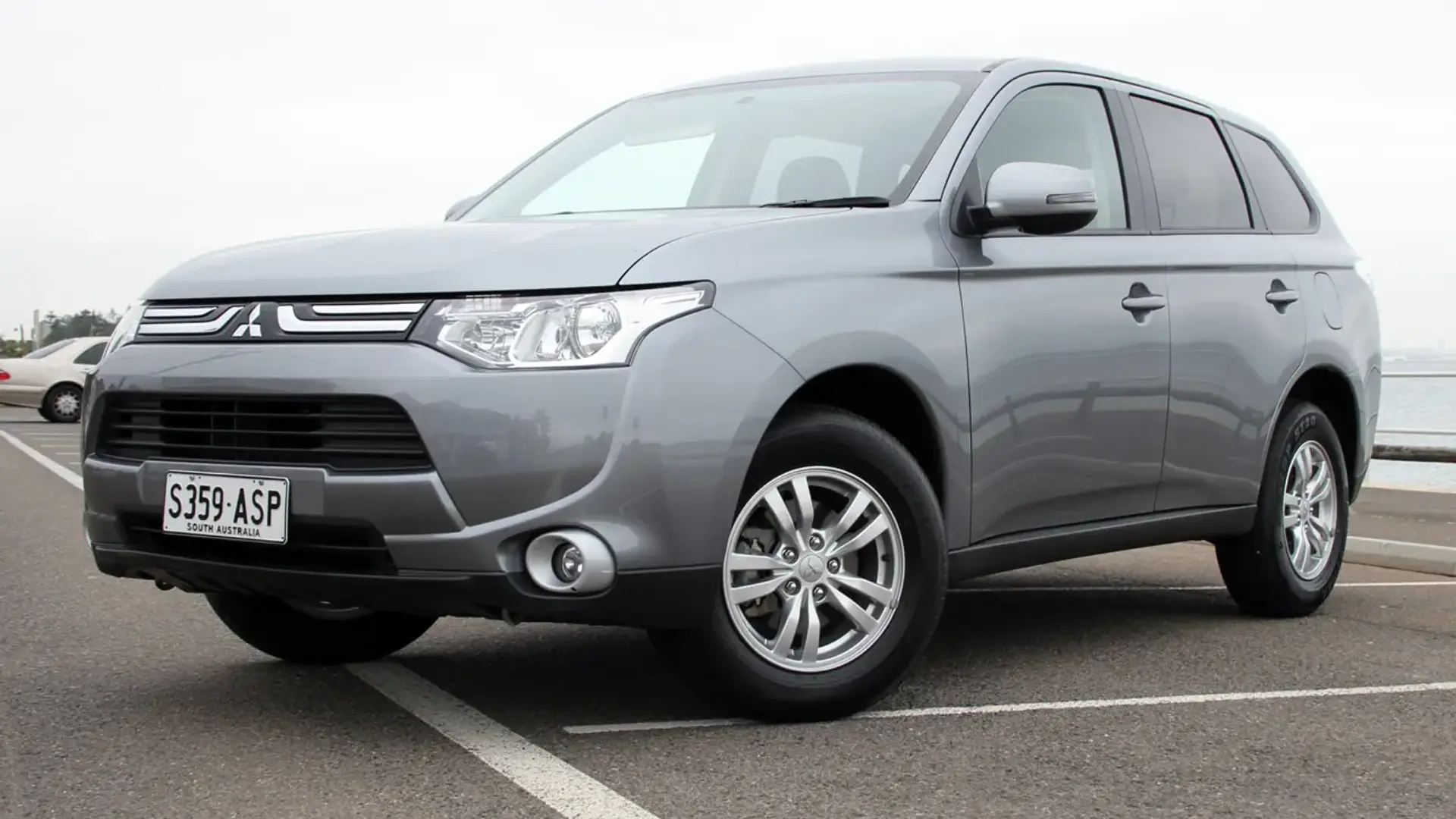
4. Mitsubishi Outlander (2013–2016)
The Mitsubishi Outlander from 2013 through 2016 presents itself as a budget-friendly three-row SUV with all-wheel drive capability and decent specifications. On the surface, the numbers look reasonable. Underneath, however, the Outlander from this era combines Nissan-sourced CVT transmission problems with a host of additional mechanical weaknesses that make it a genuinely poor value in the used market.
The CVT transmission in these Outlanders, shared with Nissan due to the Renault-Nissan-Mitsubishi Alliance, carries many of the same failure-prone characteristics that plagued Nissan’s own vehicles of this era. Shuddering under acceleration, overheating during highway driving, and complete failure at higher mileage are well-documented experiences for Outlander owners. CVT replacement costs are similarly painful to what Nissan Rogue owners face.
Engine options in these Outlanders are unimpressive. The base 2.4-liter four-cylinder is adequate for city driving but struggles meaningfully under load or at highway speeds. The optional 3.0-liter V6, while more capable, is thirstier at the pump and introduces additional maintenance complexity into an already reliability-challenged vehicle. Neither engine is particularly celebrated for long-term durability.
The third row in these Outlanders is a significant selling point in marketing, but the reality is far less impressive. The rearmost seats are extremely cramped, suitable only for small children over short distances. Legroom is minimal, and access requires a degree of flexibility that most adults will not appreciate. The third row is more of a checkbox than a genuinely usable feature.
Interior quality falls noticeably short of segment standards. Hard, thin plastics throughout the cabin give the Outlander a budget feel that does not justify even its discounted used pricing. Switchgear feels flimsy, and the ergonomics of the dashboard are awkward in ways that become increasingly annoying over time. The interior simply does not age well.
Fuel economy is another weak point. For a crossover of this size and modest power output, the Outlander’s fuel consumption is higher than expected. Real-world economy rarely matches the EPA estimates, particularly in the city cycle where the CVT’s inefficiencies become most apparent. Over thousands of miles, that gap at the gas pump adds up to real money.
Safety ratings for 2013 to 2015 Outlanders are acceptable but not exceptional. The vehicle did not earn top safety pick status from IIHS during these years, and the available active safety technology on lower trim levels is minimal. For a family vehicle, that gap in protective technology matters significantly.
Mitsubishi’s dealer network in the United States is extremely thin compared to Toyota, Honda, or even Subaru. Finding a qualified Mitsubishi technician in many regions is genuinely difficult, and parts availability for older models can be spotty. As these vehicles age further, dealer support will only continue to shrink. The Outlander from this era is a vehicle that asks too much of you and gives back far too little.
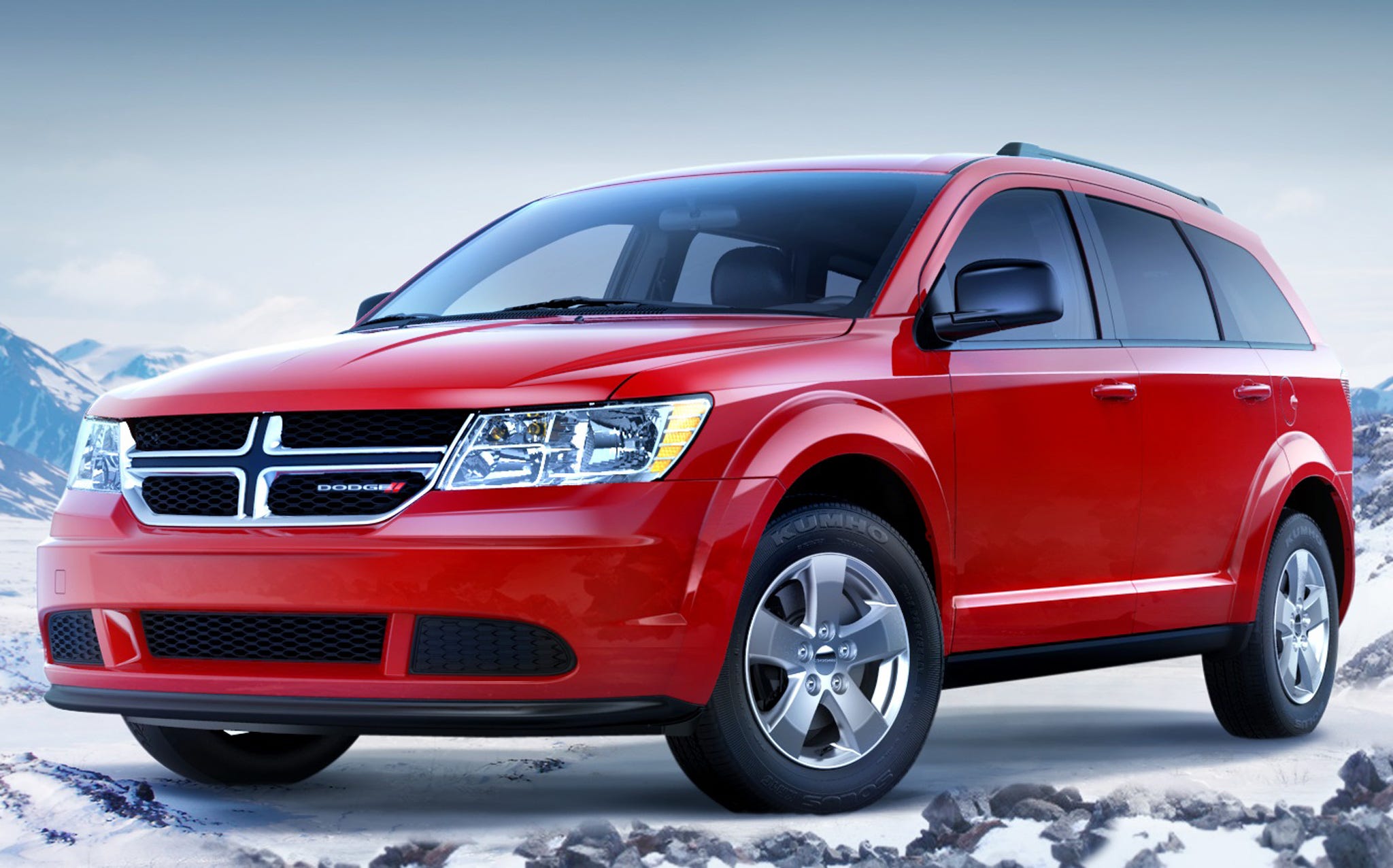
5. Dodge Journey (2012–2016)
Of all the used SUVs you might encounter under $15,000 in 2026, the Dodge Journey from 2012 through 2016 may well be the single worst purchase you can make. This vehicle has the look of a practical family crossover, the price of a bargain, and the reliability record of an automotive catastrophe waiting to happen.
The Journey’s fundamental problem is that it was designed primarily to be affordable to produce, not to be reliable, safe, or competitive over the long term. Chrysler built it on a very old platform, fitted it with largely outdated components, and produced it for an extended period with minimal meaningful improvements. The result is a vehicle that feels antiquated and falls apart faster than almost anything else in its class.
The engines available in these Journeys are a significant weakness. The base 2.4-liter four-cylinder is chronically underpowered for a vehicle of this weight and size. It strains visibly under normal driving conditions and becomes genuinely overwhelmed when the vehicle is loaded with passengers and cargo. The optional 3.6-liter Pentastar V6 is more capable but introduces its own reliability concerns in this application.
Transmission problems are endemic to the Journey from these model years. The four-speed automatic transmission is a relic of an earlier era, with slow, clunky shifts that waste fuel and create a poor driving experience. More critically, these transmissions are prone to failure at mileage levels that should still represent the middle of a vehicle’s useful life. Replacement costs are high.
Electrical system reliability is poor across the board. Journey owners from these years regularly report failures involving the entertainment system, sensors, door locks, windows, and various electronic modules. These problems are frustrating in isolation but become financially punishing when they occur frequently and in combination. Electrical work on modern vehicles is consistently among the most expensive categories of repair.
Safety is another area where the Journey falls notably short. NHTSA and IIHS ratings for these model years are below the segment average in multiple categories. The vehicle lacks the structural rigidity and passive safety systems that characterize better-engineered competitors from the same era. Choosing a Journey over a Honda CR-V or Toyota RAV4 in a crash is a trade you do not want to make.
Fuel economy is embarrassing for a vehicle of this size and age. The four-cylinder Journey manages approximately 19 mpg city and 25 mpg highway figures that trail genuinely larger and more capable SUVs from the same period. The V6 is even thirstier. Running a Journey daily costs more at the pump than it should for what the vehicle delivers.
The used market knows about the Journey’s reputation. Prices look attractively low, but that low price reflects exactly what the market thinks the vehicle is worth, not a bargain, but a warning. Experienced used car buyers avoid the Dodge Journey for good reason. No matter how low the asking price, the Journey will cost you more in the long run than any of the better options available at the same budget.
Also Read: 9 Off-Road SUVs Still Serving in National Park Fleets
