
Summer heat changes everything about driving. What feels perfectly comfortable in October becomes genuinely unpleasant in July, particularly when you are sitting in traffic with the sun hammering through the windshield, the kids arguing in the back seat, and the air conditioning struggling to keep pace with outside temperatures that have climbed past 95 degrees Fahrenheit before noon.
Choosing the right SUV for hot summer driving is not simply about picking the one with the coldest air conditioning, though that matters more than most buyers admit during a December purchase decision. Hot summer driving demands specific attributes from an SUV that moderate climate driving does not.
Cooling system capacity that can sustain air conditioning output during extended stop-and-go urban driving without thermal stress. Ventilated seat surfaces that prevent the sweaty discomfort that leather and vinyl create during sun-baked commutes.
Panoramic glass options with UV and infrared filtering that reduce cabin heat load from solar gain. Rear seat air vents that actually reach passengers in the third row rather than simply suggesting they exist. And thermal management systems for electrified powertrains that maintain performance and range when ambient temperatures push battery and motor systems toward their operating limits.
Buyers who live in Phoenix, Houston, Miami, Las Vegas, or any other region where summer temperatures regularly exceed 100 degrees Fahrenheit know these requirements from experience. Buyers who are relocating to these climates, or who are shopping for a summer vacation vehicle that will spend time in heat, need to understand them before making a purchase decision based on features that become irrelevant when the weather turns serious.
This guide covers eight of the best SUVs available in 2026 for hot summer driving, evaluated specifically on the attributes that matter when temperatures are working against your comfort and your powertrain simultaneously. Read through all eight before making your next purchase decision.
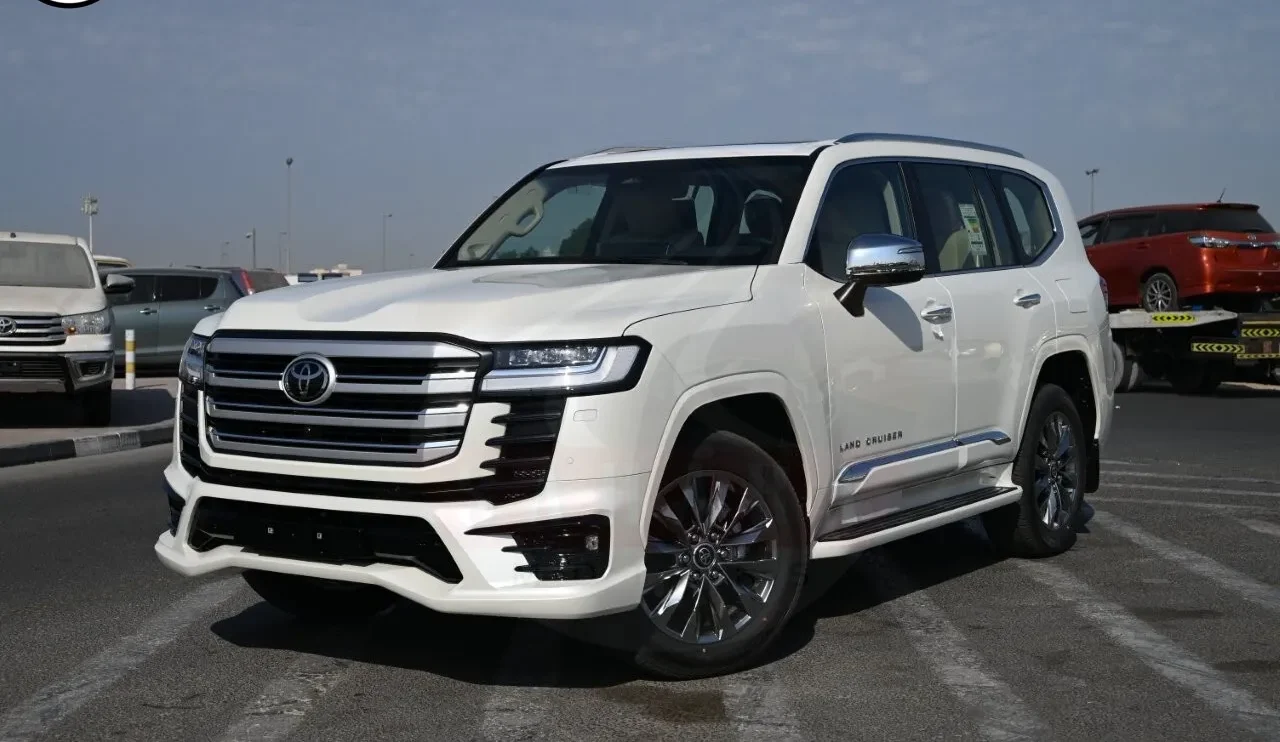
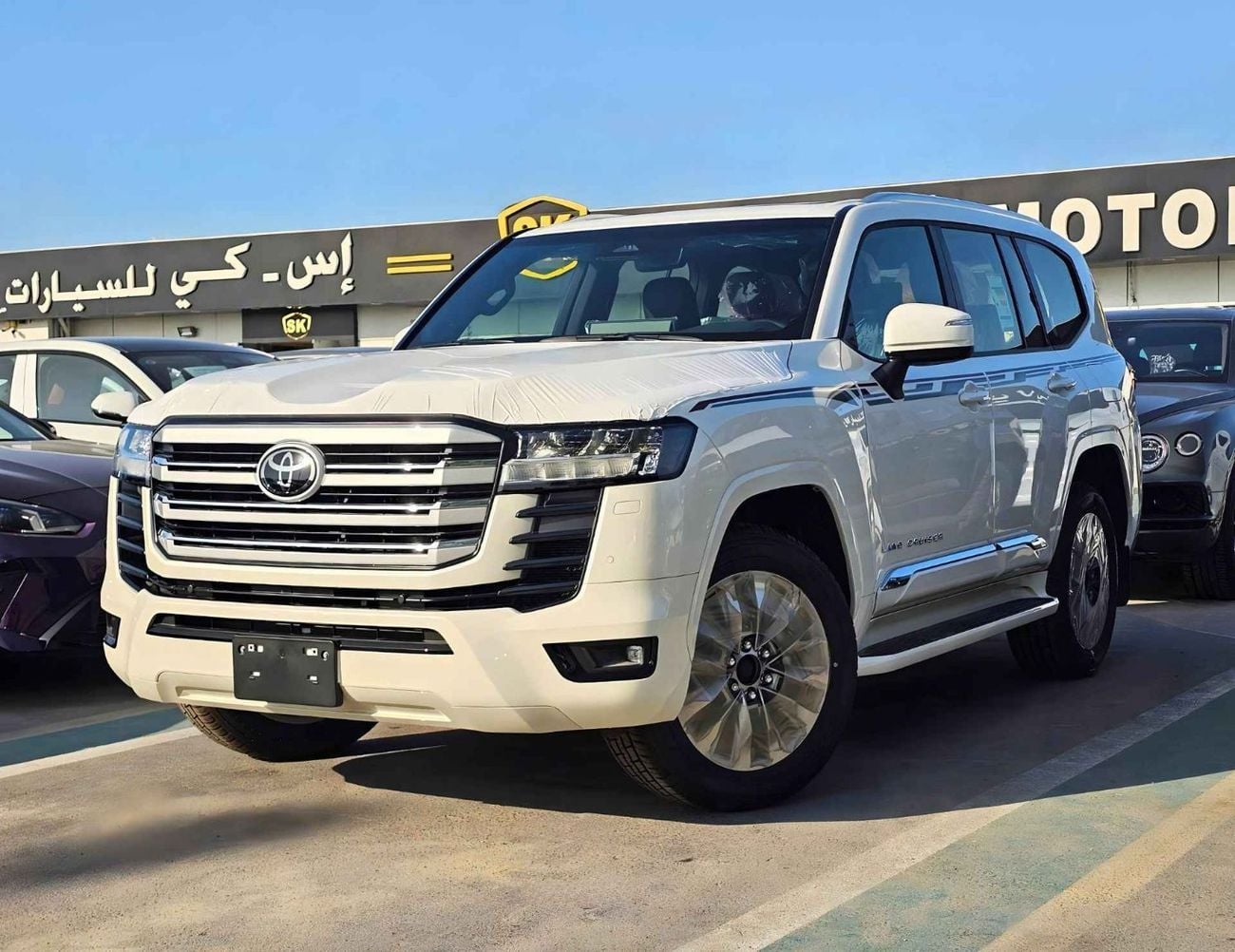
1. 2026 Toyota Land Cruiser GX 3.5L Twin-Turbo Hybrid
Toyota’s reputation for engineering reliability in extreme climate conditions is not marketing copy. It is documented performance accumulated across decades of Land Cruiser operation in the Middle East, Australian outback, and sub-Saharan Africa, environments where ambient temperatures regularly exceed anything that American summer drivers experience and where the consequences of cooling system failure are measured in survival terms rather than inconvenience terms.
2026 Land Cruiser GX with Toyota’s 3.5-liter twin-turbocharged hybrid powertrain brings this engineering heritage to a completely redesigned platform that adds modern comfort and technology to the thermal management excellence that Land Cruiser has always prioritized.
Powertrain thermal management in extreme heat conditions benefits from the hybrid system’s ability to run electric-only at low speeds, which reduces engine heat generation during slow urban driving, where ambient temperatures are highest and where stop-and-go conditions prevent the airflow through the engine compartment that highway driving provides. Dual-zone air conditioning with rear vent capacity that genuinely serves third-row passengers rather than simply appearing in the feature list addresses one of the most common summer comfort complaints about three-row SUVs.
Toyota’s AC system in the 2026 Land Cruiser GX uses a high-capacity compressor specifically sized for the cabin volume, which maintains cooling output when outside temperatures are extreme without the performance degradation that undersized systems exhibit as they reach their capacity limits under sustained high-load operation.
Solar-sensing glass as standard equipment adjusts automatic climate control operation based on detected solar radiation rather than simply ambient temperature, which produces faster cabin cooling response when the vehicle has been parked in direct sun, and the solar load on the cabin is contributing to heat retention beyond what air temperature alone would create.
This system difference is most noticeable during the first five minutes after entering a parked vehicle, when solar gain has raised interior temperatures substantially above outside air temperature. Ventilated front seats with a multi-speed fan system move air through perforated leather surfaces actively rather than relying on passive airflow, maintaining contact comfort during extended driving periods when perspiration would otherwise accumulate under sustained contact between occupant and seat surface.
Third-row passengers benefit from dedicated rear air outlets mounted in the B-pillar and rear quarter, distributing cooled air specifically to the rear seating position rather than routing all cooling capacity forward.
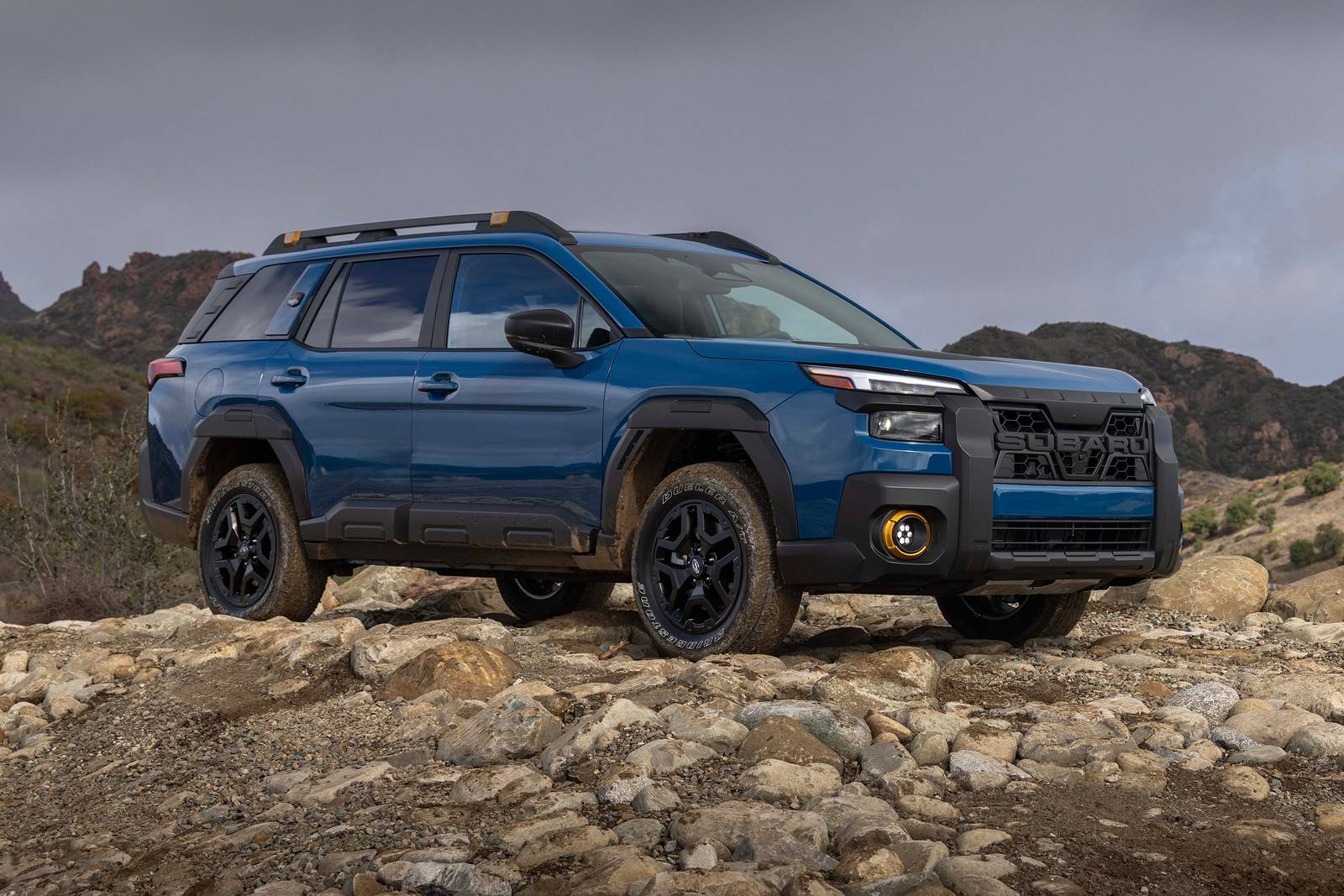
2. 2026 Subaru Outback Wilderness
Adventure-focused design defines the 2026 Subaru Outback Wilderness, an SUV that thrives in outdoor conditions where heat can become a serious challenge. Built for drivers who frequently venture beyond paved roads, this model combines durability with thoughtful cooling features.
Cooling performance begins with efficient airflow management. The climate system delivers consistent cooling throughout the cabin, supported by well-placed vents that reach both front and rear passengers. Even during slow off-road movement, where airflow is naturally limited, the system maintains effectiveness.
Material choices reflect real-world usage. Seat fabrics and interior surfaces resist heat absorption, ensuring they remain comfortable after sun exposure. This becomes particularly valuable during outdoor activities where the vehicle may be parked without shade.
Engine reliability in hot conditions remains steady. The turbocharged flat-four engine is paired with a cooling system designed to handle both high temperatures and challenging roads. Drivers can operate the vehicle confidently without worrying about overheating during extended drives.
Ground clearance and protective features allow the Outback Wilderness to travel through environments where heat combines with dust and rough surfaces. These conditions often test a vehicle’s durability, yet this model maintains performance without compromise.
Roof rails and cargo space support outdoor gear transport, making it suitable for activities such as camping or hiking in warm climates. After returning from these activities, the interior remains comfortable thanks to efficient cooling systems. Technology adds convenience.
Remote start capability enables pre-cooling, while intuitive controls simplify climate adjustments during travel. Drivers can focus on the journey without constant manual changes. Ownership benefits include strong reliability and manageable maintenance requirements. Subaru’s reputation for durability extends to this model, providing reassurance for those who rely on their vehicle in demanding environments.
For individuals seeking an SUV that combines off-road capability with dependable heat management, the Outback Wilderness offers a balanced solution. It handles summer conditions with confidence while supporting an active lifestyle that often takes drivers far from traditional roads.
Also Read: 9 Sleeper SUVs With Supercar-Level Acceleration
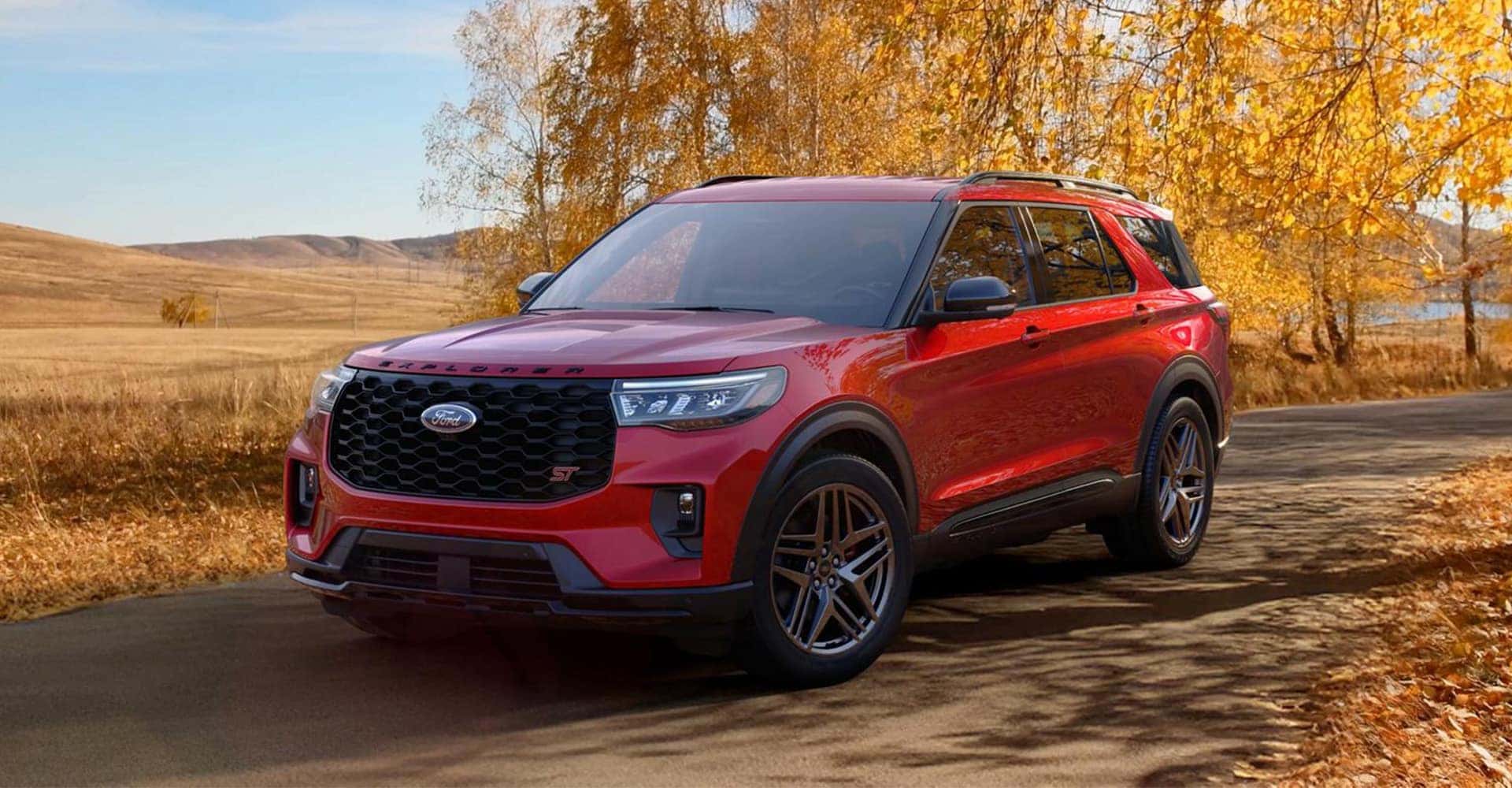
3. 2026 Ford Explorer Platinum Hybrid 3.3L AWD
Ford’s Explorer Platinum Hybrid brings a combination of family SUV practicality and climate management technology that makes it one of the most complete three-row summer driving solutions in the 2026 market. American families who cover road trip distances across the South and Southwest during summer months need an SUV that provides consistent cooling performance for multiple passengers across extended driving periods, and the Explorer Platinum Hybrid’s specification addresses this requirement with specific engineering choices.
Hybrid powertrain operation in high ambient temperature conditions benefits from Ford’s thermal management calibration, which prioritizes battery cooling during extreme heat periods to prevent the performance reduction that battery overheating produces in less carefully managed systems.
Explorer Platinum Hybrid owners who live in Phoenix and similar high-temperature markets report that the hybrid system maintains its fuel economy advantages even during the hottest months, which validates Ford’s thermal management calibration for genuine hot-climate operation rather than simply temperate-climate testing.
Three-zone climate control with specific rear controls placed within reach of second-row passengers reduces the reliance on driver adjustment for passenger comfort during family summer trips, allowing rear occupants to manage their own temperature preferences without repeatedly requesting driver intervention.
Second-row passengers who control their own temperature generally report higher comfort satisfaction than those who depend on driver adjustment, which has measurable effects on trip duration tolerance during summer travel with children.
Ford’s cabin air filtration system in the Explorer Platinum removes particulates, pollen, and odor compounds from incoming air, which, during summer months, when windows remain closed and fresh air intake is primarily through the ventilation system, prevents the accumulation of cabin air quality concerns that extended summer driving in high-traffic areas can create.
Clean filtered cabin air improves passenger comfort and alertness during extended summer driving periods in ways that are easy to take for granted until the system is absent. Power folding third row with heated and cooled second-row captain chairs, standard on Platinum specification, allows the Explorer to accommodate summer beach trips and outdoor events where cargo capacity needs vary between outbound and return legs.
Cooled second-row captain chairs ensure that middle-vehicle passengers maintain comfort parity with front occupants during extended summer travel rather than accepting the reduced airflow that second-row bench seats typically experience from forward-directed vents.
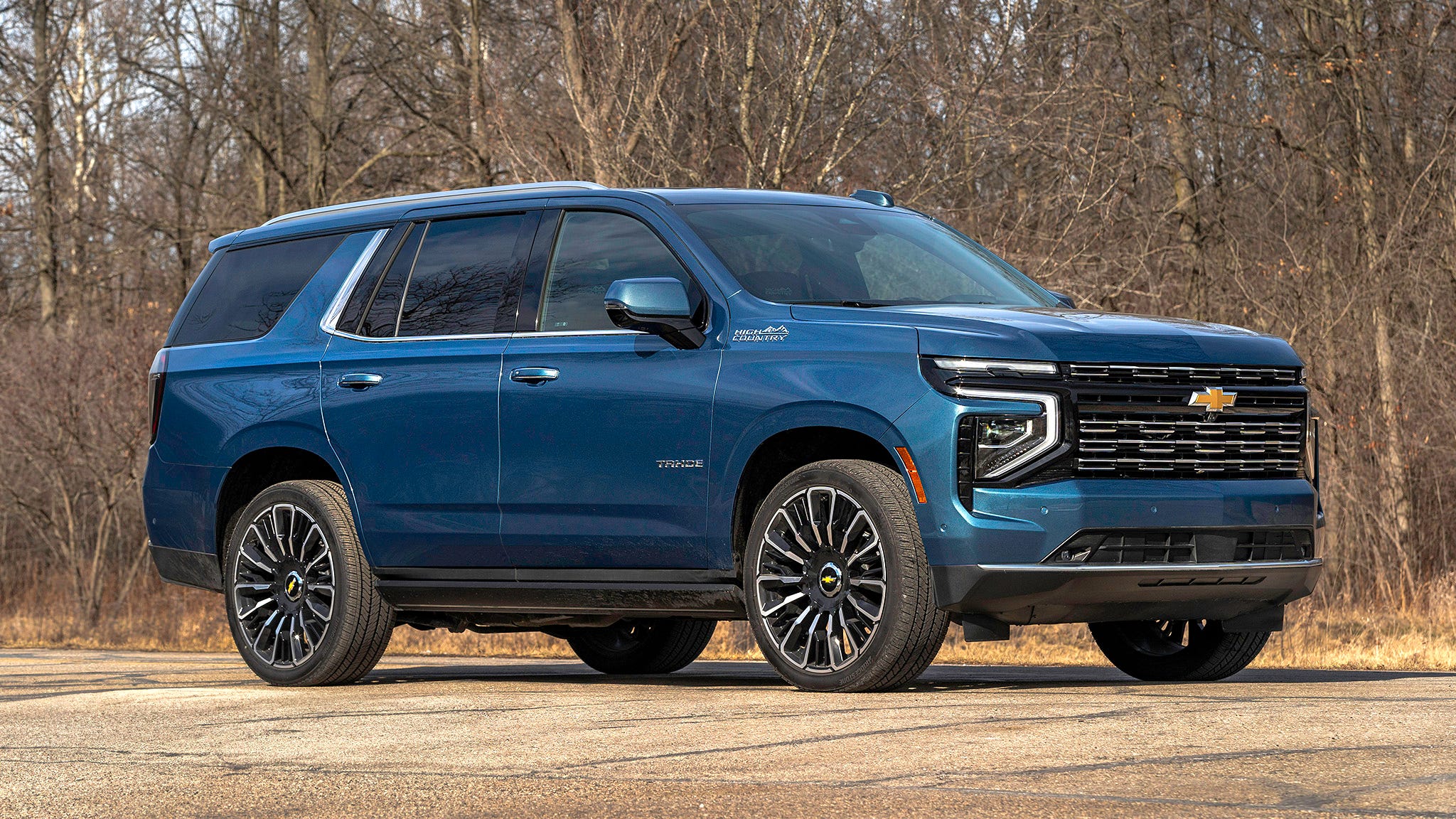
4. 2026 Chevrolet Tahoe High Country
Full-size capability meets summer readiness in the 2026 Chevrolet Tahoe High Country, a vehicle that approaches heat management with scale and efficiency. Large dimensions allow for advanced cooling systems that smaller SUVs often struggle to match, creating a comfortable environment for families and long-distance travelers.
Interior cooling stands out immediately. Multiple air vents distributed across three rows ensure that every passenger receives direct airflow. The system responds quickly, lowering cabin temperature within minutes even after prolonged sun exposure. Ventilated front seats add another layer of comfort, preventing discomfort during extended drives.
Space plays an important role here. A larger cabin allows air to circulate more effectively, reducing the feeling of trapped heat. Passengers benefit from generous legroom and headroom, which contribute to an open atmosphere rather than a confined one.
Engine cooling remains dependable. The 6.2-liter V8 is supported by a robust thermal management system designed for heavy-duty use. Whether towing or carrying a full load of passengers, the engine maintains stable operating temperatures without a performance drop. Long highway trips during peak summer heat do not present unusual challenges.
Another factor worth noting involves insulation. The Tahoe uses sound-deadening materials that also serve as thermal barriers, limiting heat intrusion from the outside. Windows feature tinting that reduces solar gain, keeping the interior cooler throughout the day.
Technology enhances usability. Remote start allows pre-cooling, while digital climate controls offer precise adjustments. Drivers can tailor settings to suit individual preferences without distraction. Durability adds long-term value. Components are built to withstand demanding conditions, including high temperatures and heavy usage. This reliability reduces concerns about wear related to heat exposure.
For families, road trip enthusiasts, or anyone needing substantial space, the Tahoe High Country provides comfort that holds steady regardless of weather conditions. It remains a practical choice for those who refuse to compromise on interior cooling and passenger convenience.

5. 2026 Jeep Grand Cherokee 4xe
A different approach defines the 2026 Jeep Grand Cherokee 4xe, where hybrid technology works quietly behind the scenes to improve efficiency and thermal management during hot weather driving. This plug-in hybrid SUV does more than reduce fuel consumption; it also contributes to a calmer and more controlled driving environment when temperatures rise.
Electric operation plays a meaningful role in reducing heat stress on the engine. During low-speed driving or short commutes, the vehicle can rely heavily on electric power, limiting the amount of heat generated by the combustion engine. This leads to a quieter cabin and less strain on cooling systems, especially in urban conditions where stop-and-go traffic typically increases engine temperatures.
Battery cooling is handled with precision. Engineers designed the thermal management system to maintain optimal battery performance regardless of external temperature. This ensures consistent power delivery even during extended exposure to high heat, which is often a concern with hybrid and electric vehicles.
Inside the cabin, comfort remains a priority. Ventilated seating, dual-zone automatic climate control, and strategically placed air vents work together to maintain a balanced temperature. Rear passengers receive adequate airflow, avoiding the common issue of uneven cooling in mid-size SUVs.
Off-road capability introduces another advantage. For drivers who travel in hot, dusty environments, the Grand Cherokee 4xe maintains performance without overheating. Cooling systems are engineered to handle both paved and unpaved conditions, ensuring reliability across various driving scenarios.
Material selection reflects practical thinking. Surfaces resist excessive heat buildup, while cabin insulation reduces the transfer of external temperature into the interior. Even during prolonged sun exposure, the vehicle remains manageable upon entry.
Charging flexibility adds convenience. Owners can precondition the cabin while the vehicle is plugged in, cooling the interior without using battery charge reserved for driving. This feature becomes particularly useful during peak summer afternoons.
From a broader perspective, the Grand Cherokee 4xe offers a balance between innovation and usability. Drivers receive the benefits of electrification without sacrificing the rugged capability associated with the Jeep brand. For those seeking a modern SUV that performs reliably in high temperatures while offering improved efficiency, this model presents a strong case.
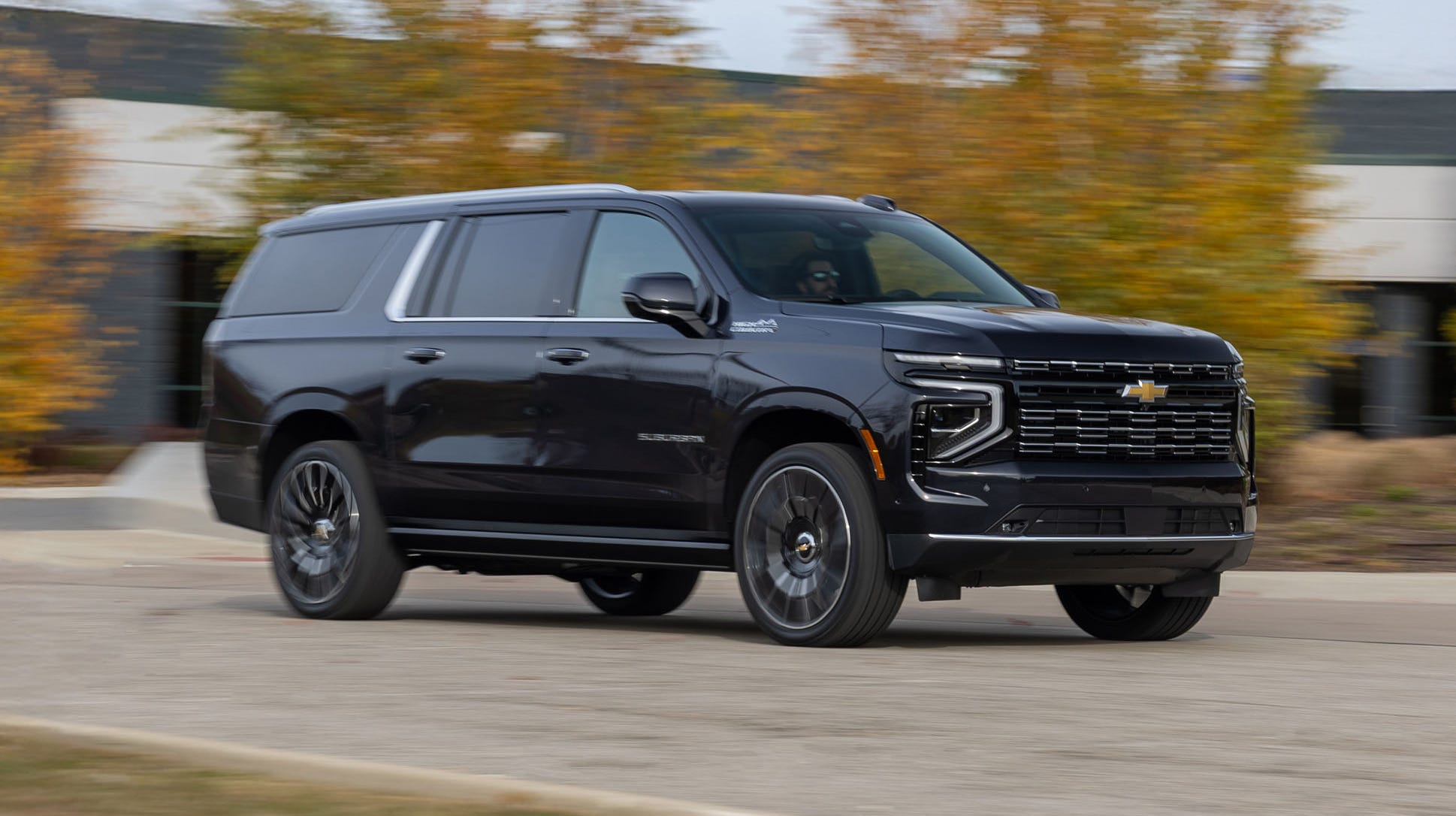
6. 2026 Chevrolet Suburban RST 6.2L V8 4WD
Few vehicles communicate summer road trip confidence quite the way a full-size American SUV does, and the 2026 Chevrolet Suburban RST with the 6.2-liter V8 provides the combination of cabin space, cooling capacity, and road trip durability that families who travel in groups of six or more specifically require during summer months. Suburban’s history of hot climate operation across the American Southwest and South has accumulated engineering experience that is reflected in specific calibration decisions visible in the 2026 model’s climate system design.
High-capacity air conditioning with three-zone independent control is sized for the Suburban’s substantial interior volume rather than simply meeting minimum specification requirements for the vehicle class, which produces cooling output that maintains comfortable temperatures across all three rows simultaneously, even when outside temperatures exceed 105 degrees Fahrenheit and the vehicle is emerging from a hot parking situation.
Undersized air conditioning systems that cool the front of a full-size SUV while leaving the rear rows uncomfortable are a common ownership complaint, and the Suburban’s system capacity addresses this specifically through component sizing that reflects the vehicle’s actual interior volume. 6.2-liter V8 engine with Dynamic Fuel Management produces adequate thermal headroom during sustained high-ambient-temperature operation with full air conditioning load that smaller turbocharged engines sometimes lack.
Air conditioning compressor load at maximum demand during extreme summer conditions reduces available power and increases engine heat generation simultaneously, creating a thermal management challenge that larger displacement engines handle with greater reserve than smaller displacement turbocharged alternatives operating near their thermal limits.
Available refrigerant-cooled driver and front passenger seats supplement cabin cooling during the critical first period after entering a hot vehicle, when seat surface temperature has risen from solar exposure to levels that fan-based ventilation cannot reduce quickly enough to prevent initial discomfort.
Refrigerant cooling delivers a genuinely cool surface immediately rather than gradually reducing seat temperature through airflow, which makes the first minutes after entering the vehicle substantially more comfortable than fan-only ventilated alternatives provide.
Wireless charging with active cooling built into the charging pad prevents the phone from overheating, as high ambient temperatures combined with wireless charging heat generation produced during summer driving which is a small but practically relevant detail for occupants who use navigation and streaming during summer trips, where the phone must remain functional throughout extended travel periods.
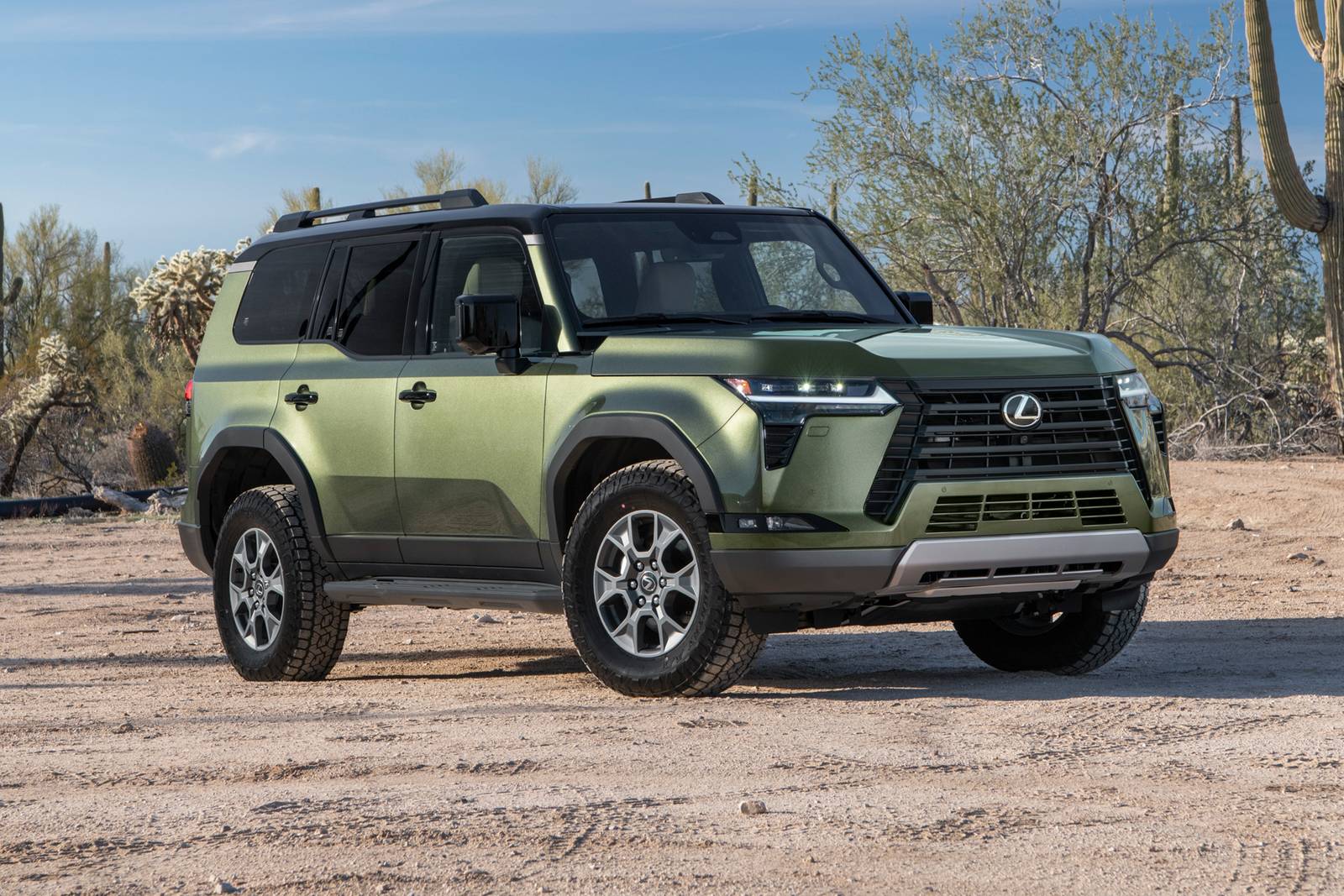
7. 2026 Lexus GX 550 Overtrail+ 3.4L Twin-Turbo
Lexus’s redesigned GX 550 platform has established the vehicle’s credentials as a genuinely capable off-road SUV wrapped in Lexus’s premium interior and technology specification, and the Overtrail+ configuration specifically combines trail-ready suspension and chassis hardware with Lexus’s most comprehensive cabin comfort features. For summer driving across both urban environments and outdoor recreation destinations, this combination serves buyers who want a single vehicle for both contexts without accepting comfort compromises for off-road capability.
Twin-turbocharged 3.4-liter V6 producing 349 horsepower includes Lexus’s specific thermal management calibration for sustained high-temperature operation, which addresses the turbocharger heat management concern that some hot climate buyers have about turbocharged powertrains by incorporating intercooler sizing and cooling circuit capacity that maintains consistent performance regardless of ambient temperature.
Lexus’s engineering conservatism in powertrain thermal management, inherited from parent company Toyota’s approach, produces turbo system behavior that owners in Phoenix and Las Vegas describe as completely consistent with the cooler-climate performance that reviews document in temperate environments.
Lexus Climate Concierge system in the GX 550 Overtrail+ integrates seat heating and cooling, steering wheel heating, and cabin air management into a single system that adjusts all elements simultaneously toward the driver’s comfort target rather than requiring separate adjustment of each feature independently.
During summer operation, the system reduces seat fan speed automatically as cabin temperature reaches comfort range rather than continuing maximum fan operation that becomes unnecessary and audible once the initial cool-down period is complete.
Mark Levinson 17-speaker audio system provides the audio experience that long summer drives benefit from, with audio quality that remains engaging during extended periods of operation rather than producing the listening fatigue that average audio systems generate during sustained use at moderate volume levels.
Summer road trips that involve five or six hours of driving benefit from audio systems that make music listening genuinely pleasant rather than simply audible, which is a comfort consideration that climate features address directly but that audio quality affects across the full trip duration.
Available rear seat entertainment with wireless headphone connectivity allows rear passengers to select individual audio content independent of the front audio system during extended summer trips, which reduces the compromise between driver audio preference and rear passenger entertainment that shared audio systems create during long family travel periods.
Also Read: 9 Off-Road SUVs Still Serving in National Park Fleets
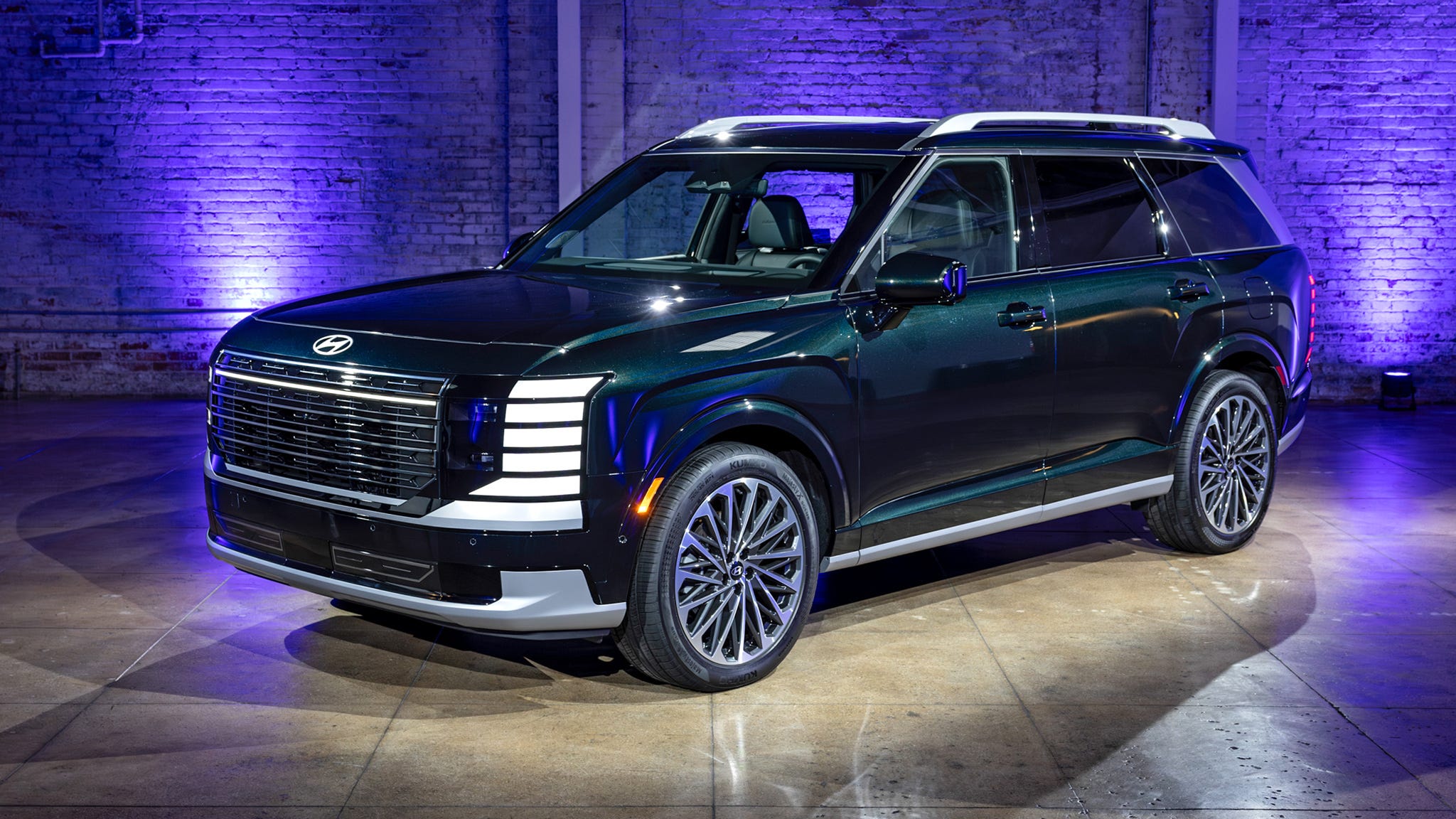
8. 2026 Hyundai Palisade Calligraphy AWD
Step into the 2026 Hyundai Palisade Calligraphy AWD and one thing becomes clear immediately: this SUV was engineered with passenger comfort as a primary objective, especially during harsh summer conditions. Heat management inside the cabin receives serious attention through a multi-layered approach that blends advanced materials, intelligent airflow distribution, and user-friendly climate controls.
Rather than relying solely on traditional air conditioning, the Palisade incorporates a highly responsive tri-zone climate system that reacts quickly to temperature changes. Front occupants benefit from ventilated seats that circulate air through perforated leather surfaces, while second-row passengers enjoy independent controls that ensure no one is left dealing with uneven cooling. Rear vents are positioned thoughtfully to provide direct airflow instead of indirect circulation, which often feels weaker in larger vehicles.
A strong advantage comes from the vehicle’s solar control glass. This specialized glazing reduces heat absorption from direct sunlight, helping maintain a cooler interior even before the climate system is activated. Drivers returning to a parked Palisade after hours under the sun will notice that cabin temperatures feel less extreme compared to many competitors.
Beyond cooling features, material quality plays a major role. Light-colored interior options reflect heat rather than absorb it, while soft-touch surfaces resist becoming excessively hot to the touch. Even the steering wheel benefits from design considerations that limit heat retention, making it more comfortable during initial contact.
Engine performance in hot weather remains steady thanks to a well-calibrated cooling system. The 3.8-liter V6 operates smoothly without overheating concerns, supported by efficient radiator design and airflow management. Long drives in high temperatures do not introduce strain, which contributes to consistent reliability.
Convenience technology enhances the experience further. Remote start allows drivers to cool the cabin before entry, while digital climate presets enable quick adjustments based on personal preference. These features may seem small individually, yet they combine to create a noticeably improved driving environment during the summer months.
Ownership appeal extends beyond comfort. Maintenance requirements remain reasonable, and Hyundai’s warranty coverage provides additional reassurance for those planning extended use. Drivers seeking a refined SUV that performs well under intense heat conditions will find the Palisade Calligraphy delivers a well-rounded experience without unnecessary complication.
