
A quiet countdown has been ticking for car enthusiasts who follow import laws closely. Vehicles built in 1995 are stepping into a new phase of accessibility, reaching the milestone that allows them to be legally imported into the United States under the 25-year exemption rule.
That moment opens the door to machines that were once distant dreams, locked behind regulations and geography. Interest in these cars goes beyond simple nostalgia. Engineering approaches from that era often favored mechanical connections and driver engagement over digital intervention.
Many of these models carry reputations built through motorsport, street culture, or regional exclusivity, which adds another layer of appeal. Collectors, hobbyists, and first-time import buyers now have the chance to own vehicles that shaped automotive identity in the mid-1990s.
Demand tends to rise quickly when eligibility arrives. Prices react, availability tightens, and the search for clean examples becomes more competitive. Buyers who understand what makes each model special are better positioned to make informed decisions before values climb further.
Presented here are ten cars from 1995 that are reaching import eligibility in 2026. Each one brings a distinct character, from high-performance legends to understated machines that earned respect through durability and design. This first section highlights five models that continue to attract attention as they approach this important milestone.
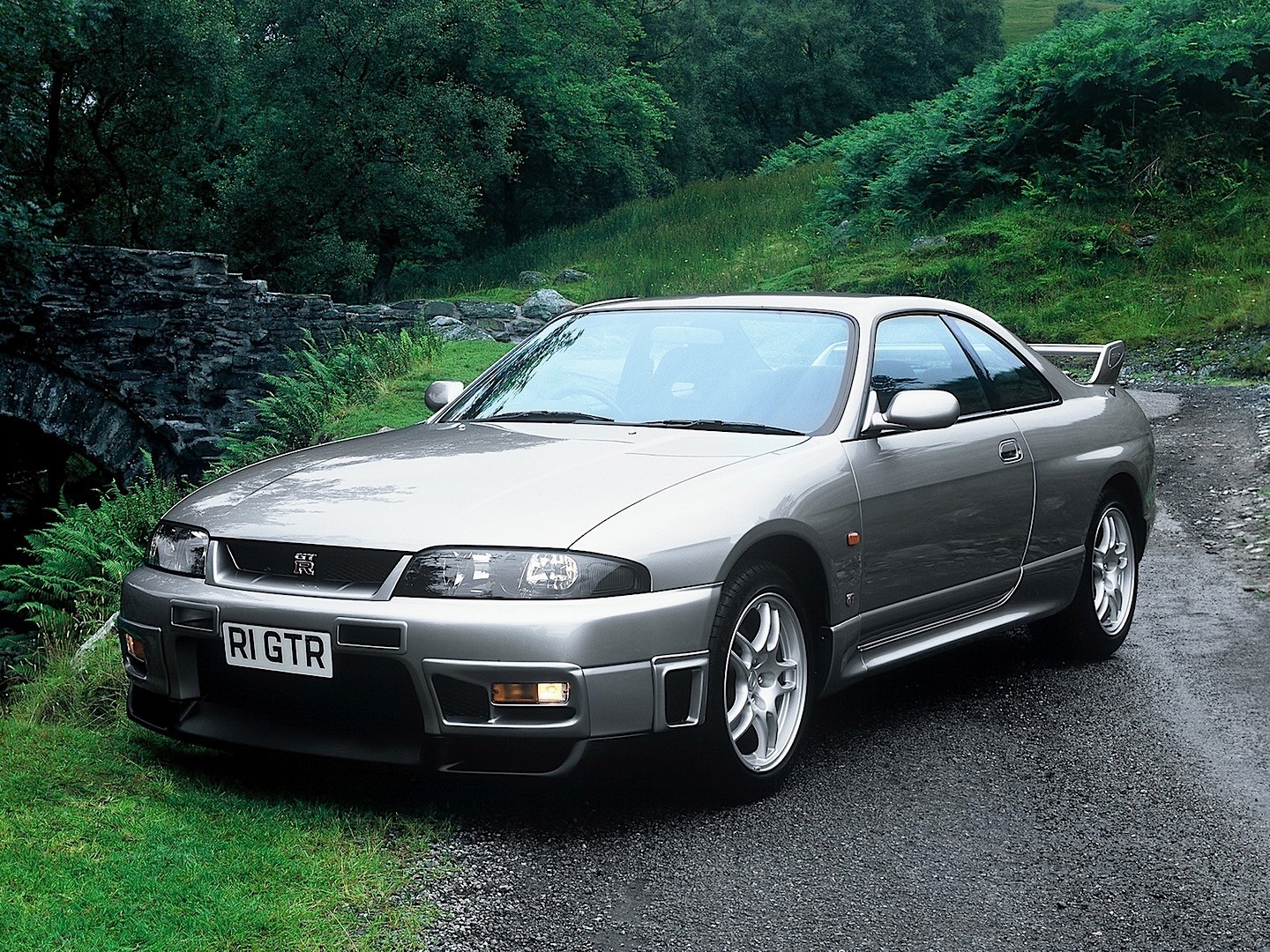
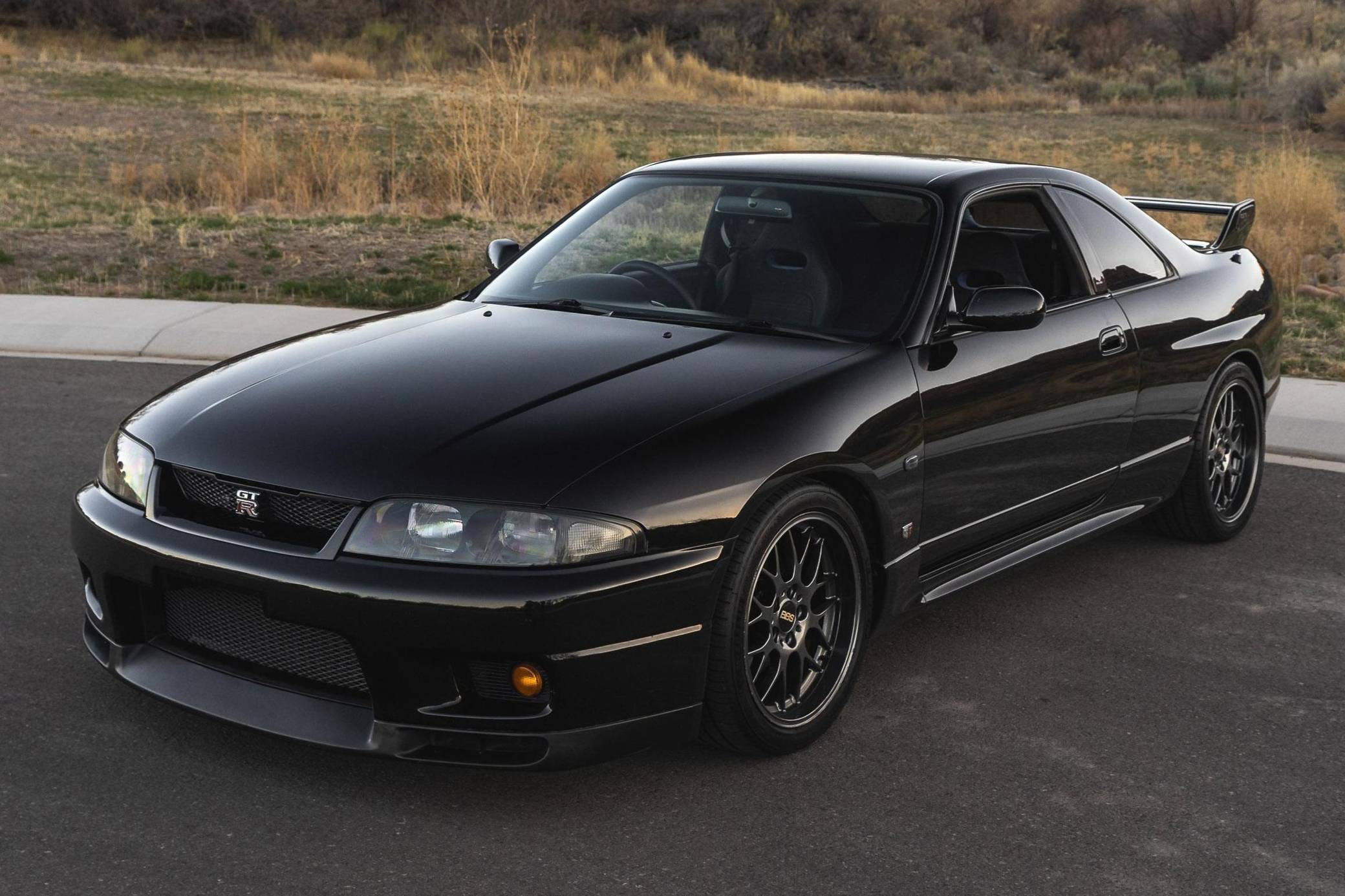
1. 1995 Nissan Skyline GT-R R33
Performance heritage gives the 1995 Nissan Skyline GT-R R33 a strong presence among enthusiasts awaiting import eligibility. Built as a continuation of an already respected lineage, this model refined what made earlier versions successful while introducing improvements that enhanced both stability and usability. It carries an identity shaped by motorsport success and engineering precision.
Power delivery begins with the RB26DETT inline-six engine, a twin-turbocharged unit known for its durability and tuning potential. This engine gained recognition for handling increased output without compromising reliability when properly maintained. Coupled with an advanced all-wheel-drive system, the R33 offers traction and control that allow drivers to use its performance confidently.
Handling characteristics reflect thoughtful development. Engineers focused on improving chassis rigidity and suspension geometry, resulting in better balance during high-speed driving. The car feels composed, whether driving through tight corners or maintaining stability on long stretches of road. This composure contributed to its reputation as a serious performance machine.
Interior design follows a functional approach. Controls are placed with the driver in mind, prioritizing ease of use rather than visual excess. Materials reflect the standards of the time, offering durability that supports long-term ownership. While it may not match modern luxury expectations, it remains practical and focused.
Cultural influence plays a large role in its appeal. The Skyline GT-R name carries weight within automotive circles, supported by years of competition success and enthusiast recognition. This reputation continues to drive demand, especially as more buyers gain access through import eligibility.
Market behavior often reflects anticipation. Prices tend to rise as eligibility approaches, particularly for well-preserved examples. Buyers who act early may find better opportunities before demand intensifies further. Ownership requires attention to detail.
Proper servicing and sourcing of parts are essential, especially for a vehicle that was never officially sold in certain markets. Enthusiasts willing to invest time and care often find the experience rewarding. Few cars combine performance, heritage, and engineering depth in the same way.
The R33 stands as a reminder of an era where mechanical excellence defined a vehicle’s identity, making it a compelling option for those entering the import market.
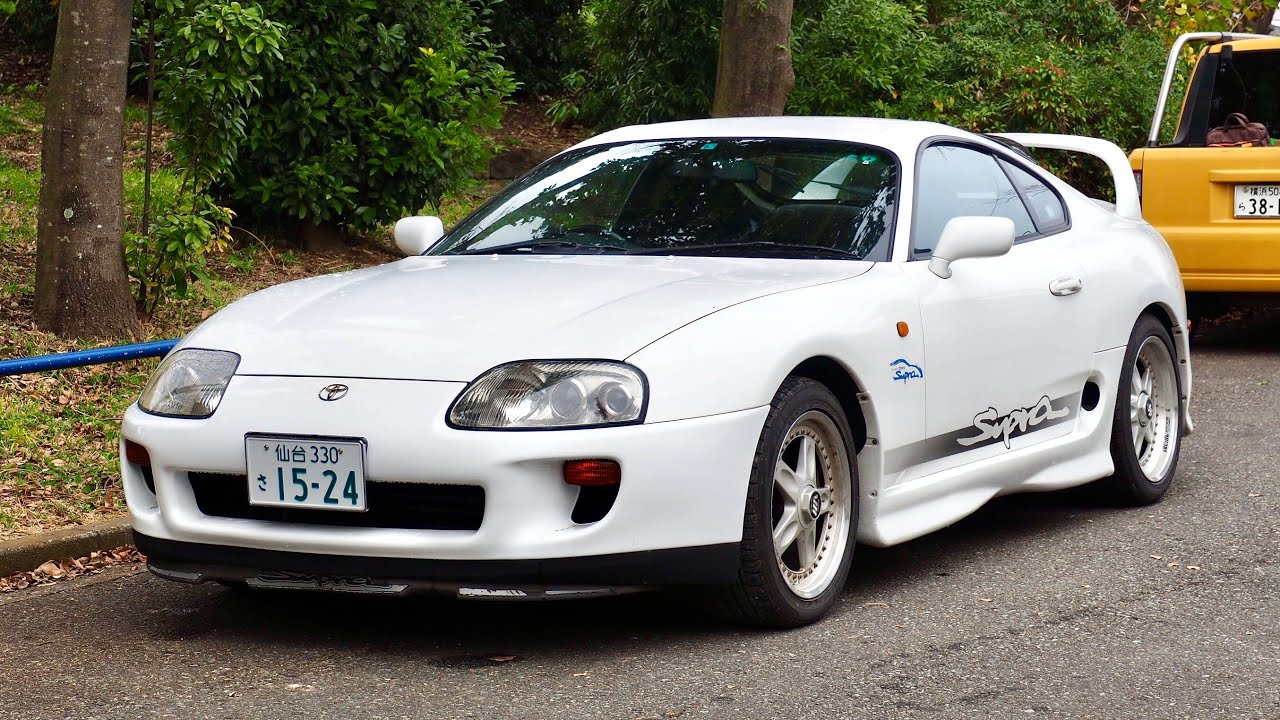
2. 1995 Toyota Supra RZ
Few names carry the same level of recognition as the 1995 Toyota Supra RZ. Its arrival into import eligibility marks an important moment for enthusiasts who have followed its reputation for years. Known for its strength and adaptability, this model continues to draw attention from collectors and performance-focused drivers alike.
Engine performance defines much of its appeal. The 2JZ-GTE inline-six engine delivers smooth and consistent power, supported by twin turbochargers that provide strong acceleration. This engine has earned a reputation for handling increased output without major internal modifications, which contributes to its lasting popularity.
Chassis design supports both performance and everyday usability. Balanced weight distribution and a well-tuned suspension system allow the Supra to maintain stability during spirited driving. Drivers often appreciate its ability to transition between comfortable cruising and aggressive performance without difficulty.
Exterior styling remains distinctive. Rounded lines and a purposeful stance give the car a presence that continues to feel relevant. Design choices reflect an era where aerodynamics and visual identity were carefully aligned, resulting in a shape that has aged with confidence.
Interior features focus on the driver. Controls are angled toward the seat, creating a cockpit-like environment that emphasizes engagement. Materials hold up well, supporting long-term use without excessive wear when properly maintained.
Demand continues to grow as import eligibility approaches. Enthusiasts who have waited years for legal access now have the opportunity to acquire one, which places upward pressure on pricing. Clean examples, especially those with original components, tend to attract strong interest.
Ownership considerations include sourcing parts and maintaining the engine’s condition. While reliability is a strength, proper care remains essential to preserve performance and value. Recognition extends beyond performance figures. Cultural presence in media and motorsport has reinforced its standing, making it one of the most sought-after vehicles from its era.
Access to the Supra RZ represents more than a purchase. It offers entry into a legacy defined by engineering strength and enduring appeal, ensuring its place among the most desirable imports reaching eligibility.
Also Read: 10 Forgotten 1990s SUVs That Built the Modern Market
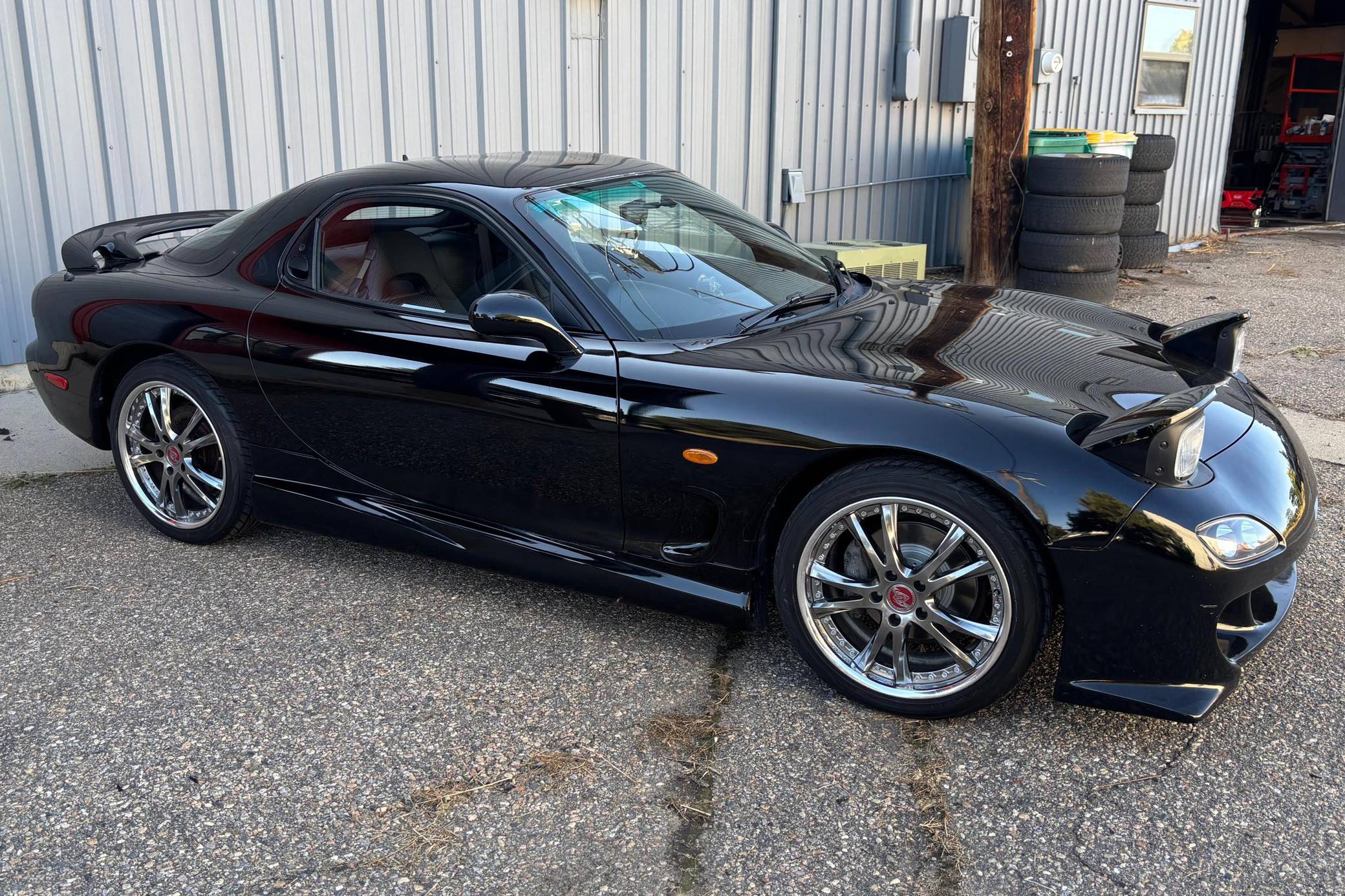
3. 1995 Mazda RX-7 FD3S
Distinct engineering defines the 1995 Mazda RX-7 FD3S, a vehicle that approaches performance from a different perspective. Its rotary engine sets it apart, delivering characteristics that create a unique driving experience. As import eligibility arrives, interest continues to grow among those seeking something beyond conventional designs.
Power comes from a twin-rotor rotary engine supported by sequential turbocharging. This setup provides a smooth and responsive delivery that differs from traditional piston engines. Drivers often describe the experience as fluid, with a willingness to rev that enhances engagement.
Weight distribution contributes to its handling. Lightweight construction and careful balance allow the RX-7 to respond quickly to driver input. Steering feels precise, and the car maintains composure during cornering, making it well-suited for enthusiasts who value control.
Exterior design reflects a focus on aerodynamics and simplicity. Clean lines and a low profile give the car a timeless appearance that continues to attract attention. Its shape remains recognizable, reinforcing its identity within the sports car segment.
Interior layout prioritizes function. Controls are straightforward, supporting an environment that keeps attention on driving. While materials reflect its era, durability remains consistent when properly maintained. Ownership requires an understanding of rotary engine care.
Regular servicing and proper operation are essential to ensure reliability. Enthusiasts familiar with these requirements often find the experience rewarding, while those new to rotary systems may need to invest time in learning proper practices.
Market demand reflects both admiration and caution. While many appreciate its performance and design, maintenance considerations influence buying decisions. Well-maintained examples tend to command higher prices due to their condition and history.
Cultural influence continues to support its reputation. Appearances in motorsport and media have reinforced its standing, making it a recognizable figure within enthusiast circles. Choosing the RX-7 involves embracing a different approach to performance.
Its engineering, design, and driving characteristics combine to create a vehicle that stands apart, offering a distinctive experience as it reaches import eligibility.
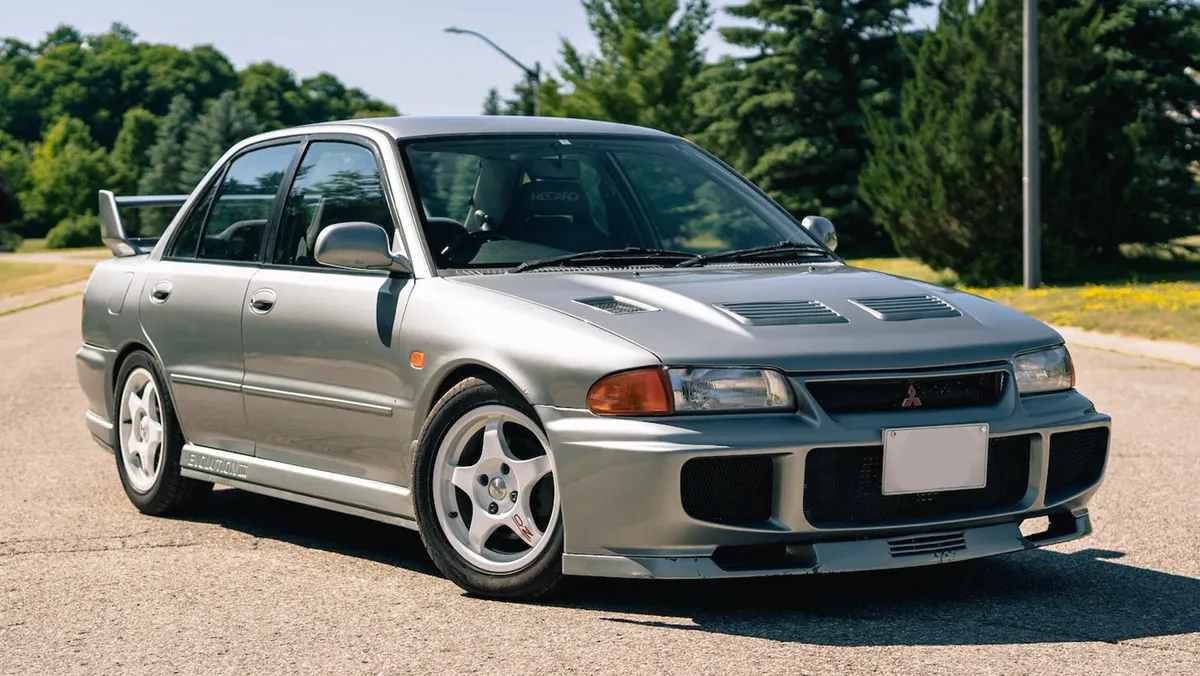
4. 1995 Mitsubishi Lancer Evolution III
Rally heritage shapes the identity of the 1995 Mitsubishi Lancer Evolution III, a car developed with performance in mind from the outset. Built to meet competition requirements, it carries features that reflect its motorsport origins, which has increased its appeal as it becomes eligible for import.
Turbocharged power provides the foundation for its performance. A compact yet capable engine delivers strong output, supported by an all-wheel-drive system that ensures traction across varying conditions. This combination allows the Evolution III to perform with confidence, particularly in demanding environments.
Chassis tuning reflects its purpose. Suspension components are designed to handle aggressive driving, providing stability and control. Drivers often appreciate its responsiveness, especially when going through tight corners or uneven surfaces.
Exterior design emphasizes function. Aggressive lines, vents, and aerodynamic elements contribute to performance while giving the car a purposeful appearance. These features are not purely decorative, as they support cooling and airflow management.
Interior features remain focused. Controls are simple, reflecting the car’s performance-oriented nature. While it may lack luxury elements, it offers an environment that prioritizes driving engagement. Demand continues to grow as enthusiasts recognize its place within rally history. Limited production numbers add to its appeal, creating a sense of exclusivity that influences market behavior.
Ownership considerations include sourcing parts and maintaining mechanical systems. While robust, proper care is essential to preserve performance and reliability. Enthusiasts often value originality, which can affect restoration choices.
Market trends show increasing interest, particularly for well-preserved examples. As eligibility opens access to new buyers, competition for available units is likely to intensify. Few vehicles capture the spirit of rally competition in such a direct manner. The Evolution III offers a connection to that heritage, making it a compelling choice for those seeking performance with historical importance.
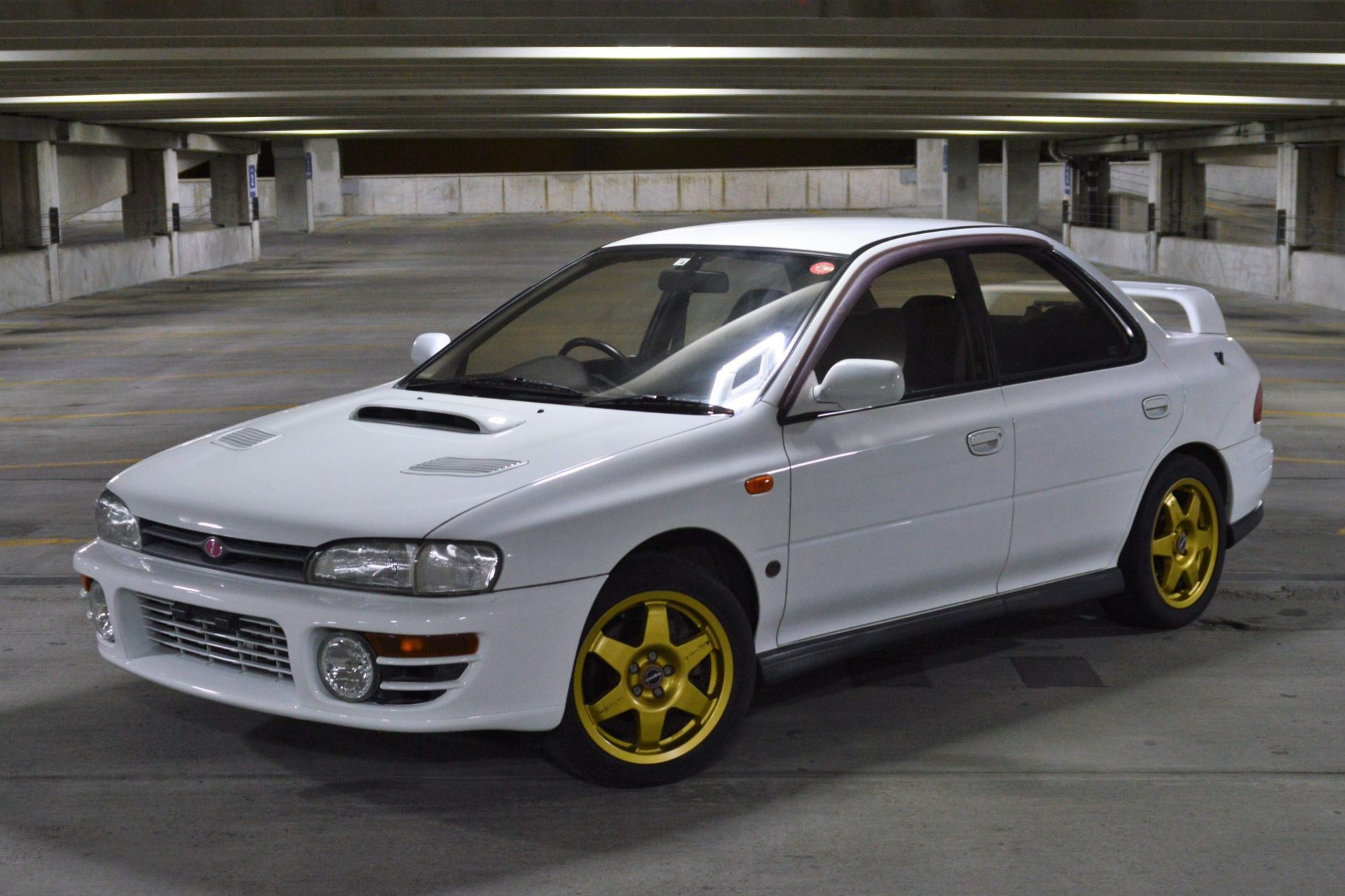
5. 1995 Subaru Impreza WRX STI Version II
All-wheel-drive performance meets everyday usability in the 1995 Subaru Impreza WRX STI Version II. This model represents an important stage in the development of Subaru’s performance lineup, combining practicality with capability in a way that continues to attract attention.
Turbocharged power defines its character. The engine delivers strong acceleration, supported by a drivetrain designed to maintain traction across various conditions. This setup allows drivers to experience performance without sacrificing control.
Handling characteristics reflect careful engineering. Suspension tuning provides a balance between comfort and responsiveness, making it suitable for both daily use and spirited driving. Drivers often appreciate its adaptability across different scenarios.
Exterior styling remains understated. Unlike some competitors, the WRX STI avoids excessive design elements, focusing instead on function. This subtle approach contributes to its lasting appeal, as it does not rely on trends. Interior design supports practicality.
Seating and controls are arranged for ease of use, creating an environment that remains functional as time goes on. Materials are durable, aligning with the vehicle’s intended purpose. Ownership experience benefits from reliability. Subaru’s engineering approach emphasizes durability, which helps maintain performance across extended use. Regular servicing ensures continued operation without major issues.
Market interest continues to grow as it becomes eligible for import. Enthusiasts value its combination of performance and practicality, which supports steady demand. Limited availability in certain markets adds to its appeal. Cultural presence reinforces its reputation. Success in rally competition has contributed to its identity, making it a recognizable figure among performance enthusiasts.
Selecting the WRX STI Version II provides access to a vehicle that balances capability with usability. Its blend of performance, reliability, and heritage ensures continued interest as it becomes available for import.
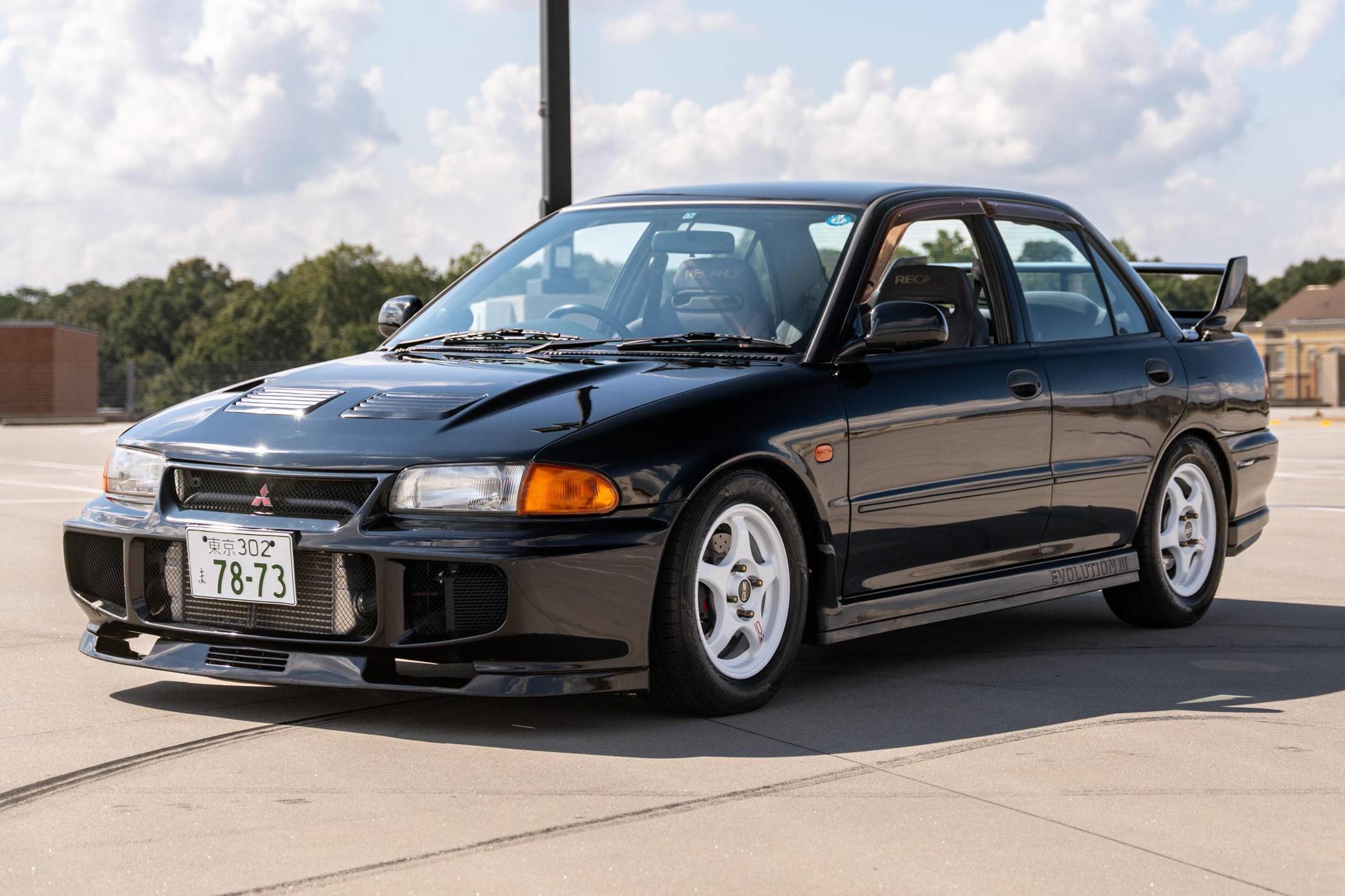
6. 1995 Mitsubishi Lancer Evolution III
Raw performance defines the 1995 Mitsubishi Lancer Evolution III, a machine built with competition in mind and now entering import eligibility with growing anticipation. This model represents a stage in Mitsubishi’s rally development where engineering focused on delivering immediate response, high grip, and dependable durability under pressure.
Enthusiasts have waited patiently for legal access, and demand continues to build as awareness spreads. Unlike later Evolutions that introduced added refinement, the Evolution III retains a focused driving character that appeals to purists.
A turbocharged inline-four engine delivers strong output for its size, paired with a lightweight chassis that keeps the car agile. Acceleration feels direct, and throttle response remains sharp, creating a connection between driver input and vehicle behavior that modern cars often soften.
Mechanical simplicity plays a role in its rising appeal. Fewer electronic systems mean fewer potential points of failure, which reassures buyers considering long-term ownership. Repairs and upgrades remain straightforward, especially for those familiar with performance tuning. This accessibility strengthens its position among enthusiasts who prefer hands-on involvement.
Styling reflects function. Aggressive lines, purposeful vents, and a prominent rear wing communicate its rally heritage without unnecessary ornamentation. The design remains distinctive, allowing it to stand out even decades after production. Visual identity contributes to collectability, especially for buyers seeking something beyond common imports.
Interior design focuses on usability. Supportive seats, clear instrumentation, and minimal distractions reinforce its driver-oriented nature. While it lacks modern convenience features, that absence does not reduce its appeal within its target audience. Instead, it enhances the sense of authenticity that defines the experience.
Market behavior indicates steady appreciation. Limited production numbers and restricted availability outside Japan contribute to rising interest. As more units become eligible for import, competition among buyers is expected to increase, supporting price growth.
Driving the Evolution III delivers a sense of involvement that few modern vehicles replicate. Steering feedback, turbocharged power delivery, and balanced handling create an engaging experience that rewards skill and attention. This connection forms the foundation of its growing reputation.
Collectors view it as a milestone within the Evolution lineup. Early models such as this represent the foundation upon which later generations were built, adding historical importance to its performance credentials. With import eligibility arriving, the Evolution III stands ready to enter a broader market where appreciation for its character continues to rise.
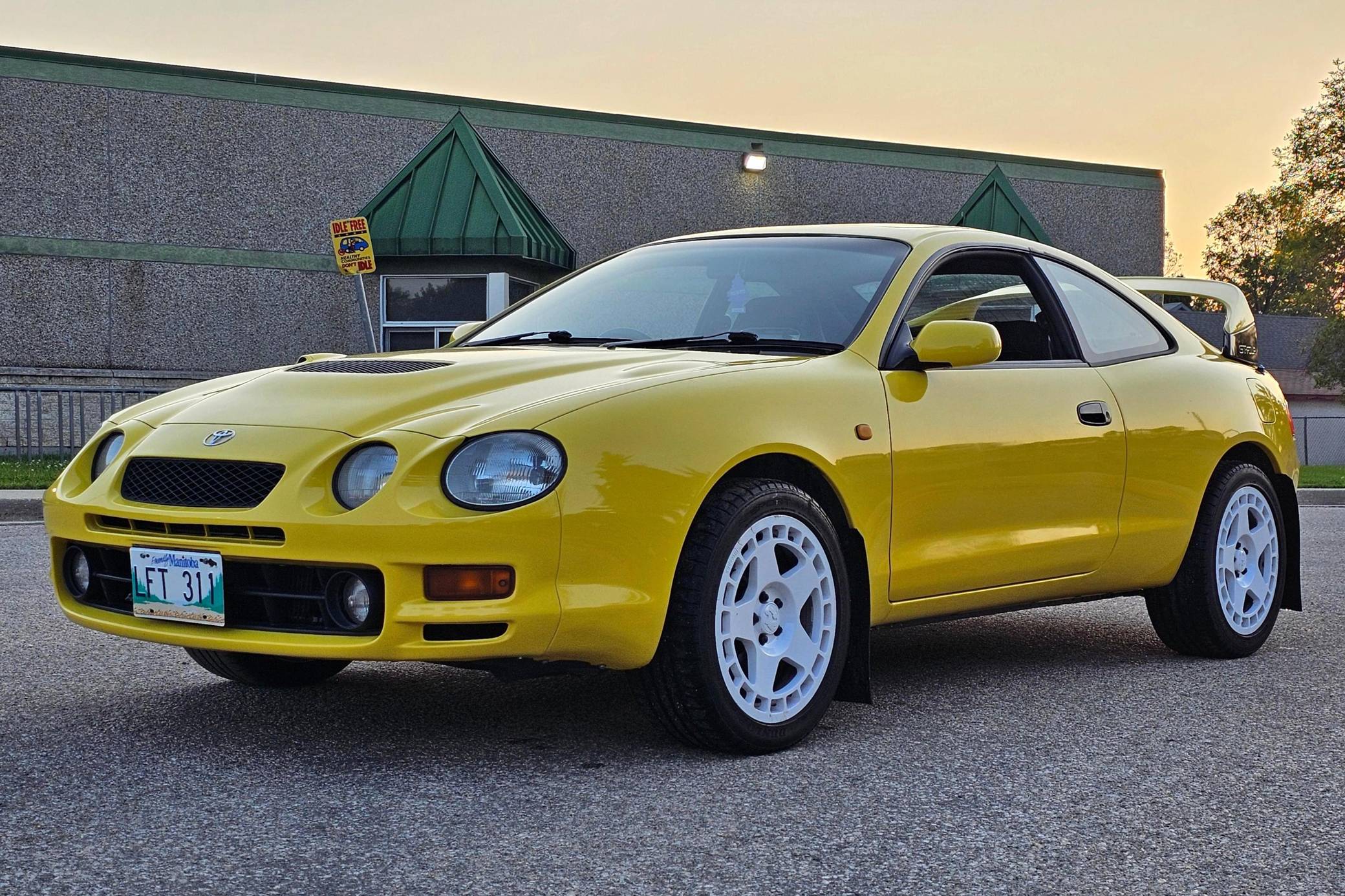
7. 1995 Toyota Celica GT-Four ST205
Precision engineering defines the 1995 Toyota Celica GT-Four ST205, a model shaped by rally competition and now gaining renewed attention as it becomes import eligible. Built to meet homologation requirements, this car blends advanced technology with a durable structure, creating a package that remains impressive years after its debut.
Power delivery stands at the center of its appeal. A turbocharged engine paired with an advanced all-wheel-drive system provides strong acceleration and dependable traction. Drivers experience confident performance across varying conditions, which enhances its usability beyond traditional sports car limits.
Chassis design supports this capability. Reinforced components and carefully tuned suspension systems allow the car to maintain stability during high-speed driving and tight cornering. Handling remains composed, giving drivers the confidence to push the car without hesitation.
A distinct identity sets the ST205 apart from standard Celica models. Functional design elements such as hood vents and aerodynamic enhancements contribute to both appearance and performance. These features reflect its motorsport origins, reinforcing its authenticity.
Interior features focus on practicality. Controls are positioned for ease of use, and seating supports spirited driving. While it does not offer modern luxury, it delivers a purposeful environment aligned with its performance goals. Durability enhances long-term value.
Toyota’s reputation for reliability extends to this model, reducing concerns about ownership. Buyers entering the market view it as a dependable choice within the performance segment. Rarity contributes to its growing demand. Limited availability outside its original market increases its desirability among collectors.
As import eligibility expands access, competition for well-maintained examples is expected to intensify. Driving experience highlights its strengths. Balanced handling, responsive power delivery, and consistent traction create a rewarding connection between driver and machine. This engagement supports its reputation as a serious performance vehicle.
Interest continues to rise as enthusiasts recognize its place in automotive history. The ST205 represents a period where rally technology influenced road cars in meaningful ways, adding depth to its appeal. With eligibility opening new opportunities, the Celica GT-Four ST205 is positioned to gain further recognition among collectors and drivers alike.
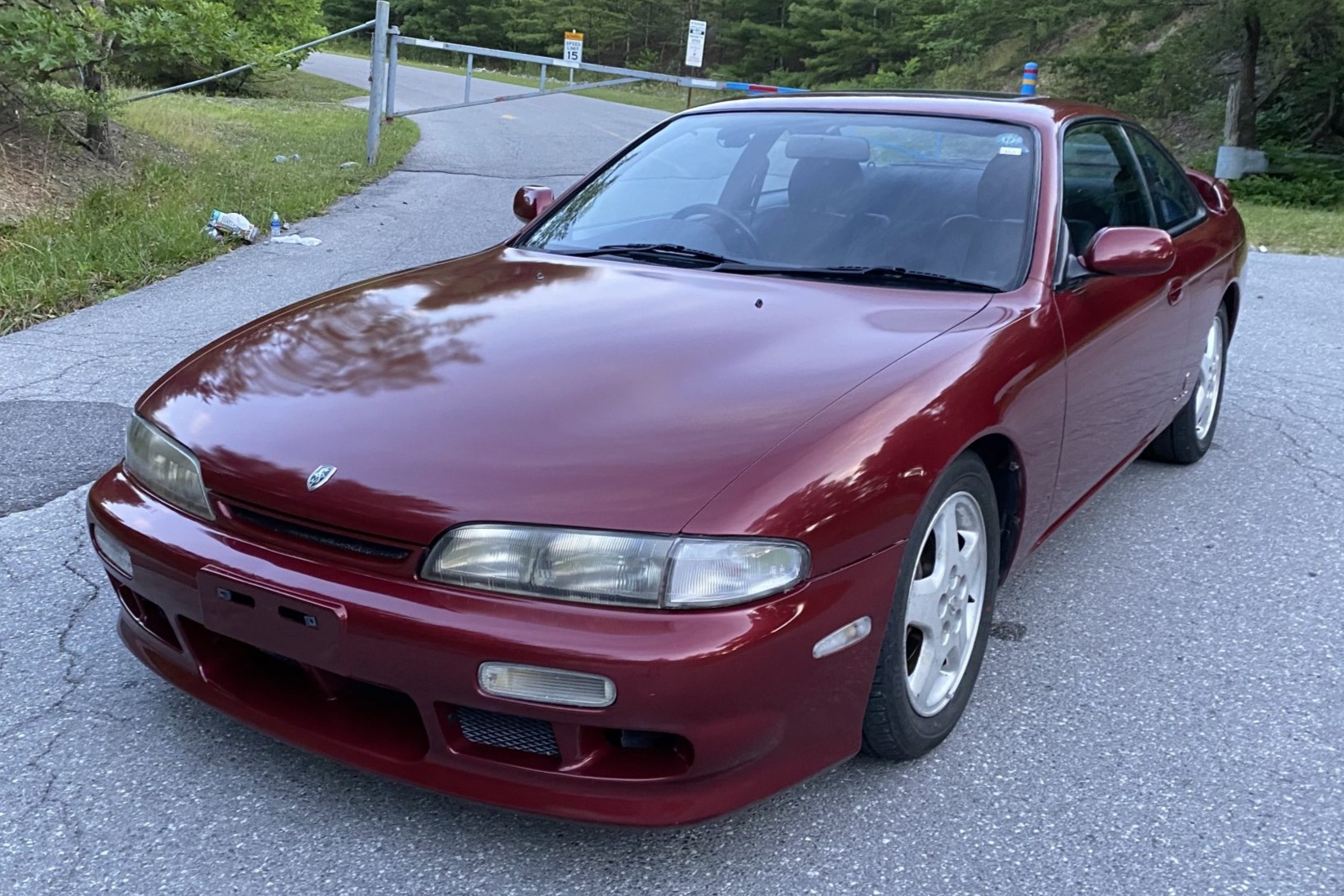
8. 1995 Nissan Silvia K’s (S14)
Clean styling meets performance potential in the 1995 Nissan Silvia K’s (S14), a model that has quietly built a strong following and now steps into wider accessibility through import eligibility. Known for its balance and adaptability, this coupe appeals to both collectors and drivers seeking a versatile platform.
Engine performance forms the foundation of its appeal. A turbocharged four-cylinder engine delivers responsive power, providing a solid base for both stock driving and modifications. Tuning potential plays a major role in its popularity, allowing owners to tailor performance to their preferences.
Rear-wheel drive layout enhances driving dynamics. Balanced weight distribution and precise steering create predictable handling, making the car suitable for various driving styles. Enthusiasts appreciate its ability to perform in both controlled track environments and everyday situations.
Design remains understated yet purposeful. Smooth lines and a low stance give the Silvia a timeless appearance that continues to attract attention. Its simplicity allows it to age gracefully, maintaining relevance among newer vehicles. Interior layout focuses on driver engagement.
Controls are intuitive, and seating provides adequate support for spirited driving. While lacking modern features, the cabin remains functional and comfortable. Community influence strengthens its market position. A large global following supports parts availability, technical knowledge, and aftermarket development. This network makes ownership more accessible and enjoyable.
Rarity in certain markets adds to its appeal. Limited official availability outside Japan increases interest among collectors seeking authentic examples. As import eligibility expands access, demand continues to grow. Driving experience highlights its adaptability. Whether used for daily commuting or performance driving, the Silvia delivers a balanced and engaging feel. This versatility contributes to its lasting popularity.
Collectors recognize its importance within Nissan’s lineup. It represents a period where performance coupes focused on driver involvement rather than excessive technology. With eligibility opening new doors, Silvia K’s stands ready to gain further recognition among a broader audience.
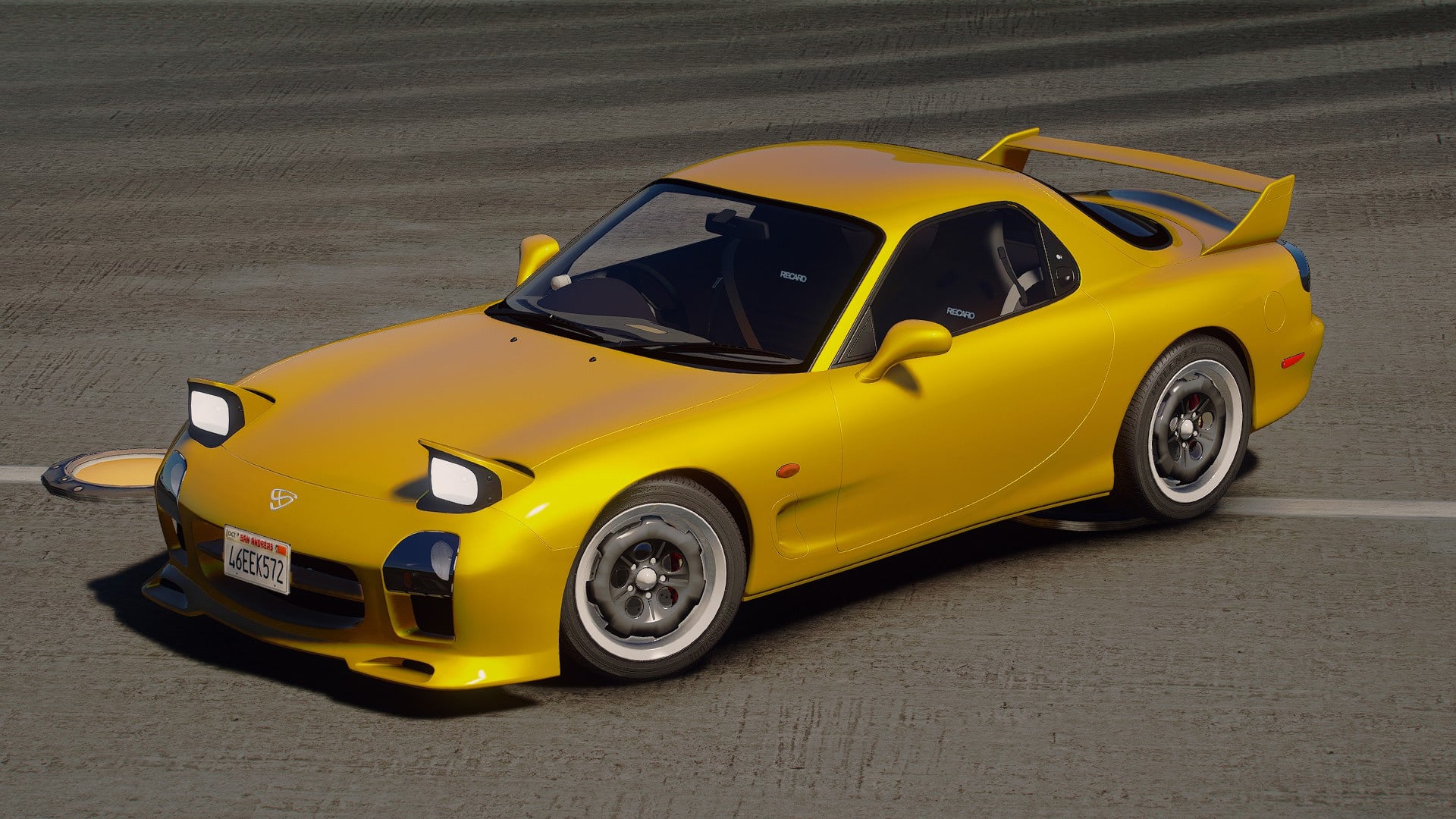
9. 1995 Mazda RX-7 Type R (FD3S)
Lightweight design and rotary power define the 1995 Mazda RX-7 Type R (FD3S), a car that has long held a special place among enthusiasts and now reaches a new stage of accessibility through import eligibility. Its unique engineering sets it apart, creating an experience that remains difficult to replicate.
Rotary engine technology forms its identity. Compact and capable of high output, this engine delivers smooth power and rapid acceleration. The distinct character of rotary performance attracts drivers seeking something different from traditional piston engines.
Weight distribution enhances handling. A balanced chassis allows the RX-7 to respond quickly to driver input, creating precise cornering ability. This agility contributes to its reputation as a driver-focused machine. Design captures attention with flowing lines and a low profile.
The FD generation remains widely admired for its appearance, maintaining a strong visual appeal even after decades. Its styling continues to influence modern sports car design. Interior layout prioritizes the driver. Controls are positioned for easy access, and seating supports performance driving. While simple by modern standards, the cabin remains effective and engaging.
Maintenance considerations influence ownership decisions. Rotary engines require proper care, yet enthusiasts often embrace this responsibility as part of the experience. Knowledgeable ownership supports long-term reliability. Limited availability strengthens demand.
As a model that was never widely distributed in certain markets, it carries an element of exclusivity. Import eligibility increases access while maintaining its rarity. Driving experience delivers a unique connection. Smooth power delivery, responsive handling, and lightweight construction combine to create a memorable experience.
Collectors view it as one of the defining sports cars of its era. Its combination of design, engineering, and performance ensures lasting interest. With eligibility expanding, the RX-7 Type R stands poised to reach a wider audience that appreciates its distinct character.
Also Read: 8 Car Transmissions That Ruined Otherwise Excellent Platforms
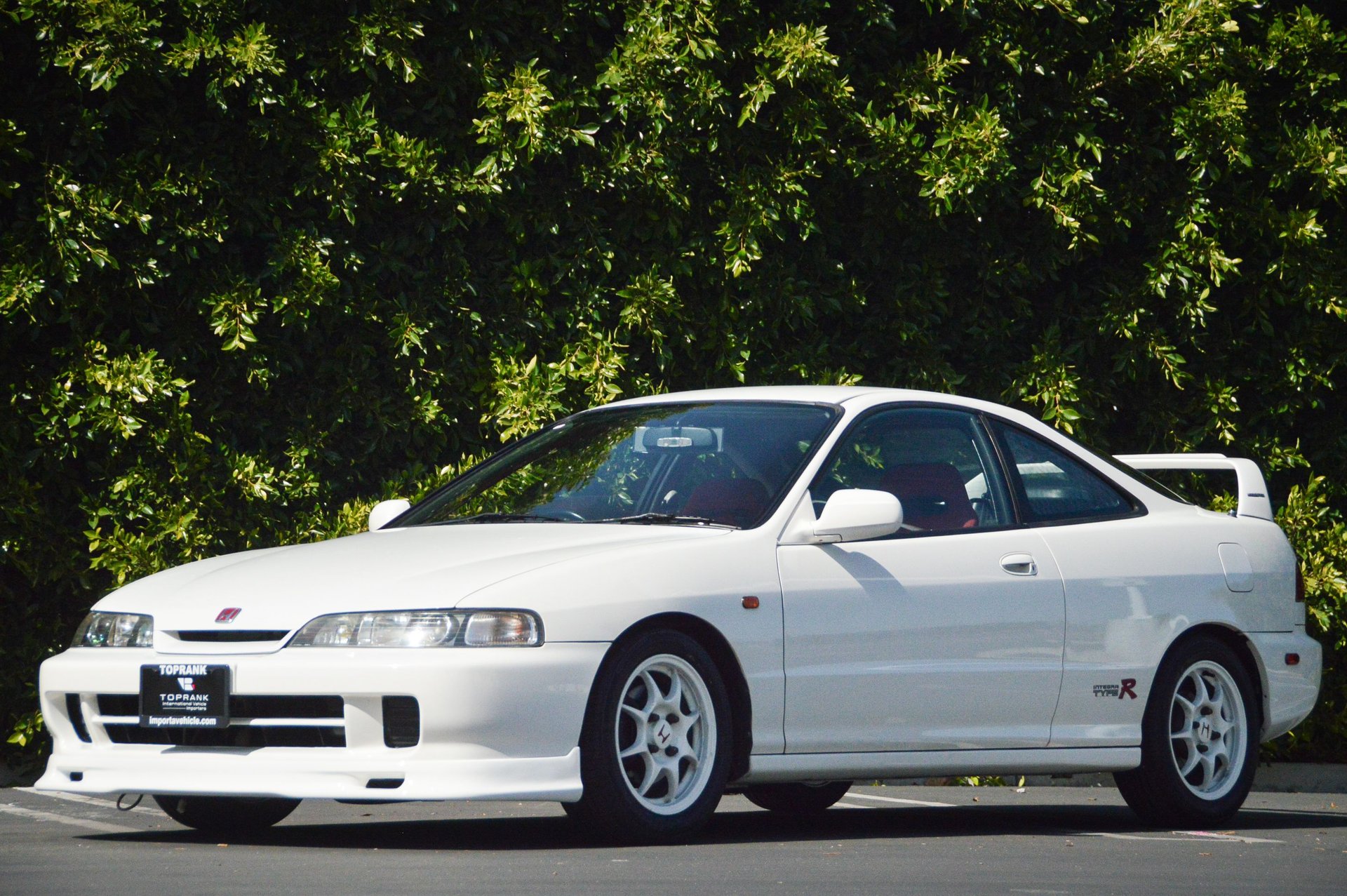
10. 1995 Honda Integra Type R (DC2)
Precision and discipline define the 1995 Honda Integra Type R (DC2), a model that has earned respect through engineering excellence and now enters import eligibility with strong momentum. Built with a focus on performance efficiency, it delivers a driving experience rooted in balance and control.
Engine performance centers on high-revving capability. A naturally aspirated four-cylinder engine produces power through careful tuning rather than forced induction. This approach creates a responsive and engaging character that rewards driver input.
Chassis tuning plays a vital role. Reinforced construction, reduced weight, and precise suspension geometry allow the car to maintain exceptional handling. Cornering ability remains one of its strongest attributes. Design reflects purpose. Clean lines and subtle enhancements emphasize performance without unnecessary excess. Its understated appearance adds to its appeal among those who value function over display.
Interior features align with its performance focus. Supportive seats, simple controls, and clear instrumentation create an environment centered on driving. This simplicity enhances usability. Reliability strengthens its position in the market. Honda’s engineering ensures durability, making it a dependable choice even years after production. Buyers often view it as a safe investment within the performance segment.
Rarity increases its desirability. Limited production numbers contribute to growing demand as import eligibility expands access. Well-preserved examples attract strong interest. Driving experience highlights its strengths. Sharp handling, responsive power delivery, and lightweight construction create a sense of precision that defines the Type R identity.
Collectors recognize its influence on modern performance vehicles. It set standards for balance and efficiency that continue to shape automotive design. As eligibility arrives, the Integra Type R stands ready to gain further recognition among enthusiasts seeking a pure driving experience.
