
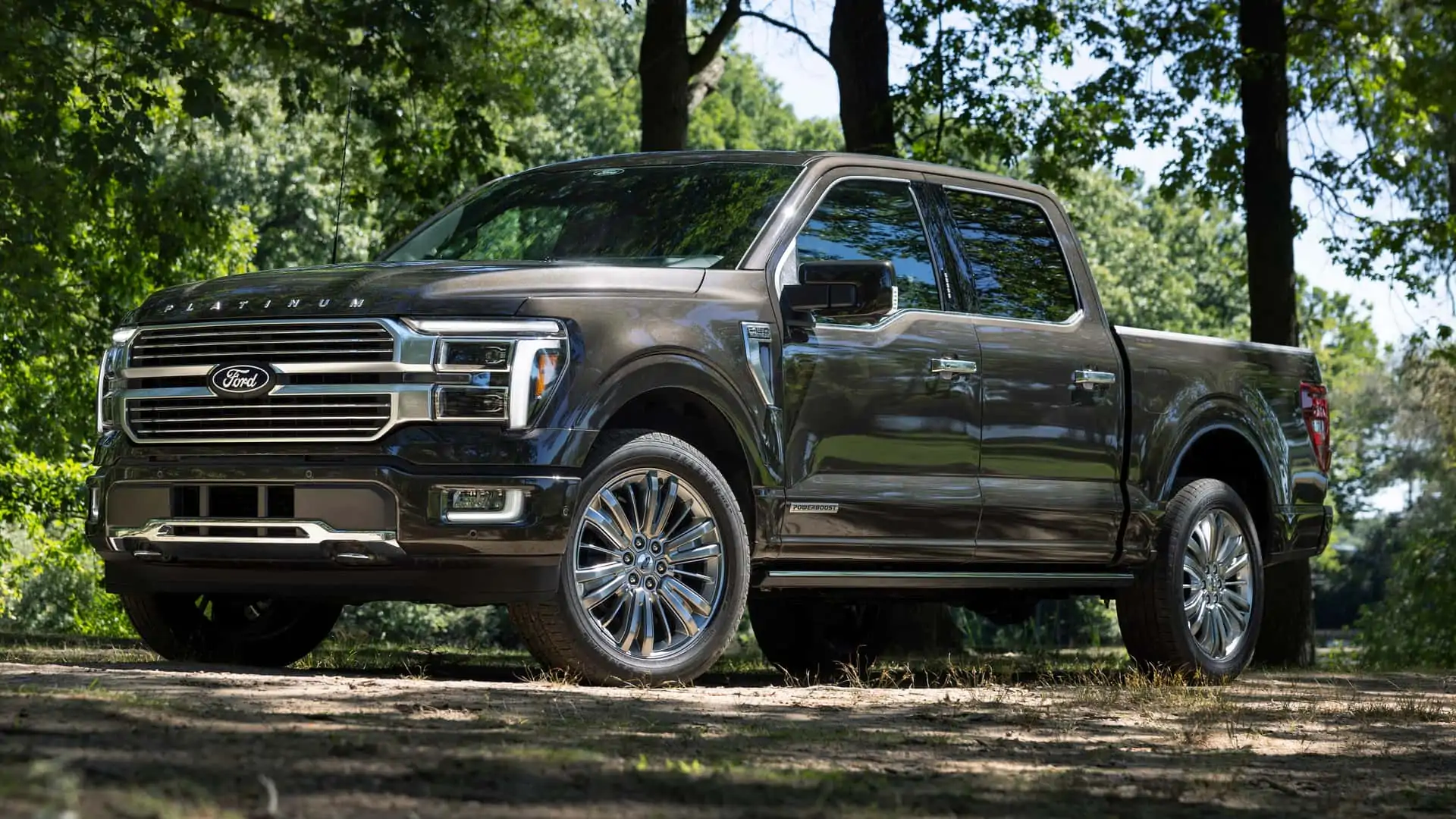
Long highway journeys often reveal aspects of a vehicle that short urban trips fail to expose. As distance increases and speed remains steady, small sounds begin to accumulate. Tyre contact with the road produces a steady hum, wind moves forcefully around mirrors and pillars, and mechanical vibration settles into the cabin.
As time goes on, these elements combine to create fatigue that affects concentration, comfort, and enjoyment. For drivers who regularly cover long stretches of expressway, interior quietness becomes less about indulgence and more about practicality. Modern comfort extends well beyond seat cushioning or digital displays.
It now depends on how effectively a truck shields its occupants from persistent background disturbance. Long-distance driving demands an interior that supports focus and relaxation, especially when journeys last several hours. Manufacturers understand that many pickup owners rely on their vehicles for work travel, family trips, and frequent interstate movement.
Engineering attention has shifted toward sound management as a core priority. Acoustic laminated glass, layered insulation, refined body structures, and electronically assisted noise control systems now form part of standard development targets.
At motorway speed, well-designed trucks reduce wind pressure, limit vibration transfer, and soften drivetrain sound in a manner that was uncommon not long ago. These improvements change how drivers experience distance, allowing travel to feel less demanding.
This page highlights trucks that perform strongly in this area. Each model demonstrates a deliberate effort to preserve interior calm during sustained highway use. Conversations remain comfortable without raised voices, audio systems deliver clarity without excess volume, and drivers arrive feeling less drained. While each truck applies different technical solutions, they share a clear focus on protecting occupants from unnecessary noise.
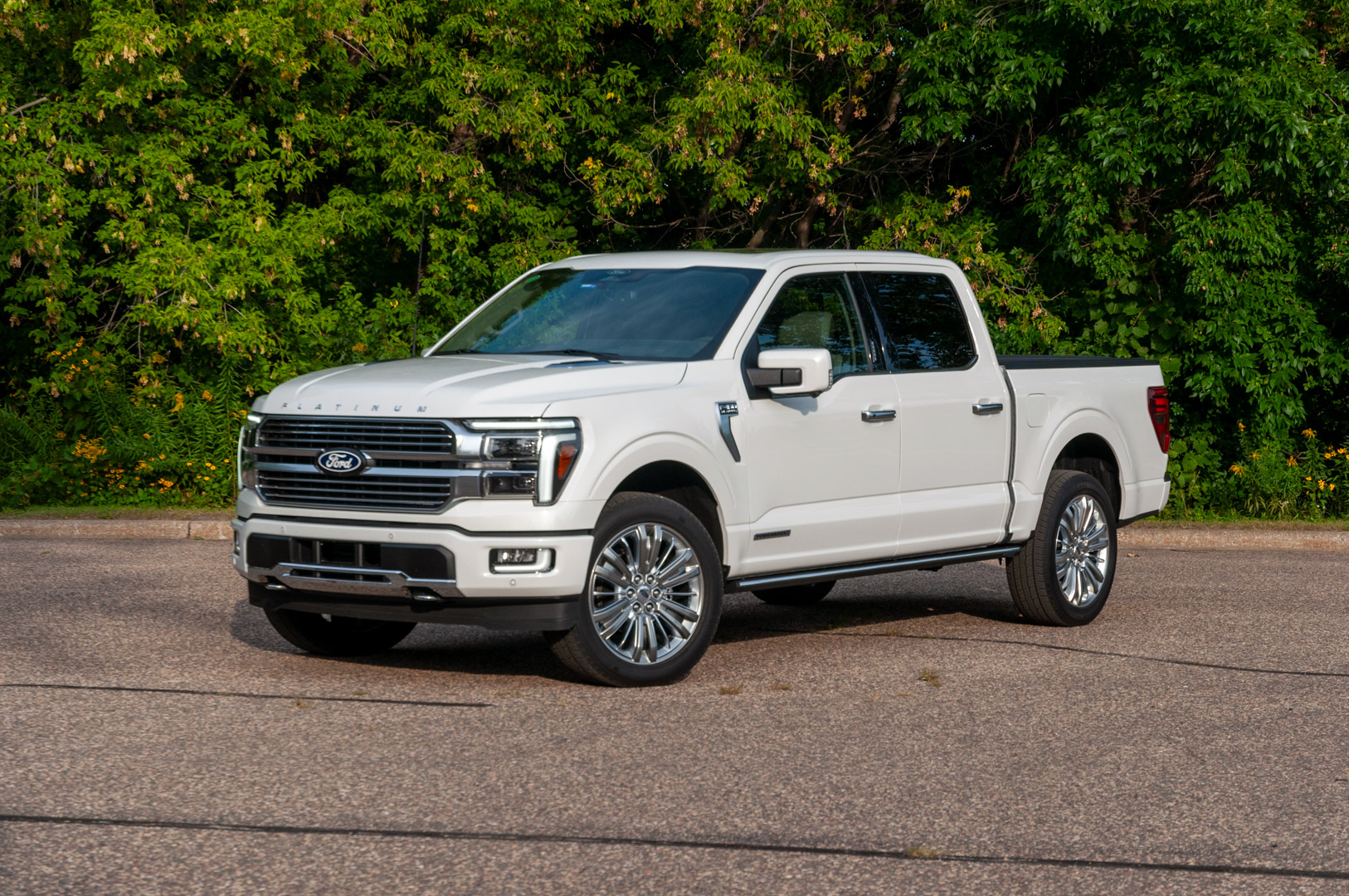
1. Ford F-150 Limited PowerBoost Full Hybrid
Quietness inside the Ford F-150 Limited PowerBoost Full Hybrid is the product of deliberate engineering rather than coincidence. Ford approached this model with the intention of redefining how a full-size pickup behaves during extended highway travel. When the vehicle settles into cruising speed, external disturbance reduces sharply, creating an atmosphere that feels controlled, calm, and carefully managed.
Drivers accustomed to earlier F Series trucks immediately sense a difference in how sound behaves inside the cabin. Central to this experience is the PowerBoost full hybrid system. The electric motor supports propulsion during steady driving, allowing the petrol engine to operate with minimal effort.
This assistance lowers engine load and keeps sound output restrained. When petrol power becomes necessary, the engine responds smoothly, producing a muted tone that avoids sharp vibration or intrusive frequencies. The exchange between electric drive and petrol assistance occurs without abrupt changes, preserving acoustic balance throughout long journeys.
Body design contributes directly to this refined behaviour. The Limited trim includes laminated acoustic glass on the windscreen and front side windows. These layers reduce airborne noise before it reaches the cabin. Door seals are thick, multi-layered, and precisely aligned, preventing air leakage around window frames.
Mirror housings and pillar shapes guide airflow along the body in a controlled manner, limiting the rushing sounds that often build at motorway speed. Road contact remains another source of noise that Ford addressed carefully. The suspension system adapts to surface conditions, smoothing irregularities before vibration travels upward.
Beneath the cabin floor, dense insulating materials absorb sound generated by tyre contact. Wheel and tyre selection prioritises reduced resonance on paved roads, limiting the hum that often accompanies large wheels during long-distance driving. Inside the cabin, materials and layout reinforce this quiet environment. Leather surfaces, padded panels, and soft trim elements absorb sound rather than reflecting it.
The cabin feels enclosed in a positive sense, shielding occupants from traffic noise without feeling restrictive. Audio quality improves at lower volume levels, and normal conversation remains easy even at high cruising speed. Climate controls operate smoothly, avoiding sudden airflow sounds that disrupt the calm atmosphere.
Extended highway travel highlights the value of these decisions. Reduced noise lowers mental strain and encourages steady driving. Fatigue builds more slowly, allowing drivers to maintain focus for longer periods. This model demonstrates how modern pickup engineering can deliver comfort usually associated with executive vehicles while retaining strength and capability.
The F 150 Limited PowerBoost Full Hybrid presents a composed, disciplined approach to sound control that suits drivers who value quiet confidence during long-distance travel.
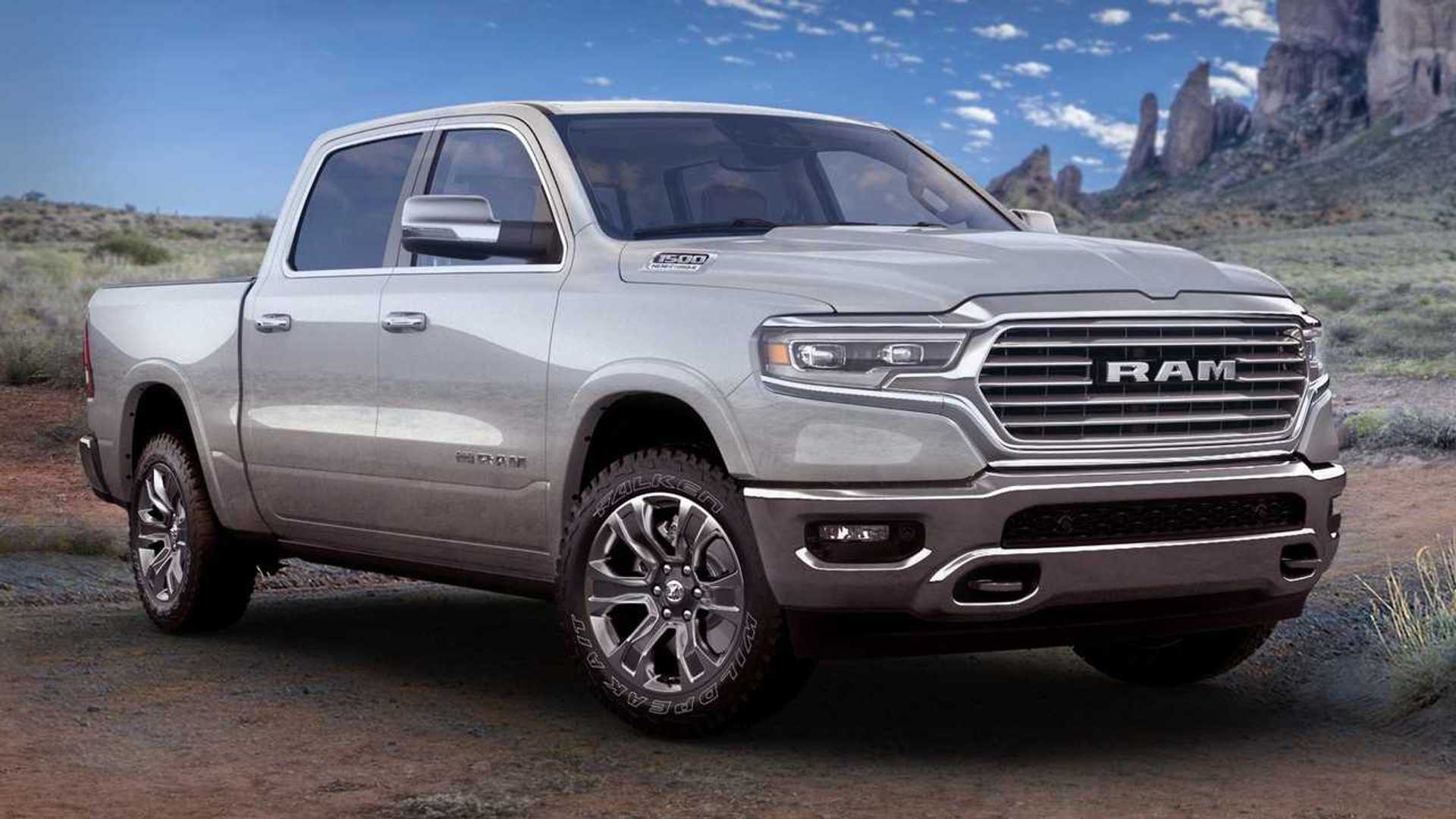
2. Ram 1500 Limited Longhorn EcoDiesel
The Ram 1500 Limited Longhorn EcoDiesel offers a highway experience defined by restraint and composure. From the moment cruising speed is achieved, the cabin isolates occupants from external disturbance with impressive consistency. Ram engineered this model to prioritise ride comfort and acoustic discipline, creating an interior environment that feels measured and deliberate rather than aggressive or mechanical.
The EcoDiesel engine plays a decisive role in maintaining this calm. While diesel power plants often produce sharp mechanical tones, this unit operates with controlled combustion and extensive insulation. At steady speed, engine sound recedes into the background, leaving only a low, steady presence that never intrudes. Gear selection remains conservative, keeping revolutions low and avoiding unnecessary mechanical effort that could raise cabin noise.
Suspension design contributes equally to this behaviour. The air suspension system absorbs surface imperfections before vibration reaches the passenger compartment. By smoothing road contact, it reduces the transfer of both physical movement and sound. Ride height remains consistent at speed, supporting stable airflow beneath the vehicle and reducing disturbance around the body structure.
Sound management extends throughout the vehicle’s construction. The floor, firewall, and rear cabin wall are lined with dense insulation. Doors close with a solid, weighty feel that reflects their ability to block external intrusion. Acoustic glass on the windscreen and front windows further limits wind disturbance, particularly during prolonged motorway driving. Panel alignment remains tight, preventing air noise from developing around seams and joints.
Interior materials reinforce this quiet setting. Soft leather surfaces, wood accents, and padded trim absorb sound energy rather than reflecting it back into the cabin. The layout avoids hard surfaces that amplify noise. Air vents deliver climate control gently, preventing sudden airflow sounds. Switchgear operates quietly, maintaining consistency with the rest of the cabin environment.
During long journeys, the Limited Longhorn encourages relaxed progress. Drivers experience less auditory fatigue, and passengers remain comfortable without constant adjustment of audio volume. Phone conversations sound clear, and music playback retains clarity even at modest levels.
This model demonstrates how careful engineering and disciplined design can transform a working vehicle into a refined long-distance companion without sacrificing strength or reliability.
Also Read: 9 Trucks With the Most Durable Factory Bed Liners Tested Over Decades
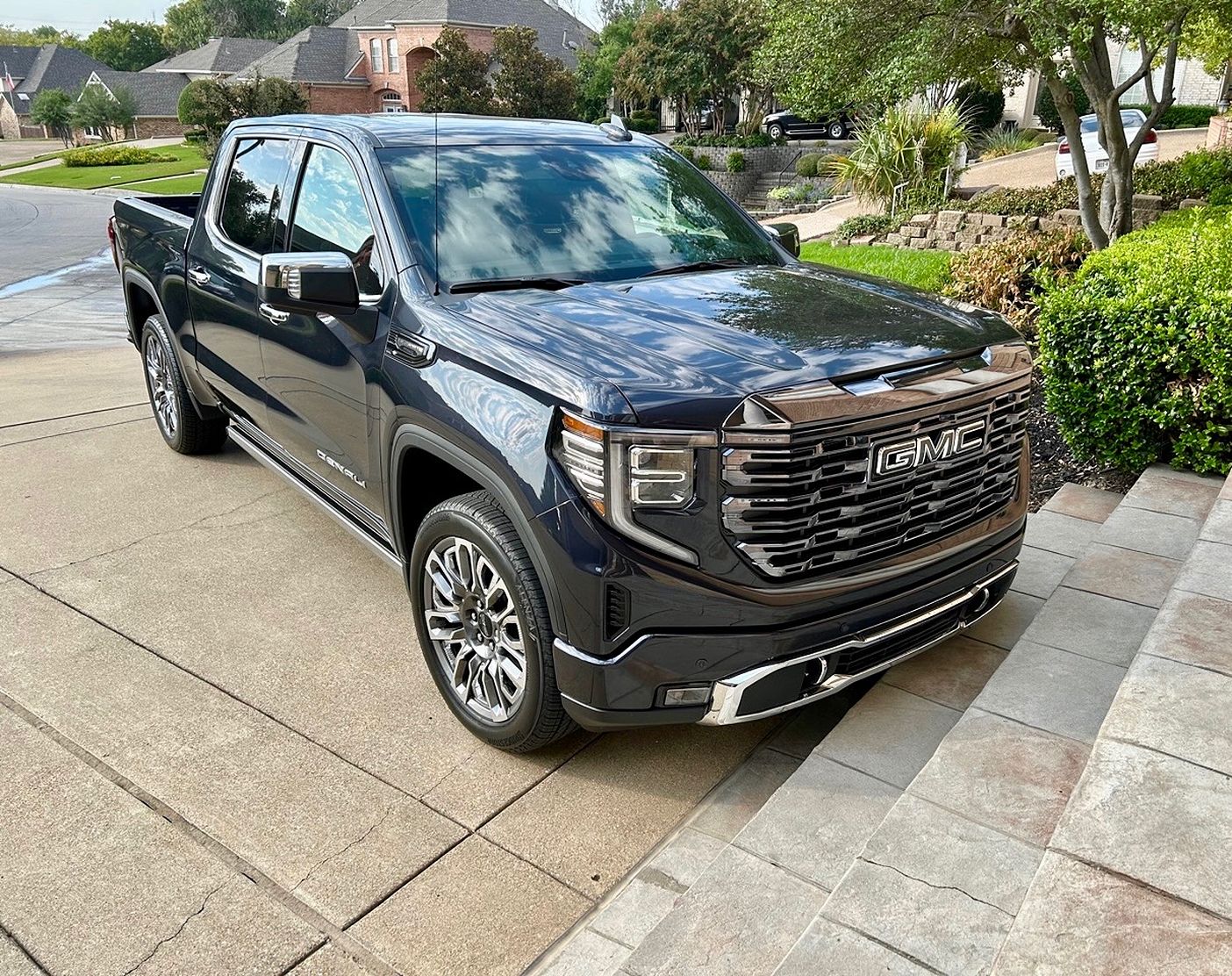
3. GMC Sierra 1500 Denali Ultimate
Luxury and restraint define the GMC Sierra 1500 Denali Ultimate, particularly when assessing how effectively outside sound is kept away from occupants during sustained highway driving. GMC presents this truck as a premium flagship, and the manner in which acoustic comfort has been addressed reflects deliberate planning rather than cosmetic enhancement.
Movement at speed reveals a cabin that feels composed, settled, and carefully protected from common noise sources that affect large pickups. Active noise cancellation plays an important role in this experience. Cabin microphones monitor unwanted sound frequencies generated by the engine, drivetrain, and road surface.
These frequencies are countered through the audio system using opposing sound waves, reducing intrusion before it becomes distracting. This process operates quietly in the background and does not interfere with music quality or conversation clarity. Occupants benefit without being aware of the technology working continuously.
Powertrain behaviour supports this calm environment. Available engine choices, including the 6.2 litre V8, provide strong output without requiring high revolutions during steady cruising. Low engine speed reduces mechanical sound, while refined engine mounts prevent vibration from passing into the cabin structure. Gear selection by the automatic transmission favours smooth transitions, avoiding abrupt movements that could disrupt cabin quietness.
Exterior design contributes meaningfully to noise control. Aerodynamic shaping around the grille, hood line, and mirror housings reduces turbulence as speed increases. Wind flow remains controlled across door edges and window frames due to precise panel alignment. Durable weather sealing prevents air leakage that often becomes noticeable as vehicles age, supporting long-term acoustic consistency.
Interior construction reinforces these efforts. Soft leather seating surfaces, padded door panels, and carefully finished trim elements absorb sound rather than reflecting it. The cabin layout avoids large exposed hard surfaces that could amplify noise. Storage compartments and controls operate with damped motion, reducing incidental sounds that accumulate during extended driving.
Long-distance travel in the Sierra 1500 Denali Ultimate feels measured and relaxed. Audio systems perform clearly at moderate volume, conversation remains effortless, and road awareness stays high without constant noise distraction. This truck presents a refined interpretation of comfort that matches its premium positioning and supports confident, unhurried highway travel across varying road conditions and extended mileage demands.
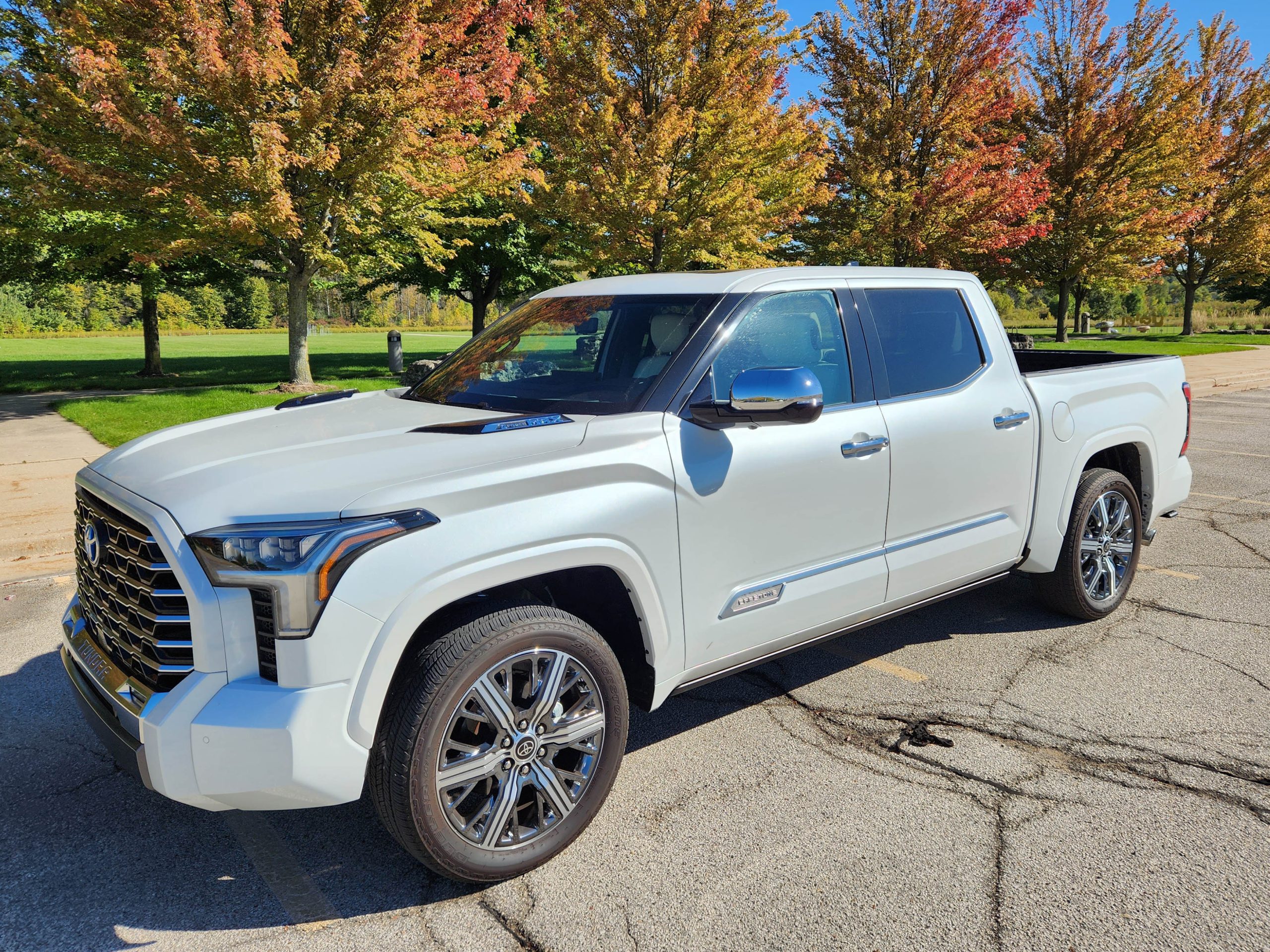
4. Toyota Tundra Capstone Hybrid
Precision engineering shapes the quiet character of the Toyota Tundra Capstone Hybrid, where sound control is achieved through structural integrity and powertrain coordination rather than excessive material layering. Toyota redesigned this generation of Tundra with attention to rigidity and isolation, and these decisions directly influence the calm interior environment experienced during highway use.
The hybrid powertrain forms the foundation of this behaviour. Electric motor assistance smooths power delivery, reducing abrupt changes in engine sound that often accompany acceleration and deceleration. Once cruising speed is reached, engine operation remains subdued, supported by electric assistance that lowers workload. This balance prevents sudden tonal changes, creating a steady auditory backdrop for occupants.
Structural design supports acoustic stability. The fully boxed frame improves rigidity and limits vibration transfer from suspension components. Revised mounting points isolate the cabin from road feedback, allowing sound-absorbing materials to function more effectively. Reduced vibration at the source means less energy reaches the interior, lowering the need for aggressive insulation measures.
Wind management receives careful attention through aerodynamic refinement. Body panels align precisely, limiting airflow disruption around doors and windows. Acoustic glass used in the Capstone trim reduces high-frequency wind noise, while reinforced seals maintain consistent pressure along contact points. Side mirror design minimizes turbulence, contributing to a quieter experience during crosswind conditions.
Interior execution reflects a balanced approach. Materials are selected to absorb sound without creating an enclosed or heavy atmosphere. Seating surfaces, headliner treatment, and carpeting work together to soften ambient noise. Climate system operation remains discreet, maintaining interior calm even during temperature adjustments at higher fan speeds.
Extended highway journeys in the Tundra Capstone Hybrid feel controlled and composed. Noise remains restrained, fatigue develops gradually, and attention stays focused on the drive rather than environmental distraction. This model demonstrates how hybrid technology, structural planning, and measured interior design can combine to deliver a peaceful and dependable driving experience suited to long-distance travel and consistent daily use.
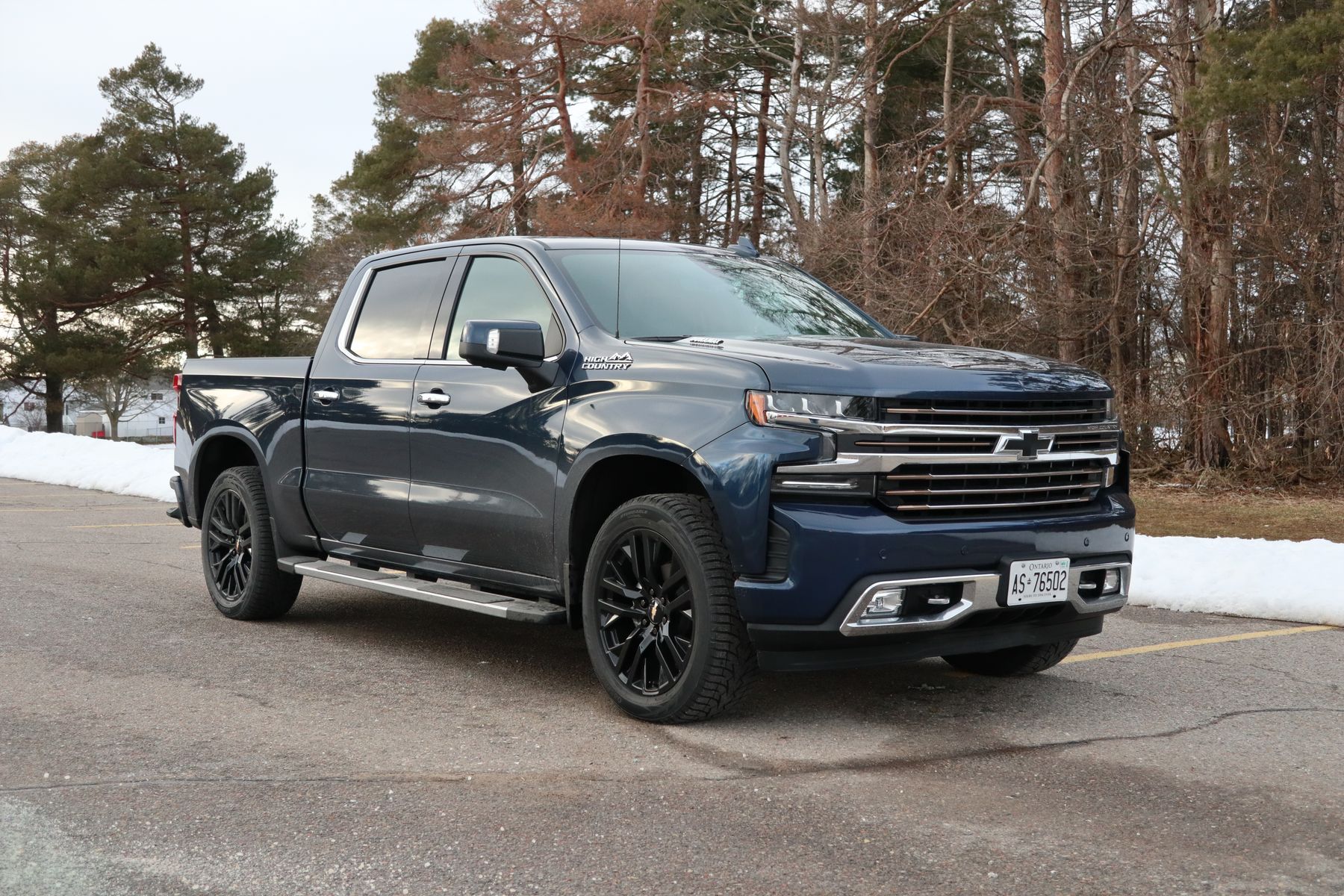
5. Chevrolet Silverado 1500 High Country Duramax
Refinement inside the Chevrolet Silverado 1500 High Country Duramax comes from a steady, disciplined approach to comfort rather than dramatic tricks. This truck presents itself as confident and settled at highway speed, offering a cabin atmosphere that feels controlled even during extended drives.
Chevrolet’s engineers focused on reducing fatigue through consistent sound suppression rather than chasing absolute silence, and the result feels natural rather than artificial. The Duramax 3.0-liter inline six diesel engine plays a central role in this experience.
Once cruising speed is reached, the engine operates at low revolutions, producing a subdued tone that rarely intrudes. Diesel clatter, often associated with older designs, remains well contained behind thick insulation and modern engine mounts. During gentle acceleration, sound increases gradually without harsh spikes, which helps maintain a calm interior mood.
Wind noise control benefits from careful attention to body shape and sealing. Door frames use layered weather stripping, while the windshield and front windows feature laminated acoustic glass. These choices limit air intrusion around common problem areas such as mirror mounts and roof seams. At 70 miles per hour, airflow noise stays distant, allowing passengers to speak without raising their voices.
Road noise isolation receives equal consideration. The High Country trim uses additional underbody insulation and wheel well liners designed to absorb tire feedback. Suspension tuning favors stability rather than stiffness, preventing vibrations from traveling into the cabin floor. Tire selection also reflects a balance between grip and quiet rolling characteristics, reducing harmonic hum on concrete surfaces.
Interior materials reinforce the sense of calm. Leather seating surfaces and soft touch panels absorb sound rather than reflecting it. The cabin layout avoids large hard surfaces that could amplify noise. Even storage compartments close with damped motion, preventing rattles that often develop with mileage.
During long highway trips, the Silverado 1500 High Country Duramax encourages relaxed driving habits. Music systems perform clearly at lower volume, navigation prompts remain easy to hear, and silence feels comfortable rather than empty. This truck proves that thoughtful engineering and restrained execution can create a genuinely pleasant highway environment without relying on excessive technological intervention.
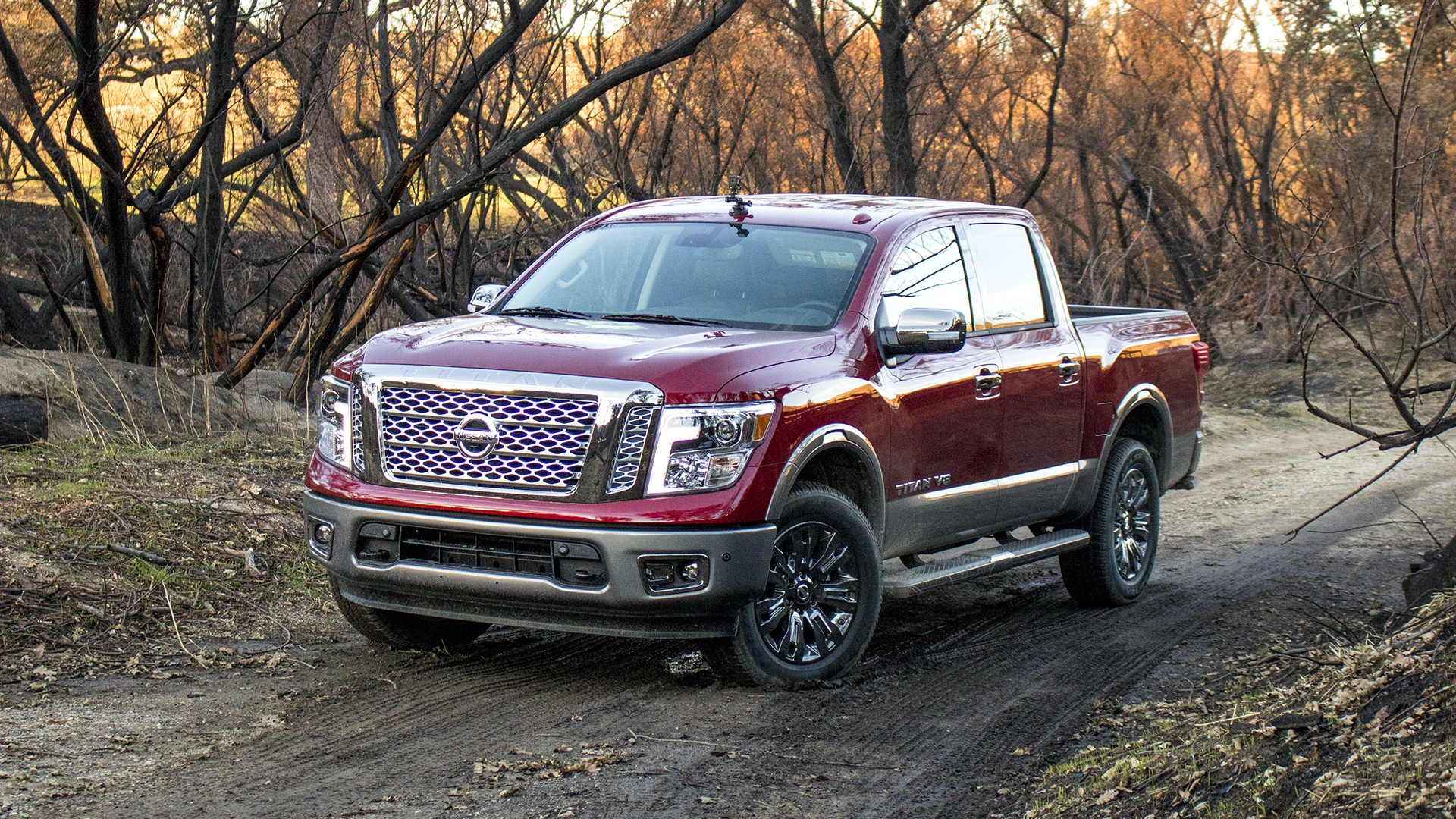
6. Nissan Titan Platinum Reserve
Confidence defines the highway personality of the Nissan Titan Platinum Reserve, particularly when measured by how little effort it takes to remain comfortable inside the cabin. Nissan designed this truck with a clear emphasis on traditional strength paired with modern comfort, and that balance becomes obvious during steady speed travel.
The naturally aspirated 5.6-liter V8 engine delivers smooth, predictable power that avoids unnecessary drama at cruising pace. While capable of strong acceleration when required, the engine settles into a relaxed rhythm on the highway. Sound insulation around the engine bay limits intrusion, allowing only a muted presence to reach occupants. Transmission tuning supports this calm behavior by selecting gears that keep engine speed low.
Wind management remains one of the Titan’s quiet strengths. The front end design guides airflow smoothly over the hood and along the sides, reducing turbulence near the windshield. Side mirrors are shaped to minimize air disruption, while tight door seals prevent whistles and rushes that often emerge at speed. Acoustic glass further supports this effort, especially during crosswind conditions.
Road surface noise stays well controlled thanks to a sturdy frame and carefully isolated suspension components. The Titan uses hydraulic body mounts that limit vibration transfer, keeping rough pavement feedback outside the cabin. Wheel wells receive generous sound-absorbing treatment, reducing tire roar on coarse asphalt.
Inside the Platinum Reserve trim, material selection contributes heavily to sound control. Quilted leather seats, thick carpeting, and padded door panels work together to dampen ambient noise. Interior design avoids unnecessary complication, which helps reduce the chance of squeaks or rattles developing as the vehicle ages.
Highway driving in the Nissan Titan Platinum Reserve feels reassuring and stable. Passengers experience a steady, composed environment that encourages longer trips without discomfort. While this truck may not chase cutting-edge trends, its approach to cabin quietness remains effective, honest, and satisfying for drivers who value consistency.
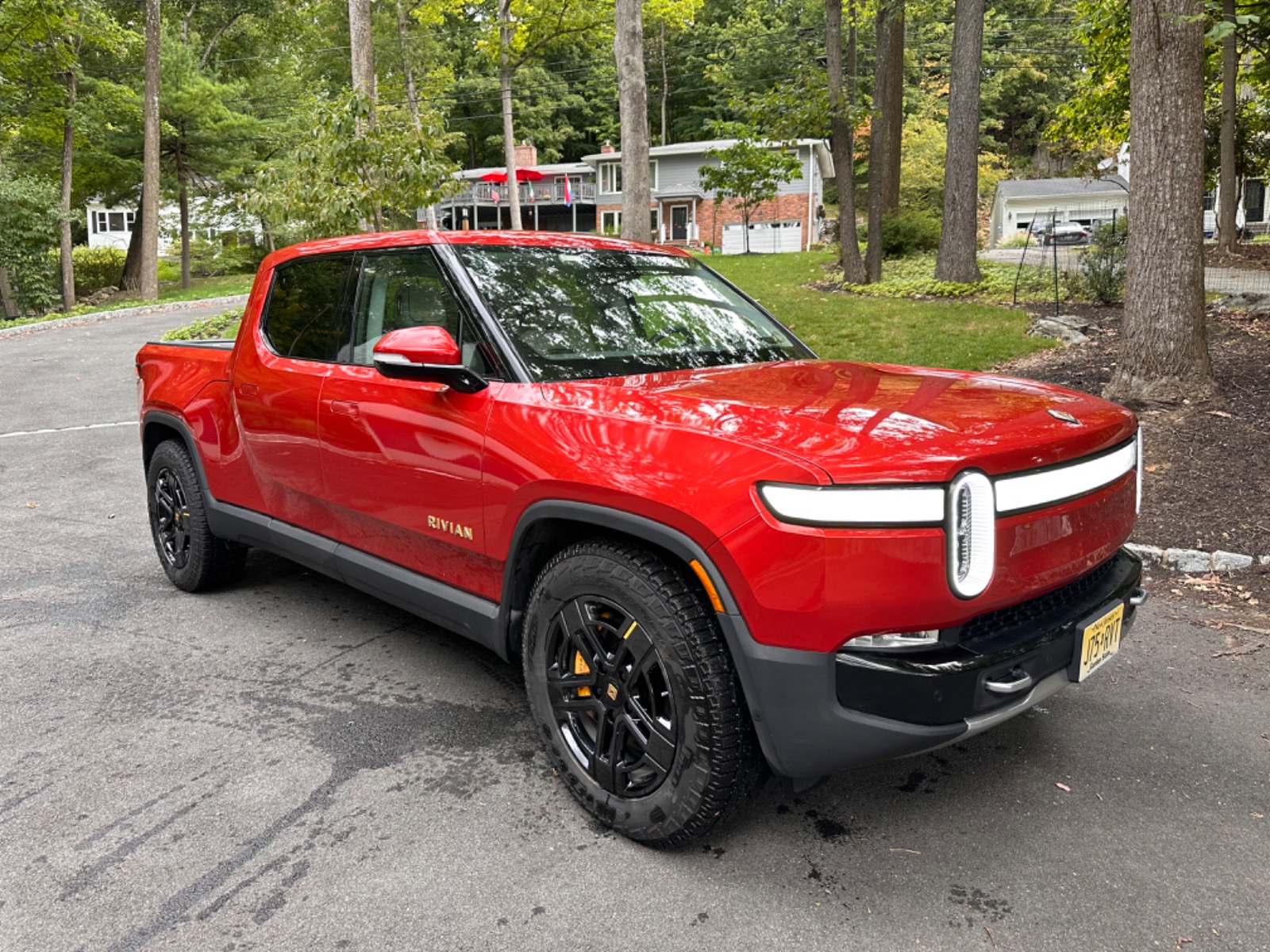
7. Rivian R1T Adventure Package
Electric power changes the rules of cabin quietness, and the Rivian R1T Adventure Package demonstrates how effectively that advantage can be used in a pickup truck. Without a combustion engine producing continuous sound, the R1T begins its highway journey with a clear head start. What makes it stand out is how thoroughly Rivian addresses the remaining sources of noise.
Motor operation in the R1T remains nearly silent at cruising speed. Acceleration produces a brief, controlled whir that fades quickly once speed stabilizes. Without engine vibration, the cabin structure experiences less stress, allowing other noise reduction measures to work more efficiently.
Wind noise control becomes the primary challenge, and Rivian tackles it with aerodynamic shaping and tight construction tolerances. The windshield angle, roofline, and mirror design work together to guide air smoothly around the body. Acoustic glass and dense sealing materials prevent air intrusion even during strong crosswinds.
Road noise receives careful attention as well. The skateboard platform design places heavy battery packs low in the chassis, improving stability and reducing vibration transfer. Suspension tuning balances firmness with isolation, allowing the truck to absorb imperfections without sending harsh feedback into the cabin. Tire selection favors low noise characteristics without sacrificing traction.
Interior design supports the quiet atmosphere through material choice and layout. Soft surfaces dominate, absorbing sound rather than reflecting it. Storage areas remain secure, preventing movement that could create a distraction. Climate system operation remains subdued, maintaining calm even during temperature adjustments.
At highway speeds, the Rivian R1T delivers a unique experience. Silence feels natural rather than engineered, allowing drivers to focus on the road or enjoy music with exceptional clarity. Long drives feel less tiring, and conversation remains effortless. This truck illustrates how electric architecture, when paired with thoughtful design, can redefine expectations for pickup cabin comfort.
Also Read: 10 Luxury Trucks Where the Interior Rivals Any Flagship Sedan
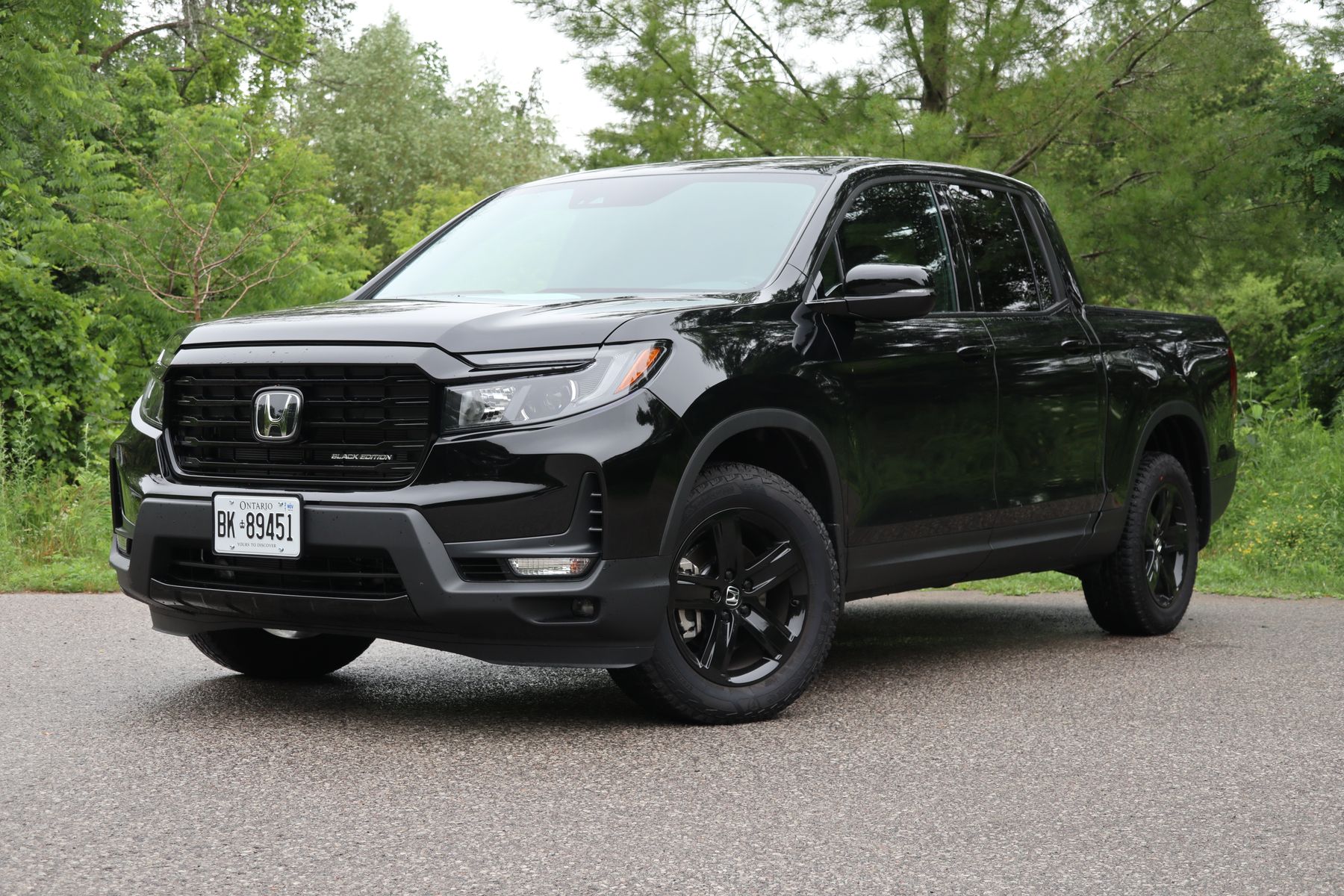
8. Honda Ridgeline Black Edition
Subtlety defines the highway character of the Honda Ridgeline Black Edition, a truck that approaches quietness through car-like refinement rather than brute force. Honda’s unibody construction sets the Ridgeline apart from traditional body-on-frame pickups, and this difference becomes immediately apparent during long highway stretches.
The V6 engine operates smoothly at cruising speed, delivering power without harshness. Engine noise remains distant, controlled by effective insulation and balanced mechanical design. Transmission behavior supports this calm by avoiding frequent gear changes, allowing the engine to maintain a steady operating range.
Wind noise control benefits from the Ridgeline’s aerodynamic shape. The front-end design, lower ride height, and integrated bed structure reduce air disruption compared to taller trucks. Door seals and window fitment remain precise, preventing whistles or rushing sounds as speed increases.
Road noise isolation stands out due to the unibody platform. Without a separate frame, vibrations have fewer pathways into the cabin. Suspension components mount directly to the body structure, allowing engineers to tune them for comfort without sacrificing stability. Wheel well liners and underfloor insulation further reduce tire feedback.
Inside, the Black Edition trim emphasizes calm through material selection and layout. Soft touch surfaces, thick carpeting, and well-supported seating absorb sound and reduce fatigue. Controls operate quietly, and storage compartments remain secure during motion.
Extended highway driving in the Honda Ridgeline Black Edition feels relaxed and predictable. The cabin stays composed, conversations remain easy, and noise rarely demands attention. This truck proves that quietness does not require size or excess, only thoughtful engineering and consistent execution.
