
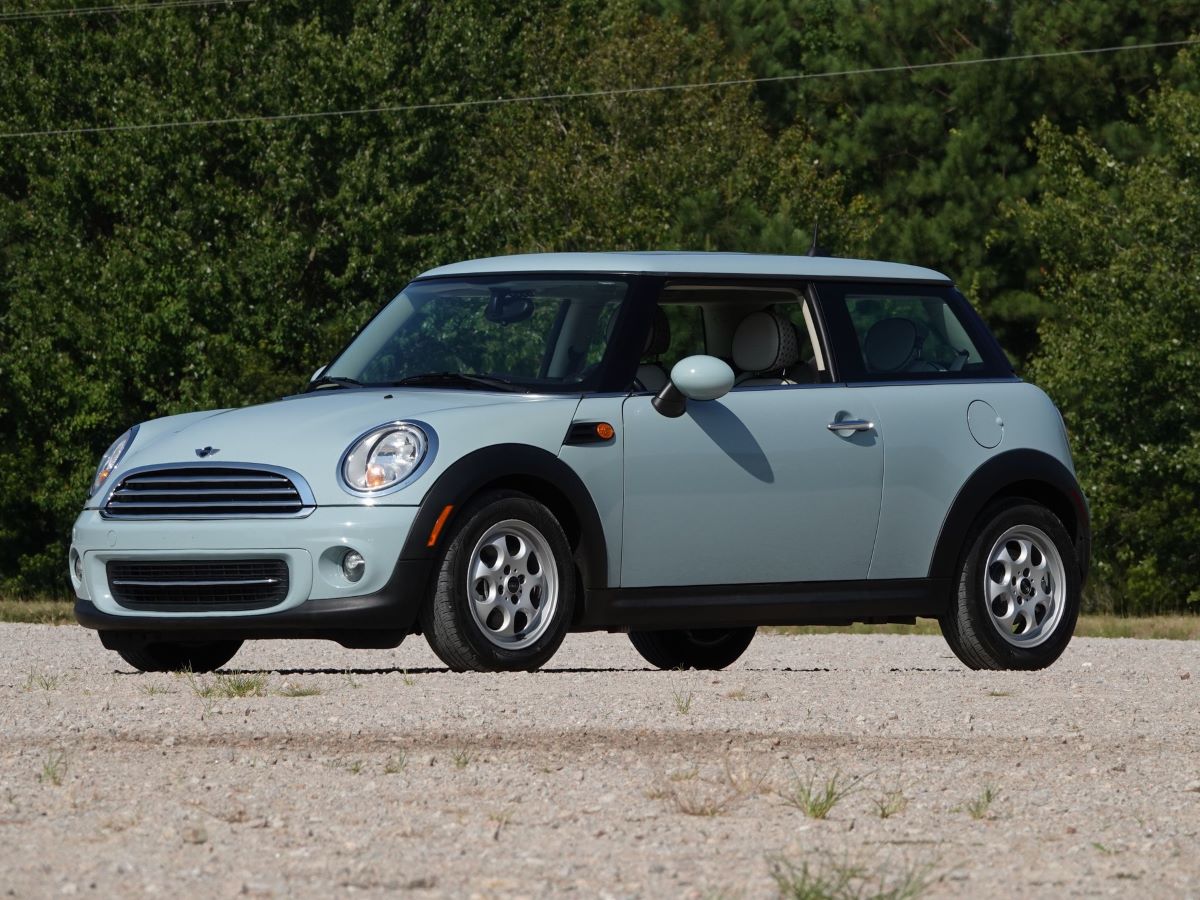
Urban driving has become increasingly complex across the world, but nowhere is it more evident than in dense city centers and older neighborhoods where space was never designed for modern traffic.
In cities across the United States as well as Europe and Asia, drivers often face tight parking garages, narrow streets, and crowded curbside spots that demand precision and patience. Choosing the right car can dramatically change how stressful or manageable this daily challenge feels.
It is easy to assume that the smallest car automatically wins in these situations, yet real-world usability depends on far more than just size. A well-designed city-friendly vehicle combines compact exterior dimensions with intelligent engineering.
Elements such as a tight turning radius, responsive steering, clear visibility, and smart parking assistance systems all contribute to making a car easier to place accurately in confined spaces.
Modern vehicles have also introduced advanced technology that reduces the pressure of parking. Rearview cameras, proximity sensors, and even automated parking systems help drivers navigate tight areas with greater confidence. These tools are particularly valuable in busy environments where distractions are constant, and precision matters more than ever.
Another key factor is how a car behaves at low speeds. In stop-and-go traffic and during parking maneuvers, smooth throttle response and predictable braking are essential. Vehicles that feel calm and controlled at low speeds allow drivers to focus entirely on positioning rather than worrying about sudden movements or jerky responses.
Interior practicality also plays a role. Many drivers need a car that remains comfortable and functional for everyday use while still being easy to park. The best city cars manage to deliver surprising interior space without increasing their external footprint, making them ideal for both commuting and running daily errands.
Importantly, the vehicles that excel in tight parking situations come from a variety of segments. Compact hatchbacks, subcompact SUVs, and even some small sedans can perform exceptionally well if they are engineered with urban driving in mind.
The goal is not simply to be small, but to be easy to control, easy to see out of, and easy to maneuver in real-world conditions.
This list highlights eight cars that stand out for their ability to handle tight city parking with ease, focusing on models that are relevant to a global and US audience.
Each one offers a distinct approach to urban mobility, ensuring that drivers can find a vehicle that suits their needs while making one of the most frustrating parts of city driving far more manageable.
Also Read: 8 Cars With Door Pockets Big Enough For A Water Bottle
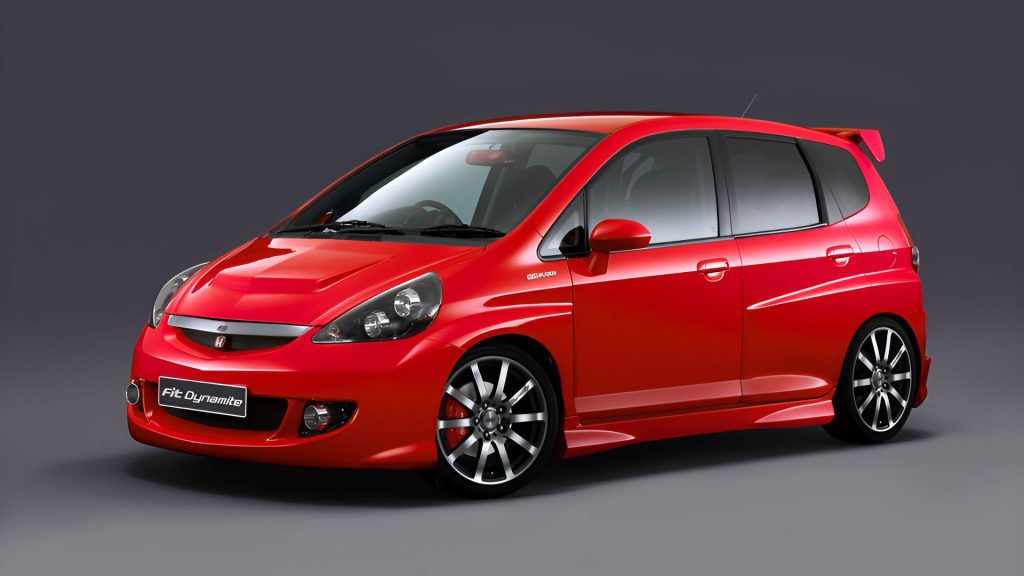
1. Honda Fit (Jazz)
The Honda Fit has built a strong reputation worldwide as one of the most practical and easy-to-handle city cars. Its compact dimensions make it naturally suited for tight parking spaces, but what truly sets it apart is how intelligently it uses every inch of its footprint.
From the driver’s seat, the Fit is easy to position with confidence. A large windshield and upright cabin design offer strong forward visibility, while the slim pillars help minimize blind spots. This clarity proves especially helpful in crowded parking lots or tight curbside spaces that require precise judgment.
Unlike some small cars that feel nervous or overly sensitive at low speeds, the Fit maintains a calm and predictable character.
The steering is light enough to make quick adjustments effortless, yet it remains accurate, allowing drivers to position the car exactly where they want it. This balance is particularly helpful during parallel parking, where small corrections make a big difference.
Another advantage comes from its tight turning radius. The Fit can make sharp turns with minimal effort, reducing the need for multi-point maneuvers in confined areas. In real-world scenarios, this means less time spent adjusting and more confidence when entering or exiting tight spots.
Inside, the Fit delivers a surprisingly spacious cabin thanks to its clever packaging. The well-known Magic Seat system allows for flexible storage configurations, making it far more versatile than its size suggests. Drivers do not have to sacrifice practicality to gain parking convenience, which is a rare combination in this segment.
Technology also enhances the experience. Newer versions include rearview cameras and available sensors that provide clear feedback when reversing. These features act as an extra set of eyes, helping drivers avoid obstacles and park with greater accuracy.
What makes the Fit stand out is not just its size, but how naturally it adapts to urban environments. It feels intuitive, easy to control, and forgiving in tight situations. For drivers who frequently deal with crowded streets and limited parking, it offers a dependable and stress-free solution.
2. Mini Cooper Hardtop
The Mini Cooper Hardtop approaches city parking with a completely different personality. It combines compact proportions with a sporty driving feel, creating a car that is both fun to drive and highly capable in tight urban environments.
One of its biggest strengths is its short length. The Mini can fit into parking spaces that would be challenging for many other cars, making it ideal for crowded city streets where every inch matters. This compact footprint allows drivers to take advantage of gaps that larger vehicles must pass by.
The steering is another highlight. Unlike many small cars that prioritize lightness over feedback, the Mini offers a more connected and precise steering feel. This responsiveness allows drivers to make exact adjustments when parking, which is particularly useful in tight parallel spaces or narrow garages.
Visibility, while slightly different due to its unique design, remains effective once drivers become familiar with the car. The upright stance and well-defined corners help in judging distances, and modern models include parking sensors and cameras that further assist in tight situations.
The Mini’s turning capability also contributes to its urban friendliness. It can navigate sharp corners and confined areas with ease, reducing the need for repeated adjustments. This agility makes it well-suited for older city layouts where space is limited, and roads are not always straightforward.
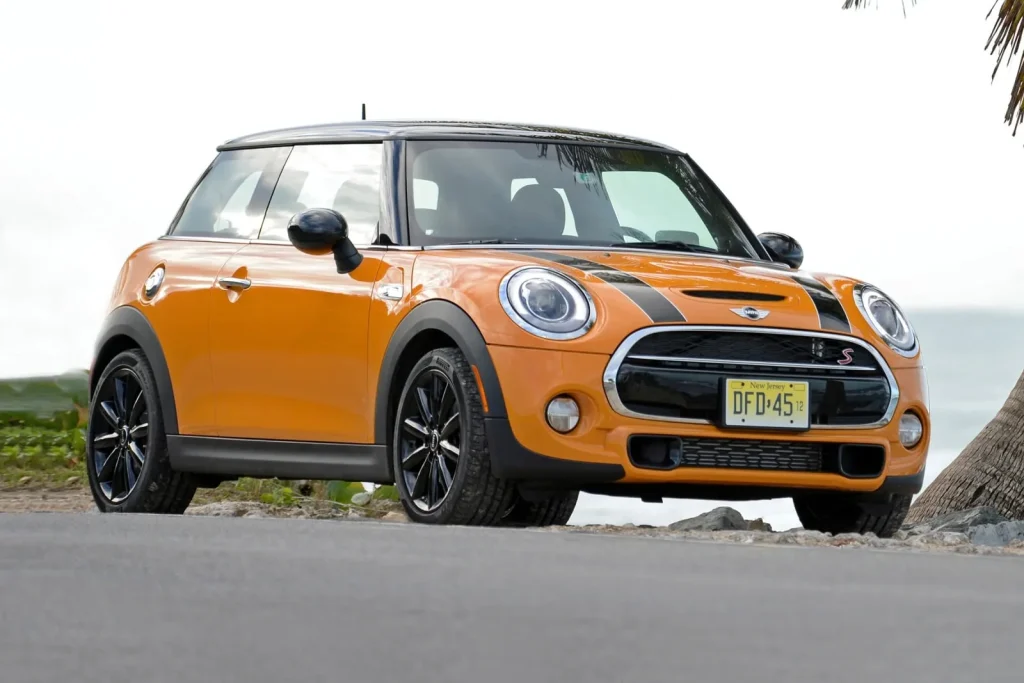
Inside, the cabin feels premium and distinctive, offering a different experience compared to typical subcompact cars. While it may not be the most spacious option in this list, it compensates with style and a driver-focused layout that enhances the full experience.
Parking technology plays a significant role as well. Many versions come equipped with advanced systems that provide visual and audio guidance, making it easier to judge distances and avoid obstacles. Some models even offer automated parking assistance, which can handle parallel parking with minimal driver input.
The Mini Cooper Hardtop proves that a car can be both enjoyable and practical in city conditions. Its compact size, precise handling, and distinctive character make it a strong choice for drivers who want a vehicle that feels engaging while still being easy to park in tight urban spaces.
3. Toyota Corolla Hatchback
The Toyota Corolla Hatchback demonstrates that a slightly larger car can still perform exceptionally well in tight parking situations when designed thoughtfully. It offers more space and refinement than smaller subcompacts while maintaining a level of maneuverability that suits urban environments.
One of the key advantages of the Corolla Hatchback is its balanced proportions. It is compact enough to handle city parking without difficulty, yet it provides a more substantial feel on the road. This balance makes it appealing to drivers who want a versatile car that works both in the city and on longer drives.
The steering system is tuned for smooth and predictable behavior at low speeds. Drivers can make gradual adjustments without feeling rushed or uncertain, which is particularly helpful when aligning the car in tight spaces. The car responds in a controlled manner, reducing the likelihood of overcorrection.
Visibility is well-managed, with a clear view of the road ahead and helpful camera systems that assist during reversing. The inclusion of a standard rearview camera and available parking sensors ensures that drivers have the tools needed to handle challenging parking scenarios with confidence.
Another important factor is its low-speed drivability. The Corolla Hatchback offers smooth acceleration and braking, allowing for precise control when inching into tight spots. This refinement makes parking feel less stressful, especially in crowded environments where sudden movements can lead to mistakes.
Inside, the car provides a comfortable and well-designed cabin that supports daily use. It offers more space than many smaller alternatives, making it a practical choice for those who need extra room without sacrificing parking convenience.
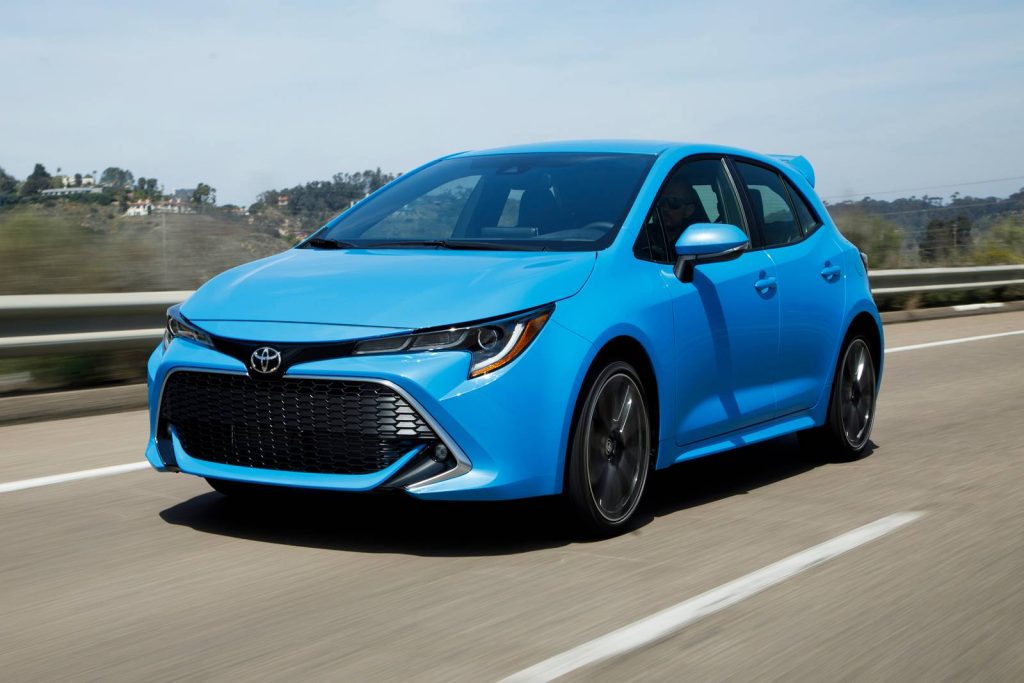
The Corolla Hatchback shows that ease of parking is not limited to the smallest cars. With thoughtful engineering and modern technology, it delivers a well-rounded experience that combines practicality, comfort, and urban-friendly maneuverability.
4. Chevrolet Bolt EV
The Chevrolet Bolt EV brings an electric perspective to city parking, combining compact dimensions with smooth and quiet operation that enhances control in tight spaces. It is particularly well-suited for urban environments where short trips and frequent parking are part of daily life.
One of the standout features of the Bolt EV is its instant torque delivery. While this might sound like a performance advantage, it actually helps with precise low-speed control. The car responds immediately to small inputs, allowing drivers to move gently and accurately when positioning the vehicle.
Its compact size makes it easy to fit into tight parking spots, while the upright design provides good visibility. Drivers can clearly see their surroundings, which is essential when dealing with crowded parking lots or narrow streets.
The Bolt EV also benefits from advanced camera systems. Many versions include a high-resolution rearview camera and optional surround-view systems that provide a comprehensive view of the area around the car. These features significantly reduce the difficulty of parking in confined spaces.
Another advantage is its quiet operation. Without the noise of a traditional engine, drivers can focus more on their surroundings and less on the vehicle itself. This can make parking feel more controlled and less stressful, especially in busy environments.
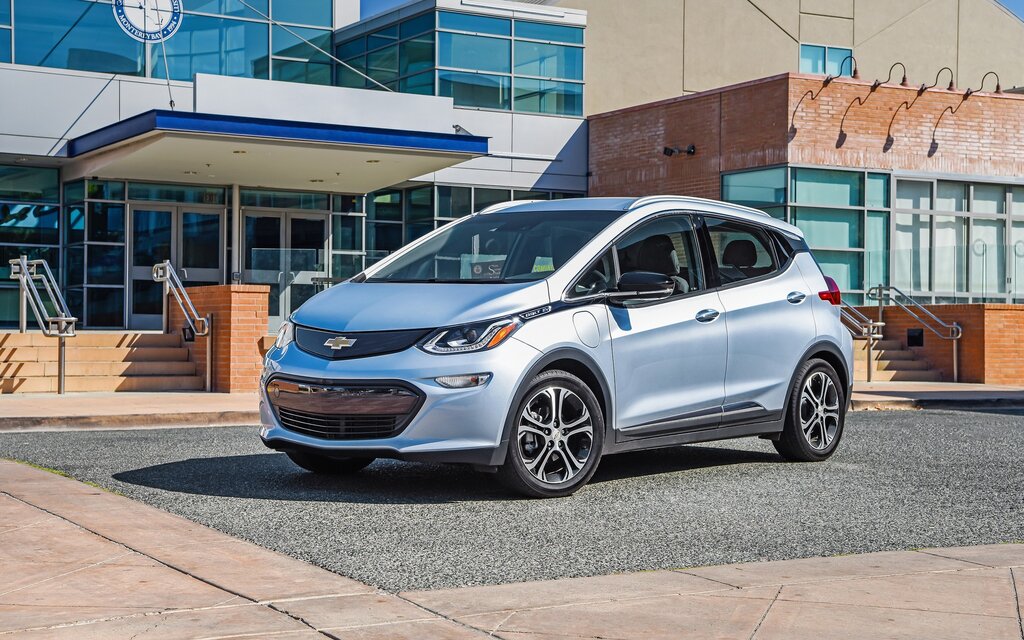
The interior is designed to maximize space within a compact footprint, offering a comfortable cabin that does not feel cramped. This practicality makes it suitable for everyday use while still being easy to park.
The Bolt EV represents a modern approach to urban driving. By combining electric efficiency with compact design and advanced technology, it offers a solution that is both practical and forward-thinking for city dwellers.
5. Kia Soul
The Kia Soul stands out in urban environments by doing something unconventional. Instead of focusing purely on being small, it uses its boxy shape to maximize visibility and usability, which directly improves how easy it is to park in tight spaces. The design may look distinctive, but every angle serves a practical purpose when maneuvering through crowded city streets.
One of the biggest advantages of the Soul is its upright stance. The tall seating position gives drivers a clear view of traffic, pedestrians, and nearby obstacles.
When easing into a narrow parking space, this upgraded perspective makes it easier to judge distance and alignment without second-guessing. It reduces reliance on guesswork and helps drivers feel more in control.
The shape of the car also plays a crucial role. Unlike vehicles with sloping roofs or extended curves, the Soul has a more squared-off body.
This makes it easier to understand exactly where the corners of the car are, which is extremely useful when parking close to walls or other vehicles. Drivers can place the car with confidence, even in tight garages or parallel street spots.
Another strength lies in its steering behavior. The Soul feels stable yet responsive at low speeds, allowing for precise movements without feeling twitchy. This becomes important when making small adjustments, especially in situations where there is very little room for correction. The car responds in a predictable way, which builds trust over time.
Parking technology further enhances the experience. Many models include rear cross-traffic alerts, parking sensors, and a clear backup camera. These features do more than just assist; they actively reduce stress by providing real-time feedback. Drivers are less likely to make errors because the car helps monitor blind spots and obstacles.
Despite being slightly larger than some compact hatchbacks, the Soul does not feel difficult to manage. Its dimensions are well-balanced, and the design ensures that the extra space translates into usability rather than bulk. It offers the practicality of a small crossover while still being easy to handle in tight city conditions.
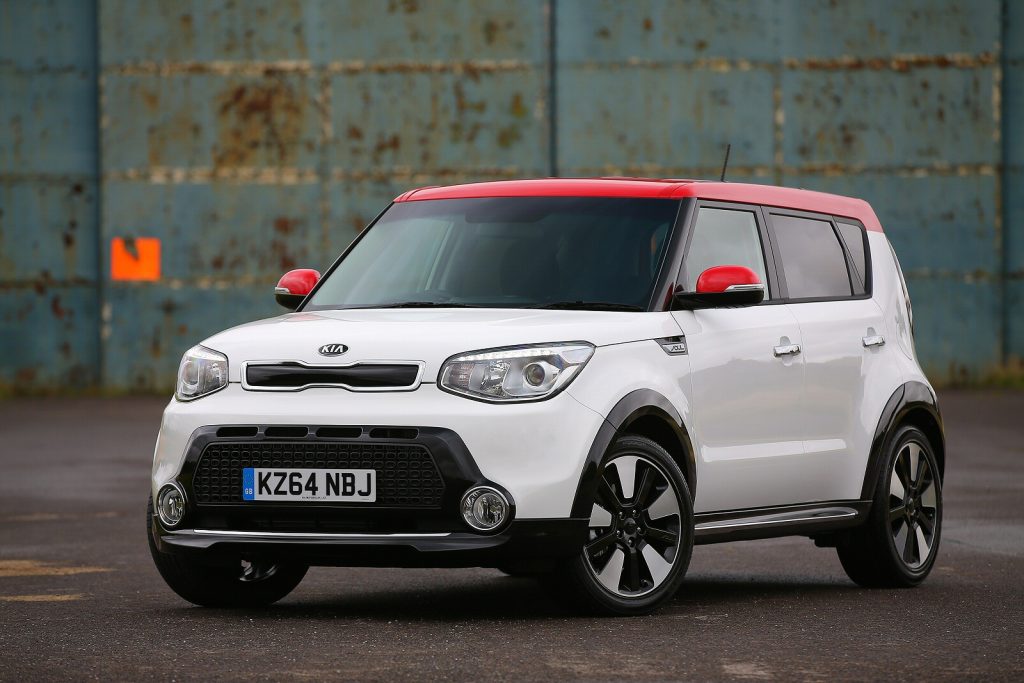
Inside, the cabin feels airy and well-organized. This contributes indirectly to parking ease by making the driving experience more relaxed. A comfortable driver is more focused and less prone to mistakes, especially in challenging environments.
The Kia Soul proves that parking ease is not just about shrinking dimensions. With smart design, excellent visibility, and intuitive handling, it transforms tight urban parking into a far more manageable task while still offering the versatility many drivers expect from a modern vehicle.
6. Mazda Mazda3 Hatchback
The Mazda Mazda3 Hatchback takes a more refined and driver-focused approach to city parking. While it is slightly more premium in feel compared to some other options on this list, it still manages to deliver strong maneuverability and control in tight urban spaces.
What makes the Mazda3 Hatchback particularly effective is its emphasis on precision. The steering is finely tuned, offering a level of accuracy that allows drivers to position the car exactly where they want it. In tight parking situations, this precision becomes a major advantage, reducing the need for repeated corrections.
The car’s compact footprint ensures that it remains manageable in crowded environments. It is not the smallest vehicle in its class, but its proportions are carefully designed to maintain agility. Drivers can navigate narrow streets and tight parking structures without feeling constrained by the car’s size.
One unique aspect of the Mazda3 is how it encourages a more deliberate driving style. Instead of feeling overly light or disconnected, it provides a sense of control that helps drivers stay focused during parking maneuvers. This approach may require a short adjustment period, but once familiar, it makes the car feel extremely capable in confined spaces.
Visibility is supported by modern camera systems and sensors, which compensate for the slightly more sculpted design. These features provide clear guidance when reversing or aligning the car, ensuring that drivers have all the information they need to park accurately.
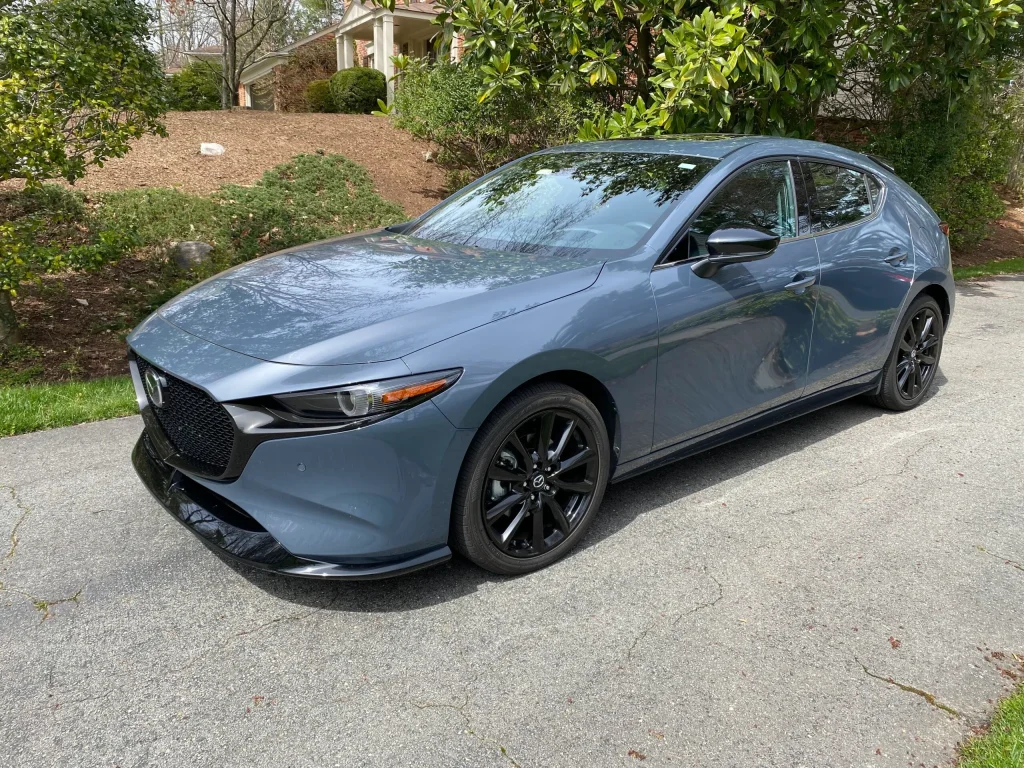
Another factor that contributes to its usability is the smoothness of its low-speed behavior. The Mazda3 moves in a controlled and predictable manner, allowing for careful adjustments without sudden movements. This is particularly helpful when inching into tight spaces where even small errors can lead to contact.
The interior environment adds to the experience in a different way. With a clean and driver-centric layout, it minimizes distractions and keeps attention focused on the task at hand. This clarity can make a noticeable difference when dealing with challenging parking scenarios.
Rather than relying on extreme compactness, the Mazda3 Hatchback succeeds through balance and precision.
It offers a refined driving experience while still being practical enough for city life. For drivers who value control and responsiveness, it provides a confident and composed solution to tight parking challenges.
7. Volkswagen Golf
The Volkswagen Golf has built its reputation on balance, and that balance becomes especially valuable in tight city parking situations. It is not the smallest car in its category, yet it consistently feels manageable because of how intelligently it is engineered. Instead of relying on extremes, it delivers a calm and predictable experience that suits urban driving perfectly.
A major strength of the Golf is how easy it is to understand from the driver’s seat. The layout of the cabin, the positioning of the controls, and the clarity of the view all contribute to a sense of familiarity.
When attempting to park in a confined space, this intuitive feel reduces hesitation. Drivers can focus entirely on positioning rather than adjusting to the car’s behavior.
The steering plays a key role in this experience. It offers a smooth and progressive response, allowing for precise inputs without feeling overly sensitive.
This becomes particularly useful when making fine corrections while reversing into a tight spot. The car responds exactly as expected, which builds confidence over time and reduces the likelihood of mistakes.
Another factor that works in the Golf’s favor is its well-judged proportions. The car is compact enough to fit comfortably into urban parking spaces, yet it does not feel cramped inside.
This balance ensures that drivers do not have to sacrifice everyday usability for the sake of parking convenience. It remains practical for a variety of driving needs while still being easy to maneuver.
Visibility is thoughtfully handled, with a clear forward view and supportive camera systems that assist during parking. The rearview camera provides a sharp image, while parking sensors offer timely alerts when obstacles are nearby. These features act as a reliable backup, helping drivers maintain accuracy in challenging situations.
The Golf also excels in low-speed control. Its smooth power delivery allows for gradual movement, which is essential when inching into tight spaces.
There is no abrupt surge or hesitation, making it easier to maintain precision. This controlled behavior is particularly beneficial in crowded parking garages where space is limited, and adjustments must be made carefully.
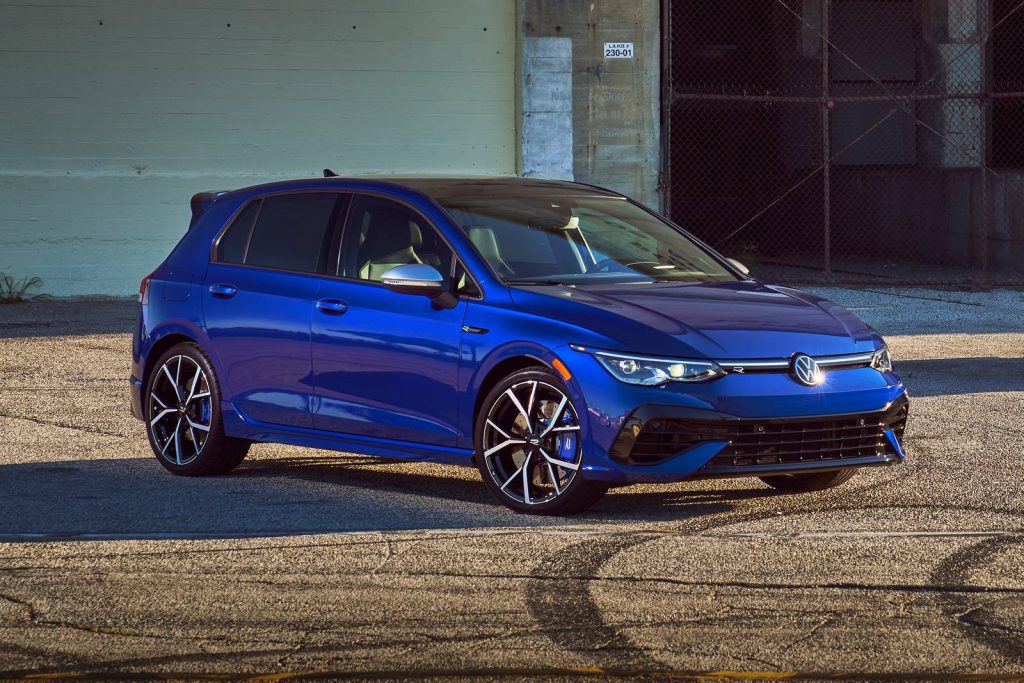
Interior quality adds another layer to the experience. The cabin feels well-built and comfortable, which may not directly affect parking but does contribute to driver confidence. A composed and comfortable environment helps reduce stress, allowing for better focus during difficult maneuvers.
What makes the Golf stand out is its consistency. It does everything well without drawing attention to any single feature.
This quiet competence translates into a car that feels dependable in tight urban conditions. For drivers who want a vehicle that simply works without surprises, the Golf offers a reliable and well-rounded solution.
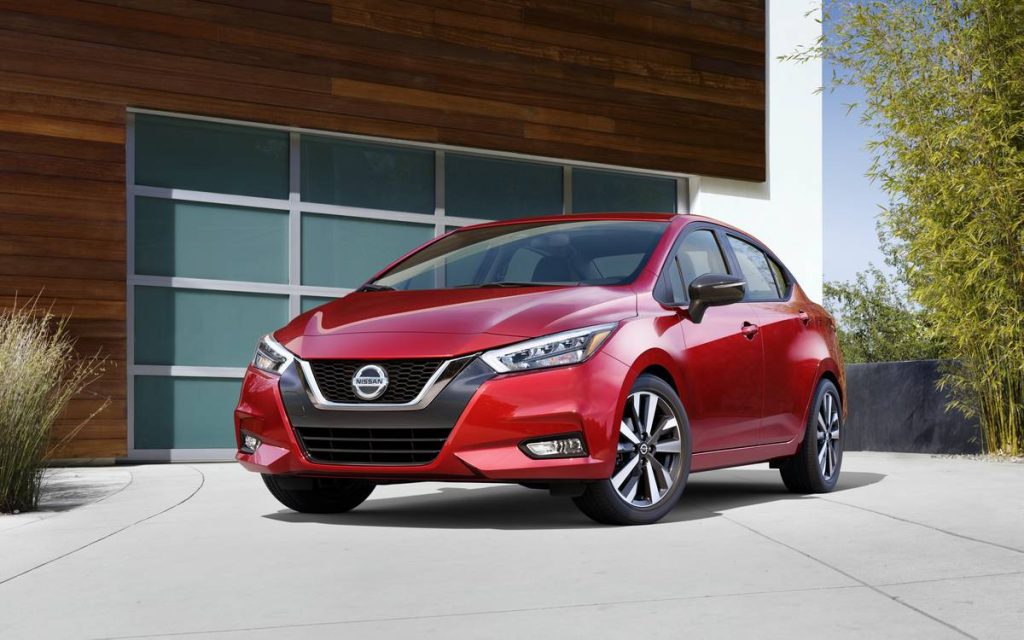
8. Nissan Versa
The Nissan Versa approaches city parking from a more practical and accessible perspective. As one of the most affordable options in many markets, it focuses on delivering ease of use and straightforward functionality rather than relying on advanced complexity. This simplicity can be a major advantage in crowded urban environments.
At first glance, a sedan might not seem like the ideal choice for tight parking, but the Versa challenges that assumption. Its compact dimensions make it easier to handle than larger sedans, while its design keeps the full footprint manageable. Drivers can take advantage of spaces that would typically be difficult for vehicles in this category.
One of the key benefits of the Versa is how approachable it feels. The controls are simple, the responses are predictable, and there is very little learning curve.
This makes it particularly appealing for newer drivers or those who frequently deal with stressful parking situations. The car does not demand constant attention or adjustment, allowing drivers to focus on the task itself.
The steering is light and easy to operate, which is helpful when making repeated adjustments in tight spaces. Whether it is parallel parking on a busy street or fitting into a compact parking lot, the Versa allows for smooth and controlled movements. This ease of handling reduces physical effort and makes the process less tiring.
Visibility is another area where the Versa performs well. The design provides a clear view of the road ahead, and modern versions include a rearview camera that assists during reversing. This added perspective helps drivers judge distances more accurately, reducing the chances of minor collisions.
A notable advantage of the sedan layout is the defined trunk. While it requires some awareness when reversing, it also gives drivers a clear sense of where the rear of the car ends. With a bit of familiarity, this can actually improve precision when backing into spaces, as the boundaries of the vehicle become easier to predict.
The Versa also benefits from smooth low-speed behavior. Its engine and transmission are tuned to deliver gradual acceleration, which is ideal for careful parking maneuvers. Drivers can move slowly and steadily without worrying about sudden changes in speed.
Inside, the car offers a comfortable and functional cabin that supports daily use. It may not have the premium feel of some competitors, but it provides everything needed for practical city driving. This straightforward approach ensures that drivers can rely on it without distraction.
The Nissan Versa shows that ease of parking does not have to come at a high cost. By focusing on simplicity, predictability, and user-friendly design, it provides a dependable way to handle tight city spaces with confidence.
Finding the right car for tight city parking is less about choosing the smallest vehicle and more about selecting one that combines smart design, visibility, and precise control.
Cars like the Honda Fit and Mini Cooper Hardtop excel with compact footprints and agile handling, while options such as the Toyota Corolla Hatchback and Mazda Mazda3 Hatchback prove that slightly larger vehicles can still be easy to maneuver with the right engineering.
Models like the Kia Soul and Chevrolet Bolt EV highlight the importance of visibility and modern technology, making parking less stressful. Meanwhile, the Volkswagen Golf and Nissan Versa focus on balance and simplicity, offering predictable control.
Each of these cars shows that ease of parking comes from a mix of thoughtful design, responsive handling, and driver-friendly features suited for busy urban life.
Also Read: 8 Convertibles That Won’t Leak In Heavy Rain In 2026
