
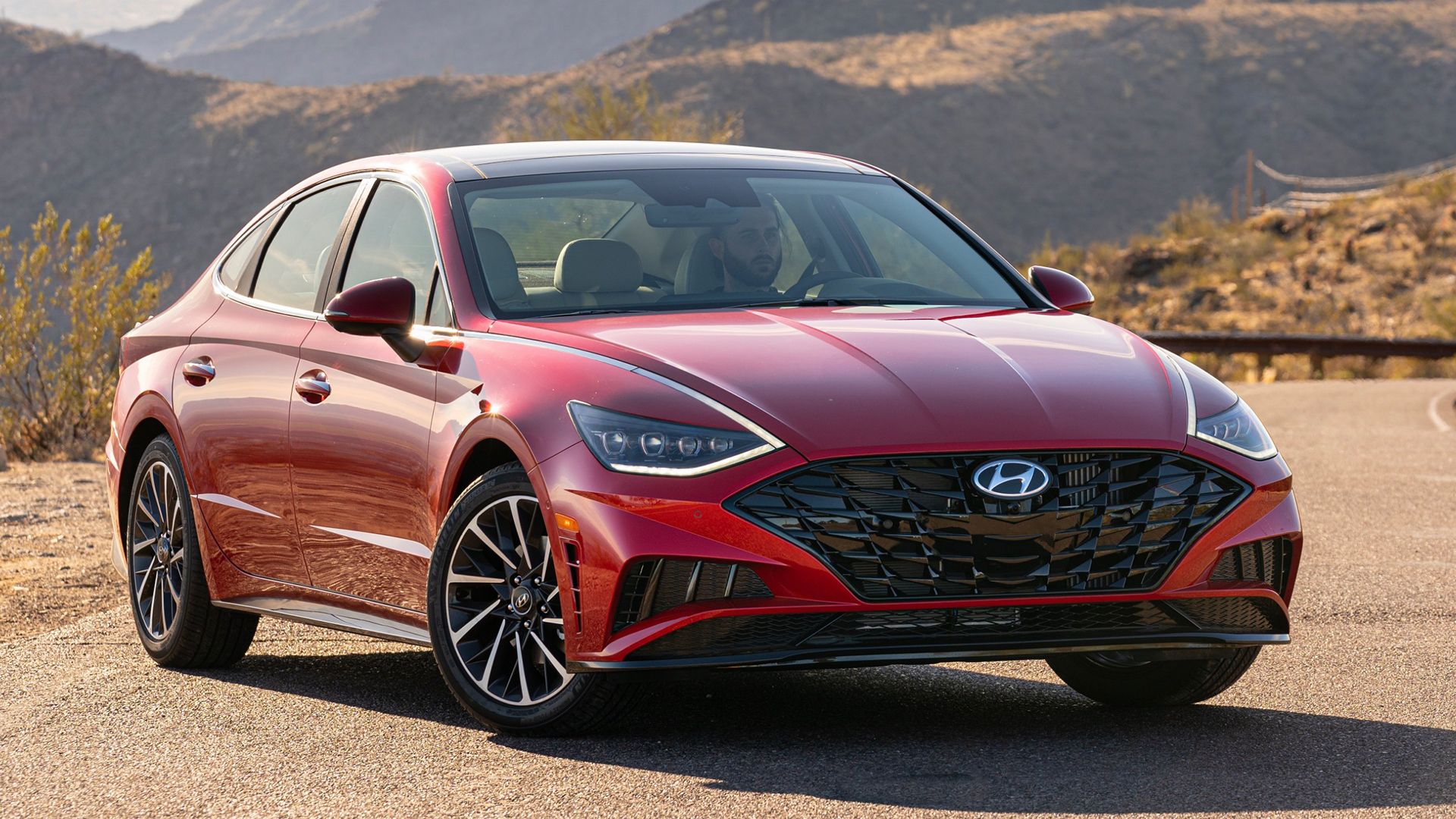
Comfort in a sedan is often judged by how well it accommodates passengers in the rear seat, yet this aspect is frequently overlooked during the buying process.
Many buyers focus on engine performance, fuel efficiency, or front seat features, while rear seat comfort becomes an afterthought.
This can quickly turn into a problem, especially for taller passengers who find themselves cramped, restricted, or constantly adjusting their posture during even short trips.
For individuals around six feet tall, rear seat space is not just about legroom. Headroom, seat height, cushion length, and backrest angle all play equally important roles.
A sedan might offer generous legroom on paper, but if the roofline slopes too aggressively or the seat base is positioned too low, taller passengers may still feel uncomfortable. True comfort comes from a combination of dimensions that work together rather than a single measurement.
Modern sedans have started to address this issue more effectively. Manufacturers now pay closer attention to rear seat ergonomics, ensuring that passengers of varying heights can sit comfortably without compromise.
This includes designing higher rooflines, optimizing seat positioning, and improving cabin proportions. These changes may seem subtle, but they make a significant difference in real-world use.
Another factor that contributes to rear seat comfort is the cabin layout. The distance between the front and rear seats, the shape of the door openings, and even the placement of the floor all influence how easy it is for a tall passenger to get in, sit down, and remain comfortable throughout the journey. A well-designed sedan takes all of these elements into account.
Ride quality also plays a role in how comfortable the back seat feels. A smooth and stable ride allows passengers to maintain a relaxed posture, while excessive bumps or vibrations can make even a spacious seat feel tiring over time. This is particularly important for longer trips where comfort becomes a priority.
In addition to physical space, modern sedans often include features that enhance the rear seat experience. Adjustable headrests, rear climate controls, and supportive cushioning all contribute to a more pleasant environment. These features become even more valuable for taller passengers who need proper support to avoid discomfort.
This list highlights six sedans that stand out for offering back seats tall enough for six-foot passengers. Each model approaches the challenge differently, ensuring a variety of options for those who prioritize rear seat comfort.
From practical family sedans to more refined options, these vehicles demonstrate that it is possible to combine style, performance, and spaciousness without compromise.
Also Read: 7 Boring-Looking SUVs Hiding Race-Bred Hardware Under The Skin In 2026
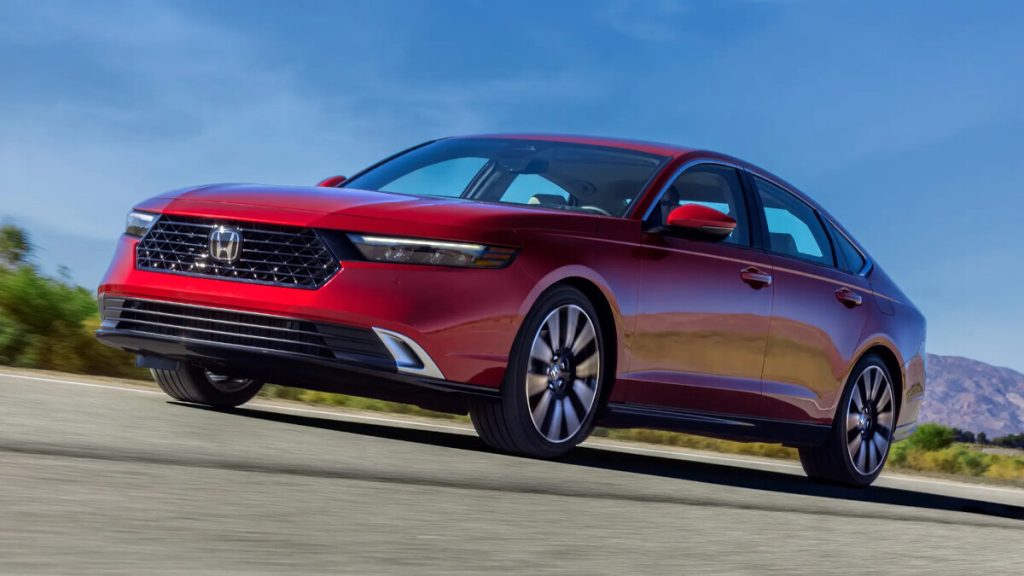
1. Honda Accord
The Honda Accord has consistently been recognized for its spacious interior, but what truly sets it apart is how well it accommodates taller passengers in the rear seat. Instead of simply increasing dimensions, Honda has carefully refined the seating layout to create a space that feels naturally comfortable for individuals around six feet tall.
Step into the back seat, and the first thing that becomes noticeable is the balance between legroom and headroom. The Accord manages to provide generous space in both areas without forcing a compromise.
Taller passengers can sit upright without their heads brushing against the roof, while still having enough room to stretch their legs comfortably.
The seat design plays a crucial role in this experience. The rear bench is positioned at an ideal height, allowing passengers to maintain a natural seating posture. Unlike some sedans where the seat feels too low, causing knees to rise uncomfortably, the Accord offers a more supportive position that reduces fatigue during longer journeys.
Another strength lies in the shape of the roofline. While the car maintains a sleek exterior appearance, it avoids cutting into rear headroom. This careful balance ensures that style does not come at the expense of practicality, making it a strong choice for those who frequently carry taller passengers.
The door openings also contribute to ease of use. Getting in and out of the rear seat is straightforward, even for taller individuals. There is enough clearance to avoid awkward movements, which is often a concern in sedans with more aggressive designs.
Comfort extends beyond just space. The cushioning of the rear seats is designed to provide adequate support without feeling too firm or too soft. This balance helps maintain comfort over extended periods, making the Accord suitable for both daily commutes and longer trips.
The cabin layout further enhances the experience by creating a sense of openness. Large windows and a well-designed interior prevent the rear seat from feeling confined, which is particularly important for taller passengers who may otherwise feel restricted.
In addition to physical comfort, the Accord offers features that enhance the rear seat experience. Rear air vents and available climate controls help maintain a comfortable environment, ensuring passengers remain relaxed regardless of external conditions.
The Honda Accord demonstrates that accommodating taller passengers is not just about increasing size. It is about thoughtful design, balanced proportions, and attention to detail.
By addressing all these factors, it creates a rear seat that feels genuinely comfortable for six-foot passengers, making it a reliable choice for those who value space and usability.
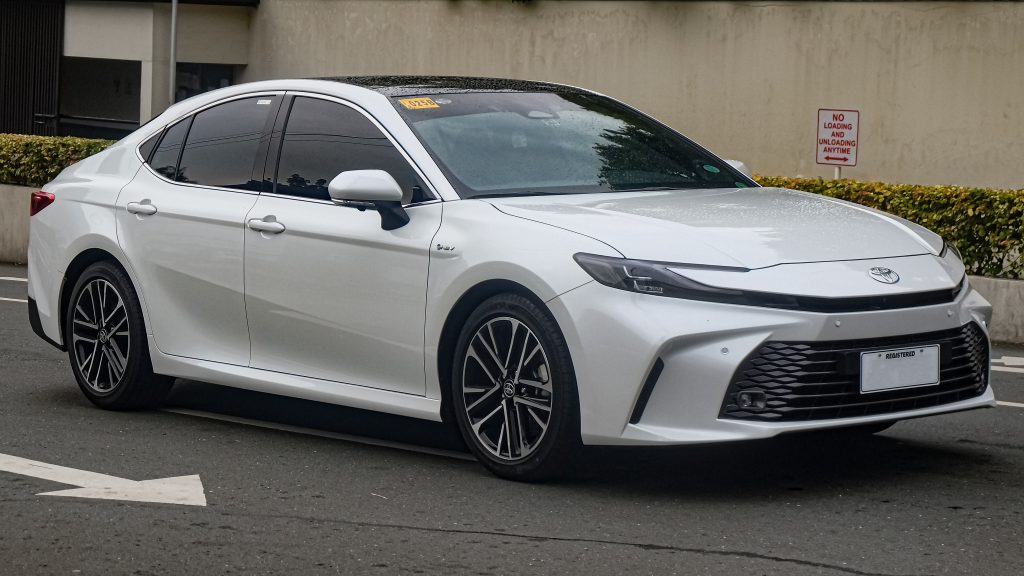
2. Toyota Camry
The Toyota Camry takes a different approach to rear seat comfort, focusing on creating a well-rounded environment that supports taller passengers without sacrificing its design. It achieves this by carefully managing space and ergonomics, resulting in a rear seat that feels accommodating and practical.
One of the key aspects of the Camry’s rear seat is how it handles headroom. Despite its modern and slightly sporty profile, the roofline is designed to provide sufficient clearance for taller occupants. This ensures that passengers around six feet tall can sit comfortably without needing to adjust their posture.
Legroom is another area where the Camry performs well. The distance between the front and rear seats allows for a relaxed seating position, reducing the need for constant adjustments. This becomes particularly important during longer drives where comfort is essential.
The seating position itself is designed with practicality in mind. The rear bench offers a supportive base that helps maintain proper posture. Taller passengers benefit from this design, as it prevents the discomfort that can arise from poorly positioned seats.
The Camry also pays attention to how the interior feels as a whole. The cabin is designed to create a sense of space, with a layout that avoids making the rear seat feel cramped. This openness contributes to a more comfortable experience, especially for those who require additional room.
Another factor that improves usability is ease of entry and exit. The door design and seat height make it easier for taller passengers to get in and out without awkward movements. This adds to the vehicle’s practicality.
The ride quality complements the spacious interior. With a smooth and stable driving experience, the Camry allows passengers to remain comfortable even on uneven roads. This consistency helps maintain a relaxed posture, which is important for taller individuals.
Additional features, such as rear air vents and available amenities, further improve the experience. These elements ensure that passengers remain comfortable throughout the journey, regardless of external conditions.
The Toyota Camry shows that rear seat comfort comes from careful design and attention to detail. By focusing on headroom, legroom, and ergonomics, it provides a space that accommodates six-foot passengers effectively while maintaining its reputation for reliability and practicality.
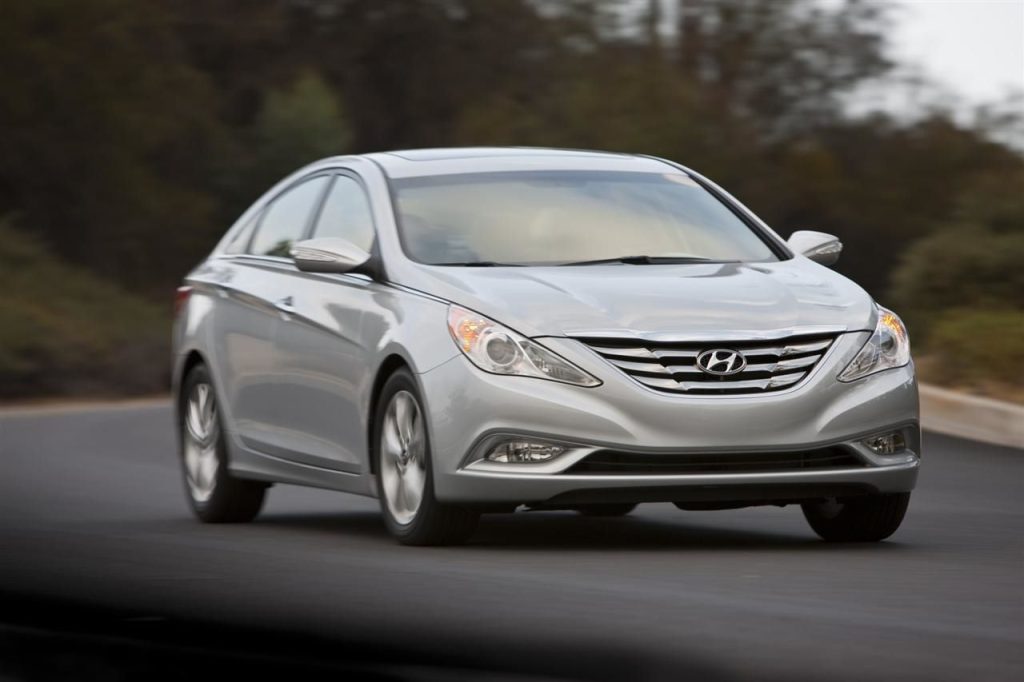
3. Hyundai Sonata
The Hyundai Sonata approaches rear seat comfort with a design philosophy that blends modern styling with practical space management. While its exterior leans toward a sleek and contemporary look, the interior tells a different story, one that prioritizes usability for passengers of varying heights, including those around six feet tall.
At first glance, the Sonata might appear like a car that sacrifices rear headroom for style. However, once seated in the back, it becomes clear that Hyundai has carefully engineered the roofline to preserve vertical space where it matters most.
Taller passengers can sit upright without feeling compressed, which is often a concern in sedans with a coupe-like silhouette.
Legroom in the Sonata is another strong point. The cabin layout allows for a generous gap between the front and rear seats, creating a relaxed seating position.
This spacing ensures that taller individuals do not have to adjust their posture constantly, which can become tiring during longer drives. The result is a seating arrangement that feels natural rather than restrictive.
The seat base itself is designed to support longer legs. Unlike some sedans where the cushion feels too short, the Sonata provides adequate thigh support, helping distribute weight evenly. This reduces pressure points and contributes to a more comfortable experience over time.
A different element that sets the Sonata apart is how it manages interior proportions. The rear seat area feels wide and open, allowing passengers to adjust their position slightly without feeling confined. This sense of space is important for taller occupants who may need a bit more room to remain comfortable.
Entry and exit are also handled thoughtfully. The door openings are shaped to allow taller passengers to get in and out without awkward bending or twisting. This convenience improves rear seat usability, especially in everyday scenarios.
The Sonata’s ride quality further enhances comfort. It absorbs road imperfections effectively, allowing passengers to maintain a steady and relaxed posture. This smoothness complements the spacious seating, creating an environment where longer journeys feel less tiring.
Another noteworthy aspect is how the rear seat integrates with the rest of the cabin. The design ensures that front seat adjustments do not significantly compromise rear space, which is crucial when accommodating taller passengers. Even with a driver of similar height, the rear seat remains usable and comfortable.
The inclusion of rear air vents and thoughtful cabin features adds another layer of convenience. Passengers can maintain a comfortable temperature and enjoy a pleasant environment, which is particularly important during extended trips.
The Hyundai Sonata demonstrates that modern design does not have to come at the cost of practicality. By carefully balancing style with thoughtful engineering, it creates a rear seat that comfortably accommodates six-foot passengers while maintaining a sleek and contemporary appearance.
4. Volkswagen Passat
The Volkswagen Passat takes a more traditional and space-focused approach, prioritizing rear seat comfort in a way that feels deliberate and effective. It does not rely on dramatic styling or complex design elements. Instead, it focuses on delivering a straightforward and spacious environment that works exceptionally well for taller passengers.
One of the most immediate advantages of the Passat is its generous headroom. The roofline is designed to maximize vertical space, allowing six-foot passengers to sit comfortably without any sense of restriction. This makes it particularly suitable for those who frequently travel in the rear seat.
Legroom is another area where the Passat excels. The distance between the front and rear seats is among the best in its class, providing ample space for taller individuals to stretch out. This reduces the need for constant adjustments and allows for a more relaxed seating position.
The seating arrangement itself is designed with comfort in mind. The rear bench offers a supportive structure that helps maintain proper posture. Taller passengers benefit from this design, as it prevents the discomfort that can arise from poorly shaped seats.
A unique strength of the Passat is how it creates a sense of openness. The cabin layout, combined with large windows, ensures that the rear seat does not feel enclosed. This openness enhances comfort, especially for those who require more space to feel at ease.
The door design also contributes to ease of use. Wide openings and a well-positioned seat height make it simple for taller passengers to enter and exit the vehicle without difficulty. This practical detail improves everyday usability.
Ride quality plays a significant role in the Passat’s appeal. The suspension is tuned to provide a smooth and composed experience, allowing passengers to remain comfortable even on uneven roads. This consistency helps maintain a relaxed posture throughout the journey.
Another aspect worth noting is how the Passat manages interior proportions. It avoids unnecessary complexity, focusing instead on creating a balanced and functional space. This simplicity works in its favor, ensuring that every inch of the cabin is used effectively.
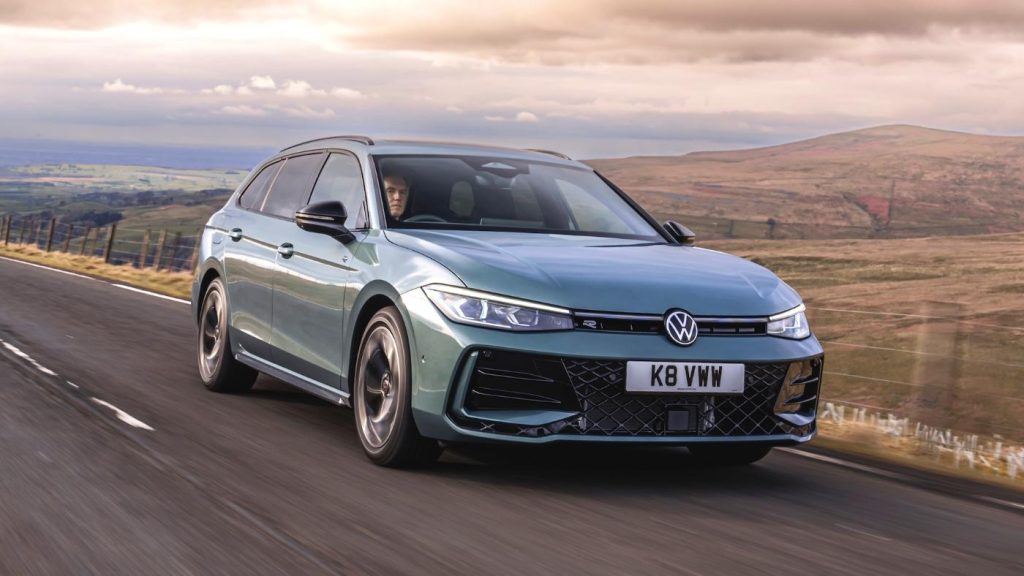
Additional features such as rear air vents and a well-organized interior further enhance the experience. These elements contribute to a comfortable and user-friendly environment, making the rear seat a pleasant place to spend time.
The Volkswagen Passat proves that a traditional approach can still deliver excellent results. By prioritizing space, comfort, and usability, it offers a rear seat that accommodates six-foot passengers with ease, making it a dependable choice for those who value practicality above all else.
5. Kia K5
The Kia K5 takes a bold design route, yet manages to deliver a rear seat that remains surprisingly accommodating for taller passengers. At first glance, its fastback-inspired profile suggests limited headroom, but the way Kia has engineered the cabin reveals a more thoughtful execution that supports six-foot occupants without forcing compromise.
The roofline is the first area where this balance becomes clear. While the exterior carries a sleek and slightly aggressive slope, the interior roof contour is shaped to preserve usable space where passengers actually sit.
This allows taller individuals to maintain an upright posture without brushing against the ceiling, something that is not always expected from a design-focused sedan.
Legroom is handled with equal care. The distance between the rows provides enough space for long legs to stretch comfortably, reducing the need to angle knees awkwardly. This becomes particularly valuable on extended drives, where even small limitations in space can lead to noticeable discomfort over time.
The seat construction plays a different role here compared to more traditional sedans. The rear bench in the K5 is sculpted in a way that supports the body while still allowing a degree of flexibility in seating position. Taller passengers can adjust slightly without feeling confined to a single posture, which helps maintain comfort during longer journeys.
Another point that works in the K5’s favor is how it manages floor height. The rear footwell is designed to provide enough depth for natural leg positioning, preventing the knees from rising too high. This detail might seem subtle, but it has a direct impact on how relaxed the seating position feels.
Entry and exit follow a slightly different pattern compared to more upright sedans. The design requires a bit of awareness due to the lower roofline, but once inside, the space compensates for this with a comfortable and supportive environment. It is a trade-off that works well for those who prioritize both style and usability.
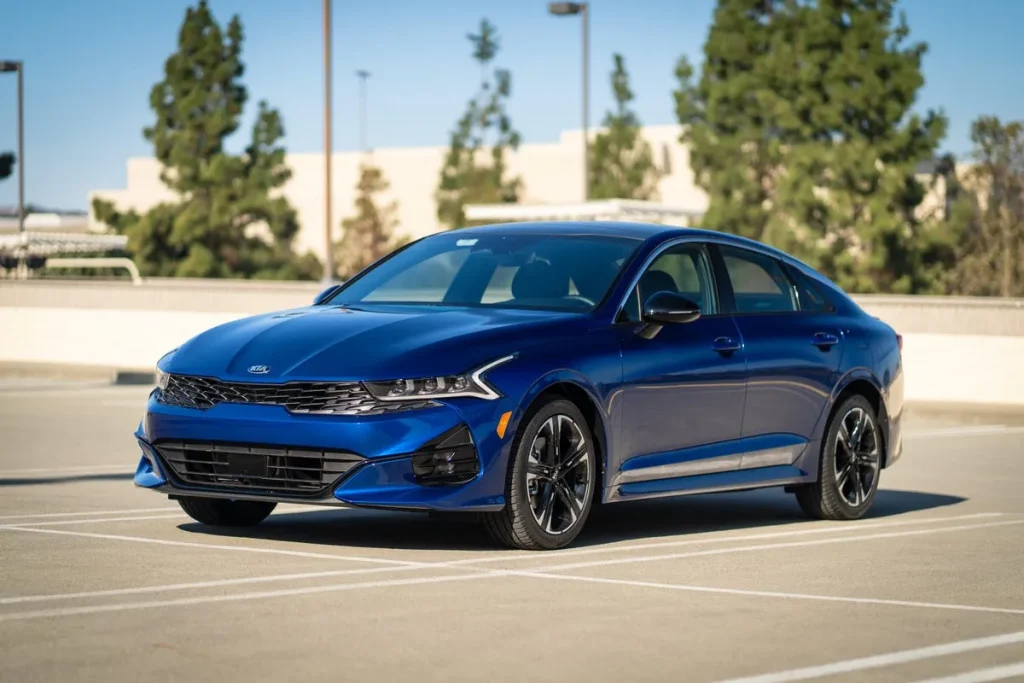
The cabin layout contributes to a sense of width, which indirectly benefits taller passengers. With sufficient lateral space, there is less feeling of confinement, allowing occupants to shift slightly and remain comfortable. This openness enhances the experience.
Ride quality also supports the seating design. The K5 maintains a composed and stable character, which helps passengers stay relaxed without constant movement. This consistency is particularly important for taller individuals who rely on steady support to avoid fatigue.
The rear seat is further complemented by thoughtful features such as air vents and a well-organized interior layout. These elements enhance the environment, making it easier for passengers to settle in and remain comfortable throughout the journey.
The Kia K5 shows that a sedan can combine bold styling with practical comfort. By carefully managing proportions and seat design, it creates a rear seat that works well for six-foot passengers while still maintaining a distinctive and modern appearance.
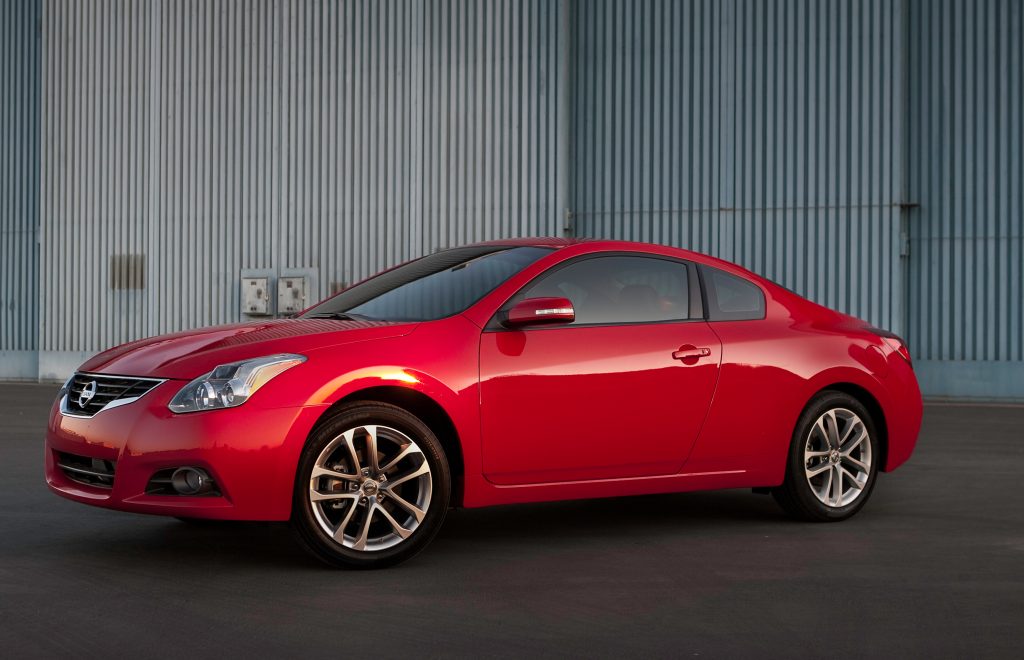
6. Nissan Altima
The Nissan Altima approaches rear seat comfort with a focus on simplicity and balance, delivering a space that feels accessible and accommodating without relying on dramatic design changes. It is a sedan that prioritizes usability, making it a reliable choice for taller passengers who need consistent comfort.
One of the key strengths of the Altima is how it distributes space evenly. Instead of emphasizing one dimension over another, it provides a balanced combination of headroom and legroom. This ensures that six-foot passengers can sit comfortably without having to compromise their posture.
The roofline is designed to maintain adequate clearance, allowing passengers to sit upright without feeling restricted. While it does not aim for a dramatic profile, this straightforward approach works in its favor by preserving interior space where it matters most.
Legroom is equally supportive, offering enough distance between the seats to allow for a relaxed position. Taller occupants can extend their legs without feeling cramped, which contributes to a more comfortable experience during longer trips.
The seating position itself is designed to feel natural. The height of the rear bench allows passengers to sit in a way that supports their bodies without forcing awkward angles. This helps reduce strain and makes the seat suitable for extended use.
Another aspect that enhances comfort is the cushioning. The seats provide a balance between firmness and softness, ensuring that passengers receive adequate support while still feeling comfortable. This is particularly important for taller individuals who require proper support to maintain posture.
The Altima also benefits from a cabin layout that feels open and uncluttered. This simplicity creates a more relaxed environment, allowing passengers to focus on comfort rather than adjusting to the space.
Entry and exit are handled with ease, thanks to well-designed door openings and a practical seat height. Taller passengers can get in and out without excessive bending, which adds to the everyday usability of the vehicle.
Ride quality further supports the seating experience. The Altima offers a smooth and composed drive, allowing passengers to remain comfortable even on less-than-perfect roads. This consistency helps maintain a steady posture, reducing fatigue over time.
Additional features such as rear air vents and a thoughtfully arranged interior contribute to a more pleasant environment. These elements ensure that passengers remain comfortable throughout the journey, regardless of external conditions.
The Nissan Altima demonstrates that comfort does not always require complex solutions. By focusing on balance, practicality, and consistent design, it delivers a rear seat that accommodates six-foot passengers effectively while maintaining a straightforward and user-friendly approach.
Rear seat comfort in sedans becomes especially important when accommodating taller passengers, particularly those around six feet tall. It is not just about legroom, but a careful balance of headroom, seat height, cushioning, and cabin layout.
The six sedans highlighted here show how different manufacturers approach this challenge in unique ways while still delivering practical and comfortable rear seating.
Models like the Honda Accord and Toyota Camry focus on well-rounded usability. They provide generous space in both headroom and legroom while maintaining a natural seating posture.
Their designs ensure that taller passengers can sit upright without feeling restricted, making them reliable choices for everyday use and longer journeys.
The Hyundai Sonata and Volkswagen Passat take slightly different directions. The Sonata blends modern styling with clever interior engineering to preserve space, while the Passat emphasizes traditional proportions and maximizes interior volume. Both succeed in offering a comfortable and supportive rear seat experience for taller occupants.
Meanwhile, the Kia K5 shows that bold design does not have to compromise practicality. Its sculpted interior and smart seat positioning allow taller passengers to remain comfortable despite its sleek exterior.
On the other hand, the Nissan Altima focuses on simplicity and balance, delivering consistent comfort through straightforward design and effective space distribution.
Across all these sedans, a few common themes emerge. Proper seat height prevents discomfort in the knees, adequate headroom allows a natural upright posture, and smooth ride quality helps maintain comfort over longer distances.
Ease of entry and exit also plays a role, as taller passengers benefit from door openings and seating positions that do not require awkward movements.
These vehicles demonstrate that accommodating taller passengers is not about a single measurement but about how multiple elements come together. Thoughtful engineering, balanced proportions, and attention to real-world usability make a significant difference.
For anyone prioritizing rear seat comfort, especially for taller occupants, these sedans offer dependable solutions that combine space, support, and everyday practicality.
Also Read: 7 European Sleepers Hiding 400+ HP That Cost Less Than A Civic Type R In 2026
