
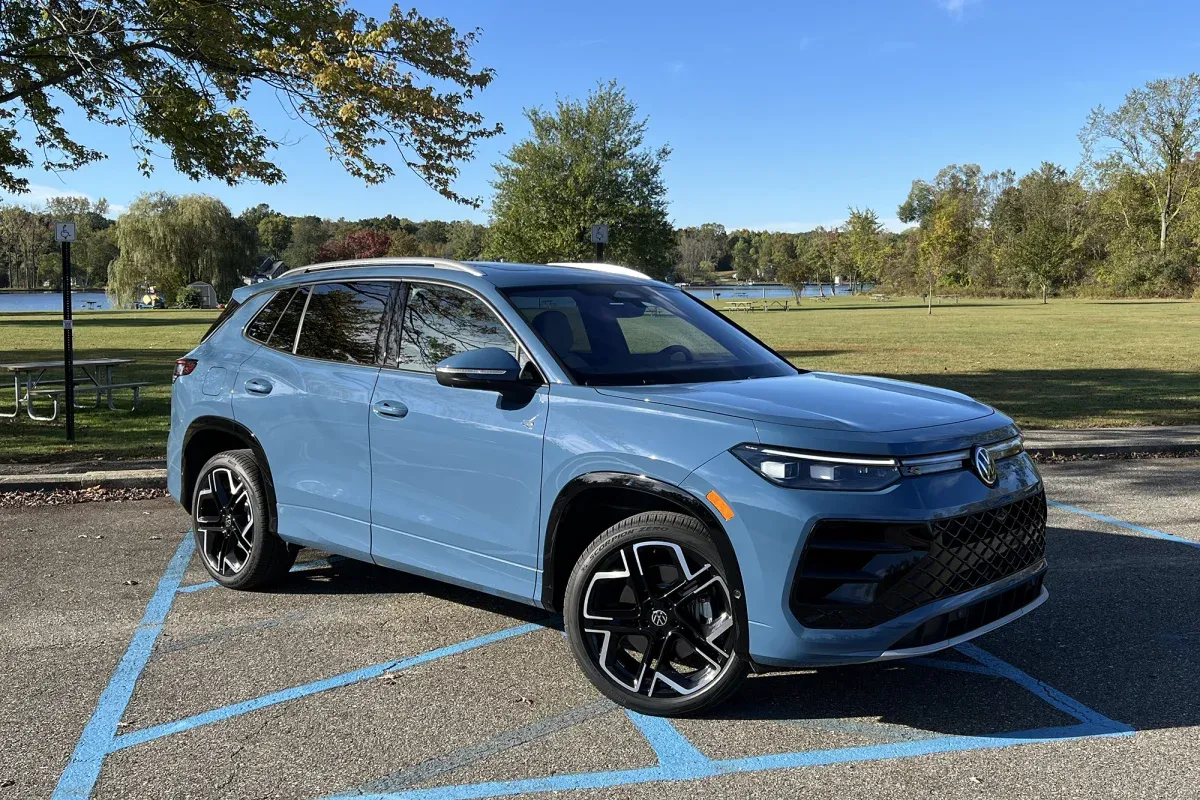
Drive-through car washes are designed for convenience, yet they can quickly turn stressful if your vehicle is not suited for them. One of the most common concerns involves side mirrors. Many SUVs come with large, protruding mirrors that either need to be folded manually or risk getting pushed by rotating brushes and high-pressure jets.
For drivers who frequently use automatic washes, this becomes an annoying routine that interrupts the simplicity these systems promise.
Not every SUV handles this situation the same way. Some are built with mirrors that are compact enough to pass through safely, while others feature sturdy mounting and flexible housings that can withstand contact without damage.
In a few cases, the design of the mirror and its placement relative to the body allow it to glide through the wash process without requiring any adjustment at all.
This may seem like a minor detail, but it plays a role in everyday usability. When you can enter a drive-through wash without worrying about folding mirrors, the process feels quicker and more seamless. There is no need to stop, adjust, and then reset everything afterward. It becomes a true convenience rather than a task that demands attention.
Another factor is durability. SUVs that handle drive-through washes well tend to have mirrors that are engineered with resilience in mind. Whether it is the hinge design, the casing material, or the way the mirror is integrated into the door, these elements work together to handle repeated exposure to brushes and water pressure.
It is also worth noting that modern car washes vary in intensity. Some use soft cloth systems, while others rely on more aggressive rotating brushes. An SUV that performs well in this environment is one that balances size, placement, and structural strength in its mirror design.
This list focuses on ten SUVs that can comfortably go through a drive-through car wash without requiring you to fold the mirrors. Each one achieves this in a slightly different way, showing that thoughtful design can make even routine tasks easier.
If you value convenience and want to avoid unnecessary steps during a wash, these models stand out for their practicality.
Also Read: 10 SUVs Where The Rear Hatch Opens High Enough For Tall People
1. Toyota RAV4
The Toyota RAV4 handles drive-through car washes with a level of ease that reflects its practical nature. Its side mirrors are designed with a balanced size that provides good visibility without extending too far outward.
This proportion plays a key role in allowing the vehicle to pass through automated wash systems without requiring manual folding.
One of the defining aspects of the RAV4’s mirror design is its sturdy mounting. The mirrors are attached in a way that allows slight movement when pressure is applied, yet they return to their original position without losing alignment. This flexibility helps absorb the force from rotating brushes, reducing the risk of damage.
The outer casing of the mirrors also contributes to their resilience. Built with durable materials, they can handle repeated contact with wash equipment without showing significant wear. This makes the RAV4 a dependable choice for drivers who rely on frequent automated washes.
Another advantage lies in how the mirrors are positioned relative to the body. They are placed at an angle that allows brushes to glide over them rather than hit them directly. This subtle design detail reduces stress on the components during the wash cycle.
Drivers also benefit from the simplicity of the experience. There is no need to remember to fold the mirrors before entering the wash. You can drive in, let the system do its job, and exit without any additional steps. This convenience becomes more noticeable over time.
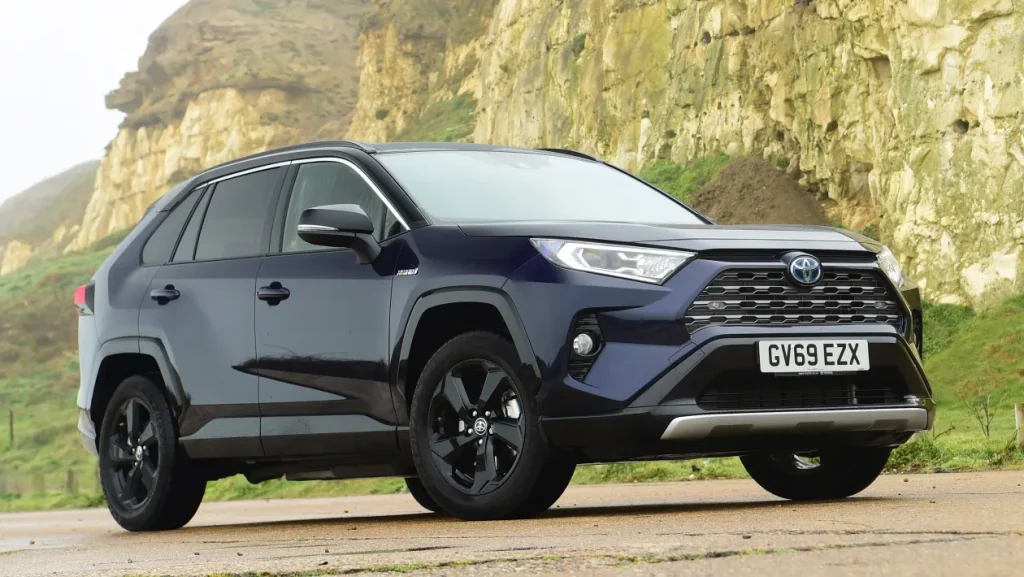
The RAV4’s approach is rooted in practicality. It does not rely on complex mechanisms or oversized structures. Instead, it combines smart proportions, durable materials, and thoughtful placement to create a mirror design that works seamlessly with drive-through car washes.
For those who prioritize ease of use in everyday situations, the RAV4 delivers a solution that feels natural and reliable.
2. Honda CR-V
The Honda CR-V takes a slightly different approach, focusing on structural strength and controlled flexibility. Its side mirrors are built to withstand external pressure without requiring constant adjustments, making them well-suited for automated wash environments.
At first glance, the mirrors appear moderately sized, offering a clear field of vision without excessive width. This balance ensures that they do not become a point of concern when entering a drive through wash. They fit comfortably within the vehicle’s full profile.
What makes the CR-V particularly effective is the hinge design. The mirrors are engineered to handle force in a controlled manner. When brushes make contact, the mirrors can flex slightly, absorbing the impact without transferring stress to the mounting point. Once the pressure is gone, they return to their original position.
This controlled movement is paired with a solid internal structure. The mirrors feel stable during normal driving conditions, yet adaptable when external forces are applied. This dual characteristic enhances both durability and usability.
Another important factor is the surface design. The shape of the mirror housing allows wash brushes to move across it smoothly, rather than catching on edges. This reduces the intensity of contact and helps maintain the condition of the mirror over time.
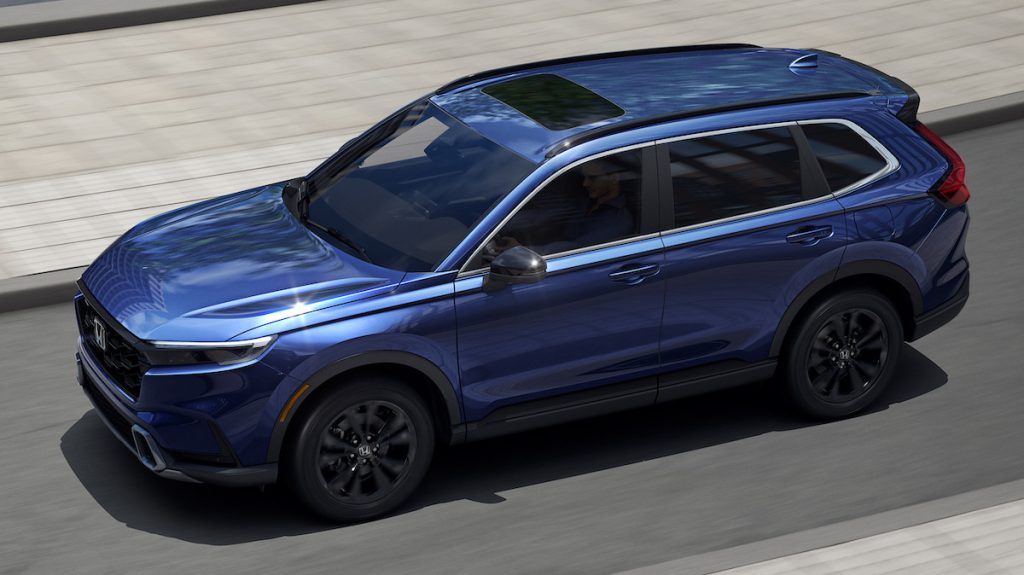
The CR-V also benefits from consistent alignment. Even after repeated exposure to automated washes, the mirrors maintain their positioning, ensuring that drivers do not need to readjust them frequently.
From a user perspective, the experience is straightforward. There is no extra step required before entering the wash. The mirrors handle the process on their own, allowing drivers to focus on the convenience that drive through systems are meant to provide.
The Honda CR-V demonstrates that durability and smart engineering can eliminate small inconveniences. Its mirror design supports repeated use in automated washes while maintaining reliability and ease of use.
3. Subaru Forester
The Subaru Forester brings a different philosophy to this topic, one shaped by its focus on durability and real world usability. Instead of designing mirrors purely for compactness, Subaru builds them to handle contact with confidence. That approach pays off when the vehicle enters a drive through wash.
The mirrors on the Forester sit slightly higher on the door compared to many rivals. This positioning changes how rotating brushes interact with them. Rather than taking direct hits at the widest point, the brushes tend to sweep across the surface more gently, reducing the stress placed on the assembly.
Another important factor is the shape of the housing. It is rounded and smooth, without sharp edges that could catch on cleaning equipment. This allows brushes to move across the mirror in a continuous motion, which lowers the chance of sudden force being applied.
Subaru also focuses on structural integrity. The mirror mount feels solid during normal driving, yet it has enough give to absorb pressure when needed. This balance ensures that the mirror can handle repeated wash cycles without loosening or losing alignment.
Drivers who regularly use automatic washes will notice how little attention the Forester demands in this situation. There is no need to pause and adjust anything. The mirrors handle the process naturally, which adds to the vehicle’s reputation for everyday practicality.
Another subtle advantage is visibility after the wash. Because the mirrors maintain their position so consistently, drivers do not need to readjust them before continuing their journey. This small detail contributes to a smoother experience.
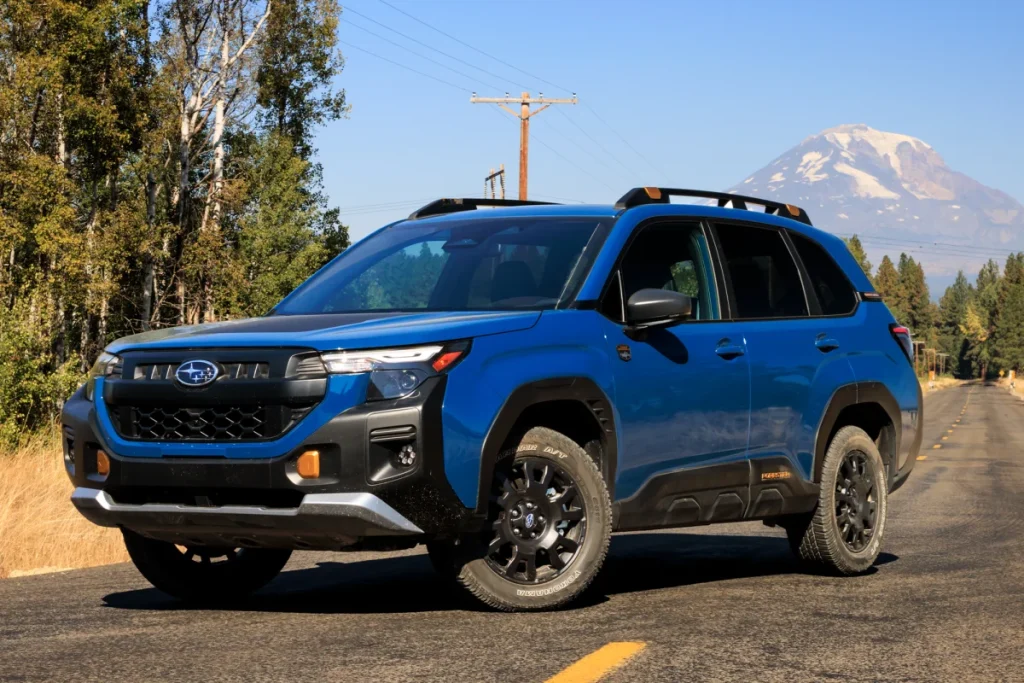
The Forester’s approach is not about minimizing mirror size. Instead, it is about designing a component that can interact with external forces in a controlled way. That mindset makes it particularly well suited for environments where contact is unavoidable.
For drivers who value reliability in routine tasks, the Forester offers a solution that feels dependable and thoughtfully engineered.
4. Mazda CX-5
Mazda takes a more refined route with the CX-5, focusing on how the mirrors integrate with the full body design. The goal is not just to withstand a drive through wash, but to move through it with minimal resistance. This creates a smoother interaction between the vehicle and the cleaning system.
The mirrors are designed with a streamlined profile that reduces drag when brushes make contact. Instead of presenting a flat surface, the housing guides the motion of the brushes along its contour. This helps prevent abrupt pressure points that could otherwise cause movement.
Placement also plays a key role. The CX-5 positions its mirrors in a way that aligns closely with the flow of the vehicle’s side profile. This alignment allows wash equipment to pass over them in a more natural path, rather than striking them at awkward angles.
Mazda’s attention to detail extends to the mounting system. The mirrors feel firmly attached, yet they incorporate a degree of flexibility that helps absorb external force. This combination ensures that they remain stable in daily use while still being capable of handling the demands of an automated wash.
Another aspect worth noting is the consistency of performance. Even after repeated exposure to brushes and water pressure, the mirrors retain their alignment and appearance. This reliability adds to the sense of quality that the CX-5 aims to deliver.
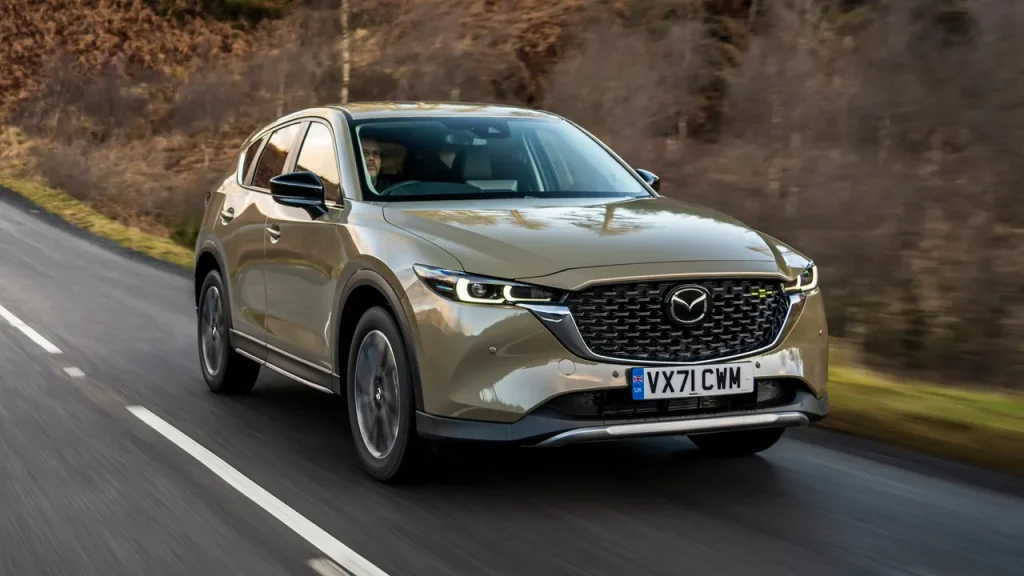
From the driver’s perspective, the experience is seamless. There is no need to think about the mirrors before entering a wash. The design handles the situation quietly, allowing the focus to remain on convenience.
The CX-5 demonstrates that thoughtful shaping and integration can be just as effective as reducing size. By guiding how external forces interact with the mirror, Mazda creates a design that works harmoniously with automated wash systems. It is a subtle approach, but one that proves highly effective in everyday use.
5. Hyundai Tucson
The Hyundai Tucson handles this scenario through a combination of compact mirror dimensions and carefully tuned flexibility. At first glance, the mirrors appear neatly proportioned, offering good visibility without extending excessively outward.
That balance is what allows the SUV to pass through drive through washes without demanding extra attention.
Hyundai shapes the mirror housing with smooth transitions rather than abrupt edges. When rotating brushes make contact, they slide across the surface instead of catching or pushing sharply. This reduces the force transferred to the mirror assembly and keeps the movement controlled.
Another factor that works in the Tucson’s favor is the hinge calibration. The mirrors are not rigid to the point of resisting all movement, yet they are not loose either. When pressure is applied, they give slightly and then return to their original position once the contact ends. This controlled response helps maintain alignment over time.
The placement of the mirrors also contributes to the experience. They sit in a position that avoids the most aggressive contact zones inside typical car wash systems. This means the brushes interact with them in a more predictable way, reducing sudden impacts.
Drivers will notice how effortless the process feels. There is no need to pause before entering the wash or double check mirror settings. The Tucson allows you to drive in with confidence, knowing the mirrors are designed to handle the situation.
Another advantage is long term durability. Even after repeated wash cycles, the mirrors retain their structure and finish. This consistency is important for those who rely on automated washes regularly.
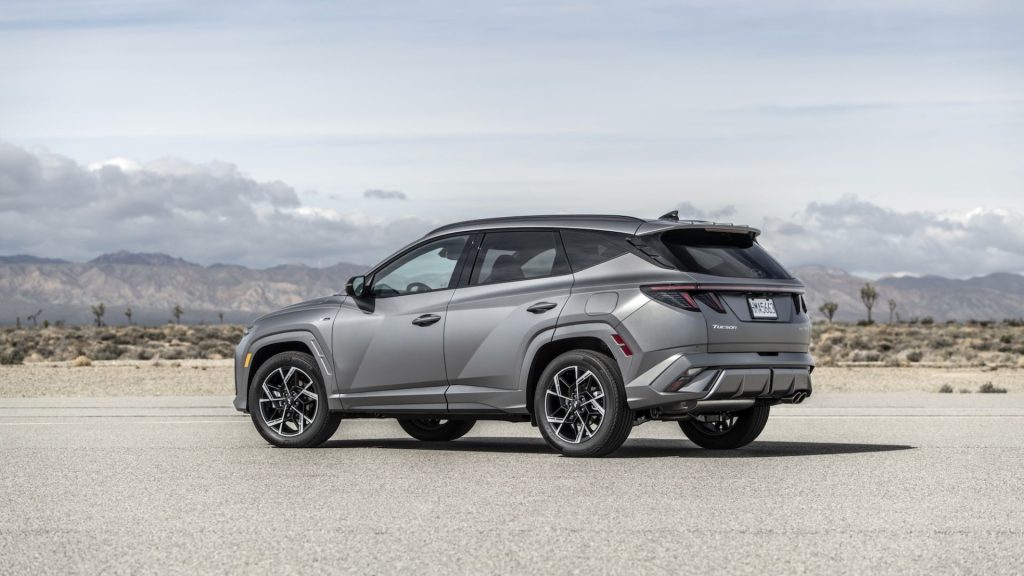
Hyundai’s approach here is practical and quietly effective. By combining compact sizing, smooth shaping, and controlled flexibility, the Tucson delivers a mirror design that fits naturally into everyday routines without creating extra steps.
6. Ford Escape
The Ford Escape takes a slightly different route, focusing on resilience and structural confidence. Its mirrors are built to handle external pressure without requiring constant adjustment, making them well suited for automated wash environments.
The first thing that stands out is the solid feel of the mirror assembly. It is firmly mounted, providing stability during normal driving conditions. At the same time, the design allows for a degree of controlled movement when external force is applied, which helps absorb the impact from wash brushes.
Ford also pays attention to the outer shape of the mirror housing. The contours are designed to guide brushes along the surface rather than allowing them to strike directly. This reduces the intensity of contact and helps maintain the integrity of the mirror over time.
Another strength lies in the mirror’s positioning relative to the vehicle’s body. It does not extend excessively outward, which keeps it within a safer range when passing through tight wash systems. This proportion plays a key role in avoiding unnecessary stress.
From a usability standpoint, the Escape keeps things simple. There is no need to fold the mirrors before entering the wash. The design handles the interaction on its own, allowing drivers to focus on the convenience of the process.

Consistency is another highlight. Even after multiple wash cycles, the mirrors maintain their alignment and do not require frequent readjustment. This reliability adds to the vehicle’s everyday practicality.
The Escape demonstrates that a strong, well balanced design can handle repeated exposure to automated washes without compromise. By combining durability, thoughtful shaping, and stable positioning, it delivers a mirror setup that works smoothly in real world conditions.
7. Kia Sportage
Kia gives the Sportage a mirror design that feels compact yet confident, which is exactly what helps it pass through drive through car washes without needing any adjustment. The mirrors are not oversized, but they still provide strong visibility, showing how well Kia has balanced function and proportion.
The housing shape plays a key role here. Instead of sharp edges or flat surfaces, the mirrors use a rounded profile that allows brushes to move across them smoothly. This reduces the chances of sudden impact and keeps the interaction controlled throughout the wash cycle.
Another important detail is how the mirror sits relative to the door. It is positioned in a way that keeps it within the natural flow of the vehicle’s side. Because of this, wash brushes tend to follow the body line rather than hitting the mirror directly, which lowers stress on the mounting.
Kia also tunes the hinge with a slight degree of flexibility. When pressure builds up from rotating brushes, the mirror can move just enough to absorb that force. Once the contact ends, it returns to its original position without needing correction. This behavior becomes more noticeable after repeated washes, where consistency matters.
Drivers benefit from the simplicity of the experience. There is no need to think about folding mirrors before entering the wash. The Sportage handles the process naturally, which makes routine cleaning feel effortless.
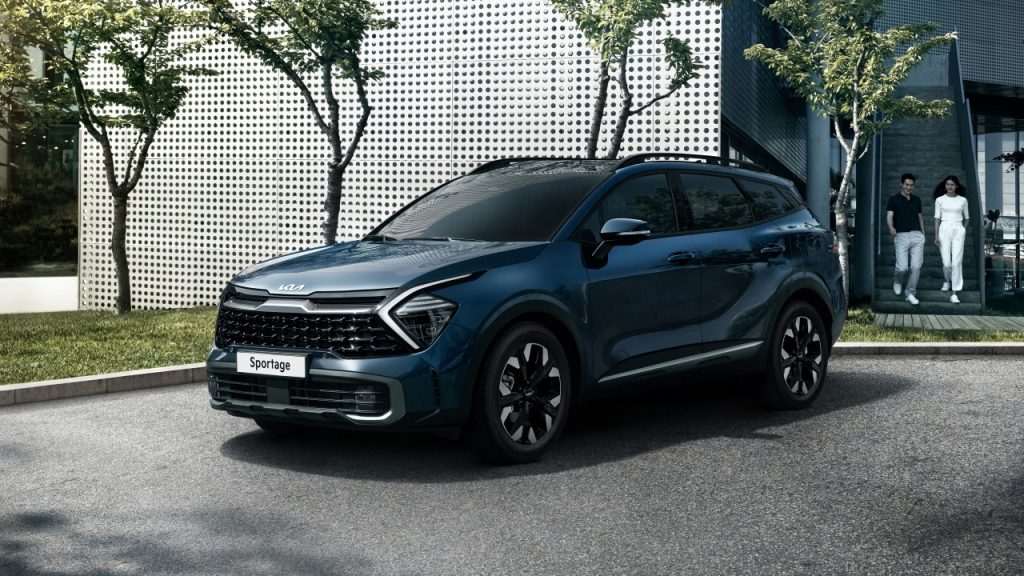
Durability is another strength. The mirror casing resists wear from frequent contact, maintaining both its appearance and structural integrity over time. This reliability adds to the vehicle’s everyday practicality.
The Sportage proves that a well proportioned and thoughtfully shaped mirror can eliminate small inconveniences. It is a straightforward solution that works effectively without adding complexity.
8. Volkswagen Tiguan
Volkswagen approaches the Tiguan’s mirror design with a focus on consistency and control. Rather than relying on minimal size alone, the mirrors are engineered to handle repeated interaction with external forces in a predictable way. This makes them particularly suitable for automated car washes.
The movement of the mirror under pressure is carefully managed. It does not feel loose or unstable, yet it is not completely rigid either. When brushes make contact, the mirror absorbs the force and then settles back into place without losing alignment. This controlled response reduces wear over time.
The outer casing also contributes to the experience. Its smooth finish allows wash materials to glide across without resistance. This helps prevent abrupt contact points, which are often the cause of damage in less refined designs.
Placement is another area where the Tiguan performs well. The mirrors are positioned to stay within the vehicle’s full width profile, which reduces the likelihood of heavy impact during the wash process. This alignment works quietly in the background, making the interaction feel seamless.
From a driver’s perspective, the benefit is clear. You can enter a drive through wash without pausing to adjust anything. The mirrors behave predictably, which removes a small but noticeable inconvenience from the routine.
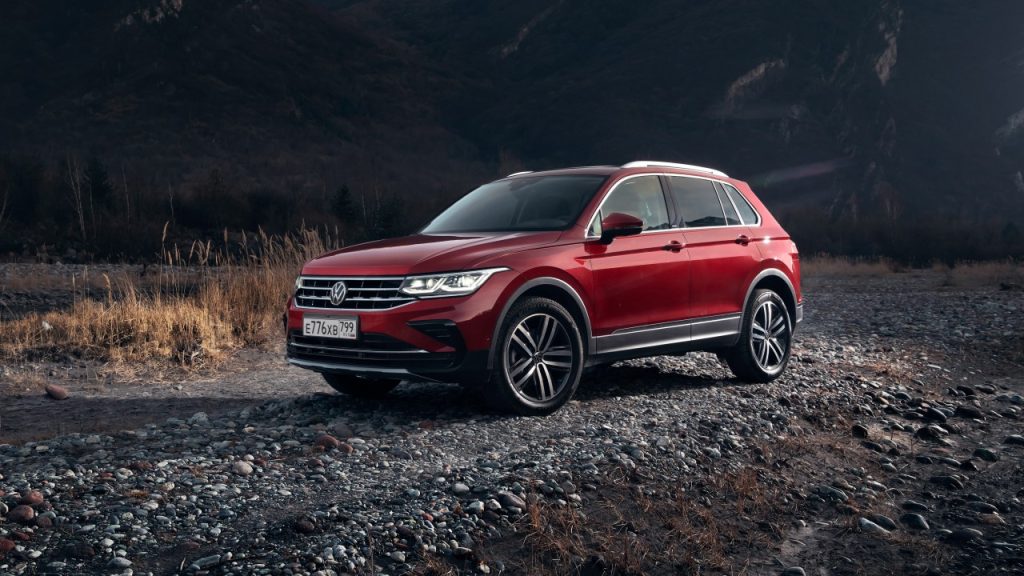
Another advantage is long term stability. Even after multiple washes, the mirrors maintain their position and do not require frequent readjustment. This consistency builds trust in the design.
Volkswagen keeps the approach simple but effective. By focusing on controlled flexibility, smooth surfaces, and smart positioning, the Tiguan delivers a mirror setup that works reliably in everyday conditions without demanding extra effort.
9. Chevrolet Traverse
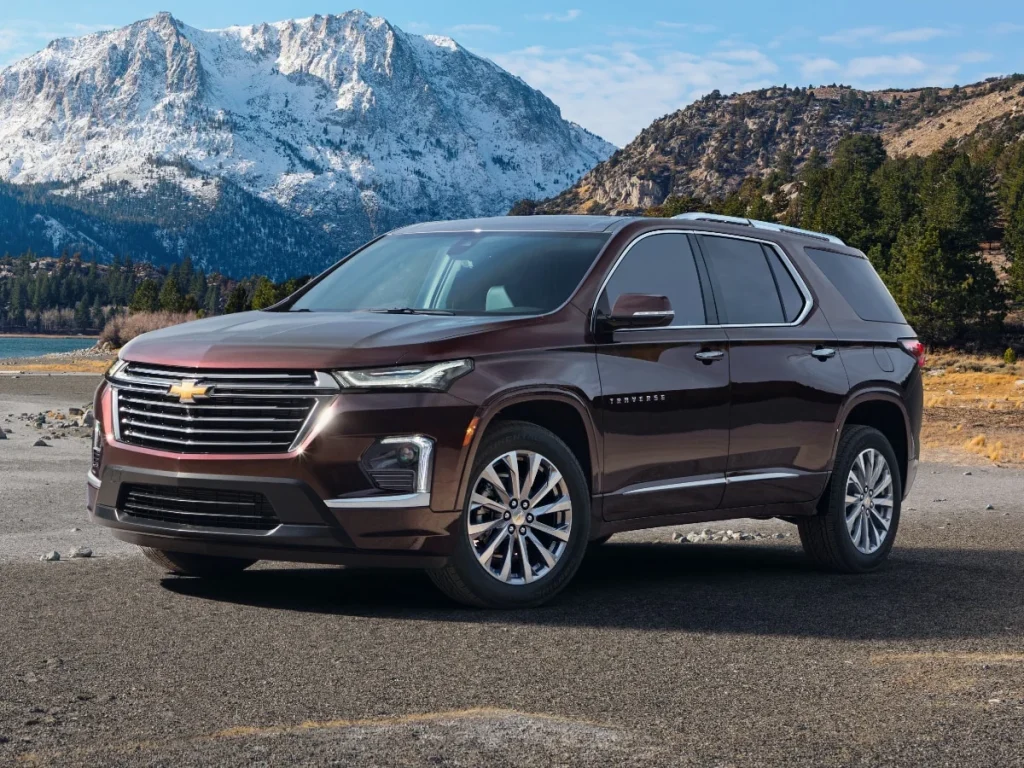
The Chevrolet Traverse benefits from its larger body dimensions, yet its mirror design avoids the usual drawbacks associated with size. Instead of extending too far outward, the mirrors are shaped and positioned to remain within a controlled width. This allows the SUV to pass through drive through washes without requiring manual folding.
A key strength lies in the way Chevrolet manages surface interaction. The mirror housing features a smooth, slightly tapered form that encourages wash brushes to move along it rather than push directly against it. This reduces sudden pressure and keeps the contact more evenly distributed.
The mounting system is designed with durability in mind. It feels firm during normal driving, yet it has enough compliance to handle external force when necessary. When brushes press against the mirror, it can absorb that force without transferring stress to the door structure. Once the pressure is gone, it returns to its original alignment.
Another aspect that works in the Traverse’s favor is mirror placement height. Positioned at a level that aligns well with the natural sweep of most car wash brushes, the mirrors avoid the most aggressive contact zones. This subtle design decision contributes to a smoother interaction during the wash cycle.
Drivers will notice how little attention the process requires. There is no need to stop and fold the mirrors before entering. The vehicle is ready as it is, which reinforces the idea of convenience that drive through washes are meant to provide.
Long term consistency is another benefit. Even after repeated exposure to brushes and water pressure, the mirrors maintain their structure and do not loosen or drift out of position. This reliability is important for daily usability.
The Traverse shows that even a larger SUV can handle automated washes comfortably when the mirror design is carefully considered. It combines controlled proportions, durable construction, and thoughtful placement to create a solution that works without extra effort.
10. Volvo XC60
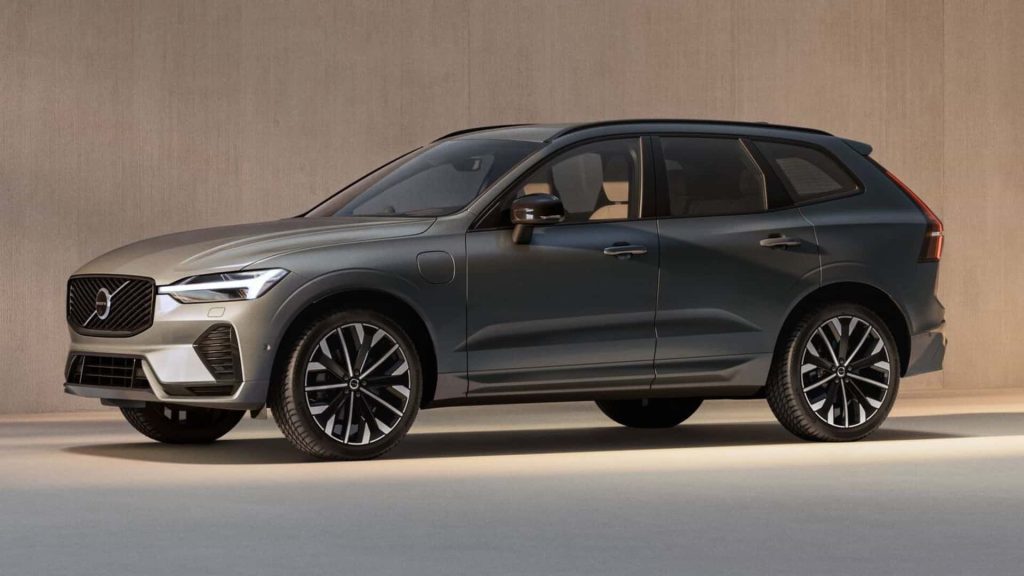
The Volvo XC60 approaches this feature with a focus on precision and understated engineering. Rather than relying on compact size alone, Volvo designs the mirrors to interact with external forces in a refined and predictable way. This makes them well suited for drive through car washes.
The mirror housing is carefully sculpted, with smooth transitions that guide brushes across the surface. Instead of catching or resisting movement, the shape allows for a fluid interaction that reduces stress on the component. This design choice plays a major role in maintaining durability over time.
Another important detail is the hinge mechanism. Volvo tunes it to provide controlled flexibility. When pressure is applied, the mirror can move slightly, absorbing the force without feeling unstable. Once the contact ends, it returns to its original position with precision.
Placement is equally thoughtful. The mirrors are aligned closely with the vehicle’s side profile, keeping them within a safe range during the wash process. This reduces the likelihood of heavy impact and allows the brushes to follow a natural path along the body.
From a usability standpoint, the experience is seamless. There is no need to make adjustments before entering a wash. The mirrors handle the process quietly, allowing drivers to focus on the convenience of the system.
The materials used in the mirror construction add another layer of confidence. They resist wear from repeated contact, maintaining both appearance and function. This durability supports long term use without compromise.
Volvo’s approach is subtle yet effective. By combining precise shaping, controlled movement, and careful positioning, the XC60 delivers a mirror design that works effortlessly in automated washes while maintaining a refined feel.
Drive through car washes are meant to simplify routine maintenance, yet small design details can determine how smooth that experience really is. Side mirrors are one of those details that often go unnoticed until they become inconvenient. The SUVs in this list address that issue through thoughtful engineering.
Some rely on compact proportions, others on flexible mounting systems, and a few on carefully shaped housings that guide external contact. Despite these different approaches, they all achieve the same goal. They allow drivers to enter a wash without needing to fold mirrors or worry about damage.
This kind of usability adds up over time. Removing even a small step from a regular task makes ownership feel easier and more convenient. It is a reminder that practical design is not just about major features, but also about how well a vehicle handles everyday situations.
Choosing an SUV that performs well in these small moments can make a noticeable difference. Once you experience the ease of driving straight into a car wash without a second thought, it quickly becomes something you appreciate every time.
Also Read: 10 Luxury Sedans From The 2010s That Aged The Best In 2026
