
Road trips are the ultimate test of a car’s real-world capability. They separate the promise of a vehicle from its actual performance under pressure.
Tesla has long been celebrated as the king of electric road tripping. The Supercharger network is vast, the range is impressive, and the technology is undeniably slick.
But not every journey belongs to Tesla. Some rivals have quietly caught up and in certain situations, completely overtaken it. The truth is, road tripping is about more than just range numbers on a spec sheet. It is about charging speed, comfort, cargo space, driving confidence, and how stress-free the experience actually feels.
Some cars make long-distance travel feel like a genuine pleasure. Others turn it into an exhausting cycle of range anxiety and frustrating stops. In this list, we are going to be brutally honest. Five cars will show you exactly why Tesla is not automatically the best road trip machine anymore. Then five more will remind you why Tesla still leaves most of the competition completely in the dust.
5 Cars That Beat a Tesla on a Road Trip
These vehicles excel in long-distance comfort, quick refueling, and consistent highway efficiency, making them strong road trip contenders. With large fuel tanks, fast refueling times, and fewer charging constraints, they can cover long distances with minimal downtime. Comfortable seating, quiet cabins, and stable highway performance also reduce fatigue, giving them an edge on extended journeys where convenience and time matter most.
1. Lucid Air
The Lucid Air is not just an electric car. It is a statement that range anxiety can be completely eliminated on a road trip. The Lucid Air Grand Touring delivers an EPA-rated range of over 516 miles on a single charge. That is roughly 100 miles more than even the longest-range Tesla Model S currently on sale.
What that means in practice is extraordinary. You can drive from Chicago to New York without stopping to charge even once. Tesla drivers doing the same route would need at least one Supercharger stop.
That alone can add 25 to 40 minutes to the total journey time. The Lucid Air also charges at up to 350 kW on compatible DC fast chargers. That means it can recover about 200 miles of range in just 22 minutes.
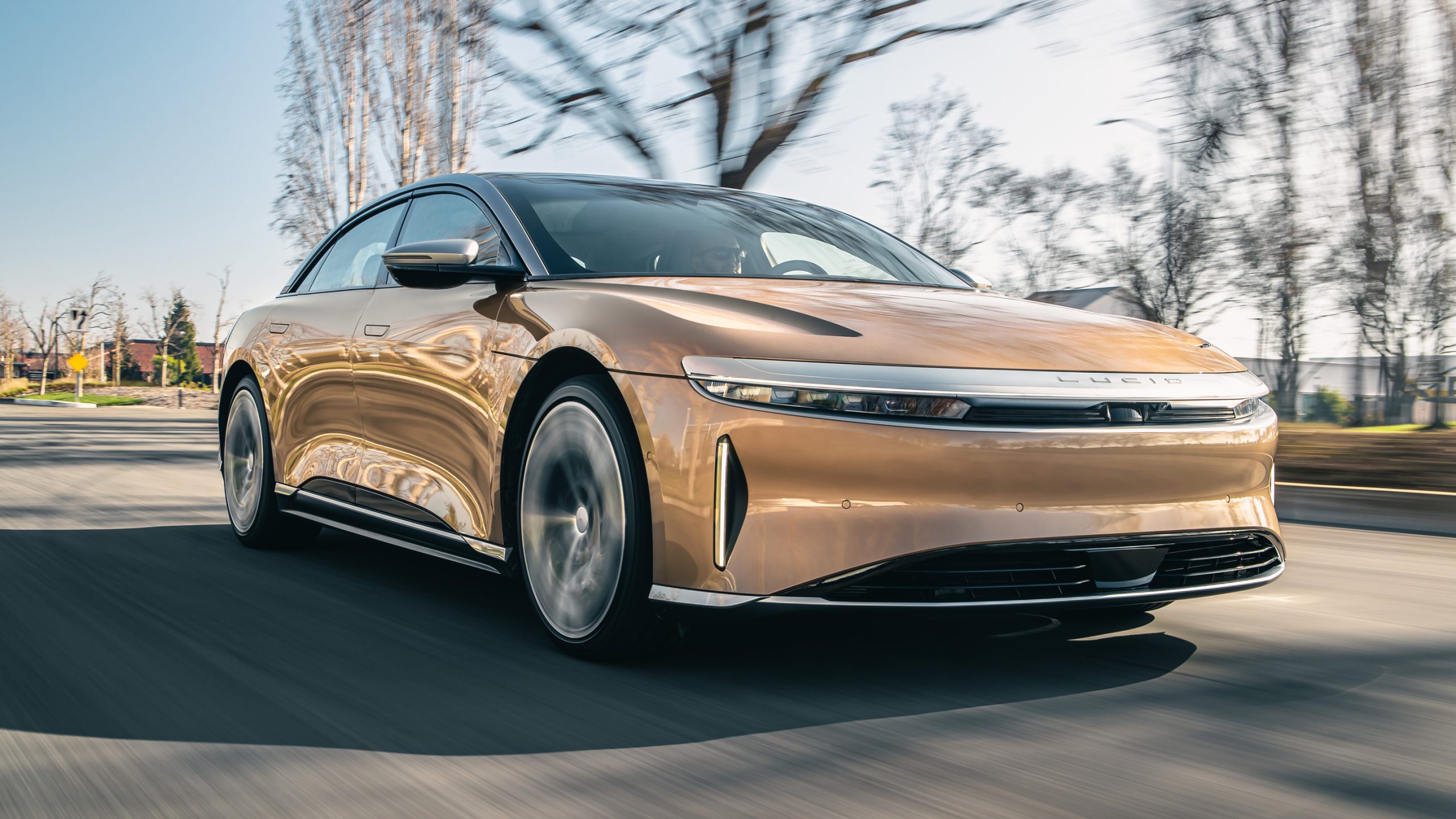
Tesla’s V3 Superchargers peak at around 250 kW for the Model S. The Lucid simply replenishes faster per kilowatt of charging capacity.
Inside the cabin, the Lucid Air is nothing short of spectacular. The interior space feels more like a luxury lounge than a car, with genuinely massive rear legroom.
On long drives, passenger comfort is everything. Fatigued passengers make for miserable road trips, and the Lucid Air almost completely eliminates that problem.
The 34-inch curved Glass Cockpit display keeps the driver informed without being distracting. Navigation is smooth, intuitive, and road-trip ready right out of the box.
Wind noise at highway speeds is almost nonexistent in the Lucid Air. That level of refinement makes ten-hour drives feel significantly less draining.
The drive itself is planted, calm, and confidence-inspiring on long interstate stretches. It never feels nervous or unsettled, even at sustained highway speeds.
One honest drawback is the charging network. Lucid uses third-party networks like Electrify America, which are not always as reliable as Tesla’s Supercharger system.
But with that absurd range buffer, you rarely need to charge as urgently as a Tesla driver. The margin for error is simply enormous on any road trip route.
The Lucid Air proves that Tesla no longer has a monopoly on long-range electric luxury. For pure road trip range dominance, nothing on sale today beats it.
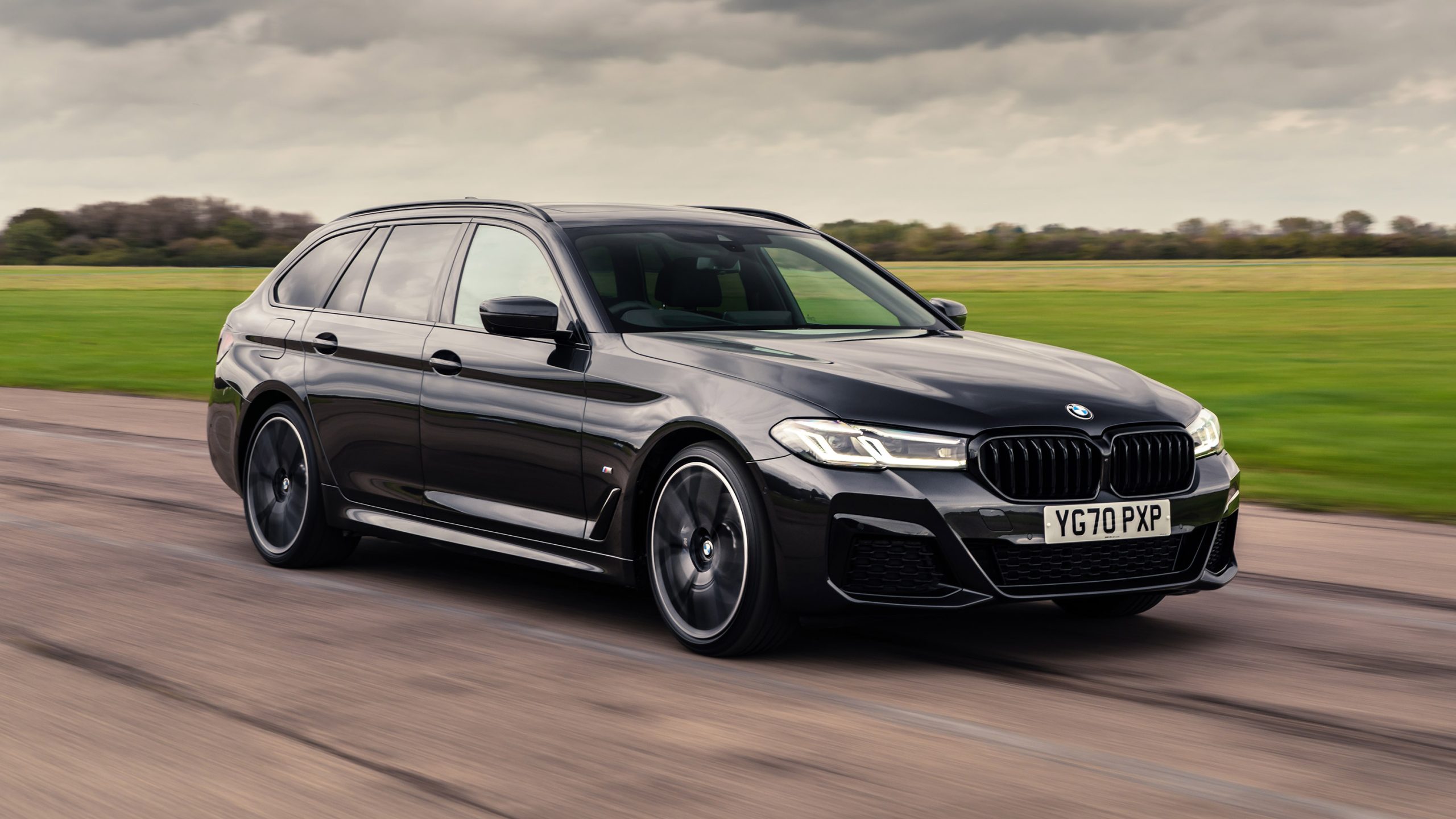
2. BMW 5 Series Touring (Diesel)
Not every road trip battle is electric versus electric. The BMW 5 Series Touring diesel reminds the world that combustion still has serious road trip credentials.
The 520d Touring returns real-world fuel economy of around 50 to 55 miles per gallon on a motorway cruise. That is genuinely exceptional for a car this large and this comfortable.
Fill the tank in under three minutes and you are back on the motorway. There is no 20-minute charging stop, no finding a working charger, no planning your route around infrastructure.
The 5 Series Touring also carries a massive boot capacity of 570 litres with the seats up. For families packing for a fortnight’s holiday, that space is absolutely transformative.
On long drives, the 5 Series is deeply, almost unfairly comfortable. The seats are superb, the suspension absorbs road imperfections gracefully, and the refinement is world class.
BMW’s adaptive cruise control and lane-keeping systems are genuinely excellent on motorways. They take a real load off the driver during those long, monotonous highway stretches.
The 5 Series handles beautifully, too. It is one of the few cars that actually rewards keen drivers on winding roads between destinations.
Range on a single tank comfortably exceeds 700 miles in the diesel. For a Tesla to match that, you would need to be driving a Model S Plaid and stopping to charge multiple times.
The infotainment system is polished and easy to use on the move. Apple CarPlay and Android Auto integration make it seamless for going through with your preferred maps app.
Practicality runs through every inch of this car. There are thoughtful storage solutions throughout the cabin that actually make road trip life tidier and less stressful.
The Touring body style gives you a proper estate car shape without sacrificing the dynamic character BMW is famous for. It genuinely does everything well.
Of course, a diesel BMW is not zero-emission. But for real-world road trips today, especially in areas with patchy charging infrastructure, it is devastatingly practical.
Tesla offers a compelling vision of the future. But the BMW 5 Series Touring diesel is a masterclass in covering ground efficiently right now.
3. Kia EV9
The Kia EV9 has arrived and quietly made a very strong case for itself as the ultimate family road trip vehicle. It seats up to seven people, and it does so without compromise.
Range on the long-range rear-wheel-drive version reaches up to 304 miles. That is competitive enough to take on Tesla’s Model Y on a like-for-like basis.
What separates the EV9 is the sheer practicality it brings to a road trip. Seven genuine seats, a spacious boot, and a cabin that feels hotel-lobby calm.
The third row is actually usable for adults on shorter legs. That is something very few seven-seat cars can honestly claim.
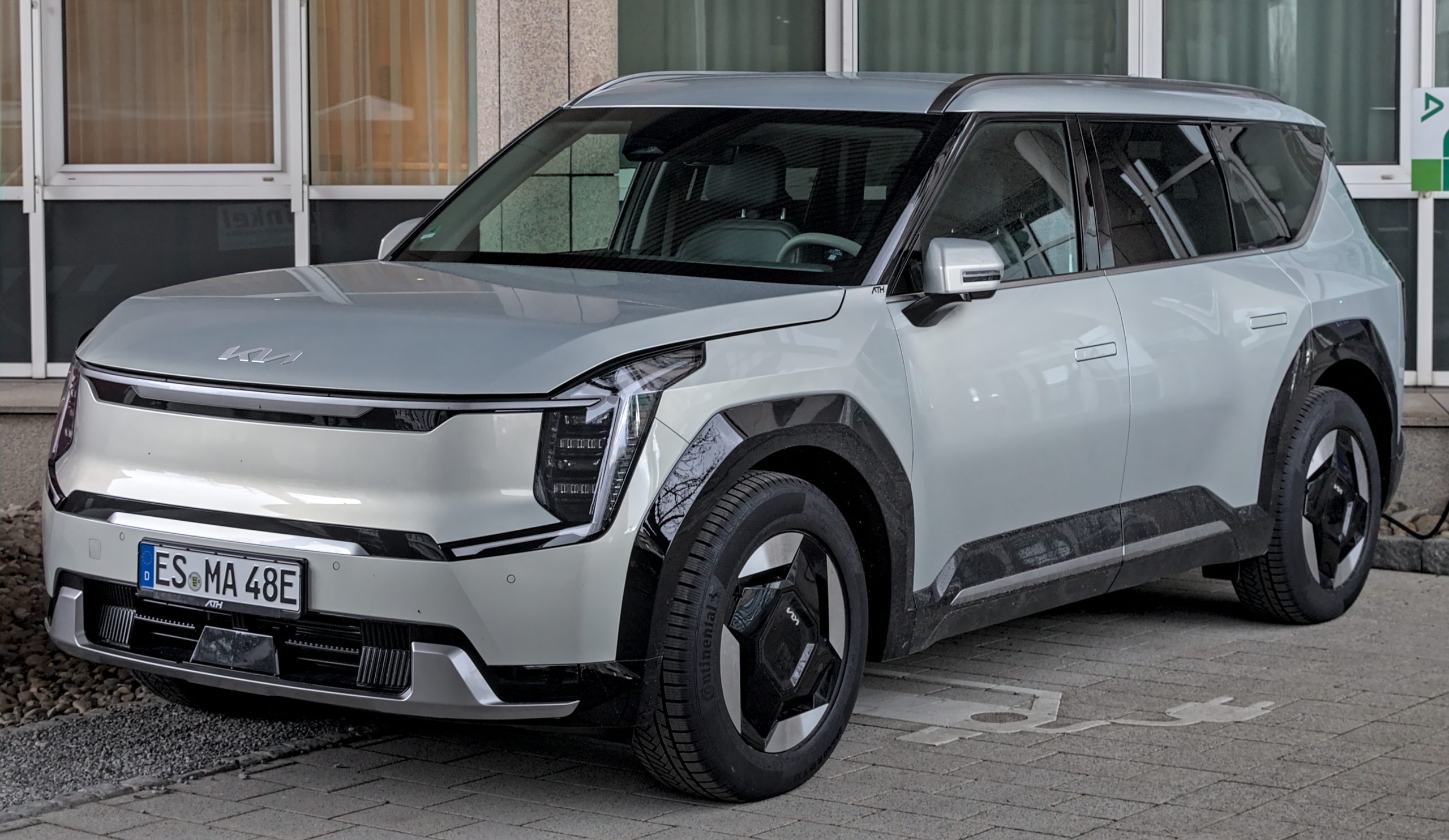
The EV9 supports 800-volt fast charging, hitting up to 240 kW on compatible chargers. It can add around 62 miles of range in just six minutes under ideal conditions.
That six-minute top-up at a rest stop is genuinely transformative for road trip planning. You grab a coffee, stretch your legs, and you are ready to continue.
Kia’s Universal Island centre console slides forward and backward, creating flexible cabin configurations. It makes the interior feel genuinely adaptable to whatever your road trip needs.
Built-in navigation with real-time charging station availability is standard. The system proactively plans charging stops so you never need to worry about where to top up next.
Cargo space with all seven seats in use is modest but acceptable. Fold the third row flat, and you suddenly have an enormous, genuinely family-holiday-sized boot.
The ride quality on the EV9 is smooth and absorbent. Long motorway miles pass by without the fatigue that older, harsher SUVs would impose on passengers.
It also comes with Vehicle-to-Load capability. That means you can power camping equipment, kettles, or laptops directly from the car’s battery at a campsite.
Tesla’s Model X competes in the same seven-seat space. But it costs significantly more and does not offer the same warmly practical, family-friendly atmosphere.
The EV9 does not try to be the most technologically dazzling car on the market. It simply tries to be the most genuinely useful one, and on a family road trip, it succeeds brilliantly.
4. Mercedes-Benz E-Class Estate
The Mercedes-Benz E-Class Estate has been the benchmark long-distance luxury car for decades. The current generation raises that bar to a level that genuinely challenges Tesla’s road trip appeal.
Available with a powerful diesel engine, the E-Class Estate returns over 50 miles per gallon in real-world motorway driving. A full tank provides a range of well over 700 miles without stopping.
The cabin is one of the most serene places to spend time in any car on sale today. MBUX infotainment fills the dashboard with crisp visuals and an intelligent voice assistant.
Rear seat comfort is genuinely exceptional. Passengers in the back of an E-Class Estate feel genuinely cosseted, which is everything on an eight or ten-hour road trip.
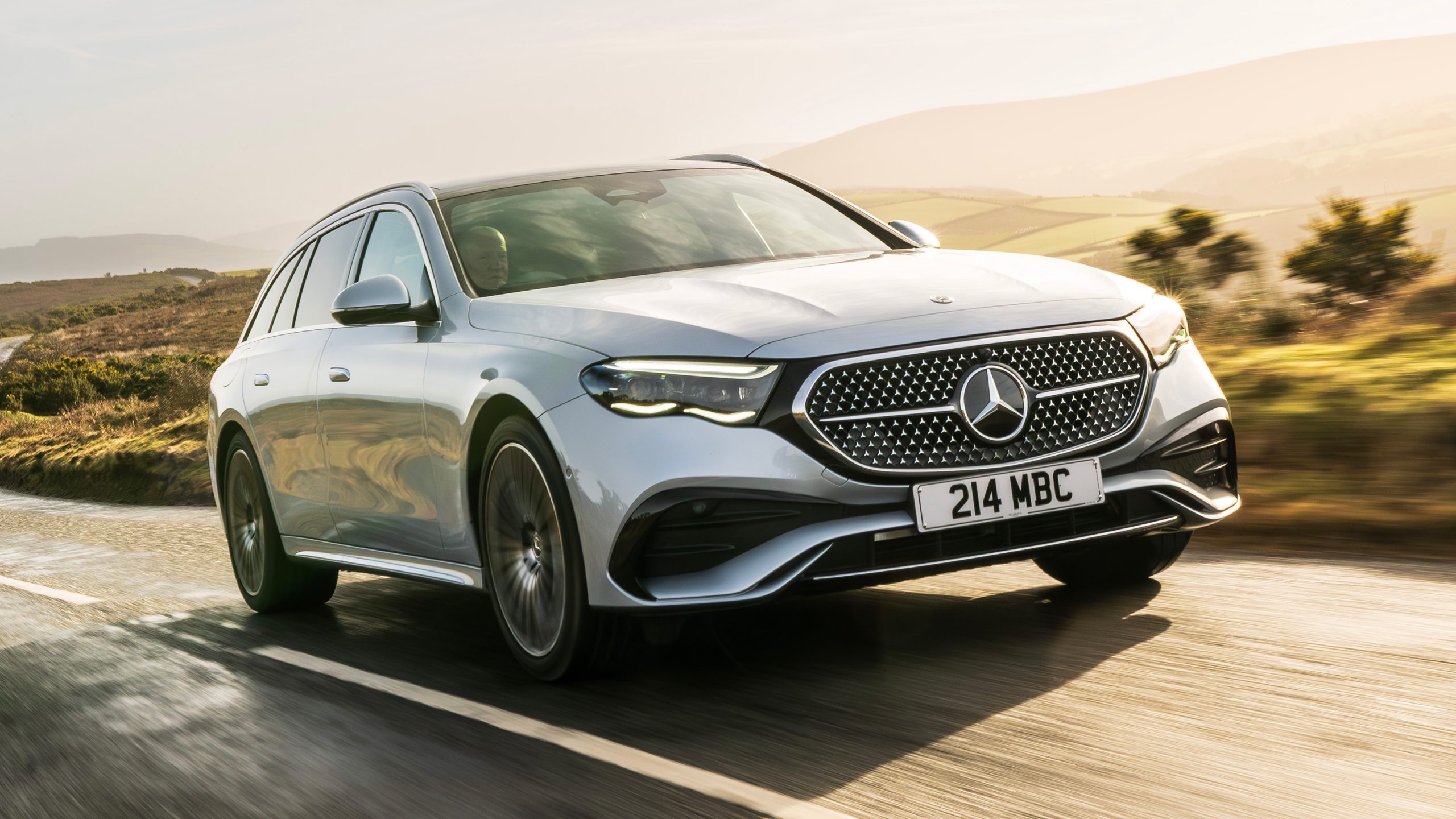
The boot swallows 615 litres of luggage with the seats in place. That expands to a cavernous 1,830 litres with the rear seats folded, making it one of the most practical cars available.
Mercedes’ suite of driver assistance systems is among the most comprehensive in the industry. The active distance assist can handle stop-and-go motorway traffic with minimal driver input.
Road noise is hushed to near-whisper levels at motorway speeds. That acoustic refinement is a real differentiator when you are several hours into a long drive.
The E-Class estate also rides on an air suspension option that floats over rough surfaces. Road imperfections that would rattle lesser cars simply disappear beneath its wheels.
Wireless Apple CarPlay and Android Auto come standard. Keeping your smartphone integrated with the car’s systems is completely effortless throughout the journey.
Fuel stops take under five minutes and can be done almost anywhere in the country. There is no range planning, no charger hunting, and no waiting.
Tesla’s software and over-the-air updates are admittedly impressive. But the E-Class offers a depth of real-world refinement that software alone cannot replicate.
For long-distance comfort on a road trip, the E-Class Estate simply delivers at a level very few cars can match. It is not exciting or radical, but it is devastatingly effective.
Also Read: 10 Trucks With Cabins That Fit Three Adults In The Front
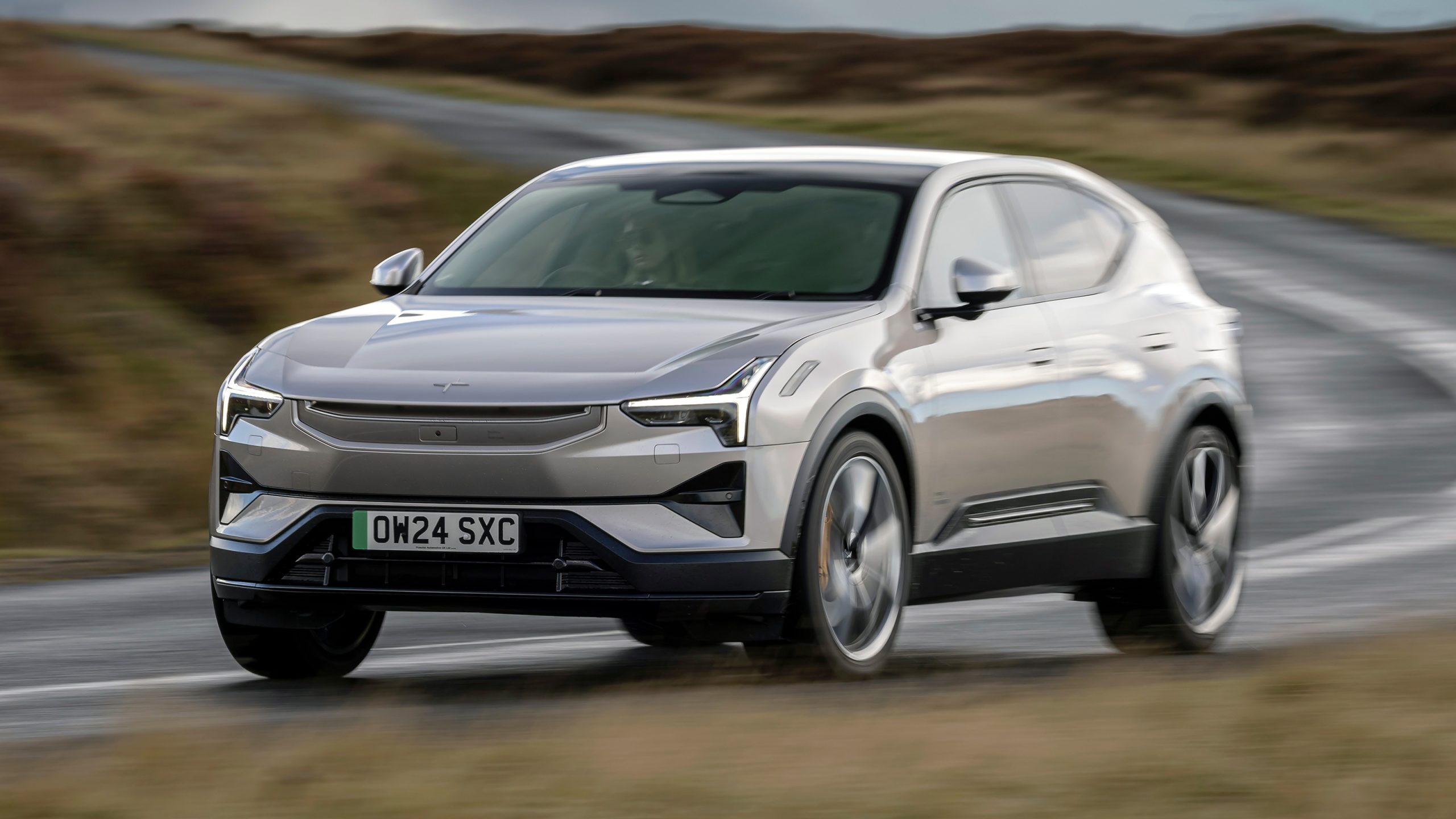
5. Polestar 3
Polestar has been steadily building its reputation as a serious alternative to Tesla. The Polestar 3 makes that rivalry feel very real on a road trip.
The long-range dual-motor version delivers up to 315 miles of EPA-rated range. That is solidly competitive with the Tesla Model Y Long Range in real-world conditions.
What makes the Polestar 3 special on a road trip is how it drives at sustained highway speeds. The aerodynamics are excellent, and the range does not drop as dramatically as on some rivals at 75 mph.
Polestar uses the same NACS charging connector, now standard across much of the North American EV market. That means full access to Tesla’s Supercharger network, a huge practical advantage.
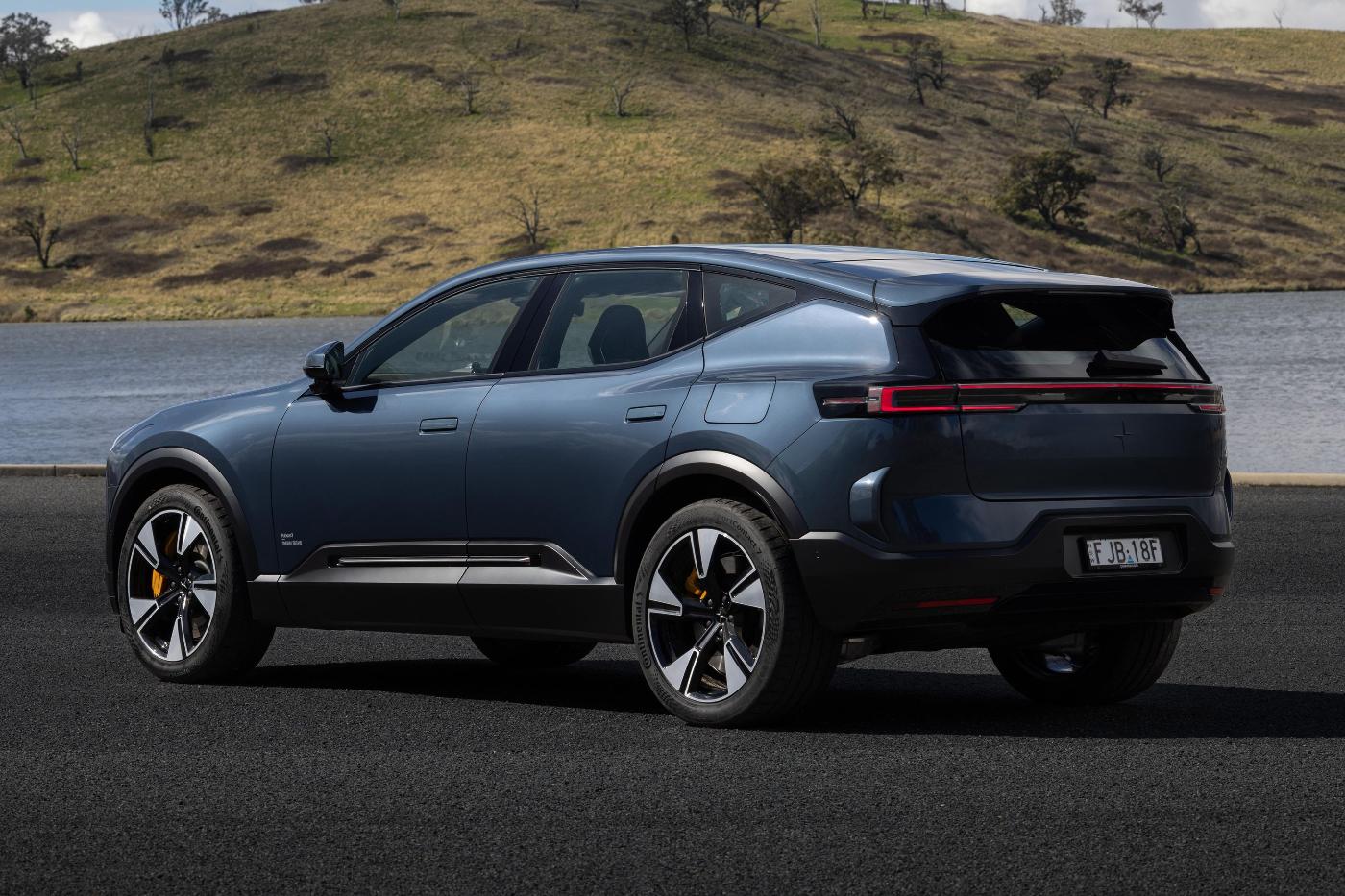
Being able to use Superchargers without an adapter is genuinely game-changing for an electric road trip. It eliminates the charger reliability concerns that haunt owners of other EV brands.
The cabin is understated, beautifully built, and deeply Scandinavian in its philosophy. There is no visual clutter, no unnecessary complexity, just thoughtfully designed space.
The 14.5-inch infotainment screen runs Google Automotive OS natively. Google Maps, Google Assistant, and real-time traffic data are built in and work seamlessly on the road.
Rear seat space is generous and genuinely comfortable for adult passengers. Headroom is excellent thanks to the SUV proportions, which matter enormously on long journeys.
The Polestar 3 also features a panoramic roof as standard on most trims. Natural light makes long drives feel less claustrophobic and genuinely more pleasant.
Cargo space at 484 litres is competitive, and there is a useful front trunk as well. Road trip packing is straightforward, with no strange shapes or awkward loading angles.
Harman Kardon audio comes standard, making motorway music sound genuinely excellent. Good audio is one of the great underrated road trip luxuries.
Tesla still edges ahead in outright charging network convenience. But the Polestar 3’s Supercharger access has effectively neutralised that advantage in a very meaningful way.
The Polestar 3 is a genuinely credible, premium road trip machine. It earns its place on this list by being brilliant in all the ways that actually matter on a long drive.
5 That Don’t Stand a Chance
These vehicles struggle on road trips due to limited range, slower refueling or charging, and less efficient highway performance. Frequent stops, longer wait times, and reduced comfort can make long-distance travel more tiring and time-consuming. Compared to more capable options, they often fall short in delivering the ease, speed, and convenience needed for a smooth road trip experience.
6. Nissan Leaf
The Nissan Leaf was a pioneer. It introduced millions of people to electric driving and deserves enormous credit for that. But on a road trip against a Tesla, it is hopelessly outgunned.
The standard Leaf offers just 149 miles of EPA-rated range. The Leaf Plus stretches that to around 212 miles, which sounds better but still falls dramatically short of Tesla’s figures.
Tesla’s base Model 3 offers over 350 miles of range. That is more than double what the standard Leaf can manage on a single charge.
The Leaf’s biggest road trip problem is its charging technology. It uses CHAdeMO for DC fast charging, a connector standard that is rapidly being abandoned across the industry.
Finding a working CHAdeMO charger outside of major cities is increasingly difficult. Many charging networks have stopped installing them entirely, focusing on CCS and NACS instead.
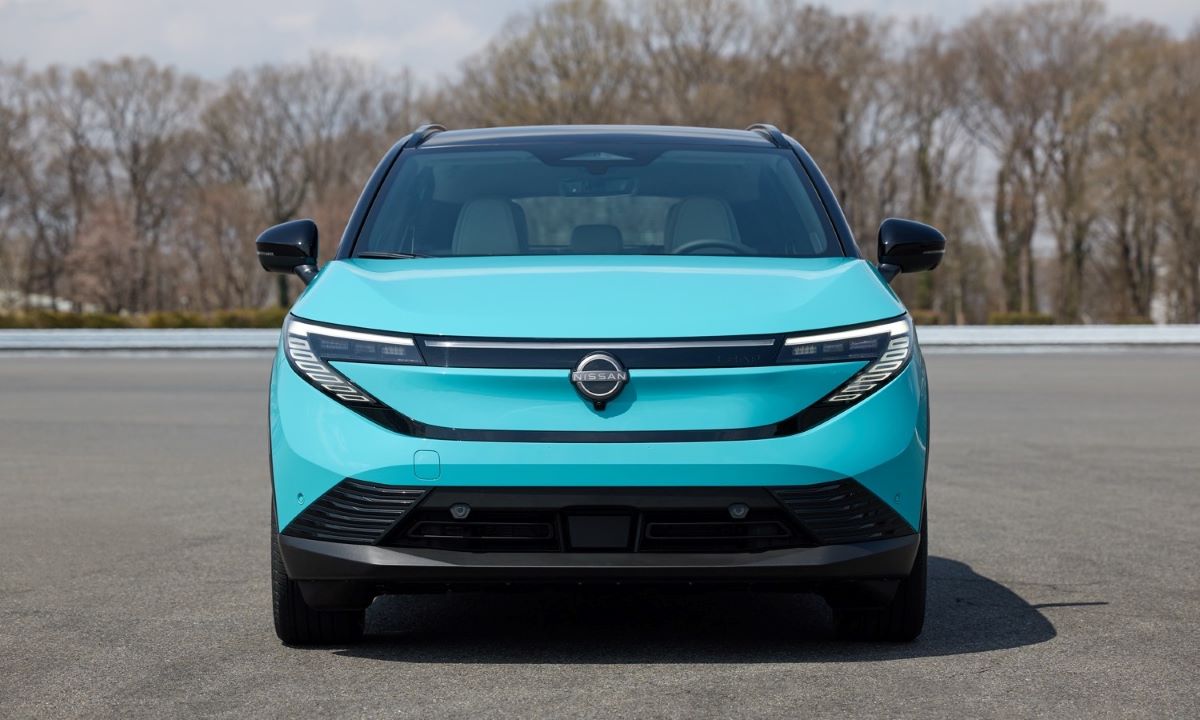
Even when you do find a working CHAdeMO charger, the Leaf is limited to 50 kW maximum charging speed. At that rate, a meaningful charge takes a frustratingly long time.
Tesla’s Supercharger network delivers up to 250 kW on V3 chargers. The speed difference between the two experiences is almost impossible to overstate.
The Leaf also lacks thermal management for its battery. That means repeated fast charging on a road trip causes the battery to overheat and throttle charging speed further.
In hot climates, this becomes a genuinely serious problem. Range drops noticeably in high temperatures, making an already short range even more concerning.
The cabin, while perfectly adequate for daily driving, does not feel road-trip ready. Storage is limited, rear legroom is modest, and long-distance comfort is not a strong suit.
The infotainment system has aged noticeably and feels behind modern standards. Compared to Tesla’s vast, responsive touchscreen, it feels like technology from a different era entirely.
Nissan has announced the next-generation Leaf will address many of these issues. But the current car, in its existing form, is not a serious road trip competitor.
For short daily commutes and urban errands, the Leaf remains a perfectly sensible choice. For a road trip against a Tesla, it simply cannot compete.
7. Fiat 500e
The Fiat 500e is one of the most charming and delightful city cars on sale today. It is stylish, fun, and genuinely easy to love in an urban environment. On a road trip, however, it is completely out of its depth.
The 500e offers a maximum range of around 199 miles under ideal conditions. Real-world highway driving, where aerodynamic drag is much higher, reduces that figure significantly.
At motorway speeds, expect closer to 130 to 150 miles of realistic range. That means stopping frequently, and frequently is a word no road tripper wants to hear.
DC fast charging is limited to 85 kW on the Fiat 500e. That is already modest, but the small battery means you are constantly cycling through partial charges rather than long, efficient sessions.
The Fiat 500e also lacks access to a widespread, reliable fast charging network of its own. It relies entirely on third-party networks, which vary enormously in quality and availability.
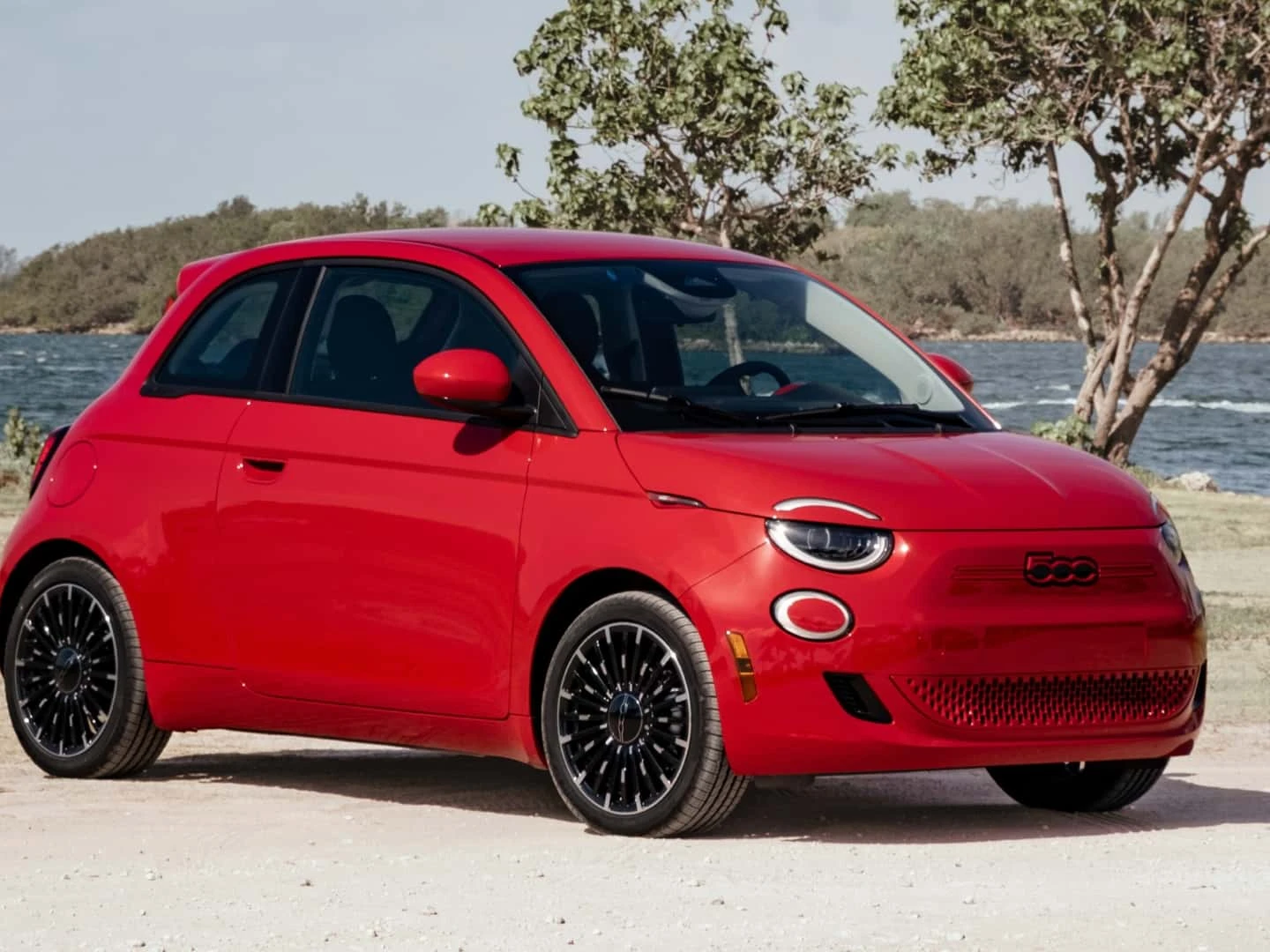
The cabin, though charming and beautifully styled, is genuinely compact. There is very limited boot space, minimal rear legroom, and almost no storage for road trip essentials.
Trying to pack luggage for even a weekend trip into the 500e’s 185-litre boot is an exercise in frustration. A Tesla Model 3 offers over three times that capacity.
At sustained highway speeds, the 500e feels noticeably out of its comfort zone. Wind noise increases, the ride becomes less settled, and the powertrain works harder than it would like.
Long-distance fatigue is a real concern in the 500e. The driving position is fine for city use, but hours of motorway driving reveal the limitations of its compact ergonomics.
The infotainment screen is charming and well-designed for urban use. But navigation, range management, and real-time charging data are not as sophisticated as Tesla’s integrated system.
The 500e is not trying to be a road trip car. It was never designed for that mission, and it would be unfair to criticise it harshly for that reason.
But compared to a Tesla on a long journey, the gap in capability is so vast that competition is simply not the right word for it. The Fiat does not compete it retreats entirely.
8. Mini Electric (Cooper SE)
The Mini Electric is one of the most enjoyable electric cars to drive in a city. It is nippy, characterful, and has genuine fun built into every mile. Road trips are a different story entirely.
The Mini Cooper SE offers a real-world range of around 100 to 120 miles in everyday driving. That is startlingly low by modern EV standards, and devastating for any serious road trip ambition.
Even the newer, longer-range Aceman variant tops out at around 200 miles. Compared to Tesla’s best figures, that is still in a completely different league.
DC fast charging is available, but limited to 50 kW on the original Cooper SE. That means a charge from 20 percent to 80 percent takes around 36 minutes a very long time for a small car.
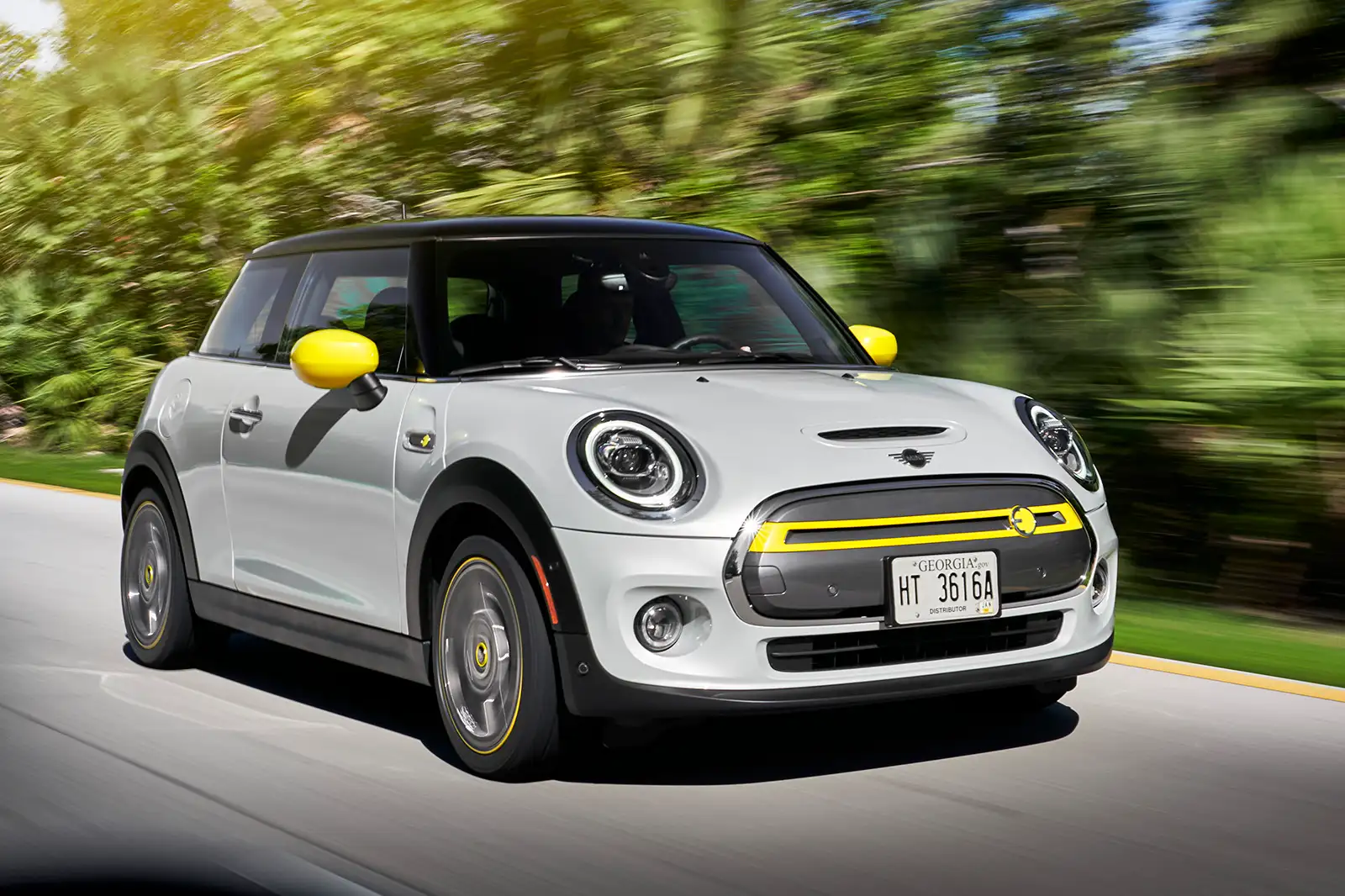
The boot offers just 211 litres of cargo space in the Cooper SE. That is barely enough for a weekend bag and a couple of small holdalls.
Mini’s dealer and charging network partnerships have improved, but the situation remains patchy compared to Tesla’s seamless Supercharger experience. Reliability on long routes is genuinely uncertain.
The cabin, as charming as it is, becomes quite tiring on very long drives. The driving position is upright, the seating is firm, and rear seat passengers have almost no legroom.
Motorway driving also takes a heavy toll on the Mini’s range. At 70 mph, expect real-world range to fall well below the official EPA figures, sometimes dramatically so.
Navigation in the Mini is perfectly adequate for short journeys. But it lacks the sophisticated route planning with charging integration that makes Tesla’s system so valuable on long trips.
The Mini Electric’s Achilles heel is simple and impossible to work around: the range is too short for comfortable road tripping. Every journey requires constant planning and anxiety management.
Tesla has built its entire road trip appeal around eliminating exactly that anxiety. The Mini, despite its considerable charm, has nothing to offer in response to that challenge.
For urban adventurers who occasionally want a spirited drive, the Mini Electric is wonderful. For road trips, it is the wrong tool for the job by a very significant margin.
9. Renault Zoe
The Renault Zoe was one of Europe’s best-selling electric cars for several years. It proved that affordable EVs could find a mass market. But against a Tesla on a road trip, it still falls well short.
The Zoe offers up to 245 miles of WLTP range, which sounds reasonable on paper. Real-world highway driving tends to bring that figure down to around 180 to 200 miles.
That is manageable for gentle road tripping, but the charging situation complicates everything further. The Zoe is limited to 50 kW DC fast charging maximum in older versions.
Newer variants with the R135 motor support up to 50 kW CCS charging. That is still only a fraction of what Tesla’s Supercharger system can deliver to a Model 3 or Model Y.
At 50 kW, adding 100 miles of range takes approximately 40 to 45 minutes. For a family trying to cover distance on a road trip, those stops add up to hours of lost time.
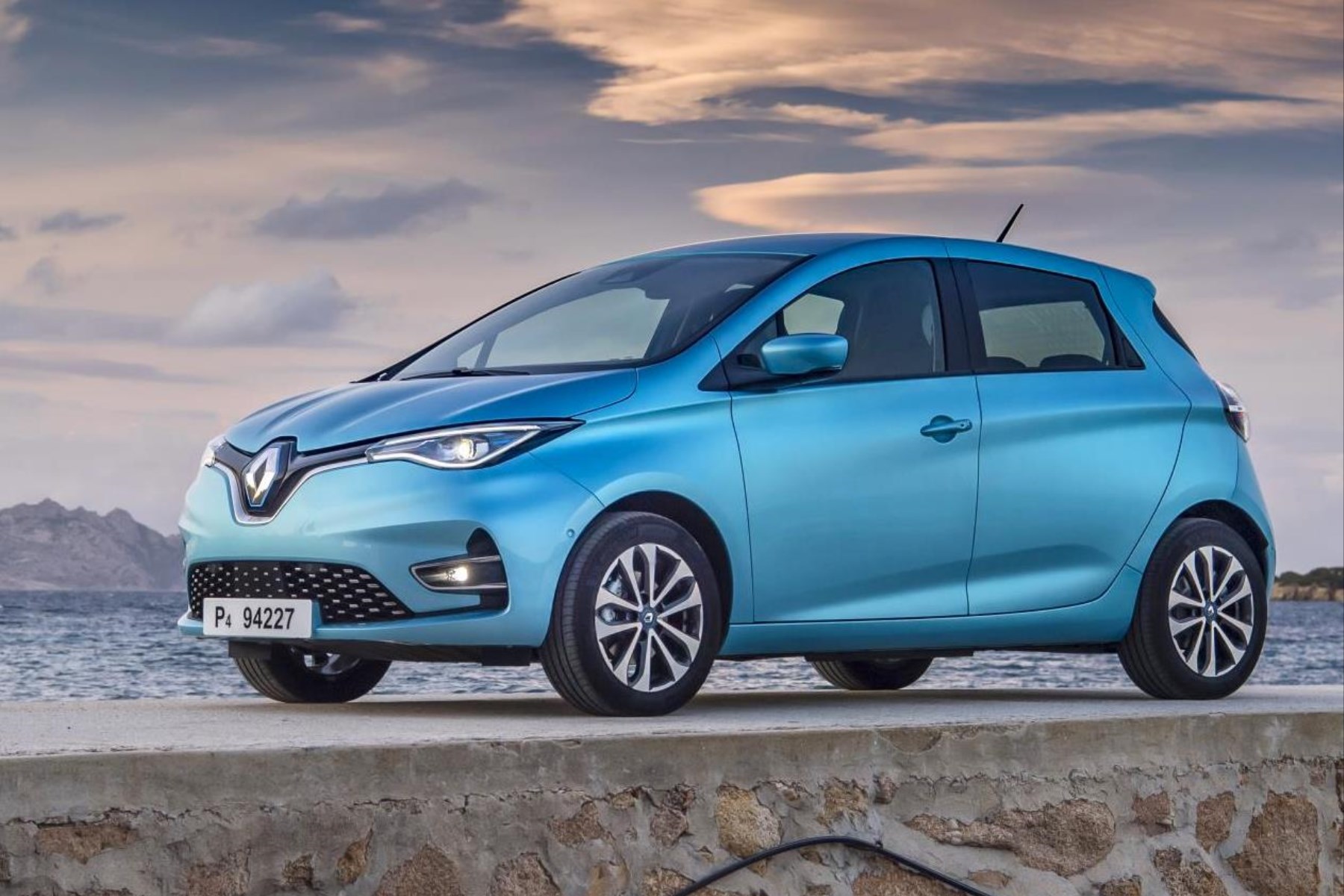
The Zoe’s cabin is practical and thoughtfully laid out for a car of its size. But it is not a luxury experience, and long hours inside become uncomfortable for driver and passengers alike.
Seat comfort on extended journeys is a genuine weakness. The front seats lack the support that proper long-distance driving demands, and fatigue sets in earlier than in a Tesla.
The infotainment system varies by model year, but older versions feel noticeably dated. Real-time charging availability and sophisticated range planning are not strong points of the system.
Cargo space at 338 litres is adequate for a small family for short trips. But for a proper road trip with full luggage, it starts to feel very tight very quickly.
Renault has significantly improved the Zoe’s over-the-years. But the charging speed ceiling is the fundamental problem that no software update or interior revision can fix.
Tesla’s road trip advantage is built on fast charging and a dense, reliable network. The Zoe cannot match either of those things, which makes head-to-head comparison increasingly difficult.
The Zoe is a fine car for its intended purpose. But road tripping against a Tesla is simply a battle it was never designed to win, and the numbers prove it with uncomfortable clarity.
10. Smart #1
The Smart #1 is a genuinely impressive reinvention of the Smart brand. It is stylish, well-built, and far more capable than the old ForTwo city car it replaced. On a road trip against a Tesla, however, it struggles badly.
The Smart #1 offers up to 273 miles of WLTP range. Real-world highway range, accounting for speed and climate control, drops noticeably below that figure.
At sustained motorway speeds, around 220 miles is a more realistic expectation. That means stopping to charge more frequently than a Tesla driver on the same route.
DC fast charging peaks at 150 kW, which is genuinely decent for a car in this class. But it still significantly trails Tesla’s Supercharger speeds for Model 3 and Model Y.
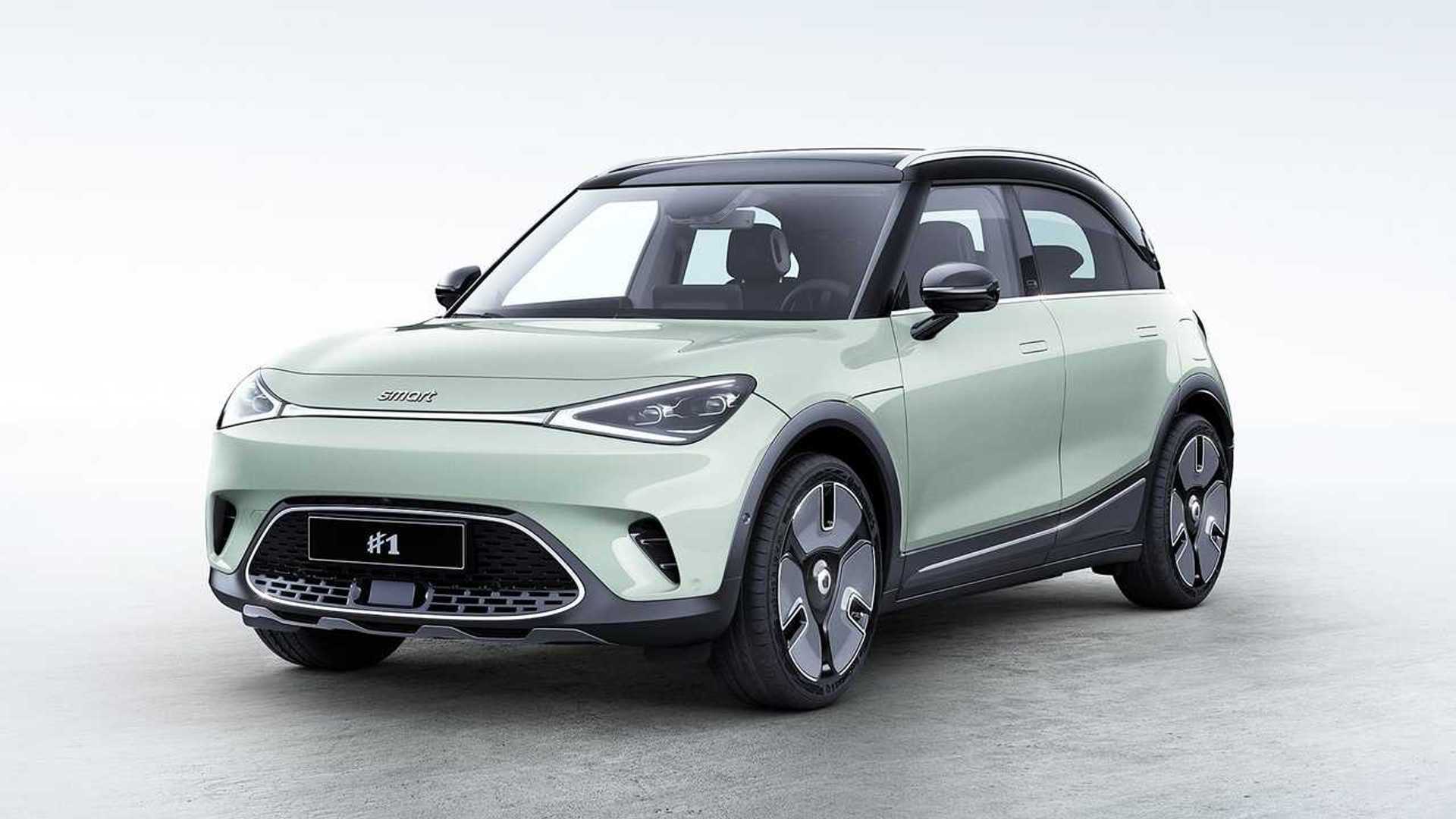
The Smart #1 uses the CCS charging standard and relies on public networks. Network reliability in various regions remains inconsistent, which introduces planning uncertainty on road trips.
Rear seat space is acceptable but not generous. Taller passengers in the back will find headroom and legroom tighter than they would like on extended journeys.
Boot capacity of 273 litres is disappointing for a car of this physical footprint. Loading luggage for a multi-day trip requires thoughtful, careful packing rather than casual practicality.
The cabin design is striking and modern, with a high-quality feel throughout. But premium aesthetics alone cannot compensate for practical shortcomings on a demanding road trip.
The infotainment and connected services are impressive for the brand. Navigation and real-time data are well integrated, but the ecosystem lacks Tesla’s polish and reliability.
Driver comfort on motorways is adequate but not outstanding. The seat support over several hours is not as good as what Tesla provides in the Model 3 or Model Y.
Smart is clearly heading in an exciting direction with the #1 and its siblings. The brand is genuinely evolving into something credible and modern.
But in its current form, the Smart #1 is still finding its feet as a road trip vehicle. Tesla’s combination of range, charging infrastructure, and long-distance comfort remains firmly out of reach for now.
Also Read: 7 Cars With Window Switches That Light Up At Night
