

Cars have come a long way in terms of technology and design. Every year, manufacturers find new ways to make vehicles look sleeker and more futuristic. But sometimes, in the pursuit of clean lines and minimalist interiors, certain practical features get buried in the most unexpected places. The trunk release button is one of those features that seems simple enough. Yet in many modern vehicles, finding it for the first time can feel like solving a puzzle.
You would think that accessing your own trunk would be straightforward. After all, it is something drivers do multiple times every single day. However, automotive designers often prioritize aesthetics over immediate convenience. The result is a growing number of cars where the trunk release button is tucked away in spots that leave owners scratching their heads.
This is not just about a minor inconvenience. It is about understanding why manufacturers make these decisions. Some hide the button to maintain a clean dashboard look. Others integrate it into multi-function panels that serve several purposes at once. A few go as far as eliminating traditional buttons entirely.
Whether you are shopping for a new car or just curious about automotive quirks, this list covers nine vehicles where the trunk release button defies all expectations. Each one tells a fascinating story about design philosophy, engineering trade-offs, and the sometimes puzzling priorities of modern car makers.
1. Tesla Model S
The Tesla Model S is one of the most talked-about electric vehicles. It redefined what a luxury sedan could look like and feel like. But along with all its revolutionary features came a learning curve that many owners did not expect. One of the most commonly discussed quirks is the trunk release, specifically, how to open it from inside the car.
Tesla made a bold decision when designing the Model S interior. The company stripped away nearly every physical button and replaced them with a massive central touchscreen. This screen controls almost everything in the vehicle. Heating, air conditioning, media, navigation, and yes, even the trunk.
To open the trunk in the Model S, a driver must tap through the touchscreen interface. The button is not immediately visible on the home screen. Instead, it is typically found within a vehicle’s control panel or a quick-access pop-up menu, depending on the software version. This means that while driving or in a hurry, accessing the trunk requires a deliberate series of taps. It is not the quick, muscle-memory action most drivers are used to.

The reason Tesla made this choice is rooted in its design philosophy. The company believes that a clean, uncluttered interior reduces cognitive load over time. Once drivers learn the interface, Tesla argues, everything becomes second nature. The learning curve is steep at first but flattens quickly with regular use.
However, the criticism from new owners and test drivers has been consistent. People who are used to a dedicated physical button find the touchscreen method frustrating. Imagine loading groceries into the trunk while your hands are full. You need to open the rear trunk or the frunk front trunk, and you have to interact with a screen to do it. That is a level of complexity many did not sign up for.
Tesla has partially addressed this over time. Newer software updates have added a quick-access trunk button that appears more prominently. The key fob also has a trunk release button built in. Additionally, the door handle areas on some Model S versions have capacitive touch sensors for trunk access. Still, for those relying purely on interior controls, the screen remains the primary method.
The Model S also has a frunk, a front trunk under the hood. Opening that requires yet another separate interaction with the touchscreen. So effectively, drivers are dealing with two hidden trunk release systems instead of one. This is the trade-off that comes with owning a vehicle that is essentially a rolling software platform.
Many Tesla owners eventually adapt and even appreciate the minimalist approach. They use the Tesla app on their smartphone to open the trunk remotely. Some install third-party physical button accessories inside the cabin. The aftermarket industry has actually responded to this specific pain point with clever solutions. But the fact that aftermarket fixes exist tells you something about how unconventional Tesla’s design choice really is.
The number of trunk release buttons is at the extreme end of the spectrum. It replaced a simple, tactile, instantly accessible button with a multi-step digital process. For some drivers, that is innovation. For others, it is a case of technology getting in the way of practicality.
2. BMW 7 Series
The BMW 7 Series has always represented the pinnacle of German engineering and luxury. It is the flagship sedan that carries the brand’s reputation for precision and sophistication. Over the years, BMW has evolved the 7 Series dramatically. One of the most notable changes came with the deep integration of the iDrive infotainment system into the car’s core controls.
In recent generations of the 7 Series, BMW has moved many traditional functions into the iDrive interface. This includes climate zones, ambient lighting, massage seat settings, and various comfort features. The trunk release is no exception. While there is a physical button available in some configurations, many owners are surprised to find that the primary or backup method involves going through iDrive menus.
The iDrive system in the 7 Series is genuinely impressive from a technology standpoint. It uses a rotary controller, touchscreen input, gesture control, and voice commands. You can literally wave your hand to control certain functions. But when it comes to something as basic as popping the trunk, all this sophistication can feel like overkill.
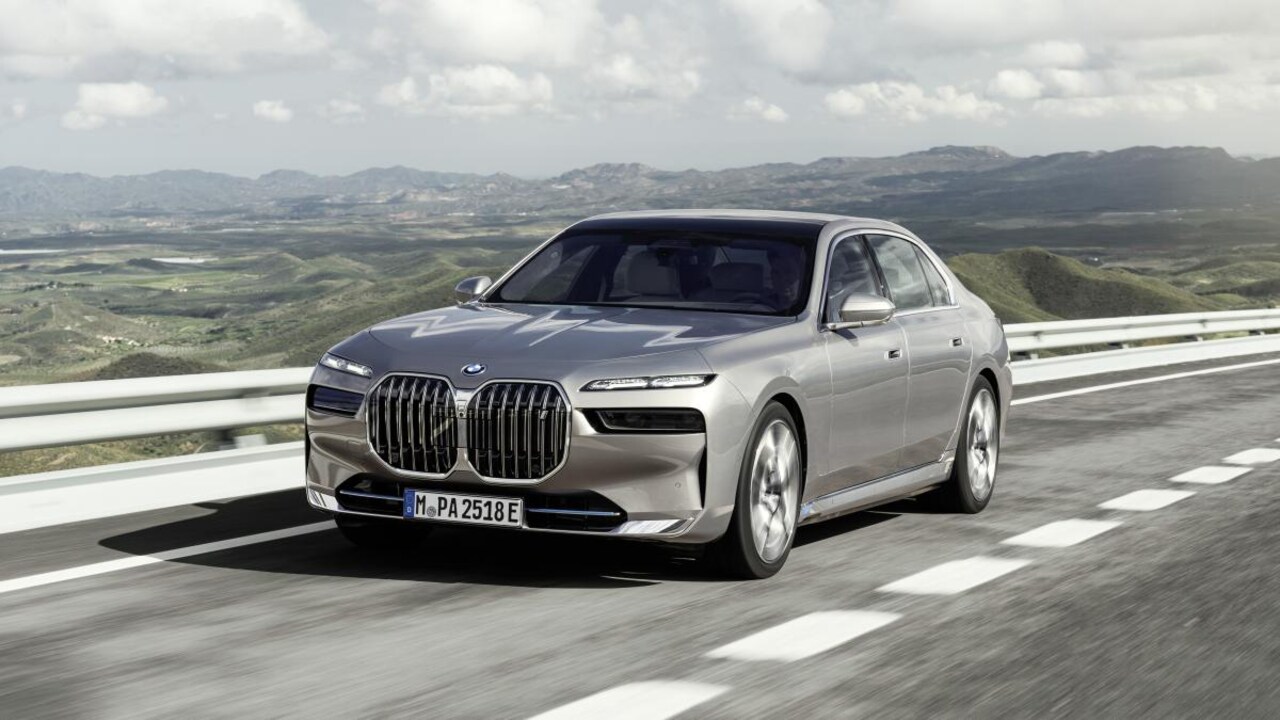
BMW placed the trunk release within the vehicle settings section of iDrive. Depending on the model year, you may need to go through two or three menu levels to find it. For a driver who just wants to quickly grab something from the boot, this is a surprisingly long journey through digital menus. It contrasts sharply with the car’s promise of effortless luxury.
The design reasoning from BMW is similar to Tesla’s in some ways. The brand wants the interior to feel uncluttered and premium. Physical buttons have been systematically reduced in recent 7 Series generations. The dashboard is cleaner and more architectural as a result. But every button that disappears moves its function somewhere less intuitive.
There is also a foot-activated sensor under the rear bumper on some 7 Series trims. This allows you to wave your foot beneath the bumper to trigger the trunk. It sounds convenient, and it often is when it works. But the sensor can be finicky in certain weather conditions or if you are wearing certain types of footwear. Drivers in rain boots or thick winter shoes have reported mixed results.
The key fob for the 7 Series does include a trunk release button, which most owners rely on most of the time. But if you are already inside the car and need to release the trunk remotely for a passenger loading luggage, the iDrive route becomes the main option. That is where the inconvenience really surfaces in daily use.
BMW enthusiasts often defend the iDrive-integrated approach as being progressive. They argue that once mastered, the system is faster than fumbling for a physical button in an unfamiliar location. There is some truth to that. The learning curve does pay off eventually. But for anyone sitting in a 7 Series for the first time, the trunk release is genuinely difficult to locate without asking or Googling.
The 7 Series remains a masterpiece of engineering regardless of this quirk. But it is a clear example of how luxury automakers sometimes let interior design ambitions complicate the simplest of everyday tasks.
3. Jaguar XF
The Jaguar XF is a beautifully styled British executive saloon. It carries a sense of drama and elegance that few rivals can match. Step inside and you are greeted with rich materials, sweeping lines, and a distinctly theatrical design language. But that drama extends to some of the car’s controls in ways that are not always appreciated.
In the Jaguar XF, the trunk release button is located inside the center console. Specifically, it sits within a compartment area near or beneath the armrest. This placement is unusual because most drivers instinctively look at the dashboard or door panels for trunk controls. Finding it inside the console requires either reading the manual or being shown by a dealer.
Jaguar’s rationale for this placement relates to keeping the dashboard clean and focused. The brand has always prioritized visual drama in its interiors. By moving functional buttons to less visible zones, the designers preserved the sweeping dashboard aesthetic. The result looks stunning in photos and showrooms. In daily use, it creates a small but persistent friction point.
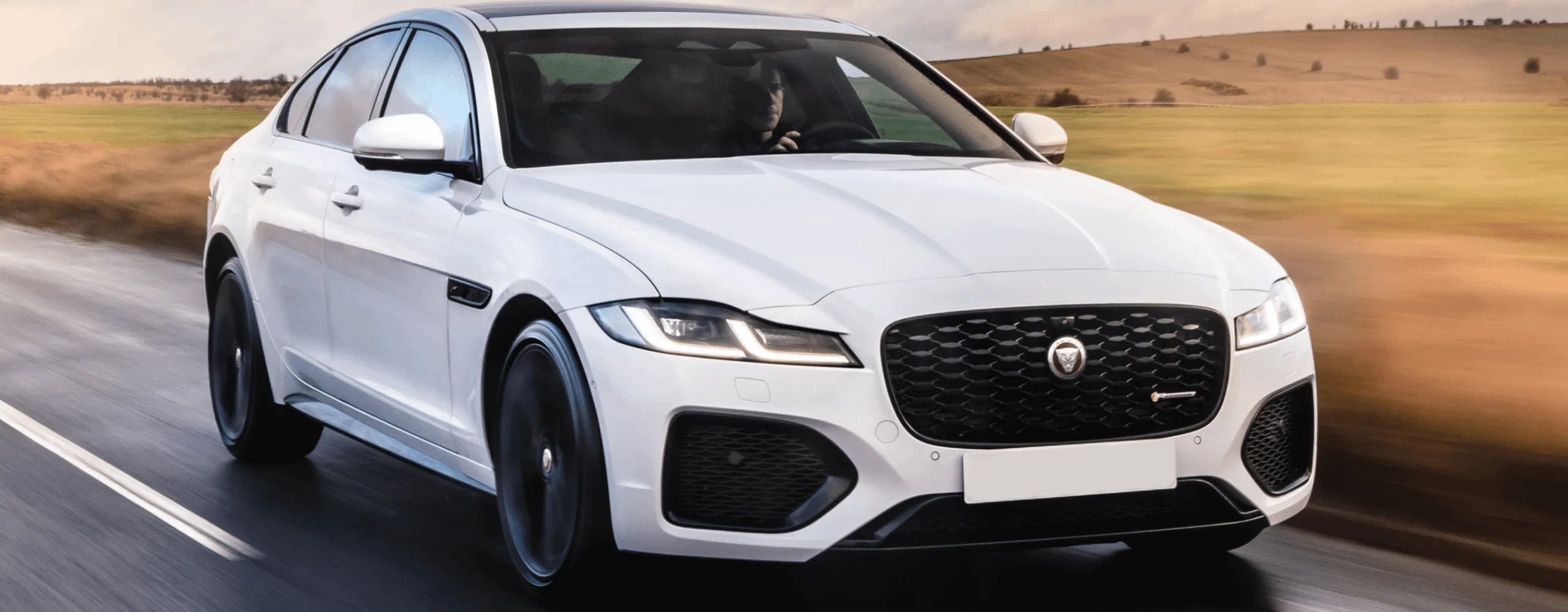
The center console placement also means that front-seat passengers can easily access the button. From a certain angle, this makes logical sense. But for the driver alone in the car, reaching into the console area while seated can feel awkward. The button is not always immediately visible without physically looking down and into the compartment.
The XF also uses Jaguar’s InControl Touch system for many secondary functions. Some trunk-related settings can be adjusted through this interface. But unlike some competitors, Jaguar did retain a physical button, it just put it somewhere that requires deliberate searching. That physical button is actually a blessing compared to pure touchscreen solutions. But its location still catches new owners off guard regularly.
Jaguar dealers report that one of the most common questions from new XF owners is where the boot release button is. This single data point says a lot. When customers are consistently confused by a basic control, it suggests the design choice prioritized form over function a bit too aggressively. Even experienced drivers familiar with other premium brands find the XF’s placement unexpected.
The XF is also available with a powered boot lid, which adds another layer of complexity. The powered system has its own controls, sensors, and settings. Understanding which button does what and from where requires a period of adjustment. Most owners get there eventually, but the initial confusion is a common thread in owner forums and reviews.
Despite this quirk, the Jaguar XF remains one of the most visually compelling executive saloons available. Its design is bold, its driving dynamics are engaging, and its interior craftsmanship is impressive. The oddly placed trunk release is a minor blemish on an otherwise well-executed package. But it earns the XF a well-deserved spot on this list.
4. Mercedes-Benz S-Class
The Mercedes-Benz S-Class is arguably the most prestigious production sedan. It has set the benchmark for luxury, technology, and refinement for decades. Every new generation raises the bar in terms of what a car can offer its occupants. The latest S-Class is no different, featuring an interior that feels closer to a private jet than a traditional automobile.
With all that technology comes an intricate network of controls. The S-Class features multiple screens, touch-sensitive surfaces, and a rear-seat entertainment and comfort panel that is truly impressive.
But this complexity creates an unexpected situation when it comes to the trunk release. In certain S-Class configurations, the trunk release is integrated into a rear seat controls panel rather than being prominently displayed near the driver.
This placement makes a certain kind of sense. The S-Class is often chauffeur-driven. Rear passengers who want to access the boot or release it for a driver loading luggage would find this convenient. But for the driver sitting up front alone, it creates a disconnect. The control feels misplaced from the driver’s perspective.
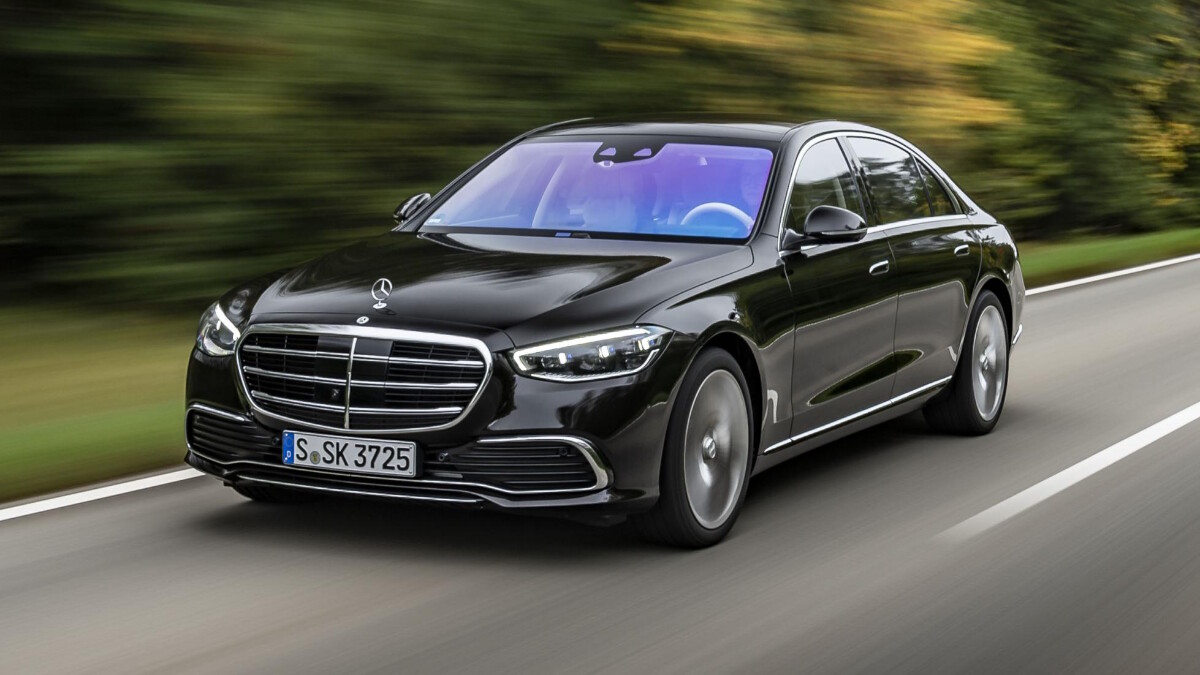
Mercedes does include a traditional trunk release option near the driver’s seat in most configurations. However, the rear panel integration adds an extra layer of confusion, especially for those unfamiliar with the S-Class layout. Test drivers and automotive journalists have noted this as a quirk in reviews. It is a reminder that the S-Class is designed with multiple users in mind, not just the person behind the wheel.
The MBUX infotainment system in the S-Class is incredibly powerful. It uses artificial intelligence to learn driver preferences. Voice control is highly capable and can handle complex commands. In theory, you could say “open the trunk,” and the system would respond. In practice, this works most of the time, but ambient noise and accent recognition can cause occasional failures.
The S-Class also offers a gesture-controlled trunk lid on certain variants. A wave of the foot near the rear bumper triggers the opening mechanism. This is useful when your hands are full. But like all sensor-based systems, it has its quirks in real-world conditions. Rain, mud near the bumper, or slow foot movements can confuse the sensor.
For a car that costs well into six figures, the trunk release situation in the S-Class is a curious complexity. It is not a flaw, exactly. It is more of a design decision that prioritizes the multi-user luxury experience over driver-centric simplicity. The S-Class remains the gold standard of automotive luxury. But its trunk release setup is a perfect example of how advanced engineering can sometimes make the simple feel complicated.
Also Read: 5 Cars That Feel Like A Luxury Car For Half The Price And 5 Luxury Cars That Feel Cheap
5. Porsche Panamera
The Porsche Panamera is a sports car in a suit. It combines supercar performance with four-door practicality in a package that is genuinely exciting to drive. The interior is driver-focused and wrapped in premium materials. Every control feels purposeful and precisely placed, or so you would think.
The trunk release in the Porsche Panamera hides in a spot that consistently surprises first-time drivers. It is located on the driver’s door panel, nestled near the window and mirror control switches. This area typically hosts controls related to the door itself, windows, mirrors, and door locks. Finding the trunk release mixed in with these controls is unexpected and counterintuitive for most drivers.
Porsche’s reasoning here is rooted in ergonomics, or at least their interpretation of it. The brand wanted all frequently used controls within easy reach of the driver’s left hand. The door panel is naturally positioned close to the driver. So in theory, placing the trunk release there reduces arm movement compared to reaching for a dashboard-mounted button. It is a logical argument that does not quite translate to an intuitive experience.

The button itself is not always clearly labeled in older generations. New owners often spend time studying the door panel before locating it. Porsche has improved labeling in more recent model years, but the placement itself remains the same. The muscle memory required to use it naturally takes time to develop.
The Panamera also has a powered tailgate on most trims. This adds another button a separate one for closing the tailgate, which sits in a different location. So between the hidden door panel release and the powered tailgate controls, new owners have a brief but real adjustment period. It is manageable but notable for a car at this price point.
Porsche enthusiasts often cite this as a non-issue once you know the car. And that is fair. The Panamera’s performance, build quality, and driving experience are exceptional. A slightly unusual button placement pales in comparison to those strengths. But for someone encountering the car for the first time as a valet, a passenger, or a new owner, it is genuinely confusing.
The Panamera’s door panel trunk release is a quirk born from a design philosophy that prioritized driver reach and ergonomics. The intention was good. The execution is fine once learned. But on a list of cars where trunk release buttons hide in strange spots, the Panamera absolutely earns its place.
6. Audi A8
The Audi A8 is a technological tour de force. It is the German brand’s flagship luxury sedan. The latest generation introduced a twin-touchscreen MMI Touch Response system that replaced virtually all physical buttons on the center console and dashboard. The result is an interior that looks like something from the future. It is also an interior where finding basic controls requires going through the digital menus.
The trunk release in the Audi A8 is accessible through the lower MMI touchscreen. This screen handles climate control, comfort settings, and vehicle functions. The trunk release icon can be found within the vehicle controls menu on this screen. For anyone used to a dedicated physical trunk button, the touchscreen route feels like an unnecessary extra step.
Audi’s decision to go all-touchscreen was both praised and criticized. On the positive side, the interior looks extraordinarily clean and modern. There are virtually no buttons cluttering the surfaces. Everything is smooth glass and rich materials. It genuinely feels like stepping into the future of automotive interiors.

On the negative side, touchscreens require visual attention in a way that physical buttons do not. Finding the trunk release menu while seated and stationary is manageable. Doing it in a hurry when someone is waiting for you to pop the boot highlights the inefficiency. Muscle memory cannot develop for a touchscreen menu the same way it develops for a physical button.
Audi does offer a kick sensor under the rear bumper on the A8. This foot-activated system allows hands-free trunk opening. It works reasonably well in ideal conditions. But like all such systems, cold weather and sensor calibration can affect reliability. It is a useful backup but not a complete substitute for a dedicated interior button.
The key fob for the A8, like most luxury vehicles, includes a trunk release button. This is the method most A8 owners default to in practice. But having to reach for a key fob every time you want to open the boot when you are already inside the car is its own kind of inconvenience. It negates the seamless luxury experience the A8 otherwise delivers beautifully.
Audi has faced feedback about this across multiple model lines that use the MMI Touch Response system. The brand has iteratively improved the interface’s responsiveness and menu organization. But the fundamental approach using a touchscreen for trunk access remains a design decision that prioritizes aesthetics over instant accessibility. The A8 is extraordinary in almost every way. Its touchscreen trunk release is a small but genuine quirk worth knowing about.
7. Lexus LS
The Lexus LS is Toyota’s flagship luxury sedan. It is built to an extraordinary standard of quality. Everything about the LS is designed to feel serene, refined, and effortlessly comfortable. The interior craftsmanship is genuinely world-class. But even in this carefully considered cabin, the trunk release manages to hide somewhere unexpected.
In the Lexus LS, the trunk release is part of a multi-function panel that blends it with climate and comfort controls. Depending on the model year and trim, this panel is positioned in the lower center console area. It is not immediately obvious because it sits alongside controls for heated seats, ventilation, and other comfort features. The trunk button does not stand out visually from the surrounding controls.
Lexus has always been meticulous about interior design. The brand prides itself on a concept called Omotenashi, which is a Japanese philosophy of wholehearted hospitality. The idea is that every element of the car should anticipate and serve the occupant’s needs without requiring effort. Ironically, the hidden trunk release button somewhat contradicts this philosophy. Finding it for the first time requires effort and attention.
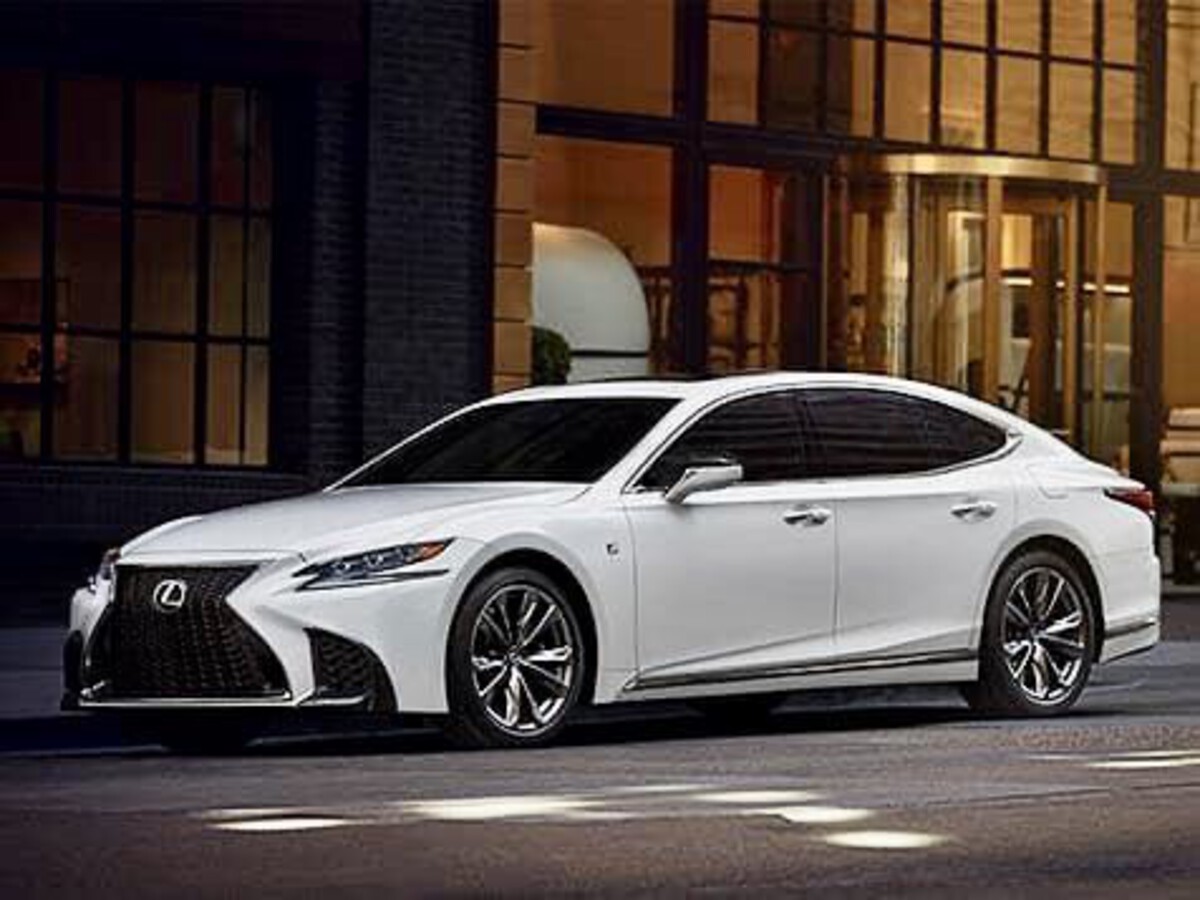
The LS also uses a large touchscreen and a touchpad controller for infotainment functions. Some trunk-related settings can be adjusted through this system as well. This creates a situation where the trunk has multiple access points, some physical, some digital, and none of them are in the obvious location that most drivers would check first.
Lexus owners tend to be loyal and experienced with the brand. Long-term LS owners likely have no issue with the button’s location after the first few weeks. But for new owners coming from other luxury brands, especially European ones with more conventional layouts, the adjustment period is real. Multiple Lexus LS owner forums feature threads specifically about locating the trunk release.
The LS offers a powered trunk lid with adjustable height memory. This is a genuinely excellent feature that makes everyday trunk use very convenient. Once you know where the release is, the powered lid does the rest beautifully. But discovering that release button in the first place is the hurdle that lands the LS on this list.
The Lexus LS is a magnificent car by almost any measure. Its ride quality, build precision, and reliability record are outstanding. The trunk release placement is a minor inconvenience in the context of everything the LS does right. But it is a real quirk and one that surprises enough new owners to be worth highlighting.
8. Genesis G90
The Genesis G90 is South Korea’s answer to the ultra-luxury sedan segment. It competes directly with the Mercedes S-Class, BMW 7 Series, and Lexus LS. The G90 has earned genuine respect from automotive critics for its design, features, and value proposition. But it has its own quirky side, including a trunk release button located in the overhead control panel.
The overhead panel in the G90 is where you typically find sunroof controls, interior lighting, and perhaps the SOS call button. It is not a location where most drivers would think to look for trunk access.
Yet in certain G90 configurations, particularly in the rear-wheel-drive long-wheelbase version, the trunk release has been positioned there. It catches both drivers and passengers off guard regularly.
Genesis chose this placement partly to keep the center console and dashboard clean. The brand is heavily focused on interior aesthetics and minimalism.
By moving the trunk release overhead, they freed up valuable surface space in the main console area. The result is a cleaner-looking center section that photographs beautifully and impresses during showroom visits.
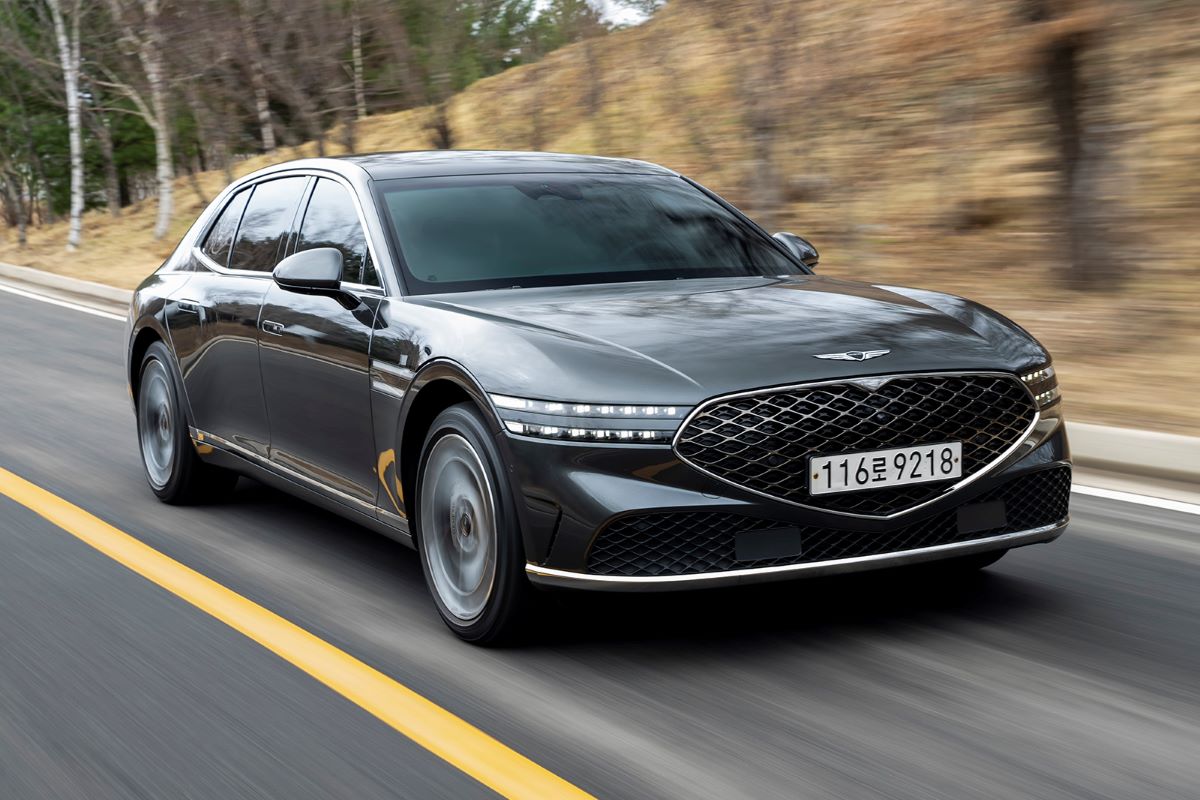
The challenge is that overhead controls require a different physical motion than reaching for dashboard or console buttons. Most drivers never develop the reflex to look up for trunk access. The overhead panel is associated with the lighting and sunroof in automotive muscle memory. Overriding that instinct takes conscious effort and repeated use.
The G90’s overhead trunk release is particularly confusing for valets and unfamiliar passengers. Valet attendants who often need to access trunks quickly report confusion with the G90 regularly. This is significant because the typical G90 customer is exactly the kind of person who uses valet services frequently. It is a small but real disconnect between the car’s intended audience and its design choice.
Genesis has refined the G90’s interior controls in subsequent updates and model revisions. Some versions have supplemented or relocated the trunk release to a more conventional area. But the overhead placement remains part of the G90’s story and is well documented among owners. It is a distinctive quirk for a distinctive car.
Despite this oddity, the Genesis G90 delivers genuine luxury at a price below its European rivals. The interior quality, technology features, and ride comfort are exceptional. The overhead trunk release is a puzzling design decision in an otherwise thoughtful package. It perfectly illustrates how even well-engineered luxury cars can have one feature that makes you pause and wonder why.
9. Cadillac CT6
The Cadillac CT6 was General Motors’ ambitious attempt to compete at the very top of the American luxury sedan market. It was a genuinely impressive car with bold styling, advanced technology, and a spacious, premium interior.
The CT6 packed features like a surround-view camera system, Super Cruise hands-free driving, and a unique rear camera mirror. But it also had a trunk release situation that baffled many owners and reviewers.
In the CT6, the trunk release button exists on a physical panel, which is refreshing compared to touchscreen-only solutions. However, the button panel in question is not clearly laid out.
Multiple buttons of similar size and shape are grouped together without strongly differentiated labeling or iconography. The trunk release blends in visually with the surrounding controls in a way that makes it difficult to identify at a glance.
Cadillac has long been known for its bold styling choices. The CT6 interior reflected this with angular design elements and a distinctive American luxury aesthetic. But the button panel design prioritized visual consistency over functional clarity.
All the buttons look similar enough that distinguishing the trunk release from other controls requires careful attention. This is especially true at night or in low-lighting conditions.
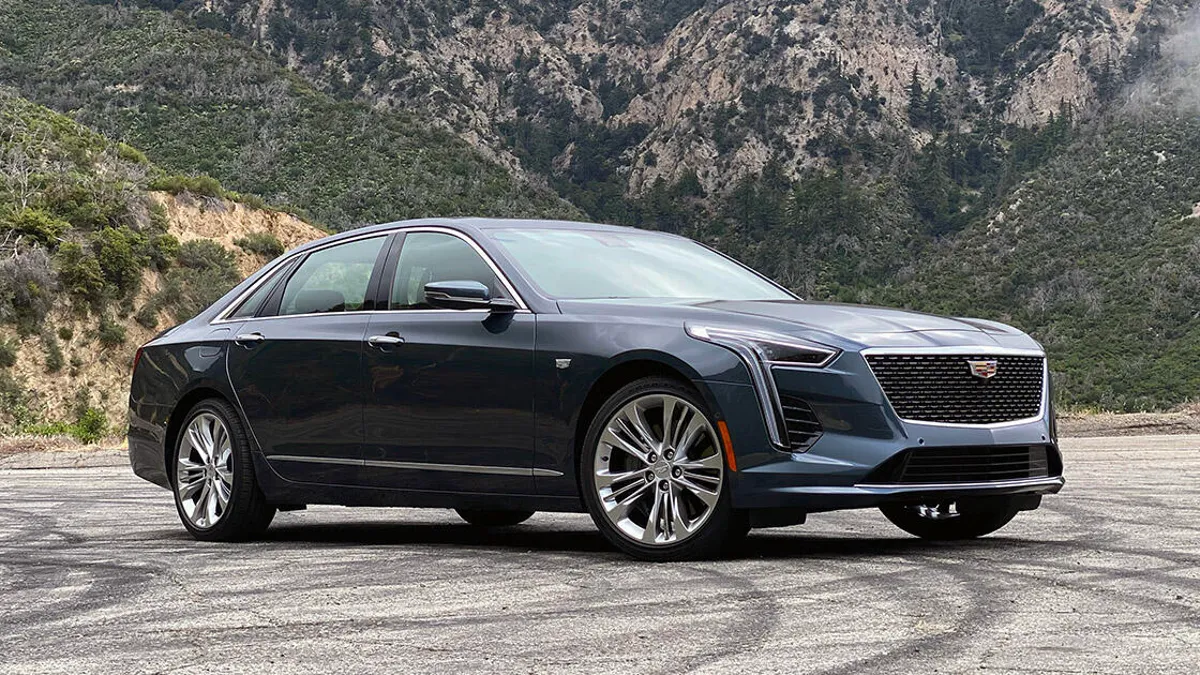
The CUE infotainment system in the CT6 added another layer of complexity. CUE Cadillac User Experience was a touchscreen-based system that handled many vehicle functions. Some trunk-related settings and controls could be accessed through CUE as well. This created two parallel systems for trunk management, neither of which was particularly intuitive on its own.
First-time CT6 drivers often had to consult the owner’s manual to locate the trunk release. Automotive journalists who tested the CT6 during its production run frequently noted the control layout as a weak point. In a car that was otherwise impressive, the button confusion stood out as a polish issue. It suggested that user testing of the interior controls had not been thorough enough before launch.
Cadillac addressed some CUE and interior control criticisms in later model years of the CT6. Updates improved the interface responsiveness and some labeling clarity. But the fundamental button panel design remained a consistent point of criticism throughout the CT6’s production life. It is a reminder that even physically present buttons can be effectively hidden through poor design and labeling.
The CT6 was discontinued after the 2020 model year, a casualty of shifting market preferences toward SUVs. But it left behind a legacy of technological ambition mixed with some notable usability quirks.
The trunk release button situation is one of the most memorable of those quirks. It serves as a case study in how design choices that prioritize aesthetics over clarity can undermine the user experience even when the fundamental functionality is physically present.
The Cadillac CT6 deserves its place on this list not because the trunk button was invisible, but because it was hiding in plain sight, obscured by design choices that made it blend invisibly into a panel full of similar-looking controls. That is perhaps the most ironic kind of hidden button of all.
Also Read: 5 Trucks Built In The US And 5 That Just Pretend To Be
