
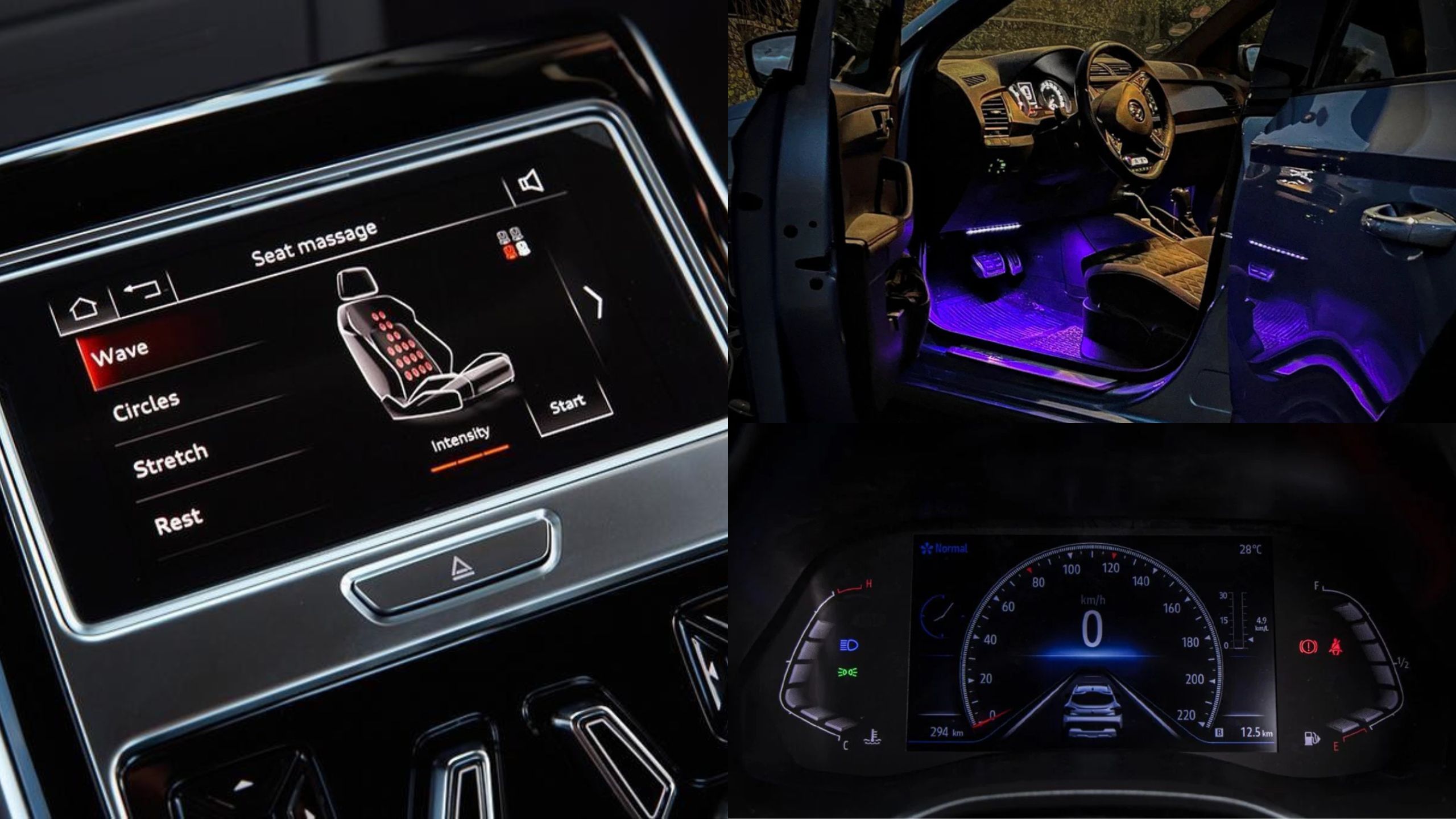
Buying a used car is one of the most exciting decisions you can make. The thrill of finding a great deal with impressive features can feel like hitting the jackpot. But not every shiny feature deserves your admiration. Some of the coolest-looking features on used cars are also the most unreliable ones.
Many buyers get drawn in by fancy technology and premium add-ons. They assume that if it worked before, it will keep working for years. That assumption can be dangerously expensive. Used car features often come with hidden wear, neglected maintenance, and aging components ready to fail.
Dealerships and private sellers know how to make these features shine during a test drive. Everything looks perfect under showroom lights. But once you drive that car home and live with it daily, reality begins to set in. Features start glitching, malfunctioning, or dying completely.
The repair costs for these features can sometimes exceed the value of the car itself. That is a nightmare no buyer wants to face. Understanding which features are most likely to fail gives you serious negotiating power. It also helps you avoid costly surprises down the road.
This guide breaks down nine used car features that look impressively cool but tend to break within the first year of ownership.
1. Panoramic Sunroofs
Panoramic sunroofs are one of the most visually stunning features you can find on a used car. They stretch across the entire roof, flooding the cabin with natural light. Passengers love the open, airy feeling they create. On a sunny day, driving with a panoramic sunroof feels absolutely luxurious.
But behind that beautiful glass panel lies a complicated mechanical system. Panoramic sunroofs rely on motors, tracks, seals, and drainage tubes all working perfectly together. When any one of these components fails, the entire system can stop working. And in used cars, these components are often already worn down significantly.
The most common problem is water leakage. Panoramic sunroofs have drainage channels that carry rainwater away from the cabin. Over time, these channels get clogged with dirt, leaves, and debris. Once clogged, water finds its way inside the car and damages the headliner, electronics, and flooring.

The rubber seals around panoramic sunroofs also degrade with age and sun exposure. Cracked or hardened seals allow wind noise and water to enter the vehicle. Replacing these seals sounds simple, but the labor cost adds up quickly. Dealers rarely replace them before selling a used car.
The motorized opening mechanism is another weak point. The electric motors that operate the sunroof handle significant mechanical stress every time you open or close the panel. In older vehicles, these motors often burn out or strip their gears. A sunroof stuck halfway open during a rainstorm is a nightmare scenario.
Glass damage is also a serious concern with panoramic sunroofs. The large glass panels are expensive to replace, often costing between $1,000 and $2,500. Even small chips or cracks can spread rapidly due to temperature changes. Insurance may not always cover this type of damage.
Many used car owners report that their panoramic sunroof started rattling within months of purchase. The tracks and guides that hold the panel loosen over time. This creates an annoying vibration noise at highway speeds. Fixing this rattle often requires complete disassembly of the roof mechanism.
Another issue is the wind deflector that pops up when the sunroof opens. These plastic deflectors crack and break easily. A broken deflector causes excessive wind noise and turbulence inside the cabin. Replacement parts are surprisingly expensive for what looks like a simple plastic piece.
Heat buildup is also a lesser-known problem with panoramic glass roofs. In hot climates like India, the massive glass surface turns the car into a greenhouse. This puts extra strain on the air conditioning system. Your fuel efficiency drops while your comfort level also decreases.
Before buying a used car with a panoramic sunroof, always test it multiple times during the inspection. Listen for grinding noises and watch for slow or jerky movement. Check the headliner carefully for any water stain marks. Those stains tell the story of drainage problems already in progress.
2. Touchscreen Infotainment Systems
Modern touchscreen infotainment systems look incredibly impressive when you first sit inside a used car. Large, bright screens with navigation, music, and vehicle settings all in one place feel like the future. Buyers immediately fall in love with the sleek interface. It feels like owning a premium vehicle straight off the showroom floor.
The problem is that touchscreen technology ages rapidly. Software that felt cutting-edge three years ago can feel outdated and sluggish today. Used car infotainment systems often run on outdated operating systems that manufacturers no longer support. Updates stop coming, and the system slowly becomes incompatible with modern smartphones.
Screen delamination is a well-documented problem in used car infotainment units. The outer layer of the touchscreen separates from the display beneath it. This creates a bubbly, cloudy appearance that makes the screen nearly impossible to read in sunlight. Once delamination begins, it only gets worse over time.
Many popular brands have faced widespread issues with their infotainment screens. Certain Volkswagen and Chrysler models developed notorious screen failure problems. Owners reported black screens, frozen displays, and random reboots. These issues often appeared within the first year of the original purchase and continued into used car ownership.
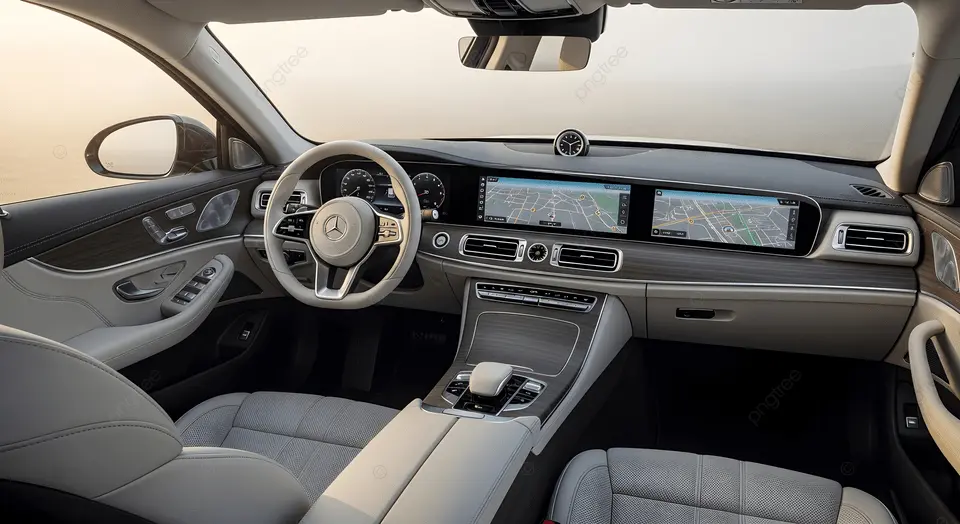
Touchscreen responsiveness also degrades significantly in older units. You tap the screen, and nothing happens. You tap again harder, and the wrong function activates. This becomes genuinely dangerous when you are trying to adjust navigation or climate control while driving. Poor screen response forces you to look away from the road for longer periods.
The GPS antenna and navigation software in older infotainment systems become unreliable. Map data becomes outdated and cannot always be updated without paying subscription fees. Some systems lose GPS signal frequently in urban areas. Drivers end up using their phones anyway, making the built-in system completely redundant.
Connectivity features like Bluetooth and Apple CarPlay often stop working properly over time. Bluetooth pairing failures are extremely common in older infotainment units. Your phone connects, but audio cuts in and out constantly. Buyers who specifically wanted these features end up deeply frustrated.
Replacing a failed infotainment system is shockingly expensive. Original manufacturer replacement units can cost between $1,500 and $4,000 installed. Aftermarket units are cheaper but often require extensive wiring modifications. The beautiful screen that sold you on the car becomes one of your biggest regrets.
3. Retractable Door Handles
Retractable door handles are among the coolest design features you will ever see on a modern car. They sit flush with the door panel when not in use, giving the car a completely smooth, futuristic silhouette. When you approach the car, the handles pop out automatically. It feels like something straight out of a science fiction movie.
Tesla popularized this feature, and several other luxury brands followed. On a brand new car, retractable handles work seamlessly and feel incredibly satisfying to use. But used car buyers quickly discover that this stunning feature has a dark side. The mechanisms behind retractable handles are delicate and failure-prone.
The electric motors that extend and retract the handles are the first thing to fail. These small motors run every single time you enter or exit the vehicle. Over thousands of uses, the motor bearings wear down, and the motor struggles to function. Eventually, the handle stops extending fully or stops retracting completely.
Cold weather causes serious problems for retractable door handles. The internal mechanisms contract in freezing temperatures. Ice can form inside the handle cavity, preventing the mechanism from moving. In very cold climates, owners sometimes find themselves completely locked out of their own car.
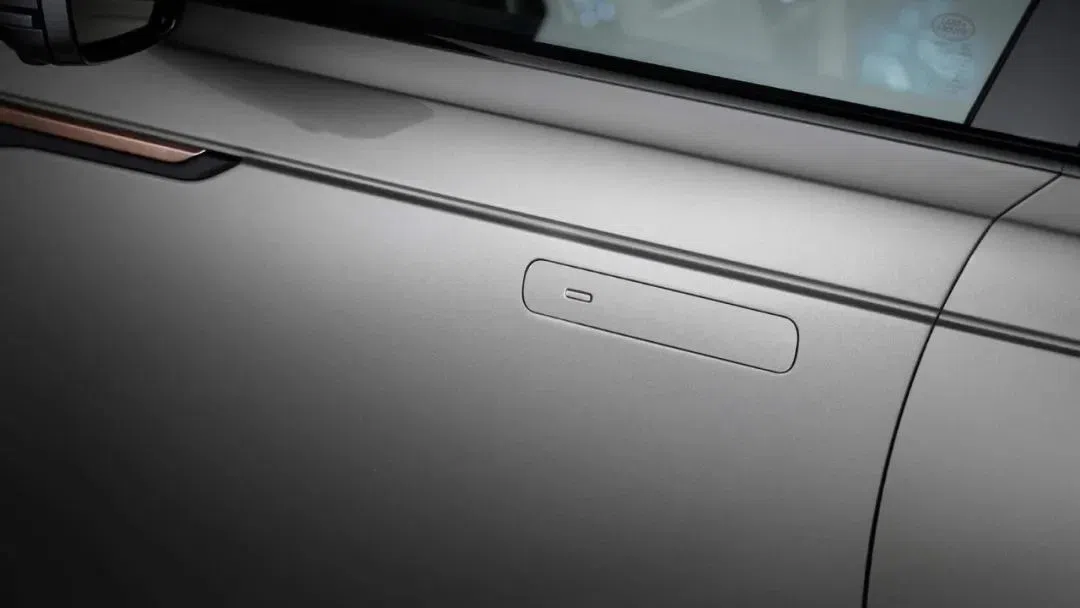
Sensor failures are another common issue. Retractable handles rely on proximity sensors that detect when your hand approaches. These sensors can malfunction and cause the handle to extend and retract randomly. In some cases, the handle extends while the car is being driven, which is both alarming and aerodynamically problematic.
The wiring harness that powers retractable handles runs through the door. Door hinges flex the wiring every time you open or close the door. Over time, this repeated flexing causes wire breaks and short circuits. Electrical gremlins in the door can cause handles to behave erratically.
Repair costs for retractable handle failures are very high. The parts alone can cost several hundred dollars per door. Labor charges for accessing and replacing the internal mechanism add significantly to the bill. Some owners have paid over $800 to fix a single door handle.
In emergency situations, failed retractable handles become genuinely dangerous. If the handle fails while someone is inside the car, exiting quickly becomes difficult. Emergency responders may struggle to open doors from the outside during an accident. This is a safety concern that manufacturers have not fully resolved.
4. Ambient Interior Lighting
Ambient interior lighting systems create a magical atmosphere inside a used car cabin. Soft colored lights glow beneath the dashboard, along door panels, and under seats. The effect is genuinely stunning, especially at night. It makes an ordinary car feel like a luxury lounge on wheels.
Automotive LED ambient lighting systems seem simple on the surface. But they are connected to complex control modules and wiring networks. In used cars, these systems have already been exposed to heat cycles, vibration, and electrical fluctuations for years. The cumulative stress on the system makes failures highly likely.
Individual LED elements within the lighting strips begin to fail first. You notice one section of the door panel lighting is going dark. Then another section stops working. Eventually, the system looks patchy and inconsistent, which actually makes the interior look worse than no lighting at all.
The control module that manages ambient lighting is often integrated with other vehicle systems. When the lighting module fails, it can interfere with climate control, door lock functions, or instrument cluster readings. What started as a cosmetic failure quickly becomes a functional problem. Diagnosing these interconnected issues requires specialized equipment.
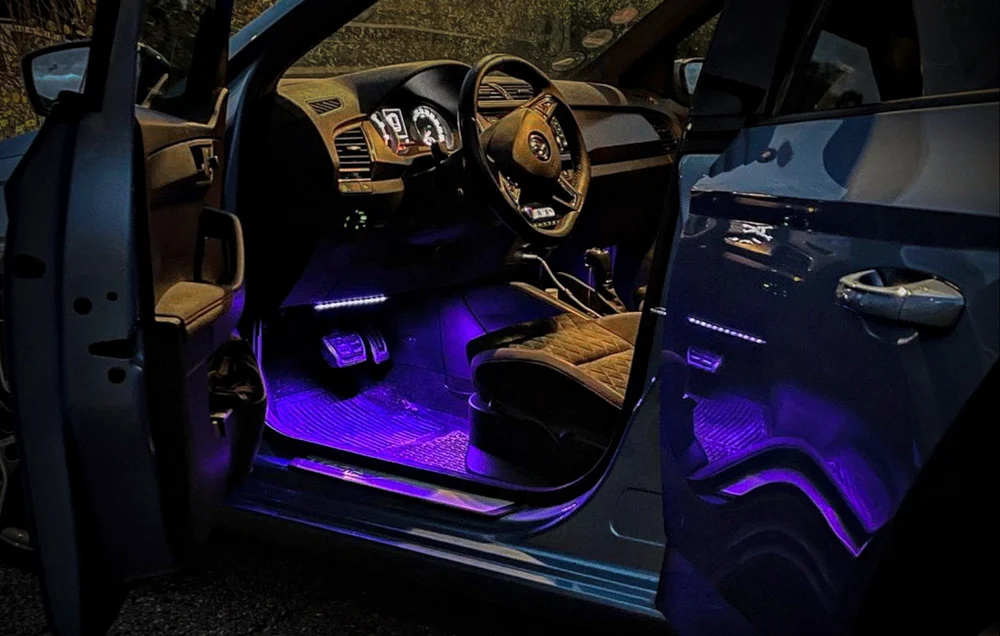
Color-changing ambient systems are particularly unreliable in used cars. These systems allow you to select from millions of colors through the infotainment screen. The additional complexity means more components that can fail. Buyers who wanted a personalized color experience often find themselves stuck with one static color or no lighting at all.
Moisture intrusion is a leading cause of ambient lighting failures. Tiny gaps in door seals allow humidity to reach the LED strips and wiring. In humid climates, this moisture causes corrosion on electrical connectors. Corroded connectors create resistance in the circuit, which eventually burns out the LEDs.
The wiring that supplies power to ambient lights runs through narrow channels throughout the vehicle. These wires are thin and not designed for easy access during repairs. A technician must often disassemble significant portions of the interior trim to reach failed wiring. The labor cost can be ten times the cost of the actual LED components.
Used car sellers often photograph the ambient lighting prominently in their listings. The glowing interior makes the car look irresistible in photos. But savvy buyers should always test every lighting zone during an inspection. Ask the seller how long the full system has been working without any issues.
Also Read: 8 Trucks Where the Annual Property Tax Is Surprisingly Low
5. Power Running Boards
Power running boards are a brilliant, practical feature found on many used trucks and SUVs. They extend outward automatically when you open the door, making it easy to step into a tall vehicle. When you close the door, they retract neatly back under the vehicle. The smooth, motorized movement looks very impressive in person.
These systems are particularly popular on full-size American trucks and luxury SUVs. They genuinely help passengers who struggle with the high step into these vehicles. Children and elderly passengers especially benefit from this feature. But in used vehicles, this convenience comes at a steep reliability cost.
The motors that drive power running boards operate in extremely harsh conditions. They are mounted underneath the vehicle, directly exposed to road spray, mud, salt, and debris. These motors work hard with every door opening and closing cycle. The combination of heavy use and constant environmental exposure accelerates wear dramatically.
Corrosion is the primary enemy of power running board systems. The metal components, wiring connectors, and motor housings rust rapidly in wet climates. Once corrosion sets in, the electrical connections become unreliable. Motors begin drawing too much current, which trips fuses and causes the entire system to stop working.
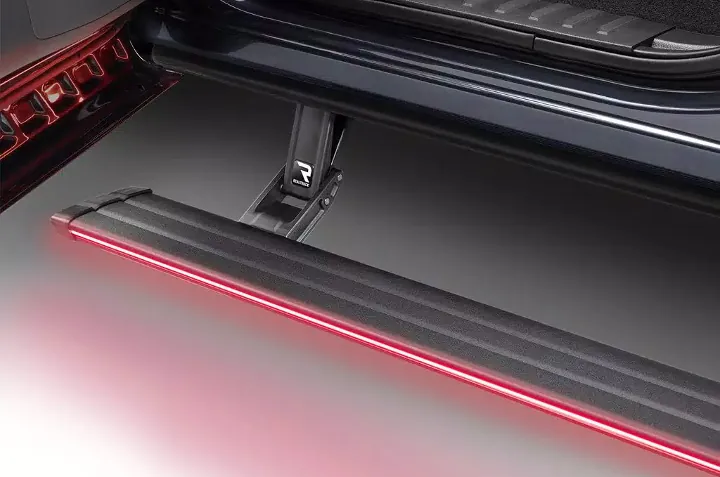
The retraction mechanism can fail in the extended position. This leaves the running board sticking out permanently beneath the vehicle. A permanently extended running board reduces ground clearance significantly. It also catches on curbs, speed bumps, and off-road terrain, causing physical damage to the board itself.
Ice and snow cause immediate problems for power running boards in cold climates. Snow and ice pack into the running board mechanism during winter driving. When the system tries to retract, it strains against the packed ice. Motors burn out trying to overcome this resistance, and the running board gets stuck in an awkward position.
Replacement motor assemblies for power running boards are expensive components. Original equipment motors can cost $300 to $600 each, and most vehicles have boards on both sides. Labor for accessing and replacing these motors beneath the vehicle adds to the cost. Many owners simply disconnect the system and leave the boards stationary.
The control module for power running boards can develop faults that cause erratic behavior. Boards may extend and retract while the vehicle is moving. They may fail to respond at all to door-opening signals. Some boards extend on one side only, creating an uneven appearance that looks unprofessional.
6. Massaging Seat Functions
Massaging seats represent the pinnacle of automotive luxury when you first experience them. Small motors embedded within the seat cushions create rolling, kneading, and vibrating sensations. On a long highway drive, a good massaging seat function genuinely reduces fatigue and tension. Buyers consider this feature a major selling point in any used luxury vehicle.
However, massaging seat systems involve dozens of small components working in precise coordination. Multiple motors, air bladders or mechanical nodes, wiring harnesses, and control modules must all function correctly. In a new car, this complexity is managed by rigorous quality control. In a used car, years of use have weakened every link in this complex chain.
The small electric motors inside massaging seats are typically not designed for easy replacement. They are buried deep within the seat cushion and foam padding. Accessing these motors requires complete disassembly of the seat. Labor costs for this work are very high because it is extremely time-consuming.
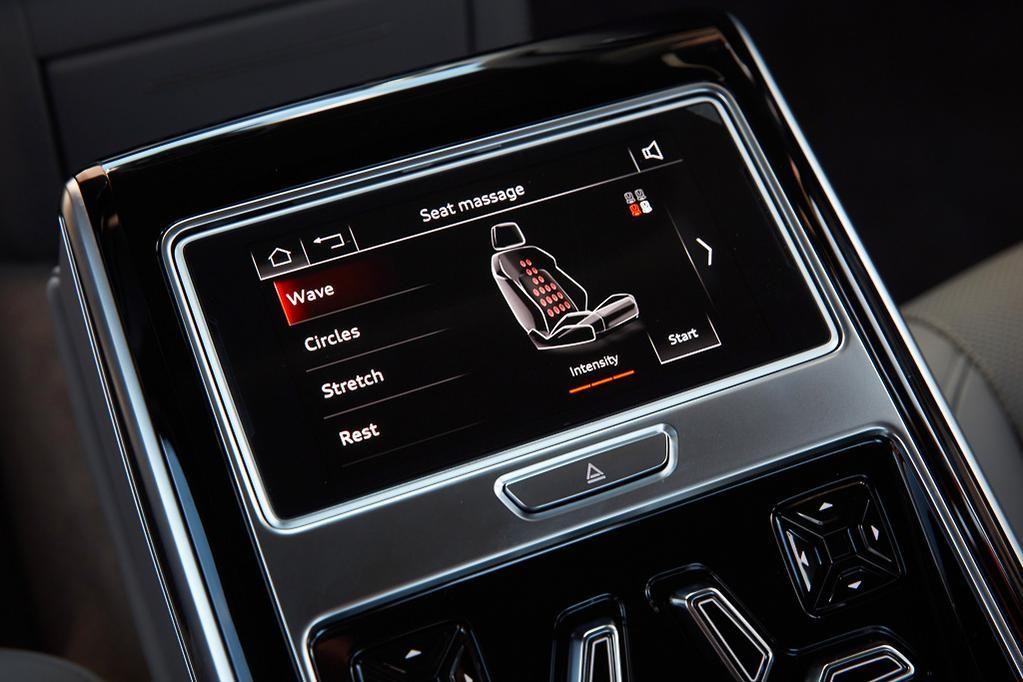
Air bladder systems are particularly vulnerable to failure. Some manufacturers use inflatable air bladders instead of mechanical nodes to create the massage sensation. These rubber bladders develop micro-tears over time. Once a bladder develops even a small leak, the massage intensity becomes uneven, and the system loses its effectiveness.
Heat and massage functions in luxury seats are often controlled by a shared module. When the control module fails, you may lose both heating and massage functions simultaneously. Replacing this shared module is expensive. You end up paying a significant sum to restore features that should have been included reliably with your purchase.
Seat leather and fabric wear is accelerated by massage systems. The constant movement of mechanisms beneath the surface causes stitching to loosen and material to thin. After a year or two of use, the seat surface directly above massage nodes often shows visible wear. Repairing or replacing automotive leather upholstery is a costly undertaking.
The wiring that connects the massaging seat components passes through the seat frame articulation points. Every time you adjust the seat position, this wiring flexes. Over thousands of seat adjustments, wires break at these flex points. Electrical failures in the seat wiring can also affect heated seat functions, making the problem worse.
Used car buyers are advised to test every massage setting and intensity level during inspection. Weak or inconsistent massage sensations indicate component wear already in progress. Ask specifically about the service history of the seat functions. A seller who cannot provide this information is a warning sign.
7. Digital Instrument Clusters
Digital instrument clusters are one of the most visually impressive features in modern used cars. A large, high-resolution screen replaces traditional analog gauges with vivid graphics. Speed, RPM, navigation, and media information all display in customizable layouts. The effect is genuinely futuristic and dramatically enhances the cabin’s feel.
But digital instrument clusters face serious reliability challenges in used vehicles. The screens used in instrument clusters are typically LCD or OLED panels subjected to extreme conditions. They must operate in temperatures ranging from below freezing to well above 50 degrees Celsius. These temperature extremes cause display components to degrade faster than in household electronics.
Pixel failures are a common early symptom of instrument cluster problems. Individual pixels or entire rows of pixels stop displaying correctly. You might notice dark spots, bright spots, or streaks across the display. These pixel failures gradually worsen, eventually making important information like speed or warning lights unreadable.
Software corruption is another significant issue with digital clusters. These screens run complex software that can develop bugs or become corrupted. Corrupted software may cause the cluster to display incorrect information. A speedometer showing wrong readings is a safety issue and a potential legal problem during traffic stops.
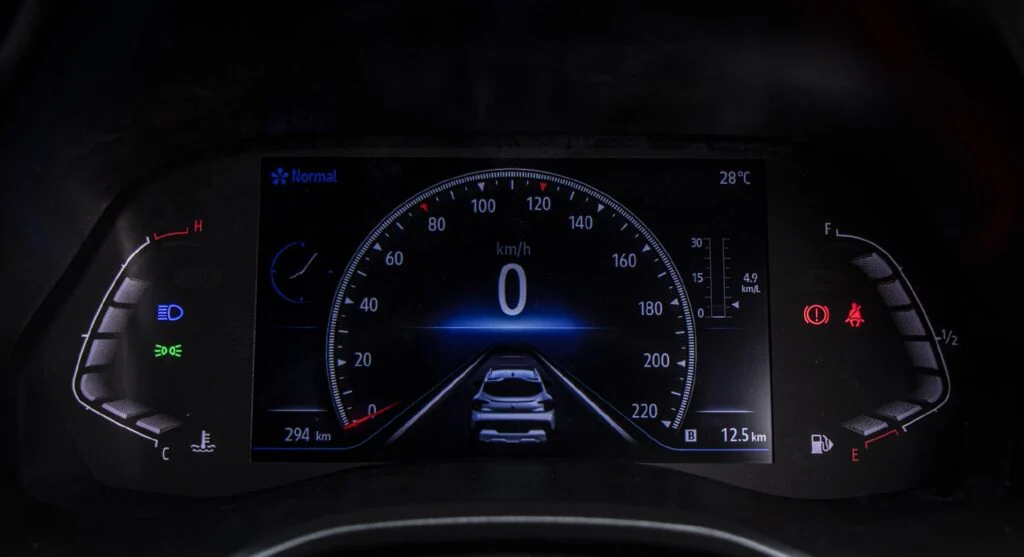
Backlight failures cause the entire cluster display to go dark unexpectedly. If the backlight fails while driving at night, you lose all instrument visibility instantly. This is an extremely dangerous situation. Replacing the backlight in a digital cluster often requires replacing the entire unit, which is a very expensive repair.
The graphics processing unit inside a digital cluster generates significant heat during operation. Vehicles without adequate cooling for this hardware experience accelerated component degradation. Used cars from warmer climates often show faster instrument cluster wear due to heat stress. This is especially relevant for buyers in countries like India, where temperatures are high.
Some digital clusters display ghost images or burn-in effects after heavy use. Static elements like the speedometer scale that remain on screen for thousands of hours can permanently mark the display. This burn-in makes the cluster look worn and difficult to read. Unlike smartphone screens, automotive cluster screens cannot be cheaply replaced.
Buyers should insist on testing the digital cluster in multiple display modes during inspection. Look carefully for any dead pixels, color inconsistencies, or flickering during the test drive. Check that all warning lights illuminate correctly during startup. Any abnormality at this stage will only worsen with time.
8. Adaptive Headlights
Adaptive headlights are a safety feature that looks genuinely impressive in action. These headlights swivel and adjust their beam direction based on your steering input. As you turn a corner, the headlights rotate to illuminate the road ahead rather than the ditch beside it. It feels like the car is anticipating your movements and lighting the way.
The technology behind adaptive headlights involves stepper motors, control modules, and sensor inputs, all working together. In a new car, this system is precisely calibrated and highly responsive. In a used car with significant mileage, every component in this system has experienced wear and stress. Calibration drifts, and mechanical components loosen over time.
The stepper motors that physically rotate adaptive headlight assemblies are small and precise. They must move accurately in fractions of a degree to keep the beam properly aligned. Worn motors develop play in their movement, which causes the headlight beam to jump or oscillate while driving. An oscillating headlight beam at night is extremely disorienting for oncoming traffic.

Moisture intrusion into headlight assemblies destroys adaptive systems. Water vapor condenses inside the headlight housing when seals age and crack. This moisture corrodes the motor and sensor components. Once the motor or sensors corrode, the adaptive system stops functioning, and the headlight may default to an odd fixed position.
The control module for adaptive headlights communicates with the vehicle’s steering angle sensor. When this communication fails, the headlights freeze in a fixed position. They may also point in the wrong directions, creating dangerous glare for oncoming drivers. Other road users may flash their lights at you repeatedly without you understanding why.
Leveling sensors that work alongside adaptive headlights are also vulnerable to failure. These sensors detect vehicle pitch and adjust headlight aim accordingly. Failed leveling sensors cause headlights to aim too high, blinding oncoming drivers, or too low, reducing your own visibility dramatically. Many countries have strict regulations about headlight aim, making this a legal concern as well.
Replacement adaptive headlight assemblies are among the most expensive automotive repair items. A single assembly including the motor, housing, and lens can cost between $800 and $2,500. Installation requires precise calibration with specialized equipment. A pair of adaptive headlight replacements can cost more than the car is worth in some cases.
Used car buyers should specifically request that adaptive headlights be tested during night conditions. Observe whether the beam moves smoothly and correctly during steering inputs. Look for any cloudiness or moisture inside the headlight housing. Any existing moisture indicates that seals have already failed, and further damage is inevitable.
9. Air Suspension Systems
Air suspension systems represent the ultimate in ride quality technology when they are working correctly. Instead of conventional steel springs, air suspension uses inflatable rubber bags to support the vehicle. The system automatically adjusts ride height and stiffness based on driving conditions. The result is a smooth, pillowy ride that makes even rough roads feel effortless.
Luxury SUVs and sedans from brands like Land Rover, Mercedes-Benz, and Audi have long offered air suspension. On a test drive, a properly functioning air suspension system feels absolutely remarkable. The car glides over bumps with impressive composure. Buyers become instantly convinced this is a feature they cannot live without.
But air suspension systems are notorious for catastrophic failures in used vehicles. The rubber airbags that form the core of the system degrade significantly with age. Heat, cold, and ozone exposure attack the rubber compound constantly. After five to eight years, these bags often develop cracks or pinholes that cause slow or rapid air leaks.
The air compressor that inflates the suspension bags is a high-stress component. It runs frequently to maintain the correct ride height as small leaks occur naturally. In used cars with aged airbags that leak more than normal, the compressor runs almost constantly. This continuous operation overheats and burns out the compressor motor rapidly.
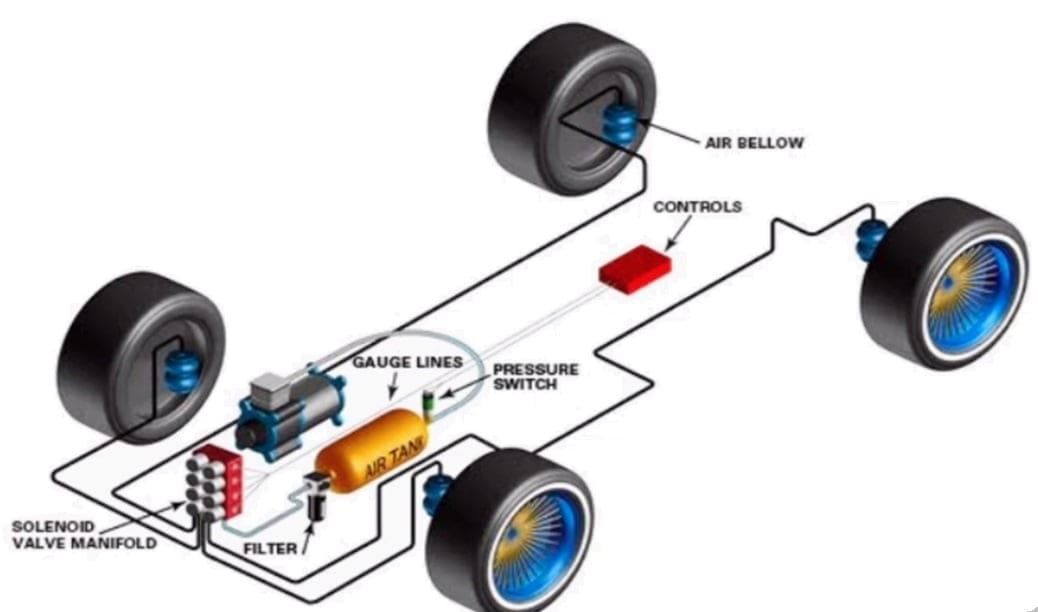
Height sensors that measure vehicle position are small electronic components prone to failure. When a height sensor fails, the suspension control module receives incorrect information. The system may raise one corner of the car too high while lowering another. A car that sits visibly crooked is not just ugly but also dangerous and illegal to drive.
The air lines that connect the compressor to each individual air bag are another failure point. These plastic or rubber tubes become brittle with age and heat exposure. They crack at connection points and at any location where they rub against chassis components. Even a small crack in an air line causes continuous air loss from the suspension system.
Warning signs of air suspension failure appear before complete failure occurs. The car takes several seconds to rise to normal height after startup. The car sits noticeably lower than normal after being parked overnight. You hear the compressor running more frequently than usual. These signs indicate that the end of the system’s service life is approaching.
Repair costs for air suspension systems are genuinely frightening for used car owners. Replacing all four airbags plus the compressor on a Land Rover Discovery or Mercedes GL-Class can cost between $3,000 and $7,000. Many owners choose to convert their vehicles to conventional coilover suspension instead. This conversion costs $1,000 to $2,500 but eliminates future air suspension expenses permanently.
Buyers considering a used car with air suspension must budget seriously for potential repairs. Always check the ride height carefully during inspection to see if it sits level and correct. Listen for compressor noise during startup and while the car is idling. Have an independent mechanic specifically inspect the airbags and compressor before finalizing any purchase decision.
Also Read: 10 SUVs With Oil Changes That Cost Less Than $40 at Any Shop
