
Owning a truck is a dream for many Americans. Whether you use it for work, off-roading, or daily commuting, trucks are a symbol of freedom and utility. However, the costs of truck ownership go far beyond the sticker price. Insurance, fuel, maintenance, and annual property taxes all add up quickly.
Most people focus on the purchase price when buying a truck. Very few stop to think about the annual property tax they will owe every single year. This recurring cost can quietly drain your wallet over time. In some states, property tax on a vehicle can run into hundreds or even thousands of dollars annually.
The good news is that certain trucks are assessed at surprisingly low values. This means their annual property taxes remain modest year after year. Some of this comes down to depreciation. Others benefit from lower base MSRPs that result in smaller tax bills from the start.
Understanding which trucks carry lower tax burdens can help you make a smarter financial decision. It is not just about what you pay at the dealership. It is about what you continue to pay every single year you own the vehicle. Here are eight trucks where the annual property tax is surprisingly low.
1. Ford Maverick (Hybrid)
The Ford Maverick is one of the most talked-about trucks of the last few years. It entered the market as an affordable, compact pickup designed for everyday buyers. Its base price starts well below most other trucks on the market. That low starting price directly translates into a lower taxable assessed value in most states.
The Maverick Hybrid is particularly attractive from a tax perspective. Its base MSRP hovers around the $22,000 to $25,000 range, depending on trim and options. States that calculate property tax as a percentage of vehicle value will naturally assess this truck at a lower rate. A buyer in Virginia, for example, might pay significantly less in annual personal property tax compared to someone driving a full-size truck.
The Maverick depreciates at a moderate rate. However, its already low starting value means even first-year tax bills are manageable. Many owners report paying well under $300 annually in states with vehicle property taxes. That is a remarkable figure compared to trucks costing two or three times as much.
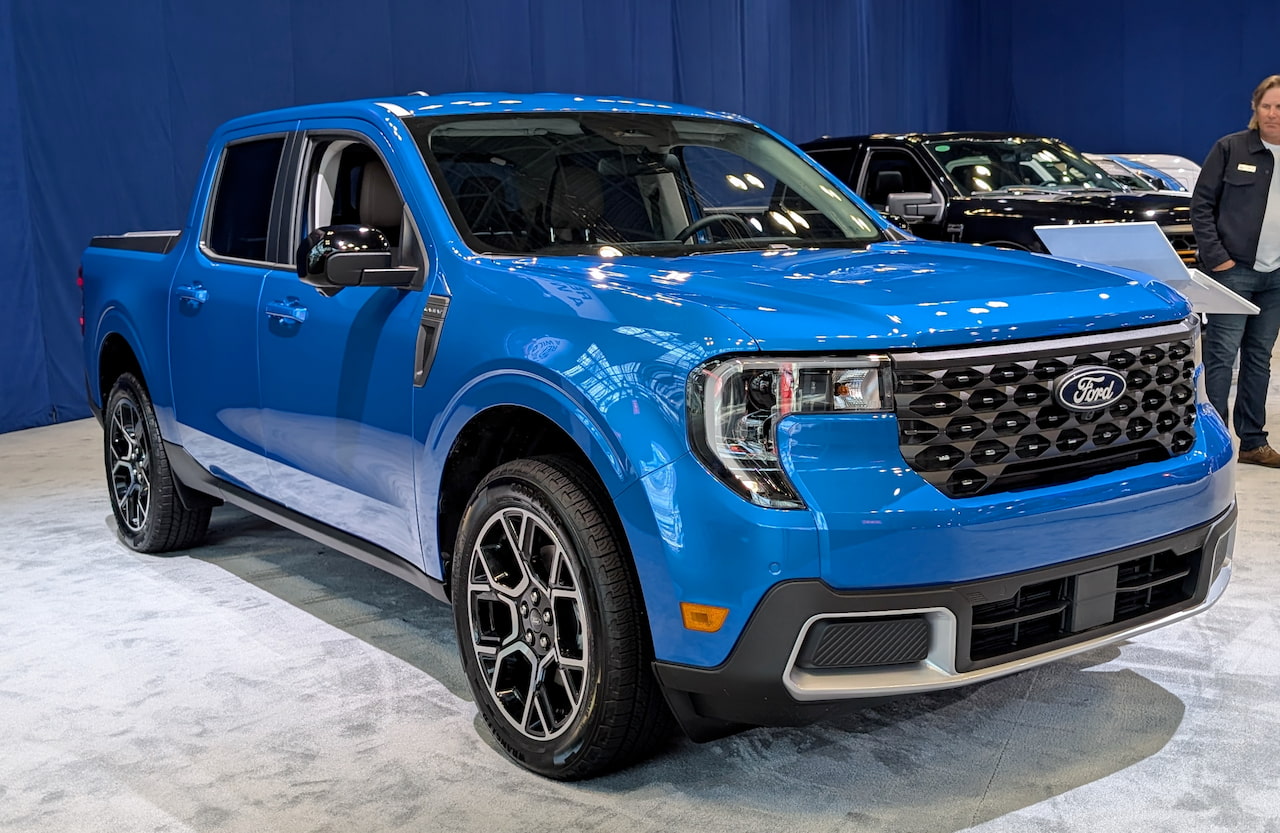
Ford designed the Maverick for urban and suburban drivers. It is not trying to compete with the F-250 or Ram 2500 in terms of raw power. What it does offer is practicality, fuel efficiency, and low ownership costs. The hybrid powertrain adds to that equation by reducing fuel spending on top of the tax savings.
The compact dimensions also make the Maverick easier to park and maneuver. City dwellers who need a truck bed for occasional hauling find it ideal. They get the utility of a pickup without the financial penalties that come with a larger vehicle. The tax savings alone can add up to thousands of dollars over a five-year ownership period.
Insurance costs on the Maverick also tend to be lower than average. Combined with the property tax advantage, this makes it one of the most affordable trucks to own annually. Financial advisors who work with car buyers often point to the total cost of ownership rather than the purchase price alone. By that metric, the Maverick consistently comes out near the top of the efficiency list.
The Maverick also holds its value reasonably well for a compact truck. Its popularity has kept used prices high, which is good for resale but means the tax savings persist for longer than expected. Buyers who plan to hold onto their truck for five or more years will especially appreciate this dynamic. The tax bill stays low across the entire ownership window.
Ford has continued to expand Maverick trim levels and options. Even with added features, the base price remains competitive. Buyers can load up on technology and convenience features without dramatically increasing their taxable value. That flexibility makes it easy to get a well-equipped truck while still keeping annual taxes in check.
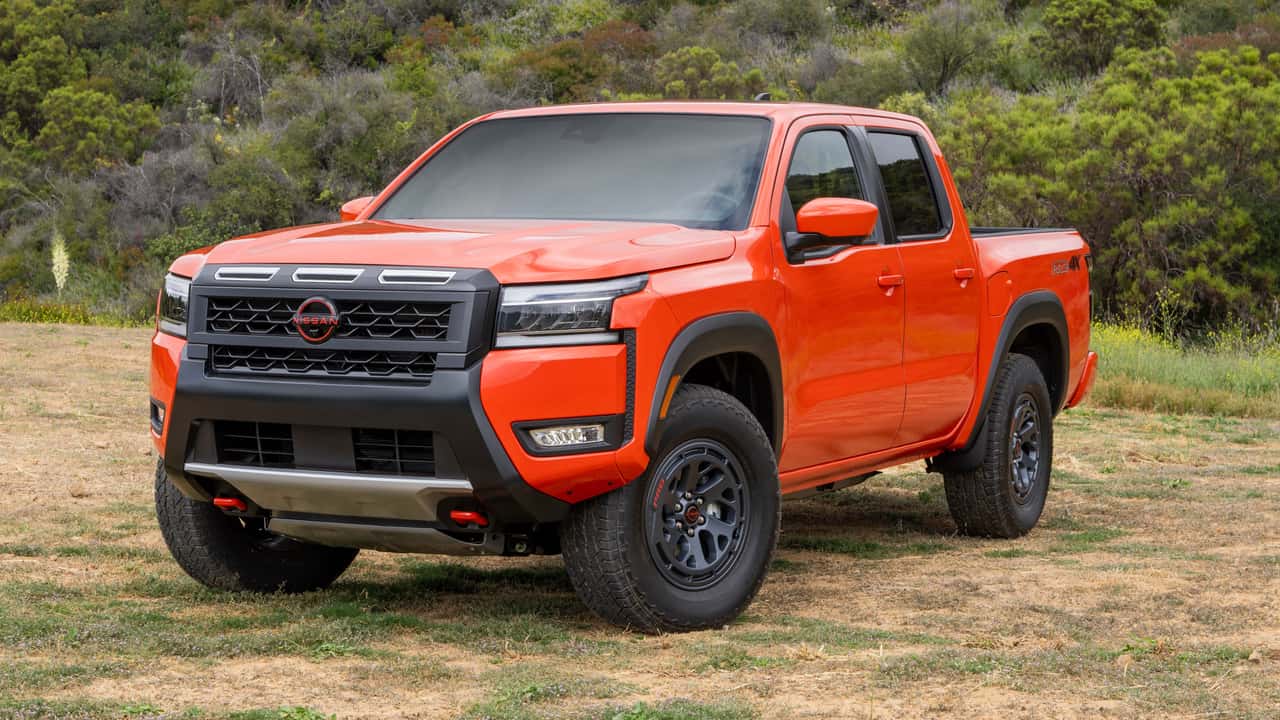
2. Nissan Frontier
The Nissan Frontier has been a reliable presence in the midsize truck segment for decades. It earned a reputation as a tough, no-nonsense pickup at an accessible price point. Its base MSRP typically falls between $31,000 and $38,000. That is considerably less than many full-size competitors, which keeps its taxable value lower from day one.
The Frontier underwent a significant redesign in recent years. Nissan gave it a new engine, updated interior, and modernized technology features. Despite these improvements, the price remained competitive within its class. Buyers get a genuinely updated truck without paying premium prices that would inflate their annual tax obligation.
In states like Missouri, Virginia, and North Carolina, vehicle property taxes are calculated based on assessed value. The Frontier’s moderate MSRP means the initial assessment starts lower than a comparably equipped full-size truck. Over time, as the vehicle depreciates, that tax bill continues to shrink. Frontier owners in these states often report annual taxes well below the midsize truck average.
The Frontier is powered by a 3.8-liter V6 engine. It produces 310 horsepower and 281 pound-feet of torque. This is more than enough capability for towing moderate loads and handling off-road terrain. The engine is proven and requires no exotic maintenance, keeping service costs low alongside the modest tax burden.
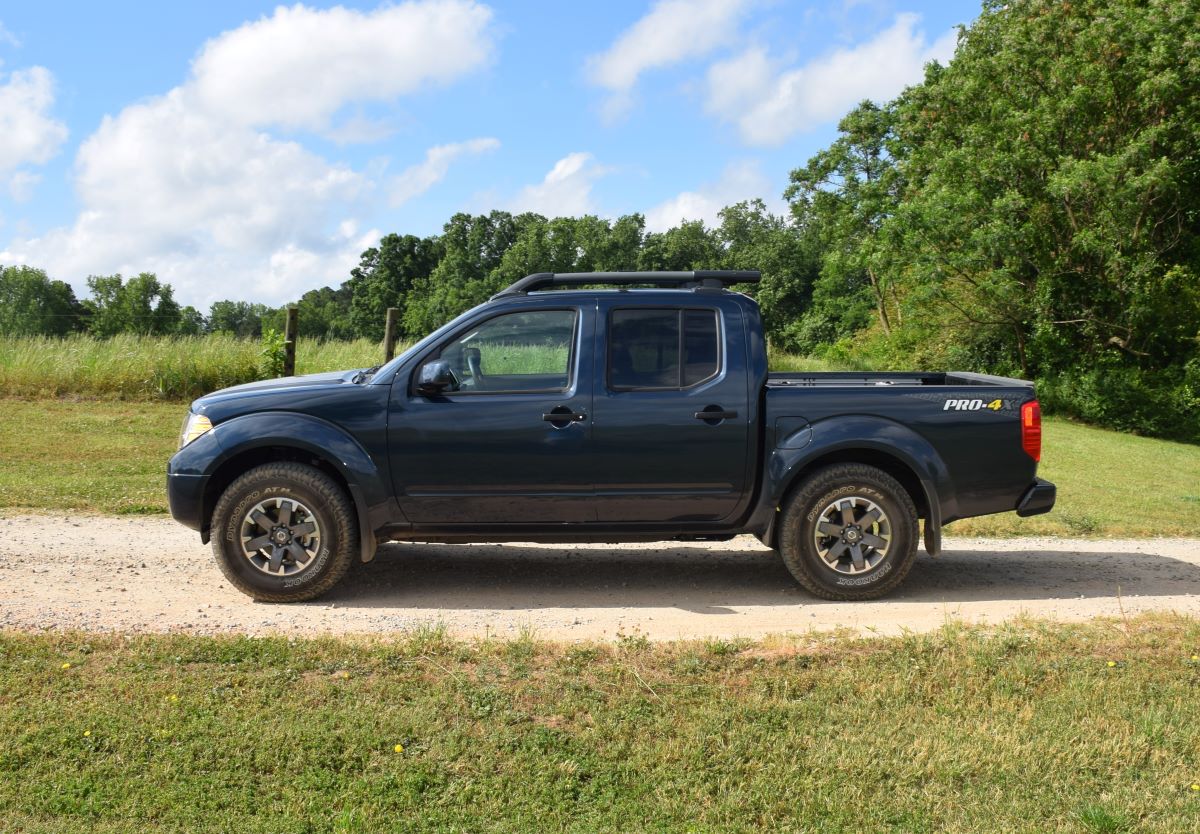
Nissan has kept the Frontier’s trim structure relatively simple. There are not dozens of confusing packages that drive up the final purchase price. Buyers can choose between a handful of trims and get exactly what they need. That simplicity prevents accidental overspending that would result in higher annual property assessments.
The Frontier also benefits from Nissan’s parts availability and dealer network. Repair costs tend to be reasonable compared to some competitors. When you factor in lower insurance premiums, modest fuel costs, and a small tax bill, the total annual ownership cost is genuinely impressive. Budget-conscious truck buyers consistently find the Frontier near the top of their list for exactly this reason.
Resale value on the Frontier is average to slightly above average for its class. This means depreciation is steady but not dramatic. For property tax purposes, a predictable depreciation curve is actually a benefit. Owners can plan ahead and budget for their annual tax bill without worrying about surprise assessments.
The Frontier also performs well in reliability surveys year after year. Lower repair frequency means fewer unexpected expenses. Combined with its already modest tax profile, this makes the Frontier one of the smartest long-term financial choices in the midsize truck category. It delivers real-world capability without real-world financial pain.
3. Chevrolet Colorado (Base Trim)
The Chevrolet Colorado is one of America’s most popular midsize trucks. It has been a strong seller for General Motors across multiple generations. The base trim of the Colorado carries an MSRP that sits comfortably below the full-size Silverado. That pricing difference has a direct and meaningful impact on annual property taxes in states that use vehicle value as the basis for assessment.
A base Colorado Work Truck trim typically starts just above $30,000. This is a fully functional, capable truck at a price point that keeps taxes modest. States calculating tax as 1 to 2 percent of vehicle value would assess this truck between $300 and $600 annually in its first year. That figure drops steadily as the vehicle depreciates over time.
The Colorado was redesigned for the 2023 model year. The new generation brought significant improvements in technology, capability, and refinement. However, the base pricing remained accessible for everyday buyers. Chevy understood that its customers needed a truck that fit within a real-world budget. That commitment to accessible pricing has had an unintentional but welcome side effect for tax-conscious buyers.
The base engine on the Colorado is a turbocharged 2.7-liter four-cylinder. It produces a surprising amount of torque for daily driving and light hauling. Fuel economy is respectable for a midsize truck. Owners who stick with the base powertrain keep their purchase price lower, which in turn keeps their annual tax assessment lower as well.
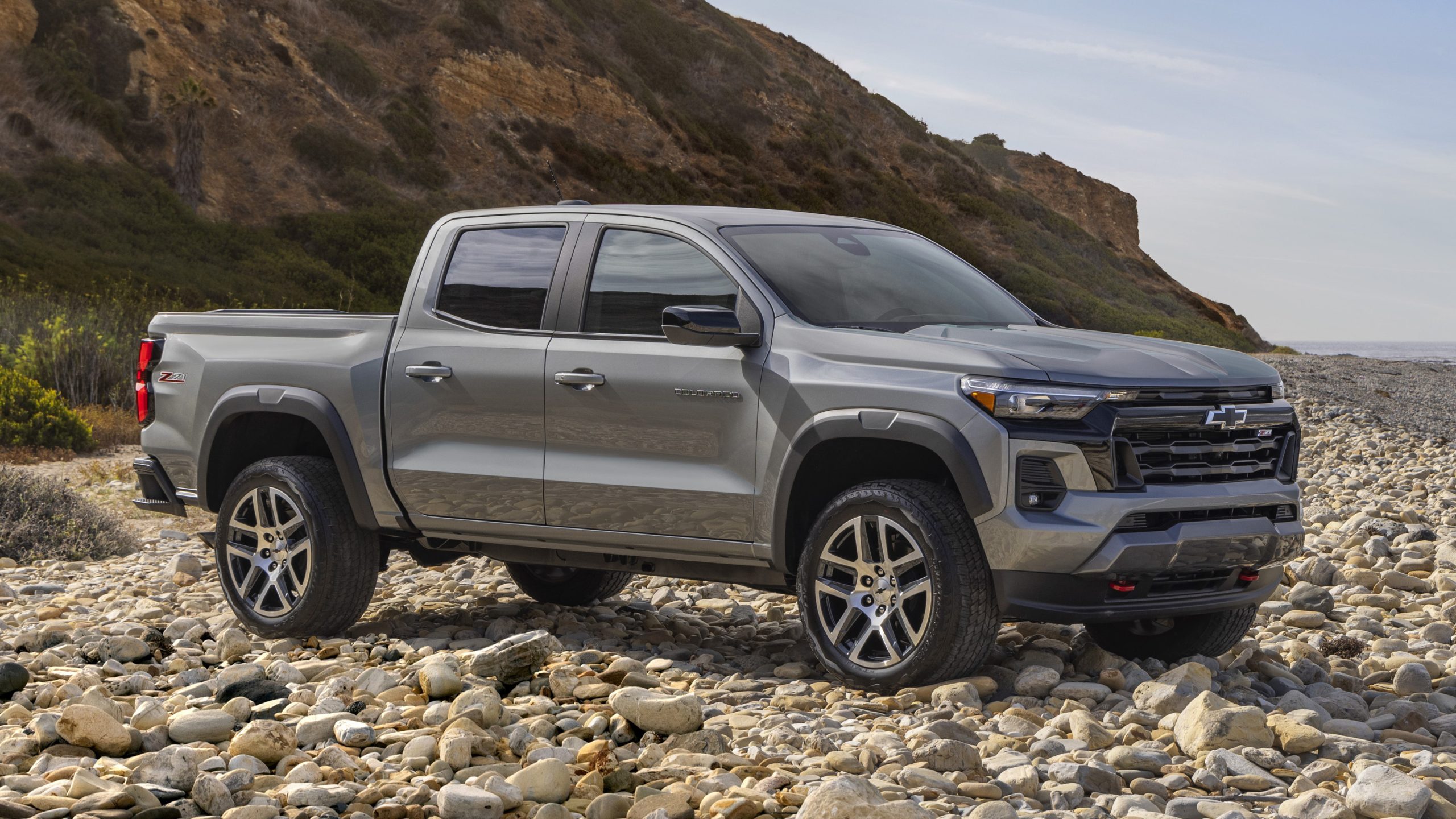
The Colorado is available in both crew cab and extended cab configurations. Even the crew cab base trim stays under price thresholds that would significantly increase annual taxes. Families who need the rear seating of a crew cab can still benefit from the Maverick’s tax-friendly value proposition. The Colorado simply delivers that benefit at a slightly larger scale.
Chevrolet dealerships are widespread across the United States. Parts availability and service options are plentiful in nearly every market. This keeps maintenance costs predictable and affordable. A truck that is cheap to tax and cheap to maintain is a genuinely compelling financial package. The base Colorado delivers on both fronts consistently.
Insurance rates in Colorado are also notably moderate. Insurers tend to charge less for vehicles with lower replacement values. A base Colorado costs less to replace than a loaded ZR2 or a full-size Silverado. That logic flows directly through to annual insurance premiums, adding another layer of savings on top of the tax advantage.
Colorado owners who purchased base trims several years ago report annual property taxes that have fallen to very modest levels. After three to five years of depreciation, the assessed value drops substantially. The tax bill follows accordingly. Long-term Colorado owners in high-tax states often find themselves paying nominal annual amounts once the vehicle reaches five or more years of age.
4. Toyota Tacoma (SR Trim)
The Toyota Tacoma is the undisputed king of the midsize truck segment. It has held the top sales position in its class for nearly two decades. The Tacoma’s reputation for reliability and resale value is virtually unmatched in the truck world. What surprises many buyers is that the entry-level SR trim carries a relatively modest MSRP that translates into lower annual property taxes.
The Tacoma SR starts around $31,000 to $33,000 in its base configuration. This is not the cheapest truck on the market, but it is far below the cost of a loaded full-size pickup. In states where personal property tax is assessed based on vehicle value, the Tacoma SR sits in a favorable range. Buyers in Virginia, for example, benefit from the SR’s lower assessed value compared to higher trims or competing full-size trucks.
One of the most interesting aspects of Tacoma ownership is its extraordinary resale value. The Tacoma holds its value better than almost any other truck on the market. This is generally seen as a financial positive, but it does mean that property tax assessments remain slightly higher for longer compared to trucks that depreciate more quickly. Even so, the SR trim’s lower starting point keeps taxes manageable throughout the ownership period.
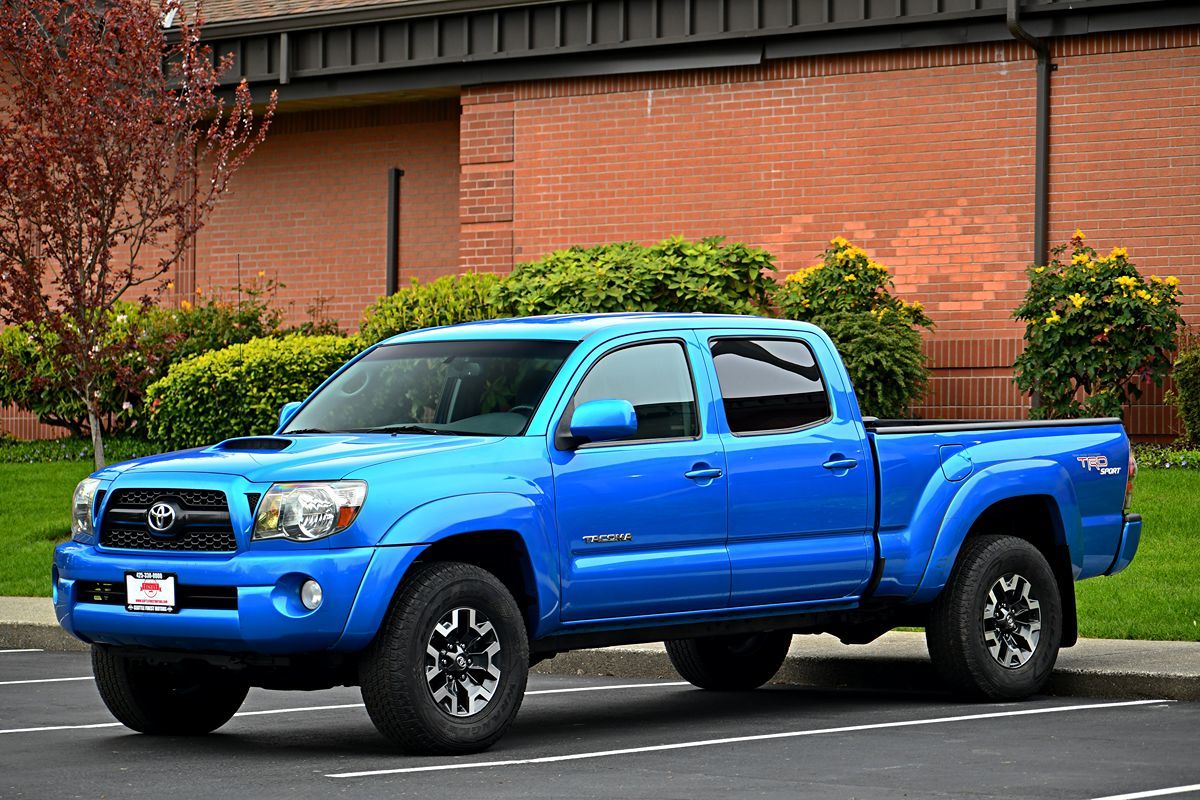
The SR trim is powered by a 2.7-liter four-cylinder engine in two-wheel-drive configurations. Buyers who choose the V6 option will see a modest price increase. Either way, the base nature of the SR keeps the final transaction price below more feature-heavy competitors. That restraint in purchasing translates directly to tax savings year after year without sacrificing the core utility of the truck.
Toyota built the Tacoma to last. Its mechanical simplicity and proven drivetrain mean lower maintenance costs over the long run. A truck that requires fewer repairs and carries a modest tax burden is genuinely one of the most financially responsible choices in the pickup market. The SR trim amplifies that advantage by keeping the purchase price as low as possible within the Tacoma lineup.
Off-road capability comes standard on the Tacoma SR to a reasonable degree. Buyers who need occasional trail use or unpaved road capability can get it without upgrading to the more expensive TRD trims. That capability retention at a lower price point is one reason the SR remains a popular choice. It delivers the Tacoma experience without the Tacoma TRD Pro price tag and its accompanying tax implications.
Insurance costs on the Tacoma SR are moderate. The vehicle’s safety ratings and Toyota’s reliability reputation help keep premiums reasonable. Combined with a lower property tax assessment, the annual fixed costs of SR ownership compare favorably to almost every competitor in the segment. Buyers who focus on total annual cost rather than upfront price consistently find the Tacoma SR to be an outstanding value.
The Tacoma SR may lack some of the luxury features found in higher trims. It does not have leather seats or a large infotainment display by default. However, for buyers who simply need a reliable, capable, low-cost-to-own truck, these omissions are entirely acceptable. The money saved on taxes and insurance over five years of ownership more than compensates for any missing amenities.
Also Read: 10 Trucks With Cabins That Fit Three Adults In The Front
5. Ram 1500 Classic (Base Trim)
The Ram 1500 Classic represents an older generation of Ram’s full-size pickup. It has been kept in production alongside the newer Ram 1500 to serve budget-conscious buyers. The Classic’s lower MSRP is one of its most significant advantages. Base trims of the Ram 1500 Classic start below $35,000, making it one of the most affordable full-size trucks available and giving it a notably lower annual property tax profile.
The Classic uses Ram’s proven 3.6-liter Pentastar V6 engine. This engine has been in service for years and has an extensive track record of reliability. It is not the most powerful option in the full-size class, but it delivers adequate capability for most everyday tasks. Its proven nature also means lower repair costs over the long run, supporting the truck’s low-cost-to-own reputation.
States that assess property tax based on vehicle value will calculate the Classic’s annual bill at a significantly lower rate than a new Ram 1500 with the latest technology and luxury features. The older platform carries a lower assessed value, which flows directly into a smaller check written to the county or state every year. Budget-minded truck buyers have recognized this advantage for years.
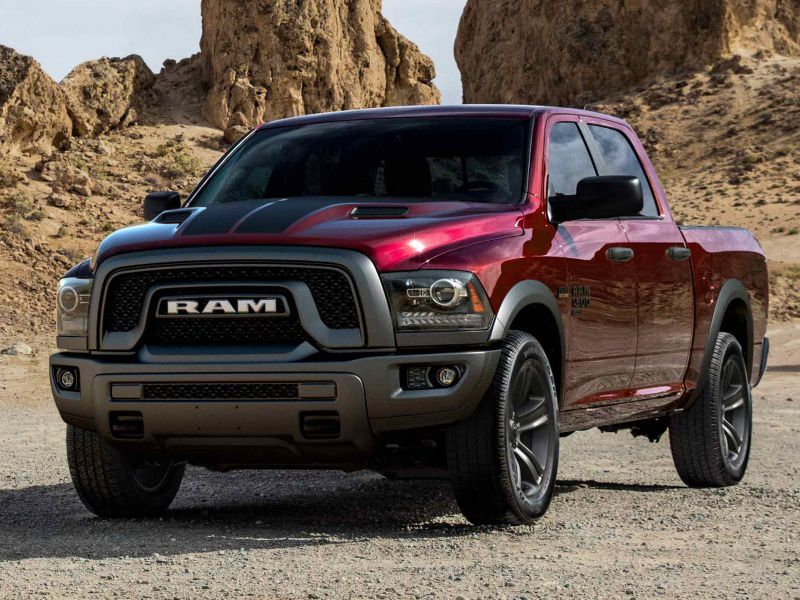
The Ram 1500 Classic is available in regular cab, quad cab, and crew cab configurations. Even the crew cab version maintains a lower price point than comparable configurations on the newer platform. Families or contractors who need maximum passenger capacity or bed space can still benefit from the Classic’s tax advantage. The savings remain meaningful across all body style options.
Ram has continued to support the Classic with modern safety features. It includes available forward collision warning and other driver assistance technologies. Buyers do not have to sacrifice safety to benefit from the lower price and tax profile. That combination of modern safety and old-school pricing is rare in today’s truck market and makes the Classic genuinely compelling.
The Classic’s interior is admittedly less refined than the newer Ram 1500. The cabin materials and technology feel a generation behind. However, for buyers whose primary concern is utility and low operating costs, these trade-offs are entirely manageable. The truck still performs every core pickup function without complaint and does so while carrying a minimal annual tax obligation.
Insurance premiums on the Classic tend to be lower than on the newer Ram 1500 variants. Older platforms with lower replacement values typically attract lower comprehensive and collision premiums. Combined with the property tax advantage, annual fixed costs on the Classic are among the lowest you will find in the full-size truck segment. That is a powerful argument for buyers prioritizing financial practicality.
Long-term ownership of the Classic yields increasingly modest tax bills as the vehicle depreciates. After several years, the assessed value drops to levels that result in nominal annual payments in most states. Buyers who purchase a Classic and hold it for seven or more years will eventually find their property tax obligation shrinking toward nearly nothing. Few trucks offer this combination of full-size utility and diminishing tax burden as effectively as the Ram 1500 Classic.
6. GMC Canyon (Base Elevation Trim)
The GMC Canyon shares its underpinnings with the Chevrolet Colorado. However, it carries its own distinct styling and marketing identity within the General Motors family. The base Elevation trim of the Canyon is priced competitively within the midsize segment. Its MSRP typically falls in a range that keeps annual property taxes modest for buyers in states that tie vehicle taxes to assessed value.
The Canyon Elevation serves as a stylish but practical entry point into the GMC truck lineup. It includes a respectable list of standard features without the price escalation that comes with higher trims like the AT4 or Denali. Buyers who choose the Elevation for its value positioning inadvertently also benefit from its lower tax profile. The savings are real and accumulate significantly over a multi-year ownership period.
GMC designs the Canyon with a slightly more upscale feel than the base Colorado. The interior materials and exterior styling carry a premium aesthetic even at the base trim level. This makes the tax savings feel even more impressive because the truck does not look or feel like an entry-level product. Owners get a refined truck experience while paying taxes that reflect a modest assessed value.
The Canyon’s turbocharged four-cylinder engine is shared with the Colorado. It delivers strong torque output that handles everyday hauling and towing without strain. The engine’s efficiency also contributes to lower annual fuel costs. When you add fuel savings to the property tax advantage, the Canyon Elevation’s annual operating cost picture becomes quite favorable compared to full-size alternatives.
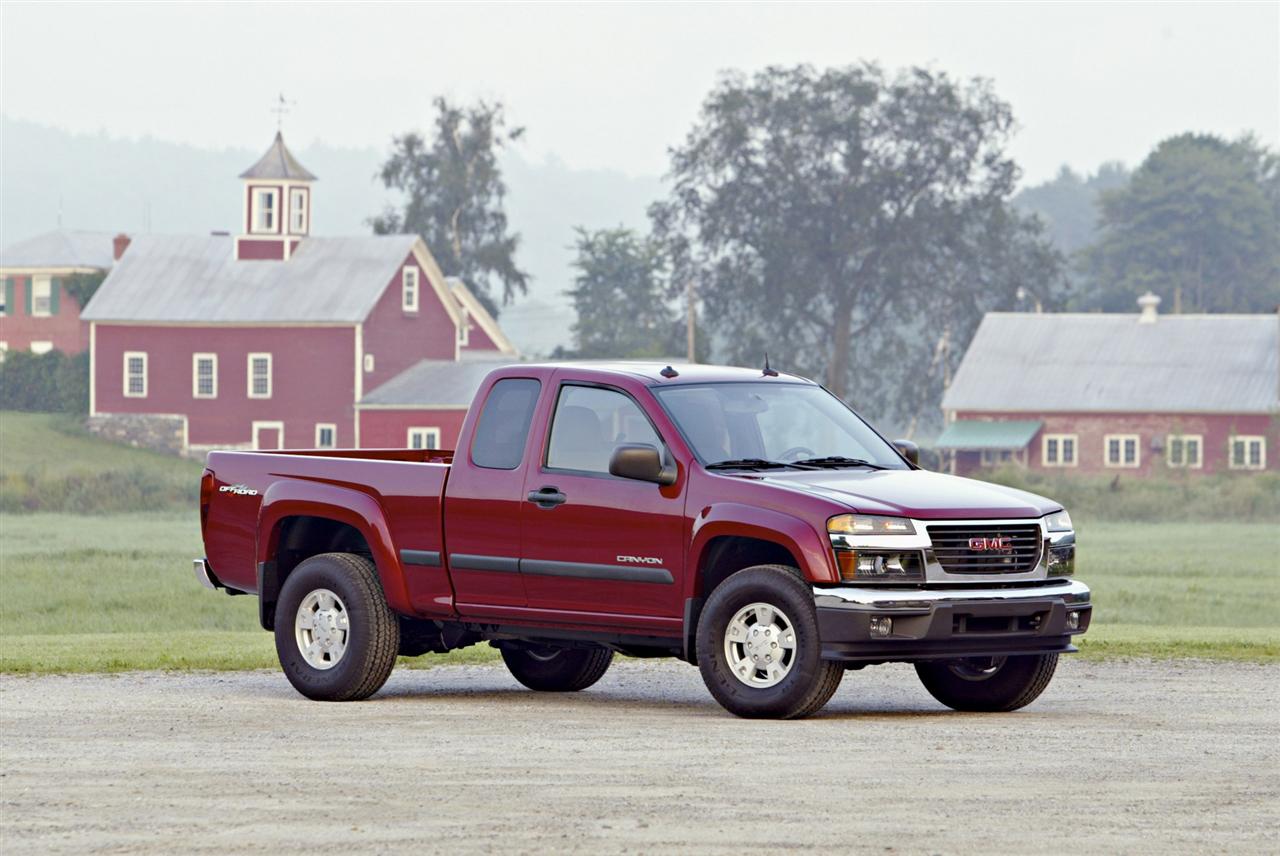
GMC’s dealer network is robust and well-distributed across the United States. Service availability is not a concern for Canyon owners in most parts of the country. Maintenance costs are predictable and reasonable. A truck that is easy to service at a fair price and carries a low tax burden is an exceptionally practical ownership proposition for budget-focused buyers.
The Canyon Elevation also benefits from GMC’s warranty coverage. Standard powertrain and bumper-to-bumper warranties provide peace of mind during the critical early years of ownership. When unexpected repairs are covered, the total cost of ownership remains controlled. Combined with modest taxes, this makes the Canyon Elevation one of the more financially stable choices in its class.
Resale values on the Canyon are respectable but not exceptional. This means the vehicle depreciates at a moderate pace. For property tax purposes, consistent depreciation means predictable tax reductions year over year. Owners can plan their finances around a tax bill that decreases steadily without dramatic fluctuations. That predictability has real value for household budget planning.
The Canyon has found a loyal following among buyers who want a midsize truck with a slightly upscale feel at a competitive price. Its tax advantages are not widely advertised but are easily discovered by anyone who runs the numbers. Smart buyers who do their homework consistently rank the Canyon Elevation among the best value propositions in the current midsize truck market.
7. Ford Ranger (XL Trim)
The Ford Ranger returned to the American market after a lengthy absence and quickly reclaimed its position as a significant player in the midsize truck segment. The base XL trim of the Ranger is positioned as a work-focused, value-oriented entry point into the lineup. Its starting MSRP is designed to compete aggressively with the Tacoma and Frontier. That competitive pricing translates directly into a lower taxable value and smaller annual property tax bills.
The Ranger XL starts around $32,000 to $35,000 in most configurations. This is a meaningful price gap below loaded midsize trucks and well below most full-size options. In states with vehicle property taxes, that gap creates a noticeable annual savings. A buyer choosing the Ranger XL over a comparably capable full-size truck might save hundreds of dollars every year in property taxes alone.
Ford equipped the Ranger with a turbocharged 2.3-liter EcoBoost four-cylinder engine. This engine produces 270 horsepower and 310 pound-feet of torque. It is genuinely capable for towing and hauling within the midsize truck class. The power delivery is smooth and responsive, making the XL feel more capable than its base trim designation might suggest.
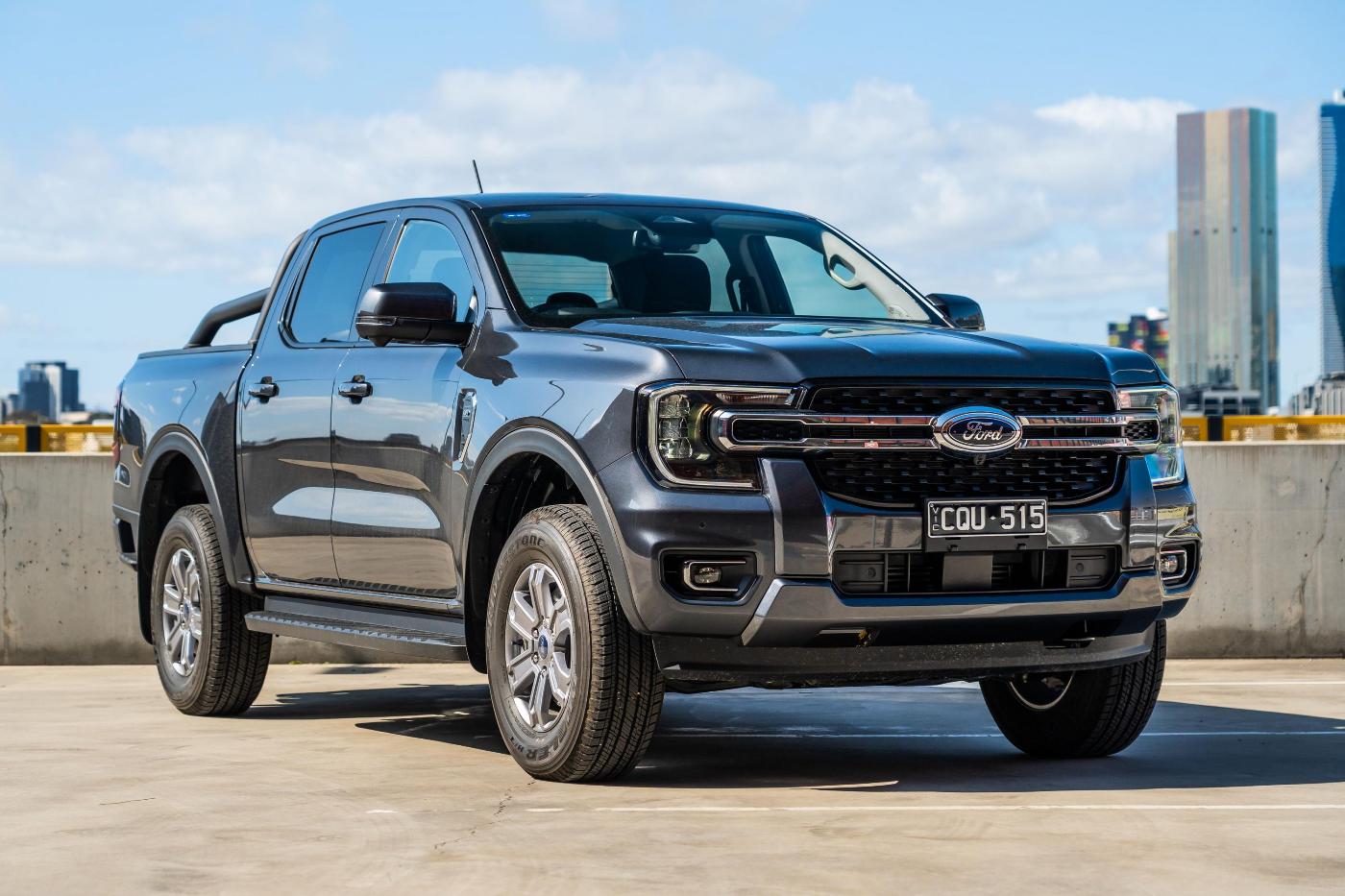
The XL trim does sacrifice some comfort features in the name of price efficiency. Cloth seats, a basic infotainment setup, and minimal sound insulation are the trade-offs for its lower MSRP. However, buyers who prioritize work utility and low operating costs over luxury appointments will find these compromises entirely acceptable. The truck performs every core function well while keeping the purchase price and subsequent taxes low.
Ford’s dealer network is the largest in the United States. Ranger owners have access to service and parts in virtually every corner of the country. This accessibility helps keep maintenance costs competitive. When routine service is easy to obtain at fair prices, the ownership experience remains positive and financially predictable.
The Ranger has shown solid reliability in its current generation. Early concerns about the turbocharged engine’s long-term durability have largely been addressed through software updates and mechanical refinements. Owners who maintain the vehicle properly report few unexpected repair bills. A reliable truck with a modest tax burden and an accessible service network is a genuinely compelling combination for practical buyers.
Insurance rates on the Ranger XL are moderate within the midsize segment. The XL’s lower replacement value and Ford’s safety technology suite combine to produce reasonable premiums. When insurance savings and property tax savings are added together, the annual financial advantage of the Ranger XL over more expensive alternatives becomes quite substantial.
The Ranger also benefits from Ford’s ongoing product development. Continuous improvement in the model ensures that it remains competitive without dramatic price increases. Buyers who purchase a Ranger XL today can expect the vehicle to remain relevant and reliable for many years. That longevity, combined with steadily declining assessed value, means the tax advantage compounds positively over a long ownership period.
8. Hyundai Santa Cruz
The Hyundai Santa Cruz occupies a unique space in the truck market. It is technically classified as a pickup truck but shares much of its architecture with the Tucson crossover SUV. This unconventional approach to truck design has an unexpected benefit at tax time. The Santa Cruz’s car-based platform and modest MSRP give it one of the lowest annual property tax profiles of any pickup sold in the United States today.
The Santa Cruz starts around $26,000 to $30,000 for base SE and SEL trims. This is genuinely affordable territory for a new vehicle with truck utility. States that assess property tax as a percentage of vehicle value will calculate a modest bill based on that starting price. Buyers in high-tax states like Virginia or North Carolina will notice a meaningful difference compared to traditional body-on-frame trucks.
The Santa Cruz is powered by a 2.5-liter naturally aspirated four-cylinder engine in base trims. Higher trims offer a turbocharged version for additional performance. The base engine is smooth, fuel-efficient, and entirely adequate for light hauling and everyday driving. Choosing the base powertrain helps keep the purchase price lower, which in turn minimizes the annual property tax assessment.
Hyundai designed the Santa Cruz with an open bed that can handle light cargo needs. The bed is smaller than a traditional truck, which is a genuine limitation for heavy users. However, for buyers who occasionally need to haul mulch, furniture, or recreational equipment, the Santa Cruz provides just enough bed space without the size and cost of a conventional pickup. That practical balance makes it popular among a growing segment of urban and suburban buyers.
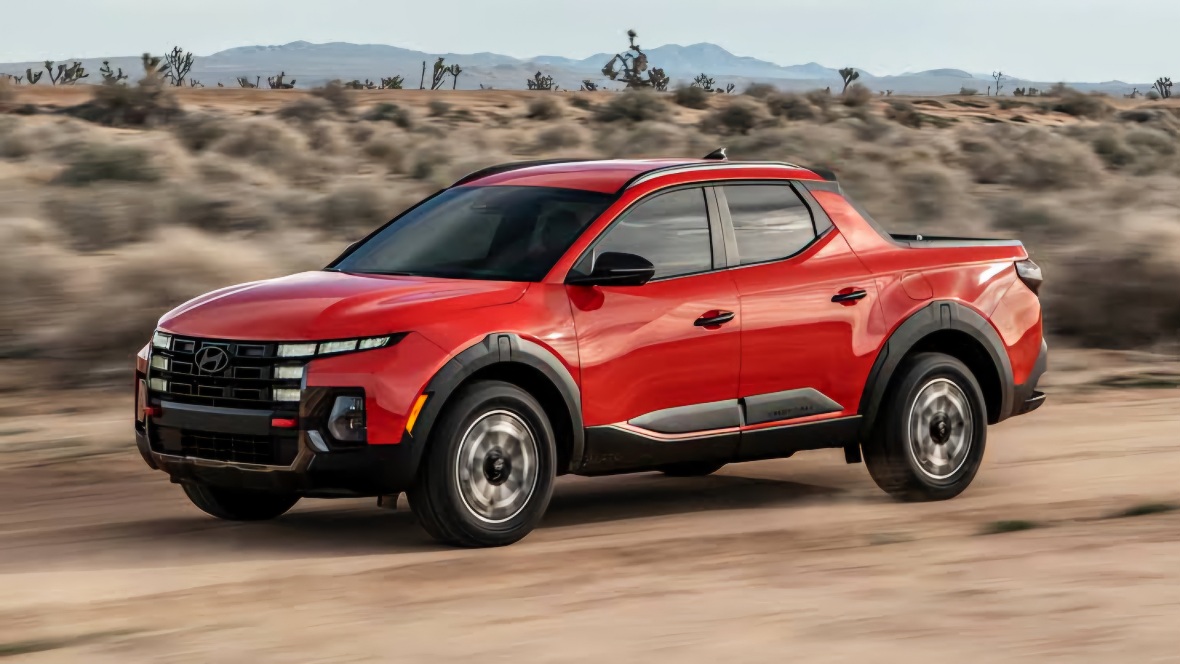
The Santa Cruz rides and drives more like a car than a traditional truck. The unibody construction delivers a smoother, quieter ride quality than body-on-frame pickups. This makes it more enjoyable as a daily driver while still offering useful utility. Buyers who spend significant time in traffic or on highway commutes appreciate the car-like comfort without sacrificing the open bed.
Hyundai’s warranty coverage on the Santa Cruz is exceptional. The brand offers a five-year, sixty-thousand-mile basic warranty and a ten-year, one-hundred-thousand-mile powertrain warranty. This industry-leading coverage reduces the financial risk of ownership during the early years. When strong warranty protection combines with a low annual property tax bill, the ownership cost picture becomes very attractive.
Insurance premiums on the Santa Cruz are notably lower than on conventional trucks of similar capability. Insurers treat it more like a crossover than a truck, which typically results in lower comprehensive and collision rates. The combination of crossover-level insurance and truck-tax-range assessed value gives the Santa Cruz a unique dual financial advantage. It is one of the few vehicles that benefits from cost classifications that work simultaneously in the owner’s favor.
The Santa Cruz has found an enthusiastic audience among buyers who rejected the idea of a large truck but still wanted a bed utility. Its design, practicality, and low operating costs have earned it strong owner satisfaction ratings. For tax-conscious buyers in states with annual vehicle property assessments, the Santa Cruz represents one of the smartest financial choices currently available in any vehicle category. It proves convincingly that thinking outside the traditional tax box can pay real dividends at tax time and every year thereafter.
Also Read: 7 Cars With Window Switches That Light Up At Night
