
Giving a new driver a set of car keys is one of the bravest things a parent or guardian can do. You have watched them learn, passed through the lessons, survived the practice sessions in empty parking lots, and now you are handing over responsibility for a machine that weighs two tons and moves at highway speeds.
What you want, more than anything, is a car that will forgive the inevitable mistakes that come with inexperience without presenting you with a repair bill that requires a serious conversation about household finances. New drivers make predictable errors.
They brake too hard, accelerate too abruptly, corner too fast for the conditions, and occasionally discover the limits of a parking space by feel rather than by sight. They run the car a thousand miles past its oil change date because the reminder sticker meant nothing to them, and checking the dipstick was not yet a reflex. They park on curbs, bump into things at low speed, and occasionally ask too much of a mechanical system that was built for normal use by someone who knew what they were doing.
The cars that survive this treatment without expensive mechanical consequences are not the ones with the most features or the highest safety ratings. They are the ones whose fundamental mechanical systems were designed with enough robustness and enough engineering margin that normal new-driver behavior falls comfortably within what the car can handle without damage.
These are specifically not performance cars, which reward precision and punish aggression. They are also not the cheapest cars on the market, which sometimes sacrifices mechanical robustness for price point. They occupy the middle ground where engineering quality and practical durability meet at prices that make financial sense for a first car situation.
Nine cars follow. Each one has a documented track record of surviving new driver ownership without catastrophic mechanical failure, and each one earns its place on this list through owner community feedback, reliability data, and mechanical design that handles inexperience with patience.
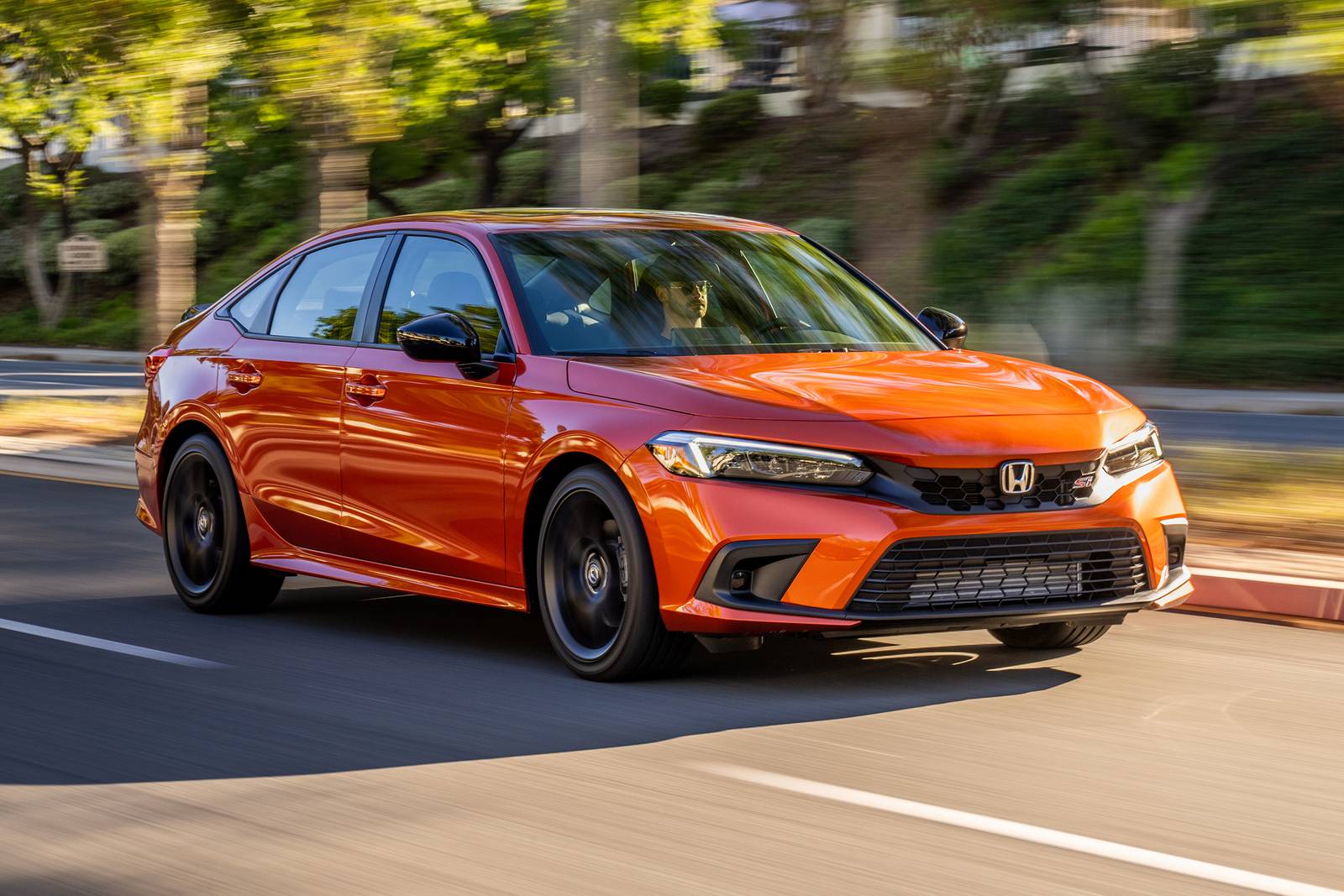
1. Honda Civic LX Sedan 2.0L CVT FWD (2022)
Honda designed the Civic with a reliability philosophy that prioritizes long-term mechanical health over peak performance, and this philosophy produces a car whose powertrain systems respond to new-driver treatment with the kind of resilience that experienced owners specifically recognize when they choose this model for their teenage household members.
Civic durability is not accidental. It is the result of engineering decisions that have been refined across nine generations of continuous development and that have produced measurably lower repair rates than most competitors in the compact segment.
2.0-liter naturally aspirated four-cylinder engine in the base Civic LX does not produce the excitement of a turbocharged alternative, but it produces something more valuable for a new driver context: predictable, stable power delivery that does not reward aggressive driving and that does not punish inexperienced throttle management with boost-related mechanical consequences.
Natural aspiration means no turbocharger to maintain, no intercooler connections to develop leaks, and no boost pressure system to stress under the rapid throttle changes that new drivers produce regularly as they develop consistency in their acceleration habits.
CVT’s continuous ratio change absorbs these transitions more gracefully than stepped automatics, which reduces the drivetrain stress that new-driver parking behavior specifically creates in ways that conventional transmissions communicate through mechanical harshness.
Honda’s reliability data from Consumer Reports, J.D. Power, and owner-compiled databases across multiple generations of Civic ownership consistently shows brake, powertrain, and electrical reliability rates that place the Civic at or near the top of its segment across every production year. This is not brand loyalty, generating positive surveys. It is owners reporting actual repair events, and the Civic’s data shows fewer of them per vehicle across every ownership cohort.
Owners who specifically bought the 2022 Honda Civic LX Sedan for new drivers in their household and who have reported their experience in parent automotive forums consistently describe the car surviving extended oil change intervals, aggressive braking, and parking lot encounters without mechanical consequence beyond normal wear item replacement.
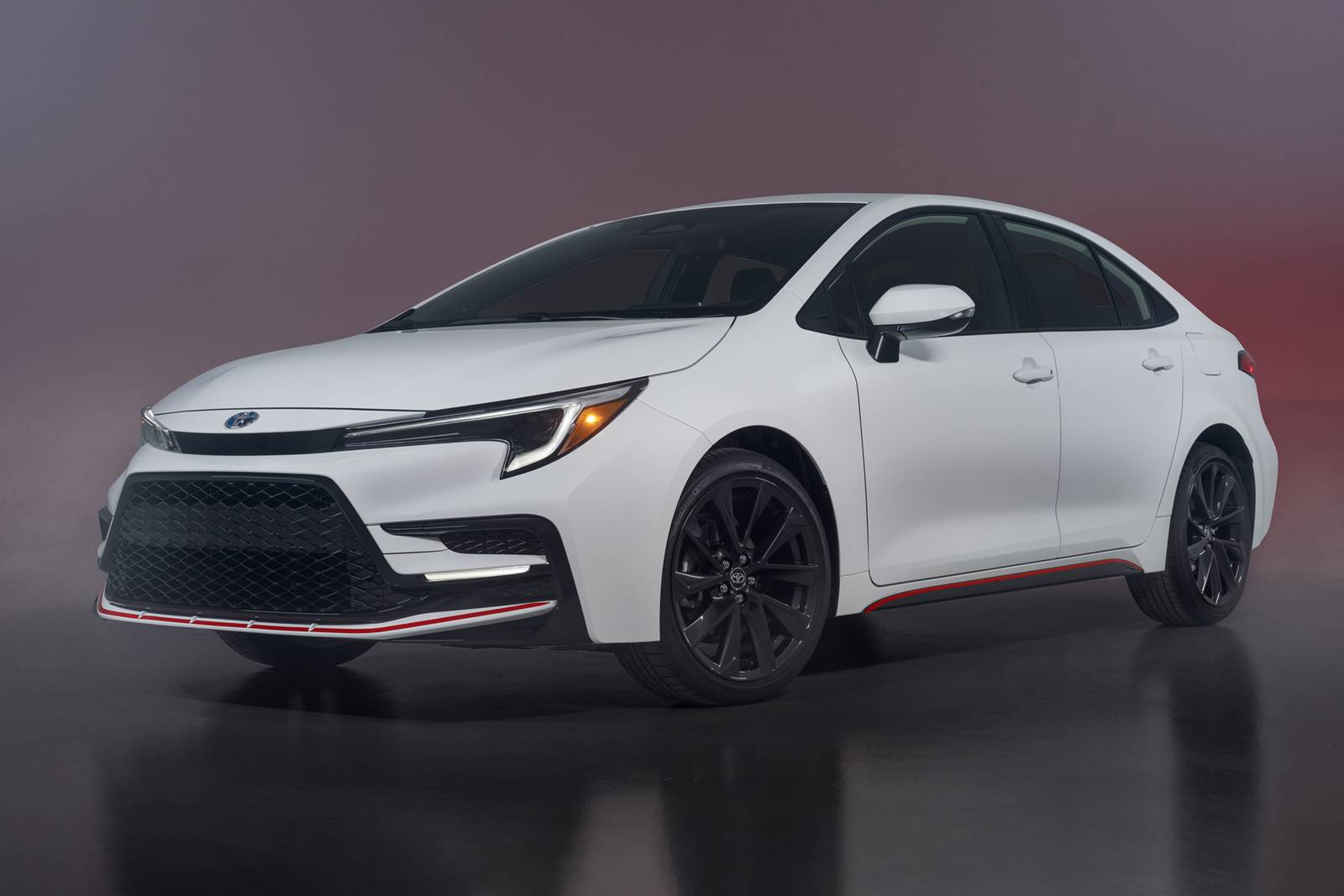
2. Toyota Corolla SE CVT FWD (2023)
Toyota’s Corolla has survived every automotive era and every cultural change in the car market precisely because it does the one thing that every new driver’s car needs to do: it keeps running while its driver figures out how to be a competent vehicle operator.
Fifty-plus years of continuous global production have refined the Corolla into a mechanical system whose reliability is not simply good but genuinely extraordinary when measured against the full range of owner behaviors the platform encounters across its global deployment.
SE specification in the 2023 Corolla adds sport-inspired styling and upgraded interior trim without adding any of the performance hardware that would make the car more sensitive to new-driver mechanical abuse. Sport-appearance packages on fundamentally reliable platforms produce exactly the right formula for new drivers who want their car to look modern and interesting without actually providing the performance capability that makes aggressive driving mechanically consequential.
Wanting a fast-looking car and having a mechanically forgiving car describes the Corolla SE perfectly. 1.8-liter naturally aspirated four-cylinder engine in the standard Corolla SE configuration is an engine that Toyota has been producing in variants for decades, with refinement that has reduced its failure modes to a level approaching theoretical zero in normal service.
Engines that have been in continuous production long enough to have all their failure modes identified and addressed through design revision reach a mechanical steadiness that newly introduced engines cannot claim, regardless of their engineering intentions.
Corolla CVT transmission includes Toyota’s specific fluid cooling provisions that extend transmission life under the stop-and-go driving patterns that new drivers in urban environments typically produce. Frequent low-speed starting and stopping with a CVT generates more heat than highway driving, and Toyota’s thermal management design for the Corolla CVT specifically addresses this operating condition because Toyota’s data from real-world Corolla use showed it as the primary transmission stress scenario for this specific buyer demographic.
Also Read: 10 Cars Where Replacing the Floor Mats Costs More Than a Phone
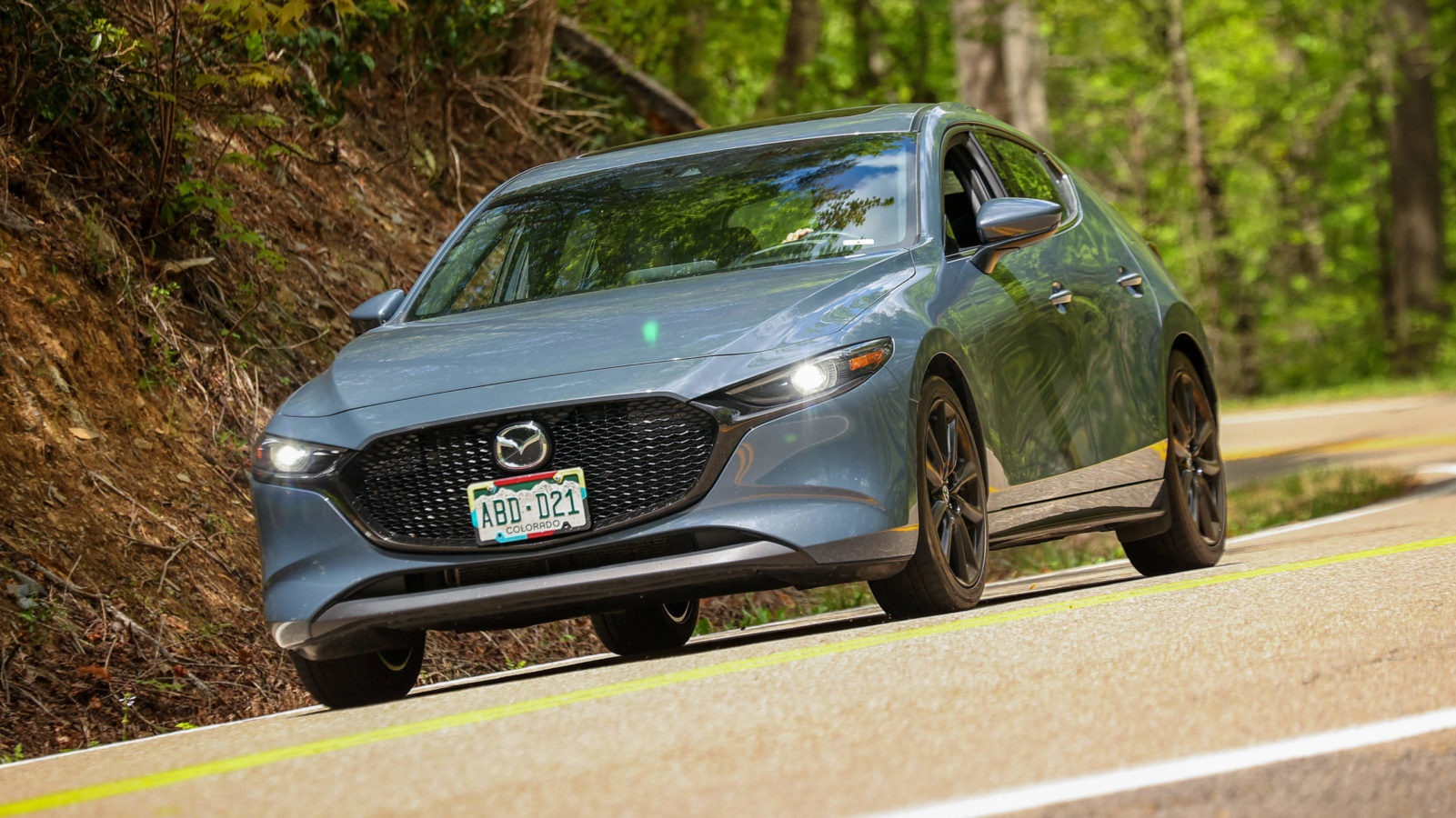
3. Mazda3 Sport Hatchback 2.0L 6-Speed Automatic FWD (2021)
Mazda builds the Mazda3 with interior and exterior quality standards that are meaningfully above the segment average, and while build quality is often discussed as a comfort and satisfaction concern, it has direct mechanical implications for new driver vehicles.
A car whose panels, seals, and structural components are assembled to tight tolerances and from quality materials resists the minor indignities of new-driver ownership better than cars whose fit and finish reflect more casual manufacturing standards.
2.0-liter Skyactiv-G naturally aspirated four-cylinder in the Sport Hatchback is an engine whose Skyactiv engineering philosophy specifically prioritizes efficiency and reliability through a higher compression ratio and combustion optimization rather than forced induction, which produces excellent fuel economy without introducing turbocharger complication that adds failure potential.
Mazda’s specific compression ratio management in the Skyactiv-G produces the fuel efficiency of a smaller turbocharged engine with the mechanical simplicity of a larger naturally aspirated one, which is exactly the engineering trade-off that makes sense for a new driver’s car.
Six-speed conventional automatic transmission in the 2.0-liter Sport Hatchback provides smooth, predictable moves that do not require driver input and that manage new-driver throttle behavior with the tolerance of a well-engineered torque converter system.
Conventional automatics with appropriate calibration handle the acceleration irregularity of new drivers better than dual-clutch transmissions, which require more precise driver input for smooth operation and are more sensitive to the low-speed clutch loading that inexperienced parking creates.
Mazda’s interior design in the Mazda3 places controls in intuitive locations with physical controls for frequently used functions, which reduces the cognitive distraction of learning to operate unfamiliar systems during initial ownership. New drivers have enough mental load from traffic management without adding complicated touchscreen navigation to their attention demands, and the Mazda3’s driver interface design reflects this awareness appropriately.
Paint quality, door seal integrity, and structural component assembly in the 2021 Mazda3 consistently receive above-average reviews in owner satisfaction surveys, and these quality markers correlate with lower repair frequency across the ownership periods that new drivers represent because minor quality failures that progress to more expensive problems are less likely to initiate in a well-built vehicle.
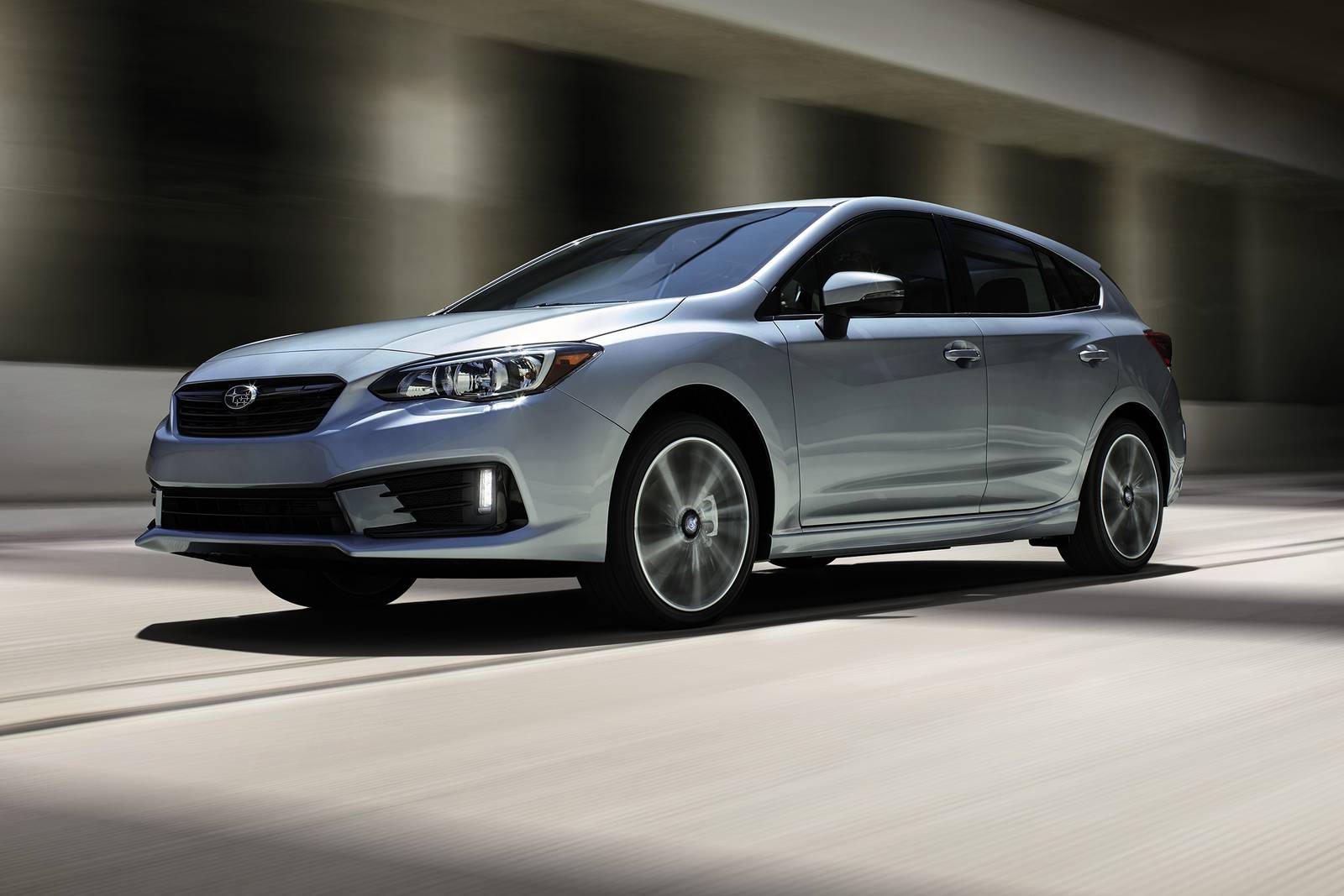
4. Subaru Impreza Sport 5-Door AWD 2.0L CVT (2022)
New drivers do not yet have an intuitive understanding of how vehicle dynamics change when road surfaces are wet, snowy, or icy. They apply the same driving inputs in rain that served them in dry conditions and discover the consequences through vehicle behavior that corrects itself if the car is forgiving, or that escalates into a loss of control if the car is not.
Subaru’s symmetrical AWD in the Impreza Sport provides the traction management that new drivers in variable weather climates specifically need from their first car. Symmetrical AWD distributes power across all four wheels continuously rather than engaging the additional axle only when slip is detected, which means the system is already managing traction distribution before any loss of grip develops.
For new drivers who do not yet recognize the warning signs of surface traction reduction, this always-engaged four-wheel power delivery provides passive protection that rear-wheel or front-wheel alternatives provide only through active intervention after slip has already initiated. The 2.0-liter Subaru horizontally opposed four-cylinder boxer engine in the 2022 Impreza has a specific concern in the form of documented oil consumption that some owners have reported, which requires explicit mention for complete accuracy.
Monitoring oil level between changes is a new driver behavior that may not happen reliably, and Impreza ownership in a new driver context should include parent-supported service discipline rather than assuming the driver will self-monitor. Within that service attention, the 2.0-liter is a durable engine with an established reliability record that handles new-driver behavior well.
EyeSight driver assistance system available in Impreza Sport trim adds automatic emergency braking, lane keeping assistance, and adaptive cruise that specifically reduce the consequences of new-driver attention lapses during the learning period when reaction time and hazard recognition are still developing. EyeSight’s forward collision intervention has been documented in Insurance Institute testing to reduce rear-end collision frequency substantially, which is the accident type that new drivers produce most frequently.
Subaru’s five-year, 60,000-mile new car warranty provides repair coverage across the initial ownership period that covers the first few years for most families, which eliminates major repair cost exposure during the period when driving inexperience is most likely to produce mechanical stress.
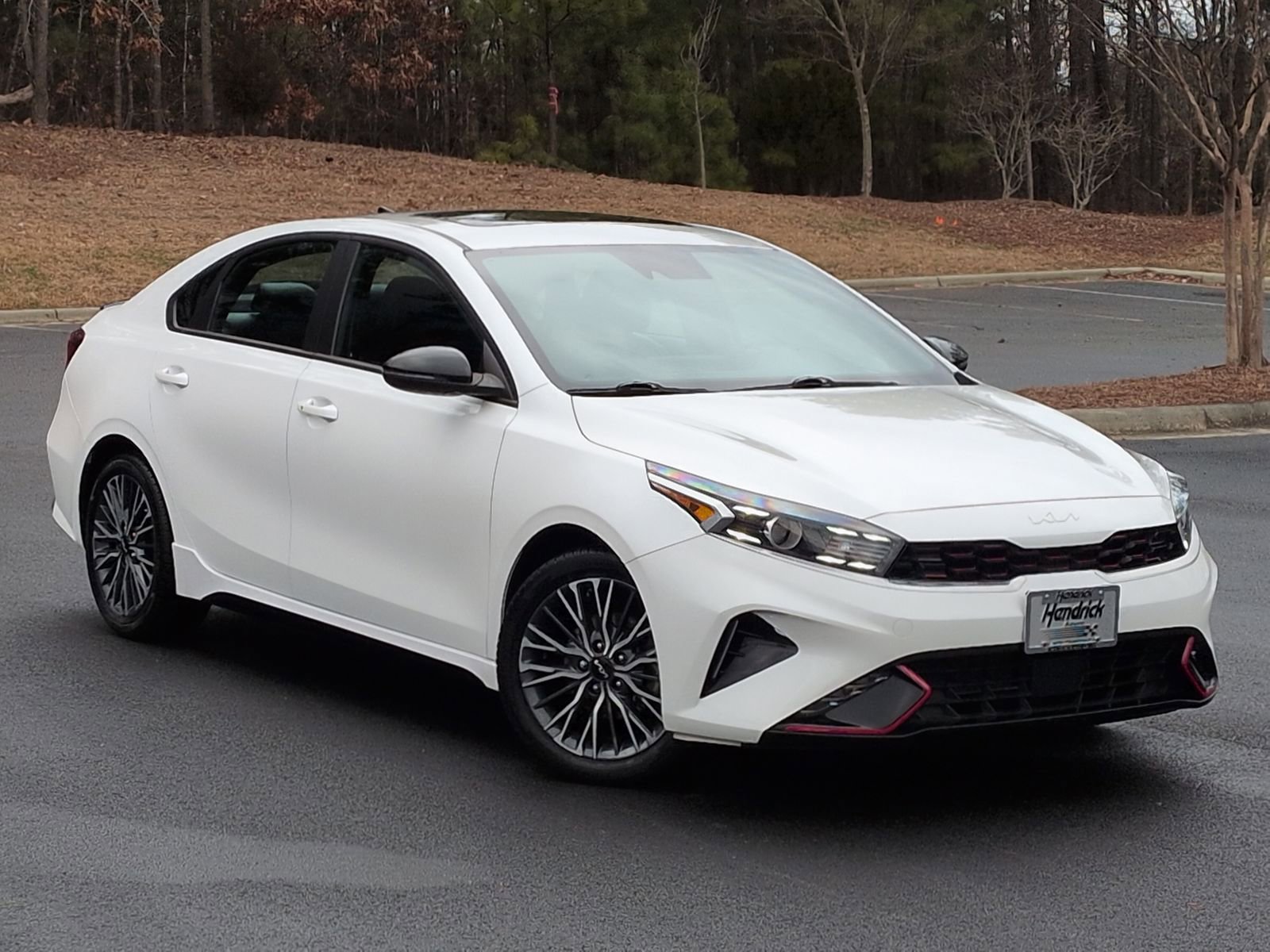
5. Kia Forte GT-Line FWD 2.0L IVT (2023)
Kia’s reputation for reliability has improved dramatically over the past decade and a half, and the 2023 Forte GT-Line with the 2.0-liter naturally aspirated engine and Intelligent Variable Transmission represents a genuinely reliable compact car whose new-driver-appropriate price and mechanical robustness make it one of the most sensible first car purchases available at its specific price point.
GT-Line styling specification adds visual appeal without performance hardware changes, which means the Forte GT-Line looks more exciting than its mechanically conservative specification would suggest at first glance. Sport-appearance packages on reliable platforms are consistently among the best choices for new driver situations, and Kia has specifically packaged the GT-Line to serve buyers who want their car to look current without the performance liability that sportier mechanical specifications introduce.
2.0-liter naturally aspirated inline-four with IVT produces 147 horsepower in a configuration that rewards smooth driving more than aggressive inputs, which, in a new driver context, means the car is not particularly responsive to the throttle irregularity and braking imprecision that learning drivers produce.
An engine and transmission combination that rewards smoothness over aggression teaches new drivers better habits than one that rewards aggressive input with exciting acceleration, and the Forte’s powertrain has a gentle coaching quality that more performance-oriented alternatives lack.
Kia’s 10-year, 100,000-mile powertrain warranty remains the most comprehensive factory coverage available on any vehicle in its price range, which provides the repair cost protection that new driver vehicle ownership specifically requires during the period when mechanical stress from inexperience is highest.
Warranty coverage that extends to 100,000 miles means that regardless of what a new driver does to the powertrain within normal operating parameters, the financial consequence falls within warranty coverage rather than requiring a household budget adjustment.
Driver assistance features, including forward collision avoidance assist, lane keeping assist, and driver attention warning, are standard across Forte specifications in 2023, providing the active safety layer that specifically addresses the new-driver vulnerability period when attention management and hazard recognition are still developing through practice.
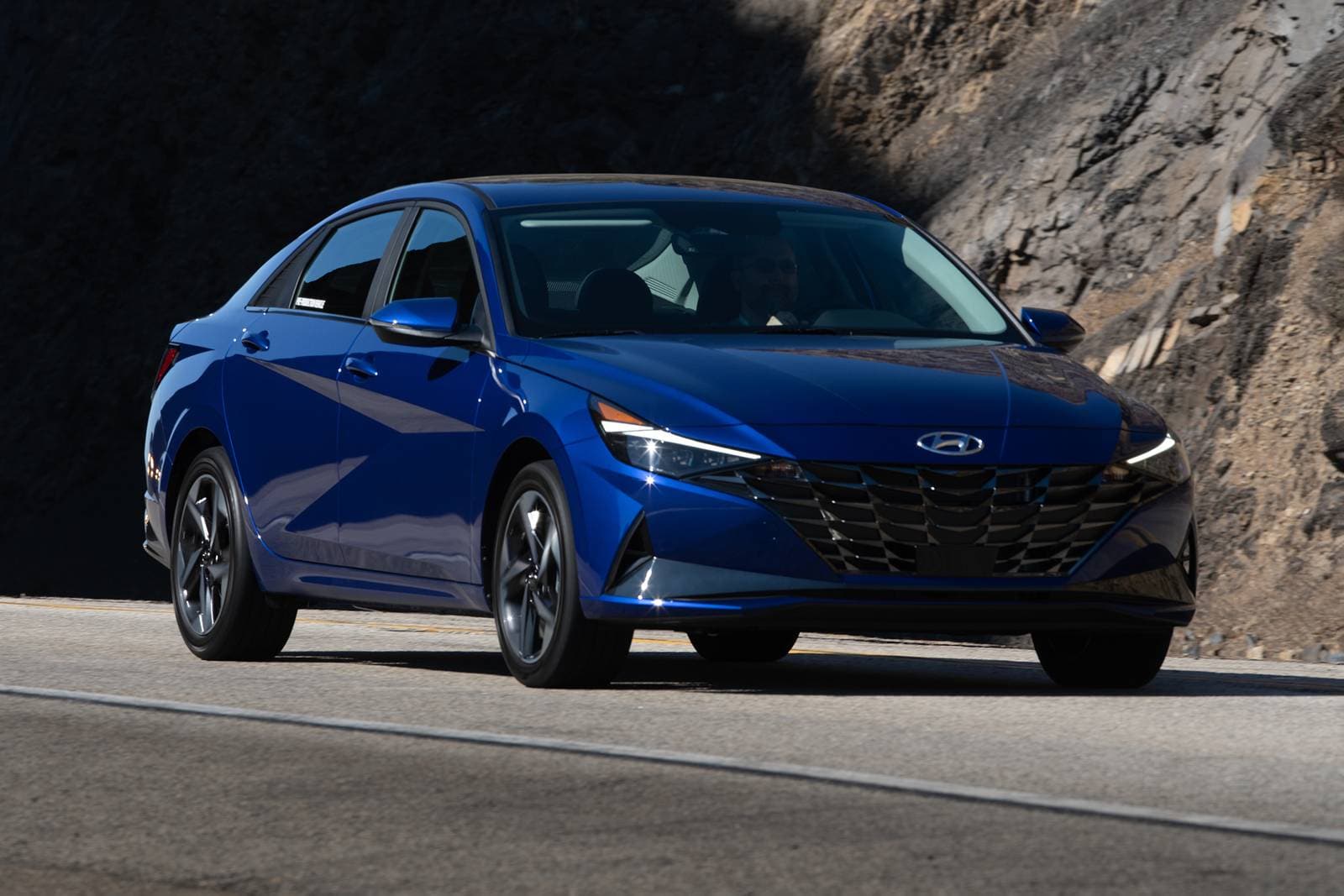
6. Hyundai Elantra SEL FWD 2.0L IVT (2023)
Hyundai’s Elantra has consistently ranked among the most reliable compact sedans in its price range, and the 2023 SEL specification with the 2.0-liter naturally aspirated engine and Intelligent Variable Transmission provides new driver families with a mechanically forgiving car whose ownership cost over the first driving years is kept predictable through genuine reliability rather than through warranty coverage masking underlying mechanical fragility.
An engine optimized for reduced internal friction wears more slowly at the bearing and ring surfaces that determine long-term engine health, which means the reduced oil change discipline that new drivers sometimes apply has a less damaging effect on Smartstream-equipped engines than on engines with higher internal friction characteristics.
IVT transmission handling of new driver behavior specifically benefits from Hyundai’s calibration that smooths sharp throttle inputs rather than transmitting them directly to the ratio change mechanism. New drivers who produce irregular throttle application during stop-and-go traffic create transmission stress in systems that translate these inputs directly into mechanism movements, and IVT systems with appropriate input smoothing protect themselves from the mechanical consequence that sharp, irregular inputs would otherwise produce.
Hyundai’s standard safety technology package in the Elantra SEL includes forward collision avoidance assist with pedestrian and cyclist detection, lane keeping assist, blind spot collision warning, and rear cross-traffic collision alert, which provides a safety net specifically relevant to the new driver error types that inexperience produces most frequently. Blind spot collision warning is particularly relevant for new drivers who have not yet developed the mirror-checking habits and head-check techniques that experienced drivers perform automatically.
Five-year, 60,000-mile basic warranty and 10-year, 100,000-mile powertrain warranty from Hyundai provides coverage through the typical new driver ownership period and well beyond, which is the specific warranty structure that makes financial sense when the driver receiving the car is still developing the habits that preserve mechanical systems from owner-generated wear.
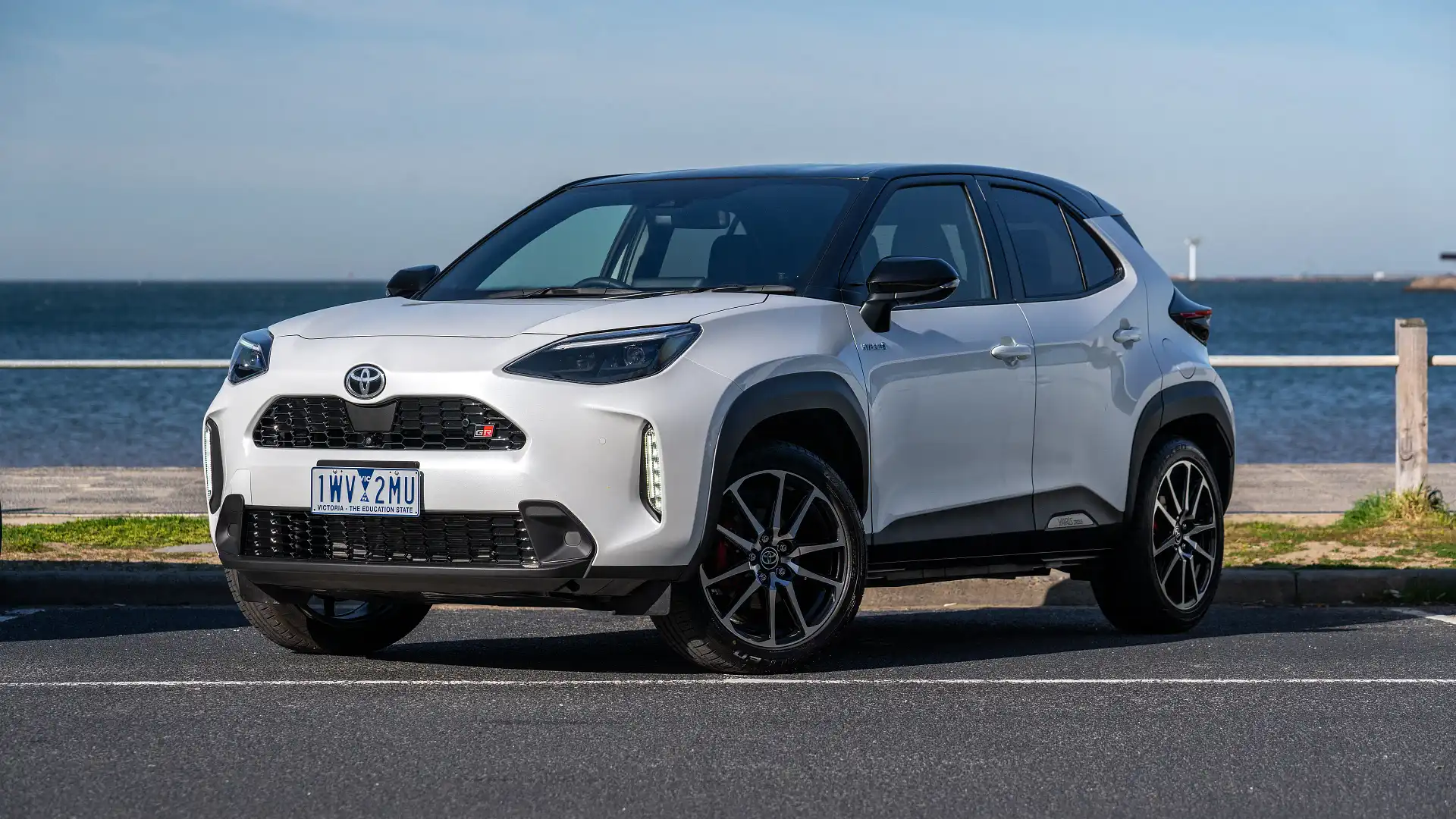
7. Toyota Yaris Cross GX Hybrid AWD (2023)
The 2023 Toyota Yaris Cross GX Hybrid AWD presents a carefully engineered solution for individuals who are still developing driving confidence, particularly within suburban and urban environments where traffic patterns involve frequent stopping and starting. The hybrid configuration is especially suited to such conditions, as it converts deceleration and braking into stored electrical energy, which is then reused to assist propulsion.
As a result, the hybrid system operates with a high degree of predictability in terms of maintenance requirements and long-term performance. For a new driver, this assures that the vehicle’s powertrain is supported by extensive operational data rather than relying solely on theoretical design expectations.
The all-wheel-drive configuration in the Yaris Cross is achieved through the addition of a rear-mounted electric motor, which activates when additional traction is required. This arrangement improves vehicle stability during conditions where road grip is reduced, such as wet surfaces or loose gravel. For individuals who have not yet developed instinctive responses to changing traction conditions, this system provides an added layer of control that supports safer driving behaviour.
Vehicle dimensions also contribute to its suitability. The compact size allows for easier positioning within narrow streets and confined parking areas. Reduced vehicle length and width give the driver more spatial awareness and tolerance during manoeuvres, lowering the likelihood of minor collisions that are common during early driving experience. Steering response is calibrated to be light at low speeds, which reduces physical effort and allows smoother control during parking or tight turns.
Interior layout and visibility have been structured to support driver awareness. Seating position offers a clear view of the road ahead and surrounding traffic, while window placement reduces blind spots. Instrumentation is arranged straightforwardly, allowing the driver to access essential information without distraction. This clarity supports better decision-making, especially in situations where quick reactions are required.
The Toyota Yaris Cross GX Hybrid AWD offers a balanced combination of fuel efficiency, manageable dimensions, and supportive driving systems. These attributes make it suitable for individuals seeking a dependable vehicle that accommodates gradual skill development while maintaining consistent performance in daily use.
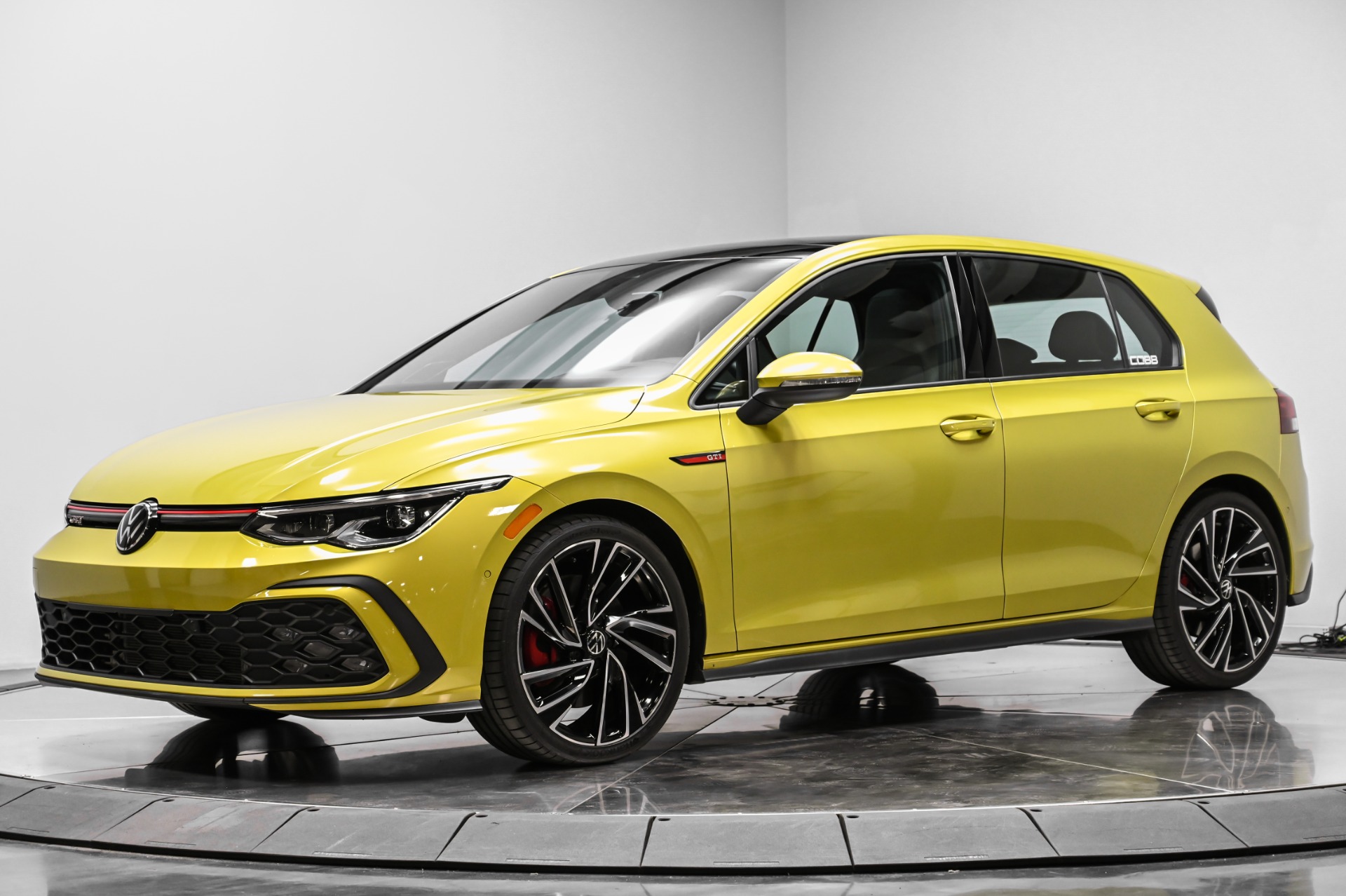
8. Volkswagen Golf 1.4T TSI Life FWD 8-Speed Automatic (2022)
The 2022 Volkswagen Golf 1.4T TSI Life with an eight-speed automatic transmission represents a carefully refined configuration that balances performance, efficiency, and ease of operation. This model reflects a mature stage in the development of the Golf platform, where earlier engineering challenges have been addressed through incremental improvements in both mechanical and structural systems.
Transmission pairing is a major contributor to the vehicle’s usability. The eight-speed torque converter automatic offers smooth gear transitions that occur without noticeable interruption to vehicle motion. This characteristic is particularly useful for drivers who may apply throttle input inconsistently, as the torque converter absorbs variations and prevents abrupt drivetrain responses. The absence of manual clutch engagement simplifies operation and allows the driver to focus on steering and traffic awareness.
Interior construction reflects attention to assembly quality and material durability. Components are fitted with precision, reducing the likelihood of premature wear or noise development during regular use. Controls are positioned within easy reach, and the layout supports intuitive operation. This reduces distraction and allows the driver to maintain focus on the road environment.
Safety considerations have been integrated into both structural and electronic systems. The vehicle’s body structure is designed to manage impact forces effectively, while onboard assistance features provide support during braking and lane maintenance. These systems operate in the background, offering corrective input when necessary without interfering with normal driving behaviour.
Fuel efficiency remains an advantage of the 1.4T configuration. The engine operates efficiently across a range of speeds, allowing extended travel without frequent refuelling. This reduces operating costs and supports consistent daily use. Maintenance intervals are clearly defined, and service procedures are familiar to many technicians, ensuring that upkeep can be managed without difficulty.
The Volkswagen Golf 1.4T TSI Life FWD with an eight-speed automatic transmission provides a composed and dependable driving platform. Its measured engine performance, smooth transmission behaviour, and well-structured interior make it suitable for drivers seeking a vehicle that supports steady skill development while maintaining reliability during routine use.
Also Read: 10 Cars With Dashboard Buttons Big Enough to Read Without Glasses
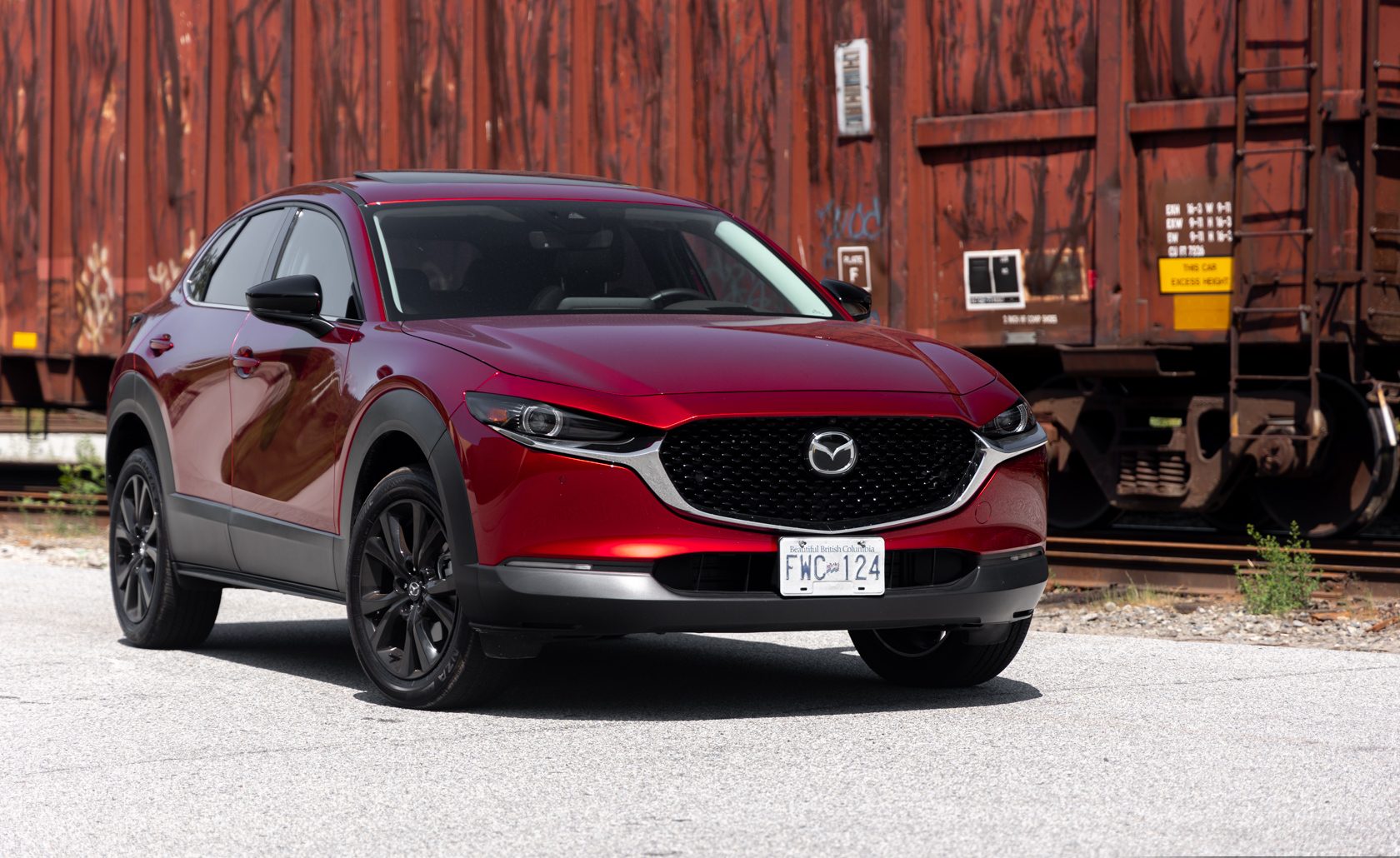
9. Mazda CX-30 GX AWD 2.5L Skyactiv-G FWD (2023)
Crossover SUVs have become the preferred vehicle type for first-time buyers whose parents are choosing the car, and the Mazda CX-30 in base GX or similar specification represents a crossover whose mechanical reliability, build quality, and driving dynamics specifically suit the new driver context without the performance sensitivity that sportier crossovers introduce or the high maintenance costs that more luxurious alternatives create.
2.5-liter naturally aspirated Skyactiv-G four-cylinder in the CX-30 provides 186 horsepower in a powertrain that Mazda has refined through the CX-30’s production period to eliminate early issues and achieve the mechanical steadiness that established, refined engine designs reach after their initial production years.
Naturally aspirated 2.5-liter displacement provides confident power delivery for the CX-30’s crossover weight without the boost threshold behavior that turbocharged alternatives produce and that new drivers sometimes exploit aggressively once they discover it.
Mazda’s i-Activsense safety suite across CX-30 specifications includes automatic emergency braking with pedestrian detection, lane departure warning with lane-keep assist, blind spot monitoring, and rear cross-traffic alert, providing a comprehensive active safety layer that specifically addresses the attention and judgment gaps that new driver inexperience creates.
These systems do not replace driver skill development but provide intervention capability during the specific moments where inexperience creates vulnerability that established safety technology can partially compensate for. CX-30’s elevated seating position relative to sedans provides the improved visibility that new drivers benefit from when learning to judge vehicle placement, lane positioning, and intersection sight lines, which lower vehicles require more experience to manage correctly.
Better forward and lateral visibility in the learning period reduces the visual uncertainty that contributes to hesitation and poor positioning that new drivers exhibit when they cannot clearly see the reference points they need to position the vehicle accurately.
