
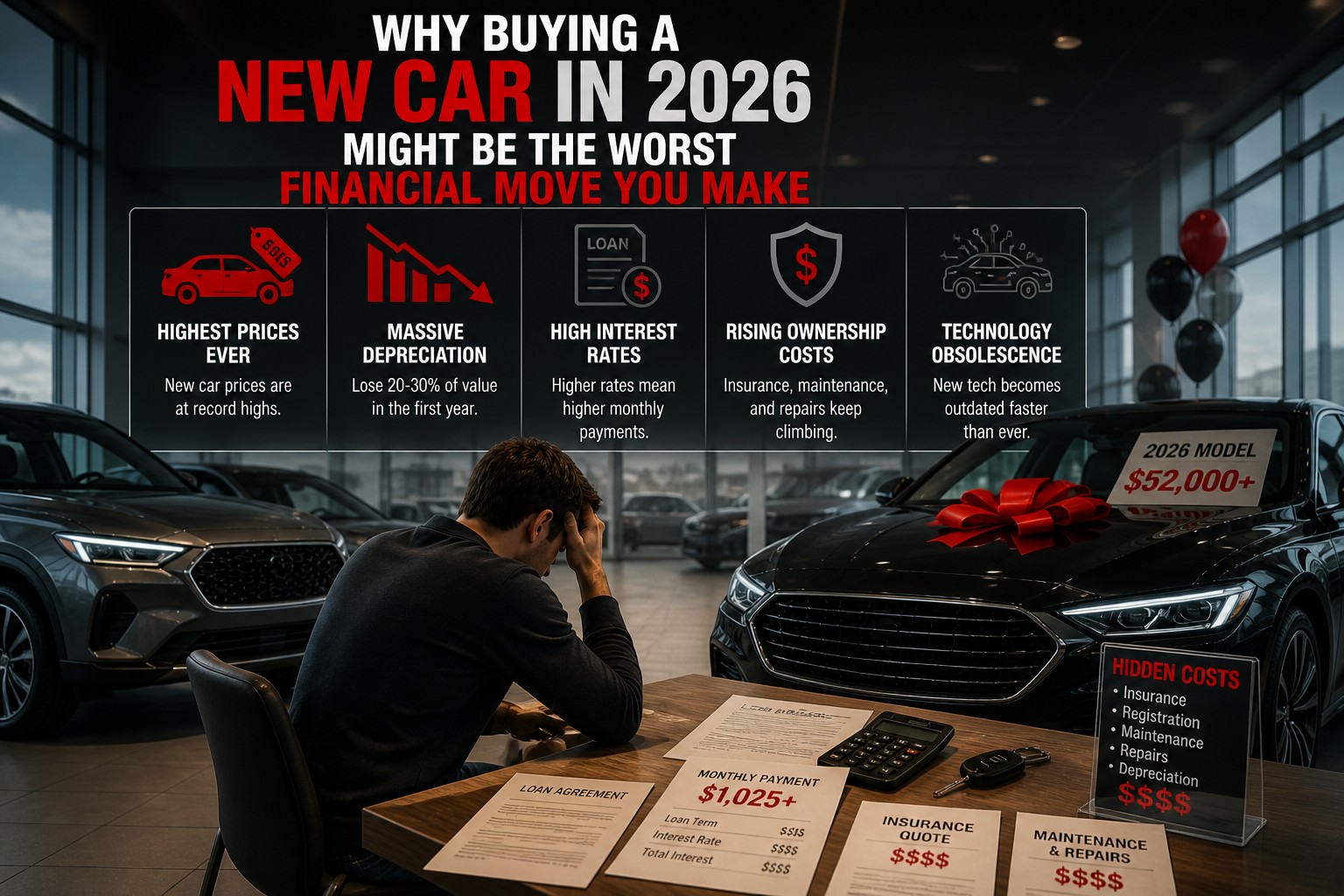
Buying a new car has long been considered a milestone of the American Dream. For decades, pulling off a dealership lot in a shiny new vehicle felt like success. But in 2026, that dream has quietly become a financial trap.
Interest rates remain stubbornly high. Vehicle prices have barely budged from the inflation-era peaks of the early 2020s. Meanwhile, the average American is already stretched thin, carrying record credit card debt and watching savings accounts drain.
A new car payment is no longer just a monthly expense. It is a multi-year financial commitment that can derail retirement savings, emergency funds, and even homeownership goals.
The car market has also changed. A well-maintained used vehicle today is safer, more reliable, and more fuel-efficient than ever before. Technology gaps between new and three-year-old models have narrowed dramatically. You are no longer sacrificing much by choosing smart over shiny.
The Depreciation Trap Is Worse Than Ever
New cars lose value the moment you sign the paperwork. That is not a myth, it is a mathematical reality. The average new car depreciates roughly 20% the moment it leaves the lot. By the end of the first year, you could lose close to 30% of its value. That means a $45,000 vehicle is worth around $31,000 within 12 months.
In 2026, this problem is compounded. Inventory has normalized after the post-pandemic shortages. Dealers no longer command above-sticker prices. So you are buying an asset that is losing thousands in value almost immediately.

Consider the math: if you finance a $45,000 car over 72 months, your loan balance often exceeds the car’s market value for the first three to four years. This is called being “underwater,” and it locks you in. You cannot sell, trade, or refinance without taking a direct financial hit.
Meanwhile, a certified pre-owned version of the same vehicle just two years old might cost $30,000. The mechanical reliability is nearly identical. The safety technology is often the same. You just let someone else absorb the brutal early depreciation. The numbers do not lie. Buying new means volunteering to be the one who loses the most.
Also Read: 10 SUVs With Oil Changes That Cost Less Than $40 at Any Shop
Interest Rates Are Eating Your Budget Alive
Auto loan rates in 2026 remain at levels that would have shocked buyers just five years ago. The Federal Reserve’s prolonged tightening cycle pushed borrowing costs to highs not seen in over a decade. Used car rates are high. But new car rates are devastating.
The average new car loan rate is hovering around 7–9% depending on your credit score. On a $45,000 vehicle financed over 60 months, you could pay $10,000 or more in pure interest. That is not the car. That is not insurance or maintenance. That is just the cost of borrowing.
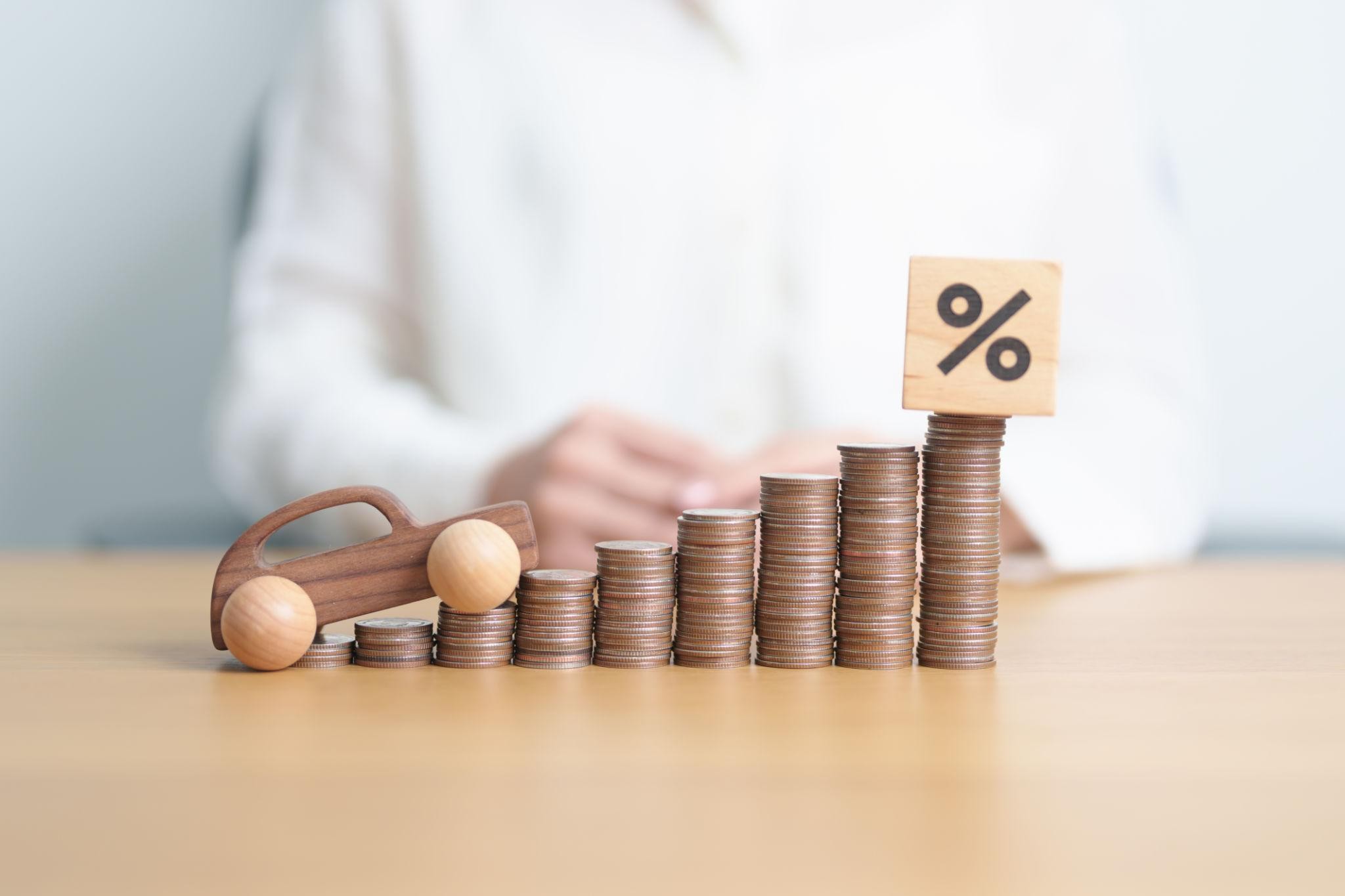
Loan terms have also stretched dangerously long. Lenders now routinely offer 72- and even 84-month loans. Monthly payments feel manageable at $600 but the total cost becomes staggering. You might still be paying for a car that is worth half its original value in year five.
The smarter move is to either wait or put more cash down. Every dollar you borrow at 8% is a dollar you are paying a premium for. In a high-rate environment, buying less car means more freedom. Your monthly payment is not the right number to focus on. Your total cost of ownership is.
Car Prices Haven’t Returned to Normal
Many Americans expected vehicle prices to crash after the supply chain recovered. They were wrong. Manufacturers adjusted to a new reality. They learned that producing fewer vehicles at higher prices was more profitable than flooding the market.
The average new vehicle transaction price in the U.S. today sits above $47,000. That is nearly double what the average was just fifteen years ago. Meanwhile, wages have not kept pace.
A household earning $75,000 a year is being asked to finance a vehicle that costs more than half their annual income. Financial advisors typically recommend spending no more than 15% of take-home pay on all vehicle-related expenses. Most new car buyers in 2026 are blowing past that threshold before they even add insurance.
This price stickiness is not going away soon. Automakers have no incentive to cut prices aggressively. Tariffs on imported parts and vehicles have added new cost pressures in 2026. Even the most competitive deals at a dealership today would have seemed outrageous in 2015. You are not getting a deal. You are getting a high-priced asset in a high-rate environment and calling it normal.
Aslo Read: 8 Trucks Where the Annual Property Tax Is Surprisingly Low
