
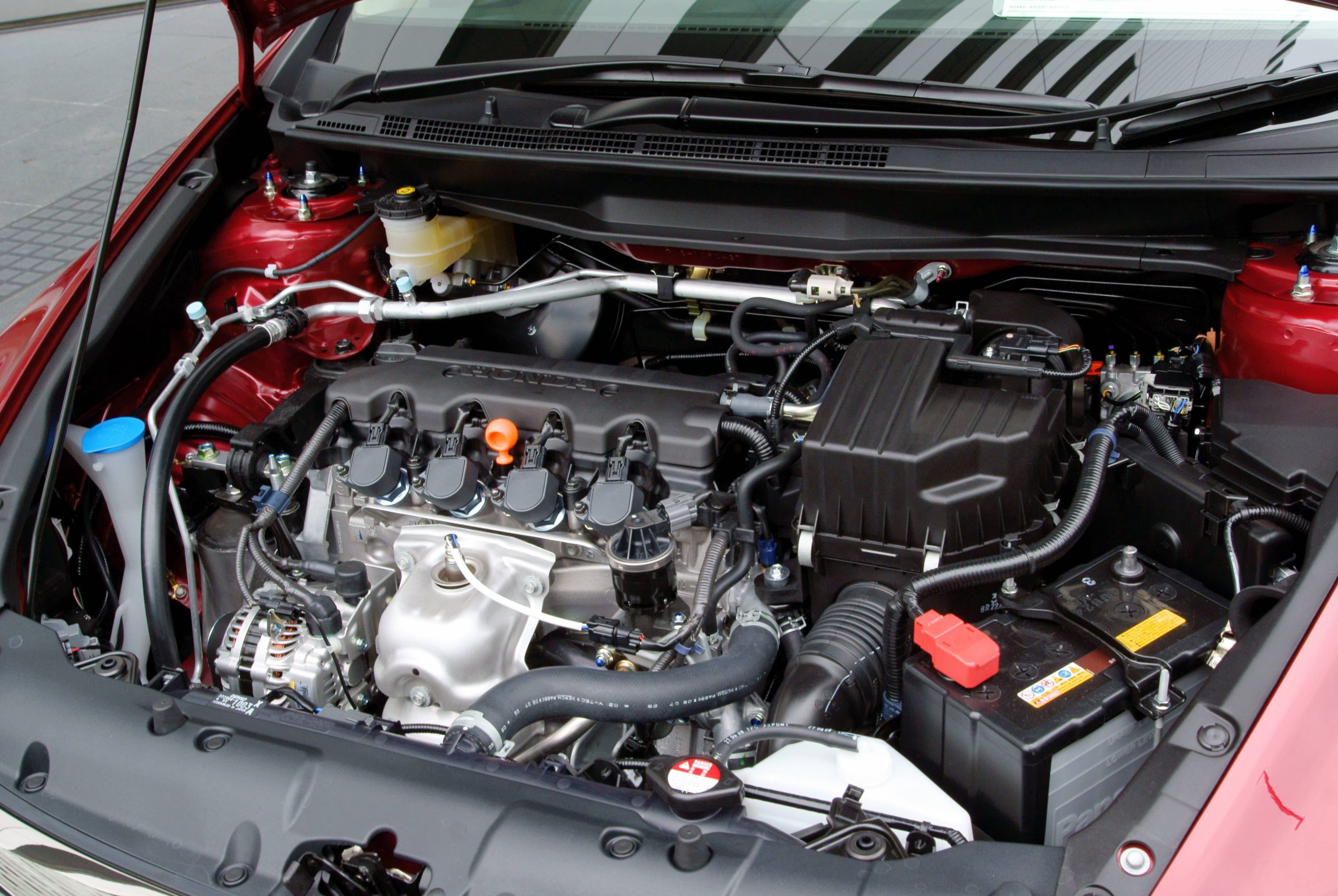
Honda has spent decades building a reputation that goes far beyond performance badges and marketing slogans. At the heart of that reputation lies something far more important to real-world drivers: engines that simply refuse to quit.
Across continents and climates, from daily commuters in crowded cities to high-mileage highway cruisers, Honda powertrains have consistently proven that longevity can coexist with efficiency and driving enjoyment.
What makes Honda engines stand out is not just how long they last, but how they age. Many engines lose their refinement as mileage climbs, becoming rough, inefficient, and expensive to maintain. Honda, however, mastered the balance between precision engineering and durability early on.
Tight tolerances, lightweight construction, and advanced technologies like VTEC were not just about performance. They were also about reducing stress on internal components, allowing these engines to sustain hundreds of thousands of miles without major failure.
Another key factor is Honda’s philosophy of simplicity paired with smart innovation. Rather than overcomplicating designs, Honda engineers focused on creating engines that mechanics could easily service and that owners could rely on.
This approach resulted in fewer catastrophic failures and more predictable wear patterns, which is exactly what helps engines reach extraordinary mileage milestones.
Across the globe, there are countless documented cases of Honda engines crossing 300,000, 500,000, and even 1,000,000 miles with proper maintenance. These are not rare anomalies. They are a reflection of a brand that prioritises engineering discipline over short-term trends.
Whether it is a compact sedan engine or a performance-oriented unit, Honda has repeatedly delivered machines that stand the test of time.
This list ranks eight of the most legendary Honda engines ever built, based on real-world mileage records and long-term reliability. Each engine tells a different story.
Some achieved fame through simplicity, others through innovation, and a few through a perfect blend of both. What connects them all is a remarkable ability to keep running long after most engines would have given up. Below are the engines that truly define Honda’s legacy of endurance.
Also Read: Why Most People Are Buying the Wrong Size SUV for Their Lives
1. Honda D15B
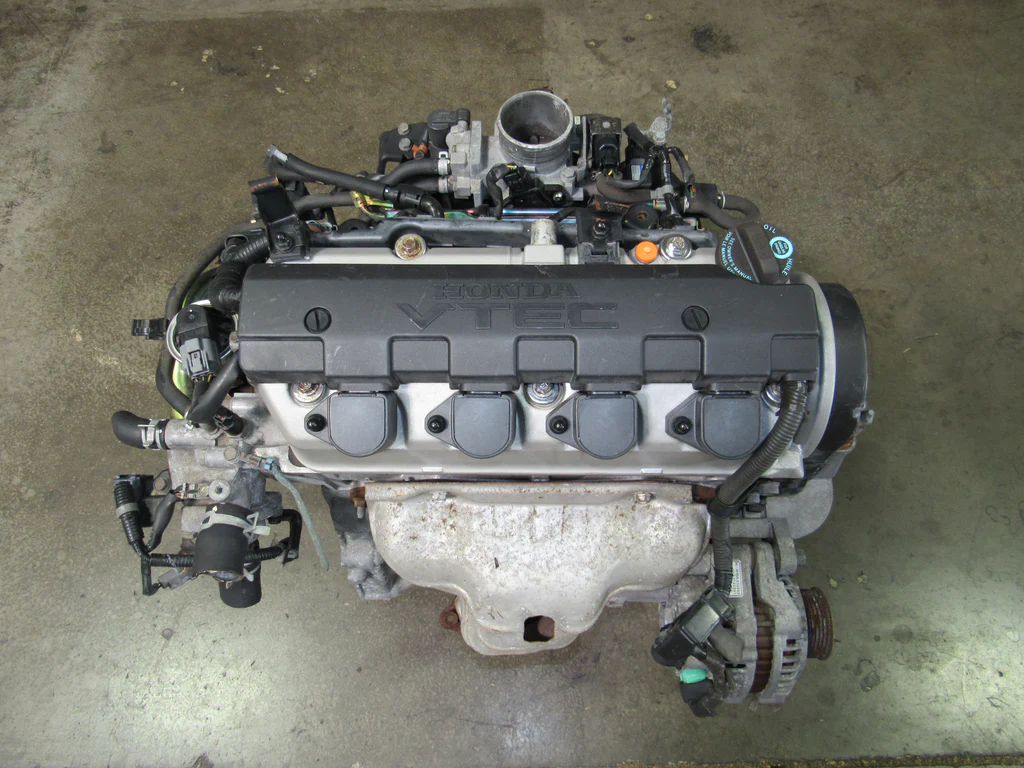
The Honda D15B is not an engine that demands attention at first glance, yet it quietly built one of the strongest reliability reputations in automotive history. Found in models like the Civic, this 1.5-litre inline-four became a global workhorse, especially in regions where affordability and durability mattered more than outright power.
One of the defining traits of the D15B is its ability to handle neglect better than most engines. While proper maintenance always helps, this engine has been known to survive irregular oil changes and high operating stress without catastrophic failure. That resilience is a major reason why many examples have crossed the 300,000 to 500,000-mile mark.
Instead of focusing on complexity, Honda designed the D15B with a straightforward single overhead cam layout. This simplicity reduces the number of moving parts that can fail, and it also makes repairs easier and more affordable. Owners often report that even when issues arise, they are minor and inexpensive to fix.
Fuel efficiency also plays a role in its longevity story. The engine runs relatively cool and does not place excessive strain on internal components. Lower thermal stress means less wear over time, which contributes directly to its long lifespan.
Another aspect that sets the D15B apart is how forgiving it is in different driving conditions. Whether used in stop-and-go urban traffic or long highway commutes, it maintains consistent performance without developing major weaknesses. This adaptability is part of why it became so popular worldwide.
Enthusiasts may not celebrate it like Honda’s high-performance engines, but mechanics and long-term owners often hold it in higher regard. For them, the D15B represents something more valuable than speed: dependability that lasts for decades.
2. Honda B18C
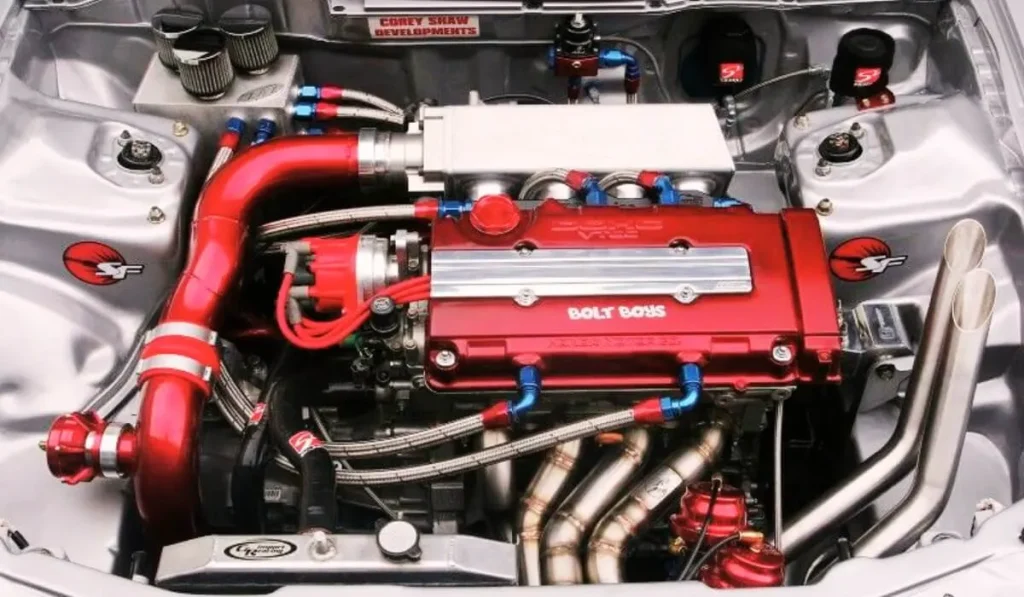
The Honda B18C takes a completely different path to greatness compared to the D15B. This engine is proof that high performance and long-term durability are not mutually exclusive. Found in vehicles like the Integra GS-R and Type R variants, the B18C combines aggressive engineering with impressive longevity.
At its core, the B18C features Honda’s VTEC system, allowing it to switch between efficiency and performance modes.
While many performance engines suffer from accelerated wear, the B18C manages to maintain structural integrity even under spirited driving conditions. Numerous examples have surpassed 250,000 miles while still delivering strong performance.
The construction quality of this engine plays a crucial role in its endurance. High-quality materials, precision machining, and balanced internals allow it to operate smoothly at both low and high RPMs. This balance reduces uneven wear, which is often the downfall of performance-oriented engines.
Owners frequently highlight how the B18C retains its character even at high mileage. It does not just keep running; it continues to feel responsive and engaging. That consistency is rare among engines designed with performance in mind.
Maintenance habits do influence its lifespan more than they do with simpler engines like the D15B. Regular oil changes and proper care are essential to unlocking its full mileage potential. When maintained correctly, however, the rewards are substantial.
Another interesting aspect is how well the B18C responds to modification without sacrificing reliability. Many tuned versions still achieve high mileage, which speaks volumes about the strength of its original design.
The B18C stands as a reminder that Honda’s engineering excellence is not limited to economy engines. It shows that even when pushing the boundaries of performance, Honda never lost sight of durability.
3. Honda K20A
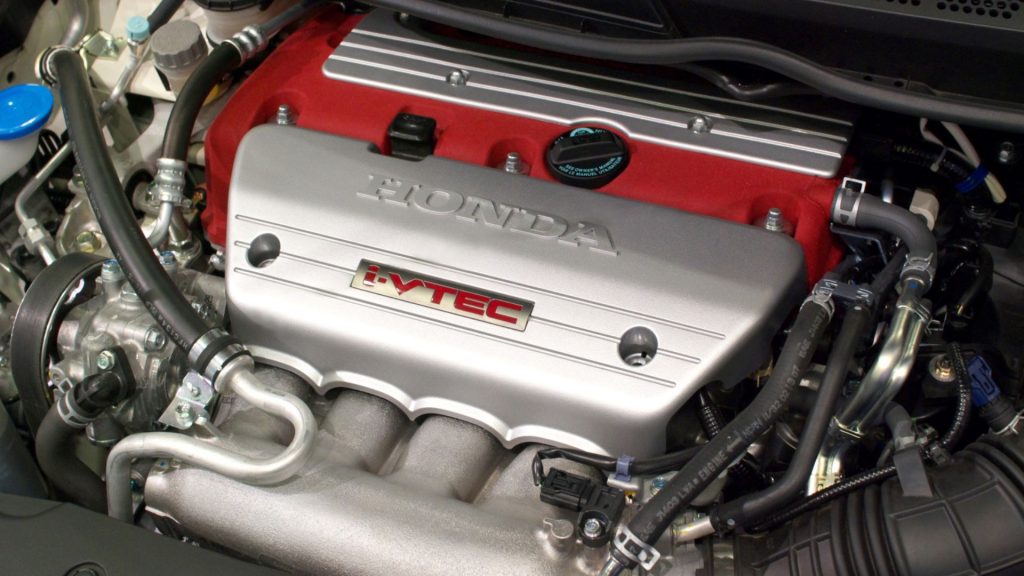
The Honda K20A represents a turning point in Honda’s engineering journey, where modern technology met the brand’s long-standing obsession with durability. Introduced in the early 2000s, this 2.0-litre inline-four quickly earned a reputation not just for performance, but for an ability to accumulate mileage that rivals much simpler engines.
Unlike older Honda units that relied heavily on mechanical simplicity, the K20A brought in advanced features such as i-VTEC, a more refined valvetrain, and improved airflow dynamics.
What is remarkable is how these upgrades did not compromise reliability. Instead, they enhanced the engine’s efficiency and reduced internal stress, helping it sustain long-term use without degradation.
Many high-mileage K20A engines have crossed 300,000 miles while still maintaining strong compression and smooth operation. That kind of endurance is not accidental. Honda engineered this powerplant with a rigid block design and a highly efficient cooling system, both of which play a major role in minimising wear over time.
Driving behaviour tends to vary widely with this engine, and that is part of its story. Some owners treat it as a high-revving performance machine, regularly pushing it toward redline.
Others use it as a daily commuter engine for years without ever showing its full potential. In both scenarios, the K20A continues to perform with consistency, which highlights its versatility.
Another defining trait is how well the engine ages in terms of refinement. Even after significant mileage, it avoids developing excessive vibration or noise. This is largely due to its balanced internal components and precise engineering tolerances. Where many engines begin to feel tired, the K20A often feels composed and predictable.
The aftermarket community has also tested the limits of this engine extensively. From naturally aspirated builds to forced induction setups, the K20A has proven that its foundation is strong enough to handle additional power without immediate failure. That strength carries over into stock applications, where reliability remains one of its biggest strengths.
One cannot ignore how easy it is to maintain relative to its capabilities. Despite being technologically advanced, it does not demand overly complex servicing. Routine maintenance, when done properly, is enough to keep the engine running for hundreds of thousands of miles.
The K20A stands as a bridge between Honda’s past and future. It carries forward the durability of older engines while embracing modern performance and efficiency. This balance is exactly what makes it one of the most respected engines in Honda’s history.
4. Honda J35
The Honda J35 tells a very different story compared to the high-revving K-series engines. This 3.5-litre V6 was designed with a focus on smoothness, torque, and real-world usability, yet it quietly built a reputation for exceptional longevity in larger vehicles like the Accord, Odyssey, and Pilot.
At first glance, larger engines often face more stress due to increased internal forces and heavier vehicles. However, the J35 defies that expectation through thoughtful engineering. Honda ensured that the engine operates under relatively low strain, especially during everyday driving. This results in reduced wear and a longer lifespan.
Mileage records for the J35 frequently exceed 300,000 miles, with some well-maintained examples going far beyond that. What makes this achievement notable is the type of vehicles it powers. Minivans and SUVs often carry heavier loads and endure more demanding driving conditions, yet the J35 continues to deliver reliable performance.
The engine’s design emphasises smooth power delivery rather than aggressive output. This characteristic plays a significant role in its durability. By avoiding sudden stress spikes, the J35 maintains consistent internal conditions, which helps preserve critical components over time.
Owners often describe the engine as quiet and refined, even after years of use. This is not just a comfort feature; it is an indicator of how well the engine maintains its structural integrity. Reduced vibration and noise suggest that internal components remain well-aligned and balanced.
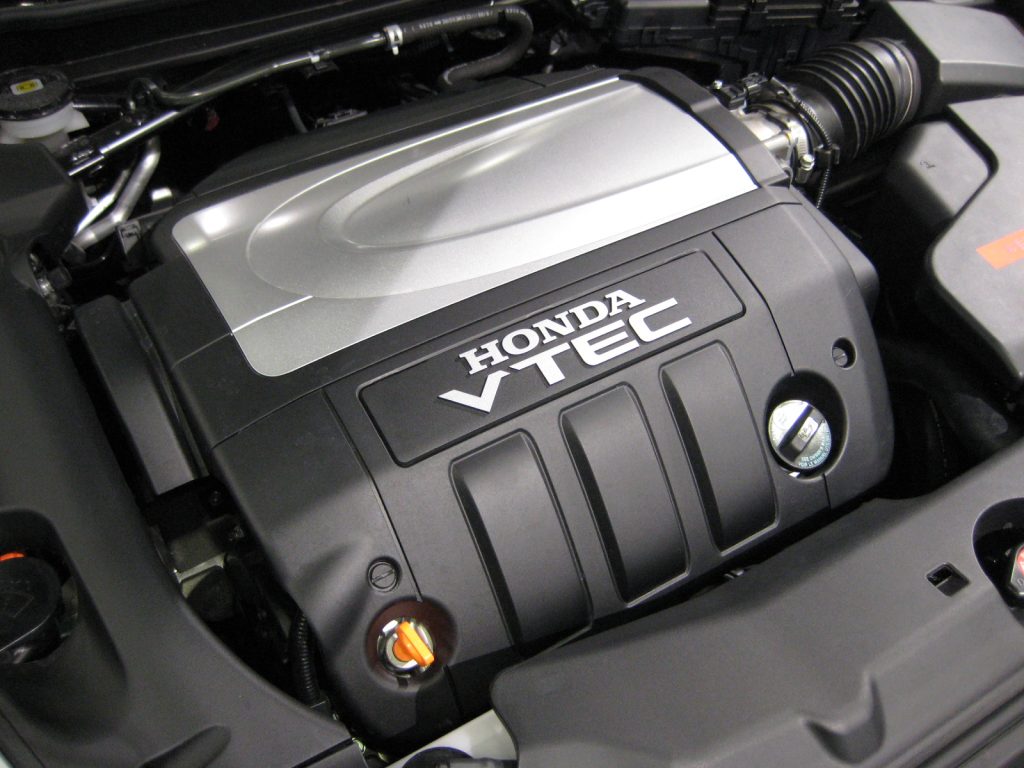
Another strength of the J35 lies in its adaptability. It performs equally well in city traffic, long highway drives, and even under towing conditions. This flexibility makes it a dependable choice for families and long-distance drivers who need an engine that can handle a variety of demands without breaking down.
Maintenance does play a role in unlocking its full potential. Timing belt replacements and regular servicing are important, but these are predictable and manageable tasks. When these requirements are met, the engine rewards owners with years of trouble-free operation.
Interestingly, the J35 does not rely on high-revving excitement to prove its worth. Instead, it builds trust gradually through consistent performance. Drivers come to rely on it not because it surprises them, but because it rarely gives them a reason to worry.
In many ways, the J35 represents Honda’s ability to scale its reliability philosophy to larger, more complex engines. It shows that durability is not limited to small, simple designs. With the right approach, even a V6 can achieve remarkable longevity.
5. Honda R18
The Honda R18 does not arrive with the same reputation for excitement as some of the brand’s earlier engines, yet it quietly built one of the most dependable legacies in modern compact cars.
Introduced in the eighth-generation Civic, this 1.8-litre inline-four was engineered with a clear goal: deliver consistent, low-maintenance performance for everyday drivers who value longevity over thrills.
Instead of chasing high output numbers, Honda focused on refining efficiency and reducing internal strain. The R18 uses a simple i-VTEC setup tuned more for fuel economy than aggressive power delivery.
This approach allows the engine to operate in a calm and controlled manner, which significantly reduces wear on key components over time.
What stands out with the R18 is how it behaves under long-term ownership. Many engines begin to show fatigue through oil consumption or rough idling as mileage climbs. The R18, however, often maintains stable operation well past 250,000 miles, with numerous reports of examples crossing 300,000 miles without requiring major internal repairs.
Its durability is closely tied to thermal management. The engine runs at balanced temperatures and avoids excessive heat buildup, which is one of the leading causes of premature engine wear. This stability ensures that seals, gaskets, and internal surfaces remain in good condition even after years of use.
Another advantage is how predictable the engine feels. There are no sudden quirks or unexpected failures that catch owners off guard. Instead, the R18 delivers a steady and reliable experience, which makes it particularly appealing for those who depend on their vehicle daily.
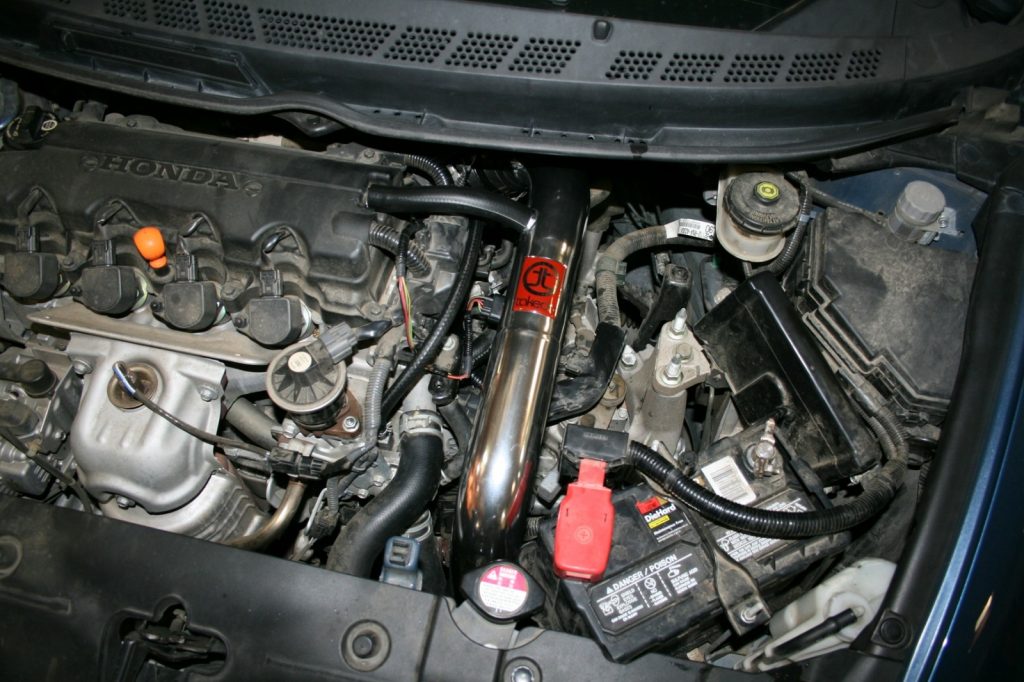
The maintenance experience also reflects Honda’s practical engineering philosophy. Routine servicing is straightforward, and parts are widely available and affordable. This encourages owners to keep up with maintenance schedules, further extending the engine’s lifespan.
Drivers who spend most of their time in urban environments often appreciate how the R18 handles stop-and-go traffic without stress. It does not struggle with repeated short trips or constant idling, which are conditions that typically accelerate wear in less robust engines.
While it may not be the engine enthusiasts talk about in performance circles, the R18 has earned respect where it matters most. It is an engine that proves reliability does not need to be flashy. Instead, it delivers value through quiet consistency and a remarkable ability to keep going year after year.
6. Honda F23
The Honda F23 represents an earlier era of engineering where durability was achieved through a blend of simplicity and solid construction. Found in late 1990s and early 2000s Accord models, this 2.3-litre inline-four became known for its ability to handle high mileage with minimal complications.
Unlike some of Honda’s more advanced engines, the F23 relies on a straightforward single overhead cam design. This simplicity works in its favour by reducing the number of components that can fail. Fewer moving parts often translate to fewer problems, and that principle is clearly reflected in the engine’s long-term reliability.
One of the defining traits of the F23 is its tolerance for extended use. It is not uncommon to find examples exceeding 300,000 miles while still running smoothly. Even when subjected to less-than-perfect maintenance, the engine often continues to operate without catastrophic issues, which speaks to its robust construction.
The engine’s torque characteristics also contribute to its longevity. Instead of encouraging high-rev driving, it delivers usable power at lower RPM ranges. This reduces internal stress and helps preserve critical components such as pistons, bearings, and valves over time.
Owners frequently note how the F23 maintains a consistent driving feel even as mileage increases. It may not be the most refined engine by modern standards, but it avoids the dramatic decline in performance that many older engines experience. This steady behaviour builds confidence in long-term ownership.
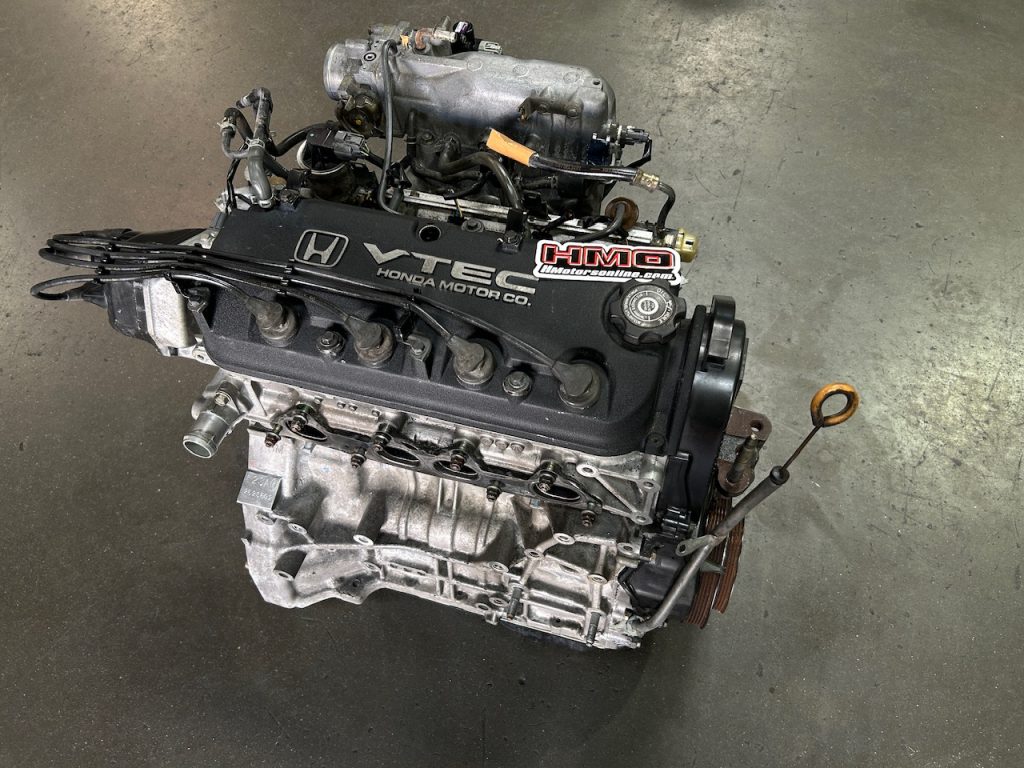
Another interesting aspect is how forgiving the engine is when it comes to repairs. When issues do arise, they are usually easy to diagnose and fix. This accessibility has made the F23 favourite among mechanics who appreciate engines that do not require excessive specialised tools.
The F23 also performs well under a variety of conditions. Whether used for daily commuting or long highway journeys, it adapts without developing major weaknesses. This versatility adds to its reputation as a dependable choice for a wide range of drivers.
It is important to recognise that the F23 does not rely on advanced technology to achieve its durability. Instead, it succeeds through careful engineering and a focus on reliability above all else. That approach has allowed it to remain relevant long after newer engines have entered the market.
For many owners, the F23 is a reminder of a time when engines were built to last without unnecessary complexity. Its ability to accumulate high mileage with minimal trouble secures its place among Honda’s most respected powerplants.
7. Honda L15
The Honda L15 takes a more modern and efficiency-driven approach compared to many of the older engines on this list, yet it still manages to deliver impressive mileage records.
Found in vehicles like the Fit and later turbocharged applications in the Civic, this 1.5-litre engine shows how Honda adapted its durability philosophy to meet stricter fuel economy and emissions demands.
One of the most interesting aspects of the L15 is how it balances compact design with long-term reliability. Smaller displacement engines often work harder to deliver adequate power, which can lead to increased wear.
Honda addressed this by refining combustion efficiency and reducing friction within the engine. The result is a power plant that operates smoothly without placing unnecessary strain on its internal components.
In naturally aspirated form, the L15 has built a strong reputation for reaching and exceeding 250,000 miles with consistent maintenance.
Even in turbocharged versions, where additional stress is introduced, many examples have demonstrated solid longevity when properly cared for. This adaptability highlights the strength of its core design.
The engine’s lightweight construction plays a subtle but important role in its lifespan. Reduced mass means less internal inertia, which in turn lowers the stress experienced by moving parts. Over time, this contributes to slower wear rates and a more predictable ageing process.
Urban driving is where the L15 truly shines. It handles frequent stops, short trips, and varying traffic conditions without showing signs of strain. This makes it particularly suitable for drivers who rely on their vehicles for daily commuting rather than long highway runs.
Another characteristic worth noting is how refined the engine feels even after years of use. It maintains a smooth idle and consistent throttle response, which suggests that its internal components remain well-balanced over time. This level of refinement is not always expected from smaller engines in this category.
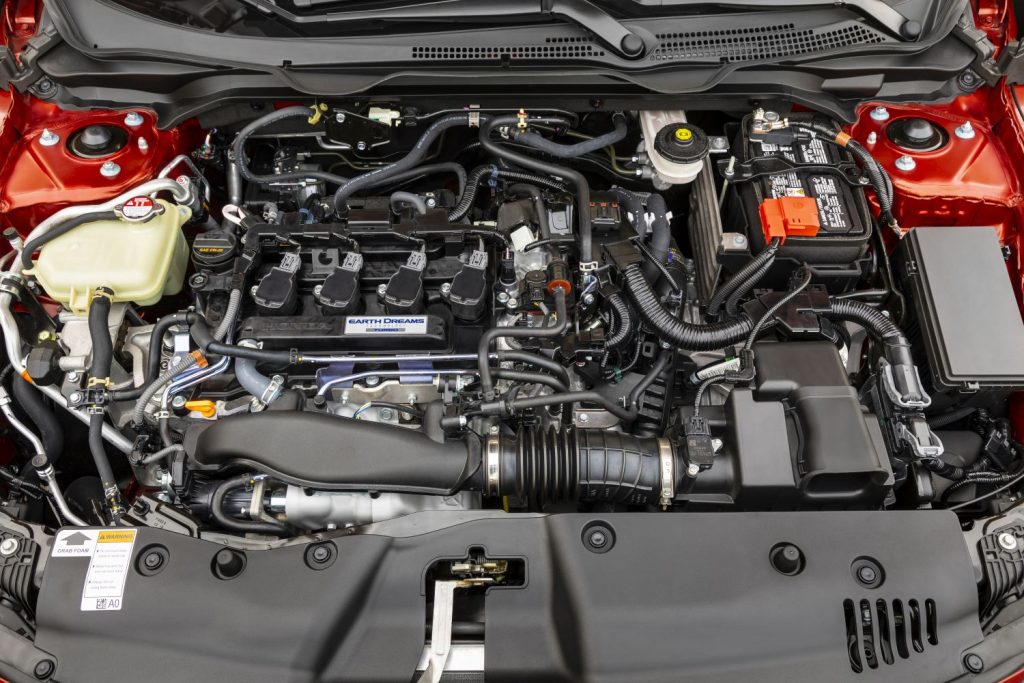
Maintenance requirements are straightforward, though slightly more attentive care is needed for turbocharged variants. Regular oil changes and proper cooling system upkeep are essential to ensuring long-term reliability. When these needs are met, the engine rewards owners with dependable performance.
The L15 demonstrates that modern engineering does not have to sacrifice durability for efficiency. It carries forward Honda’s legacy in a new era, proving that even smaller, more advanced engines can achieve impressive mileage when designed with care.
8. Honda B20
The Honda B20 closes this list with a reputation built on strength, adaptability, and a slightly unconventional path to recognition. Originally designed for use in CR-V models, this 2.0-litre engine became known not only for its durability but also for its versatility within the enthusiast community.
At its foundation, the B20 shares similarities with other engines in the B-series family, yet it takes a different approach by prioritising torque and usability over high-revving performance. This focus results in an engine that operates under less stress during everyday driving, which directly contributes to its long lifespan.
Mileage records for the B20 often exceed 300,000 miles, particularly in stock configurations that are maintained properly. What makes this even more impressive is the wide range of conditions in which the engine is used. From urban commuting to light off-road driving, it handles varied demands without developing major weaknesses.
The engine’s construction is one of its strongest attributes. A sturdy block and well-designed internal components allow it to endure prolonged use without significant degradation. This robustness has made it a reliable choice for drivers who need an engine that can handle both daily use and occasional heavy workloads.
One of the unique aspects of the B20 is its popularity in engine swaps and custom builds. Enthusiasts often pair it with components from other B-series engines to create hybrid setups. Even in these modified forms, the engine frequently retains its reliability, which speaks volumes about the strength of its original design.
Unlike some engines that become temperamental with age, the B20 tends to remain predictable. It does not develop sudden or severe issues that compromise usability. Instead, it continues to deliver steady performance, which is exactly what long-term owners value most.
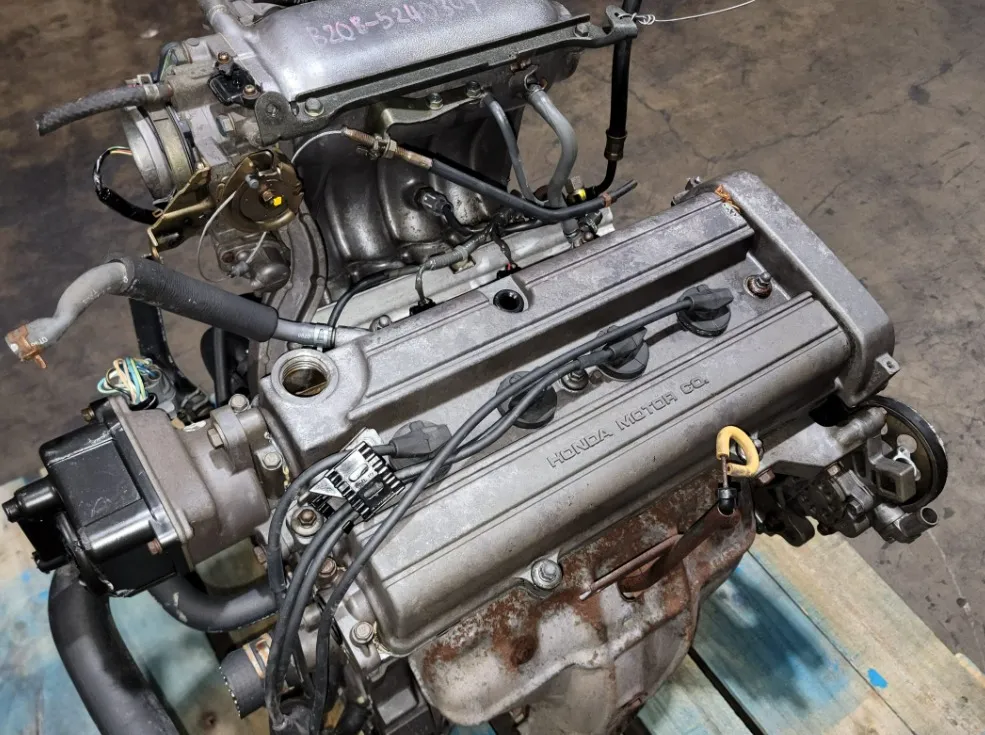
Another advantage is how manageable it is from a maintenance perspective. Repairs are generally straightforward, and the engine’s design allows for easy access to key components. This encourages regular upkeep, which in turn helps extend its lifespan.
The driving experience it offers is different from high-performance engines, yet it has its own appeal. The focus on low-end torque makes it feel responsive in everyday situations, reducing the need for aggressive driving. This relaxed operating style further contributes to its durability.
The B20 stands as a fitting conclusion to this list. It represents a blend of practicality and resilience, showing that an engine does not need to be the most advanced or powerful to earn a place among Honda’s greatest.
Its ability to deliver consistent performance across hundreds of thousands of miles secures its legacy as one of the brand’s most dependable creations.
Honda’s reputation for building long-lasting engines is rooted in a consistent focus on reliability, efficiency, and smart engineering.
Across decades, the brand has produced powertrains that not only perform well when new but continue to operate smoothly after hundreds of thousands of miles. This list highlights eight of the most dependable Honda engines, each known for exceptional mileage records and real-world durability.
The D15B stands out for its simplicity and ability to survive tough conditions, often exceeding 300,000 miles with minimal issues.
Moving to performance territory, the B18C proves that high-revving engines can also last, maintaining strength and responsiveness even at high mileage. The K20A blends modern technology with durability, showing how advanced engineering can enhance both efficiency and lifespan.
For larger vehicles, the J35 V6 delivers smooth, low-stress performance that translates into long-term reliability, even in heavier applications like SUVs and minivans. The R18 focuses on everyday usability, offering stable and predictable performance that makes it a favourite among daily drivers.
Meanwhile, the F23 represents old-school durability, using a simple design to achieve impressive longevity with fewer complications.
In the modern era, the L15 demonstrates how smaller, fuel-efficient engines can still achieve high mileage when engineered properly. Finally, the B20 combines strength and versatility, earning respect both in stock form and within the enthusiast community for its ability to endure varied driving conditions.
Each engine on this list follows a different philosophy, yet all achieve the same goal: long-lasting performance. Together, they showcase Honda’s ability to create engines that remain dependable across generations, making them some of the most trusted powerplants ever built.
Also Read: The Reason Diesel Trucks Are Disappearing From New Lots
