
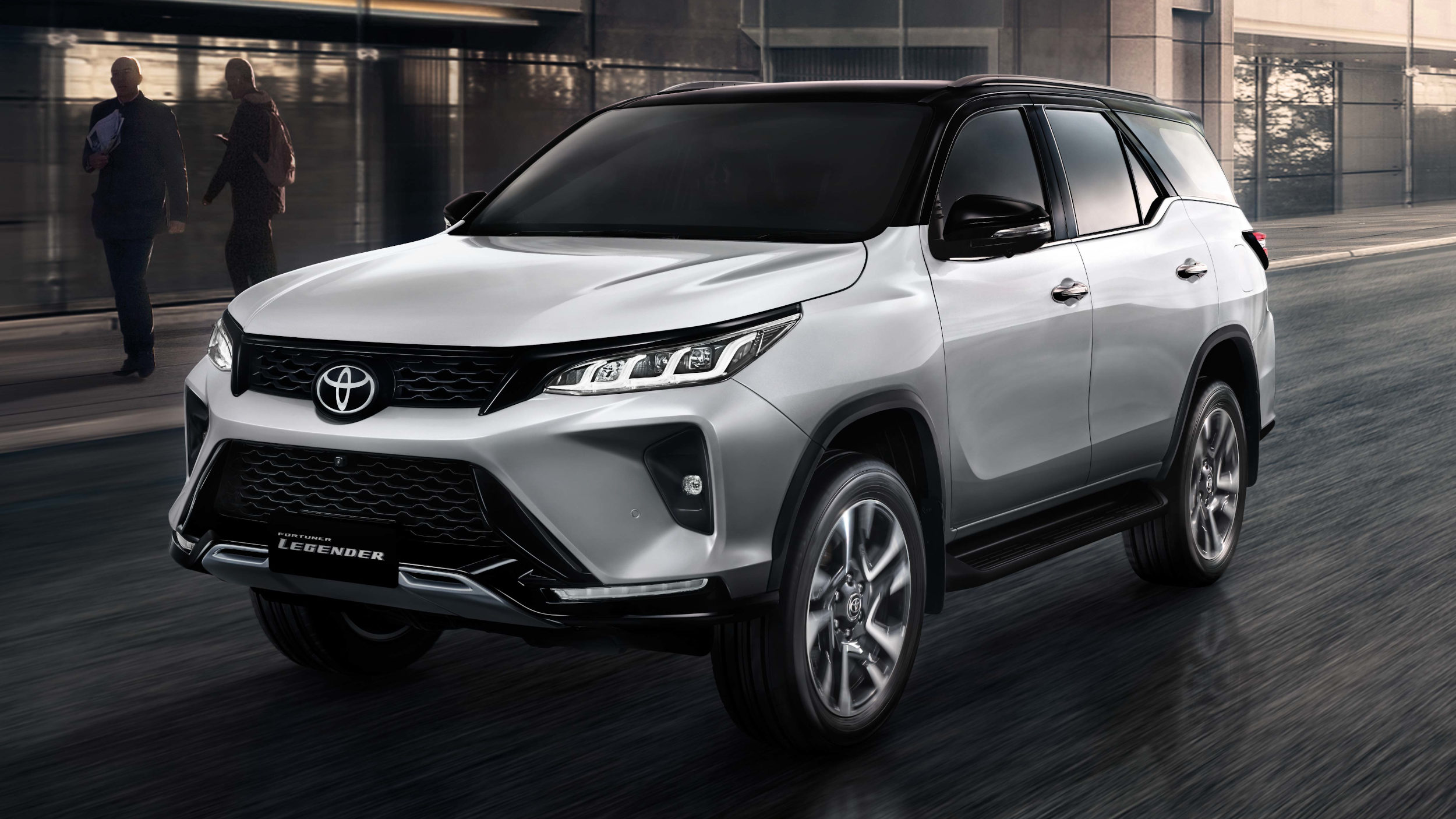
Sport Utility Vehicles have become the default choice for a wide range of buyers, replacing sedans and hatchbacks in many households. The appeal is easy to understand. SUVs offer a commanding driving position, flexible interiors, and the perception of added safety.
With so many sizes available, from compact crossovers to full-size three-row vehicles, there seems to be an option for every lifestyle. Yet despite this variety, many people end up choosing the wrong size for their actual needs.
The decision is often influenced by perception rather than daily reality. Buyers tend to imagine future scenarios such as long road trips, larger families, or occasional cargo demands.
These possibilities shape their choices more than their current routines. As a result, they may select a larger SUV than necessary, believing it will provide flexibility for situations that rarely occur.
At the same time, some buyers go in the opposite direction. They choose smaller SUVs for convenience and fuel savings without fully considering their long-term requirements. This can lead to compromises in space, comfort, and practicality, especially as lifestyles change. The challenge lies in balancing present needs with realistic expectations about the future.
Marketing also plays a role in shaping these decisions. Advertisements highlight adventure, capability, and spaciousness, often associating larger vehicles with a more active or secure lifestyle. This messaging can make smaller options feel limiting, even when they are perfectly adequate for everyday use.
Another factor is the rapid expansion of SUV categories. The differences between segments are not always obvious, and buyers may not fully understand what each size truly offers. Without clear guidance, it becomes easy to choose based on appearance or assumption rather than functionality.
Choosing the right SUV size requires a clear understanding of how the vehicle will be used daily. It involves looking beyond occasional needs and focusing on consistent patterns. The following sections examine why many buyers get this decision wrong and what factors contribute to the mismatch between vehicle size and lifestyle.
Also Read: 5 Vehicles Where the Heater Still Works at 250K vs 5 Where It Quits at 80K
1. Future Planning Often Overrides Present Reality
Many SUV buyers approach their decision with a forward-looking mindset. They think about potential changes such as growing families, increased travel, or new activities that might require more space. While planning can be useful, it often leads to choices that do not align with current needs.
A common example is purchasing a large three-row SUV for a household that rarely carries more than two or three passengers. The extra seating and cargo capacity remain unused most of the time, yet the owner still deals with the downsides of a larger vehicle. These include higher fuel consumption, more challenging parking, and increased maintenance costs.
The issue lies in how frequently these imagined scenarios actually occur. Occasional needs, such as transporting additional passengers or carrying bulky items, can often be managed through temporary solutions. Renting a larger vehicle or using alternative transport options can be more practical than committing to a bigger SUV for everyday use.
There is also a psychological aspect to this behaviour. Buyers may feel more secure knowing they have extra capacity available, even if they rarely use it. This sense of preparedness can outweigh practical considerations, leading to decisions that prioritise potential over reality.
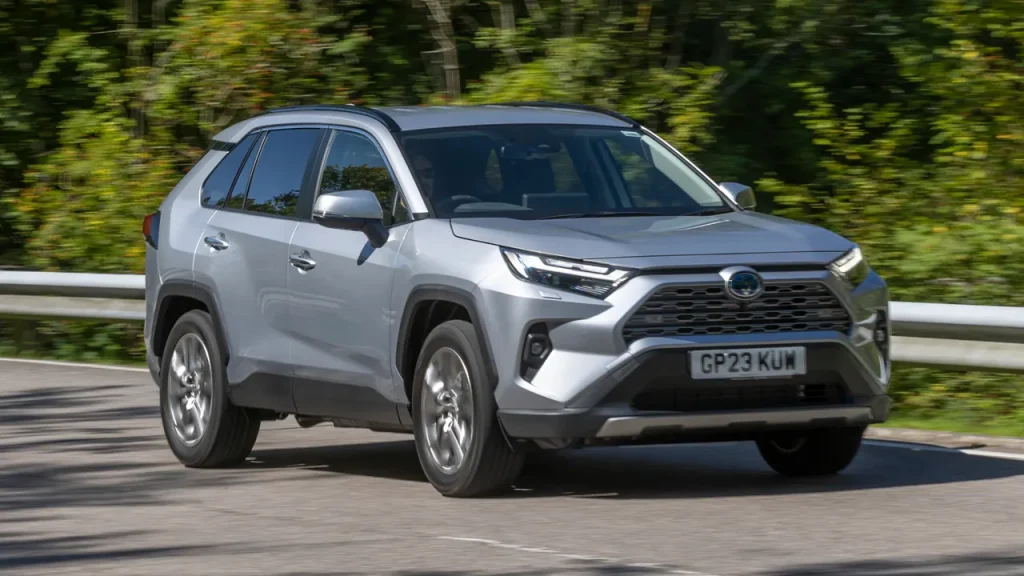
On the other hand, some buyers underestimate future needs and choose smaller SUVs without considering how their lifestyle might evolve. This can result in limited space and reduced comfort as circumstances change. The key challenge is finding a balance between realistic planning and avoiding unnecessary excess.
Understanding how often certain needs arise is essential. When decisions are based on actual usage patterns rather than hypothetical situations, the chosen vehicle is more likely to fit the owner’s lifestyle effectively.
2. Daily Driving Conditions Are Often Ignored
The size of an SUV has a direct impact on how it performs in everyday driving situations. Despite this, many buyers focus on features and capacity while overlooking how the vehicle will behave during routine use. This disconnect can lead to frustration once the vehicle becomes part of daily life.
Urban environments highlight this issue clearly. Larger SUVs can be difficult to manoeuvre in tight spaces, making parking and navigation more challenging. Narrow streets, crowded parking lots, and limited visibility can turn simple tasks into stressful experiences. For drivers who spend most of their time in cities, these factors can significantly affect convenience.
Fuel efficiency is another consideration that is often underestimated. Bigger SUVs typically consume more fuel, especially in stop-and-go traffic. While this may seem manageable at first, the long-term cost can become noticeable. Buyers who do not account for their daily driving patterns may find themselves spending more than expected on fuel.
In contrast, smaller SUVs are generally easier to handle and more efficient in urban settings. They offer a balance of space and practicality that suits many daily routines. However, buyers may overlook these advantages in favour of larger models that appear more capable.
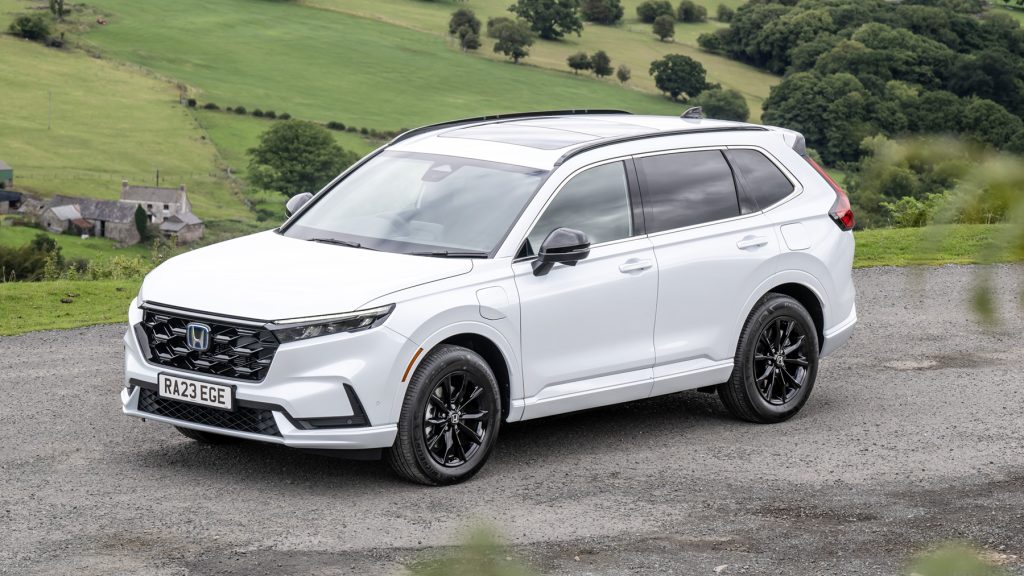
Driving comfort also plays a role. Larger vehicles can feel less agile, particularly in congested areas. This can affect confidence and enjoyment behind the wheel. Choosing a vehicle that aligns with typical driving conditions can make a significant difference in full satisfaction.
Evaluating where and how a vehicle will be used most frequently is essential. When daily conditions are considered alongside capacity needs, it becomes easier to select an SUV that fits seamlessly into everyday life.
3. Misunderstanding Cargo and Passenger Needs
One of the main reasons people choose SUVs is for their perceived practicality. However, there is often a gap between what buyers think they need and what they actually use. This misunderstanding can lead to selecting a vehicle that is either too large or not sufficiently functional.
Cargo space is a common area of confusion. Buyers may assume they need maximum capacity for occasional situations such as moving large items or going on extended trips. In reality, most daily activities involve much smaller loads. Groceries, bags, and routine stuff rarely require the full capacity of a large SUV.
Passenger requirements can also be misjudged. A three-row SUV may seem appealing for its ability to carry more people, but the third row is often used infrequently. When it is not in use, it can reduce available cargo space and add unnecessary weight to the vehicle.
Interior flexibility is another factor that is sometimes overlooked. Features such as folding seats and adjustable layouts can make smaller SUVs more versatile than expected. Buyers who focus only on maximum capacity may miss these practical advantages.
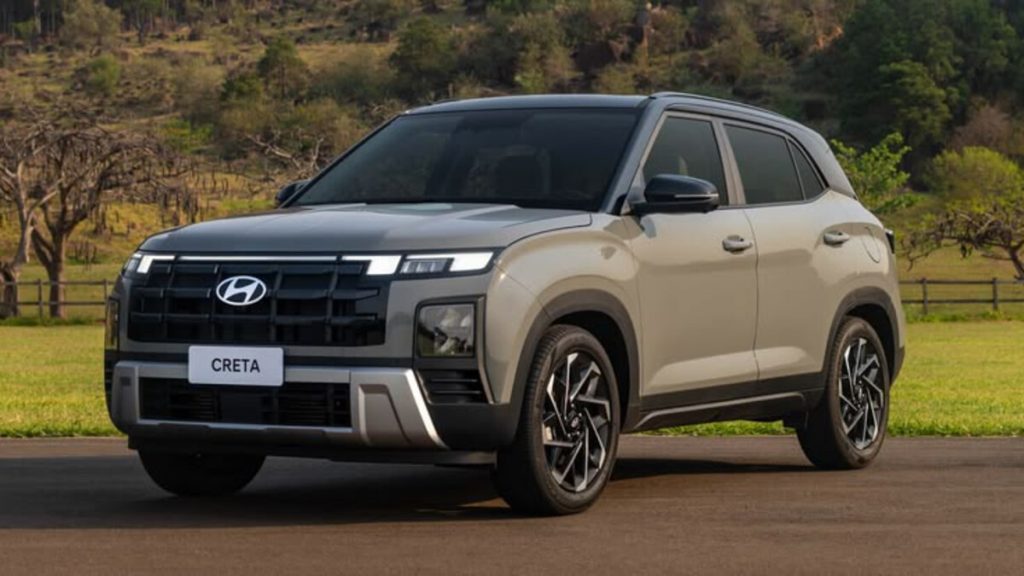
There is also the question of comfort. Larger vehicles may provide more space, but that space is not always utilised efficiently. Smaller SUVs can offer a more tailored and comfortable experience for everyday use, especially when the number of passengers is limited.
Understanding actual usage patterns is key to making the right choice. When buyers take the time to assess how often they need extra space and how they use their vehicle daily, they can avoid overestimating their requirements.
4. Perception of Safety Influences Size Choices
Safety is one of the most powerful factors influencing SUV purchases. Many buyers associate larger vehicles with greater protection, believing that size alone provides an advantage in the event of an accident. This perception often leads to choosing bigger SUVs, even when smaller options meet all other needs.
While larger vehicles can offer certain advantages, modern safety technology has significantly improved across all SUV segments. Features such as advanced driver assistance systems, reinforced structures, and multiple airbags are now standard in many models, regardless of size. These advancements reduce the gap between different categories.
The belief that bigger is always safer does not account for other important factors. Manoeuvrability, braking performance, and visibility also contribute to safety. Smaller SUVs often perform well in these areas, making them easier to control and potentially safer in everyday driving conditions.
There is also the issue of driver confidence. Operating a larger vehicle can be more challenging, particularly for those who are not accustomed to its size. Difficulty in handling can increase stress and reduce reaction time, which may offset some of the perceived safety benefits.
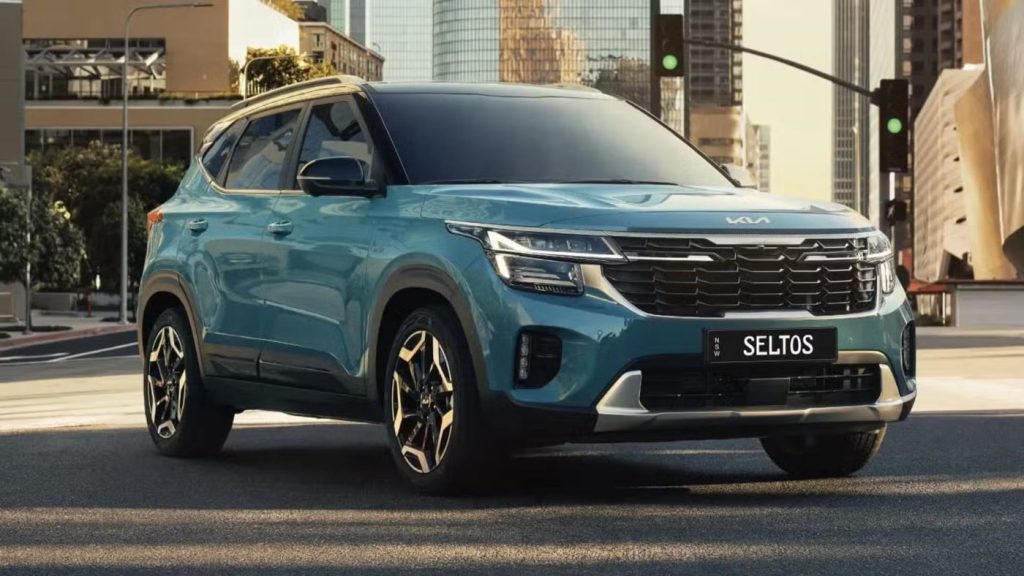
Marketing and cultural influences reinforce the idea that larger vehicles are inherently safer. This messaging can shape buyer decisions, even when it does not fully reflect modern realities. As a result, some people choose vehicles that exceed their actual needs based on a simplified understanding of safety.
A more balanced approach considers both active and passive safety features, along with how the vehicle fits the driver’s environment. When these factors are evaluated together, it becomes clear that the right size is not always the largest one available.
5. Ownership Costs Are Often Underestimated
The size of an SUV directly affects its cost of ownership, yet this aspect is frequently underestimated during the buying process. Buyers may focus on the purchase price or financing terms without fully considering how size influences ongoing expenses.
Fuel consumption is one of the most immediate costs. Larger SUVs typically require more fuel, especially in urban driving conditions. Over time, this difference can add up significantly, affecting the full affordability of the vehicle. Buyers who do not account for their driving habits may find themselves spending more than expected.
Maintenance is another factor that scales with size. Larger vehicles often have bigger tyres, more complex systems, and higher service costs. Routine maintenance can become more expensive, and repairs may require additional labour or specialised parts.
Insurance costs can also be higher for larger SUVs. Factors such as vehicle value, repair costs, and risk profiles influence premiums. While this may vary depending on location and usage, it is an important consideration that is sometimes overlooked.
Depreciation adds another layer to the equation. Higher-priced vehicles can lose value more quickly in absolute terms. Buyers who choose a larger SUV than necessary may face greater financial impact when it comes time to sell or trade in.
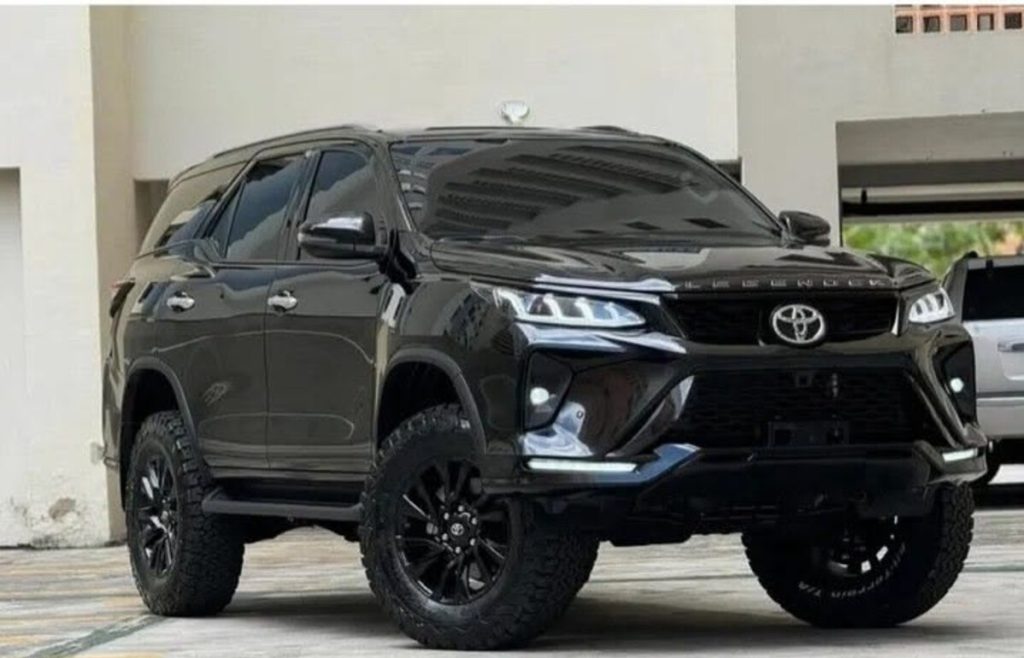
Understanding these costs helps put the decision into perspective. Choosing a vehicle that aligns with actual needs can lead to more efficient spending and a better ownership experience over time.
6. The Influence of Trends and Social Perception
SUV choices are not made in isolation. They are influenced by trends, social perception, and the desire to align with certain lifestyles. Larger SUVs are often associated with status, capability, and family readiness, which can shape buyer preferences beyond practical considerations.
Seeing others drive larger vehicles can create a sense of expectation. Buyers may feel that choosing a smaller SUV is a compromise, even when it meets their needs perfectly. This perception is reinforced by marketing and social narratives that highlight adventure and versatility.
There is also the desire to avoid limitations. Choosing a larger SUV can feel like a safer decision because it appears to cover all possible scenarios. This mindset prioritises flexibility over efficiency, leading to choices that may not be optimal for daily use.
At the same time, trends can shift quickly. What is considered desirable today may change in the future. Buyers who base their decisions on current trends may find that their vehicle does not align with their long-term preferences.
Personal identity can also influence vehicle choice. SUVs are often seen as reflections of lifestyle, and buyers may select a size that matches how they want to be perceived rather than how they actually live.
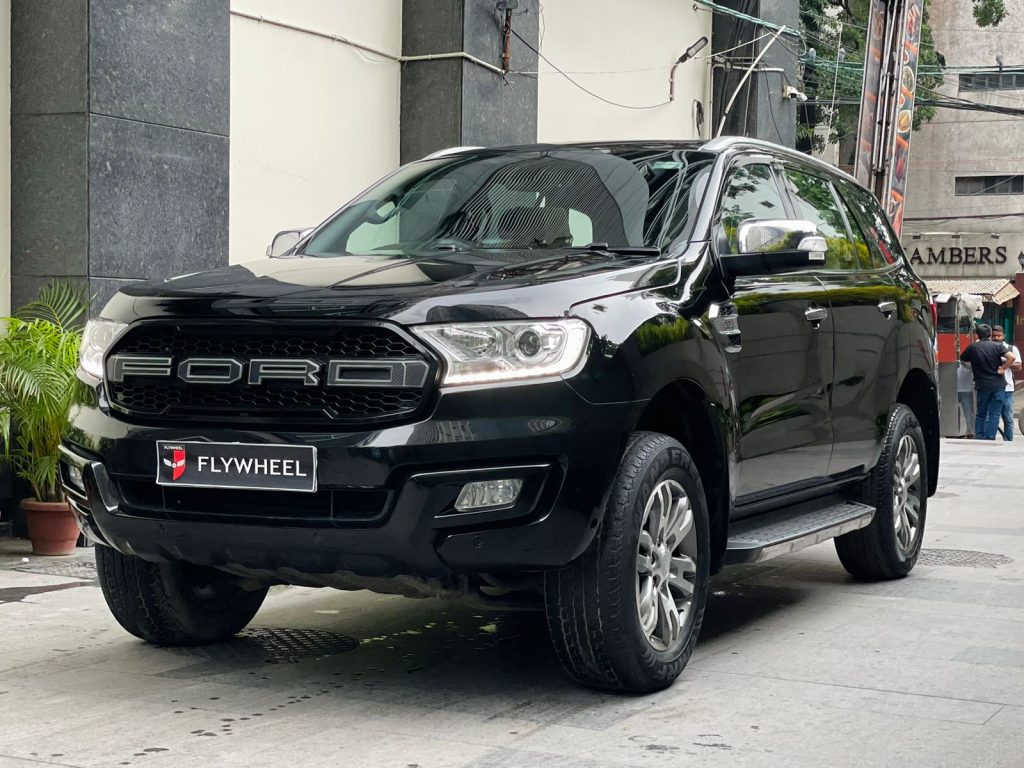
Recognising these influences is important for making a more informed decision. When buyers focus on their own needs instead of external expectations, they are more likely to choose a vehicle that fits their lifestyle effectively.
Many SUV buyers choose the wrong size because decisions are driven by assumptions rather than real usage.
People often overestimate future needs, ignore daily driving conditions, and misunderstand cargo requirements. Safety perceptions, social trends, and unclear segment differences further complicate choices.
Larger SUVs bring higher costs and reduced convenience, while smaller ones may limit flexibility if chosen without planning. The key issue is a mismatch between lifestyle and vehicle size.
Buyers who focus on actual daily habits, realistic needs, and long-term costs are more likely to select an SUV that truly fits their life instead of one that simply feels right at the moment.
Also Read: 8 Best Trucks for Side-Hustle Movers and Furniture Hauliers
