
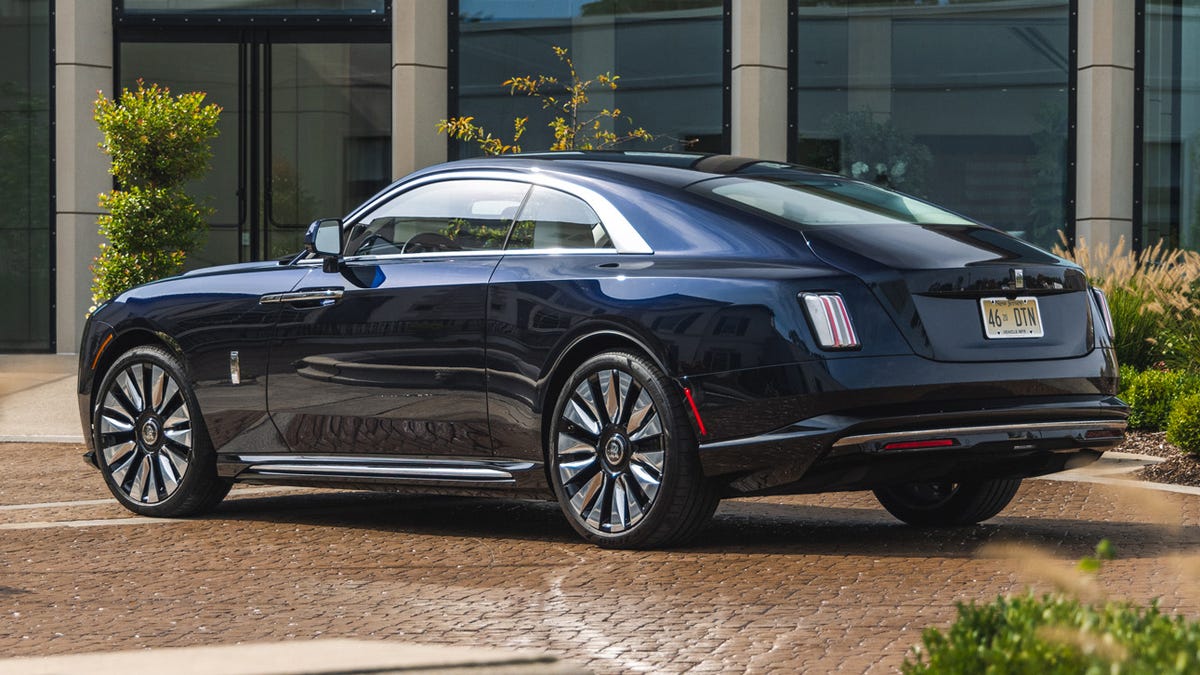
Owning a car was once a simple experience. A buyer paid for the vehicle, took delivery, and every installed feature remained available without restriction. That expectation is changing in noticeable ways. An increasing number of manufacturers now present certain functions as services rather than permanent parts of the vehicle.
Features that were previously included at purchase are now linked to recurring monthly or yearly payments. This transition developed gradually alongside the rise of connected technology in automobiles. As vehicles began to rely more on software, internet access, and remote communication, manufacturers identified new revenue opportunities beyond the initial sale.
Systems such as over-the-air updates, smartphone integration, and cloud-based controls made it possible to manage features digitally. As a result, items like heated seats, navigation tools, remote start functions, and even performance enhancements can now be activated or restricted through software.
For drivers, this introduces a different form of ownership. Responsibility no longer ends with fueling and servicing the vehicle. It now includes deciding which subscriptions to maintain in order to retain access to certain features. Some owners appreciate the flexibility of paying only for what they use, especially for features that may not be needed year-round. Others question the long-term value, particularly when the hardware is already installed in the vehicle.
This development also reshapes how people think about paying for a vehicle. Instead of a one-time transaction covering everything, ownership now includes a stream of smaller, recurring charges tied to specific features. What seems affordable at first can gradually expand into a larger financial commitment as these payments accumulate.
The examples ahead present how different manufacturers apply this model, offering a clearer picture of how access to certain features is gradually being separated from the act of buying the car itself.
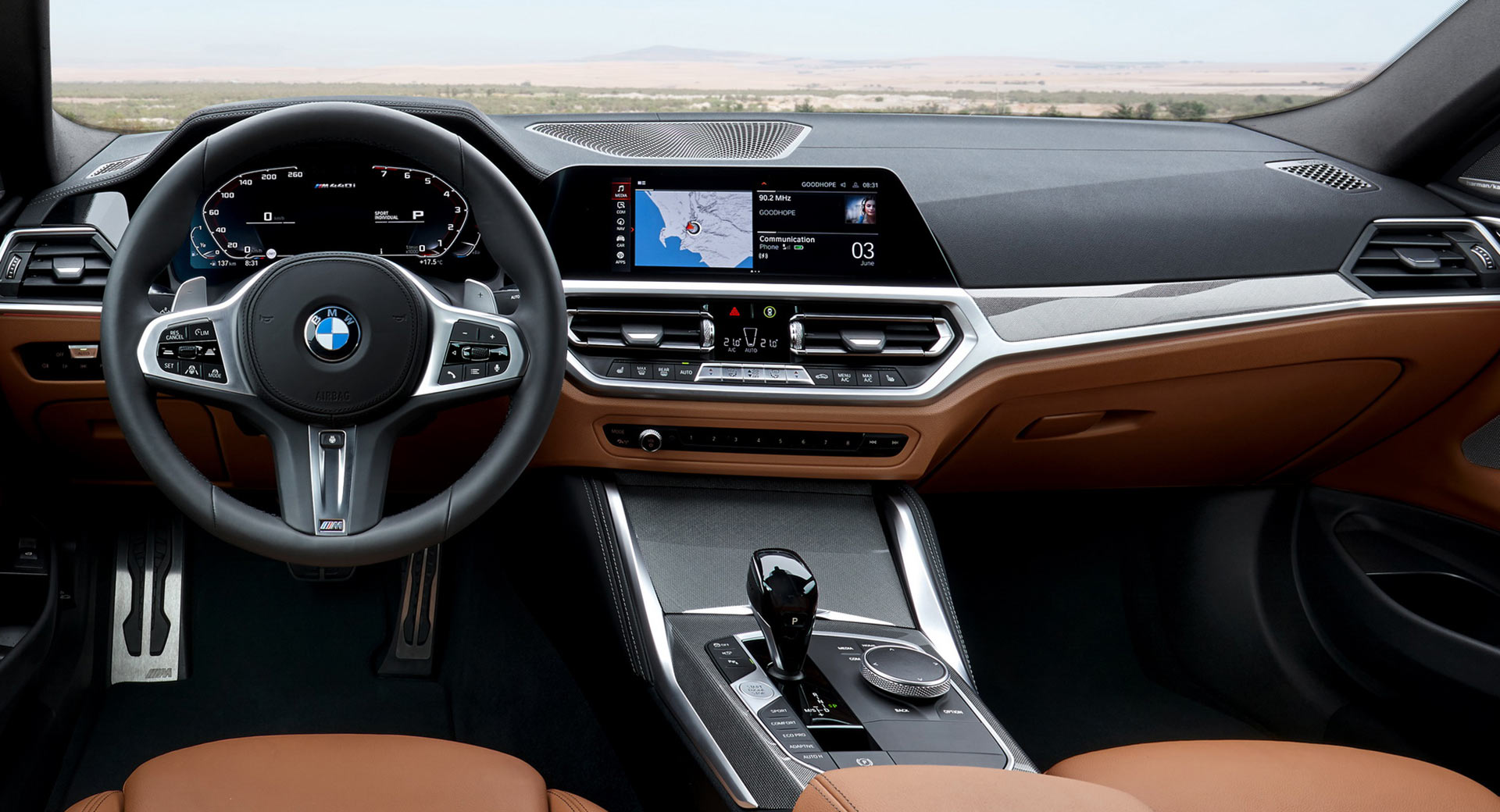
1. BMW 3 Series 330i and the Heated Seat Subscription Debate
Heated seats once represented a simple luxury. Buyers selected a trim level, paid the price, and enjoyed warmth during colder months without further thought. In the BMW 3 Series 330i, that expectation has been challenged by a subscription model that allows the feature to be activated or deactivated through software.
Consider the structure behind this approach. The hardware for heated seats is installed in the vehicle from the factory. Drivers technically own the physical components, yet access to their functionality can depend on a recurring payment. This creates a situation where a built-in feature remains locked unless the subscription is active.
Reactions from owners vary widely. Some appreciate the flexibility of paying only when needed, especially in regions with mild climates. Others find it difficult to accept paying repeatedly for something already present in the car. This difference in perspective reflects a broader development in how vehicles are marketed and sold.
From a technical standpoint, software control makes this possible. Manufacturers can enable or disable features remotely, turning the car into a platform that develops after purchase. While this allows updates and customization, it also introduces new considerations for long-term ownership.
Financial implications deserve attention as well. Subscription fees may seem modest at first, yet they accumulate across years of use. Buyers who keep their vehicles for extended periods may end up paying more than they would have under traditional pricing structures.
There is also a psychological element. Ownership traditionally implies full access to all included features. When access depends on ongoing payments, that sense of control changes. Drivers may feel that they are leasing certain aspects of their own vehicle.
BMW continues to refine this approach, and other manufacturers are observing closely. Heated seats serve as an early example of how subscription-based features can reshape expectations, raising important questions about value and ownership in modern vehicles.
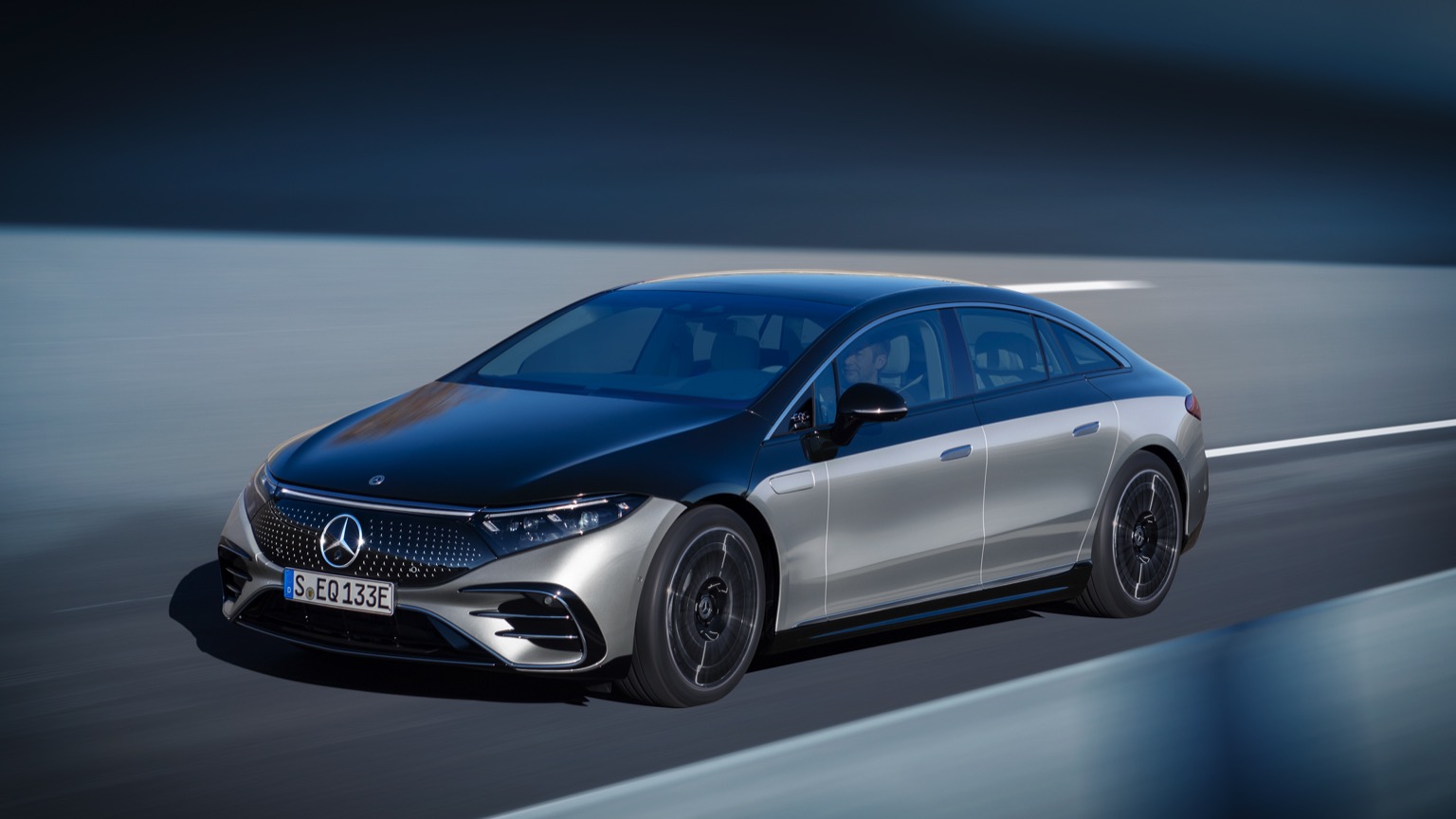
2. Mercedes-Benz EQS 450+ and the Subscription-Based Performance Boost
Performance upgrades once required mechanical changes or aftermarket modifications. In the Mercedes-Benz EQS 450+, software has introduced a different path. Drivers can unlock additional acceleration through a subscription, transforming the vehicle’s performance without physical alterations.
Picture the scenario. The electric powertrain already possesses the capability for higher output. Instead of delivering that full potential at purchase, the manufacturer offers it as an optional upgrade available through a paid service. With a few digital steps, acceleration figures can improve noticeably.
This approach highlights the growing influence of software in vehicle design. Engineers build hardware capable of handling various performance levels, then use software to determine how much of that capability is accessible. It allows manufacturers to create multiple tiers from a single platform.
From a consumer perspective, this raises questions about fairness. Some drivers view the option as a way to customize performance without committing upfront. Others feel that full capability should be included in the purchase price.
Cost considerations play a role in shaping these opinions. Subscription fees for performance enhancements can add up quickly, especially for drivers who keep the feature active long-term. This can blur the line between initial purchase cost and ongoing expenses.
Convenience remains a strong selling point. Instead of visiting a dealership for upgrades, drivers can activate features remotely. This ease of access reflects the broader move toward digital integration in vehicles. There is also the matter of resale value.
Future owners may not inherit the same performance level unless they continue the subscription. This introduces a new variable in the used car market, where features can change depending on account status. Mercedes-Benz positions this model as a way to provide flexibility.
It allows drivers to choose how much performance they want at any given time. Still, the idea of paying repeatedly for capability already built into the vehicle continues to generate debate.
Also Read: 5 Modern Vehicles With Simple Port Injection That Avoid Carbon Buildup
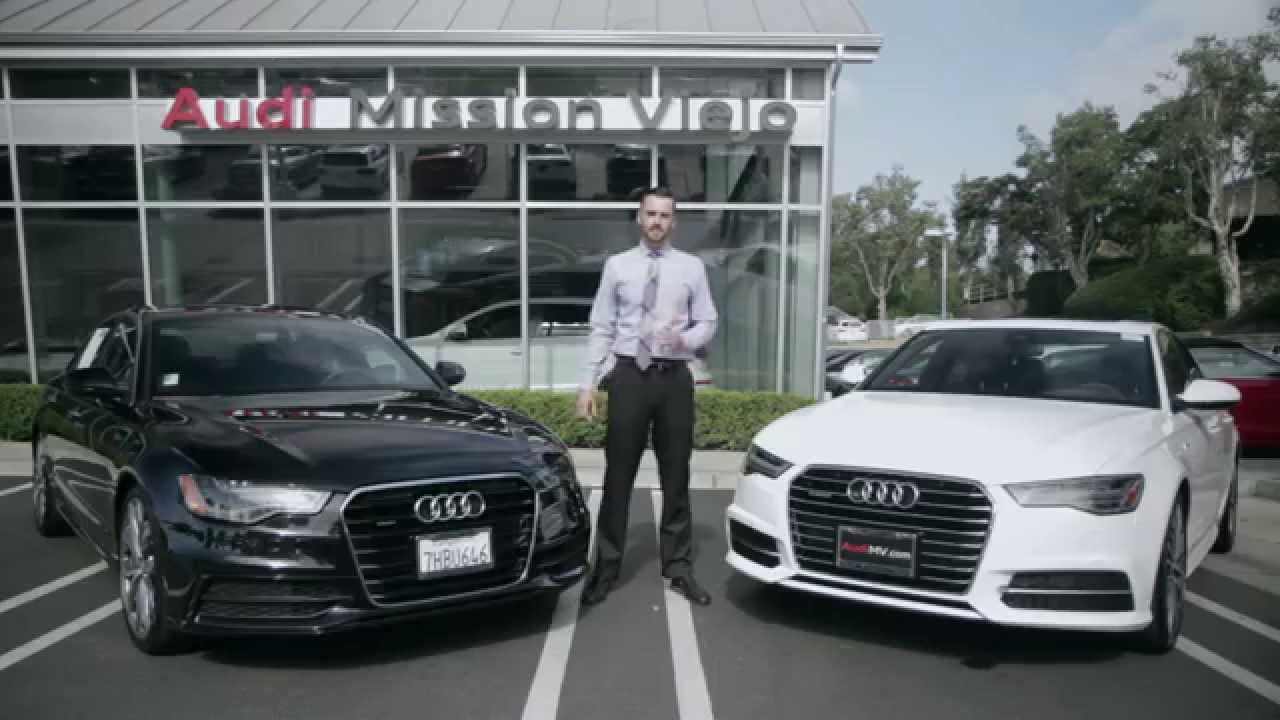
3. Audi A6 Premium Plus and the Paywall Around Navigation Systems
Built-in navigation systems once stood as a standard feature in premium vehicles. The Audi A6 Premium Plus reflects a development where advanced navigation services may require a subscription to maintain full functionality.
At first glance, the system appears fully equipped. Maps, route guidance, and real-time updates are available. However, certain features, such as live traffic data and enhanced route planning, may depend on an active subscription.
Drivers accustomed to traditional systems may find this approach unfamiliar. Previously, purchasing the vehicle ensured continuous access to navigation features without additional cost. Now, maintaining the same level of service can involve ongoing payments.
Technology plays a central role in this change. Real-time data requires constant connectivity, which introduces operational costs for manufacturers. Subscriptions help cover these expenses while providing updated information to drivers.
User experience becomes a balancing act. On the one hand, drivers benefit from accurate and current data. On the other hand, they must decide whether the added convenience justifies the recurring fee. Smartphone integration adds another dimension.
Many drivers rely on mobile apps for navigation, which may reduce the need for built-in systems. This raises questions about the value of paying for a feature that has free alternatives. Financial impact varies depending on usage. Drivers who rely heavily on in-car navigation may see value in the subscription. Others may prefer to avoid the cost and use external solutions.
Audi’s approach reflects a broader industry trend. Features that depend on connectivity are increasingly treated as services rather than fixed components. This model offers benefits but also challenges traditional expectations of vehicle ownership.
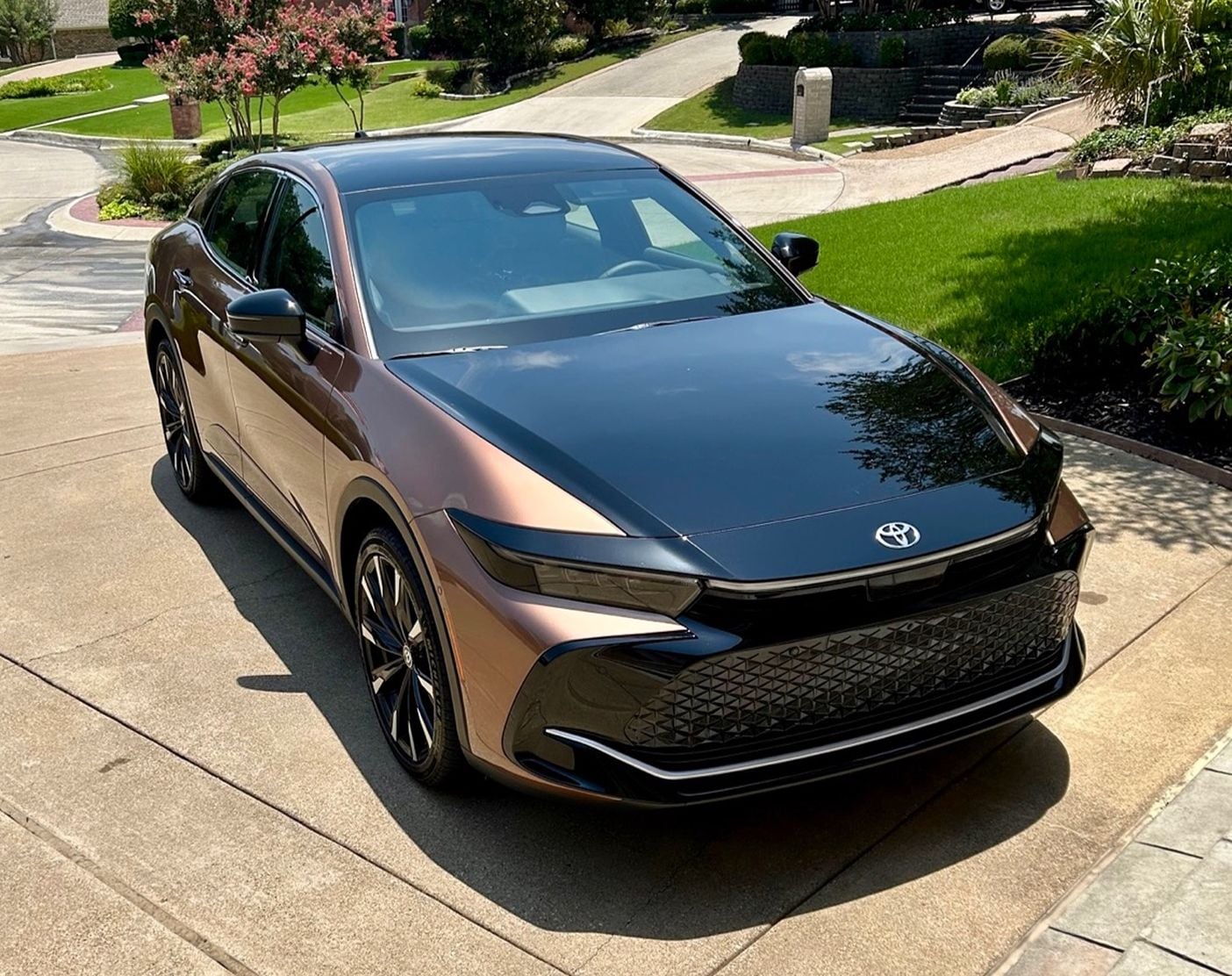
4. Toyota Crown Platinum Hybrid MAX and the Remote Start Subscription Model
Remote start once felt like a straightforward convenience. Press a button, and the engine starts from a distance. In the Toyota Crown Platinum Hybrid MAX, this feature can depend on a subscription tied to connected services.
Imagine a cold morning scenario. A driver expects to start the car remotely to warm it up before entering. With the subscription active, the feature works seamlessly. Without it, the same function may be unavailable, even though the hardware exists.
This arrangement highlights the role of connectivity. Remote start relies on communication between the vehicle and a mobile device or key fob. Maintaining this connection involves infrastructure that manufacturers support through subscription fees.
Drivers respond differently to this model. Some accept it as part of modern convenience, appreciating the ability to control their vehicle from a smartphone. Others question why a basic function now requires ongoing payment. Cost considerations extend beyond the initial purchase.
Subscription fees may appear small individually, yet they add to the total cost of ownership. Over several years, these expenses can become noticeable. Reliability of the system also matters. Connectivity issues or expired subscriptions can prevent the feature from working when needed.
This adds a layer of dependency that did not exist with traditional remote start systems. Alternative methods remain available in some cases, such as key fob activation. However, full functionality often requires the connected service subscription, reinforcing the move toward digital control.
Toyota positions this approach as part of a broader ecosystem of connected features. It offers convenience and integration, though it also introduces new expectations for drivers. Remote start serves as a clear example of how everyday features are being redefined. What was once a simple function now reflects a broader change in how vehicles are designed and monetized.
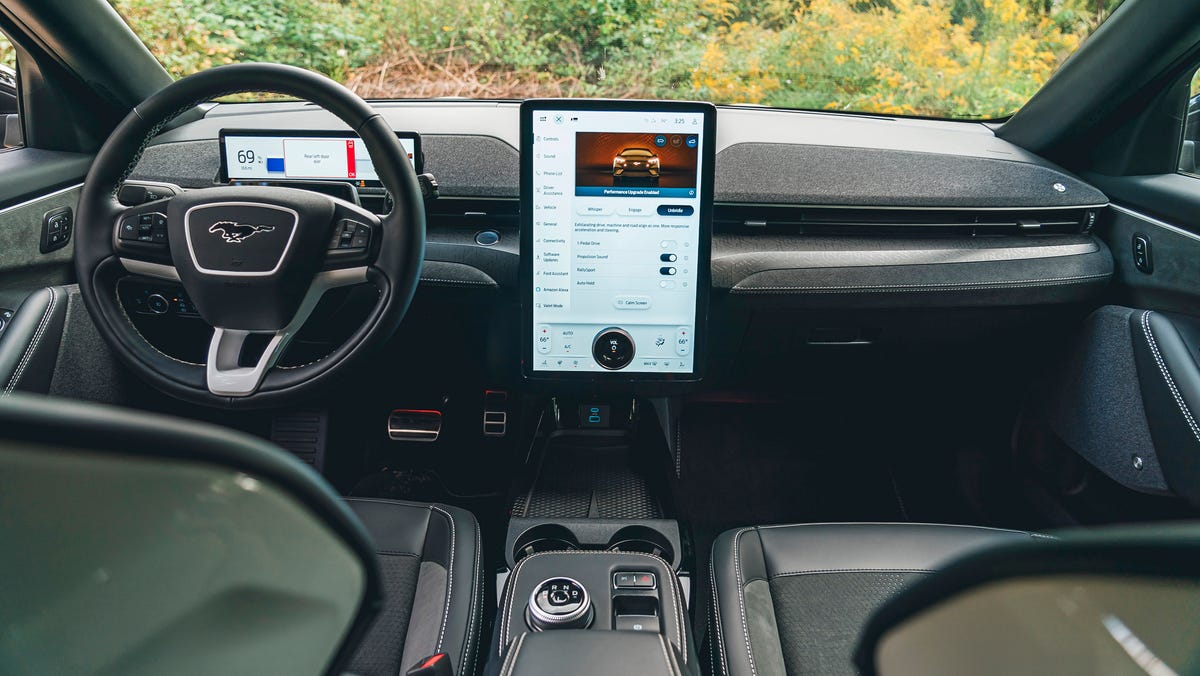
5. Ford Mustang Mach-E Premium and the Subscription for Driver Assistance Features
Advanced driver assistance systems represent one of the most visible areas of innovation in modern vehicles. In the Ford Mustang Mach-E Premium, certain features tied to hands-free driving can require a subscription after an initial trial period.
Picture a highway journey where the vehicle assists with steering, acceleration, and braking. During the trial phase, drivers experience the full capability of the system. Once the trial ends, continued access may depend on a paid plan. This approach introduces a new dimension to safety and convenience features.
Traditionally, such systems were included as part of the vehicle’s purchase price. Now, maintaining access can involve recurring costs. The technology behind these systems relies on sensors, cameras, and software updates. Continuous improvement requires ongoing support, which manufacturers fund through subscriptions.
This ensures that features remain current and effective. Drivers may view this arrangement from different angles. Some appreciate the option to subscribe only when needed, such as during long trips. Others feel that safety-related features should remain permanently available.
Financial considerations play a role in decision-making. Subscription costs may seem manageable, yet they contribute to the long-term expense of owning the vehicle. Buyers must weigh the benefits against the added cost. User experience can change depending on subscription status.
Losing access to a feature after becoming accustomed to it may feel limiting. This creates a sense of dependency on the service. Ford presents this model as a way to provide flexibility and continuous improvement. It allows drivers to access advanced technology while keeping the base price competitive.
Driver assistance subscriptions illustrate how innovation intersects with business strategy. Features that enhance convenience and safety are becoming part of a broader system where access depends on ongoing participation.
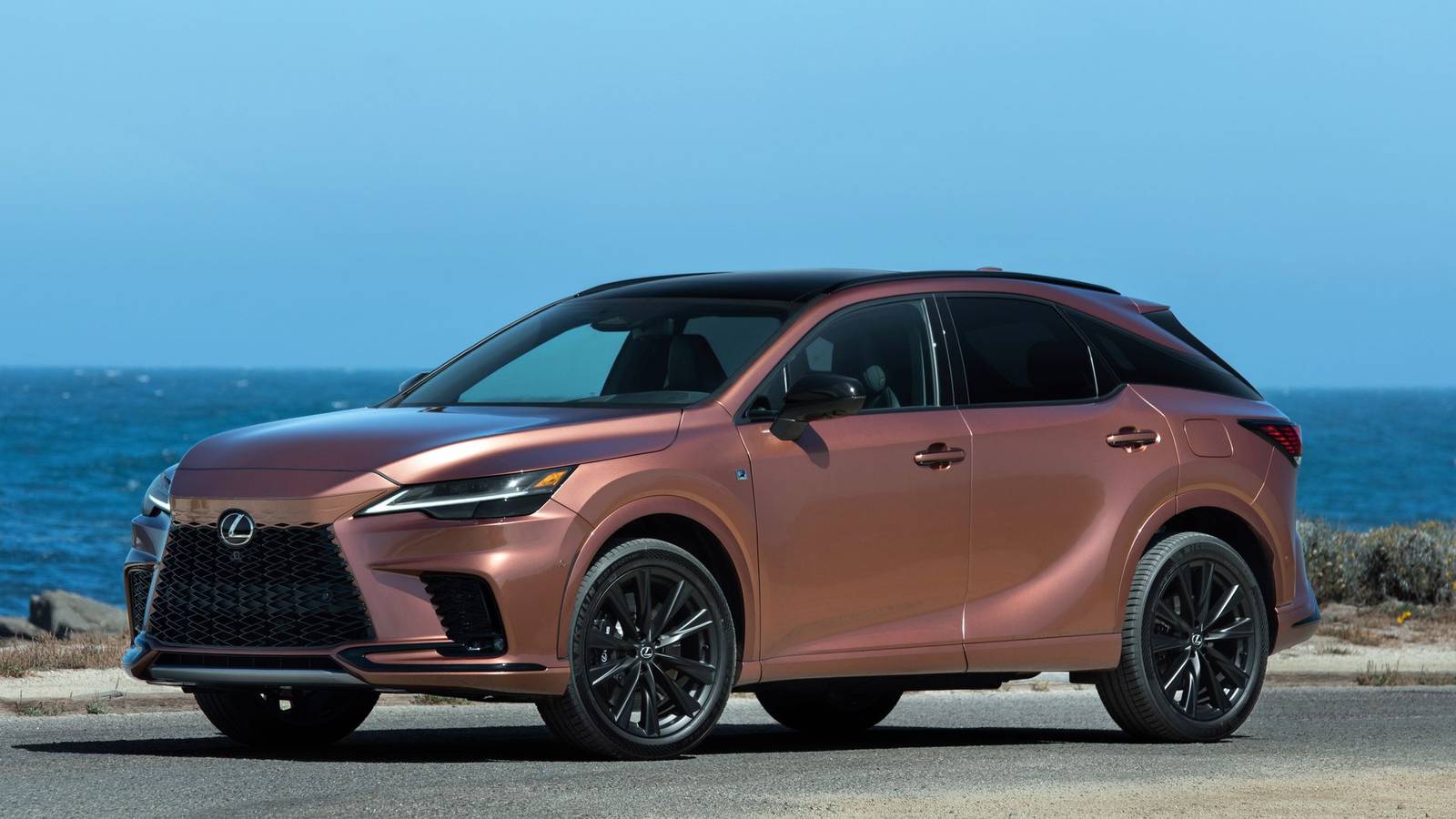
6. Lexus RX 500h F Sport Performance and the Connected Services Lock on Climate Preconditioning
Comfort used to be immediate. You stepped into your vehicle, adjusted the temperature, and drove off without thinking about software permissions or account status. With the Lexus RX 500h F Sport Performance, climate preconditioning has become part of a connected services package, which introduces a new layer between the driver and a basic comfort feature.
Start with the concept itself. Climate preconditioning allows drivers to cool or warm the cabin before entering the vehicle. It is especially useful during extreme weather. The system relies on remote communication, typically through a mobile app, to activate heating or cooling in advance. That convenience now depends on an active subscription in many cases.
Think about the ownership experience. A driver purchases a premium hybrid SUV expecting a full suite of features. During an initial trial period, everything works as advertised. Once that period ends, continued access to remote climate control may require payment. This change can feel unexpected, especially for those who assumed the feature was included permanently.
From a technical perspective, the system depends on data connectivity. Servers, mobile networks, and software updates support the feature. Automakers argue that maintaining this infrastructure involves ongoing costs, which subscriptions help offset. That explanation makes sense from a business standpoint, though it does not always align with customer expectations.
Cost accumulation deserves attention. Monthly or annual fees may seem small at first, yet they add up across several years of ownership. Buyers who plan to keep their vehicles long term may end up paying far more than anticipated for a feature that once came standard.
User behavior also moves under this model. Some drivers may limit their use of climate preconditioning to avoid extra costs, even when it would improve comfort. Others may choose to subscribe only during certain seasons, treating the feature as optional rather than essential.
There is also a perception issue. Luxury vehicles often promise convenience and ease of use. When basic comfort functions depend on ongoing payments, that promise can feel less complete. Lexus positions connected services as part of a broader digital ecosystem. While the technology offers clear benefits, it also illustrates how everyday features are being redefined through subscription models.

7. Hyundai Ioniq 6 Limited and the Paywall Around Advanced Remote Functions
Electric vehicles often highlight innovation, and the Hyundai Ioniq 6 Limited stands as a strong example of modern design and technology. Alongside those advancements comes a development in how certain remote functions are delivered to drivers.
Remote features extend beyond simple commands. Owners can check battery status, control charging schedules, and adjust cabin settings through a smartphone app. These capabilities enhance convenience and provide greater control over the vehicle’s operation.
Access to these functions may depend on a subscription after an initial period. During the early phase of ownership, drivers enjoy full access without additional cost. Once that phase ends, maintaining the same level of connectivity can require ongoing payment.
This arrangement introduces a new decision point. Drivers must evaluate whether the convenience justifies the expense. Some may rely heavily on remote access and see value in the subscription. Others may prefer to operate the vehicle without these added services.
Technical infrastructure plays a central role. Data transmission between the vehicle and mobile devices requires secure servers and continuous updates. Automakers use subscription fees to support this system, ensuring reliability and performance.
Financial impact varies depending on usage. Frequent use of remote features can make the subscription feel worthwhile. Occasional use may lead drivers to question its necessity. User expectations continue to advance. As vehicles become more connected, drivers begin to view remote access as a standard part of ownership.
Charging for these features challenges that expectation and reshapes how value is perceived. Another aspect involves long-term ownership. Subscription costs extend beyond the initial purchase, adding to the total expense of the vehicle. Buyers must consider this when evaluating affordability.
Hyundai presents these services as part of a connected driving experience. The approach offers flexibility, though it also reflects a broader industry trend where digital features are treated as ongoing services.

8. Subaru Outback Touring XT and the Subscription-Based Safety Monitoring Services
Safety has long been a central focus in automotive design. The Subaru Outback Touring XT continues that tradition with a range of advanced safety features. However, certain monitoring services tied to these systems may require a subscription.
Start with the concept of connected safety. Features such as automatic collision notification, emergency assistance, and vehicle tracking rely on communication between the car and external networks. These services can provide valuable support during critical situations.
Access to these capabilities may depend on an active subscription. While core safety systems like braking assistance remain built into the vehicle, connected services that extend their functionality can be tied to ongoing payments. Drivers often view safety features differently from convenience options.
There is an expectation that anything related to protection should remain available without additional cost. Subscription models challenge that assumption. From a technical standpoint, connected safety relies on continuous data exchange.
Maintaining this system requires infrastructure that operates beyond the vehicle itself. Automakers use subscription fees to sustain these operations. Cost considerations influence how drivers engage with these services. Some may prioritize continuous access, valuing the added layer of protection. Others may opt out, relying on standard safety features instead.
Perception plays a role in shaping opinions. A vehicle known for safety may face scrutiny when certain aspects depend on payment. Buyers may question whether these services should be included as part of the purchase. Long-term ownership introduces additional factors. Subscription fees accumulate, contributing to the total cost of the vehicle. This can affect how drivers evaluate value and affordability.
Subaru positions these services as enhancements to an already strong safety foundation. While the technology offers clear advantages, the subscription model reflects a move in how safety features are delivered and maintained.
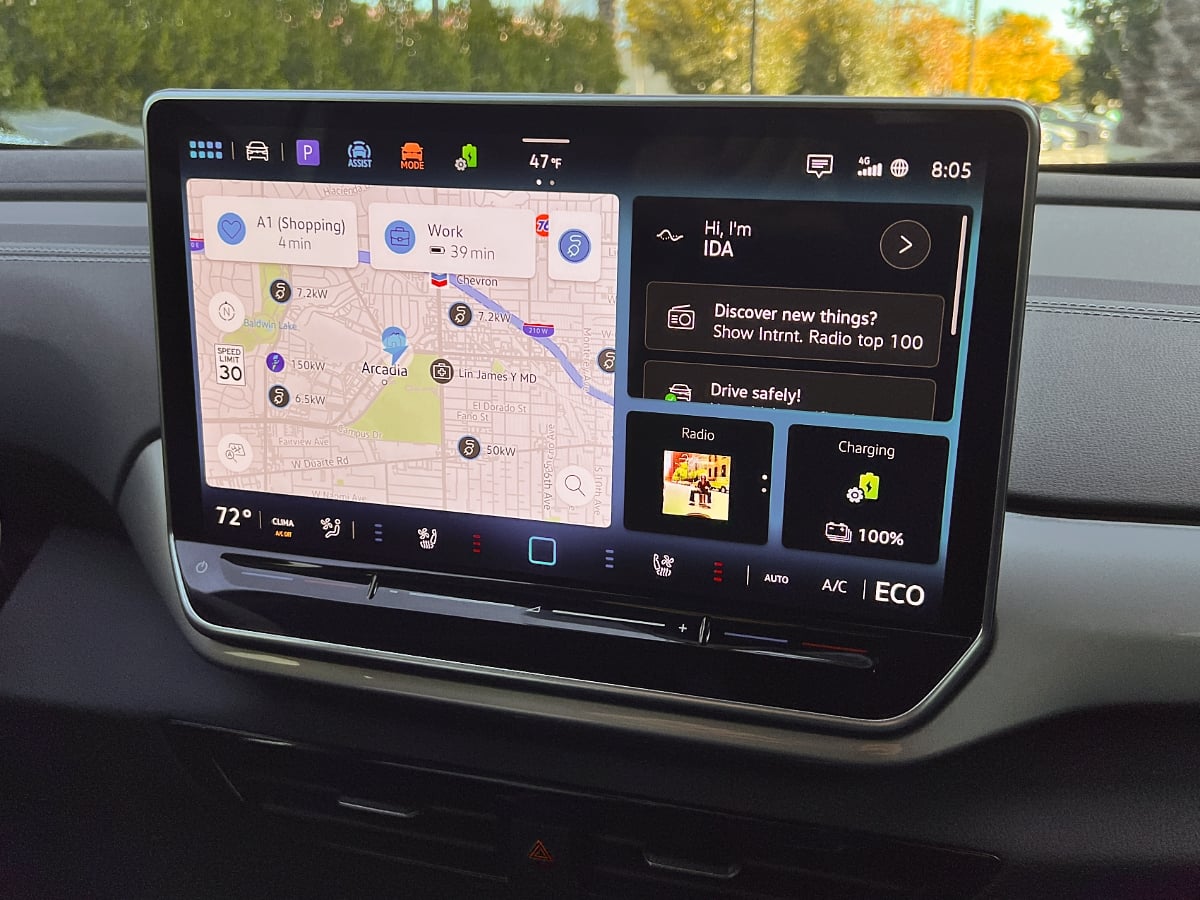
9. Volkswagen ID.4 Pro S and the Subscription for Enhanced Infotainment Features
Digital interfaces define much of the driving experience in modern vehicles, and the Volkswagen ID.4 Pro S places infotainment at the center of its design. Alongside this focus comes a subscription model for certain enhanced features.
Infotainment systems now handle navigation, media, and connectivity. Advanced options may include streaming services, voice assistants, and real-time updates. These features rely on software and data connections to function effectively.
Access to premium capabilities can depend on a subscription. Basic functions remain available, while advanced services may require ongoing payment. This creates a tiered experience within the same system. Drivers often compare built-in infotainment to smartphone capabilities. With many free or low-cost alternatives available, paying for in-car services may feel unnecessary to some users.
Convenience remains a strong factor. Integrated systems offer seamless operation without relying on external devices. For drivers who value this integration, subscription services may hold appeal. Technical support and updates play a role in maintaining performance. Subscription fees help fund these updates, ensuring that systems remain current and responsive.
Cost accumulation again becomes relevant. Monthly or annual payments add to the total cost of ownership, influencing long-term decisions. User expectations continue to change as technology advances. Features that once felt advanced are now seen as standard. Charging for them introduces a new perspective on value.
Volkswagen frames these services as part of a connected digital ecosystem. While the approach offers flexibility, it also highlights how infotainment features are becoming part of a subscription-based model.
Also Read: Top 9 Modern Vehicles Known For Ongoing Reliability Concerns
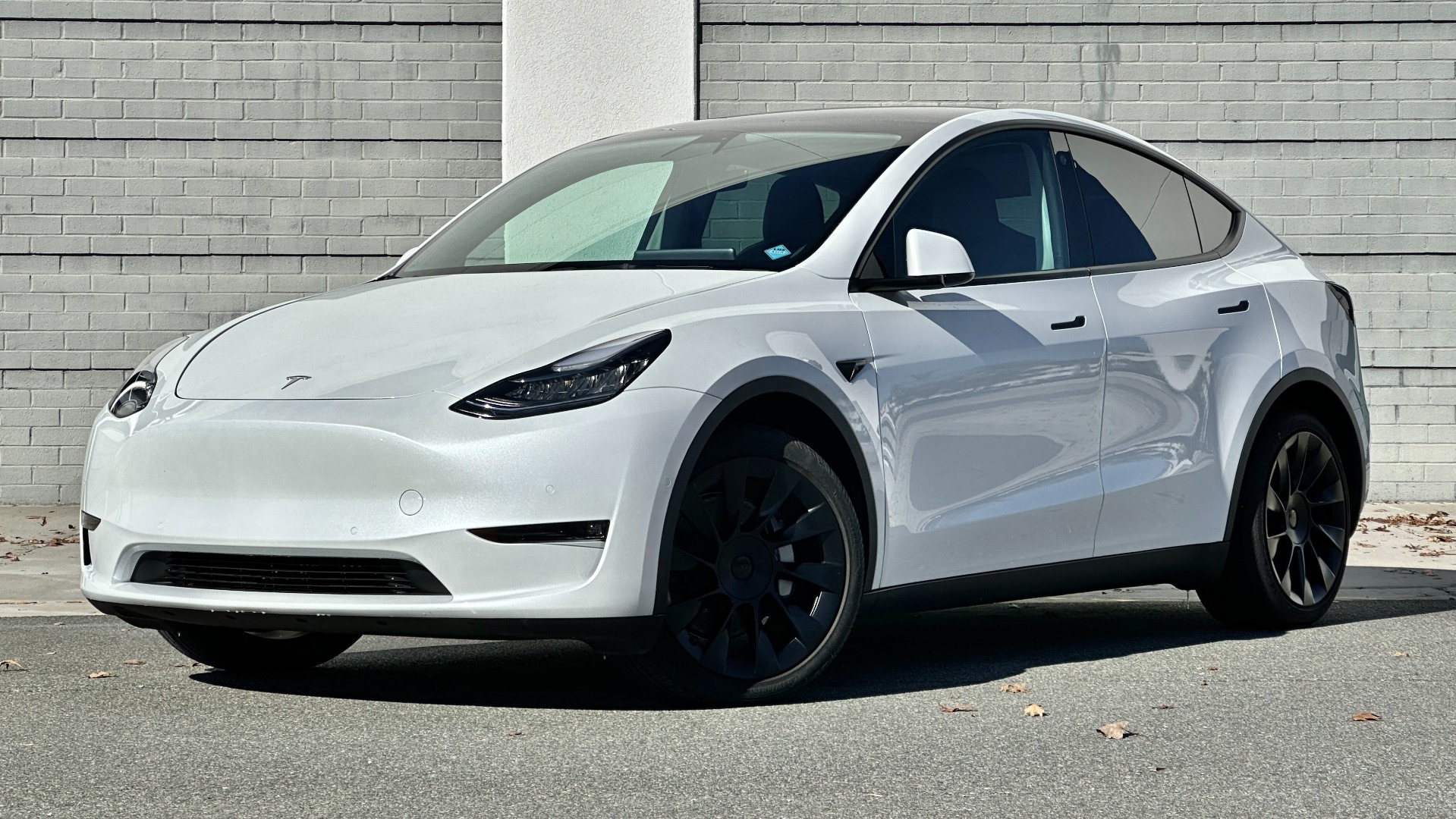
10. Tesla Model Y Long Range and the Ongoing Cost of Premium Connectivity
Connectivity stands at the core of the Tesla Model Y Long Range experience. From navigation to entertainment, many features rely on an internet connection. Premium connectivity introduces a subscription model that extends access to enhanced services.
Start with the basics. Standard connectivity provides essential functions such as navigation and software updates. Premium connectivity adds features like live traffic visualization, video streaming, and music services. Drivers often encounter this model after an initial trial period.
During that time, all features are available without restriction. Once the trial ends, maintaining access to premium services requires a subscription. This structure creates a layered experience. Basic functionality remains intact, while enhanced features depend on ongoing payment. Drivers must decide which level of connectivity suits their needs.
Convenience plays a major role in this decision. Access to entertainment and real-time data can improve long drives and daily commutes. For some, the added cost feels justified by the enhanced experience. Alternative options exist, such as using a mobile hotspot. However, integrated connectivity offers smoother operation and fewer interruptions, which can influence user preference.
Cost considerations extend beyond the monthly fee. Over several years, subscription expenses contribute to the total cost of ownership. Buyers must factor this into their financial planning. Perception of value varies among drivers. Some view premium connectivity as an optional upgrade, while others see it as an essential part of the Tesla experience.
Tesla’s approach reflects a broader trend in the industry. Vehicles are becoming platforms for digital services, where access to certain features depends on ongoing participation. Connectivity subscriptions highlight how modern vehicles continue to develop. Ownership now includes not only the car itself but also the services that support it.
