
Car brochures are works of carefully crafted optimism. Beautiful photography, carefully selected interior shots featuring the premium trim, and specifications that highlight every feature the manufacturer wants you to notice. What they never include is the honest list of what was quietly removed, downgraded, or substituted since the previous generation in the name of cost reduction, supply chain pressure, or the specific accounting discipline that modern automotive manufacturing requires to maintain profit margins while prices climb.
Buyers who owned a 2010 or 2015 version of their current car and recently traded it for the newest model have noticed things. Not dramatic failures, but the kind of quality degradation that you feel in your hands, hear in the door slam, notice when you press a button, and encounter when you open the hood to check the oil.
These are not imaginary grievances from nostalgic buyers who think everything was better before. They are real, documented changes that manufacturers made deliberately, knowing that most buyers would not connect the current model’s specific weakness to a deliberate cost decision made during development.
Some of these changes are invisible until you live with the car for a year. Some are noticeable on the first drive but easy to rationalize as minor. A few of the kinds of quality degradation that automotive journalists notice and mention briefly in a comparison test before the article moves on to more exciting attributes. Collectively, they represent a pattern of cost management that shows up in every vehicle category from economy to near-luxury.
This page names nine specific quality cuts that are happening on new cars right now, explains exactly what has changed and why, and gives you the specific information you need to identify these issues in vehicles you are considering purchasing. Nine cuts, none of them in the brochure, all of them real.
1. Plastic Fasteners Replacing Metal Clips and Screws in Underbody and Interior Assembly
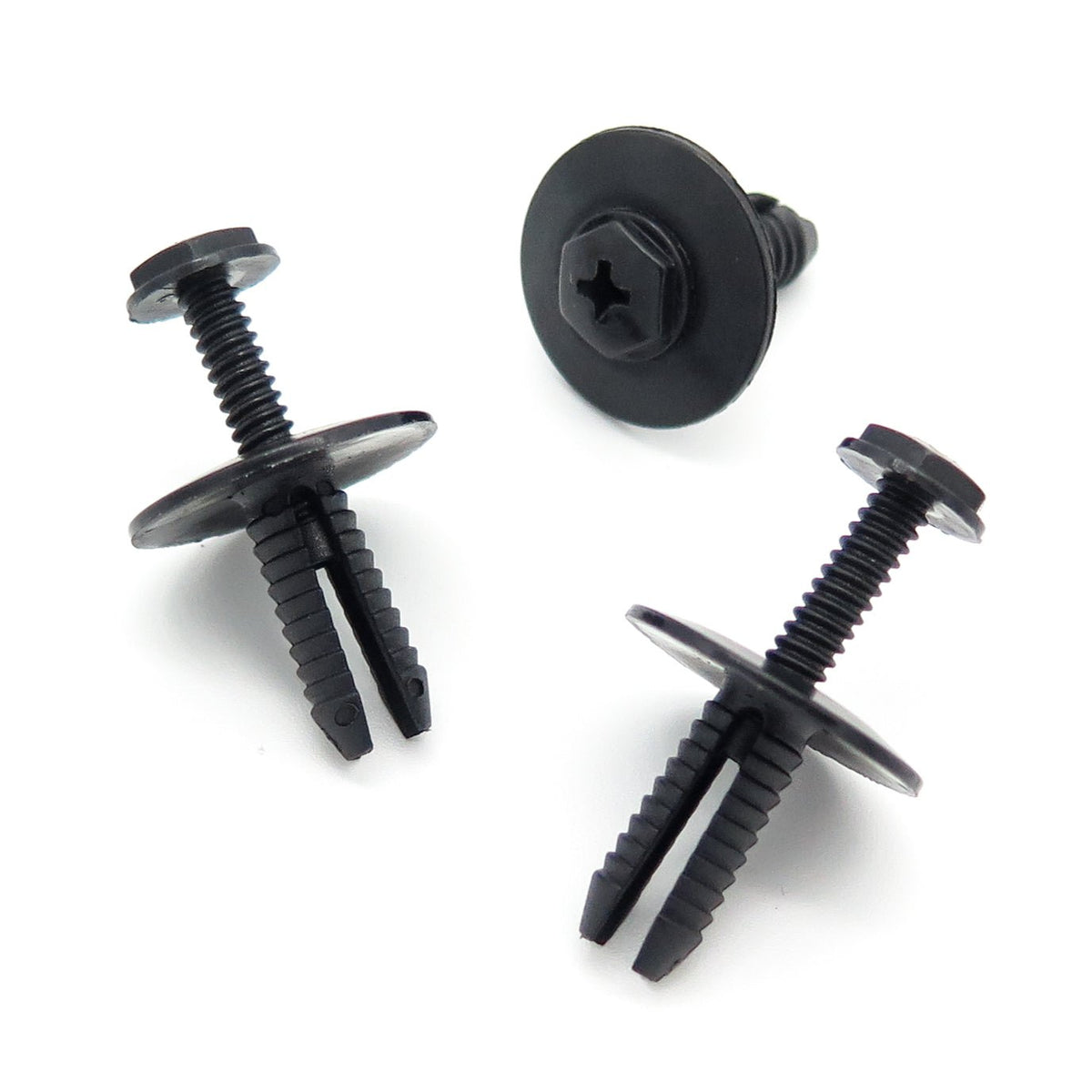
A close inspection beneath any current-generation compact or midsize sedan reveals a clear change in fastening methods when compared with models produced before 2018. Underbody covers, splash shields, and protective panels that were once secured mainly with metal bolts and screws are now frequently held in place using plastic push pins and snap-style clips.
Manufacturers adopted this approach because plastic fasteners are lighter, quicker to install on assembly lines, and cheaper to produce in large volumes. From a factory perspective, these benefits reduce production time and manufacturing costs. The long-term service outcome tells a different story. After several years of exposure to engine heat, road vibration, moisture, and chemical residues from treated roads, plastic fasteners lose flexibility and structural strength.
When a technician attempts to remove an underbody panel during routine service, many of these clips fracture instead of releasing cleanly. Metal bolts behave more predictably across varying temperatures and vibration conditions. Even when corrosion occurs, it can often be removed using heat, penetrating oil, or cutting tools without damaging surrounding components.
Interior construction follows the same approach. Dashboard panels, door trims, and pillar covers that were once retained using metal screws hidden behind access caps are now often held by plastic snap clips. Removing these panels requires specialised trim tools and careful technique. Even with proper tools, clip breakage remains common. When replacements are not installed, panels lose retention strength and begin to vibrate during driving.
The rattles and squeaks that develop later are symptoms of this fastening method rather than poor visible materials. Vehicles such as the Ford Maverick XL Hybrid illustrate this clearly during dealership service visits. Technicians frequently replace broken interior clips during routine access procedures, prompting many workshops to stock assorted clip kits as standard inventory.
This outcome is not accidental. It reflects a deliberate design decision that prioritised assembly speed and reduced production expense over long-term service durability. Owners experience faster interior noise development and reduced perceived build quality as vehicles age. The visible surfaces may appear well finished, yet the components holding those surfaces together were never intended to last as long as their metal predecessors.
2. Speaker System Quality Dropped While Audio Brand Partnerships Got Louder
Automotive manufacturers increasingly rely on branded audio partnerships to signal sound quality to buyers. Names such as Bose, Harman Kardon, Alpine, and Bang and Olufsen appear prominently in brochures and showroom materials.
These partnerships create an assumption of high-performance audio, yet the reality beneath the branding often falls short. Many factory-installed branded systems use cost-restricted components that carry the audio company’s name without matching the standards associated with that brand’s standalone products.
High-quality audio installation requires careful speaker placement, vibration control within door panels, sufficient amplifier output, and crossover tuning matched to the speaker characteristics. These elements demand investment in both engineering time and materials.
In many modern vehicles, speaker locations are chosen based on body structure convenience rather than acoustic optimisation. Door panels often transmit resonance that colours sound output, and amplifiers are specified with limited headroom to meet cost targets.
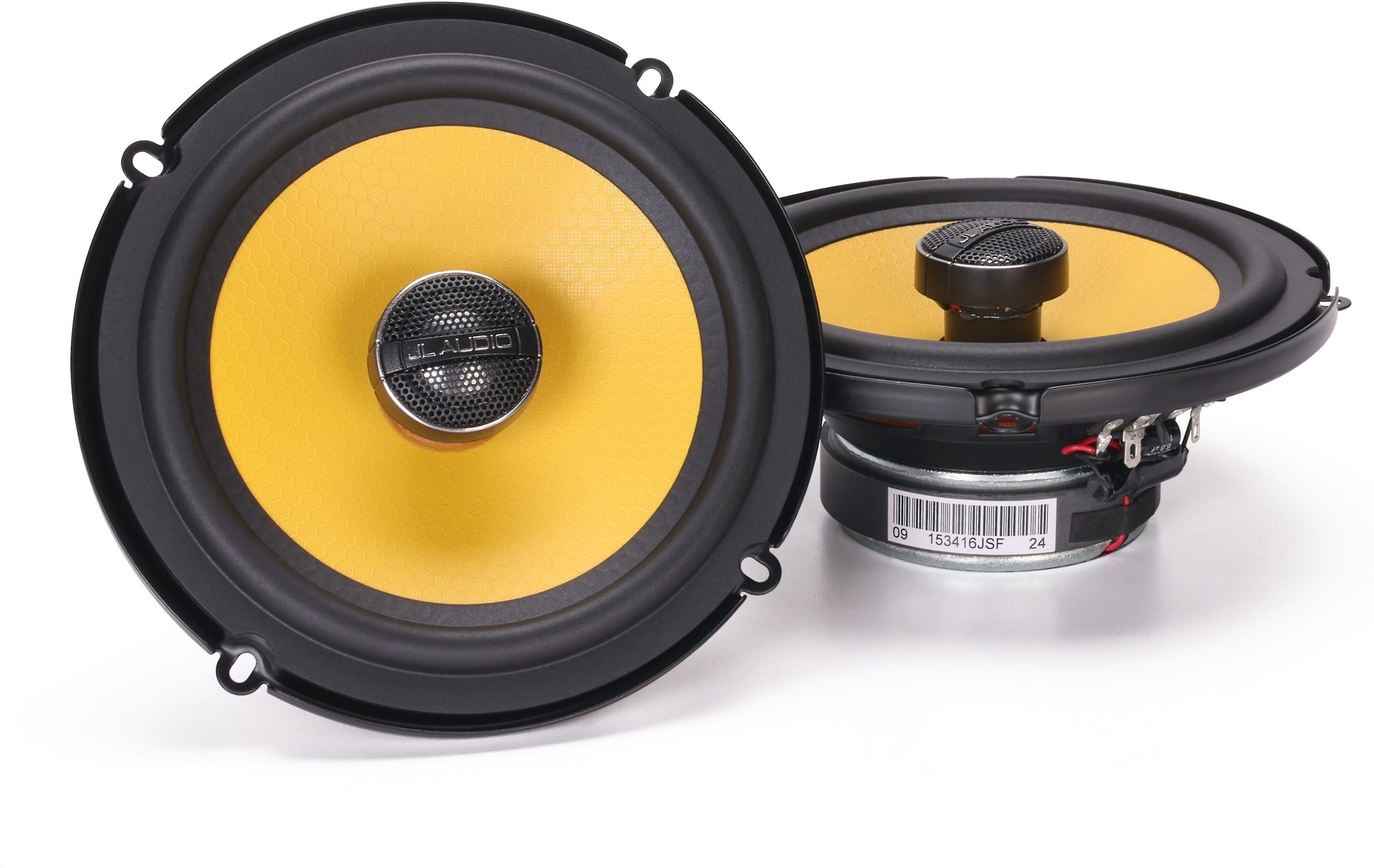
Branded systems in mass-production vehicles frequently use speakers designed specifically for automotive cost limits rather than genuine premium drivers. Amplifiers may clip at moderate listening levels, reducing clarity and introducing distortion. The brand badge remains visible, yet the listening experience does not reflect the brand’s reputation outside the automotive environment.
The 2024 Jeep Grand Cherokee 4xe Trailhawk, with its optional Alpine system, demonstrates this approach. While the Alpine name suggests strong performance, the system’s components and tuning do not match Alpine installations found in similarly priced vehicles in other markets. The difference becomes obvious when compared directly with a reference Alpine setup. Buyers who only test the system briefly in a quiet showroom may not detect this shortfall until extended daily use begins.
Speaker driver construction has also changed across mainstream manufacturers. Materials that were once considered entry-level, such as polypropylene cones, now appear in systems marketed as premium. Tweeters designs increasingly rely on low-cost polymer domes rather than fabric or metal options that reproduce high-frequency detail more accurately. These choices reduce manufacturing expense but limit sound fidelity.
Also Read: 8 Tips for Driving Safely Around Large Semi Trucks on the Interstate
3. Sheet Metal Thickness Has Declined, and Every Parking Lot Shows It
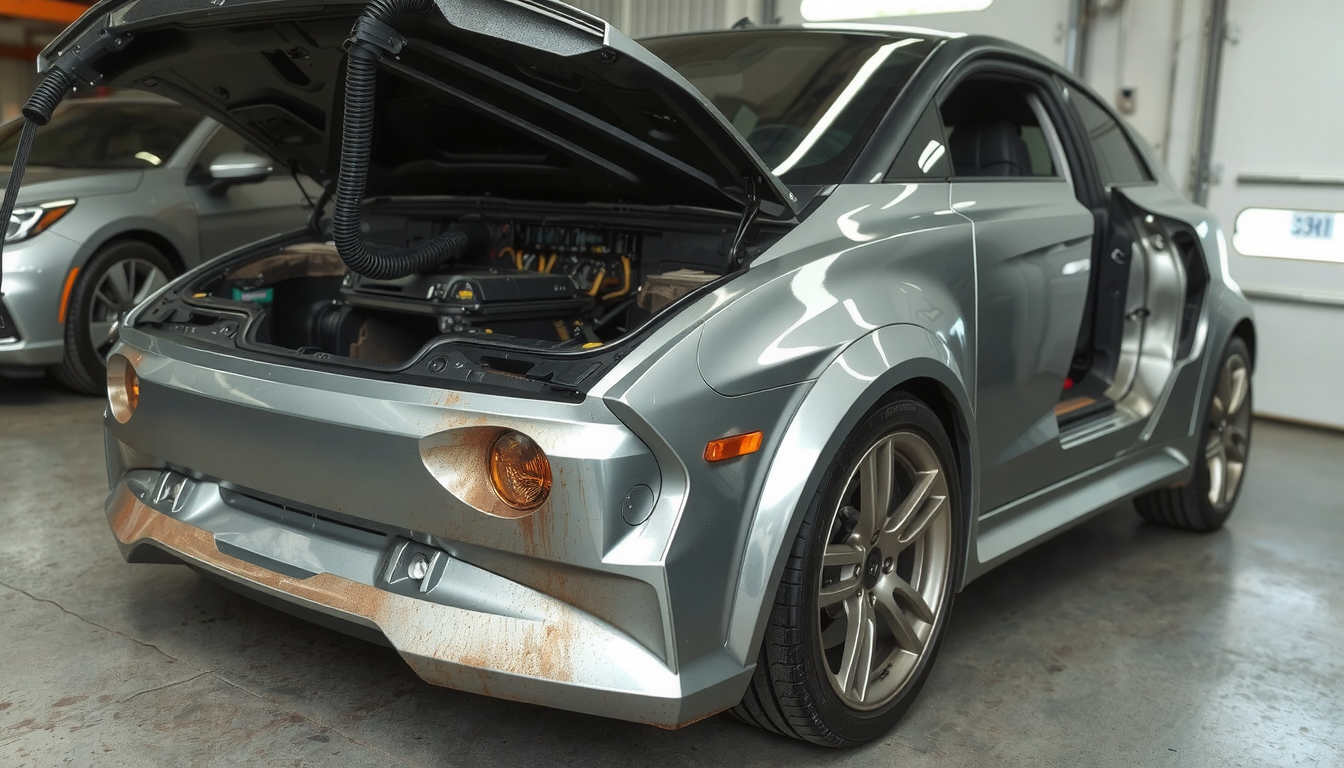
Walk through any parking lot and compare the dent and ding patterns on 2005 to 2010 vehicles against those on 2020 to 2025 vehicles. The current-generation cars show more door dings, more parking lot damage, and more cosmetic damage from minor contact than the older vehicles do, and this is no coincidence.
Sheet metal thickness across exterior body panels has declined systematically over the past fifteen years as manufacturers pursued weight reduction targets that helped meet fuel economy regulations while also reducing material costs at the per-panel level.
Door outer panels on current compact and midsize vehicles average between 0.65 and 0.75 millimeters of steel thickness, down from the 0.75 to 0.90 millimeter average that was standard in the mid-2000s. This reduction is large enough to be measurable with a caliper but too small to be visible without measurement equipment.
What it produces is a panel that flexes noticeably when pressed with a fingertip, that dents from grocery cart contact that would have left no mark on the thicker panel, and that shows waves and reflections at low angles where the previous generation’s panel would have appeared flat.
Honda CR-V LX FWD (sixth generation) door panels show the flexibility characteristic of current thin-gauge steel that previous-generation CR-V panels did not. Pressing firmly on the door’s outer panel midway between any two structural features produces deflection that is visible and palpable, which is a quality signal that buyers in the showroom receive without fully interpreting.
The perception that current vehicles feel less substantial than previous generations is often dismissed as nostalgia, but it has a specific physical basis in the measurable reduction in panel gauge that engineers approved during weight optimization. This increased repair frequency is not lost on insurance actuaries, which partly explains why insurance costs for newer vehicles have increased faster than inflation for several consecutive years.
4. Rubber and Foam Quality in Door Seals Has Been Downgraded Without Notice
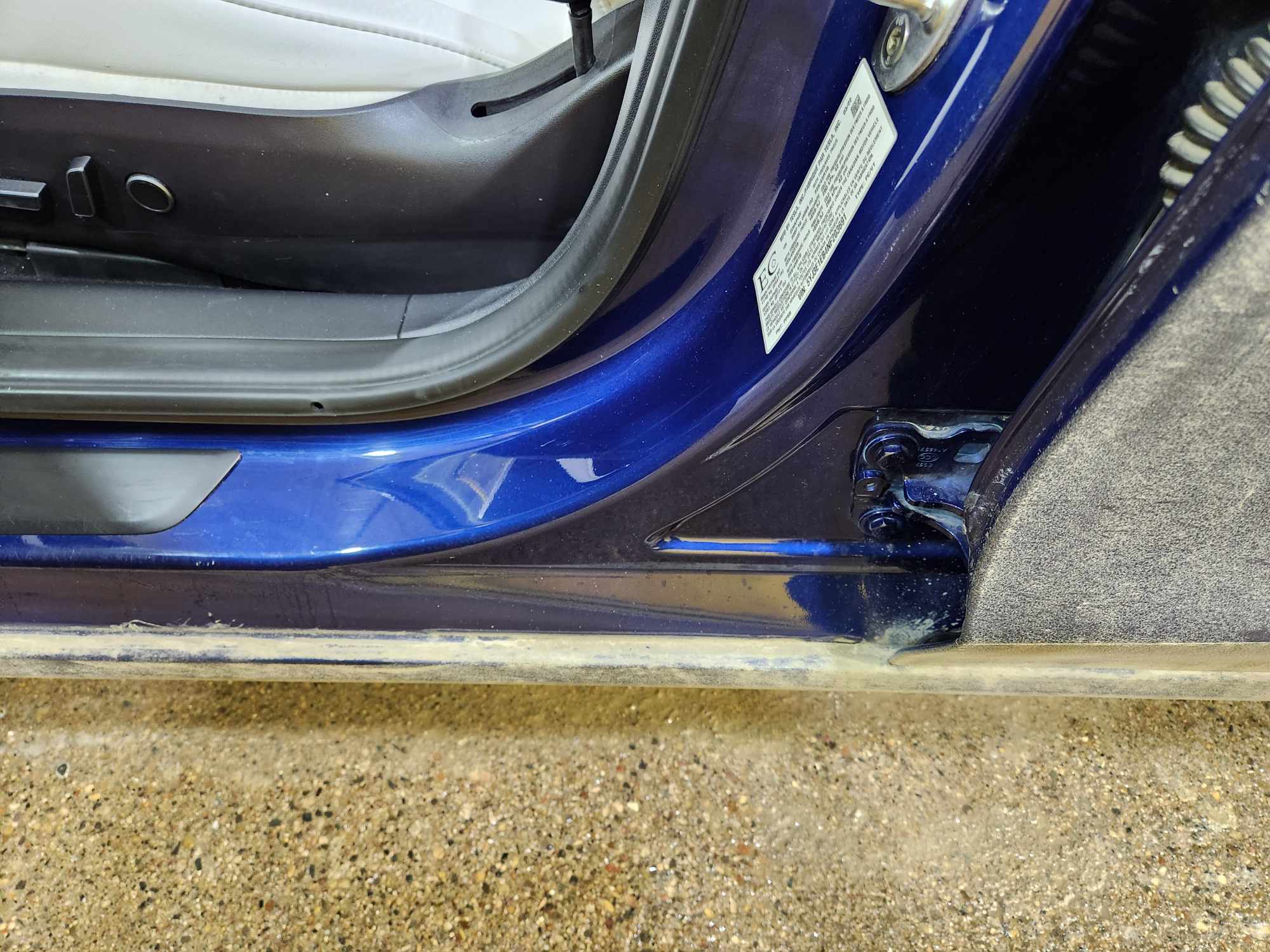
Door seals are invisible during a showroom visit, and their quality difference from one manufacturer’s specification to another’s is perceptible only through the noise level they allow into the cabin during highway driving and through how they hold up across years of thermal cycling and door operation.
Current-generation vehicles across multiple manufacturers have reduced door seal material specifications in ways that produce acceptable initial performance but accelerated degradation compared to the seals used in equivalent vehicles from ten to fifteen years ago.
EPDM rubber compound in door seals can be formulated to different hardness, ozone resistance, UV stability, and low-temperature flexibility specifications within a cost range that spans from budget to premium without a visible material difference to the buyer. Manufacturers who specify budget-end EPDM see door seals that harden, crack, and lose compression force within five to eight years of service.
Those who specify premium-end EPDM see seals that remain flexible and functional for fifteen or more years. This difference is invisible in the brochure and in the showroom, but becomes entirely visible when a 2024 vehicle’s door seals are crackling and leaking air at year seven, while a 2009 equivalent vehicle’s seals are still functional.
This production evolution, documented in Toyota’s own technical service bulletin record, is the manufacturer’s acknowledgment that the initial seal specification was below the standard that long-term performance required. Foam backing behind door card panels, specifically the foam that dampens the rattle-inducing contact between the panel and the door structure beneath it, has been reduced in thickness and density across current production vehicles relative to predecessors.
Thinner, less dense foam produces equivalent performance when new because the panel gaps it fills are consistent enough for the foam to contact both surfaces. As panels and structures develop the microscopic dimensional variation that thermal cycling and road vibration introduce, thinner foam stops bridging the growing gaps while thicker foam continues providing contact and damping. This is why current vehicles develop door panel rattles at lower mileages than their predecessors did.
5. Spare Tire Elimination and the Inflation Kit Substitution Nobody Fully Explains
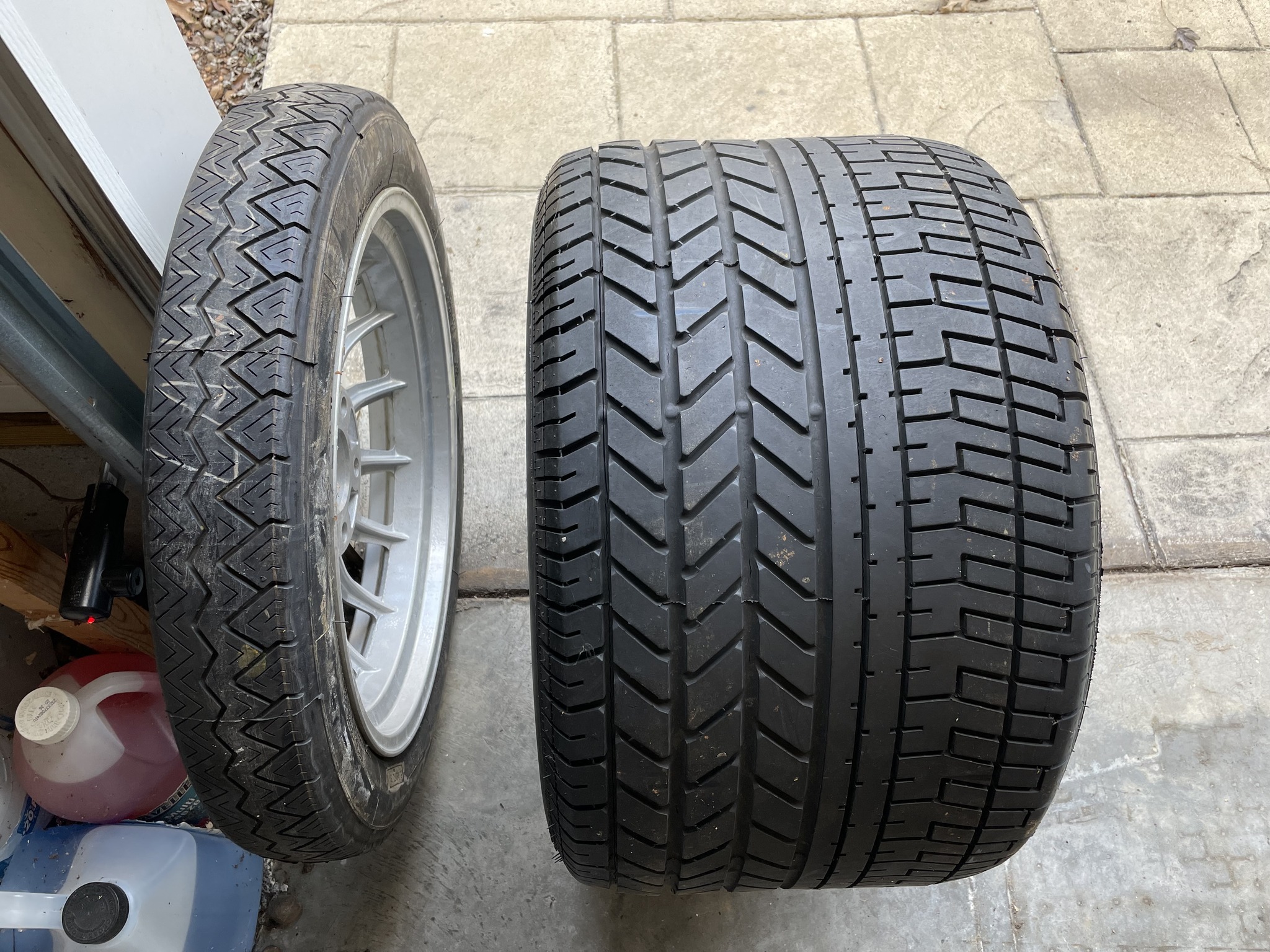
Spare tire removal from new vehicles has accelerated dramatically since 2018, with the percentage of new vehicles sold without a spare tire increasing each model year as manufacturers pursue weight reduction and cost savings. Buyers who discover their new vehicle lacks a spare tire during a roadside flat tire event, rather than during the purchase process, represent a failure of purchase transparency that is partly the manufacturer’s responsibility and partly the dealer’s, but primarily reflects buyers’ general tendency not to examine the trunk floor during the purchase process.
Full-size spare tires add 35 to 65 pounds of weight, require packaging space in the trunk floor, cost $200 to $800 as a component, and were considered a standard safety feature for the entire history of the automobile until the past decade of cost and weight optimization pressure produced a new default.
Compact temporary spare tires offer a lighter and less expensive alternative that was the industry compromise for decades, allowing limited-distance spare use that provided roadside assistance capability without the full-size spare’s weight and cost.
Inflation kit substitution eliminates even the compact spare, replacing guaranteed repair capability with a repair option that specifically cannot address sidewall damage, punctures larger than approximately 6 mm, or structural rim damage.
Genesis GV70 Sport Prestige AWD (JK1 generation) is sold without a spare tire as standard equipment, with a tire inflation kit as the provided roadside emergency solution. Genesis’s marketing materials for the GV70 emphasize the vehicle’s performance, design, and luxury features without giving equivalent prominence to the spare tire omission that buyers discover when they open the trunk floor on delivery.
A $60,000 vehicle delivered without a spare tire is not a dealbreaker for buyers who understand run-flat tires or who rarely drive far from urban areas with roadside assistance coverage. For buyers who drive rural routes or who travel in areas with limited cell service, it is a safety consideration that deserves discussion during the purchase process.

6. Interior Hard Plastic Surfaces Are Replacing Soft Touch Materials in Downward Trim Migration
Vehicle interior material specification has changed steadily across recent model cycles, with soft-touch foam-backed surfaces being removed from base and mid-level trims while remaining restricted to premium versions. Door uppers, dashboard lower panels, and centre console side faces that previously received padded finishes are now produced in rigid moulded plastic on many current vehicles.
This pattern reflects a deliberate pricing structure where tactile comfort is reserved for trims positioned as luxury adjacent, even when exterior styling and marketing language suggest a higher cabin standard than the materials deliver. Buyers encountering a new model without prior ownership experience often assume the interior matches previous expectations, since the reduction is introduced gradually between generations rather than as a sudden change.
Soft touch panels rely on a foam substrate beneath a surface skin, allowing the material to compress slightly under hand pressure. This construction improves perceived build quality, reduces resonance from road input, and limits the hollow sound associated with rigid plastic panels.
Drivers familiar with the previous version recognise the change quickly, particularly on the driver’s door, where forearm contact is constant during operation. Marketing descriptions continue to position the RS trim as sporty and near-premium, yet the removal of padding is not communicated during the sales process. The result is an interior that appears well designed visually but delivers reduced tactile comfort in daily use.
Dashboard surfaces have followed the same pattern. Vehicles priced between thirty-five thousand and forty five thousand dollars frequently show rigid plastic in areas that were padded in earlier versions. Common locations include lower dashboard sections, knee contact zones, and surfaces adjacent to the instrument panel.
These are not areas a buyer instinctively presses during a short demonstration drive, which delays discovery until ownership begins. Repeated contact during commuting and long journeys makes the absence of padding increasingly noticeable as vibration and firmness are apparent.
A careful evaluation method is therefore essential. During any test drive, buyers should deliberately press each surface likely to be touched regularly, including areas outside direct sight lines. Rigid plastic produces a hollow response and resists compression, while padded surfaces yield slightly and absorb sound.
Recording these observations and comparing them across competing vehicles provides a clearer basis for decision-making than relying on showroom lighting and visual presentation alone.
7. Corrosion Protection on Underbody Components Has Been Quietly Reduced
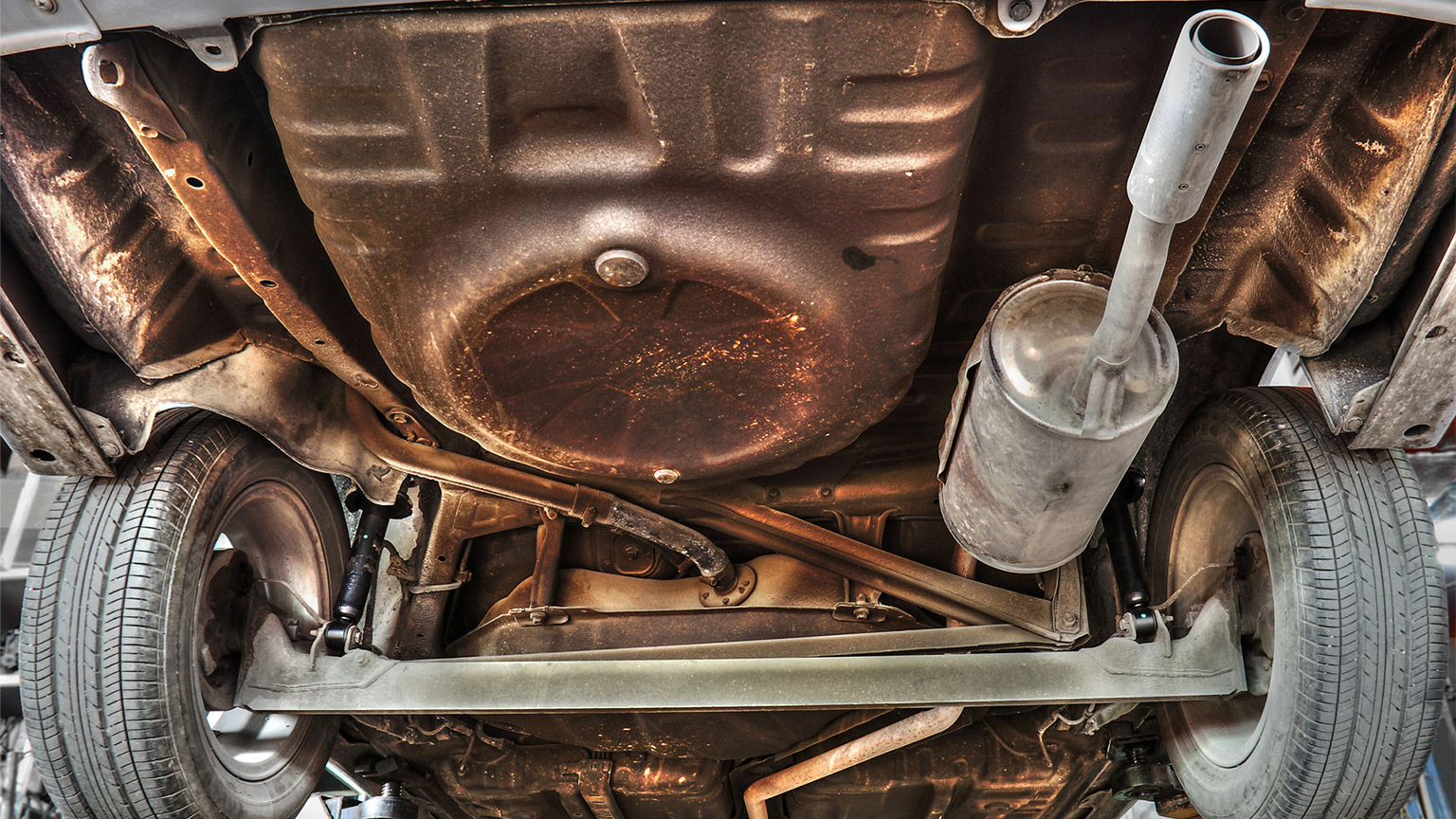
Protection against underbody corrosion is a manufacturing quality area that buyers cannot evaluate during purchase. Suspension arms, subframes, brake lines, and exhaust supports are hidden from view and remain visually acceptable during early ownership in many regions.
In climates where road salt is used, insufficient protection becomes visible several years later when surface oxidation begins to appear. The gradual reduction of protective treatments across manufacturers has occurred without formal announcement, driven by cost control in areas unlikely to influence short-term buying decisions.
Owner inspections of early production Kia EV6 GT Line AWD vehicles in northern United States regions revealed thinner coating at suspension mounting points and subframe intersections after two to three years of use. Comparable vehicles from other brands at a similar age showed less surface oxidation.
Production adjustments were later introduced, yet early owners experienced corrosion earlier than expected for a modern electric vehicle. Manufacturer responses focused on process updates rather than remediation for existing owners, leaving those vehicles with reduced long-term durability in their operating environment.
Another contributing factor is the reduction of cavity wax application. This post-assembly treatment injects protective wax into enclosed structural sections such as door bottoms, floor junctions, and box frames. While effective for long-term protection, it adds time and cost to production.
Many mainstream platforms have eliminated this step, relying solely on paint and E-coat coverage. These coatings cannot reliably reach all internal surfaces, leaving untreated metal vulnerable once moisture and salt enter through seams and drain paths. Evidence of this omission often appears eight to twelve years into service in high salt regions.
Buyers in such environments can take preventative action by arranging professional cavity wax injection and underbody treatment during the first year of ownership. The cost is moderate compared to long-term repair expenses and can extend structural service life substantially.
While this does not restore factory-level protection where it has been reduced, it offers a practical response to declining corrosion control standards across the industry.
8. Powertrain Mount Quality and Isolation Have Declined to Reduce Vibration NVH Costs
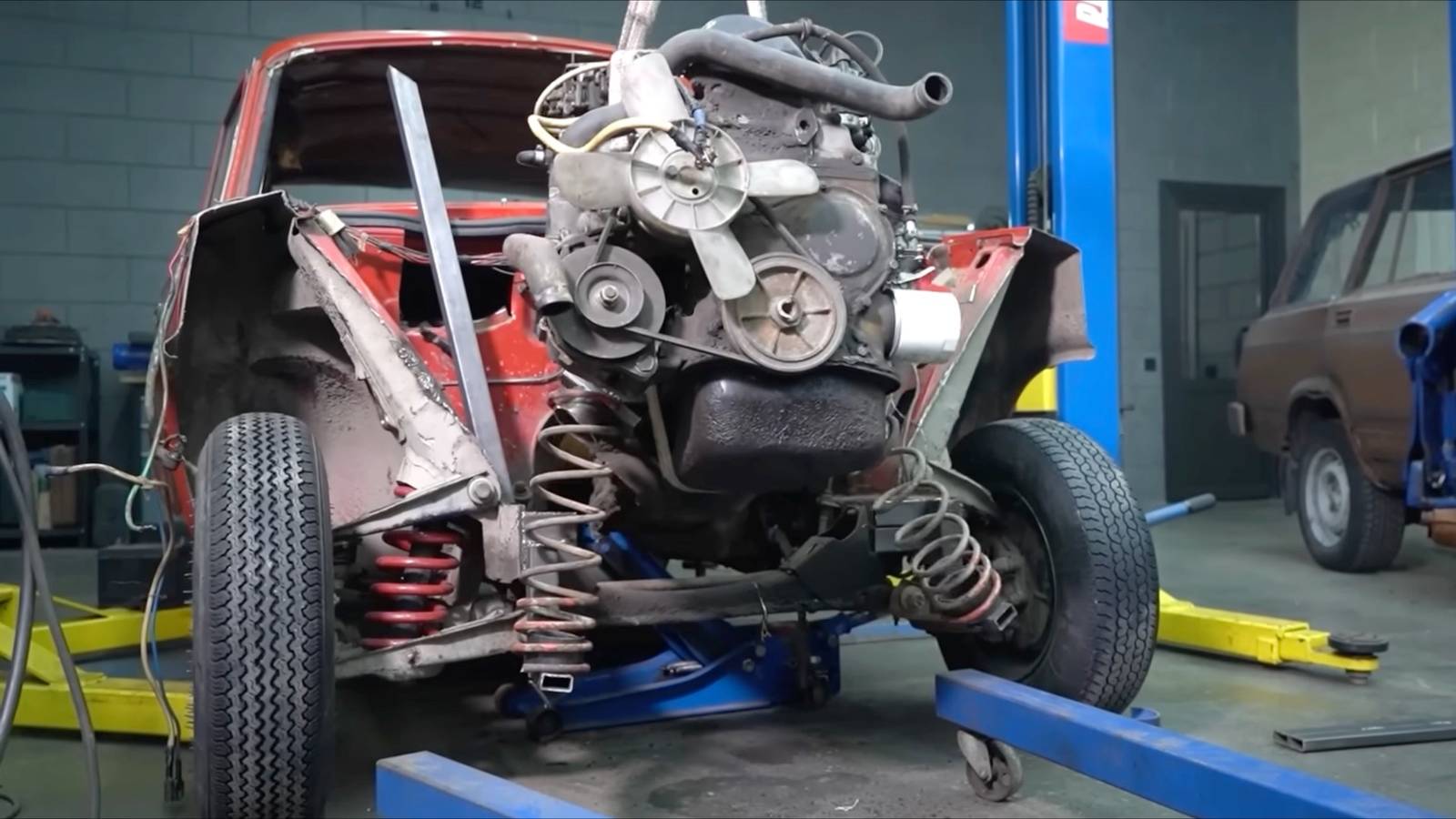
Engine and transmission mounts play a central role in isolating vibration from the passenger compartment. Though unseen, their condition directly affects ride comfort and cabin refinement. Recent production changes across several manufacturers indicate reduced mount durability, achieved through lower-cost rubber compounds and simplified bonding processes.
These mounts perform acceptably when new, but lose effectiveness earlier in the ownership cycle compared with earlier specifications. High-quality mounts use natural rubber formulated for specific load and temperature conditions, bonded to metal inserts through vulcanisation that produces strong adhesion.
Lower-cost alternatives rely on synthetic compounds with reduced resistance to thermal aging and bonding methods that meet initial performance targets but degrade under sustained stress. The difference is not immediately obvious during short evaluation drives, yet it becomes evident as mileage accumulates.
The deterioration pattern is consistent. Early signs include faint vibration at certain engine speeds where isolation weakens. As degradation progresses, vibration becomes noticeable at idle, especially with air conditioning engaged.
Further wear introduces resonance through the steering wheel at specific cruising speeds. In advanced cases, drivers hear or feel a clunk during gear engagement or throttle changes, indicating excessive movement of the powertrain within its mounts.
Owner reports concerning the seventh-generation Ford Explorer Platinum AWD illustrate this issue. Complaints regarding vibration and mount wear appeared between forty thousand and seventy thousand miles, earlier than reports from the preceding generation.
Updated mount specifications were later introduced, confirming that initial designs did not meet durability expectations. Early buyers experienced reduced comfort before these revisions reached production.
Also Read: 8 Tips for Buying a Used Performance Car Without Getting a Lemon

9. Anti-Lock Brake and Stability Control Calibration Has Shifted Toward Sensitivity Over Feel
Electronic safety system calibration is not a material quality component but a software quality component, and its decline in some current vehicles is less visible than the physical quality reductions covered in previous sections but equally impactful on the driving experience.
Anti-lock brake system calibration that triggers earlier and with more intervention than necessary, and stability control systems that activate at lateral acceleration levels that driver skill and road conditions do not require management of, produce a driving experience that feels less confident and less connected than properly calibrated alternatives.
ABS calibration quality, specifically the threshold sensitivity that triggers antilock modulation and the modulation frequency that controls wheel speed pulsation management during braking, varies between manufacturers and between individual vehicle models in ways that produce markedly different brake pedal feel and stopping distance under partial panic braking conditions.
Current production vehicles from several manufacturers have shifted ABS calibration toward earlier intervention that reduces the legal and warranty liability associated with wheel lock incidents but simultaneously reduces the natural brake pedal feel that confident drivers use for precise deceleration control.
BMW 440i Gran Coupe xDrive (G26 generation) stability control system calibration in the standard comfort mode activates at lateral acceleration levels that experienced drivers on dry road surfaces find unnecessary, requiring specific use of sport mode to access the lateral grip threshold that the chassis and tires are actually capable of before electronic management intervenes.
BMW’s calibration decision reflects liability management and insurance regulatory pressure rather than a driver-focused performance optimization, and the resulting experience is measurably different from the previous 4 Series generation calibration that allowed more driver-controlled behavior before electronic management intervened.
