
Every year, automotive publications publish their best SUV lists, and every year, the same vehicles appear at the top. Honda CR-V, Toyota RAV4, Ford Explorer, Chevrolet Tahoe. These are excellent vehicles with fully earned reputations, and their sales numbers confirm that buyers agree.
But behind these celebrated names, there is a second tier of SUVs that consistently offer equivalent or superior value, capability, reliability, and feature content while receiving a fraction of the market attention and media coverage.
These are the SUVs that buyers walk past in the showroom. They are the ones that automotive journalists mention once in a comparison test and then set aside while they write the sixth article about whichever RAV4 variant launched this month. They are the ones that owners rave about to their friends while their friends nod politely and then go buy the Toyota anyway, because name recognition is a powerful force that quality alone cannot always overcome.
Underrated does not mean flawed. None of the vehicles on this list made it here because they were bad SUVs that somehow acquired confused buyers. They made it here because they were genuinely good SUVs that never received the cultural traction that would have put them on mainstream recommendation lists.
Some of them were hampered by brand perception issues. Some arrived at the wrong moment in the market cycle. Some were simply too good at blending into the furniture to generate the kind of excitement that drives media coverage.
Finding one of these underrated SUVs in the used market is often a genuinely excellent buying opportunity, because the lower profile that kept them off the top-ten lists also kept their used prices lower than equivalent-quality alternatives from more celebrated brands. Nine vehicles follow. Each one deserved more attention than it received.
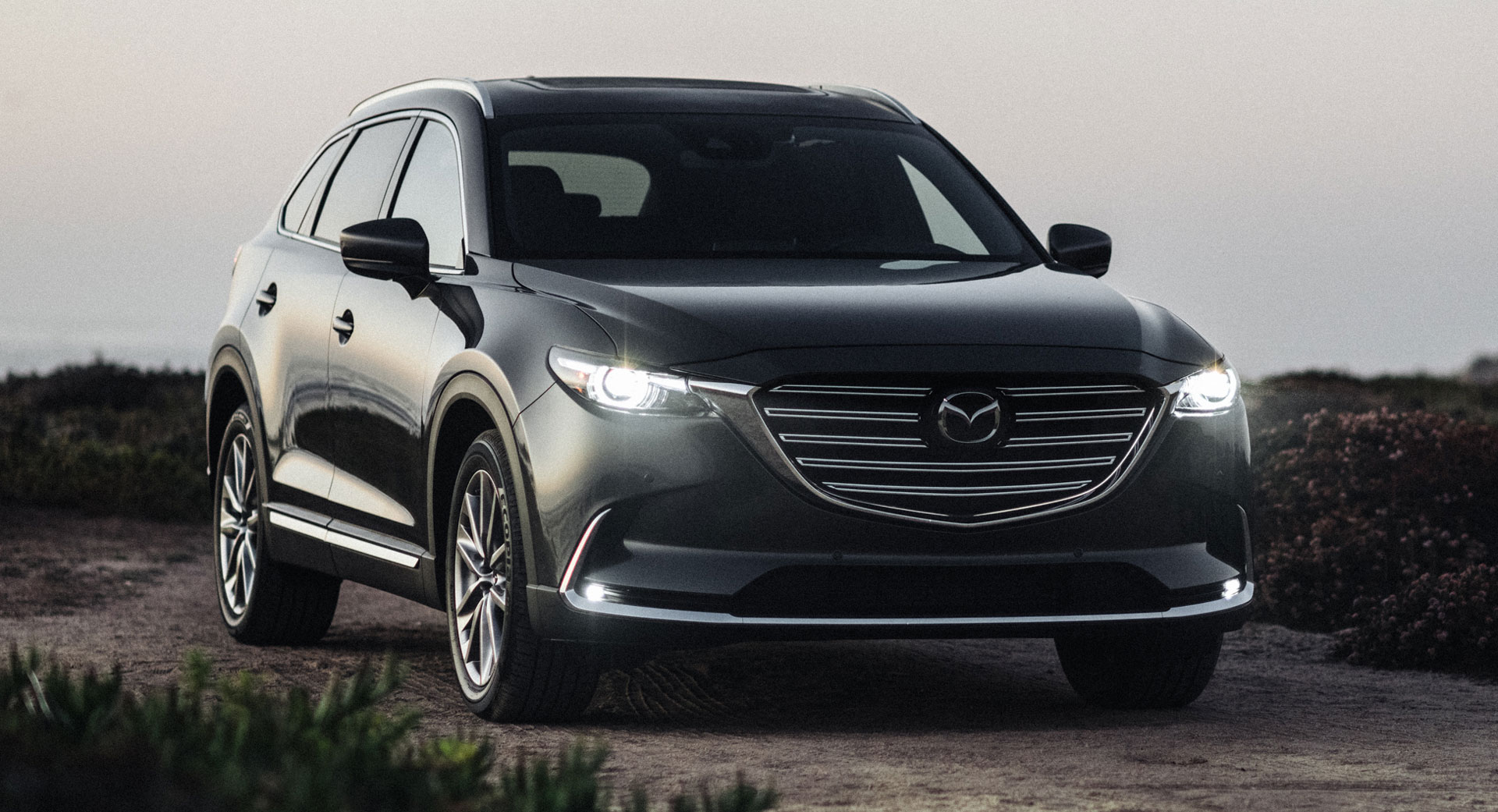
1. Mazda CX-9 Grand Touring AWD 2.5T (2016-2020)
Mazda built the second-generation CX-9 with materials, design quality, and driving dynamics that competed directly with vehicles costing thousands of dollars more, and the market responded by buying Toyota Highlanders and Ford Explorers instead.
This is not a criticism of the Highlander or Explorer, both of which are legitimate and excellent choices for families needing three-row SUV capability. It is a direct statement about the CX-9’s quality relative to its sales performance and media attention, which were consistently lower than the vehicle’s actual merit warranted.
Interior quality in the 2016 through 2020 CX-9 Grand Touring AWD reached a standard that Mazda had previously not achieved in any volume production vehicle, with genuine leather upholstery, real wood trim accents, and a driver-focused cockpit design that automotive journalists routinely praised in comparison tests before awarding their top ranking to a competitor with higher brand name recognition.
Ponder on that for a moment: automotive journalists who sat in the CX-9, drove the CX-9, and wrote about how well it was put together still found reasons to hand their top ranking to something else. Brand familiarity is a powerful editorial force.
2.5-liter turbocharged inline-four producing 250 horsepower with premium fuel delivers power that a family of seven can use with confidence during highway merging, mountain grade climbing, and the occasional spirited driving that parents rediscover once they realize their minivan has been replaced by something that actually responds to throttle input enthusiastically.
Turbocharged power delivery in the CX-9 was calibrated for engagement rather than simply adequacy, which produced a driving character that felt like the engineers understood that parents are also drivers rather than just cargo movers. Third-row seating access and accommodation in the CX-9 were honest about its limitations in ways that competing three-row SUVs sometimes were not.
The third row is suitable for children and manageable for adults on shorter trips, which is exactly the honest description of every three-row mid-size SUV, regardless of how its marketing portrays the space. At least Mazda’s design did not pretend the third row was limousine accommodation when it was not.
Fuel economy from the turbocharged 2.5T with AWD produced results that compared favorably with naturally aspirated alternatives from competing brands, which reflected Mazda’s combustion efficiency priorities across its Skyactiv engine family.
Buyers who chose the CX-9 Grand Touring AWD for family transportation and who drove it primarily on highway routes consistently reported fuel economy in the 26 to 28 miles per gallon range that the EPA combined estimate predicted, which is not always the outcome when EPA estimates meet real family driving patterns.
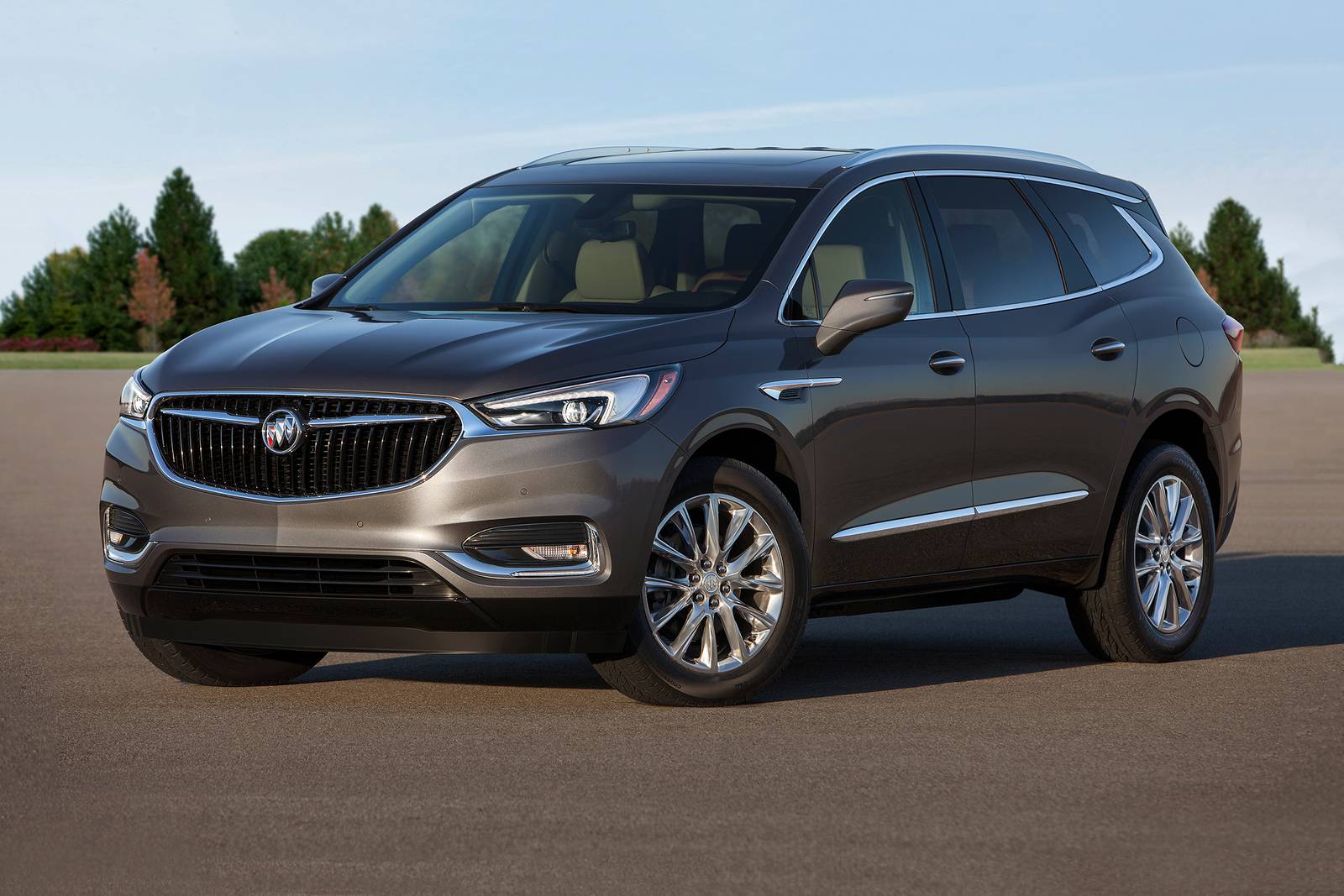
2. Buick Enclave Avenir AWD 3.6L V6 (2018-2022)
Buick’s reputation problem in the American market is one of the automotive industry’s most persistent brand perception challenges, and the Enclave Avenir bears the burden of that problem more directly than any other vehicle in GM’s luxury lineup.
Buyers who dismiss the Enclave because they associate Buick with an older demographic that does not include them are making a brand decision rather than a product decision, and the product decision they are avoiding is frequently the better one.
Enclave Avenir AWD in the second generation, produced from 2018 through 2022, delivered a three-row luxury SUV interior that genuinely competed with Lincoln Aviator, Acura MDX, and lower-specification Cadillac XT6 examples at pricing that was often several thousand dollars below those alternatives in both new and used markets.
Comparing the Enclave Avenir’s interior quality, comfort, and feature content against vehicles that it underpriced consistently produced assessments that favored the Buick or rated it equal to substantially more expensive alternatives. These assessments did not translate into sales because buyers had already decided against Buick before they sat in one.
QuietTuning cabin engineering in the Enclave was one of the most effectively executed noise reduction programs in the American non-luxury-brand SUV space, producing a highway driving environment that buyers expecting a rough-around-the-edges domestic product found genuinely surprising.
Acoustic laminated glass, specific body cavity sealing, and targeted sound deadening produced a cabin that reviewers from automotive publications described as quieter than several European luxury SUVs they had recently tested. 3.6-liter naturally aspirated V6 producing 310 horsepower in the Enclave Avenir provided adequate power for a seven-passenger luxury SUV without the maintenance sensitivity that turbocharged alternatives from premium brands introduced.
Naturally aspirated V6 power delivery in a large vehicle is not exciting, but it is consistent, predictable, and reliable in ways that buyers who drove their SUV for 200,000 miles appreciated more than the headline figures suggested they should.
Also Read: 4 SUVs With Real Skid Plates vs 4 With Plastic Ones That Crack Off
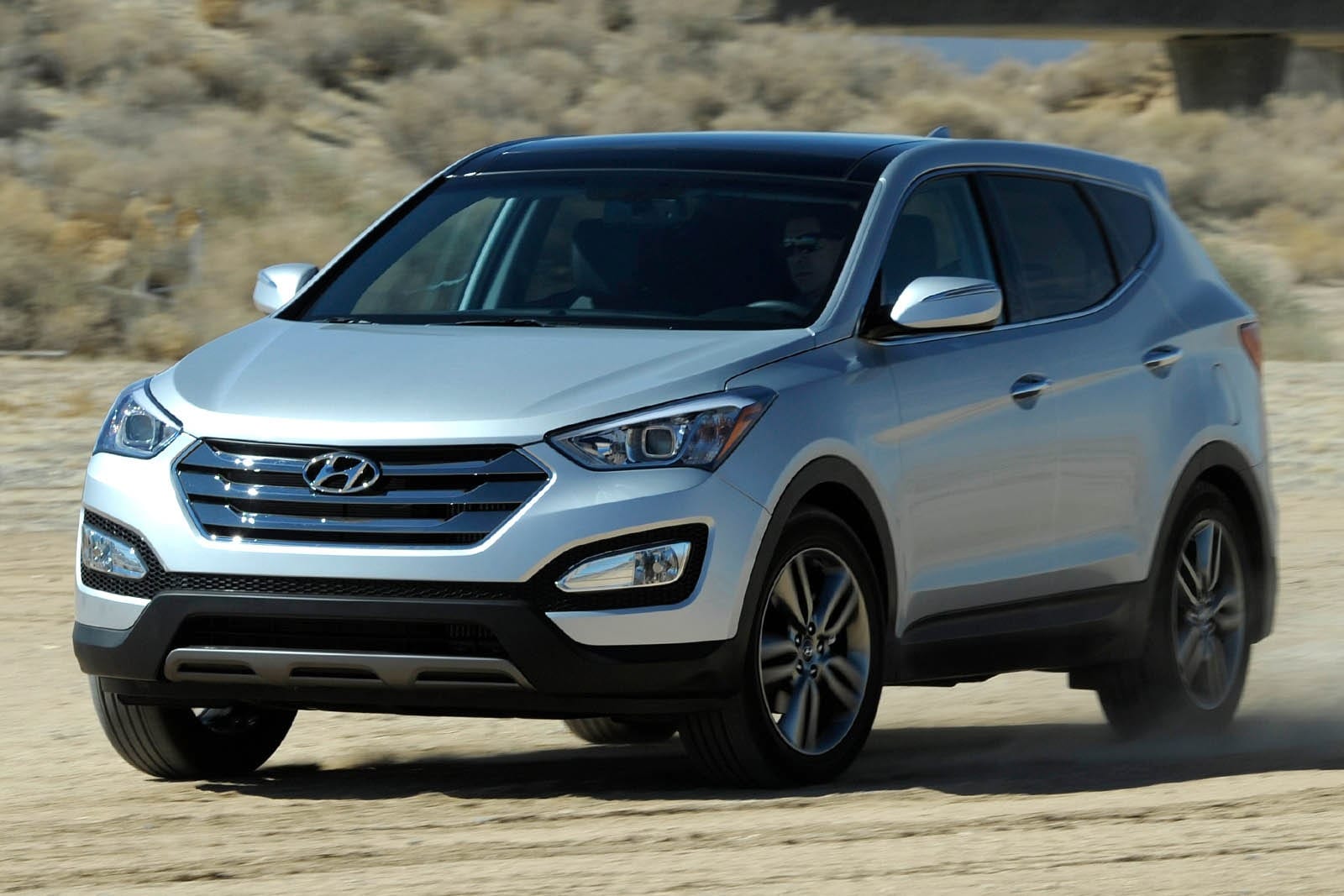
3. Hyundai Santa Fe Sport 2.0T AWD (2013-2018)
Hyundai’s second-generation Santa Fe, particularly in Sport trim fitted with the 2.0-litre turbocharged engine and all-wheel drive, presented a well-balanced compact to mid-size sport utility vehicle that consistently delivered strong results throughout its production years.
Buyers who assessed the Santa Fe Sport alongside alternatives such as the Honda CR-V and Toyota RAV4 and selected the Hyundai option made a sound and rational choice. Market perception of Korean vehicles has often influenced resale pricing in a way that does not accurately reflect the actual ownership experience, which in many cases proved reliable and satisfying.
The 2.0-litre turbocharged four-cylinder engine, producing 264 horsepower, gave the Santa Fe Sport AWD a measurable performance edge over many naturally aspirated competitors in its class. While everyday driving conditions such as city traffic did not always require this level of output, the additional power became evident during highway overtaking or when quick acceleration was necessary for safe maneuvering.
This difference in responsiveness offered a practical advantage that many drivers appreciated once experienced. Buyers who recognized this benefit and understood the value of obtaining such performance at a competitive price point often enjoyed a rewarding ownership period.
Interior accommodation within the Santa Fe Sport exceeded expectations based on its exterior dimensions. The cargo area and rear passenger space compared favorably with rivals, with several independent automotive assessments placing it above the segment average.
Hyundai’s approach to interior design focused on maximizing usable space, ensuring that both passengers and luggage could be accommodated with ease. This careful attention to packaging resulted in a vehicle that served daily needs efficiently, particularly for families requiring flexibility without stepping into a larger category.
In terms of equipment, the Santa Fe Sport offered generous standard features relative to its price bracket. Hyundai adopted a strategy that prioritized delivering strong value through feature inclusion, which helped offset any hesitation buyers might have had regarding brand perception.
When buyers compared features against cost, the Santa Fe Sport frequently emerged as a favorable option. This translated into a high level of satisfaction among owners, many of whom retained their vehicles for extended periods, as reflected in customer retention data.
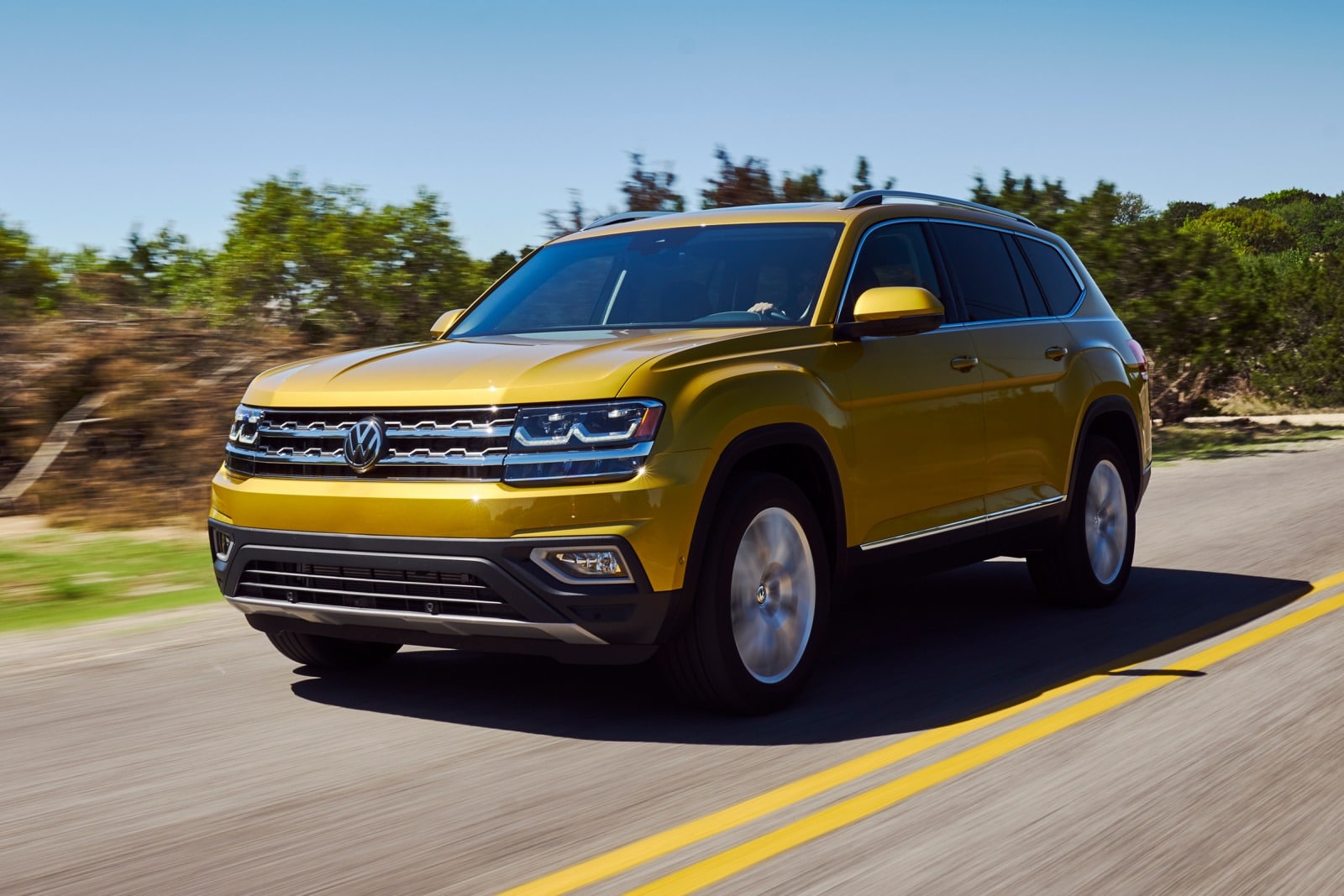
4. Volkswagen Atlas SEL Premium R-Line 4Motion V6 (2018-2021)
Volkswagen developed the Atlas with a clear focus on families requiring three-row seating and dependable utility, without the added financial demands typically associated with premium European brands. The result was a spacious and practical sport utility vehicle that provided solid performance and comfort at a price level that appealed to a broad range of buyers.
Positioned within the mid-size segment, the Atlas delivered a straightforward approach to family transportation, combining functionality with respectable build quality. The SEL Premium R-Line variant, equipped with the 3.6-litre VR6 engine and 4Motion all-wheel-drive system, offered a powertrain suited to the demands of a fully loaded three-row vehicle.
This configuration provided sufficient low-end torque for smooth acceleration, even when carrying multiple passengers and luggage. The engine’s performance characteristics aligned well with the vehicle’s intended use, avoiding the sense of strain that can occur in less powerful alternatives. At the same time, it did not impose excessive fuel consumption relative to its capabilities, making it a balanced choice for daily use and longer journeys.
Cargo capacity was one of the Atlas’s strongest attributes. With the rear seats folded, the available space ranked among the largest in its category. Volkswagen prioritized practical usability by designing a cargo area that could accommodate real-world items such as suitcases and household goods, rather than relying on theoretical volume measurements.
The flat load floor, wide tailgate opening, and manageable loading height contributed to ease of use, particularly for families who frequently transported bulky items. Inside the cabin, the SEL Premium specification provided a level of refinement that approached higher-priced European models.
Features included Nappa leather upholstery, a Fender premium audio system, a panoramic sunroof, and a large digital instrument display. These elements combined to create an interior environment that felt well-crafted and comfortable for both driver and passengers.
Material quality and assembly standards in this generation were assessed favorably by independent reviewers, with attention given to panel alignment and durability. Despite these strengths, some buyers continued to favour alternatives such as the Honda Pilot and Toyota Highlander, often due to established brand familiarity rather than direct comparison of specifications and features.
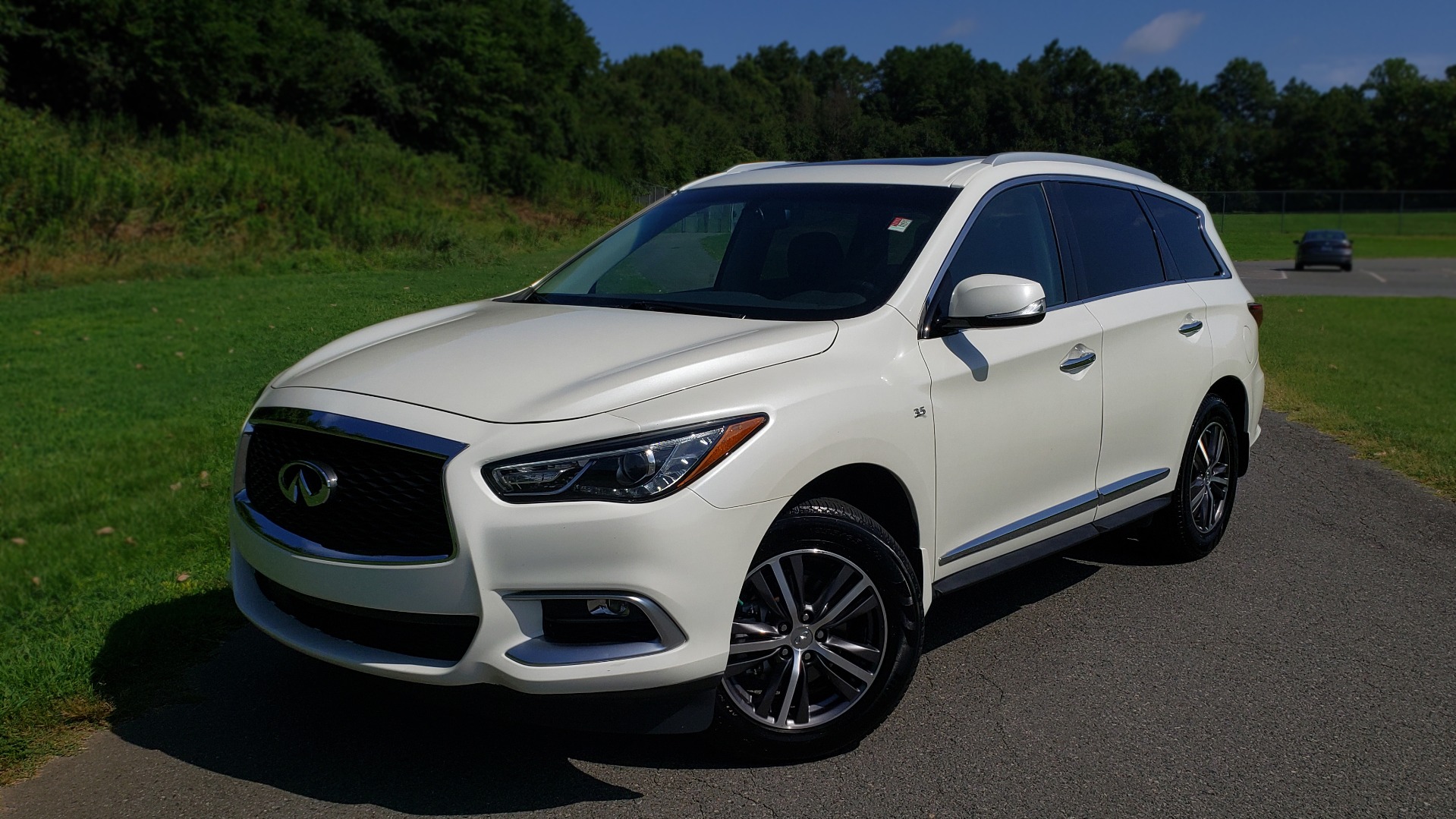
5. Infiniti QX60 AWD 3.5L V6 Sensory (2016-2021)
Infiniti’s QX60 occupied a market position between mainstream three-row SUVs and premium European alternatives that should have made it an obvious choice for family buyers who wanted genuine luxury without European price premiums, and the ownership experience it delivered consistently supported this positioning. Market reception during this generation reflected the brand’s ongoing uncertainty about its own positioning rather than any specific product deficiency.
3.5-liter naturally aspirated V6 producing 295 horsepower through a CVT transmission in the Sensory trim AWD configuration delivered power that was appropriate for the vehicle without the CVT’s characteristic behavior becoming an ownership concern, because Infiniti had invested in CVT refinement that produced engagement more characteristic of a conventional automatic than the rubber-band sensation that less sophisticated CVT calibrations create.
Buyers who had negative CVT experiences in other brands sometimes avoided the QX60 based on transmission type alone, which cost them access to an implementation that would have changed their assessment. Seating quality in the QX60 Sensory produced one of the more comfortable seven-passenger environments available below $60,000 in this period, with semi-aniline leather surfaces, heated and ventilated front and second-row seats, and a massage function that the competition at equivalent pricing did not typically offer as standard content.
Rear passenger access through a sliding second-row seat that accommodated third-row boarding without requiring the second-row captain chair to be completely removed from its position added practical usability that parents specifically valued when installing and removing child safety seats across the multiple seating positions that growing families require.
Technology content, including Infiniti’s InTouch dual-screen infotainment system, 13-speaker Bose audio, a 360-degree camera system, and a full active safety suite, created a technology environment that genuinely competed with Volvo XC90 and Acura MDX alternatives at pricing that consistently undercut those alternatives by $8,000 to $12,000 in comparable trim levels.
Finding a used QX60 Sensory AWD today at market prices that reflect Infiniti’s brand discount rather than the vehicle’s actual feature and quality content represents one of the better used luxury SUV value opportunities available.
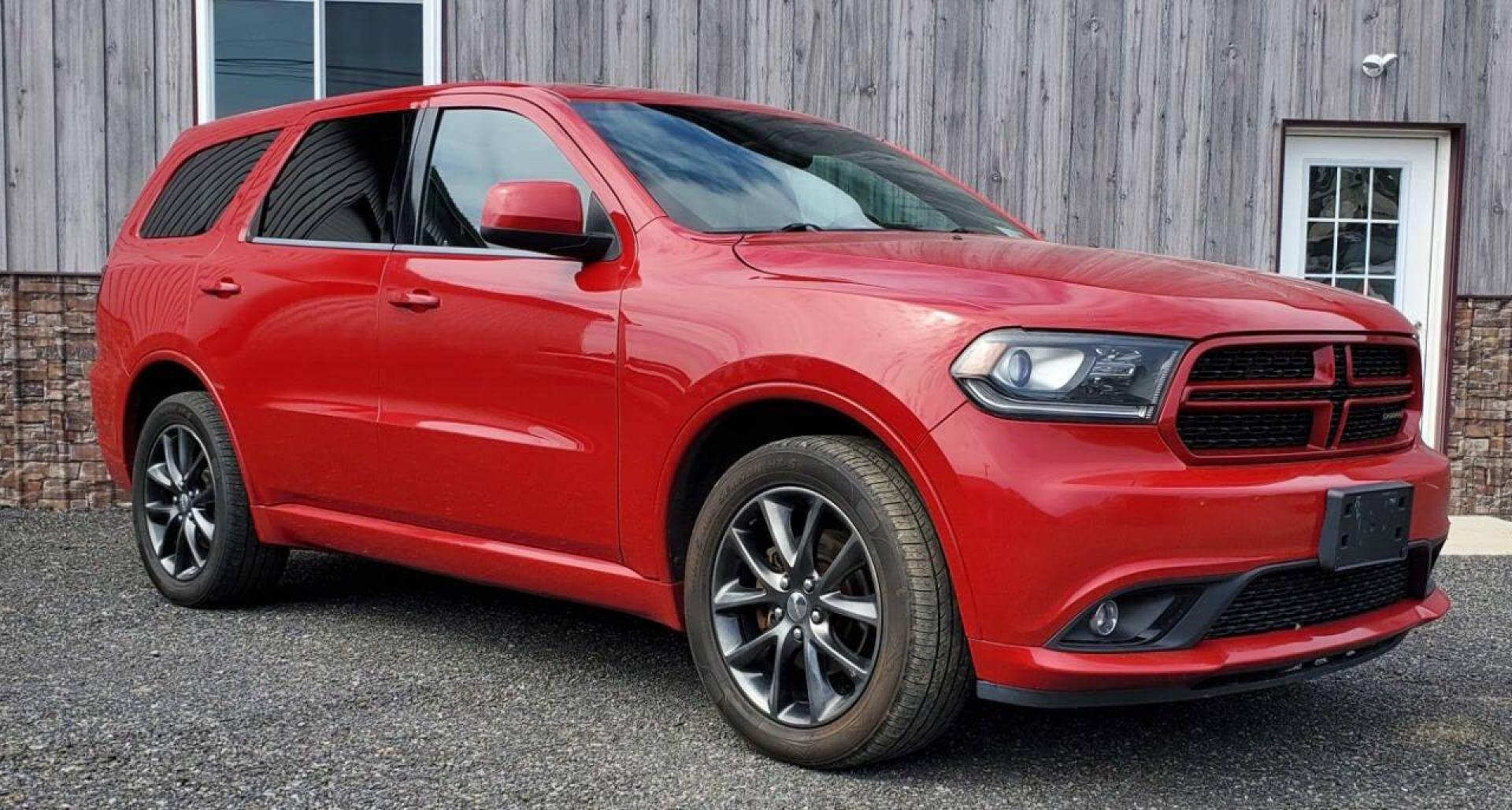
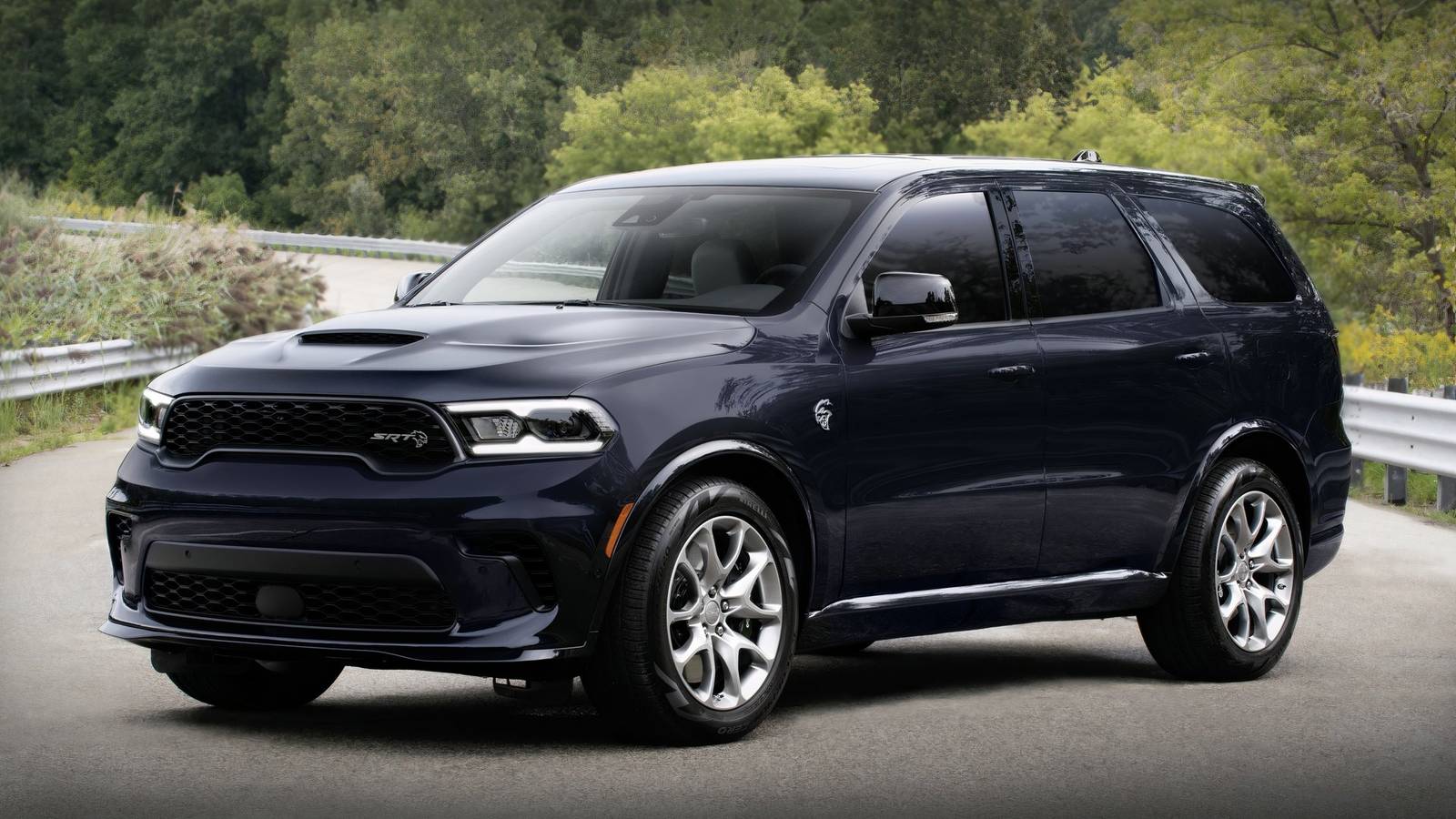
6. Dodge Durango GT AWD 3.6L V6 (2014-2020)
Dodge’s Durango in GT AWD specification during this production period delivered three-row capability, available V8 power, a distinctive design character, and genuine towing capacity that the American family SUV market had every reason to appreciate and somewhat consistently chose to undervalue in favor of alternatives from brands that carried less cultural baggage than Dodge had accumulated through periods of earlier quality concerns.
3.6-liter Pentastar V6 in the GT AWD configuration produced 295 horsepower through an eight-speed automatic transmission that delivered smooth, confident power across the Durango’s operational range with a gear ratio spread that kept the engine in its efficient operating zone during highway cruise while providing responsive downshift behavior during acceleration demands. Pentastar reliability across its production history consistently rated above the segment average in owner survey data, which provided a technical foundation for the Durango that its brand reputation sometimes obscured in buyer research.
Towing capacity of 6,200 pounds from the V6 configuration exceeded what mid-size three-row competitors from Toyota, Honda, and Nissan offered at equivalent pricing, and with the optional 5.7-liter HEMI V8 upgrade, the Durango’s tow rating reached 8,700 pounds, which no other three-row family SUV could match at any price in the mainstream market.
For families who needed both seven-passenger capacity and meaningful towing capability, the Durango offered a combination that required either two vehicles or a single Durango, which simplified both the purchase decision and the registration, insurance, and maintenance expense of a second vehicle.
Interior space in the Durango GT benefited from the vehicle’s traditional body-on-frame heritage adapted to unibody construction in a way that preserved the dimensional generosity of larger platform vehicles while providing the driving refinement that modern families expected from their primary transportation.
Third-row access and accommodation in the Durango were honest and reasonable for adults on shorter trips, which ranked it favorably against competitors that offered comparable actual space while marketing their third rows with photography that implied more room than occupants experienced.
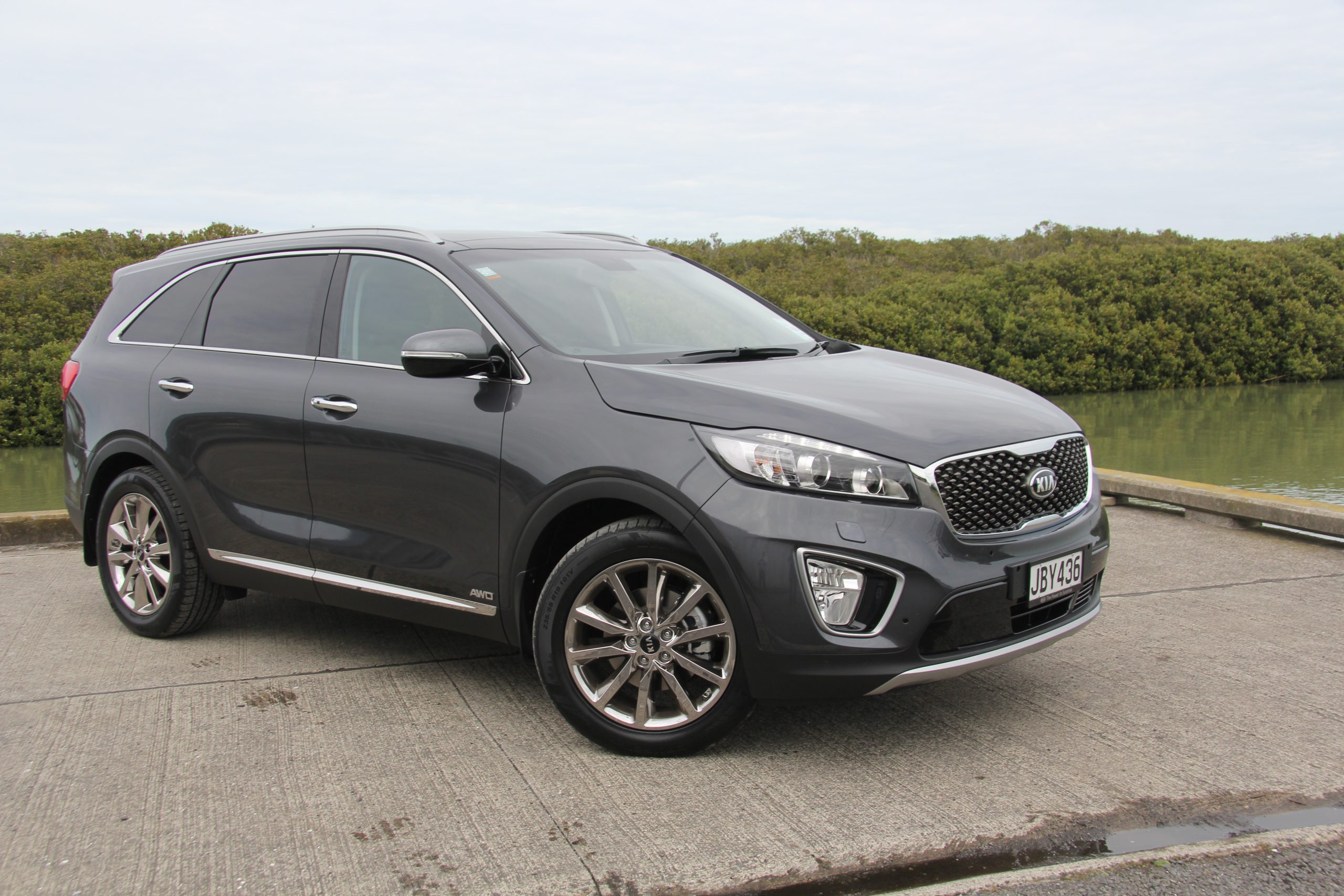
7. Kia Sorento SX V6 AWD (2015-2020)
Kia’s third-generation Sorento in SX V6 AWD specification represented one of the clearest examples of a vehicle that consistently outperformed its brand perception across every measurable quality dimension while receiving used market pricing that reflected the brand’s historical positioning rather than the actual vehicle quality that third-generation production delivered.
3.3-liter naturally aspirated V6 producing 290 horsepower through a six-speed automatic in the SX AWD configuration provided power delivery that Sorento buyers found more than adequate for the three-row family SUV use case while delivering fuel economy that narrowed the gap with more efficient competitors to a smaller margin than buyers who had not directly compared them expected.
Naturally aspirated power delivery in the Sorento produced the responsive, predictable throttle behavior that buyers who had experienced turbocharged lag in daily driving specifically valued, and the long-term reliability of a naturally aspirated V6 without boost system components produced ownership cost outcomes that turbocharged alternatives sometimes could not match at equivalent mileage.
Interior quality in the SX specification reflected the substantial investment Kia made in material and design quality improvement during the third generation, with soft-touch upper surfaces, a leather-wrapped dashboard, and genuine quality materials that third-party interior quality evaluators rated above segment average in structured assessments.
This interior quality improvement accompanied a design evolution that gave the third-generation Sorento a visual presence that did not read as a budget-brand vehicle, which should have helped but did not fully overcome the brand perception discount that buyers applied to Kia products through much of this generation’s production period.
Kia’s expanding warranty coverage and improving dealer experience during this generation provided ownership support that reduced the practical risk of choosing a Korean brand alternative over more established Japanese competitors, and owners who went through claim processes during this period consistently rated Kia’s warranty service above the industry average in satisfaction surveys.
This service quality improvement was documented and verified through independent research, but was not fully integrated into the brand perception that influenced mainstream buyers.
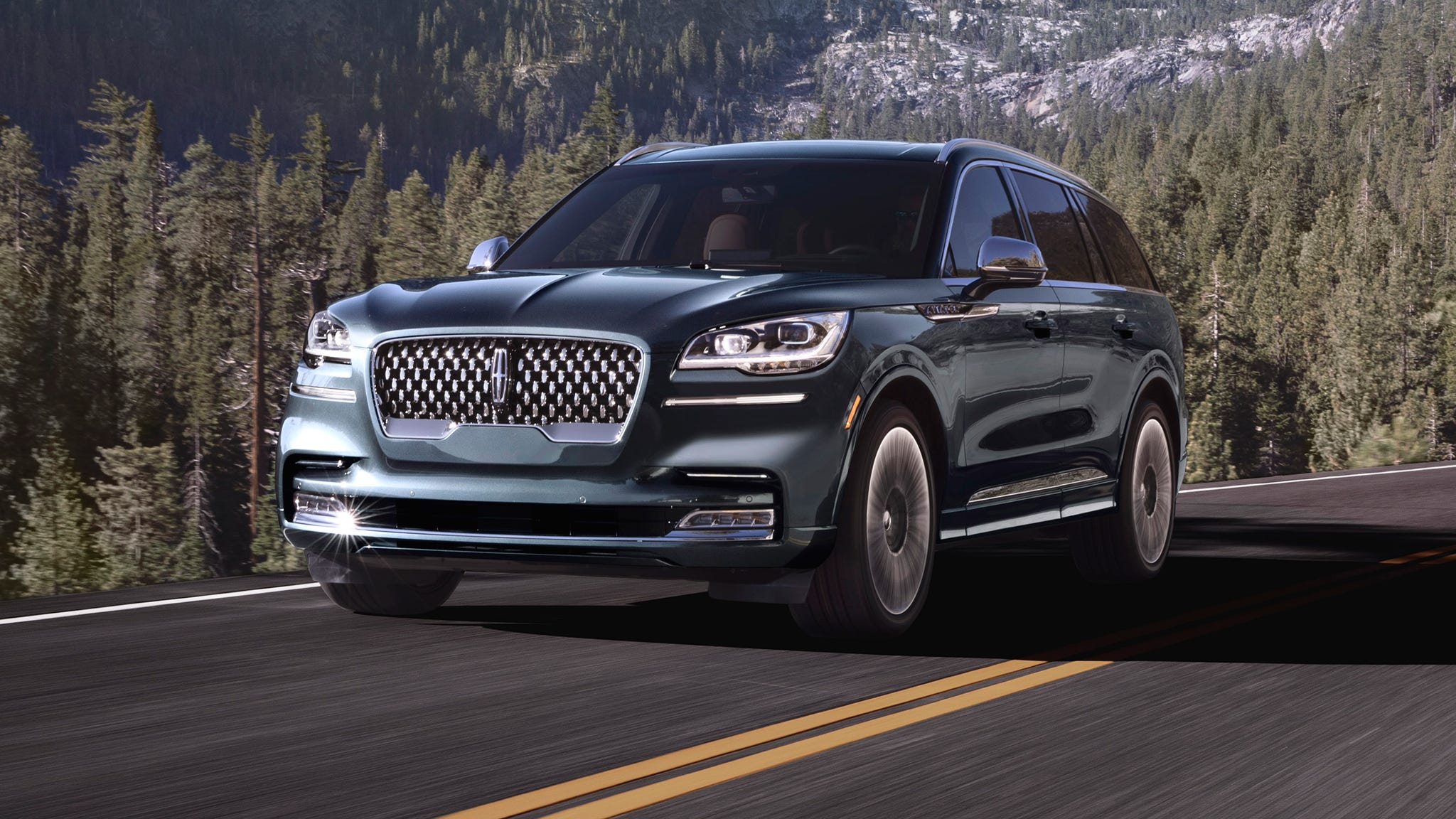
8. Lincoln Aviator Reserve AWD 3.0L Twin-Turbo (2020-2022)
Lincoln’s re-entry into the competitive luxury sport utility segment with the 2020 Aviator marked a serious effort to reposition the brand among respected global manufacturers. The Aviator Reserve AWD, powered by a twin-turbocharged 3.0-litre V6 engine, delivered a refined mid-size luxury vehicle that stood alongside models such as the BMW X5, Volvo XC90, and Audi Q7 in terms of equipment and comfort.
Despite offering a favourable balance between price and features, market reception did not fully reflect the vehicle’s strengths, largely due to long-standing perceptions about American luxury brands. The standard powertrain in the Aviator Reserve AWD produced 400 horsepower, placing it comfortably within the upper range of its category.
For buyers seeking improved efficiency alongside higher output, Lincoln also offered a Grand Touring plug-in hybrid variant, which combined electric and petrol power to deliver a total system output of 494 horsepower. This range of options allowed the Aviator to appeal to drivers interested in both strong acceleration and reduced fuel consumption.
The available performance did not require stepping into specialised high-performance variants from European brands, which often attract much higher purchase costs. Inside the cabin, the Aviator Reserve demonstrated careful attention to passenger comfort and ergonomic design. The front seats, branded as Perfect Position seats, featured up to 30 adjustments and included a massage function, creating a seating experience suited for extended journeys.
Automotive reviewers frequently rated these seats among the most comfortable available in the segment. Rear passengers were not neglected, as optional second-row seating provided similar adjustability and support, moving beyond the traditional bench layout found in many competitors. This arrangement ensured that all occupants could enjoy a high level of comfort, especially during long-distance travel.
Material selection and interior finishing in the Aviator reflected a deliberate effort to meet global luxury expectations. Soft-touch surfaces, well-integrated technology, and a clean dashboard layout contributed to an environment that felt both modern and inviting.
Features such as a large infotainment display, premium sound system, and ambient lighting enhanced the cabin experience without overwhelming the user. Build quality in this generation showed clear improvement, with consistent panel alignment and attention to detail that aligned with international standards.
Also Read: 6 SUVs That Don’t Need Premium Gas vs 6 That Pretend They Do
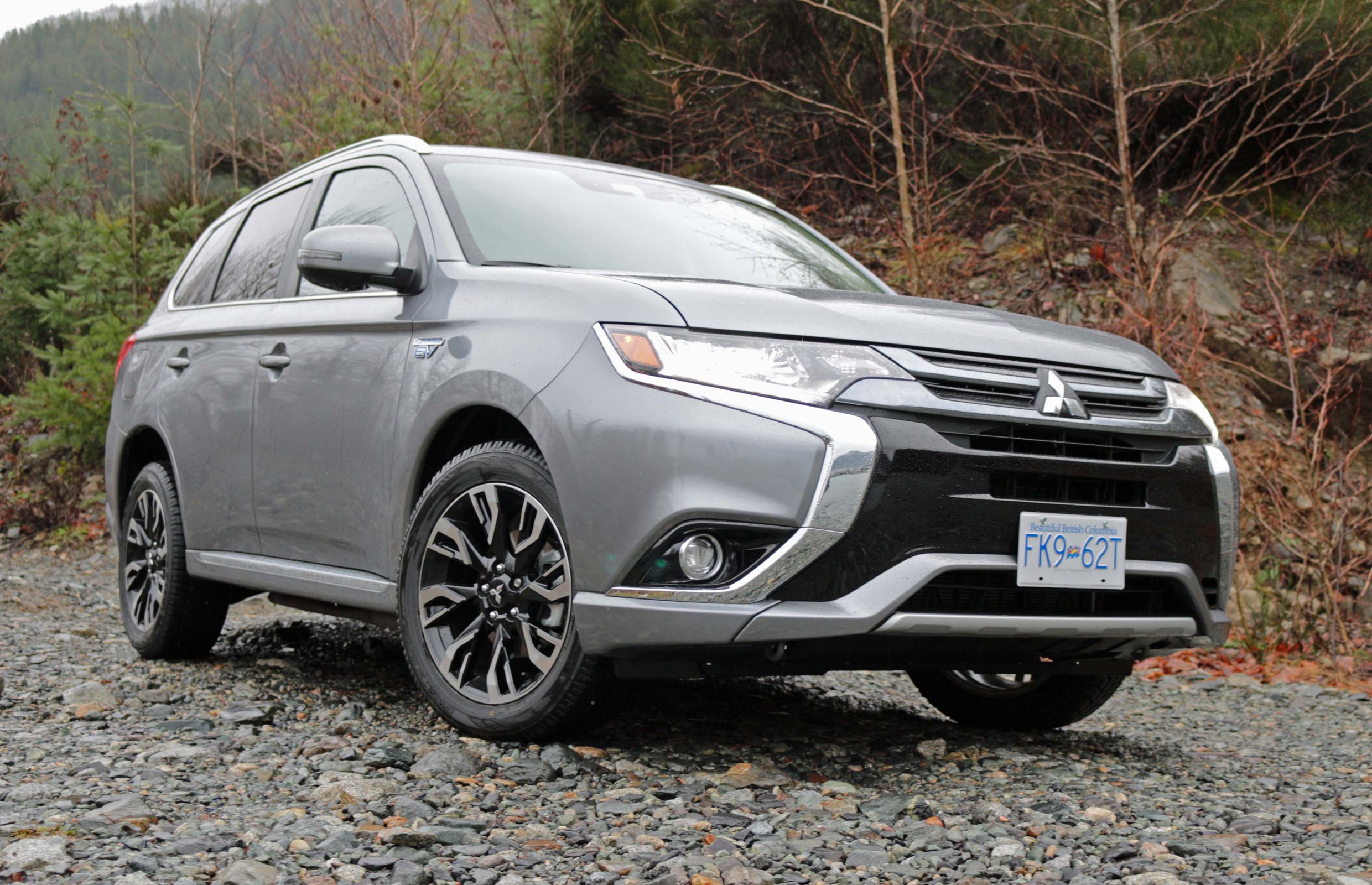
9. Mitsubishi Outlander PHEV SE S-AWC (2018-2021)
Mitsubishi introduced plug-in hybrid sport utility technology to the mainstream market earlier than many established competitors, positioning the Outlander PHEV as a practical option for buyers interested in electrified driving without abandoning conventional fuel capability.
The SE S-AWC variant combined hybrid efficiency with all-wheel-drive functionality, creating a vehicle suited for both urban commuting and varied road conditions. At the time of its release, it offered features that were not yet widely available in similarly priced vehicles from larger brands.
The plug-in hybrid system in the Outlander PHEV delivered a combined output of 197 horsepower and provided an electric-only driving range of up to 22 miles on a full charge. This capability allowed many drivers to complete daily commutes using electric power alone, particularly in city and suburban settings.
When longer journeys were required, the petrol engine ensured uninterrupted travel without dependence on charging infrastructure. Owners who maintained regular charging routines often experienced noticeable reductions in fuel expenditure, especially when their daily usage remained within the electric range.
Charging flexibility was another practical advantage offered by the Outlander PHEV. The vehicle supported both Level 1 and Level 2 AC charging, enabling owners to recharge using a standard household outlet or a dedicated charging unit. This adaptability reduced the initial cost and effort required to adopt plug-in hybrid technology.
For buyers uncertain about committing to full electric vehicles, the ability to charge without specialized infrastructure provided reassurance and convenience. Interior design in the Outlander PHEV focused on functionality and ease of use. Controls were arranged logically, and the infotainment system offered essential features without unnecessary complication.
The Outlander PHEV SE S-AWC represented an early and practical step toward electrified mobility within the sport utility category. It combined electric driving capability, dependable all-wheel traction, and flexible charging options in a single package. For buyers seeking reduced fuel costs and environmental impact without sacrificing the familiarity of a conventional vehicle, it served as a forward-looking and functional choice.
