
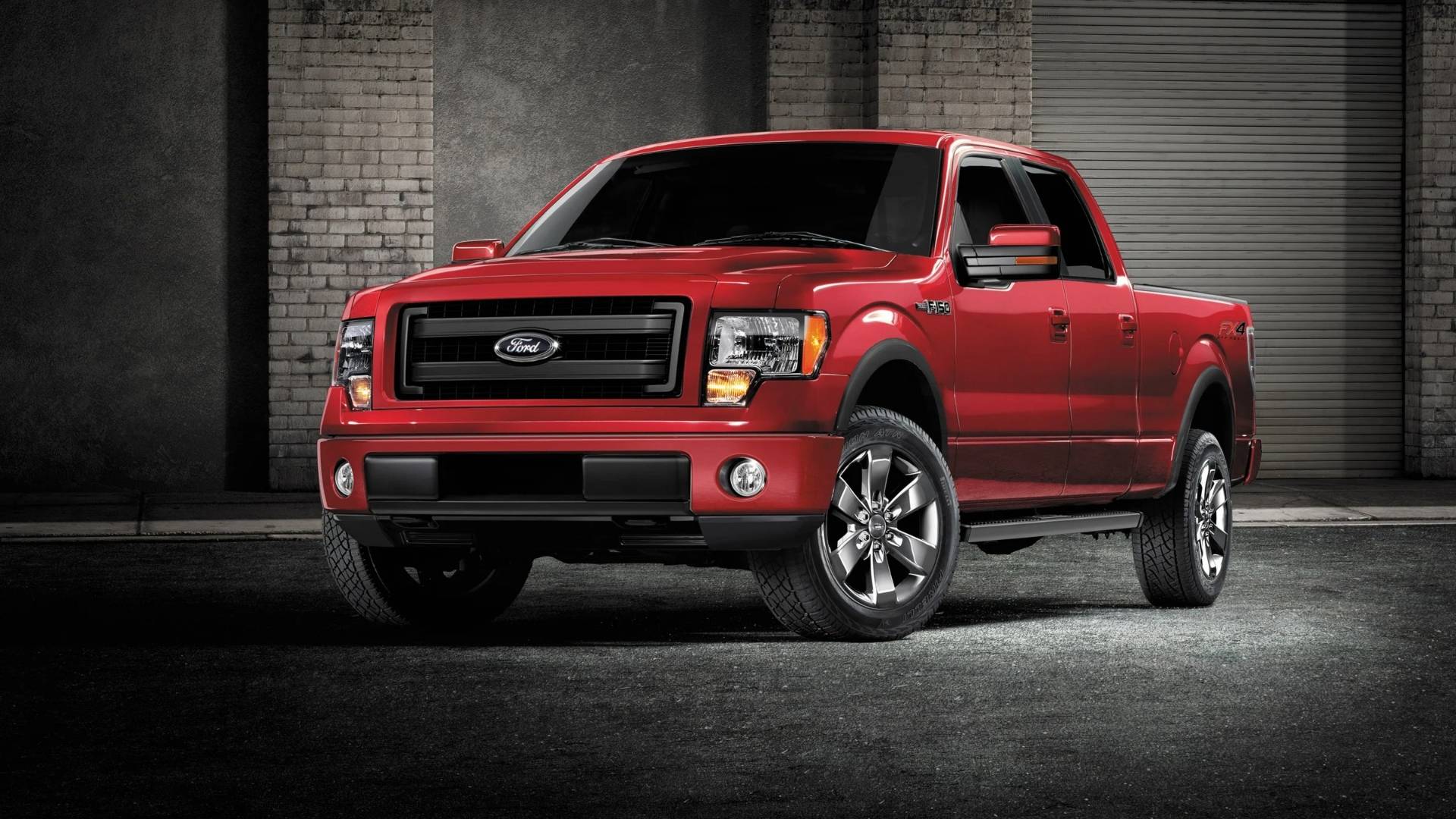
When you buy a truck, you think about towing capacity, engine power, and interior comfort. But one feature that often gets overlooked is how well the truck bed drains water. This might seem like a minor detail, but it can make a massive difference in your daily life. A truck bed that holds water becomes a breeding ground for rust, mold, and long-term structural damage. Nobody wants to haul soaking wet cargo or deal with a puddle every time it rains.
Proper bed drainage is a sign of thoughtful engineering. It shows that the manufacturer actually considered real-world use cases. Farmers, contractors, weekend adventurers, and everyday drivers all benefit from a bed that sheds water quickly and completely. A poor drainage system, on the other hand, leads to standing water pooling in corners and seams. Over time, that trapped moisture eats through the metal and ruins your investment.
In this article, we break down six trucks that get bed drainage right and six that simply fall short. Each pick is backed by real-world owner feedback and engineering observations. Whether you are shopping for your next truck or just curious about your current one, this guide will give you the full picture. Let us dive in.
6 Trucks Where the Bed Drains Properly
These trucks are designed with well-thought-out bed drainage systems, allowing water to flow out easily instead of pooling. Features like built-in drain holes, smart bed liner design, and proper channeling help prevent standing water after rain or washing. Models like the Ford F-150, Chevrolet Silverado, and Ram 1500 are known for functional bed layouts that keep cargo areas dry and reduce long-term wear.
Other trucks such as the Toyota Tundra, GMC Sierra, and Nissan Titan also offer good drainage design, helping avoid rust buildup, water damage, and debris accumulation. These practical details make a big difference for everyday usability.
1. Ford F-150 (2021–2024)
The Ford F-150 has long been America’s best-selling truck. It earns that title not just through marketing but through consistent, thoughtful engineering. One area where it quietly excels is bed drainage. Most truck buyers never even think to check this feature before purchase. But F-150 owners who haul regularly quickly notice that water does not stay around for long.
The 2021 and newer F-150 models come equipped with two large drain plugs located at the rear corners of the bed. These plugs are made from durable rubber and are easy to remove by hand. When you pull them out, water exits quickly and completely. There is no need for a shop vacuum or a mop after a rainstorm.
Ford designed the bed floor with a slight slope toward the rear. This slope is subtle but very effective. It guides water toward the drain plugs rather than letting it pool in the middle. Even when the truck is parked on flat ground, the drainage works well.
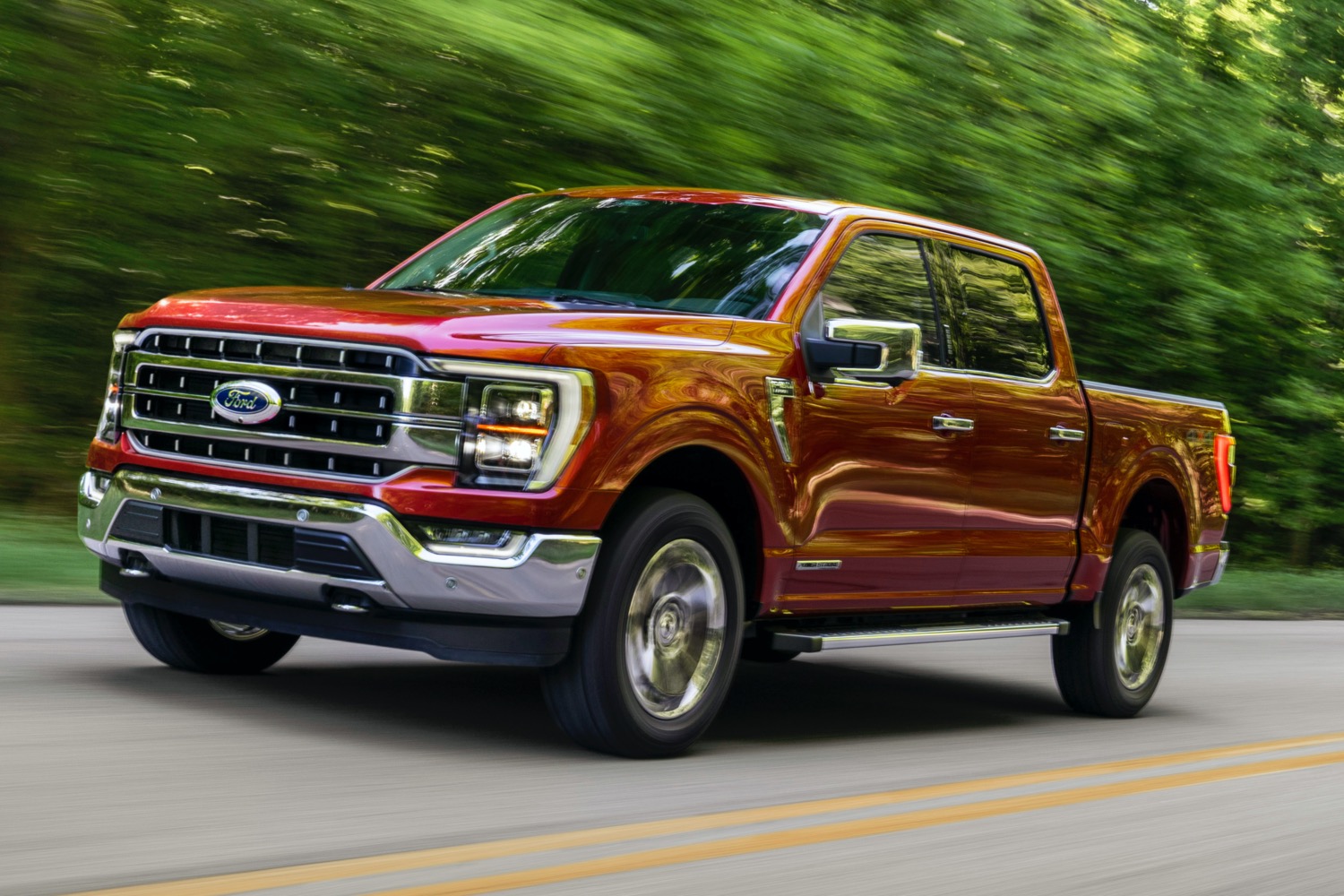
The bed itself is made from high-strength military-grade aluminum alloy. This material is naturally resistant to rust and corrosion. Even when water does sit briefly, it is far less likely to cause long-term damage compared to a steel bed. That is a major advantage for owners in wet climates.
The bed liner options for the F-150 also play a role in drainage performance. The factory spray-in liner leaves the drain areas clear and unobstructed. Some aftermarket drop-in liners can block drains, but Ford’s OEM solution keeps everything functional. This shows attention to detail that goes beyond just the base engineering.
Owners in rainy states like Oregon and Washington frequently praise the F-150 for this feature. Contractors who leave their beds open overnight report dry beds the next morning, even after heavy rainfall. That kind of real-world performance builds trust. The F-150 does not just drain well on paper. It drains well in practice every single day.
The placement of the drain plugs is also worth noting. They sit in a position that is easy to access from outside the truck. You do not need to climb into the bed to remove them. This convenience makes it more likely that owners will actually use the feature. A drain plug you never remove is a drain plug that never helps.
Ford also made the plugs replaceable. If one cracks or gets lost, replacements are cheap and widely available. This long-term serviceability matters. A truck that drains well today should still drain well five years from now. The F-150 delivers on that promise through smart, durable design choices.
2. Ram 1500 (2019–2024)
The Ram 1500 is widely praised for its smooth ride and premium interior. But its bed engineering deserves equal recognition. Ram put serious thought into how water behaves in the RamBox and standard bed configurations. The result is a truck that handles moisture better than most competitors in its class.
The standard Ram 1500 bed features drain plugs at the rear lower corners. These plugs are slightly recessed into the bed floor, which helps funnel water directly toward them. The recessed design means gravity does its job without any help from the owner. Water naturally flows to the lowest point, which is exactly where the drains are located.
Ram also offers the RamBox storage system on many trims. These lockable side storage compartments also include their own drain holes. This dual-drainage approach is impressive. You get drainage in the main bed and in the storage bins simultaneously. Very few trucks offer this level of moisture management.
The Ram 1500 bed floor has a textured surface that channels water in specific directions. This texturing is not just for grip. It is engineered to move water toward the drains efficiently. The combination of texture and slope makes the drainage system work as a complete unit rather than a collection of separate features.
Ram uses a coated steel bed on most configurations. The coating is designed to resist moisture penetration even when water sits temporarily. Owners who use their trucks in construction or landscaping report minimal rust issues even after years of heavy use. That durability speaks to how well the drainage and coating work together.
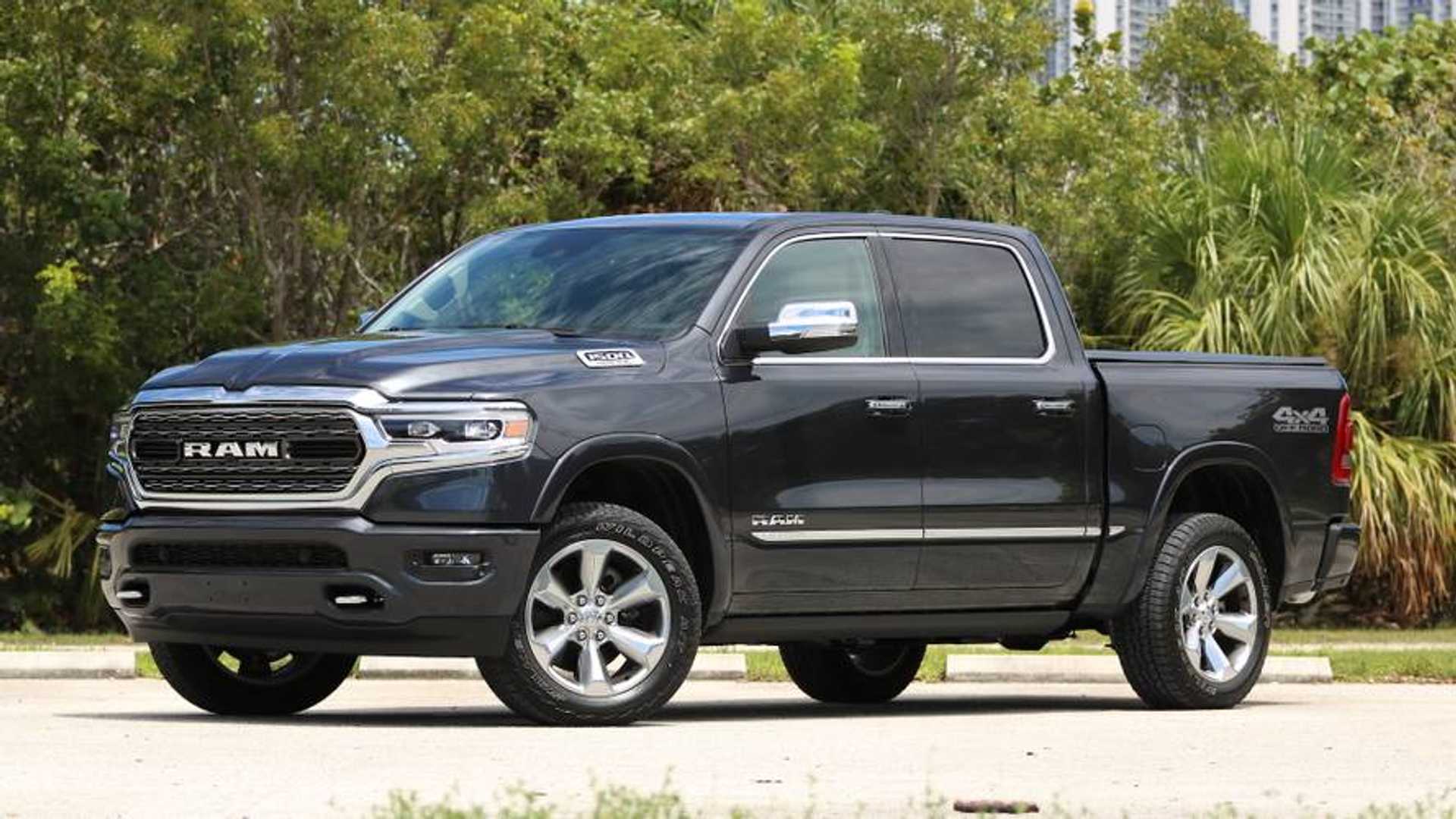
The drain plugs on the Ram 1500 are also easy to remove without tools. They feature a pull-tab design that makes them user-friendly. Even in cold weather, when rubber can stiffen, the plugs come out without a struggle. This practical design choice makes a real difference for owners who use their trucks year-round in harsh conditions.
Customer reviews consistently highlight the bed drainage as a positive feature. Truck forums are full of Ram owners praising how quickly the bed dries after rain. Contractors in the Pacific Northwest, where rain is a constant, specifically call out the Ram 1500 as a reliable partner for wet-weather work. That kind of community endorsement is hard to earn and easy to verify.
Ram also provides detailed drainage maintenance instructions in the owner’s manual. They actually encourage owners to periodically clean the drain holes and check the plugs for wear. This proactive approach to maintenance guidance shows that Ram takes the feature seriously. A manufacturer that talks about drainage in the manual clearly designed it with intention.
3. Toyota Tacoma (2016–2024)
The Toyota Tacoma is the undisputed king of the midsize truck segment. It has held the top sales position for years and shows no signs of slowing down. One reason for its enduring popularity is Toyota’s commitment to building trucks that work in the real world. Bed drainage is a perfect example of that commitment in action.
The Tacoma features drain holes located at the rear corners of the composite bed. These holes are part of the bed’s original design and not an afterthought. Toyota engineers placed them precisely where water naturally collects. This precise placement is the result of real testing and fluid dynamics analysis, not guesswork.
The Tacoma’s bed is made from a composite material rather than steel or aluminum. This composite is completely immune to rust. Water can sit in a Tacoma bed for days without causing any corrosion damage. The drainage system works quickly, but the material provides a safety net for those occasions when drainage is not immediate.
Toyota designed the bed with multiple subtle channels in the floor. These channels direct water toward the drain holes even when the truck is parked on uneven ground. Off-road Tacoma owners especially appreciate this feature. When you are camped on a hillside in the rain, you want the bed to shed water regardless of your truck’s angle.
The drain holes in the Tacoma are large enough to handle significant water volume. During a heavy downpour, water exits quickly and does not back up. This high-flow drainage capacity is something smaller drain holes simply cannot match. Toyota clearly tested the system under demanding conditions before finalizing the design.
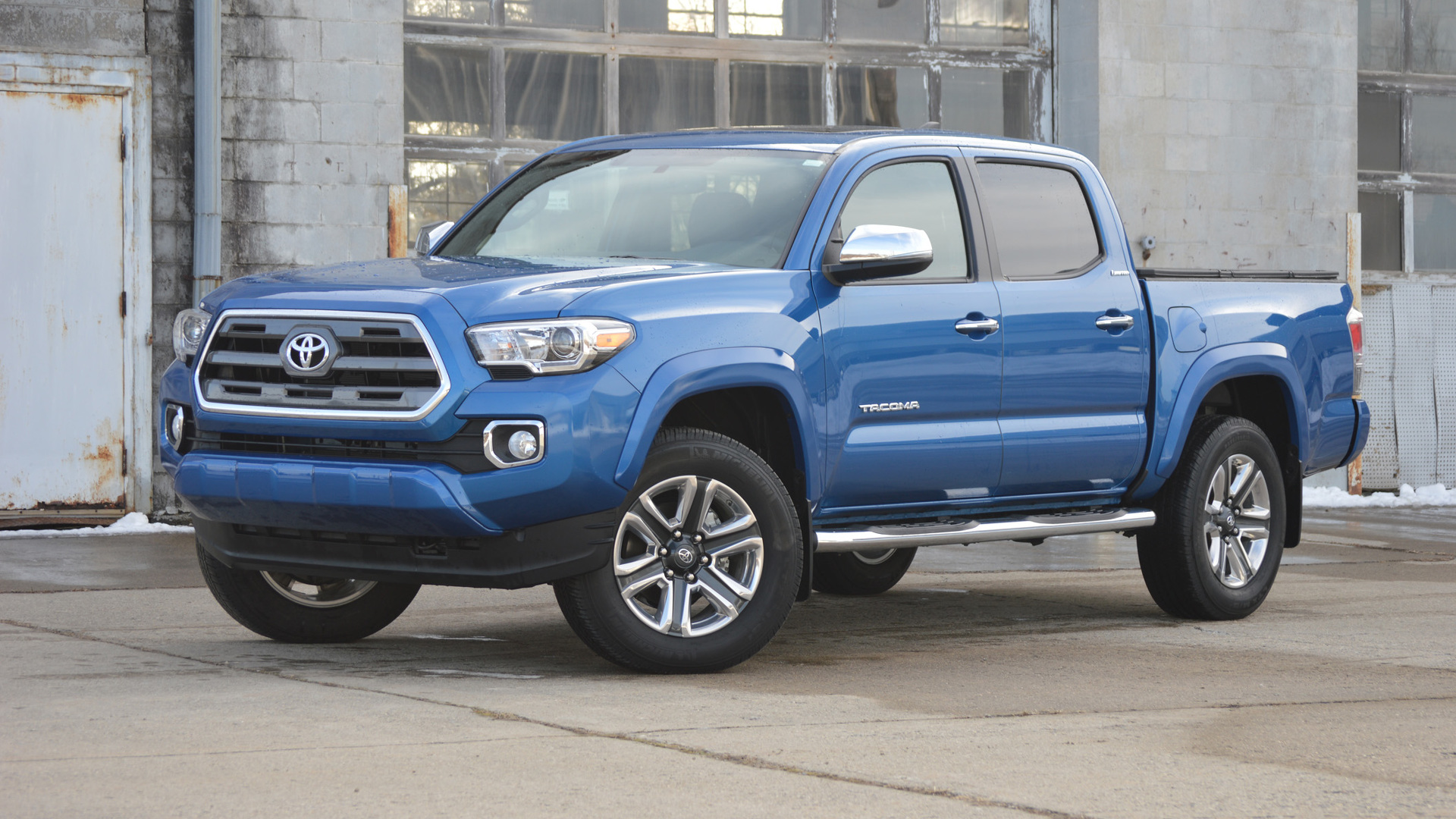
TRD-equipped Tacoma models often come with bed mats that have drainage cutouts pre-aligned with the bed drain holes. This coordination between accessories and base engineering is impressive.
Toyota thought about the entire system, not just the truck in isolation. That holistic design approach produces a better end result for the owner. Long-term Tacoma owners frequently report that their beds look nearly new after many years of use.
The combination of composite material, effective drainage, and Toyota’s quality coatings keeps moisture-related damage at bay. A ten-year-old Tacoma bed often looks better than a three-year-old competitor’s bed. That is a testament to the drainage system working as intended over the long haul.
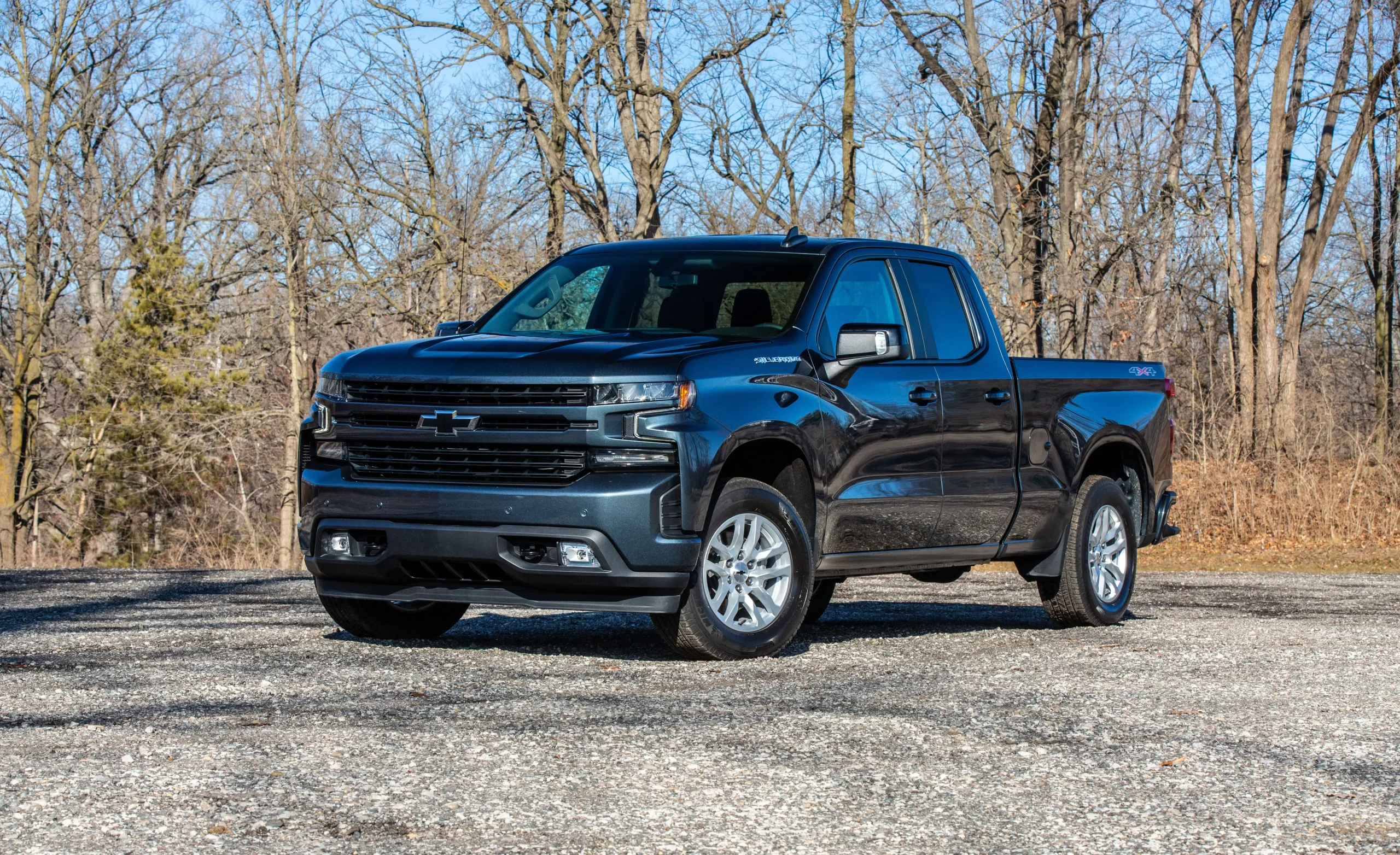
4. Chevrolet Silverado 1500 (2019–2024)
The Chevrolet Silverado 1500 is one of the most popular trucks in the United States. It competes directly with the F-150 and Ram 1500 for the title of America’s favorite pickup. In the area of bed drainage, the modern Silverado holds its own very well. GM engineers paid close attention to water management in the redesigned bed.
The 2019 and newer Silverado features a redesigned bed with multiple drain holes at the rear. These holes were increased in size compared to previous generations. GM listened to owner feedback that complained about slow drainage in older models. The current generation addresses those complaints head-on with a noticeably improved system.
The Silverado’s bed floor is contoured to guide water toward the rear drains. The contouring is more aggressive than what you find in some competitors. This means water moves faster and more decisively toward the exit points. Owners who load and unload frequently appreciate not having to deal with standing water between tasks.
Chevrolet offers a factory bed liner that maintains the integrity of the drain system. The liner is precisely cut to leave all drain areas fully exposed. This is an important detail that some manufacturers miss. An obstructed drain is effectively no drain at all, and Chevy avoids this problem by design.
The Silverado’s MultiPro tailgate also contributes to the drainage experience. The various configurations of the tailgate allow water to escape from multiple angles. This multi-position functionality was designed primarily for versatility, but it also helps with water management. Good engineering often solves multiple problems at once.
Silverado owners who work in agriculture and construction speak highly of the bed drainage. Farmers hauling wet crops or soil find that the bed dries out between loads without requiring manual intervention. This efficiency adds up over a full workday. A truck that manages itself is a truck that lets you focus on the actual work.
The drain plugs on the Silverado are a standard rubber design that is simple and reliable. They do not use any complex mechanisms that could fail over time. Simplicity in this context is a virtue. The less complicated a drainage system is, the more reliably it performs year after year without maintenance headaches.
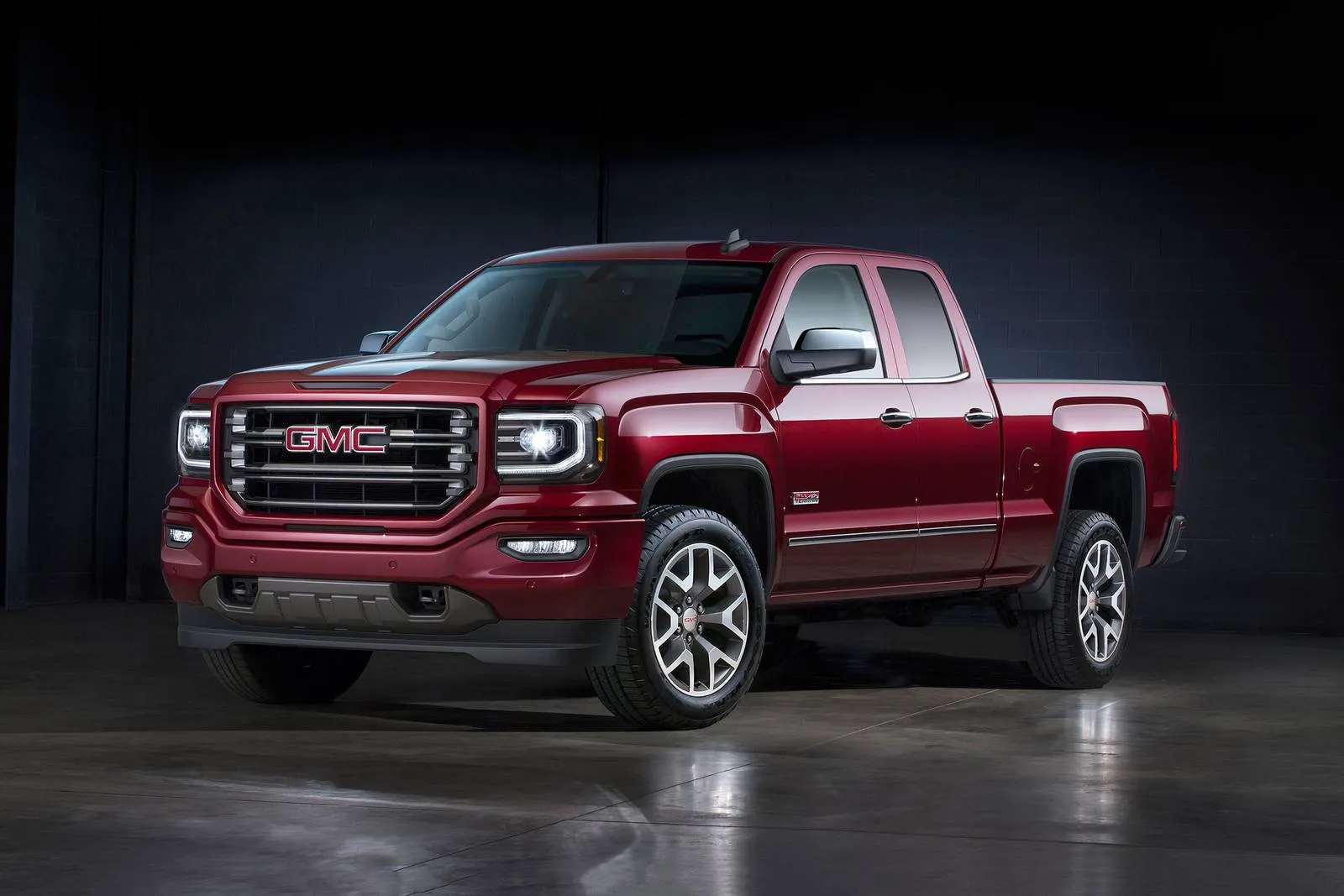
5. GMC Sierra 1500 (2019–2024)
The GMC Sierra 1500 shares its platform with the Chevrolet Silverado but positions itself as the more premium option. In terms of bed drainage, it offers the same core engineering with a few additional refinements. These refinements make the Sierra a standout choice for buyers who want both performance and polish.
The Sierra features the same rear drain hole configuration as the Silverado. However, the Sierra’s bed coating is slightly more refined. GMC applies an additional protective layer that works in tandem with the drainage system. Even if water sits briefly, the coating prevents moisture from penetrating to the metal beneath.
The Sierra also offers the MultiPro tailgate, which assists with drainage just as it does on the Silverado. But GMC adds a carbon fiber bed option on higher trims. This carbon fiber bed is completely impervious to rust and corrosion. Combined with the effective drain holes, it creates an extremely water-resistant cargo area.
GMC targets a slightly more professional buyer demographic than Chevrolet. As a result, the Sierra’s drainage features are highlighted more prominently in marketing materials. GMC understands that contractors and tradespeople care about bed performance. They market to that audience by leading with features that matter in the field.
The Sierra’s available spray-in bedliner is applied in a way that deliberately preserves the drain channels and holes. GMC works with its liner suppliers to ensure the application process does not obstruct drainage. This coordination between the truck manufacturer and accessory partners is rare and commendable. It shows a commitment to the whole-system experience.
Owners who purchased the Sierra specifically for work purposes overwhelmingly rate the bed drainage positively. Landscapers and roofers who deal with wet materials daily appreciate the system.
They report that the bed is typically dry within minutes of a rain shower ending. The speed of drainage has a direct impact on cargo protection and cleanliness.
The Sierra’s build quality reinforces the effectiveness of its drainage system. Tight panel gaps and well-sealed seams mean that water primarily enters from the top rather than seeping in from the sides.
This controlled water entry makes the drainage system’s job easier. When the engineer knows where water comes from, they can design the exit points more precisely.
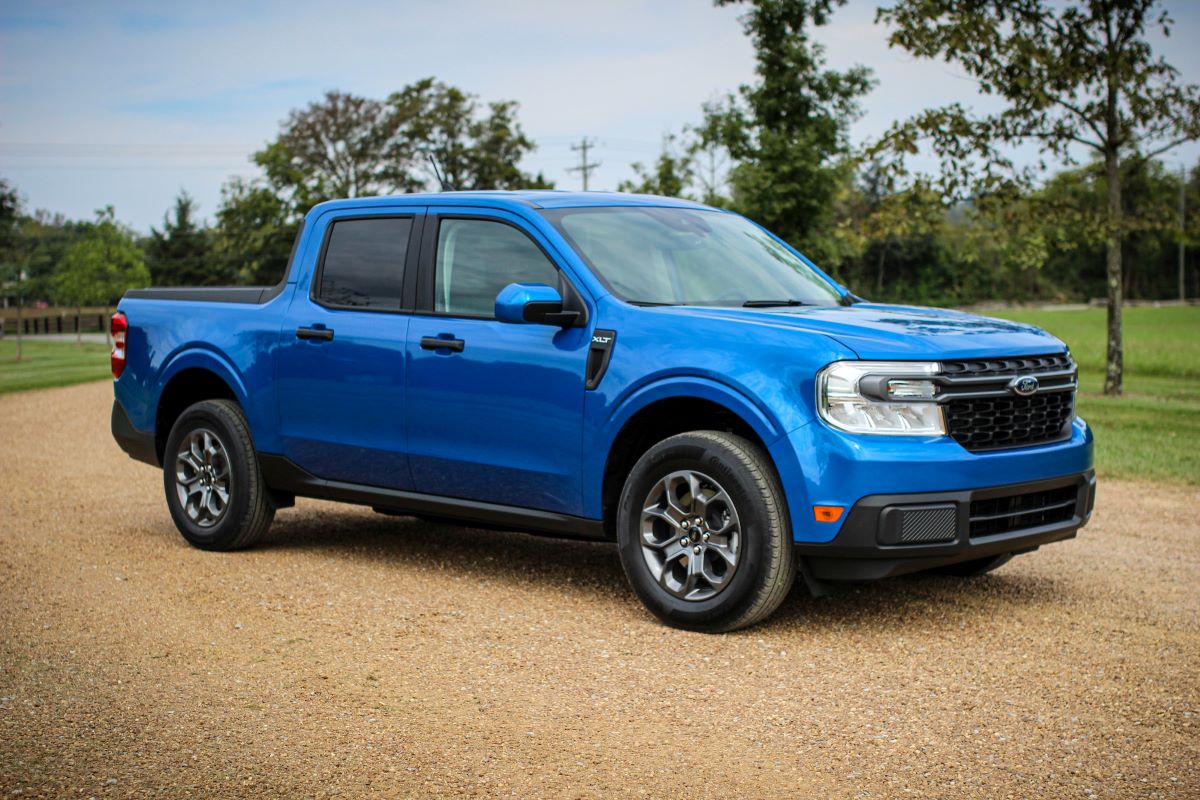
6. Ford Maverick (2022–2024)
The Ford Maverick is the smallest and most affordable truck in Ford’s lineup. It might seem unusual to include a compact truck on a list about drainage performance. But the Maverick earns its place here through clever, efficient engineering. Ford applied many lessons learned from the F-150 to this smaller platform.
The Maverick features a well-designed unibody bed that incorporates dedicated drain points at the rear. Despite the smaller bed dimensions, the drainage system is proportionally very effective. The holes are appropriately sized for the bed’s volume. Ford did not simply scale down the F-150 system. They designed the Maverick’s drainage from scratch for its unique proportions.
The Maverick’s bed is made from a recycled composite material that resists rust completely. This is an environmentally conscious choice that also happens to be functionally superior to bare steel. The composite material means that any water not immediately drained cannot cause corrosion. This dual protection gives owners peace of mind in unpredictable weather.
Urban truck buyers who choose the Maverick often park in exposed areas overnight. Having a bed that drains before the morning commute is genuinely useful. Ford recognized this use pattern and designed accordingly. The bed is clean and dry by morning, even after an overnight rainstorm. That is a practical benefit that urban owners notice and appreciate.
The Maverick’s compact size also means the drainage system handles a smaller water volume. This makes the drainage faster and more complete than what you see on full-size trucks. Less surface area means less water to move. The small bed is actually an advantage when it comes to drainage speed and thoroughness.
Hybrid Maverick owners, who tend to be particularly practical buyers, frequently mention the drainage as a feature they appreciate. These owners bought the Maverick for its efficiency and versatility. Discovering that the bed management is also well-engineered reinforces their confidence in the purchase. Good drainage is one of those features that rewards careful observation.
Ford’s commitment to smart engineering across all truck sizes is evident in the Maverick. It proves that drainage performance is not a luxury reserved for expensive full-size trucks. Even an entry-level compact truck can be designed to manage water effectively. Ford set a new standard for the compact truck segment with the Maverick’s thoughtful bed design.
6 Trucks Where The Bed Does Not Drain Properly
These trucks often suffer from poor bed design with inadequate drainage, causing water to collect in corners or along edges. Without proper drain holes or channeling, rainwater and debris can sit for long periods, leading to inconvenience and potential corrosion over time.
In some cases, bed liners or design flaws block natural drainage paths, making the issue worse. Owners may find themselves manually clearing water or dealing with rust, stains, or lingering moisture, turning a simple design flaw into a long-term annoyance.
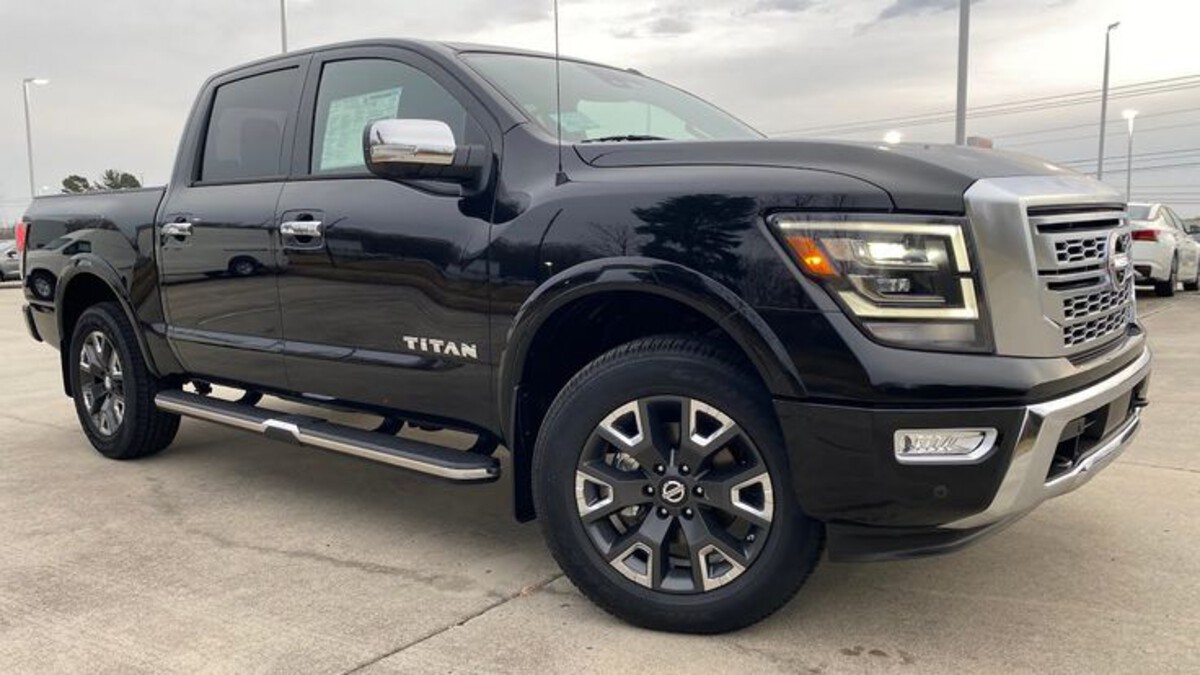
1. Nissan Titan (2016–2021)
The Nissan Titan is a capable and comfortable full-size truck. It competes admirably in terms of towing and payload. However, bed drainage has been a persistent complaint among Titan owners since the second-generation model launched. The issues are well-documented in owner forums and real-world reports across the country.
The Titan’s bed drain holes are positioned in a way that does not align well with the natural water flow patterns in the bed. Water tends to collect in the center and toward the front before slowly working its way to the drains. This journey takes longer than it should. Owners frequently report puddles sitting in the bed for extended periods after rain stops.
The drain hole diameter on the Titan is relatively small compared to competitors. This restricts the flow rate significantly. During heavy rainfall, water enters the bed faster than it can exit through the undersized drains. The result is a temporary swimming pool effect that many owners find frustrating. Small drains create a bottleneck that the entire system suffers from.
Nissan’s bed is made from coated steel, which is standard across the industry. However, the coating quality on some Titan beds has drawn criticism. When drainage is slow and water sits for prolonged periods, coating quality becomes critical. Several owners have reported rust spots appearing near the drain areas within the first few years of ownership.
The drain plugs on the Titan are also difficult to remove in cold weather. The rubber becomes stiff, and the plugs are recessed in a way that makes gripping them hard without tools. This practical difficulty means many owners simply leave the plugs in permanently. A drain plug that never gets removed defeats the entire purpose of having one.
Nissan has acknowledged some of these drainage concerns through dealer service updates. However, no significant redesign of the drainage system has been implemented in the affected model years.
Owners who purchased the Titan during these years are largely stuck managing the problem on their own. Aftermarket solutions exist but require additional cost and effort.
The Titan’s reputation suffers partly because of these drainage issues. In a segment where competitors have clearly invested in solving this problem, Titan’s shortcomings stand out more sharply.
Truck buyers who do their homework before purchasing often cite bed drainage as one reason they chose a competitor. Nissan has the engineering talent to fix this. The solution simply has not materialized at the production level yet.
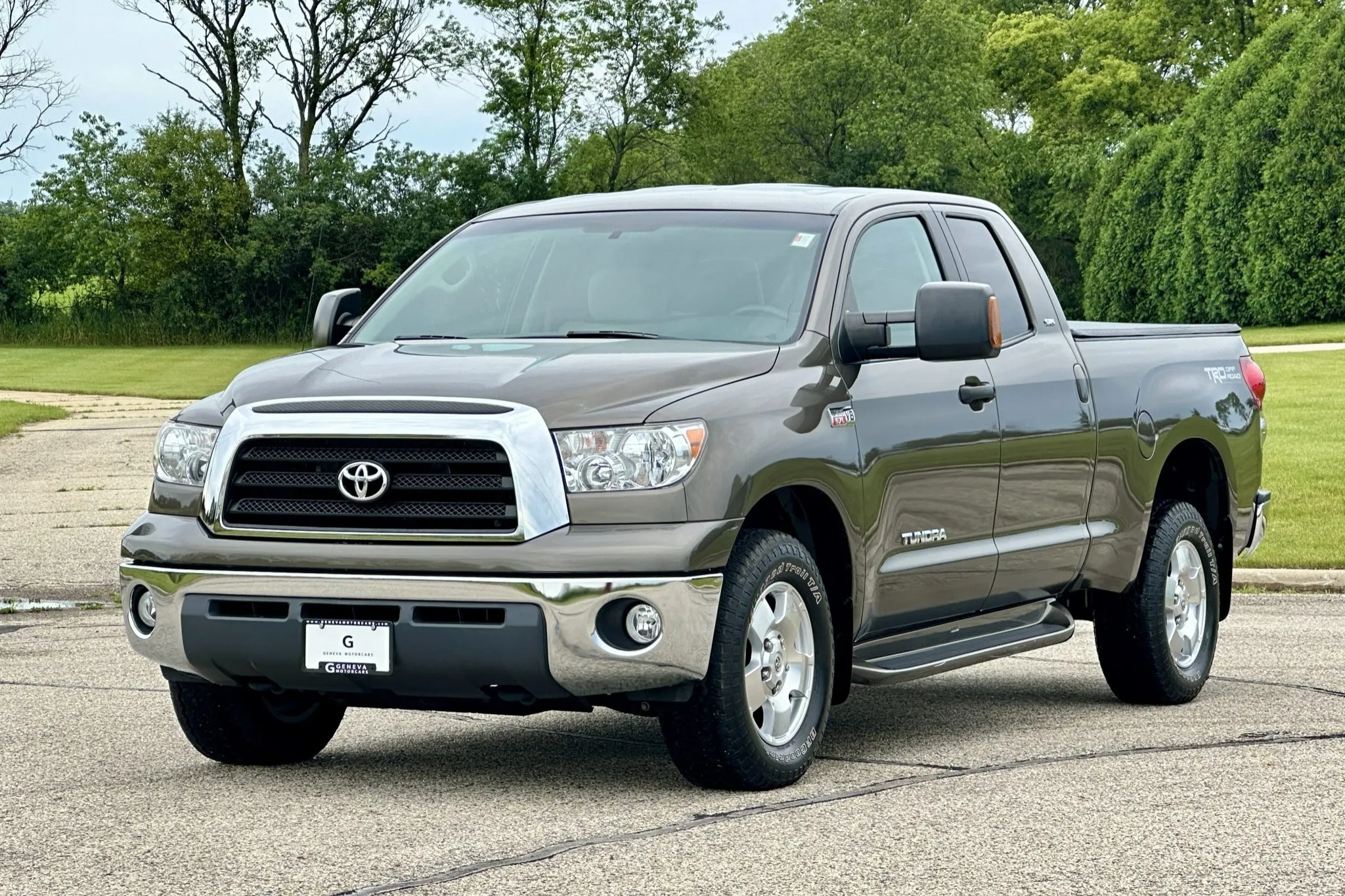
2. Toyota Tundra (2007–2021, Pre-Redesign)
The Toyota Tundra is a legendary truck in terms of reliability and longevity. Its engines and drivetrains are among the most durable ever built. But the pre-2022 generation Tundra had a well-known weakness: bed drainage. This is one area where Toyota’s legendary attention to detail seemed to take a brief vacation.
The second-generation Tundra, which ran from 2007 to 2021, features a steel bed with drain holes positioned at the very rear corners. The positioning itself is not terrible. However, the bed floor design does not effectively channel water toward those drains. Water tends to pool in the center rear section of the bed and drain slowly, if at all.
The drain holes in the pre-2022 Tundra are notoriously small. Owner complaints about slow drainage are widespread across multiple forums and truck review sites. The small hole diameter means that even light rain can result in standing water. Debris, dirt, and leaves can easily block the small openings, making the problem even worse over time.
Many Tundra owners discovered rust in the bed corners after only a few years of ownership. This is particularly disappointing given Toyota’s reputation for durability. The rust typically appears in areas where water pools and sits between the bed floor and the bed liner. The drainage system’s inadequacy directly contributes to this accelerated corrosion.
Tundra owners in rainy regions developed workarounds over the years. Drilling additional drain holes is a common DIY solution discussed in Tundra owner communities. The fact that owners felt compelled to drill additional holes in a brand-new truck speaks volumes about how inadequate the factory drainage was. This is a sign of a real engineering gap, not just nitpicking.
The steel bed compounds this problem because steel rusts when exposed to prolonged moisture. Unlike composite or aluminum beds, steel gives water no forgiveness. Every minute of standing water is another minute of potential corrosion. The bed drainage system needed to be excellent to compensate for the steel construction. Unfortunately, it fell short.
Toyota recognized these concerns and completely redesigned the Tundra for 2022. The new generation features a dramatically improved bed with better drain placement and larger openings.
This redesign is essentially an admission that the previous system needed significant improvement. Owners of the older Tundra are left managing the consequences of that earlier design choice.
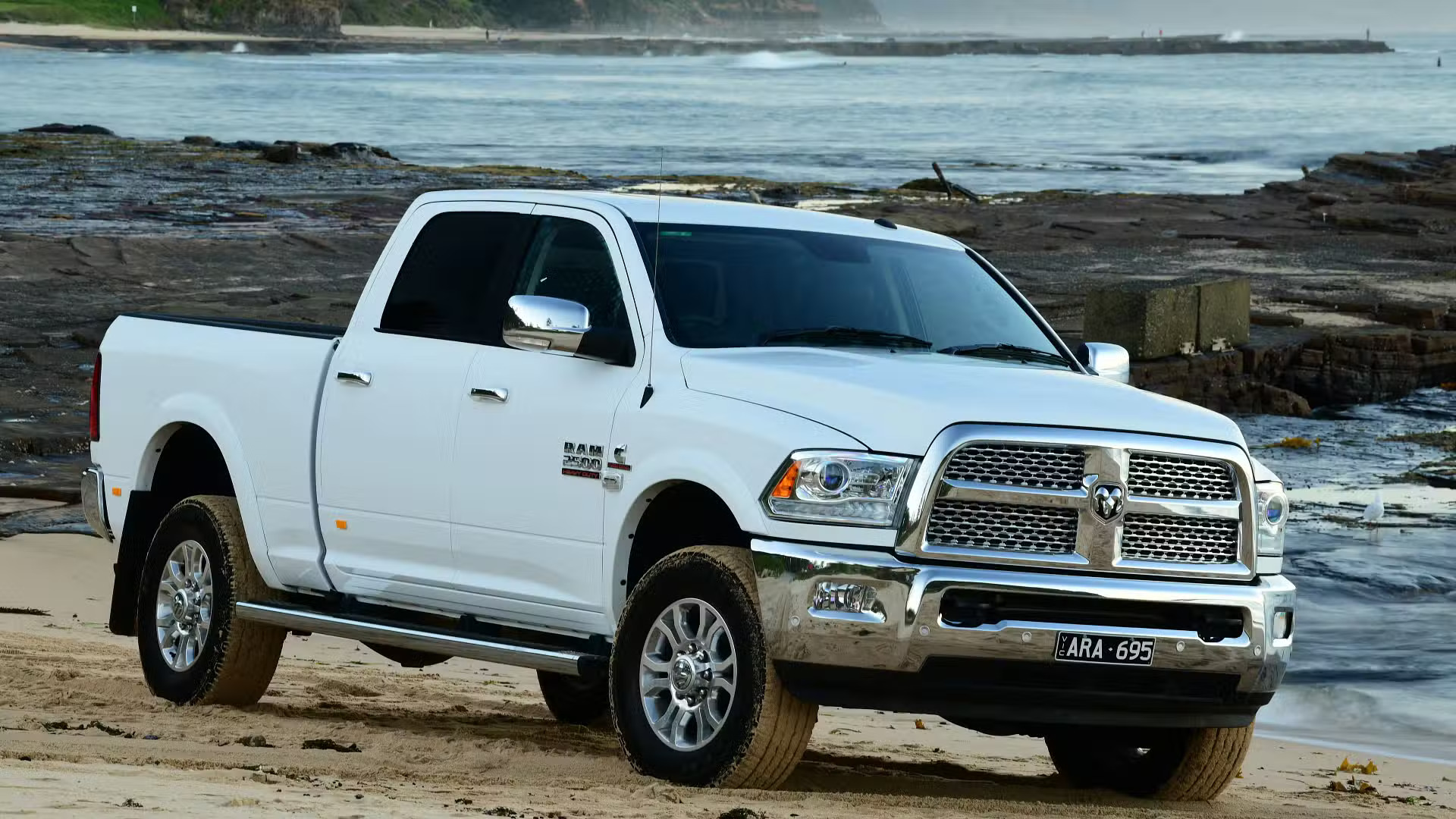
3. Ram 2500 (Older Generations, Pre-2019)
The Ram 2500 is a heavy-duty workhorse that has earned enormous respect in the trucking community. Its towing and payload numbers are exceptional. However, older generations of the Ram 2500, particularly those built before the 2019 refresh, struggled with bed drainage in ways that frustrated hard-working owners who depended on their trucks daily.
The pre-2019 Ram 2500 bed features drain holes that are adequate in theory but problematic in practice. The holes are positioned slightly too far inboard, meaning water that collects along the bed walls has to travel an extra distance before reaching a drain. This may sound like a minor issue, but it results in noticeable pooling along the side channels.
The drain plug design on older Ram 2500 models is particularly problematic. The plugs use a threaded design rather than a simple pull-tab. Removing them requires a specific tool or significant hand strength. Over time, the threads can corrode, making removal even more difficult. Owners who cannot remove the plugs end up with a closed drainage system that serves no practical purpose.
Heavy-duty truck owners tend to haul particularly demanding loads. Wet concrete, soil, mulch, and livestock all introduce significant moisture into the bed. When the drainage system cannot keep up with this moisture load, the consequences are more severe than they would be for a light-duty owner. The 2500’s work-focused customer base needed a better drainage solution than what was provided.
Corrosion issues in the older Ram 2500 bed are well-documented. Online communities dedicated to heavy-duty trucks are full of photos showing significant rust damage in the bed corners and around the drain areas. This damage occurs faster than expected because the design traps water in exactly the areas most vulnerable to corrosion. The pattern is consistent enough to be clearly a design issue rather than user error.
Ram dealers received consistent feedback about these drainage problems throughout the pre-2019 production run. Service records from dealerships show numerous complaints about rust and standing water.
This dealer-level feedback ultimately contributed to the redesign that appeared in the 2019 model year. The improved Ram 1500 drainage that we praised earlier came as a direct response to these heavy-duty truck complaints.
The older Ram 2500 remains a dependable work truck in every other meaningful way. Owners who purchased these trucks were not wrong to do so. But bed drainage was a genuine weakness that required attention and workarounds. If you own one of these trucks today, regularly clearing the drain holes and applying additional rust protection is strongly recommended.
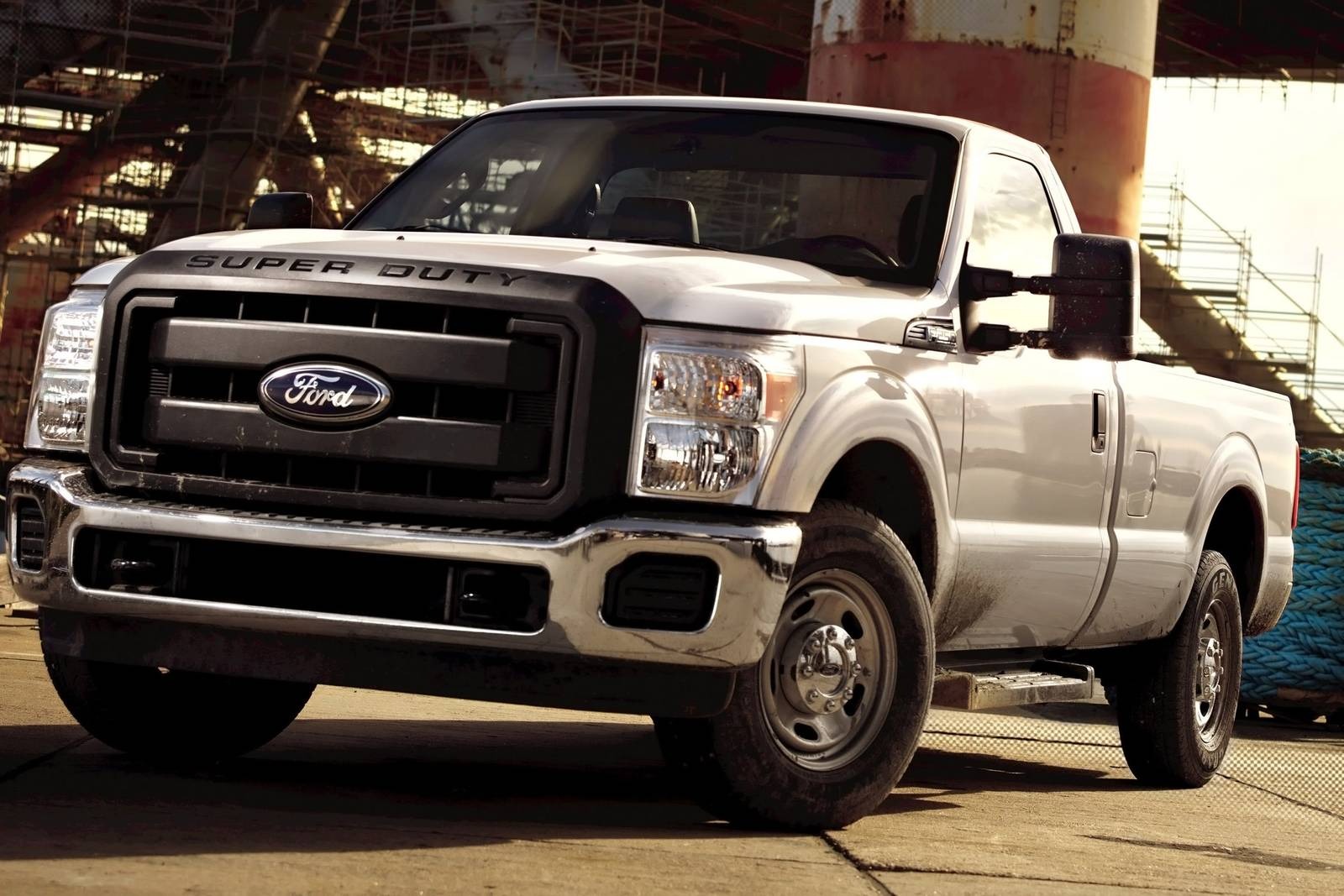
4. Ford F-250 Super Duty (Pre-2017)
The Ford F-250 Super Duty is one of the most popular heavy-duty trucks ever built. Its reputation for toughness and capability is well-earned across decades of production. However, pre-2017 models of the F-250 carried a bed drainage design that did not meet the high standard set by the rest of the truck. This is a case where a great truck had one significant blind spot.
The pre-2017 F-250 bed uses a simple drain hole design with minimal contouring in the bed floor. The bed floor is essentially flat, with very little slope to encourage water movement. On a flat surface, water sits wherever it lands rather than flowing toward the drains. This design oversight means drainage depends almost entirely on gravity and luck rather than engineering.
The drain holes themselves on these models are positioned adequately, but the flat bed floor makes them ineffective. A drain hole at the rear corner is useless if water in the front of the bed has no reason to travel toward it. The geometry of the bed works against the drainage rather than supporting it. This is a fundamental design flaw that affected multiple model years.
Ford F-250 owners who use their trucks for construction work were particularly affected. Construction sites involve hauling wet materials, tools left in the rain, and beds exposed to the elements around the clock. A bed that holds water is a serious liability in this environment. Many F-250 contractors developed habits of manually sweeping water out of the bed after rain. That should never be necessary on a premium heavy-duty truck.
The steel bed of the pre-2017 F-250 makes the drainage problem more consequential. Steel and standing water are a destructive combination. Reports of premature rust in the bed sections of these trucks are widespread in F-250 owner communities. Bed liner failures are also more common in areas where water consistently pools. The drainage design created a cascade of secondary problems.
Ford addressed these issues with a significant bed redesign for the 2017 Super Duty generation. The newer bed features better contoured floors and repositioned drain points.
The improvement was noticeable to owners who upgraded from older models. The contrast between pre and post-2017 drainage performance made clear just how much the old design was lacking.
If you own a pre-2017 F-250, aftermarket solutions can help. Adding additional drain holes, installing a contoured bed mat, or using a spray-in liner with drainage channels are all viable options.
These modifications improve the drainage experience considerably. But they represent extra expense and effort that the factory design should have prevented from being necessary.
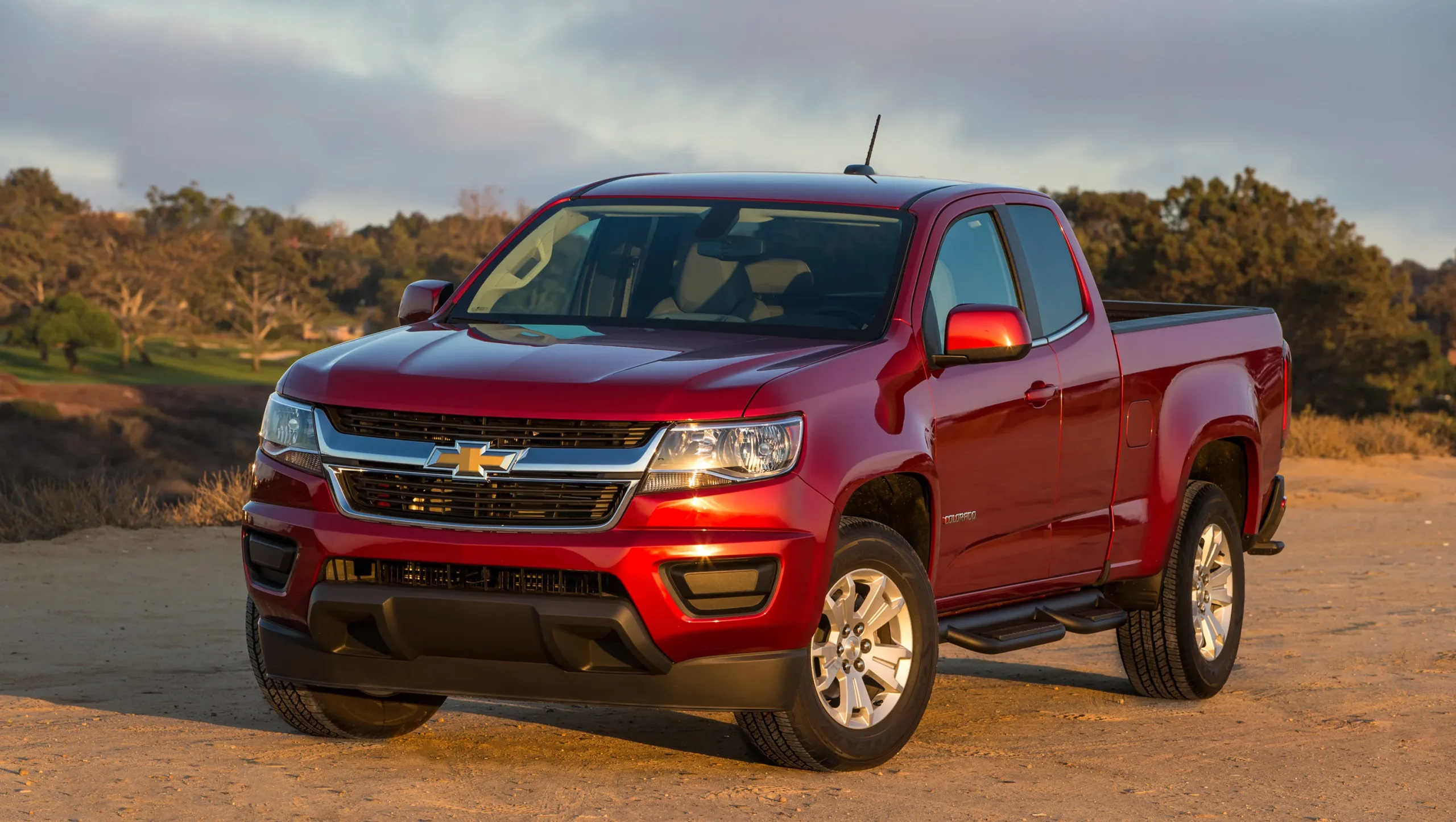
5. Chevrolet Colorado (2015–2021)
The Chevrolet Colorado is a popular midsize truck that earned strong reviews for its capability and efficiency. It offered a diesel engine option that no competitors matched during its production run. But despite its impressive powertrain achievements, the Colorado’s bed drainage left much to be desired. This is a case where a capable truck was let down by a surprisingly basic engineering oversight.
The Colorado bed features drain holes that are functional but minimal. The holes are small and positioned without the benefit of bed floor contouring to channel water toward them. As a result, water spreads across the entire bed floor and drains at a very slow rate. Owners who park on level ground can expect standing water after moderate rainfall to persist for an hour or more.
The bed liner situation with the Colorado makes things worse. The factory floor liner, which comes on most trims, fits tightly against the bed floor and can partially obstruct the drain holes. Water gets trapped between the liner and the bed floor, where it cannot drain at all. This trapped moisture is exactly the condition that accelerates rust formation on a steel bed.
Colorado owners who remove their factory liners to inspect the bed often discover rust forming earlier than expected. The combination of trapped moisture, small drain holes, and a steel bed creates ideal conditions for corrosion. Owners in humid climates like the southeastern United States report particularly accelerated rust issues. The drainage design is simply inadequate for real-world wet conditions.
GM engineers were clearly aware of the drainage limitations, as the newer Colorado and Canyon models received improvements in subsequent years.
However, the 2015 to 2021 production run represents a significant period during which owners dealt with these issues. Trucks purchased during these years require proactive maintenance to prevent moisture-related damage from accumulating over time.
Midsize truck buyers often choose their vehicles based on maneuverability and fuel economy. Bed drainage is rarely a deciding factor at the dealership.
But Colorado owners who use their trucks regularly for hauling quickly discover the drainage limitations in practice. The frustration is compounded by the fact that Toyota’s Tacoma, a direct competitor sold at similar price points, handles drainage so much more effectively.
Colorado’s reputation in the midsize segment is solid. But the bed drainage issue is a recurring criticism that has followed the model throughout its production run.
Chevrolet had the opportunity to address this in mid-cycle updates but chose not to prioritize it. That decision disappointed the segment of Colorado buyers who needed their trucks to perform as true work vehicles.
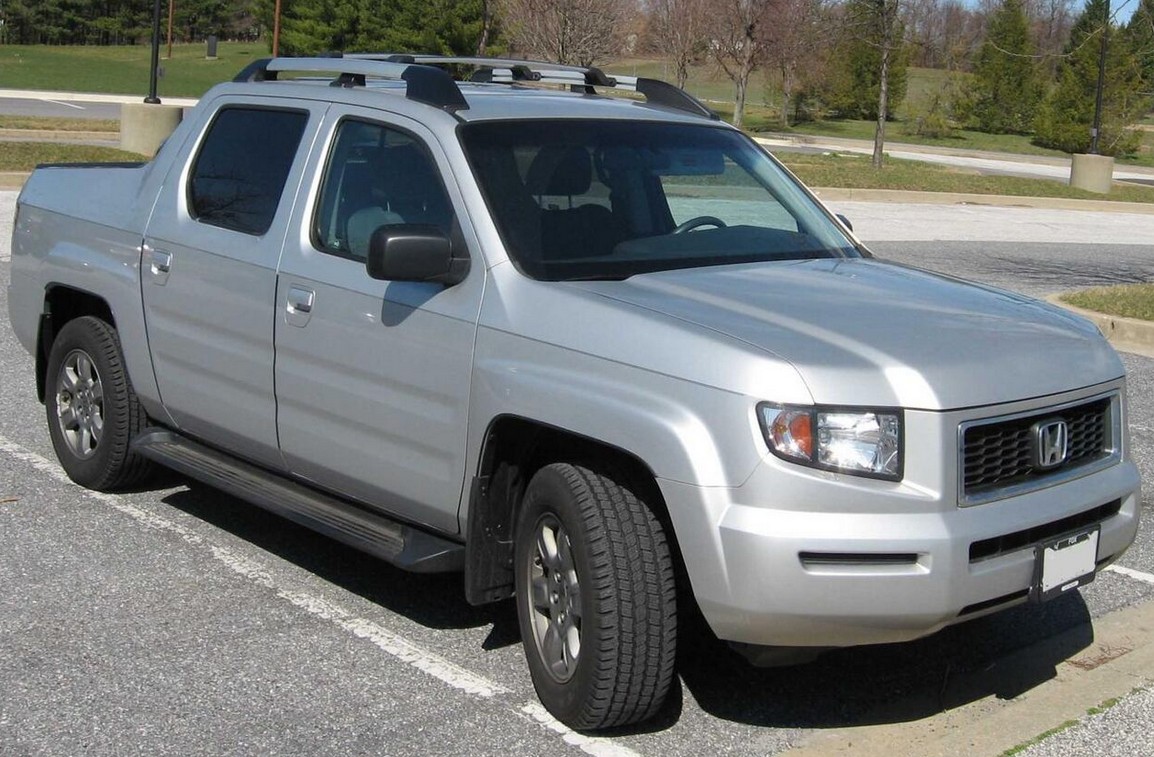
6. Honda Ridgeline (First Generation, 2006–2014)
The Honda Ridgeline is a unique truck that has always divided opinion. It uses a unibody construction rather than the traditional body-on-frame setup. This gives it a car-like ride quality that appeals to some buyers. But the first-generation Ridgeline, produced from 2006 to 2014, had notable bed drainage challenges that surprised buyers expecting Honda’s usual engineering quality.
The first-generation Ridgeline features a dual-action tailgate and an innovative in-bed trunk. These features were genuinely clever and ahead of their time. However, the in-bed trunk design created drainage complications that Honda did not fully solve. The trunk lid and surrounding seals could trap water between the trunk and the main bed floor. This water had nowhere effective to go.
The bed drain holes on the first-generation Ridgeline are positioned for the main bed area but do not adequately account for the complex geometry created by the in-bed trunk. Water that enters the area around the trunk edges flows in unpredictable directions. Some of it reaches the drains, but a significant portion collects in low spots created by the trunk’s corners and edges. These are hard-to-drain areas by design.
Honda’s use of a composite bed material was forward-thinking and rust-resistant. However, the drainage problems created issues even with the composite material. Water trapped between the trunk lid and the bed seals could cause seal degradation over time. Replacement seals became a recurring maintenance item for many first-generation Ridgeline owners who used their trucks frequently in wet weather.
The Ridgeline’s unibody construction means the bed is structurally integrated with the rest of the vehicle. This integration limits how dramatically the drainage system can be modified after the fact.
Drilling additional drain holes, which is a common aftermarket fix for other trucks, is more complicated in the Ridgeline because of the integrated structure. Owners have fewer DIY options available to them.
Honda addressed many of these issues in the second-generation Ridgeline that launched in 2017. The updated model features improved drain placement and better sealing around the in-bed trunk.
Owner reviews of the second-generation consistently note the drainage improvement over the first generation. The gap between the two generations is evidence of how seriously Honda took the complaints from first-generation owners.
The first-generation Ridgeline remains an interesting truck for buyers who prioritize comfort and versatility over traditional truck capability. Its drainage limitations are a real consideration, but they are manageable with proper maintenance.
Regularly inspecting the in-bed trunk seals and manually clearing the drain areas is important for keeping moisture damage at bay. Honda’s second-generation solution shows what was possible all along, with better drainage engineering in place.
Also Read: 5 Vehicles Where the Heater Still Works at 250K vs 5 Where It Quits at 80K
