
Backup sensors have become a standard safety feature in modern vehicles. They help drivers avoid accidents while reversing in tight spaces. These small ultrasonic or radar-based devices detect obstacles and alert the driver. But not every sensor performs the same way in all conditions.
Mud is one of the most challenging environments for backup sensors. When mud coats the sensor surface, it can block signals entirely. Some sensors are well-protected and designed to cut through dirty conditions. Others fail almost immediately when exposed to thick, wet mud.
This matters more than most drivers realize. Off-road enthusiasts, farmers, and construction workers rely on these sensors daily. A malfunctioning sensor in a muddy environment can cause costly accidents. It can also damage equipment, property, or even injure people nearby.
Not all vehicles are built equally for tough terrain. Some manufacturers design their sensors with rugged use in mind. They add protective coatings, self-cleaning mechanisms, and smarter signal technology. Others simply transplant city-grade sensors into vehicles marketed for tough jobs.
This article breaks down five vehicles where backup sensors genuinely hold up in muddy conditions. It also covers five vehicles where these sensors fail when things get dirty. Understanding this difference can save you money, frustration, and serious trouble on the trail or job site.
5 Vehicles Where the Backup Sensor Works in Mud
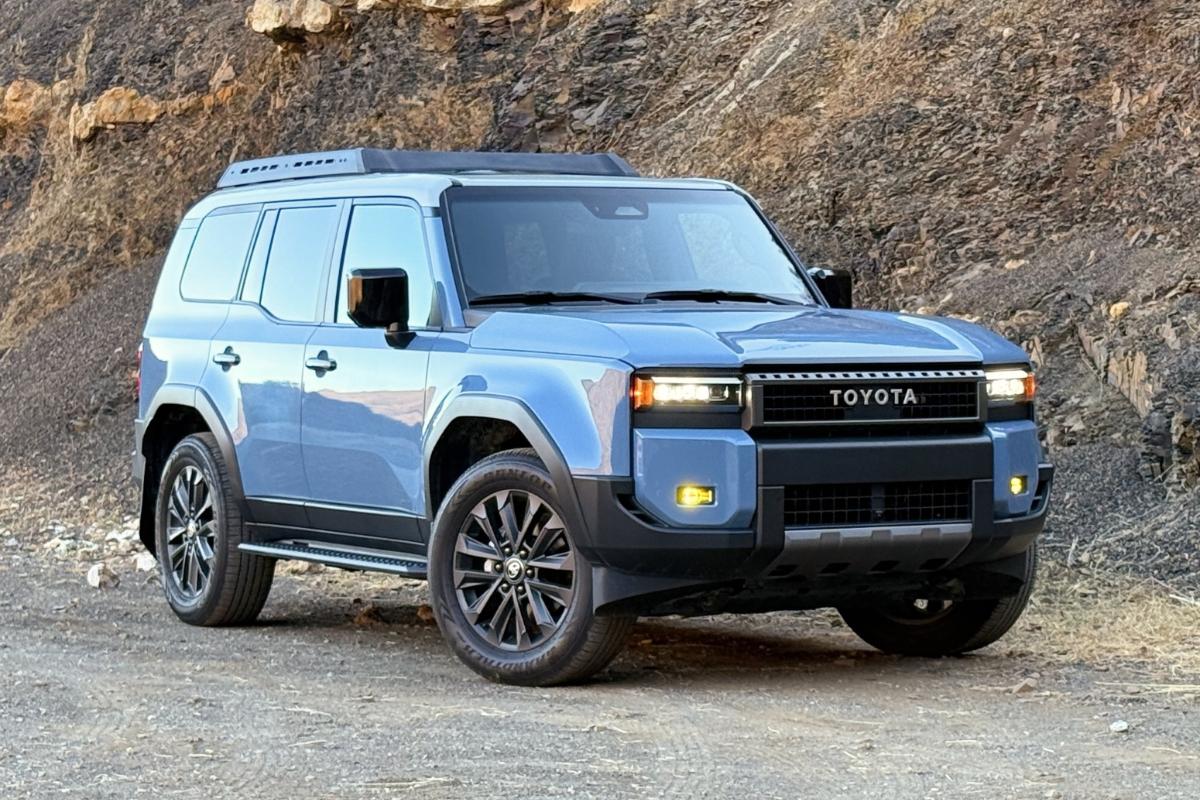
These vehicles are known for well-calibrated parking sensors and smarter software filtering, allowing them to function reliably even when covered in mud or debris. Their systems can distinguish between actual obstacles and temporary blockage, reducing false alerts. Models like the Toyota Land Cruiser, Ford Bronco, and Jeep Wrangler are often praised for rugged sensor design and off-road-friendly calibration.
Vehicles such as the Subaru Outback and Toyota 4Runner also perform well, with durable sensor placement and consistent detection, making them dependable even in dirty or harsh driving conditions.
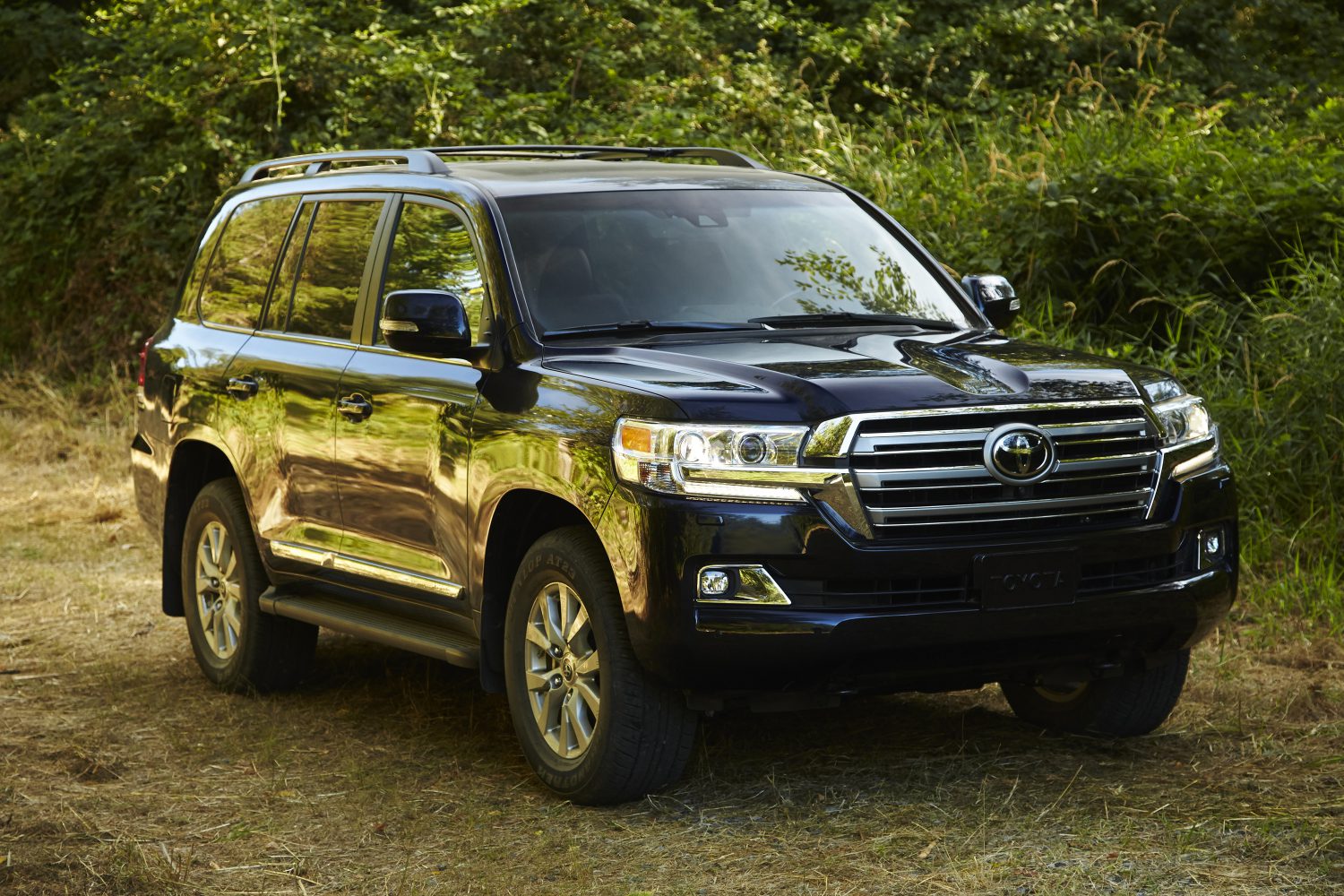
1. Toyota Land Cruiser (2020–2025)
The Toyota Land Cruiser is one of the most respected off-road vehicles ever built. It has earned its reputation through decades of performance in extreme conditions. Mud, sand, snow, and rocky terrain are all part of its everyday world. Toyota has engineered nearly every component of this vehicle to survive harsh environments.
The backup sensors on the Land Cruiser are specially designed for off-road use. They are positioned in recessed housings that reduce direct mud contact. Toyota uses ultrasonic sensors with a wider detection angle than standard models. This wider angle means the sensors can still detect objects even when partially obscured.
The sensor lenses are made from a durable, hydrophobic material. This material repels water and resists mud adhesion to a significant degree. When you reverse through shallow mud, the sensors continue to function reliably. They do not shut down or give false alerts the way cheaper systems do.
Toyota also integrates a sensor monitoring system into the Land Cruiser’s software. If a sensor becomes too clogged, the system notifies the driver immediately. This transparency allows the driver to act before a dangerous situation develops. It is a thoughtful feature that many competitors simply do not offer.
The Land Cruiser also benefits from its high ground clearance. The rear bumper sits high enough that sensors avoid the worst mud splatter zones. Most mud hits the lower body panels, not the sensor housing. This physical positioning gives the sensors a natural advantage in the field.
Owners who use the Land Cruiser on farms and forest trails report consistent sensor performance. Many say the sensors only fail in extremely deep or thick clay mud. Even then, they often recover function once the vehicle moves to cleaner ground. This resilience is rare among SUVs and trucks in this class.
The Land Cruiser’s sensor system is also compatible with Toyota’s Multi-Terrain Monitor. This camera-based backup aid works alongside the sensors for added safety. Even if mud does affect the sensors slightly, the camera system compensates. It gives drivers a visual reference when electronic alerts are reduced.
In terms of reliability, the Land Cruiser sets the benchmark. It proves that backup sensor technology can be thoughtfully adapted for real-world off-road use. Toyota’s investment in ruggedized sensor design pays off for serious users. This vehicle belongs at the top of any list evaluating muddy-condition sensor performance.
2. Ford F-250 Super Duty (2021–2025)
The Ford F-250 Super Duty is a heavy-duty workhorse used across farms, construction sites, and remote job locations. It is built for punishment. Ford understands that its buyers frequently operate in muddy, wet, and dirty environments. The company has responded by equipping the Super Duty with robust sensor technology.
The rear backup sensors on the F-250 use ultrasonic frequency technology with enhanced signal strength. Stronger signals mean better penetration through minor mud coverage. Standard sensors lose accuracy quickly when coated in mud. The Super Duty’s sensors maintain reasonable performance even under moderate mud exposure.
Ford mounts the rear sensors in positions that benefit from some natural protection. The bumper design channels mud flow away from the sensor housings. This is not accidental. Ford’s engineers studied how mud behaves on rear bumpers during heavy use. They designed the bumper geometry to minimize sensor contamination.
The F-250 also uses Ford’s Pro Trailer Backup Assist system, which relies on accurate sensor data. This system requires sensors to perform consistently across different environments. Ford therefore had strong incentive to make the sensor hardware more durable. That durability pays dividends in muddy conditions as well.
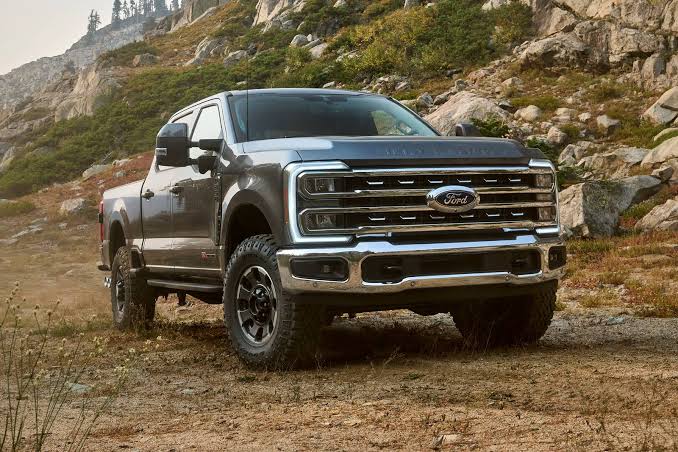
Many F-250 owners use their trucks in agriculture. Driving through muddy fields and farm tracks is routine work. These owners report that the sensors perform well in everyday farm mud. They note that performance degrades only in thick, deep mud or when the bumper is submerged.
The sensor housing on the Super Duty uses a sealed, weather-resistant casing. Moisture and mud particles have fewer entry points compared to standard consumer vehicles. This sealed design prevents internal contamination that can cause permanent sensor failure. It is a feature more associated with industrial equipment than passenger trucks.
Ford also offers optional spray-on protective coatings for the sensor area. These coatings reduce mud adhesion and make cleaning easier. Some owners apply aftermarket hydrophobic coatings to further improve performance. The sensors respond well to these treatments because of their robust underlying design.
The F-250 stands as proof that working trucks can have dependable backup technology. Ford did not simply bolt on city-grade sensors and call it done. The company invested in hardware suited to the truck’s actual use cases. In muddy environments, that investment clearly shows.
3. Land Rover Defender (2020–2025)
The Land Rover Defender carries a legendary name in the off-road world. The modern version, relaunched in 2020, combines classic ruggedness with advanced technology. Land Rover has worked hard to make the Defender’s electronics match its mechanical capability. The backup sensor system is a strong example of this effort.
Land Rover uses a combination of ultrasonic sensors and radar-based detection in the Defender. Radar signals are far less affected by mud than pure ultrasonic systems. When mud coats a radar sensor, the signal still penetrates and returns useful data. This dual-system approach gives the Defender a significant advantage in dirty conditions.
The Defender’s sensor housings are recessed into the bumper at precise angles. These angles are calculated to allow natural runoff of water and loose mud. Heavier mud does not always clear on its own, but the design reduces buildup. Land Rover clearly considered muddy environments during the sensor placement process.
The Terrain Response system on the Defender adjusts multiple vehicle systems based on selected terrain. When Mud Terrain mode is selected, the vehicle’s electronics shift into a heightened awareness state. The backup sensor system becomes more sensitive and recalibrates its detection thresholds. This smart adjustment helps compensate for any sensor degradation caused by mud coating.
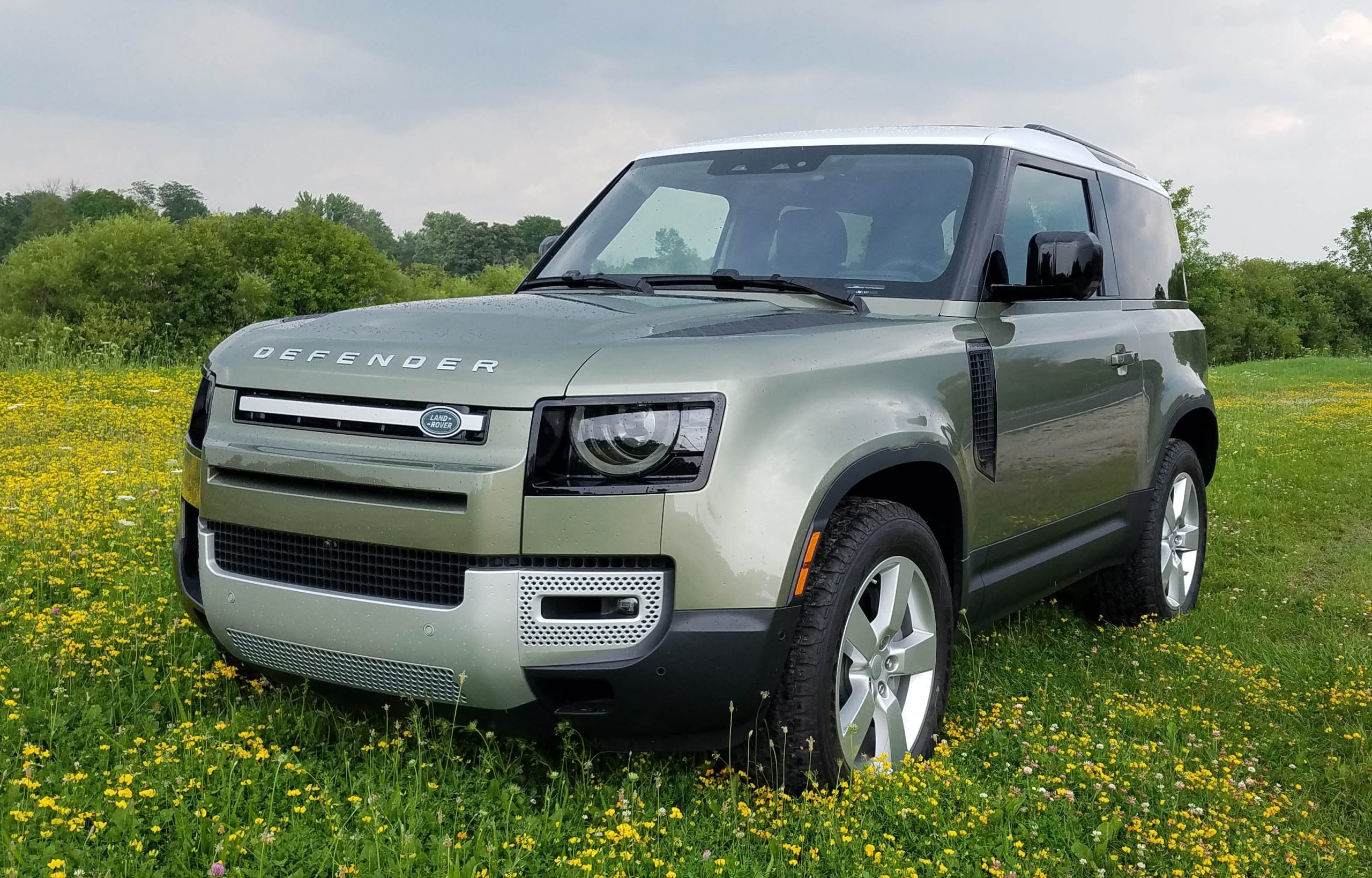
Defender owners frequently use these vehicles on muddy country roads and off-road trails. Field reports consistently praise the sensor performance in light to moderate mud conditions. Even in serious off-road events, drivers note that the sensors remain functional longer than expected. That performance builds genuine trust in the system.
Land Rover also equips the Defender with a 360-degree camera system as standard on higher trims. This camera setup provides visual backup support when sensor accuracy drops. The cameras are also mounted with protective positioning to reduce direct mud splatter. Together, the sensors and cameras form a layered safety system.
The Defender also supports remote diagnostics for its sensor systems. If a sensor begins to fail due to contamination, the vehicle can flag it in the service system. Owners receive timely warnings before a small issue becomes a major failure. This proactive approach to sensor health monitoring is a standout feature.
Land Rover continues to refine the Defender’s sensor technology with each model year. Updates via over-the-air software improve detection algorithms and fault tolerance. The hardware is strong, and the software keeps getting smarter. The Defender earns its place on this list through both design and real-world performance.
4. Ram 2500 Power Wagon (2021–2025)
The Ram 2500 Power Wagon is specifically designed for off-road use. It is not a lifestyle truck with off-road styling. It is a genuine, capable machine built for difficult terrain. Ram engineers every component of the Power Wagon with rugged use in mind. The backup sensor system follows that same philosophy.
The Power Wagon uses heavy-duty ultrasonic sensors with reinforced housings. These housings are built from a tougher polymer than what you find on standard trucks. They resist cracking under impact and maintain their seal in wet, muddy conditions. This physical toughness prevents a common failure point in competing systems.
Ram positions the rear sensors higher on the bumper than most competitors. This higher placement keeps the sensors away from the deepest mud zone at bumper level. When the truck drives through muddy terrain, the lowest bumper section takes the most impact. Placing sensors higher gives them a natural buffer against the worst contamination.
The Power Wagon also features an available electronic locking rear axle and Terrain Select system. Off-road modes affect the sensitivity and response of backup sensors. When the truck is in off-road mode, the sensor system tolerates a wider range of signal variation. This tolerance prevents false alarms that would otherwise make the sensor system frustrating.
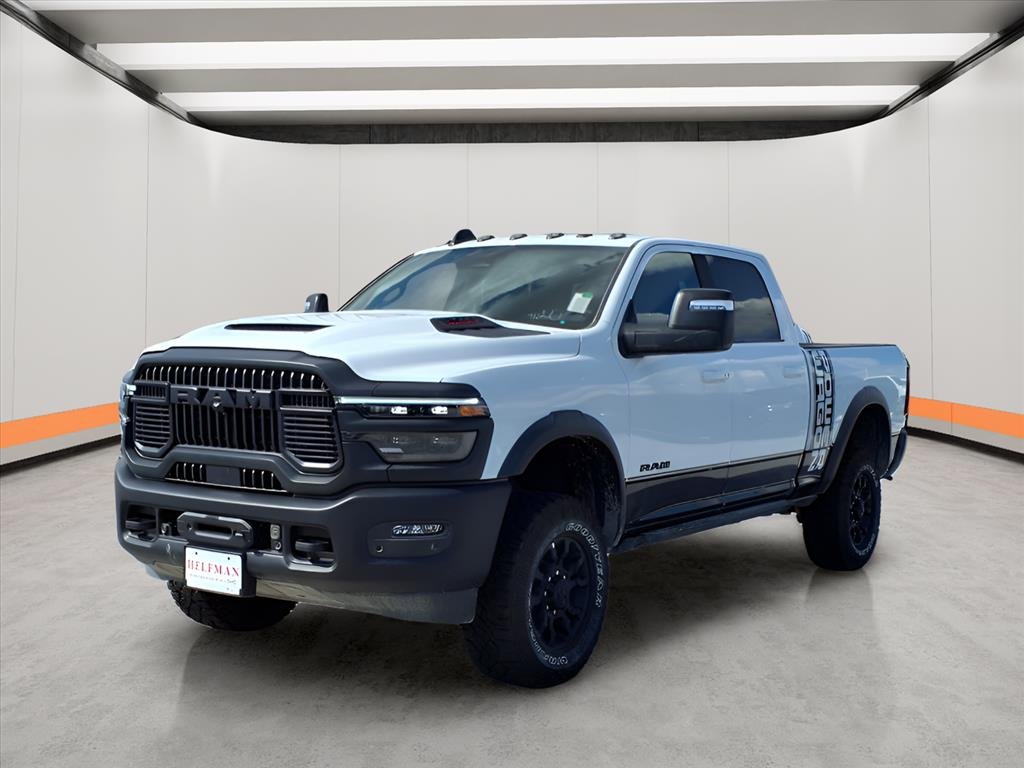
Ram’s engineers collaborated with off-road testing teams to evaluate sensor performance. They ran the Power Wagon through mud pits, creek crossings, and dense forest trails. The sensor system was refined based on real-world data collected in these environments. That practical testing approach results in a system that works when it matters.
Power Wagon owners frequently report using their trucks on muddy ranches and forest service roads. Many note that the backup sensors work reliably even after sustained mud exposure. The sensors may require rinsing after a deep mud run, but they return to full function quickly. That recovery speed is an important quality in a working truck.
The Power Wagon’s sensor ecosystem includes both sensors and an available rear camera. The camera adds a visual layer when sensors are compromised. Ram’s backup camera is positioned to minimize mud exposure on its lens. The combination of tough sensors and a protected camera makes reversing safer in all conditions.
Ram built the Power Wagon for people who use trucks for real work. The backup sensor system reflects that serious intent. It is one of the few trucks where the sensor design matches the vehicle’s off-road marketing promise. For muddy environments, the Power Wagon delivers where others merely claim to.
Also Read: 5 Cars With Suspensions That Soak Up Potholes vs 5 That Bounce Like a Rodeo
5. Mercedes-Benz G-Class (2019–2025)
The Mercedes-Benz G-Class is an iconic vehicle with serious off-road credentials. It is expensive, luxurious, and surprisingly tough. Mercedes does not cut corners on any component of the G-Class. The backup sensor system benefits from that premium engineering approach.
Mercedes equips the G-Class with its PARKTRONIC sensor system. This system uses high-precision ultrasonic sensors arranged for maximum coverage. The sensors have a wider field of detection than standard European specifications. That extra coverage width helps the system detect obstacles even when some sensors are partially blocked by mud.
The G-Class sensor housings are made from metal-reinforced polymer composites. These materials are significantly more impact-resistant than standard plastic sensor covers. The metal reinforcement also helps maintain the housing shape under the stress of mud impact. A sensor that holds its precise angle performs better than one that has shifted under impact.
Mercedes integrates a self-monitoring diagnostic loop into the PARKTRONIC system. This loop continuously checks each sensor’s output against expected parameters. If mud causes a sensor to underperform, the system flags it within seconds. The driver sees a warning and can take action before a safety issue occurs.
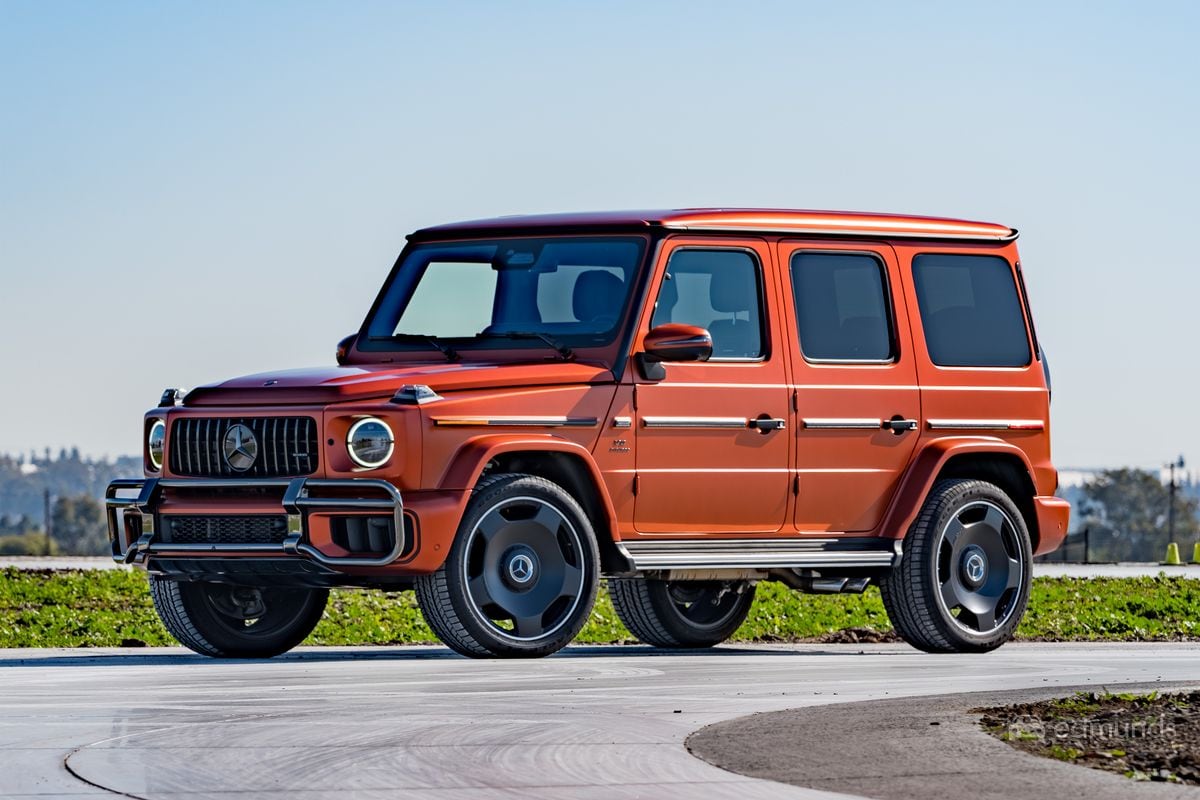
The G-Class is used by military units and expedition teams worldwide. These users operate in extreme mud and wet conditions on a regular basis. Field feedback from these harsh use cases has informed Mercedes’ sensor design choices. The civilian G-Class benefits from this military-grade real-world testing.
G-Class owners who use their vehicles off-road report that sensors perform well in moderate mud. Heavy clay mud does cause some signal degradation, as it would in any vehicle. However, the G-Class recovers faster than most vehicles once it moves to cleaner ground. That recovery characteristic is partly due to the sensor housing design.
The G-Class also features a 360-degree camera system on most trim levels. This camera array provides visual backup when sensor performance is reduced. The cameras are positioned to minimize mud contamination while still providing useful angles. This redundancy is exactly what serious off-road drivers need.
Mercedes prices the G-Class as a premium product, and the sensor system reflects that value. The engineering investment shows in real-world performance. Not every vehicle at this price point delivers on its muddy-terrain promises. The G-Class consistently does, making it a worthy inclusion on this list.
5 Vehicles Where the Backup Sensor Fails in Mud
These vehicles often struggle with overly sensitive or poorly protected sensors, which can malfunction or give constant warnings when exposed to mud, snow, or dirt. Even light buildup can block the sensors, causing false alerts or complete failure.
In many cases, the system becomes unreliable until cleaned, making it frustrating during off-road driving or bad weather. While fine in clean conditions, these sensors can quickly lose effectiveness, reducing convenience and driver confidence.
1. Honda CR-V (2019–2024)
The Honda CR-V is a popular compact SUV with a strong reputation for reliability. It sells well because it is practical, fuel-efficient, and comfortable. However, the CR-V is fundamentally a city and suburban vehicle. Its backup sensor system reflects that urban design priority.
The CR-V uses standard ultrasonic sensors mounted flush with the rear bumper. These sensors are effective in clean, dry conditions on parking lots and driveways. They detect obstacles accurately and provide timely audio alerts. But this performance drops sharply when mud enters the equation.
The sensor housings on the CR-V are not sealed to the same standard as off-road vehicles. Mud particles can work their way into small gaps around the sensor face. Once mud enters these gaps, it affects the sensor’s vibrational frequency. A sensor that cannot vibrate correctly cannot send or receive accurate signals.
Honda positions the sensors low on the rear bumper of the CR-V. This placement is standard for urban vehicles where low obstacles are the main concern. In muddy conditions, however, this low position puts the sensors directly in the mud zone. A single reverse through soft mud can coat all four rear sensors completely.
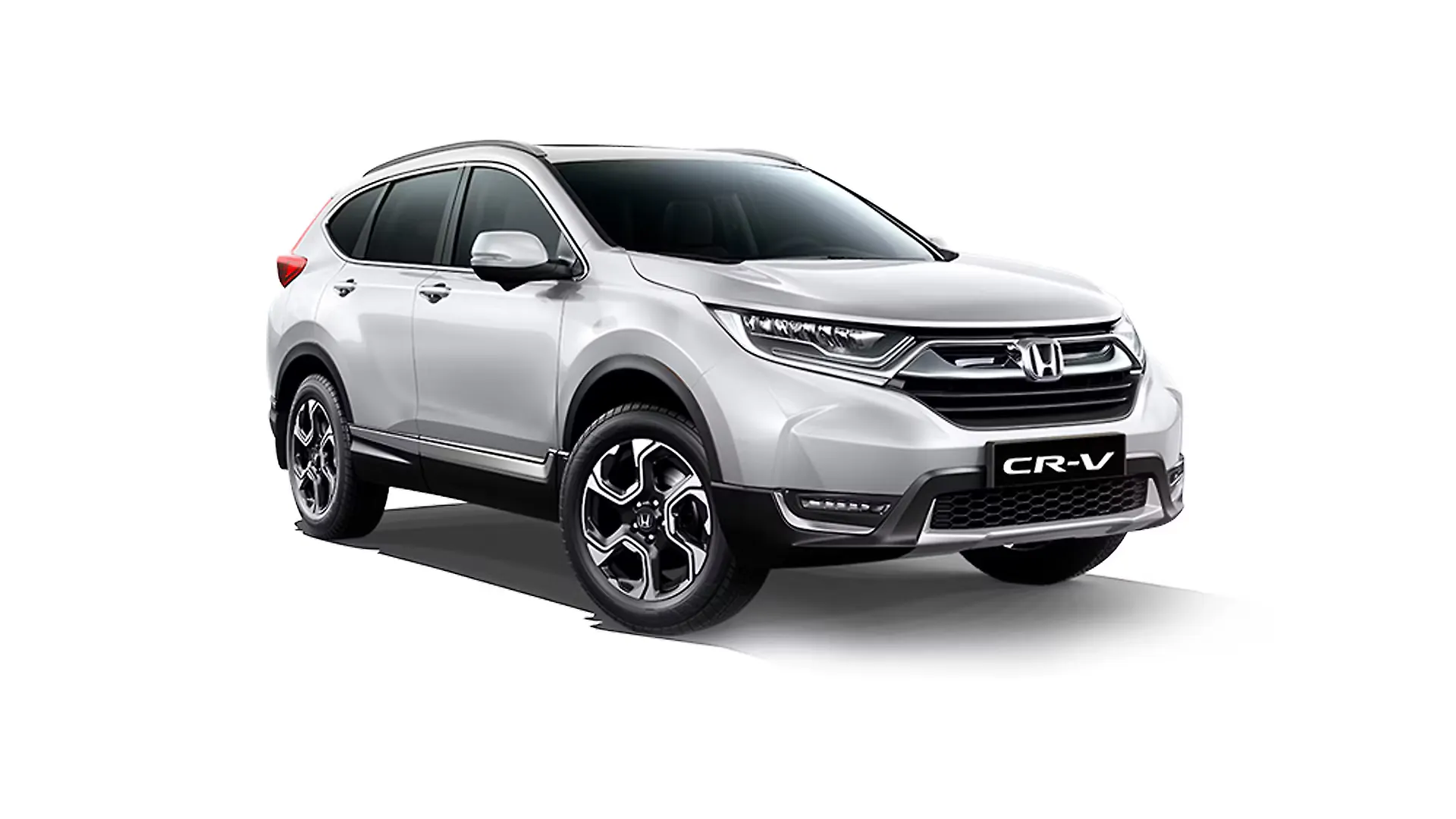
CR-V owners who live in rural areas frequently complain about sensor failures in winter and spring. Muddy driveways and unpaved roads cause the sensors to throw constant error warnings. These warnings are not false alarms. The sensors are genuinely failing to function under mud coating.
When CR-V sensors fail due to mud, the vehicle does not have a strong backup system to rely on. The rear camera is helpful, but it also suffers in muddy conditions. Mud on the camera lens reduces visibility significantly. The driver is left with neither reliable sensors nor a clear camera image.
Honda’s software does not offer a mud-tolerant mode or a sensor recalibration option. The system simply reports an error or goes silent when sensors malfunction. There is no dynamic adjustment to compensate for environmental contamination. This rigidity makes the sensor system frustrating for drivers in rural or off-road conditions.
The CR-V is not marketed as an off-road vehicle, which is fair. However, many buyers in rural areas choose it as a practical family car. These buyers discover too late that the backup system is not suited to their environment. Honda could improve sensor placement and housing quality without significantly raising costs.
2. Volkswagen Tiguan (2018–2024)
The Volkswagen Tiguan is a stylish and well-equipped compact crossover. It is popular in Europe and North America for its refined interior and smooth ride. Volkswagen positions the Tiguan as a premium daily driver with some off-road capability. Unfortunately, the backup sensor system does not support that off-road claim.
The Tiguan uses Park Distance Control sensors that are optimized for European urban driving conditions. These sensors excel at detecting walls, bollards, and pedestrians in parking structures. They are precisely calibrated for those clean, dry environments. Mud exposure breaks that calibration almost immediately.
Volkswagen mounts the Tiguan’s rear sensors very low and flush on the bumper. The bumper design does not include any protective channeling for the sensor area. In muddy conditions, rear mud spray hits the sensors directly and with full force. A few passes through muddy terrain can completely disable the sensor array.
The sensor casings on the Tiguan use standard-grade automotive plastic. This plastic is sufficient for city use but offers little protection against mud infiltration. The sealing around the sensor edges is thinner than what off-road-rated vehicles use. Mud and water penetrate these seals more easily, causing internal contamination over time.
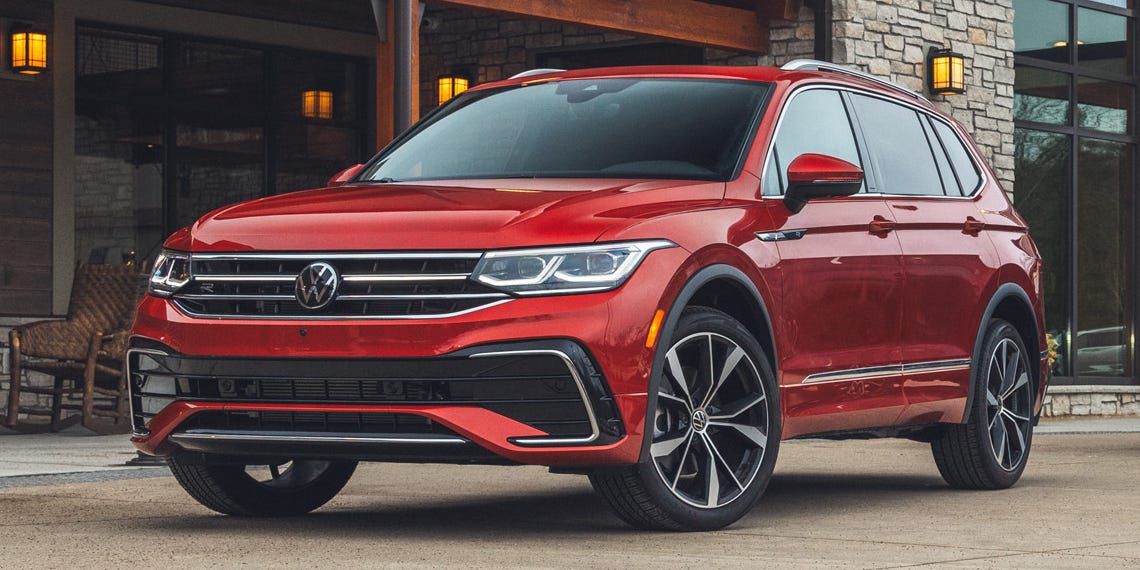
Tiguan owners in rural Germany and Scandinavia frequently report winter mud issues with sensors. Forum discussions on Volkswagen owner communities are filled with complaints about sensor errors after driving on unpaved roads. Many owners have resorted to covering the sensors with tape during muddy seasons. That workaround speaks volumes about the system’s limitations.
When the Tiguan’s sensors fail in mud, the Park Distance Control system displays an error light. The system does not attempt to recalibrate or adjust sensitivity. It simply goes offline and stays offline until the sensors are manually cleaned. This all-or-nothing behavior is particularly frustrating for drivers who need partial functionality.
The Tiguan’s rear camera is a useful backup, but it shares the sensor system’s vulnerability. Mud on the camera lens creates visibility problems at the same time the sensors fail. The two backup systems fail simultaneously in muddy conditions, leaving drivers with very limited safety information.
Volkswagen has the engineering capability to improve this system significantly. The company has improved sensor designs in other vehicle lines. However, the Tiguan’s sensor system has not received meaningful upgrades in this area. For a vehicle that advertises some off-road utility, this is a significant and ongoing shortcoming.
3. Chevrolet Equinox (2018–2024)
The Chevrolet Equinox is a best-selling compact SUV in the United States. It is practical, affordable, and available across many trim levels. General Motors equips the Equinox with a standard backup sensor system that serves urban drivers well. In muddy conditions, however, the system reveals its limitations quickly.
The Equinox uses four rear ultrasonic sensors embedded in the lower bumper section. This placement is common in compact SUVs designed for city use. In clean conditions, the sensors provide reliable detection out to several feet behind the vehicle. Mud exposure degrades that detection range dramatically and rapidly.
GM uses standard sensor housings on the Equinox that are not rated for off-road conditions. The mounting brackets are designed for stability on smooth bumpers, not for impact resistance. When mud hits the sensor area at speed, the brackets can shift slightly. Even a minor shift in sensor angle can cause significant detection errors.
The sensor software on the Equinox is calibrated for standard conditions. It does not include adaptive algorithms that adjust for reduced signal quality. When mud covers a sensor, the system interprets the weak signal as noise and discards it. The result is a sensor that appears to stop working rather than working at reduced capacity.
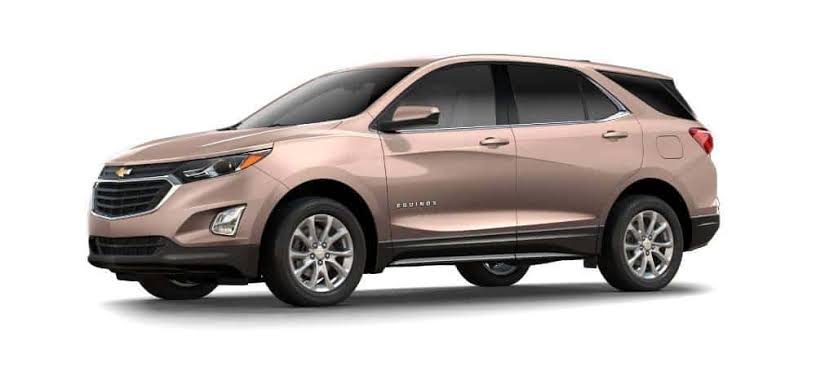
Equinox owners in the American Midwest frequently report sensor problems during the spring thaw. Muddy rural roads and farm driveways disable the sensors regularly during this season. Many owners report returning from a single muddy drive to find all four sensors in error mode. Cleaning is required before the system functions again.
The Equinox does not offer any form of sensor self-cleaning or protective coating from the factory. There are no available dealer-installed accessories to improve sensor mud resistance. This lack of options leaves owners in muddy areas with no factory solution. They must rely on third-party products or manual cleaning routines.
GM’s backup camera on the Equinox is mounted at a reasonable height on the tailgate. However, the camera lens is not effectively protected from mud spray. In muddy conditions, the camera image degrades alongside the sensor performance. Both safety systems become unreliable at the same time.
The Equinox is a strong urban vehicle that meets its design brief effectively. It is not designed for muddy terrain, and its sensor system reflects that. Buyers who live in areas with unpaved or muddy roads should be aware of this limitation. GM could address this with better sensor positioning and housing design at minimal added cost.
4. Nissan Rogue (2019–2024)
The Nissan Rogue is one of the most popular crossovers in North America. It appeals to families who want space, comfort, and modern technology at a reasonable price. Nissan includes a full backup sensor suite in most Rogue trim levels. In urban environments, this system performs well and earns good reviews.
The problem begins when the Rogue encounters unpaved roads and muddy driveways. The backup sensors are positioned at the base of the rear bumper, where mud accumulation is heaviest. A single backing maneuver through soft soil can coat the sensors entirely. Signal transmission drops to near zero almost immediately after mud contact.
Nissan’s sensor system on the Rogue uses a basic ultrasonic architecture without enhanced signal processing. Standard ultrasonic sensors are highly sensitive to surface contamination. Mud absorbs and scatters the ultrasonic waves that the sensors rely on. The result is a complete loss of detection capability rather than a graceful degradation.
The Rogue’s sensor housings are sealed adequately for rain and car wash use. However, they are not designed to handle the pressure and density of thick mud. Farm mud, clay-rich soil, and wet forest debris are outside the design tolerance of these housings. Contamination through the seal edges is a common complaint among rural Rogue owners.
Nissan does not include any sensor diagnostic transparency in the Rogue’s system. When sensors fail due to mud, the system may display a generic warning or simply go silent. The driver receives no information about which sensor has failed or why. This lack of transparency makes troubleshooting difficult and leaves drivers uncertain about their safety.
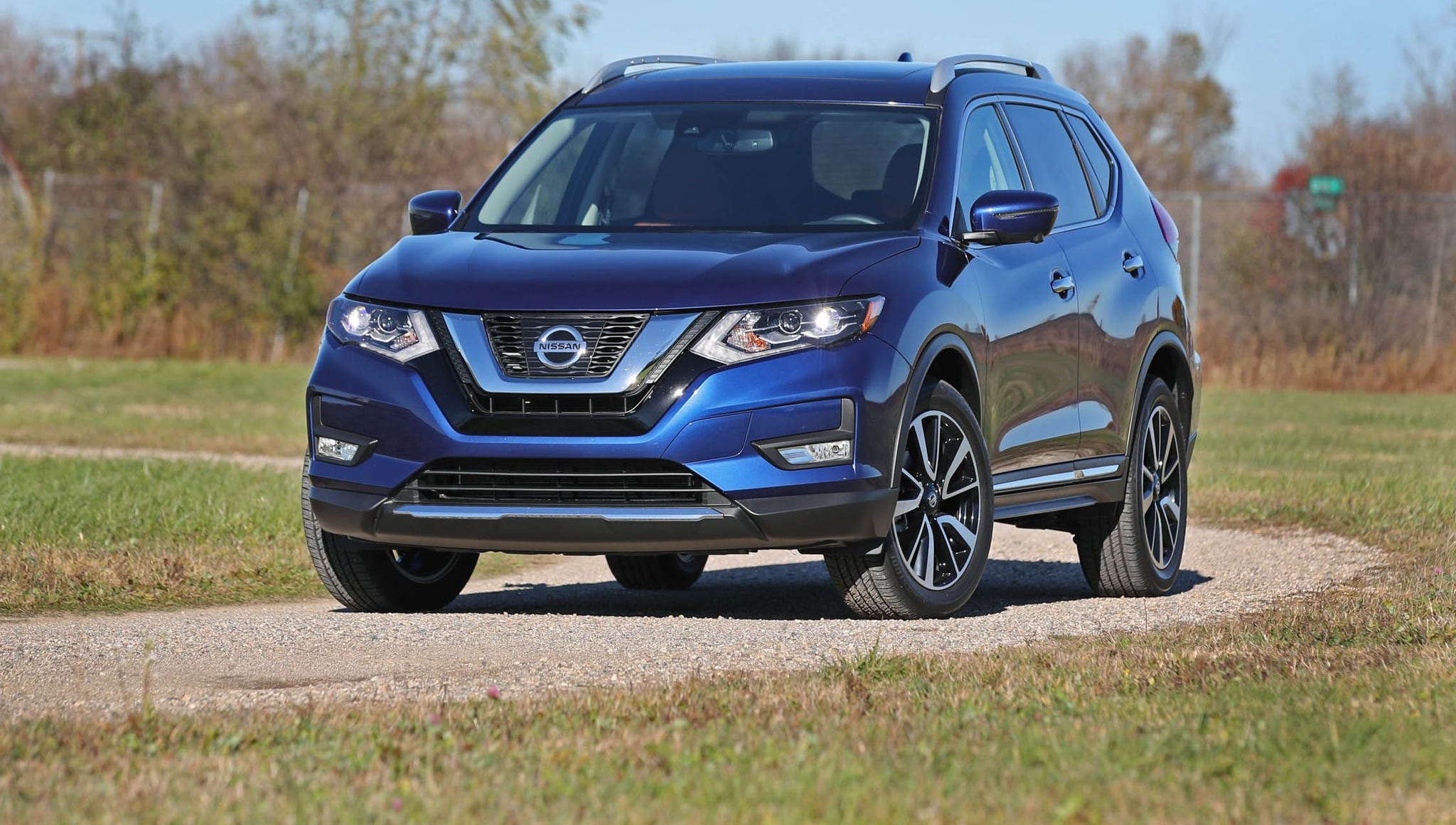
The Rogue has an available ProPilot Assist system that relies partly on sensor accuracy. When sensors malfunction in mud, this advanced system is also compromised. A vehicle that advertises advanced driver assistance technology should have sensors that support that technology in varied conditions. The Rogue falls short in this regard.
Rural Nissan Rogue owners in Canada and the northern United States frequently deal with this issue. Spring mud season is particularly challenging for these owners. Sensor error codes appear frequently, and dealerships often have no solution other than cleaning. Nissan has not introduced improved sensor hardware in recent refresh cycles.
The Rogue is an excellent vehicle for its intended use. That use does not include regular mud exposure. Buyers who live in areas with frequent mud should understand this limitation before purchasing. Nissan’s marketing does not adequately communicate this vulnerability to potential buyers.
5. Hyundai Tucson (2019–2024)
The Hyundai Tucson is a competitive compact SUV with modern features and attractive pricing. Hyundai has invested heavily in safety technology across its lineup. The Tucson includes standard backup sensors on most trims as part of its safety package. In dry, paved conditions, these sensors work reliably and receive strong owner reviews.
The challenge arises when the Tucson is used in muddy rural conditions. Hyundai targets the Tucson at urban and suburban buyers who primarily drive on paved surfaces. The sensor system is designed and calibrated for those clean environments. Exposure to mud reveals how narrow the performance envelope actually is.
Hyundai mounts the Tucson’s rear sensors at bumper mid-height and low positions. The lower sensors are especially vulnerable to mud during reverse maneuvers on unpaved surfaces. Mud thrown up by the rear tires hits these sensors directly. Full contamination can occur within seconds of reversing on a muddy surface.
The sensor lenses on the Tucson are made from standard polycarbonate material. This material does not have a hydrophobic or mud-resistant coating. Mud adheres strongly to polycarbonate surfaces, especially when the mud contains clay or organic matter. Cleaning these sensors thoroughly after mud exposure is more difficult than on vehicles with coated lenses.
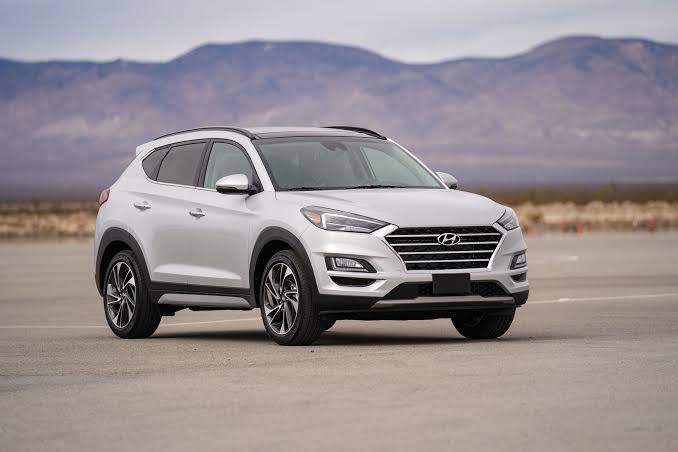
Hyundai’s sensor software does not adjust its operating parameters when signal quality drops. When mud reduces the signal return, the system treats it as an absence of signal. The sensor then reports either a false clear reading or an error condition. Neither response is acceptable in a safety-critical system.
Tucson owners in rural South Korea and the American Southeast report consistent sensor problems in wet seasons. Red clay mud, common in these regions, is particularly damaging to sensor performance. Owners report that the sensors do not recover function until the mud is fully removed. This recovery requirement disrupts work routines and creates unnecessary safety risks.
Hyundai’s rear camera on the Tucson is mounted at tailgate level. It provides useful visual information but is also vulnerable to mud spray. When sensors and cameras fail simultaneously, the driver loses both layers of backup safety. This combined failure is too common in vehicles used even occasionally on unpaved surfaces.
The Tucson represents a missed opportunity. Hyundai has the engineering resources to improve sensor durability significantly. The company makes vehicles like the Santa Cruz and Palisade that serve buyers in tougher environments. Bringing better sensor technology down to the Tucson trim level would benefit a large number of buyers. Until that happens, the Tucson remains a strong city SUV with a genuine muddy-terrain weakness.
Also Read: 6 Sedans Where the Stereo Still Sounds Good After 15 Years vs 6 With Crackling Speakers
