
Phoenix heat is not just uncomfortable; it is a real test of how well a vehicle is engineered. With temperatures often soaring past 110°F, most cars struggle with overheated cabins, stressed batteries, and fading interiors. However, some vehicles are built or designed in a way that allows them to manage extreme thermal conditions with surprising ease.
These models rely on strong air-conditioning systems, heat-resistant materials, intelligent cooling technologies, and durable powertrains that continue working even after hours under direct desert sun. From hybrid sedans and electric vehicles to rugged SUVs and heavy-duty trucks, each one handles heat in a different but effective way.
Some focus on active pre-cooling and remote climate control, while others depend on mechanical simplicity and robust cooling hardware. Together, they show that surviving extreme heat is not just about endurance but about smart engineering. This list highlights nine vehicles that remain comfortable, reliable, and ready to drive even after being parked in intense Arizona sun.
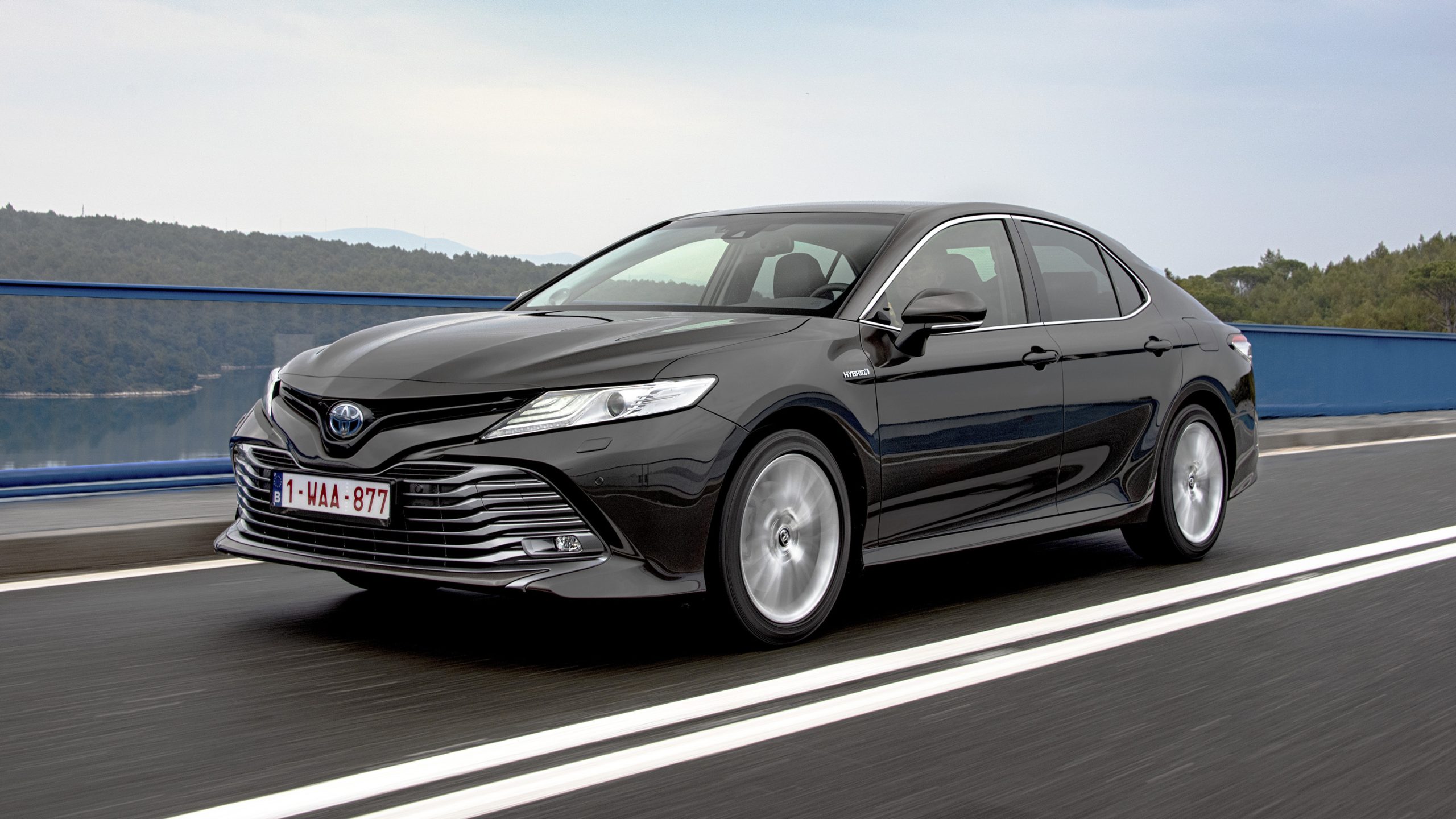
1. Toyota Camry
The Toyota Camry is a midsize sedan built with long-term durability and climate resilience in mind, making it especially well-suited for extremely hot regions such as Arizona. Its engineering focus combines reliable mechanical systems with modern hybrid technology to deliver consistent performance, strong cooling capability, and low operating stress even under harsh desert conditions.
In high-heat environments, the Camry’s cooling systems are a major advantage. Hybrid models use an electric air-conditioning compressor that can continue cooling the cabin even when the engine is off, improving comfort during traffic and stoplights. Strong factory A/C systems, ventilated seating on higher trims, and heat-resistant interior materials help prevent overheating of both passengers and cabin surfaces. Toyota also designs hybrid battery cooling pathways that use cabin air to regulate temperature, improving longevity in extreme climates.
Performance is delivered through hybrid powertrains that balance efficiency and responsiveness. Front-wheel-drive versions produce around 225 horsepower while all-wheel-drive models increase output to about 232 horsepower using an additional rear motor. A continuously variable transmission ensures smooth acceleration, with 0–60 mph times ranging from about 6.8 to 7.0 seconds depending on configuration. While tuned more for comfort than sportiness, sport-oriented trims improve stability and handling precision.
Fuel economy remains one of the Camry’s strongest advantages. Depending on configuration, EPA ratings reach up to 52 mpg in city driving and 49 mpg on the highway, with AWD versions still maintaining strong efficiency in the low-to-mid 40s mpg range. This makes it particularly cost-effective for daily commuting in high-traffic urban environments.
Inside, the Camry offers a spacious, practical cabin with intuitive technology. Standard features include wireless Apple CarPlay and Android Auto, touchscreen infotainment, and dual-zone climate control. Higher trims add larger digital displays, premium audio systems, leather upholstery, and additional comfort features like ambient lighting and heated components.
Safety and reliability remain central to its appeal. The Camry includes standard driver-assistance systems such as adaptive cruise control, lane-keeping assist, and automatic emergency braking. Toyota also provides long-term hybrid component coverage and complimentary maintenance, reinforcing its reputation as a dependable, low-maintenance vehicle for long-term ownership in demanding climates. It remains a practical, efficient, and durable choice for desert and urban driving alike.

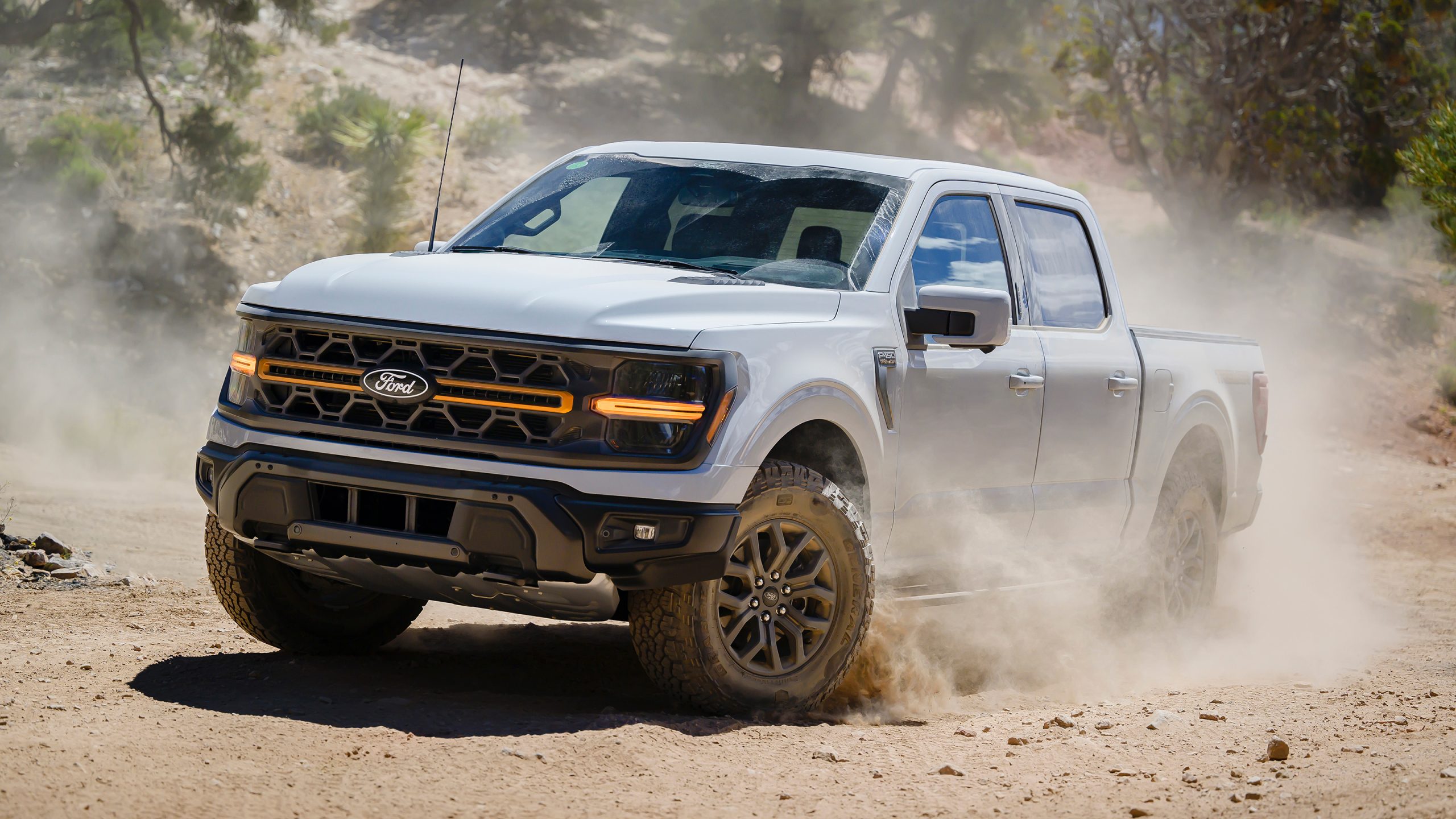
2. Ford F-150
The Ford F-150 is a full-size pickup engineered for demanding work environments and extreme desert climates like Phoenix, where temperatures exceed 110°F and vehicle stress is constant. Built for durability, it combines strong cooling systems, heavy towing capability, and heat-resistant engineering to maintain performance under harsh conditions.
Its thermal management system is designed to prevent overheating during towing or idling in extreme heat. Large radiators and reinforced cooling components support engines ranging from turbocharged V6 options to V8 and hybrid variants. The hybrid setup adds electric assistance, reducing engine strain and improving efficiency in stop-and-go traffic.
Cabin comfort is a major strength. The air-conditioning system cools the large interior quickly, even after prolonged sun exposure. Higher trims offer ventilated seats, tri-zone climate control, and remote start features that allow pre-cooling before entry. These systems are especially valuable in desert environments where interiors heat up rapidly.
The truck uses a military-grade aluminum body that reduces weight while improving heat dissipation compared to steel. Ford subjects it to extreme desert testing, including high-speed off-road endurance runs that simulate harsher conditions than typical highway driving, ensuring reliability under sustained heat stress.
Performance ranges from about 325 horsepower in base engines to over 430 horsepower in hybrid configurations, paired with a 10-speed automatic transmission. The truck delivers strong acceleration, with 0–60 mph times around 5 to 6 seconds in tested models, depending on trim.
It also offers substantial capability, with towing capacity up to 13,500 pounds and payload ratings above 2,400 pounds. Inside, the cabin is spacious and practical, with configurable seating, storage solutions, and workstation-style layouts that enhance usability for job sites and travel.
A large infotainment system supports wireless smartphone integration and over-the-air updates. Safety features include automatic emergency braking, lane-keeping assist, blind-spot monitoring, and optional adaptive cruise control with hands-free driving capability.
Fuel economy varies by configuration, with hybrid models delivering improved efficiency in both city and highway driving. The F-150 balances power and practicality, making it suitable for daily commuting as well as demanding commercial use in hot climates. Its reputation for durability makes it a long-term choice for drivers facing extreme environmental stress year-round and heavy-duty work applications alike.
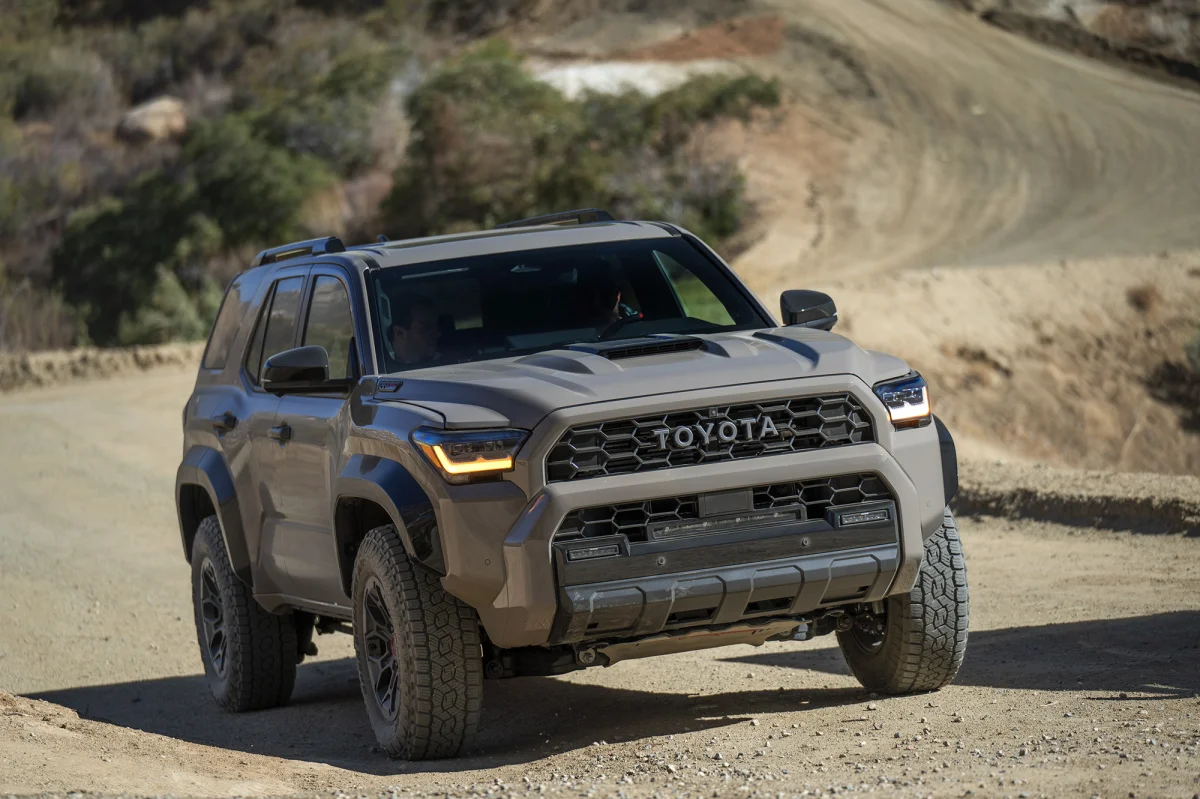
3. Toyota 4Runner
The Toyota 4Runner is a body-on-frame SUV designed for extreme environments where high temperatures, rough terrain, and long-term reliability are constant challenges. In desert regions like Phoenix, where heat can exceed 110°F and parked vehicles absorb intense sunlight, it is valued for its mechanical simplicity, durability, and ability to keep functioning reliably over many years.
Its strength begins with a proven, low-complexity engineering design. The 4Runner uses a durable four-cylinder turbocharged engine in newer models or a long-established V6 in earlier generations, both known for heat resistance and long service life. The cooling system is built to manage sustained high temperatures, and the simpler mechanical layout reduces the risk of failures caused by heat stress compared to more electronically complex vehicles.
Cabin comfort is handled through a strong and efficient air-conditioning system that cools the interior quickly, even after long exposure to direct sun. Using recirculation mode helps bring temperatures down faster. Higher trims include ventilated seats that improve comfort when surfaces become hot, especially in leather or SofTex-equipped interiors. Physical climate controls are designed for reliability and easy operation in bright sunlight, where touchscreens may be harder to use.
A practical feature for hot climates is the power rear window, which allows trapped hot air to escape quickly before driving. It also improves airflow while the vehicle is in motion. When combined with an optional sunroof, the SUV can be ventilated more effectively, helping reduce heat buildup inside the cabin.
The interior focuses on durability and usability. Heat-resistant materials help prevent cracking or fading, while the layout keeps important controls within easy reach. The cabin also offers flexible seating, including an optional third row, and cargo space that adapts for passengers or gear.
Performance is steady and controlled. The latest engine produces about 278 horsepower and is paired with an eight-speed automatic transmission. Buyers can choose rear-wheel drive or a four-wheel-drive system with low-range gearing for off-road conditions. Acceleration is moderate at about 7.5 seconds from 0 to 60 mph, but the focus is stability and endurance rather than speed.
Off-road capability is a major advantage, with features such as locking differentials, crawl control, and disconnecting stabilizer bars. It can tow up to 6,000 pounds and offers reasonable fuel efficiency for its size, reaching up to 26 mpg highway.
Technology includes wireless smartphone integration and a modern infotainment system, while Toyota Safety Sense adds adaptive cruise control, lane assistance, and emergency braking. The 4Runner is built to endure heat, terrain, and time with consistent reliability.
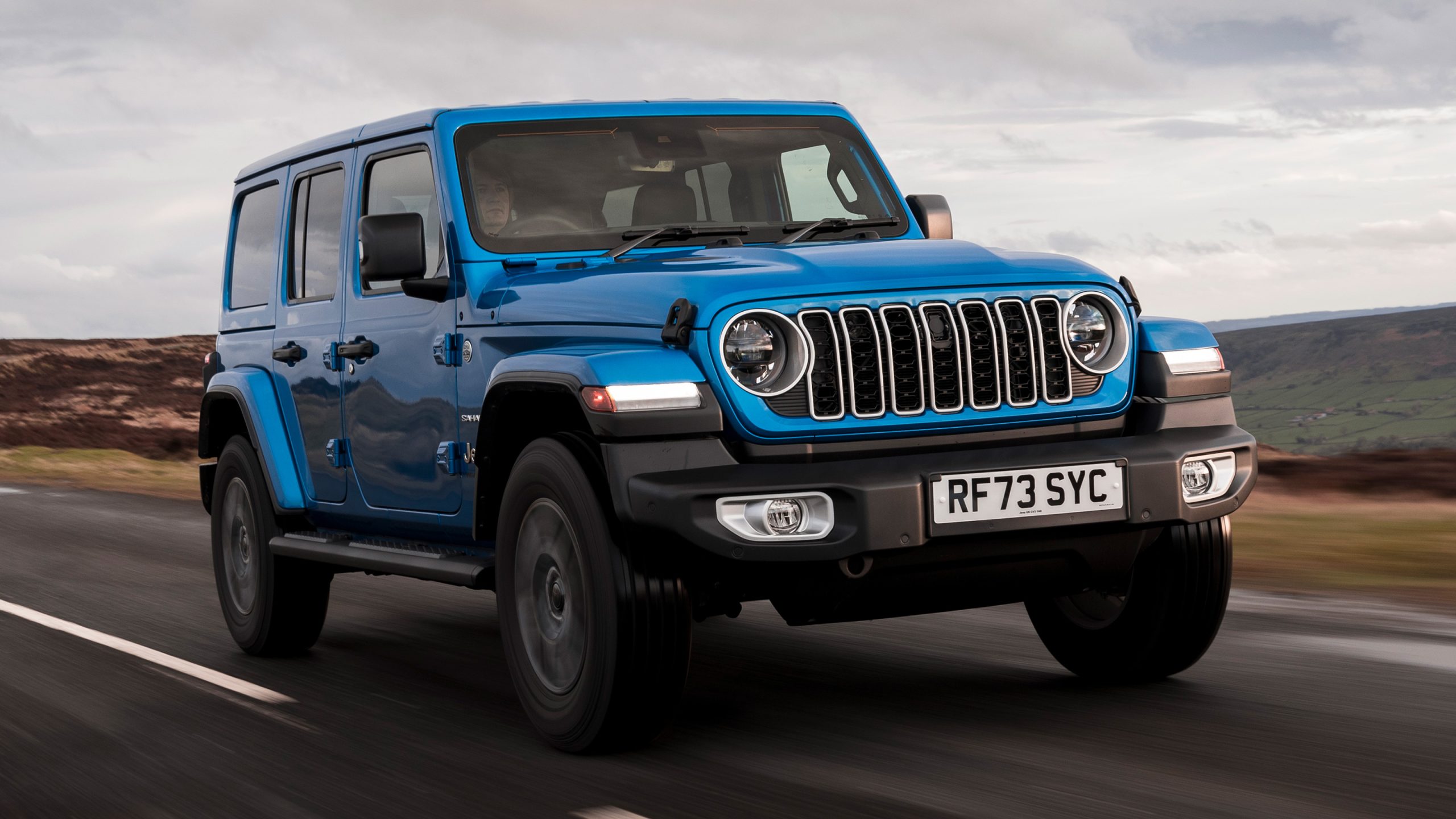
4. Jeep Wrangler
The Jeep Wrangler is a purpose-built off-road SUV engineered for harsh environments, making it especially suited for extreme desert heat like that found in Phoenix. Its design prioritizes durability, simplicity, and versatility, allowing it to withstand high temperatures, intense sunlight, and demanding terrain while maintaining strong off-road capability and reliable performance.
A key strength of the Wrangler is its robust thermal and mechanical design. It uses heavy-duty cooling systems with strong radiators and fans that help maintain stable engine temperatures even in slow, heat-heavy conditions such as rock crawling or city traffic in 110°F weather. Its relatively simple mechanical layout reduces the likelihood of heat-related electronic failures compared to more complex SUVs, helping it remain dependable under sustained thermal stress.
Cabin comfort is supported by a surprisingly capable air-conditioning system that cools the compact interior effectively, even after long exposure to direct sun. Higher trims and modern versions offer additional comfort improvements, while the upright cabin design and recirculation settings help speed up cooling in extreme conditions.
One of the Wrangler’s biggest advantages in hot climates is its open-air flexibility. Removable doors, roof panels, and foldable configurations allow trapped heat to escape quickly, significantly reducing cabin temperature buildup. The power rear window and optional soft top further improve airflow, making it easier to manage heat soak after parking in direct sunlight.
Interior materials are designed for durability rather than luxury softness. Surfaces resist UV damage better than many upscale SUVs, and physical switches for climate and controls remain easy to use in bright conditions. This rugged approach reduces the risk of heat-induced wear and improves long-term resilience.
Performance varies across the lineup, with engine options including a 285-horsepower V6, a turbocharged four-cylinder, and a high-output V8 in performance trims. Transmission choices include manual and automatic gearboxes, paired with standard four-wheel drive systems designed for off-road traction. Acceleration ranges from moderate to very quick in performance models, while everyday versions prioritize control and durability.
Off-road capability is a defining feature, with equipment such as locking differentials, sway bar disconnects, and crawl control systems. Towing capacity reaches up to 5,000 pounds, depending on configuration. Fuel economy is modest, reflecting its rugged design and off-road focus.
Inside, the Wrangler offers a functional cabin with modern infotainment, wireless smartphone integration, and available trail navigation systems. Safety features are available but less extensive than those of many competitors, focusing instead on core driver assistance like blind-spot monitoring and parking sensors.
The Wrangler remains a highly capable, heat-resistant SUV built for drivers who prioritize durability, versatility, and open-air freedom in extreme environments.
Also read: 5 Cars With Suspensions That Soak Up Potholes vs 5 That Bounce Like a Rodeo
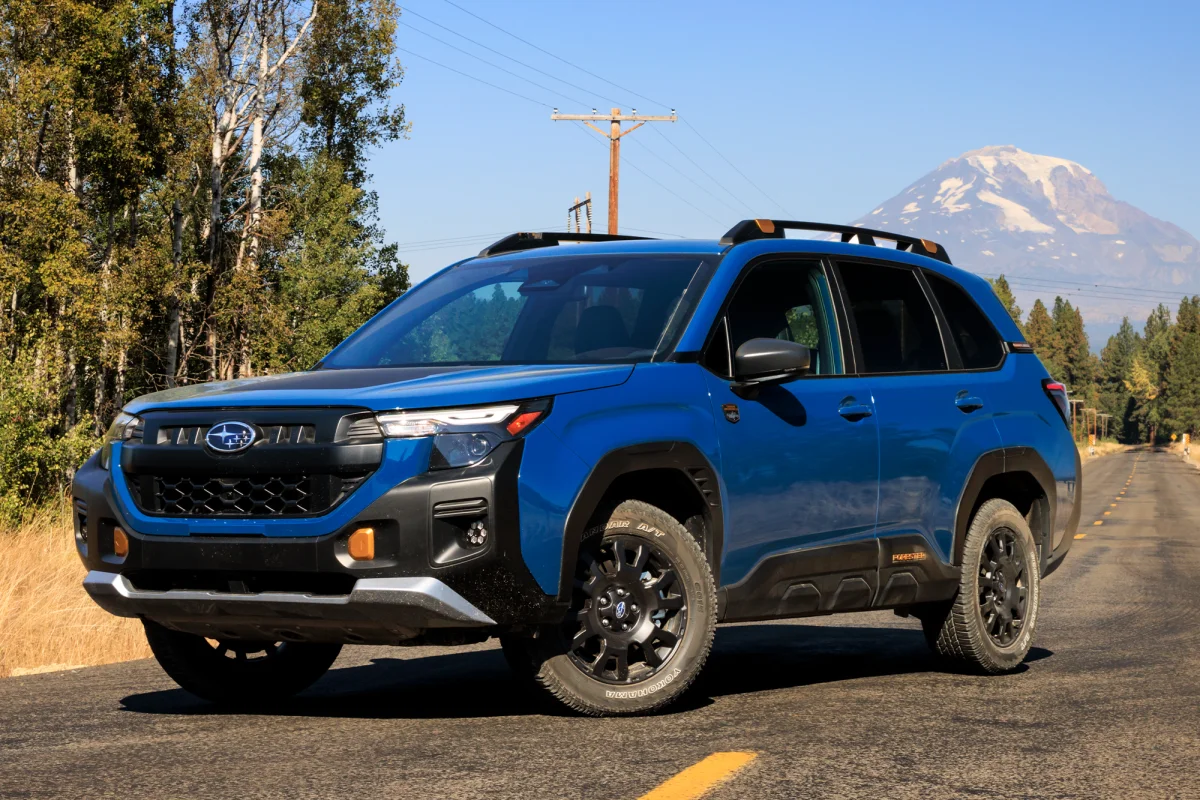
5. Subaru Forester
The Subaru Forester is often recognized for its snow and rain capability, but it also performs strongly in extreme desert heat such as Phoenix, where temperatures regularly exceed 110°F. Its design focuses on all-weather durability, steady cooling performance, and long-term reliability, making it a practical choice for drivers dealing with intense sun exposure and high thermal loads.
A key strength of the Forester is its thermal and engine management. The horizontally opposed boxer engine sits low in the chassis, improving airflow and heat dispersion in the engine bay. Combined with a high-capacity radiator and efficient cooling fans, the system is designed to maintain stable engine temperatures even in extreme ambient heat. Subaru also recommends synthetic oil, which resists breakdown under high thermal stress and supports long-term engine health.
Cabin comfort is supported by a capable air-conditioning system that cools the interior quickly and maintains consistent temperatures even in stop-and-go traffic. Recirculation mode improves cooling efficiency in extreme heat. Many models also include UV-resistant glass and privacy tinting that reduce solar heat buildup. Available panoramic sunroofs use UV-reducing glass to limit cabin heating while maintaining natural light.
Interior materials are built for durability under prolonged sun exposure. Surfaces resist fading and cracking, while water-resistant upholstery options help withstand heat and daily wear. The cabin is also highly practical, with generous passenger space, large windows, and a flexible layout that enhances visibility and comfort in bright conditions.
Performance is modest but smooth. Most Foresters use a 2.5-liter boxer engine producing about 180 horsepower, paired with a continuously variable transmission and standard all-wheel drive. Acceleration is slow at roughly 8.3 to 8.4 seconds from 0 to 60 mph, but the focus is on comfort and stability rather than speed. Ride quality is tuned for smoothness, making it suitable for long commutes and rough roads.
Capability remains a highlight. The Forester offers up to 3,500 pounds of towing capacity in select trims and strong off-road stability in rugged versions like the Wilderness model. Fuel economy is efficient, reaching up to 26 mpg city and 33 mpg highway in standard trims.
Inside, the Forester provides one of the most spacious cabins in its class. Cargo space reaches up to 75 cubic feet with rear seats folded, and seating comfort is strong for both rows. Infotainment includes a large touchscreen with wireless smartphone integration, while safety is handled by Subaru EyeSight, offering adaptive cruise control, lane assistance, and emergency braking.
The Forester stands out as a practical, heat-resistant, and long-lasting SUV designed for comfort, safety, and dependable everyday use in harsh climates.
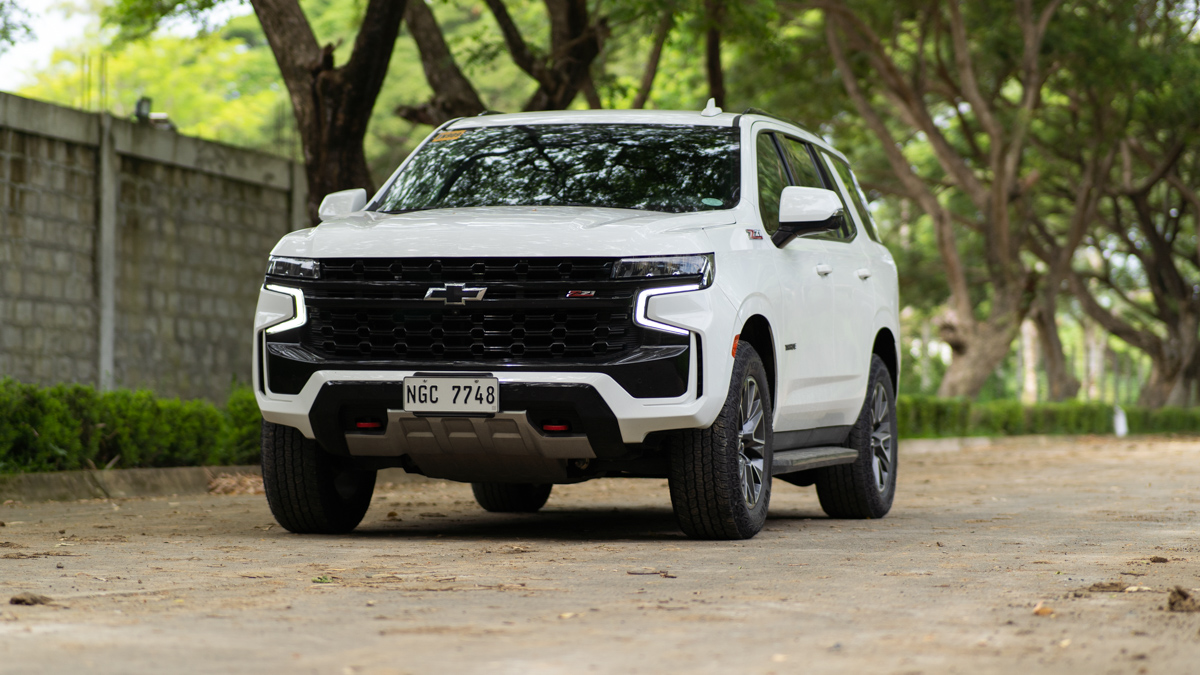
6. Chevrolet Tahoe
The Chevrolet Tahoe is a full-size SUV engineered for strength, comfort, and endurance in challenging environments, including extreme heat conditions like the 110°F+ summers common in Phoenix. Built on a truck-based platform, it prioritizes durability, cooling performance, and interior space, making it well-suited for families, towing, and long highway drives in harsh climates.
Its ability to manage extreme temperatures comes from a heavy-duty cooling system developed from Chevrolet’s truck lineup. Large radiators, powerful electric fans, and reinforced engine components help maintain stable operating temperatures even during extended idling with the air conditioning running. Engine options, including V8 and diesel variants, are designed for long-term reliability under high thermal stress.
Cabin cooling is one of the Tahoe’s strongest advantages. The air-conditioning system is powerful enough to cool the large three-row interior efficiently, even after it has been parked in direct sunlight. Dual or tri-zone climate control ensures consistent airflow across all seating rows. Higher trims add ventilated seats that significantly improve comfort when entering a hot vehicle, while remote start allows pre-cooling before passengers get inside.
Inside, the Tahoe focuses on space and flexibility. It offers seating for up to eight passengers and a highly adjustable second row for improved comfort. Cargo space is generous, reaching up to 123 cubic feet with the rear seats folded down. Premium trims add upscale materials such as leather upholstery, wood accents, and additional comfort and convenience features.
Powertrain choices include a 5.3-liter V8, a 6.2-liter V8, and a 3.0-liter diesel engine, all paired with a 10-speed automatic transmission. Power output ranges from efficient diesel torque delivery to strong V8 performance, with acceleration as quick as about 5.8 seconds from 0 to 60 mph in tested models. The Tahoe also delivers strong towing capability of up to 8,400 pounds.
Fuel economy varies by engine type, with diesel versions offering the best efficiency and gasoline engines focusing more on performance. Despite its size, the Tahoe maintains stable highway ride quality and refined driving behavior.
Technology includes a large infotainment screen with smartphone integration, digital displays, and optional rear entertainment systems. Safety features include automatic emergency braking, lane-keeping assist, adaptive cruise control, and available hands-free driving assistance.
The Tahoe combines heat resilience, power, and space, making it a dependable SUV for extreme climates and heavy-duty everyday use.
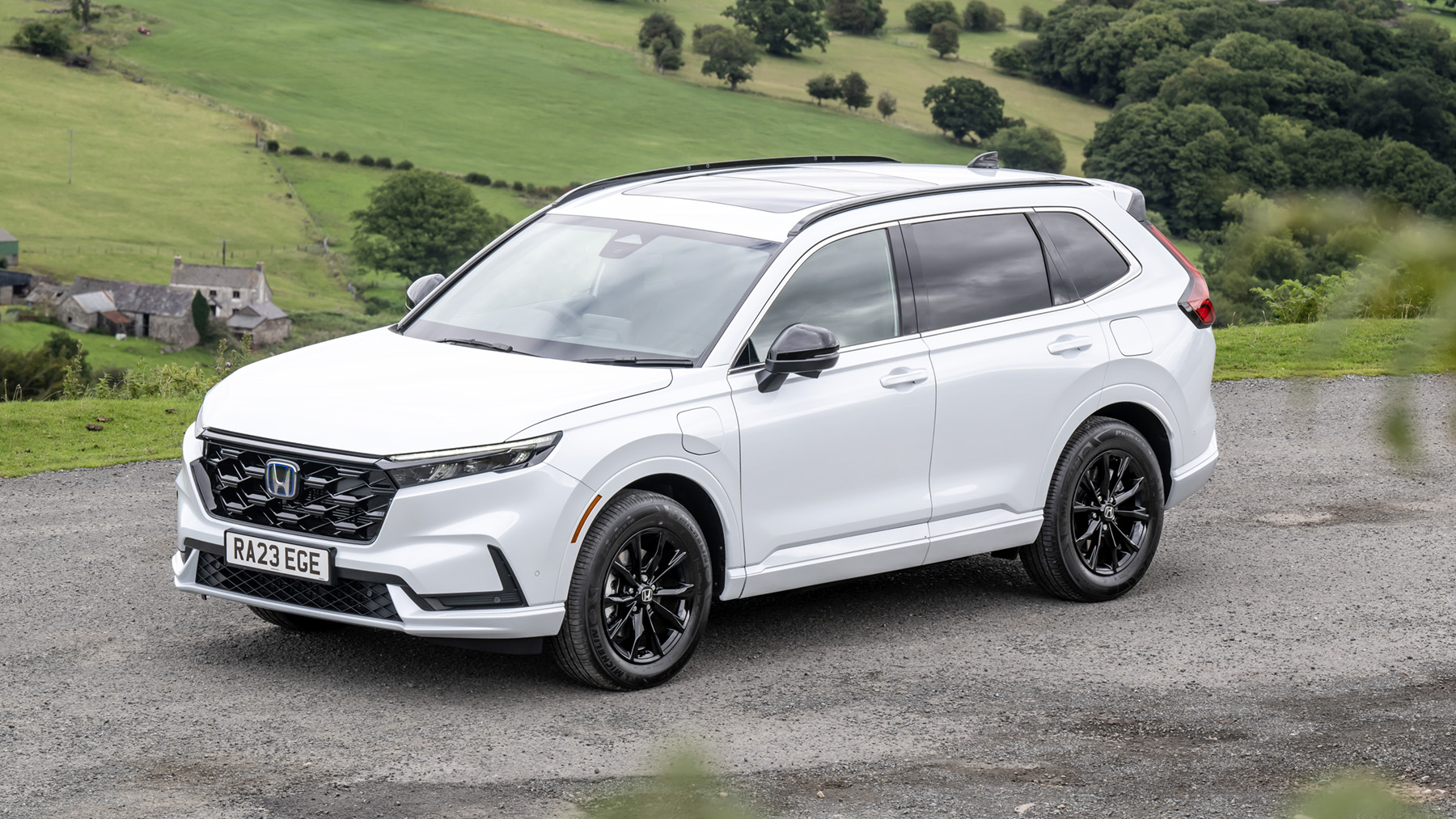
7. Honda CR-V
The Honda CR-V is a compact SUV designed with a strong focus on efficiency, durability, and climate control performance, making it well suited for extreme hot environments such as Phoenix, where temperatures regularly exceed 110°F. Its engineering emphasizes reliable cooling systems, heat-resistant materials, and long-term mechanical stability, allowing it to maintain comfort and performance under sustained sun exposure.
A key strength of the CR-V is its climate control system, which is designed for fast and consistent cabin cooling. The air-conditioning system can quickly reduce interior temperatures even after the vehicle has been parked in direct sunlight. Dual-zone climate control helps maintain comfort for both front passengers, while rear vents ensure airflow reaches all seating areas. Remote engine start allows the cabin to be pre-cooled before entry, improving comfort in extreme heat conditions.
Heat protection extends to the vehicle’s materials and design. UV-blocking glass helps reduce solar heat gain, preventing the cabin from overheating as quickly under direct sunlight. Higher trims include ventilated front seats and breathable interior materials that improve comfort during long drives in hot weather. Light-colored upholstery options further reduce heat absorption, while rear sunshades help protect passengers from direct sun exposure.
Reliability is another important advantage. The CR-V uses durable engines, including a turbocharged 1.5-liter four-cylinder and hybrid variants, both known for stable performance in high temperatures. Its reputation for low maintenance costs and long-term durability makes it a practical choice for drivers seeking a dependable vehicle that can exceed 200,000 miles with proper care.
Performance is tuned for smoothness and efficiency rather than speed. The turbocharged engine produces about 190 horsepower and is paired with a continuously variable transmission and available all-wheel drive. Acceleration is modest at around 8.1 seconds from 0 to 60 mph, but the ride quality is comfortable and steady for daily driving.
Fuel efficiency is strong, with EPA ratings reaching up to 28 mpg city and 33 mpg highway for front-wheel-drive models. Even all-wheel-drive versions maintain competitive efficiency, making the CR-V economical for long-term use.
Inside, the cabin is spacious and thoughtfully designed, offering generous rear legroom and up to 39 cubic feet of cargo space behind the second row. Infotainment includes a 9-inch touchscreen with Apple CarPlay and Android Auto, along with available navigation and wireless charging.
Safety features are extensive, with standard systems such as automatic emergency braking, lane-keeping assist, adaptive cruise control, and driver attention monitoring. The CR-V combines comfort, efficiency, and heat-ready practicality in a well-rounded package for everyday driving.
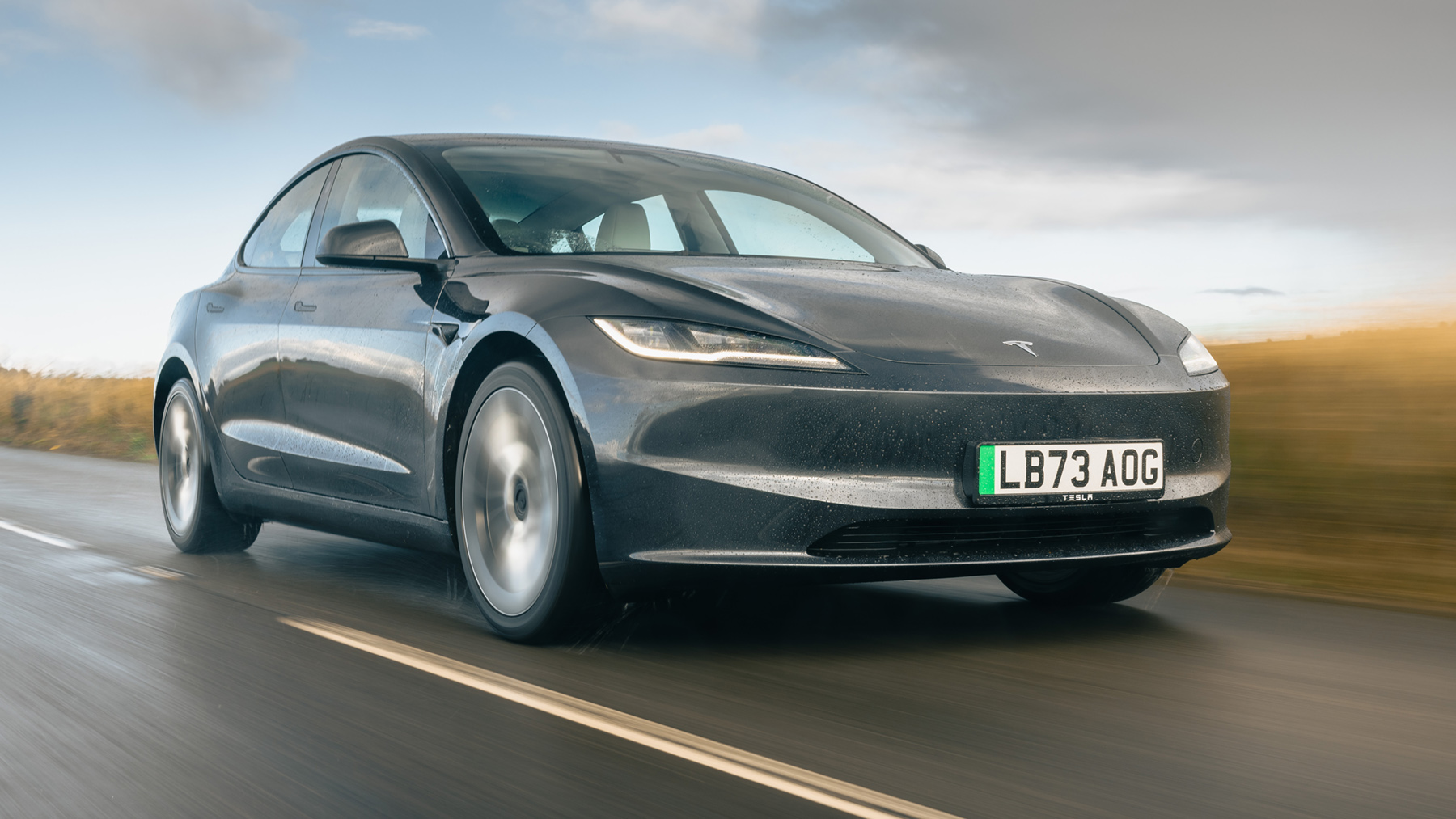
8. Tesla Model 3 and Model Y
The Tesla Model 3 and Tesla Model Y are electric vehicles designed with advanced thermal control systems that make them highly effective in extreme heat environments such as Phoenix, where temperatures often exceed 110°F. Unlike traditional vehicles that rely on engine-based cooling, these EVs actively manage both cabin and battery temperatures using intelligent software and electric climate systems.
A standout feature in both models is Cabin Overheat Protection, which automatically activates ventilation or air conditioning when interior temperatures become dangerously high while parked. This prevents the cabin from reaching extreme levels of heat and protects sensitive materials like screens, plastics, and upholstery from long-term sun damage. The system can operate for extended periods with relatively low battery consumption.
Both vehicles also allow remote preconditioning through a mobile app, enabling owners to cool the cabin before entering. This feature ensures a comfortable interior even after hours of sun exposure. The HVAC system is powerful and efficient, often cooling the cabin faster than many gasoline-powered vehicles.
Battery thermal management is another critical advantage. The vehicles actively regulate battery temperature even when parked in extreme heat, helping preserve long-term battery health and performance. Newer versions use heat pump systems that improve efficiency and reduce energy loss during cooling operations.
Additional features such as Dog Mode and Keep Climate allow the vehicle to maintain safe interior temperatures for pets or stored items while parked. Slight window venting can also be controlled remotely to improve airflow.
Between the two models, the Model 3 offers better efficiency, longer range, and sharper handling due to its lighter sedan design. It can achieve ranges up to around 436 miles and delivers a more engaging driving experience. The Model Y, on the other hand, provides more interior space, a higher seating position, and optional third-row seating, making it better suited for families and cargo needs, though with slightly reduced efficiency.
Both models feature minimalist interiors dominated by a central touchscreen, strong safety systems, and access to Tesla’s Supercharger network. They offer strong performance, advanced technology, and low running costs compared to gasoline vehicles.
In desert conditions, these vehicles excel not by resisting heat passively, but by actively managing it, ensuring comfort, efficiency, and battery protection even in extreme climates.
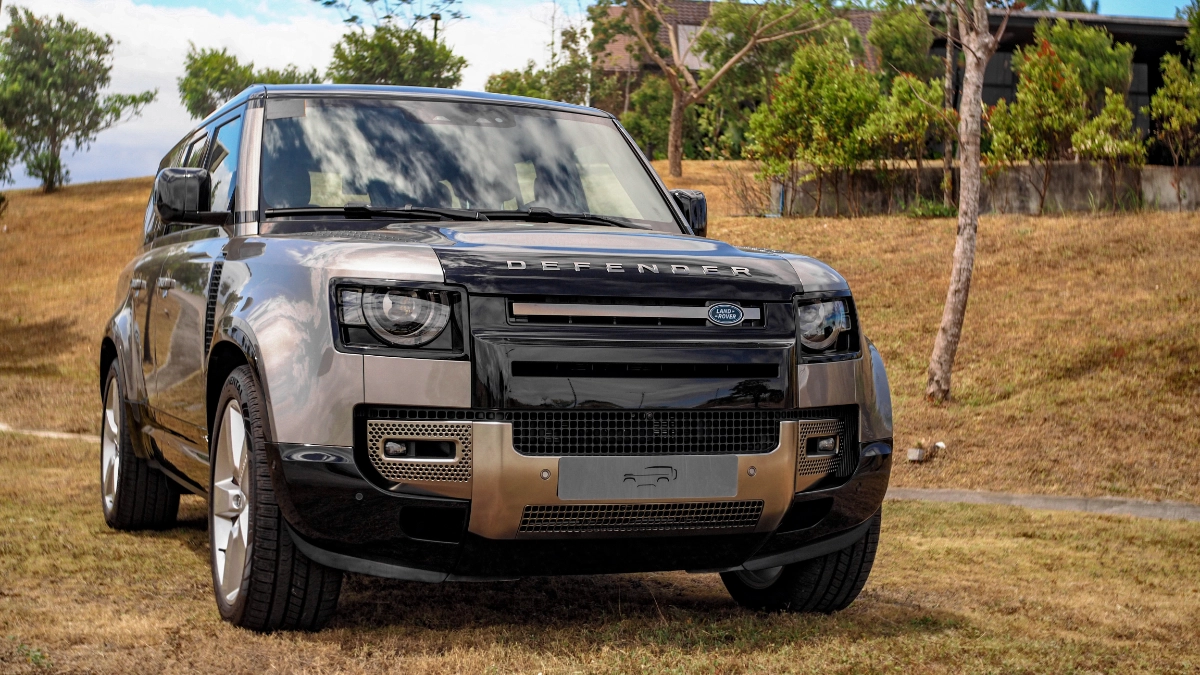
9. Land Rover Defender
The Land Rover Defender is a rugged luxury SUV built for extreme environments, including desert conditions like Phoenix heat. It combines advanced thermal management with off-road capability and premium comfort, making it suitable for sustained high-temperature driving. Its cooling architecture uses multiple heat exchangers and high-capacity systems to regulate engine and transmission temperatures even under heavy load in extreme heat conditions.
The cabin is designed with durability in mind, using UV-resistant materials and a robust air filtration system that helps block desert dust while maintaining strong airflow from the climate system. Higher trims offer cooled seats and advanced climate control, which help maintain comfort during prolonged exposure to heat. The Defender also benefits from remote and adaptive systems that can manage cabin temperature before entry, reducing heat-soak effects.
Built on a modern platform with Four Wheel Drive and locking differentials, it is engineered for stability across sand, rocks, and highways. Engine options range from a turbocharged four-cylinder to an inline six and high-output V8 units, delivering strong performance while maintaining thermal resilience in hot climates. The air conditioning system is powerful and designed for rapid cooling, making it effective even after prolonged parking under direct sun exposure.
Ride comfort remains stable thanks to adaptive suspension systems that reduce vibration and improve control on rough terrain. The infotainment system is modern and responsive with a large touchscreen and smartphone integration features. Safety systems include automated braking, lane assistance, and adaptive cruise control supporting both highway and off-road driving.
The Defender balances luxury, utility, and desert readiness, making it a strong option for drivers who need durability in extreme heat and challenging terrain while still offering premium comfort features. Its ability to manage heat effectively while delivering off-road confidence sets it apart in the luxury SUV segment.
Additional maintenance considerations include regular coolant checks, radiator cleaning, and ensuring cabin filters remain clear for optimal performance in desert environments while preserving long-term reliability and efficiency. Owners also benefit from optional upgrades such as enhanced insulation, sunshades, and improved radiator packages for even better heat resistance in extreme climates.
Beating Phoenix heat is not about luck; it is about design. The nine vehicles featured here show how different engineering approaches can handle extreme 110°F conditions without compromising comfort or reliability. Some, like the Ford F-150 and Chevrolet Tahoe, rely on powerful truck-based cooling systems and heavy-duty components.
Others, such as the Toyota Camry and Honda CR-V, focus on efficiency, hybrid cooling systems, and heat-resistant materials. SUVs like the Toyota 4Runner, Jeep Wrangler, Subaru Forester, and Land Rover Defender prioritize durability, airflow control, and rugged simplicity to survive harsh desert environments.
Meanwhile, Tesla Model 3 and Model Y take a completely different route by actively managing heat through battery-powered climate systems and remote preconditioning.
Despite their differences, all these vehicles share one strength: they do not give in to extreme heat. Instead, they adapt, regulate, and protect both passengers and critical systems, making them dependable choices for life in one of the hottest climates on Earth.
Also read: 10 Cars From the 2000s That Are Quietly Disappearing From American Roads
