
SUVs have become more advanced, more luxurious, and far more expensive than they were twenty years ago. Modern models now include giant touchscreens, complicated driver assistance systems, turbocharged engines, and endless electronic features designed to impress buyers in showrooms.
Yet despite all that progress, there are still older SUVs quietly surviving on roads everywhere with their original owners still proudly driving them after two decades.
That kind of long-term ownership says something important about a vehicle. People rarely keep SUVs for twenty years unless those vehicles consistently prove dependable, practical, and financially reasonable to maintain.
Long ownership usually means the SUV has become deeply trusted by the family using it. It survived road trips, weather changes, daily commuting, growing families, and years of maintenance without becoming a constant source of frustration.
Some SUVs achieve this loyalty through legendary reliability. Others succeed because they balance comfort and durability so well that owners never feel motivated to replace them. A few simply age gracefully by avoiding excessive complexity and sticking with proven engineering that mechanics understand easily.
Another major factor is emotional attachment. Certain SUVs become more than transportation after years of ownership.
Families build memories around them, owners trust them during long journeys, and drivers become familiar with every sound and behavior the vehicle makes. Replacing that kind of confidence is not always easy, especially when newer vehicles feel more complicated or expensive.
The SUVs on this list developed reputations strong enough that many original owners refused to let them go, not even after twenty years. Some crossed enormous mileage totals, while others remained carefully preserved despite constant use.
These are the kinds of vehicles people recommend to friends because they have already proven themselves through decades of real-world ownership rather than short-term reviews or marketing promises.
In a time when many vehicles are leased briefly and replaced quickly, these SUVs represent something different. They earned loyalty the hard way by continuing to work year after year while giving owners very few reasons to walk away.
Also Read: 10 Used SUVs Under $10,000 That Still Run Better Than New Ones
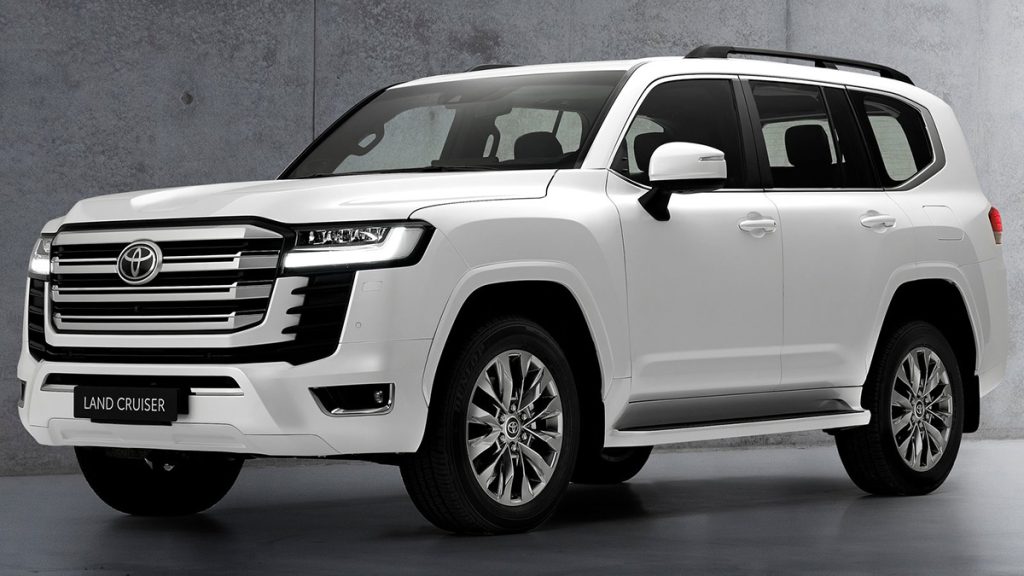
1. Toyota Land Cruiser
The Toyota Land Cruiser became famous for surviving harsh environments all over the world, but one of the clearest signs of its durability is how many original owners still refuse to part with theirs after twenty years.
These SUVs built an almost unmatched reputation for reliability, and once people experience that level of dependability, replacing the vehicle often stops feeling necessary.
A major reason owners keep Land Cruisers so long is trust. Drivers know the SUV will usually start without drama, handle difficult weather confidently, and survive long trips without constant mechanical anxiety. That confidence becomes extremely valuable over decades of ownership.
The engineering philosophy behind the Land Cruiser also helped it age exceptionally well. Toyota focused heavily on durability instead of chasing trendy technology or aggressive styling.
Strong drivetrains, proven V8 engines, solid four-wheel-drive systems, and durable suspension components allowed these SUVs to tolerate enormous mileage while remaining usable daily.
Another reason people hold onto them involves comfort. Despite the rugged construction, the Land Cruiser still delivers smooth highway manners and spacious interiors suitable for family use. Owners appreciate having a vehicle capable of off-road travel while still feeling refined during normal commuting.
Maintenance costs are not always cheap, but predictability matters more. Many owners willingly pay for proper servicing because they know the SUV can continue running for hundreds of thousands of miles when cared for correctly. That long-term durability makes repairs feel worthwhile instead of wasteful.
Interior quality also contributes heavily to long ownership. Leather seats, dashboard materials, and switchgear usually age far better than many competitors from the same era. Drivers stepping into twenty-year-old Land Cruisers often notice how solid and functional the cabins still feel.
Another factor is resale strength. Owners understand these SUVs retain value unusually well, which reinforces the belief that they purchased something genuinely durable. Many families eventually pass the vehicle down instead of trading it away.
The Land Cruiser does not rely on flashy marketing or trendy features to keep owners loyal. It earns loyalty through consistency, durability, and confidence built slowly over decades of dependable service.
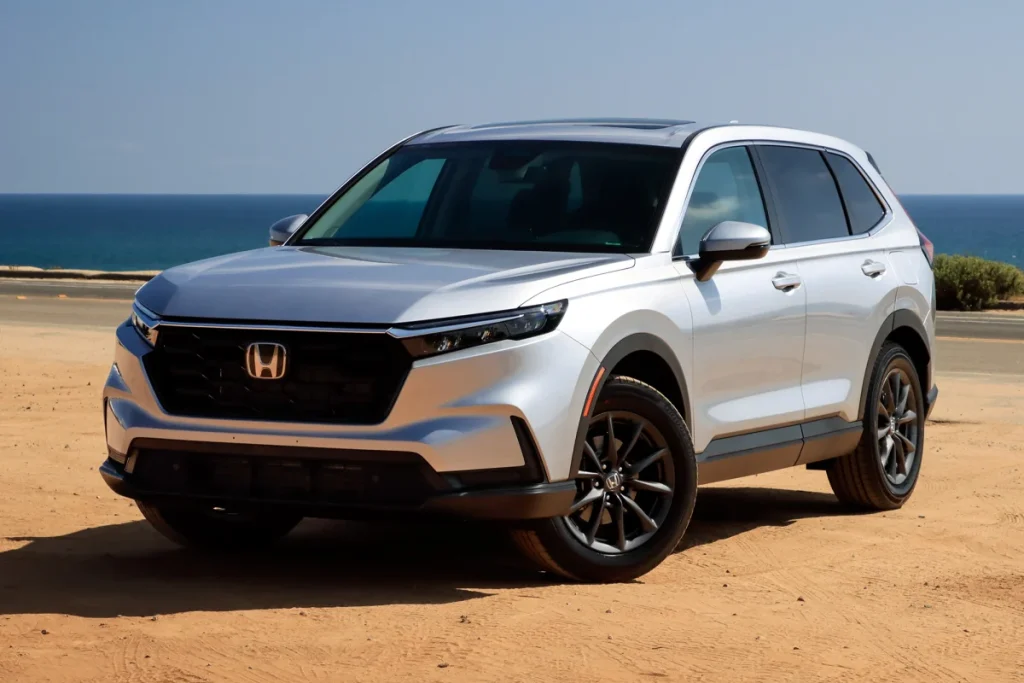
2. Honda CR-V
The Honda CR-V earned long-term loyalty differently from large body-on-frame SUVs. Instead of relying on rugged off-road capability or V8 power, the CR-V succeeded because it made everyday life easy for millions of owners. Two decades later, many original buyers still drive theirs because the vehicle simply continues doing its job remarkably well.
One of the CR-V’s greatest strengths is mechanical simplicity. Older generations especially used dependable, naturally aspirated engines and straightforward engineering that reduced long-term maintenance headaches. Owners frequently discovered they could drive these SUVs for years with little more than routine servicing.
Fuel economy also played a huge role in long-term ownership. Unlike larger SUVs demanding high fuel costs, the CR-V remained affordable to operate even as fuel prices changed over the years. Families appreciated being able to keep a practical vehicle without worrying constantly about operating expenses.
Another reason original owners stay attached involves practicality. The CR-V offers useful cargo space, comfortable seating, easy visibility, and manageable exterior dimensions. Drivers often realize newer SUVs are not dramatically more useful despite costing far more money.
The seating position and ride comfort also helped the vehicle age gracefully. Older owners especially appreciate how easy the CR-V is to enter, drive, and park compared with larger modern SUVs that feel bulky or overly complicated.
Reliability stories surrounding the CR-V strengthened loyalty further. Many examples crossed extremely high mileage totals while still maintaining smooth drivability. Owners who experienced that dependability firsthand often saw little reason to replace the vehicle with something newer and potentially more complex.
Interior durability deserves credit, too. Honda designed cabins that handled years of family use surprisingly well. Controls remained intuitive, visibility stayed excellent, and practical storage solutions made daily driving stress-free.
Another hidden factor is emotional familiarity. Owners become comfortable with vehicles that never create major problems. After twenty years of dependable service, many drivers trust their CR-V more than unfamiliar modern alternatives filled with touchscreens and electronic systems.
The CR-V may not generate excitement like luxury SUVs or off-road trucks, but it excels at something equally important. It keeps owners satisfied for incredibly long periods of time by remaining practical, dependable, and easy to live with year after year.
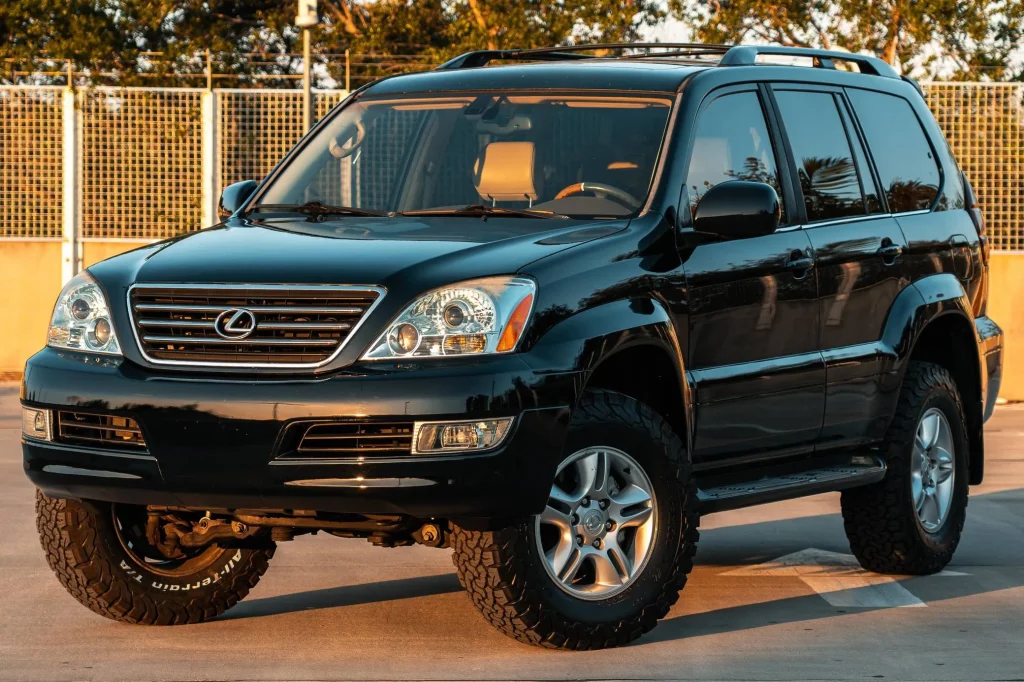
3. Lexus GX 470
The Lexus GX 470 built one of the most loyal owner communities in the SUV world because it combined Toyota durability with luxury comfort in a package capable of surviving decades of use. Many original owners still drive their GX 470 today because replacing it with something equally dependable became surprisingly difficult.
One reason people keep these SUVs so long is the drivetrain. The V8 engine earned a reputation for smoothness and longevity, while the four-wheel-drive system proved capable in bad weather, towing situations, and rough terrain. Owners quickly learned the GX could handle almost anything without becoming fragile or stressful to maintain.
Unlike many luxury SUVs that age poorly because of expensive electronics and complicated systems, the GX 470 remained relatively straightforward mechanically. That simplicity helped preserve long-term reliability and reduced ownership anxiety once warranties expired.
Another major factor is comfort. The suspension delivers a calm, isolated ride that still feels impressive years later. Long highway trips remain relaxing, and the seating quality holds up remarkably well over time. Many owners describe the GX as one of the few SUVs they can drive for hours without fatigue.
Interior materials aged gracefully, too. Leather seats, wood trim, and dashboard components often remain solid even after years of family use. Drivers stepping inside older GX models frequently notice how well assembled the cabin still feels compared with many modern vehicles.
The SUV also developed strong emotional value among owners who used it for road trips, camping, towing, and daily commuting, all in the same vehicle. That versatility created an attachment difficult to replace with newer crossovers focused mostly on urban driving.
Another hidden reason owners keep them involves confidence. People trust the GX 470 because it has proved itself repeatedly over the years. That trust becomes extremely powerful after decades of dependable service.
Even fuel economy, which was never a major strength, rarely convinces owners to move on. Many people accept higher fuel costs because the SUV compensates with durability and low-stress ownership.
The GX 470 continues surviving in original owners’ garages because it delivers something increasingly rare in the luxury SUV market. It feels solid, dependable, and built to last far longer than typical ownership cycles.
4. Ford Expedition
The Ford Expedition became a long-term favorite among families needing serious space and towing capability without stepping into luxury SUV pricing. While some full-size SUVs developed reputations for high ownership costs or poor reliability, many Expeditions quietly remained dependable family workhorses for decades.
A major reason original owners keep these SUVs involves practicality. The Expedition handles large families, luggage, trailers, sports equipment, and road trips with ease. Once families become used to that level of space and versatility, downsizing becomes difficult.
The V8 engines used in many older Expeditions also contributed heavily to long ownership. Ford’s modular V8 platforms proved capable of surviving high mileage when maintained correctly. Parts availability remained excellent, too, helping owners repair aging vehicles affordably rather than replacing them entirely.
Another advantage involved comfort during long travel. The Expedition offered smooth highway manners, supportive seating, and quiet cabins that made family vacations less exhausting. Owners often built years of memories around these SUVs, increasing emotional attachment over time.
Visibility and driving confidence mattered too. Despite the large size, the seating position and predictable road manners helped drivers feel comfortable using the vehicle daily. Many owners appreciated the commanding view and stable highway behavior.
The interior layouts also aged reasonably well. Storage space, folding seats, and wide cabins made the Expedition useful in countless everyday situations ranging from carpools to home improvement projects.
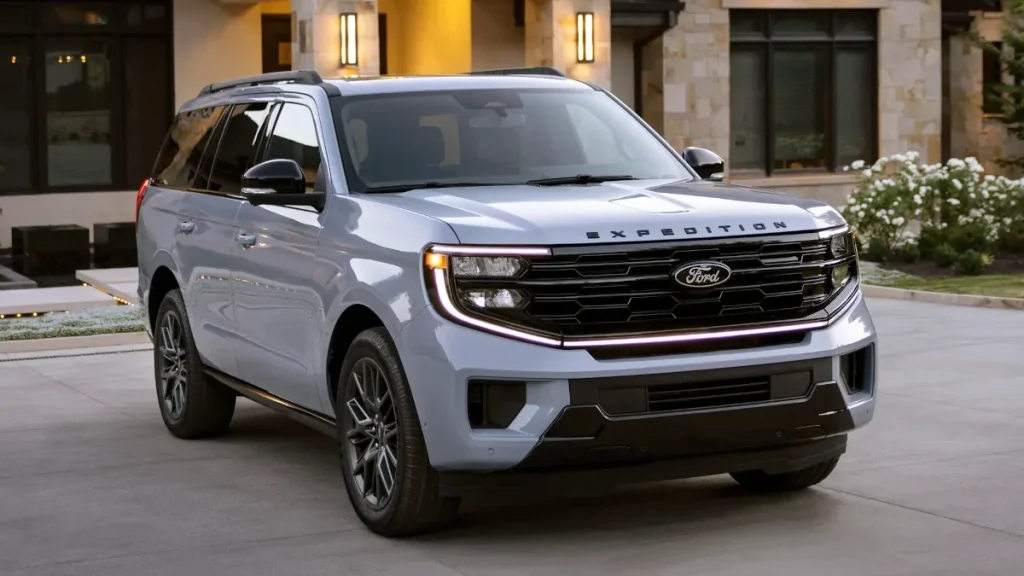
Some competitors eventually introduced more advanced technology, but many Expedition owners preferred the older models’ simpler controls and proven drivetrains. As newer SUVs became more electronically complicated, older Expeditions sometimes felt easier and cheaper to keep running long-term.
Another hidden factor is familiarity. After twenty years, owners know exactly how their Expedition behaves in snow, traffic, towing situations, and road trips. That comfort level creates loyalty difficult for newer vehicles to replace immediately.
Fuel economy certainly was not outstanding, and some older models experienced suspension or transmission concerns over time. Yet many owners considered those issues manageable compared with the SUV’s usefulness and durability.
The Expedition earned long-term loyalty not through a flashy image or luxury branding but by consistently handling family responsibilities year after year without giving owners many reasons to walk away.
5. Subaru Forester
The Subaru Forester became one of those rare SUVs people buy intending to keep for a few years and somehow still own two decades later. Original owners often stay loyal because the Forester blends practicality, weather confidence, and manageable ownership costs in a way that remains useful long after newer trends arrive.
One reason owners hold onto these SUVs is all-weather capability. Subaru’s all-wheel-drive system gave drivers confidence during rain, snow, and rough roads without forcing them into oversized truck-based SUVs. Families living in colder regions especially appreciated that dependable traction year after year.
Visibility also helped the Forester age gracefully. Large windows and upright proportions created an airy cabin that remained easy to maneuver in traffic and parking lots. Many modern SUVs sacrificed that openness for aggressive styling, making older Foresters feel surprisingly user-friendly even decades later.
Another major factor involves practicality. Cargo space is useful without making the vehicle excessively large, while the seating position stays comfortable for drivers of different ages. Owners often realize newer crossovers do not dramatically improve daily usability enough to justify replacing a trusted Forester.
Fuel economy remained respectable, too. Drivers could handle winter weather and outdoor activities without paying the operating costs associated with larger SUVs. That balance kept ownership affordable for many families over long periods.
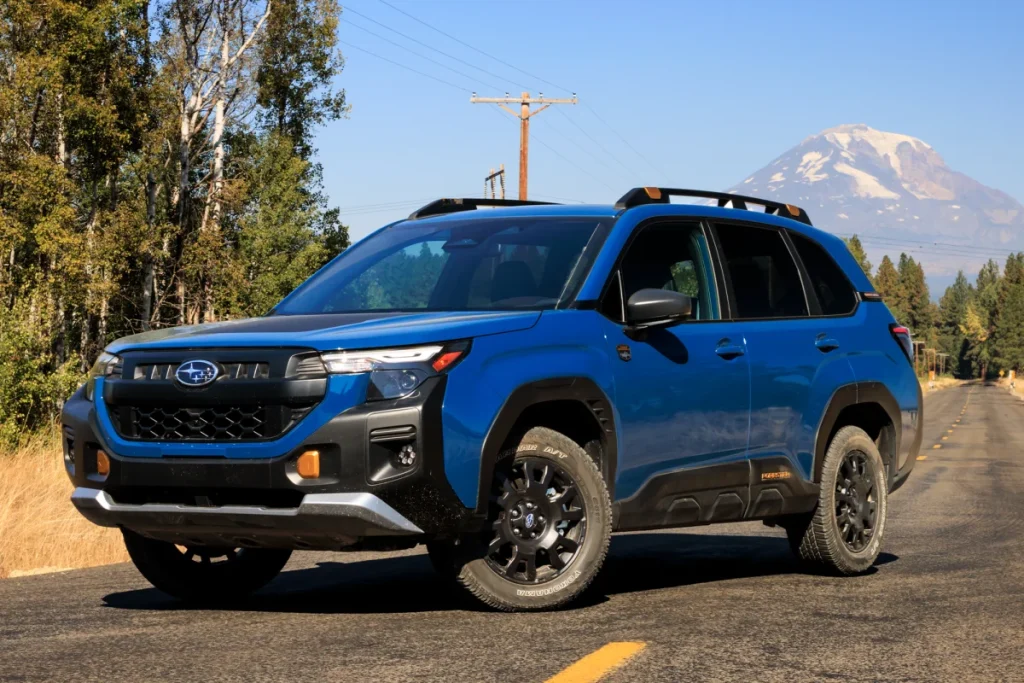
The Forester also built strong emotional loyalty among outdoor enthusiasts. Camping trips, hiking weekends, snowstorms, and road adventures created memories tied directly to the vehicle’s dependable nature.
Some Subaru engines developed head gasket concerns in specific generations, but many owners still considered the SUVs worthwhile because the rest of the ownership experience remained so practical and dependable.
The Forester survives in original owner driveways because it consistently handles real-life transportation needs without unnecessary drama or complexity.
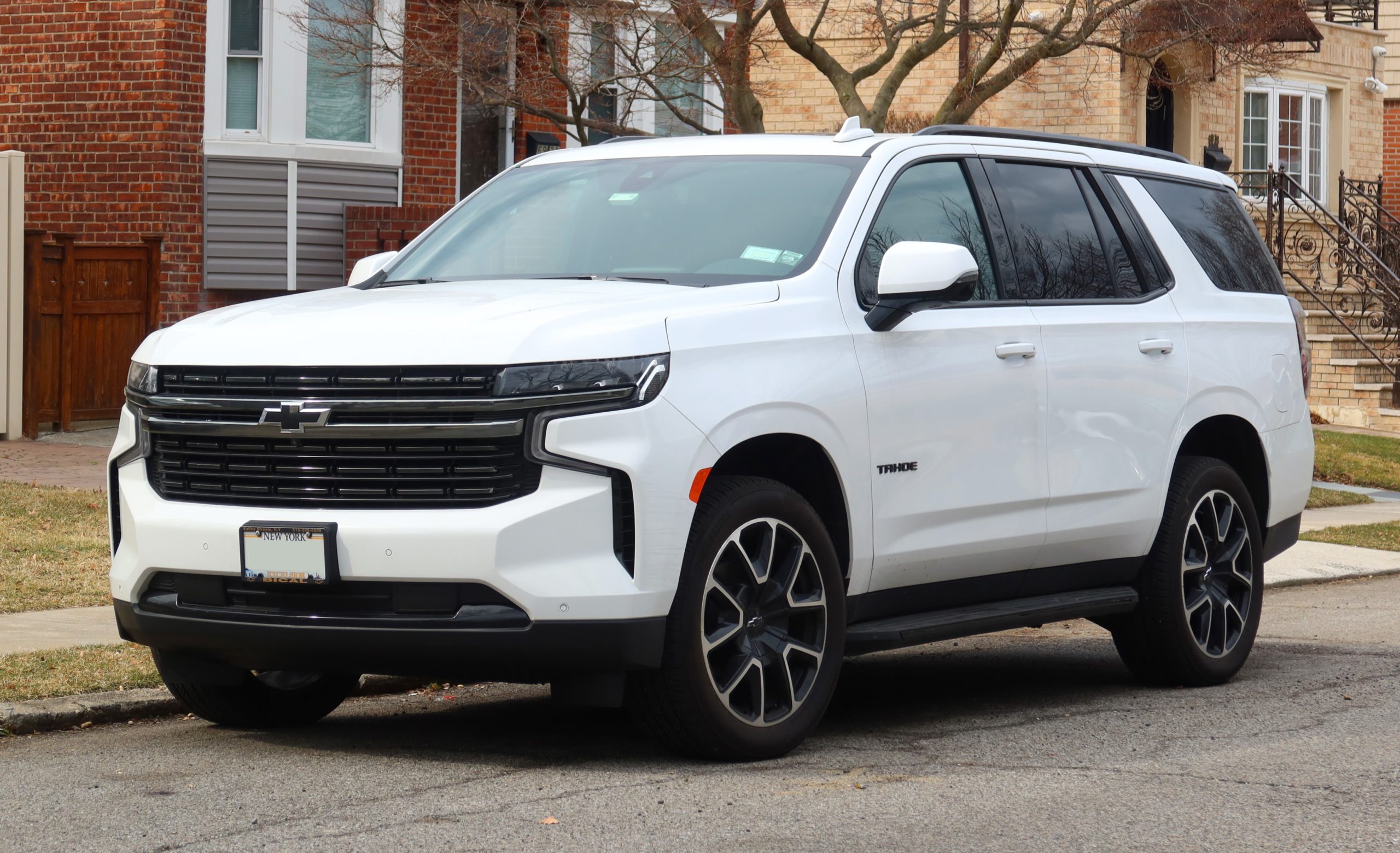
6. Chevrolet Tahoe
The Chevrolet Tahoe earned long-term loyalty from families, contractors, and towing owners because it balanced durability and versatility exceptionally well. Many original buyers still drive their Tahoes after twenty years because replacing them with something equally useful often becomes expensive and unnecessary.
One reason these SUVs stay in families so long is drivetrain durability. The V8 engines developed strong reputations for high-mileage reliability when maintained properly. Combined with body-on-frame construction, the Tahoe felt tough enough for years of heavy use involving towing, hauling, and road trips.
Another advantage is interior space. Large seating areas, flexible cargo room, and comfortable highway manners made the Tahoe suitable for everything from family vacations to work duties. Owners appreciated having one vehicle capable of handling nearly every transportation task.
Ride quality also contributed heavily to loyalty. Despite truck-based construction, the Tahoe remained comfortable during long highway drives. Many owners preferred its relaxed driving feel over smaller SUVs with stiffer suspensions and cramped cabins.
The SUV’s simplicity became more valuable over time, too. Older Tahoes avoided excessive technological complexity, which helped reduce long-term repair concerns. Mechanics understand the platform well, and replacement parts remain widely available.
Another reason owners refuse to part with them involves familiarity and trust. After years of dependable service, people know exactly how their Tahoe behaves during towing, winter weather, or cross-country trips. That confidence becomes difficult to replace with unfamiliar modern vehicles.
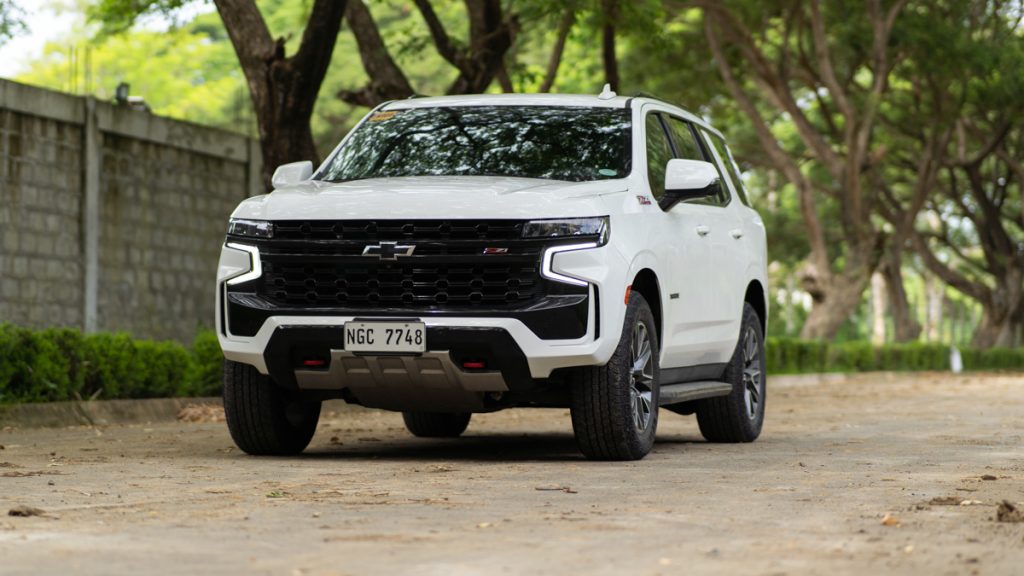
Fuel economy was never ideal, but many long-term owners accepted the tradeoff because the SUV delivered strong durability and capability in return. For large families, especially, practicality outweighed higher fuel costs.
The Tahoe continues surviving in the original owner’s hands because it performs real-world tasks consistently well without feeling fragile or disposable. Many owners simply see no reason to replace something that still works exactly as they need it to.
7. Toyota Sequoia
The Toyota Sequoia quietly became one of the longest-lasting family SUVs on the road because it combined Toyota reliability with full-size practicality. While other large SUVs sometimes struggled with aging drivetrains or costly repairs, many Sequoias continued operating smoothly for original owners decades after purchase.
A major reason people keep them so long is mechanical trust. The V8 engines used in older Sequoias earned excellent durability reputations, often surviving enormous mileage totals with routine maintenance. Owners quickly realized these SUVs could handle years of family use without constant mechanical stress.
Interior space also helped build loyalty. Three-row seating, generous cargo capacity, and wide cabins made the Sequoia ideal for growing families, sports travel, and long road trips. Once families became accustomed to that flexibility, downsizing rarely felt appealing.
Another hidden strength involved comfort. The suspension tuning favored smooth highway cruising, allowing the SUV to remain pleasant during long-distance travel. Many owners describe the Sequoia as calmer and easier to live with than some truck-based competitors.
The SUV also aged well visually. Toyota avoided extreme styling trends, helping older Sequoias still look respectable years later. That timeless appearance made owners more comfortable keeping the vehicle long-term instead of feeling pressured to upgrade.
A reliable reputation played a huge role, too. Owners hearing constant stories of other Sequoias crossing 300,000 miles gained confidence in keeping theirs longer instead of trading them away prematurely.
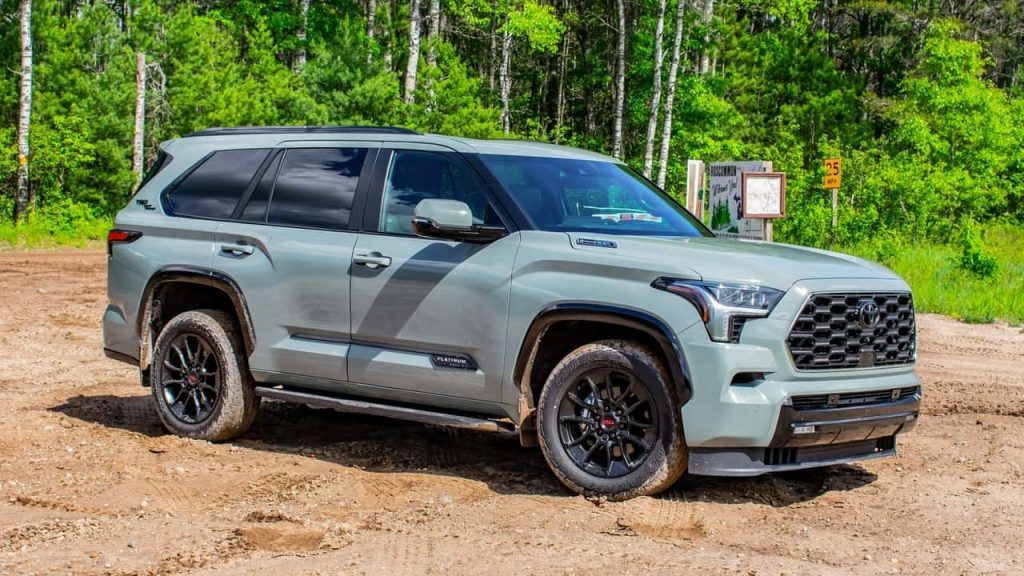
Fuel costs certainly remained high compared with smaller SUVs, but many drivers accepted that compromise because the vehicle delivered durability, space, and towing ability without major long-term drama.
The Sequoia earned loyalty through consistency. Families trusted it year after year, and that reliability became strong enough that many original owners never felt motivated to replace it even after two decades.
8. Jeep Cherokee XJ
The Jeep Cherokee XJ developed one of the most loyal owner followings in SUV history because it combined rugged simplicity with everyday practicality. Many original owners still drive their XJs today because the vehicle proved dependable, easy to repair, and incredibly useful across decades of ownership.
One of the biggest reasons the XJ survived so long is mechanical simplicity. Older Jeeps avoided the complicated electronics and luxury systems found in many modern SUVs, making repairs easier and less intimidating for long-term owners.
o Independent mechanics understand the platform well, and replacement parts remain widely available even today.
The legendary 4.0-liter inline six engine also played a massive role in owner loyalty. That engine became famous for surviving high mileage totals with basic maintenance, giving drivers confidence to keep their SUVs long after other vehicles might have been retired.
Another strength involved size. The XJ remained compact enough for city driving while still providing genuine off-road capability and useful cargo space. Owners appreciated not having to manage an oversized SUV just to gain four-wheel drive practicality.
The boxy design created excellent visibility. Large windows and upright proportions made parking easier and helped drivers feel comfortable in tight spaces. Modern SUVs often sacrifice that visibility for styling trends, which makes older XJs feel refreshingly straightforward.
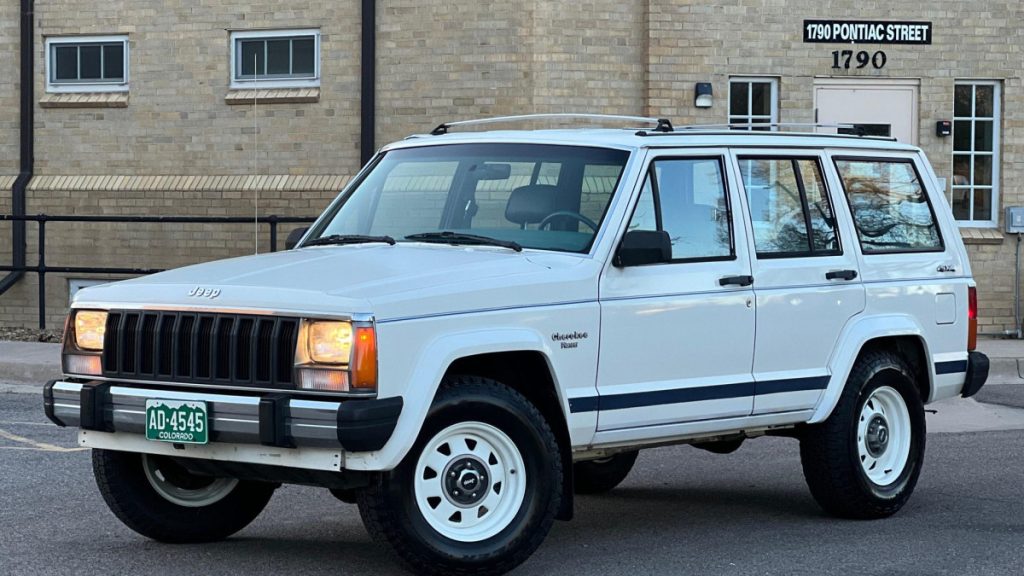
Many original owners also developed emotional attachment through outdoor adventures. Camping trips, snowstorms, towing tasks, and rough back roads became part of the Cherokee’s identity. These SUVs often became trusted companions rather than simple transportation appliances.
Ride comfort was not luxurious, and road noise could become noticeable on highways. Yet owners usually accepted those compromises because the XJ delivered honesty and durability that newer SUVs sometimes lack.
Another hidden reason people kept them so long involves affordability. Repairs stayed manageable, insurance costs remained reasonable, and operating expenses were often lower than replacing the SUV entirely.
The Cherokee XJ earned lasting loyalty because it consistently handled difficult conditions without becoming complicated or fragile. That dependable personality kept many original owners behind the wheel long after newer vehicles entered the market.
9. Nissan Pathfinder
The Nissan Pathfinder from the late 1990s and early 2000s built a reputation for dependable family transportation that many original owners still trust decades later. While it rarely received the same level of attention as Toyota or Jeep competitors, the Pathfinder quietly proved itself as a durable and practical long-term SUV.
One major reason owners kept these vehicles involved balance. The Pathfinder offered genuine SUV capability without feeling as harsh or truck-like as some body-on-frame rivals. That smoother driving character made it easier to live with daily while still handling snow, towing, and rough roads confidently.
The V6 engines used in many Pathfinders also earned solid reliability reputations when maintained properly. Drivers frequently crossed high mileage totals without major drivetrain failures, helping reinforce long-term confidence in the vehicle.
Interior practicality mattered too. Seating remained comfortable, cargo space handled family needs well, and visibility stayed better than many modern SUVs with aggressive styling. Owners appreciated having a straightforward cabin without excessive complexity.
Another factor supporting long ownership was durability during outdoor use. Families often used Pathfinders for camping, road trips, and winter travel, creating strong trust in the SUV’s ability to handle changing conditions reliably.
The Pathfinder also benefited from simpler technology compared with newer SUVs. Older models avoided overwhelming digital systems, making them feel easier to maintain and less stressful once vehicles aged beyond warranty periods.
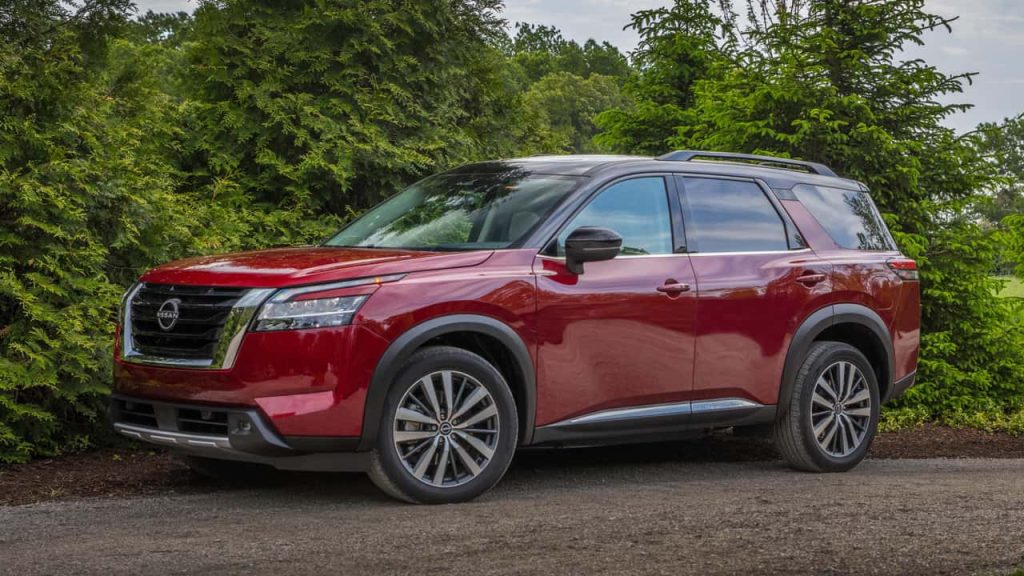
Ride comfort on highways helped owners stay loyal as well. The suspension tuning delivered a calm driving experience suitable for commuting and long trips, especially compared with smaller SUVs that could feel harsh or noisy over time.
Fuel economy was not exceptional, but many owners viewed the tradeoff as acceptable because the SUV delivered durability and practicality in return.
Another hidden advantage involved resale value stability. Well-maintained Pathfinders continued attracting buyers years later because of their dependable reputation, giving original owners confidence that their vehicle still held meaningful value.
The Pathfinder may never have achieved legendary status like certain competitors, but thousands of original owners continued driving theirs because the SUV consistently handled family life without creating major reasons to move on.
10. Lexus RX 330
The Lexus RX 330 became one of the clearest examples of a luxury SUV that owners simply refuse to replace. Many original buyers still drive these crossovers after twenty years because the RX combined comfort, reliability, and low-stress ownership more successfully than most luxury vehicles of its era.
One reason owners remain loyal is dependability. Unlike many luxury SUVs burdened by expensive mechanical failures as they age, the RX 330 maintained Toyota-based reliability that gave owners confidence to keep the vehicle long-term. Repairs and maintenance generally stayed manageable compared with European luxury competitors.
Comfort also played a massive role in long ownership. The suspension delivered a soft, quiet ride ideal for commuting and highway travel. Seats remained supportive during long drives, and cabin insulation kept road noise impressively controlled even years later.
Another strength involved ease of use. Controls were simple, visibility remained excellent, and the vehicle never felt intimidating to drive. Older owners especially appreciated how approachable and stress-free the RX stayed compared with larger SUVs.
Interior quality aged gracefully, too. Leather surfaces, wood trim, and dashboard materials often remained attractive after years of use. Drivers stepping into older RX models still notice how well assembled the cabins feel compared with many modern crossovers.
Fuel economy was respectable for a luxury SUV of its size, helping reduce operating costs over long ownership periods. Families appreciated getting comfort and practicality without excessive fuel expenses.
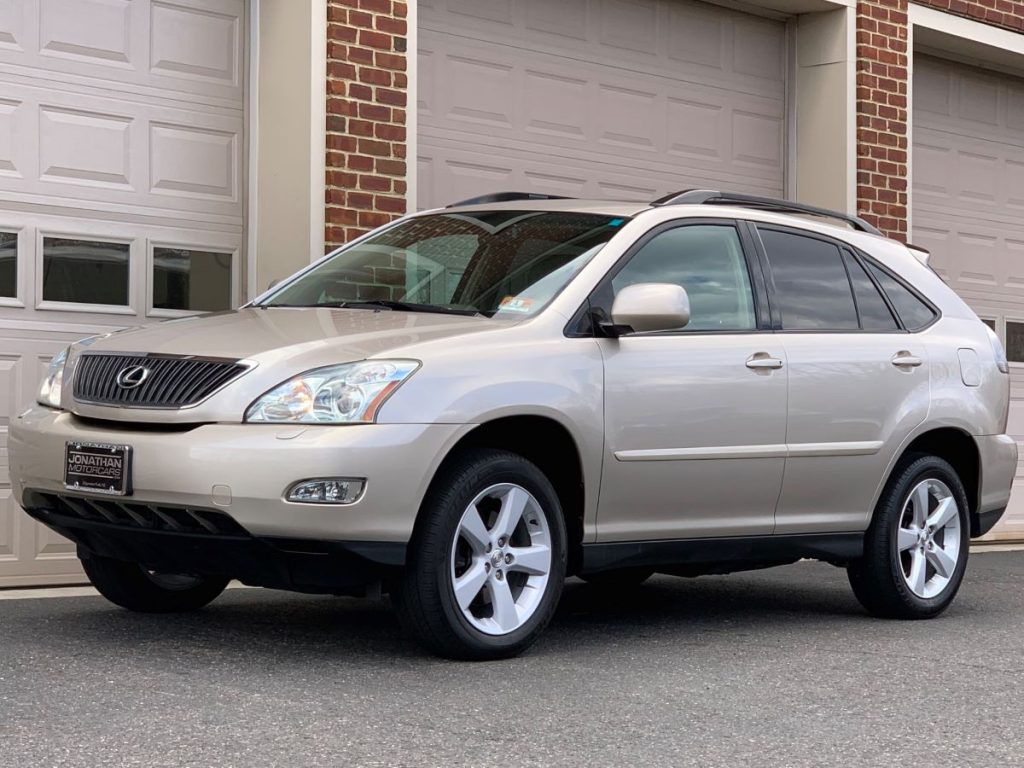
The RX also built strong emotional loyalty because it rarely created major problems. Owners became accustomed to reliable starts, quiet road trips, and predictable operation year after year. That trust made replacing the vehicle feel unnecessary for many families.
Another hidden factor involves changing automotive trends. As newer luxury SUVs became increasingly complicated and technology-heavy, some long-term RX owners actually preferred the older model’s simpler controls and calmer driving experience.
The RX 330 earned lasting loyalty not through flashy performance or dramatic styling but by making ownership consistently pleasant and dependable. For many original owners, that reliability became valuable enough to keep the same SUV for two full decades.
Also Read: 10 Best Trucks for Hunters Who Drive Through Brush and Tall Grass
