
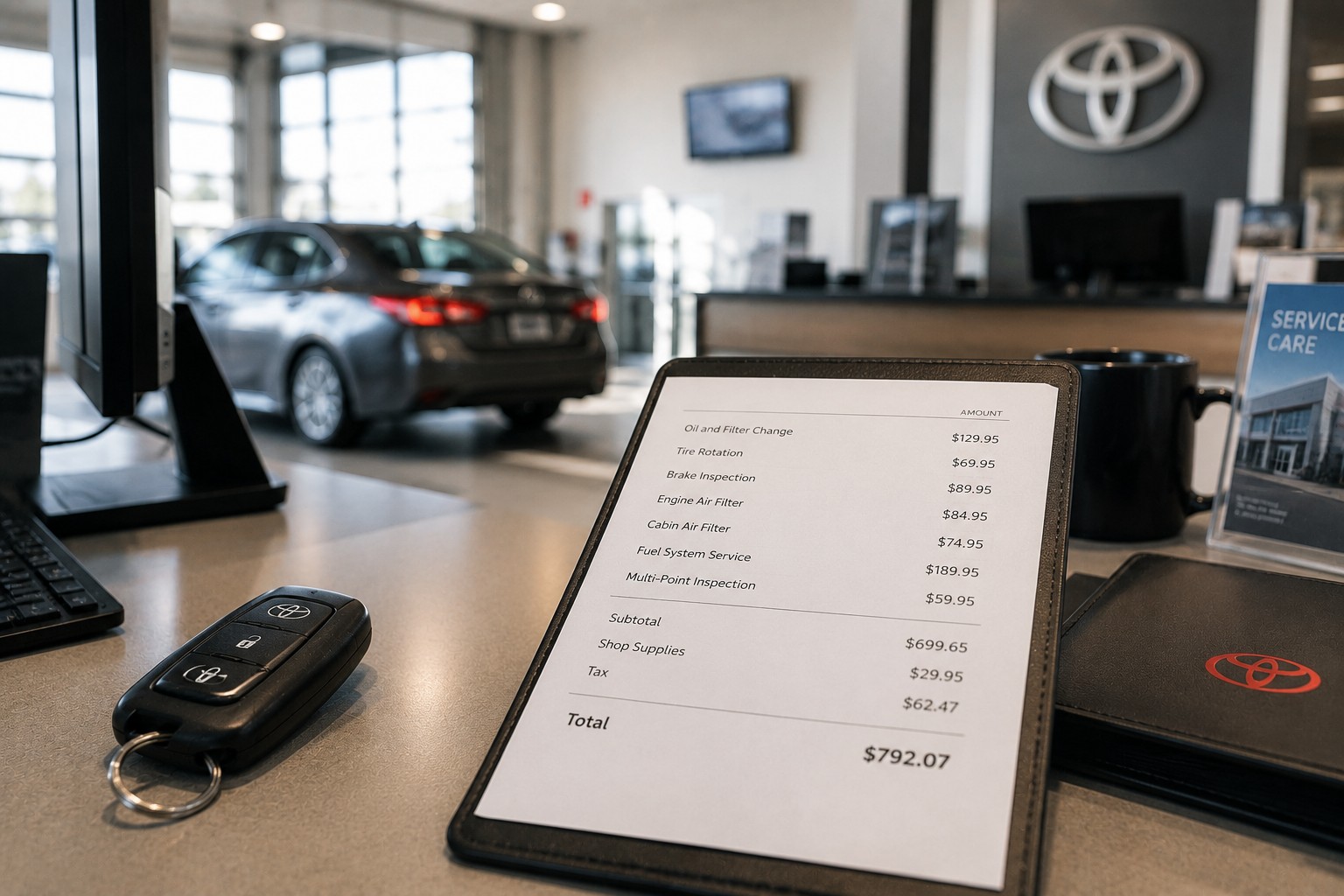
Car ownership was once simple. You bought a vehicle, drove it, and maintained it at a reasonable cost. But today, the dealership service experience has changed dramatically. Prices have climbed far beyond what most owners expected when they signed their purchase agreements.
Dealer service centers used to be trusted partners. Now, many customers walk out feeling robbed rather than helped. A routine oil change can cost three times what an independent shop charges. A simple brake inspection somehow turns into a $1,200 repair estimate.
This growing frustration is not limited to one country or brand. Car owners around the world are asking the same question. Why does dealer servicing cost so much more for seemingly the same work? The answers are uncomfortable for the automotive industry.
Labor rates have exploded. Parts markups are at record highs. Diagnostic fees are charged even when nothing is found. Customers are being billed for time they never authorized. This article breaks down every major reason why dealer service costs have become nearly impossible to justify and why millions of car owners are finally choosing to walk away.
Labor Rates Have Reached Unreasonable Heights
Dealer labor rates have increased sharply over the past decade. In many markets, hourly rates now sit between $150 and $250 per hour. That is significantly higher than what a qualified independent mechanic charges for identical work. The gap has never been wider.
Dealers justify these rates by pointing to certified technician training. They argue that brand-specific knowledge comes at a premium price. But customers are paying for overhead costs that have nothing to do with their vehicle. Showroom lighting, lounge refreshments, and marketing budgets are all baked into your service bill.
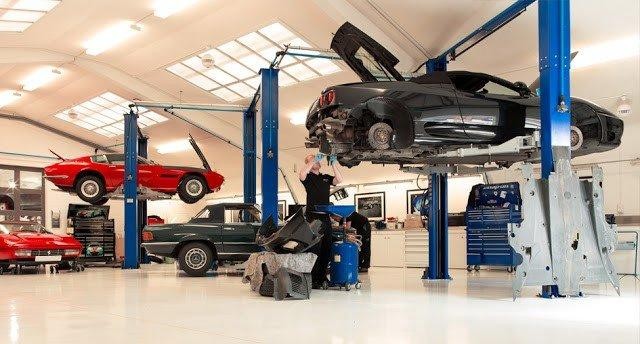
The frustration grows when simple jobs are billed at premium rates. Replacing a cabin air filter should take ten minutes. Yet dealers charge a full hour of labor for this task. Customers are essentially funding the dealership’s operational lifestyle.
International customers feel this even more intensely. Exchange rate pressures make dollar-denominated parts and labor unbearable. A service visit in Southeast Asia or Eastern Europe can consume a week’s salary. The pricing model was never designed with global affordability in mind.
Parts Markups Are Completely Unjustifiable
Dealers mark up parts at rates that would embarrass any other retail industry. A part that costs $40 wholesale is routinely sold to customers for $120 or more. That is a 200% markup on a component you had no choice but to purchase. The system is designed to extract maximum revenue at every opportunity.
Original Equipment Manufacturer parts are presented as the only safe option. Dealers warn customers that aftermarket parts void warranties or reduce safety. This fear-based selling keeps customers locked into the dealership parts ecosystem. The reality is that many aftermarket parts meet or exceed OEM quality standards.
Some dealers now charge separate handling fees on top of the parts markup. You are paying a premium price and then paying again just for someone to order it. This double-charging practice has become alarmingly common across brands. Customers rarely notice because invoices are deliberately difficult to read.
For foreign car owners, this problem is multiplied by import costs. Luxury European brands often charge extraordinary prices for basic components. A simple sensor for a German luxury sedan can cost more than a month’s food budget. The profit margins on parts are the dealership’s most protected secret.
Warranty Work Creates a Hidden Double Standard
Warranty repairs reveal a painful truth about how dealers value different customers. When an automaker pays for the repair, work gets done quickly and efficiently. When you are paying out of pocket, suddenly the same job requires more labor hours. This inconsistency is well-documented and widely experienced.
Technicians are paid flat-rate wages based on job time estimates. This means they earn more by spending less time on each job. Your $200 repair may take 20 minutes, but it gets billed at two hours. The flat-rate system rewards speed over thoroughness and honesty.
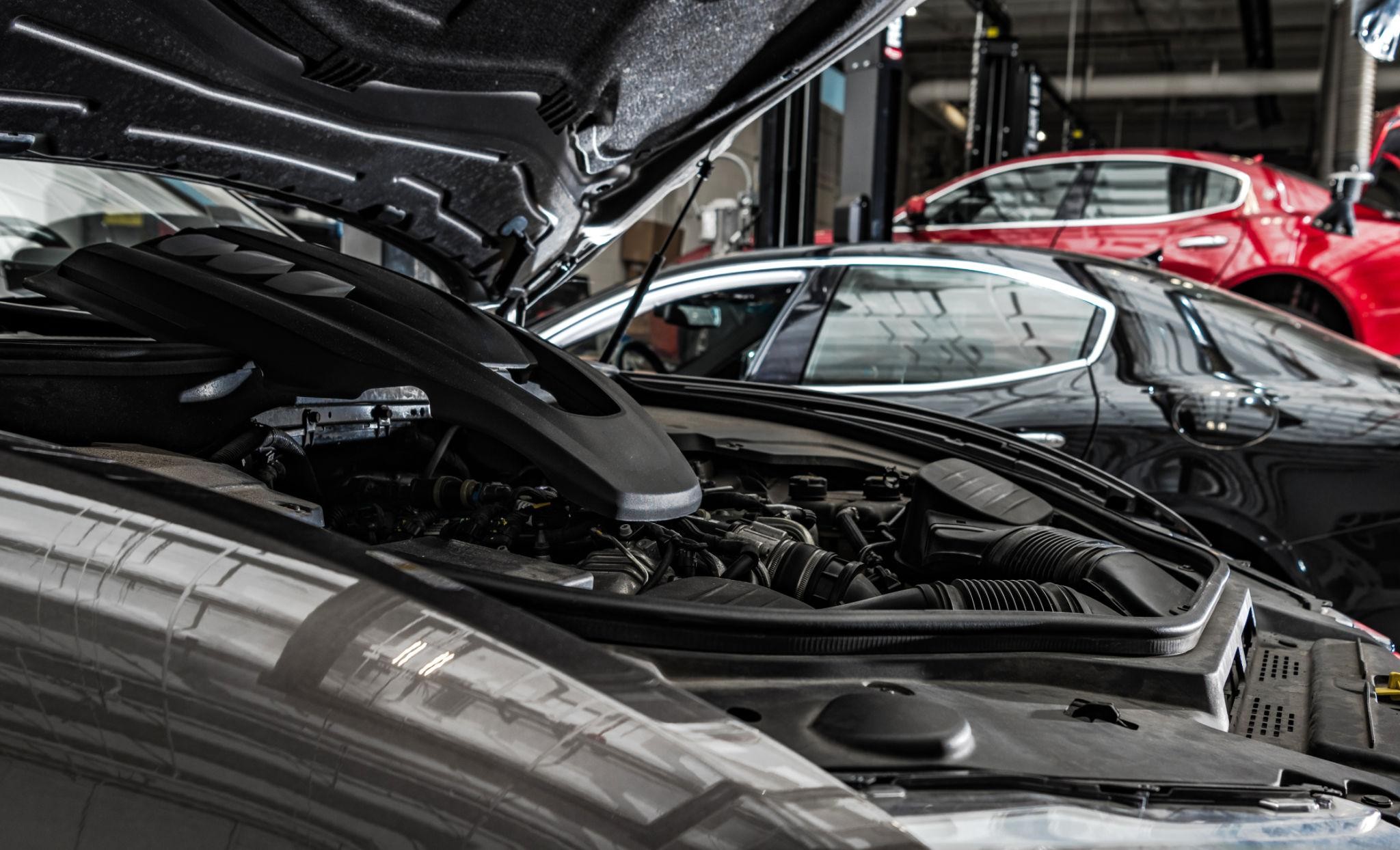
Many customers have discovered this disparity after requesting itemized bills. They compare their cash-pay invoice to what warranty jobs typically cost. The difference is often shocking and deeply uncomfortable to accept. Yet most customers never question the numbers placed in front of them.
Foreign customers unfamiliar with local automotive norms are especially vulnerable. They lack the cultural context to challenge service advisors confidently. Language barriers and unfamiliarity with local consumer rights make resistance difficult. Dealers know this and the pricing reflects that knowledge.
Diagnostic Fees Are Being Abused Systematically
Diagnostic charges were introduced for a legitimate reason. Modern vehicles are complex, and scanning systems take professional expertise. A reasonable diagnostic fee makes complete sense in that context. But the system has been weaponized against the very customers it was meant to serve.
Many dealers charge $150 to $200 just to plug in a scan tool. This process takes under five minutes with modern equipment. The actual skilled analysis work is minimal for common fault codes. Yet customers pay premium prices for what is essentially a button press.
The bigger problem is non-discovery fees. If the scanner finds nothing, you still pay the full diagnostic charge. You have paid for a service that produced no useful result. This is an arrangement no other professional service industry would dare offer.
Some dealers apply the diagnostic fee even when the customer brings in a printout from an auto parts store. The fault code is already known and identified. Yet the meter still runs from the moment your car enters the bay. Customers feel trapped and powerless throughout this entire process.
Service Advisors Work on Commission Against Your Interests
The person greeting you at the service desk is not your advocate. They are a commissioned salesperson working within a revenue target system. Their job performance is measured by how much they upsell each customer. This creates a fundamental conflict of interest that rarely gets discussed openly.
Recommended services are often timed conveniently to your mileage readings. Fluid flushes, alignment checks, and tire rotations appear on estimates with striking regularity. Many of these services are not required by the manufacturer at that interval. They are required by the dealership’s monthly revenue targets.
Customers who decline additional services often notice subtle changes in attitude. Wait times mysteriously extend. Callbacks become slower. The comfortable lounge experience fades slightly. These are quite severe punishments for protecting your own wallet.
For foreign customers going through an unfamiliar service culture, this pressure is overwhelming. Saying no feels rude in many cultural contexts. Service advisors in high-pressure environments exploit this social discomfort expertly. The result is thousands of dollars spent on services that were never truly necessary.
The Dealership Model Was Built for Another Era
The franchise dealership model dates back nearly a century. It was designed when cars were mechanically simple, and information was scarce. Customers had no choice but to return to the dealer because nowhere else had the knowledge. That world no longer exists, but the pricing structure never adjusted.
Independent mechanics now access the same diagnostic software as dealers. Online repair communities share model-specific knowledge freely and quickly. Customers arrive at service appointments already knowing what the problem likely is. The information monopoly that justified dealer pricing has completely collapsed.
Dealerships have responded by lobbying for right-to-repair restrictions. They push automakers to limit third-party diagnostic tool access. They advocate for warranty conditions that effectively mandate dealer servicing. These are not competitive responses; they are desperate attempts to preserve an outdated business model.
The global customer in 2025 is informed, connected, and increasingly unwilling to overpay. They read forums, watch repair videos, and compare prices before any appointment. The era of unquestioned dealer authority is ending rapidly. The only question is whether the industry will adapt before customers abandon it entirely.
Also Read: 4 SUVs With Real Skid Plates vs 4 With Plastic Ones That Crack Off
