
Tire longevity is often an overlooked measure of how efficiently a vehicle is engineered. While many drivers expect routine replacements every 40,000 to 60,000 miles, certain cars consistently double that lifespan under normal use. This happens because of a combination of factors such as balanced weight distribution, smooth power delivery, conservative suspension tuning, and highway-oriented driving behavior.
Vehicles that prioritize comfort, stability, and efficiency place far less stress on tires, allowing tread to wear slowly and evenly over time. The choice of factory tires also plays a major role, with many manufacturers fitting long-life touring compounds designed for durability rather than performance.
From hybrids to sedans, SUVs, and even fleet vehicles, a surprising number of models regularly achieve 80,000 miles or more on their original sets. This list, titled “10 Cars Where the Original Tires Lasted Over 80,000 Miles,” highlights how thoughtful engineering and real-world driving conditions come together to extend tire life far beyond typical expectations.
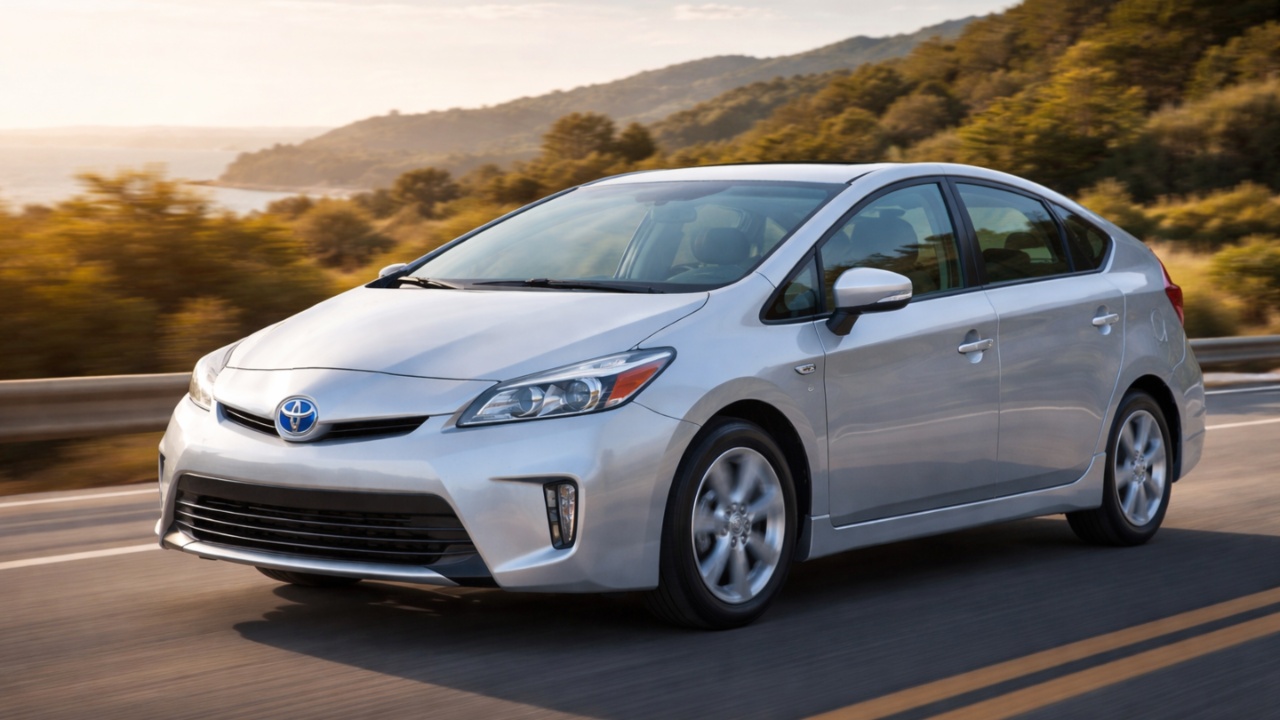
1. Toyota Prius (2010–2015)
Often regarded as one of the most efficiency-focused mainstream vehicles of its era, the 2010–2015 Toyota Prius is also notable for something less discussed but highly practical: its exceptional tire longevity. Many owners report getting 80,000 miles or more from the original factory tires, a result of careful engineering choices combined with driving habits that prioritize efficiency over performance.
A key factor behind this long tire life is the use of low-rolling-resistance (LRR) tires supplied by manufacturers such as Bridgestone and Yokohama. These tires are designed to minimize energy loss by reducing friction with the road surface. They typically use harder rubber compounds and specialized tread patterns, which naturally wear more slowly than softer, performance-oriented tires. When combined with higher recommended tire pressures, often in the range of 35 to 40 PSI, they experience less deformation, reduced heat buildup, and slower tread degradation.
The Prius also benefits significantly from its regenerative braking system. Instead of relying primarily on traditional friction brakes, the hybrid system uses the electric motor to slow the vehicle while converting kinetic energy back into stored electrical energy. This reduces the frequency and intensity of mechanical braking, which in turn lowers the abrasive forces that usually accelerate tire wear, especially on the front axle in conventional vehicles.
Vehicle design further contributes to durability. The Prius is relatively lightweight and delivers power in a smooth, gradual manner rather than through sudden torque bursts. This limits wheel spin and reduces tire scrubbing during acceleration. In addition, the typical Prius driver tends to adopt a conservative driving style, focusing on fuel efficiency through steady speeds, gentle braking, and minimal aggressive cornering.
Maintenance practices also play a crucial role. Regular tire rotations, often every 5,000 miles, and proper wheel alignment help ensure even wear across all four tires, preventing premature degradation on one axle.
While models like the Honda Insight or the Ford C-Max offer different driving experiences, the Prius remains a benchmark for tire efficiency, combining hybrid engineering with practical driving behavior to maximize tire lifespan.
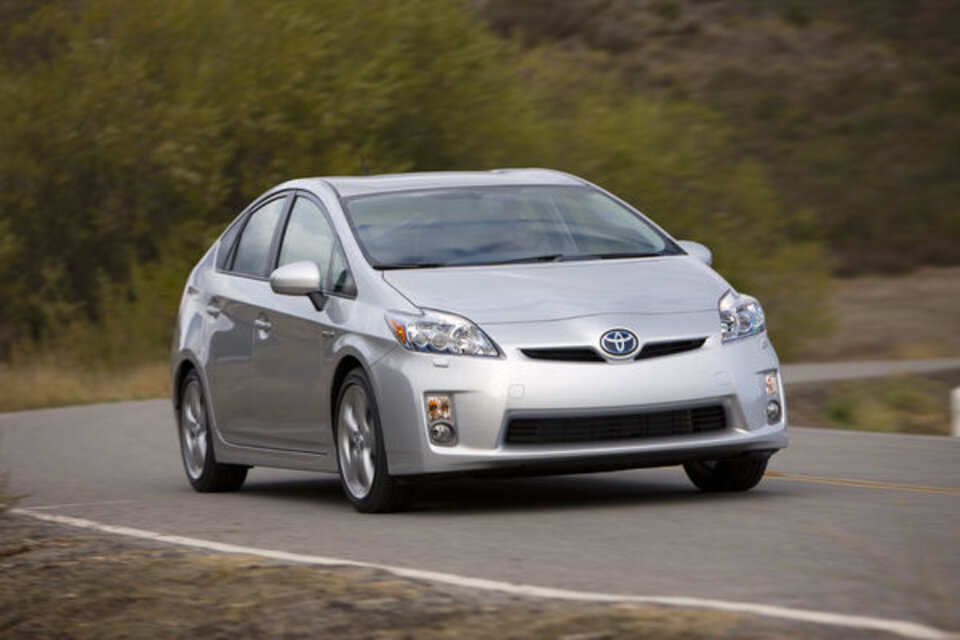
2. Honda Accord (2011–2015)
Built for long-term reliability and everyday comfort, the 2011–2015 Honda Accord has also earned a reputation for unusually long tire life, with many owners reaching or surpassing 80,000 miles on factory-installed tires. This performance results from a combination of carefully chosen OEM tire technology, stable suspension geometry, and smooth power delivery that together minimize uneven wear and excessive tread loss.
A key factor is the use of high-quality original equipment tires, commonly supplied by Michelin and Continental. These tires are engineered with dense, long-wearing rubber compounds and tread designs optimized for durability rather than aggressive grip. Their symmetrical patterns help distribute road contact evenly, which becomes especially effective when paired with consistent tire rotation schedules.
The Accord’s suspension design plays a major role in preserving tire life. Across the 2011 (8th generation) and 2013–2015 (early 9th generation) models, Honda refined the chassis to maintain steady alignment and consistent tire contact with the road surface. This reduces irregular wear patterns such as edge feathering or inner-shoulder degradation, which often shorten tire lifespan in other vehicles.
Power delivery is another contributing element. The available 2.4L inline-four and 3.5L V6 engines are tuned for smooth, progressive acceleration rather than abrupt torque surges. This reduces wheel slip during takeoff and minimizes tread abrasion. In later models equipped with continuously variable transmissions (CVTs), acceleration becomes even more linear, further reducing stress on the tires during daily driving.
Driving behavior also plays an important role. The Accord’s stable front-wheel-drive layout and predictable handling encourage steady highway cruising, where tire wear tends to be slower and more uniform. Many long-term owners report that the car performs especially well under consistent commuting conditions with minimal aggressive driving.
Routine maintenance reinforces these advantages. Regular tire rotations, correct inflation pressures, and proper wheel alignment help ensure that all four tires wear evenly, extending service life significantly compared to poorly maintained vehicles.
In addition, the 2015 model year introduced upgraded driver-assist features such as LaneWatch and collision warning systems on higher trims, reflecting Honda’s focus on refinement and controlled driving dynamics that indirectly support tire preservation.
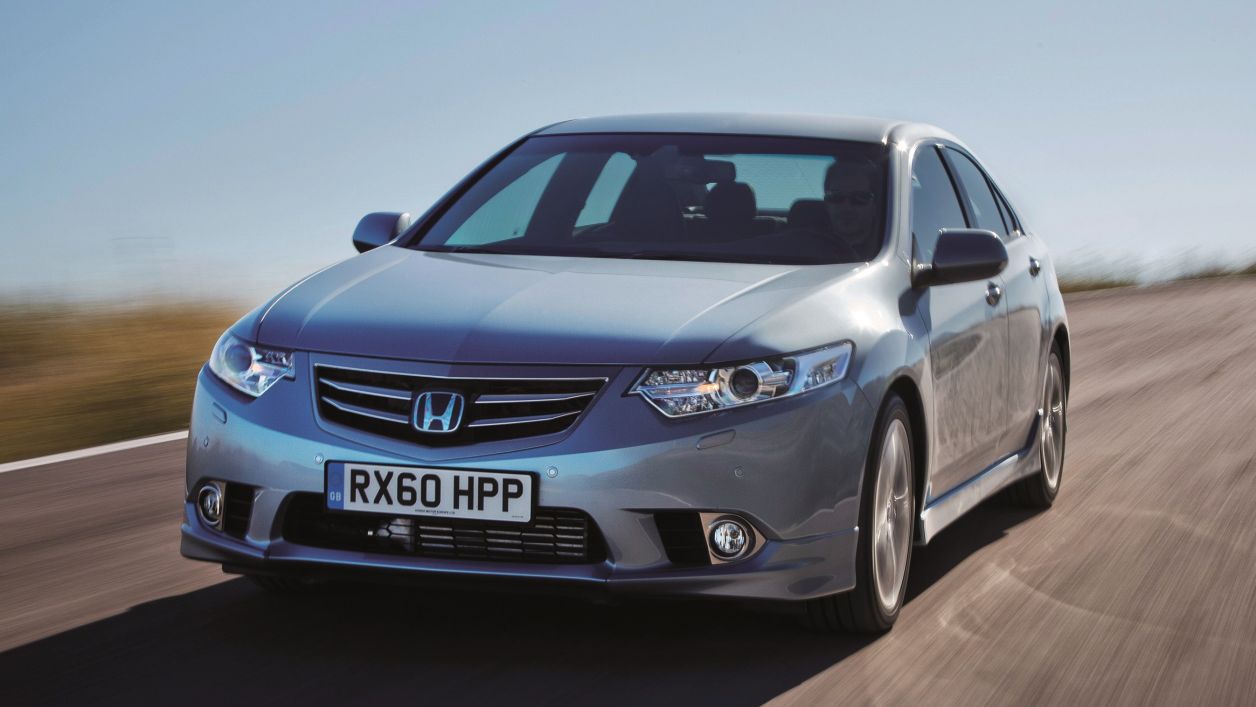
3. Toyota Camry (2012–2017)
For many drivers seeking a dependable commuter sedan with minimal upkeep costs, the 2012–2017 Toyota Camry is frequently associated with impressive tire longevity. It is not unusual for owners to report original tires lasting 80,000 miles or more, particularly when the vehicle is used primarily for steady highway driving and maintained on a regular schedule. This durability comes from a combination of conservative engineering, long-wearing tire choices, and smooth everyday driving dynamics.
A major factor behind this extended tire life is the factory-installed touring tires, commonly Bridgestone Turanza or Michelin Energy Saver A/S. These tires are designed for comfort, efficiency, and long tread life rather than sporty grip. Their harder rubber compounds and low rolling resistance reduce friction against the road, which slows tread wear and helps preserve tire integrity over long distances.
The Camry’s suspension design also plays a key role. It is tuned for comfort and stability, which keeps tire contact with the road surface consistent during normal driving. This reduces uneven wear patterns such as shoulder wear or feathering, which often shorten tire life in vehicles with more aggressive handling setups.
Power delivery is smooth and predictable across both four-cylinder and V6 engine options. Acceleration is gradual rather than abrupt, which reduces wheel spin and limits unnecessary tread abrasion. Combined with the front-wheel-drive layout, this creates stable wear patterns that tend to distribute evenly across all four tires.
Routine maintenance strongly influences how long the tires last. Regular rotations, typically every 5,000 miles, help ensure even tread wear across all positions. Proper inflation is also essential because incorrect pressure can accelerate uneven wear and reduce total lifespan.
Many of the tires fitted to this generation carry high UTQG treadwear ratings, often above 600, reflecting their focus on durability. Highway commuting further enhances tire life since it involves fewer stops, smoother steering inputs, and more consistent speeds compared to urban driving.
The Camry’s emphasis on comfort, predictability, and efficiency shapes its driving character in a way that naturally supports extended tire durability in real-world use.
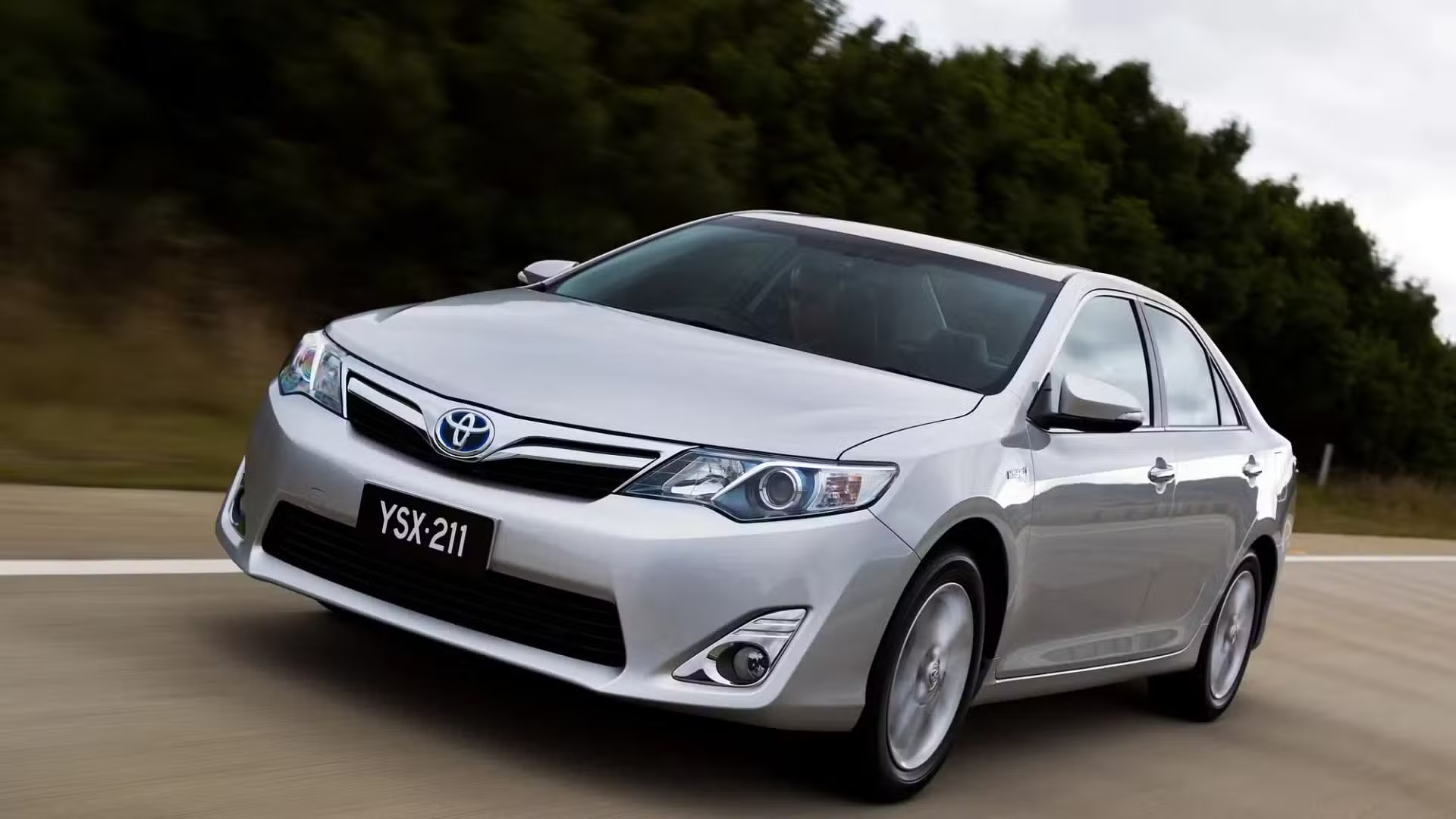
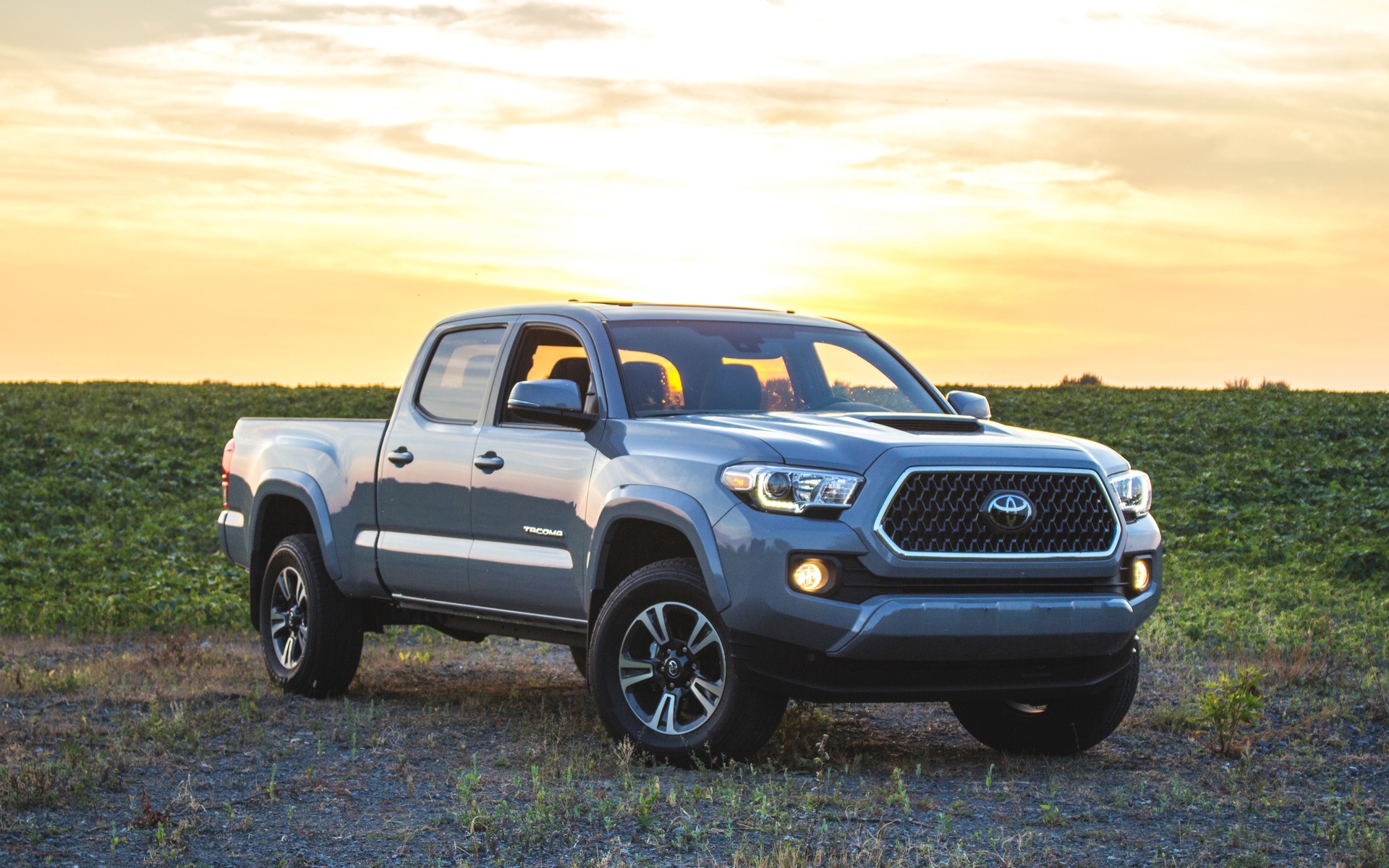
4. Toyota Tacoma (2018–2022)
Built with durability and utility in mind, the 2018–2022 Toyota Tacoma is often noted for how long its factory tires can last in real-world use. Many owners report reaching 60,000 to 80,000 miles or more on original tires, particularly when the truck is used mainly for commuting and highway driving rather than frequent off-road use. This long service life comes from a combination of truck-oriented tire designs, conservative vehicle engineering, and consistent maintenance habits.
A major contributor is the OEM tire selection. Depending on trim, the Tacoma is commonly equipped with tires such as Michelin LTX M/S2, Goodyear Wrangler All-Terrain Adventure with Kevlar, Firestone Destination LE2, or Toyo A30. These tires are designed for light trucks and SUVs, featuring reinforced sidewalls, deeper tread depths, and high treadwear ratings. Among them, the Michelin LTX line is especially known for strong highway longevity and even wear characteristics.
The truck’s mechanical design also supports extended tire life. Compared to full-size pickups, the Tacoma has a relatively lighter frame, which reduces the load placed on each tire. Its suspension system is tuned to maintain stability and consistent alignment, helping the tires stay evenly planted on the road. This reduces uneven wear patterns that often develop when alignment or suspension geometry is not well controlled.
Driving conditions have a strong influence as well. Many Tacoma owners primarily use the vehicle for daily commuting on paved roads, where steady speeds and minimal aggressive cornering reduce tread wear. Highway driving in particular is gentle on tires, allowing them to wear gradually over long distances.
Maintenance practices further extend tire life. Regular tire rotations, typically every 5,000 miles, help distribute wear evenly across all four tires. Correct tire inflation is also important, since underinflation or overinflation can significantly shorten the lifespan and create uneven tread wear.
At the same time, tire longevity can vary widely depending on usage. Trucks fitted with more aggressive off-road tires on TRD Off-Road or TRD Pro trims often see shorter lifespans, sometimes closer to 30,000 to 50,000 miles. Off-road driving, towing, and hard acceleration can also accelerate wear.
The Tacoma’s design prioritizes ruggedness and reliability, and in everyday highway-focused use, that approach translates into consistently long-lasting factory tire performance.
5. Toyota 4Runner (2017–2022)
Known for its rugged build and long-term dependability, the 2017–2022 Toyota 4Runner also stands out for how far its factory tires can last in real-world use. Many owners report original tires reaching 80,000 miles or more, especially when the SUV is driven mainly on highways and maintained on a regular schedule. This durability comes from a combination of truck-based engineering, conservative performance tuning, and long-wearing OEM tire selections.
A key factor is the factory-installed tire lineup, which often includes Bridgestone Dueler H/T or comparable Michelin touring tires. These tires are designed for SUVs that prioritize durability and load-carrying strength. Their harder rubber compounds and high treadwear ratings help reduce friction and slow tread degradation, particularly during steady highway driving.
The 4Runner’s body-on-frame construction also contributes significantly. As a heavy SUV built for durability, it maintains stable alignment when properly maintained, which helps prevent uneven wear patterns such as feathering or edge wear. This structural stability ensures that tires maintain consistent contact with the road over long distances.
Powertrain characteristics further support tire longevity. The 4.0L V6 engine paired with a five-speed automatic transmission delivers smooth, gradual acceleration rather than abrupt torque delivery. This reduces wheel spin and limits unnecessary tread wear during normal driving conditions. While not designed for quick acceleration, this tuning favors long-term mechanical and tire durability.
Driving habits and usage play a major role in tire lifespan. Highway-focused driving tends to produce the highest mileage results, while frequent off-road use, towing under heavy loads, or aggressive acceleration can significantly shorten tire life. Owners who follow steady commuting patterns typically see the best results.
Routine maintenance is essential. Regular tire rotations, usually every 5,000 to 7,500 miles, help distribute wear evenly across all four tires. Proper inflation also ensures that the tread wears uniformly and lasts longer.
Although the 4Runner is primarily designed for off-road capability and utility, its stable road behavior and conservative engineering make it particularly effective at preserving tire life during everyday driving.

Also read: 10 Cars That Look New After 10 Years Without a Garage
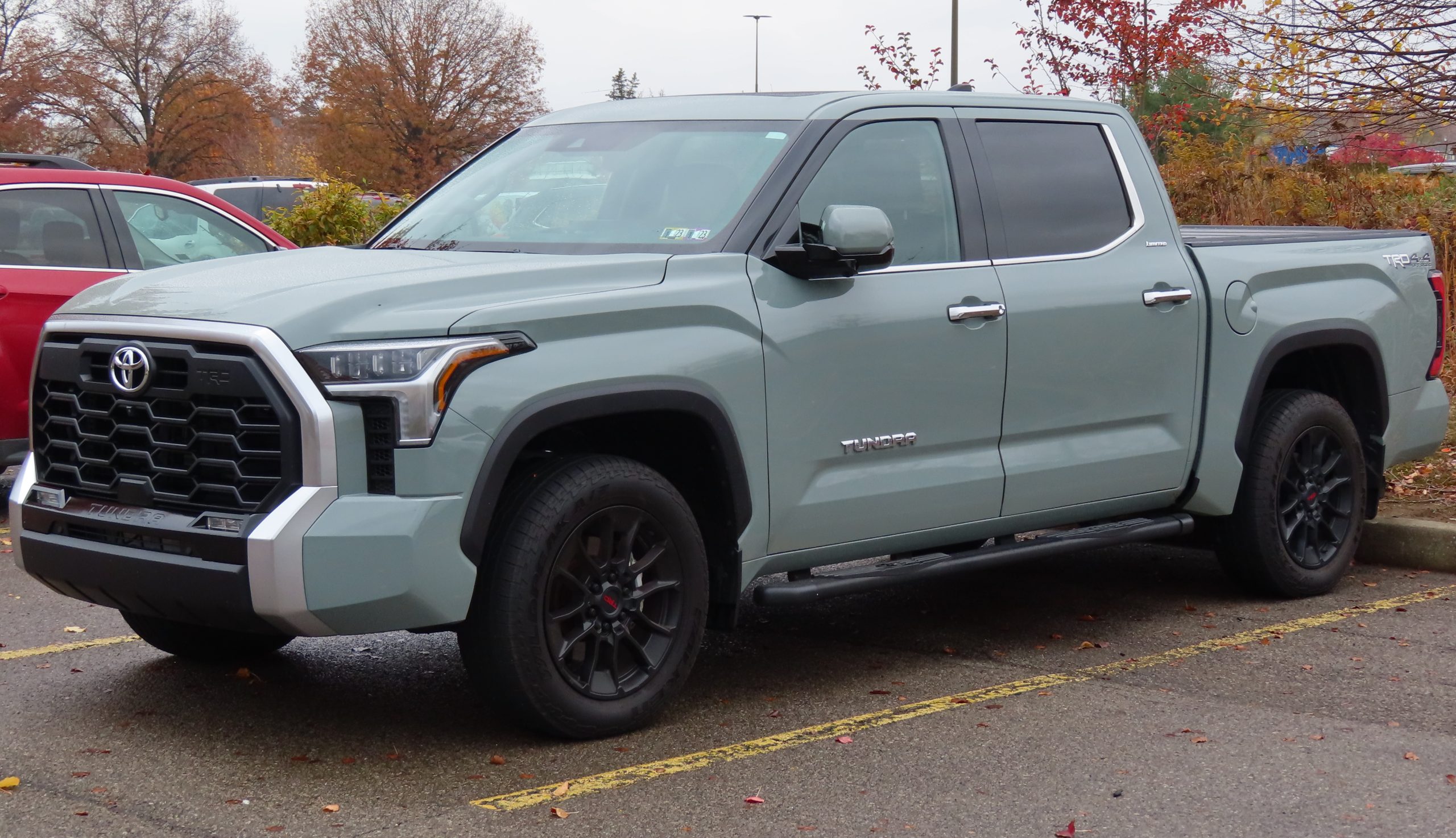
6. Toyota Tundra (2007–2014)
Among full-size pickup trucks built for long-term durability, the 2007–2014 Toyota Tundra is frequently noted for its ability to deliver exceptionally long tire life. Many owners report original factory tires lasting 80,000 miles or more, particularly when the truck is used mainly for highway driving and kept on a consistent maintenance schedule. This endurance is the result of heavy-duty engineering, conservative tuning, and durable OEM tire choices designed specifically for truck use.
A key reason is the factory tire equipment, which often includes Michelin LTX and Bridgestone Dueler H/T models. These tires are designed for long service life and load-bearing performance rather than sporty handling. Their reinforced construction, deeper tread depth, and harder rubber compounds help them resist wear over extended mileage. Some designs also use tread distribution technology that spreads forces evenly during acceleration, braking, and cornering.
The Tundra’s structural design further supports tire longevity. Built on a strong body-on-frame platform, it is engineered to handle heavy loads while maintaining stable alignment characteristics. When properly maintained, this reduces uneven tire wear such as feathering or edge deterioration, which can shorten tire life in less robust vehicles.
Power delivery also plays a role. The available V6 and V8 engines are tuned for steady, predictable acceleration rather than sharp bursts of torque. This smoother power output reduces wheel spin and limits unnecessary abrasion on the tire surface during everyday driving. The six-speed automatic transmission complements this by providing consistent and controlled gear shifts.
Driving conditions strongly influence results. Highway-focused driving and light-duty commuting tend to maximize tire lifespan, while frequent towing, off-road use, or aggressive driving can significantly reduce it. Regular maintenance, especially tire rotations every 5,000 miles and proper inflation, is essential for achieving high mileage and even tread wear.
Although the Tundra’s older-generation design lacks some modern refinements, its simplicity and rugged construction contribute to consistent durability. This combination of strong engineering, conservative performance tuning, and long-wearing tire technology helps explain why it is often associated with extended factory tire life in real-world use.
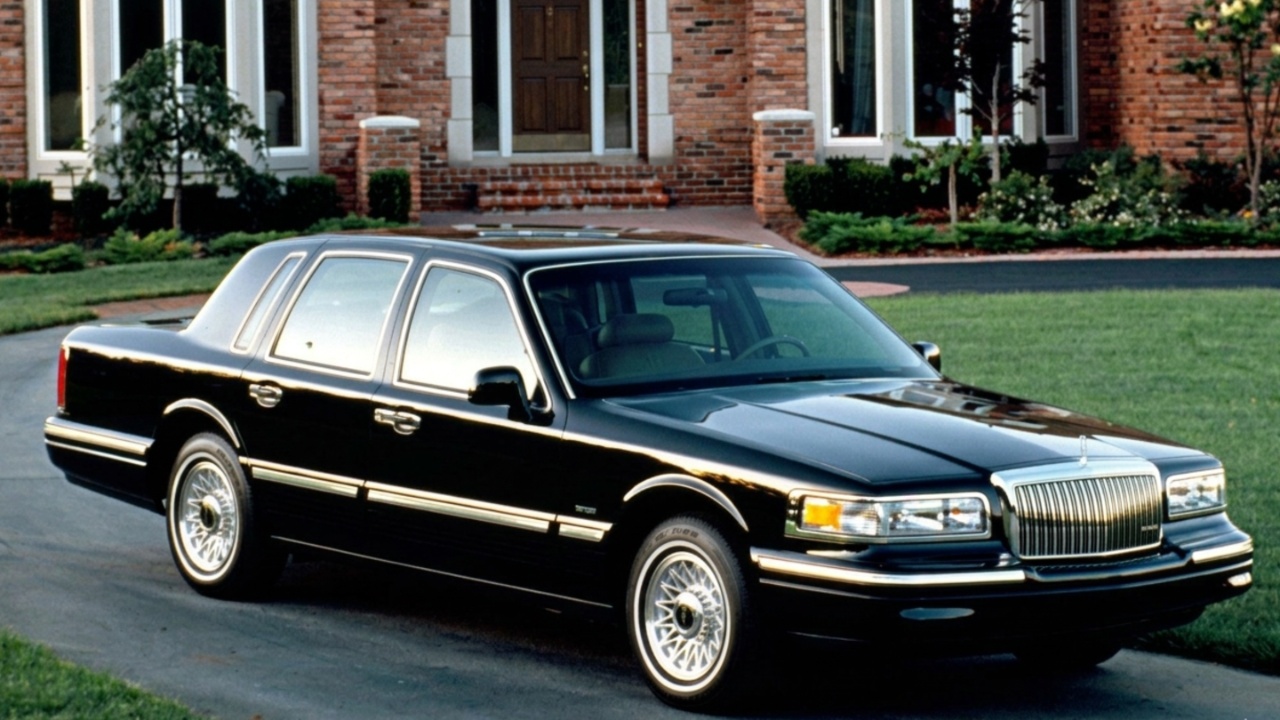
7. Lincoln Town Car (Late 1990s–2000s)
Long before modern luxury sedans shifted toward sportier handling, the late 1990s to 2000s Lincoln Town Car represented the peak of smooth, comfort-first engineering. That relaxed design philosophy also made it one of the most tire-friendly vehicles of its time, with many owners reporting factory tires lasting 80,000 miles or more under typical use. The combination of soft suspension tuning, steady highway cruising behavior, and durable OEM tire choices created an environment where tread wear happened very slowly and evenly.
A major contributor is the suspension system, which is tuned for maximum ride comfort rather than cornering performance. Its soft, float-like behavior reduces lateral forces during turns, limiting the kind of sidewall stress that often accelerates tire wear. Many models also feature rear air suspension, which helps maintain consistent ride height and alignment, even when carrying passengers or cargo, further improving tire contact with the road.
The drivetrain is another important factor. The 4.6L V8 engine delivers smooth, low-revving power that builds gradually rather than abruptly. Paired with a relaxed automatic transmission, it avoids sudden torque delivery that could cause wheel spin or unnecessary tread abrasion. This calm power delivery supports steady, low-stress tire usage over long distances.
Driving habits associated with the Town Car also play a big role. It was frequently used for chauffeur services, long-distance cruising, and highway commuting, all of which involve consistent speeds and minimal aggressive braking or cornering. These conditions are ideal for extending tire life, since they reduce heat buildup and friction.
Factory tire selection reinforces this durability. Many examples came equipped with long-wearing touring tires such as Michelin Symmetry, designed specifically for comfort-oriented luxury vehicles. These tires, combined with the car’s heavy and stable platform, operate under relatively low stress, which allows the tread to wear slowly and evenly.
Routine maintenance, such as regular rotations, correct inflation, and alignment checks, helps maximize this lifespan. Even so, rubber aging remains a natural limitation, with most tires requiring replacement after several years regardless of tread depth.
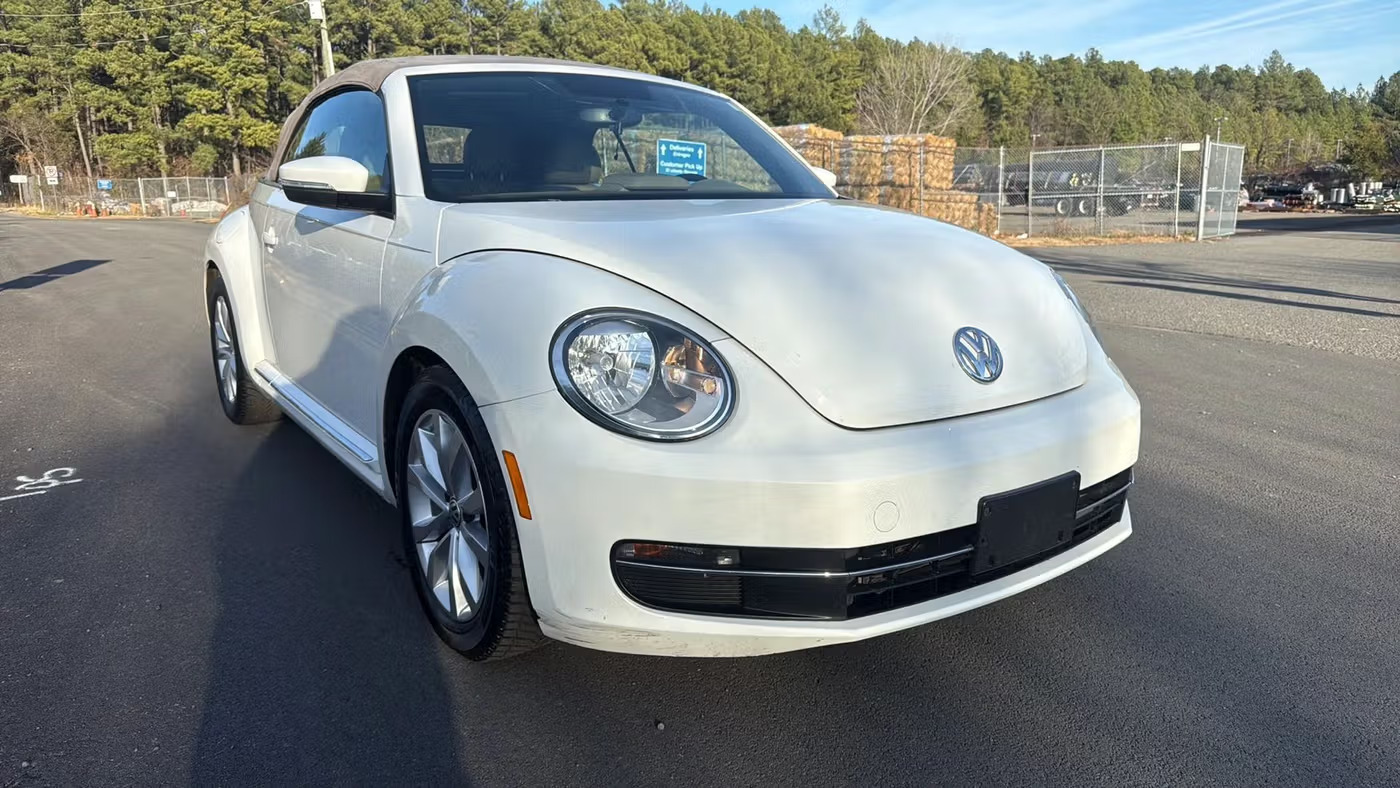
8. Volkswagen Beetle (2013–2015)
Volkswagen’s 2013–2015 Beetle takes a modern interpretation of its classic nameplate and pairs it with more mature engineering underneath. Built on the Volkswagen Golf platform, it benefits from a well-balanced chassis, stable suspension geometry, and predictable road behavior that collectively reduce unnecessary tire stress.
This setup, combined with highway-oriented driving habits typical of many owners, often allows factory tires to last far beyond expectations, with some sets reaching or exceeding 80,000 miles under ideal conditions.
A major factor behind this durability is the use of high-quality OEM touring tires such as Continental ProContact, which are engineered for long-distance stability and even tread distribution.
These tires are designed to perform consistently at sustained highway speeds, where heat buildup is lower, and wear is more gradual. When paired with the Beetle’s relatively light weight and steady steering response, the result is reduced uneven wear across the tire surface.
Powertrain behavior also plays a role. Engines like the 2.5-liter gasoline unit and the 2.0-liter TDI diesel deliver smooth, progressive power rather than sharp bursts of torque. This limits wheel slip and aggressive tread scuffing during acceleration. The diesel variant, in particular, is known for relaxed highway cruising, which further supports long tire life in commuting scenarios.
Suspension tuning favors comfort and composure over sporty handling, which means less aggressive cornering forces act on the tires. As long as alignment is maintained and rotations are performed regularly, the system tends to preserve even tread wear over extended mileage. Many high-mileage examples also benefit from consistent highway use, which is significantly less demanding on tires than stop-and-go urban driving.
Inside, the Beetle prioritizes simplicity and everyday usability, while on the road, it maintains a soft, controlled ride. This calm driving character indirectly contributes to tire longevity by avoiding harsh load transfers and abrupt directional changes. Although not designed for performance driving, the Beetle’s stability, conservative tuning, and quality tire pairing make it a strong candidate for long-lasting original rubber under the right conditions.
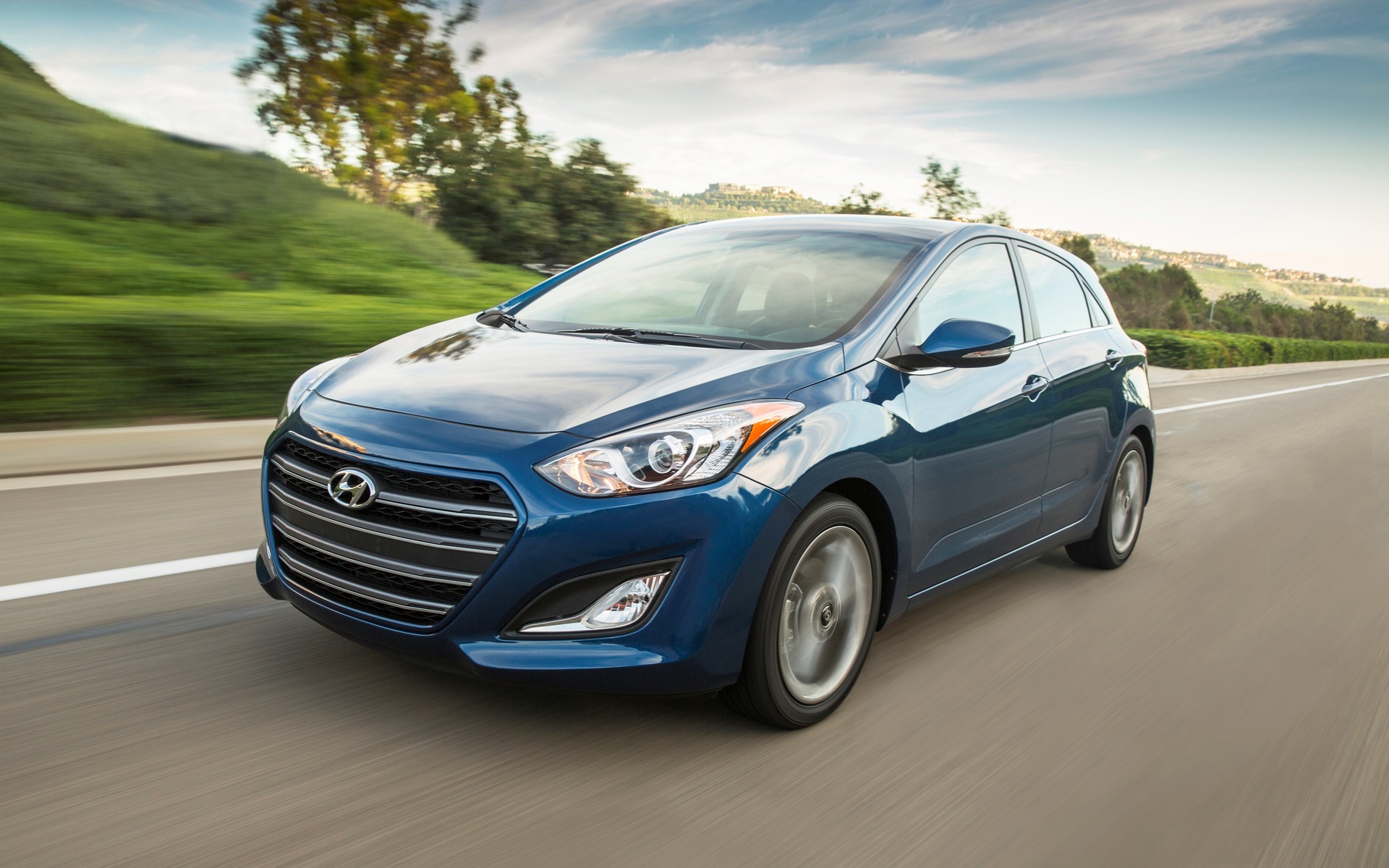
9. Hyundai Elantra (2013–2016)
Hyundai’s 2013–2016 Elantra marks the point where the model shifted from a budget compact into a genuinely competitive, efficiency-focused sedan. One of its less obvious strengths shows up in long-term tire wear, where many owners report unusually high mileage from factory-installed all-season tires. Depending on the build, these cars were commonly equipped with touring-oriented tires such as Hankook Optimo or Kumho Solus, both designed to prioritize tread life and comfort over aggressive grip.
In real-world use, it is not uncommon for these original tires to reach around 80,000 miles when the car is maintained properly and driven mostly on highways. The Elantra’s lightweight structure and front-wheel-drive layout help distribute wear in a controlled way, especially when tire rotations are performed regularly. The rear tires in particular tend to wear slowly because they are not heavily loaded during normal commuting conditions.
Several design choices contribute to this durability. The suspension system is tuned for comfort and stability rather than sharp handling, which reduces aggressive tire scrubbing during turns. Power delivery from the 1.8-liter and later 2.0-liter engines is smooth and gradual, limiting sudden traction loss that can accelerate tread wear. Factory alignment settings also tend to remain stable over time, helping prevent uneven wear patterns such as edge feathering.
Driving behavior plays a major role as well. The Elantra is commonly used as a daily commuter vehicle, which means steady-speed highway driving is frequent. This type of driving reduces braking stress and heat buildup in the tires, both of which are key factors in premature wear. With consistent air pressure checks and routine rotations, the tires tend to wear evenly across all four corners.
Inside the cabin, the Elantra focuses on practicality and comfort, offering good space for a compact sedan and a calm driving experience that avoids unnecessary strain on the vehicle. Combined with its predictable handling and efficient powertrain, these characteristics help support long-lasting tire performance under normal ownership conditions.
10. Ford Crown Victoria (Police Interceptor/Taxi)
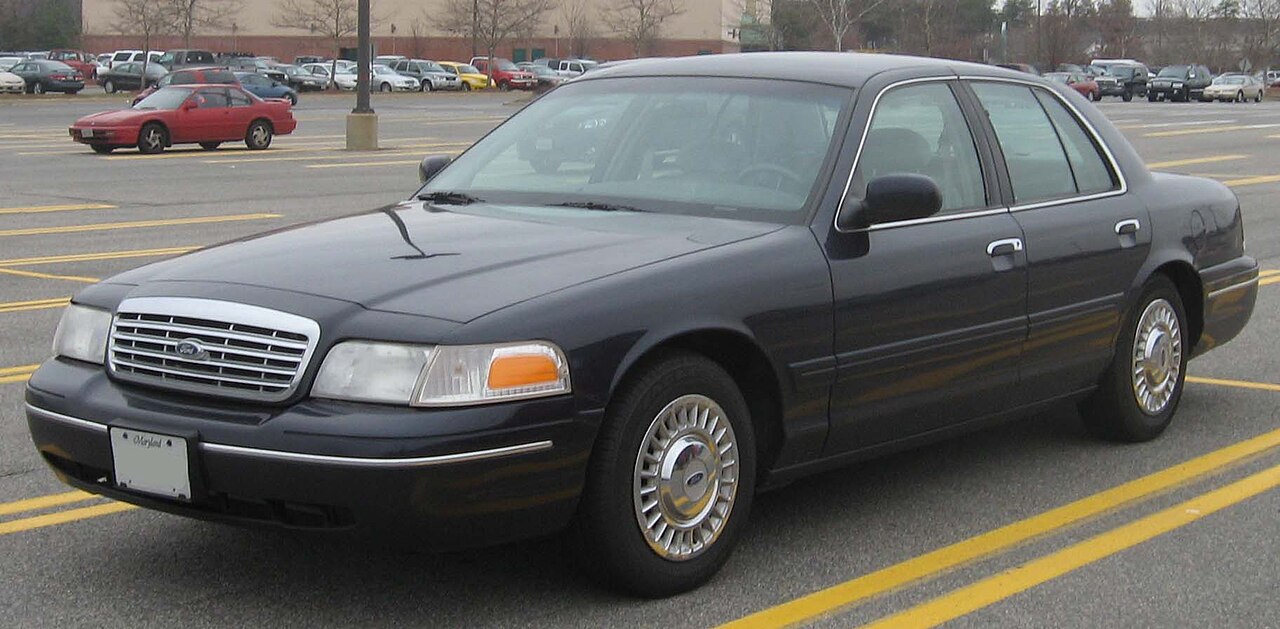
The Ford Crown Victoria, especially in Police Interceptor and taxi configurations, is widely recognized for extreme durability and unusually long tire life when properly maintained. Built on the rugged Panther platform, it was engineered for continuous heavy-duty use, combining a body-on-frame structure with a smooth but robust suspension setup. This combination helped stabilize alignment over rough urban roads and extended highway use, which in turn reduced uneven tire wear such as feathering or scalloping.
A major factor behind its long tire life was the use of heavy-duty fleet-grade tires, often including Goodyear Eagle RS-A or reinforced Michelin options designed for high-speed, high-load operation. These tires featured harder rubber compounds and reinforced sidewalls, allowing them to resist heat buildup and structural fatigue. Since heat is one of the primary causes of tire degradation, this thermal stability played a significant role in extending tread life well beyond typical passenger car expectations.
The Crown Victoria’s suspension system also contributed significantly. Police and taxi variants were equipped with reinforced components, including stronger sway bars and durable shock absorbers, which helped maintain consistent alignment even under harsh driving conditions. Fleet maintenance practices further enhanced longevity, with frequent inspections, rotations, balancing, and alignment corrections ensuring that tires wore evenly throughout their service life.
Its driving environment also worked in its favor. A large portion of its operational life was spent on highways or steady-speed patrol routes, which reduce braking frequency, cornering stress, and rapid acceleration events that typically accelerate tire wear. Combined with strict tire pressure monitoring in fleet service, these conditions allowed tires to operate within optimal performance ranges for extended periods.
The Crown Victoria’s body-on-frame design added another layer of durability by isolating road impacts from the chassis, reducing stress transfer to the wheels. This helped maintain consistent tire contact with the road surface over time. As a result, many well-maintained examples, particularly civilian-owned or lightly used fleet units, achieved 80,000 miles or more on a single set of quality tires.
Beyond tire longevity, the Crown Victoria remains an icon of reliability, valued for its simple mechanical layout, spacious interior, and long-standing role in law enforcement and taxi fleets, even after production ended in 2011.
The vehicles featured in this list show that exceptional tire life is the result of design choices rather than chance. Whether it is the efficiency-focused Toyota Prius, the balanced Honda Accord, or the long-distance reliability of the Toyota Camry, each model reduces unnecessary tire stress through smooth acceleration, stable alignment, and comfort-oriented suspension tuning.
Trucks and SUVs like the Toyota Tacoma, 4Runner, and Tundra further demonstrate how strong chassis design and highway usage can significantly extend tread life. Even older body-on-frame platforms such as the Lincoln Town Car and Ford Crown Victoria highlight how relaxed driving dynamics and steady fleet maintenance practices can push tire mileage far beyond normal limits.
When combined with quality OEM touring tires and consistent upkeep, such as rotations and correct inflation, reaching 80,000 miles becomes achievable across multiple segments. Ultimately, these examples prove that long-lasting tires depend as much on engineering philosophy and driving conditions as they do on the tires themselves.
Also read: 12 Cars With Bulletproof Drivetrains You Can Buy for Peanuts
