
Modern sedans have become faster, quieter, and more technologically packed than ever before, yet many drivers still feel disconnected from the road. Touchscreens have replaced physical controls, steering systems have become lighter and more artificial, and suspension tuning often focuses more on isolation than engagement.
In the process, many newer cars have lost the personality that once made sedans genuinely enjoyable to drive.
That is why certain sedans from around 15 years ago continue to stand out even in 2026. These cars were developed during a period when automakers still prioritized chassis balance and direct driver feedback.
Engineers focused less on digital gimmicks and more on making the vehicle respond naturally to the person behind the wheel. The result was a generation of sedans that felt alive in a way many modern cars no longer do.
Another reason these older sedans remain impressive is weight. Many current vehicles have grown larger and heavier due to safety systems, batteries, insulation, and added technology. While these features provide benefits, they also dull agility.
Sedans from the late 2000s and early 2010s often struck a better balance between comfort and responsiveness, giving drivers a more connected experience.
Transmission tuning also played a role. Many of these cars still offered precise automatic gearboxes or engaging manual transmissions that reacted quickly and predictably. In contrast, some newer sedans rely heavily on continuously variable transmissions or overly complex software tuning that can feel less natural during spirited driving.
Importantly, these older sedans are not being praised purely for nostalgia. Their strengths are still noticeable today. The steering communicates better, the suspension setups feel more cohesive, and the driving experience feels intentionally crafted rather than filtered through layers of electronic assistance.
The cars on this list prove that newer does not always mean more enjoyable. While 2026 sedans may outperform them on paper in certain areas, these older models continue to deliver a level of driver involvement that many enthusiasts believe has become increasingly rare.
Below are eight sedans from 15 years ago that still drive better than many modern 2026 models.
Also Read: The Top 8 Honda Engines Ever Built, Ranked by Mileage Records
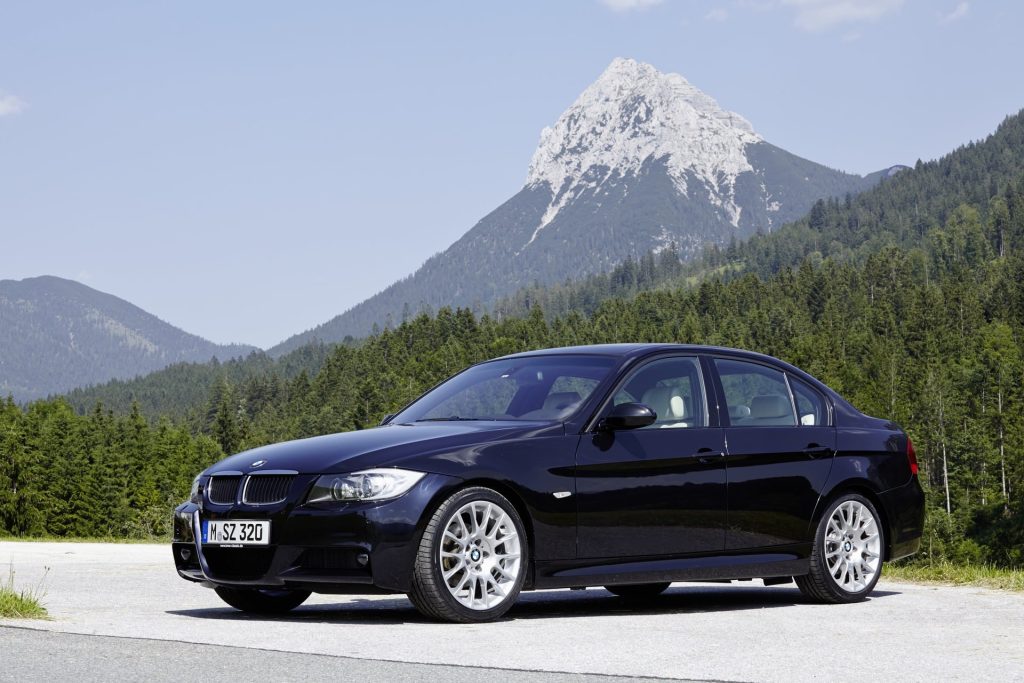
1. BMW 3 Series E90 (2006–2011)
The BMW E90-generation 3 Series represents a turning point in automotive history, arriving just before technology began to dominate the driving experience. It still feels mechanical in the best possible way, with steering, suspension, and throttle response working together naturally instead of being heavily filtered by software.
One of the first things drivers notice is the steering feel. Hydraulic steering systems like the one used in the E90 communicate road texture and cornering load with remarkable clarity. Modern electric steering setups may be lighter and more efficient, but many lack the same sense of connection. In the E90, every small input feels deliberate and rewarding.
The chassis balance is another reason this sedan continues to impress. Weight distribution is nearly perfect, giving the car a neutral and composed attitude through corners. Instead of fighting the driver with excessive understeer, the E90 rotates predictably and encourages smooth inputs. This balance creates confidence even during spirited driving.
Different engine options changed the personality slightly, yet the driving character remained consistent across the lineup. Inline six-cylinder models in particular delivered smooth power delivery that matched the chassis beautifully. Acceleration felt progressive rather than sudden, which made the car satisfying at both low and high speeds.
The suspension tuning deserves attention as well. BMW managed to create a setup that felt firm enough for enthusiastic driving while remaining comfortable for daily use. Many newer sedans lean too far toward softness or artificial stiffness, but the E90 maintains a natural middle ground.
Another aspect that keeps this car relevant is visibility and driving position. The cabin is focused around the driver without feeling cluttered. Thin pillars and a relatively low beltline provide a sense of openness that many modern sedans have lost due to thicker structures and larger interiors.
Transmission behavior also contributes to the experience. Manual versions are especially rewarding, but even the automatic transmissions feel more direct than many modern systems. Gear changes happen without excessive hesitation, maintaining the connection between driver input and vehicle response.
Road feel is where the E90 separates itself most clearly from many 2026 sedans. You can sense changes in pavement texture, tire grip, and body movement without the car becoming harsh. This communication makes even ordinary roads feel engaging.
The car also benefits from manageable dimensions. Modern sedans often feel oversized, especially in urban environments. The E90 remains compact enough to feel agile while still providing enough interior space for practicality.
What makes the E90 special is not one dramatic feature but how naturally everything comes together. It feels engineered by people who cared deeply about driving enjoyment rather than simply chasing specifications or touchscreen features.
Even after nearly two decades, the BMW E90 still reminds drivers what a sports sedan is supposed to feel like.
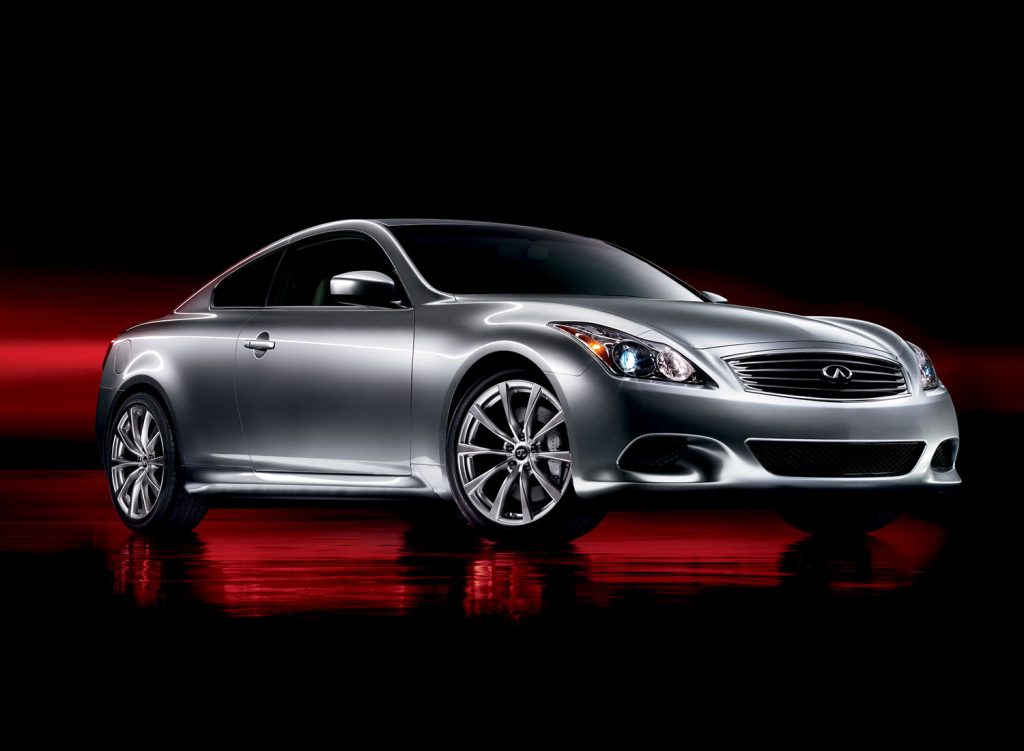
2. Infiniti G37 Sedan (2009–2013)
The Infiniti G37 sedan approached performance from a completely different angle compared to European rivals, yet it achieved something many modern sedans struggle to deliver.
It felt genuinely alive from behind the wheel. The car combined strong naturally aspirated power with rear-wheel-drive balance in a way that made driving feel exciting without becoming overly complicated.
At the center of the engine tree was the 3.7-liter V6 engine, and many modern turbocharged engines rely on software tuning and artificial sound enhancement. This V6 delivered immediate throttle response and a strong pull all the way through the rev range. The power arrived smoothly and predictably, giving the driver a stronger sense of control.
Steering feel was heavier than that of many sedans of its time, yet that weight added confidence. The car responded quickly to inputs without feeling nervous. Modern sedans often isolate the driver too much in pursuit of comfort, but the G37 maintained a sense of physical connection between driver and machine.
Another area where the G37 continues to impress is chassis rigidity. The structure feels solid and composed, especially during cornering. Instead of excessive body movement, the car remains planted, allowing the suspension to work effectively without making the ride harsh.
The suspension setup itself deserves recognition because it avoided extremes. It was sporty enough to encourage enthusiastic driving but still comfortable enough for daily commuting. This balance is something many 2026 sedans struggle with, as they often rely on adaptive systems that can feel artificial or inconsistent.
Sound also played a major role in the G37’s appeal. The naturally aspirated V6 produced a genuine mechanical tone that matched the car’s character. In contrast, many modern sedans use artificial cabin sound enhancement that lacks authenticity.
Inside the cabin, the controls remain refreshingly straightforward. Physical buttons and clear layouts allow drivers to focus on driving instead of digging through menus. This simplicity enhances engagement by keeping attention where it belongs, on the road.
Another underrated strength is the transmission tuning. The automatic gearbox reacts quickly and predictably without constantly hunting for gears. This creates smoother acceleration and better responsiveness during spirited driving.
The rear-wheel-drive layout gives the G37 a playful quality that many newer sedans no longer offer. It feels willing to rotate through corners while remaining sand-controllable. That balance adds personality to every drive.
Visibility and seating position also enhance the experience. The driver feels low and connected to the car rather than isolated above it. This positioning increases confidence and awareness during cornering.
The Infiniti G37 sedan may not have received the same level of attention as some European competitors, but its driving experience has aged remarkably well. It remains engaging, responsive, and mechanically honest in ways that many newer sedans have forgotten.
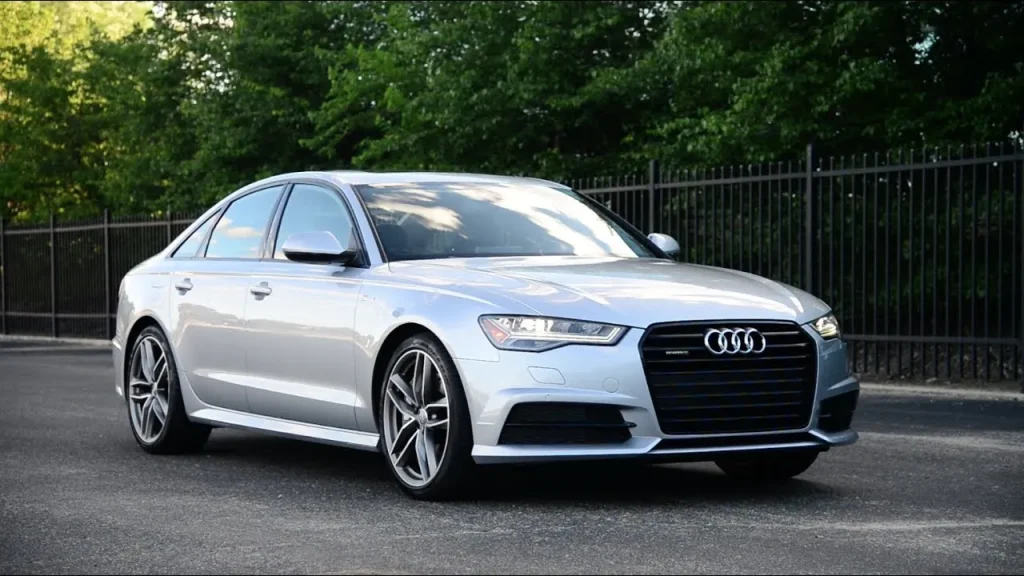
3. Audi A6 3.0T Quattro (2009–2011)
The Audi A6 3.0T Quattro from this era proves that comfort and driving engagement do not have to work against each other. Many modern luxury sedans focus so heavily on isolation that they feel detached from the road, but this A6 manages to remain refined while still communicating with the driver in meaningful ways.
One of the defining strengths of this car is the supercharged 3.0-liter V6 engine. Unlike many turbocharged engines in newer sedans that deliver sudden bursts of torque followed by artificial throttle mapping, the supercharged setup provides smooth and immediate power.
There is no noticeable delay between pressing the accelerator and feeling the car respond. That directness gives the sedan a more natural character.
The Quattro all-wheel-drive system also contributes heavily to its appeal. Instead of making the car feel numb or overly front-heavy, the system distributes power intelligently, creating a strong grip without sacrificing balance. Through corners, the A6 feels planted and composed rather than oversized and disconnected.
Steering feel is another area where this sedan quietly surpasses many 2026 competitors. The steering has genuine weight and consistency, allowing drivers to understand what the front tires are doing. Tiresome systems often prioritize lightweight efficiency, but this older Audi still values communication.
What truly separates the A6 is the way it handles long distances. The suspension absorbs rough pavement gracefully without becoming floaty. At highway speeds, the car settles into a confident rhythm that many newer sedans fail to achieve because of overly soft chassis tuning or excessive electronic intervention.
The cabin design also reflects a different philosophy. Physical controls are logically placed, and the driver does not need to constantly rely on them. This creates a calmer driving experience where attention naturally stays on the road instead of shifting between menus.
Another important point is the car’s structural solidity. Even after years of use, many A6 models still feel tightly assembled. Doors close with a reassuring heaviness, and the chassis remains free of unwanted vibrations. That durability contributes to the premium driving sensation.
Transmission tuning deserves recognition, too. The automatic gearbox shifts smoothly yet remains responsive when the driver demands acceleration. It avoids the sluggish hesitation found in some modern transmissions programmed mainly for fuel economy.
The seating position adds to the confidence behind the wheel. Drivers sit low enough to feel connected to the car, yet visibility remains excellent for a midsize luxury sedan. This combination creates a stronger sense of control during both city driving and high-speed cruising.
Perhaps the most impressive thing about the A6 is how cohesive it feels. Nothing about the car seems exaggerated or artificial. Every input produces a response that feels measured and deliberate.
Fifteen years later, the Audi A6 3.0T Quattro still demonstrates how luxury sedans can remain comfortable without sacrificing genuine driving involvement.
4. Lexus GS 350 (2007–2011)
The Lexus GS 350 from this generation never chased attention with dramatic styling or aggressive marketing. Instead, it focused on refining the driving experience in a way that many modern sedans have moved away from. The result is a car that still feels balanced, composed, and deeply satisfying on the road.
At the center of the engine is the naturally aspirated 3.5-liter V6 engine, smaller than the turbocharged engines that dominate many 2026 sedans. This V6 delivers power in a smooth and linear manner. Acceleration builds naturally as revs rise, creating a stronger connection between the driver’s input and the car’s response.
One of the biggest surprises for people driving the GS 350 today is the steering. It feels heavier and more substantial than most modern luxury sedans, yet it avoids becoming cumbersome. The wheel communicates enough road information to keep the driver engaged without introducing harshness.
The chassis tuning also stands out because of how well it balances comfort and precision. The suspension absorbs imperfections smoothly, but the car still changes direction with confidence.
Modern luxury sedans sometimes isolate the driver so much that the driving experience becomes forgettable. The GS 350 avoids that problem by maintaining a subtle but important sense of connection.
Another strength is the rear-wheel drive layout. Many modern sedans prioritize efficient interior packaging with front-wheel-drive-based platforms, but the GS retains the balanced proportions and driving dynamics that come from sending power to the rear wheels. This gives the car a composed attitude during cornering.
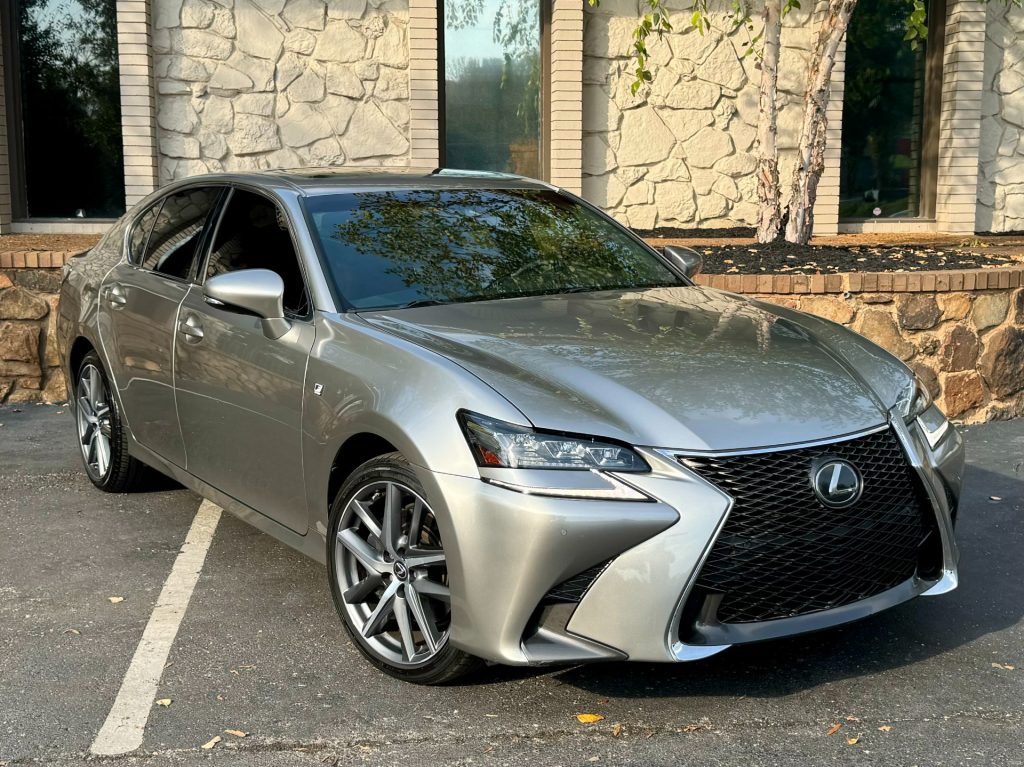
Noise insulation is impressive without becoming excessive. Drivers still feel connected to the environment instead of completely separated from it. That balance helps maintain engagement during long drives.
The interior design has also aged remarkably well. Instead of relying heavily on touch-sensitive surfaces, the cabin uses physical buttons and intuitive controls. This layout feels less distracting and more functional compared to many modern interiors overloaded with digital interfaces.
Build quality contributes heavily to the experience. Even high-mileage examples often feel structurally solid, with minimal rattles or looseness. That durability reinforces the impression of careful engineering.
Transmission behavior remains a strong point. The automatic gearbox shifts smoothly and predictably without overcomplicating the driving experience. It reacts naturally to throttle inputs rather than constantly searching for gears.
There is also a certain confidence in how the GS handles speed. Whether driving through city traffic or cruising on the highway, the car maintains composure without needing excessive electronic correction. That stability gives it a timeless quality.
The Lexus GS 350 may not have been the loudest or most aggressive sports sedan of its era, but its driving experience has aged far better than many expected. It continues to offer a level of refinement and engagement that many modern sedans struggle to replicate.
5. Mercedes-Benz E-Class W212 (2010–2013)
The Mercedes-Benz W212 E-Class arrived during a period when Mercedes still focused heavily on creating sedans that felt engineered for long-term driving confidence rather than short-term showroom impact. Even today, this generation delivers a level of composure and road manners that many newer sedans fail to match.
One reason the W212 continues to stand out is its steering calibration. Unlike many modern luxury cars with extremely light steering designed mainly for effortless parking, the W212 provides measured resistance that gives the driver a stronger sense of connection. The wheel feels stable at highway speeds, creating confidence during long journeys.
Ride quality is another area where this sedan quietly outperforms many 2026 competitors. Instead of relying on overly soft suspension tuning or complicated adaptive systems, the W212 achieves comfort through careful chassis engineering.
The suspension absorbs rough pavement without floating or losing body control. This balance makes the car feel secure rather than isolated.
The braking system also contributes to the driving experience. Pedal feel is progressive and predictable, avoiding the overly sensitive or artificial behavior found in modern electronic brake setups. Drivers can modulate braking force naturally, which increases confidence in daily driving.
Engine options played a major role in the W212’s appeal. Even the V6 models delivered smooth and refined acceleration without needing aggressive turbocharging. Power arrived in a calm, controlled manner that suited the sedan’s character perfectly.
Another strength lies in the structural rigidity of the chassis. The car feels exceptionally solid, even after years of use. Doors close with a substantial feel, and the body remains composed over uneven roads. Many modern sedans feel lighter and less planted by comparison.
Interior ergonomics reflect a different design philosophy. Physical controls dominate the cabin, allowing drivers to adjust settings without digging through digital menus. This creates a less distracting and more intuitive environment behind the wheel.
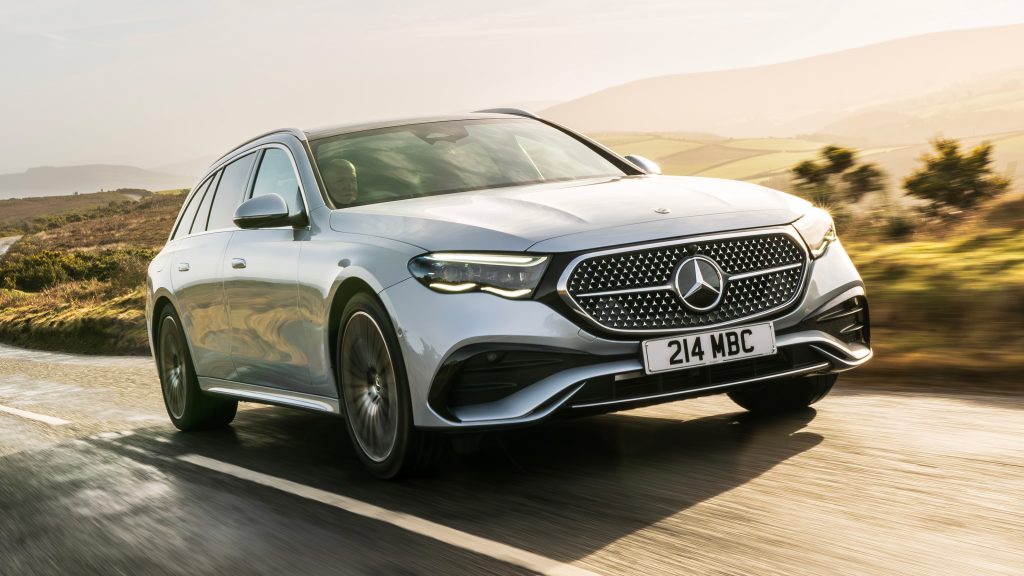
Visibility also deserves praise. The relatively upright greenhouse and well-positioned seating provide a commanding yet comfortable driving position. Many newer sedans sacrifice visibility for dramatic styling but prioritize it without losing elegance.
The automatic transmission shifts smoothly and predictably, complementing the calm nature of the car. It does not constantly hunt for gears or behave erratically in stop-and-go traffic. Instead, it delivers power in a consistent and reassuring way.
What makes the W212 special is the maturity of its driving experience. It does not try to feel artificially sporty or overloaded with electronic gimmicks. Every control input feels natural, from steering to acceleration to braking.
Fifteen years later, the Mercedes-Benz W212 E-Class still demonstrates how thoughtful engineering can create a sedan that remains deeply satisfying to drive long after trends have changed.
6. Acura TL SH-AWD (2009–2014)
The Acura TL SH-AWD approached performance sedans differently from its European rivals, yet that uniqueness is exactly why it continues to feel refreshing today.
While many modern sedans rely heavily on electronic intervention to create excitement, the TL combines mechanical grip, responsive steering, and strong naturally aspirated power in a far more organic way.
The centerpiece of the centerpiece is Acura’s Super Handling All-Wheel Drive system. Unlike traditional all-wheel-drive setups focused mainly on traction, SH-AWD actively distributes torque between the rear wheels during cornering.
This gives the car an unexpectedly agile personality, helping it rotate through turns with a level of precision many front-wheel-drive-based sedans struggle to achieve.
The naturally aspirated V6 engine also plays a major role in the car’s lasting appeal. Power delivery feels immediate and linear, without the hesitation or artificial tuning common in many turbocharged modern engines. As revs climb, the engine responds eagerly, creating a stronger connection between driver input and acceleration.
Steering feel remains another highlight. The wheel has enough weight to inspire confidence while still reacting quickly to changes in direction. Many 2026 sedans filter out too much information, but the TL maintains a healthy level of road feedback that keeps the driver engaged.
The suspension tuning deserves recognition because it successfully balances firmness and comfort. The car corners with stability yet still absorbs road imperfections without becoming harsh. This balance allows the TL to feel enjoyable on winding roads while remaining comfortable during everyday commuting.
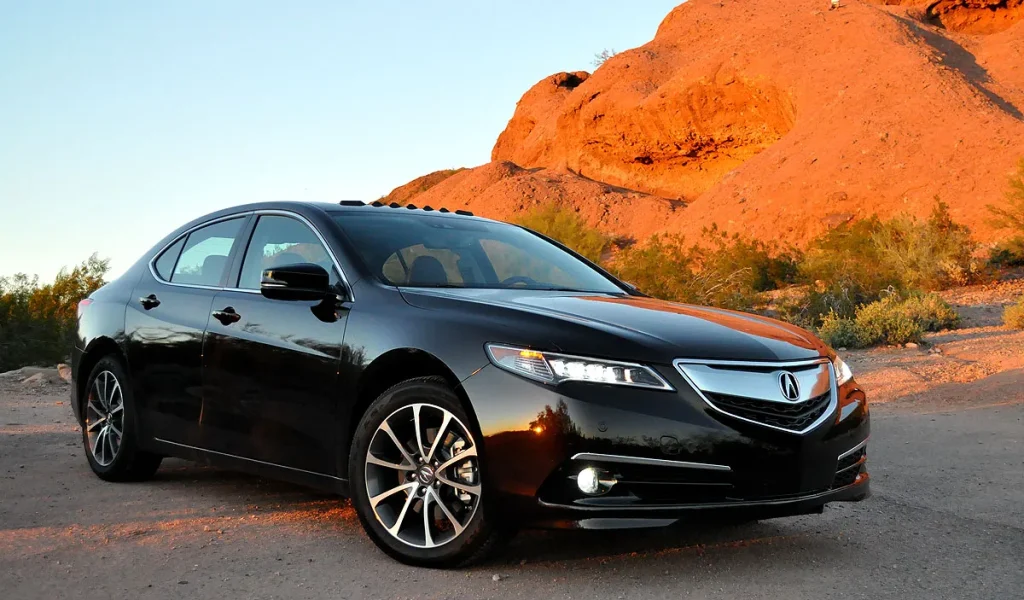
Interior design reflects an era before touchscreens dominated everything. Buttons are logically arranged, and frequently used controls are easy to access without distraction. This simplicity helps drivers focus more on the driving experience itself.
Another important advantage is the seating position. The driver sits low within the cabin, creating a sportier feel than many modern sedans that position occupants higher for visibility and crossover-like comfort. This lower seating arrangement increases the sense of involvement.
The chassis feels remarkably rigid even today. During aggressive driving, the body remains stable and controlled, allowing the suspension and drivetrain to work effectively together. That structural confidence gives the sedan a premium character that has aged extremely well.
Transmission behavior varied depending on configuration, but the manual models in particular remain exceptionally rewarding. The gear changes feel mechanical and direct, adding another layer of engagement that has become increasingly rare in modern sedans.
What truly separates the Acura TL SH-AWD from many newer cars is personality. It feels engineered with enthusiasm rather than just efficiency targets and technology integration.
Even in 2026, the Acura TL SH-AWD continues to prove that a well-balanced sedan can remain exciting long after newer competitors arrive with more screens and software.
7. Cadillac CTS-V (2009–2011)
The Cadillac CTS-V from this generation remains one of the boldest American sedans ever built. While many modern performance sedans rely heavily on electronic systems to create speed and control, the CTS-V feels raw, direct, and mechanical in a way that still stands out today.
Its supercharged V8 engine delivers power with immediate force, yet the car never feels disconnected from the driver. Acceleration is intense, but it comes with a sense of authenticity that many turbocharged modern sedans struggle to replicate. There is no artificial soundtrack or delayed throttle response. Every input produces an instant reaction.
The steering is another major reason this sedan has aged so well. It feels weighty and confident, especially during high-speed driving. Modern steering systems are often tuned to feel effortless, but the CTS-V keeps the driver involved by communicating what the front tires are doing. The Tyreslingis is surprisingly balanced for such a powerful sedan. The chassis remains composed through corners, and the suspension manages body movement effectively without making the ride overly harsh. This balance gives the car a personality that feels both aggressive and controlled.
Inside the cabin, the driving position adds to the experience. The seats hold the driver securely, and visibility remains better than that of many newer sedans that come with thicker pillars and smaller windows. The controls are also simpler and less distracting compared to modern touchscreen-heavy interiors.
The manual transmission versions especially, continue to impress enthusiasts. Gear changes feel mechanical and satisfying, adding another layer of involvement that has become increasingly rare in modern luxury sedans.
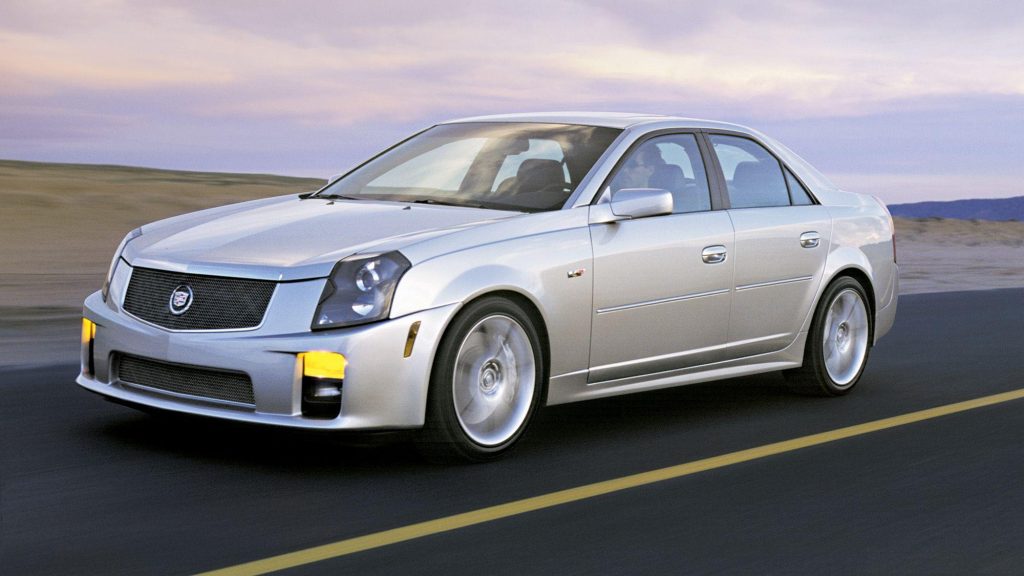
The Cadillac CTS-V proves that performance does not need excessive digital intervention to feel exciting. Even years later, it still delivers a level of engagement and intensity that many 2026 sedans struggle to match.
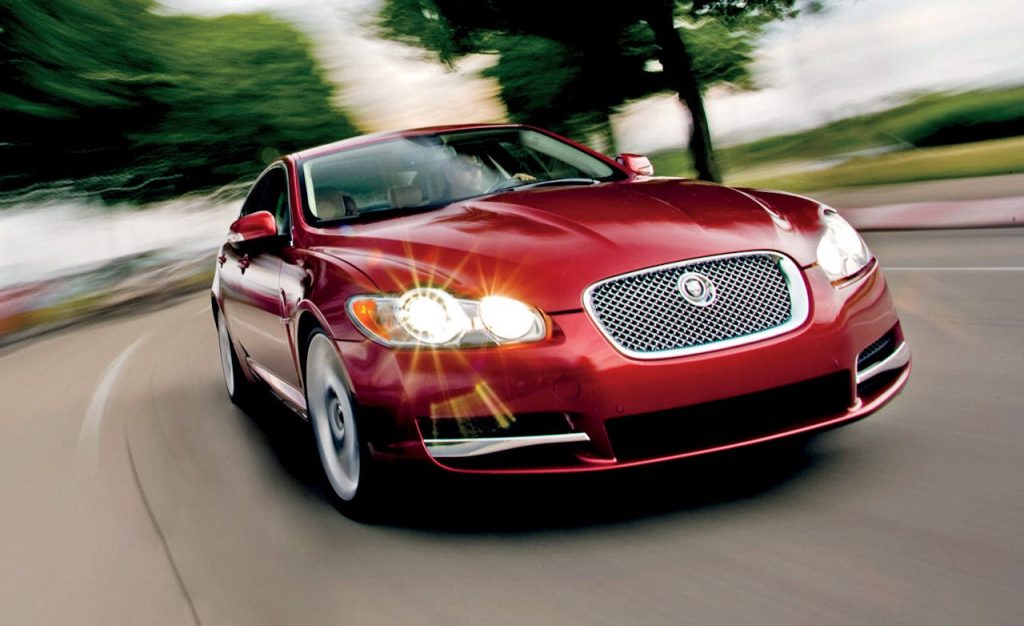
8. Jaguar XF Supercharged (2009–2011)
The Jaguar XF Supercharged brought a unique sense of style and driving character that still feels refreshing today. Instead of focusing purely on sharp performance numbers, this sedan concentrated on making the driving experience feel smooth, effortless, and engaging at the same time.
Its supercharged V8 engine is a major part of that appeal. Power arrives instantly and builds smoothly without the hesitation often associated with modern turbocharged setups. The acceleration feels refined rather than aggressive, which suits the car’s personality perfectly.
Steering feel is another strength. The XF responds naturally to driver inputs, providing a level of communication that many newer luxury sedans no longer prioritize. The priorities are neither too heavy nor too light, creating a balanced and confident feel on the road.
Ride quality remains one of the car’s most impressive qualities. The suspension absorbs rough surfaces gracefully while still maintaining control through corners. Many 2026 sedans focus heavily on isolation, but the XF manages to stay comfortable without disconnecting the driver from the road.
The cabin design also contributes to the experience. Physical controls, elegant materials, and a driver-focused layout create an atmosphere that feels timeless rather than overly digital. The interior avoids the cluttered feeling common in many modern sedans.
Another reason the XF still drives so well is its chassis balance. The car feels stable and predictable at speed, giving drivers confidence during long highway journeys. Instead of relying on constant electronic corrections, the car’s natural dynamics handle most situations smoothly.
The Jaguar XF Supercharged demonstrates that driving enjoyment is not always about extreme performance. Sometimes it comes from balance, refinement, and the ability to make every drive feel special. Even after many years, it still offers a more engaging experience than a surprising number of modern sedans.
Also Read: 8 Trucks With Headlight Assemblies Available at Any Junkyard
