
Reliability rankings can change quickly in the automotive industry. A brand that earns praise one year may suddenly fall behind just a few years later due to new technology, rushed redesigns, manufacturing problems, or quality control issues.
Between 2024 and 2026, several automakers experienced noticeable declines in reliability perception, surprising both longtime owners and industry analysts.
One major reason for these shifts is the rapid transition toward more advanced technology. Carmakers are adding larger infotainment systems, hybrid drivetrains, turbocharged engines, over-the-air software updates, and increasingly complex driver assistance systems.
While these features can improve convenience and efficiency, they also create more opportunities for glitches, failures, and expensive repairs.
Another issue involves aggressive production schedules. Some brands introduced entirely new platforms or updated multiple vehicles at once, leaving less time for long-term testing. Early adopters often discovered transmission problems, electrical bugs, or software instability that affected reliability scores.
Consumer expectations have also changed. Modern buyers are less tolerant of recurring electronic issues, touchscreen freezes, sensor malfunctions, and inconsistent build quality. Even relatively small problems can significantly impact rankings because drivers now expect near-perfect functionality from new vehicles.
Importantly, slipping in reliability rankings does not necessarily mean a brand suddenly produces terrible cars. In many cases, the decline reflects inconsistency rather than complete failure. Some models within a lineup may remain dependable while others struggle with newly introduced technology or manufacturing adjustments.
This period also highlighted the risks of chasing innovation too aggressively. Brands that once built reputations on simplicity and durability occasionally damaged that image by introducing systems that proved less reliable than expected. At the same time, competitors that focused on gradual improvement often gained ground.
The brands on this list experienced noticeable drops in reliability rankings between 2024 and 2026 for different reasons. Some faced drivetrain concerns, others dealt with electronics and software complaints, and a few struggled with quality control during major transitions.
Below are eight automotive brands that slipped in reliability rankings during this period and the key reasons behind those declines.
Also Read: 10 Cars Where the Original Tires Lasted Over 80,000 Miles
1. Jeep
Jeep has always balanced a rugged image and everyday usability, but between 2024 and 2026, the brand faced growing criticism related to reliability concerns across several models. While buyers continued appreciating Jeep’s off-road capability and distinctive styling, ownership experiences became less consistent, contributing to declining reliability rankings.
One major issue involved electronics and software integration. As Jeep added larger infotainment screens, digital driver displays, and more advanced assistance systems, complaints about glitches increased.
Owners reported frozen screens, connectivity failures, delayed responses, and occasional sensor malfunctions. These issues may not always disable the vehicle, but they heavily affect customer satisfaction and reliability perceptions.
The plug-in hybrid 4xe models also created mixed experiences. While the technology attracted buyers interested in efficiency and electric driving capability, some owners encountered charging system faults, warning light issues, and software irregularities.
Hybrid systems add complexity, and Jeep’s rapid rollout appeared to create challenges in long-term consistency.
Build quality concerns became another factor. Certain owners noticed inconsistent panel alignment, interior rattles, and premature wear in higher-mileage vehicles. These are not catastrophic failures, but repeated minor frustrations can quickly damage a brand’s reputation.
Transmission behavior also received criticism in some models. Hesitation during shifting, rough gear transitions, and calibration complaints became recurring topics among owners.
Modern transmissions rely heavily on software tuning, and when that tuning feels inconsistent, drivers often interpret it as unreliability even before major mechanical failures occur.
Another issue affecting Jeep’s rankings involved expanding technology across the lineup too quickly. Vehicles once known for mechanical simplicity became heavily dependent on electronics. This shift introduced more failure points and increased repair complexity compared to older Jeep generations.
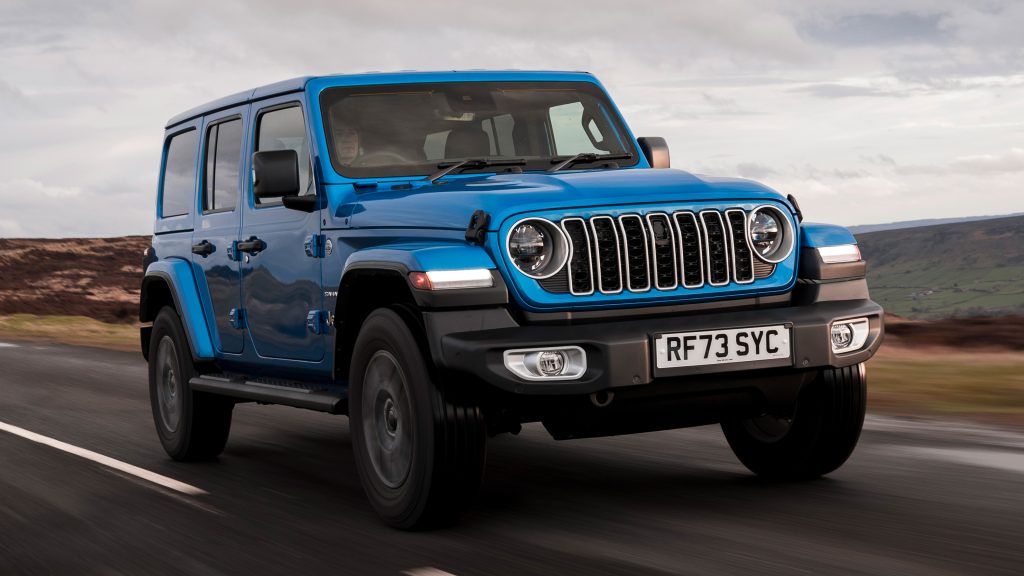
Off-road-oriented vehicles naturally experience harder use than standard crossovers, which can also impact reliability statistics. However, consumers increasingly expected Jeep to combine durability with modern refinement, and the brand sometimes struggled to meet both expectations simultaneously.
Dealer service experiences contributed to frustration as well. Delays in diagnosing software-related issues and inconsistent repair outcomes affected owner confidence. In modern vehicles, reliability is closely tied not only to the frequency of problems but also to how effectively those problems are resolved.
Despite these challenges, Jeep still maintains strong brand loyalty because of its character and capability. Many owners remain willing to tolerate occasional issues in exchange for the driving experience and lifestyle image the vehicles provide.
The decline in rankings between 2024 and 2026 reflects how difficult it can be for a traditional off-road brand to transition into a technology-heavy automotive era without sacrificing consistency.
2. Volkswagen
Volkswagen entered the mid-2020s pushing heavily toward advanced technology, electrification, and digital integration, but that transition created reliability concerns that affected the brand’s rankings between 2024 and 2026.
While the company continued producing stylish and enjoyable vehicles, software instability and electronics-related complaints became increasingly difficult to ignore.
One of the most discussed issues involved infotainment systems. Owners across several Volkswagen models reported lagging screens, random system resets, connectivity interruptions, and inconsistent touch controls. As vehicles became more dependent on digital interfaces, these problems created daily frustration for drivers.
The company’s push toward touch-sensitive controls also received criticism. Replacing physical buttons with touch panels may have modernized the cabin’s appearance, but many owners found the systems less intuitive and occasionally unreliable. Climate controls and steering wheel touch inputs became common sources of annoyance.
Electric vehicle expansion added another layer of complexity. Volkswagen’s newer EV platforms introduced advanced software architecture, but early adoption sometimes led to charging glitches, update issues, and unexpected warning messages. These problems affected consumer confidence, especially among buyers expecting seamless technology experiences.
Traditional gasoline models also experienced concerns related to electronics and sensor systems. Drivers reported occasional false warnings, driver assistance calibration issues, and intermittent malfunctions involving cameras and parking sensors.
While many issues were software-based rather than mechanical, they still significantly lowered perceptions of reliability.
Another factor was the increasing complexity of Volkswagen interiors. The brand moved aggressively toward minimalistic digital layouts, reducing the number of conventional controls. This design direction created more dependency on software stability, meaning even small glitches had a larger impact on daily usability.
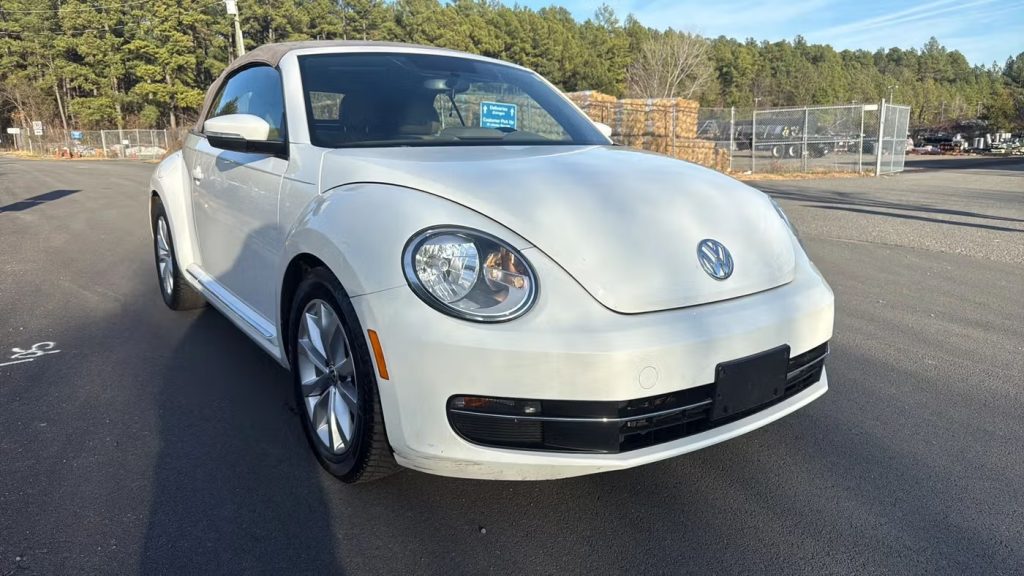
Build consistency varied across certain models as well. Some owners praised refinement and quality, while others experienced rattles, trim issues, or premature wear. Inconsistency itself became part of the problem because buyers no longer felt fully confident about the long-term ownership experience.
Volkswagen vehicles still retained strong driving dynamics and comfortable ride quality, which helped preserve customer interest. However, reliability rankings increasingly reflect technology performance as much as mechanical durability, and this became an area where the brand struggled.
Repair complexity also played a role. Diagnosing software and electronics issues often requires dealership visits and specialized updates rather than simple fixes. This increased inconvenience for owners and affected satisfaction scores.
The decline in Volkswagen’s reliability standing between 2024 and 2026 highlights the risks of prioritizing rapid digital transformation without ensuring flawless execution. The vehicles remained appealing in many ways, but recurring software frustrations prevented the brand from maintaining stronger reliability rankings.
3. Ford
Ford entered the 2024 to 2026 period with aggressive ambitions involving electrification, software integration, and expanded technology across nearly every major vehicle category.
While the company continued producing highly capable trucks, SUVs, and performance vehicles, reliability rankings began slipping because of recurring quality concerns tied to these rapid changes.
One of the largest contributors involved software-related issues. Ford introduced increasingly complex infotainment systems, digital interfaces, and connected vehicle features, but owners frequently reported freezing screens, failed updates, Bluetooth connectivity problems, and delayed system responses. In modern vehicles, these issues affect daily usability far more than manufacturers sometimes expect.
The transition toward electric vehicles also created mixed reliability experiences. Models such as the Mustang Mach-E attracted attention for performance and design, yet some owners encountered charging inconsistencies, sensor glitches, and software calibration problems.
While not every vehicle experienced major faults, recurring reports damaged confidence in long-term dependability.
Traditional gasoline-powered vehicles faced challenges, too. Some Ford trucks and SUVs generated complaints involving transmission hesitation, rough shifting behavior, and drivetrain calibration inconsistencies.
Modern automatic transmissions rely heavily on software management, and when tuning feels unpredictable, drivers quickly begin questioning reliability.
Build quality inconsistencies added another layer of concern. Certain owners praised solid assembly and refinement, while others experienced interior rattles, trim alignment issues, or premature material wear. These smaller issues may not leave drivers stranded, but they strongly influence reliability surveys and owner satisfaction rankings.
Another important factor was the pace of Ford’s technological expansion. The company pushed advanced driver assistance systems and digital controls into more affordable models, increasing the number of electronic components throughout the lineup. With more complexity comes more potential failure points, particularly during early production years.
Ford’s truck lineup remained a major strength, especially in terms of capability and towing performance. However, heavy reliance on technology meant even work-oriented buyers now encountered software-related frustrations that older generations largely avoided.
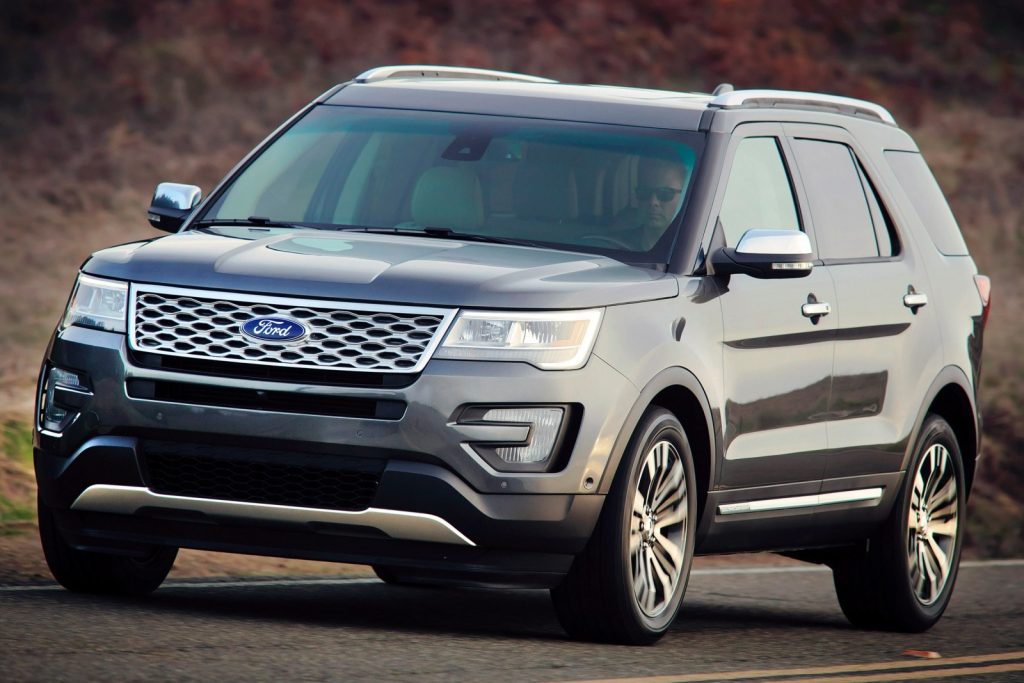
Service experiences also shaped perception. Some dealerships struggled to resolve software and electronics issues quickly, leading to repeated visits and owner frustration. In today’s automotive environment, repair convenience directly affects reliability and reputation.
Despite the decline in rankings, Ford still retained a strong appeal because of its broad lineup and innovation efforts. Enthusiasts continued praising vehicles like the Bronco and F-150 for character and performance.
The reliability drop between 2024 and 2026 reflected the challenge of balancing rapid modernization with long-term consistency. Ford successfully pushed technology forward, but the execution occasionally created enough problems to affect the brand’s standing.
4. Mercedes-Benz
Mercedes-Benz spent much of this period focusing on digital luxury, advanced interfaces, and increasingly sophisticated technology systems. While these innovations made the brand’s vehicles visually impressive and feature-rich, they also contributed to a noticeable decline in reliability rankings between 2024 and 2026.
The most significant factor involved electronics and software complexity. Mercedes expanded its MBUX infotainment system aggressively, adding larger displays, voice controls, augmented reality navigation, and touch-sensitive surfaces.
While impressive in demonstrations, these systems sometimes generated real-world frustrations involving lagging menus, software crashes, and inconsistent responsiveness.
Driver assistance systems also became a source of complaints. Radar sensors, lane-keeping technology, parking systems, and camera-based safety features occasionally produced false warnings or calibration problems.
Because modern Mercedes vehicles depend heavily on these systems, even small malfunctions affect the driving experience noticeably.
Another challenge involved overcomplicated cabin controls. Many newer Mercedes models replaced traditional buttons with touch-sensitive panels and steering wheel controls. Although visually modern, these interfaces were sometimes criticized for being less reliable and harder to use consistently while driving.
Hybrid and electrified models added further complexity. Plug-in hybrid systems and fully electric offerings introduced charging concerns, software management issues, and occasional battery-related warnings. Early adoption periods are often difficult for automakers, and Mercedes experienced some of the same growing pains affecting much of the luxury industry.
Build quality perception also shifted during this time. Older Mercedes vehicles earned reputations for exceptional solidity, but some newer owners noticed more interior creaks, inconsistent trim fitment, and material concerns compared to earlier generations.
Expectations for the brand remain extremely high, meaning even minor flaws receive strong criticism.
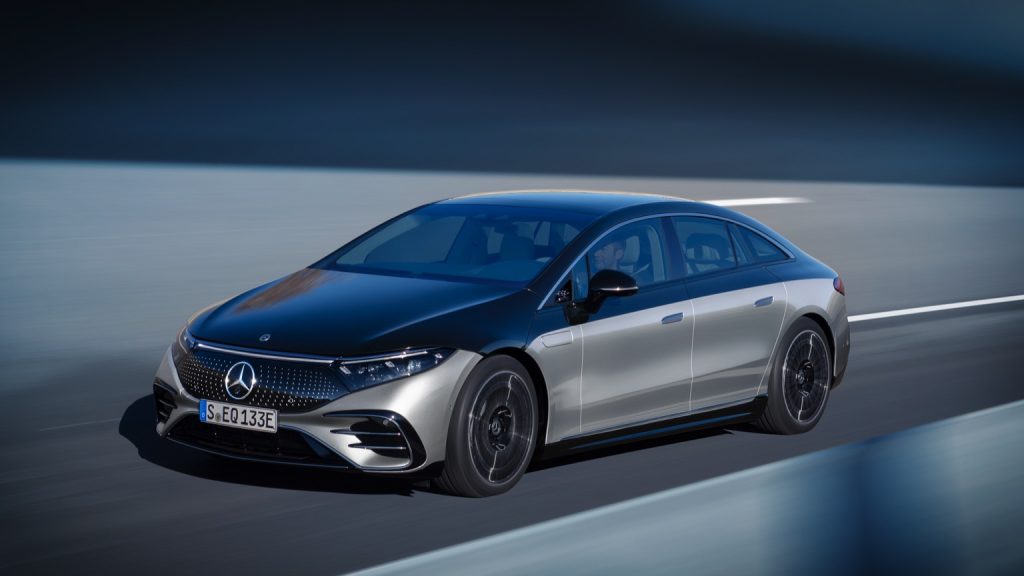
Another reason for the decline involved maintenance and repair costs. Modern Mercedes vehicles contain numerous interconnected systems, making diagnosis and repair more complicated. Owners often faced expensive dealership visits for issues that might have been minor in simpler vehicles.
Ride comfort and performance remained strengths for the brand. Many Mercedes sedans and SUVs continued delivering excellent highway refinement and strong engine performance. However, reliability rankings increasingly prioritize consistency and trouble-free ownership above luxury features alone.
The rapid expansion of digital systems essentially changed the ownership experience. Earlier Mercedes models emphasized mechanical engineering first, while newer versions leaned heavily into software-driven functionality. This shift created more opportunities for glitches and electronic failures.
Mercedes-Benz still produced some of the most technologically advanced luxury cars during this period, but the decline in reliability rankings demonstrated how innovation can sometimes outpace long-term stability when complexity increases too quickly.
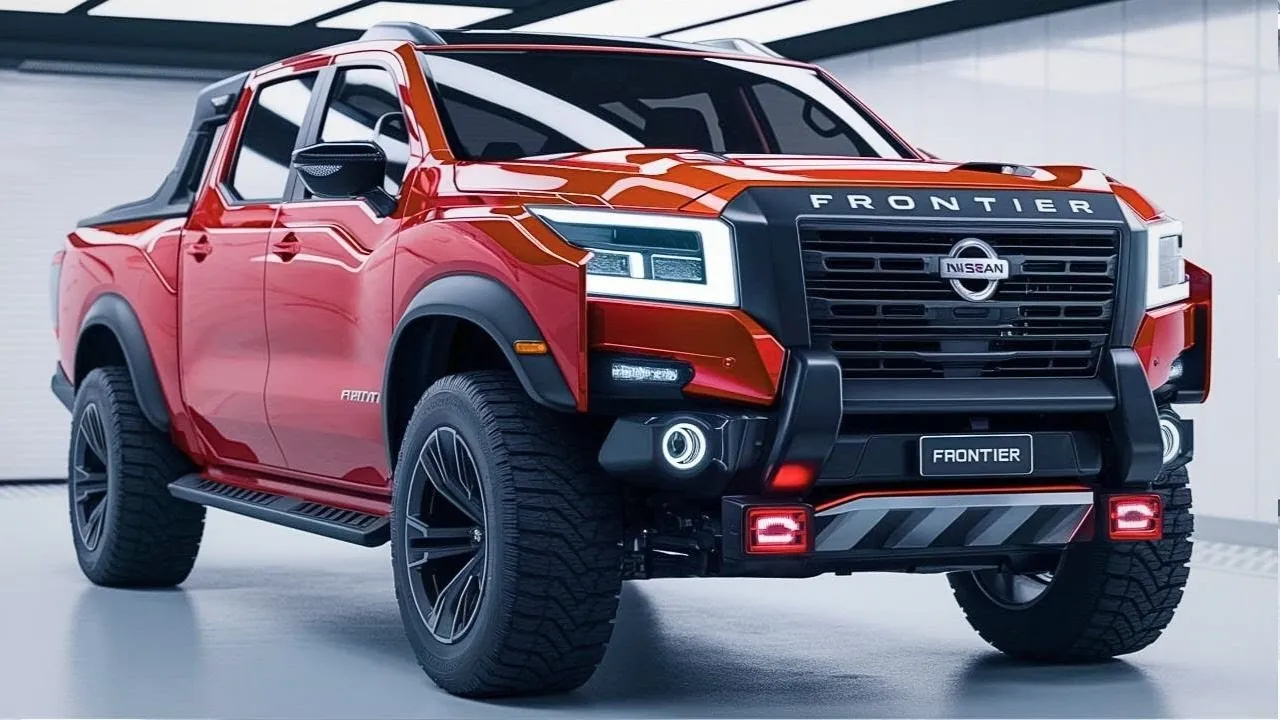
5. Nissan
Nissan experienced a noticeable drop in reliability perception between 2024 and 2026 as the brand struggled to balance modernization with long-term consistency.
While the company continued offering affordable vehicles with competitive features, recurring complaints involving transmissions, electronics, and quality control affected its standing in reliability rankings.
One of the biggest concerns remained transmission performance. Nissan’s continuously variable transmissions had already faced criticism in earlier years, and although improvements were introduced, owner confidence did not fully recover.
Some drivers still reported hesitation, unusual noises, delayed acceleration response, and inconsistent behavior during daily driving.
Electronics also became a growing issue. As Nissan added larger infotainment systems and more advanced driver assistance technology, complaints about software glitches and connectivity problems increased. Frozen screens, malfunctioning cameras, and unreliable sensor warnings became recurring frustrations for some owners.
Build quality inconsistency further affected the brand’s reputation. Certain vehicles felt well assembled and refined, while others developed interior rattles or premature material wear earlier than expected. Reliability rankings often reflect consistency across an entire lineup, and uneven ownership experiences can significantly damage public perception.
Another factor involved rapid technological expansion without fully refining system integration. Features that worked smoothly in one model occasionally behaved unpredictably in another. This inconsistency created uncertainty among buyers looking for dependable long-term ownership.
Despite these concerns, Nissan still maintained strengths in affordability and practicality. Many owners appreciated the comfortable ride quality and accessible pricing across the lineup. However, modern buyers increasingly expect reliability not just from engines and drivetrains but from every electronic and digital component as well.
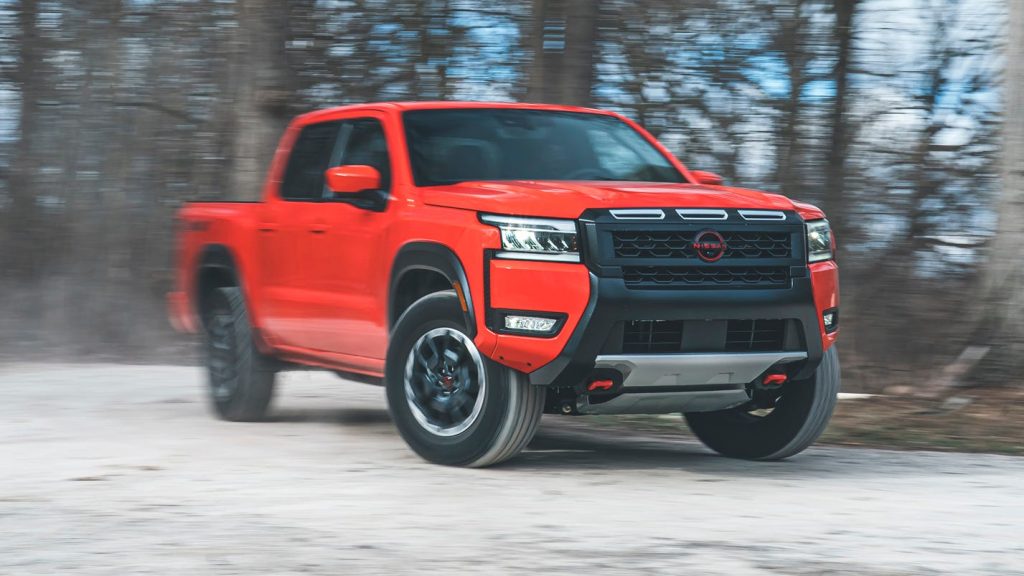
Dealer service experiences also influenced satisfaction. Software updates and diagnostics sometimes required multiple visits, adding frustration even when the underlying issue was relatively minor.
The decline in rankings did not mean every Nissan model became unreliable. Several vehicles continued performing well in long-term ownership. Still, enough recurring complaints appeared across the brand to weaken its reliability image between 2024 and 2026.
Nissan’s situation demonstrated how difficult it can be to rebuild trust once reliability concerns become associated with a brand, especially during a period of rapid technological transition.
6. Hyundai
Hyundai entered the mid-2020s with strong momentum thanks to bold styling, competitive pricing, and rapid technological advancement. However, between 2024 and 2026, the brand experienced a decline in reliability rankings as software issues, drivetrain concerns, and quality inconsistencies became more noticeable.
A major contribution to the growing complexity of Hyundai’s technology systems. Larger infotainment displays, digital dashboards, and advanced safety features created a more modern ownership experience, but they also introduced more opportunities for glitches.
Owners reported occasional screen freezes, connectivity failures, and driver assistance warnings that appeared unexpectedly.
Hybrid and electric models added another layer of complexity. Hyundai expanded its electrified lineup quickly, and while many vehicles performed well, some owners encountered charging irregularities, software calibration problems, and battery-related concerns.
As expectations for EV reliability increased, even isolated problems affected public perception strongly.
Certain gasoline-powered models also generated complaints involving transmission behavior and engine management systems. Hesitation during acceleration and rough shifting patterns became recurring concerns in some vehicles, particularly during early production runs.
Another issue involved quality consistency. Hyundai improved its interior design dramatically during this period, but not all materials aged equally well. Some owners noticed rattles, trim wear, or inconsistent assembly quality after relatively short ownership periods.
The company’s rapid growth may have contributed to these challenges. Expanding technology, launching new platforms, and increasing global production simultaneously can create pressure on quality control systems. Maintaining reliability while evolving quickly is difficult even for experienced automakers.
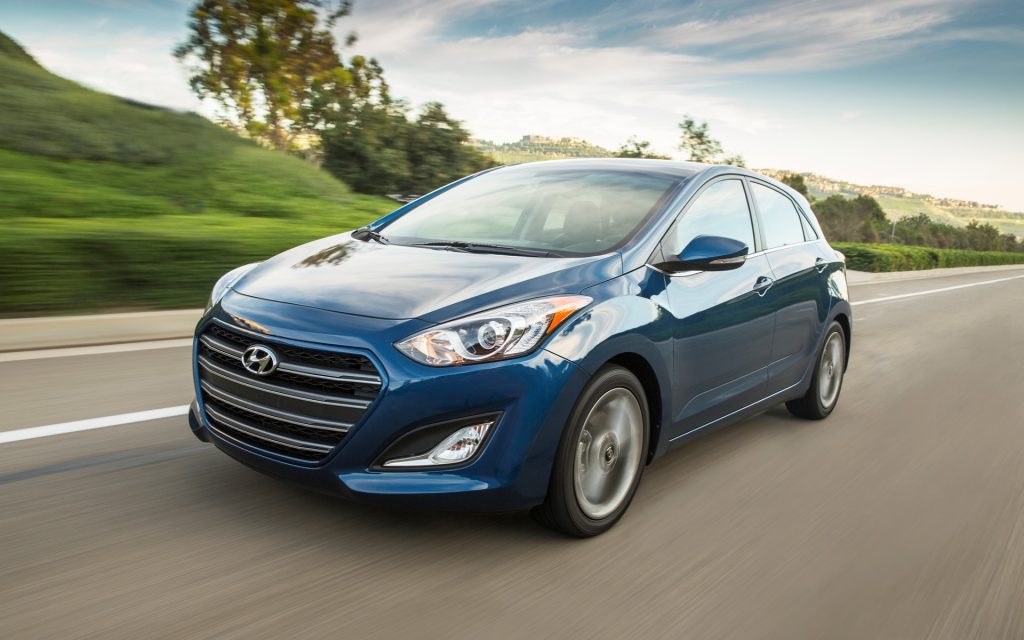
Despite the decline in rankings, Hyundai still offered strong value. Many buyers continued appreciating the brand’s generous warranties, attractive interiors, and feature-rich vehicles. In terms of design and innovation, Hyundai remained highly competitive.
The problem was that reliability rankings increasingly focus on trouble-free daily operation, especially regarding electronics and software. Even minor recurring issues can significantly lower owner satisfaction when vehicles become heavily dependent on digital systems.
Hyundai’s reliability drop between 2024 and 2026 reflected the risks of rapid modernization. The brand succeeded in becoming more advanced and desirable, but maintaining consistency across increasingly complex vehicles proved more challenging than expected.
7. Audi
Audi spent the period between 2024 and 2026 pushing further into digital luxury and electrification, but that aggressive transition contributed to a noticeable decline in reliability rankings.
While the brand continued producing vehicles with excellent interiors, sharp styling, and refined driving manners, growing concerns about electronics and software consistency affected owner satisfaction.
One of the biggest complaints involved infotainment systems. Audi’s large dual-screen setups and advanced digital interfaces looked impressive, yet many owners experienced lagging menus, connectivity interruptions, frozen displays, and occasional system resets.
As vehicles became increasingly dependent on these systems, even minor glitches created daily frustration.
Driver assistance technology also became a concern. Adaptive cruise control sensors, parking systems, lane assist features, and camera-based safety functions sometimes produced false warnings or calibration errors. Modern luxury buyers expect seamless performance from these technologies, so repeated malfunctions strongly impacted reliability perception.
Another factor was increasing electrical complexity throughout the lineup. Newer Audi vehicles integrate numerous interconnected systems controlling everything from climate settings to suspension behavior. When one component malfunctioned, diagnosing and repairing the issue often became more complicated and time-consuming.
Hybrid and electric models introduced additional challenges. Charging inconsistencies, battery-related warnings, and software update problems appeared in some owner reports. Although many vehicles operated without major failures, enough recurring complaints surfaced to weaken the brand’s reliability standing.
Build quality remained strong in terms of materials and cabin appearance, but long-term consistency became less predictable. Some owners reported interior rattles and electronic failures earlier than expected, especially in highly optioned models packed with advanced features.
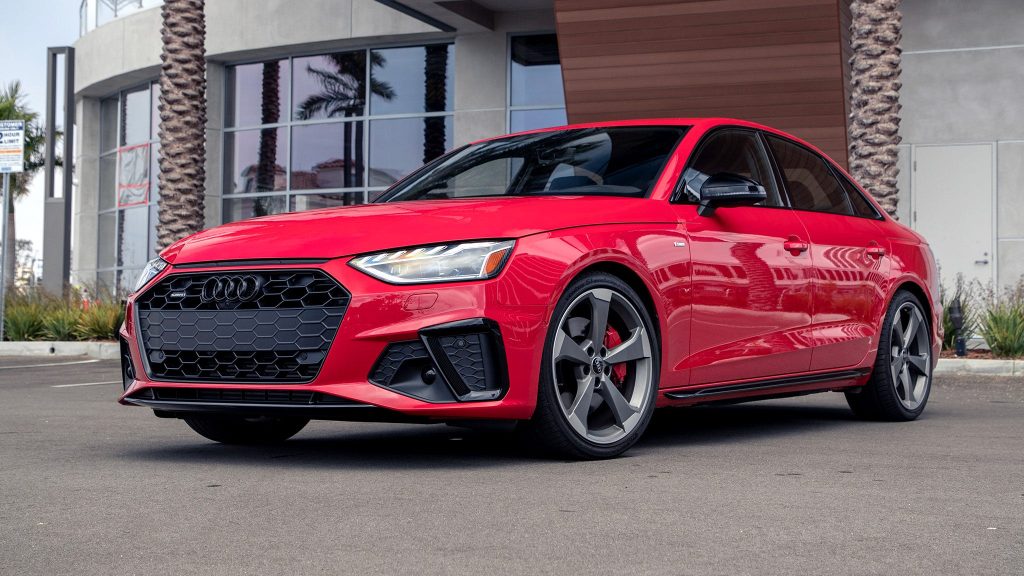
Repair costs also contributed to frustration. Audi vehicles increasingly require dealership-level diagnostics and software solutions, making even smaller problems expensive and inconvenient for owners.
Despite the reliability decline, Audi still excelled in driving refinement and interior design. The vehicles remained attractive and technologically impressive, which helped preserve strong customer interest.
The drop in rankings reflected how difficult it can be to maintain long-term dependability while rapidly expanding digital complexity.
Audi succeeded in creating highly advanced vehicles, but the growing reliance on software and interconnected electronics introduced more opportunities for problems that affected reliability scores between 2024 and 2026.
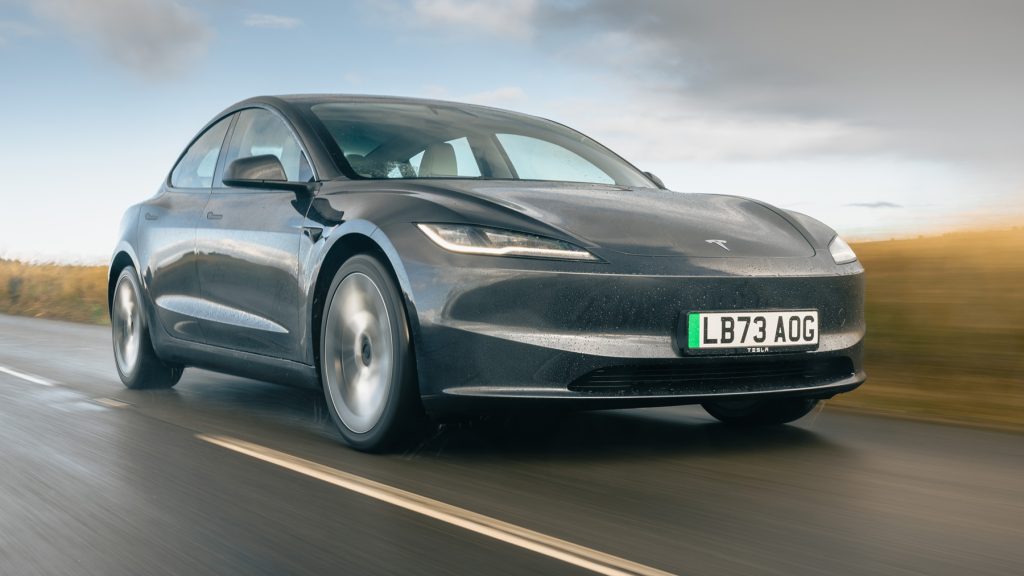
8. Tesla
Tesla remained one of the most influential automotive brands during this period, but between 2024 and 2026, it also faced increasing criticism related to reliability and quality consistency. While buyers continued praising performance, charging infrastructure, and software innovation, recurring concerns affected the company’s rankings significantly.
One major issue involved the build quality inconsistency. Some vehicles arrived with excellent fit and finish, while others showed panel alignment problems, paint imperfections, rattles, or uneven trim quality. This unpredictability became a recurring theme in owner feedback and reliability studies.
Software remained both Tesla’s greatest strength and one of its biggest weaknesses. Frequent over-the-air updates allowed the company to add features quickly, but they also occasionally introduced bugs or unexpected changes in system behavior. Owners reported touchscreen freezes, sensor glitches, and temporary feature malfunctions after updates.
Another growing concern involved driver assistance technology. Tesla’s advanced systems generated strong interest, yet some owners experienced inconsistent operation involving parking sensors, automatic wipers, and driver monitoring features. Because so much of the driving experience depends on software, small problems become highly noticeable.
The brand’s minimalist interiors also created mixed reactions. While some buyers appreciated the clean design, others found the heavy reliance on touchscreen controls inconvenient and occasionally frustrating when software responsiveness lagged.
Service experiences affected reliability perception as well. Repair wait times and parts availability became common complaints in certain regions, making ownership more stressful even when the problems themselves were relatively minor.
Tesla’s rapid expansion likely contributed to some of these challenges. Increasing production volumes while introducing new technology and manufacturing methods placed enormous pressure on quality control systems.
Despite the decline in rankings, Tesla still maintained strong advantages in acceleration, charging convenience, and EV efficiency. Many owners remained loyal because the vehicles offered experiences that traditional automakers still struggled to match.
The drop in reliability rankings between 2024 and 2026 did not erase Tesla’s strengths, but it highlighted how innovation alone cannot guarantee strong long-term ownership satisfaction. As vehicles become more software-driven, consistency and quality control become just as important as groundbreaking technology.
Between 2024 and 2026, several major automotive brands experienced noticeable declines in reliability rankings as the industry pushed aggressively toward electrification, advanced software systems, and increasingly digital vehicle designs.
For some brands, the biggest challenge involved infotainment and software stability. Others struggled with transmission calibration, electronic driver assistance systems, or inconsistent build quality. In many cases, the problems were not catastrophic mechanical failures but recurring frustrations that affected the daily ownership experience.
Another clear trend involved complexity. Vehicles now depend heavily on interconnected electronics, large digital interfaces, and advanced safety systems. While these features improve convenience and capability, they also create more opportunities for glitches and expensive repairs.
The period also showed how quickly public perception can shift. Brands once praised for durability lost ground when quality control became inconsistent, or technology integration moved faster than refinement.
At the same time, these declines do not mean the listed brands suddenly stopped producing appealing vehicles. Many still excelled in performance, comfort, design, or innovation. The challenge was maintaining reliability while introducing major technological changes across entire lineups.
The automotive industry continues evolving rapidly, and the experiences between 2024 and 2026 demonstrated that long-term dependability remains just as important to buyers as innovation and features.
Also Read: 8 Trucks With Headlight Assemblies Available at Any Junkyard
