
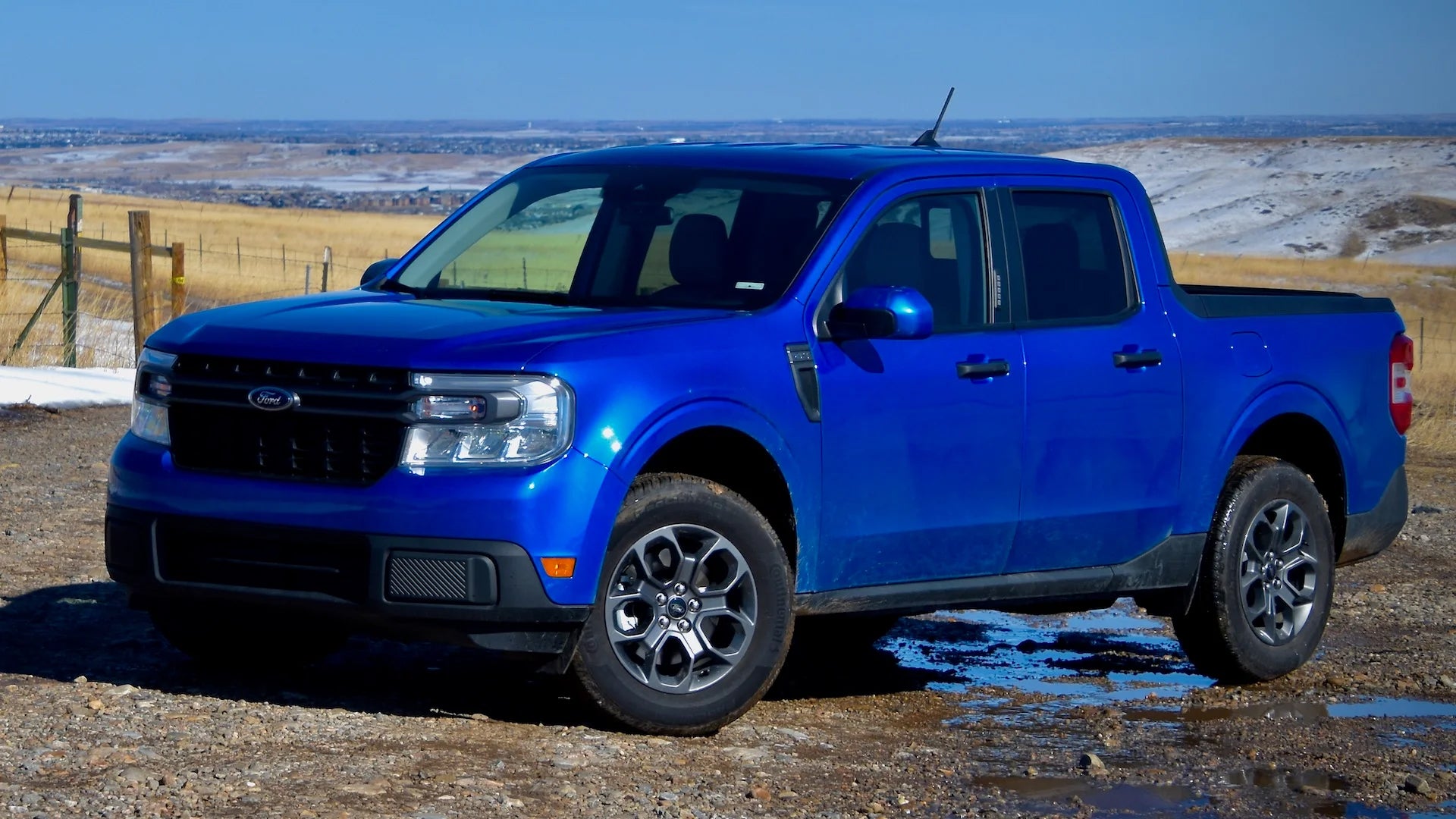
Ford has been one of America’s most iconic automakers for over a century. From the assembly line revolution to modern pickup trucks dominating sales charts, the Blue Oval brand carries enormous weight in the automotive world.
Yet not every Ford deserves a spot in your garage. Some models have earned legendary status through years of bulletproof reliability and owner satisfaction. Others have become cautionary tales, plagued by expensive repairs, design flaws, and frustrating ownership experiences.
The gap between a great Ford and a terrible one can be massive. A well-chosen Ford can serve you faithfully for 200,000 miles with minimal drama. A poorly chosen one can bleed your wallet dry within the first three years of ownership.
Understanding which Ford models earn trust and which ones court disaster is genuinely useful knowledge. Whether you are buying new, shopping used, or simply comparing options across brands, this breakdown is designed to give you a clear, honest picture.
We have researched reliability data, owner reviews, long-term cost studies, and common mechanical complaints to build this list. The results may surprise you on both ends of the spectrum.
5 Reliable Ford Models
These Ford models are known for durable engines, solid build quality, and lower long-term maintenance costs, making them dependable choices for everyday use. Models like the Ford F-150 and Ford Ranger have strong reputations for toughness and longevity, especially when properly maintained.
The Ford Fusion (non-turbo variants) and Ford Escape (select model years) also stand out for balanced reliability and comfort, while the Ford Crown Victoria remains a legend for high-mileage durability and simple engineering. These vehicles have proven themselves over time as some of Ford’s most dependable offerings.
1. Ford F-150 (2015–2023)
The Ford F-150 is the best-selling vehicle in America for a reason. It has built a reputation not just on sales numbers, but on genuine, proven dependability that millions of truck owners swear by. The modern F-150 combines capability with a level of reliability that few competitors can match in the full-size truck segment.
The aluminum body introduced in 2015 was initially controversial. Critics feared it would dent easily, rust through unconventional repair needs, and cost a fortune after any collision. In practice, the aluminum construction has proven lightweight, corrosion-resistant, and far more durable in everyday use than early skeptics predicted.
Under the hood, the 5.0-liter Coyote V8 has emerged as one of Ford’s most dependable engines in recent memory. It responds well to high mileage with routine maintenance and rarely develops the catastrophic internal failures that plagued older Ford truck engines. Owners routinely push past 250,000 miles on this engine with standard oil change intervals.
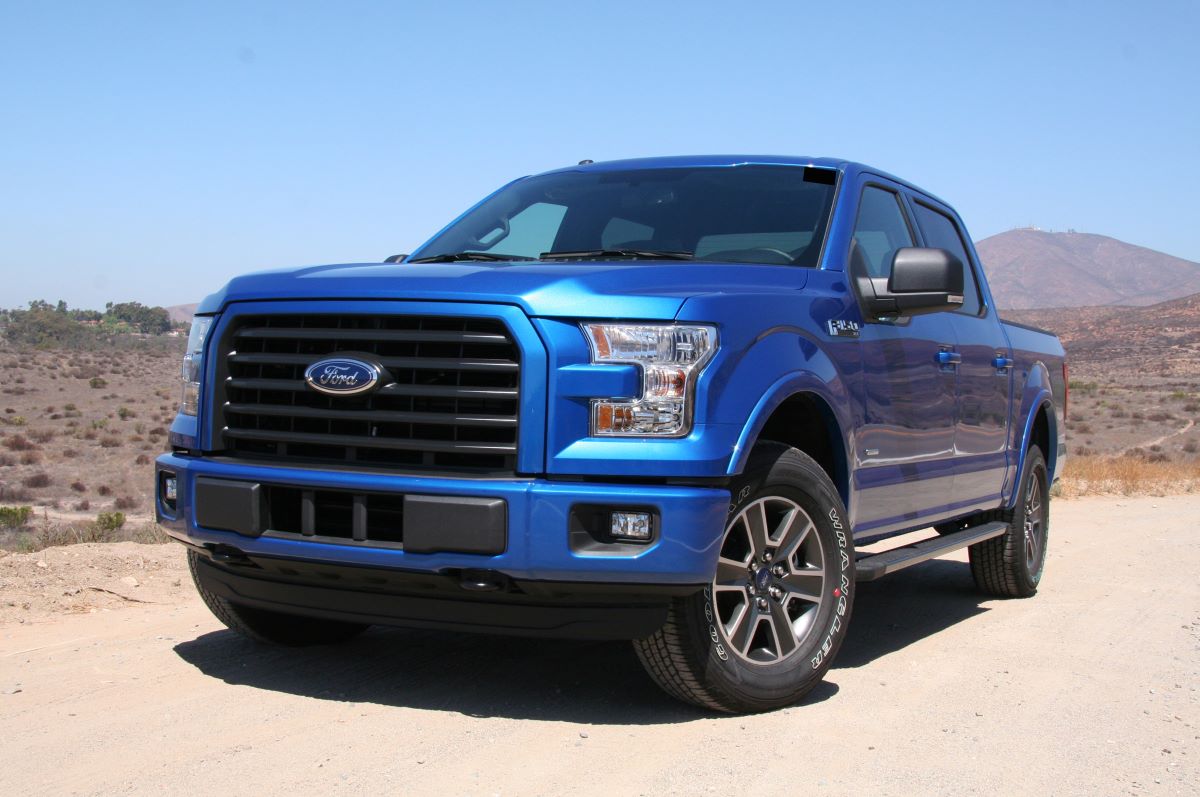
The 3.5-liter EcoBoost V6, while more complex, has also matured into a reliable powerplant after early concerns about turbo wear and intercooler issues were addressed. Properly maintained examples with fresh coolant and timely oil changes have demonstrated excellent long-term health. The turbocharged setup does require slightly more attentive maintenance compared to naturally aspirated alternatives.
The F-150’s interior quality and technology improved dramatically from the 2015 redesign onward. SYNC infotainment systems, while occasionally buggy in early iterations, became progressively better over software updates. Cabin build quality tightened up with each model year revision, giving the truck a more premium feel without sacrificing its workhorse identity.
Resale value on the F-150 is exceptional. Even heavily used examples retain significant worth in the used market, which speaks volumes about buyer confidence in the platform. Strong resale also means parts availability is outstanding, and independent mechanics are deeply familiar with the truck’s engineering.
If you want a truck that will haul heavy loads on Monday, seat five comfortably on a road trip Friday, and start without complaint for the next decade, the modern F-150 deserves serious consideration. It is not a perfect vehicle, but it is as close to a safe bet as the truck market offers.
2. Ford Maverick (2022–Present)
The Ford Maverick arrived in 2022 as one of the most pleasant automotive surprises in years. It brought compact truck practicality back to a market that had abandoned the segment, and it did so with fuel economy figures that left buyers genuinely stunned. The standard hybrid powertrain delivers real-world fuel economy touching 40 miles per gallon in city driving, a figure most small SUVs cannot match.
The hybrid system in the Maverick is derived from Ford’s well-tested hybrid architecture, which draws on years of development through the Escape and Fusion hybrid programs. It is not experimental technology. It is a proven, mature system applied to a genuinely useful truck body that earns its keep as both a commuter and a light hauler.
Early owner satisfaction scores placed the Maverick among the highest-rated vehicles in any segment. Reliability complaints were minimal in the first model years, with most issues tied to software quirks rather than mechanical failures. The physical drivetrain proved dependable across diverse climates and usage patterns.
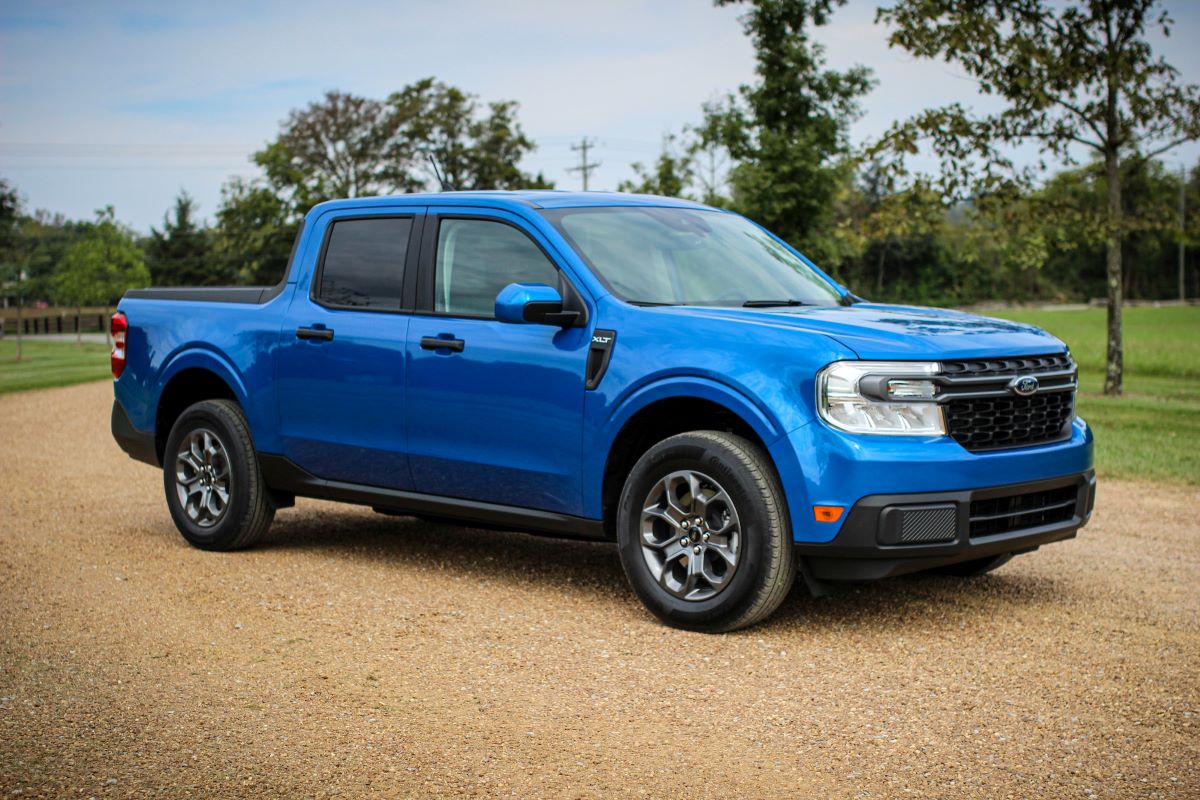
Build quality on the Maverick drew occasional criticism for some interior plastics feeling budget-grade. Yet the mechanical integrity of the chassis, suspension, and powertrain compensated for cosmetic shortcomings. The truck simply worked as advertised, which is not always a given in the automotive world.
The compact dimensions make the Maverick far easier to park and maneuver than full-size trucks, widening its appeal to urban and suburban buyers who need truck utility without truck inconvenience. It fills a genuine gap in the market that Ford’s own lineup had left open for years.
Long-term reliability data will continue to accumulate, but early indicators are strong. If Ford maintains build quality consistency through subsequent model years, the Maverick could develop into one of the most dependable small trucks available anywhere in the market.
3. Ford Ranger (2019–Present)
The Ford Ranger made its triumphant return to the American market in 2019 after a seven-year absence, and it came back swinging. The reborn Ranger brought a capable 2.3-liter EcoBoost four-cylinder, a proper truck frame, and meaningful off-road credibility in a mid-size package. Reliability data from the first several years of production have been encouraging.
The 2.3 EcoBoost engine in the Ranger had already been thoroughly proven in the Ford Mustang and Focus RS before being adapted for truck duty. This cross-platform maturity meant buyers were not beta-testing a new powertrain.
The engine arrived with known characteristics, documented maintenance requirements, and a growing base of mechanical expertise across independent shops.
Off-road capability on the FX4 package Ranger drew strong praise from enthusiasts. The suspension tuning, terrain management system, and ground clearance combined to produce a truck that could tackle genuine backcountry conditions without modification. This is not a light-duty lifestyle truck pretending to be capable; it earns its capability on actual terrain.
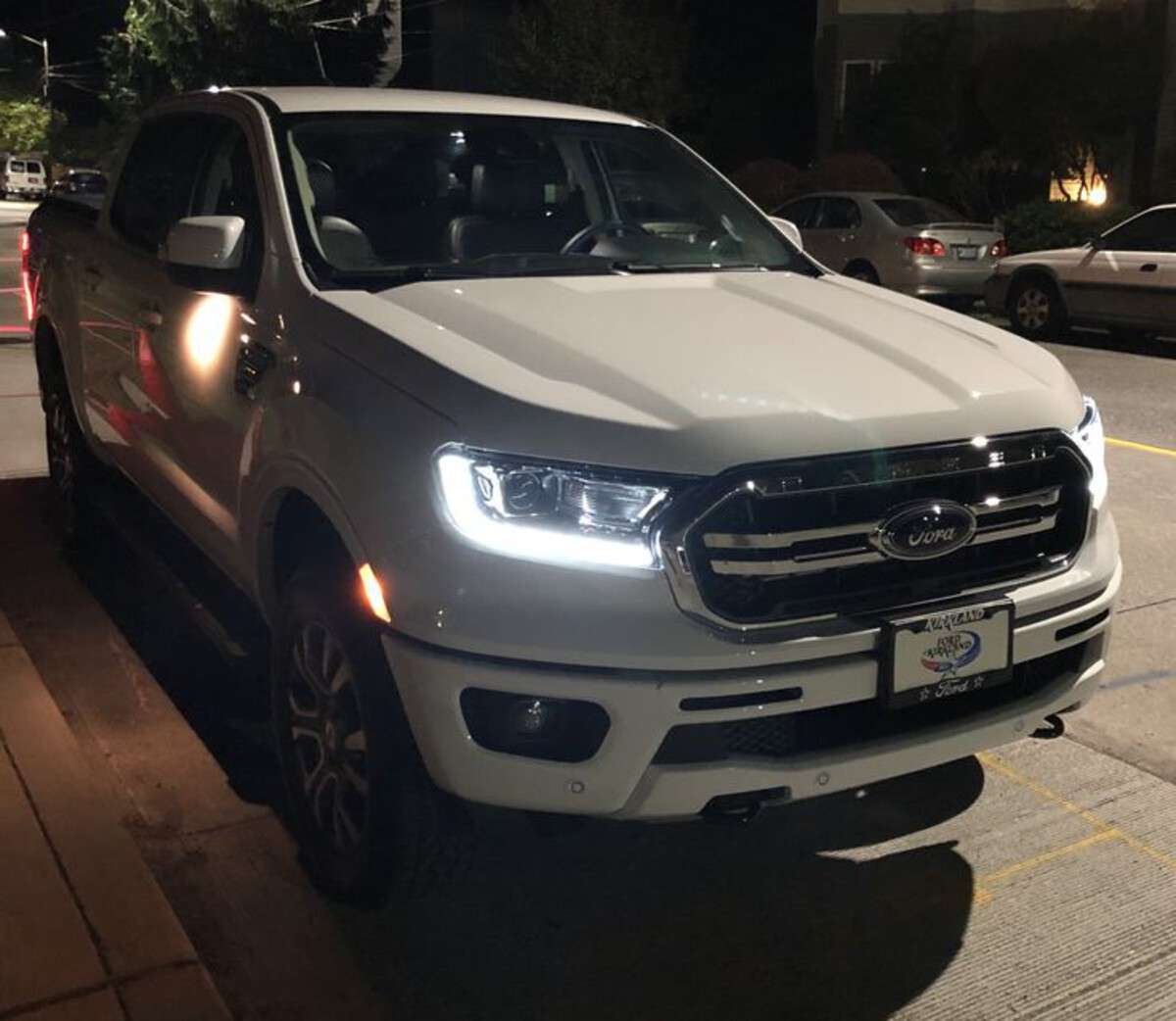
Reliability complaints in the first generation centered primarily on the ten-speed automatic transmission, which some owners reported could feel hesitant or jerky in certain driving situations.
Ford addressed many of these concerns through software updates and calibration revisions over subsequent model years. Physical transmission failures remained relatively rare compared to the volume of Ranger sales.
The Ranger’s relatively compact footprint compared to the F-150 makes it more practical for buyers going through the tighter urban environments. Fuel economy is reasonable for the segment at around 21 city and 26 highway miles per gallon. Running costs are competitive with rival mid-size trucks.
The Ranger occupies an interesting position as both a legitimate work truck and a capable adventure vehicle. That dual identity, combined with solid reliability data, makes it a smart pick for buyers who want capability without the bulk of a full-size option.
4. Ford Bronco Sport (2021–Present)
The Bronco Sport deserves recognition as one of the most genuinely capable crossovers Ford has produced in decades. Built on a unique platform with proper off-road hardware, the Bronco Sport delivered credible trail performance from a relatively compact package. Reliability has tracked strongly through its early production years.
The standard 1.5-liter EcoBoost three-cylinder and optional 2.0-liter four-cylinder have both shown solid durability in real-world use. The 2.0-liter option in particular provided enough power reserves for towing and highway merging without feeling strained under load. Both engines benefit from Ford’s accumulated turbocharged four-cylinder development over more than a decade.
The GOAT Modes system Goes Over Any Type of terrain, offering genuine terrain-specific tuning rather than meaningless marketing gloss. Sand, mud, rock, and grass modes actually adjusted throttle mapping, traction control thresholds, and AWD torque distribution in meaningful ways. Owners using these systems in actual off-road environments reported tangible differences in capability and confidence.
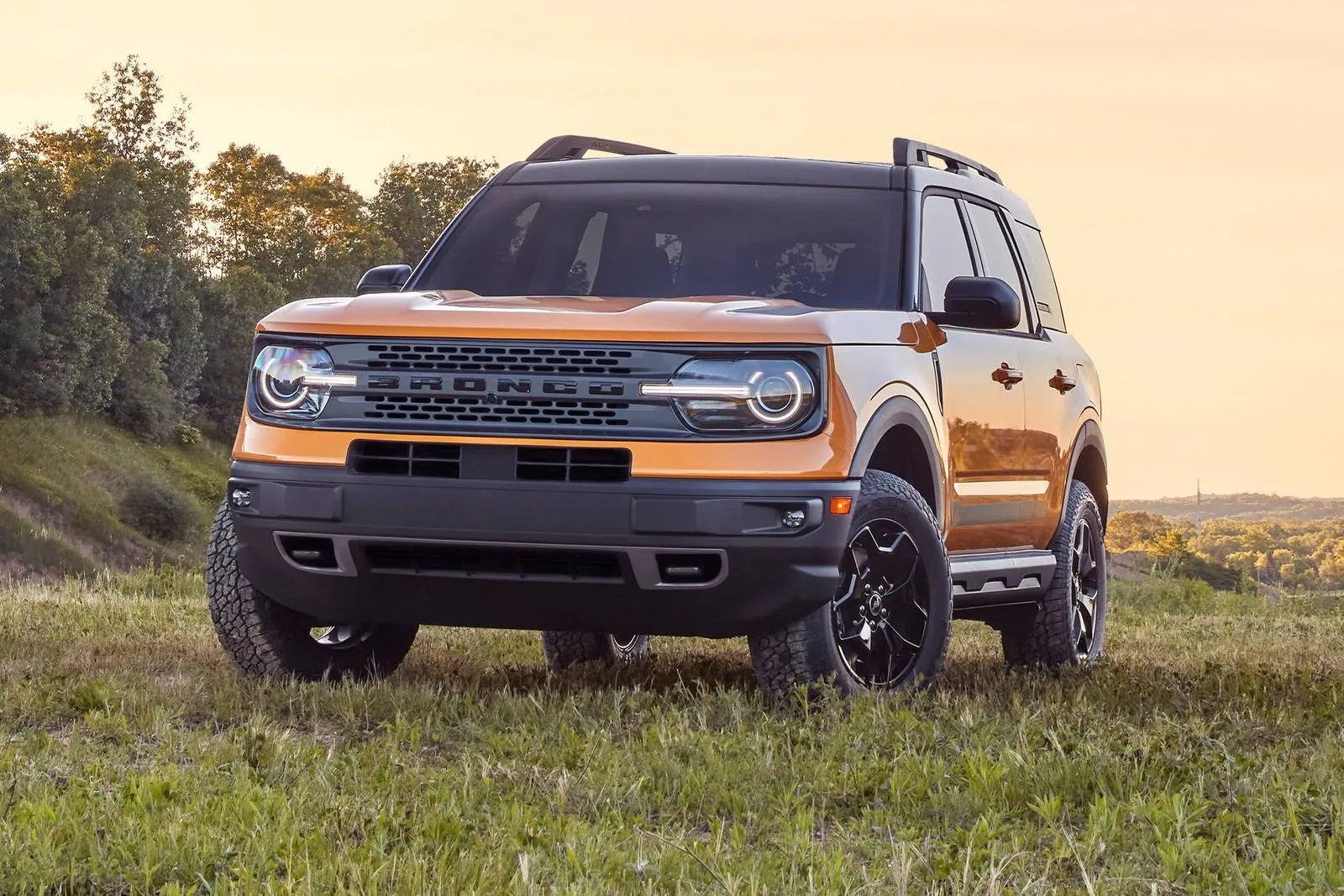
Interior quality received generally favorable reviews for the segment. Materials felt appropriately tough given the vehicle’s adventure-oriented positioning. The water-resistant interior surfaces, removable drain plugs, and easy-clean materials showed Ford thought carefully about how these vehicles would actually be used.
Reliability scores from early production years placed the Bronco Sport near the top of the small SUV segment. Major mechanical failures were uncommon. The most frequently reported issues involved minor software glitches and some rattles in interior panels, none of which rose to the level of serious reliability concerns.
Resale values on the Bronco Sport have remained strong since launch. The nameplate’s heritage and the genuine off-road capability drive buyer enthusiasm that translates directly into retained value. For buyers wanting a capable, reliable, and distinctive small SUV, the Bronco Sport earns serious consideration.
Also Read: Hybrids Now Have 15 Percent Fewer Problems Than Gas Cars, According to Consumer Reports
5. Ford Transit (2015–Present)
The Ford Transit is the undisputed workhorse champion of its segment. It replaced the aging E-Series van lineup in 2015 and immediately reshaped the commercial van market with its modern engineering, superior fuel economy, and vastly improved driver comfort. Fleet buyers and small business owners have embraced it with remarkable consistency.
The 3.5-liter EcoBoost V6 in the Transit has proven itself across millions of miles of commercial service. Cargo van operators regularly report 200,000-mile-plus service lives with consistent maintenance. The engine’s combination of power, torque, and fuel efficiency makes it particularly well-suited to stop-and-go urban delivery cycles that punish less robust powerplants.
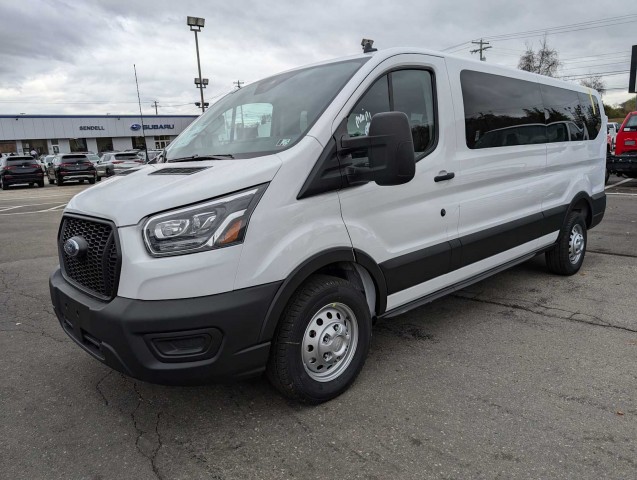
The Transit’s modular design philosophy set a new standard in the segment. Multiple roof heights, three body lengths, and a wide range of cargo configurations allowed buyers to specify exactly the van they needed rather than compromising on a one-size-fits-all body. This flexibility became a significant competitive advantage that rivals scrambled to match.
Rear-wheel-drive and all-wheel-drive configurations accommodate different operational needs. The rear-wheel-drive base model with a low floor enables effortless cargo loading. The all-wheel-drive variant handles challenging weather conditions without sacrificing too much payload efficiency. Buyers can match the drivetrain to their specific operational environment.
Driver comfort improved dramatically over the Transit’s predecessor. An upright seating position, large windows, modern SYNC infotainment, and available driver assistance technology transformed the van driving experience from something operators endured into something genuinely manageable on long routes.
Parts availability for the Transit is exceptional, given its commercial prevalence. Dealerships and independent shops carry extensive Transit inventory because fleet accounts depend on fast turnaround times. This widespread support network translates directly into lower downtime and reduced total cost of ownership for operators who depend on their vehicles daily.
5 to Stay Away From
These Ford models are often associated with reliability concerns, higher repair costs, or problematic components, making them riskier choices in the used market. The Ford Focus (with PowerShift transmission) and Ford Fiesta (similar transmission issues) are widely known for transmission failures and drivability problems.
Other models, like certain Ford Escape turbo variants and early Ford EcoSport, have faced engine or build quality concerns, while some Ford Explorer model years have struggled with transmission and electronic issues. While not every unit is problematic, these models are more likely to bring unexpected repairs and ownership frustration.
1. Ford Explorer (2011–2017)
The third-generation Ford Explorer was supposed to redefine the mid-size SUV segment. It launched with a sleek unibody design, available EcoBoost engines, and a sophisticated interior that positioned it as a premium family hauler. Instead, it became one of the most troubled Explorer generations in the nameplate’s history, dragging Ford into a significant safety scandal.
Carbon monoxide exhaust intrusion became the Explorer’s defining controversy during this era. Owners reported smelling exhaust fumes inside the cabin, experiencing headaches during drives, and in some documented cases, losing consciousness. Investigations revealed that exhaust gases could enter the passenger compartment through body seal gaps and the rear cargo door area.
Ford disputed the severity of the problem for years while lawsuits mounted and regulatory pressure intensified. The National Highway Traffic Safety Administration launched formal investigations. Police departments across the country pulled Explorer patrol vehicles from service while the issue was studied and addressed. The legal and reputational fallout was substantial.
Beyond the exhaust issue, the 2011–2017 Explorer suffered from widespread reports of transmission problems, particularly with the 6-speed automatic unit. Harsh shifts, hesitation at low speeds, and premature transmission wear generated persistent complaints in owner forums and reliability surveys. Replacement transmission costs frequently exceeded expectations for a vehicle of this age.
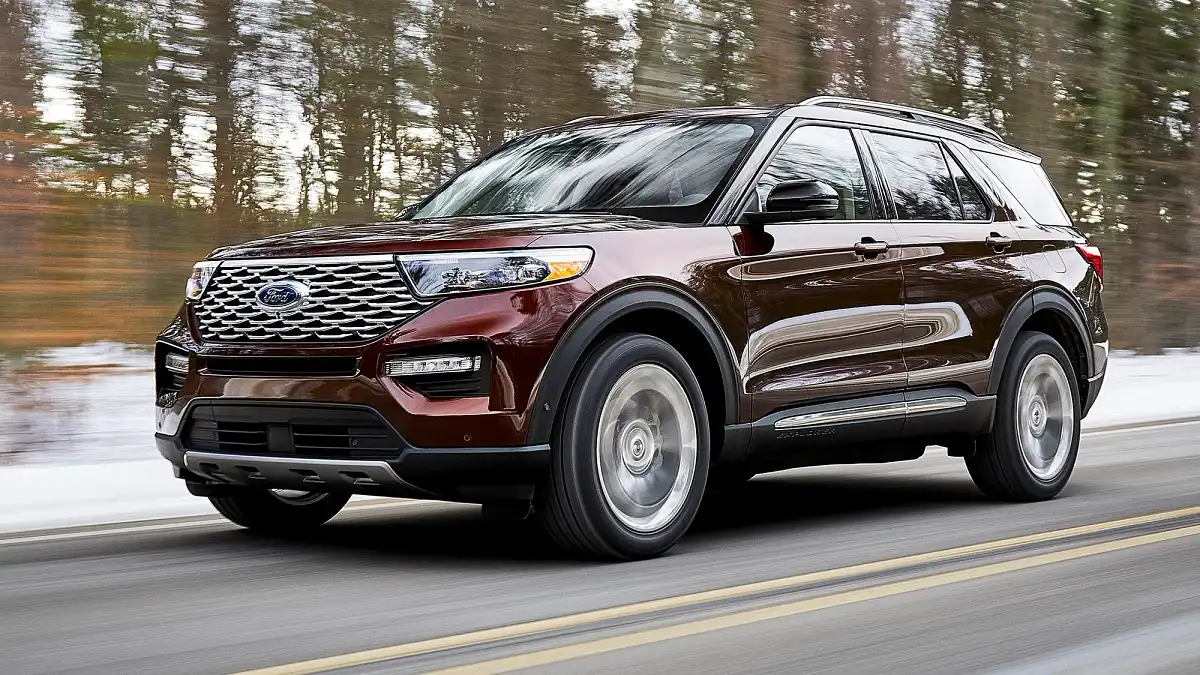
The 2.0-liter EcoBoost four-cylinder offered in base and mid-level trims proved underpowered for a vehicle of the Explorer’s weight. It strained on highway grades, felt sluggish when fully loaded with passengers and cargo, and returned fuel economy numbers that never justified the turbocharger’s added complexity in this application.
Cooling system failures, electrical gremlins, and door latch problems added to the ownership headaches that buyers of this generation routinely documented. Repair costs on aging examples can be substantial, and the carbon monoxide concerns make older Explorers genuinely difficult to recommend in good conscience.
2. Ford Focus (2012–2016, Dual-Clutch Transmission Models)
The Ford Focus was once a legitimately excellent small car. Early generations earned strong reviews and reasonable reliability scores. Then Ford introduced the PowerShift dual-clutch automatic transmission across the Focus and Fiesta lineup, and the entire ownership calculus changed catastrophically for hundreds of thousands of buyers.
The PowerShift transmission was designed to deliver the fuel efficiency of a manual gearbox combined with the convenience of an automatic. In practice, it delivered shuddering, hesitating, lurching behavior that made daily driving a frustrating and sometimes alarming experience. The problem was not a rare defect. It was systematic and widespread across the entire production run.
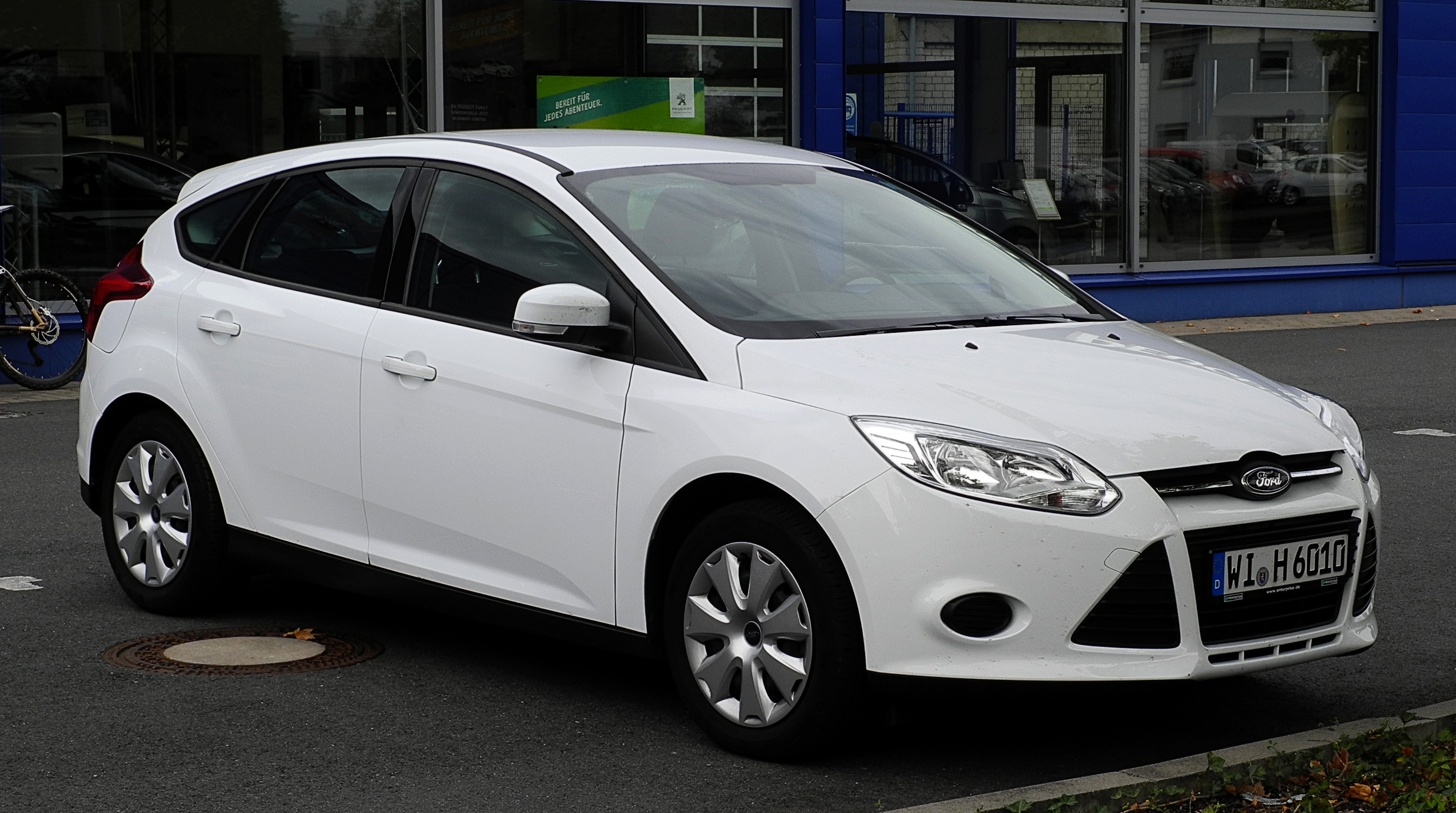
Ford knew about the transmission problems before buyers did. Internal documents surfaced during litigation revealing that engineers and management were aware of the PowerShift issues and communicated about them well before complaints reached dealer service departments in volume. This knowledge and the subsequent handling of owner complaints became the centerpiece of multiple class-action lawsuits.
Ford’s response to warranty claims was widely criticized. Service advisors frequently told customers the shuddering and hesitation were normal behavior for a dual-clutch transmission. Customers were sent home with unfixed vehicles and sometimes told they needed to learn to drive differently. The dismissal of legitimate complaints compounded the frustration significantly.
Replacement clutch assemblies provided only temporary relief for many owners. The fundamental design of the dry dual-clutch unit made it poorly suited to the stop-and-go driving patterns that dominate American daily commutes. European dual-clutch transmissions designed for faster, more flowing traffic patterns transferred poorly to American urban driving cycles.
Ford ultimately agreed to a settlement worth hundreds of millions of dollars covering Fiesta and Focus owners who experienced transmission problems. The settlement acknowledged what owners had been saying for years. Avoid PowerShift-equipped Focus and Fiesta models entirely; the risk of expensive transmission work is too high, and the driving experience too poor to justify the purchase.
3. Ford Expedition (2003–2006)
The early 2000s Ford Expedition occupies a special position among problematic Fords because its failures were expensive, widespread, and directly tied to one of the most notorious engines Ford has produced in the modern era. The 5.4-liter three-valve Triton V8 was the heart of these Expeditions, and unfortunately, it had a deeply troubled heart.
Spark plug ejection was the Triton engine’s most infamous problem. The 5.4-liter three-valve design used only four threads to secure each spark plug, dramatically reducing the clamping force compared to conventional eight-thread installations. When heat cycles loosen plugs over time, they could eject forcefully from the cylinder head during operation, destroying threads and leaving the engine non-functional.
The repair was nightmarish and expensive. Proper thread repair required specialized extraction tools, and even professional mechanics found themselves fighting stripped aluminum threads and seized plug bodies. A simple tune-up on a high-mileage example could turn into a multi-day, multi-thousand-dollar ordeal if plugs had seized in the aluminum heads.
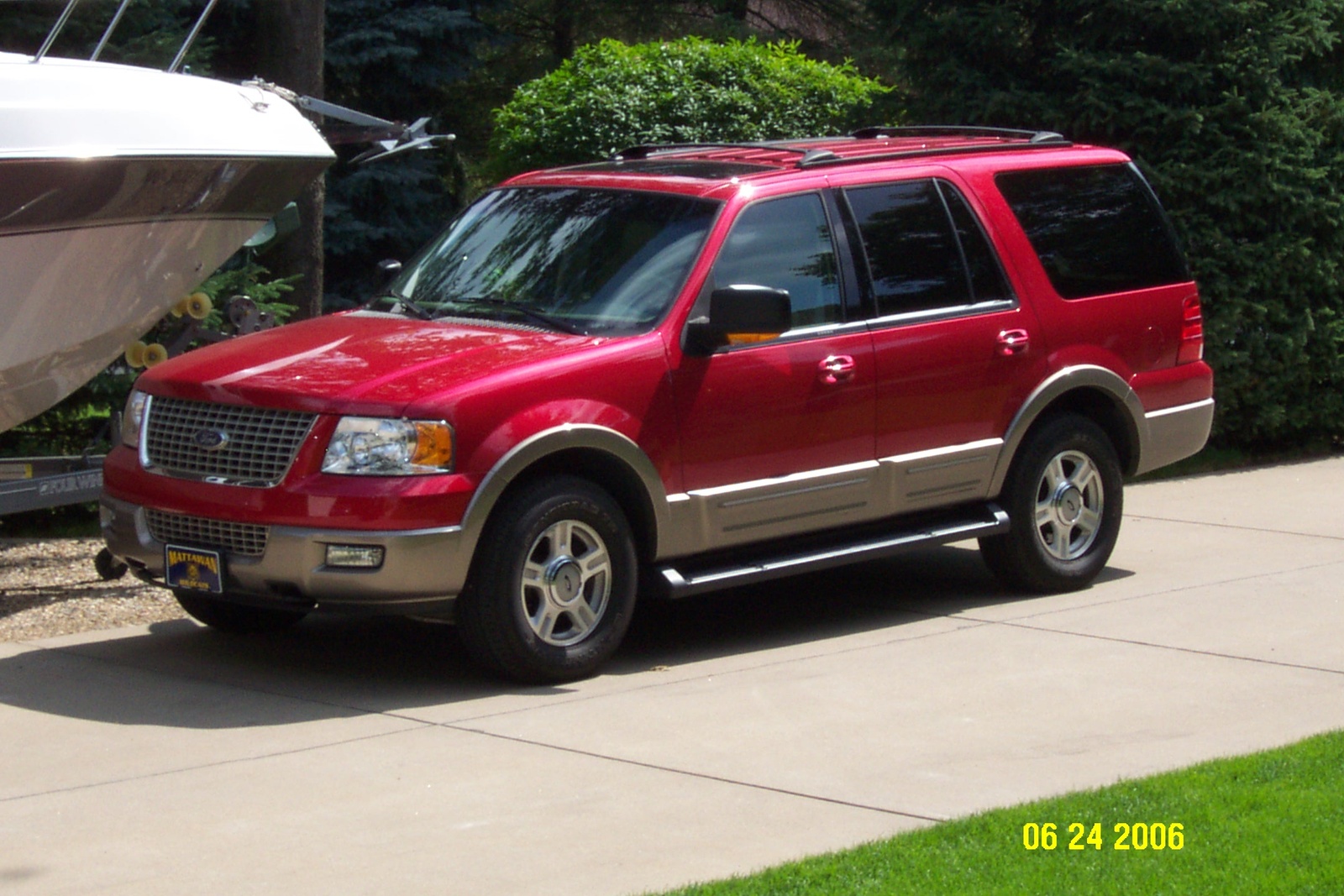
Timing chain tensioner failures plagued the same engine. The three-valve Triton’s timing chain system proved prone to tensioner wear, generating a distinctive rattle on cold startup. When left unaddressed, tensioner failure could lead to catastrophic engine damage. Repair required pulling the front of the engine, making it a significant labor investment, even before parts costs.
Cam phaser noise and failure added yet another layer of potential expense. Variable valve timing components in the three-valve engine were sensitive to oil quality and change intervals. Neglected maintenance accelerated cam phaser wear dramatically. Replacement costs were substantial, and the noise the failing components generated could be mistaken for less serious issues until significant damage occurred.
Buying a 2003–2006 Expedition requires careful pre-purchase inspection, documented service history, and realistic expectations about future repair costs. Without that documentation, the risk of inheriting an expensive mechanical disaster is genuinely high.
4. Ford EcoSport (2018–2022)
The Ford EcoSport arrived in the American market with significant disadvantages before a single buyer turned a key. It was designed primarily for emerging markets in Asia and South America, engineered around different road conditions, different consumer expectations, and different budget constraints. Transplanting it to the American market with minimal adaptation was a decision Ford would come to regret.
American buyers found the EcoSport’s interior quality disappointing by any competitive standard. Hard plastics dominated surfaces that rivals covered with softer materials and more refined finishes. Fit and finish inconsistencies appeared frequently in ownership reports, with panel gaps, squeaks, and rattles emerging at relatively low mileage levels.
Performance was genuinely poor. The base 1.0-liter EcoBoost three-cylinder felt overwhelmed in American driving conditions, particularly on highway on-ramps and in mountain terrain. The optional 2.0-liter naturally aspirated engine provided adequate power but returned fuel economy figures that undermined the efficiency argument for choosing the EcoSport over a larger alternative.
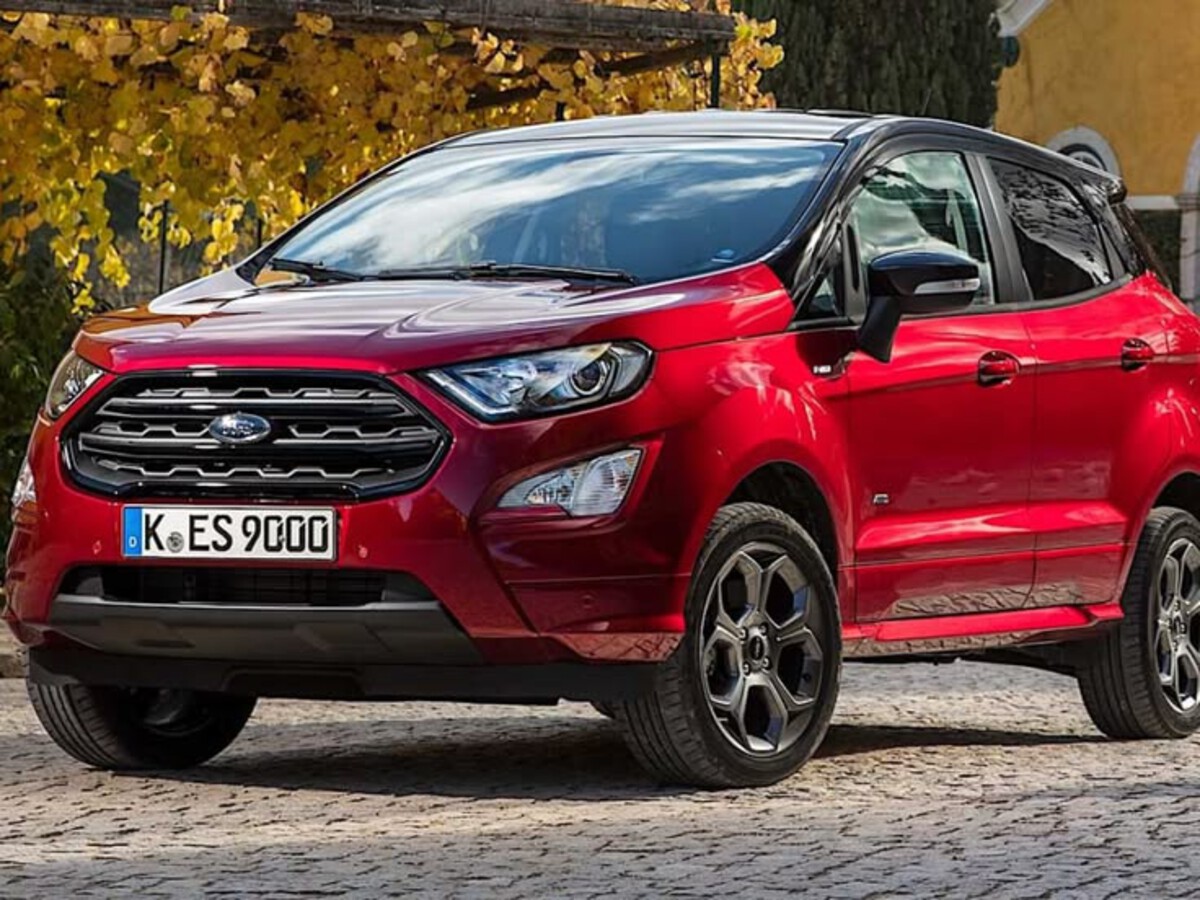
Rear cargo access through a side-hinged door was widely ridiculed. In tight parking situations, the side-opening cargo door made loading groceries awkward and occasionally impossible. Nearly every reviewer and owner noted this design flaw. Ford inexplicably maintained the unusual rear door design through much of the American production run despite consistent negative feedback.
Reliability surveys placed the EcoSport below the segment average in multiple consecutive years. Owners reported transmission shudder, electrical system issues, and SYNC connectivity problems with frustrating regularity. The combination of budget materials, underpowered engines, and reliability concerns made it difficult to justify at its asking price.
Ford quietly discontinued the EcoSport in North America, which was the correct decision. The segment it occupied had stronger competitors from virtually every rival manufacturer, and the EcoSport offered little to distinguish itself beyond the Ford badge.
5. Ford Fiesta (2011–2019, Automatic Transmission Models)
The Ford Fiesta deserves its own entry separate from the Focus because its PowerShift transmission problems were arguably worse in this application. The Fiesta was a smaller, lighter car paired with an even smaller, more lightly built version of the dual-clutch unit.
The results were predictably worse than in the Focus, generating some of the most dramatic owner complaint narratives in recent automotive history.
Shudder, jerk, and hesitation were the defining characteristics of the PowerShift-equipped Fiesta’s driving experience. Drivers reported the car lurching violently at low speeds, making smooth parking lot maneuvers genuinely challenging.
The behavior was most pronounced in slow stop-and-go traffic, which is precisely the environment in which a subcompact city car spends most of its operational life.
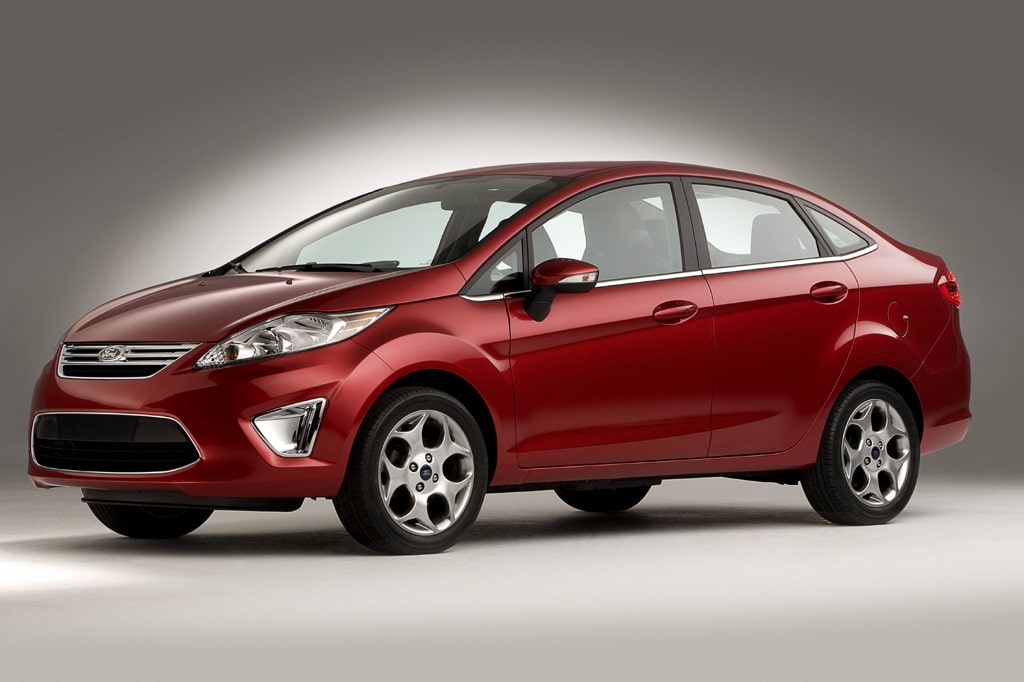
The psychological toll on owners was real and documented. People described anxiety about merging onto highways because the transmission’s hesitation during acceleration felt genuinely dangerous. Others reported embarrassment at intersections when the car lurched into traffic unpredictably. Ford’s suggestion that owners needed to learn to drive the transmission differently added insult to injury for customers who had expected normal automatic transmission behavior.
Replacement clutch kits provided a temporary improvement, followed by recurrence of the same symptoms. The underlying problem was the dry dual-clutch architecture itself, not any single component. Replacing worn clutch material addressed the symptom temporarily but not the root cause of the design mismatch with American driving patterns.
The class-action settlement acknowledged these failures, but settlement payouts rarely compensated owners fully for the ownership misery, the time spent at dealerships, the rental car costs, and the depreciation that plagued PowerShift Fiesta values. Used examples are extremely cheap today, which tells you everything you need to know about buyer confidence in the platform.
Avoid PowerShift Fiesta models absolutely. The transmission remains a serious liability, independent mechanics struggle to deliver lasting repairs, and the ownership experience documented across thousands of owner accounts should serve as a definitive warning.
Also Read: 2024 Tacoma Redesign Brought Toyota’s Reputation Back Faster Than Expected
