
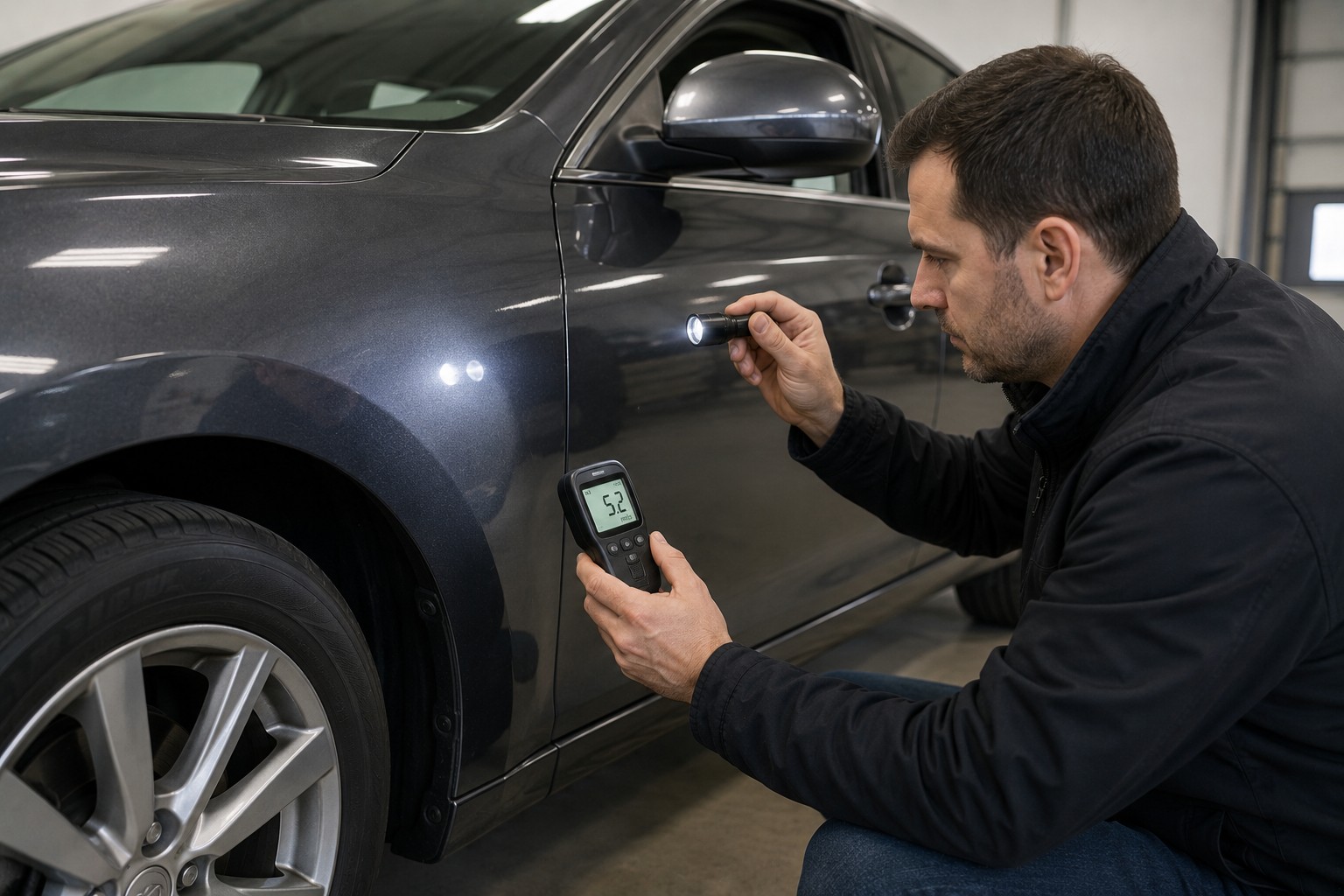
Buying a used car can be exciting. But it also comes with hidden risks. One of the biggest concerns is whether the car was in an accident. Many sellers hide crash history to get a better price. A repaint job is one of the most common ways to cover up damage.
If a car is involved in a collision, the damaged panels often get repainted. This can hide dents, rust, and structural problems underneath. The good news is that repaints leave behind clues. You just need to know where to look.
Even without professional tools, a careful inspection can reveal a lot. Paint color mismatches, texture differences, and overspray are telltale signs. Checking door gaps, rubber seals, and panel alignment also helps. Understanding these signs can save you from buying a damaged vehicle. It can also protect you from overpaying. A repainted car is not always a bad buy.
But you deserve to know the truth before signing anything. This guide will walk you through every key sign to look for. Take your time during any inspection. Knowledge is your best protection in the used car market.
Look for Paint Color Differences Between Panels
Start your inspection in natural daylight. Artificial lighting in showrooms can hide color mismatches easily. Walk slowly around the entire car. Look at each panel from different angles and distances.
A factory paint job covers the whole car at once. All panels should have the exact same color tone and depth. If one door looks slightly different in shade, that is a red flag. Even a small difference in tone means that the panel may have been repainted.
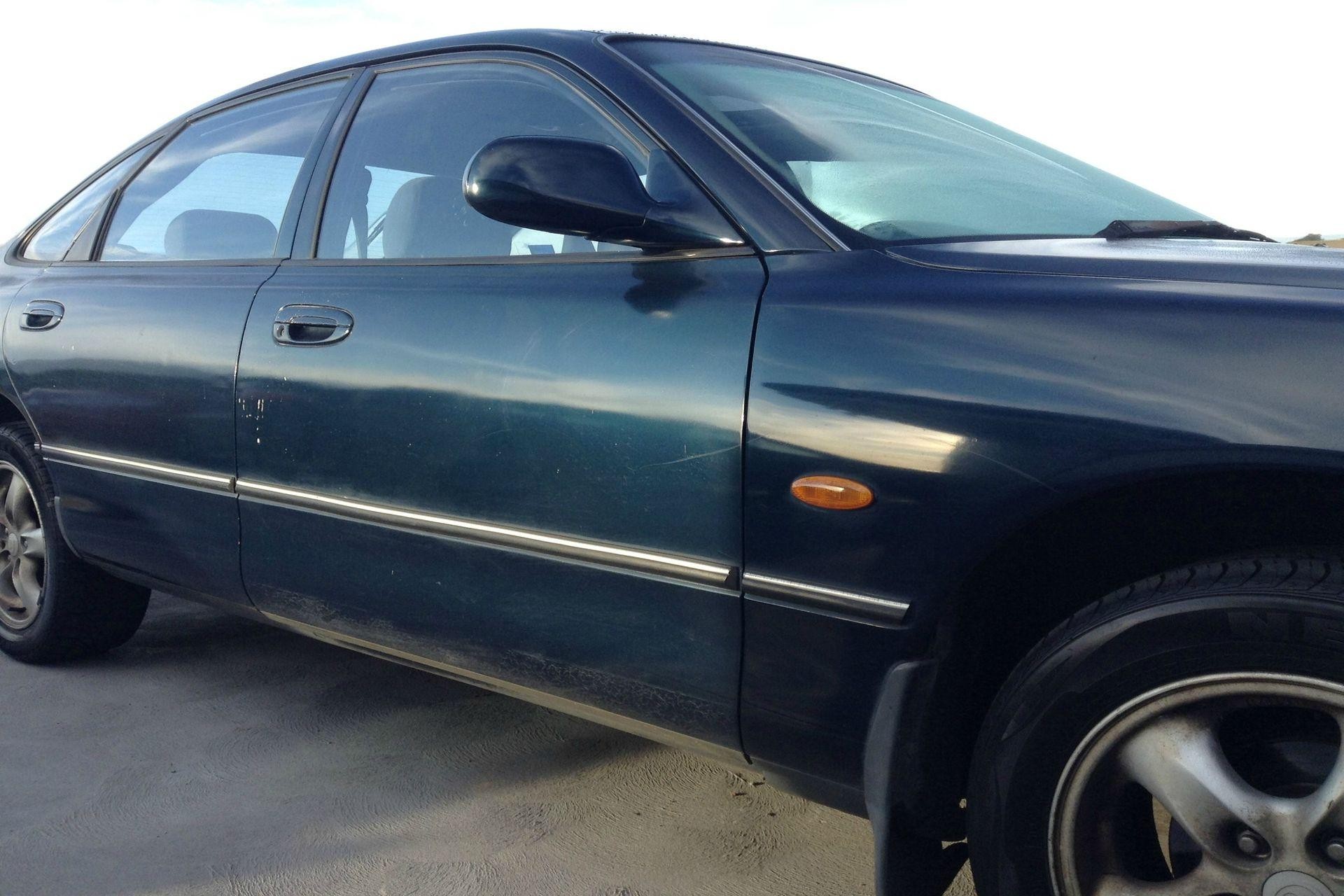
Look at the hood, roof, doors, and fenders carefully. These are the most commonly damaged and repainted areas after a crash. Metallic and pearl paints are especially hard to match perfectly. Even professional shops struggle to achieve a perfect color match on these finishes.
Tilt your head and view panels from a low angle. This technique catches subtle color shifts that are invisible when standing upright. Compare the front bumper to the hood. Compare the rear quarter panel to the trunk lid. Any inconsistency in color or shine is worth investigating further. Do not ignore even the smallest visual difference.
Check for Overspray on Rubber Seals and Trim
Overspray is one of the clearest signs of a repaint job. It happens when paint accidentally lands on areas it should not cover. Run your finger along the rubber seals around doors and windows. If you feel a rough, gritty texture, paint has likely been sprayed over them.
Check the rubber moldings around the windshield and rear glass. Factory paint never touches these areas during the original manufacturing process. Look at the plastic trim pieces along the doors and bumpers. If they have a thin layer of paint on them, the car was repainted outside a factory setting.
Examine the engine bay edges near the hood. Overspray often collects in small crevices and tight corners around this area. Check the inside edges of the door jambs. Fresh paint that continues into the door jamb area can indicate a panel was repainted.
Look at the fuel cap area and around the trunk hinges. These small spots are easy to miss but often show overspray clearly. Even tape lines left by masking paper are a sign. These straight paint edges appear where a painter tried to protect the surrounding areas. A factory finish is perfectly applied with no overspray anywhere. Any overspray you find confirms work done outside the original production line.
Also Read: 9 Vehicles Where Used Always Beats New on Total Cost
Inspect Panel Gaps and Alignment Carefully
Every car leaves the factory with even, consistent gaps between panels. These gaps are carefully controlled during the manufacturing process. Walk around the car and look at the spacing between panels. The gap between the hood and fender should be the same on both sides.
Uneven gaps are a major sign of accident damage or repair work. If one side looks wider or narrower, a panel may have been replaced or realigned.
Check the gap between the front bumper and the headlights. After a front-end collision, these areas are commonly repaired and often misaligned. Look at the doors from the front and rear of the car. All doors should sit flush and level with the surrounding body panels.
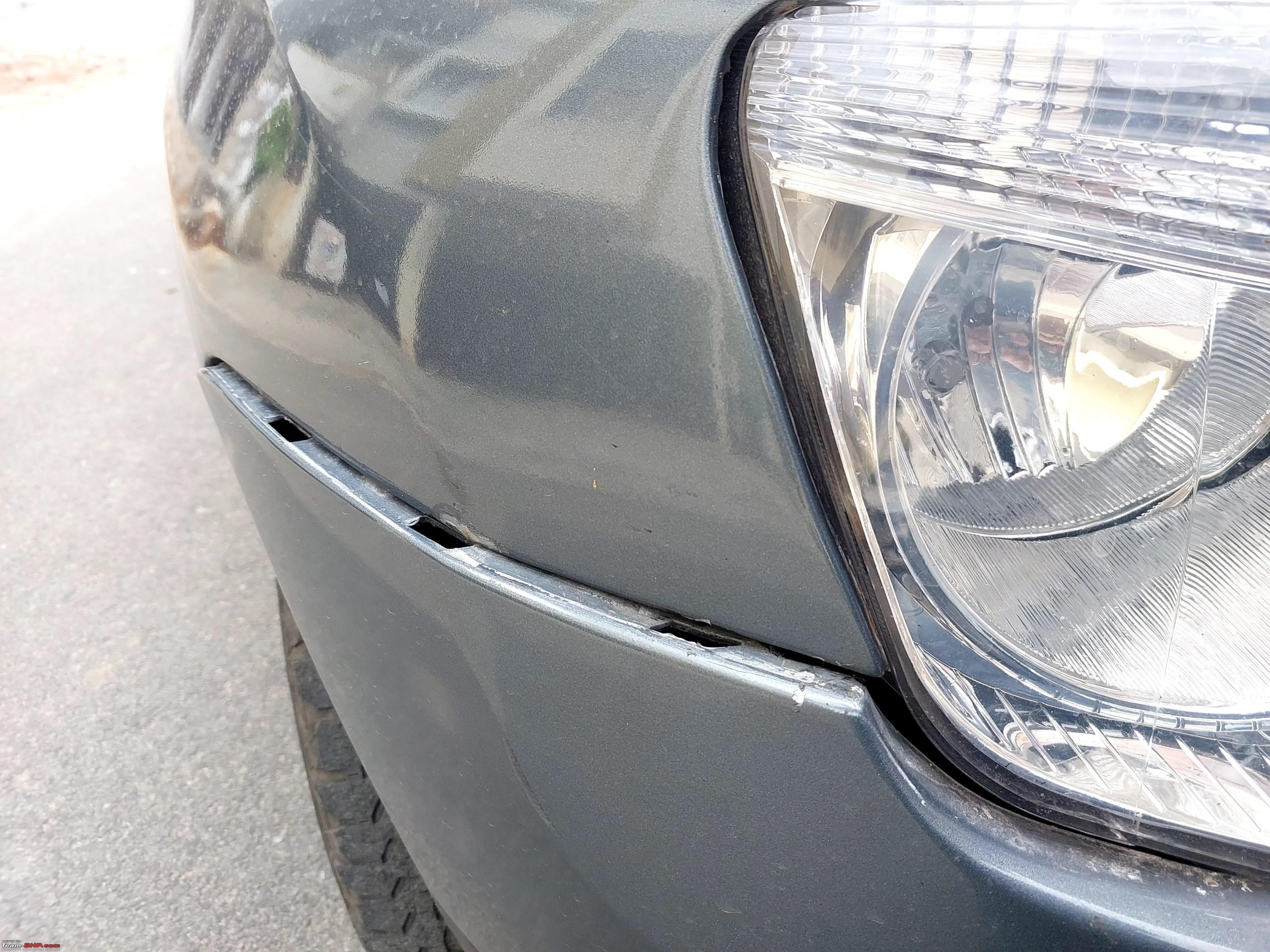
A door that sticks out slightly or sits deeper than normal is suspicious. This often means the door or the surrounding frame was damaged. Inspect the trunk lid alignment with the rear quarter panels. Poor alignment here suggests the rear of the car absorbed impact at some point.
Look at the gaps around the sunroof if the car has one. Even small frame deformations can change how the sunroof panel sits. Consistent, even gaps signal an undamaged, well-maintained vehicle. Inconsistent gaps almost always point to collision repair history.
Use Your Hand to Feel Paint Texture Differences
Your sense of touch is a powerful inspection tool. Different paint textures between panels reveal repaint work quickly. Run the back of your hand slowly along each panel. The surface should feel completely smooth and consistent across the whole car.
A factory finish has a very specific texture and thickness. Repainted panels often feel slightly rougher, smoother, or even a little wavy. Pay extra attention to the edges of panels. Paint tends to build up or thin out near edges when applied outside a factory environment.
Feel the surface of the hood compared to the roof. If they feel different in texture, one of them may have been resprayed after damage. Orange peel texture, which looks and feels like orange skin, is normal in small amounts. But excessive orange peel on one panel compared to others signals a repaint.
Run your finger along the lower edges of doors near the ground. This area often shows texture differences because painters struggle to reach it properly.
Check the area just below the side mirrors. This spot is commonly damaged in minor accidents and is frequently repainted on its own. A consistent texture across all panels means the car likely has its original paint. Varying textures are a strong sign that body work has been done.
Shine a Flashlight Along the Body Surface
A flashlight is one of the most useful tools for detecting a repaint. It reveals surface imperfections that are completely invisible in normal light. Hold a flashlight flat against the car body and shine it along the surface. This technique is called raking light, and it shows every wave and imperfection.
Look for wavy or rippled areas in the bodywork. These waves usually mean the panel was filled with body filler before being repainted. Body filler, also called Bondo, is used to smooth out dents before painting. It sits beneath the paint and creates slight surface irregularities over time.
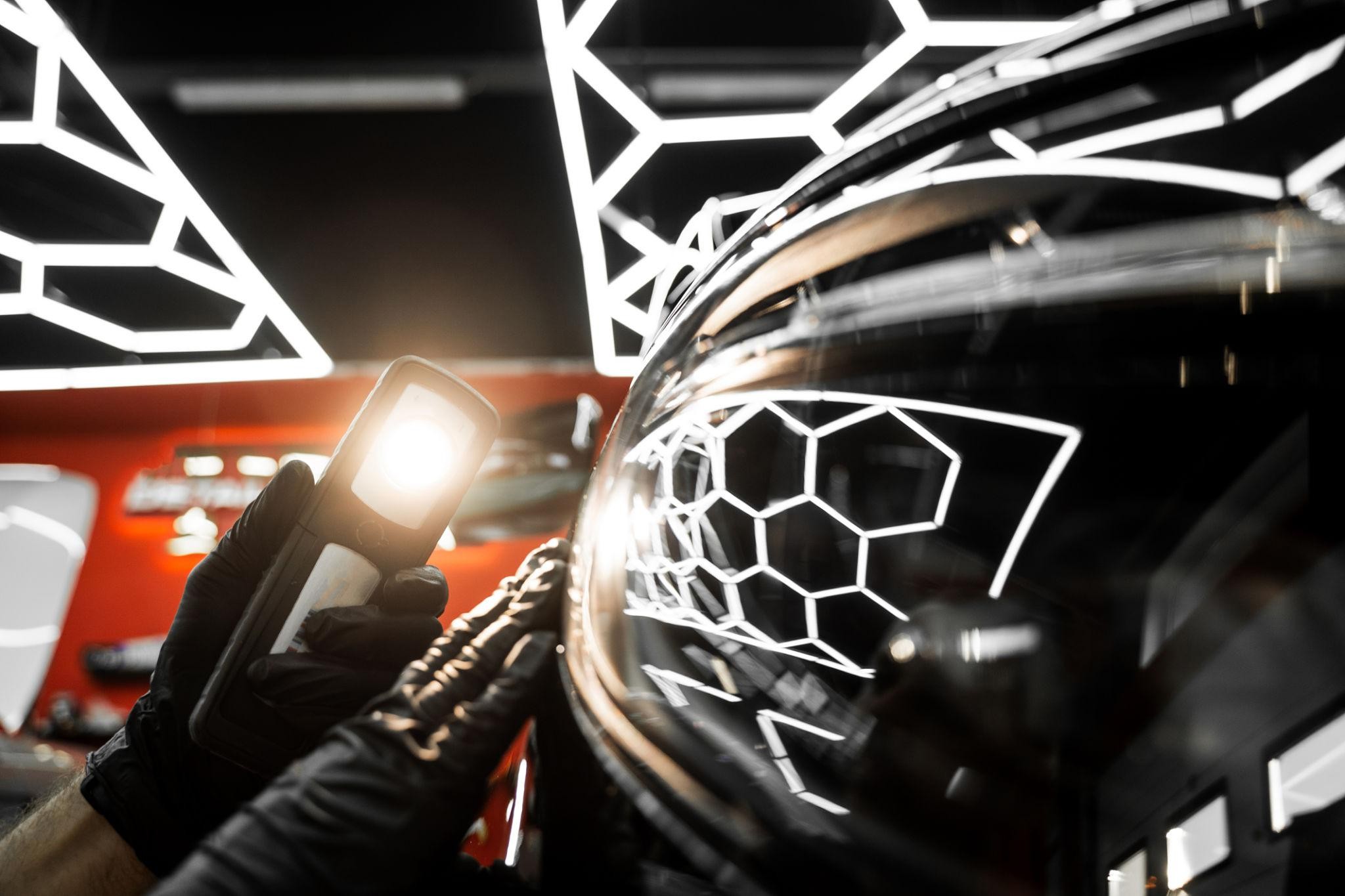
Shine the light along the doors, fenders, and quarter panels. Perfectly smooth panels reflect light evenly without any waves or distortion. Check the area around wheel arches carefully. These areas absorb impacts easily and are commonly filled and repainted after minor collisions.
Look along the lower half of all doors. Road debris and minor impacts often damage these areas, leading to filler work and repainting. A professional repair can look perfect in normal light.
But a raking flashlight will almost always reveal the hidden texture beneath the surface. Carry a small flashlight during any used car inspection. It costs nothing but can reveal thousands of dollars’ worth of hidden damage.
Check the Vehicle History Report and VIN
A vehicle history report is an essential part of any used car purchase. It provides documented evidence of past accidents, insurance claims, and repairs.
Services like Carfax and AutoCheck compile data from insurance companies, repair shops, and government records. This data can confirm whether the car has a reported accident history.
Check if the report shows any collision claims or airbag deployments. These are strong indicators that significant damage occurred at some point.
However, not all accidents are reported to insurance companies. Minor repairs done privately will not appear in any history report. That is why a physical inspection must always accompany a history report. Reports tell you what was recorded, not necessarily what actually happened.
Look at the number of previous owners listed in the report. A car with many owners in a short period may have had problems that caused repeated resales.
Check the odometer readings recorded over time. A gap in mileage records or an inconsistency could suggest the car was taken off the road for repairs.
Always cross-check the VIN on the report with the VIN on the dashboard and door jamb. They must match exactly, with no alterations or signs of tampering.
A clean history report combined with a clean physical inspection gives you the most confidence. But always trust your eyes and hands over paperwork alone.
Also Read: 6 Trucks With Comfortable Middle Seats vs 6 That Are Practically Useless
