
Driving in extreme heat is a serious challenge. Your car’s climate system becomes your lifeline on scorching days. Not every vehicle is built to handle intense, prolonged heat. Some cars struggle badly when temperatures climb above 40°C (104°F).
A poorly performing air conditioning system is more than just uncomfortable. It can be genuinely dangerous, especially in regions like South Asia, the Middle East, and sub-Saharan Africa.
Automakers design and test vehicles in a wide range of climates. However, some models are primarily engineered for temperate European or North American conditions.
When these cars face brutal summer heat, their HVAC systems reveal serious weaknesses. Cooling capacity drops, compressors strain, and cabin temperatures remain unbearable.
This problem affects millions of drivers worldwide. Countries like India, Pakistan, Saudi Arabia, and Nigeria see extreme summer temperatures regularly.
Consumer complaints, automotive forum data, and independent testing all point to the same cars failing again and again. Some issues come from undersized compressors. Others stem from poor insulation, weak blower motors, or faulty thermal management software.
This article examines nine cars that consistently underperform in hot climates. These findings are based on real-world driver experiences, reliability surveys, and automotive expert reviews.
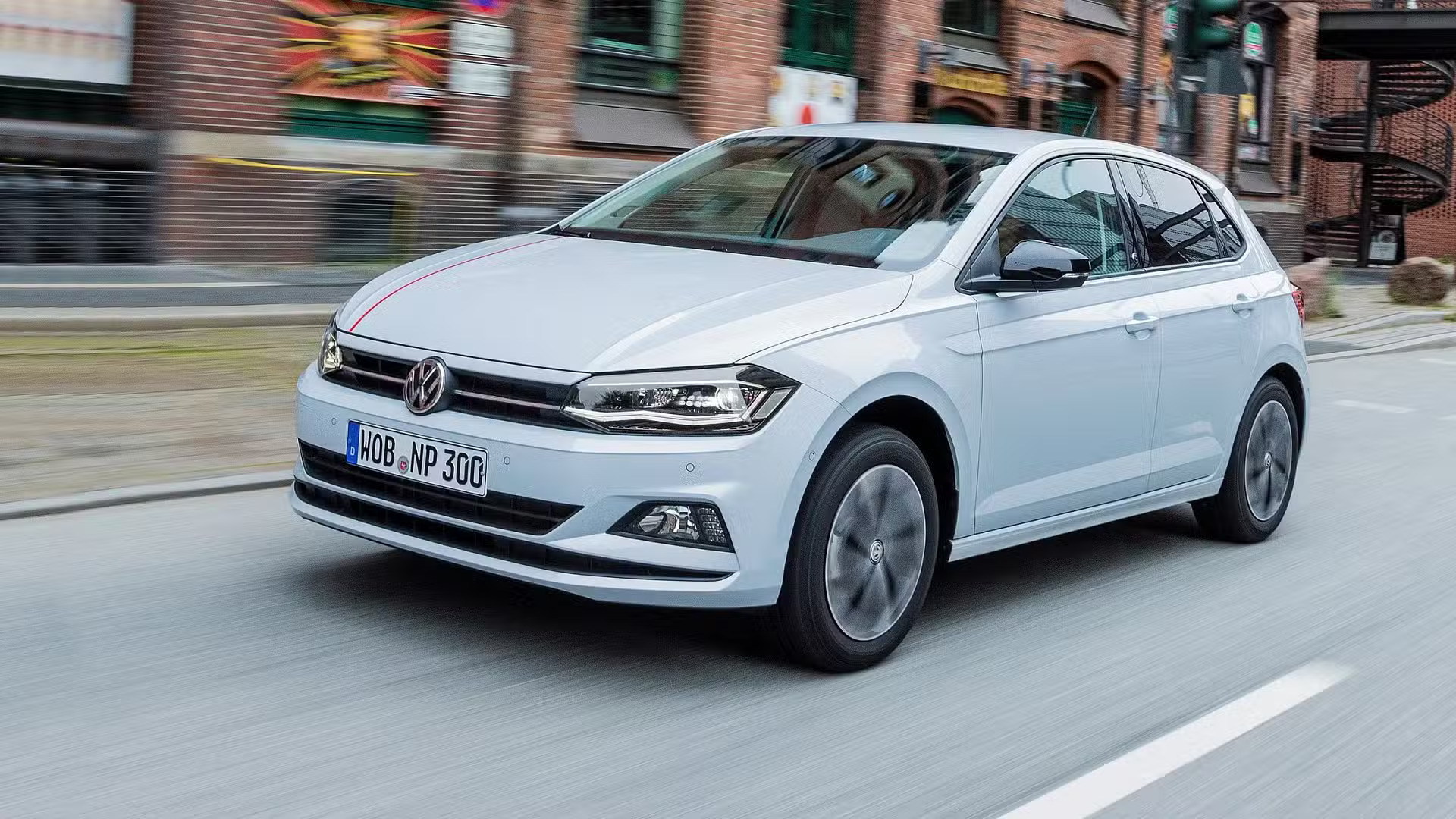
1. Volkswagen Polo (6th Generation, 2017–Present)
The Volkswagen Polo is widely praised in Europe. It earns high marks for refinement, build quality, and driving dynamics. However, in hot climates, the story changes dramatically. Owners in India, South Africa, and the Middle East report serious air conditioning failures.
The Polo’s air conditioning compressor is sized for moderate European summers. It was not designed to run continuously at maximum load in 45°C heat.
When ambient temperatures exceed 40°C, the system struggles to drop cabin temperatures quickly. Drivers report waiting 15–20 minutes before the cabin becomes tolerable.
The evaporator capacity is simply insufficient for extreme conditions. Heat soaks into the cabin rapidly through the large glass area and thin roof insulation.
The Polo uses an electrically controlled variable displacement compressor. This system is designed to prioritize fuel efficiency over raw cooling power.
In very high temperatures, the compressor cycles off more frequently than it should. This causes inconsistent cooling and frustrating temperature fluctuations inside the cabin.
The R-134a refrigerant system in older Polo variants loses efficiency in high ambient heat. The high-side pressure rises sharply, causing the system to reduce compressor output.
Newer variants use R-1234yf refrigerant, which has slightly different thermal properties. However, the fundamental issue of an undersized system remains unchanged.
The Polo’s dashboard vents are positioned reasonably well. However, airflow volume from the blower is noticeably low at lower fan speeds. To get meaningful cooling, drivers must run the blower at full speed. This creates significant wind noise and accelerates blower motor wear.
After sitting in direct sunlight for two hours, the Polo’s cabin temperature can reach 65–70°C. The air conditioning system takes an extremely long time to overcome this heat soak.
Competing vehicles in the same segment cool down noticeably faster. The Polo’s thin headliner and minimal roof insulation are major contributing factors.
Extended operation in hot climates accelerates wear on the Polo’s AC components. Compressor failures before 60,000 km are reported more frequently in hot-climate markets.
VW has issued technical service bulletins for some Polo AC issues. However, no fundamental redesign of the cooling system has been announced for hot-market variants. The Polo is a fine car in its home climate. In sustained extreme heat, it simply cannot keep pace with rivals designed for tropical conditions.
2. Ford EcoSport (2013–2022)
The Ford EcoSport was positioned as an affordable compact SUV. It sold in large numbers across hot-climate markets like India, Brazil, and Southeast Asia.
Despite its popularity, the EcoSport has a well-documented air conditioning problem. It is one of the most commonly cited complaints from owners in hot regions.
The EcoSport’s air conditioning system is fundamentally undersized for its cabin volume. The SUV body creates a larger interior space than a typical hatchback.
However, Ford did not significantly upgrade the AC system to compensate. The result is an air conditioner that simply cannot cool the cabin effectively in extreme heat. The front occupants get reasonably cool air relatively quickly. The rear passengers, however, experience dramatically less cooling.
There are no rear AC vents in base and mid-spec variants. Rear passengers rely entirely on recirculated air from the front, which is already warm by the time it reaches them.
The EcoSport’s popular 1.5-litre petrol engine runs hot in traffic. The engine’s thermal load affects the AC condenser, which sits in front of the radiator. In stop-and-go traffic in 43°C heat, the condenser cannot reject heat effectively. Cooling efficiency drops sharply exactly when you need it most.

The blower motor in many EcoSport units is prone to noise and reduced output over time. Dust accumulation in hot, arid climates accelerates this degradation.
The ductwork to the rear of the cabin is poorly insulated. The air warms up before it even exits the rear vents in higher-spec versions. Ford used minimal acoustic and thermal insulation in the EcoSport. This was partly a cost-cutting measure and partly a weight-saving decision.
The firewall insulation is thin. Engine bay heat transfers into the cabin, adding to the AC system’s burden. Many EcoSport variants came with dark interior trims. Black and dark grey surfaces absorb and radiate heat aggressively inside a parked car.
Combined with the modest AC output, a black-interior EcoSport parked in the sun becomes genuinely uncomfortable to re-enter. Seat surfaces can cause mild discomfort on bare skin.
Ford acknowledged some of these issues and offered refrigerant top-ups under warranty. However, the system design was never fundamentally improved during the model’s production run.
The EcoSport has charm and capability in many areas. Its climate system, however, is one of the weakest in its segment when operating in genuine heat.
3. Renault Kwid (2015–Present)
The Renault Kwid was designed to be an affordable entry-level car. It targeted first-time buyers in developing markets, including India and parts of Africa.
The Kwid’s AC system reflects its low price point. In hot weather, it delivers very modest cooling performance. The Kwid uses a very small displacement compressor. It is matched to a tiny 0.8-litre or 1.0-litre engine that lacks surplus power for heavy AC loads.
When the engine is under load, climbing a slope, or accelerating, the AC performance drops noticeably. The compressor prioritizes engine performance over cabin cooling.
The Kwid uses thin steel body panels throughout. The roof and doors have minimal thermal insulation between the metal and the interior trim. Infrared heat from the sun passes through the body almost unimpeded. The AC system has to fight against constant heat infiltration.
The Kwid’s cabin is small, which might suggest it should cool quickly. However, the AC system is so modest that even this small space is a challenge.
Tall occupants also find that their heads are close to the roof, which is one of the hottest surfaces in the cabin. This makes personal comfort worse, even if the ambient temperature eventually drops.
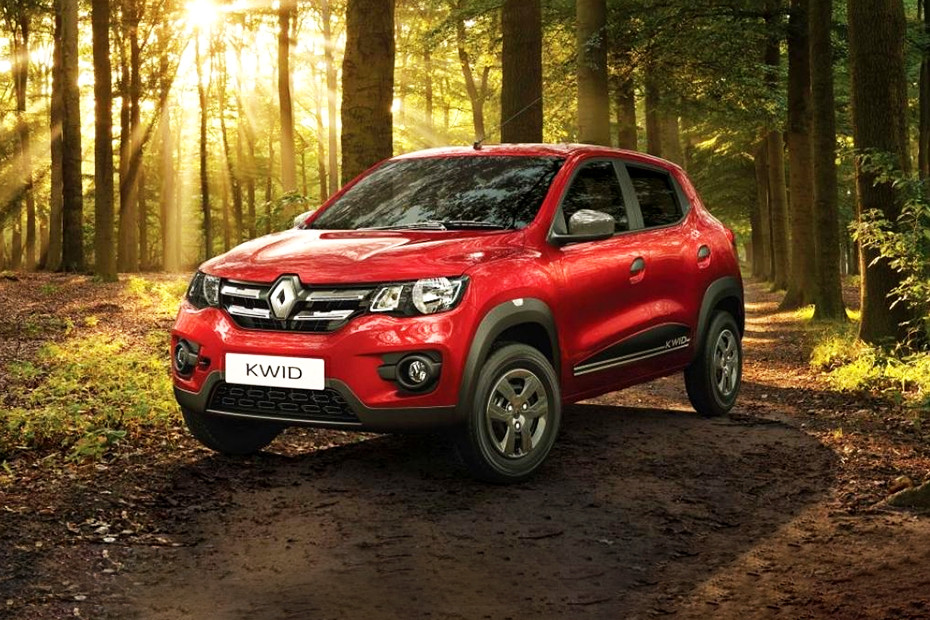
There are no rear AC vents in the Kwid. Rear passengers have no direct airflow at all. In a five-occupant loading common in its target market, the cabin temperature remains very high for rear seat passengers. This is a significant real-world problem.
To get any meaningful cooling, the Kwid’s fan must run at maximum speed. At full speed, fan noise is intrusive and tiring on long journeys. The noise level makes conversation difficult. Many drivers reduce fan speed for comfort, which further compromises cooling.
The Kwid’s tiny engine idles at very low RPM. The AC compressor output at idle is insufficient to meaningfully cool the cabin in stationary traffic. The Kwid is a practical, affordable vehicle for its market. Its climate system, however, is among the weakest in any modern production car sold in hot climates.
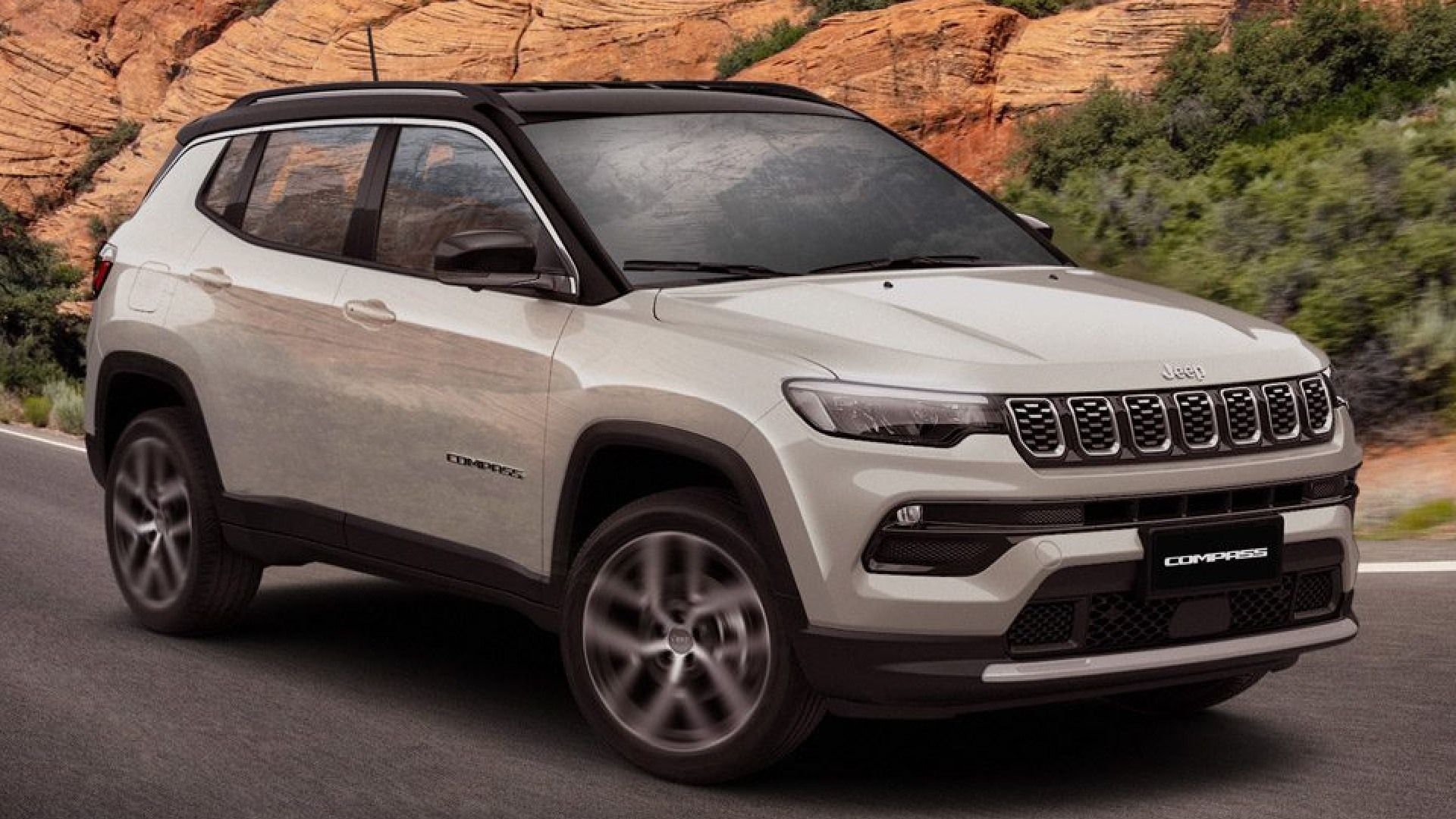
4. Jeep Compass (1st Generation, 2017–2021)
The Jeep Compass was a significant model for FCA in emerging markets. It was priced as a premium product in countries like India. Despite its price point, the Compass developed a notorious reputation for AC problems. Early buyers were particularly vocal about cooling failures.
The first-generation Compass suffered from premature AC compressor failures. This was reported widely in India, Brazil, and the Middle East. Jeep used a compressor sourced from a supplier not optimised for continuous high-load operation. Failures were occurring within 20,000–40,000 km in hot climates.
FCA’s thermal management software in the Compass actively limits AC compressor output to protect the engine in high-temperature conditions. This is a protective measure that prioritizes engine health.
However, it results in noticeably reduced cooling exactly when you need it most. The driver feels a warm blast from the vents during hard acceleration in the heat.
The Compass has a relatively high and large dashboard. Vent placement directs air towards occupants’ chests rather than faces. This reduces the perceived cooling effect significantly. Occupants feel warm facial air even when the cabin temperature is dropping.
Many Compass variants were sold with optional panoramic sunroofs. These look attractive but dramatically increase solar heat gain. The AC system was not recalibrated for sunroof variants. The additional heat load overwhelmed the already-strained system.
FCA eventually extended AC-related warranty coverage for Compass units in India. This was an implicit acknowledgment of the widespread problem.
The second-generation Compass saw meaningful improvements to the AC system. Compressor reliability improved, and software calibration was refined.
However, the first-generation model’s reputation damage in hot-climate markets was severe. Many buyers moved to competitors who offer more consistent cooling.
The original Compass was let down significantly by its climate system. For the money being paid, buyers in hot climates deserved substantially better cooling reliability.
Also Read: 2026 VW Tiguan Beats 7 Rivals in Major Compact SUV Comparison
5. Nissan Micra (K13, 2010–2017)
The Nissan Micra K13 was designed for urban European driving. It became a popular import and locally sold model in various hot-climate markets.
Its AC system, however, was clearly optimised for mild weather. In genuine summer heat, it falls noticeably short. The K13 Micra offered only manual climate control on most variants. There is no automatic temperature regulation. This means the driver must constantly adjust fan speed and temperature manually. In fluctuating traffic conditions in the heat, this becomes a distraction.
The Micra K13’s condenser is physically small. This limits how efficiently the system can reject heat to the outside air. In ambient temperatures above 38°C, the condenser struggles. The high-side pressure climbs, and the system reduces output automatically.
The Micra’s blower motor delivers very little airflow at speeds 1 and 2. Meaningful cooling only begins at speed 3 or above. This makes it difficult to maintain a comfortable cabin temperature quietly. Either you accept noise or accept heat.

The Micra K13 has a large expanse of hard, dark plastic on the dashboard. This surface heats to extreme temperatures after parking in direct sunlight.
Even after the cabin air cools, the dashboard continues to radiate heat onto occupants. It takes a very long time for the plastic mass to lose its stored heat.
The Micra K13 has no rear seat vents or ducting. Rear passengers depend entirely on convection from front vents. In a fully loaded car in peak summer heat, the rear seat is noticeably hotter than the front. This is a persistent complaint from family users.
K13 Micra units show a tendency to develop small refrigerant leaks as they age. The O-ring seals in the AC circuit degrade faster in high-temperature climates.
A slow refrigerant leak results in a gradual reduction in cooling performance. Many owners do not notice until performance has dropped significantly.
The Micra K13 was a good small city car for its intended market. In hot climates, its AC system requires more frequent maintenance and delivers less comfort than most competitors.
6. Maruti Suzuki Alto (2019–Present, 2nd Generation)
The Maruti Suzuki Alto is India’s perennial best-selling car. It is affordable, reliable, and widely serviced. However, the Alto’s air conditioning system is one of the weakest of any car sold in one of the world’s hottest countries. This is a genuine paradox.
The Alto uses a small fixed-displacement compressor. It provides minimal cooling capacity by modern standards. The compressor is driven directly by the engine, creating a noticeable power drain. At low RPM, its output drops significantly.
When the Alto accelerates, the AC compressor load becomes a meaningful burden. The driver often disengages the AC manually when climbing slopes.
This is a common behavior pattern among Alto owners in hilly terrain. The car simply cannot maintain speed and run AC simultaneously without significant strain.
The Alto has zero rear-seat ventilation. There is no option to add rear vents even in top-spec variants. For a five-seat car sold in a country with temperatures reaching 48°C, this is a significant design oversight. Rear passengers experience the worst possible comfort.
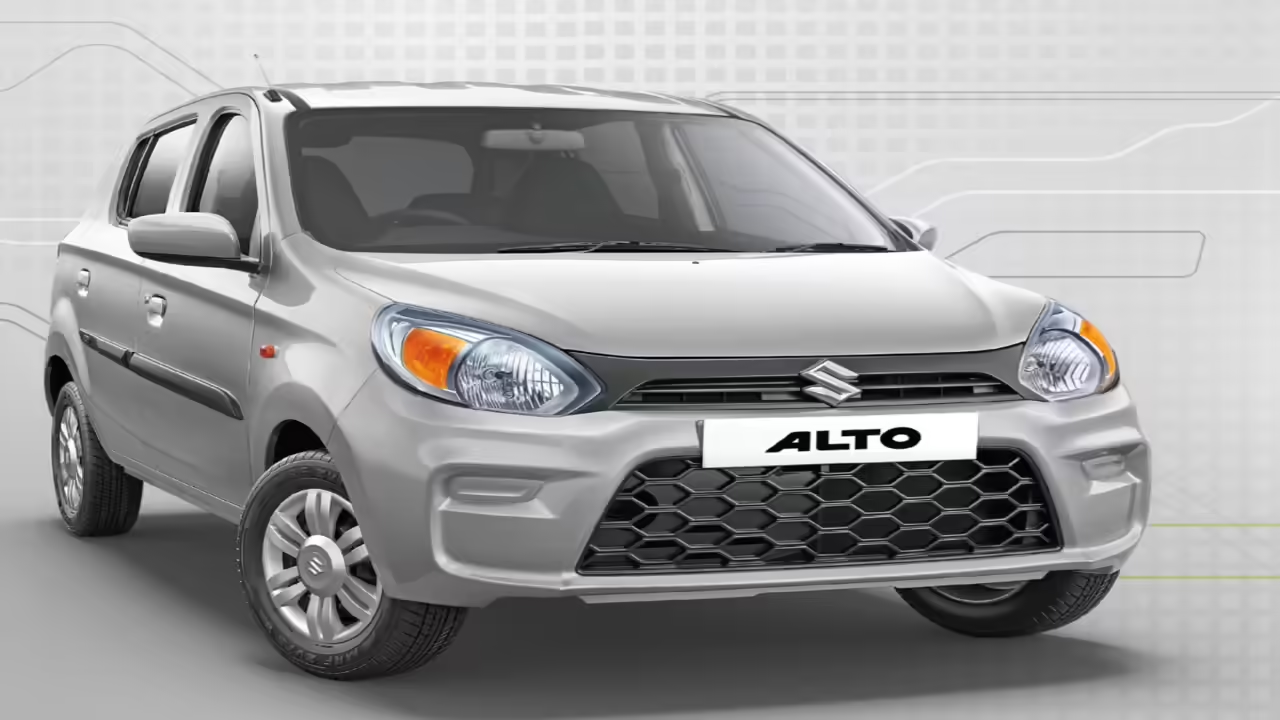
The Alto’s roof is thin steel with minimal insulation. Direct sunlight heats the cabin rapidly. After 30 minutes of parking, the cabin air temperature can exceed 65°C. The small AC system struggles for 20+ minutes to bring this down to a tolerable level.
Alto owners in hot climates commonly report needing AC gas top-ups every 12–18 months. This is well below the typical 3–5 year interval seen in other cars. This points to either minor leakage or a system working so hard that it degrades faster. Either way, ongoing running costs rise.
Rivals like the Hyundai Grand i10 Nios and Tata Tiago offer meaningfully better AC performance. These cars have larger compressors and better-insulated cabins.
Maruti has historically justified the Alto’s limitations by its price. However, budget competitors now offer substantially better cooling at similar prices.
The Alto remains a brilliant value proposition in many ways. For buyers in hot climates prioritizing cooling comfort, however, several alternatives now offer significantly better performance.
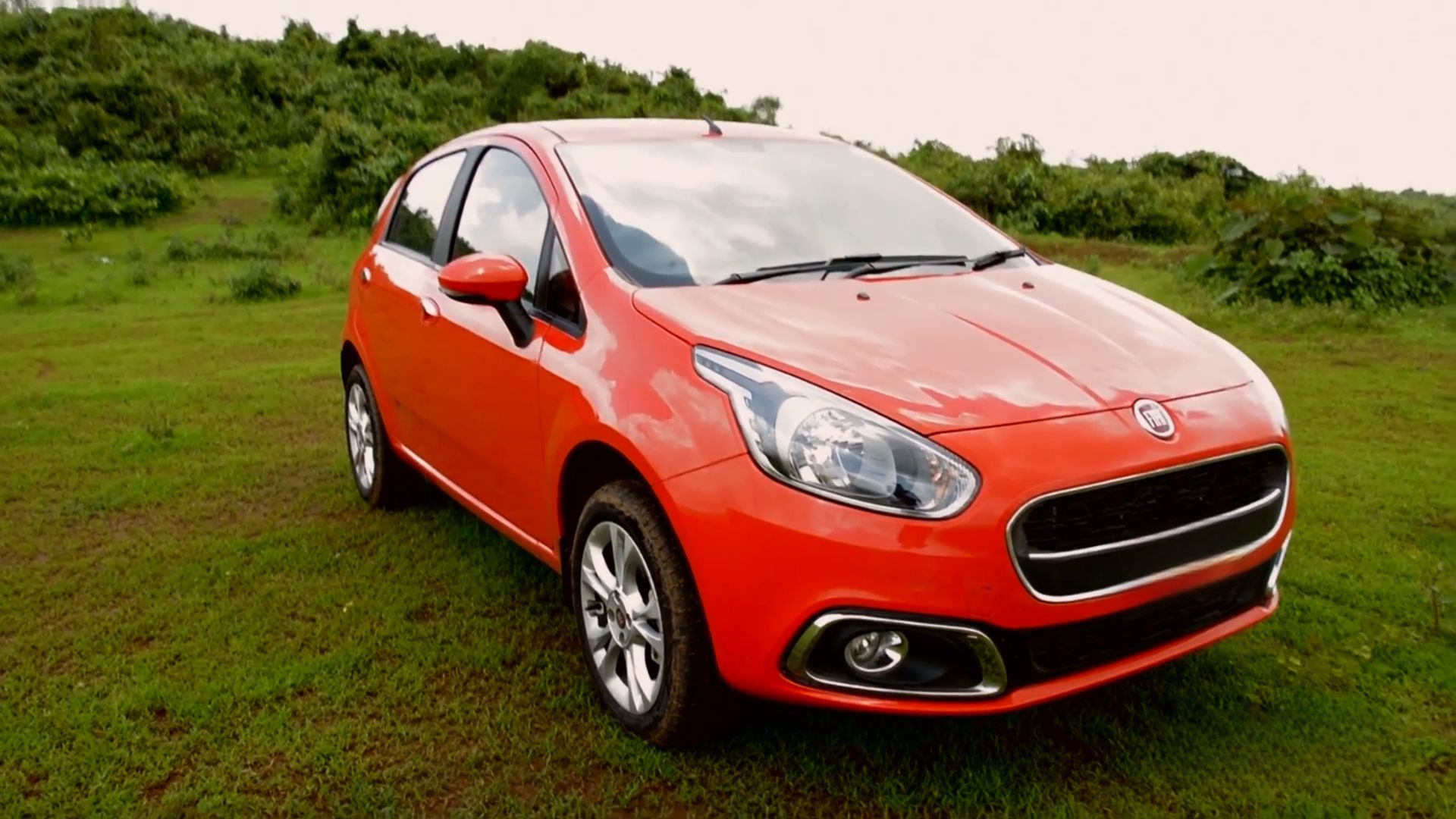
7. Fiat Punto Evo (2010–2018)
The Fiat Punto Evo was a stylish and well-regarded hatchback in European markets. It offered sharp driving dynamics and a distinctive design. In hot climate markets, however, the Punto Evo developed a reputation for air conditioning that underperforms significantly. This hurt its sales in places like India and Turkey.
Fiat calibrated the Punto Evo’s climate system for Central and Southern European weather. Even Italian summers rarely exceed 38°C for extended periods. This calibration left the system unprepared for sustained operation at 44–46°C.
The Punto Evo’s AC compressor produces noticeable noise and vibration in hot conditions. This occurs because the compressor is working near its maximum capacity continuously. The vibration transfers through the cabin noticeably at idle. This is both annoying and a sign of a system under mechanical stress.
Independent tests in India showed the Punto Evo took among the longest of any car in its segment to cool a heat-soaked cabin. Results showed 18–22 minutes to reach comfortable temperatures. Competing cars like the Hyundai i20 reached comfortable temperatures in 10–12 minutes. This difference is practically significant in daily use.
The Punto Evo’s air recirculation mode engages inconsistently. Sometimes the system draws fresh, hot outside air even when recirculation is selected.
This dramatically reduces cooling efficiency. Owners had to repeatedly check the button to confirm the mode was active. The Punto Evo’s interior used materials that absorbed and held heat effectively. This was a design choice aimed at feel and quality.
In hot climates, those same materials became a problem. Steering wheel surfaces and gear lever knobs remained hot for extended periods after cooling began.
Fiat’s service network in hot-climate markets was limited. AC repairs often required parts to be ordered from central depots. This meant significant downtime when AC components failed. During peak summer months, this was an acute problem for owners.
The Punto Evo had genuine strengths as a driver’s car. Its climate system, however, was clearly not designed with tropical buyers in mind, and the gap showed immediately.
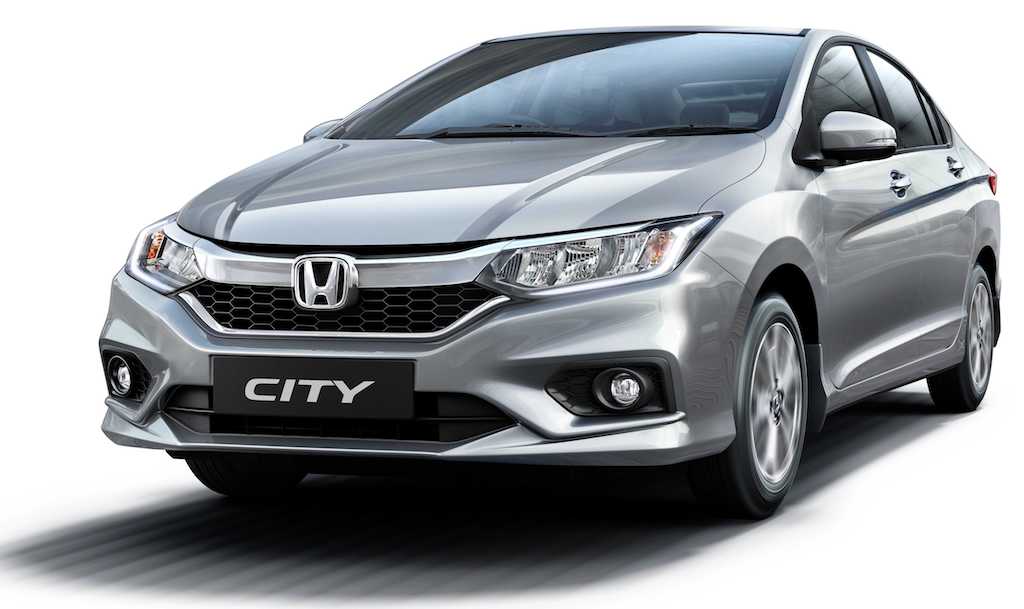
8. Honda City (5th Generation, 2014–2019, select markets)
The Honda City is one of Asia’s most beloved sedans. It has a strong reputation for reliability, efficiency, and comfort. However, the fifth-generation City sold in certain markets showed AC performance that fell below expectations. This came as a surprise to buyers who expected Honda quality.
The fifth-gen City uses a variable displacement compressor. This design is inherently efficient but requires precise software calibration. In certain market variants, the calibration prioritized fuel economy too aggressively. The compressor did not ramp up sufficiently when cabin temperatures were very high.
The City has rear air conditioning vents, which is a positive feature. However, the airflow volume to these vents is modest. In a fully loaded car with all windows closed in 42°C heat, rear passengers reported inadequate cooling. The front passengers fared significantly better.
The fifth-generation City has large side windows and a relatively low roofline. This increases solar heat gain significantly. The AC system, calibrated for moderate conditions, did not adequately compensate for this solar load in tropical climates. Cabin temperatures remained high longer than expected.
In markets with significant airborne dust common across South and Southeast Asia, the City’s condenser fins clog faster than competitors’. The fin spacing was tighter than ideal for dusty environments.
Clogged condenser fins reduce heat rejection efficiency. This leads to progressively worsening AC performance that owners sometimes mistake for a compressor fault.
In slow urban traffic, the City’s condenser receives minimal airflow. The electric radiator fan assists, but it is not powerful enough to fully compensate at extended idle.
In cities like Bangkok, Mumbai, or Karachi, where traffic jams can last hours, this results in gradually warming cabin air. This is particularly noticeable on very hot days.
When engine coolant temperature rises in slow traffic, Honda’s thermal management briefly reduces AC compressor load. This is a protective measure.
However, the transition is abrupt enough that occupants clearly notice a sudden reduction in cooling. It creates an uncomfortable cabin experience during the city’s hottest, most congested periods.
The Honda City remains a very good car. In its fifth-generation form in hot-climate variants, however, the AC calibration left many buyers wanting more, particularly given the City’s premium positioning.
9. Chevrolet Beat / Spark (3rd Generation, 2011–2019)
The Chevrolet Beat, sold as the Spark in some markets, was positioned as an affordable city car. General Motors targeted entry-level buyers in India, Southeast Asia, and Latin America.
The Beat’s AC system represents one of the more consistently criticized climate systems in its segment. Owner complaints from hot markets are both numerous and consistent.
The Beat’s air conditioning system was designed for modest conditions. General Motors did not meaningfully adapt the system for markets where 45°C days are routine. The compressor, evaporator, and condenser are all sized conservatively. The result is an AC system that is defeated by serious summer heat.
The Beat’s compressor output is severely reduced at low engine RPM. In bumper-to-bumper traffic, where RPM stays low, AC performance is noticeably poor.
This is particularly frustrating in Indian and Southeast Asian cities, where slow traffic is the norm. Drivers report the air conditioner essentially becoming decorative in heavy congestion. The Beat’s rear seating area is compact and poorly ventilated. With no rear AC vents, rear passengers have no direct cooling source.
The compact body shape means hot air from the engine bay tends to accumulate near the rear. Rear passengers consistently report being significantly hotter than front passengers.
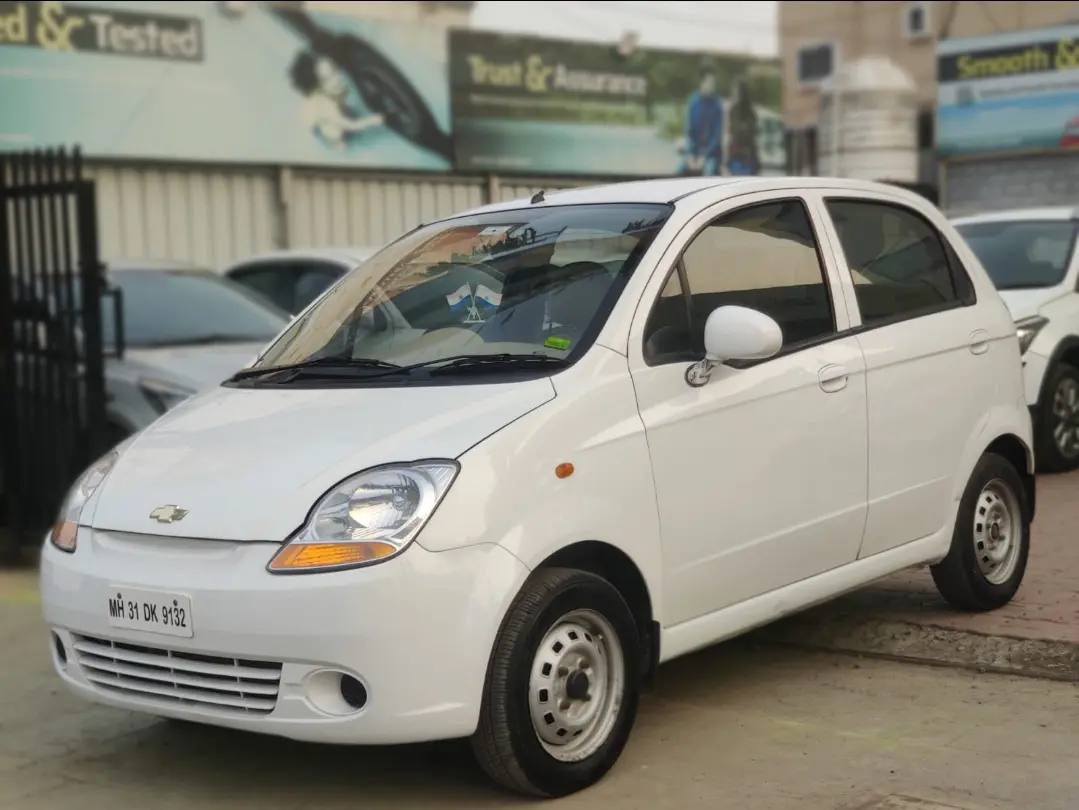
The Beat’s A-pillars and dashboard structure conduct engine bay heat into the cabin. The firewall insulation is minimal. Sitting in traffic, the A-pillar area can feel noticeably warm to the touch. This adds to the thermal load the AC must overcome.
In hot climates, the Beat’s AC components age faster than average. Compressor clutch failures and refrigerant leaks are frequently reported before 50,000 km. The rubber seals used in the AC circuit are not rated for sustained high-temperature exposure. They harden and crack earlier than expected.
When tested alongside the Hyundai Eon, Maruti Alto, and Datsun Redi-GO in Indian heat, the Beat consistently ranked at or near the bottom for AC performance. Automotive publications in India noted this repeatedly.
General Motors’ exit from the Indian market in 2017 ended any prospect of addressing these issues through future model improvements. Owners were left with existing hardware and limited dealer support.
The Chevrolet Beat had charm as a city runabout. Its climate control system, however, was among the least capable in its class when exposed to the sustained, intense heat typical of tropical and subtropical markets.
Also Read: 5 Japanese Cars That Outlast American Ones and 5 Exceptions
