
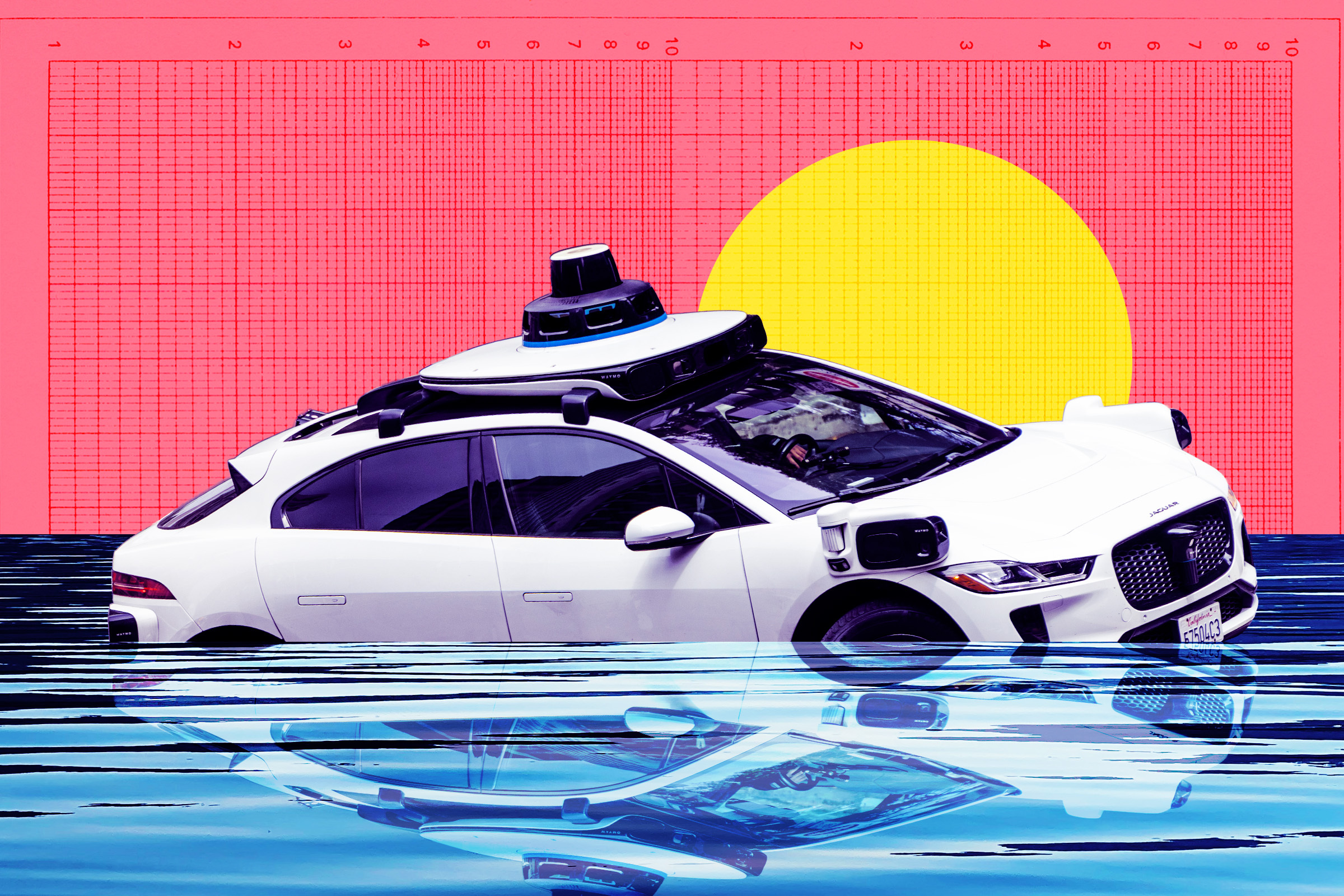
A recent safety incident in San Antonio has drawn renewed attention to the challenges facing autonomous driving systems in unpredictable real-world conditions. Waymo confirmed that one of its robotaxis entered a flooded roadway during a period of severe weather, raising concerns about how its vehicles interpret environmental hazards.
Flooded roads present a particularly difficult scenario for automated systems. While human drivers may rely on visual judgment, local knowledge, or caution developed through experience, self-driving vehicles depend on sensors, mapping data, and software interpretation. Standing water can obscure road markings, hide depth variations, and distort sensor readings, making it harder for an automated system to determine whether a path is safe.
In this case, the vehicle reportedly slowed before proceeding into the water, suggesting that the system detected an abnormal condition but did not classify it as a complete barrier. That distinction is important. A system that identifies a hazard but does not fully respond to it creates a gap between detection and decision-making, which can lead to unsafe outcomes.
The incident did not occur in isolation. Weather-related challenges such as heavy rain, fog, and flooding continue to test the limits of automated driving technology. While progress has been steady, events like this highlight the need for continuous refinement, especially in edge cases where conditions deviate sharply from normal driving environments.
Public reaction has been mixed. Some observers view the recall as evidence that safety systems are working as intended, since the issue was identified and addressed. Others see it as a reminder that autonomous vehicles still face hurdles before achieving widespread trust. For a technology positioned as a safer alternative to human driving, even isolated incidents can carry weight in shaping perception.
Details of the Recall and Affected Vehicles
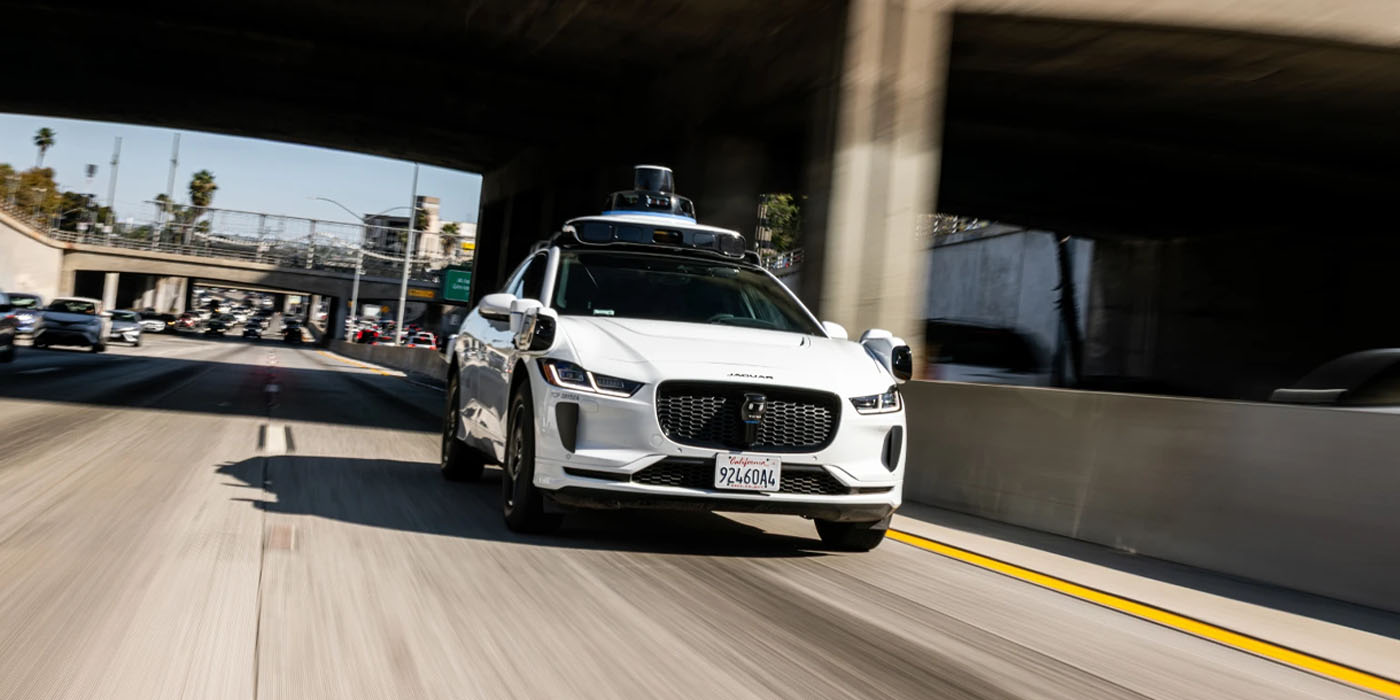
The recall involves 3,791 vehicles equipped with Waymo’s fifth and sixth generation automated driving systems. According to the National Highway Traffic Safety Administration, the issue stems from software behavior that may allow vehicles to continue moving into standing water, particularly on higher-speed roads.
This recall was filed voluntarily by Waymo on April 30, reflecting a proactive approach rather than a regulatory mandate. The company acknowledged that under certain conditions, its vehicles might interpret flooded roadways as passable, even when doing so could increase the risk of losing control.
Affected vehicles are part of Waymo’s active robotaxi fleet, which operates in multiple cities across the United States. These vehicles rely entirely on software-driven decision-making, supported by a combination of cameras, radar, and lidar sensors. Any flaw in how this data is processed can influence vehicle behavior in critical situations.
As an interim measure, Waymo has already deployed a software update designed to reduce the likelihood of similar incidents. This update introduces stricter constraints when the system detects potential flooding conditions. Even so, regulators have indicated that a complete remedy is still under development, meaning further updates are expected.
Unlike traditional recalls involving mechanical defects, software recalls can often be addressed remotely. This allows companies to implement fixes quickly across an entire fleet without requiring physical service appointments. While this approach offers efficiency, it also places greater emphasis on the accuracy and reliability of software validation processes before deployment.
The recall highlights how software has become a central component of vehicle safety. In conventional vehicles, issues often involve physical components such as brakes or airbags. In autonomous systems, the focus moves toward algorithms, data interpretation, and decision logic, which introduces a different set of risks and responsibilities.
Also Read: Mercedes Recalls 144,065 Vehicles in the U.S.
Waymo’s Safety Record and Previous Incidents
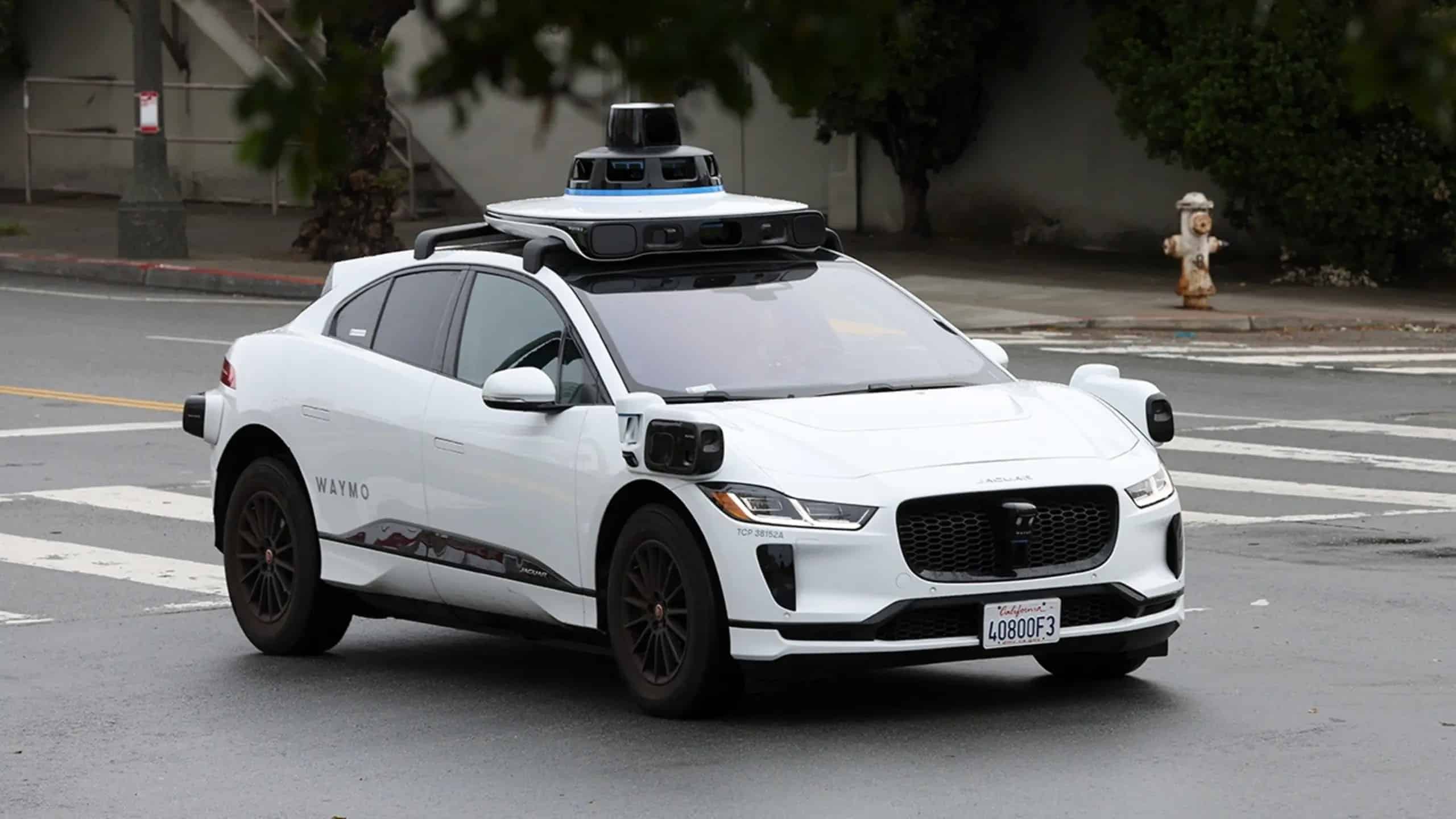
Waymo, a subsidiary of Alphabet Inc., has positioned itself as a leader in autonomous mobility, operating thousands of vehicles and providing hundreds of thousands of rides each week. The company has accumulated more than 170 million miles of fully autonomous driving data, which it uses to refine its systems and improve safety performance.
According to data released by Waymo, its vehicles demonstrate a lower rate of certain types of crashes when compared with human drivers, particularly those involving pedestrians. These findings support the company’s argument that automation can reduce risk when implemented correctly.
Even so, the company has faced scrutiny following several incidents. Reports have included minor collisions with stationary objects, interactions with cyclists and pedestrians, and isolated cases involving animals. One widely discussed event involved a collision with a child outside a school in Santa Monica, while another incident in San Francisco involved a fatal encounter with a pet.
In response to earlier issues, Waymo has conducted recalls affecting smaller portions of its fleet. A previous campaign addressed more than 1,200 vehicles following low-speed crashes involving obstacles. Each of these events has contributed to incremental improvements in system behavior.
The company maintains that safety remains its primary focus and that each incident provides valuable data for refining its technology. This iterative approach reflects the broader development model for autonomous systems, where real-world experience plays a central role in identifying and resolving edge cases.
Critics argue that such incidents, even when rare, highlight the limitations of current technology. They point out that human drivers often rely on intuition and contextual awareness that are difficult to replicate through software alone. Supporters counter that automated systems can improve rapidly through updates, while human behavior remains inconsistent.
Also Read: Tesla Roadster Still MIA Six Years After Promised Launch
Competition and the Future of Autonomous Mobility
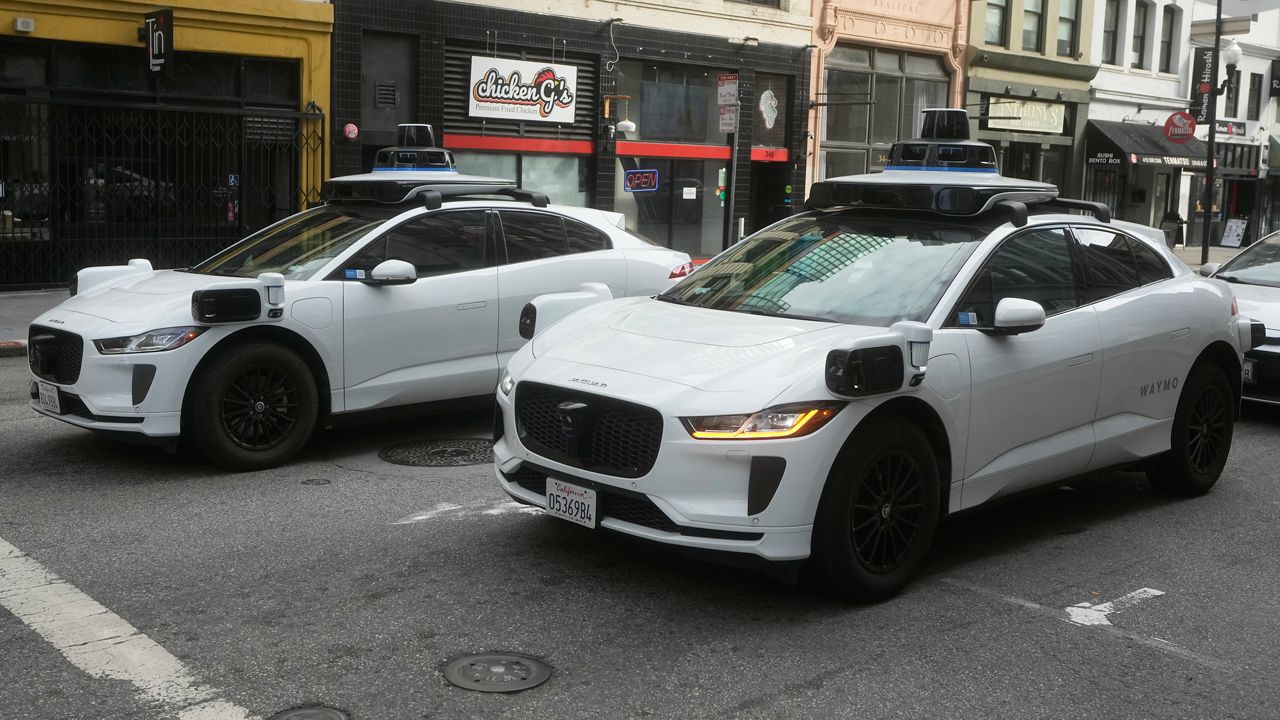
Waymo currently operates in several major cities, including Los Angeles, Phoenix, and Miami, where it provides paid robotaxi services to the public. This level of deployment places the company ahead of many competitors in terms of scale and real-world usage.
Other companies are working to close that gap. Zoox, backed by Amazon, is developing purpose-built robotaxis designed without traditional controls such as steering wheels. Tesla continues to promote its approach to self-driving technology, relying on camera-based systems and over-the-air updates.
Each company is pursuing a distinct strategy. Waymo focuses on highly detailed mapping and sensor redundancy, while Tesla emphasizes scalability and data collection from its large customer base. Zoox is designing vehicles specifically for autonomous operation rather than adapting existing models.
The recall linked to the San Antonio flooding incident serves as a reminder that scaling autonomous mobility involves more than expanding fleet size. It requires consistent performance across a wide range of conditions, including those that occur infrequently but carry elevated risk.
Weather remains one of the most challenging variables. Heavy rain, snow, and flooding can interfere with sensor performance and obscure critical visual cues. Addressing these conditions requires both hardware improvements and more advanced software models capable of interpreting uncertain data.
Regulators are also paying closer attention. Agencies such as the National Highway Traffic Safety Administration continue to monitor autonomous vehicle performance, requiring companies to report incidents and address safety concerns promptly. This oversight plays a role in shaping how quickly the technology can expand into new markets.
Waymo’s decision to issue a voluntary recall reflects an understanding of these expectations. By identifying the issue and taking corrective action, the company aims to maintain confidence in its systems while continuing development. The road ahead for autonomous vehicles will likely involve gradual progress rather than sudden transformation.
Each update, recall, and real-world test contributes to a broader effort to build systems that can handle the full range of driving conditions encountered on public roads.
