
Modern SUV safety engineering has changed dramatically over the last two decades, especially when it comes to side impact protection. Earlier vehicles often focused heavily on front crash performance because head-on collisions received most of the attention during safety testing.
Real-world accident data eventually revealed another dangerous reality. Side impacts frequently produce severe injuries because there is far less physical space between occupants and the striking vehicle.
Unlike front collisions, where large crumple zones absorb energy gradually, side impacts happen extremely close to passengers.
In many crashes, only the door structure, reinforced pillars, airbags, and a small amount of cabin space separate occupants from massive impact forces. That challenge becomes even more serious when larger trucks or SUVs strike smaller vehicles at intersections.
Manufacturers responded by redesigning SUV structures completely. Modern side impact protection now involves reinforced steel safety cages, stronger door beams, advanced side curtain airbags, improved seat engineering, and energy distribution systems designed to redirect crash forces away from passengers.
Some SUVs even include center airbags, helping prevent occupants from colliding with each other during violent impacts.
Another major change came from updated crash testing standards. Safety organizations began simulating heavier and faster striking vehicles to better reflect modern traffic conditions. SUVs performing well in these demanding tests demonstrate engineering focused not merely on passing minimum requirements but also on surviving worst-case situations as effectively as possible.
Buyers increasingly prioritize these protections because SUVs often carry families, children, and passengers during daily commuting. Many owners may never fully understand the hidden engineering beneath the body panels, yet those structural decisions become critically important during serious accidents.
The vehicles on this list earned strong reputations because they perform exceptionally well in difficult side impact evaluations while incorporating advanced occupant protection systems throughout the cabin.
Some are luxury SUVs packed with cutting-edge safety innovation, while others prove mainstream family vehicles can still deliver outstanding crash protection.
These SUVs stand out not because of flashy advertising claims but because engineers designed them specifically to protect occupants during some of the most dangerous collision scenarios drivers can face on modern roads.
Also Read: 8 SUVs With the Largest Cargo Area in Their Class
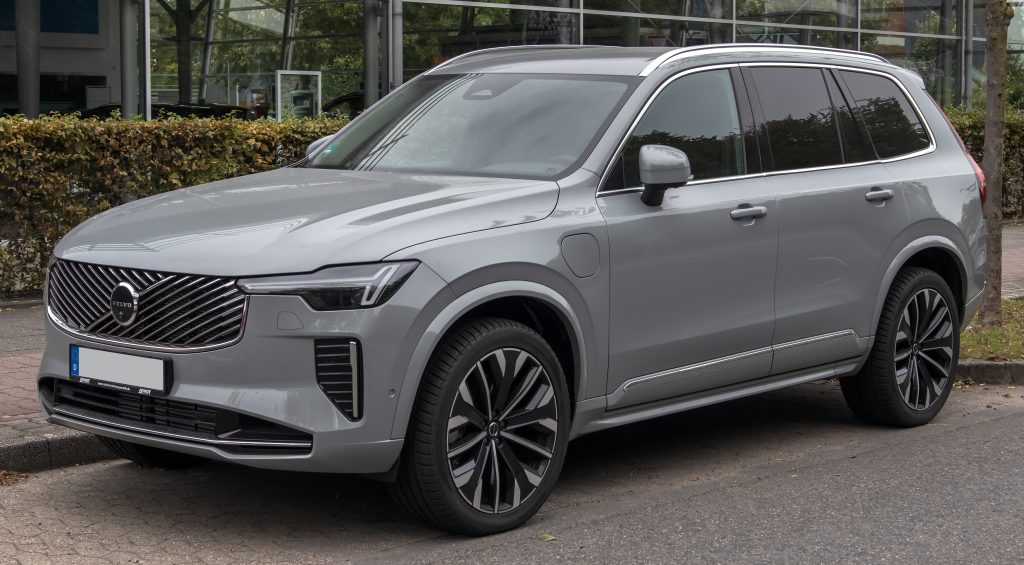
1. Volvo XC90
The Volvo XC90 represents one of the clearest examples of an SUV engineered with occupant protection as a core philosophy rather than simply an added feature. Volvo built its reputation around safety for decades, and the XC90 demonstrates how seriously the company approaches worst-case side-impact scenarios.
One of the SUV’s biggest strengths comes from its reinforced passenger safety cage. Volvo uses extremely strong steel structures throughout the cabin, designed to redirect crash energy away from occupants during violent side impacts.
The side pillars, roof rails, and door structures work together to maintain cabin integrity even during severe collisions involving larger vehicles.
The XC90 also features advanced side curtain airbags extending across multiple seating rows. During side impacts or rollover situations, these airbags deploy rapidly to help protect both front and rear passengers from direct contact with glass, doors, or intruding structures.
Volvo engineered the system carefully to cover a large portion of the cabin because family transportation remains central to the SUV’s purpose.
Another important protection feature involves seat design. The seats and restraint systems help manage occupant movement during impacts while reducing the chance of secondary injuries caused by sudden body motion. Volvo combines this with carefully calibrated pretensioners and load-limiting seatbelts to improve crash energy management.
The SUV additionally performs extremely well in modern side impact crash evaluations involving heavier barriers designed to simulate larger striking vehicles.
These updated tests matter because modern roads contain more heavy trucks and large SUVs than ever before. The XC90 consistently demonstrates strong structural stability under those demanding conditions.
Technology also contributes significantly to prevention. Blind spot monitoring, collision mitigation systems, cross-traffic alerts, and emergency braking features help reduce the likelihood of side-impact accidents before they occur at all.
Inside the cabin, Volvo designed the environment to minimize injury risks further. Smooth surfaces, carefully positioned airbags, and strategic energy-absorbing materials help reduce occupant contact injuries during violent crashes.
Another reason safety experts respect the XC90 involves consistency across generations. Volvo continuously improves crash structures and testing standards rather than relying solely on older achievements or reputation.
The XC90 proves that advanced side-impact protection depends on far more than airbags alone. Structural engineering, occupant positioning, restraint systems, and crash prevention technology all work together to create an SUV prepared for extremely dangerous real-world collision scenarios.
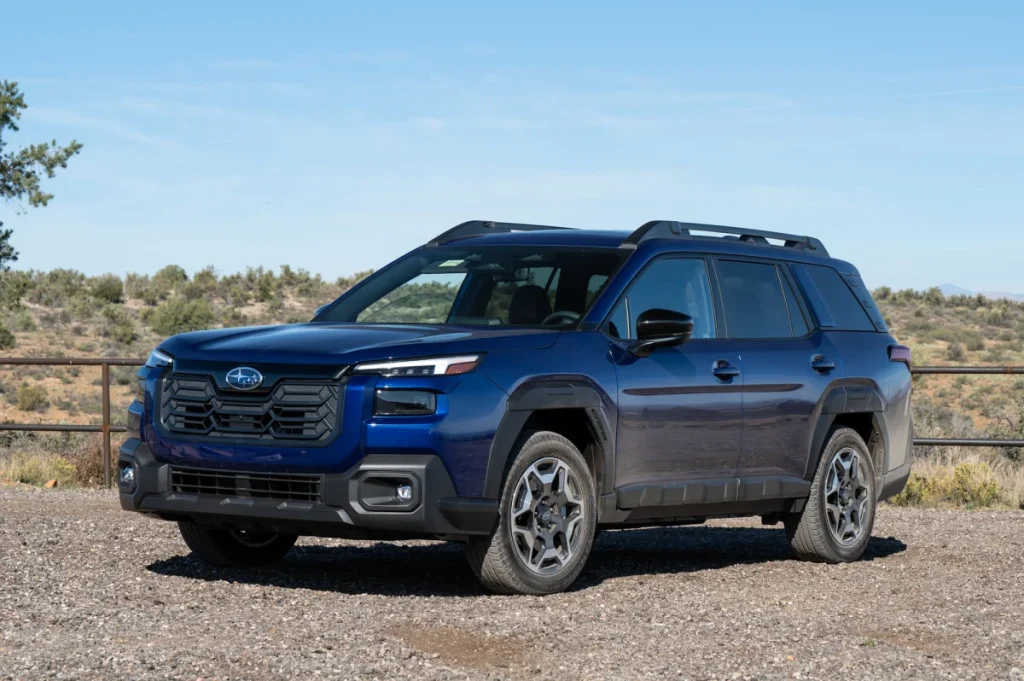
2. Subaru Outback
The Subaru Outback may not always receive the same luxury safety attention as high-end European SUVs, yet it earned enormous respect because of how effectively it protects occupants during difficult side-impact situations.
Subaru designed the Outback around strong structural engineering and practical, real-world safety rather than relying mainly on flashy technology marketing.
One major advantage comes from Subaru’s reinforced body construction. The company uses a global platform specifically engineered to improve crash energy distribution during impacts from multiple directions. In collisions, the Outback’s strong door frames, reinforced pillars, and rigid cabin structure help limit intrusion into passenger space.
The SUV also performs impressively in updated side impact crash tests involving larger and heavier barriers. Those evaluations matter because modern side collisions increasingly involve taller vehicles such as trucks and large crossovers. The Outback consistently demonstrates strong protection for both front and rear passengers under these more realistic conditions.
Subaru equips the vehicle with extensive side curtain airbag coverage designed to protect occupants throughout the cabin. Combined with seat-mounted airbags and carefully engineered seatbelt systems, the SUV provides multiple layers of defense during violent impacts.
Another important strength involves visibility and accident prevention. The Outback offers excellent outward sightlines compared to many modern SUVs with smaller windows and thicker roof pillars. Better visibility helps drivers spot potential hazards earlier, reducing accident risks before crash protection systems ever become necessary.
The EyeSight driver assistance package adds another safety layer through features such as lane monitoring, emergency braking, and blind spot awareness. These systems help reduce the chance of dangerous intersection collisions and lane change accidents that commonly produce severe side impacts.
Ride height also contributes positively. While not excessively tall, the Outback positions occupants slightly higher than ordinary sedans, which can improve crash compatibility in certain collision scenarios involving smaller vehicles.
Subaru additionally designed the cabin carefully for family use. Rear passengers receive strong airbag coverage and structural protection instead of safety engineering focused mainly on front occupants only.
The Outback’s reputation comes from practical dependability as much as advanced engineering. Owners trust the SUV because it combines predictable driving behavior, strong crash test results, and thoughtful structural design into one realistic, family-focused package.
The Subaru Outback proves mainstream vehicles can deliver serious side impact protection without requiring luxury pricing or oversized dimensions.
3. Hyundai Palisade
The Hyundai Palisade earned strong safety recognition because Hyundai engineered the large family SUV with serious attention toward occupant protection during severe crash situations, including dangerous side impacts.
While buyers often notice the spacious interior and upscale design first, much of the Palisade’s most important engineering remains hidden beneath the body structure.
One of the SUV’s biggest strengths involves cabin rigidity. Hyundai used extensive high-strength steel throughout the frame and reinforced critical impact zones around the doors, roof pillars, and passenger compartment. During severe side collisions, these structures help reduce intrusion into the cabin and maintain survival space for occupants.
The Palisade also performs very well in modern side impact crash evaluations designed around heavier striking barriers. These updated tests better reflect real-world crashes involving large SUVs and pickup trucks, making strong results especially meaningful for family buyers concerned about modern traffic conditions.
Airbag coverage inside the Palisade remains another major advantage. Side curtain airbags extend across all three seating rows, helping protect occupants throughout the cabin rather than focusing only on front passengers. Seat-mounted side airbags and advanced restraint systems work together to control occupant movement during violent impacts.
Another impressive aspect involves Hyundai’s approach to crash prevention technology. Blind spot monitoring, rear cross-traffic alerts, lane-keeping systems, and emergency braking assistance all help reduce the likelihood of dangerous side-impact situations before they occur. Intersection collisions and lane change accidents often happen quickly, making these systems valuable during daily driving.
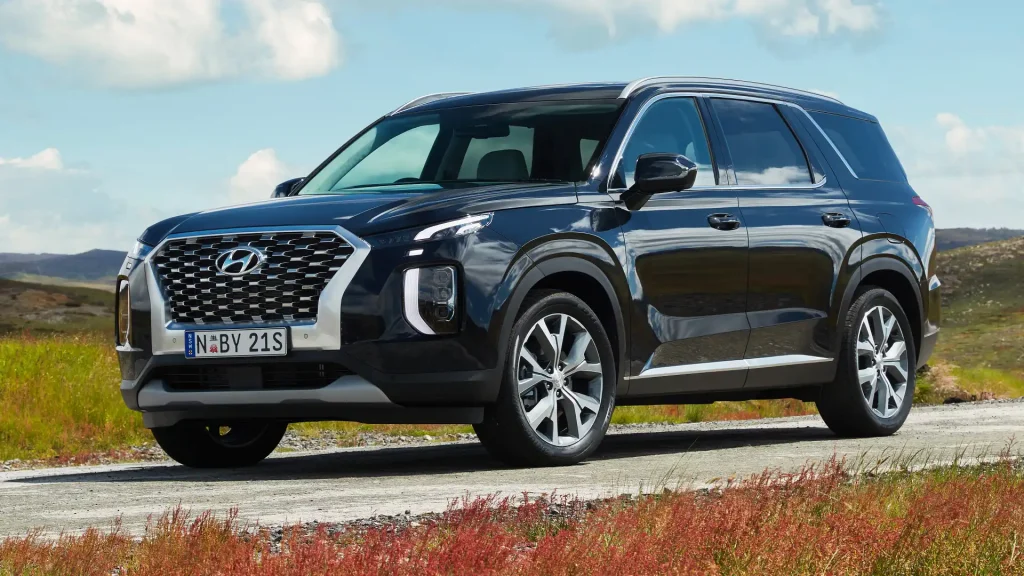
The SUV’s larger dimensions also contribute positively in certain side-impact scenarios. While size alone never guarantees safety, the Palisade combines that physical presence with carefully engineered energy management systems, helping absorb and redirect crash forces more effectively.
Inside the cabin, Hyundai focused heavily on family protection. Seating positions, head restraints, and belt systems are designed to support passengers of different ages and sizes during accidents. Parents especially appreciate the strong rear seat protection available for children and teenagers riding in the second and third rows.
Ride comfort additionally helps driver confidence. Stable handling and predictable steering make the Palisade feel composed during emergency maneuvers or sudden lane adjustments, reducing the likelihood of losing control before an accident even occurs.
The Hyundai Palisade proves mainstream family SUVs can deliver impressive worst-case side-impact protection through smart engineering, strong structural design, and advanced occupant safety systems working together throughout the vehicle.
4. Mazda CX-90
The Mazda CX-90 approaches safety engineering with a different philosophy than many large SUVs. Instead of relying purely on size or excessive electronic intervention, Mazda focused heavily on structural integrity, predictable driving behavior, and intelligent occupant protection systems. The result is an SUV performing exceptionally well during demanding side impact scenarios.
One major advantage comes from Mazda’s carefully engineered chassis structure. The CX-90 uses extensive high-strength steel in critical areas surrounding the passenger compartment, particularly around side pillars, roof supports, and lower door structures.
During severe side collisions, these reinforcements help preserve occupant space and reduce dangerous intrusion into the cabin.
Mazda also designed the SUV to perform strongly under modern side-impact testing standards involving heavier simulated striking vehicles.
Those tests place enormous stress on cabin structures because there is limited space between occupants and the impact point. The CX-90 demonstrates excellent energy management and structural stability during these evaluations.
Another important strength involves occupant positioning and restraint systems. Mazda carefully calibrated airbags, seatbelt pretensioners, and seating geometry to manage passenger movement during violent crashes.
Side curtain airbags protect multiple seating rows, helping shield occupants from glass fragments and side structure contact.
The CX-90 also benefits from Mazda’s driving philosophy, emphasizing natural control and responsiveness. Predictable steering, balanced handling, and stable braking behavior help drivers react more effectively during emergencies, potentially leading to side collisions.
Technology contributes heavily to accident prevention as well. Blind spot monitoring, lane centering systems, rear collision alerts, and emergency braking support help reduce risks during highway lane changes or intersection traffic situations where side impacts commonly occur.
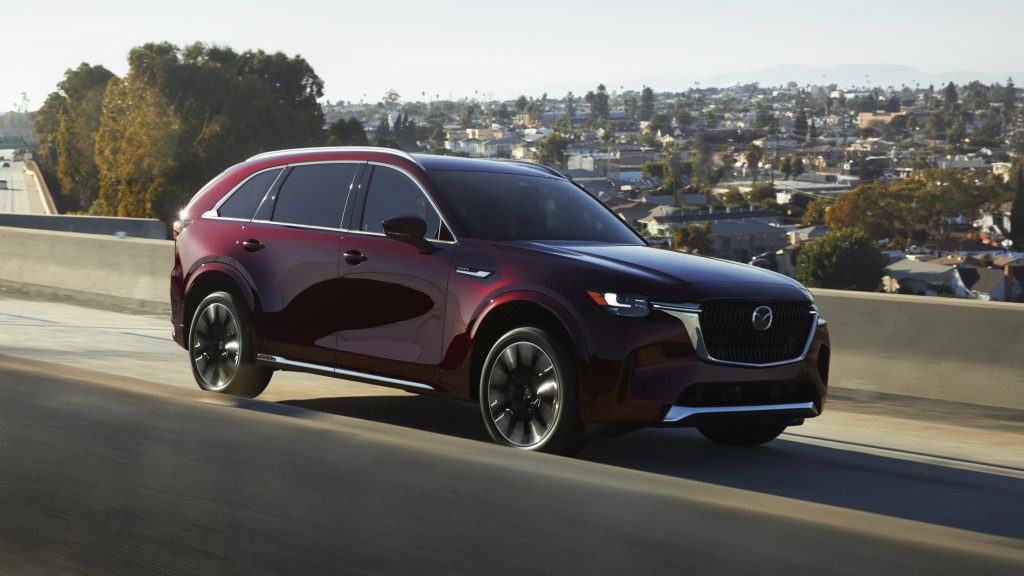
Interior design plays a subtle role, too. Mazda organized the cabin carefully to minimize sharp surfaces and awkward contact points that could increase injury risk during collisions. The SUV feels premium while still prioritizing practical safety engineering.
Another reason the CX-90 earns respect involves consistency throughout the vehicle. Mazda did not concentrate safety efforts solely on front-seat occupants. Rear passengers receive strong structural protection and extensive airbag coverage as well.
The CX-90 proves safety engineering does not need to feel cold or disconnected from driving enjoyment. Mazda successfully created a family SUV combining refined road manners with serious side-impact protection designed for modern real-world crash conditions.
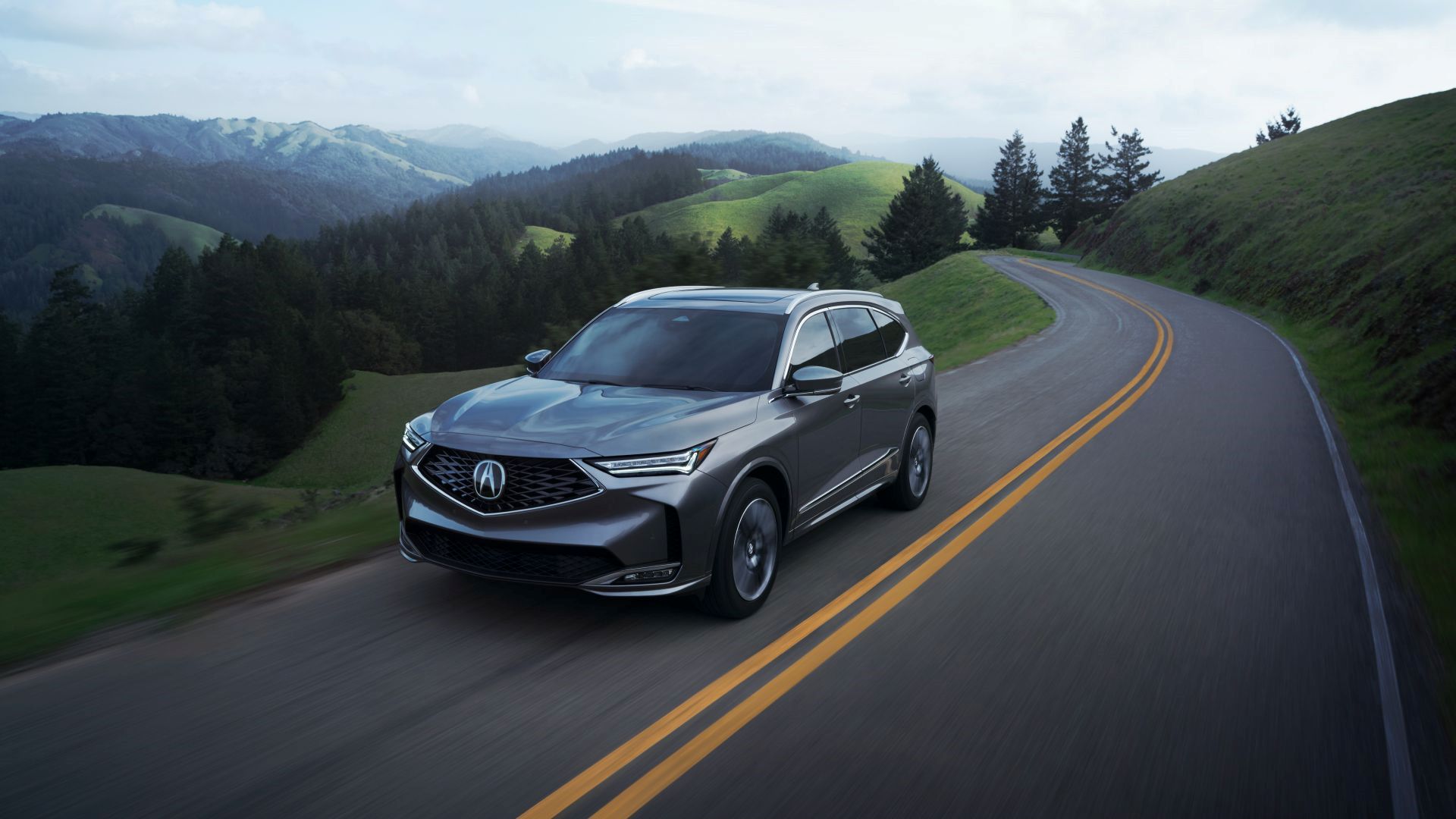
5. Acura MDX
The Acura MDX built a strong reputation as a family luxury SUV capable of combining comfort, technology, and serious crash protection without feeling overly bulky or difficult to drive.
One area where the MDX stands out especially well is side impact safety, where Acura engineered the vehicle carefully to handle severe real-world collision scenarios involving larger vehicles and high-energy impacts.
The SUV’s structural design plays the biggest role in that protection. Acura uses a reinforced body architecture with strong side pillars, rigid door structures, and advanced energy-absorbing materials surrounding the passenger compartment.
During side impacts, these components work together to reduce cabin intrusion and preserve critical survival space for occupants.
Another important advantage involves crash energy distribution. Instead of allowing impact forces to concentrate directly near passengers, the MDX channels energy throughout the structure more effectively. This helps reduce the severity of forces reaching people inside the vehicle during violent collisions.
The MDX also performs impressively in updated side impact crash testing that simulates heavier modern vehicles striking the SUV at higher speeds. Those evaluations are particularly demanding because they better reflect the reality of current traffic filled with tall crossovers and large trucks.
Inside the cabin, Acura equips the MDX with extensive side curtain airbags covering multiple seating rows. Front seat side airbags and advanced seatbelt systems further improve protection by controlling occupant movement carefully during impacts.
The SUV additionally includes numerous accident prevention technologies, helping reduce the chance of side collisions happening in the first place. Blind spot information systems, rear cross traffic monitoring, lane keeping support, and collision mitigation braking all contribute to safer daily driving.
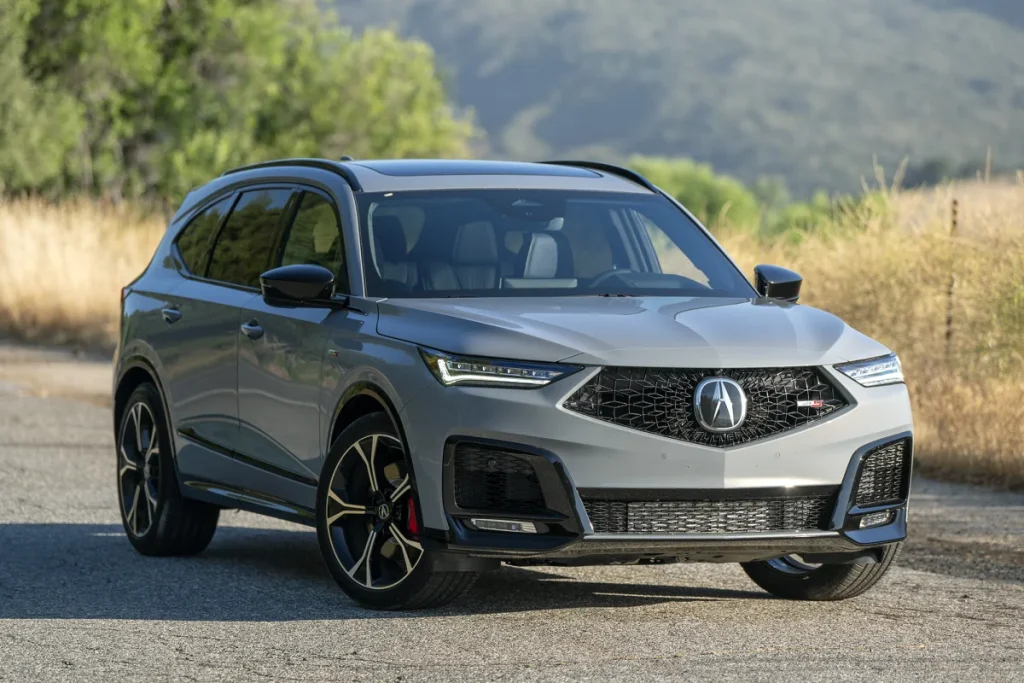
Acura also focused heavily on handling balance and steering predictability. During emergency maneuvers, the MDX feels controlled and stable rather than top-heavy or clumsy. That confidence can matter significantly when drivers need to avoid sudden hazards.
Comfort remains another hidden safety advantage. Fatigued drivers react more slowly, especially during long trips. The MDX combines supportive seating, quiet cabin refinement, and smooth ride quality, helping drivers stay alert over extended periods.
The Acura MDX succeeds because it treats safety as a complete system involving prevention, structural engineering, occupant management, and driver confidence rather than relying on one specific technology feature alone.
6. Kia Telluride
The Kia Telluride quickly became one of the most respected three-row family SUVs on the market, partly because of how seriously Kia approached safety engineering. While many buyers initially noticed the spacious cabin and premium appearance, the Telluride’s strongest qualities appear during demanding crash evaluations, particularly difficult side-impact testing.
Kia designed the Telluride using large amounts of high-strength steel concentrated around the passenger compartment. Reinforced roof pillars, strong door structures, and carefully engineered side frames help the SUV resist deformation during violent collisions.
Maintaining cabin integrity matters enormously during side impacts because passengers sit much closer to the point of contact compared to front crashes.
The Telluride performs especially well in updated side impact crash tests involving heavier striking barriers meant to simulate modern trucks and large SUVs. These tests place tremendous stress on vehicle structures, and the Telluride consistently demonstrates strong occupant protection throughout the cabin.
Another major strength involves airbag coverage. Kia equipped the SUV with side curtain airbags extending across all seating rows, helping protect children and rear passengers as effectively as front occupants. Seat-mounted airbags and advanced restraint systems further improve injury management during crashes.
Technology also plays an important preventive role. The Telluride includes blind spot collision avoidance, rear cross-traffic alerts, lane following assistance, and automatic emergency braking systems, helping reduce accident risks during everyday driving situations.
The SUV’s stable driving manners contribute positively. Steering feels predictable, braking remains controlled, and body movements stay composed during sudden maneuvers. Drivers often feel confident operating the Telluride in heavy traffic or difficult weather conditions.
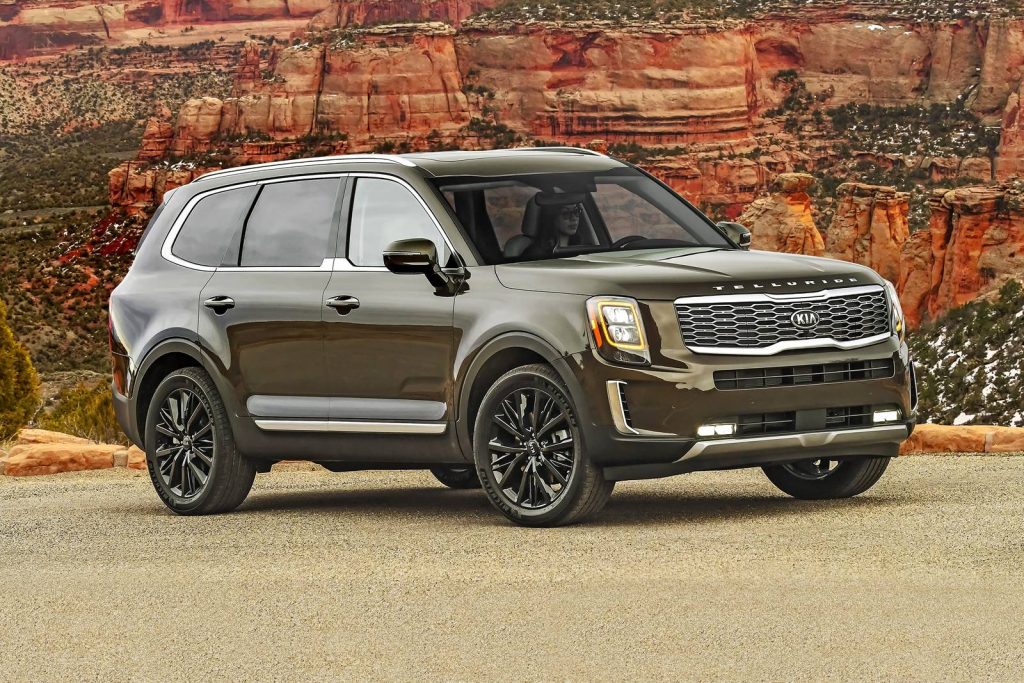
Interior packaging additionally supports safety goals. Seating positions provide strong visibility, while head restraints and seat designs help manage occupant motion during impacts. Families carrying multiple passengers appreciate the attention given to rear-seat safety instead of concentrating only on front occupants.
Another reason the Telluride earns respect involves value. Buyers receive strong side impact protection and advanced safety technology without needing luxury-level budgets, helping more families access high-quality crash protection.
The Kia Telluride proves thoughtful engineering and modern safety standards can exist together with affordability, comfort, and practicality in a mainstream family SUV designed for real-world collision scenarios.
7. BMW X5
The BMW X5 combines luxury performance with some of the most sophisticated crash protection engineering in the SUV market.
While many people associate BMW primarily with driving dynamics, the company also invested heavily in structural safety technology, particularly for dangerous side-impact situations where occupant protection becomes extremely challenging.
One of the X5’s greatest strengths is its rigid passenger safety cell. BMW engineered the SUV using extensive high-strength steel and carefully reinforced impact zones surrounding the cabin. During severe side collisions, the structure helps prevent dangerous intrusion into occupant space while redirecting crash forces away from passengers.
The X5 performs strongly in modern side impact evaluations involving larger and heavier striking barriers designed to reflect current traffic realities.
These tests matter because side crashes involving tall trucks and SUVs place enormous stress on vehicle structures. BMW’s engineering allows the X5 to maintain impressive cabin stability even under these demanding conditions.
Airbag technology also plays a major role in occupant protection. Side curtain airbags deploy rapidly across multiple seating areas, while seat-mounted side airbags protect front occupants during impacts.
BMW carefully calibrated these systems to work alongside advanced seatbelt pretensioners and load management systems controlling passenger movement during violent crashes.
Another important factor involves active safety technology. The X5 includes blind spot monitoring, lane intervention systems, rear collision warnings, and cross-traffic alerts, helping drivers avoid dangerous side-impact scenarios before accidents happen at all.
BMW additionally focused heavily on handling balance and emergency maneuverability. The X5 feels stable and responsive during sudden steering inputs, allowing drivers to maintain greater control during unexpected situations. That predictable behavior can help reduce accident severity significantly.
Inside the cabin, BMW combines premium comfort with thoughtful safety design. Seating positions, head restraints, and interior surfaces are engineered carefully to reduce injury risks during crashes while maintaining luxury refinement.
The SUV’s braking performance further strengthens driver confidence. Powerful brakes and advanced stability systems help the X5 remain composed during emergency stops or evasive maneuvers where side collision risks increase rapidly.
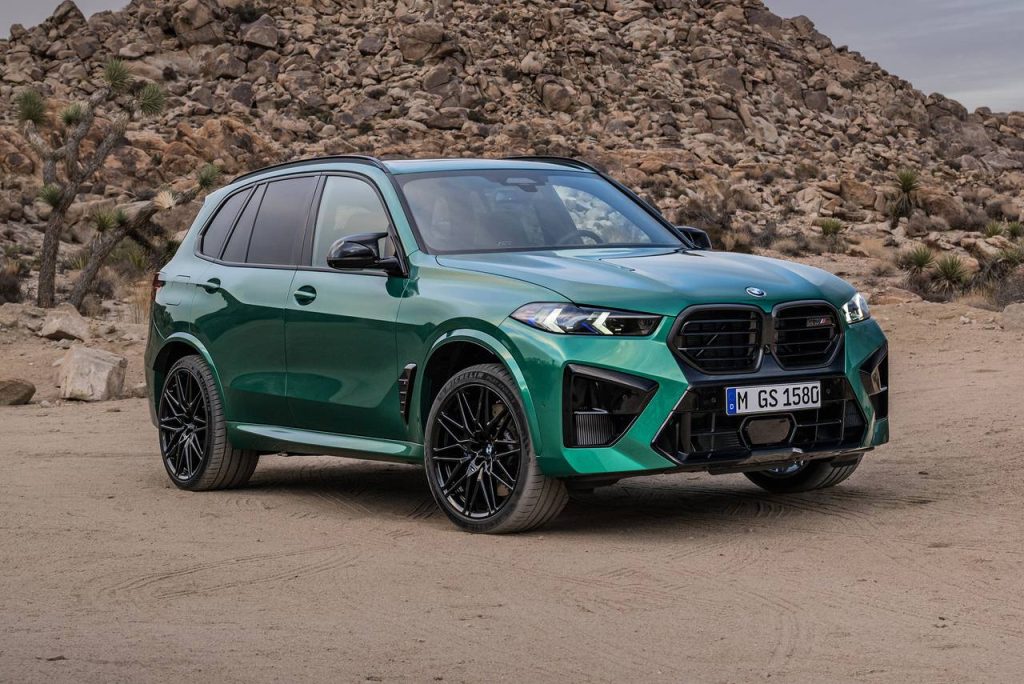
The BMW X5 proves advanced side-impact protection can coexist with luxury performance and refined driving dynamics. Its combination of strong structural engineering, intelligent restraint systems, and accident prevention technology makes it one of the most capable family luxury SUVs for worst-case crash protection.
8. Genesis GV80
The Genesis GV80 entered the luxury SUV market as a newcomer, yet it quickly earned attention for delivering impressive crash protection and sophisticated safety engineering.
Genesis approached the GV80 with a strong focus on occupant security, especially during difficult side-impact situations where structural integrity and advanced restraint systems become critically important.
The SUV’s body structure uses extensive high-strength steel and reinforced impact zones surrounding the passenger compartment. Genesis engineered the cabin carefully to resist deformation during side collisions while channeling crash energy away from occupants as effectively as possible.
The GV80 performs very well in updated side-impact crash testing involving heavier barriers designed to simulate modern SUV and truck collisions.
These evaluations place severe stress on vehicle structures because passengers sit close to the impact point. The Genesis demonstrates strong resistance to cabin intrusion and excellent occupant protection under these demanding conditions.
Airbag coverage remains another major strength. Side curtain airbags extend throughout the cabin, helping protect both front and rear passengers during impacts or rollover situations. Advanced seat-mounted airbags and carefully calibrated restraint systems further improve passenger safety by managing body movement more effectively during crashes.
Genesis also included an impressive range of accident-prevention technology. Blind-spot collision avoidance, lane-following assistance, rear cross-traffic systems, and emergency steering support all help reduce the likelihood of severe side-impact accidents occurring during daily driving.
Another important advantage involves cabin refinement and driver comfort. Quiet interiors, supportive seating, and reduced fatigue during long trips help drivers maintain stronger awareness and reaction times on busy roads.
The GV80 additionally benefits from balanced road manners. Steering remains predictable, braking performance feels confident, and the SUV handles emergency maneuvers with impressive stability for its size. Those characteristics become important during sudden avoidance situations where maintaining control can prevent major accidents entirely.
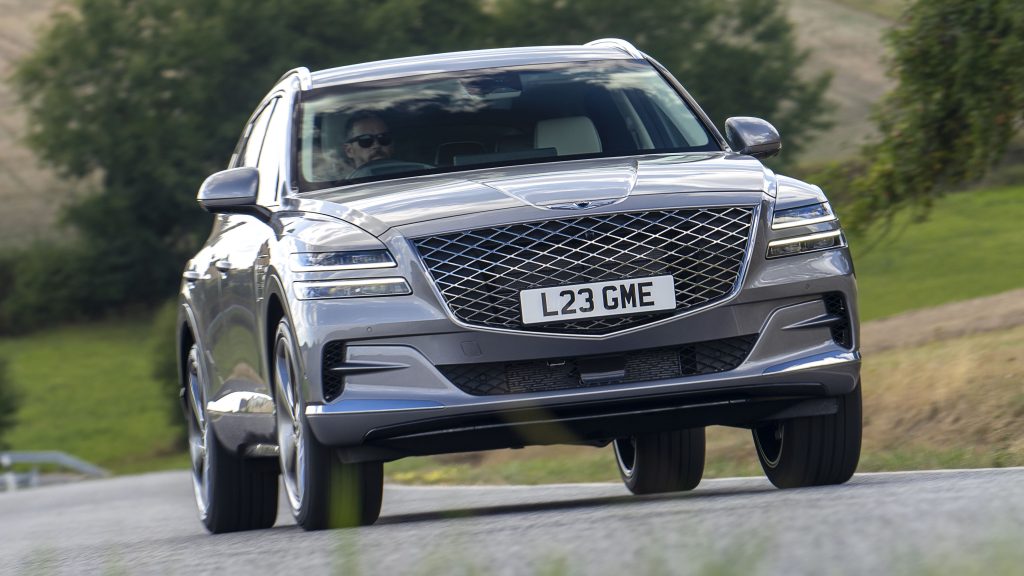
Genesis designed the GV80 to compete directly with established luxury brands, not only through premium materials and styling but also through serious engineering underneath the surface. The SUV’s strong side impact performance demonstrates how quickly the brand developed into a genuine contender in modern vehicle safety.
The Genesis GV80 proves newer luxury brands can deliver world-class occupant protection through thoughtful structural design, advanced technology, and careful attention to real-world crash scenarios.
Modern SUVs face increasingly difficult safety challenges because today’s roads contain more large trucks, crossovers, and high-speed traffic than ever before.
The vehicles in this list stand out because they combine reinforced cabin structures, advanced airbag systems, intelligent crash energy management, and accident prevention technology specifically designed for severe side impact protection.
Models such as the Volvo XC90, Subaru Outback, Hyundai Palisade, and BMW X5 demonstrate how modern engineering can significantly improve occupant safety during dangerous real-world collisions.
These SUVs focus not only on passing crash tests but also on maintaining cabin integrity, reducing injury risk, and helping drivers avoid accidents entirely through advanced driver assistance systems and predictable handling characteristics.
Also Read: 8 Toyota Models That Made the Top 10 Reliability List
