
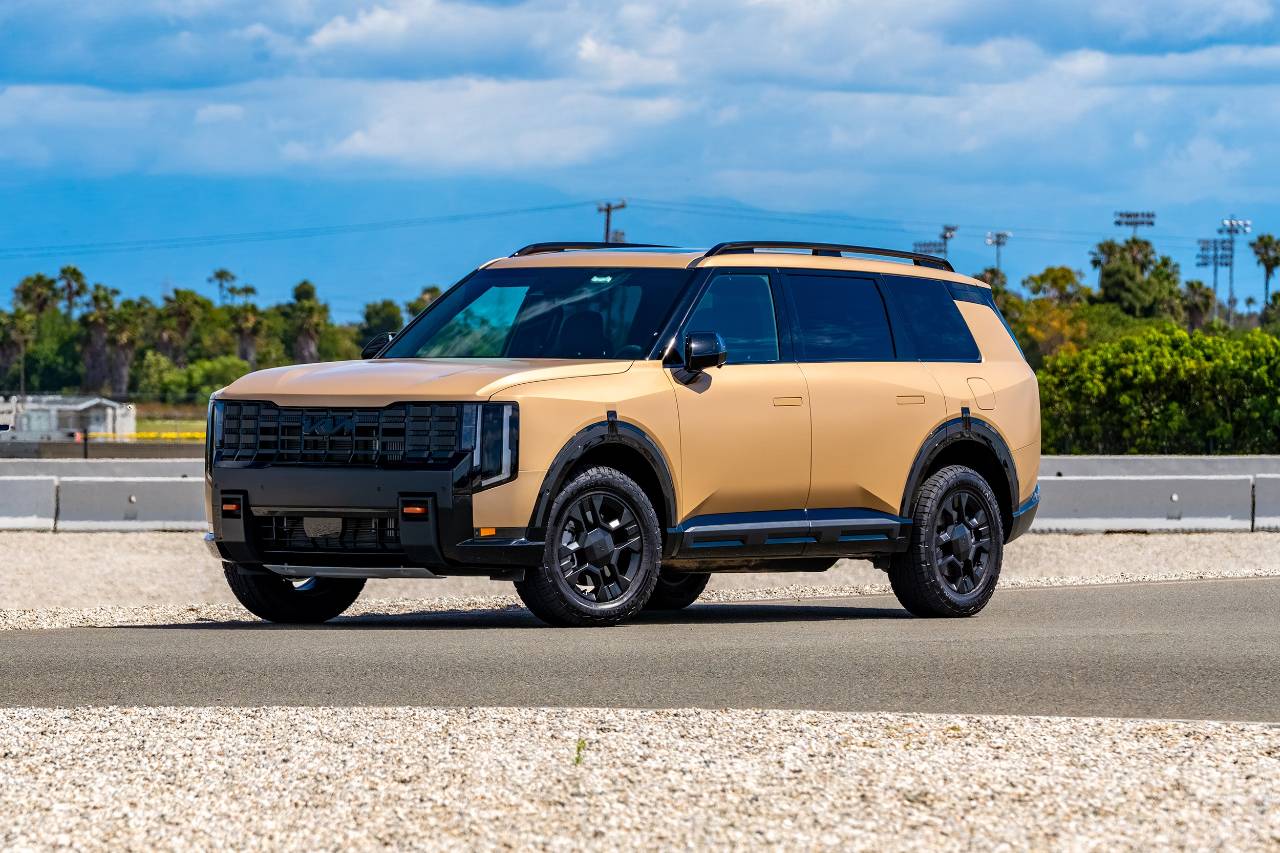
Kia has pulled off one of the most impressive brand transformations in automotive history. A manufacturer once dismissed as a budget option for buyers who had no other choices has become a genuine contender that wins awards, earns loyalty, and produces vehicles that compete seriously with Toyota, Honda, and Hyundai at every price point.
Walk into a Kia dealership in 2026, and you will find vehicles with genuinely premium interiors, strong safety scores, competitive warranties, and powertrains that hold up across high mileage. But here is the honest part: not every Kia in the current lineup deserves your money. Some models are outstanding values that deliver more than their price suggests.
Others are carrying price tags that do not align with what they actually offer, come with reliability patterns that should give buyers pause, or exist in segments where competitors simply do a better job for the same money. Buying a Kia in 2026 is not automatically a smart decision. Buying the right Kia is.
This page splits the current lineup into two clear groups. The first five are Kia models that genuinely earn their recommendation in 2026, based on value, reliability data, ownership economics, and how they stack up against direct competition.
The next part will cover five Kia models where the case for buying is weaker than the marketing suggests, for reasons that range from reliability concerns to poor value positioning to better alternatives in the same segment.
Whether you are a first-time buyer, a family looking for a practical SUV, or someone replacing a vehicle and considering Kia for the first time, this breakdown gives you a straight read on which models earn your consideration and which ones are better left on the lot. Read both sections before you decide anything.
5 Kia Models Worth Buying
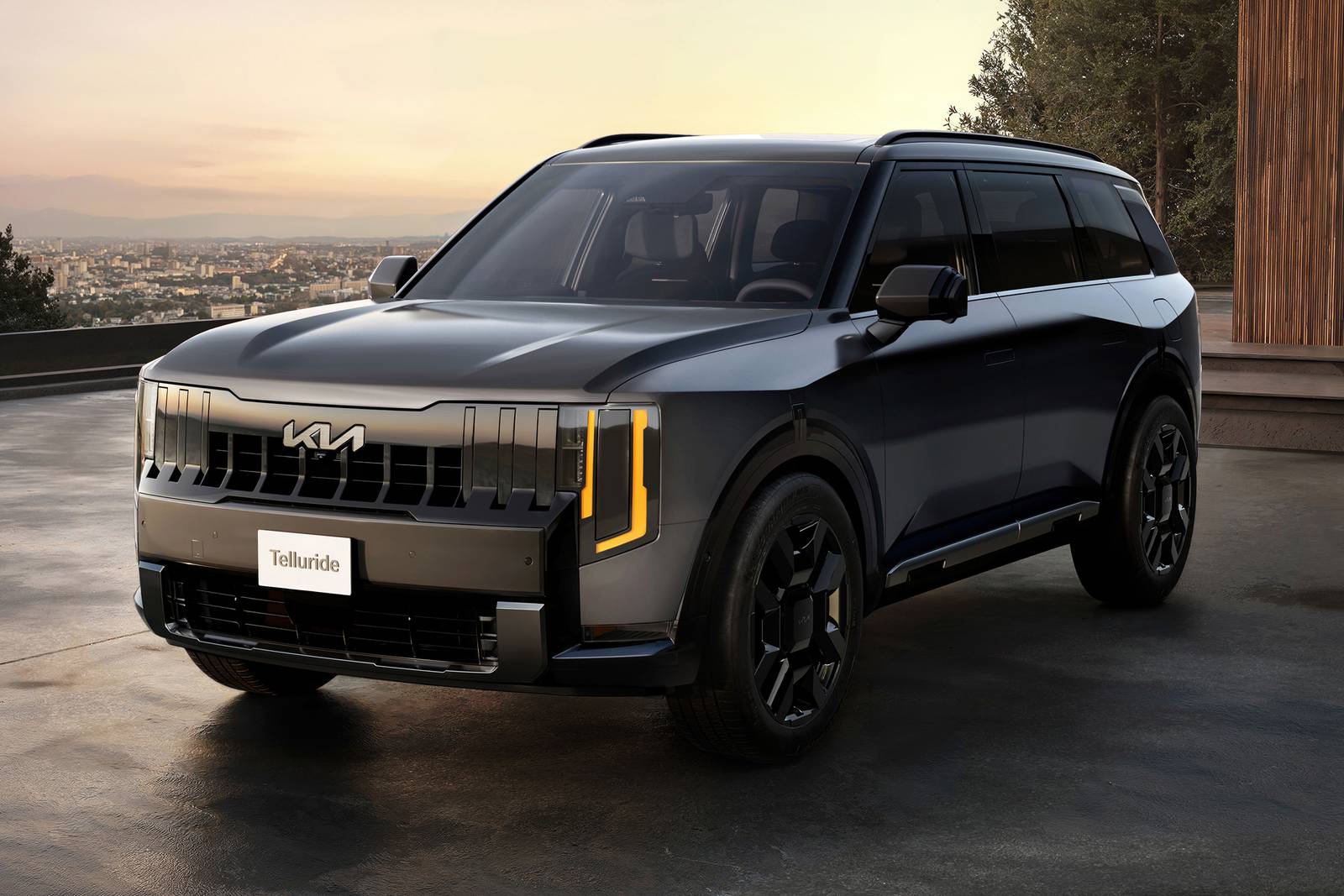
1. 2026 Kia Telluride SX AWD
Year after year, the Kia Telluride collects awards, earns repeat buyer loyalty, and regularly outscores vehicles that cost $15,000 to $20,000 more in independent evaluations. It has been named a best three-row SUV by virtually every credible automotive publication for multiple consecutive years, and the 2026 Kia Telluride SX AWD continues that run without meaningful compromise.
For a family buyer considering a three-row SUV in 2026, this vehicle demands serious attention before anything else is considered. MSRP for the 2026 Telluride SX AWD starts around $46,000, which positions it below the Ford Explorer Platinum, the Toyota Highlander Limited, and well below the Volkswagen Atlas SEL Premium.
At that price point, buyers get a cabin that genuinely feels premium, with soft-touch materials on most contact surfaces, a well-resolved infotainment system, and seating for up to eight passengers in a layout that provides usable space for all three rows. Third-row space in the Telluride is legitimate adult seating, not the cramped afterthought found in several competitors.
Kia’s 5-year, 60,000-mile basic warranty and 10-year, 100,000-mile powertrain warranty are the best standard coverage in the mainstream SUV segment. No competing three-row SUV at this price offers comparable warranty protection without purchasing an additional extended contract.
For a buyer who plans to own the vehicle through the coverage period, that warranty represents real financial protection against the unexpected repair costs that make vehicle ownership expensive. Safety performance adds to the recommendation.
IIHS Top Safety Pick Plus designation reflects strong crash test results across multiple impact scenarios, and Kia’s Driver Assistance package delivers Forward Collision Avoidance Assist, Lane Keeping Assist, Blind Spot Collision Warning, Safe Exit Warning, and Rear Cross Traffic Collision Avoidance as standard features on the SX trim.
The towing capacity of 5,000 pounds with the available trailer hitch adds practical utility for buyers who occasionally tow a boat, camper, or utility trailer. For a vehicle in the mid-$40,000 range that also seats eight, tows 5,000 pounds, earns top safety ratings, and comes with the industry’s best warranty, the 2026 Telluride SX AWD is genuinely difficult to argue against.
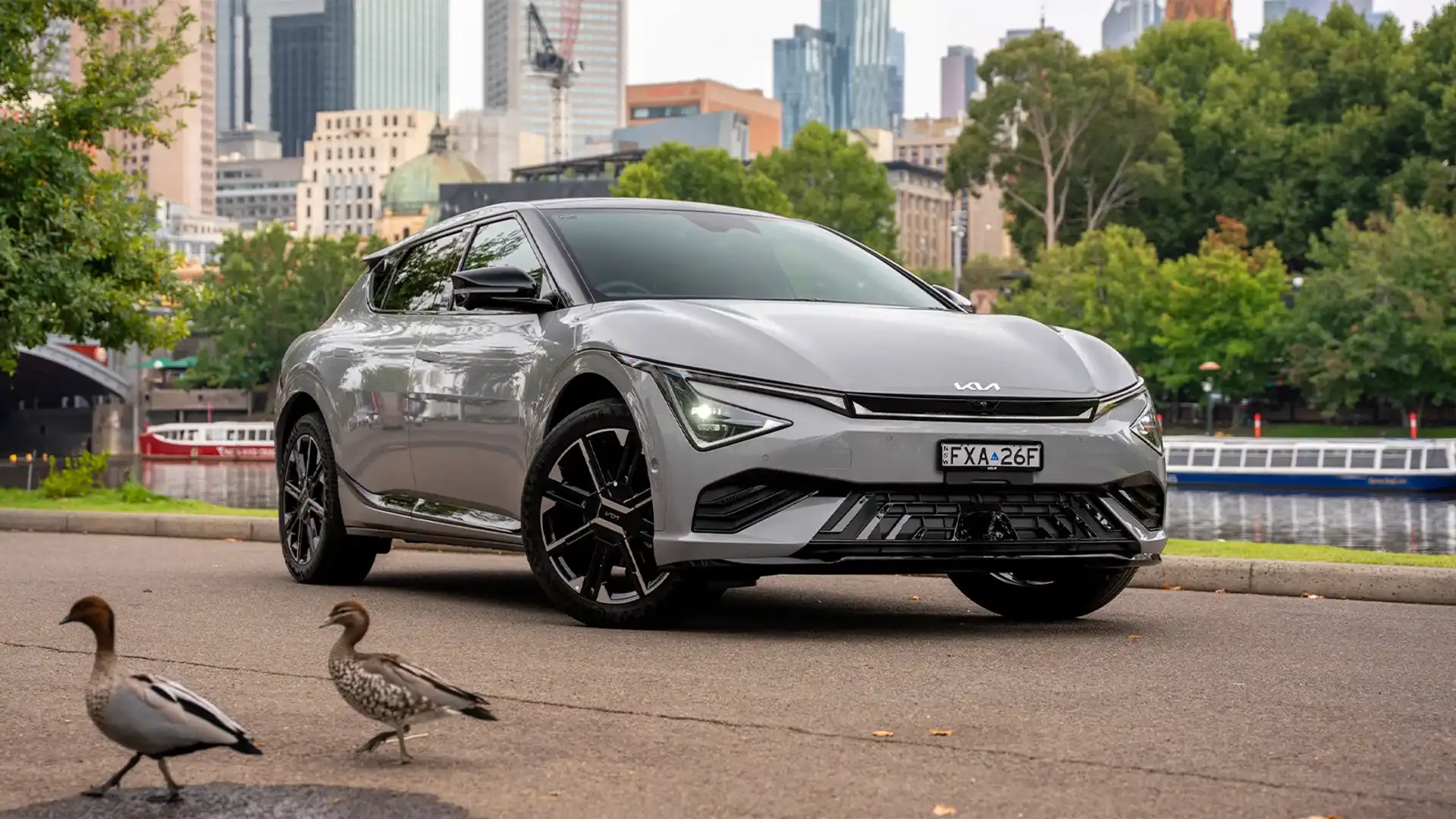
2. 2026 Kia EV6 GT-Line AWD
Electric vehicle buyers in 2026 have more choices than ever, which makes the 2026 Kia EV6 GT-Line AWD’s continued strong positioning all the more impressive. Winning the 2023 World Car of the Year award is not a small credential.
It reflected a global consensus among automotive journalists that the EV6 represented a genuine step forward in what an electric vehicle could deliver without asking buyers to spend $70,000 or more to get there. MSRP for the EV6 GT-Line AWD starts around $49,000 in 2026.
EPA-rated range on the dual-motor AWD version comes in at approximately 274 miles, which covers the daily driving needs of virtually every American buyer with a substantial margin. Real-world range in mixed conditions typically falls in the 240 to 265 mile range, depending on temperature, speed, and driving style. For most buyers, a charge three times per week at home covers their routine driving without range concern.
The 800-volt charging architecture is the EV6’s most technically impressive feature. At a compatible DC fast charger, the EV6 can accept up to 240 kW of charging power, adding approximately 100 miles of range in 18 minutes under ideal conditions.
This charging speed is matched by only a handful of vehicles at any price, and finding it in a vehicle at $49,000 represents a genuine technology value that competitors, including several premium European EVs, do not match without a much higher purchase price.
Performance from the dual-motor AWD powertrain delivers 320 horsepower and 446 lb-ft of torque, producing a 0 to 60 mph time of approximately 5.1 seconds in standard mode. GT-Line trim brings sportier suspension tuning, larger wheels, and a more aggressive exterior appearance that distinguishes it from the base EV6 without the full GT model’s performance price premium.
Also Read: 5 Hyundai and 5 Kia Models With Improved Engine Durability Ratings for 2026
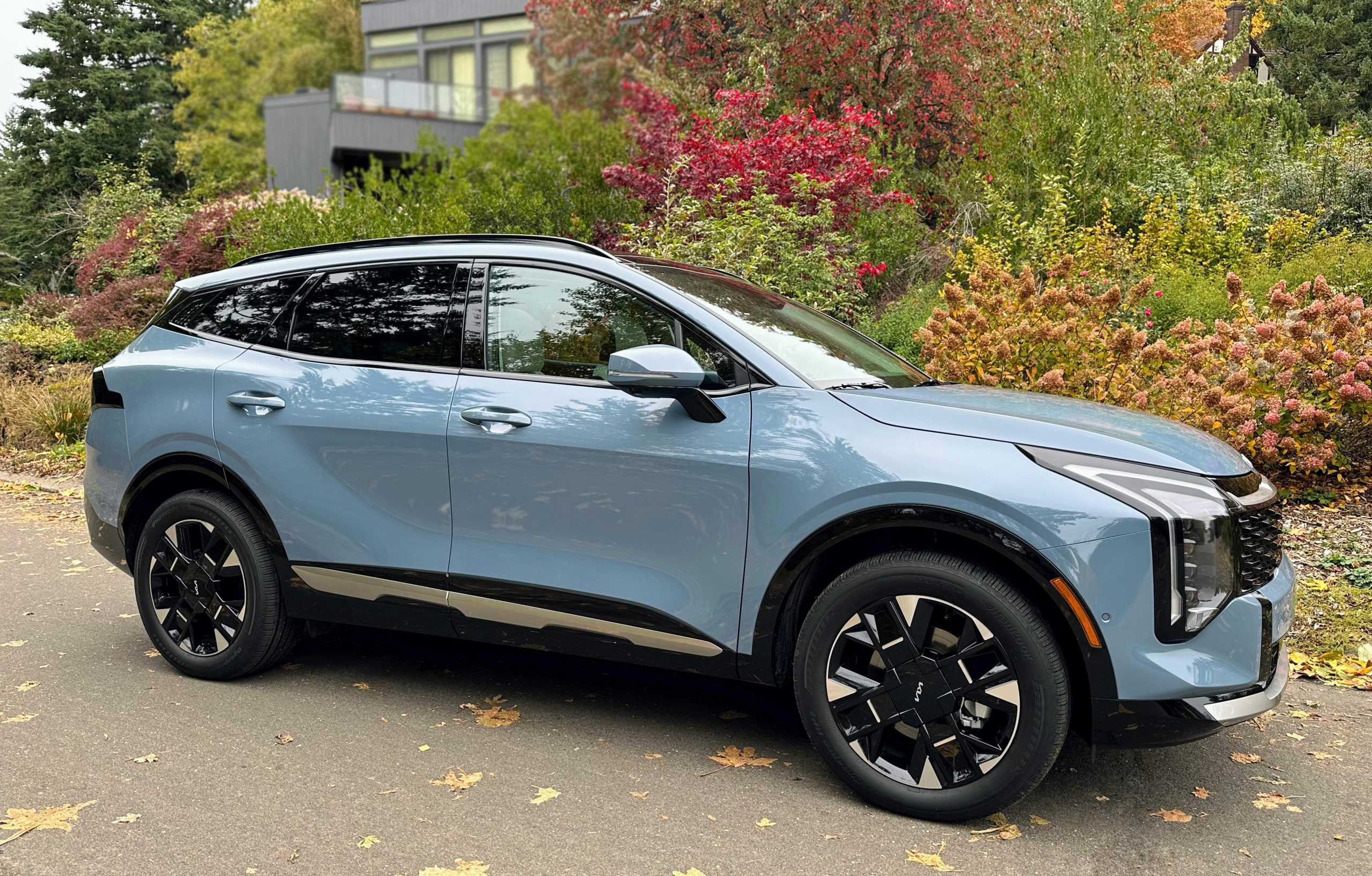
3. 2026 Kia Sportage Hybrid EX AWD
The compact crossover category continues to attract buyers across the United States because it balances space, comfort, and running costs in a way many households find practical. Within this category, the 2026 Sportage Hybrid EX AWD from Kia occupies a position that deserves close financial consideration.
The hybrid model carries a purchase price that sits about three thousand dollars above the comparable petrol-powered All Wheel Drive version, yet daily operating expenses tell a more convincing story once fuel use, ownership duration, and resale prospects are examined carefully.
The manufacturer’s suggested retail price for the Sportage Hybrid EX AWD begins at roughly thirty four thousand dollars. At first glance, that figure may appear ambitious for a compact crossover, yet fuel efficiency figures alter the discussion. The hybrid system achieves a combined rating of thirty-eight miles per gallon, while the non-hybrid All Wheel Drive equivalent returns about twenty eight miles per gallon.
For a driver covering fifteen thousand miles each year and buying fuel at three dollars fifty per gallon, this efficiency difference translates into yearly fuel savings of about three hundred seventy-five dollars. Over a five-year ownership period, fuel savings alone approach one thousand eight hundred seventy-five dollars, a meaningful sum in household budgeting.
Fuel savings represent only part of the financial picture. Hybrid versions of popular crossovers tend to command stronger resale prices because demand in the used vehicle market continues to rise among cost-conscious buyers. In practical terms, the Sportage Hybrid EX AWD is likely to retain between one thousand and one thousand five hundred dollars more than its non-hybrid sibling after five years.
When resale advantage is added to fuel savings, the additional purchase cost narrows substantially, bringing the hybrid premium close to recovery within a standard ownership cycle for an average driver. Beyond figures on paper, the hybrid powertrain improves day-to-day driving quality in ways that contribute to long-term satisfaction. Electric motor assistance delivers instant torque during low-speed driving, which enhances responsiveness in city traffic and tight parking situations.
Acceleration from rest feels smoother and more assured, while stop-and-go driving places less strain on the petrol engine. At motorway speeds, electric assistance reduces engine workload during steady cruising, leading to lower noise levels inside the cabin and a calmer driving experience on long journeys.
4. 2026 Kia K5 GT-Line FWD
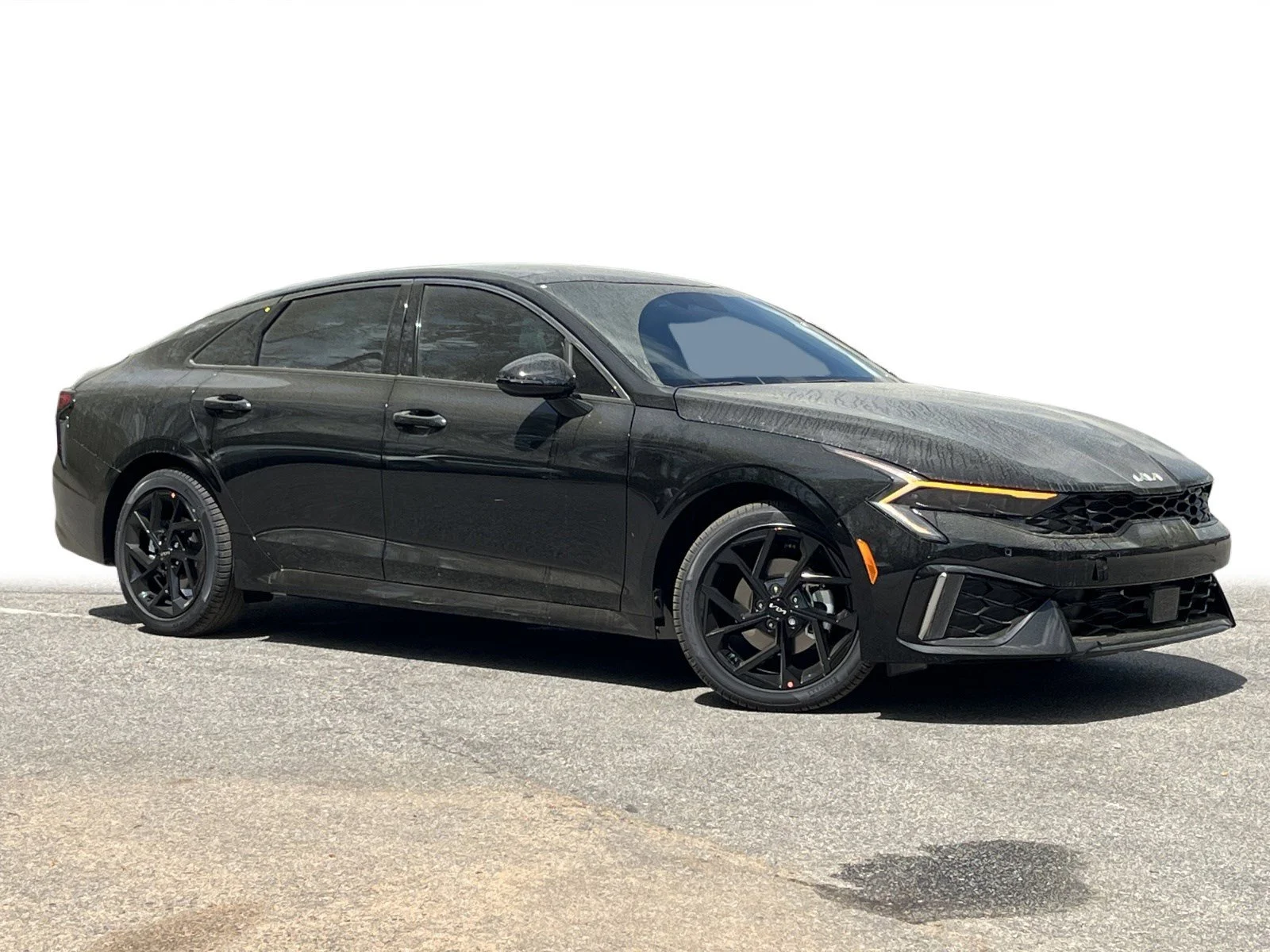
The midsize sedan market has gradually lost attention as crossovers dominate showroom floors, yet this shift has created favourable conditions for buyers willing to consider traditional saloon cars. Manufacturers competing in a reduced sedan space often provide stronger equipment levels at accessible prices, and the 2026 Kia K5 GT Line FWD demonstrates how this strategy benefits informed customers seeking comfort, design appeal, and driving balance without excessive spending.
Pricing for the K5 GT Line FWD begins at approximately twenty-eight thousand dollars, a figure that places it within reach of many buyers considering entry-level crossovers. At this level, the specification offered is generous. The GT Line package includes a sport-tuned suspension that enhances road holding, eighteen-inch alloy wheels, a more assertive front design, and twin exhaust outlets that add visual presence.
Optional equipment further strengthens the vehicle’s appeal. Ventilated front seats improve comfort in warmer climates, while the available Bose audio system delivers sound quality that exceeds expectations for the class. These additions are offered at reasonable option prices, allowing buyers to tailor the car without pushing the total cost into premium territory.
This approach gives the K5 an advantage over many similarly priced crossovers that require higher trims to achieve comparable comfort and technology. Under the bonnet, the K5 GT Line FWD uses a one point six litre turbocharged four cylinder engine producing one hundred eighty horsepower and one hundred ninety five pound feet of torque.
Power is delivered through a smooth eight-speed automatic transmission that balances relaxed cruising with responsive acceleration when required. Fuel consumption figures range between the high twenties and upper thirties in miles per gallon, depending on driving patterns, which is competitive for a turbocharged midsize sedan offering confident performance.
5. 2026 Kia Carnival SX FWD
Minivans carry a cultural reputation that works against them in showroom traffic, but the 2026 Kia Carnival SX FWD makes a functional and financial case that deserves honest evaluation by any family buyer shopping for maximum passenger and cargo capacity.
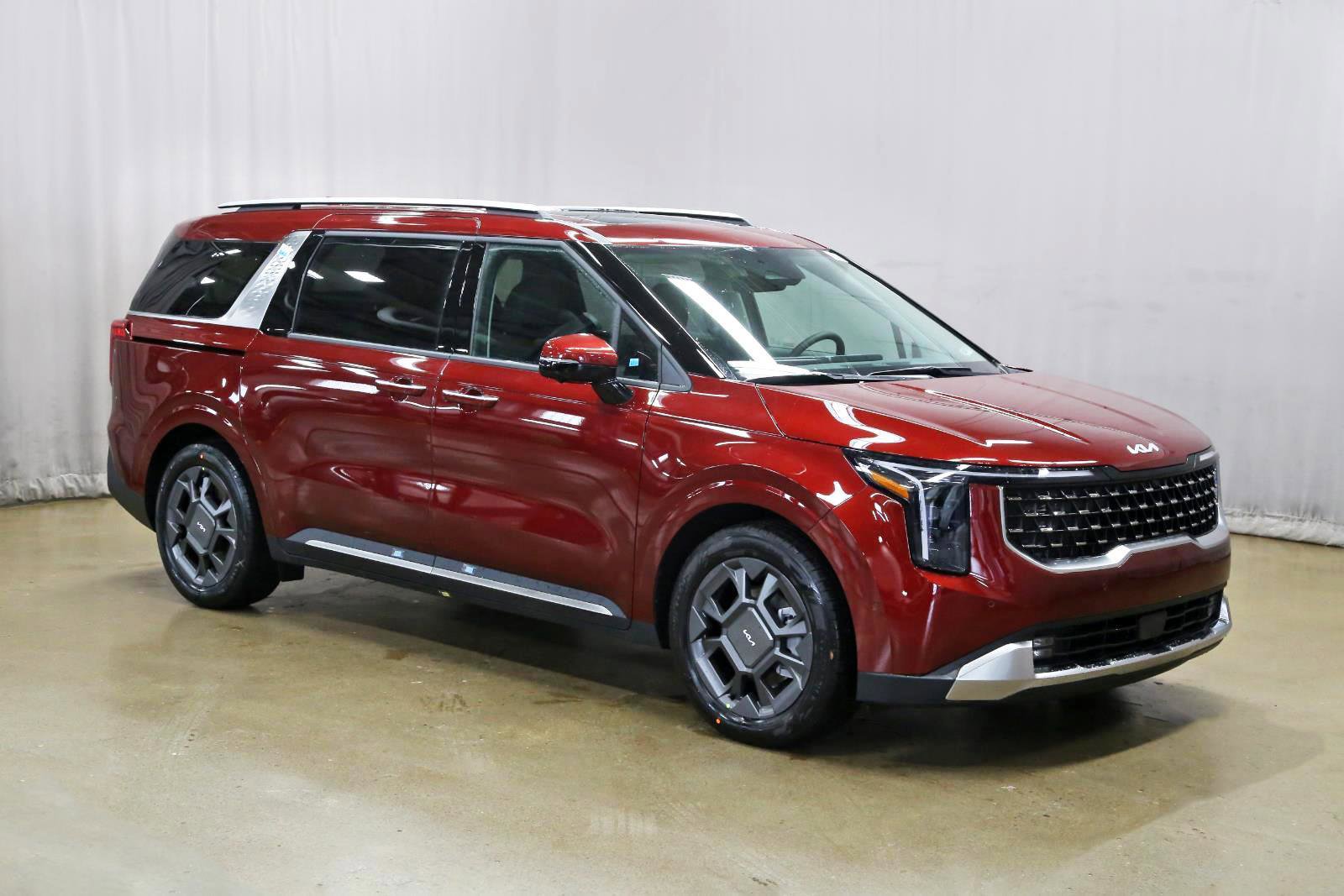
At an MSRP starting around $44,000 for the SX trim, the Carnival delivers seating for up to eight passengers, more interior volume than any three-row crossover at the same price, sliding rear doors for easier child access in tight parking spaces, and a flat-floor cargo area that no crossover replicates.
Powertrain reliability on the Carnival’s 3.5-liter V6 has been consistently strong. Real-world owner data shows this engine reaching high mileage without internal failures when basic maintenance is maintained. Fuel economy runs approximately 19 to 26 miles per gallon, depending on conditions, which is reasonable for the vehicle’s size and passenger capacity. Available all-wheel drive adds traction capability for buyers in northern climates.
Interior quality in the SX trim is genuinely impressive for a family vehicle. An available VIP lounge second row with reclining captain’s chairs, USB-C charging ports at every seating position, a rear entertainment system, and premium audio make extended family travel genuinely comfortable rather than merely tolerable.
For a family that travels regularly with children, the Carnival SX’s interior comfort advantage over three-row crossovers is a real quality-of-life difference.
5 Kia Models to Avoid in 2026
1. 2026 Kia Stinger GT2 RWD
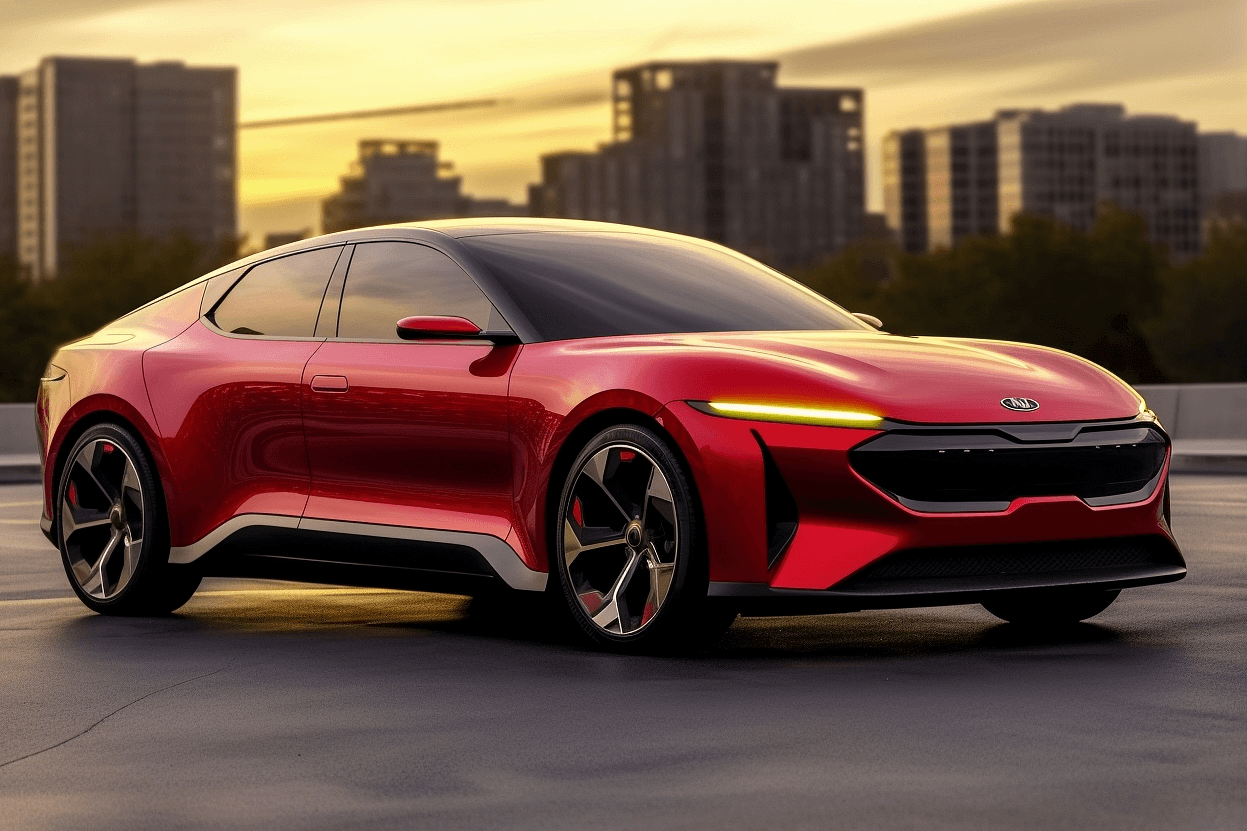
When the Kia Stinger arrived in 2018, it genuinely surprised people. A rear-wheel-drive sport sedan from Kia with a turbocharged V6, an available 365-horsepower GT engine, and styling that could hold its own against European alternatives at half the price was not something the market expected.
It earned enthusiastic praise, collected awards, and built a loyal following. In 2026, however, the financial and competitive picture surrounding the Stinger GT2 RWD makes it a difficult vehicle to recommend to most buyers. MSRP for the 2026 Kia Stinger GT2 RWD starts around $48,000, which puts it in a price tier where competition has intensified dramatically.
At $48,000, buyers can access a 2026 Genesis G70 3.3T Sport AWD, a 2026 BMW 330i xDrive, or a well-equipped 2026 Audi A4 45 TFSI Quattro. All of those alternatives bring more advanced driver assistance technology, stronger brand prestige for resale purposes, and comparable or superior performance to the table. Against that competition, the Stinger’s value case weakens considerably.
Depreciation is the financial concern that matters most here. Kia Stingers depreciate aggressively compared to their price point because the brand’s sports sedan residual values do not hold up against German or even other Korean alternatives in the used market. A Stinger GT2 purchased new at $48,000 loses a larger percentage of its value in the first three years than a comparable BMW or Genesis product, which matters enormously when you calculate total ownership cost.
Reliability data on the turbocharged 3.3-liter twin-turbo V6 has been generally adequate, but the combination of rear-wheel drive, a performance-tuned platform, and spirited driving by owners who buy a 365-horsepower Kia specifically for the performance creates a wear profile that differs from Kia’s reliability picture in more conventional segments.
Brake wear, tire consumption from the wide performance rubber, and suspension component longevity all cost more to maintain on this platform than on Kia’s mainstream lineup.
2. 2026 Kia Niro Plug-In Hybrid LX FWD
Plug-in hybrid vehicles are designed around a very narrow ownership pattern. Their economic logic rests on one requirement that must be met consistently: frequent charging that allows electric driving to replace petrol use on daily trips.
When this routine is followed with discipline, a plug-in hybrid can deliver running cost reductions that justify its higher purchase price. When the routine is absent, the same vehicle loses its financial logic and becomes an expensive compromise rather than a sensible choice.
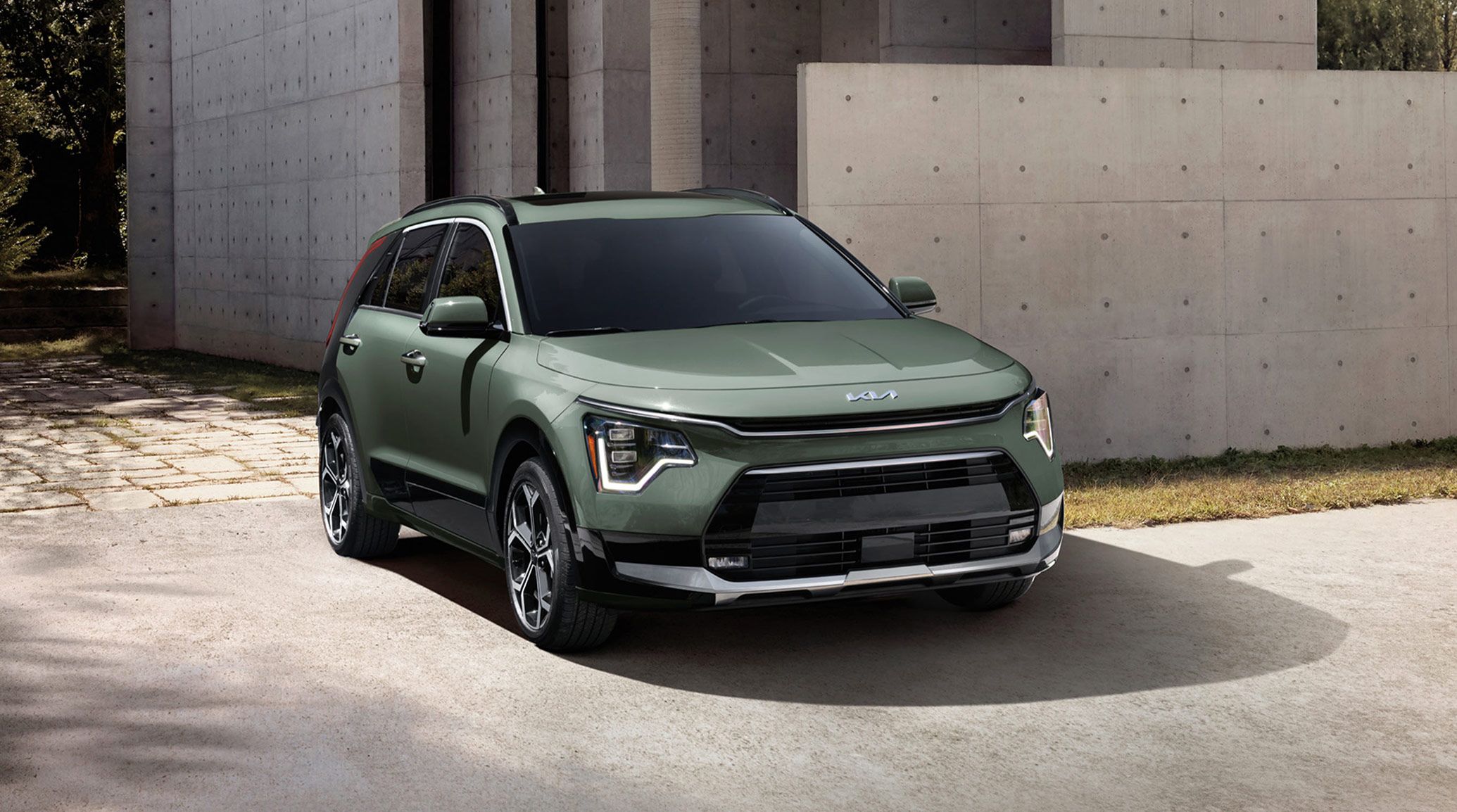
The 2026 Niro Plug-In Hybrid LX FWD from Kia enters the market with a starting price of about thirty three thousand five hundred dollars. This figure places it roughly five thousand dollars above the regular Niro Hybrid LX. The justification for this difference is the presence of a larger battery pack that provides an electric-only driving range of about twenty-six miles.
For buyers who charge at home every night and whose daily travel remains within that distance, weekday driving can take place almost entirely on electric power. Under those conditions, fuel spending drops sharply, and the higher purchase price begins to make financial sense.
This ownership pattern, however, represents a narrow slice of the market. Many buyers attracted to plug-in hybrids do not have dependable access to home charging. Apartment residents without assigned parking, households unwilling to invest in charger installation, and owners who charge irregularly all fall into this category.
Data published by the National Renewable Energy Laboratory repeatedly shows that a substantial share of plug-in hybrid owners charge far less often than engineers assume during vehicle design. When charging habits weaken, the vehicle’s operating profile changes entirely.
In charge of sustaining operation, where the battery is rarely replenished, the Niro Plug-In Hybrid functions like a conventional hybrid while carrying extra battery weight. In this mode, fuel efficiency sits at roughly forty-six miles per gallon combined.
The standard Niro Hybrid LX, which requires no charging at all, achieves about fifty-three miles per gallon combined on regular unleaded fuel. This means the cheaper vehicle delivers better efficiency without asking anything from the owner beyond routine refuelling.
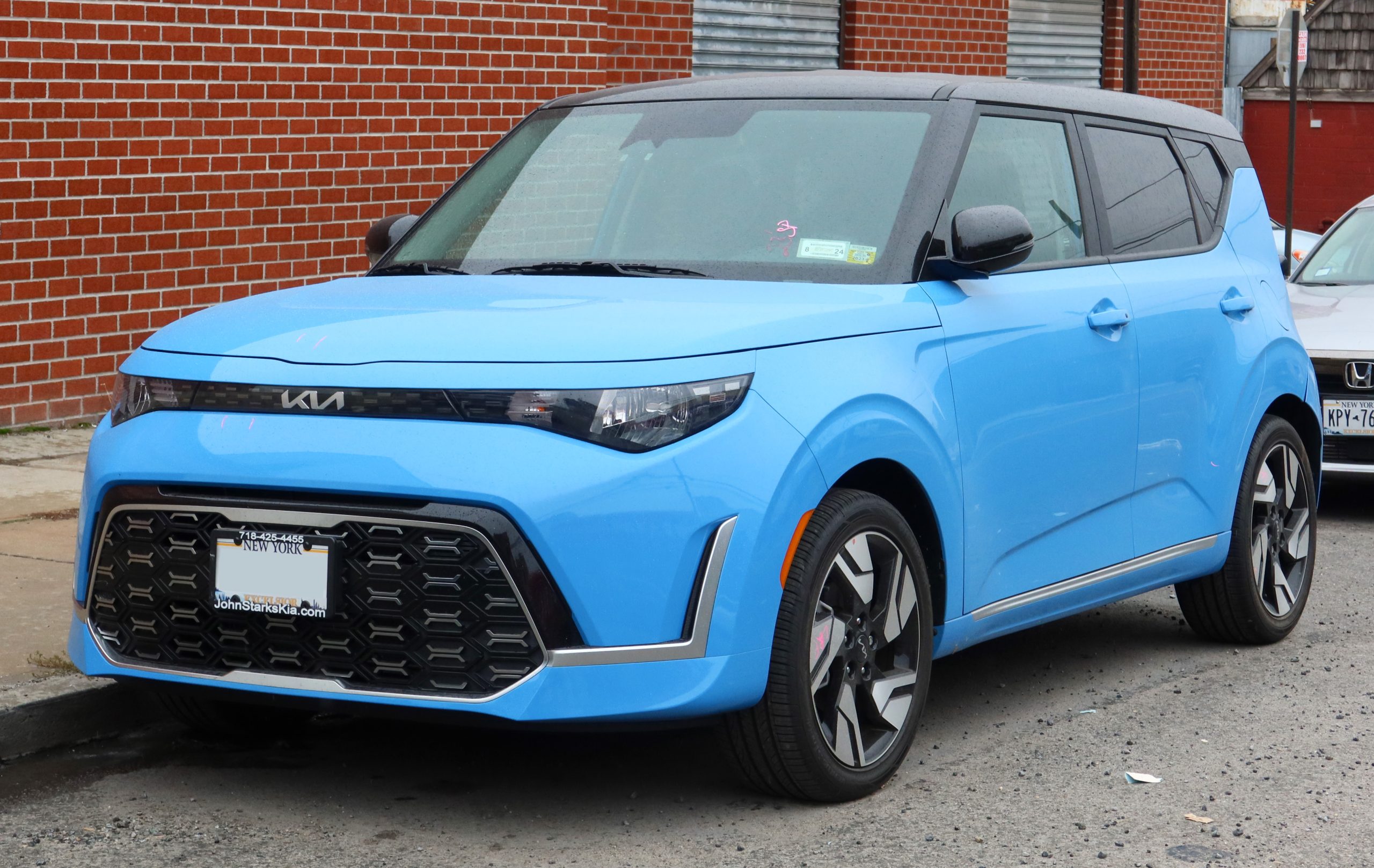
3. 2026 Kia Soul LX FWD
The Soul occupies a unique position within the product range of Kia. Its upright shape, box-inspired design, and high seating position have built a loyal customer base that values visibility and interior space over conventional styling. Many buyers return to the Soul repeatedly because it delivers familiarity and ease of use. Respect for that loyalty requires a clear assessment of how the 2026 Soul LX FWD performs against current pricing realities.
The starting price of the 2026 Soul LX FWD sits at approximately twenty-two thousand dollars. At this level, buyers receive a naturally aspirated two-point-zero-litre four-cylinder engine producing one hundred forty seven horsepower, paired with a continuously variable transmission.
This mechanical package prioritises simplicity rather than performance or efficiency leadership. Acceleration is adequate for urban use, yet it does not provide the responsiveness buyers increasingly expect at this price point. Standard equipment at the LX trim level presents further concerns. Basic infotainment is included, but the touchscreen is smaller than what many rivals now offer.
Smartphone integration features that have become common expectations are absent or limited. Driver assistance systems are restricted to fundamental collision alerts, leaving out several features that competitors now include as standard. Interior materials are durable, yet they do not convey the same sense of modern refinement found elsewhere in the segment.
When measured against similarly priced alternatives, the Soul’s position weakens further. Vehicles such as the Hyundai Kona SE FWD, Chevrolet Trax 1LT FWD, and Nissan Kicks S FWD provide broader standard technology packages and, in several cases, stronger fuel efficiency figures. These competitors also deliver interiors that feel more current in layout and presentation, despite matching or undercutting the Soul’s price.
Fuel consumption from the Soul’s engine ranges between the high twenties and low thirties in miles per gallon. In a subcompact category where smaller turbocharged engines regularly achieve better efficiency, this figure appears modest.
Buyers paying twenty-two thousand dollars in 2026 are justified in expecting stronger returns at the fuel pump, especially when alternatives demonstrate that better results are achievable without major cost increases.
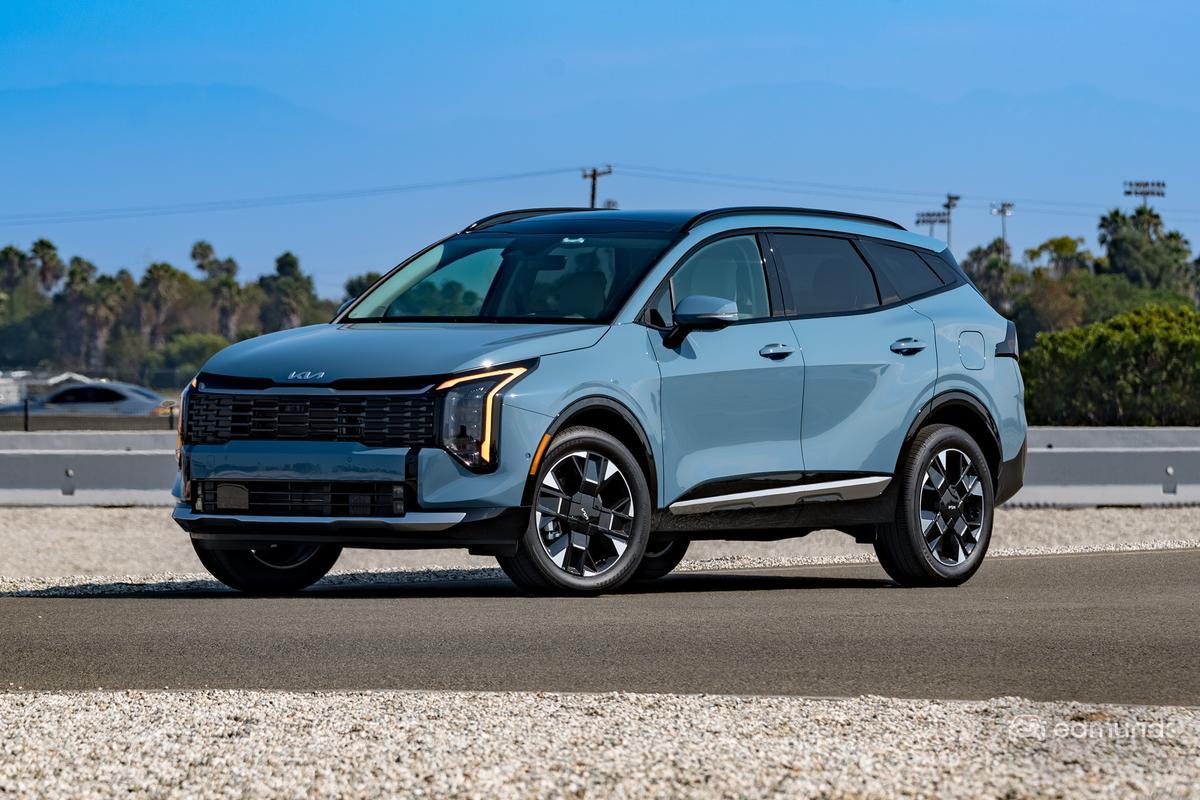
4. 2026 Kia Sportage X-Pro Prestige AWD
Starting with an honest acknowledgment: the standard Kia Sportage in lower and mid trims is a genuinely good vehicle with a strong value case. The EX trim recommended in Part One of this article earns its spot. But as you move up the Sportage trim ladder to the X-Pro Prestige AWD, the price climbs into territory where the calculus changes and the vehicle’s competitive position weakens against what the market offers at the same money.
MSRP for the 2026 Kia Sportage X-Pro Prestige AWD starts around $41,000. At that price, buyers are shopping in a market segment that includes the 2026 Toyota RAV4 XSE Hybrid AWD at approximately $36,000, the 2026 Honda CR-V Sport Touring Hybrid AWD at approximately $43,000, and the 2026 Mazda CX-50 Turbo Premium Plus AWD at approximately $40,000.
Each of those alternatives offers either better fuel economy, a more refined interior, a stronger reliability track record, or superior resale value compared to the Sportage X-Pro Prestige at a comparable or lower price. Depreciation is a real concern at this price point. Kia’s mainstream crossover residual values are respectable at lower price levels but become less competitive against Toyota and Honda alternatives as you move toward $40,000.
A Sportage purchased at $41,000 loses value faster over five years than a RAV4 Hybrid purchased at $36,000, which means the total ownership cost comparison favors the Toyota even though the RAV4 Hybrid’s sticker is lower.
Also Read: 8 Modern Kia Models That Quietly Became Excellent
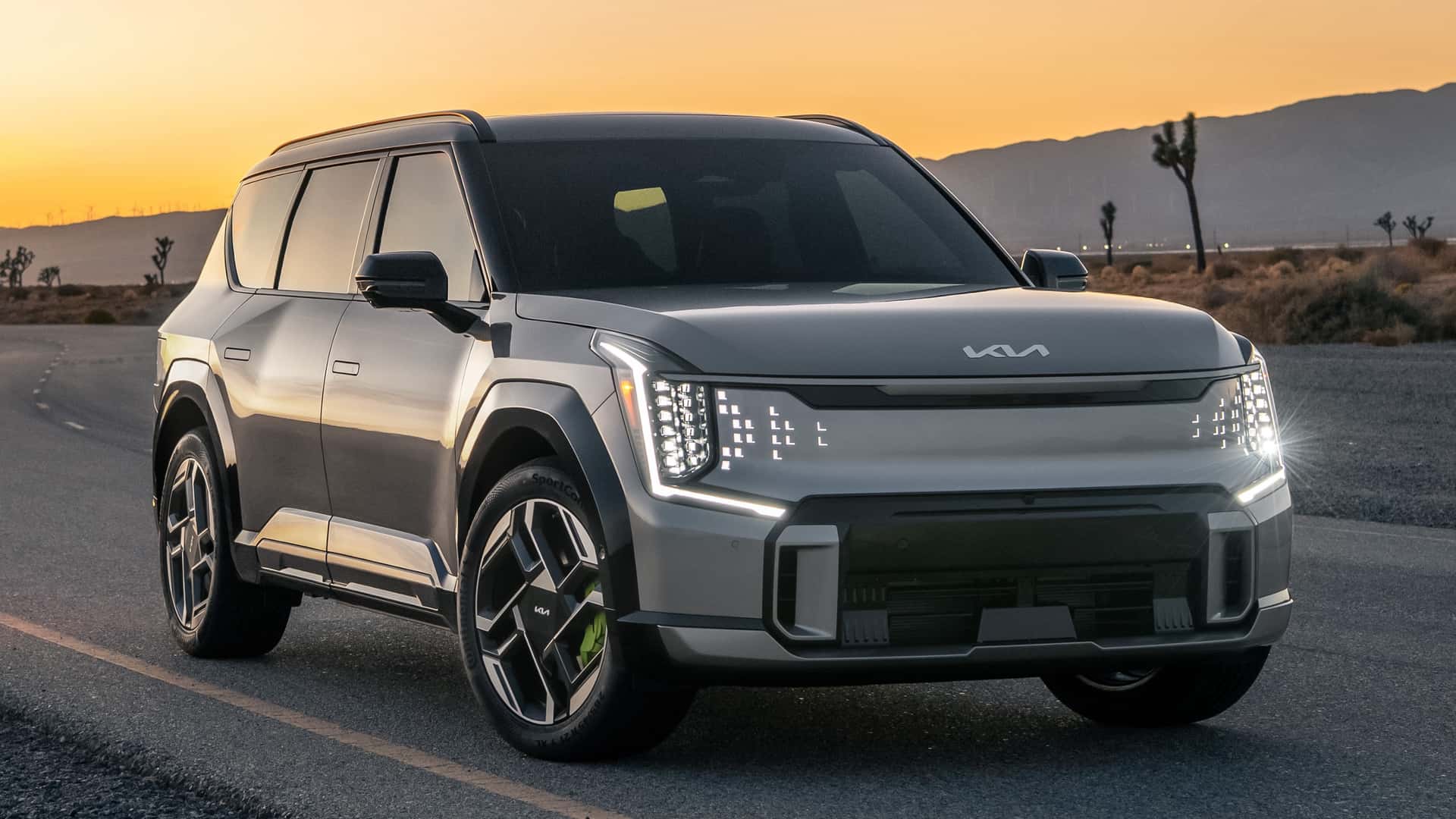
5. 2026 Kia EV9 GT-Line AWD
Electric three-row SUVs are a category where every manufacturer is competing for early adopter dollars, and the 2026 Kia EV9 GT-Line AWD is Kia’s entry into that premium space. It is a genuinely ambitious vehicle, spacious, stylish, and technologically advanced.
But at an MSRP starting around $73,000 for the GT-Line AWD, it is asking early buyers to pay premium pricing for a platform that has not yet accumulated the real-world reliability data that justifies spending this amount of money without reservation. Range on the EV9 GT-Line AWD is EPA-rated at approximately 280 miles with the larger battery, which is adequate but not exceptional for a vehicle at this price.
A 2026 Rivian R1S Quad-Motor Adventure at a similar price delivers superior off-road capability and comparable range. A 2026 Mercedes-Benz EQB 350 4MATIC positions itself with stronger brand prestige for resale in the premium three-row EV space. Against both alternatives, the EV9 GT-Line makes a reasonable but not dominant case.
Real-world EV9 ownership data is still relatively limited compared to the EV6, which has been in the market long enough to build a meaningful reliability picture. Buying a first-generation expensive EV before that data exists is a risk that some buyers are comfortable with, and others are not. For a buyer spending $73,000, the absence of long-term data is a meaningful unknown.
Charging infrastructure considerations for a three-row family SUV matter more than for a smaller EV. Families using the EV9 for road trips will rely on public fast chargers at 800-volt compatible stations, and while the network is expanding, coverage gaps exist in certain regions. A buyer who lives in a well-covered metro area with home charging installed is in a different position than one who relies on public infrastructure for regular charging needs.
The EV9 GT-Line AWD may well prove itself as a strong buy after another model year of refinement and real-world ownership data accumulation. In 2026, at $73,000, it is a vehicle where patience serves the careful buyer better than early adoption enthusiasm.
