
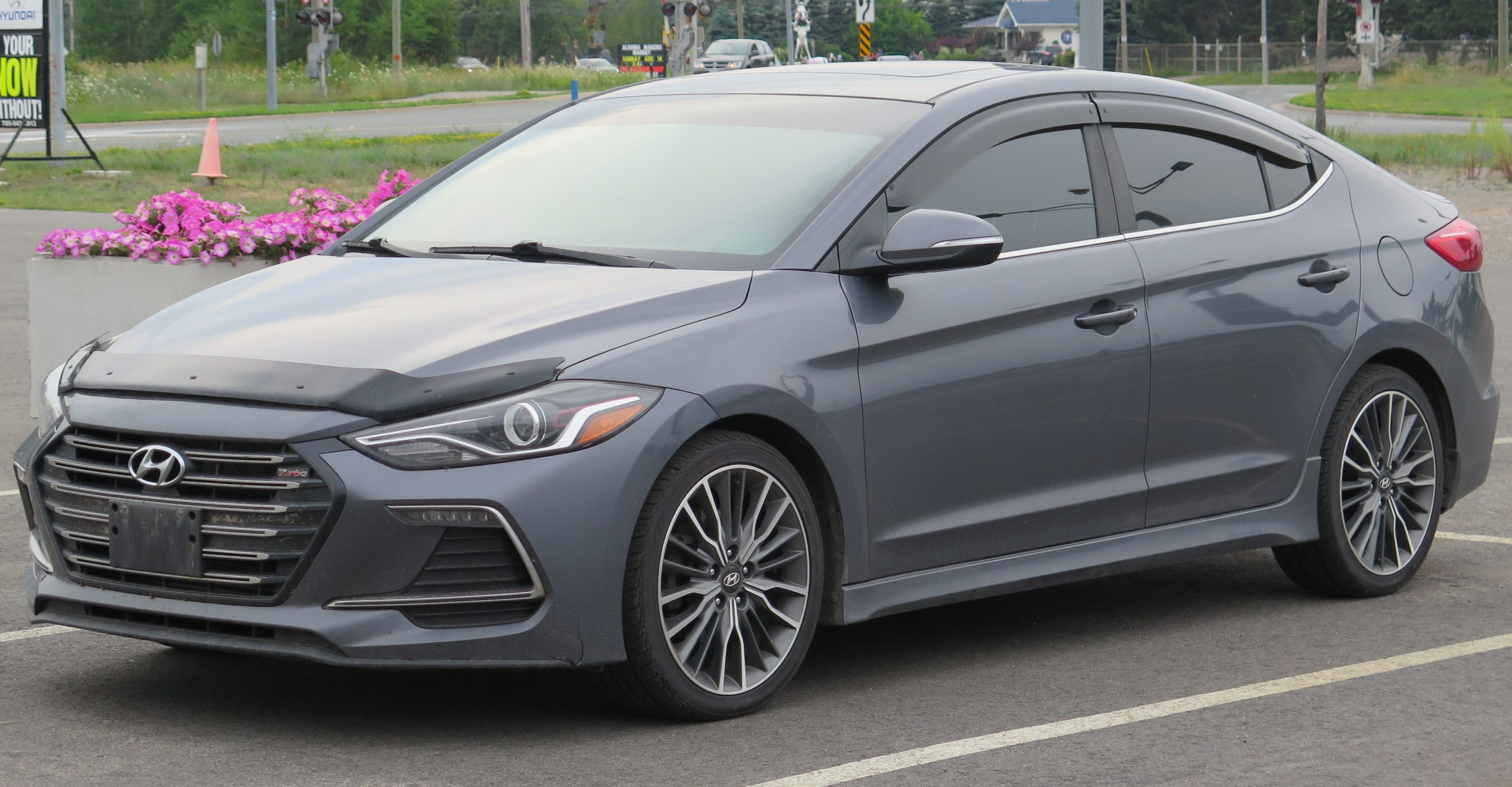
Shopping for a Hyundai today feels very different from how it did a decade ago. The brand has made major strides in design, technology, and build quality, earning attention from buyers who once looked elsewhere. Sleek styling, feature-packed cabins, and competitive pricing have helped Hyundai stand out in crowded segments.
Yet, one factor still matters more than anything else for long-term ownership: reliability. Not every Hyundai model delivers the same ownership experience. Some vehicles have earned strong reputations for durability, low maintenance costs, and consistent performance across years of use.
Others, while attractive on paper, have struggled with mechanical issues or inconsistent long-term dependability. That difference can shape whether ownership feels smooth and stress-free or filled with unexpected repair bills.
Understanding which models truly hold up is essential before making a purchase. A well-chosen Hyundai can provide years of dependable service with minimal hassle. Pick the wrong one, and the savings at purchase may quickly disappear through repairs and downtime.
This guide separates the dependable performers from the ones that still raise concerns. The first section focuses on six Hyundai models that have proven themselves through real-world use, owner feedback, and long-term reliability data.
Each vehicle here stands out for its ability to deliver consistent performance without frequent issues, making it a smart choice for buyers who value peace of mind just as much as modern features.
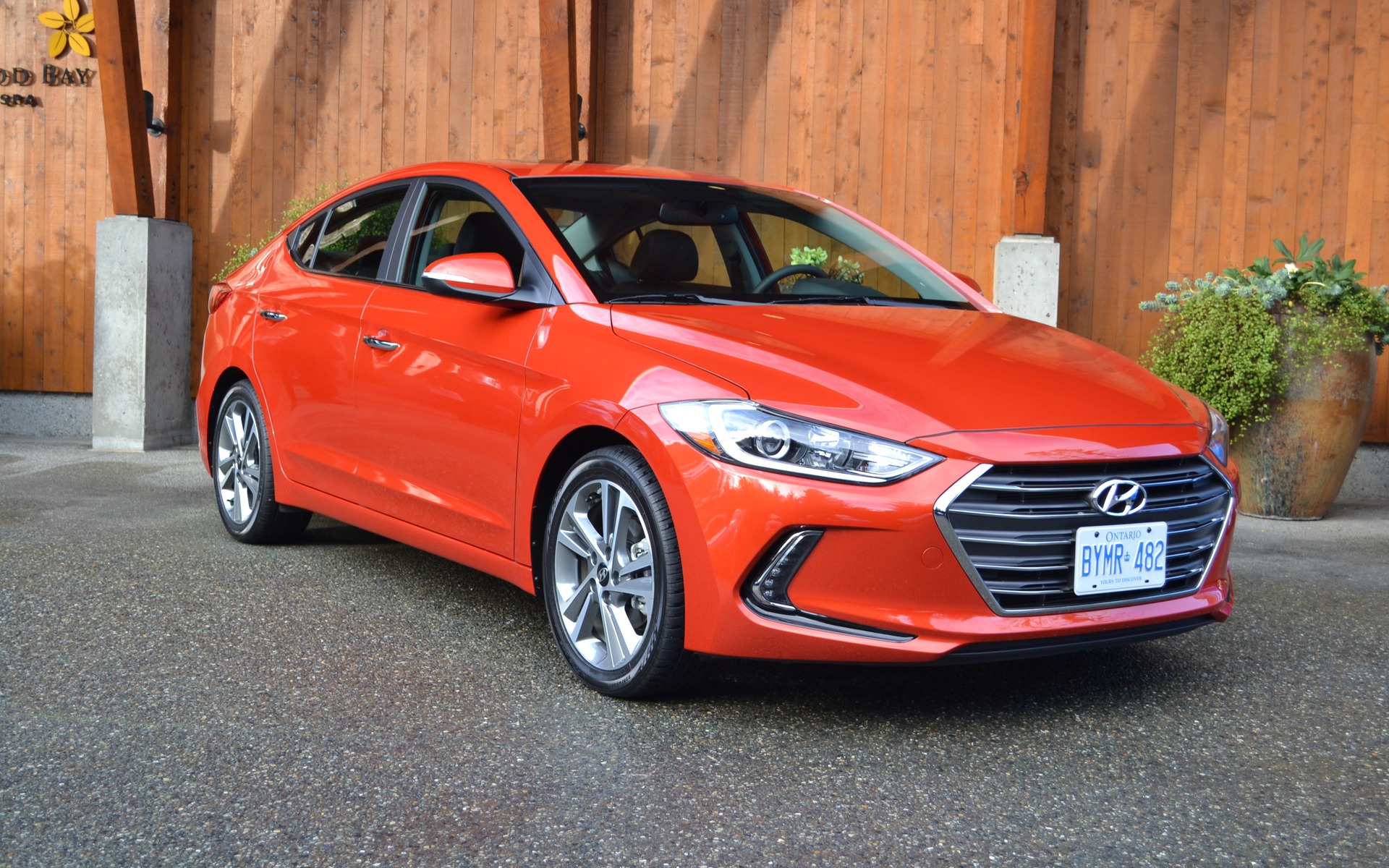
1. Hyundai Elantra (2017-2020)
Compact sedans often serve as daily workhorses, and the Hyundai Elantra from 2017 to 2020 handles that role with confidence. Buyers looking for a straightforward, dependable car will find this generation appealing because it avoids unnecessary complications while still offering modern features. Clean design lines and a comfortable interior make it easy to live with, whether for commuting or longer drives.
One of the strongest points in favor of this Elantra is its naturally aspirated engine options. These engines focus on steady performance rather than pushing extreme output numbers, which helps reduce stress on internal components. Over years of ownership, that approach tends to translate into fewer mechanical concerns. Drivers often report consistent fuel economy and stable operation even after crossing high mileage marks.
Daily usability plays a large role in why this model earns praise. Steering feels predictable, braking remains consistent, and the ride quality suits both city streets and highway travel. Nothing about the driving experience feels forced or overengineered. That simplicity works in its favor, as fewer complicated systems often mean fewer potential failure points.
Ownership costs also remain manageable. Routine maintenance, such as oil changes, brake service, and tire replacements, stays within reasonable ranges compared to rivals. Parts availability is strong, and most independent repair shops are familiar with the platform, making repairs straightforward when needed.
Interior durability deserves mention as well. Materials used throughout the cabin hold up better than expected for the price point. Seats maintain their shape, controls remain responsive, and infotainment systems continue functioning without frequent glitches.
Buyers seeking a compact sedan that delivers steady, predictable performance will find the 2017 to 2020 Elantra a sensible choice. It may not chase performance headlines, yet it quietly delivers where it matters most: dependable daily transportation.
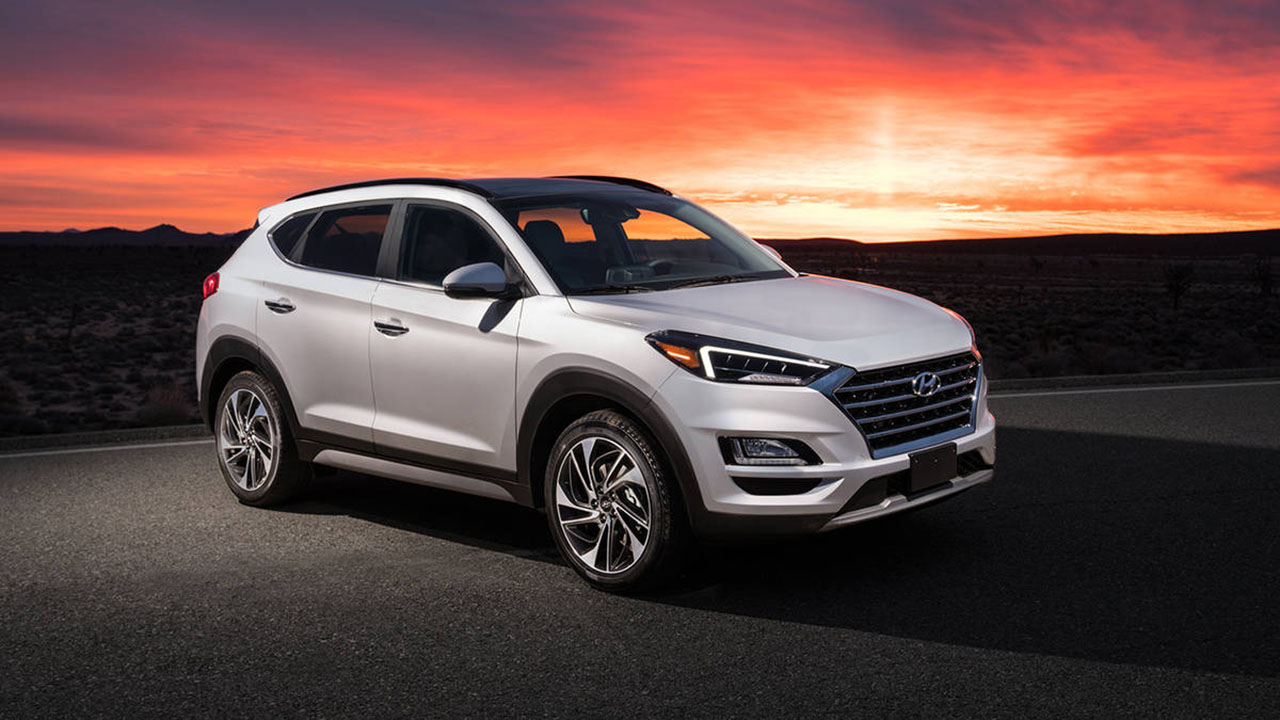
2. Hyundai Tucson (2019-2021)
Compact crossovers dominate today’s market, and the Hyundai Tucson from 2019 to 2021 stands as a reliable option in that space. Designed with everyday practicality in mind, it offers a balance of comfort, usability, and long-term dependability that appeals to a wide range of drivers.
Engine choices in this Tucson generation focus on steady delivery rather than aggressive tuning. That decision supports durability, as components are not pushed to their limits. Owners frequently highlight smooth operation and minimal mechanical issues even after several years of use. Consistency becomes the defining trait, making it a vehicle that performs as expected day after day.
Cabin comfort adds to its appeal. Seats provide adequate support for extended drives, while the suspension setup absorbs road imperfections without feeling overly soft. Interior controls are laid out in a way that feels intuitive, reducing distractions while driving. Technology features, including infotainment systems and driver assistance tools, operate reliably without frequent malfunctions.
Another advantage lies in its predictable maintenance requirements. Regular servicing keeps the vehicle running efficiently, and major repairs remain relatively uncommon when proper care is followed. This reliability helps owners avoid unexpected expenses that can disrupt long-term budgets.
Practicality further strengthens its position. Cargo space accommodates daily needs, from groceries to travel gear, without feeling cramped. Rear seating offers enough room for passengers to remain comfortable during longer trips. This versatility makes the Tucson suitable for both individual drivers and small families.
Safety ratings for this model remain strong, adding another layer of confidence. Driver assistance features such as lane keeping support and forward collision warning function as intended, contributing to a secure driving experience.
Drivers searching for a compact crossover that delivers dependable performance without unnecessary complication will appreciate the 2019 to 2021 Tucson. It handles everyday demands with consistency, making ownership straightforward and reassuring.
Also Read: 5 Hyundai and 5 Kia Models With Improved Engine Durability Ratings for 2026
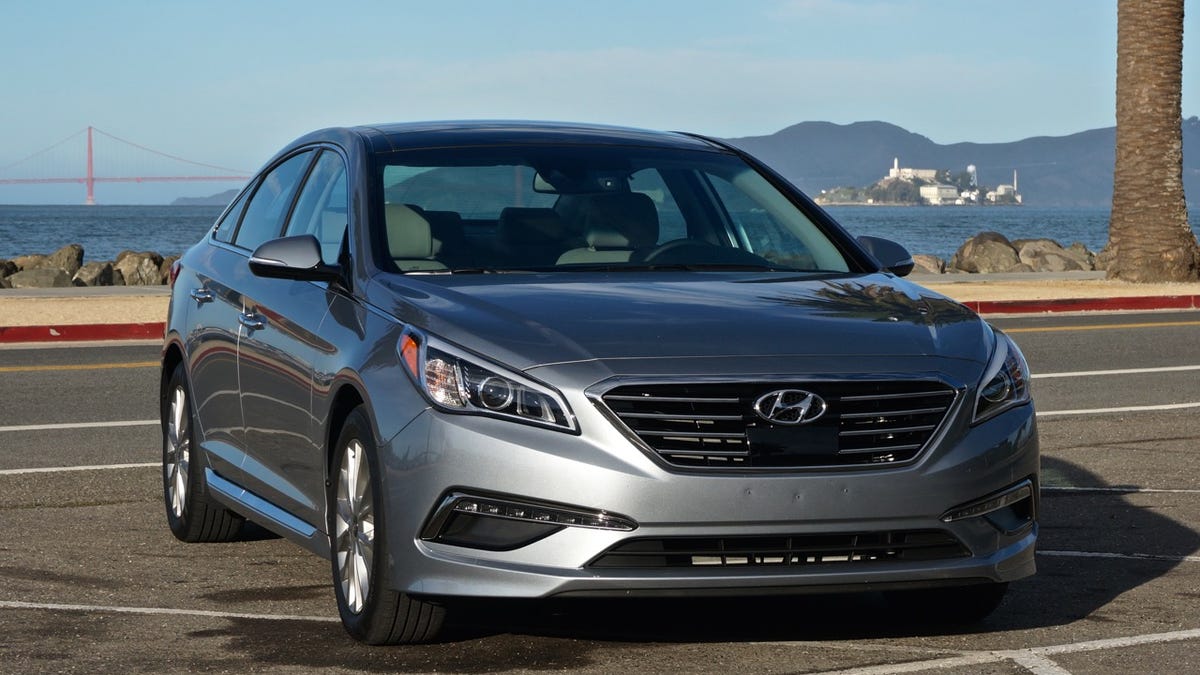
3. Hyundai Sonata (2015-2019)
Midsize sedans continue to attract buyers who value space and comfort, and the Hyundai Sonata from 2015 to 2019 fits that description well. Known for its refined ride and spacious interior, this model combines comfort with a track record of dependable operation.
Engine reliability stands out as a major strength, particularly with properly maintained units. These powertrains focus on smooth delivery rather than aggressive output, helping reduce long-term wear. Owners often report stable performance across years of use, with fewer major mechanical issues compared to earlier generations.
Ride quality plays a central role in the Sonata’s appeal. Suspension tuning leans toward comfort, allowing the vehicle to absorb bumps and uneven surfaces effectively. Highway driving feels composed, while city driving remains easy to manage. This balanced setup makes it suitable for a variety of driving conditions.
Interior space adds to its practicality. Passengers benefit from generous legroom and headroom, while trunk capacity supports daily errands and travel needs. Materials used in the cabin show good durability, maintaining their appearance even after extended use.
Technology features in this generation operate with consistency. Infotainment systems respond well to inputs, and connectivity options remain reliable. Controls are positioned in a way that feels natural, reducing the learning curve for new drivers.
Maintenance requirements stay within reasonable limits. Regular servicing helps maintain performance, and major repairs tend to be less frequent when compared to less reliable competitors. This predictability supports lower long-term ownership costs.
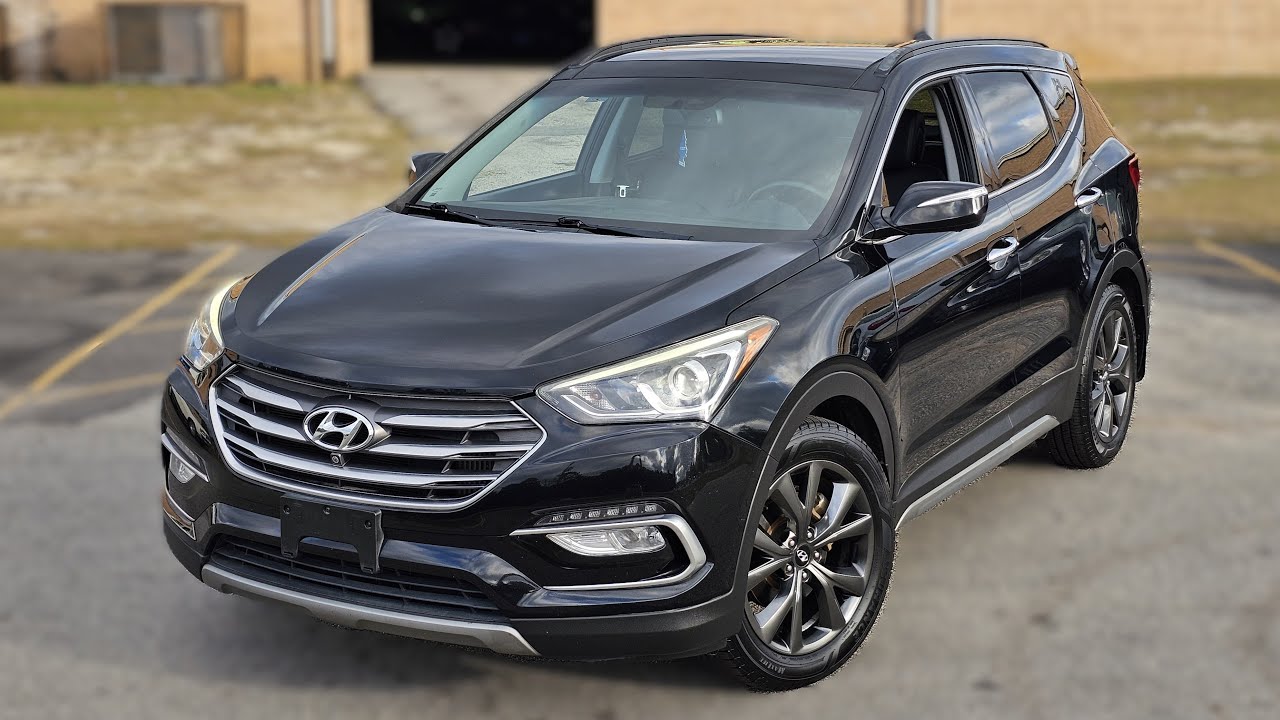
4. Hyundai Santa Fe (2018-2020)
Family-focused sport utility vehicles require a balance of dependability, comfort, and space, and the Hyundai Santa Fe from 2018 to 2020 was designed with those priorities in mind. This generation supports daily family use with a structure that prioritises steady performance and predictable operation across varied driving conditions.
Powertrain options deliver adequate output for typical driving duties without pushing mechanical components into high-stress ranges. This approach helps preserve long-term mechanical stability. Many owners report smooth operation during routine commutes, highway travel, and light hauling duties when servicing schedules are followed consistently.
Cabin layout reflects practical thinking. Seating arrangements provide sufficient room for passengers in both rows, while cargo capacity adjusts to different usage needs such as shopping, travel luggage, or family equipment. Interior surfaces maintain durability reasonably well, even after extended use periods, which supports a sustained sense of quality.
Driving behaviour remains steady and controlled. Steering input responds in a predictable manner, which helps maintain driver confidence in both city traffic and highway conditions. Braking performance delivers consistent stopping power, contributing to a composed driving feel.
Suspension tuning provides a balance between comfort and stability, allowing the vehicle to absorb road imperfections while maintaining body control. Safety equipment contributes strongly to buyer interest in this model.
Driver assistance systems such as lane guidance and collision alert functions operate in a dependable manner under normal conditions. These systems assist with awareness during daily travel, adding reassurance for both drivers and passengers.
Service requirements remain within reasonable limits. Routine oil changes, brake servicing, and general inspections help maintain performance levels without placing heavy financial pressure on owners. Major repair incidents appear less frequent compared with less consistent competitors, supporting a stable long-term ownership experience.
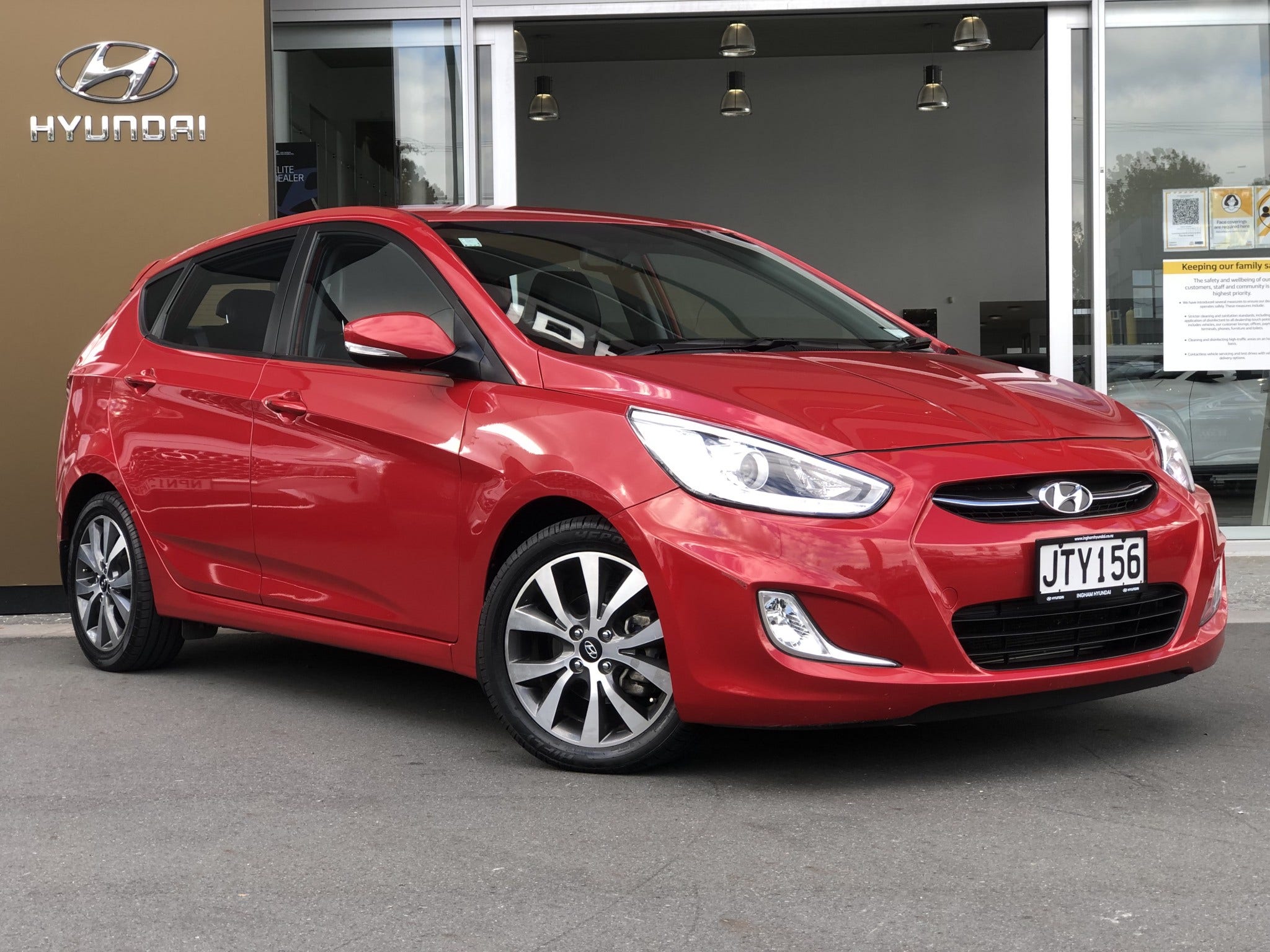
5. Hyundai Accent (2016-2019)
Affordable compact cars often face scrutiny regarding durability, yet the Hyundai Accent from 2016 to 2019 demonstrates that lower purchase cost does not automatically translate into reduced reliability. Built as a practical entry-level model, it focuses on straightforward engineering that supports consistent daily use.
Engine design prioritises simplicity, reducing the number of components that could introduce long-term issues. This engineering direction supports steady performance across extended mileage. Many owners report that the vehicle continues operating smoothly with routine servicing and basic maintenance procedures.
Fuel economy remains a strong advantage for this model. The Accent delivers efficient consumption levels during both city driving and highway travel, which helps reduce long-term running expenses. This efficiency makes it attractive to commuters and budget-conscious drivers who value predictable operating costs.
Interior design follows a functional approach. Controls are arranged for ease of use, and cabin materials provide acceptable durability within the price category. While not designed for luxury appeal, the interior maintains usability and comfort for everyday driving situations.
Maintenance requirements remain relatively low. Routine servicing, such as oil changes, brake maintenance, and filter replacements, keeps the vehicle in good working condition. Repair expenses generally remain lower compared with more mechanically intricate vehicles, which supports affordability throughout ownership.
Urban environments suit the Accent particularly well. Compact dimensions allow easier parking and movement through tight streets, while steering response supports confident handling in congested traffic conditions. These characteristics make it practical for city-based drivers.
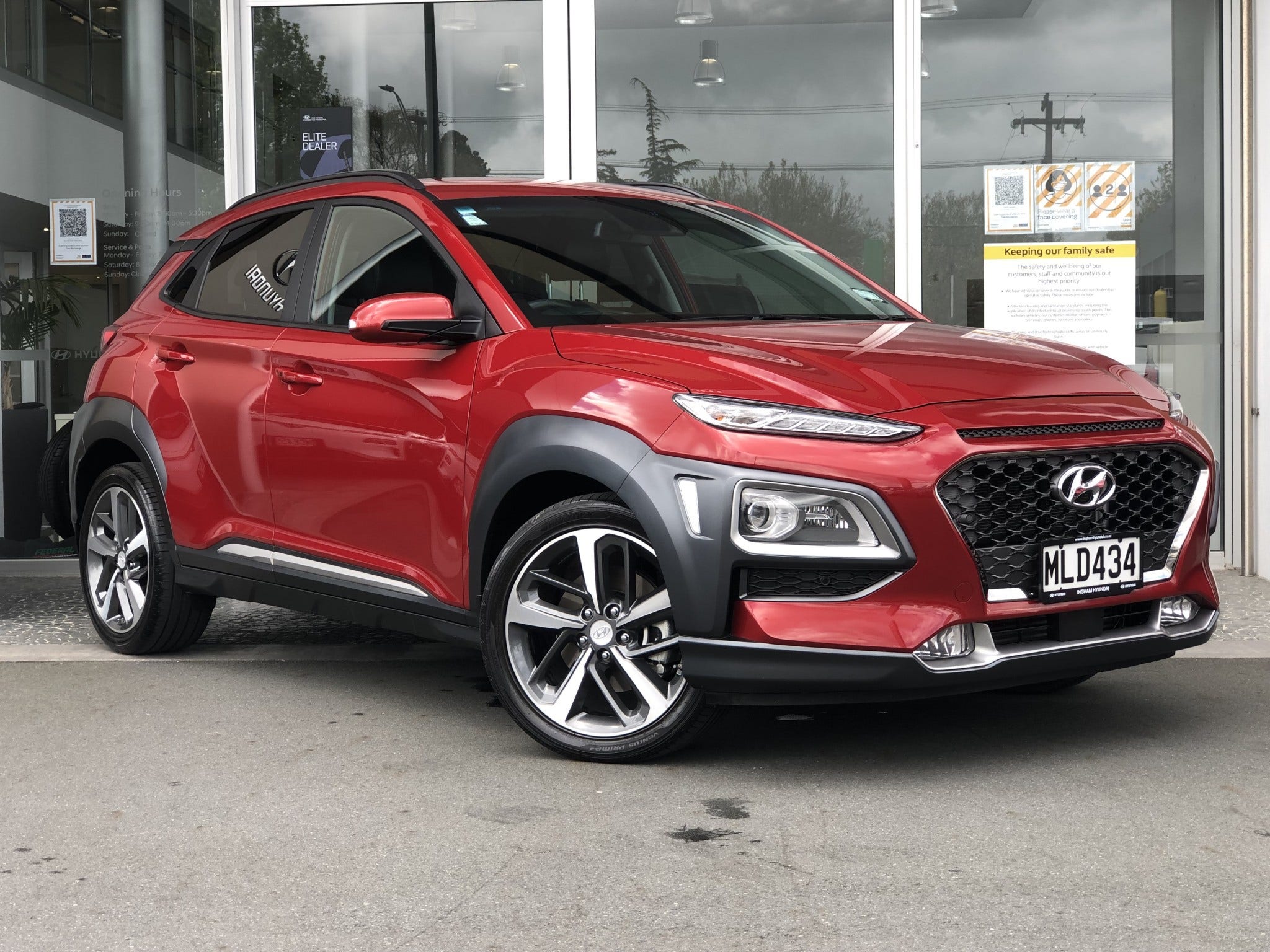
6. Hyundai Kona (2019-2022)
Compact sport utility vehicles have grown in demand, and the Hyundai Kona from 2019 to 2022 fits well within this category by offering practicality, modern styling, and consistent daily usability. Its compact proportions make it suitable for urban environments while still providing enough versatility for general transportation needs.
Engine options are tuned for balanced output and efficiency rather than aggressive performance delivery. This calibration supports stable operation across regular driving conditions. Many owners report consistent engine behaviour when scheduled maintenance is performed correctly, contributing to steady long-term use.
Driving response remains a strong characteristic. The Kona reacts promptly to steering input, which supports ease of control during both low-speed manoeuvres and higher-speed travel. This responsiveness enhances driver confidence in everyday situations such as merging, parking, and lane changes.
Interior design focuses on usability and driver convenience. Controls are positioned logically, allowing quick access without distraction. Infotainment systems generally perform reliably, offering connectivity features that support modern driving needs. Seating comfort is adequate for both short trips and extended journeys, while cargo space accommodates daily requirements such as groceries and travel items.
Safety systems perform consistently under normal driving conditions. Features such as lane assistance and forward collision alerts function as intended, providing added awareness during travel. These systems contribute to a safer driving experience in routine traffic situations.
Maintenance requirements remain manageable for most owners. Routine servicing helps maintain performance, and major mechanical issues appear less frequently when compared with less consistent models. This contributes to a stable ownership experience and predictable servicing schedules.
6 Hyundai Models That Still Raise Reliability Concerns
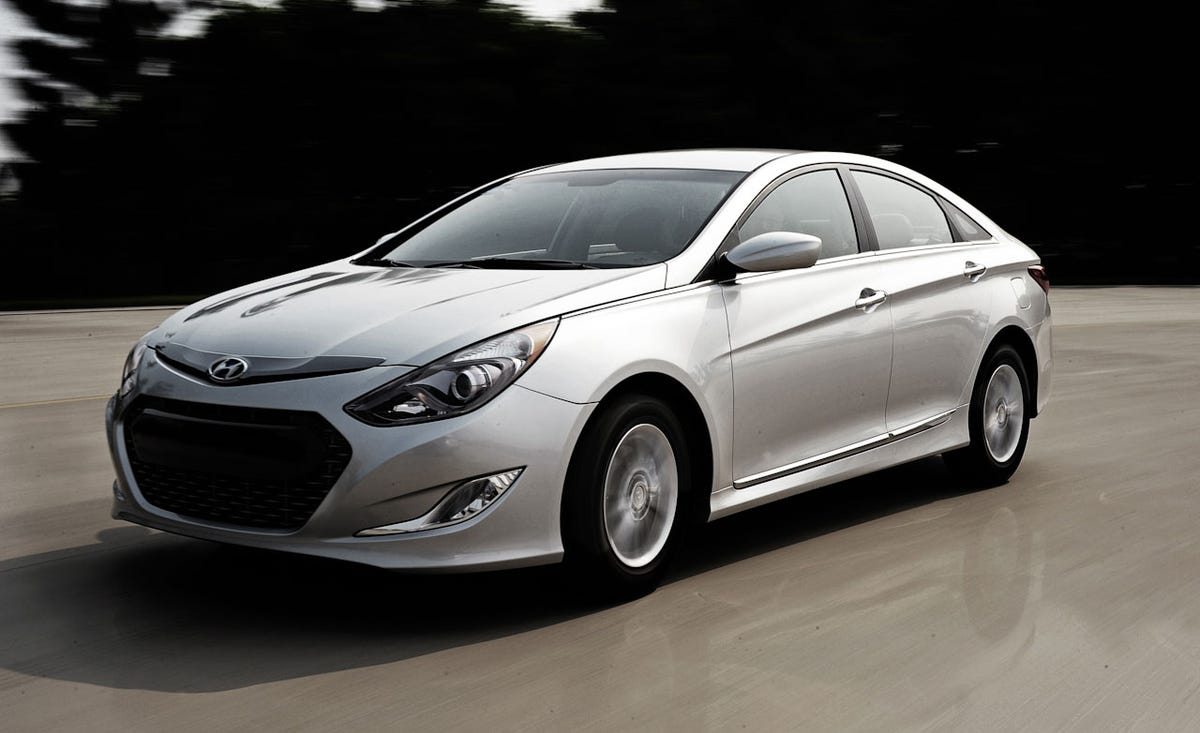
1. Hyundai Sonata (2011-2014)
Earlier versions of the Hyundai Sonata helped redefine the brand’s image, bringing bold styling and competitive features into the midsize sedan category. Buyers were drawn to its sleek design and attractive pricing, yet long-term ownership revealed concerns that cannot be ignored.
A major issue tied to this generation involves engine reliability, particularly with the 2.4-liter four-cylinder engine. Reports of excessive oil consumption, engine knocking, and premature failure surfaced across a wide range of owners. While recalls and extended warranties addressed some of these problems, the underlying concerns continue to influence buyer confidence.
Driving experience initially feels smooth and composed. Acceleration is adequate for daily use, and ride comfort meets expectations for a family sedan. However, that positive impression can fade as mileage increases and engine-related issues begin to appear. For some owners, repairs arrive earlier than expected, adding financial strain.
Interior quality presents a mixed experience. While the design looks modern, certain materials show wear more quickly than anticipated. Buttons and trim pieces may lose their finish, which affects the cabin’s long-term appeal. Maintenance costs vary depending on whether the vehicle has received proper recall-related updates.
Those that have been maintained carefully may continue operating without major trouble. Others may require costly repairs that outweigh the initial purchase savings. Buyers considering this Sonata should approach with caution.
Verifying service history and recall completion is essential before committing. While it offers appealing features, the potential for engine problems places it among Hyundai models that require careful evaluation.
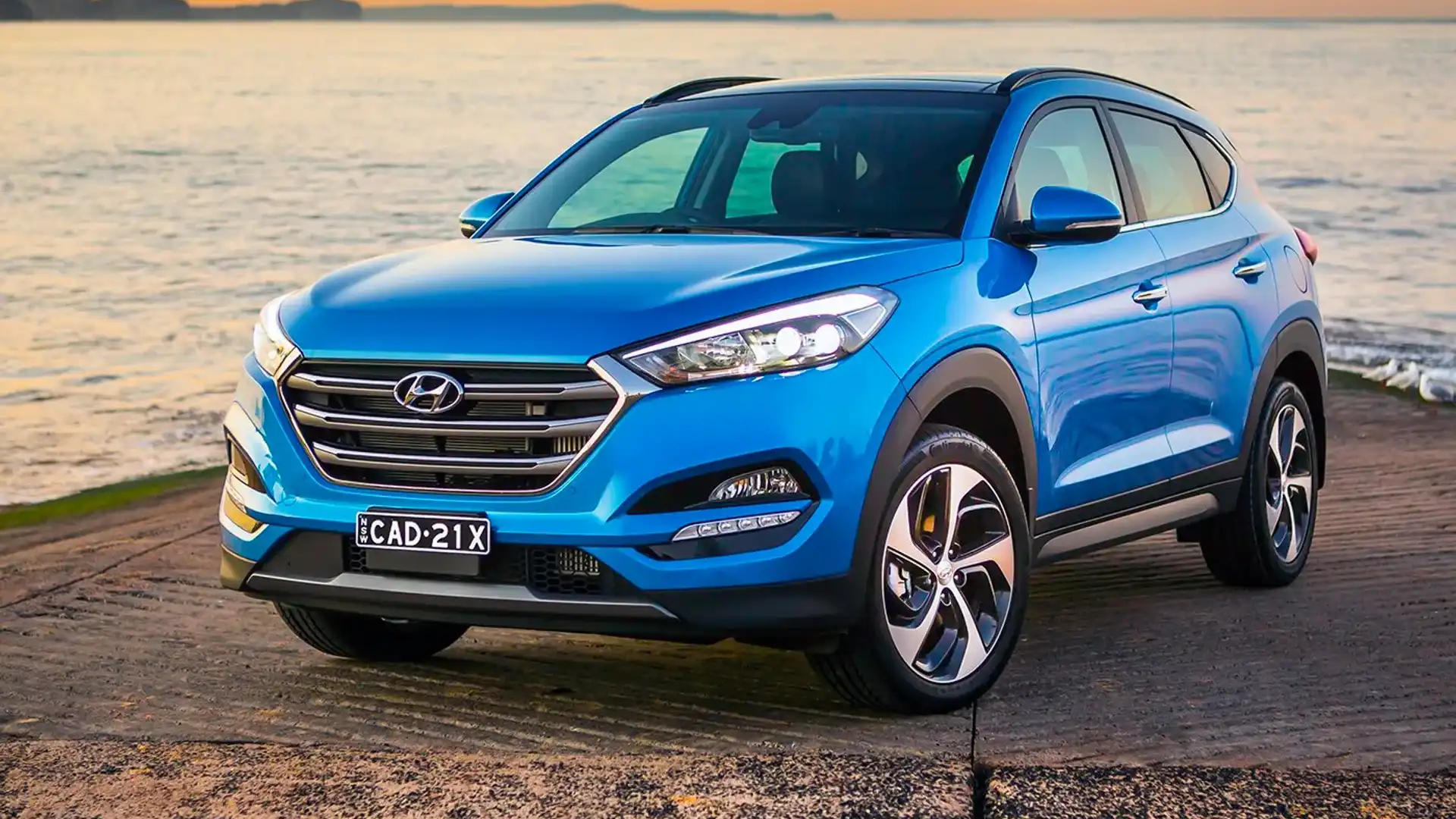
2. Hyundai Tucson (2016-2018)
The Hyundai Tucson gained strong market attention during this period due to its modern design and practical size. Positioned as a compact crossover for everyday use, it seemed like an easy choice for buyers seeking versatility. Ownership experiences, however, reveal inconsistencies that affect its reputation.
Transmission behavior stands out as a frequent concern, particularly in models equipped with the dual-clutch transmission. Drivers have reported hesitation, jerky acceleration, and delayed engagement when starting from a stop. These issues can create frustration during routine driving situations such as city traffic or parking maneuvers.
Engine performance varies depending on configuration. While some units operate without issue, others have shown signs of rough operation or reduced efficiency after a long period of time. These inconsistencies make it harder to predict long-term dependability.
Interior features, while well-designed, occasionally suffer from electronic glitches. Infotainment systems may lag or reset unexpectedly, and certain driver assistance features do not always function as smoothly as intended. Ride quality remains comfortable, which helps maintain its appeal for daily commuting.
Seating provides adequate support, and cargo space meets expectations for the segment. These strengths keep Tucson competitive despite its drawbacks. Maintenance requirements can become unpredictable. Some owners experience minimal issues, while others face repeated visits to service centers. This variation creates uncertainty for buyers who expect a more consistent ownership experience.
Anyone considering the 2016 to 2018 Tucson should conduct thorough research and consider a detailed inspection. While it offers practicality and comfort, its mixed reliability record places it among the riskier choices in Hyundai’s lineup.
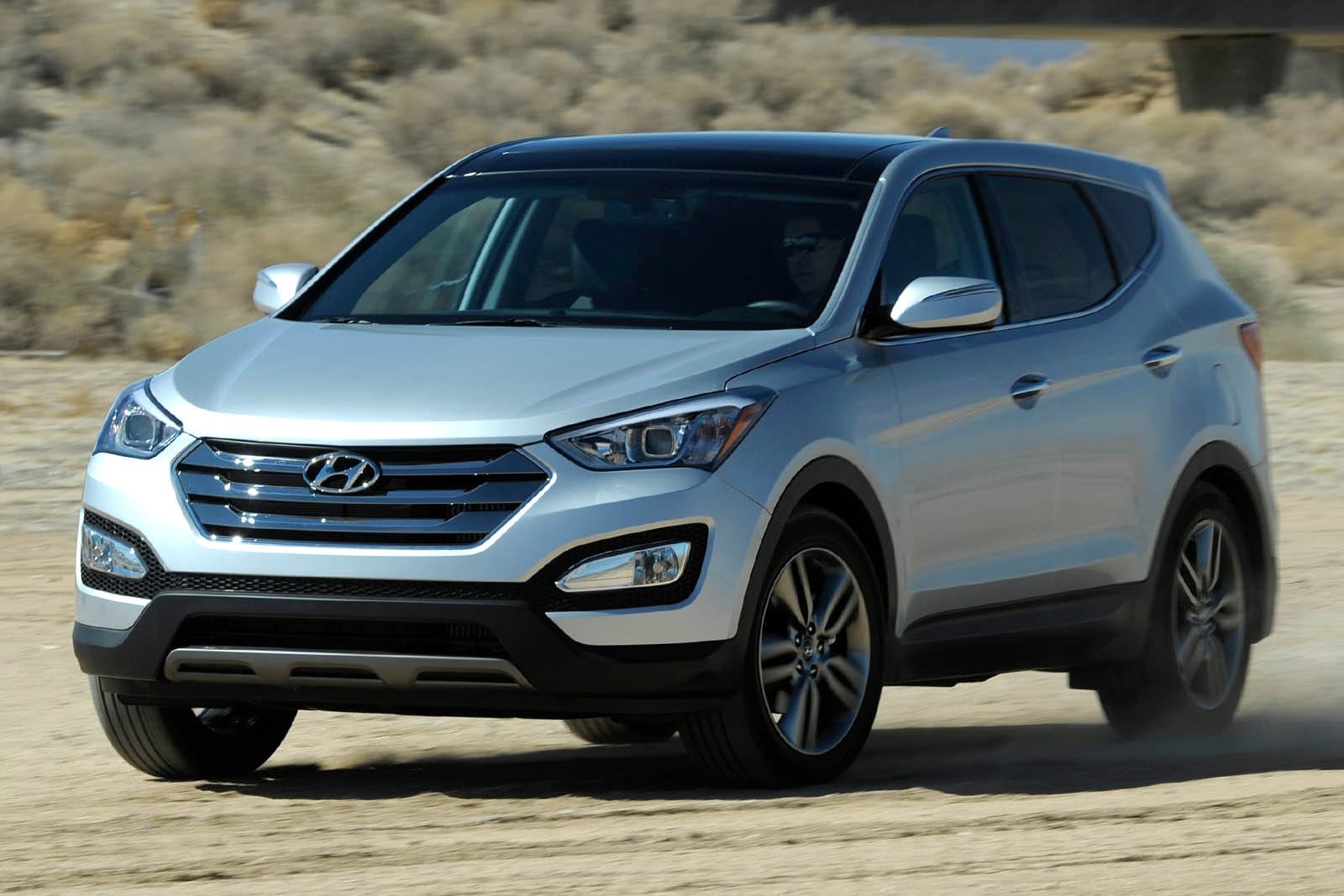
3. Hyundai Santa Fe Sport (2013-2016)
The Hyundai Santa Fe Sport delivered a compelling combination of value and features when it entered the market. Positioned as a smaller alternative to larger SUVs, it attracted buyers seeking comfort and practicality. As time goes on, however, engine-related concerns have overshadowed its strengths.
A primary issue involves the 2.4-liter engine, which has been linked to reports of engine failure and excessive oil consumption. These problems have led to recalls and warranty extensions, yet they continue to affect the model’s reputation. For some owners, engine replacement became necessary earlier than expected.
Driving dynamics remain pleasant under normal conditions. Steering feels controlled, and the suspension handles road imperfections effectively. This balance contributes to a comfortable driving experience during daily use. Interior space adds to its appeal.
Passengers benefit from generous seating, while cargo capacity supports a variety of needs. Materials used inside the cabin show reasonable durability, maintaining a respectable appearance as time goes on. Despite these positives, the risk of major engine repairs cannot be overlooked.
Even with recall coverage, the inconvenience and downtime associated with repairs can impact ownership satisfaction. Fuel efficiency varies depending on driving conditions, with some owners reporting less consistency than expected. This adds another layer of unpredictability to the ownership experience.
Prospective buyers should carefully review maintenance records and confirm recall work has been completed. While the Santa Fe Sport offers comfort and practicality, its history of engine issues places it among Hyundai models that require extra caution.
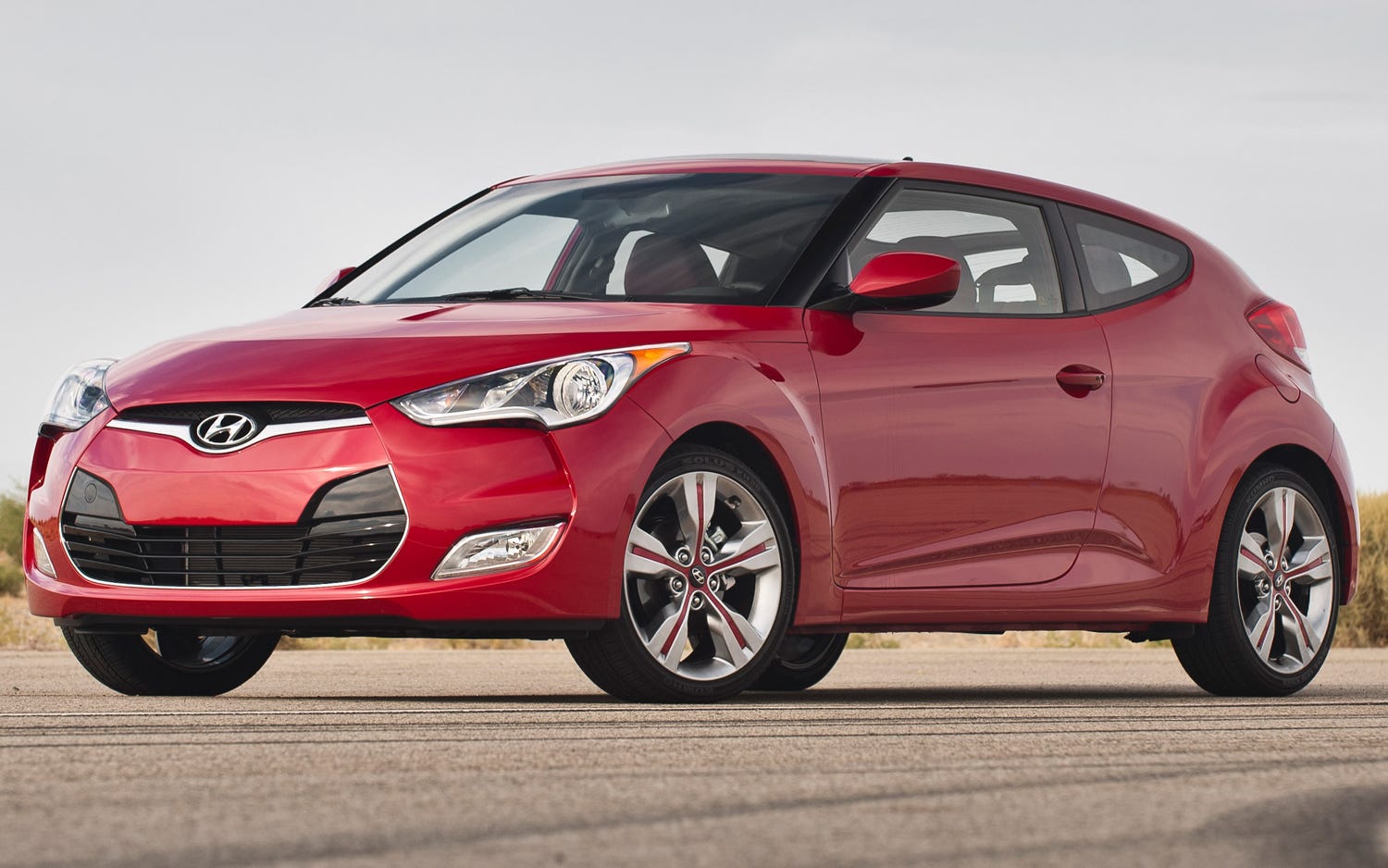
4. Hyundai Veloster (2012-2015)
Hyundai introduced the Veloster as a sporty hatchback distinguished by its unconventional three-door layout and bold styling direction. The model attracted attention from buyers seeking something different from standard compact cars, offering a distinct appearance paired with an engaging driving character.
While the design and driving feel created early appeal, long-term ownership experience reveals areas where dependability does not remain consistent. Turbocharged versions of the Veloster have been linked with engine-related concerns in various reports.
Issues such as engine knocking, loss of power, and, in certain cases, complete engine failure have been documented by owners across different usage conditions. These situations often result in expensive repairs, particularly once factory coverage is no longer available. Such concerns place pressure on long-term ownership confidence.
Driving experience remains one of the stronger aspects of this model. Steering response feels direct, allowing the driver to maintain good control in city traffic and on tighter streets. The compact body size enhances manoeuvrability, making it suitable for urban environments where parking and lane positioning require ease of movement. Turbocharged versions provide stronger acceleration, offering an enjoyable level of performance during regular driving situations.
Cabin design presents a mixed outcome. The interior layout appears modern for its time, with a driver-focused arrangement that supports usability. However, certain materials do not maintain their condition as time passes. Surfaces may show wear earlier than expected, and some interior components lose their original feel after extended use. Infotainment systems may also present occasional operational delays or minor faults that affect convenience.
Practicality remains limited when compared with conventional hatchback rivals. Rear seating space is restricted, which reduces comfort for adult passengers during longer trips. Cargo capacity also falls short of expectations for buyers who require more flexible storage options. These limitations affect its suitability as a primary family vehicle.
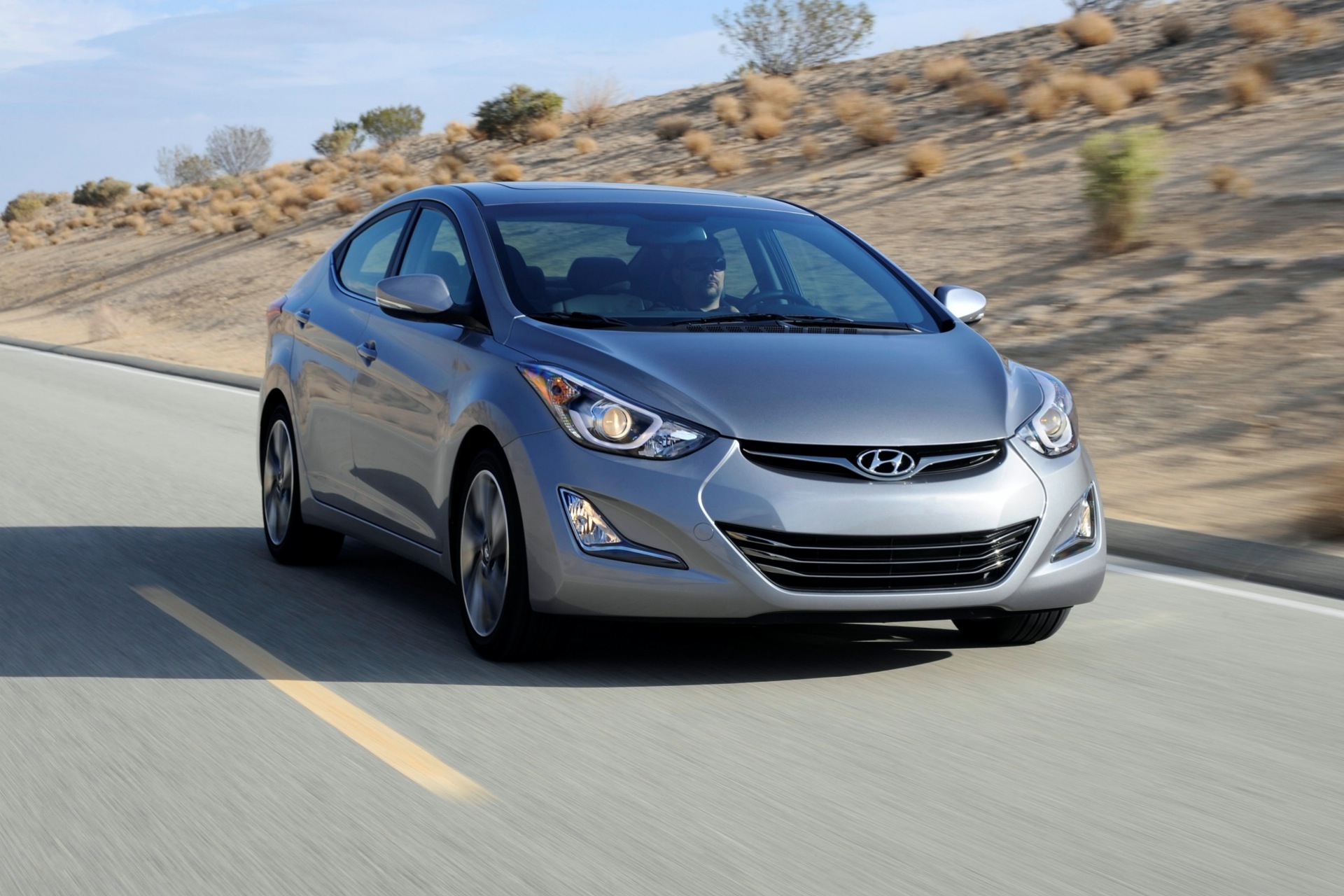
5. Hyundai Elantra (2011-2013)
Hyundai’s redesign of the Elantra during this period introduced a more modern exterior appearance and improved interior presentation, helping the model gain strong attention in the compact sedan segment. Despite its early success in sales and popularity, long-term durability reports have raised concerns among owners and automotive reviewers.
Engine-related issues form a major area of discussion for this generation. Some owners have reported ticking sounds during operation, irregular engine behaviour, and increased oil consumption as mileage accumulates. While these issues do not affect every unit, their frequency in reported cases makes them difficult to ignore when assessing long-term dependability.
Fuel efficiency remains one of the strongest advantages of this model. The Elantra continues to appeal to buyers seeking economical daily transportation, offering strong mileage performance during both city and highway use. However, potential repair costs linked to engine-related issues can reduce the financial benefit gained from fuel savings.
Interior design initially presents a clean and modern impression, with a layout that feels contemporary for its release period. As time goes on, however, certain materials may not maintain their original condition. Seat surfaces, trim sections, and interior touchpoints may show visible wear earlier than expected, affecting cabin presentation after extended use.
Driving experience remains comfortable and suitable for daily commuting. Suspension tuning supports a smooth ride across uneven surfaces, while steering response remains light and manageable in urban driving conditions. These characteristics make the vehicle easy to operate in everyday environments.
Maintenance history plays an important role in determining long-term reliability for this model. Vehicles with consistent servicing records tend to perform more reliably, while those with irregular maintenance may develop mechanical concerns more frequently. This variation places emphasis on careful inspection before purchase.
Also Read: 12 Best Hyundai Cars That Changed Public Perception in America
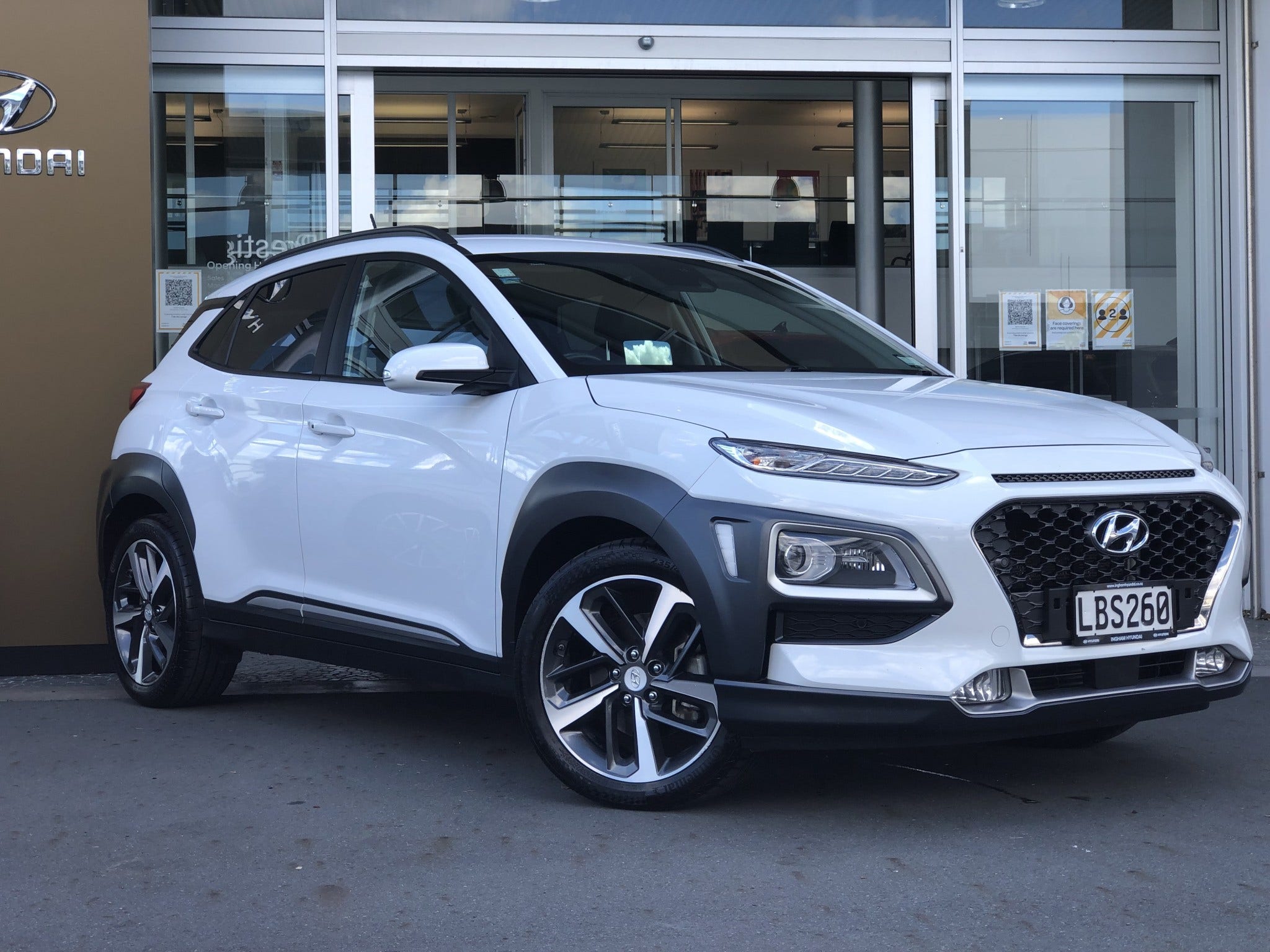
6. Hyundai Kona (2018-2020 Early Models)
The Hyundai Kona entered the subcompact SUV segment with strong attention due to its modern styling, compact dimensions, and feature-rich interior design. Early models generated positive interest from buyers seeking a small crossover with contemporary features and practical usability. Despite this strong entry, long-term ownership feedback reveals areas where reliability consistency remains uneven.
Transmission behaviour has been a concern in certain configurations. Some drivers have reported hesitation during acceleration and irregular shifting patterns at low speeds. These issues can affect daily driving comfort, especially in stop-and-go traffic conditions where a smooth response is expected.
Engine performance varies depending on trim level and configuration. Turbocharged versions provide stronger acceleration and improved driving response, yet they may also introduce higher maintenance demands. In some cases, owners have reported engine-related concerns that require attention as mileage increases, affecting long-term confidence.
Interior technology offers modern features for its class, including infotainment systems and connectivity options. While these systems enhance usability, occasional software glitches and delays have been reported. Such issues may affect user experience, especially when consistent operation is expected.
Ride quality remains a positive aspect of the Kona. Suspension tuning supports comfortable travel on both city roads and highways. Its compact size also improves manoeuvrability, making it suitable for tight parking spaces and urban driving conditions where ease of handling matters.
Safety systems function as intended, contributing to driver confidence during daily use. Features such as lane assistance and collision alerts operate effectively under normal conditions, supporting safer driving behaviour.
