
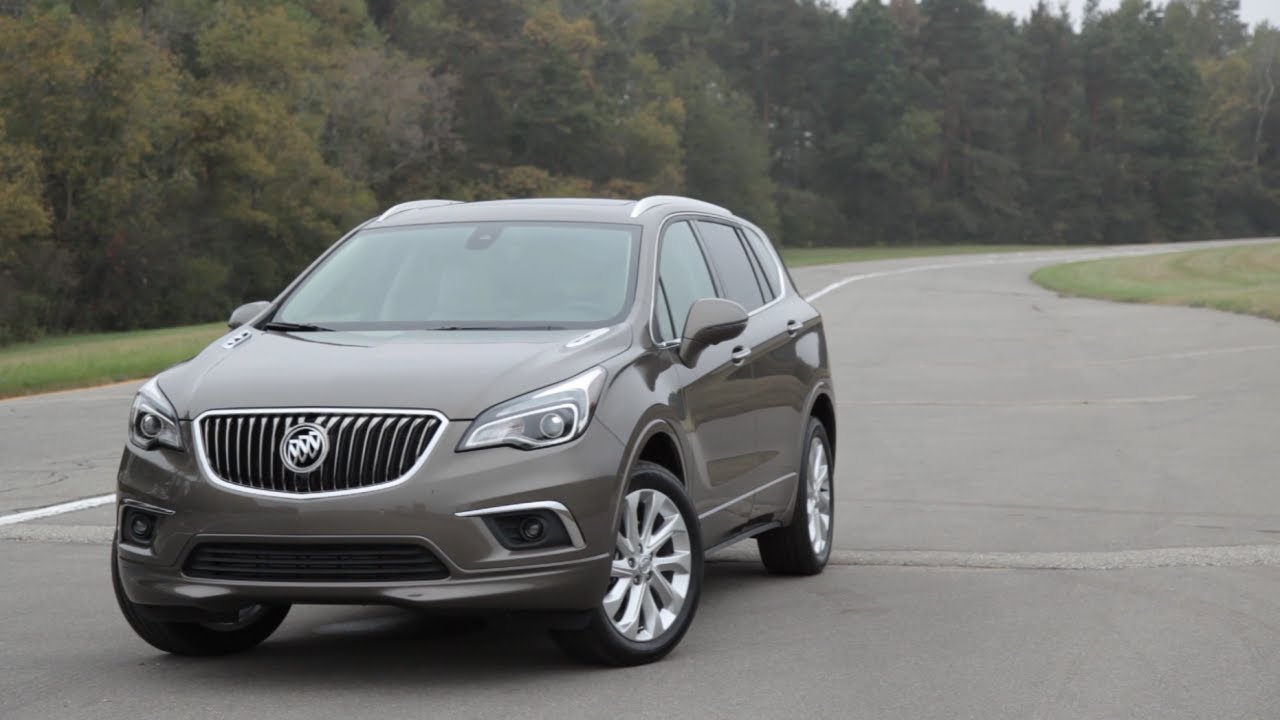
Buick spent years sitting in an unusual position within the automotive market. Some buyers viewed the brand as a quiet alternative to mainstream vehicles, while others appreciated the comfort, smooth ride quality, and upscale touches that often arrived without luxury-level pricing.
During recent years, Buick has also changed its lineup dramatically. Sedans disappeared, crossovers became the focus, and newer interiors started feeling far more modern than older models people still associate with the brand. That change created an interesting situation for used and new car shoppers.
Certain Buick models now deliver excellent value because they combine comfort, respectable reliability, and lower ownership costs than several luxury rivals. Others struggle with poor long-term durability, disappointing performance, or pricing that simply does not match what buyers receive.
Choosing the right Buick matters more than some shoppers expect. One model may provide years of smooth and affordable driving, while another can create endless frustration through repair bills and aging technology. Buyers who assume every Buick delivers the same ownership experience usually discover quickly that the lineup varies quite a bit depending on the model and production year.
Comfort remains one of Buick’s strongest strengths. Quiet cabins, soft ride quality, and supportive seating continue attracting drivers who want relaxed transportation without paying premium German luxury prices. Yet comfort alone does not guarantee smart ownership.
Here are five Buick models truly worth considering, followed by five that buyers should approach carefully before signing paperwork.
5 Buick Models Worth Buying
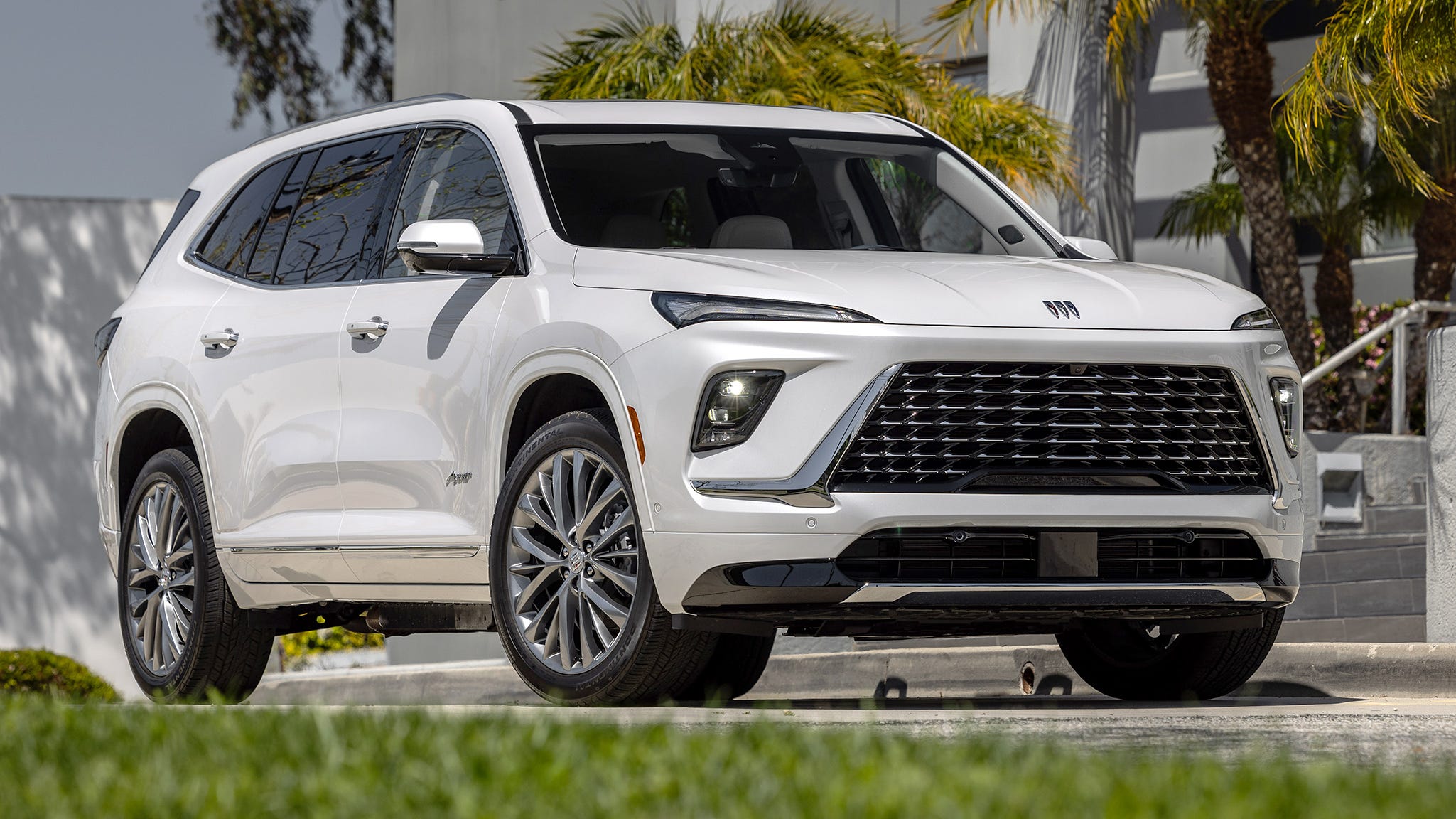
1. Buick Enclave Avenir
Large family crossovers rarely manage to feel genuinely upscale without climbing into expensive luxury territory. Buick handled that challenge surprisingly well with the Buick Enclave Avenir. This SUV gives buyers generous passenger room, strong highway comfort, and premium styling without forcing them toward luxury brands carrying much higher ownership costs.
Exterior styling looks polished without becoming flashy. Buick avoided aggressive design choices and instead focused on clean lines, tasteful chrome accents, and a shape that feels refined rather than trendy. Buyers wanting something mature and comfortable often appreciate that calmer design approach.
Step inside, and the Enclave Avenir immediately creates a strong impression. Soft leather seating, quiet cabin insulation, and thoughtful dashboard design help the SUV feel far more expensive than expected. Front seats remain comfortable during long road trips, while second row passengers receive excellent space for stretching out comfortably.
Third row seating also deserves praise because adults can actually use it without feeling cramped. Several midsize SUVs advertise three-row seating while delivering tiny rear seats suited only for children. Buick designed the Enclave more carefully, which makes family travel much easier.
Ride quality stands out almost immediately during city driving. Rough pavement, potholes, and highway expansion joints feel controlled without harshness entering the cabin. Buick tuned the suspension for comfort first, and drivers wanting relaxed daily transportation usually appreciate that choice.
Highway travel becomes another major strength. Wind noise stays impressively low, steering feels stable, and the cabin maintains a calm atmosphere during long drives. Families covering large distances frequently discover the Enclave feels less tiring than smaller crossovers.
Power from the V6 engine remains smooth and predictable. Acceleration feels strong enough for highway merging and passing without forcing the engine into excessive noise. Transmission behavior also stays refined during normal driving situations.
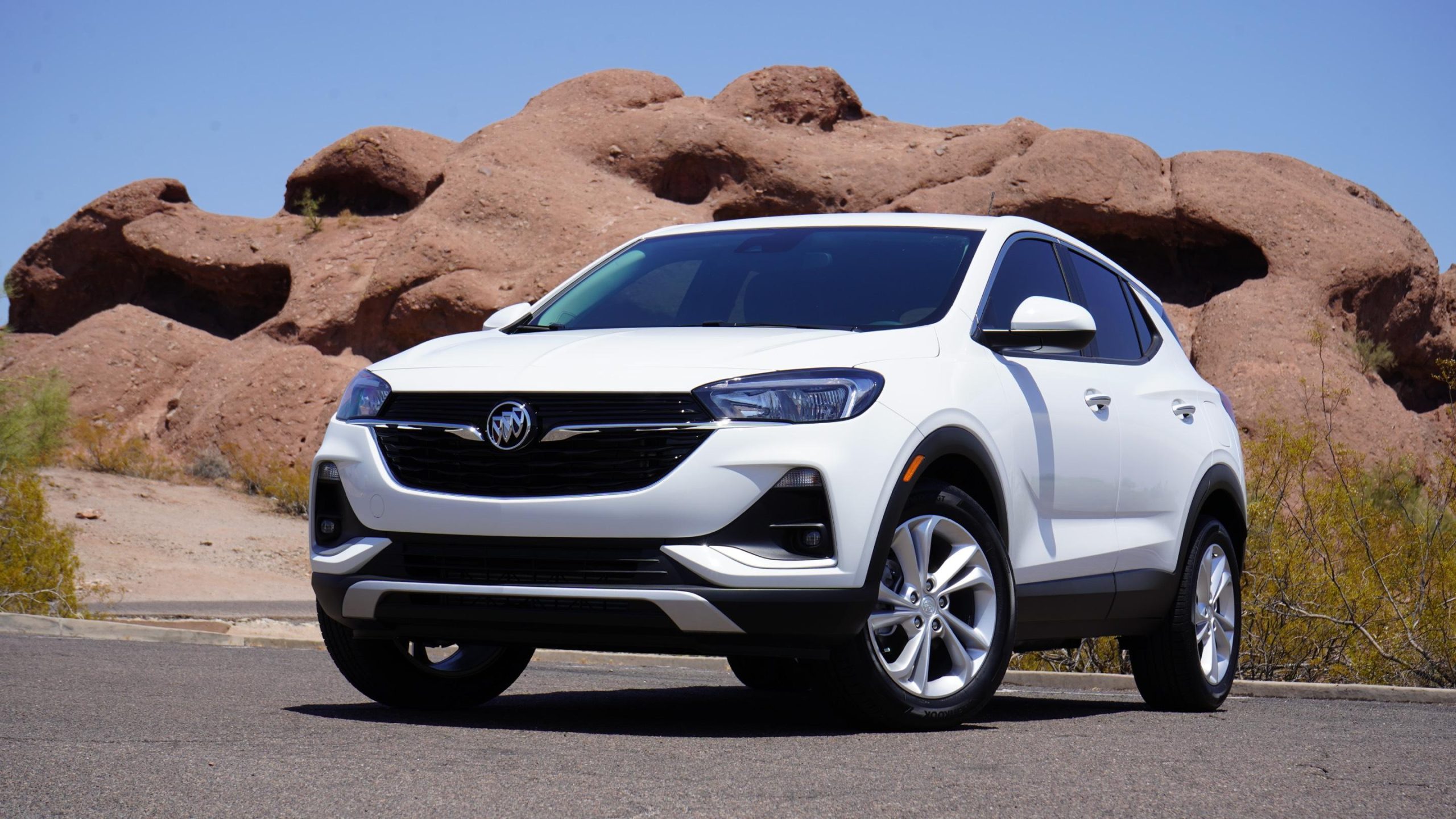
2. Buick Encore GX Essence
Smaller crossovers became extremely popular because drivers wanted SUV practicality without dealing with large vehicle dimensions. Buick responded effectively with the Buick Encore GX Essence, a compact crossover that blends comfort, efficiency, and surprisingly upscale cabin quality into an affordable package.
Parking becomes easy almost immediately. Tight garages, crowded shopping centers, and busy downtown streets feel far less stressful thanks to the Encore GX’s manageable size. Drivers moving from larger SUVs often appreciate how simple daily driving becomes.
Interior presentation feels much stronger than buyers may expect from a small crossover. Dashboard materials look modern, seating feels supportive, and the layout stays clean without overwhelming the driver with unnecessary buttons. Buick focused heavily on comfort, which helps the Encore GX feel mature rather than cheap.
Road noise remains impressively controlled for this size class. Several small crossovers allow tire and wind noise to dominate the cabin during highway travel. Buick insulated the Encore GX effectively, helping longer drives feel calmer and more refined.
Fuel economy also strengthens the ownership experience. Drivers commuting daily can save meaningful money at the gas station compared with larger SUVs. Highway efficiency especially helps buyers covering long distances regularly.
Technology integration works smoothly throughout the cabin. Smartphone connectivity responds quickly, touchscreen controls remain simple to understand, and available safety features help reduce daily driving stress. Buick avoided creating a learning curve for basic functions, which many drivers appreciate.
The passenger room stays respectable despite compact exterior dimensions. Front seat comfort remains excellent, while rear passengers still receive enough space for normal daily travel. Cargo room also handles groceries, luggage, backpacks, and household items effectively.
Turbocharged engine options deliver enough performance for confident highway driving without creating excessive fuel consumption. Acceleration feels smooth during city traffic and highway merging situations, helping the Encore GX avoid feeling underpowered.
Also Read: 10 Classic Buicks That Collectors Still Obsess Over
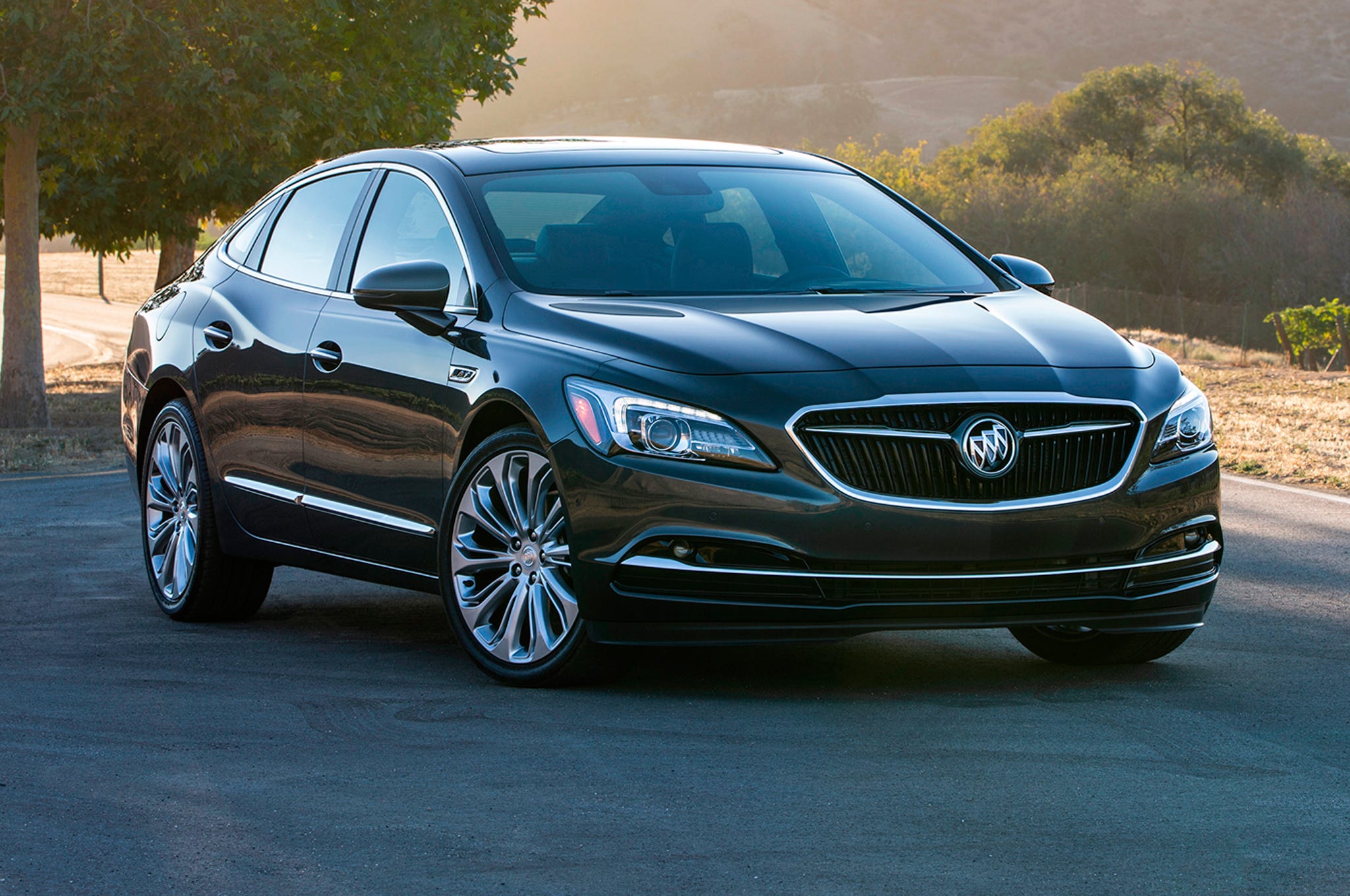
3. Buick LaCrosse Premium
Sedans may no longer dominate sales charts, though certain models still deserve attention from buyers wanting comfort and highway refinement. The Buick LaCrosse Premium remains one of those overlooked vehicles. Smooth ride quality, quiet cabin insulation, and spacious seating helped this sedan become one of Buick’s strongest modern products.
Exterior styling carries a clean and elegant appearance that aged surprisingly well. Buick avoided excessive chrome or awkward body lines, allowing the LaCrosse to maintain a more timeless design than several competitors from the same period.
Cabin comfort immediately becomes one of the car’s strongest qualities. Seats feel wide and supportive, especially during longer drives. Buick also focused heavily on reducing cabin noise, which helps the LaCrosse feel far more expensive than its used market pricing suggests today.
Highway driving suits this sedan perfectly. Road noise stays low, suspension tuning absorbs rough pavement smoothly, and steering remains stable during long trips. Drivers wanting a relaxing commuting experience often appreciate how calm the LaCrosse feels.
The passenger room remains generous as well. Rear seat passengers receive impressive legroom, while trunk space handles luggage and groceries without frustration. Buyers moving from smaller sedans usually notice the added comfort quickly.
V6 engine options provide smooth acceleration without excessive fuel consumption. Passing slower traffic feels easy, while transmission behavior stays refined during everyday driving situations.
Technology in later LaCrosse Premium models still feels competitive today. Heated seats, ventilated seating, premium audio systems, smartphone integration, and advanced safety features help the cabin maintain a modern atmosphere despite the model no longer being produced.
Reliability ratings for the LaCrosse generally remain solid when owners stay consistent with regular servicing. Parts availability also stays reasonable because several mechanical components were shared across other General Motors vehicles.
4. Buick Regal TourX Essence
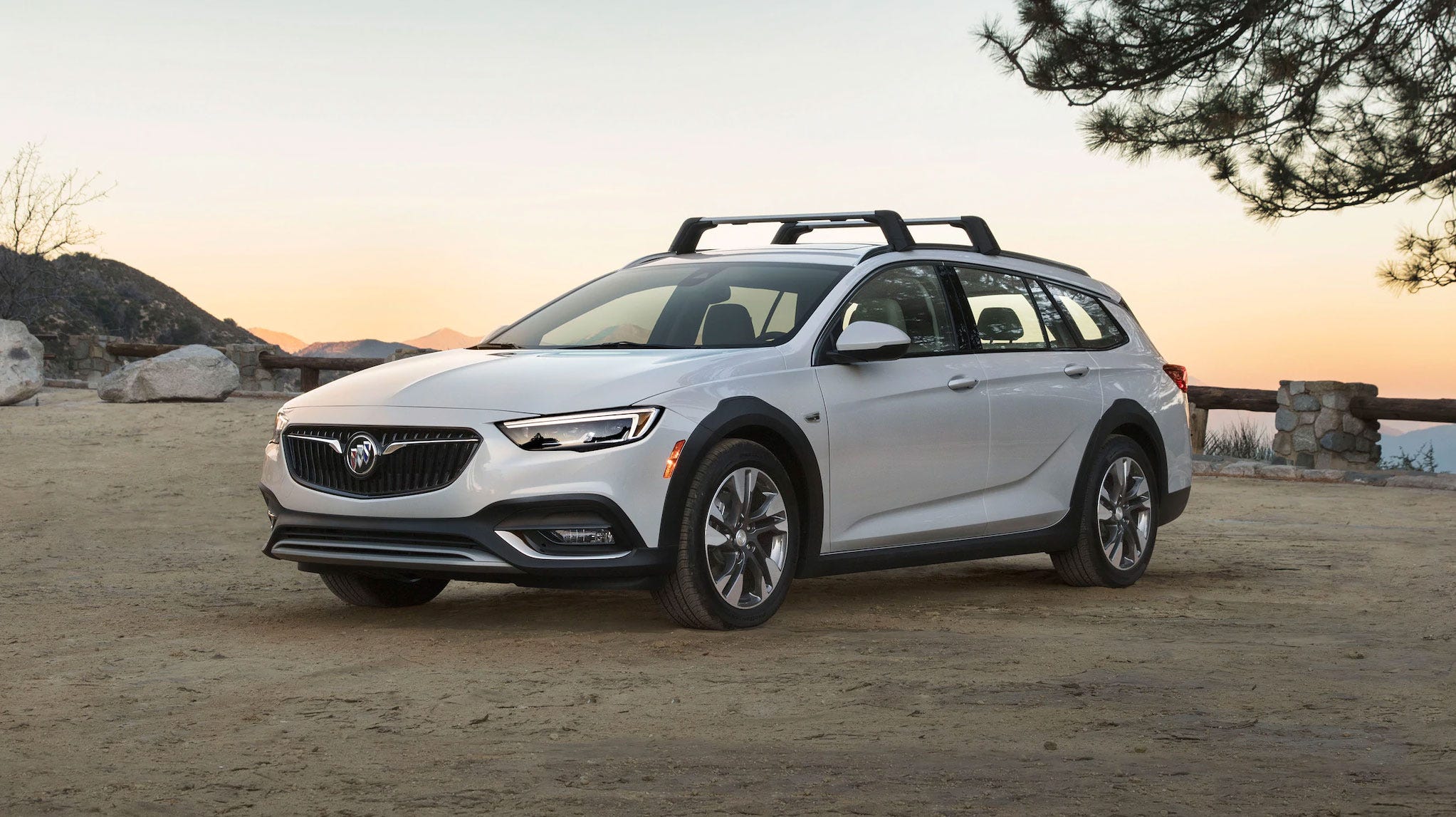
Station wagons never gained massive popularity in the United States the way they did in Europe, though certain models deserved far more attention than they received. The Buick Regal TourX Essence fits perfectly into that category. Practicality, all-weather confidence, and comfortable highway manners made this one of Buick’s most underrated vehicles.
First impressions usually surprise people because the Regal TourX does not resemble a traditional Buick. Long roof proportions, rugged lower body cladding, and sleek exterior styling give it a personality closer to a European touring wagon than a soft American cruiser. Buyers wanting something different from the endless stream of crossovers often appreciate that uniqueness immediately.
Cargo versatility stands out as one of the biggest strengths. Grocery runs, camping gear, bicycles, luggage, and household items fit easily inside the large rear cargo area. Fold the rear seats down, and the available space becomes genuinely impressive for a vehicle that still drives like a car rather than an SUV.
All Wheel Drive adds another layer of usefulness. Rain, snow, and rough weather conditions feel less stressful thanks to the added traction system. Drivers living in colder regions especially appreciate the extra confidence during winter months without needing a bulky truck or large SUV.
Turbocharged engine performance feels stronger than several buyers expect. Acceleration remains confident during highway merging and passing situations, while fuel economy stays respectable for a vehicle offering All Wheel Drive and generous cargo room.
Technology integration also works well in the Regal TourX Essence. Smartphone connectivity feels straightforward, touchscreen responses stay quick, and available driver assistance systems help create a safer daily driving experience.
Reliability remains fairly solid because the Regal TourX shares engineering roots with Opel products developed for European roads. Owners who stay consistent with scheduled servicing generally report satisfying experiences without major long-term frustrations.
Used market pricing creates another reason to consider this wagon seriously. Since the Regal TourX never became a high-volume seller, resale prices often remain surprisingly reasonable compared with similarly practical crossovers and wagons.
Drivers wanting comfort, versatility, and something less common than a typical SUV should give the Buick Regal TourX Essence serious consideration. It combines everyday usability with highway refinement in a way very few modern vehicles still manage.
5. Buick Envision Avenir
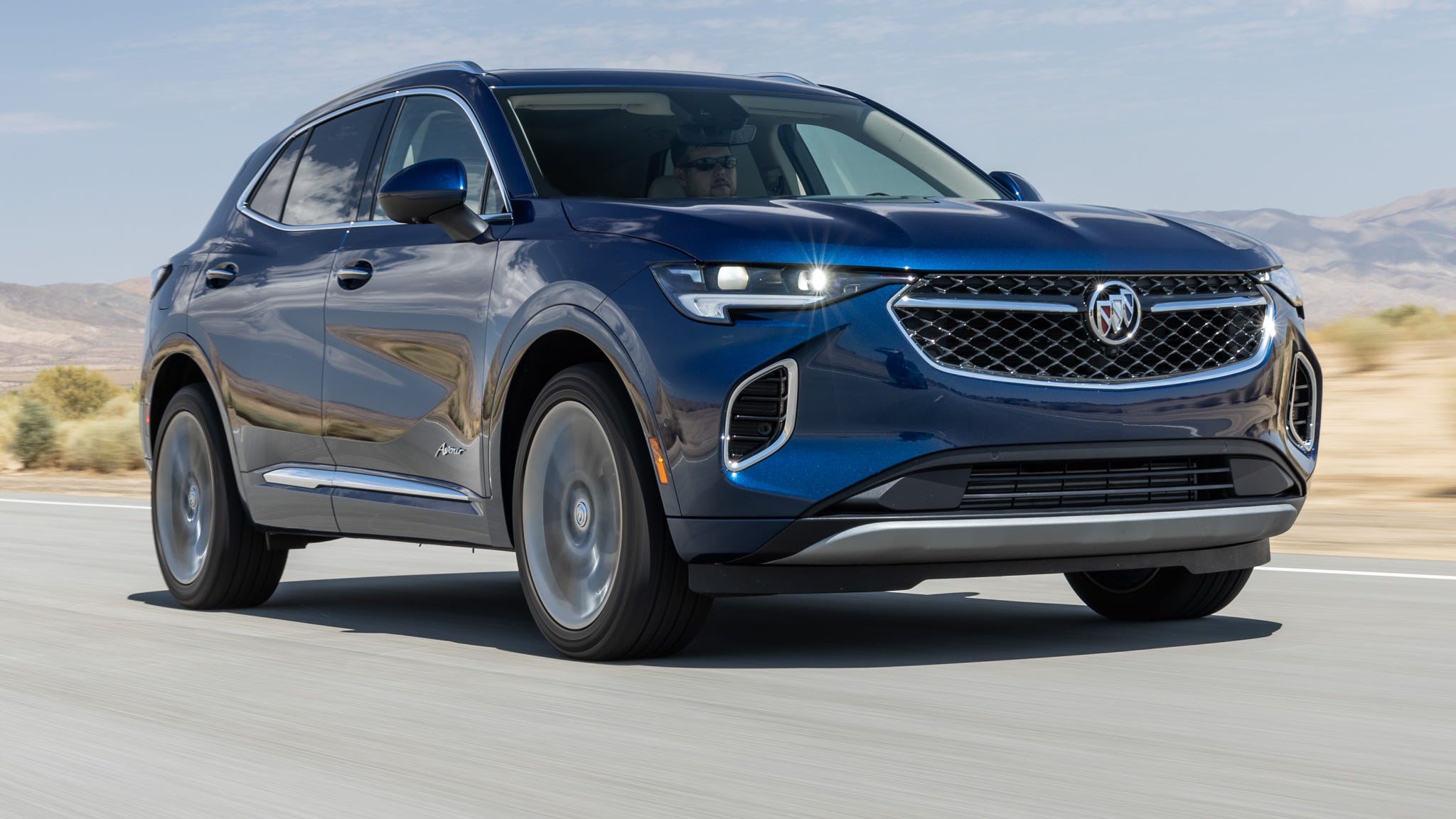
Buick improved dramatically once the brand began focusing more seriously on interior refinement and modern styling. Few vehicles represent that improvement better than the Buick Envision Avenir. This compact luxury-leaning crossover delivers comfort, technology, and upscale design without forcing buyers into intimidating luxury ownership costs.
Exterior styling immediately feels more polished than older Buick models people still remember. Sharp lighting elements, clean body lines, and tasteful chrome details help the Envision Avenir look modern without trying too hard to appear aggressive or sporty.
Step inside, and the cabin creates a surprisingly upscale first impression. Soft materials cover much of the dashboard and doors, while quilted leather seating adds a premium atmosphere usually associated with more expensive vehicles. Buick paid close attention to passenger comfort throughout the interior.
Front seat comfort remains excellent during longer drives. Heated and ventilated seating options help make daily commuting easier during both hot summers and cold winters. Rear passengers also receive respectable legroom for a compact crossover.
Quietness becomes one of Envision’s strongest strengths almost immediately. Buick focused heavily on sound insulation, helping road noise and wind noise stay well controlled during highway travel. Drivers wanting a calm and relaxing daily driving experience usually appreciate this characteristic quickly.
Ride quality leans heavily toward comfort rather than sportiness. Rough roads feel controlled without harsh impacts entering the cabin, while steering remains smooth and predictable during city driving. Buyers searching for an aggressive performance crossover may want something different, though comfort-focused drivers often enjoy Buick’s softer approach.
Turbocharged engine performance feels balanced for everyday use. Acceleration remains strong enough for confident highway merging without excessive fuel consumption. Transmission tuning also stays smooth during stop-and-go traffic situations.
5 Buick Models to Skip
1. Buick Encore Base
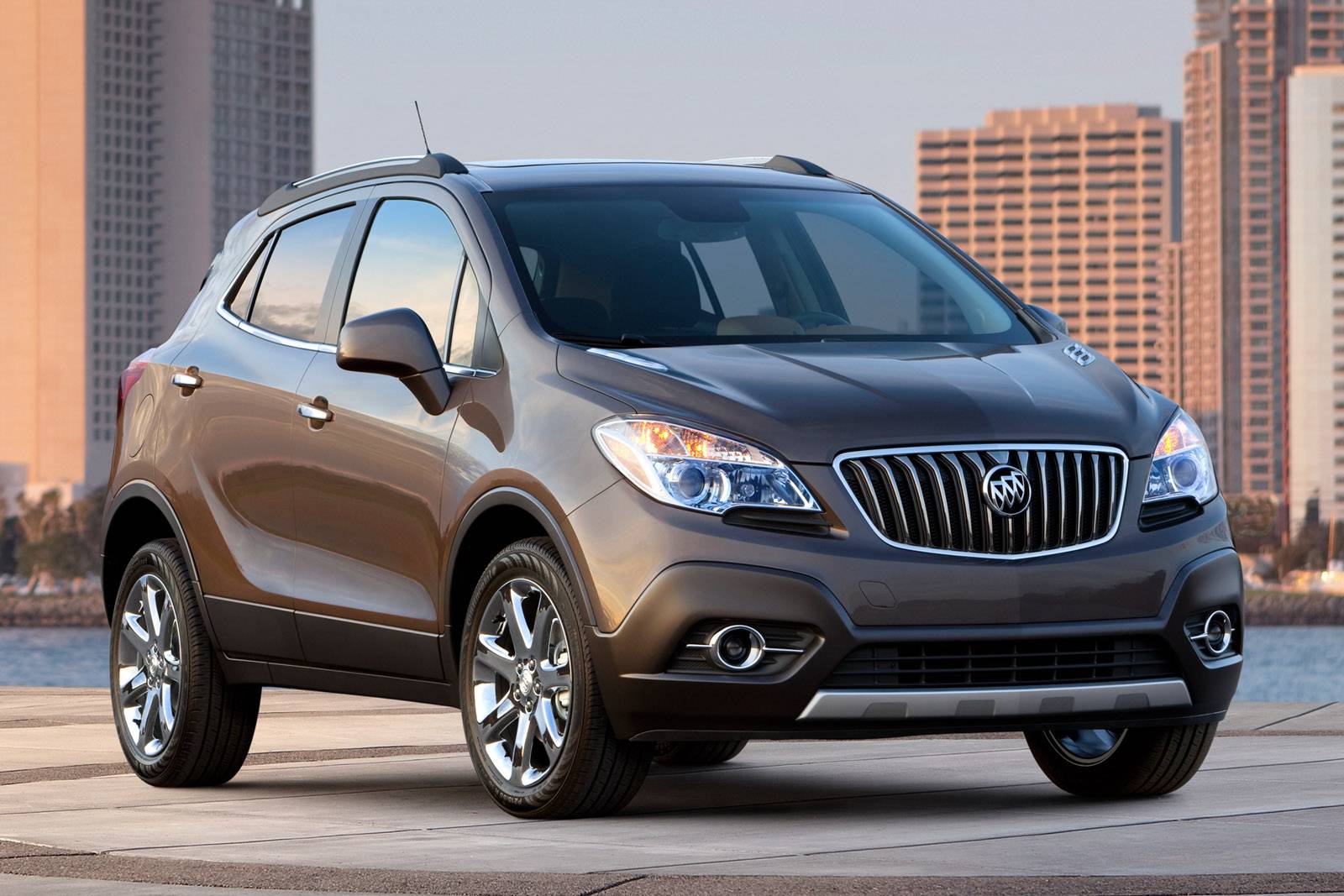
Small crossovers became extremely popular once buyers started moving away from compact sedans, though not every early entry into the segment delivered a polished experience. The Buick Encore Base arrived with strong expectations because buyers hoped for premium comfort in a city-friendly package. Unfortunately, the base version often feels too compromised to justify serious consideration today.
Cabin space becomes the first major issue. While the Encore looks practical from the outside, the interior room feels noticeably cramped once passengers climb inside. Rear seat space quickly becomes uncomfortable for adults, especially during longer drives. Cargo capacity also falls short compared with several rivals offering far more usable storage within similar exterior dimensions.
Performance disappoints almost immediately. Buick paired the base Encore with a small turbocharged engine that struggles under heavier acceleration. Highway merging sometimes feels sluggish, while steep hills expose the lack of power even more clearly. Drivers carrying passengers or luggage frequently notice the strain.
Ride quality creates mixed impressions as well. Smaller road imperfections enter the cabin more harshly than expected from a Buick. Buyers expecting the smooth and quiet character traditionally associated with the brand often leave disappointed after driving rough city streets or uneven highways.
Interior materials also reveal cost-cutting in several areas. Hard plastics dominate much of the cabin, and lower trims lack the upscale atmosphere buyers usually expect when purchasing a Buick product. Competitors from Mazda, Honda, and Hyundai frequently deliver more refined interiors at similar prices.
Technology inside older Encore Base models aged quickly. Touchscreen systems respond more slowly than modern rivals, graphics feel outdated, and certain connectivity features now seem frustratingly limited. Buyers accustomed to current infotainment systems may quickly grow irritated.
2. Buick Verano Convenience
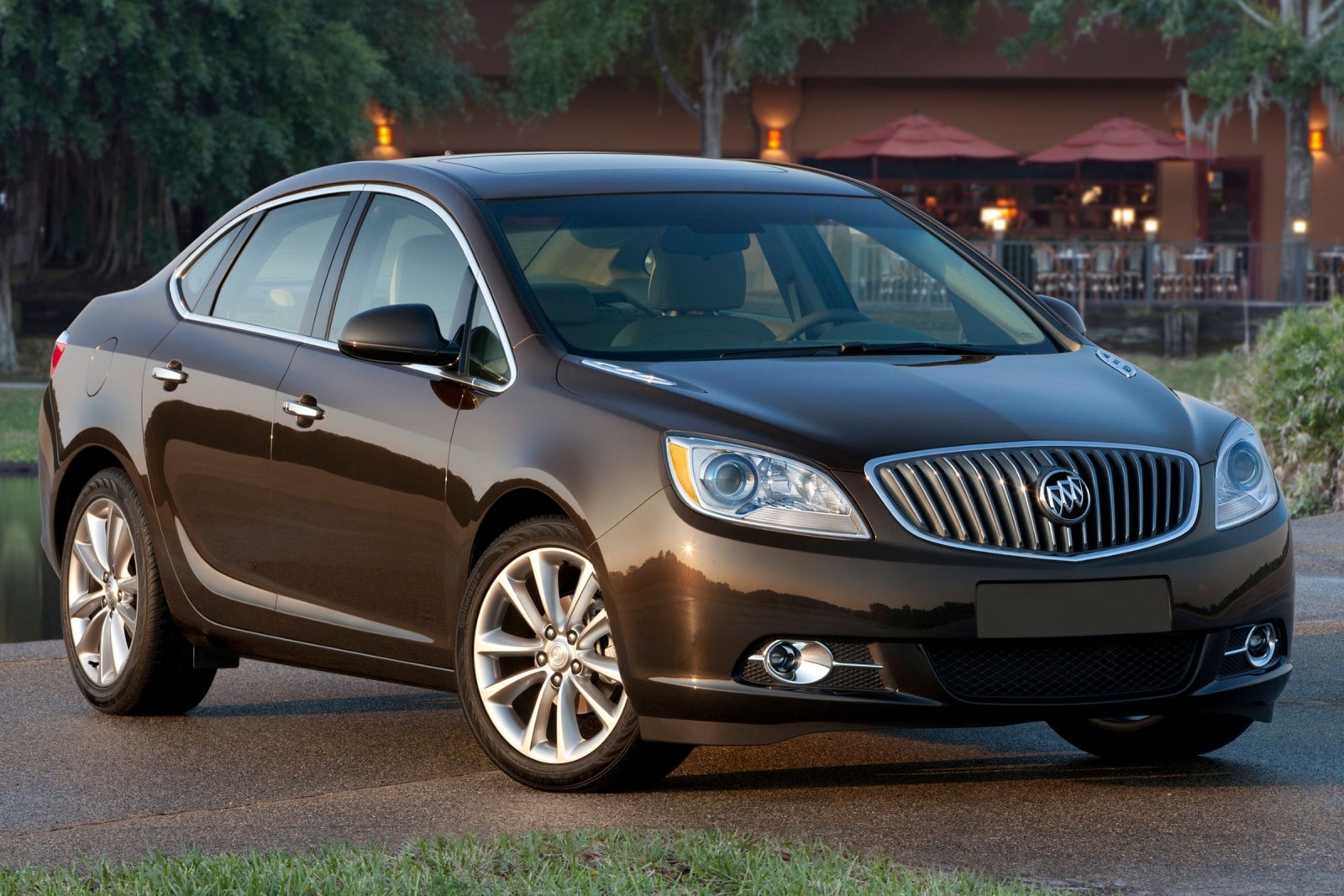
Compact luxury leaning sedans can work extremely well when manufacturers balance comfort, quality, and pricing carefully. Buick nearly achieved that goal with the Verano, though the Buick Verano Convenience trim falls short in several important areas that make ownership harder to recommend today.
First impressions actually feel fairly positive. Exterior styling carries a clean and mature appearance, while the cabin remains quieter than certain compact rivals from the same era. Drivers stepping inside may initially believe they have discovered a hidden bargain. Long-term ownership often changes that opinion.
Interior quality varies noticeably depending on mileage and care history. Certain trim pieces wear faster than expected, dashboard materials feel dated by modern standards, and cabin technology now appears badly behind newer compact sedans. Buyers wanting a modern driving experience may quickly lose patience with the aging infotainment setup.
Engine performance also disappoints compared with rivals. Base powertrains feel underwhelming during highway acceleration, especially when carrying passengers. Transmission behavior sometimes becomes hesitant during stop-and-go traffic, reducing confidence during everyday commuting.
Fuel economy remains average at best. Compact sedans from Honda, Toyota, and Hyundai generally deliver stronger efficiency without sacrificing comfort or drivability. Reliability concerns become a larger issue as mileage increases. Owners reported problems involving electrical systems, ignition components, sensors, and transmission-related repairs.
While certain Verano examples remain dependable, inconsistent long-term durability hurts buyer confidence. Repair expenses can also surprise owners because certain components require more labor-intensive servicing than expected from a compact sedan. Costs may not reach luxury brand levels, though they still exceed what buyers often experience with Japanese competitors.
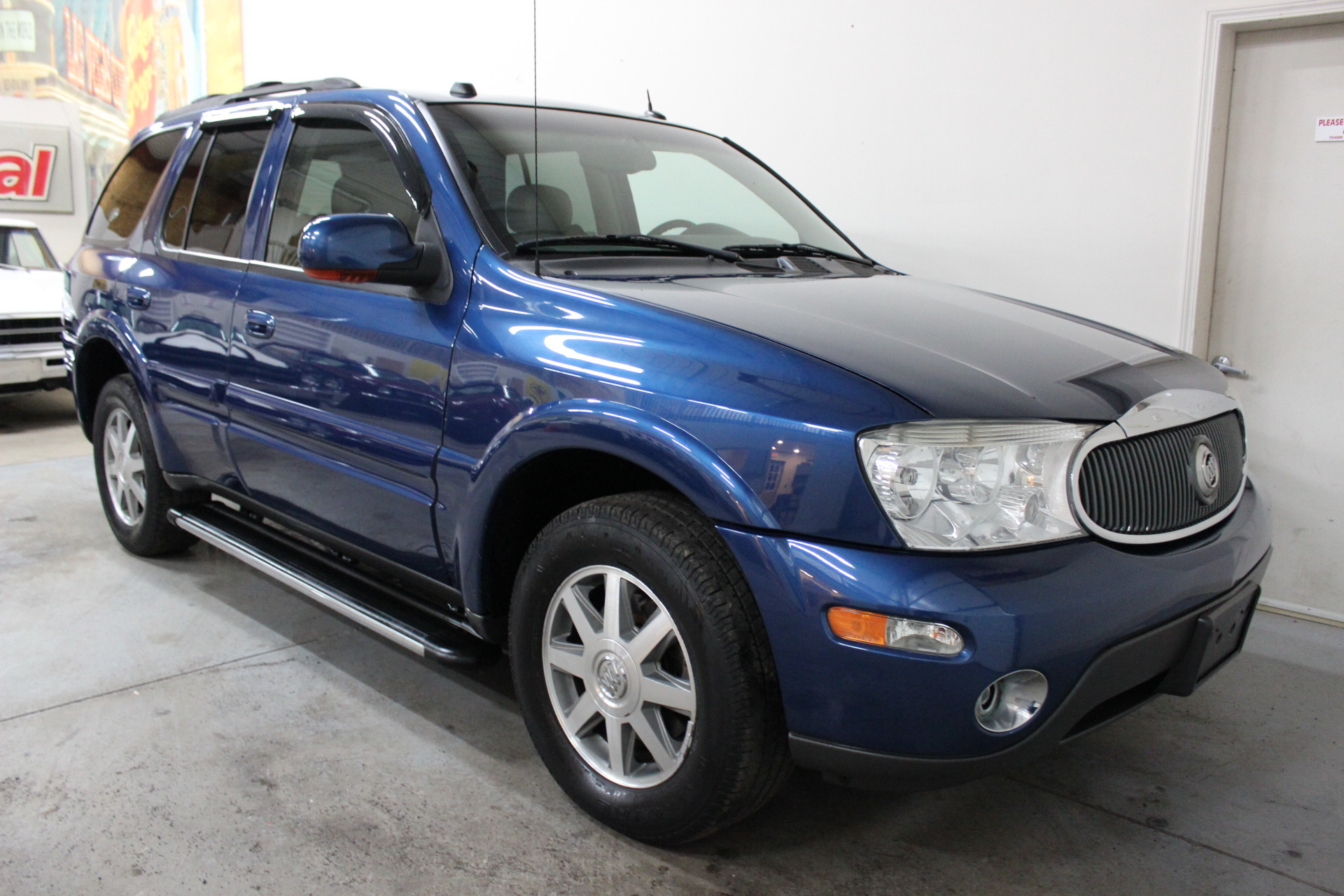
3. Buick Rainier CXL
SUV buyers once rushed toward midsize luxury-leaning vehicles promising comfort and truck-like practicality in one package. Buick joined that movement with the Buick Rainier CXL, though years later, this SUV developed a reputation that makes it difficult to recommend for modern buyers seeking dependable transportation.
Age alone already creates challenges because most Rainier models now carry very high mileage. Older SUVs naturally require extra care, though the Rainier often demands more attention than buyers expect once repair bills begin stacking up.
Build quality represents one of the largest concerns. Interior materials age poorly compared with rivals from Toyota and Honda. Peeling trim, worn switches, sagging headliners, and cracked dashboard components appear commonly on older examples. Even well-maintained vehicles frequently show their age quickly inside the cabin.
Mechanical reliability also remains inconsistent. Suspension failures, electrical problems, air conditioning issues, and drivetrain repairs appear regularly in long term ownership reports. Certain models equipped with air suspension systems become especially expensive once components start failing.
Fuel economy feels painfully outdated by modern standards. Large engines combined with heavy body construction force owners into frequent gas station visits, especially during city driving. Rising fuel prices only make the ownership experience harder to justify.
Driving manners disappoint as well. Steering feels vague, body roll becomes obvious during turns, and braking performance lacks the confidence buyers expect from newer SUVs. Highway travel can also feel unsettled compared with more refined competitors.
Technology inside the Rainier aged badly. Older navigation systems, limited connectivity, and outdated audio controls make the cabin feel ancient compared with modern vehicles. Buyers relying heavily on smartphone integration and current technology features may find the experience frustrating almost immediately.
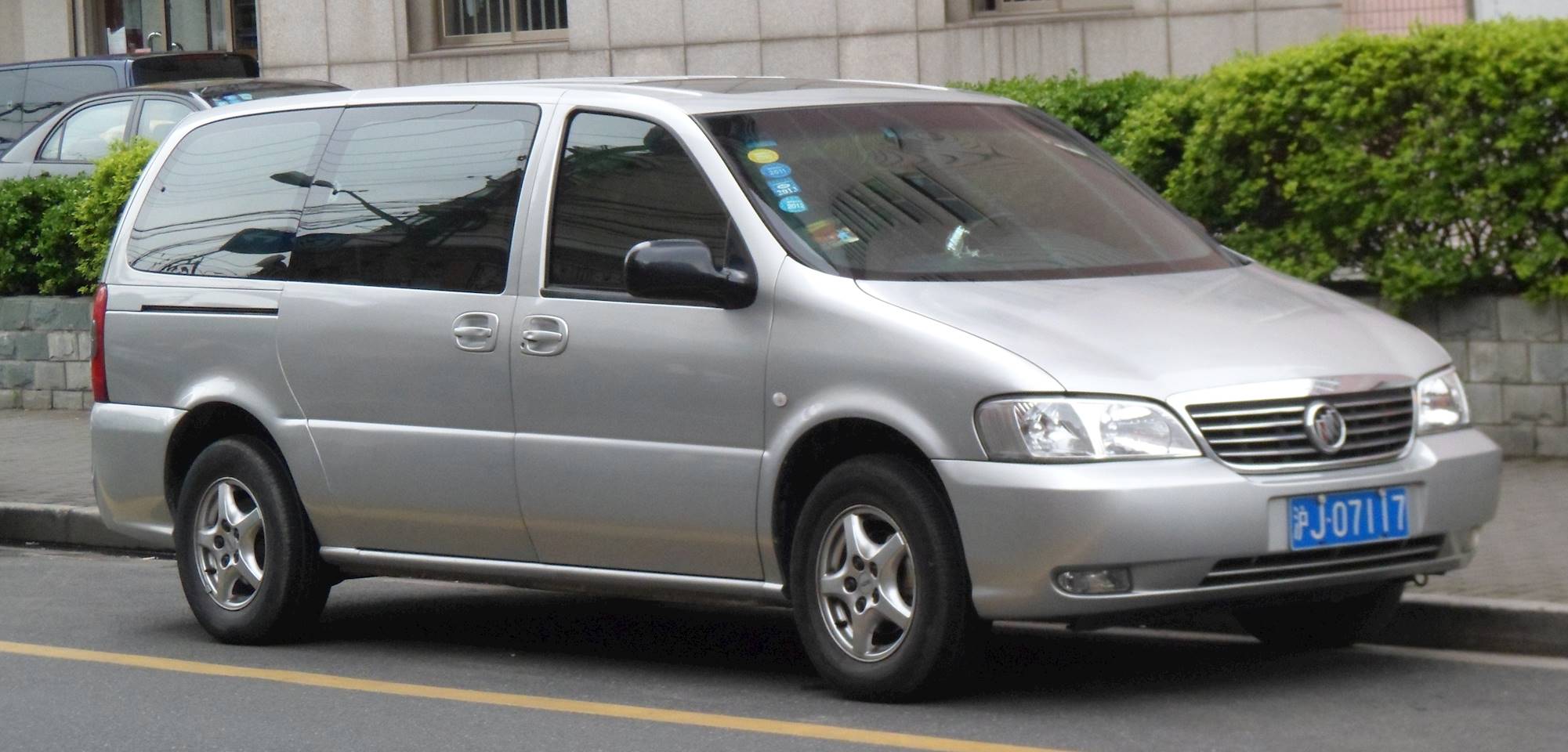
4. Buick Terraza CX
Minivans succeed when they provide dependable family transportation with strong practicality and low ownership stress. Unfortunately, the Buick Terraza CX struggled to achieve those goals consistently, which explains why it remains one of the weaker modern vehicles carrying the Buick badge.
First impressions already reveal certain problems. Exterior styling attempted to blend SUV-inspired design cues into a traditional minivan shape, though the final result aged poorly. Buyers looking for timeless family transportation rarely describe the Terraza as attractive today.
Cabin quality also disappoints quickly. Hard plastics dominate much of the interior, controls feel cheaply constructed, and material durability falls behind rivals from Honda and Toyota. Families using the vehicle heavily often notice worn trim and aging surfaces much sooner than expected.
Reliability concerns create the largest reason for caution. Electrical problems became frustratingly common in several Terraza models. Owners frequently reported malfunctioning power doors, faulty sensors, lighting issues, and dashboard warning problems. Electrical troubleshooting can quickly become expensive and time-consuming.
Powertrain durability also remains questionable compared with stronger minivan rivals. Transmission issues appeared often enough to damage long-term ownership confidence, while cooling system failures and engine-related problems created additional repair exposure.
Fuel economy never stood out positively either. Competing minivans delivered similar or better efficiency while offering stronger reliability and more refined driving experiences. Ride comfort falls short of expectations for a Buick-branded family vehicle.
Rough pavement enters the cabin more harshly than expected, while road noise remains noticeable during highway driving. Long family trips become tiring faster than they should. Interior practicality also trails class leaders. Storage compartments feel less thoughtful, seating flexibility lacks innovation, and third row usability remains weaker than rival minivans from Chrysler or Honda.
Safety ratings for certain Terraza model years also failed to impress, compared with those of stronger competitors offering more advanced crash protection and driver assistance technology. Depreciation hit the Terraza aggressively because used buyers quickly recognized the reliability concerns.
Resale value remains weak today, which sometimes tempts bargain shoppers into purchasing examples that later require expensive repairs.
Also Read: Top 10 Buicks That Are Built to Last That Remain Iconic
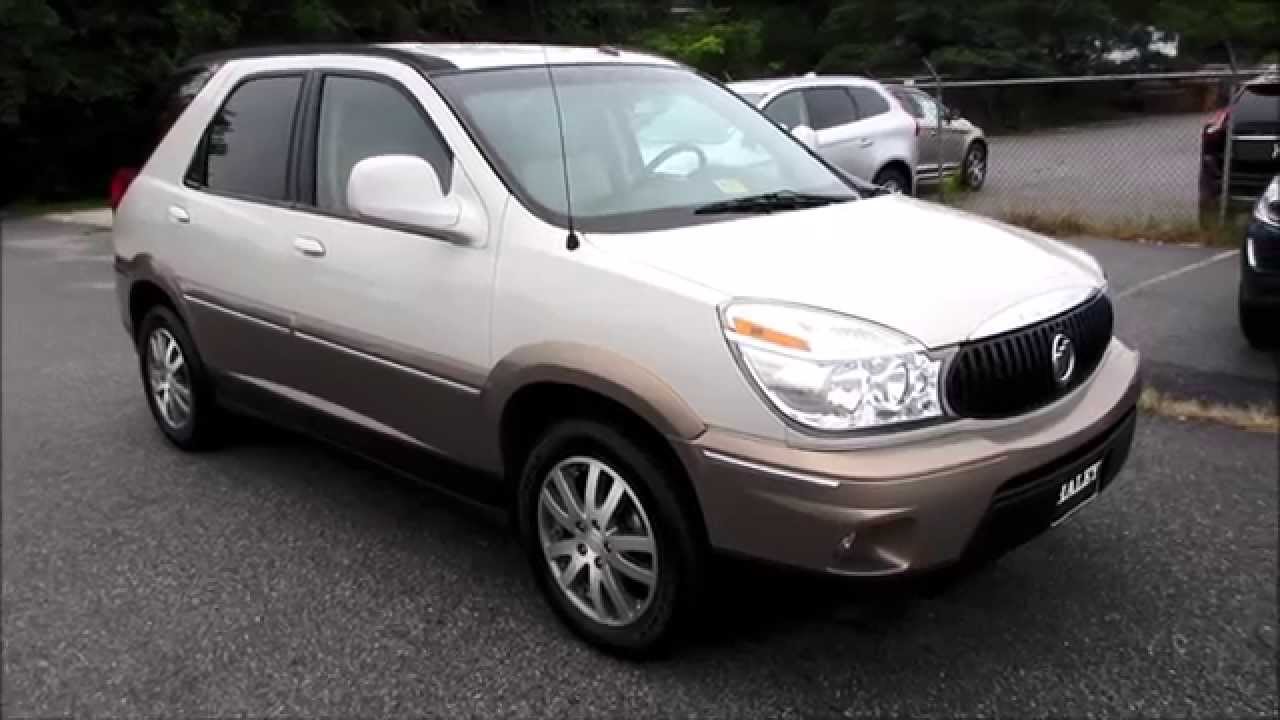
5. Buick Rendezvous CXL
Crossovers became wildly popular partly because they promised SUV practicality with easier daily driving manners. Buick entered that growing market early with the Buick Rendezvous CXL, though time exposed weaknesses that make this vehicle difficult to recommend today.
Styling once looked modern during the early 2000s, though the design now appears bulky and awkward compared with cleaner crossover shapes buyers prefer today. Aging exterior trim and faded plastic body panels also make older examples look worn quickly.
Interior design aged even worse. Dashboard layouts feel cluttered, material quality remains disappointing, and controls lack the polished feel buyers expect from modern vehicles. Several cabin components also develop rattles and squeaks as mileage climbs higher.
Reliability concerns remain the biggest problem. Cooling system failures, intake manifold gasket leaks, wheel bearing issues, and transmission problems became common complaints among owners. Repair costs can rise rapidly once multiple aging components begin failing at the same time.
Electrical problems add another layer of frustration. Faulty gauges, power accessory malfunctions, and warning light issues appear frequently enough to create ongoing annoyance for owners trying to keep these vehicles running reliably.
Fuel economy falls below what most buyers expect from a midsize crossover. Heavy construction and older engine designs force owners into frequent fuel stops compared with more efficient modern alternatives. Driving experience also feels outdated.
Steering lacks precision, suspension tuning feels soft without delivering excellent comfort, and highway stability falls short compared with newer crossovers offering more controlled handling. Passenger space remains fairly generous, which once helped attract family buyers. Yet clever packaging in modern SUVs now delivers similar room with better comfort and stronger cargo flexibility.
