
Modern SUVs and trucks often borrow the styling language of serious off-road machines. Aggressive bumpers, chunky tires, skid-plate-inspired trim, and rugged marketing campaigns create the impression that almost every utility vehicle is trail-ready.
However, there is a major difference between a vehicle that merely looks capable and one that is genuinely engineered to handle demanding terrain. That difference becomes obvious the moment pavement disappears.
Real off-road vehicles are built around hardware that supports traction, durability, and control in difficult environments. Features such as low-range transfer cases, locking differentials, solid ground clearance, underbody protection, and specialized suspension systems are not cosmetic additions.
They directly affect how a vehicle performs on mud, rocks, sand, and steep trails. Without these components, even the toughest-looking SUV can struggle once conditions become challenging.
At the same time, many modern crossovers and SUVs are designed primarily for urban driving. Manufacturers understand that buyers enjoy rugged styling, so these vehicles often receive adventurous appearances despite lacking the mechanical systems required for serious off-road use.
They may perform adequately on gravel roads or in mild weather, but their capabilities are limited compared to vehicles designed specifically for demanding terrain.
This contrast matters because appearance can easily create unrealistic expectations. A buyer may assume that aggressive styling automatically means strong off-road ability, only to discover that the vehicle is intended more for city streets than rough landscapes.
Understanding the difference between authentic off-road engineering and image-focused design helps separate marketing from real capability.
This article focuses on both sides of that divide. First, it highlights vehicles equipped with genuine off-road hardware that allows them to perform confidently beyond paved roads. Then it shifts attention to vehicles that embrace rugged aesthetics but rely more on appearance than true trail-focused engineering.
By comparing these two categories, it becomes easier to understand what makes an off-road vehicle truly capable and why some SUVs are far tougher in design than they are in practice.
Also Read: 8 Reliable Sedans Selling Under $4,000
5 Cars With Real Off-Road Hardware
Real off-road vehicles are defined by much more than aggressive styling or marketing language. Genuine capability comes from engineering decisions that allow a vehicle to handle difficult terrain repeatedly without losing control, traction, or durability.
While many modern SUVs borrow rugged design cues, only a smaller group is actually equipped with the hardware needed to perform confidently beyond paved roads.
The difference usually begins underneath the vehicle. Serious off-road machines rely on components such as low-range transfer cases, locking differentials, reinforced suspension systems, skid plates, and durable chassis construction.
These are not cosmetic additions. They directly affect how the vehicle behaves when surfaces become loose, uneven, steep, or unpredictable. Without these systems, an SUV may look adventurous while struggling in the moment conditions become demanding.
Another important factor is how these vehicles distribute power. On difficult terrain, maintaining traction is far more complicated than simply having all-wheel drive.
True off-road hardware allows power to reach the wheels that still have grip, helping the vehicle continue moving even when one or more tires lose contact with the ground. This mechanical advantage separates authentic off-road vehicles from crossovers designed mainly for urban roads.
Suspension design also plays a major role. Off-road focused vehicles are engineered to absorb impacts, maintain wheel articulation, and protect critical components underneath the body. This allows them to travel across rocks, mud, sand, and uneven trails without suffering the limitations that road-oriented vehicles often face.
The models in this section are included because they represent genuine off-road engineering rather than appearance-focused marketing. Each one approaches capability differently, but all of them share a strong mechanical foundation designed for real-world terrain challenges.
They are built not just to look tough in advertisements but to deliver confidence and durability where pavement ends.
1. Jeep Wrangler Rubicon
The Jeep Wrangler Rubicon has built its reputation through decades of genuine off-road performance, and much of that credibility comes from the hardware hidden beneath its rugged exterior. This is not a vehicle that simply adopts adventurous styling cues.
It is designed from the ground up to tackle terrain that would stop many ordinary SUVs almost immediately.
One of the defining features is its solid front and rear axles. While many modern SUVs use independent suspension systems focused on road comfort, the Wrangler prioritizes articulation and durability. This allows the wheels to maintain contact with uneven surfaces more effectively, which is critical when climbing rocks or crossing deep ruts.
The Rubicon trim also includes locking differentials and a low-range transfer case. These are not decorative features or software-based simulations. They provide real mechanical traction in conditions where grip becomes limited.
Drivers can distribute power more effectively to the wheels that still have traction, helping the vehicle continue moving through mud, sand, or steep inclines.
Ground clearance further strengthens its capability. The Wrangler’s short overhangs and high ride height make it easier to approach obstacles without scraping the underside. Combined with skid plates protecting vital components, the vehicle is clearly intended for environments where contact with rough terrain is expected.
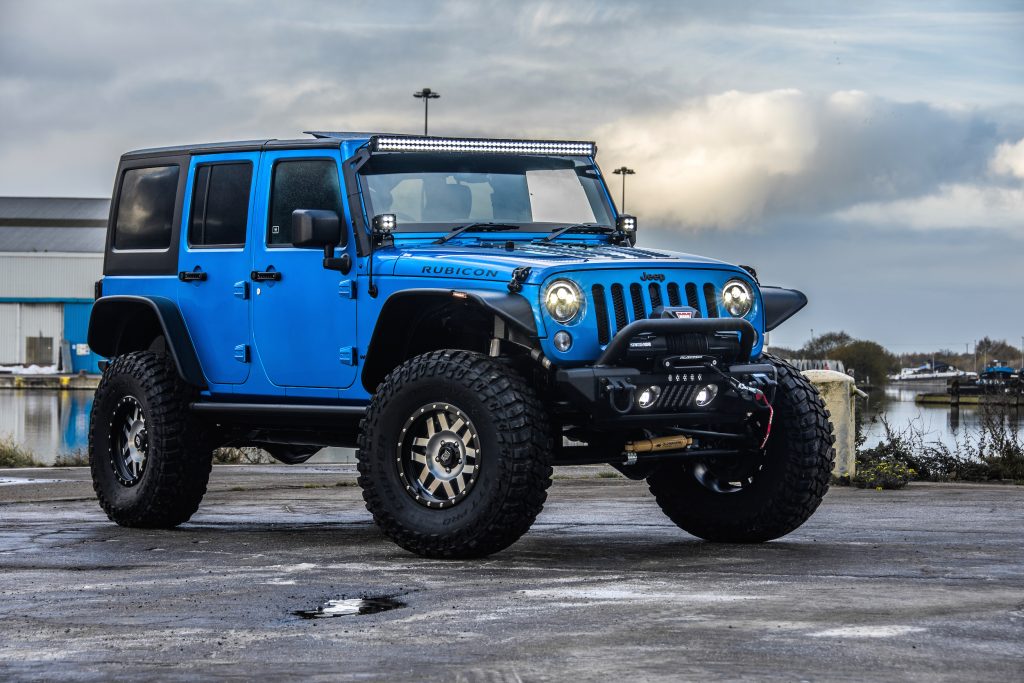
This SUV is included because it represents one of the clearest examples of authentic off-road engineering still available today. The Wrangler Rubicon is not trying to imitate capability through styling alone. Its hardware proves that the design is supported by serious mechanical substance.
2. Toyota Land Cruiser
The Toyota Land Cruiser takes a very different approach to off-road performance compared to the Wrangler, focusing less on raw ruggedness and more on durability, balance, and long-term dependability. Despite its refined appearance, the Land Cruiser remains one of the most capable off-road vehicles ever produced.
Its strength begins with the platform itself. The body-on-frame construction provides the toughness needed for difficult terrain while maintaining structural resilience over years of demanding use. This design has helped the Land Cruiser earn a global reputation in regions where reliability matters more than luxury branding.
The four-wheel-drive system is engineered for genuine off-road conditions rather than occasional use. Features such as low-range gearing and advanced traction control allow the vehicle to adapt to changing surfaces with confidence. Whether driving through loose sand or rocky trails, the system works to maintain stability without feeling overly intrusive.
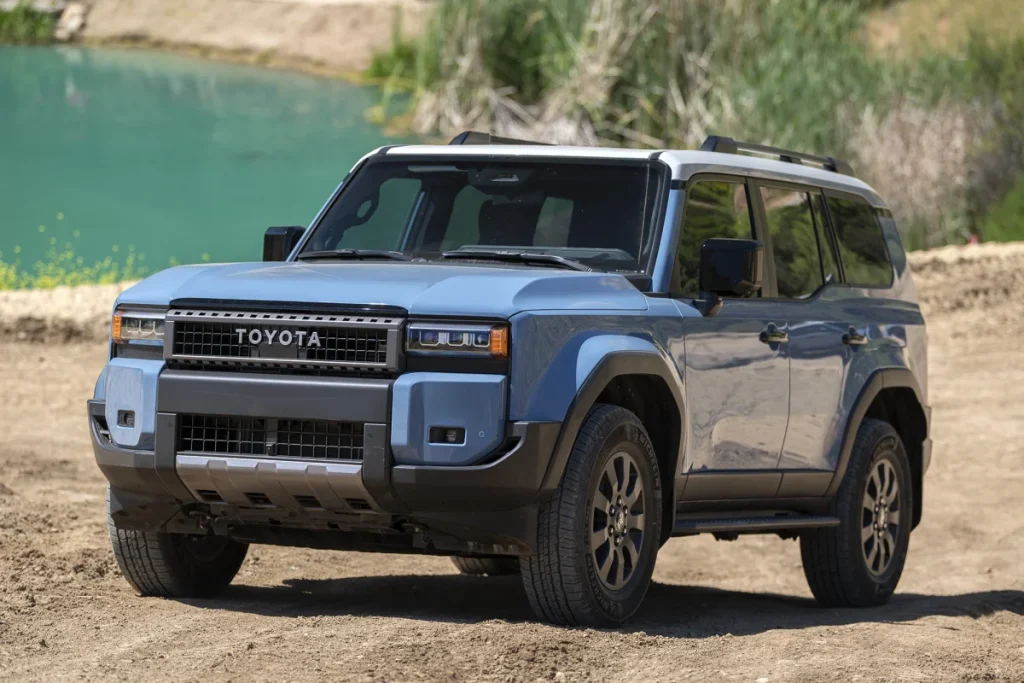
Another major advantage is suspension tuning. The Land Cruiser manages to balance off-road articulation with highway comfort in a way few vehicles can match. It absorbs rough terrain effectively while still remaining composed during everyday driving. This dual nature is part of what makes it so respected among serious off-road enthusiasts.
This vehicle appears in this list because it proves that true capability does not always need an aggressive personality. The Land Cruiser combines engineering depth, durability, and mechanical strength in a package that performs exceptionally well far beyond paved roads.
3. Ford Bronco
The Ford Bronco returned to the market with enormous expectations, and what makes it important in this discussion is that Ford backed up the styling with real mechanical capability. It would have been easy to create a retro-inspired SUV that only looked adventurous, but the Bronco was engineered to compete seriously in difficult terrain.
One of the key strengths of the Bronco is the availability of advanced four-wheel drive systems paired with low-range gearing. These systems are designed to provide controlled torque delivery in demanding situations rather than simply improving traction on wet pavement.
When climbing steep trails or crawling across uneven rocks, that mechanical advantage becomes immediately noticeable.
The suspension setup also deserves attention. Independent front suspension is unusual in this category because many traditional off-road vehicles rely on solid axles. Ford chose a different route, creating a balance between trail capability and daily drivability.
The Bronco maintains impressive articulation while also delivering more stable on-road handling than some older off-road designs.
Ground clearance and approach angles further strengthen its credentials. The body shape avoids excessive overhangs, reducing the chance of scraping when approaching steep obstacles. Certain trims also include locking differentials and disconnecting sway bars, which allow the suspension to move more freely across uneven surfaces.
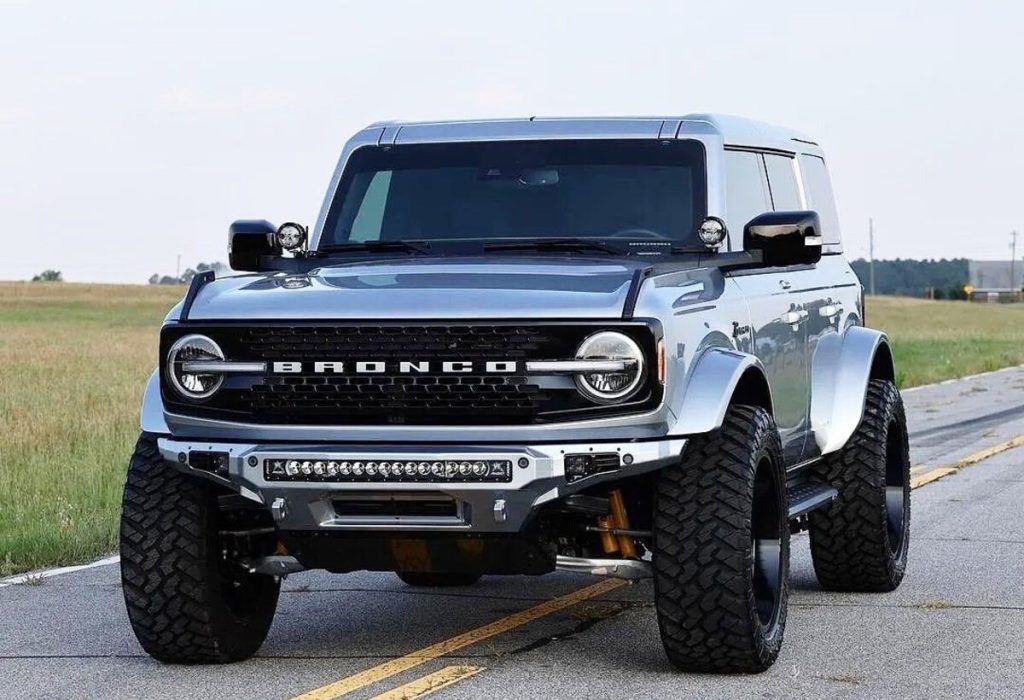
Another reason this SUV belongs here is the amount of engineering dedicated specifically to off-road use. Features like trail cameras, terrain management systems, and water-resistant materials support the vehicle’s intended purpose rather than serving as marketing additions.
The Bronco earns its place because it demonstrates that modern technology and genuine off-road hardware can coexist successfully. It respects the traditions of serious trail vehicles while adapting them for modern expectations.
4. Land Rover Defender
The modern Land Rover Defender approaches off-road performance differently from more traditional trail-focused vehicles, yet its capability is very real. Instead of relying primarily on old-school mechanical simplicity, it combines advanced engineering with rugged construction to create a highly versatile machine.
The foundation begins with its strong platform and sophisticated all-wheel-drive system. Unlike crossovers that use all-wheel drive mainly for bad weather, the Defender’s system is designed to operate effectively on deeply uneven and slippery terrain.
It constantly adjusts power delivery based on grip conditions, helping maintain traction in situations where lesser systems would struggle.
Air suspension is another defining feature. This allows the Defender to raise its ride height significantly when necessary, improving ground clearance for obstacles and water crossings. At the same time, the suspension can be lowered for easier road use, creating flexibility that many traditional off-road vehicles cannot match.
Terrain response systems add another layer of capability. Different driving modes alter throttle response, traction settings, and drivetrain behavior to suit conditions like mud, sand, rocks, or snow. While some enthusiasts prefer purely mechanical setups, the Defender shows how electronics can genuinely improve off-road performance when properly calibrated.
Visibility and body design also contribute to its effectiveness. The upright shape provides a clear view of the surroundings, helping drivers place the vehicle accurately on narrow trails. Short overhangs reduce the risk of contact with obstacles, reinforcing its trail-ready design.
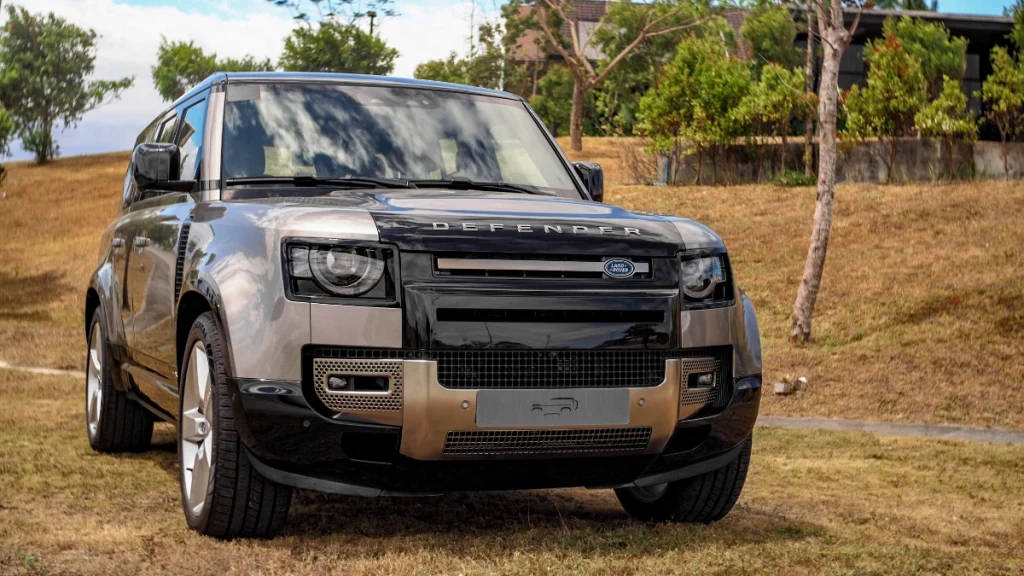
This SUV is included because it represents a modern interpretation of serious off-road engineering. The Defender proves that advanced technology does not automatically weaken capability when it is developed with real terrain challenges in mind.
5. Chevrolet Colorado ZR2
The Chevrolet Colorado ZR2 stands apart from many midsize trucks because its off-road ability comes from meaningful engineering changes rather than appearance packages. At first glance, it certainly looks aggressive, but the important difference is that the hardware underneath is built to support demanding terrain in real conditions.
One of the most significant upgrades is the suspension system. The ZR2 uses specialized dampers designed to handle rough surfaces while maintaining control over uneven ground.
Instead of bouncing harshly across trails, the truck remains composed, allowing the tires to stay connected to the terrain more effectively. This improves traction and driver confidence at the same time.
Front and rear locking differentials are another major reason this truck deserves inclusion here. These systems allow power to be distributed evenly when traction becomes uneven between wheels. In off-road situations where one tire may lift or lose grip, the locking differentials help the vehicle continue moving rather than spinning uselessly.
Ground clearance and underbody protection also show that the truck was designed for more than visual appeal. Skid plates shield important mechanical components from rocks and debris, while the lifted stance allows the Colorado ZR2 to approach difficult obstacles without scraping its underside.
Tire selection plays an equally important role. The off-road-focused tires provide grip on loose surfaces that ordinary road tires cannot match. Combined with the truck’s suspension tuning, they create a package capable of handling mud, rocks, and uneven trails with surprising confidence.
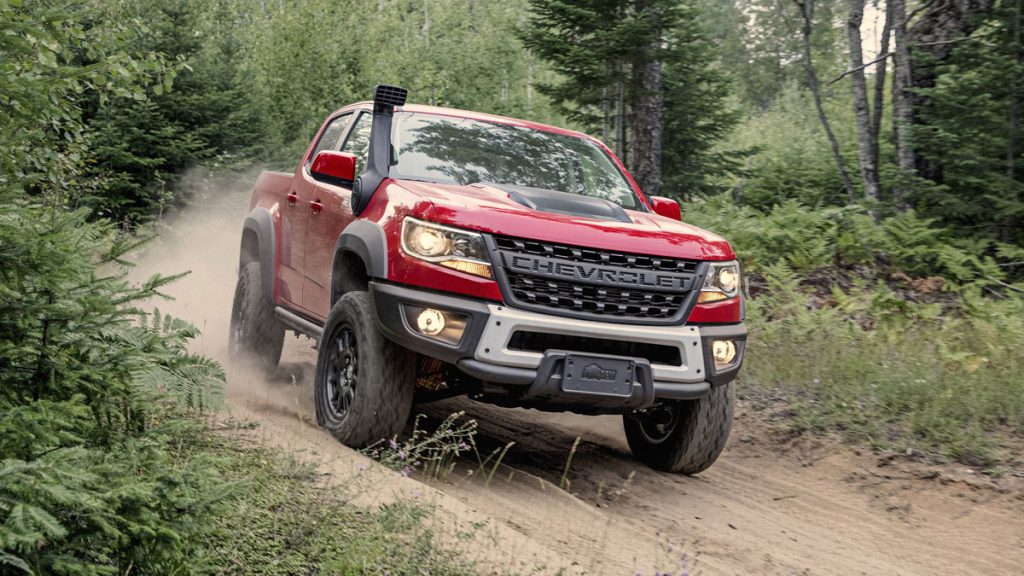
This truck is included because it represents a balanced approach to off-road capability. It does not rely on nostalgia or exaggerated styling to prove its toughness. The Colorado ZR2 earns credibility through hardware specifically developed for real-world off-road use.
5 With Looks Only
Not every SUV or crossover with rugged styling is engineered for serious off-road driving. In many cases, manufacturers use adventurous design elements to create a tougher appearance without adding the hardware required for demanding terrain.
Large wheels, black cladding, roof rails, and aggressive bumpers may suggest capability, but appearances alone do not determine how a vehicle performs once pavement ends.
True off-road driving places heavy demands on suspension systems, drivetrains, and chassis construction. Vehicles built primarily for urban commuting often lack features such as low-range gearing, locking differentials, underbody protection, and sufficient articulation. Without these components, even minor obstacles can quickly expose the limits of their capability.
Another issue is tire and wheel design. Many style-focused SUVs use large wheels with thin-sidewall tires that look sporty on city streets but perform poorly on rocks, mud, or sand. These setups prioritize appearance and road handling rather than durability in rough conditions.
Ride height can also be misleading. Some vehicles appear tall and rugged, yet their ground clearance and approach angles remain limited. A vehicle may look prepared for trails while actually being vulnerable to scraping or traction loss once conditions become uneven.
The models in this section are included because they demonstrate how styling can sometimes create expectations that the mechanical design cannot fully support.
That does not make them bad vehicles. Many perform very well in daily driving and light weather conditions. However, their rugged appearance suggests a level of off-road ability that is not truly reflected in the hardware underneath.
Understanding this distinction helps separate genuine capability from image-focused marketing, especially for buyers who may assume that aggressive design automatically means serious off-road performance.
1. Toyota RAV4 Adventure
The Toyota RAV4 Adventure is a perfect example of how styling can influence perception. At a glance, it appears ready for rough trails with its larger grill, rugged trim details, raised stance, and tougher-looking exterior accents.
For many buyers, these visual changes create the impression of a vehicle built for serious outdoor use. In reality, its capabilities remain much closer to a road-focused crossover than a dedicated off-road machine.
The all-wheel drive system helps in poor weather and light dirt paths, but it lacks the heavy-duty hardware associated with true off-road vehicles.
There is no low-range transfer case, no locking differential designed for extreme traction situations, and no suspension setup intended for demanding rock or mud conditions. Once surfaces become deeply uneven or slippery, the limitations become noticeable quickly.
Ground clearance also tells an important story. While the RAV4 Adventure sits slightly higher than some standard crossovers, it still does not provide the kind of clearance needed for serious obstacles. Steeper trails or rocky terrain can expose the underside to contact much sooner than drivers might expect from its rugged appearance.
The tire setup further reinforces its urban focus. The tires are chosen more for efficiency and comfort than aggressive traction. They perform adequately on gravel roads and in snow, but they are not designed for difficult off-road environments where stronger sidewalls and deeper tread patterns matter.
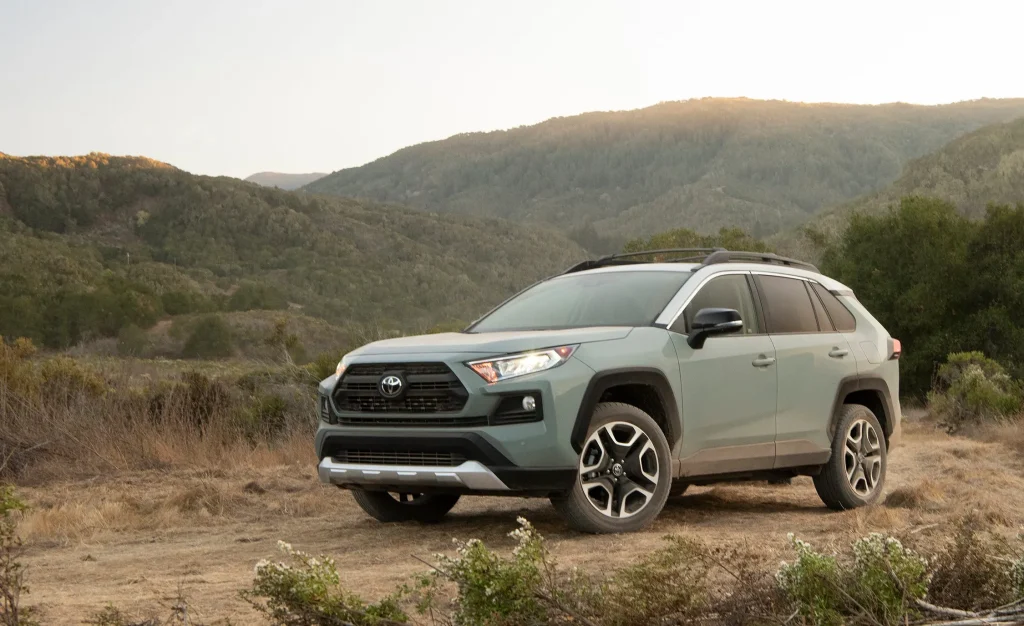
This SUV is included because it captures the difference between adventurous design and genuine trail capability. The RAV4 Adventure succeeds as a versatile daily vehicle with light outdoor usefulness, but its rugged image suggests a level of off-road performance that the hardware underneath does not fully support.
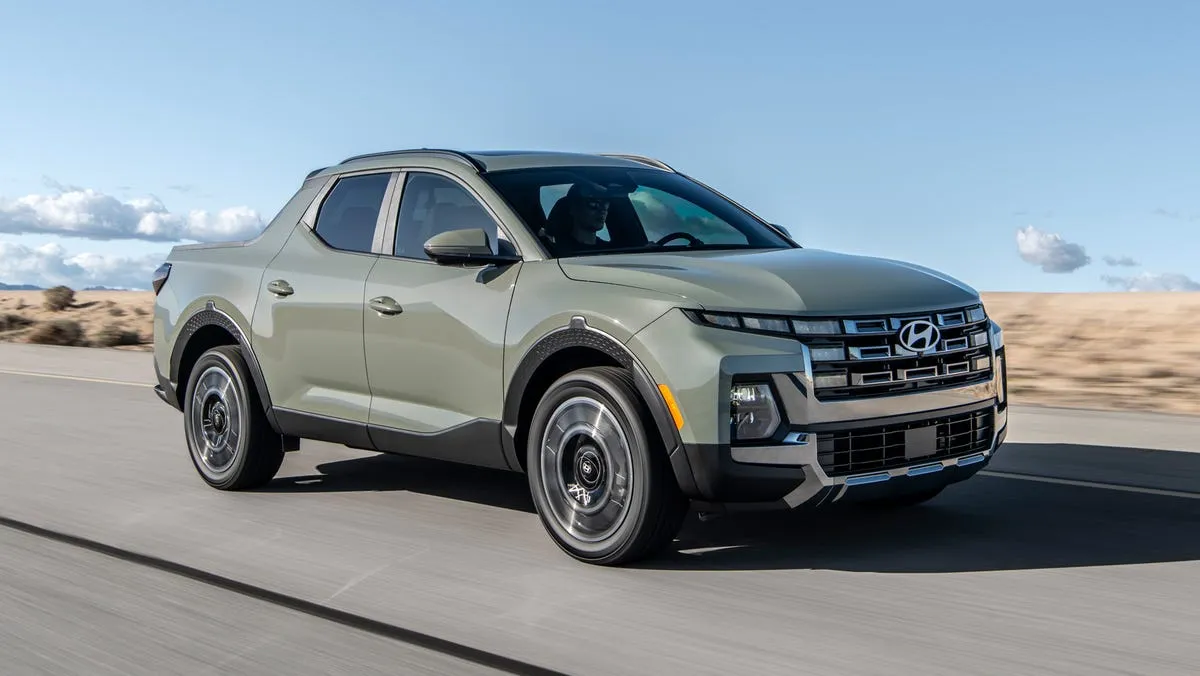
2. Hyundai Santa Cruz
The Hyundai Santa Cruz blends pickup truck styling with crossover practicality, creating a vehicle that looks far more rugged than its mechanical setup might suggest. From certain angles, it resembles a compact adventure truck prepared for outdoor use, but beneath the design, its priorities remain centered on comfort and urban versatility.
One of the clearest signs of this focus is the platform itself. The Santa Cruz uses a unibody structure rather than the body-on-frame construction commonly associated with tougher off-road trucks. This approach improves ride quality and handling on pavement, but it is less suited for the repeated stress of harsh off-road terrain.
Its all-wheel-drive system is capable in rain, snow, and mild dirt roads, yet it lacks specialized off-road hardware. There are no locking differentials, advanced crawl systems, or low-range gearing options that would help in more demanding conditions.
Once traction becomes inconsistent, the vehicle relies heavily on electronic management rather than mechanical solutions.
Wheel and tire choices continue the same pattern. The Santa Cruz often comes equipped with road-oriented tires that favor comfort and efficiency. While they suit the vehicle’s intended purpose well, they are not built for rocky or muddy environments where stronger traction is essential.
Another important factor is the suspension tuning. The setup is designed to provide a smooth and composed ride during daily commuting. On rough terrain, however, that softer calibration limits how confidently the vehicle can handle larger obstacles or uneven surfaces.
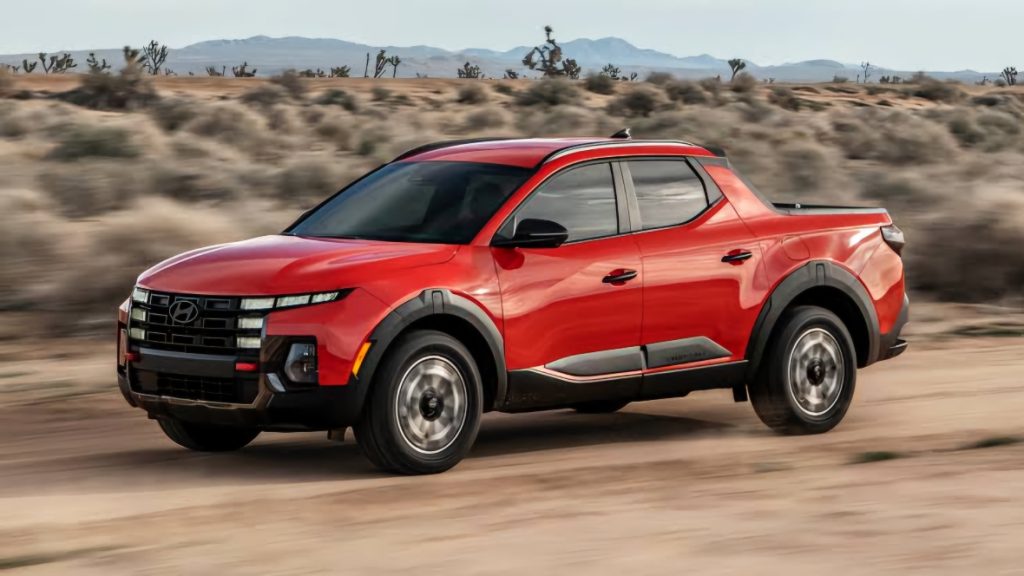
This vehicle appears in this list because it demonstrates how visual identity can shape expectations. The Santa Cruz looks adventurous and capable, but its engineering remains focused far more on lifestyle convenience than serious off-road performance.
3. Nissan Pathfinder Rock Creek
The Nissan Pathfinder Rock Creek carries a name and appearance that immediately suggest outdoor toughness. Dark exterior accents, roof racks, ruggedness, and a slightly more aggressive stance all work together to create the image of a trail-ready SUV.
However, once you look beneath the styling package, the Pathfinder remains much closer to a family-focused road vehicle than a serious off-road machine.
The all-wheel drive system improves traction in snow and light dirt conditions, but it does not include the specialized hardware found in more capable off-road SUVs. There is no low-range transfer case to provide controlled torque in difficult terrain, and the drivetrain is tuned more for stability on pavement than crawling through rocky trails.
Suspension design also reveals its priorities. The Pathfinder focuses heavily on comfort for passengers during long road trips and daily commuting. While this makes it pleasant on highways, it limits the level of articulation and durability needed for demanding off-road situations. Uneven terrain quickly exposes how road-oriented the setup really is.
Ground clearance is slightly improved in the Rock Creek trim, yet it still falls short of what true trail-focused vehicles provide. Larger obstacles or steep approach angles can become a concern much sooner than the rugged styling would suggest.
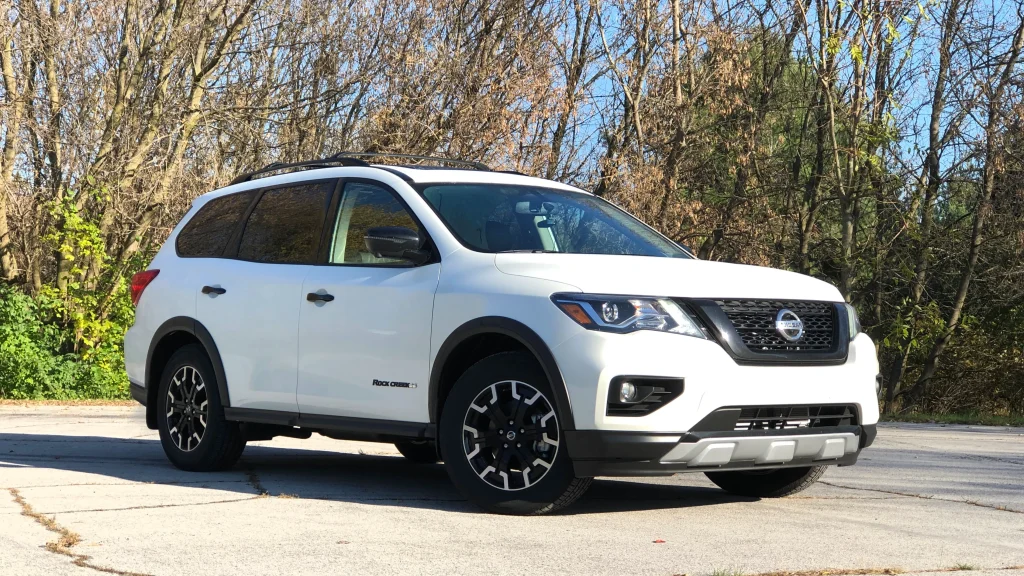
The underbody protection is also limited compared to vehicles engineered specifically for off-road use.
This SUV is included because it represents how manufacturers package adventure-oriented styling into vehicles that are still fundamentally designed for suburban life. The Pathfinder Rock Creek looks convincing, but its mechanical foundation remains focused on comfort and practicality rather than extreme-terrain capability.
4. Kia Sportage X-Pro
The Kia Sportage X-Pro is marketed with an adventurous personality, and visually, it does a strong job of presenting itself as an outdoor-ready SUV. Chunkier tires, unique trim elements, and a tougher stance help separate it from the standard Sportage.
Yet despite those additions, the vehicle’s true strengths remain tied much more closely to everyday driving than serious off-road use.
The all-wheel drive system can handle slippery roads and mild trails competently, but it lacks the deeper mechanical systems needed for more difficult terrain.
There are no locking differentials or low-range gearing options to help maintain traction in demanding conditions. Once surfaces become deeply uneven or loose, the limits of the setup become easier to notice.
Another important detail is the vehicle’s structure. Like many modern crossovers, the Sportage X-Pro uses a unibody platform optimized for efficiency, ride comfort, and interior space. This design works very well for urban and highway driving, but it is not intended for repeated heavy off-road stress.
The tires provide a slight improvement in traction compared to the regular model, though they still prioritize on-road comfort over rugged durability. Combined with moderate ground clearance, this keeps the Sportage capable of light outdoor driving rather than true trail-focused performance.
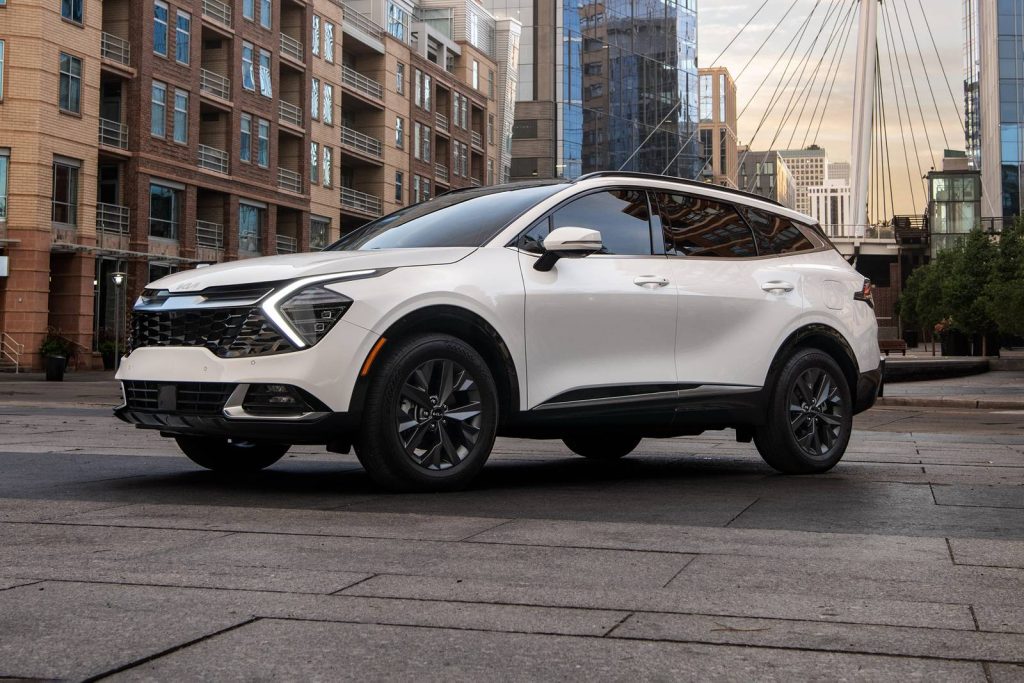
This SUV belongs in this section because it demonstrates how manufacturers increasingly blend rugged styling with commuter-friendly engineering. The Sportage X-Pro successfully creates an adventurous image, but the hardware underneath does not fully match the toughness suggested by its appearance.
5. Chevrolet Trailblazer ACTIV
The Chevrolet Trailblazer ACTIV is designed to project an adventurous personality from the moment you see it. The trim includes rugged-looking exterior details, unique wheels, off-road-inspired tires, and styling cues that suggest a vehicle prepared for outdoor challenges.
However, beneath that image, the Trailblazer remains a compact crossover built primarily for daily commuting and light recreational use.
One of the biggest limitations comes from the drivetrain. While all-wheel drive is available, the system is intended mainly for improving traction on wet roads or loose gravel rather than handling demanding off-road terrain.
There is no low-range gearing or specialized traction hardware that would allow the vehicle to manage steep climbs, deep mud, or rocky surfaces with confidence.
Suspension tuning further reflects its true purpose. The setup is calibrated for comfort and predictable road manners, making the Trailblazer easy to drive in urban environments. On rough trails, however, the softer tuning and limited wheel articulation reduce how effectively the vehicle can maintain traction over uneven ground.
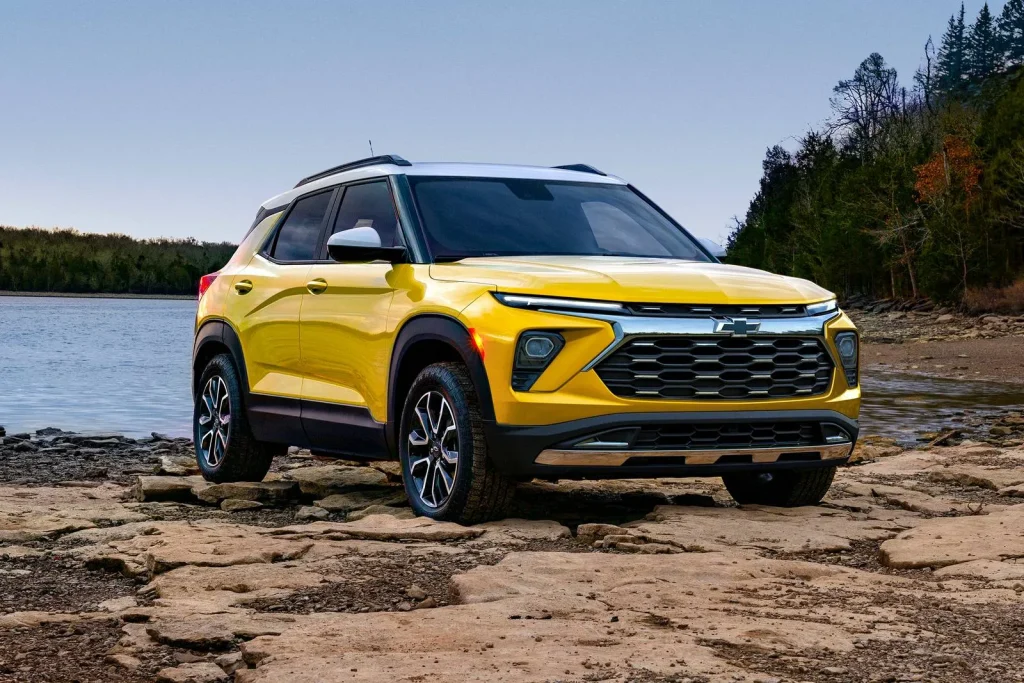
Ground clearance is slightly improved compared to the standard version, but it still falls short of what serious off-road vehicles provide. Larger obstacles and deeper ruts can quickly expose the limits of the vehicle’s design. The underbody also lacks the extensive protection that genuine trail-oriented SUVs use to shield critical components.
Another important factor is tire choice. Although the ACTIV trim includes more rugged-looking tires, they remain relatively road-focused in construction. They are capable enough for dirt roads and mild outdoor conditions, but they are not designed for the kind of punishment that difficult terrain can create.
This crossover is included because it clearly illustrates how appearance and capability can differ. The Trailblazer ACTIV successfully creates an adventurous identity, but its engineering remains centered on comfort, efficiency, and everyday practicality rather than serious off-road performance.
Also Read: 8 Forgotten Muscle Cars From 1980s
