
Modern SUVs depend heavily on touchscreen technology in ways that would have seemed unimaginable a decade ago.
Climate controls, navigation, music streaming, vehicle settings, backup cameras, smartphone integration, and even safety systems now run through large central displays mounted across the dashboard.
Buyers expect these screens to function flawlessly because they are no longer optional convenience features. They serve as the command center for nearly every daily driving task.
That dependence creates major frustration when the screen begins malfunctioning within only a couple of years. Owners describe frozen displays, blacked-out screens, delayed touch response, glitching backup cameras, random reboots, and software crashes that make simple tasks unexpectedly difficult.
In some SUVs, the issue starts with occasional lag before becoming a permanent failure requiring complete replacement. Others develop problems after heat exposure, software updates, or electrical faults hidden deep inside the infotainment system.
Repair costs can become surprisingly high because modern dashboard screens are integrated into broader electronic architectures.
Replacing one defective unit may involve programming modules, recalibrating vehicle systems, and removing large sections of dashboard trim. Some owners discovered that even after replacement, software bugs continued returning weeks later.
The situation becomes more disappointing because many of these SUVs were marketed as technologically advanced family vehicles packed with premium digital experiences. Large glossy displays helped manufacturers attract buyers inside dealerships, but long-term durability did not always match the futuristic presentation.
Drivers expecting years of trouble-free ownership instead found themselves repeatedly visiting service departments for electronic problems in vehicles that were still relatively new.
Not every example of these SUVs suffers screen failure, and many owners never encounter serious infotainment trouble.
Still, enough complaints surfaced across forums, dealerships, and owner groups that certain models developed reputations for unreliable dashboard displays. Some issues involved hardware defects, while others centered around unstable software systems that struggled to operate consistently.
The following SUVs became widely associated with dashboard screen failures, glitches, or infotainment breakdowns that often appeared well before owners expected major electronic problems from modern vehicles.
Also Read: 8 Cars. Where the Air Suspension Costs. $5,000 to Replace
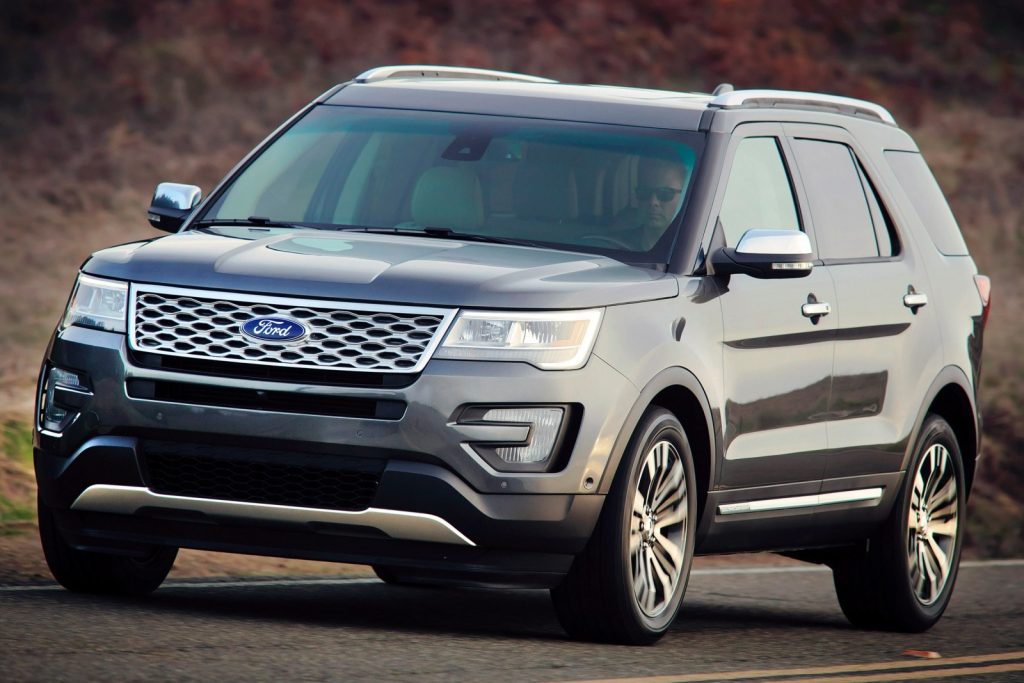
1. Ford Explorer
The Ford Explorer entered the modern SUV era with massive emphasis on technology. Large touchscreens, digital instrument clusters, smartphone integration, navigation systems, and voice controls transformed the cabin into something far more advanced than older family SUVs.
Buyers appreciated the upscale appearance, especially on higher trims, where the dashboard looked almost luxury-grade. Unfortunately, many owners soon learned that impressive screens mean little when reliability becomes questionable.
Some Explorer owners noticed problems within the first year of ownership. The screen would suddenly freeze during startup, refuse to respond to touch commands, or reboot while driving.
In more frustrating cases, the backup camera disappeared entirely from the display before returning randomly days later. Since so many vehicle functions depended on the infotainment system, even minor glitches quickly became irritating during everyday driving.
Heat appeared to worsen the situation for certain owners. SUVs parked outside during hot summers occasionally developed lagging screens, flickering displays, or complete blackouts after cabin temperatures climbed.
Drivers would restart the vehicle multiple times, hoping the system would recover. Sometimes it did. Other times, the screen remained dead until dealership technicians performed software resets or module replacements.
Ford dealerships frequently attempted software updates before replacing hardware components. That process frustrated many customers because temporary fixes occasionally lasted only weeks before the same issues returned.
Owners described making repeated service appointments for problems that never seemed fully resolved. Since the Explorer was heavily marketed around family convenience and technology, unreliable electronics felt especially disappointing.
The layout of the system also amplified frustration. Climate controls, audio adjustments, navigation, and various vehicle settings all relied heavily on touchscreen operation.
When the screen stopped responding properly, even changing the cabin temperature became unnecessarily complicated. Drivers accustomed to traditional buttons suddenly realized how dependent modern vehicles had become on digital interfaces.
Another concern involved resale perception. Used buyers researching modern explorers increasingly encountered discussions about infotainment instability online.
A flickering or malfunctioning screen immediately raised concerns about future repair costs, especially because replacement units and electronic modules could become expensive outside warranty coverage.
The Explorer still offers strong practicality, spacious seating, and good road-trip comfort. Yet for some owners, repeated screen failures overshadowed many of the SUV’s strengths and transformed a family-friendly vehicle into a source of constant electronic frustration.
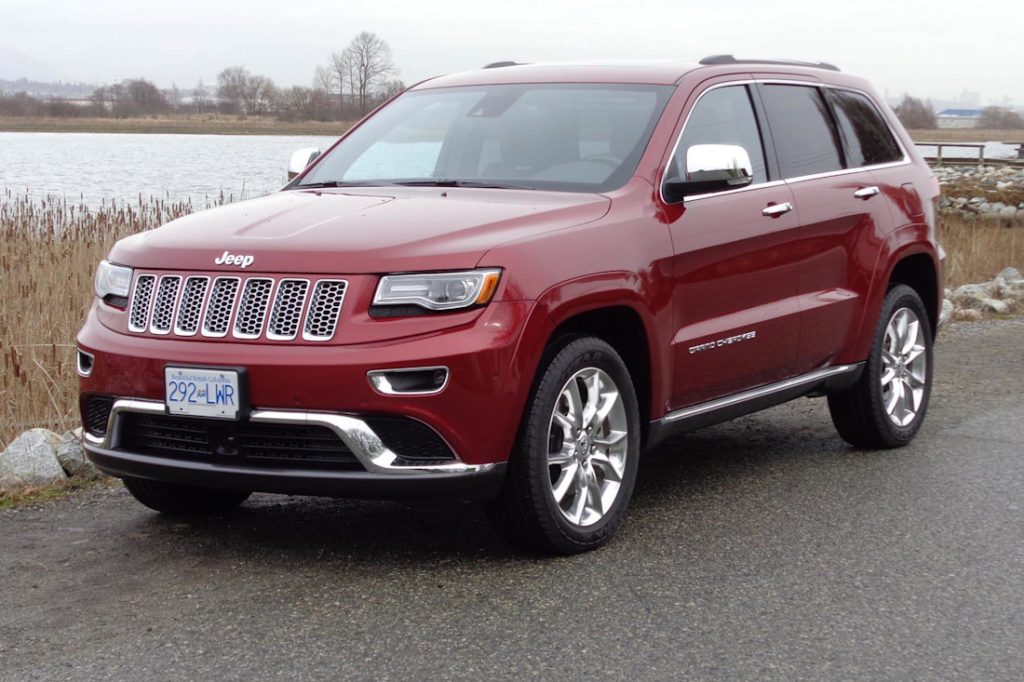
2. Jeep Grand Cherokee
The Jeep Grand Cherokee built its modern identity around blending rugged capability with upscale technology.
Large infotainment displays, premium interior materials, digital gauges, and advanced connectivity features helped the SUV compete against luxury rivals while still maintaining Jeep’s adventurous image.
Buyers loved the stylish cabin presentation, but electronic reliability became a sore point for a noticeable number of owners.
Unlike older Jeeps known for simple ruggedness, newer Grand Cherokees rely heavily on complex software systems. The touchscreen controls navigation, media, climate functions, drive settings, and vehicle information through one integrated interface.
When the system works properly, the cabin feels sophisticated and modern. When problems begin, the ownership experience changes quickly.
Some drivers reported delayed touch response almost immediately after purchase. Others experienced screens randomly restarting while driving down the highway.
A few owners encountered situations where the display remained frozen on the Jeep logo during startup, leaving major features inaccessible until the system rebooted completely. Because these failures often appeared intermittently, diagnosing them became frustrating for both customers and technicians.
In colder regions, certain owners noticed glitches becoming worse during winter mornings. The system occasionally lagged heavily or failed to load critical functions until the cabin warmed up. Meanwhile, owners in hotter climates described bubbling screens, display discoloration, and overheating-related shutdowns after prolonged sun exposure.
One especially irritating issue involved the backup camera. Several drivers reported black screens appearing while reversing, forcing them to rely entirely on mirrors in vehicles designed around camera-assisted parking.
Since backup cameras are now deeply tied to modern safety expectations, these failures felt far more serious than ordinary infotainment annoyances.
Dealership visits sometimes turned into long software-update cycles where technicians repeatedly reprogrammed modules, hoping the glitches would disappear permanently. Certain owners eventually received replacement screens, though some later experienced similar issues again.
The inconsistency made the problem difficult to predict because one Grand Cherokee could operate flawlessly while another developed constant electronic headaches.
The Grand Cherokee remains attractive because it delivers comfort, a strong road presence, and genuine off-road credibility.
Still, dashboard screen failures became a recurring complaint that hurt owner confidence. Buyers spending premium money on a technology-packed SUV naturally expected better durability from the very systems promoted as major selling points.
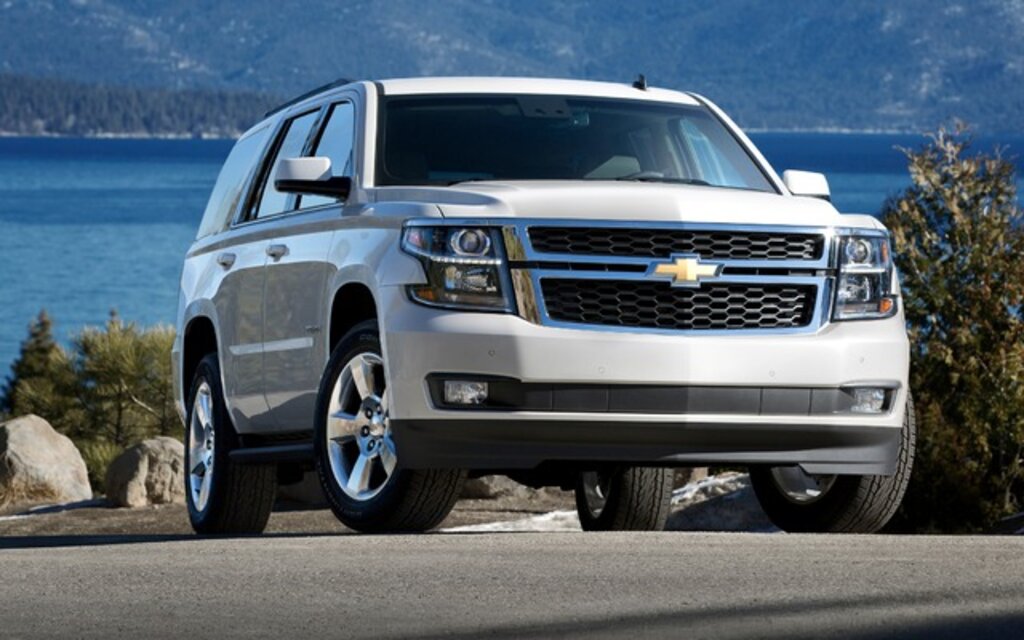
3. Chevrolet Tahoe
The Chevrolet Tahoe has long been one of the most recognizable full-size SUVs in America. Families bought it for road trips, businesses used it for executive transport, and law enforcement agencies depended on it daily.
In recent generations, Chevrolet pushed the Tahoe much further into the technology era by adding giant infotainment displays, digital driver screens, wireless smartphone connectivity, and advanced camera systems.
The cabin looked modern and expensive, but some owners discovered the electronics did not always match the SUV’s otherwise solid reputation.
Many Tahoe complaints centered around sudden screen blackouts. Drivers would start the vehicle and find the infotainment display completely dark while audio systems continued playing in the background.
In other situations, the screen turned on but froze permanently, ignoring touch inputs entirely. Restarting the SUV occasionally solved the issue temporarily, though many owners said the problems kept returning unpredictably.
The size of the Tahoe actually intensified owners’ frustration. Large family SUVs often carry multiple passengers, relying on navigation, entertainment, climate adjustments, and charging functions during long trips.
When the central display malfunctioned, road travel became noticeably more stressful. Parents lost access to navigation guidance, Bluetooth pairing, and rear entertainment controls all at once.
Unlike smaller vehicles, where infotainment failures feel inconvenient, the Tahoe’s technology integration reached deeply into daily usability.
Parking assistance cameras, towing views, audio settings, and safety alerts depended heavily on the display system functioning correctly. Once glitches appeared, owners suddenly realized how dependent the SUV had become on software stability.
Certain owners described the problems becoming worse after over-the-air updates or dealership software installations. Systems that previously operated smoothly developed freezing, delayed startup times, or connection issues afterward.
That created hesitation among drivers asked to approve additional software updates during service appointments because some feared making the system even more unstable.
Repair costs outside warranty coverage became another source of anxiety. Modern Tahoe screens are large, integrated units tied to multiple control modules throughout the vehicle.
Replacing defective hardware can require expensive parts and extensive reprogramming. Some owners were shocked to learn that a failed screen replacement could cost far more than traditional radio repairs for older vehicles.
The Tahoe still delivers strong towing capability, spacious seating, and excellent highway comfort. Yet recurring infotainment complaints damaged confidence for buyers expecting dependable electronics in a family SUV carrying a premium price tag.
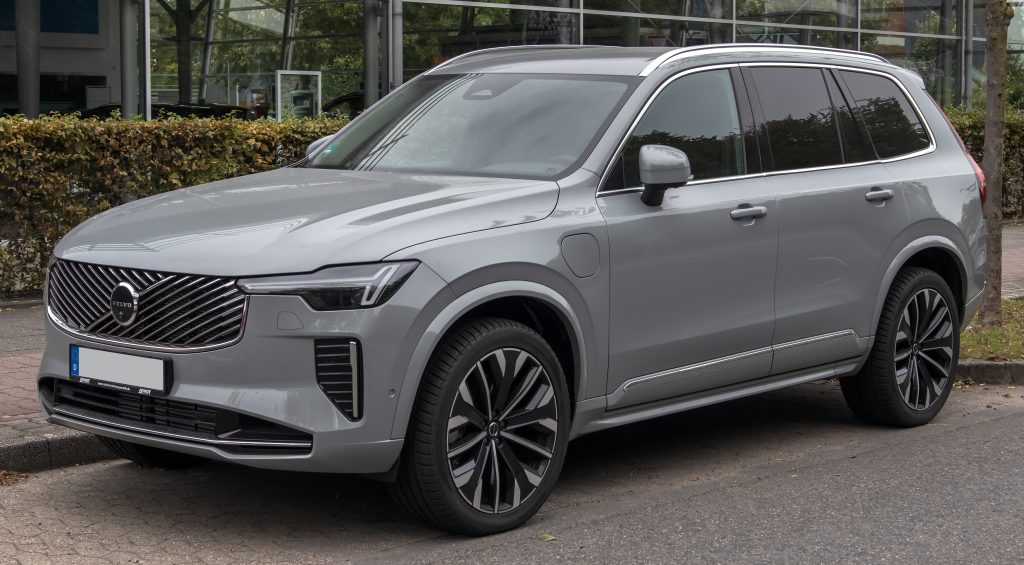
4. Volvo XC90
The Volvo XC90 approached dashboard technology from a very different angle than most SUVs. Instead of loading the cabin with physical buttons, Volvo embraced a minimalist Scandinavian design philosophy built around a large vertically mounted touchscreen.
Nearly everything ran through that elegant display. Climate adjustments, seat functions, navigation, vehicle settings, audio controls, and driver assistance options all flowed through one sleek interface.
At first glance, the system impressed buyers immediately. The cabin looked futuristic without appearing cluttered, and the massive touchscreen gave the XC90 a clean luxury atmosphere. Problems emerged later for some owners when the screen began lagging, freezing, or shutting down unexpectedly within only a few years of ownership.
Because the XC90 eliminated many traditional controls, touchscreen failure became more disruptive than in SUVs that still retained physical backup buttons.
Drivers suddenly found it difficult to use features like heated seats, defrost controls, or audio settings when the system failed. Even simple climate adjustments sometimes depended on digital menus that became unavailable during software glitches.
Several owners reported slow startup behavior becoming progressively worse over time. The screen would remain blank for long periods after ignition, leaving drivers waiting before navigation or camera systems became usable. Others described random reboots occurring during driving sessions, temporarily disabling important vehicle functions connected to the display.
Volvo’s premium positioning made these issues feel especially disappointing. Buyers spending luxury-level money expect polished software performance and durable electronics.
Instead, some owners faced repeated dealership visits for software resets, system recalibrations, or hardware replacement discussions while the SUVs were still relatively new.
Cold weather occasionally added another layer of frustration. Drivers in northern climates reported sluggish touchscreen response during winter mornings, with menus reacting slowly or freezing entirely until the cabin warmed up.
Since Volvo markets the XC90 heavily in regions known for harsh winters, those complaints gained attention quickly among owner communities.
The integrated nature of the system also complicated repairs. The infotainment display interacted with numerous safety and comfort systems throughout the SUV. Technicians could not simply swap a screen quickly like older radio units.
Repairs often required specialized software programming and module synchronization that increased both labor time and expense.
Despite these issues, many owners still admire the XC90 for its comfort, elegant design, and advanced safety engineering. Yet the same minimalist technology that made the cabin feel sophisticated also created major headaches once the dashboard screen stopped functioning reliably.
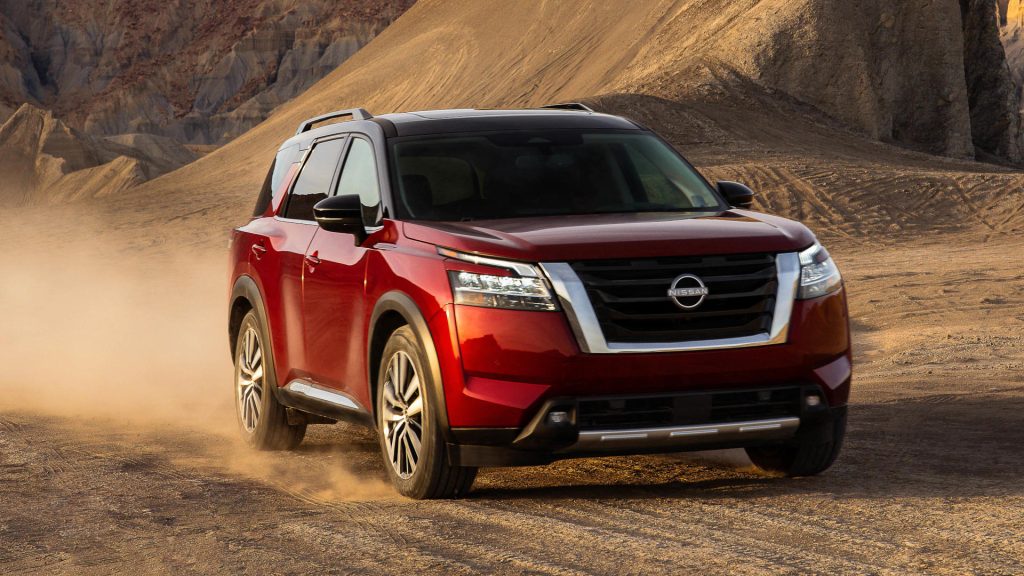
5. Nissan Pathfinder
The Nissan Pathfinder returned to the spotlight with sharper styling, improved interiors, and a much more modern dashboard layout than older generations.
Buyers appreciated the family-friendly seating, smoother ride quality, and updated technology package that finally made the SUV feel competitive again. Large touchscreen displays became central to that redesign, helping Nissan present the Pathfinder as a modern family vehicle rather than a dated crossover struggling to keep pace.
For some owners, though, the excitement faded quickly once infotainment glitches began appearing early in ownership. Certain Pathfinders developed touch response delays that made simple actions frustrating.
Drivers tapped icons repeatedly while the system lagged behind commands or ignored them entirely. In heavy traffic, that kind of delay became more than annoying because drivers took their eyes off the road longer than expected just trying to adjust navigation or audio settings.
A different group of owners encountered complete screen failures without much warning. The display would suddenly turn black while driving, taking navigation, backup camera functionality, and media controls with it.
Restarting the SUV sometimes restored operation temporarily, but many drivers described the failures returning unpredictably weeks later.
The Pathfinder’s family-oriented mission made the problem even more irritating. Parents relied heavily on smartphone integration, navigation systems, and rear camera visibility during school runs, shopping trips, and vacations.
When the screen malfunctioned, the SUV immediately felt far less practical than buyers expected from a modern three-row vehicle.
Nissan dealerships often attempted software updates before approving replacement hardware. That approach solved problems for some owners, though others continued reporting glitches after repeated service visits.
Because infotainment bugs can appear intermittently, technicians sometimes struggled to reproduce the issue consistently during inspections, leaving owners frustrated when vehicles were returned without permanent fixes.
Heat exposure also became part of the discussion among certain Pathfinder drivers. SUVs parked under strong sunlight occasionally developed overheating warnings, dim displays, or temporary system shutdowns once cabin temperatures climbed significantly.
Some owners noticed the problems became more frequent during summer months before calming temporarily in cooler weather.
The Pathfinder still delivers comfortable seating, respectable fuel economy for its size, and useful cargo flexibility. Yet recurring screen complaints hurt owner confidence because modern families depend so heavily on dashboard technology every single day.
A malfunctioning display no longer feels like a small inconvenience when so many vehicle functions run through one central system.
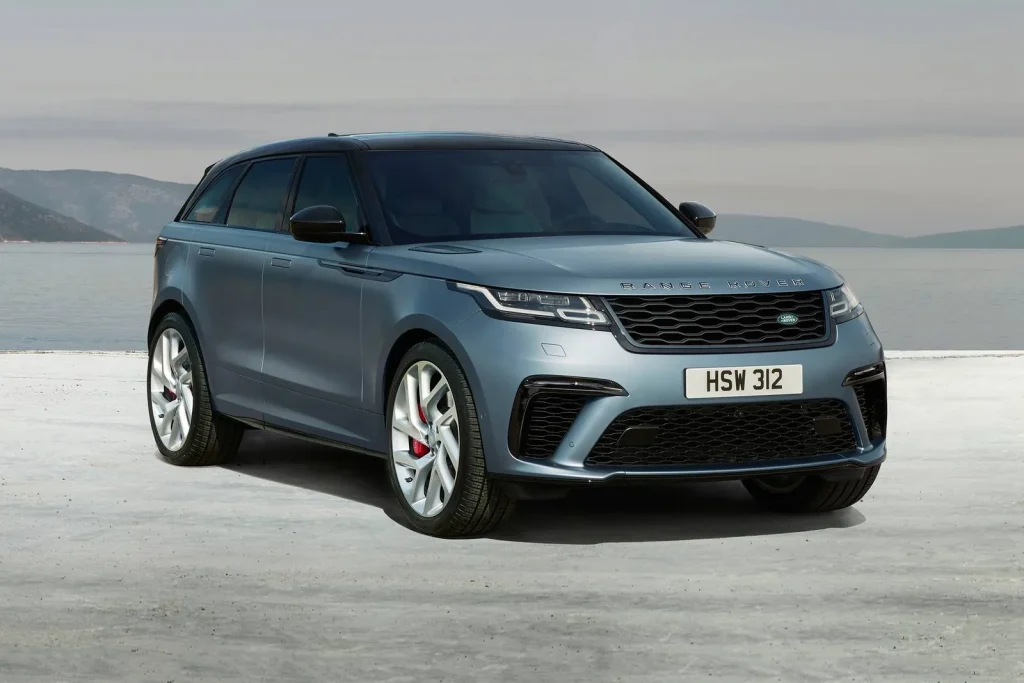
6. Land Rover Range Rover Velar
The Range Rover Velar entered the luxury SUV market with one primary mission: to look futuristic. Few SUVs arrived with a cabin as visually dramatic as the Velar’s interior.
Hidden-until-lit controls, dual touchscreen displays, sleek glass surfaces, and minimal physical buttons gave the dashboard an ultra-modern appearance that immediately separated it from more traditional luxury competitors.
That futuristic design created enormous showroom appeal, but it also introduced heavy dependence on electronic systems functioning perfectly. For some Velar owners, that perfection did not last very long.
Complaints surrounding the dashboard screens varied widely. Some drivers dealt with lower climate-control screens freezing completely while the upper infotainment display still worked. Others experienced both displays rebooting simultaneously while driving.
A few owners reported situations where the screens stayed black for entire trips before suddenly functioning normally again later in the day.
The Velar’s reliance on touch-sensitive controls intensified every failure. Simple tasks like adjusting fan speed, seat heating, or navigation routes became impossible whenever the screens malfunctioned.
Unlike older luxury SUVs packed with physical buttons, the Velar left owners with very few alternatives once the digital interface stopped responding.
Luxury buyers naturally expect refinement, and screen glitches damage that experience quickly. Nothing destroys a premium atmosphere faster than a frozen display in a vehicle costing luxury-level money.
Several owners described embarrassment when passengers witnessed the system rebooting repeatedly during drives, especially because the technology-focused interior formed such a major part of the Velar’s identity.
Software instability became a recurring discussion point in owner forums. Some updates improved responsiveness temporarily while introducing fresh bugs elsewhere in the system.
Others caused connectivity problems with smartphones or delayed camera activation during reversing maneuvers. Since modern luxury SUVs rely so heavily on electronics, even minor glitches feel magnified.
Repair costs outside warranty coverage worried many owners as well. The Velar’s dashboard technology is deeply integrated into the vehicle’s electronic architecture.
Replacing screens or control modules can become extremely expensive, particularly once dealership labor and software programming enter the equation. Some owners feared long-term ownership because electronic repairs on luxury vehicles rarely come cheaply.
The Range Rover Velar remains one of the most visually striking SUVs in its class, and many drivers still adore its road presence and interior styling. Yet early screen failures and recurring infotainment instability created concerns that followed the vehicle almost as closely as its sleek design reputation.
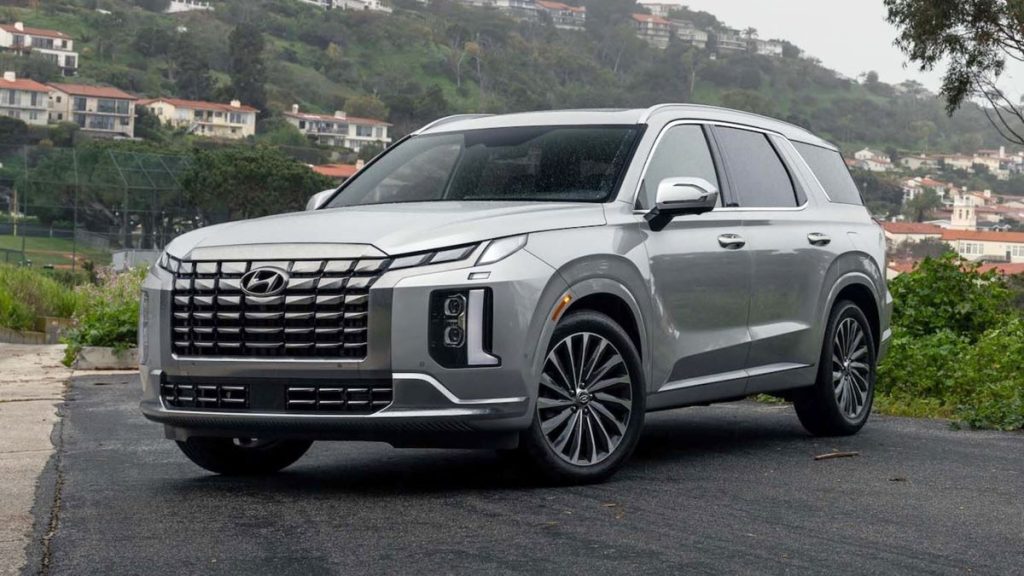
7. Hyundai Palisade
The Hyundai Palisade became a surprise success because it delivered premium-looking features at a price far lower than many luxury SUVs. Buyers praised the spacious interior, comfortable ride, upscale materials, and impressive technology package.
Large digital displays stretching across the dashboard gave the cabin an expensive appearance that immediately impressed families shopping for three-row transportation.
The infotainment system quickly became one of the Palisade’s biggest selling points. Navigation graphics looked sharp, smartphone integration worked smoothly in many cases, and the touchscreen layout appeared modern without feeling overly complicated. Still, a number of owners began reporting dashboard screen issues far earlier than expected.
Some Palisades developed random freezing during startup sequences. Drivers would enter the SUV, start the engine, and discover the screen stuck on the Hyundai logo indefinitely. In certain cases, audio functions continued operating while the display itself remained completely unresponsive.
Owners often attempted manual resets themselves before scheduling dealership appointments because the glitches interrupted everyday driving routines so frequently.
Other complaints involved intermittent black screens while reversing. Backup cameras suddenly disappearing created immediate concern because drivers relied heavily on them in large family SUVs. A temporary loss of camera visibility might last only seconds, but that unpredictability damaged owner confidence quickly.
Interestingly, many Palisade owners described the problems appearing inconsistently. The system could function perfectly for weeks before suddenly crashing multiple times in a single day.
That pattern made diagnosis difficult because dealerships sometimes could not reproduce the issue during inspections. Drivers occasionally left service appointments frustrated after hearing technicians say the system operated normally during testing.
The SUV’s popularity amplified online discussion surrounding the failures. Large owner groups compared experiences involving software bugs, failed updates, screen flickering, and touch sensitivity issues.
Some owners received replacement displays, while others relied on repeated software updates, attempting to stabilize the system long-term.
Hyundai’s aggressive push toward digital interiors also meant the touchscreen handled many essential vehicle functions.
Audio settings, navigation, phone pairing, driver assistance information, and various comfort adjustments all passed through the central display. Once glitches appeared, the SUV immediately felt less refined than its attractive cabin initially suggested.
The Palisade still stands out for value, comfort, and practicality. Many owners remain extremely satisfied with the SUV in most areas. Yet for a noticeable group of drivers, dashboard screen instability became one of the few serious weaknesses in an otherwise highly praised family vehicle.
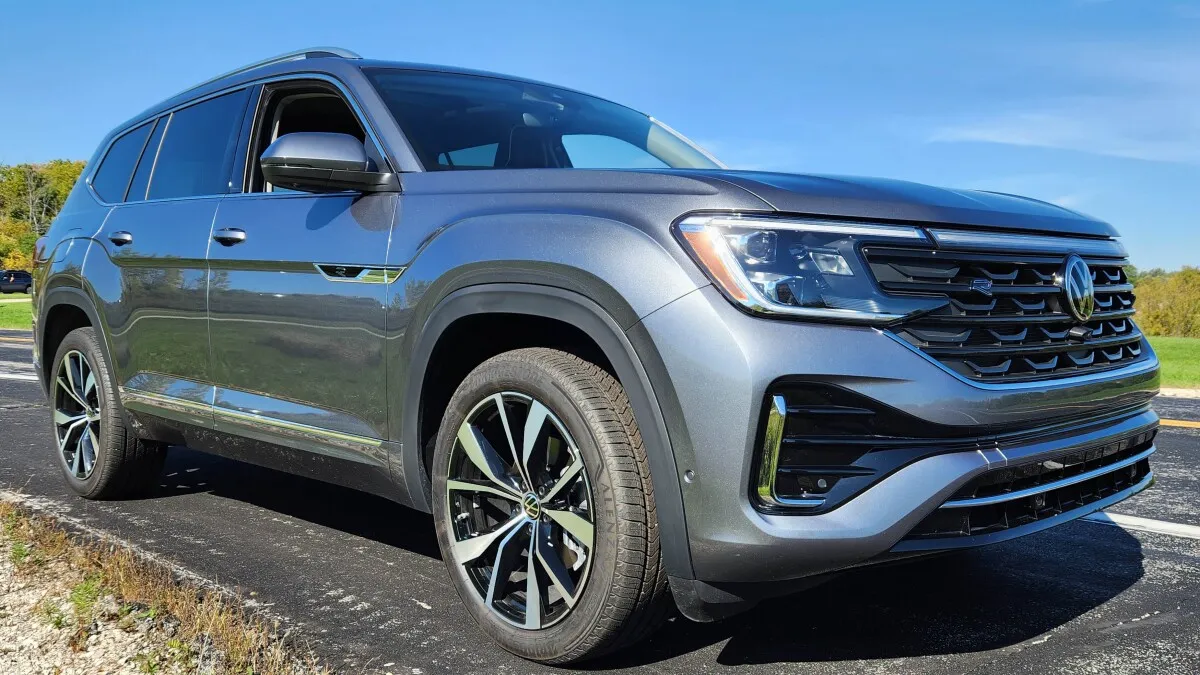
8. Volkswagen Atlas
The Volkswagen Atlas targeted families wanting a roomy three-row SUV with European styling and straightforward road manners. Its broad cabin, clean dashboard design, and large infotainment display helped the vehicle feel more upscale than some mainstream rivals.
Volkswagen emphasized digital convenience heavily, especially in higher trims where large screens and connected features dominated the interior experience.
Some Atlas owners quickly discovered that attractive technology does not always guarantee long-term dependability. Complaints surrounding the dashboard screen ranged from mild annoyance to complete system failure.
Certain drivers dealt with laggy menus and delayed touch inputs during routine operation. Others encountered blank displays that disabled navigation, camera systems, and media controls simultaneously.
One particularly frustrating issue involved startup inconsistency. The screen might operate perfectly during one drive, then refuse to load properly during the next ignition cycle.
Owners described waiting several minutes for the system to respond while staring at frozen logos or black screens. Since many Atlas drivers used the SUV for school runs and daily commuting, repeated delays became irritating fast.
Volkswagen’s reliance on software-heavy interfaces added another complication. Some problems appeared after dealership updates intended to improve system stability.
A few owners reported new bugs surfacing immediately after software installations, including Bluetooth failures, disappearing radio functions, or sluggish touchscreen reactions that had not existed previously.
Temperature sensitivity also entered owner discussions. In colder weather, some Atlas systems responded slowly until the cabin warmed. During hotter conditions, others noticed dimming displays or random restarts after extended sun exposure.
These inconsistencies created the impression that the infotainment hardware struggled to maintain stable operation across varying climates.
Families especially disliked losing access to backup cameras and parking sensors when the screen malfunctioned. Large three-row SUVs already require careful maneuvering in tight spaces, so electronic visibility aids play a major role in everyday usability.
When the display failed unexpectedly, drivers immediately noticed how dependent modern vehicles have become on central touchscreen systems.
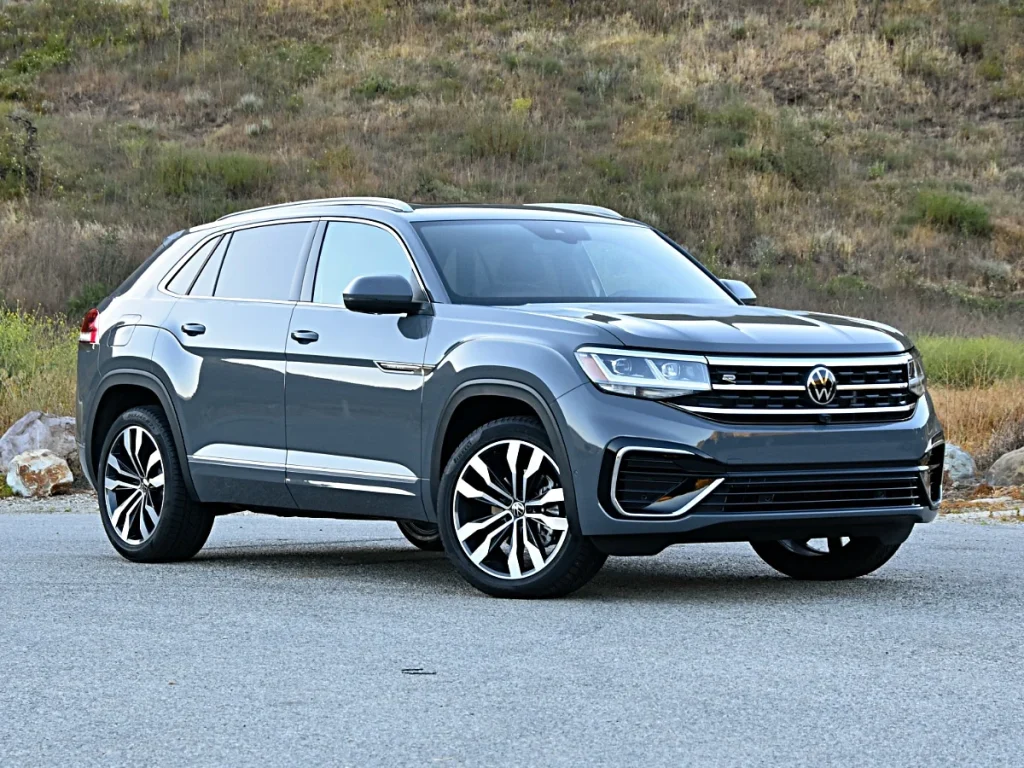
The Atlas remains appealing because of its spacious seating and comfortable highway behavior. Yet recurring infotainment complaints weakened owner trust in the SUV’s electronic durability.
Buyers expecting years of trouble-free digital convenience sometimes found themselves repeatedly troubleshooting a screen that behaved unpredictably long before the vehicle itself felt old.
9. Lincoln Aviator
The Lincoln Aviator arrived with ambitions of delivering true luxury through elegant styling, quiet highway comfort, and advanced cabin technology. Massive digital displays, sleek graphics, and premium infotainment features gave the SUV a sophisticated atmosphere that impressed buyers immediately.
Unfortunately, some owners encountered dashboard screen failures surprisingly early in ownership, damaging confidence in the vehicle’s technology-focused design.
Several Aviator drivers reported frozen displays, black screens, and repeated system reboots within the first two years. In some cases, the touchscreen stopped responding entirely, leaving navigation, media controls, and climate settings difficult to access.
Others experienced glitches with the backup camera and driver assistance displays, creating frustration in a luxury SUV where smooth electronic operation was expected at all times.
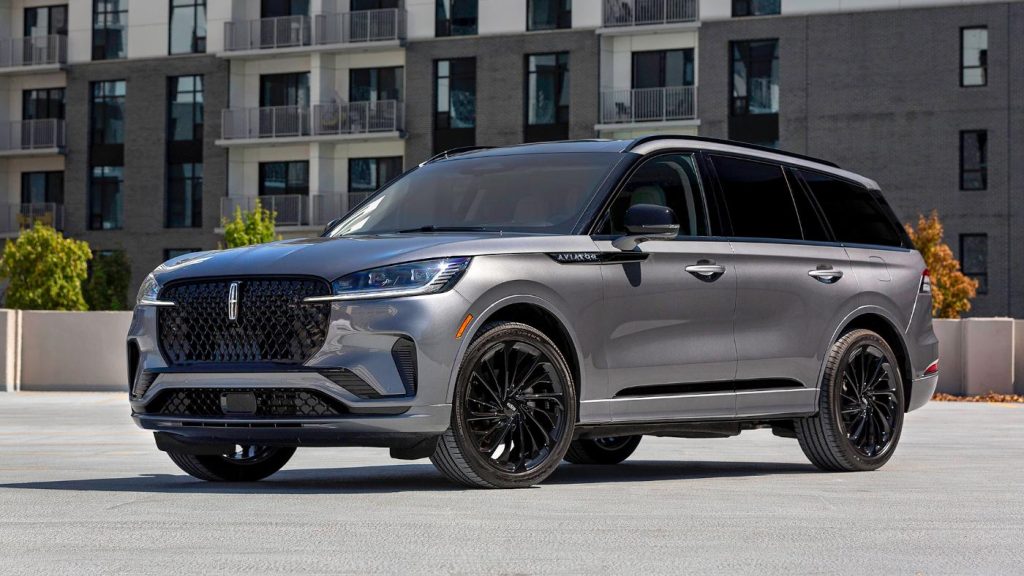
The problem felt more serious because the aviator relied heavily on digital interfaces for daily functionality. When the system malfunctioned, the premium cabin suddenly felt unfinished and unreliable. Owners often visited dealerships multiple times for software updates or module resets before permanent fixes were attempted.
Some drivers also complained about inconsistent smartphone connectivity and delayed startup times after vehicle ignition. While not every Aviator suffered these issues, enough complaints surfaced to create concern among used luxury SUV shoppers researching long-term dependability.
The Aviator still delivers strong performance and excellent ride comfort, but recurring dashboard screen failures became one of the SUV’s most criticized ownership frustrations.
Also Read: 10 American Sedan Discontinued Since 2015 Ranked by Reliability
