Vehicle recalls are supposed to restore trust between automakers and owners. When a manufacturer discovers a dangerous defect, the recall process exists to correct the issue before it causes injuries, breakdowns, or expensive damage.
In theory, once a recall repair is completed, drivers should feel confident that the problem has been permanently solved. Unfortunately, real-world ownership experiences do not always work that smoothly.
Some vehicles develop reputations for recurring recall-related problems that continue appearing even after dealership repairs are completed. Owners bring their cars in for official fixes, only to experience the same warning lights, mechanical failures, electrical malfunctions, or safety concerns months later.
In certain cases, dealerships perform multiple recall procedures on the same vehicle because the original solution either fails prematurely or creates additional complications elsewhere.
Modern vehicles are far more complicated than older cars. Advanced electronics, software-controlled safety systems, turbocharged engines, hybrid technology, and interconnected sensors create enormous engineering challenges.
A recall involving one component can sometimes expose weaknesses in another system entirely. Owners often become frustrated when repeated dealership visits fail to eliminate recurring problems permanently.
Another issue involves parts availability and repair consistency. Some recalls affect millions of vehicles, overwhelming supply chains and delaying proper repairs for months. During that time, drivers continue using vehicles carrying known defects.
Even after repairs finally happen, certain owners report identical symptoms returning later, damaging confidence in both the vehicle and the manufacturer.
Not every owner experiences repeated recall trouble, and many recalled vehicles operate perfectly after repairs. Still, several models became widely discussed because owners repeatedly reported that major recall-related concerns never truly disappeared.
These complaints ranged from engine failures and electrical fires to transmission problems, braking defects, and software malfunctions.
For drivers, the most frustrating part is uncertainty. Once a vehicle develops a history of recurring recalls or incomplete fixes, owners begin questioning whether the next warning light or strange noise represents another unresolved safety issue waiting to return.
That constant doubt can transform even an otherwise enjoyable car into a stressful ownership experience defined by repeated service appointments and lingering reliability concerns.
Also Read: 10 Safest Cars Under $60,000 With Top Safety Pick Plus
1. Ford Focus
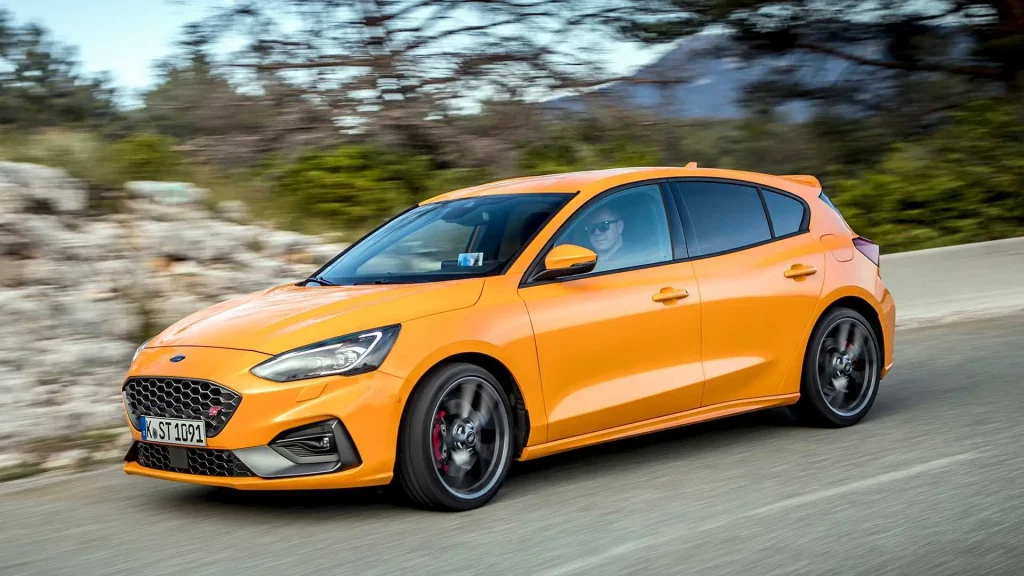
The Ford Focus gained enormous popularity because it offered affordable pricing, practical size, and good fuel economy for commuters and small families. On paper, it seemed like an ideal compact car.
Unfortunately, certain model years became infamous for recurring transmission-related recalls and warranty problems that many owners believed were never truly fixed.
At the centre of the controversy sat Ford’s PowerShift dual-clutch automatic transmission. Drivers reported shuddering during acceleration, jerking at low speeds, hesitation while merging into traffic, and sudden loss of power. Some vehicles behaved unpredictably in stop-and-go conditions, making ordinary commuting stressful rather than convenient.
Ford issued software updates, clutch replacements, and multiple technical service procedures attempting to address the issue. Yet, countless owners claimed the symptoms returned repeatedly even after dealership repairs.
Some drivers brought their vehicles in several times for the same transmission behaviour, only to experience identical problems weeks or months later.
The inconsistency frustrated owners more than anything else. One dealership might describe the transmission operation as normal, while another recommends major repairs. Drivers struggled to determine whether their vehicle carried an actual defect or simply a poorly designed transmission system behaving exactly as engineered.
Several owners also reported safety concerns tied to hesitation and delayed acceleration. Pulling into traffic became nerve-racking when the transmission failed to respond smoothly or predictably.
Even if the vehicle technically remained drivable, confidence in the car slowly disappeared after repeated repair attempts failed to produce lasting improvements.
The situation damaged the resale value significantly. Used-car buyers researching the Focus quickly encountered widespread discussions about recurring transmission complaints and repeated dealership visits.
Many owners eventually sold the vehicle early because they no longer trusted the repair process to deliver a permanent solution.
The Ford Focus still offered comfortable handling and efficient commuting ability, but recurring transmission recall frustrations turned what should have been a simple economy car into one of the most discussed examples of unresolved automotive repair dissatisfaction.
2. Jeep Cherokee
The Jeep Cherokee returned to the market with modern styling, improved interiors, and advanced technology intended to attract a broad range of SUV buyers. While many owners appreciated the comfortable ride and available four-wheel-drive capability, the vehicle quickly developed a complicated reputation tied to recalls and recurring software-related issues.
One major source of frustration involved the nine-speed automatic transmission. Owners described rough shifting, hesitation, sudden jerking, and delayed acceleration during normal driving.
Jeep issued software updates and recall-related fixes intended to improve transmission behaviour, but many drivers claimed the same problems continued returning after service appointments.
Unlike obvious mechanical failures, software-related transmission issues created constant uncertainty. Some vehicles operated normally for weeks before suddenly developing harsh shifts again.
Others hesitated unpredictably while accelerating from intersections or parking lots. Owners became frustrated because the repairs often seemed temporary rather than permanent.
Electronic system problems also became part of the Cherokee’s recall history. Drivers reported infotainment glitches, warning lights appearing randomly, backup camera failures, and sensor malfunctions even after recall repairs were completed.
Since the SUV relied heavily on integrated electronics, one issue sometimes triggered problems elsewhere in the system.
Several owners complained about repeated dealership visits producing little improvement. Technicians frequently installed updated software calibrations, reset modules, or replaced components, yet certain vehicles continued behaving erratically.
That cycle damaged trust because owners no longer believed dealership repairs would permanently solve the underlying problems.
Safety concerns added more anxiety. Sudden transmission hesitation or delayed throttle response created uncomfortable situations during merging or turning across traffic. Even when the vehicle remained technically functional, drivers constantly worried about when the next issue might appear.
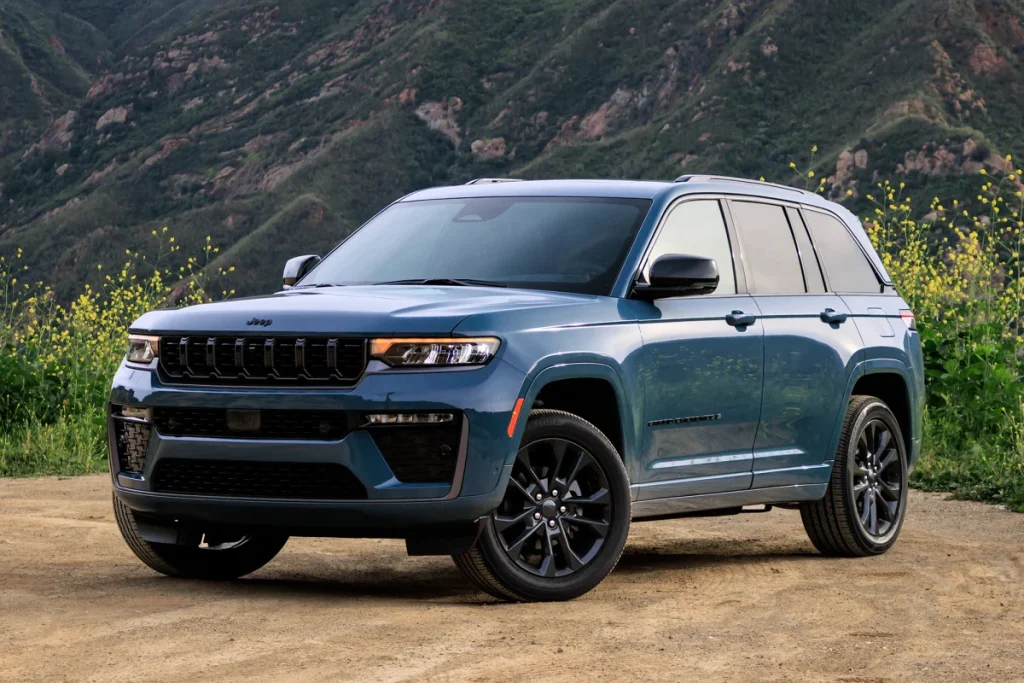
The Cherokee still delivered solid winter traction and comfortable road manners, but recurring recall frustrations overshadowed many of the SUV’s strengths for a noticeable group of owners.
Instead of feeling reassured after recall work was completed, many drivers felt trapped in an endless cycle of updates, repairs, and recurring symptoms that never seemed fully resolved.
3. Chevrolet Bolt EV
The Chevrolet Bolt EV entered the electric vehicle market as one of the first genuinely affordable long-range EVs for mainstream buyers. Owners appreciated the compact size, quick acceleration, and impressive driving range.
For many people, the Bolt represented an accessible path into electric vehicle ownership without luxury-car pricing. Then battery-fire concerns transformed the ownership experience completely.
General Motors issued major recalls after reports surfaced involving battery defects capable of causing fires, even while vehicles were parked and charging. The situation became especially alarming because some fires occurred unexpectedly in garages and near homes. Owners suddenly faced warnings limiting how they could charge or park their vehicles.
Temporary fixes frustrated many drivers immediately. Instead of a permanent solution arriving quickly, some owners received software updates restricting charging capacity while replacement battery packs remained unavailable for long periods.
People who purchased the Bolt specifically for its advertised range felt cheated when the recall effectively reduced usable battery performance.
The uncertainty became exhausting. Owners constantly monitored recall notices, dealership communications, and charging recommendations while waiting for permanent repairs. Some drivers avoided parking inside garages altogether because they feared potential battery-related fires despite recall procedures being underway.
Even after battery replacements began, frustration did not disappear completely. Certain owners reported delays stretching across months due to parts shortages and overwhelmed service departments.
Others worried whether the replacement batteries would remain reliable long-term or eventually develop similar problems later.
Trust became the biggest casualty. Electric vehicle buyers already faced scepticism from friends and family unfamiliar with EV technology, and recurring recall headlines intensified those concerns.
Several Bolt owners admitted they lost confidence in the car entirely after living through repeated warnings and temporary restrictions rather than receiving immediate, permanent solutions.
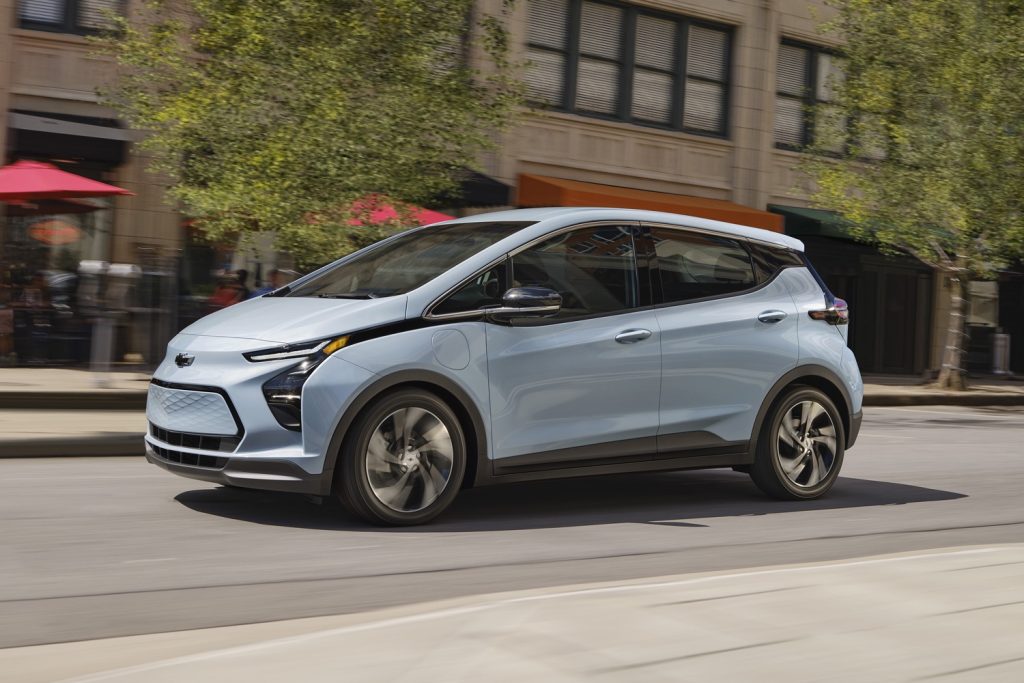
The Bolt EV still delivered strong efficiency and practicality for city driving, but the recall crisis surrounding battery safety created one of the most stressful ownership experiences in the modern EV market. For many drivers, even completed recall repairs failed to erase lingering fears connected to the vehicle’s history.
4. Hyundai Sonata
The Hyundai Sonata spent years building a reputation as a stylish and affordable midsize sedan offering strong value for families and commuters.
Modern interiors, generous features, and competitive pricing helped the Sonata attract buyers away from long-established rivals. Yet certain generations became deeply associated with recurring engine recalls and reliability concerns that many owners believed never fully disappeared.
A major issue centred around engine failures tied to manufacturing defects involving metal debris inside engines. Owners reported knocking sounds, sudden stalling, oil consumption problems, and complete engine failure in some cases.
Hyundai issued recalls and extended warranties covering specific engine problems, but frustration continued growing among affected drivers.
Some owners received complete engine replacements under recall programs, only to experience fresh mechanical concerns later. Others complained about excessive oil consumption or warning lights returning after recall-related repairs were completed.
The repeated nature of the problems damaged confidence because owners feared another major failure might always be waiting ahead.
The recall process itself sometimes became stressful. High demand for replacement engines created long repair delays in certain regions.
Drivers occasionally waited weeks or months for parts availability while relying on rental cars or alternative transportation. That inconvenience became particularly frustrating for people using the Sonata as dependable daily transportation.
Several owners also described dealership communication problems during the recall process. Some service departments appeared overwhelmed by the number of affected vehicles, creating confusion about repair timelines and eligibility requirements.
Customers who expected a simple recall experience instead faced repeated delays and unclear answers, leading to frustration and confusion throughout the process.
Safety anxiety added another layer of concern. Reports of engine fires and sudden stalling made many owners uncomfortable during highway driving or long-distance travel. Even drivers whose vehicles never failed mechanically often worried constantly after reading widespread recall discussions online.
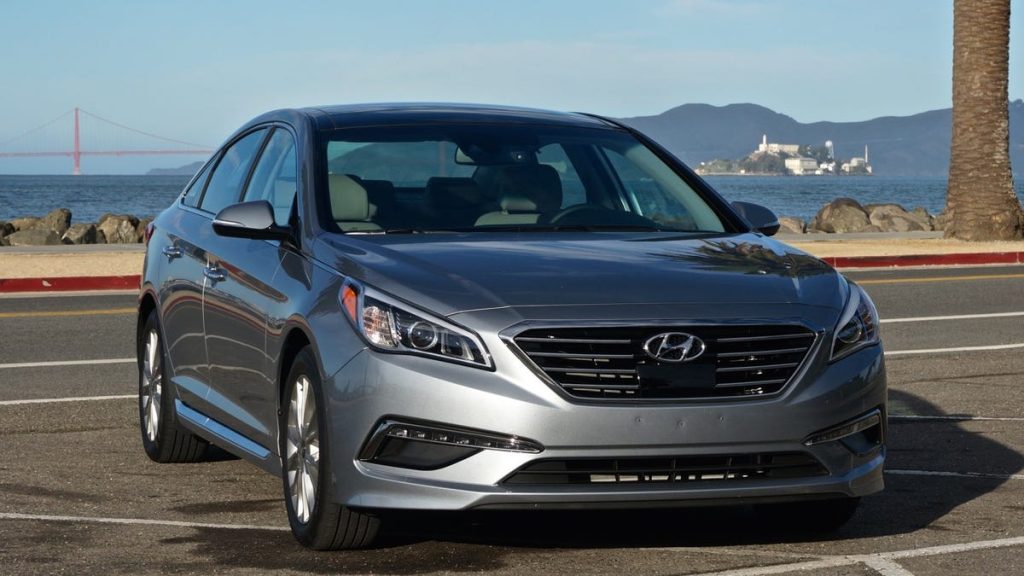
The Sonata still offered comfortable driving manners and strong feature value, but recurring engine recall concerns left a lasting mark on its reputation. For a noticeable group of owners, recall repairs restored functionality temporarily but never fully restored trust in the vehicle itself.
5. Nissan Rogue
The Nissan Rogue became one of the best-selling compact SUVs because it delivered comfortable seating, good fuel economy, and a practical size for families and commuters.
Buyers appreciated its easy driving manners and affordable ownership costs. Yet several model years developed reputations for recurring recall and reliability concerns that frustrated owners long after dealership repairs were completed.
One major source of complaints involved electrical and braking system recalls. Certain Rogue owners reported automatic emergency braking systems activating unexpectedly without obstacles present.
Drivers described sudden hard braking at highway speeds or during light traffic conditions, creating frightening moments that raised serious safety concerns.
Nissan issued software updates and recall-related fixes intended to solve the issue, but some owners claimed the random braking behaviour continued afterwards.
Others experienced warning lights tied to driver-assistance systems returning repeatedly despite dealership visits. The inconsistency damaged trust because drivers never felt fully certain the SUV would behave predictably.
Electrical glitches also became part of the Rogue’s reputation. Some owners dealt with malfunctioning sensors, backup camera failures, infotainment crashes, and battery-drain problems even after recall work was completed.
Modern SUVs depend heavily on interconnected electronic systems, so recurring issues quickly affect everyday usability.
Several drivers complained about repeated dealership appointments producing only temporary improvements.
Technicians often installed updated software or recalibrated sensors, but some vehicles continued showing the same symptoms later. Owners became exhausted by constant trips back to service departments for unresolved problems.
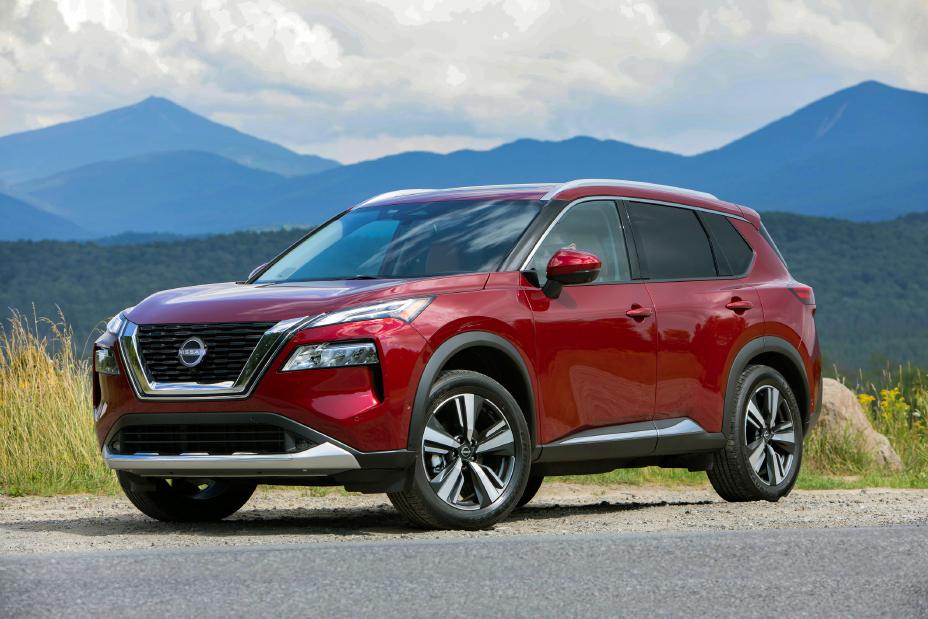
The Rogue still offered comfortable commuting and strong practicality, but recurring recall frustrations left many owners questioning long-term reliability. Even after repairs, certain drivers admitted they never regained complete confidence in the SUV’s safety systems.
6. BMW 3 Series
The BMW 3 Series built its reputation around sporty handling, luxury comfort, and premium engineering. For decades, it represented one of the most desirable compact luxury sedans in the world.
However, several generations faced recurring recall-related concerns involving cooling systems, electrical faults, airbags, and engine components that some owners felt were never permanently resolved.
Cooling-system problems became especially notorious. Certain 3 Series models experienced water pump failures, coolant leaks, and overheating risks tied to defective components. BMW issued recalls and service campaigns addressing specific defects, but many owners reported continued cooling-system failures even after repairs were completed.
Electrical issues also caused frustration. Drivers described recurring dashboard warnings, malfunctioning sensors, battery-drain problems, and electronic glitches returning repeatedly despite dealership visits.
Because modern BMWs rely heavily on sophisticated electronics, one malfunction sometimes triggers multiple warning messages simultaneously.
Airbag-related recalls added another layer of concern. Some owners waited extended periods for replacement parts connected to major safety recalls, leaving them driving vehicles carrying known risks for months.
Even after repairs, lingering anxiety remained because of the widespread publicity surrounding airbag defects across the industry.
Repair costs became another source of irritation. While recall work itself was covered, owners often faced additional out-of-pocket expenses once related components failed outside warranty periods. Several drivers complained that recurring repairs turned ownership into a cycle of service appointments and expensive maintenance.
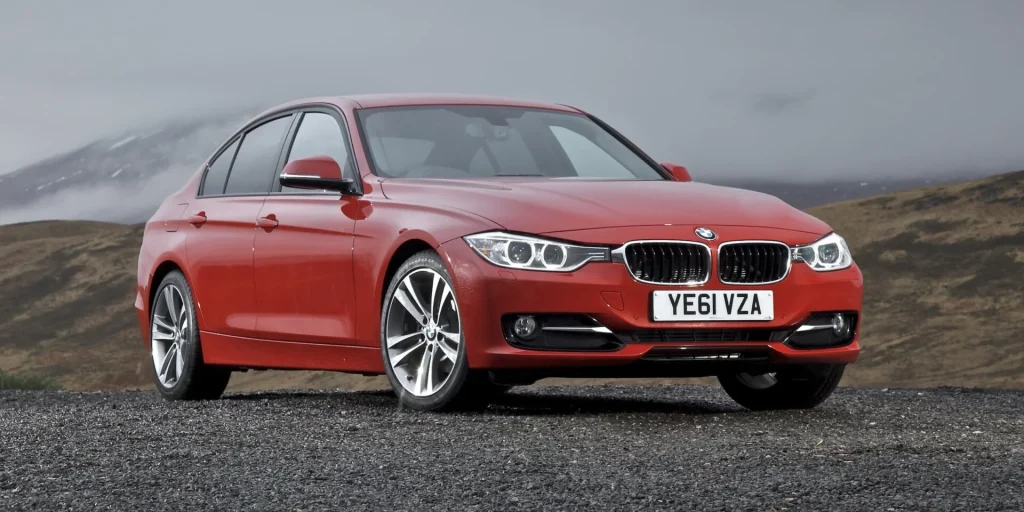
The 3 Series still delivered sharp performance and upscale driving manners, but repeated recall concerns weakened confidence for some owners. Instead of enjoying the car’s engineering strengths, many found themselves worrying about which warning light or mechanical issue might return next.
7. Honda CR-V
The Honda CR-V earned its reputation by delivering dependable transportation, excellent fuel economy, and practical family usability. Buyers often selected the CR-V specifically because they wanted an SUV that would require minimal drama during long-term ownership.
That is one reason recurring recall concerns frustrated certain owners so deeply. People purchasing Hondas usually expect peace of mind, not repeated dealership appointments for unresolved problems.
One of the most discussed issues involved fuel dilution problems in turbocharged models. Owners reported gasoline mixing with engine oil, particularly during colder weather and shorter driving trips.
Symptoms included rising oil levels, fuel smells inside the cabin, rough engine behaviour, and concerns about long-term engine durability. Honda issued software updates and service procedures intended to address the problem, but many owners claimed the fixes only reduced the symptoms instead of eliminating them.
The uncertainty surrounding the issue became exhausting. Some drivers constantly checked oil levels because they no longer trusted the engine’s condition between service visits.
Others worried about premature wear even after recall-related updates had been installed. Since the CR-V was marketed as a dependable family SUV, fears surrounding possible engine damage created enormous frustration.
A separate problem involved electrical and safety-system recalls. Certain owners experienced malfunctioning warning lights, inconsistent driver-assistance behaviour, or infotainment glitches returning after dealership repairs.
Because modern CRVs depend heavily on electronic systems, recurring software-related concerns affected daily driving more than many owners expected.
Dealership experiences varied widely. Some service departments handled recall repairs quickly and professionally, while others struggled to reassure owners that the issues were permanently fixed. Several drivers described repeated visits where technicians performed software updates only for similar symptoms to reappear later.
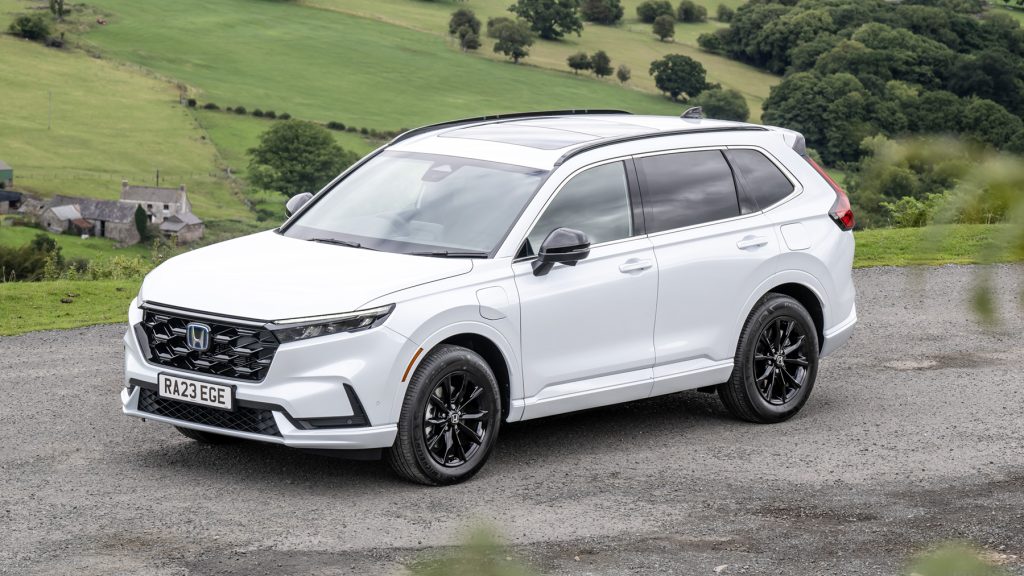
Another factor damaging owner confidence involved online owner forums. Drivers researching one issue frequently discovered dozens of similar complaints from other CR V owners, reinforcing fears that the problems were more widespread than manufacturers initially suggested.
The Honda CR-V remained practical, spacious, and comfortable for countless families. Yet for a noticeable group of owners, recurring recall concerns transformed a once stress-free ownership experience into an ongoing source of doubt.
Even after official repairs were completed, some drivers admitted they never fully regained trust in the vehicle’s long-term reliability.
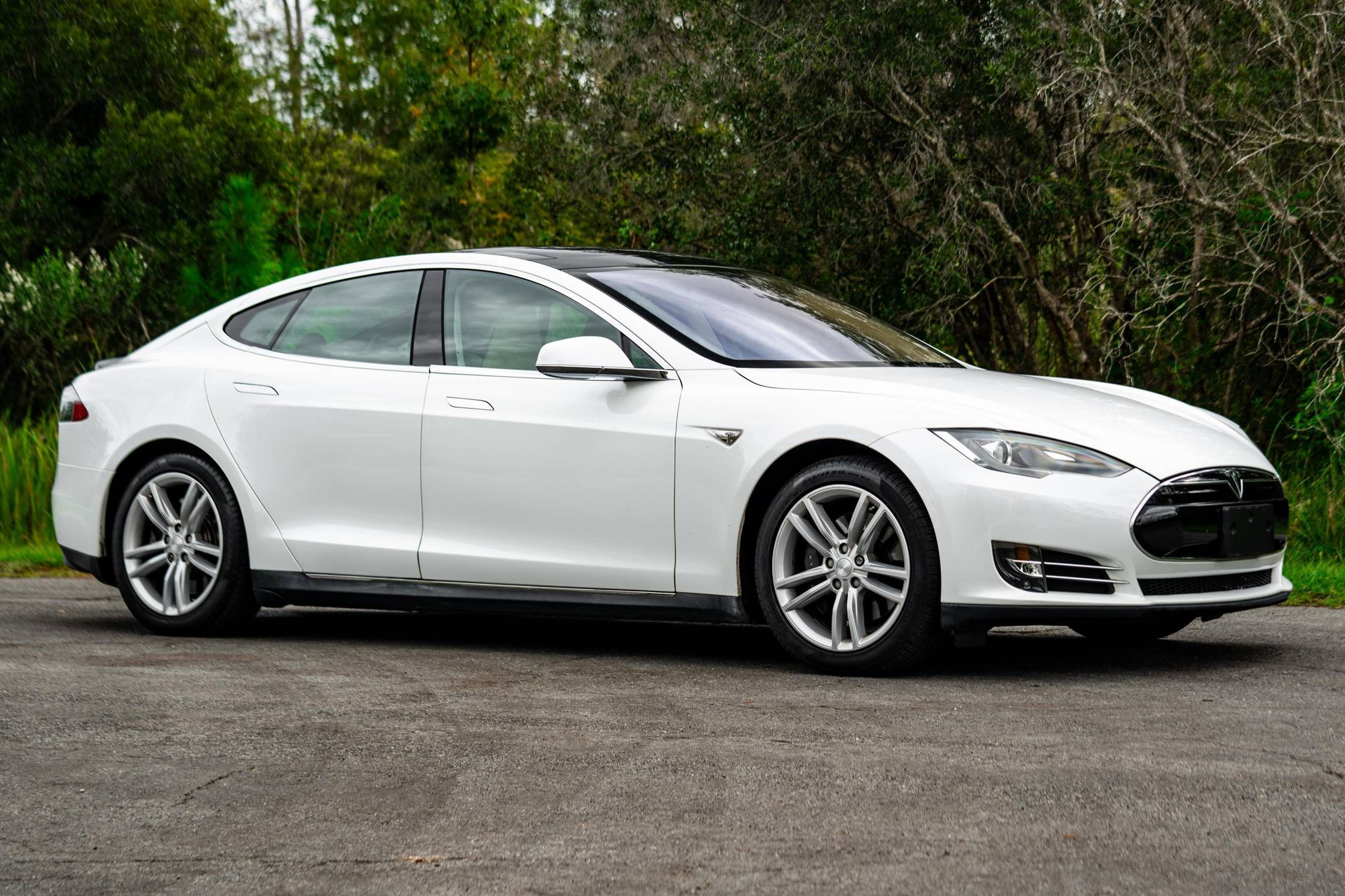
8. Tesla Model S
The Tesla Model S revolutionised the luxury car market by proving electric vehicles could deliver incredible acceleration, long driving range, and futuristic technology in one package.
Owners admired the massive touchscreen, over-the-air software updates, and smooth electric performance. Yet alongside the innovation came recurring recall concerns and unresolved issues that frustrated a significant number of drivers.
One major source of complaints involved suspension and steering components. Certain Model S owners reported premature wear in control arms, suspension links, and steering systems.
Tesla issued recalls and service campaigns addressing some defects, but several drivers claimed noises, vibrations, and handling problems returned even after repairs were completed.
The software-centred nature of the Model S created another unusual ownership challenge. Tesla regularly updated vehicle functions remotely, which allowed rapid improvements but also introduced new glitches at times.
Owners occasionally reported touchscreen freezing, backup camera failures, phantom braking events, and driver-assistance irregularities appearing after updates intended to fix earlier problems.
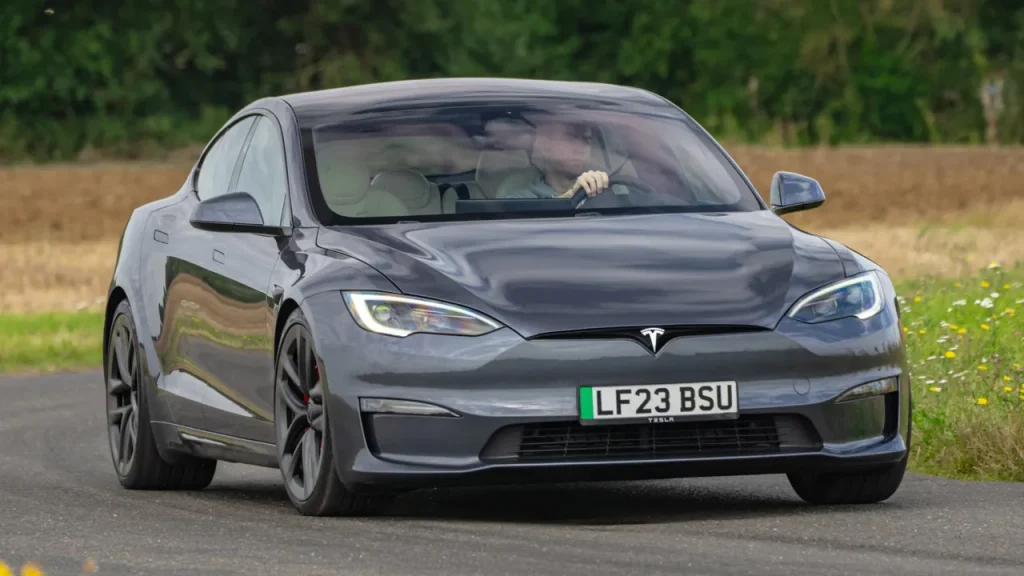
Phantom braking became especially controversial. Drivers described sudden, unexplained braking while using Autopilot or adaptive cruise systems on highways.
Tesla introduced software changes aimed at reducing the issue, but some owners continued reporting unpredictable braking behaviour afterwards. That uncertainty made certain drivers uncomfortable using advanced driving features they originally purchased the car to enjoy.
Build quality concerns also persisted despite service visits. Some owners dealt with recurring door handle failures, water leaks, rattles, and trim alignment problems, returning repeatedly. Since the Model S occupied the luxury-car segment, customers expected stronger consistency in both repairs and assembly quality.
Tesla’s service structure created additional stress for some owners. Depending on location, appointment availability, and repair wait times varied dramatically. Drivers occasionally struggled to secure quick service for issues tied to recalls or software-related defects, leaving them frustrated with unresolved concerns.
Despite these issues, the Model S remained one of the most technologically impressive vehicles on the road. Its performance and innovation attracted loyal fans worldwide.
Still, for some owners, recurring recalls and repeated unresolved problems weakened confidence in the vehicle’s long-term durability. Instead of feeling reassured after repairs or updates, they often worried about what software glitch, warning light, or mechanical issue might return next.
9. Toyota RAV4
The Toyota RAV4 became one of the world’s best-selling SUVs because buyers trusted Toyota’s reputation for reliability and low ownership stress.
Families, commuters, and retirees all gravitated toward the RAV4, expecting years of dependable service with minimal surprises. That expectation made recurring recall concerns especially frustrating for owners who believed Toyota products were supposed to avoid these kinds of problems entirely.
One major issue involved battery and electrical-system recalls affecting certain hybrid and gasoline models. Owners reported sudden battery drain, warning lights, malfunctioning sensors, and difficulty starting the vehicle even after dealership repairs were completed.
In some situations, drivers returned multiple times for updated fixes because the original recall procedures failed to fully eliminate the problem.
Fuel-system recalls also created anxiety. Certain owners experienced rough idling, hesitation during acceleration, and strong fuel odours tied to components that dealerships repeatedly inspected or replaced.
While Toyota issued official service campaigns and recall repairs, some drivers claimed the symptoms eventually returned, damaging confidence in long-term dependability.
Another source of frustration involved safety-system electronics. Modern RAV4 models rely heavily on radar sensors, cameras, lane-keeping technology, and automatic emergency braking systems.
Several owners reported false warning alerts, inconsistent sensor operation, or malfunctioning driver-assistance features continuing after software updates and recalibrations were completed.
The situation became more stressful because many RAV4 owners specifically purchased the SUV to avoid reliability headaches. Drivers who previously owned older Toyotas with near-problem-free experiences felt shocked when newer models required repeated dealership appointments for unresolved recall concerns.
Some service departments handled repairs efficiently, while others struggled with parts shortages and repeated software revisions. Owners occasionally described feeling like test subjects waiting for manufacturers to discover permanent solutions through ongoing updates rather than immediate fixes.
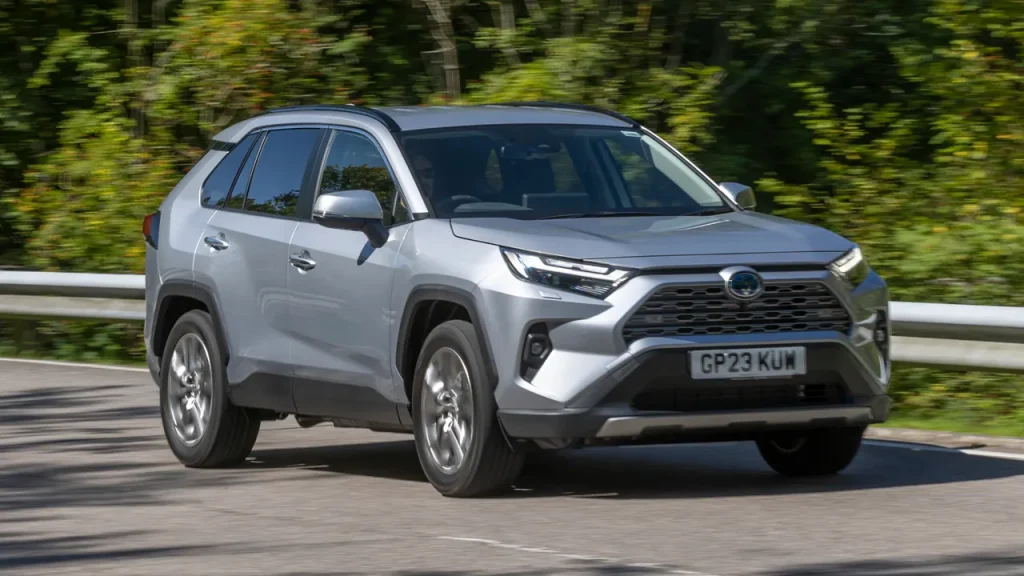
The RAV4 still delivered excellent practicality, strong fuel economy, and comfortable daily driving manners. Yet recurring recall-related frustrations weakened the confidence some owners once placed automatically in the Toyota brand.
For drivers accustomed to associating Toyota with effortless reliability, repeated unresolved issues felt especially disappointing.
10. Chrysler Pacifica Hybrid
The Chrysler Pacifica Hybrid entered the market promising something unique: a family minivan capable of delivering plug-in hybrid efficiency without sacrificing passenger space or practicality.
Parents loved the quiet electric driving capability and fuel savings, while reviewers praised the minivan’s flexibility and comfort. Unfortunately, recurring recall concerns became a major part of the ownership story for many drivers.
Battery and electrical-system recalls created some of the largest frustrations. Certain Pacifica Hybrid models faced fire-risk concerns tied to battery systems, leading to warnings about charging and parking practices. Owners suddenly found themselves worrying about safety in vehicles purchased specifically for family transportation.
Temporary recall measures frustrated many people because permanent fixes often took time to arrive. Some owners received software restrictions or charging limitations while waiting for replacement components or updated repair procedures.
That uncertainty damaged confidence because drivers no longer felt fully comfortable using all the vehicle’s advertised capabilities.
Electrical glitches also became common discussion topics among owners. Drivers reported infotainment crashes, warning lights, power-sliding-door malfunctions, and hybrid-system errors appearing repeatedly even after dealership visits.
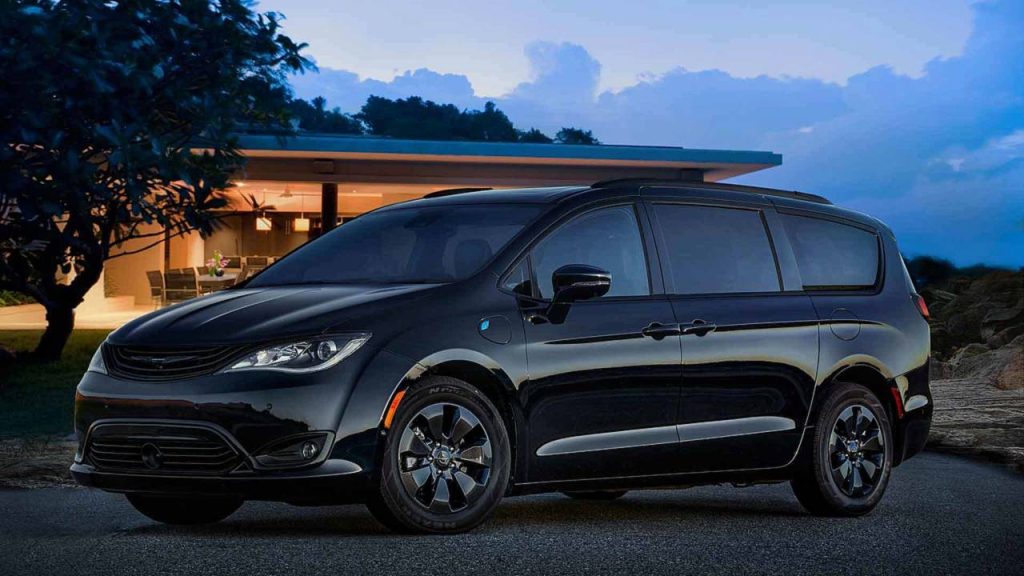
Since the Pacifica Hybrid relied heavily on integrated electronic systems, recurring faults affected daily family use significantly.
Several owners described repeated service appointments where dealerships performed updates or module replacements only for similar issues to return later. Families depending on the minivan for school schedules, vacations, and commuting became exhausted by ongoing downtime and repair uncertainty.
The complexity of combining a hybrid powertrain with a fully featured modern minivan likely contributed to the recurring issues. The Pacifica Hybrid packed enormous amounts of technology into one vehicle, which increased opportunities for software conflicts and electrical failures.
The minivan still offered excellent practicality and impressive efficiency when functioning properly. Yet for many owners, recurring recalls and unresolved electronic concerns overshadowed the Pacifica hybrid’s strengths.
Instead of enjoying stress-free family transportation, some drivers spent years wondering whether the next recall notice or warning light was already on the way.
Also Read: 10 Best SUVs for New York Traffic