
Nissan has built one of the most uneven reliability reputations in the auto industry over the last two decades. Some models earned loyal followings for durable engines, practical interiors, and low ownership costs, while others became known for costly transmission failures, electrical problems, and inconsistent quality.
By 2026, Consumer Reports rankings still reflect this split reputation. Much of the concern centers around Nissan’s widespread use of CVT transmissions, which caused reliability complaints in several popular vehicles.
At the same time, the company also produced dependable trucks and SUVs with proven mechanical simplicity and strong long-term durability. Consumer Reports measures reliability using owner survey data that examines key areas such as engines, transmissions, electronics, suspension systems, climate controls, and construction quality.
Some Nissan models improved significantly after redesigns and updated quality control, while others continue struggling with aging platforms and recurring issues. These rankings help buyers identify which Nissan vehicles appear most dependable heading into 2026.
Also Read: 9 Best Cars for Drivers Over 6’4″
1. Nissan Versa
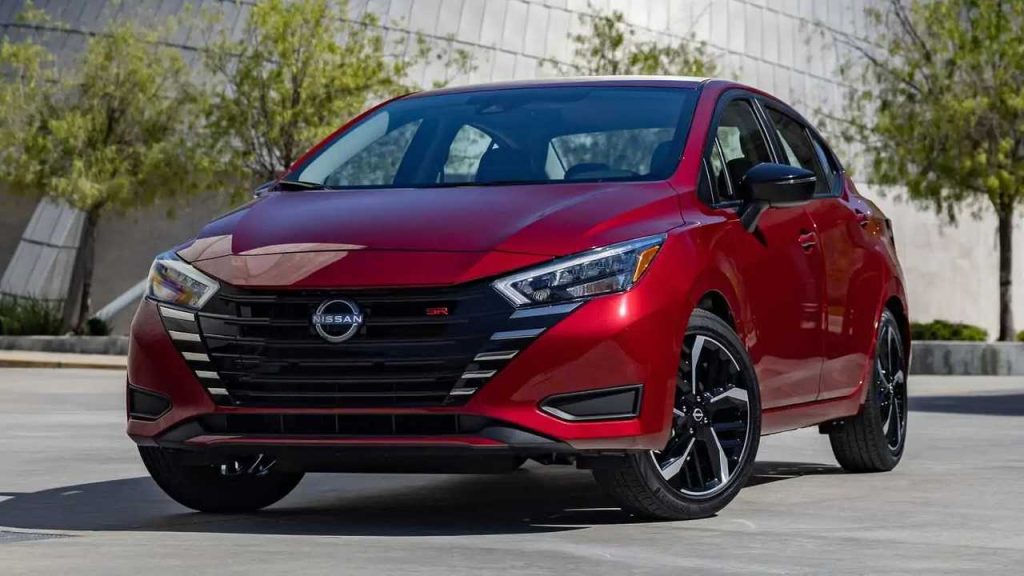
The Nissan Versa ranks among Nissan’s most reliable vehicles in 2026 mainly because of its simple design and low mechanical complexity. Unlike larger, technology-heavy models, the Versa focuses on affordable transportation with fewer high-stress components.
Consumer Reports reliability surveys show fewer major drivetrain and electrical complaints compared with many older Nissan models. Its naturally aspirated engine avoids the added strain associated with turbocharged setups, helping improve long-term durability and lower maintenance costs.
Owners also praise the Versa for excellent fuel economy, inexpensive repairs, and predictable upkeep. The latest generation added improved safety features and better cabin materials without sacrificing mechanical simplicity.
Consumer Reports data further highlights fewer recurring issues involving infotainment systems and climate controls than many rival compact sedans. Since most owners use the Versa primarily for commuting and city driving, wear on suspension and drivetrain components also tends to remain lower over time.
Consumer Reports data further highlights fewer recurring issues involving infotainment systems and climate controls than many rival compact sedans. Since most owners use the Versa primarily for commuting and city driving, wear on suspension and drivetrain components also tends to remain lower over time.
2. Nissan Frontier
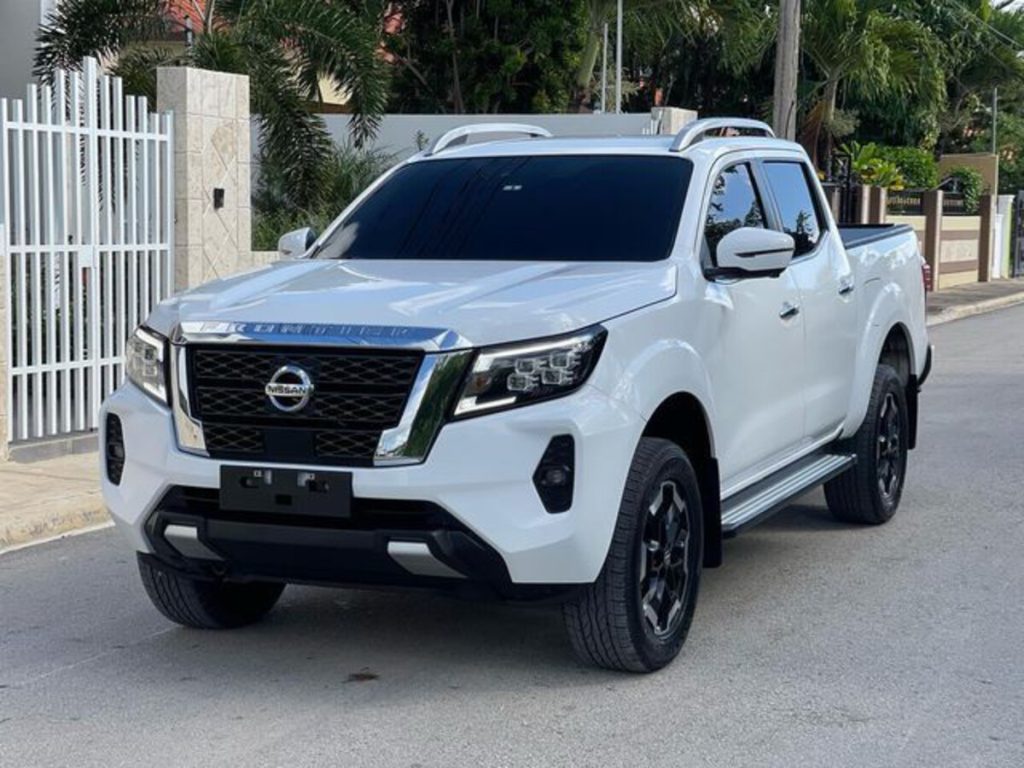
The Nissan Frontier earns strong 2026 reliability ratings through durable truck engineering and proven mechanical simplicity.
Unlike many Nissan passenger vehicles, the Frontier avoids the CVT transmissions that damaged the brand’s reputation and instead uses a conventional automatic transmission better suited for towing and hauling.
Its naturally aspirated V6 engine is widely praised for long-term durability, with fewer reports of turbocharger issues or excessive oil consumption. Consumer Reports surveys show lower rates of severe drivetrain complaints compared with models like the Rogue and older Altima generations.
The Frontier also benefits from a relatively straightforward mechanical layout, reducing repair complexity and long-term ownership costs. Nissan’s long production cycle allowed engineers to refine weaknesses gradually rather than constantly introducing untested technology.
While the interior may feel less refined than some rivals, buyers value the truck’s dependable performance, manageable maintenance costs, and strong durability for towing, camping, and daily work use.
3. Nissan Murano
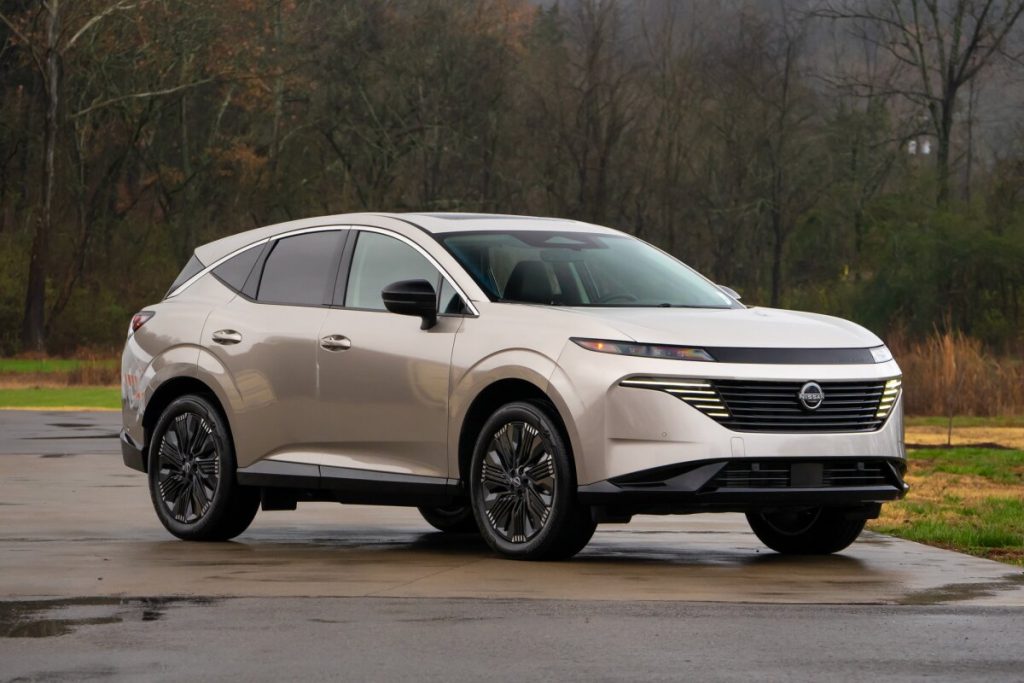
The Nissan Murano occupies an unusual position in the brand’s lineup because it blends near-luxury comfort with relatively simple driving dynamics. Consumer Reports reliability rankings for 2026 place the Murano in the upper portion of Nissan’s range largely because the vehicle has aged into a more refined and predictable product.
While many buyers focus on styling and interior comfort, reliability data show the Murano performs better than several other Nissan crossovers in long-term ownership satisfaction.
One important reason is drivetrain consistency. The Murano uses Nissan’s proven V6 engine, which has delivered dependable service across multiple models for years. Owners regularly report smooth power delivery and fewer catastrophic engine problems compared with some smaller turbocharged competitors.
Although the Murano still uses a CVT transmission, reliability scores improved because later calibrations and production updates reduced many of the severe complaints associated with older Nissan CVTs.
The Murano also benefits from a customer base that typically drives less aggressively than sports sedan or truck buyers. Many owners use it as a comfortable commuter or family crossover rather than a vehicle for towing or heavy hauling. Reduced drivetrain stress often contributes positively to long-term dependability.
Interior quality plays a role in owner satisfaction as well. Consumer Reports surveys track issues involving electronics, infotainment systems, climate controls, and cabin hardware.
The Murano performs better than expected in these categories, especially compared with some Nissan models that developed reputations for glitchy electronics or inconsistent interior durability.
Ride quality remains another strength. The suspension tuning focuses heavily on comfort, and owners frequently praise the crossover for quiet highway manners. Fewer complaints involving suspension harshness or steering system wear help its reliability standing.
However, the Murano is not entirely free from concerns. Some owners still report hesitation from the transmission under hard acceleration, and long-term CVT durability remains an area buyers monitor carefully. Yet compared with lower-ranked Nissan crossovers, the Murano demonstrates far fewer widespread patterns of expensive mechanical failure.
Its strong reliability ranking in 2026 reflects a combination of mature engineering, dependable V6 performance, and improved quality control.
Buyers wanting a comfortable midsize crossover without stepping into premium luxury pricing often view the Murano as one of Nissan’s safer long-term ownership choices.
4. Nissan Maxima
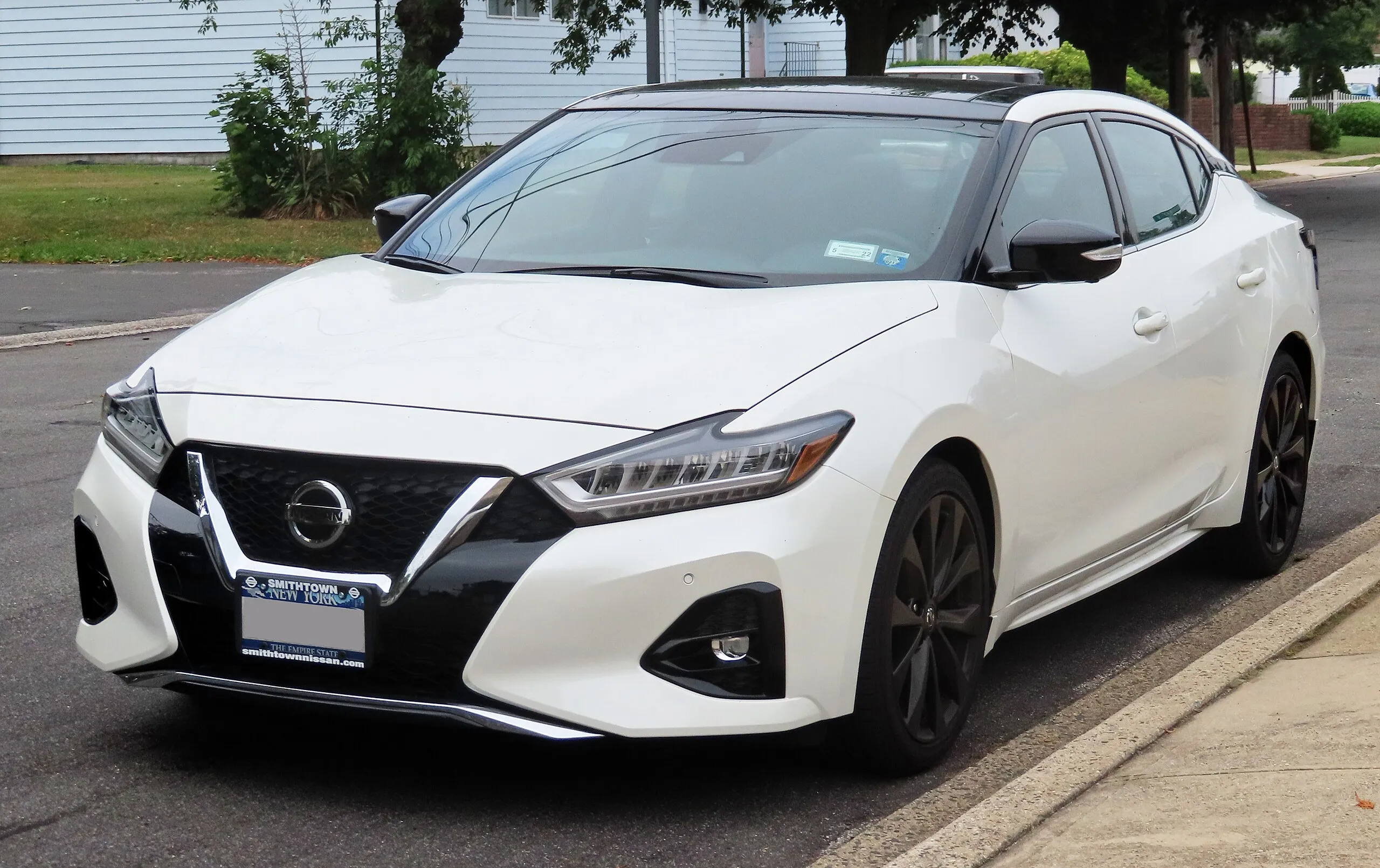
The Nissan Maxima has always carried a different identity from most mainstream sedans. Nissan marketed it as a four-door sports car for years, combining sharper acceleration with a more upscale cabin than the average family sedan.
According to the 2026 Consumer Reports reliability rankings, the Maxima performs reasonably well because many of its core mechanical components have been refined over a long production cycle.
Its V6 engine remains one of the strongest aspects of the car. Drivers regularly praise the smooth power delivery and strong acceleration, while reliability surveys indicate relatively few serious engine failures compared with several competing performance sedans.
The engine itself developed a reputation for durability when maintained properly, helping the Maxima score above average in owner confidence.
The sedan’s reliability standing becomes more complicated when discussing the transmission. Like several Nissan models, the Maxima uses a CVT rather than a conventional automatic.
Earlier Nissan CVTs damaged consumer trust significantly, but later Maxima versions benefited from improved software tuning and updated hardware. Consumer Reports data suggests the newer models experience fewer severe transmission complaints than older generations.
Another advantage comes from cabin refinement. The Maxima includes more upscale materials and sound insulation than entry-level sedans, yet owner surveys show the interior generally holds up well with age.
Complaints involving rattles, failing trim pieces, or malfunctioning controls appear less frequently than in certain cheaper Nissan products.
The Maxima also avoids some of the turbocharged engine complications affecting modern rivals. Many manufacturers shifted toward smaller turbo engines for fuel economy purposes, but Nissan retained a naturally aspirated V6.
That decision may have sacrificed some efficiency, though it likely contributed positively to long-term mechanical durability.
Drivers often describe the Maxima as dependable transportation with enough performance to feel engaging without becoming overly complicated. Steering systems, braking components, and suspension hardware generally receive solid marks for durability in owner surveys.
Still, the car’s reliability reputation is not flawless. CVT concerns continue influencing buyer perceptions, even though newer versions have improved. Repair costs for electronic features can also rise once warranties expire because the Maxima includes more advanced equipment than simpler Nissan sedans.
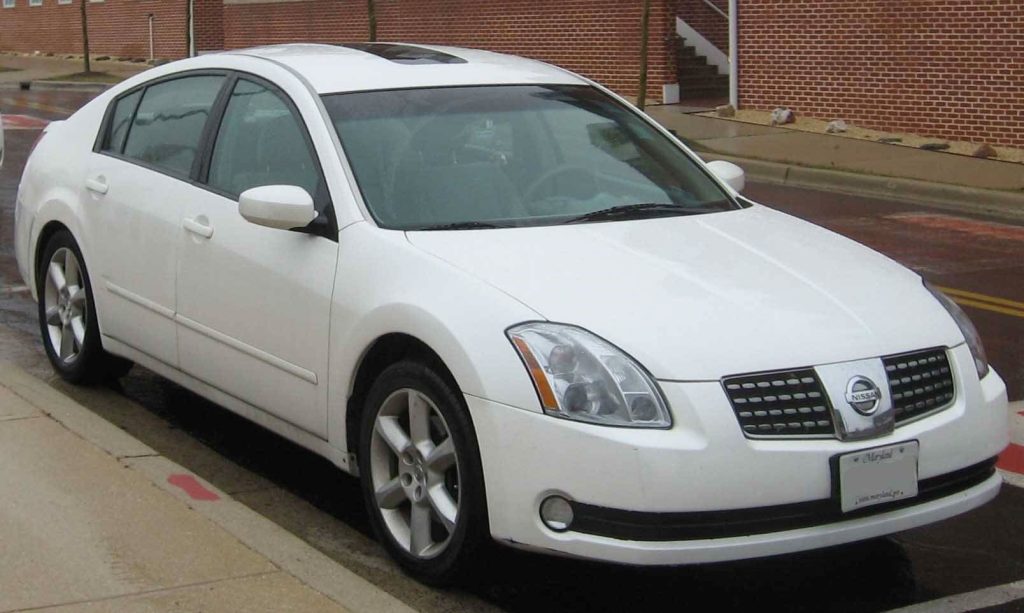
In 2026 rankings, the Maxima stands as one of Nissan’s stronger passenger cars because it combines durable engine performance, mature engineering, and respectable build quality. Buyers wanting a larger sedan with more personality than a typical commuter vehicle often see it as a reasonable long-term ownership option.
5. Nissan Pathfinder
The Nissan Pathfinder has gone through major changes during the past decade, and those updates significantly affected its reliability reputation.
Earlier generations suffered criticism because of transmission concerns and inconsistent refinement, but the newer Pathfinder improved its standing in 2026 Consumer Reports rankings by moving toward a more traditional SUV formula.
Nissan replaced the CVT with a conventional automatic transmission, and that decision alone restored confidence for many buyers.
The Pathfinder now feels more substantial and truck-like than some crossover competitors. Families choosing three-row SUVs often place durability near the top of their priorities, especially when the vehicle handles road trips, cargo hauling, and daily commuting simultaneously.
Consumer Reports owner surveys suggest the updated Pathfinder performs more consistently than earlier versions that struggled with drivetrain complaints.
Its V6 engine remains one of the vehicle’s strongest qualities. The engine delivers smooth power and avoids the complexity of smaller turbocharged alternatives used by many rivals. Long-term owners generally report dependable operation when maintenance schedules are followed correctly.
Towing capability also benefits from the switch to the conventional automatic transmission, which handles heavier loads with greater confidence than Nissan’s previous CVT setup.
Interior reliability contributes positively to the Pathfinder’s ranking as well. Modern SUVs rely heavily on electronics, touchscreens, driver assistance systems, and powered seating components.
While some competitors suffer repeated complaints involving electronic glitches, the Pathfinder has shown improved consistency in these areas, according to owner feedback.
The SUV’s suspension and ride quality also receive respectable marks. Families using Pathfinders for long highway travel frequently praise the comfortable seating and stable driving behavior. Fewer reports involving premature suspension wear help strengthen reliability scores further.
Still, the Pathfinder does not reach the absolute top of the segment because buyers remain cautious after Nissan’s earlier transmission history.
Consumer trust often takes years to rebuild fully, even after mechanical improvements arrive. Some owners also report that fuel economy trails certain competitors using smaller turbocharged engines.
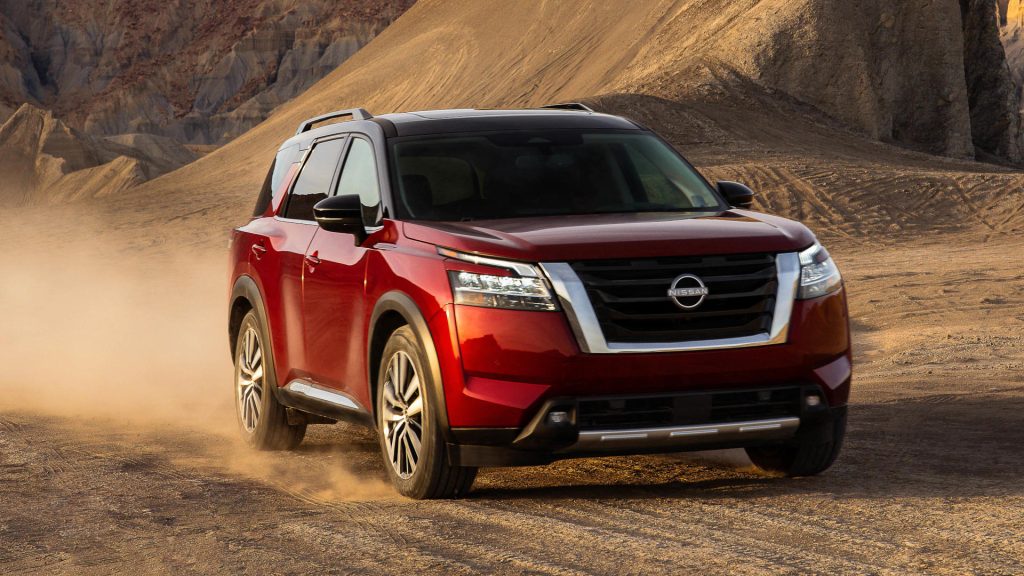
Yet reliability rankings for 2026 indicate clear progress. The Pathfinder no longer carries the same level of concern that surrounded older generations.
Stronger drivetrain choices, improving build quality, and more predictable ownership costs have helped reposition it as one of Nissan’s more dependable SUVs for families needing space, comfort, and long-term usability.
6. Nissan Rogue
The Nissan Rogue remains one of the brand’s most important vehicles due to its strong sales volume and popularity in the compact SUV market. However, its reliability reputation continues to receive mixed reviews. Consumer Reports rankings for 2026 place the Rogue in the middle of Nissan’s lineup, reflecting a balance between its strengths and ongoing concerns related to drivetrain durability and electronic systems.
As one of the most competitive vehicle categories, compact crossovers are expected to deliver fuel efficiency, spacious interiors, advanced technology, and affordable ownership costs all at once. The Rogue succeeds in several of these areas, particularly with its modern styling, refined cabin, and improved driver-assistance technology. Owner surveys frequently praise the comfortable seating, quiet highway ride, and good outward visibility found in newer models.
Despite these improvements, reliability concerns still influence buyer confidence. Transmission durability remains the biggest issue tied to the Rogue name because of Nissan’s long history with continuously variable transmissions. Although newer CVT systems are more refined and appear more durable than earlier versions, some buyers remain cautious due to the high repair costs associated with transmission failures outside warranty coverage.
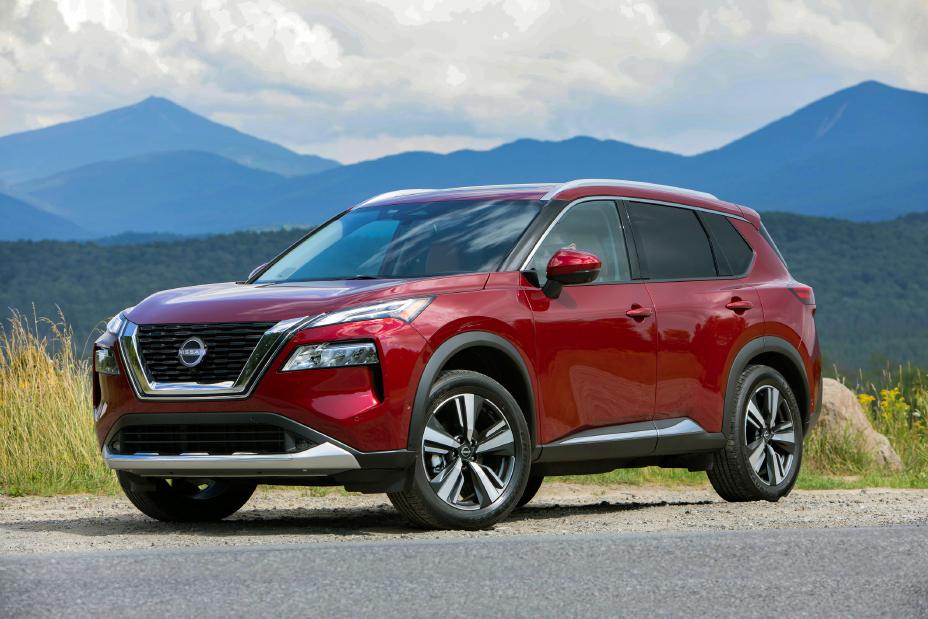
Nissan Rogue
Recent Rogue models also introduced smaller turbocharged engines to improve fuel economy and low-speed performance. While efficient, turbocharged engines add more mechanical complexity and long-term durability questions compared to naturally aspirated designs.
Electronic systems also receive mixed feedback. Some owners report infotainment glitches, sensor malfunctions, and occasional issues with driver-assistance calibration. These problems are usually minor but still affect reliability scores and customer satisfaction.
Even with these concerns, the Rogue continues to appeal to buyers seeking practicality, efficiency, and competitive pricing. Many owners experience dependable long-term service when maintenance schedules are followed properly, helping the Rogue remain a strong contender in the compact SUV segment.
7. Nissan Altima
The Nissan Altima has long been one of the brand’s highest-volume sedans, making its reliability reputation especially important to Nissan’s image. Consumer Reports rankings for 2026 place the Altima in the middle of the pack, reflecting mixed owner experiences. Some drivers report years of dependable and inexpensive commuting, while others continue to encounter concerns involving the drivetrain and electronics.
A major factor affecting the Altima’s reputation is its history with continuously variable transmissions. Earlier models developed a negative reputation because of CVT failures that sometimes occurred at relatively low mileage. Although Nissan introduced updated designs with revised hardware and software to improve durability, those past problems continue to influence buyer confidence and reliability perceptions today.
The engine lineup tends to fare better in owner surveys than the transmission itself. The naturally aspirated four-cylinder engine is often praised for its fuel efficiency, smooth operation, and relatively low maintenance costs. Drivers who primarily use the Altima for commuting or highway travel frequently report comfortable long-distance performance and economical ownership.
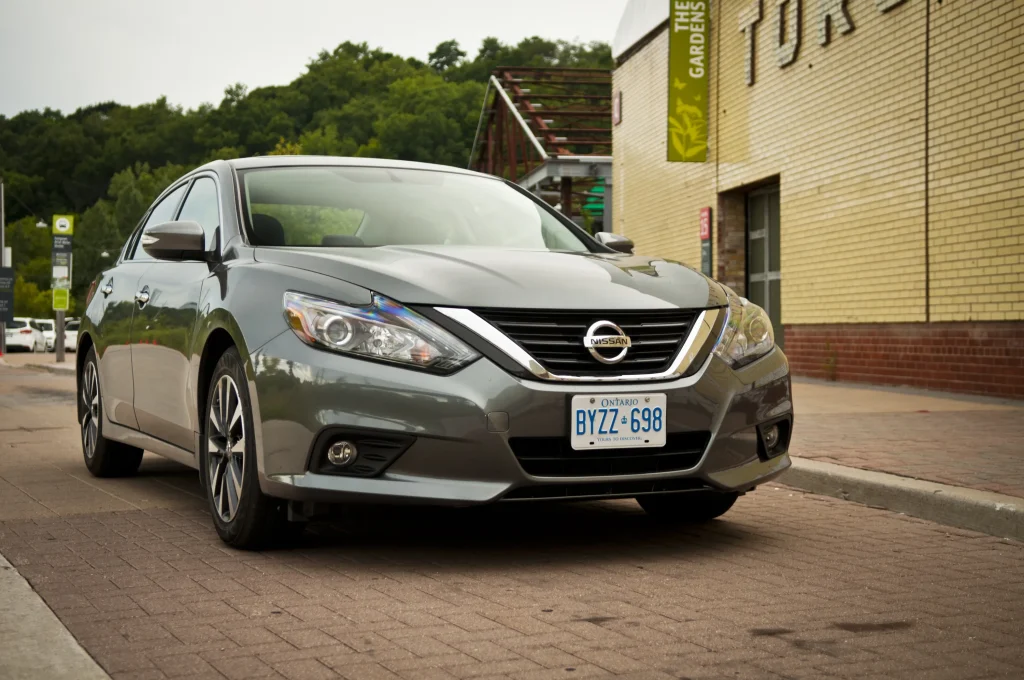
Ride quality is another area where the Altima performs well. Nissan tuned the sedan for comfort rather than sporty handling, resulting in supportive seating, controlled cabin noise, and suspension tuning that absorbs rough pavement effectively. Many owners appreciate its relaxed driving character, even when criticizing certain mechanical issues.
Modern Altima models also introduced available all-wheel drive, helping the car stand apart from several midsize sedan rivals. However, added drivetrain complexity can increase the likelihood of future maintenance needs.
Electronic systems receive more inconsistent feedback. Some owners praise the infotainment features and driver-assistance technologies, while others report occasional glitches involving sensors, warning lights, or touchscreen responsiveness. Despite these concerns, the Altima remains a practical midsize sedan offering good fuel economy, comfortable road manners, and affordable commuting for drivers willing to stay attentive to maintenance history and drivetrain condition.
8. Nissan Armada
The Nissan Armada continues to earn respectable reliability ratings in 2026 largely because it follows a more traditional full-size SUV formula. Rather than relying on lightweight crossover engineering or heavily downsized turbocharged engines, the Armada uses a rugged body-on-frame construction designed for durability, towing strength, and long-term toughness. That old-school mechanical approach helps it perform better in ownership surveys than several smaller and more complex Nissan models.
A major factor behind the Armada’s reliability reputation is its naturally aspirated V8 engine. Large-displacement V8s are often viewed as dependable because they avoid the additional stress and complexity associated with turbochargers and smaller high-output engines. Owners frequently praise the Armada for its smooth power delivery, confident towing performance, and relaxed highway cruising. Consumer Reports data also suggests that serious engine failures are relatively uncommon when the SUV receives proper routine maintenance.
Another important advantage is the transmission. Unlike several Nissan sedans and crossovers that rely on continuously variable transmissions, the Armada uses a conventional automatic transmission better suited for towing and hauling. This setup improves buyer confidence since many of Nissan’s past reliability concerns centered around CVT durability and long-term performance issues.
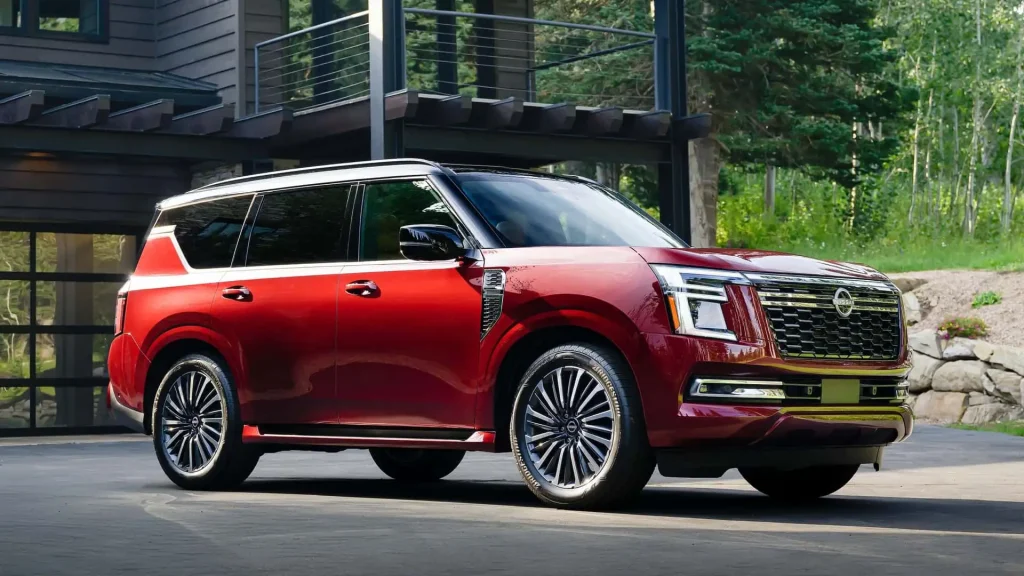
The Armada’s heavy-duty platform also contributes positively to suspension and chassis durability. Full-size SUVs regularly carry passengers, cargo, trailers, and heavy equipment, yet the Armada generally avoids the widespread structural complaints reported in some rivals. Repairs can still become expensive because of the vehicle’s size, but the core mechanical components tend to hold up well over time.
Interior quality receives more mixed feedback. The spacious cabin and comfortable seating are often praised, though some owners report occasional issues involving infotainment responsiveness, sensors, and electronic convenience features. Modern technology systems add complexity that can sometimes create minor reliability concerns.
Despite poor fuel economy from its V8 engine, many buyers accept the tradeoff in exchange for towing capability, durability, and mechanical simplicity. For shoppers seeking a dependable full-size SUV within Nissan’s lineup, the Armada remains one of the brand’s more confidence-inspiring long-term ownership choices.
9. Nissan Sentra
The Nissan Sentra has made significant progress compared to earlier generations that often struggled to compete in the compact sedan segment. According to Consumer Reports’ 2026 reliability rankings, the newer Sentra earns a more respectable position thanks to improved refinement, stronger safety technology, and better manufacturing consistency. Recent redesigns helped transform the car into a more polished and dependable option for budget-conscious buyers.
One of the biggest improvements can be seen inside the cabin. Older Sentra models were frequently criticized for cheap materials and a lack of solid construction compared to rivals like the Toyota Corolla and Honda Civic. Newer versions feature softer materials, quieter interiors, and more supportive seating, giving the car a noticeably more upscale feel. Owner feedback also suggests the interior holds up better over time, with fewer complaints about rattles, loose trim pieces, or premature wear.
Fuel efficiency remains one of the Sentra’s strongest selling points. Its naturally aspirated engine keeps mechanical complexity relatively low, helping reduce maintenance costs while delivering efficient daily commuting. This simplicity appeals to drivers looking for affordable transportation with manageable ownership expenses.
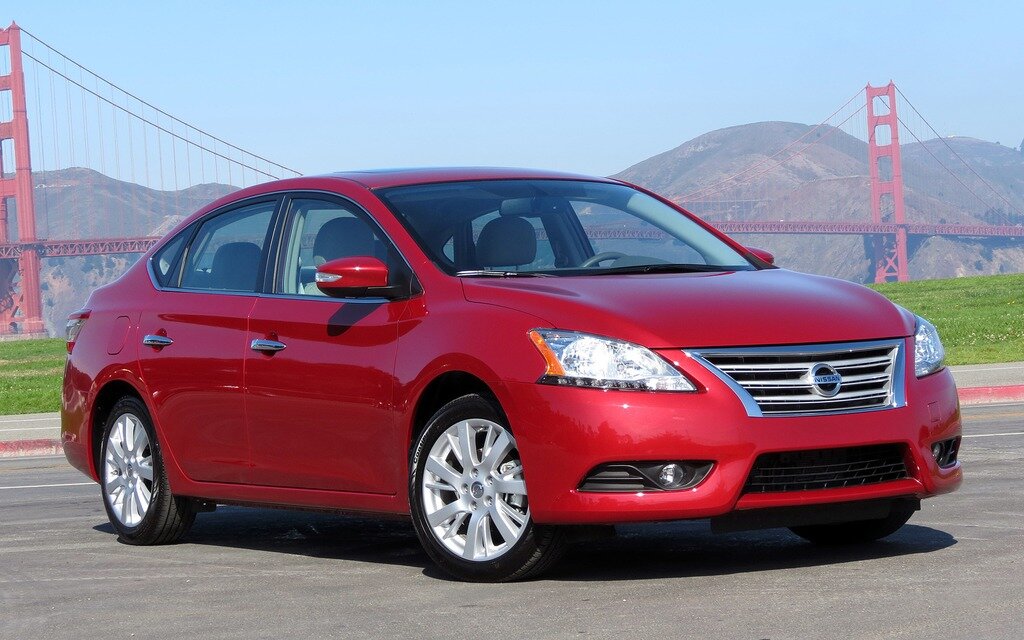
The continuously variable transmission (CVT), however, still plays a role in reliability concerns. Although Nissan’s updated CVT systems appear more refined and durable than older versions, some owners still report hesitation or inconsistent acceleration behavior. Severe transmission failures seem less common than before, but Consumer Reports rankings continue to reflect caution due to Nissan’s historical CVT reputation.
The Sentra also benefits from relatively light-duty usage. Most owners use it primarily for commuting, city driving, and family transportation rather than heavy towing or aggressive performance driving, which can positively influence long-term durability statistics.
Modern driver-assistance features have also improved the Sentra’s appeal. Nissan successfully integrated advanced safety systems without widespread electronic reliability problems, helping the car remain competitive in a technology-focused compact sedan market. Combined with low maintenance costs, affordable replacement parts, and solid fuel economy, the 2026 Sentra represents a practical and steadily improving compact sedan with dependable everyday usability.
10. Nissan Titan
The Nissan Titan represents one of the more interesting reliability stories in Nissan’s lineup because it competes in the demanding full-size truck segment while maintaining a relatively straightforward mechanical design.
Consumer Reports rankings for 2026 place the Titan in the middle to upper range of Nissan’s vehicles due largely to its durable V8 engine and conventional truck engineering.
Unlike many rivals that transitioned heavily toward smaller-displacement turbocharged engines, the Titan stayed committed to a naturally aspirated V8.
That decision helped simplify long-term maintenance and reduced concerns involving turbocharger wear or excessive engine complexity. Owners frequently praise the truck’s strong acceleration, towing confidence, and dependable highway performance.
The transmission also contributes positively to reliability scores. Nissan avoided the controversial CVT design used in many passenger vehicles and instead equipped the Titan with a traditional automatic transmission better suited for hauling and towing demands.
This mechanical simplicity improves buyer trust considerably because truck owners often keep vehicles for many years under heavy workloads.
Consumer Reports surveys suggest Titan owners generally experience fewer catastrophic drivetrain complaints than some competing trucks loaded with complicated hybrid systems or highly boosted engines. Suspension durability also receives decent marks, particularly among drivers using the truck for towing trailers, work equipment, or recreational hauling.
Still, the Titan does not reach the top of the segment because some weaknesses continue affecting owner satisfaction.
Fuel economy lags behind newer rivals using smaller turbocharged engines, and interior refinement trails premium trucks from Ford or Ram. Electronics and infotainment systems also receive occasional criticism for outdated interfaces and inconsistent responsiveness.
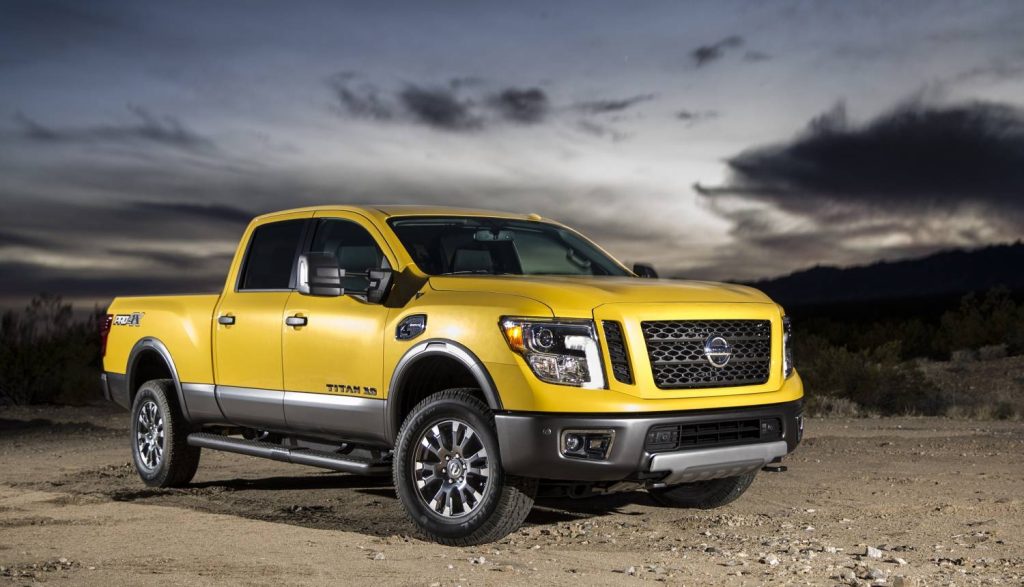
Another factor limiting the Titan’s reputation is lower sales volume. Because fewer units are sold compared with domestic competitors, public perception and owner feedback pools remain smaller. That sometimes makes long-term reliability trends harder for shoppers to evaluate confidently.
The Titan’s ruggedness appeals most strongly to buyers wanting a traditional truck experience without excessive technological complexity. Many owners appreciate the straightforward engineering and proven V8 durability, even if the truck lacks the latest luxury features or advanced efficiency systems.
Its 2026 Consumer Reports standing reflects those strengths and weaknesses clearly. The Titan earns respect for dependable towing capability, solid engine durability, and simpler truck mechanics, yet it remains held back slightly by aging interior technology and lower refinement levels compared with class leaders.
For prioritizing durability over flashy innovation, the Titan still represents one of Nissan’s more trustworthy long-term ownership choices.
