
Consumer Reports has earned trust by looking far past first impressions. Its ratings are shaped by long-term testing, detailed owner surveys, and careful follow-ups that track how vehicles behave after the new car feeling wears off.
A model does not receive praise just because it feels smooth during a quick test drive. It has to continue performing well through daily commutes, harsh weather, heavy traffic, and years of real ownership. That approach explains why a recommendation from Consumer Reports matters to buyers who want confidence after the purchase papers are signed.
When a vehicle loses that endorsement, it usually signals more than a minor flaw. For the 2026 model year, several vehicles were removed from the recommended list after recurring issues began appearing in owner feedback, service data, and ongoing evaluations.
Many of the concerns showed up in areas drivers rely on every day. Transmission behavior, electrical systems, driver assistance features, and software stability were frequent sources of trouble. In some cases, updates intended to correct problems failed to deliver lasting improvement. What stands out is the variety of vehicles affected.
Mainstream family SUVs, higher-priced electric models, and familiar nameplates all appear among those that lost favor. These vehicles were not downgraded because of one-off complaints. Instead, repeated reports from many owners pointed to problems that could not be ignored.
This page looks closely at ten vehicles that lost their recommended status for 2026. Each section explains what owners reported, why the issues mattered, and how those concerns influenced Consumer Reports’ decision. For anyone shopping soon or tracking reliability trends, these examples highlight areas where extra caution may pay off.
1. Audi Q4 e-tron
- Engine: Dual electric motors
- Horsepower: 295 hp
- Torque: 339 lb-ft
- Length: 180.7 in
- Width: 73.4 in
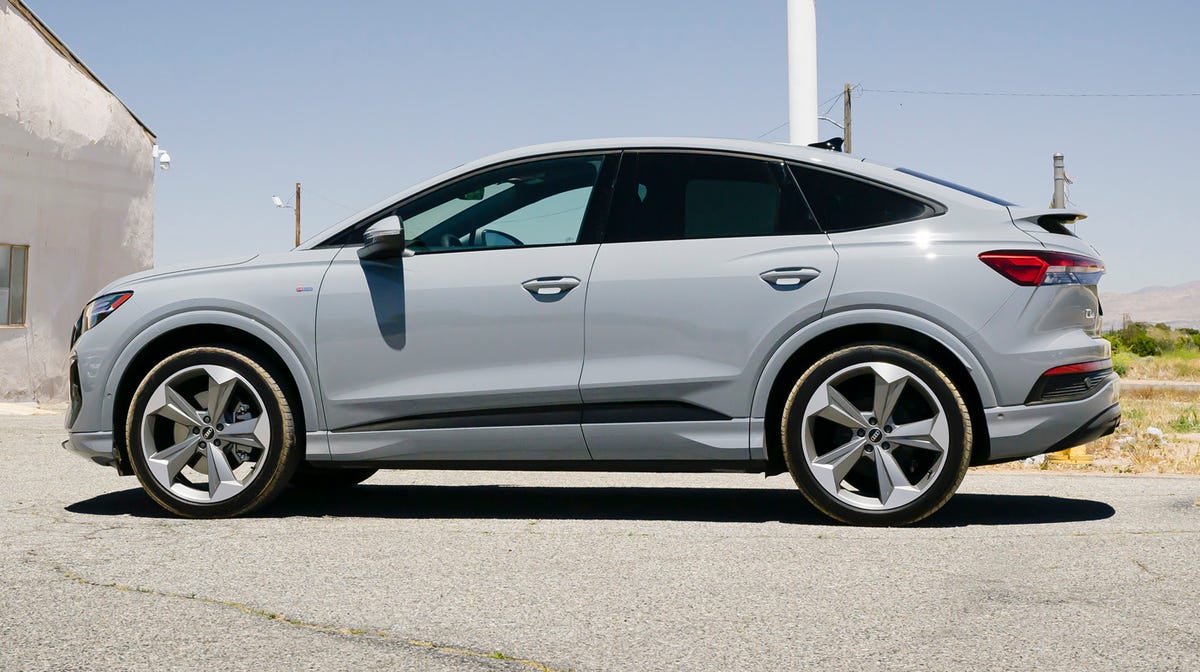
Electric vehicles often promise simplicity, yet ownership feedback for the Audi Q4 e-tron painted a more frustrating picture during recent evaluations. Buyers drawn to its sleek design and premium interior expected smooth performance paired with dependable technology. What many encountered instead was a steady stream of electrical complaints that affected daily usability.
Reports frequently centered on the infotainment system. Owners described screens that froze without warning, sudden loss of navigation functions, and intermittent failure of smartphone connectivity. While these problems might sound minor on paper, they became aggravating during commutes and long trips where drivers rely on consistent system behavior. Resetting the system sometimes helped, but for many, the problems returned.
Charging-related concerns also surfaced. Several owners experienced inaccurate range estimates, with the vehicle predicting more miles than it could realistically deliver. That mismatch caused anxiety on longer drives and forced some drivers to stop more often than planned. A few also noted charging sessions that failed to start properly, requiring manual restarts or dealer visits.
Beyond software, certain hardware issues raised eyebrows. Fault warnings tied to sensors and driver assistance features appeared with enough frequency to suggest more than isolated defects. When warning lights appear repeatedly without clear resolution, trust in the vehicle begins to erode.
Audi issued updates and service bulletins in response, yet Consumer Reports weighs long-term patterns heavily. At the time of the 2026 assessment, enough unresolved complaints remained to justify removing the recommendation. The decision reflected concern that fixes were not sticking across the owner base.
For shoppers considering electric luxury crossovers, the Q4 e-tron’s experience served as a reminder that refinement involves more than materials and performance. Consistent software and dependable electronics play just as big a role in satisfaction.
2. Chevrolet Equinox
- Engine: 1.5L turbocharged 4-cylinder
- Horsepower: 175 hp
- Torque: 203 lb-ft
- Length: 183.1 in
- Width: 72.6 in
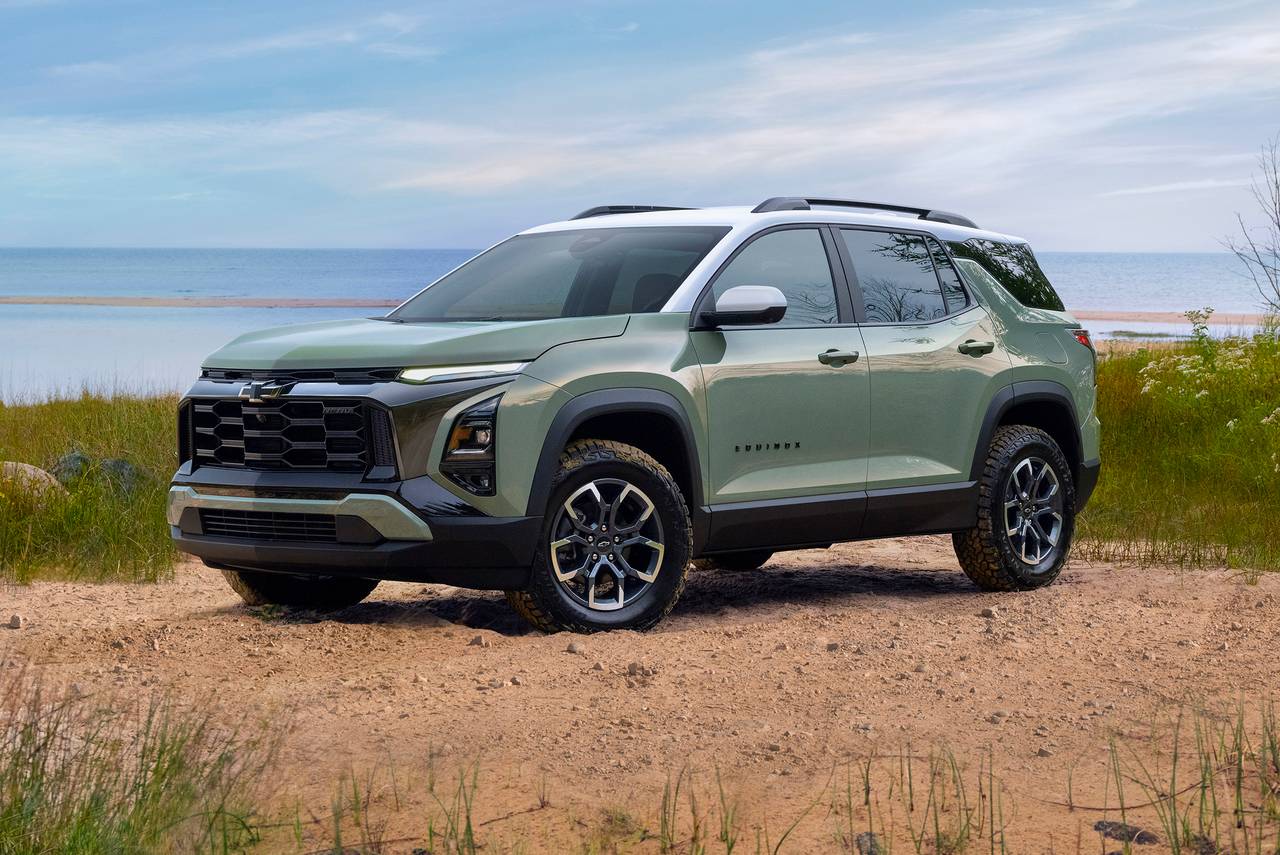
The Chevrolet Equinox has long appealed to drivers looking for a practical compact crossover with familiar controls and reasonable pricing. In recent years, however, owner feedback revealed issues that chipped away at its dependable image. Transmission behavior became the most talked-about problem, showing up in complaints from drivers with varying mileage levels.
Many owners described hesitation during acceleration, rough gear changes, and delayed response when merging into traffic. These issues did not always trigger warning lights, which made diagnosis more challenging. Some drivers reported improvement after software updates, while others experienced the same symptoms again after a short period.
Service visits often resulted in temporary adjustments rather than lasting solutions. For drivers who rely on predictable throttle response during daily commutes, that inconsistency proved unsettling. The concern grew as similar reports surfaced across multiple model years, suggesting a deeper calibration or component issue rather than isolated wear.
Electrical complaints also appeared in owner surveys. Problems with dashboard displays, warning messages appearing without a clear cause, and occasional failure of safety features added to the frustration. Each issue on its own might have been manageable, but together they painted a picture of a vehicle needing more attention than expected.
Consumer Reports evaluates how often problems occur and how serious they are. With the Equinox, transmission-related complaints carried heavy weight because they affect core driving functions. When combined with electrical concerns, the pattern became hard to ignore.
As a result, the Equinox lost its recommended status for 2026. The decision did not mean every unit would fail, yet it signaled that buyers should proceed carefully and pay close attention to warranty coverage and service history.
Also Read: 4 Stellantis Vehicles Worth Buying vs 4 to Avoid
3. Chrysler Pacifica
- Engine: 3.6L V6
- Horsepower: 287 hp
- Torque: 262 lb-ft
- Length: 204.3 in
- Width: 79.6 in
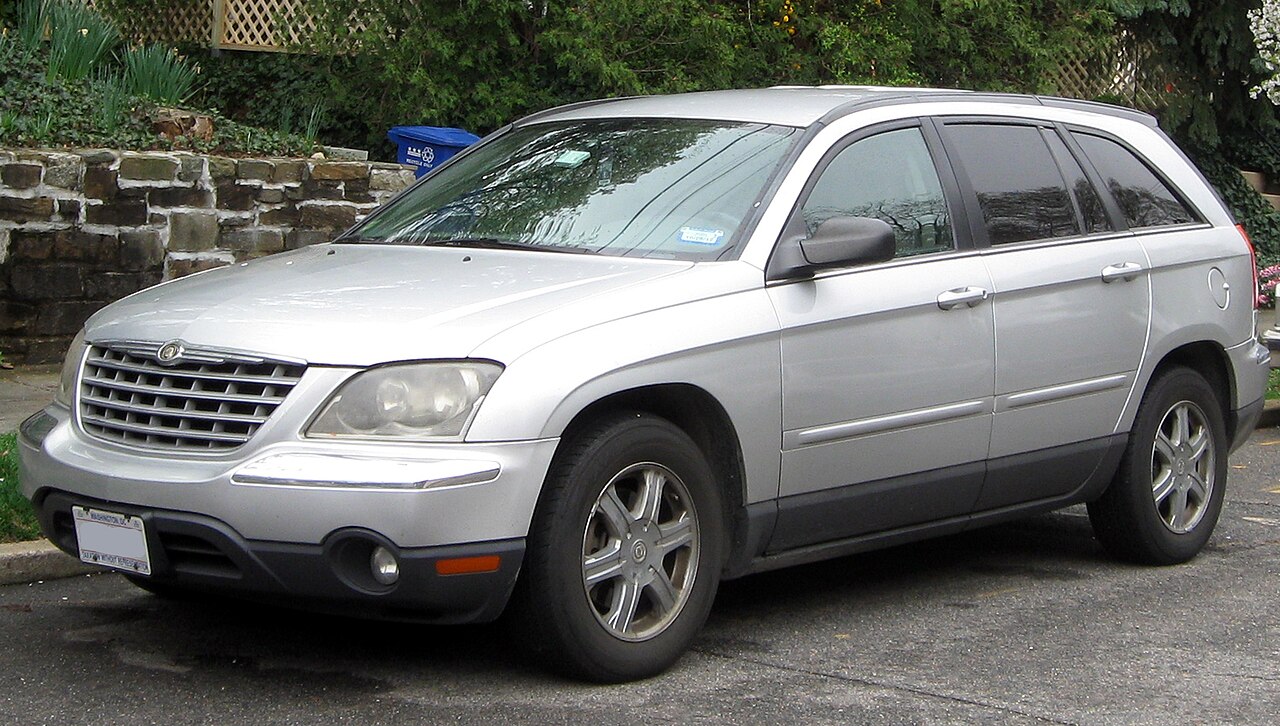
Minivans serve families who depend on reliability for school runs, road trips, and packed schedules. The Chrysler Pacifica entered that role with style and versatility, but reliability feedback in recent evaluations told a more complicated story. Transmission issues emerged as the most consistent source of owner dissatisfaction.
Drivers reported hard moves, slipping gears, and unexpected behavior at low speeds. These symptoms often appeared early in ownership, which raised concern among families who expected trouble-free operation during the first years. Some owners noted that the vehicle felt unsure about which gear to select during stop-and-go traffic, creating a jerky driving experience.
Attempts to address these issues through dealer updates delivered mixed results. While a portion of owners reported smoother behavior after service visits, others saw no lasting change. That inconsistency suggested that fixes were not universally effective across all vehicles.
Electrical problems added another layer of frustration. Sliding doors that refused to open or close properly, warning alerts tied to safety systems, and infotainment glitches showed up repeatedly in feedback. In a vehicle designed around convenience, these malfunctions felt especially disruptive.
Consumer Reports also considers owner confidence. When families hesitate to take long trips due to fear of breakdowns or unpredictable behavior, satisfaction drops sharply. The Pacifica’s pattern of complaints crossed that threshold for many respondents.
For 2026, the accumulated data led to the removal of the recommendation. While the Pacifica still offered strong features on paper, the reliability concerns weighed too heavily to ignore. Families shopping in this segment were encouraged to examine alternatives with steadier track records.
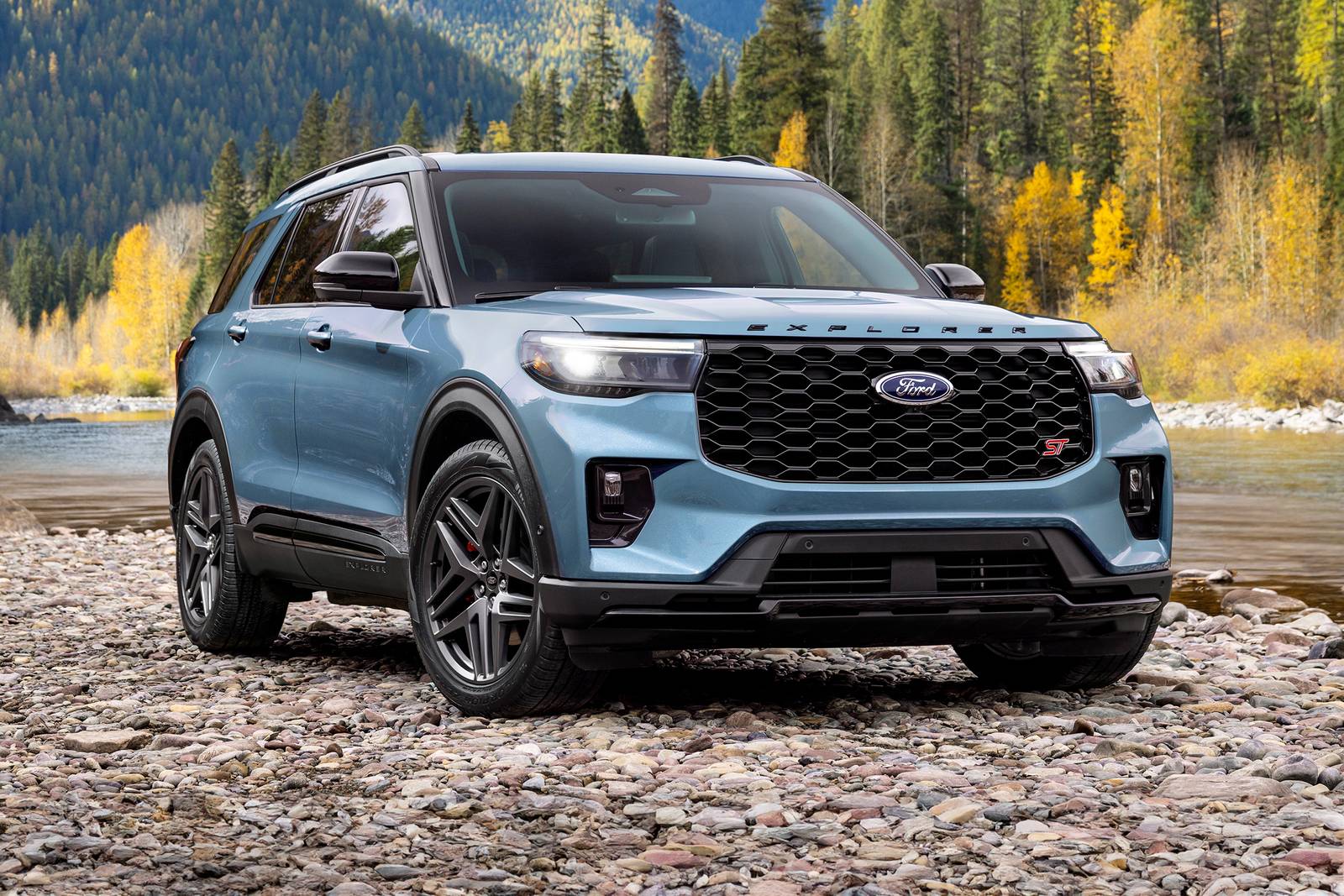
4. Ford Explorer
- Engine: 2.3L turbocharged 4-cylinder
- Horsepower: 300 hp
- Torque: 310 lb-ft
- Length: 198.8 in
- Width: 78.9 in
The Ford Explorer carries a long history as a family-friendly midsize SUV, yet recent ownership feedback highlighted areas that hurt its reliability reputation. Transmission behavior once again stood at the center of complaints, echoing issues seen in several other models.
Owners described sudden jerks during gear changes, hesitation when accelerating from a stop, and inconsistent power delivery. These problems appeared both in city driving and on highways, making them difficult to adapt to. Some drivers noted that the behavior felt unpredictable, which reduced confidence behind the wheel.
Dealer visits sometimes produced software updates or component replacements. While certain owners saw improvement, others returned with the same concerns after weeks or months. That cycle of repeated service visits became a common theme in survey responses.
Beyond the transmission, electrical, and software-related complaints surfaced. Issues with infotainment responsiveness, camera systems failing intermittently, and warning messages appearing without explanation contributed to dissatisfaction. Modern SUVs rely heavily on electronics, so reliability in this area matters as much as mechanical soundness.
Consumer Reports also looks at trends across ownership years. With the Explorer, similar complaints appeared consistently rather than tapering off, suggesting ongoing design or calibration challenges. That persistence influenced the 2026 evaluation. As a result, the Explorer lost its recommended status.
The change reflected concern that owners were spending too much time dealing with fixes instead of enjoying the vehicle’s strengths. Buyers considering the Explorer were advised to weigh these factors carefully and research recent updates before making a decision.
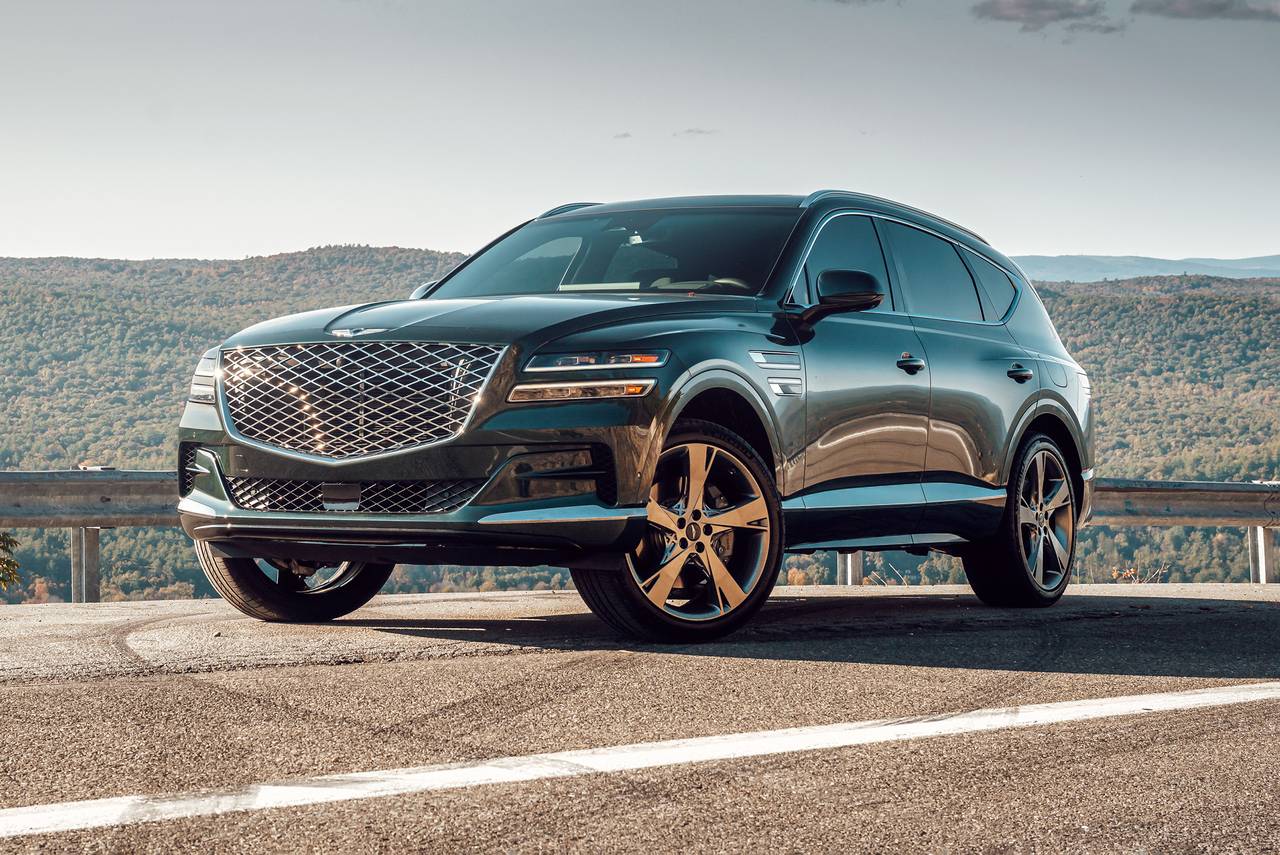
5. Genesis GV80
- Engine: 2.5L turbocharged inline-4 / 3.5L twin-turbo V6
- Horsepower: 300 to 375 hp
- Torque: 311 to 391 lb-ft
- Length: 194.7 in
- Width: 77.8 in
Luxury buyers often expect a smoother ownership experience to match premium pricing. The Genesis GV80 impressed reviewers with its design, comfort, and driving feel, yet reliability feedback revealed cracks beneath the polished surface. Electrical and software issues became recurring themes in owner reports.
Several drivers experienced infotainment systems that rebooted unexpectedly or failed to respond to inputs. Navigation glitches and dropped smartphone connections added frustration during daily use. In a luxury environment, these interruptions felt especially out of place.
Advanced driver assistance features also drew complaints. Some owners reported inconsistent behavior from lane-keeping systems and adaptive cruise control. Warning alerts appeared without a clear cause, leading drivers to question whether the systems could be trusted when needed most.
Genesis communicated to Consumer Reports that certain problems had been addressed through updates and production changes. While that response showed awareness, Consumer Reports relies heavily on owner data rather than manufacturer assurances alone. At the time of evaluation, enough owners were still reporting issues to raise concern.
Another factor involved repair experiences. Premium vehicles often require specialized service, and some owners noted longer wait times for parts or software fixes. Extended downtime can sour the ownership experience even when problems are eventually resolved.
Taking all this into account, Consumer Reports removed the GV80 from its recommended list for 2026. The decision did not dismiss the vehicle’s many strengths, yet it signaled that reliability needed to catch up with design ambition.
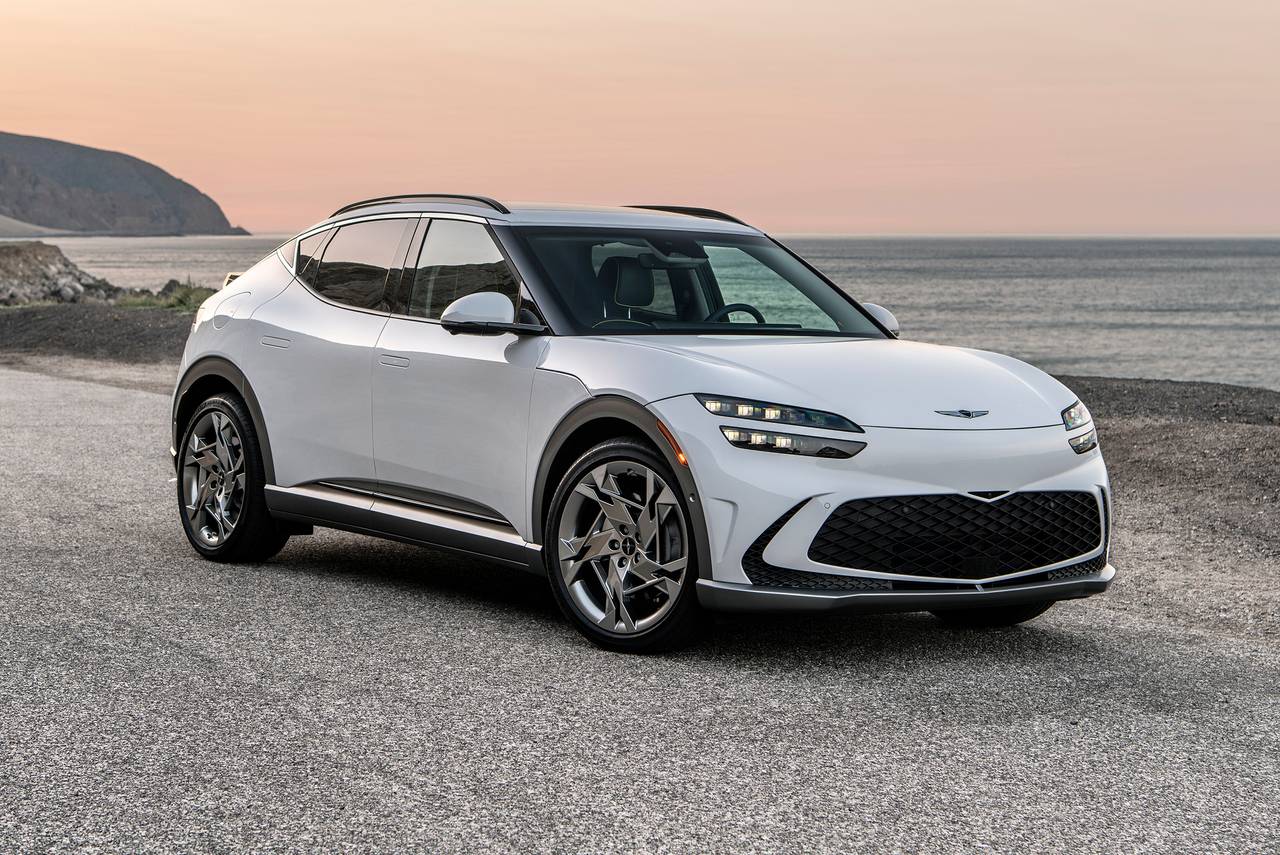
6. Genesis GV60
- Engine: Dual electric motors
- Horsepower: 314 to 429 hp
- Torque: 446 lb-ft
- Length: 177.8 in
- Width: 74.4 in
Fresh styling and an electric powertrain placed the Genesis GV60 in a competitive premium space, yet owner experiences gradually shifted the conversation away from design and toward dependability. While early impressions focused on comfort and performance, long-term ownership revealed recurring electrical and software troubles that proved difficult to ignore.
A frequent complaint involved the vehicle’s digital interfaces. Owners described screens that lagged, failed to load menus, or restarted without warning. These issues disrupted navigation, media playback, and access to vehicle settings. For drivers who expected seamless integration between their phones and the vehicle, repeated disconnections became a source of irritation rather than a minor quirk.
Charging-related frustrations also appeared. Some owners reported difficulty initiating charging sessions, even when using compatible home equipment or public stations. Others mentioned inconsistent charging speeds that did not match expectations based on advertised specifications.
While these issues did not leave drivers stranded, they created uncertainty around daily routines and longer travel plans. Driver assistance features drew mixed reactions as well. Systems intended to provide added confidence sometimes behaved unpredictably, with alerts activating when no clear hazard was present.
Repeated false warnings caused some owners to disengage features entirely, reducing the value of the technology they paid for. Genesis acknowledged several concerns and stated that updates had been applied to address them. Still, Consumer Reports relies on feedback trends from a wide group of owners.
At the time of the 2026 evaluation, reports suggested that fixes were not reaching every vehicle or delivering consistent improvement. Another factor involved service experiences. Electric vehicles often require specialized knowledge, and some owners described delays while technicians diagnosed software-related problems.
Extended time in the shop amplified frustration, especially for buyers new to electric ownership. With these patterns in mind, Consumer Reports removed the GV60 from its recommended list. The decision reflected a gap between expectations and ownership reality.
Shoppers drawn to luxury electric options were encouraged to monitor updates closely and consider how much tolerance they had for early adopter challenges.
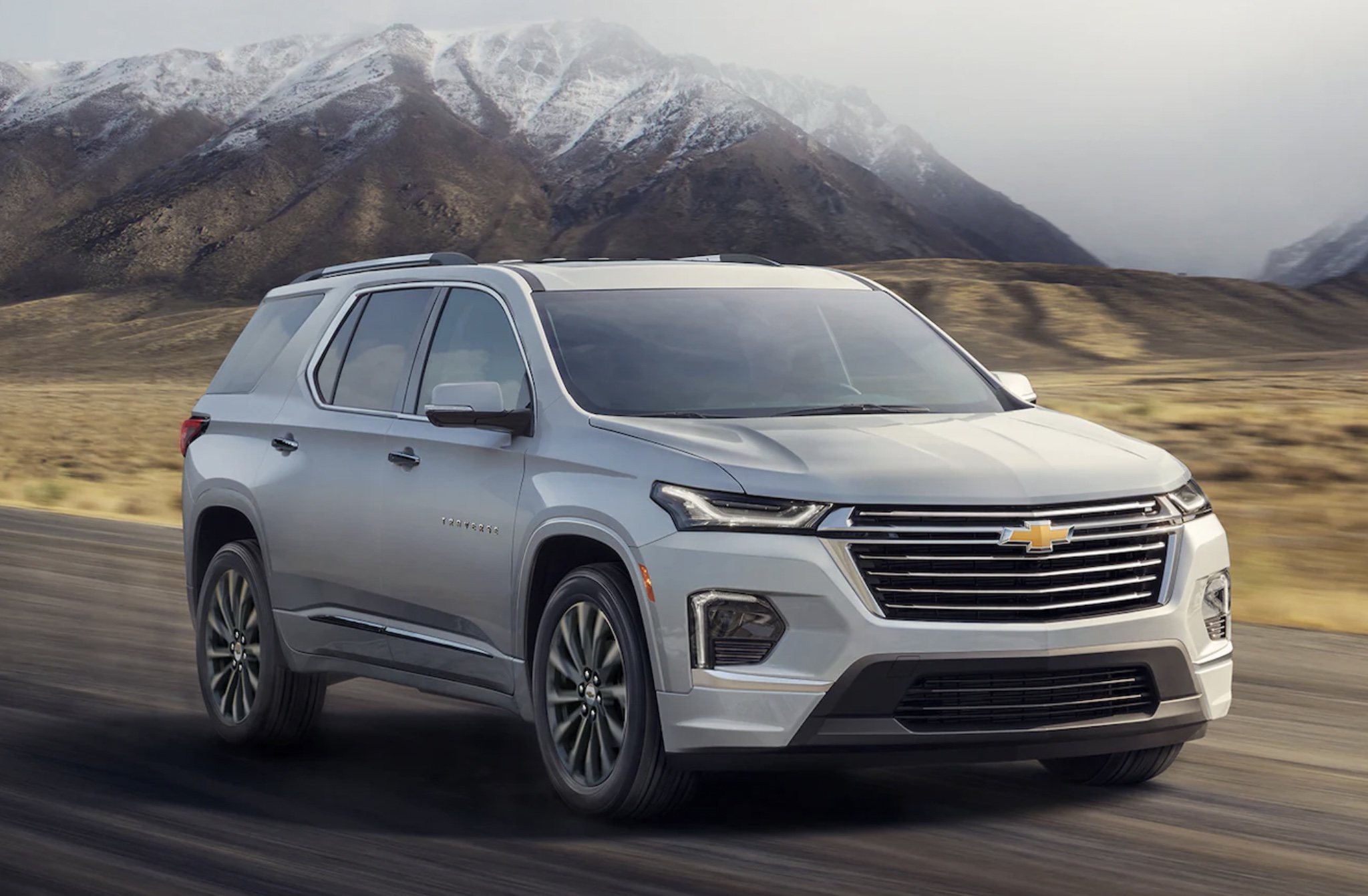
7. Chevrolet Traverse
- Engine: 2.5L turbocharged 4-cylinder
- Horsepower: 328 hp
- Torque: 326 lb-ft
- Length: 204.7 in
- Width: 78.6 in
Large crossovers like the Chevrolet Traverse often serve as family workhorses, handling carpools, vacations, and everyday errands without complaint. Recent owner feedback, however, revealed issues that interfered with that dependable image. Mechanical and drivetrain concerns stood out sharply in reliability surveys.
One of the most common problems involved the All Wheel Drive system. Owners reported warning messages that appeared suddenly, sometimes accompanied by reduced traction or altered driving behavior. In certain cases, the alerts disappeared after restarting the vehicle, only to return later without explanation. That unpredictability created anxiety, especially in poor weather conditions.
General Motors acknowledged awareness of the issue and issued guidance to dealers. Still, many owners expressed frustration that visits resulted in temporary resets rather than lasting repairs. Being told to clear fault codes without a permanent solution left drivers feeling unsupported.
Transmission behavior also attracted attention. Some owners experienced hesitation during acceleration or rough movements at low speeds. These symptoms did not always escalate into complete failure, yet they affected daily driving comfort and confidence.
Interior electronics added another layer of concern. Reports included malfunctioning climate controls, screens that froze, and sensors that triggered alerts without a clear cause. For a vehicle designed to transport families comfortably, these disruptions reduced satisfaction.
Consumer Reports weighs both frequency and severity of complaints. With the Traverse, the combination of drivetrain warnings and unresolved fixes carried considerable weight. Families depend on consistency, and repeated uncertainty undermines trust.
As a result, the Traverse lost its recommended status for 2026. The decision served as a cautionary note for buyers who prioritize long-term reliability in a family vehicle. Careful research into recent updates and warranty coverage became especially important for anyone considering this model.
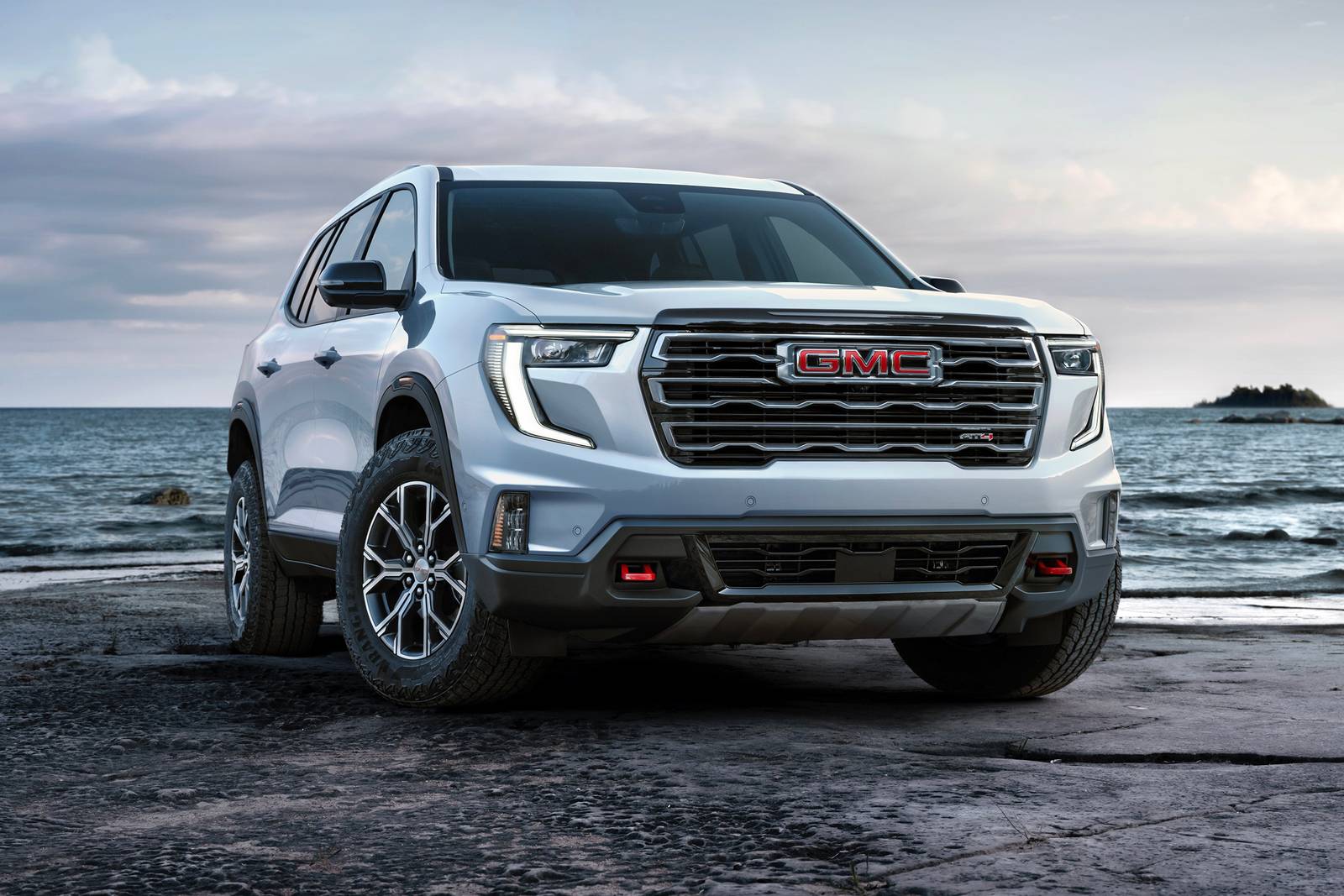
8. GMC Acadia
- Engine: 2.5L turbocharged 4-cylinder
- Horsepower: 328 hp
- Torque: 326 lb-ft
- Length: 203.9 in
- Width: 78.4 in
The GMC Acadia entered the midsize crossover category with expectations shaped by its positioning as a refined yet practical family vehicle. Buyers were drawn to its promise of added comfort, modern technology, and a driving experience meant to feel more polished than mainstream alternatives.
As ownership periods extended, feedback from drivers pointed to recurring concerns that weakened confidence and affected long-term satisfaction. A recurring issue involved the All Wheel Drive system. Many owners reported dashboard warnings that appeared without clear triggers, sometimes during routine city driving or steady highway use.
These alerts were often accompanied by changes in how power was distributed to the wheels, leaving drivers unsure of how the vehicle would respond in demanding conditions. For families relying on the Acadia for school runs, work commutes, and longer trips, uncertainty around traction systems became a serious concern rather than a minor inconvenience.
Dealer responses to these warnings often added to owner frustration. Service visits frequently resulted in temporary resets or software clearing procedures. While such measures restored normal operation briefly, the same warnings tended to return weeks later. The absence of a clearly communicated permanent solution left owners feeling that the issue was being managed rather than resolved.
Transmission performance represented another area of dissatisfaction. Drivers reported hesitation when pulling away from a stop and delayed gear engagement during low-speed acceleration. These traits disrupted the smooth driving experience expected from a vehicle marketed toward comfort-oriented buyers. Even though not every Acadia exhibited these symptoms, the volume of similar complaints raised concerns during reliability assessments.
Electrical system complaints extended beyond drivetrain components. Owners cited infotainment screens that froze unexpectedly, backup cameras that failed to activate, and sensors that issued alerts without obvious cause. These problems reduced trust in the vehicle’s technology and affected daily usability, particularly during parking or navigation tasks.
Communication also played a role in declining confidence. Owners expressed concern about the lack of clear timelines for corrective action. Being told that engineering teams were reviewing the issue offered little reassurance when warning lights and system alerts continued to disrupt normal use.
Consumer Reports evaluates reliability by examining how frequently issues appear and how long they persist across ownership periods. For the Acadia, unresolved concerns carried substantial weight during the 2026 review cycle. The removal of its recommended status did not suggest universal failure, yet it highlighted the risks associated with unresolved platform-related issues.
Prospective buyers were encouraged to examine reliability records closely and stay informed about service updates before making a purchase decision.
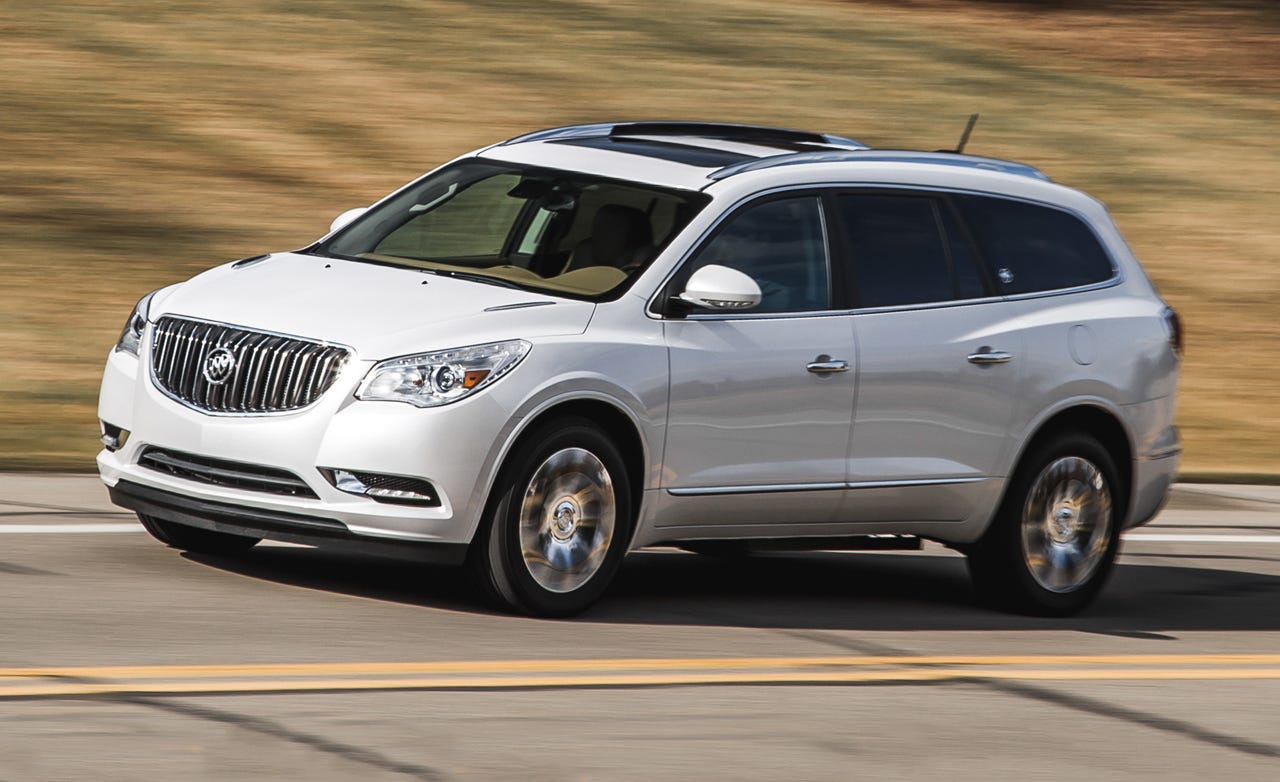
9. Buick Enclave
- Engine: 3.6L V6
- Horsepower: 310 hp
- Torque: 266 lb-ft
- Length: 204.7 in
- Width: 78.8 in
The Buick Enclave has long appealed to buyers seeking quiet comfort, generous interior space, and understated premium design in a three-row crossover. Early impressions often focused on its smooth ride and refined cabin environment. Over-extended ownership, reliability feedback revealed patterns that reduced confidence and influenced evaluations for the 2026 model year.
One of the most frequently cited concerns involved the All Wheel Drive system. Owners described warning messages that appeared without warning, sometimes altering traction behavior or limiting certain features. These alerts did not always coincide with challenging road conditions, which made their appearance difficult to understand.
For drivers who expected predictable behavior during daily use, this unpredictability became a source of anxiety. Dealership visits often resulted in system resets or diagnostic checks that failed to deliver lasting improvement. Owners reported leaving service centers with reassurances, only to encounter the same warnings again after a short period. Repeated visits without permanent resolution led many to question the durability of the underlying components.
Transmission behavior also attracted criticism. Some drivers noticed rough gear changes or delayed response during low-speed maneuvers such as parking or merging into traffic. These characteristics affected the smoothness associated with the Buick brand and detracted from the calm driving experience buyers anticipated.
Interior electronics added to dissatisfaction. Reports included infotainment systems that became unresponsive, climate controls that behaved inconsistently, and sensor alerts that appeared without a clear cause. While any single issue might have been manageable, repeated disruptions over months of ownership eroded confidence in the vehicle’s dependability.
Service experience expectations also played a role. Buyers often associate the Buick name with attentive customer care and minimal inconvenience. When service appointments became frequent, and explanations remained vague, frustration grew. Many owners felt that communication around fixes lacked clarity, especially regarding whether long-term solutions were available.
Reliability assessments consider whether issues are isolated or widespread. Feedback related to the Enclave indicated that concerns extended beyond a small group of owners. As a result, its recommended status was withdrawn for 2026. The decision reflected concern that comfort and interior refinement could not fully compensate for unresolved mechanical and electrical issues.
For shoppers considering a three-row crossover, the Enclave’s experience served as a reminder to balance comfort with dependability. Careful comparison of ownership feedback and attention to manufacturer updates became essential steps before committing to a purchase in this segment.
Also Read: 8 Vehicles Consumers Most Often Returned After Purchase
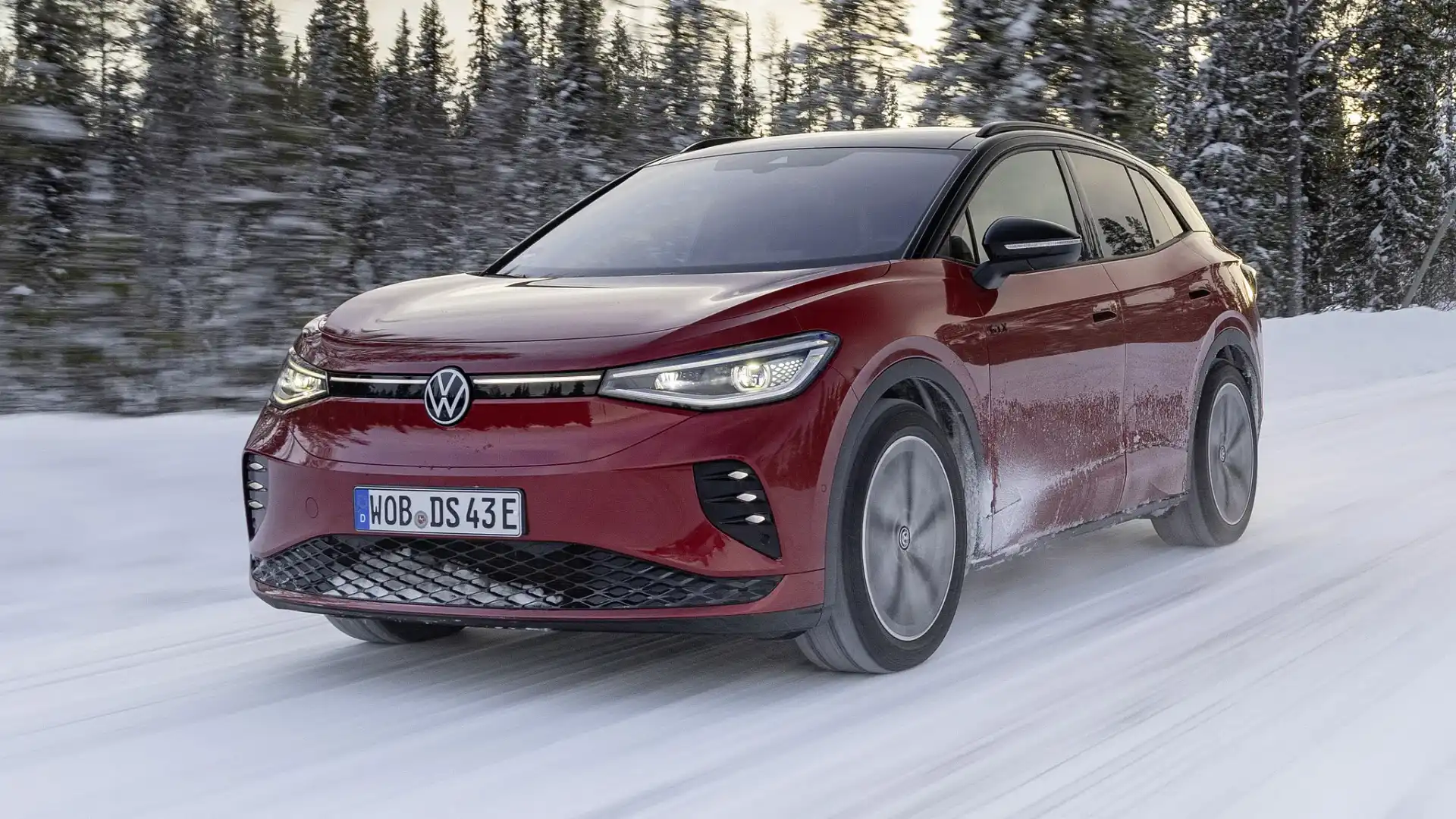
10. Volkswagen ID.4
- Engine: Single or dual electric motor setup
- Horsepower: 201 to 335 hp
- Torque: 229 to 339 lb-ft
- Length: 180.5 in
- Width: 72.9 in
The Volkswagen ID.4 represented a major step in the brand’s electric strategy, offering approachable pricing and practical design. Early enthusiasm cooled as owner feedback revealed software and electrical challenges that proved difficult to shake.
Infotainment complaints dominated reports. Owners described slow response times, system crashes, and confusing menu layouts that hindered everyday use. Updates addressed some concerns, yet many drivers reported that improvements arrived slowly or introduced new glitches.
Charging-related issues also appeared. Some owners encountered difficulty starting charging sessions or experienced unexpected interruptions. While range anxiety was not universal, inconsistent behavior reduced confidence on longer trips. Driver assistance features drew mixed reactions.
Alerts were sometimes activated without a clear cause, and adaptive systems did not always behave smoothly. For drivers expecting supportive technology, these inconsistencies became distractions. Volkswagen issued updates and acknowledged the learning curve associated with new electric platforms.
Consumer Reports, however, focuses on how vehicles perform for owners today, not promised improvements down the road. At the time of evaluation, enough complaints remained to justify caution. Service experiences varied widely.
Some owners praised attentive dealers, while others described delays related to software diagnostics. Extended downtime amplified dissatisfaction, especially for those relying on a single household vehicle. Given these factors, Consumer Reports removed the ID.4 from its recommended list for 2026.
The move underscored the importance of stable software and dependable electronics in electric vehicles. Buyers interested in the ID.4 were advised to stay informed about updates and consider how much patience they had for evolving technology.
