
Japanese manufacturers have produced some of the most legendary performance cars in automotive history. Models such as the Nissan GT-R, Toyota Supra, and Honda NSX became global icons because of their speed, tuning potential, and motorsport influence.
Yet hidden beneath those famous names exist another category of machines far more mysterious and difficult to encounter. These are the rarest Japanese supercars ever created, vehicles produced in tiny numbers that today feel almost mythical among collectors and enthusiasts.
Some of these cars were built as homologation specials for racing championships, while others existed simply to demonstrate engineering ambition. A few were limited production experiments that pushed technology far beyond what ordinary road cars offered at the time.
Because production numbers stayed extremely low, many people have never seen these machines in person. Certain examples rarely appear even at major international car events.
Japanese automakers approached performance differently from European exotic brands. Instead of focusing only on luxury and prestige, they often emphasized engineering precision, lightweight construction, reliability, and motorsport capability.
That philosophy produced supercars with distinct personalities. Many delivered world-class performances while remaining surprisingly usable on public roads.
Rarity also increased their mystique over time. Some cars disappeared into private collections, while others became so valuable that owners rarely drive them anymore.
Enthusiasts spend years searching for clean examples because production totals were incredibly limited from the beginning. In some cases, fewer than 500 units ever existed worldwide.
Another fascinating aspect involves variety. Japanese supercars range from rotary-powered machines and turbocharged monsters to advanced hybrid hypercars and naturally aspirated race-inspired coupes. Each one reflects a different era of Japanese automotive innovation.
Today, these vehicles represent far more than transportation. They symbolize moments when Japanese engineers challenged European dominance in the high-performance world. Certain models shocked competitors with their speed, while others impressed drivers with their handling and advanced technology.
This list highlights 10 of the rarest Japanese supercars ever built. Some became collectors’ dreams almost instantly, while others gained legendary status years after production ended. Every car here carries a unique story that helped shape Japan’s high-performance automotive reputation.
Also Read: 10 Vehicles With Recurring Recalls That Never Got Fixed
1. Honda NSX R GT
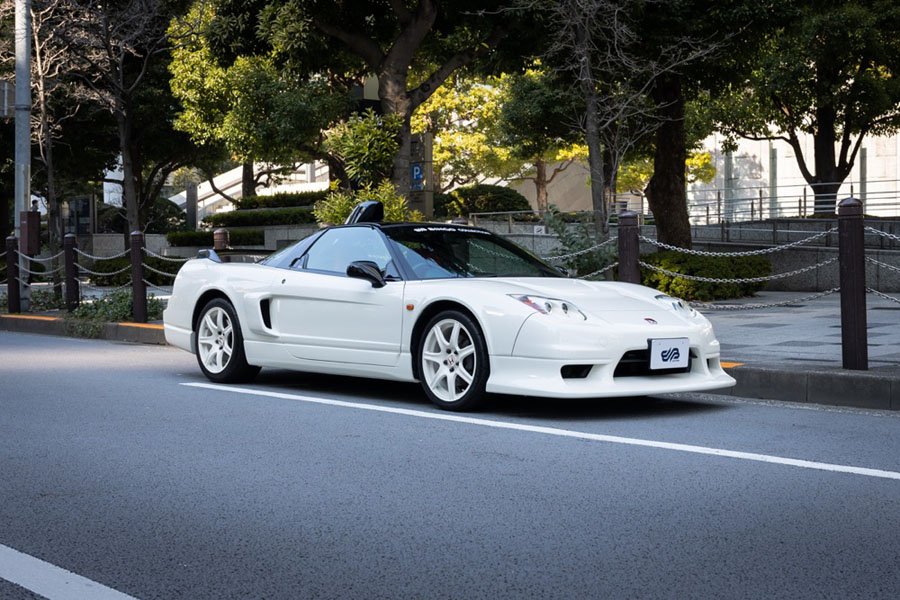
The Honda NSX-R GT stands among the most elusive performance cars Japan has ever produced. Honda created this machine primarily to satisfy homologation requirements for Super GT racing, which immediately limited production numbers dramatically.
Only a handful were ever built, turning the car into an instant rarity before most enthusiasts even learned about its existence.
Unlike the standard NSX, the NSX R GT carried aggressive aerodynamic modifications designed with motorsport performance in mind. A larger front nose section, additional cooling vents, and a functional rear wing gave the car a far more serious appearance.
Every visual change served a purpose connected directly to racing development rather than simple styling drama.
Honda engineers focused heavily on weight reduction as well. Lightweight materials appeared throughout the car to sharpen handling and responsiveness. The driving experience emphasized precision instead of brute force. Drivers often praised how naturally balanced the chassis felt, especially during high-speed cornering.
The naturally aspirated V6 engine delivered sharp throttle response and a mechanical soundtrack that perfectly matched the car’s race-inspired identity.
Instead of relying on massive turbocharged power figures, Honda concentrated on creating an engaging and highly responsive driving experience. That philosophy separated the NSX R GT from many European exotics chasing outright horsepower.
Inside, the cabin reflected the car’s competitive roots. Comfort features were reduced significantly in favor of saving weight. Seats, trim materials, and sound insulation all received attention from engineers trying to maximize performance potential.
One reason the NSX R GT became so legendary involves simple scarcity. Very few collectors ever had the opportunity to purchase one, and sightings remain extremely rare today. Even among dedicated Japanese performance enthusiasts, the car feels almost mythical because of its limited production numbers.
Values have risen enormously as collectors recognize its historical importance. The NSX R GT represents Honda at its most focused and uncompromising, combining motorsport engineering with one of the most respected Japanese sports car platforms ever created.
For many enthusiasts, the NSX R GT is not just rare. It is one of the ultimate expressions of Japanese performance philosophy.
- Engine: 3.2-liter naturally aspirated V6
- Torque: 224 lb ft
- Horsepower: 290 hp
- Length/Width: 174.8 inches / 71.3 inches
2. Nissan R390 GT1 Road Car
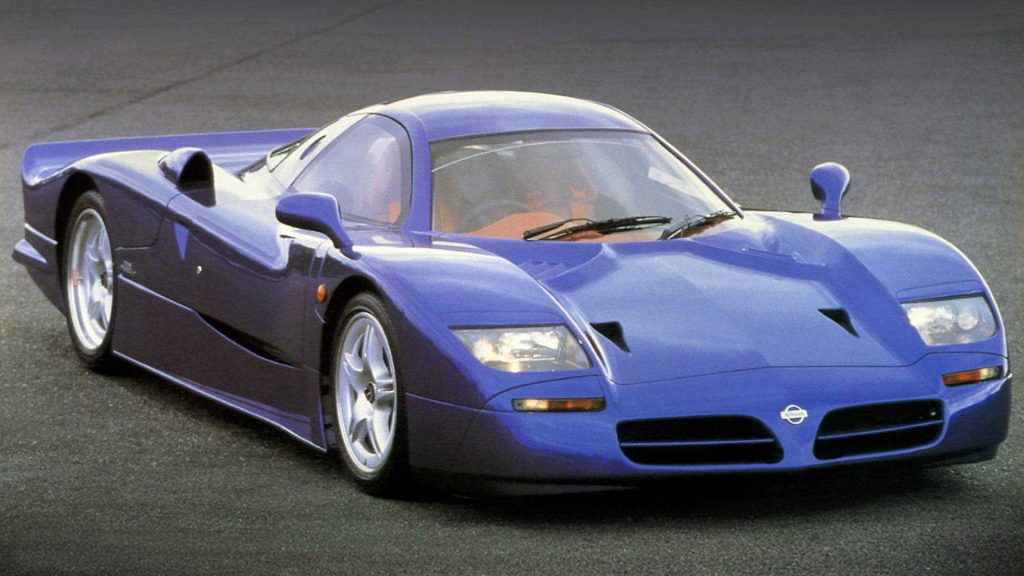
The Nissan R390 GT1 Road Car exists because of one purpose only. Racing. During the late 1990s, manufacturers competing at Le Mans needed road-legal versions of their race cars to satisfy homologation regulations. Nissan answered with the R390 GT1 Road Car, a machine so rare that only a single street-legal example was officially produced.
Calling the R390 GT1 a normal road car feels inaccurate because the machine remained extremely close to its racing counterpart. The bodywork looked dramatic and low-slung, with massive aerodynamic surfaces and proportions that resembled a pure endurance racer.
Its design focused almost entirely on high-speed stability and airflow management rather than practicality.
Underneath the exotic body sat a twin-turbocharged V8 engine developed directly from Nissan’s motorsport efforts. The power delivery felt violent and immediate, especially compared to ordinary sports cars of the era.
Combined with lightweight construction and race-inspired suspension, the car delivered performance levels capable of challenging European supercar giants.
The interior stayed relatively minimal because Nissan prioritized competition capability above luxury. Visibility, seating position, and controls all reflected the car’s racing heritage. Driving the R390 demanded concentration and confidence, especially because the chassis behaved far more like a Le Mans prototype than a grand touring exotic.
One fascinating aspect of the R390 GT1 Road Car involves its rarity status. Since only one official road-going version exists, the car became one of the most exclusive Japanese performance machines ever created. Most enthusiasts know it only through photographs, racing footage, or museum appearances.
Despite its tiny production numbers, the R390 GT1 played an important role in proving Nissan could compete seriously against elite European manufacturers in endurance racing. The car represented a moment when Japanese engineering ambition reached extraordinary levels.
Collectors and historians now regard the R390 GT1 road car as one of the greatest hidden treasures in automotive history. It remains an astonishing example of how close a road-legal car could come to a genuine endurance racing machine during the homologation era.
- Engine: 3.5-liter twin-turbocharged V8
- Torque: 470 lb ft
- Horsepower: 550 hp
- Length/Width: 173 inches / 78 inches
3. Tommykaira ZZII
The Tommykaira ZZII feels like a supercar created by engineers who cared only about speed, balance, and mechanical purity. Unlike mainstream Japanese manufacturers with massive production facilities, Tommykaira operated as a specialist performance company.
That independence allowed the ZZII to become one of the boldest and rarest Japanese supercars ever attempted.
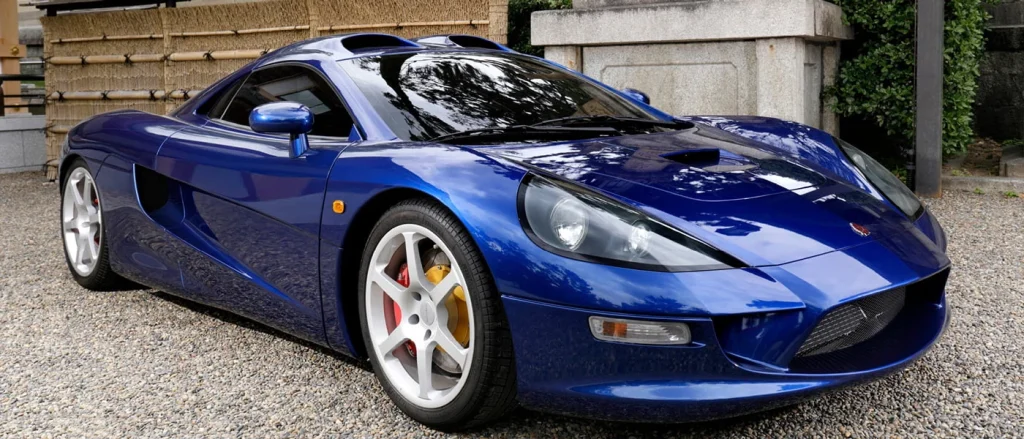
From the beginning, the project aimed far beyond ordinary tuner cars. The ZZII used a lightweight aluminum chassis paired with a mid-engine layout, giving it proportions closer to European exotic machines than traditional Japanese coupes.
Its low stance, wide body, and dramatic air intakes immediately separated it from anything else wearing Japanese badges during the early 2000s.
Power came from Nissan’s legendary RB26DETT inline six engine, heavily modified for serious performance. Mounted behind the driver, the twin-turbocharged motor transformed the ZZII into an extremely fast machine capable of competing with far more expensive supercars.
Acceleration figures impressed enthusiasts instantly because the lightweight chassis amplified every horsepower dramatically.
Another fascinating detail involved the drivetrain. Tommykaira equipped the car with all-wheel drive technology to maximize traction and handling stability. This setup gave the ZZII remarkable cornering confidence while maintaining explosive acceleration out of tight bends. Drivers described the car as sharp, responsive, and deeply engaging.
Unlike luxury-focused exotics, the cabin remained purpose-driven. Minimal distractions, lightweight materials, and race-inspired seating emphasized performance above comfort. Every element reflected the company’s obsession with building a serious driver’s machine.
Unfortunately, financial difficulties and production complications prevented large-scale manufacturing. Very few examples were completed, which turned the ZZII into an automotive mystery almost immediately. Many enthusiasts heard about it through magazines and racing games long before ever seeing a real example.
Today, the ZZII carries a near-mythical status among Japanese performance fans. Its rarity, engineering ambition, and unusual development story helped create enormous fascination over time. Some collectors consider it one of the greatest Japanese supercars that never received the recognition it truly deserved.
The ZZII proved that small Japanese companies could dream just as boldly as major global manufacturers when it came to creating world-class high-performance machines.
- Engine: 2.6-liter twin-turbocharged inline six
- Torque: 310 lb ft
- Horsepower: 550 hp
- Length/Width: 173.2 inches / 72.8 inches
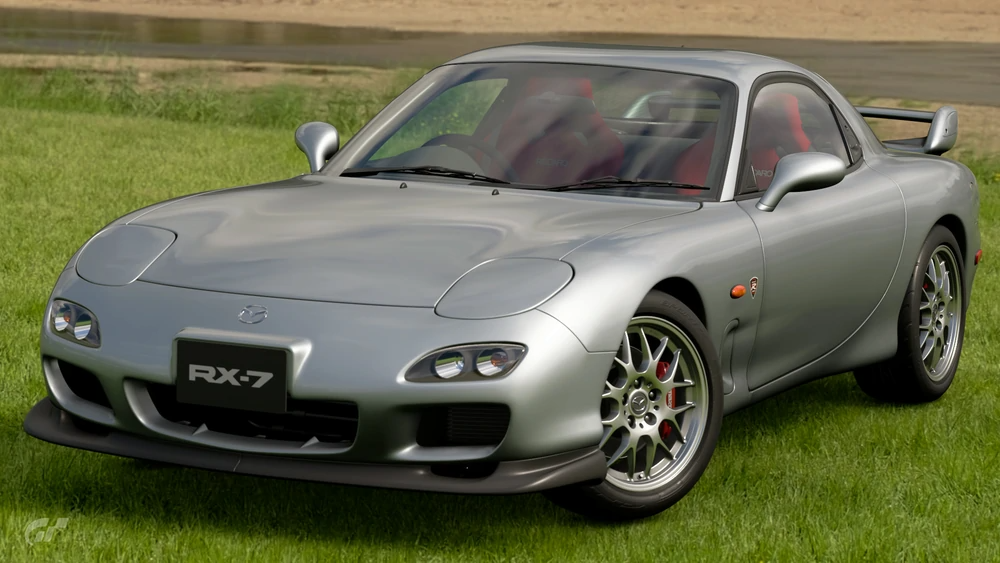
4. Mazda RX-7 Spirit R Type A
The Mazda RX-7 Spirit R Type A marked the final and most refined version of one of Japan’s most respected sports cars. By the time this special edition arrived, the RX 7 had already earned global admiration because of its lightweight chassis and unique rotary engine.
Mazda decided to end production with something memorable, creating a car that instantly became one of the rarest and most desirable Japanese performance machines.
Unlike many farewell editions that rely mainly on cosmetic upgrades, the Spirit R received meaningful performance improvements.
Mazda refined suspension tuning, upgraded braking components, and included lightweight, performance-focused equipment that sharpened the driving experience further. The result felt more polished and responsive than previous RX 7 variants.
Its twin turbocharged rotary engine gave the car a personality unlike anything else on the road. The power delivery felt smooth yet aggressive at higher rpm, while the compact engine design contributed heavily to the RX 7’s famous handling balance. Drivers often praised how naturally the car rotated through corners, especially on winding roads and racetracks.
The Type A version carried a strict focus on driver involvement. Lightweight bucket seats, reduced unnecessary equipment, and manual transmission exclusivity emphasized the connection between driver and machine. Mazda clearly intended this final edition for enthusiasts rather than casual buyers.
Styling remained elegant and purposeful. Rounded body lines, low proportions, and subtle aerodynamic details helped the Spirit R age beautifully over time. Even decades later, the design still looks modern and instantly recognizable among sports car fans.
Production numbers stayed extremely limited, which dramatically increased collector demand years later. Many Spirit R models remained in Japan, making clean exported examples especially valuable internationally. Enthusiasts searching for one today often face extremely high prices because of the car’s rarity and historical significance.
Another factor behind the Spirit R’s legendary reputation involves timing. It represented the end of the rotary-powered RX-7 era before stricter regulations and changing markets forced Mazda to move in different directions. That farewell status gave the car emotional importance beyond its performance figures.
The RX-7 Spirit R Type A remains one of the purest Japanese driver’s cars ever created, combining rarity, lightweight engineering, and rotary character into a machine collectors continue chasing passionately.
- Engine: 1.3-liter twin-turbocharged rotary
- Torque: 231 lb ft
- Horsepower: 276 hp
- Length/Width: 168.5 inches / 69.3 inches
5. Lexus LFA Nürburgring Package
The Lexus LFA already occupied a special place in automotive history before the Nürburgring package arrived. Lexus developed the standard LFA with obsessive attention to engineering detail, creating a supercar capable of competing against elite European rivals.
The Nürburgring version upgraded that concept even further through additional performance upgrades and extremely limited production numbers.
Only a tiny number of these cars were ever built, instantly making them some of the rarest Japanese supercars available. Lexus engineered the Nürburgring Package specifically for sharper track performance while maintaining the precision and refinement that defined the original LFA.
The naturally aspirated V10 engine remains the centerpiece of the experience. Developed with help from Yamaha, the engine produced one of the most unforgettable exhaust notes ever heard from a production car.
The motor revved so quickly that Lexus reportedly needed a digital tachometer because analog gauges could not respond fast enough. Drivers often described the sound as more similar to a Formula One engine than a traditional road car.
Aerodynamic improvements distinguished the Nürburgring Package visually. A larger fixed rear wing, revised suspension tuning, lightweight wheels, and stickier tires enhanced track capability significantly. These modifications helped the car achieve faster lap times while sharpening steering response and cornering grip.
Inside, the cabin balanced exotic performance with handcrafted luxury. Carbon fiber surfaces, Alcantara trim, and race-inspired seating created an atmosphere both technical and premium. Lexus carefully combined Japanese craftsmanship with serious motorsport engineering.
One reason the LFA Nürburgring package became so respected involves development philosophy. Lexus spent years refining the car instead of rushing production. Engineers focused on emotional engagement as much as raw speed figures, which gave the LFA a deeply distinctive personality compared to turbocharged rivals.
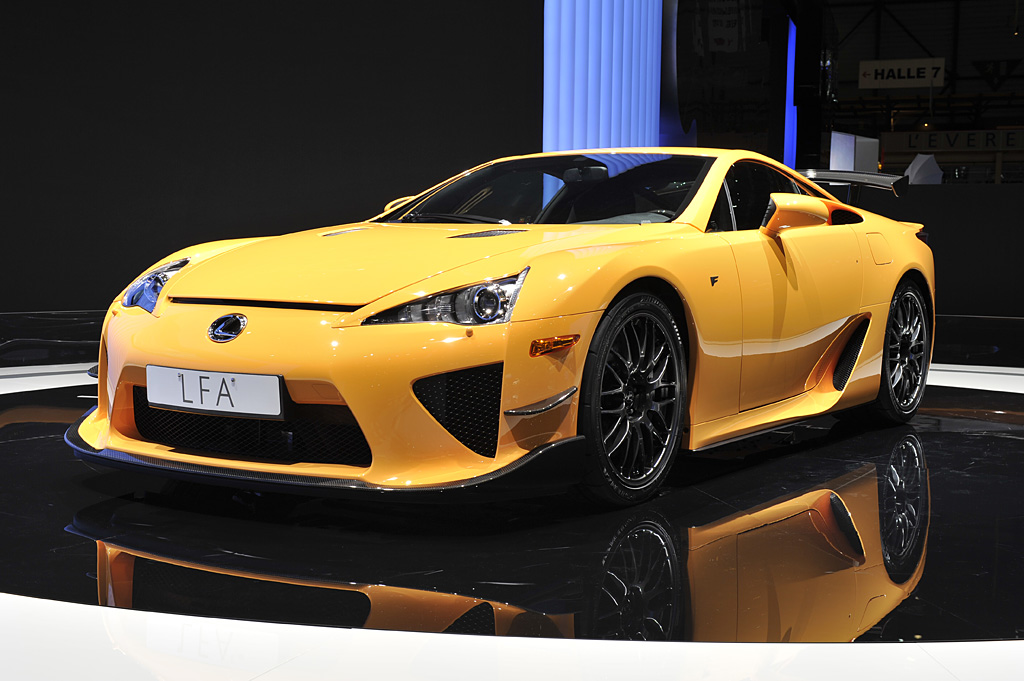
As values continue climbing, collectors increasingly treat the Nürburgring package as one of the greatest Japanese supercars ever produced. Its rarity, engineering complexity, and unforgettable V10 soundtrack created a machine that feels timeless rather than outdated.
The car also proved Japan could produce a true exotic capable of standing beside Ferrari, Porsche, and Lamborghini while still maintaining its own unique character and technical philosophy.
- Engine: 4.8-liter naturally aspirated V10
- Torque: 354 lb ft
- Horsepower: 562 hp
- Length/Width: 177.4 inches / 74.6 inches
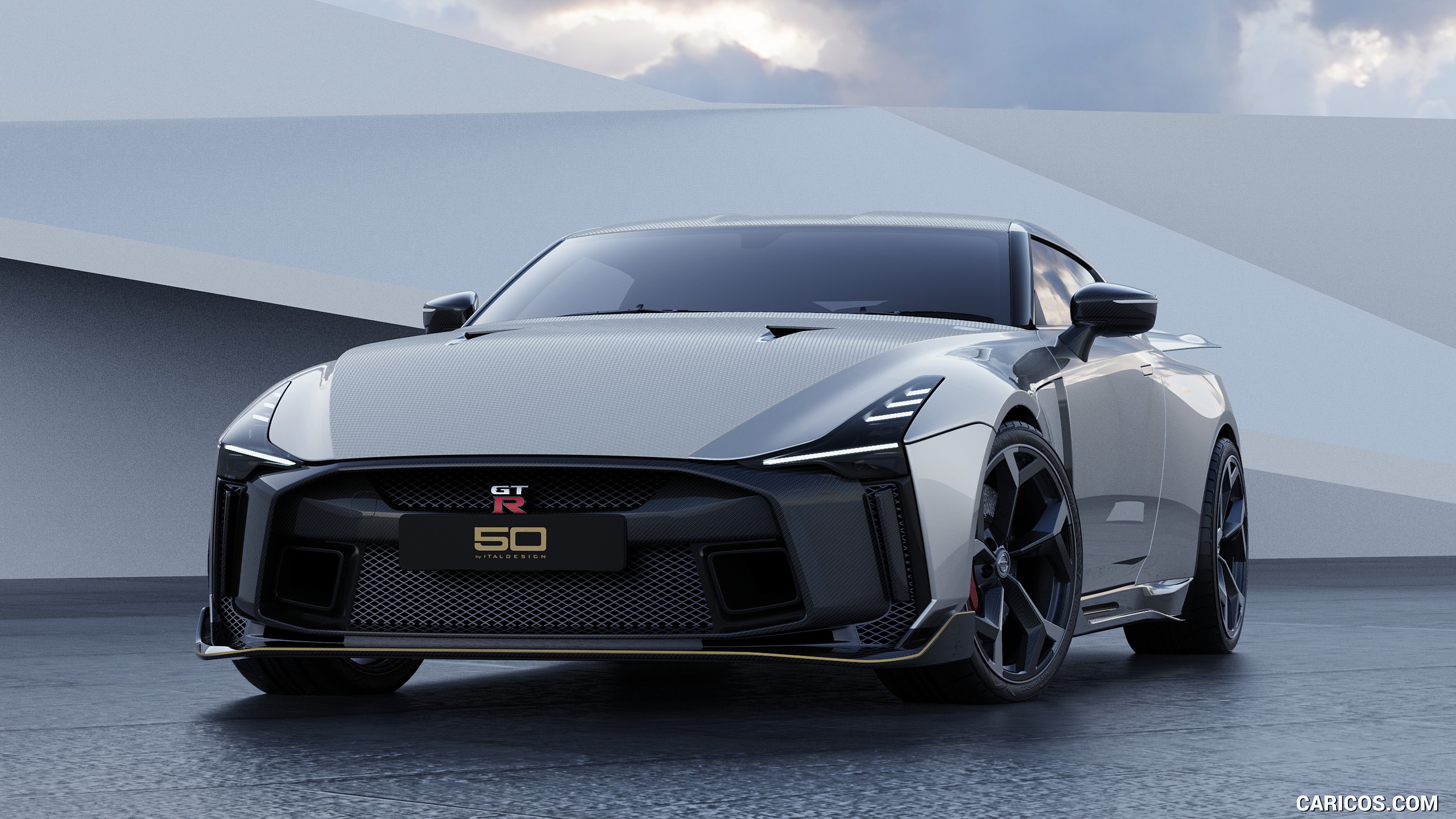
6. Nissan GT-R50 by Italdesign
The Nissan GT-R50 by Italdesign transformed the already legendary GT-R platform into something dramatically more exclusive and visually extreme.
Created to celebrate the GT-R’s anniversary, this limited-production supercar combined Japanese engineering with Italian design influence, resulting in one of the rarest modern Japanese performance cars ever built.
From the moment it appeared, the GT-R50 looked radically different from the standard GT-R. Italdesign reshaped nearly every exterior panel, giving the car lower proportions, dramatic aerodynamic surfaces, and futuristic styling details.
Gold accents, sharp lighting elements, and sculpted bodywork helped the GT-R50 appear closer to a concept car than a production vehicle.
Performance received major upgrades as well. Nissan increased power significantly from the already potent twin-turbocharged V6 engine, pushing output into genuine hypercar territory. Acceleration became ferocious, while the advanced all-wheel-drive system maintained traction even under extreme throttle application.
Unlike stripped-down race-focused supercars, the GT R50 also emphasized luxury and craftsmanship. The interior featured premium materials, custom finishes, and hand-assembled details that separated it from ordinary production GT Rs. Owners essentially received bespoke vehicles tailored to extremely limited demand.
Production numbers stayed incredibly small, which immediately upgraded the GT-R50 into collector territory. Many enthusiasts may never see one in person because the car exists in such tiny quantities worldwide. Its exclusivity became part of its identity from the very beginning.
Another fascinating element involves collaboration. Japanese manufacturers rarely partner with famous Italian design houses on vehicles this ambitious. That combination gave the GT-R50 a unique personality, blending aggressive Japanese performance engineering with dramatic European styling flair.
The car also represented a celebration of the GT-R lineage itself. Nissan used the project to demonstrate how far the platform could evolve when cost limitations and mass production concerns disappeared completely.
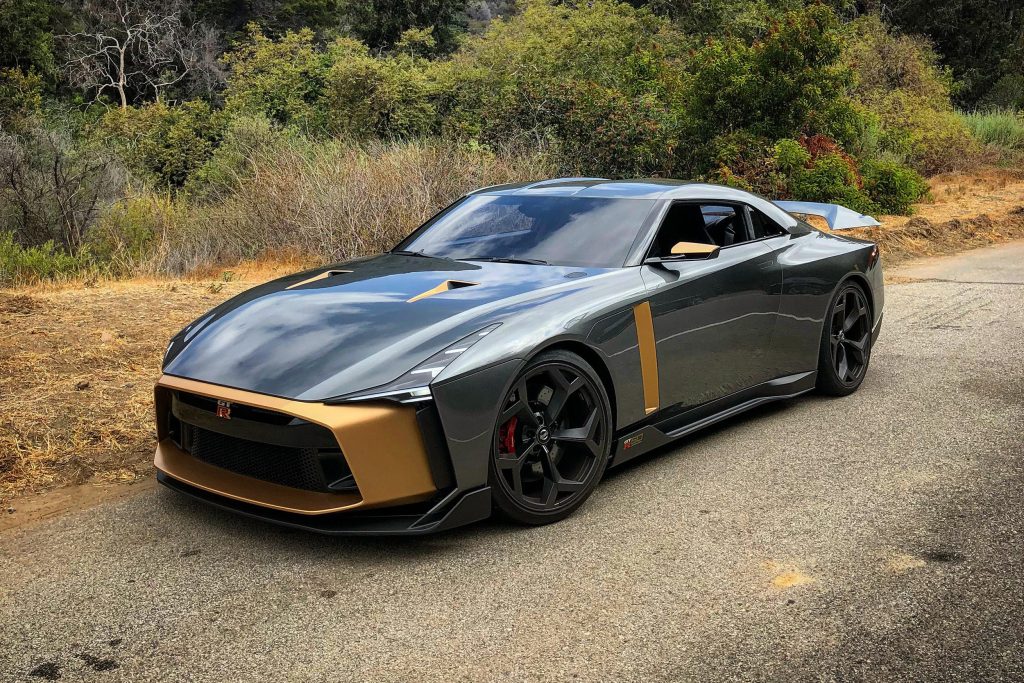
Collectors now view the GT-R50 by Italdesign as one of the boldest modern Japanese supercars ever attempted. It combined rarity, massive power, handcrafted construction, and futuristic styling into a machine unlike anything else wearing a Nissan badge.
For enthusiasts, the GT-R50 stands as proof that Japanese supercars can be just as exotic, exclusive, and visually outrageous as the most famous European performance machines.
- Engine: 3.8-liter twin-turbocharged V6
- Torque: 575 lb ft
- Horsepower: 710 hp
- Length/Width: 188.8 inches / 80.6 inches
7. Toyota 2000GT
The Toyota 2000GT changed how the world viewed Japanese performance cars during the 1960s. Before its arrival, many international buyers associated Japanese automobiles mainly with affordability and practicality rather than sophistication or speed.
Toyota shattered those assumptions by producing a beautifully engineered grand touring machine that immediately attracted global attention.
What makes the 2000GT especially remarkable today is its rarity. Production lasted only a short period, and fewer than 400 units were ever completed.
That limited availability transformed the car into one of the most valuable Japanese classics in existence. Collectors now compete fiercely for surviving examples because opportunities to purchase one appear extremely rarely.
The styling carried strong European inspiration while still maintaining its own identity. Long flowing body lines, covered headlights, and elegant proportions gave the car a timeless appearance. Even decades later, many enthusiasts consider the 2000GT one of the most beautiful Japanese vehicles ever created.
Toyota partnered with Yamaha during development, particularly for engineering the high-revving inline six engine. The result delivered smooth performance and refinement uncommon for Japanese sports cars of that era. Drivers praised the car’s balanced handling and comfortable grand touring nature rather than brutal straight-line aggression.
Inside the cabin, craftsmanship stood out immediately. Wood trim, carefully designed gauges, and quality materials gave the interior a premium atmosphere that rivaled expensive European competitors. Toyota clearly intended the 2000GT to represent technological ambition rather than simple transportation.
Another factor behind the car’s legendary status involves motorsport and media exposure. The 2000GT achieved speed records and also appeared in international films, helping increase its mystique outside Japan. These appearances introduced global audiences to a completely different image of Japanese automotive capability.
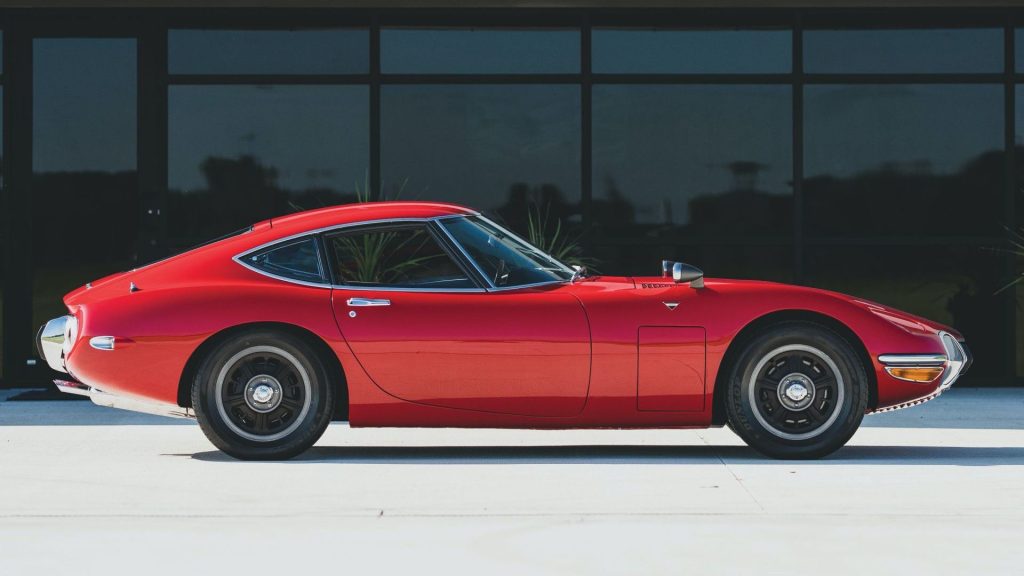
Because production numbers remained extremely small, the 2000GT became a collector icon decades later. Many examples now live in museums or private collections, rarely appearing on public roads. Values have risen dramatically because enthusiasts recognize the car’s historical importance.
The Toyota 2000GT was not simply a rare sports car. It represented a turning point where Japan announced its ability to compete seriously in the global performance automotive world through engineering quality, design elegance, and technical sophistication.
- Engine: 2.0-liter naturally aspirated inline six
- Torque: 130 lb ft
- Horsepower: 150 hp
- Length/Width: 164.7 inches / 63 inches
8. Dome Zero
The Dome Zero looked like a futuristic supercar from another planet when it debuted during the late 1970s. Sharp wedge-shaped styling, dramatic proportions, and concept car aesthetics made it unlike anything else produced in Japan at the time.
Even today, the car still appears radical, which helps explain why it became one of the rarest and most mysterious Japanese supercars ever created.
Dome, a small Japanese engineering company deeply connected to motorsport, originally intended the Zero for road use and racing ambitions. The company wanted to challenge established European exotics by building a lightweight mid-engine machine with advanced aerodynamics and dramatic visual impact.
The body design immediately captured attention. Extreme low height, angular lines, pop-up headlights, and wide proportions gave the car a science fiction appearance years ahead of its time. Many enthusiasts first assumed it was a pure concept vehicle because the styling looked so unconventional for the era.
Underneath the exotic exterior sat a mid-mounted, Nissan-sourced inline six engine. While power figures did not match later supercars, the lightweight construction helped deliver strong performance relative to the period. The chassis emphasized agility and balance rather than sheer horsepower.
Unfortunately, regulatory approval issues prevented Dome Zero from reaching large-scale production. Only a tiny number of prototypes and development cars were ever completed. This failure to enter mainstream manufacturing dramatically increased the vehicle’s mystique later among collectors and enthusiasts.
The interior reflected the same futuristic attitude as the exterior. Angular dashboards, unusual switchgear placement, and race-inspired seating created an environment unlike ordinary production sports cars of the time. Every detail reinforced the impression that the Dome Zero belonged to a different automotive future.
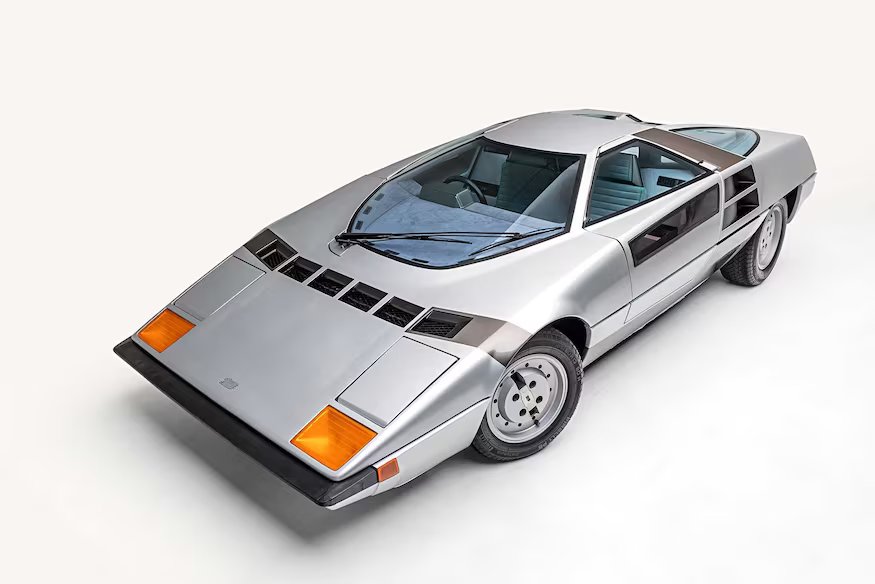
Despite its commercial struggles, the Dome Zero became enormously influential among Japanese performance enthusiasts. It proved that small independent companies could pursue supercar ambitions with creativity and engineering confidence. The car also gained attention internationally through auto shows and magazine coverage.
Today, the Dome Zero remains one of the rarest Japanese supercars ever conceived. Its combination of extreme styling, limited production, and unrealized potential turned it into an enduring automotive legend admired far beyond Japan.
- Engine: 2.8-liter naturally aspirated inline six
- Torque: 195 lb ft
- Horsepower: 145 hp
- Length/Width: 169.3 inches / 71.7 inches
9. Honda HSV 010 GT Concept
The Honda HSV 010 GT Concept represented a fascinating moment in Japanese motorsport history. Honda originally developed the car for Super GT racing after regulations changed and the company could no longer continue using the NSX platform competitively.
The result was an aggressive front-engine race machine that many enthusiasts desperately hoped would eventually become a road-legal supercar. Unfortunately, that never happened, which immediately increased the car’s rarity and mythical reputation.
Visually, the HSV 010 GT looked stunning. Sharp aerodynamic lines, extremely low proportions, and massive cooling openings gave the car a serious race-bred appearance.
Unlike many concepts filled with unrealistic styling elements, the HSV looked functional and purposeful from every angle. It appeared ready for competition rather than simple display stands.
Power came from a naturally aspirated V8 engine developed specifically for racing. The motor delivered rapid throttle response and a screaming, high-RPM soundtrack that perfectly suited the car’s aggressive personality. Combined with lightweight construction and advanced aerodynamics, the HSV became highly competitive in Super GT competition.
Another reason enthusiasts remain fascinated by the car involves unrealized potential. Many believed Honda planned to build a production supercar version before market conditions and changing priorities prevented that outcome. Because the road car never arrived, the HSV 010 GT became one of the great “what if” stories in Japanese automotive history.
Inside the cockpit, everything reflected racing priorities. Carbon fiber surfaces, stripped interiors, and competition controls emphasized speed and driver focus above comfort. The car existed purely for performance.
The HSV also demonstrated Honda’s engineering flexibility. Moving from the mid-engine NSX formula to a front-engine race platform required significant redesign work. Honda engineers succeeded in creating a machine capable of competing strongly against rivals from Nissan and Lexus.
Today, surviving examples remain extremely rare because the car was never mass-produced for public sale. Most people know it only through racing footage, photographs, or automotive exhibitions. That scarcity keeps the fascination surrounding the HSV remarkably strong among enthusiasts worldwide.
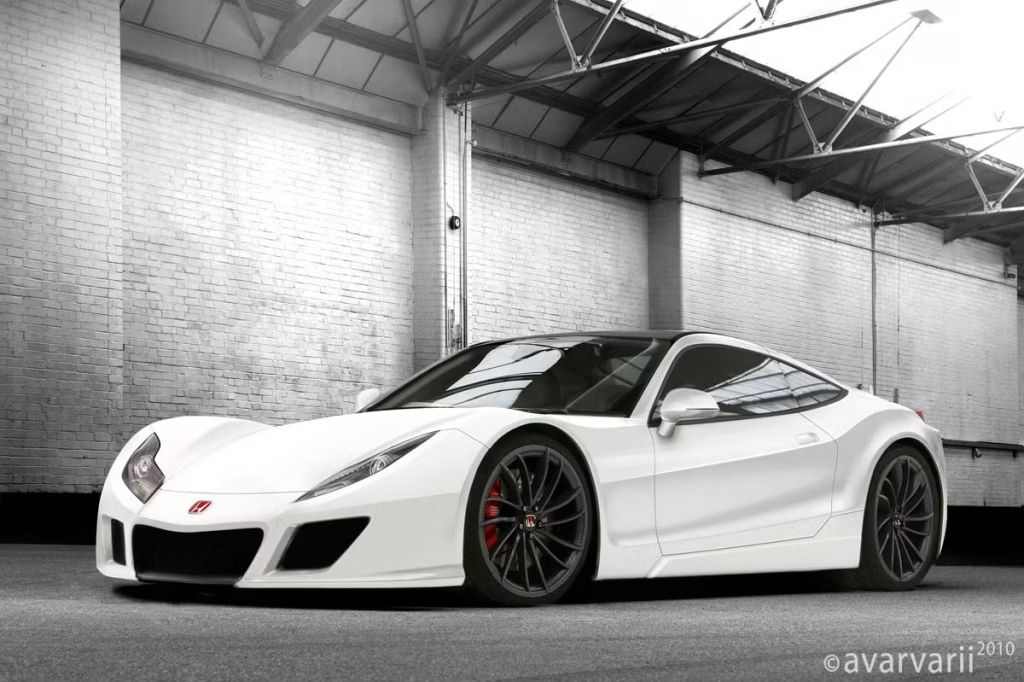
The Honda HSV 010 GT Concept stands as a reminder that some of the most exciting Japanese supercars never officially reached public roads. Even without production status, the car earned legendary recognition because of its design, performance potential, and racing heritage.
- Engine: 3.4-liter naturally aspirated V8
- Torque: 289 lb ft
- Horsepower: 500 hp
- Length/Width: 183.5 inches / 79.1 inches
10. Mitsuoka Orochi
The Mitsuoka Orochi may be the strangest and most visually controversial Japanese supercar ever built. While other manufacturers chased pure racing performance or European-inspired elegance, Mitsuoka focused on creating something unique.
The result looked unlike any ordinary production car, instantly earning attention because of its dramatic styling and extremely limited production numbers.
Named after a mythical Japanese serpent, the Orochi carried flowing curves, massive front openings, and exaggerated bodywork that gave it an almost creature-like appearance. Some enthusiasts loved its boldness, while others considered it outrageous. Regardless of opinion, nobody confused the Orochi with another vehicle.
Unlike major manufacturers with enormous engineering budgets, Mitsuoka operated as a boutique company specializing in low-volume, hand-built cars. That exclusivity alone made the Orochi exceptionally rare. Production totals remained tiny, and many examples stayed within Japan, further increasing international scarcity.
Power came from a Toyota-sourced V6 engine mounted behind the cabin. Although performance figures did not rival elite European hypercars, the Orochi emphasized visual drama and exclusivity more than raw lap times. The car delivered smooth acceleration and comfortable road manners rather than hardcore race-focused behavior.
The cabin reflected the same unusual personality as the exterior. Bright colors, custom materials, and unique trim choices helped the interior feel theatrical and highly individualistic. Owners buying an Orochi clearly valued standing out more than blending into traditional supercar culture.
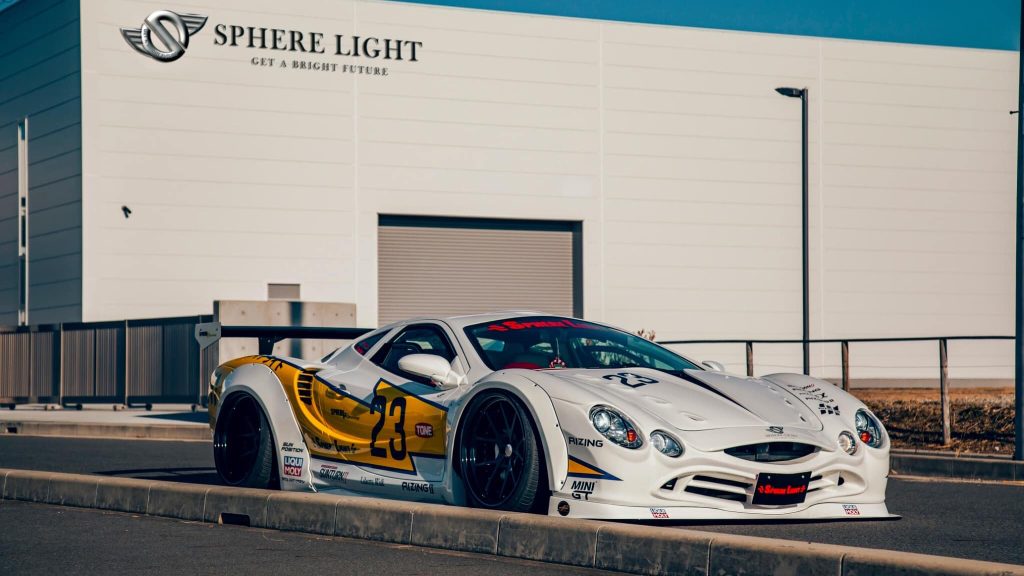
One reason the Orochi became memorable involved timing. During an era when many supercars followed similar aerodynamic trends, Mitsuoka intentionally ignored convention. The company created a machine based entirely around artistic expression and visual identity.
Collectors now view the Orochi as one of the most unusual Japanese performance cars ever sold. Its rarity, hand-built nature, and polarizing design ensure lasting fascination among enthusiasts who appreciate unconventional automotive creations.
The Orochi proved Japan’s supercar world was not limited to racing-inspired machines and technological showcases. Sometimes rarity came from creativity, individuality, and the willingness to build something no other manufacturer would dare attempt.
- Engine: 3.3-liter naturally aspirated V6
- Torque: 328 lb ft
- Horsepower: 233 hp
- Length/Width: 179.7 inches / 80.7 inches
Also Read: 9 Best Cars for Drivers Over 6’4″
