
The 1970s created some of the wildest performance cars the automotive world had ever seen. It was a decade where manufacturers pushed massive V8 engines, dramatic styling, and high-speed ambitions before emissions regulations and fuel crises changed the industry forever.
Many enthusiasts assume every classic supercar from that era now costs a fortune, but that is not always true. Surprisingly, several fast and highly respected machines from the decade still sell for less than a modern Ford Mustang GT in today’s market.
That makes the used collector world far more interesting than many buyers realize. Instead of spending premium money on a brand-new muscle coupe loaded with technology and driver assists, some collectors are choosing raw analog machines with carbureted V8s, manual gearboxes, and unforgettable styling.
These cars deliver a very different driving sensation. They smell different, sound different, and demand more attention from the driver. For many enthusiasts, that mechanical character matters more than touchscreen displays or launch control systems.
The fascinating part is how broad the market has become. Some forgotten Italian exotics remain relatively affordable because maintenance scares buyers away. Certain American muscle icons lost value for years before collectors slowly rediscovered them.
A few European grand tourers also remain underpriced despite offering incredible speed and prestige during their prime years. In many cases, you can still buy one of these machines for less money than a well-optioned Mustang GT fresh from a dealership.
Another reason these cars remain attainable is that collectors often chase only the rarest trims or the most famous nameplates. That leaves several genuinely exciting models sitting in a sweet spot between obscurity and desirability.
Buyers willing to accept occasional repairs and classic car quirks can end up owning something vastly more unique than a modern performance coupe.
Here are ten supercars from the 1970s that can still cost less than a new Mustang GT while delivering style, sound, and history that modern performance cars simply cannot duplicate.
Also Read: 10 Best Vehicles for Drivers With Bad Backs
1. De Tomaso Pantera
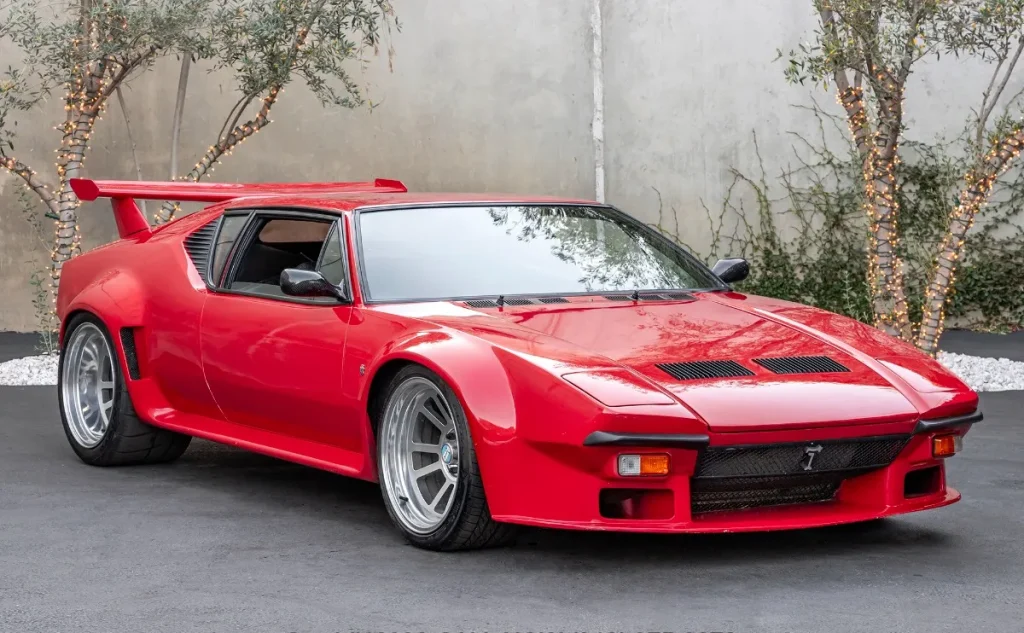
Few cars blend Italian styling and American muscle as successfully as the De Tomaso Pantera. Introduced in 1971, the Pantera looked exotic enough to sit beside Ferraris and Lamborghinis, yet it carried a Ford-sourced V8 that made servicing less intimidating than many European rivals.
Alejandro De Tomaso understood there was a market for buyers wanting supercar looks without the terrifying ownership costs attached to Italian exotics.
The Pantera instantly stood out thanks to its wedge-shaped body, low roofline, and aggressive proportions. It had a genuine presence on the road. Drivers sat extremely low, visibility was compromised, and cabin temperatures could become uncomfortable, but none of those flaws mattered much once the engine fired to life.
The thunderous V8 soundtrack gave the car a personality completely different from high-revving European rivals.
Performance was impressive for its time. Early versions could reach 60 mph in around five and a half seconds, making the Pantera one of the quickest production cars of the decade.
Handling could feel heavy at low speeds, though; once moving, the chassis became surprisingly balanced and stable. The ZF manual gearbox also added a mechanical feel that modern sports cars struggle to replicate.
What keeps the Pantera relatively affordable today is its strange position in automotive history. It is not fully Italian in character nor purely American. Yet that identity crisis actually makes it appealing.
Buyers receive supercar styling and V8 reliability in one package. Well-maintained examples can still appear for less than the cost of a new Mustang GT, which feels almost unbelievable considering how exotic the car still looks today.
- Engine: 5.8-liter Ford Cleveland V8
- Torque: 361 lb ft
- Horsepower: 330 hp
- Length/Width: 171.1 in / 72.2 in
2. Ferrari 308 GT4
The Ferrari 308 GT4 has spent decades living in the shadow of more glamorous Ferraris, which is exactly why it remains one of the most affordable ways into classic Ferrari ownership.
Designed by Bertone instead of Pininfarina, the car looked angular and unconventional compared to traditional Ferrari models. That styling decision divided enthusiasts from the very beginning.
Despite the mixed reactions, the 308 GT4 offered several qualities many rivals lacked. It combined mid-engine balance with practical seating for four people, something almost unheard of among exotic cars during the 1970s.
The cabin was surprisingly usable, and visibility was better than expected for such a low-slung machine. Ferrari essentially created a car capable of weekend touring without sacrificing performance credibility.
The V8 engine deserves significant credit for the car’s enduring reputation. It delivered a sharp exhaust note and loved climbing through the rev range.
Unlike enormous American muscle cars relying purely on displacement, the Ferrari rewarded drivers who kept the engine spinning aggressively. Steering response also felt alive and communicative, giving the car a very different character compared with heavier GT cars from the era.
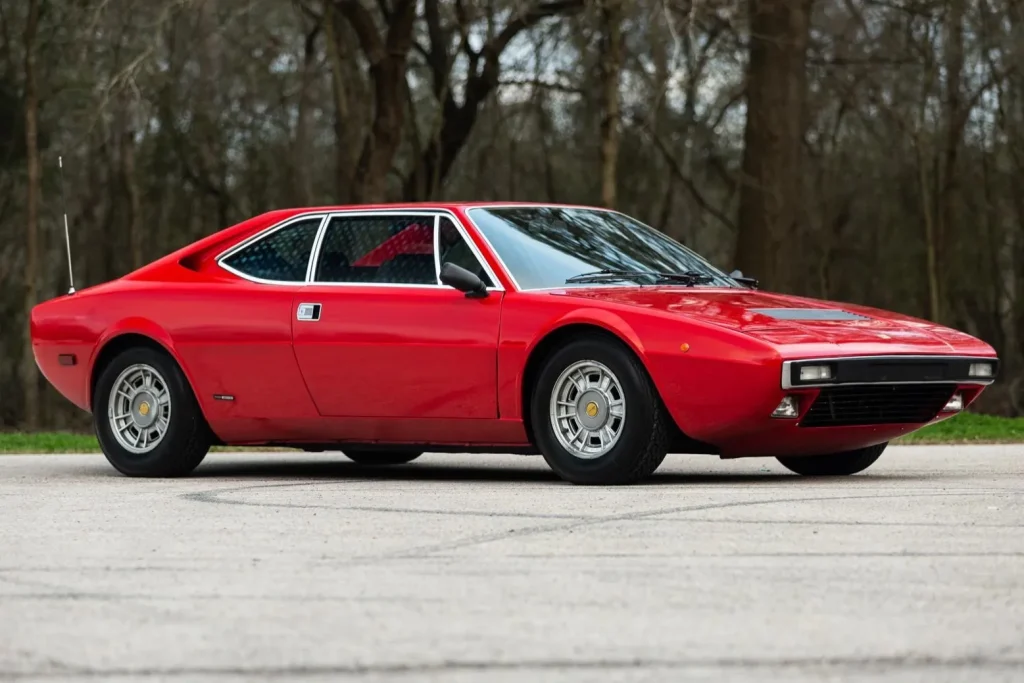
Collectors ignored the 308 GT4 for years because it lacked the visual elegance associated with Ferrari legends. Ironically, that neglect helped preserve its affordability. While many classic Ferraris climbed into unreachable territory, the GT4 remained attainable for enthusiasts wanting a genuine Maranello experience without spending six figures.
Today, the design has gained more appreciation because it captures the sharp geometric styling trends of the 1970s perfectly. In a world filled with overly digital modern performance cars, the 308 GT4 now feels refreshingly mechanical and distinctive.
- Engine: 2.9-liter naturally aspirated V8
- Torque: 188 lb ft
- Horsepower: 255 hp
- Length/Width: 169.3 in / 69.3 in
3. Maserati Merak
The Maserati Merak arrived during a turbulent period for Maserati, yet it became one of the company’s most interesting creations of the decade.
While the dramatic Bora often stole attention, the Merak quietly delivered a more balanced ownership experience with lower operating costs and surprisingly practical manners. That combination keeps it relatively affordable even today.
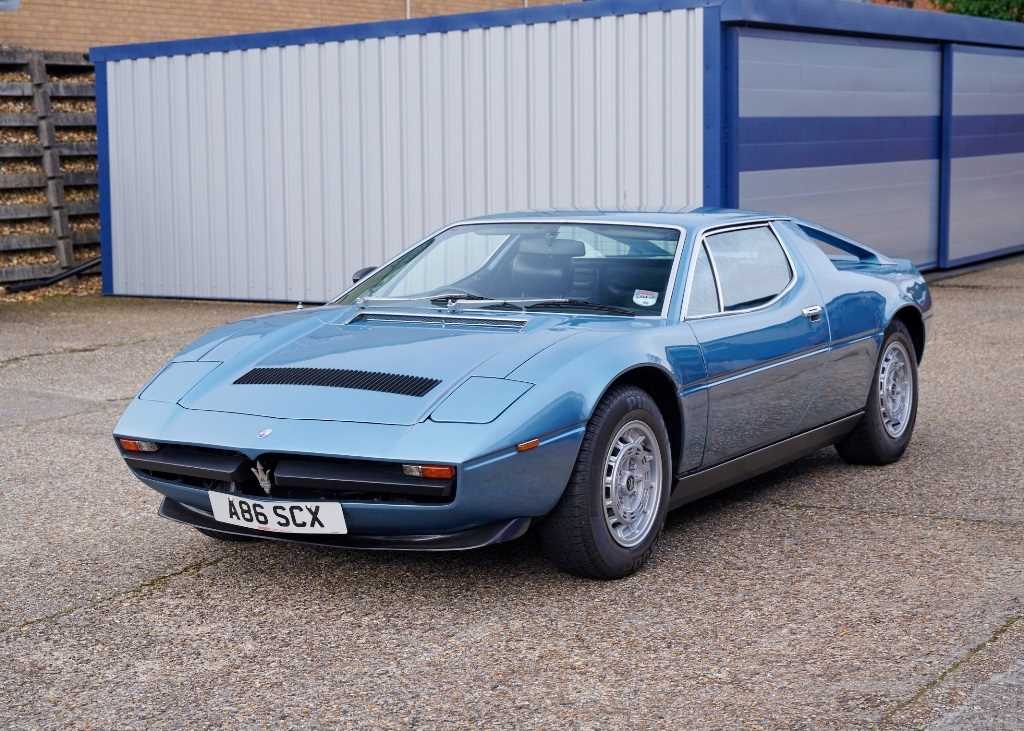
At first glance, the Merak looked every bit like an expensive exotic. Its sleek Giugiaro-designed body carried sharp lines, hidden headlights, and a profile that perfectly captured the futuristic styling trends of the era.
Many people mistake it for a borer because the full silhouette appears nearly identical. The biggest visual difference came from the flying buttresses stretching behind the cabin, giving the Merak a dramatic side profile few cars could match.
Unlike many Italian supercars that relied on huge V8s or V12s, the Merak used a smaller V6 engine derived partly from Citroën engineering.
Some enthusiasts criticized that choice when the car debuted, though the lighter engine actually improved balance and made the car friendlier to drive. Steering response felt sharper than expected, and the chassis handled winding roads with impressive composure.
Inside, the cabin reflected Maserati’s unusual partnership with Citroën during the 1970s. Certain controls looked more French than Italian, which only added to the car’s quirky personality. Buyers today often appreciate those odd details because they separate the Merak from more conventional classics.
Values remain lower than many rival exotics because the Merak never developed the same superstar reputation as Ferraris or Lamborghinis. For enthusiasts willing to maintain a rare Italian machine, it represents a fascinating blend of style, history, and drivability that still costs less than many new performance cars.
- Engine: 3.0-liter naturally aspirated V6
- Torque: 188 lb ft
- Horsepower: 220 hp
- Length/Width: 173.2 in / 70.1 in
4. Lotus Esprit S1
When the Lotus Esprit S1 appeared in the mid 1970s, it looked like a concept car accidentally escaped onto public roads. Designed by Giorgetto Giugiaro, the Esprit embraced the sharp, folded paper styling trend better than almost any car of its generation.
Its low wedge shape became instantly recognizable, especially after appearing in films and television during the following decades.
The first-generation Esprit was not built around brute force. Lotus focused more on lightweight engineering and handling precision than outright horsepower.
That philosophy made the car feel agile and responsive in corners, even if straight-line acceleration could not rival larger V8-powered competitors. Drivers often described the steering as one of the purest experiences available during the era.
Part of the Esprit’s charm comes from how uncompromising it feels. The cabin was tight, entry and exit required effort, and luggage space barely existed.
Yet every inconvenience reminded drivers they were sitting inside something engineered for driving excitement rather than comfort. The low seating position and excellent road feel created a connection that many modern sports cars cannot reproduce.
Collectors once overlooked early Esprits because later turbocharged versions gained more fame. The original S1 remained comparatively affordable for years, despite being the purest representation of Lotus founder Colin Chapman’s lightweight performance philosophy.
Maintenance concerns and inconsistent build quality also scared away some buyers, helping prices stay accessible.
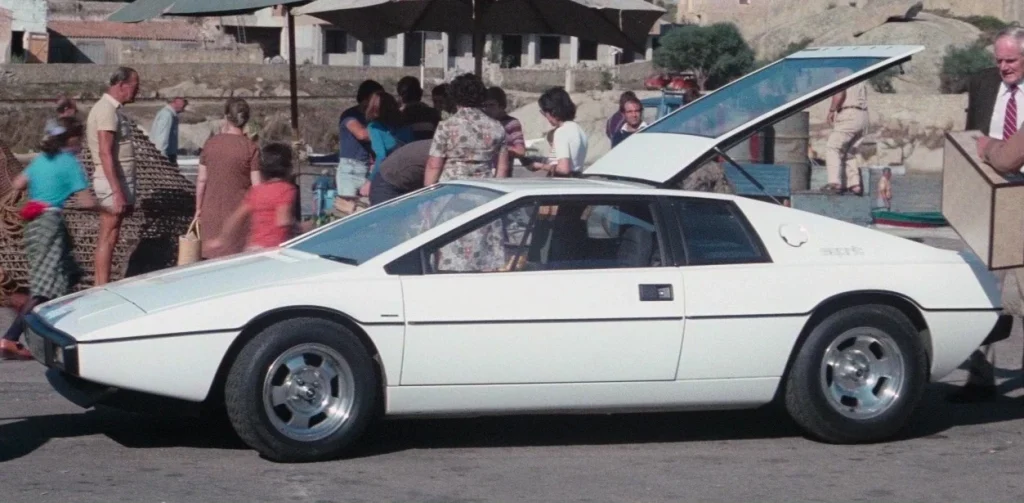
Today, the S1 finally receives more recognition for its stunning design and engaging dynamics. Even so, good examples can still appear below Mustang GT money. That makes it one of the few opportunities to own a genuine 1970s exotic icon without entering the financial territory normally associated with classic supercars.
- Engine: 2.0-liter inline four
- Torque: 140 lb ft
- Horsepower: 160 hp
- Length/Width: 165.5 in / 73 in
5. Jensen Interceptor SP
The Jensen Interceptor SP never behaved like a traditional European exotic. Instead of chasing razor-sharp handling or tiny lightweight construction, Jensen created a luxurious high-speed machine powered by massive American muscle. The result felt more like a gentleman’s express designed for crossing continents at speed rather than attacking racetracks.
Its appearance instantly separated it from many rivals of the era. The long hood, muscular stance, and enormous curved rear glass gave the Interceptor SP a bold identity. It looked expensive and dramatic without appearing delicate.
Many enthusiasts still consider the rear hatch one of the most distinctive styling features ever fitted to a grand touring car.
Underneath the elegant body sat a giant Chrysler-sourced V8 producing enormous torque. The engine delivered effortless acceleration and a deep exhaust sound perfectly suited to the car’s personality.
While some Italian supercars demanded constant attention and high revs, the Interceptor SP simply surged forward with relaxed confidence. Highway cruising felt natural for the car, especially at speeds that would have exhausted smaller sports cars from the same period.
The interior leaned heavily toward luxury. Leather seats, wood trim, and generous cabin space made the Interceptor feel surprisingly comfortable compared with harsher exotics. Owners often appreciated the ability to enjoy classic performance without sacrificing refinement completely.
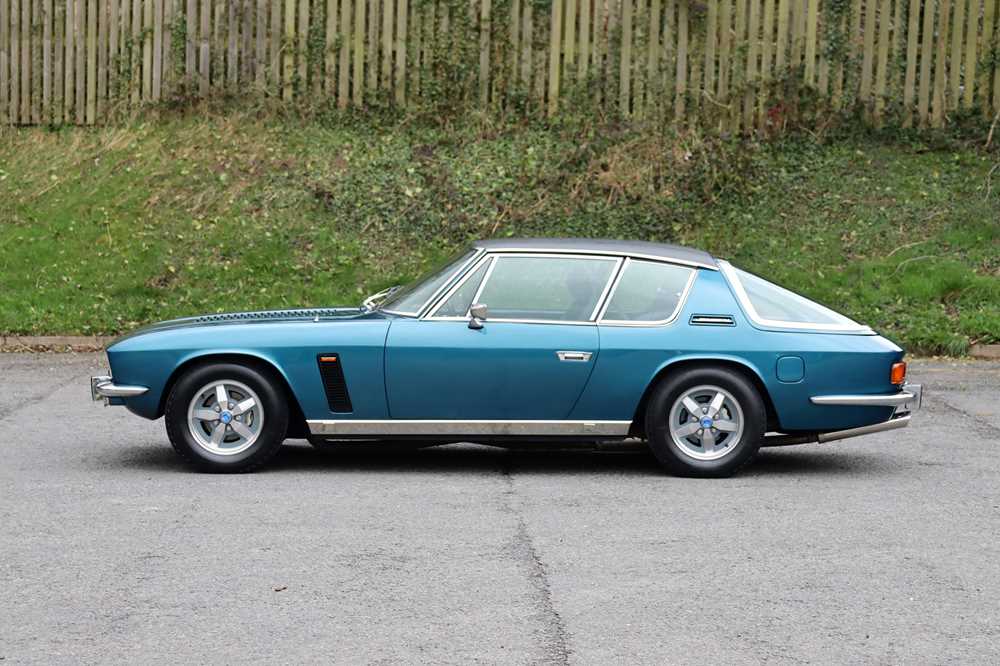
Because Jensen lacked the prestige of Ferrari or Aston Martin, collector values remained relatively restrained for decades.
That situation created a rare opportunity for buyers wanting a handcrafted British-style car combined with dependable American V8 power. Even now, some Interceptor SP examples trade hands for less than a new Mustang GT despite offering far more exclusivity and visual drama.
- Engine: 7.2-liter Chrysler V8
- Torque: 425 lb ft
- Horsepower: 385 hp
- Length/Width: 188 in / 69 in
6. Bricklin SV 1
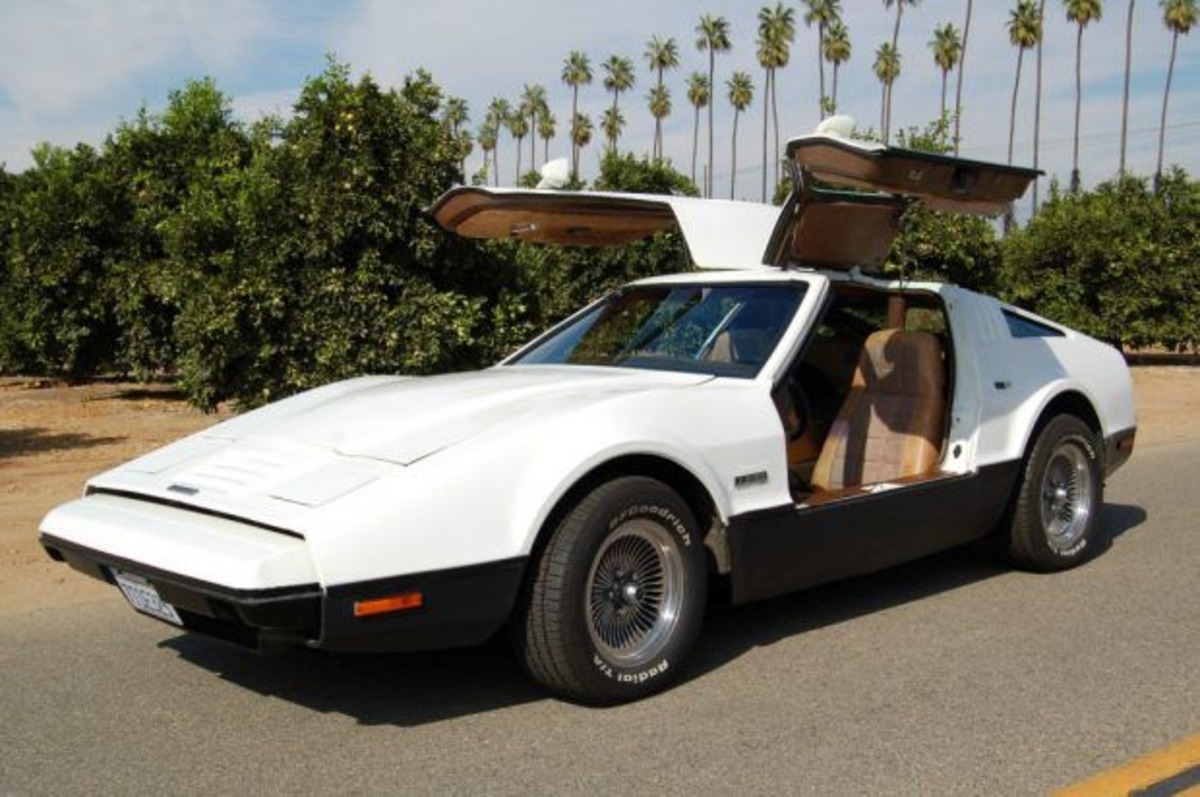
The Bricklin SV-1 remains one of the strangest and most fascinating performance cars of the decade. Created by Malcolm Bricklin, the SV 1 attempted to combine sports car styling with advanced safety ideas at a time when few manufacturers prioritized crash protection in performance vehicles. Its name literally stood for Safety Vehicle One.
Nothing about the Bricklin looked ordinary. The gullwing doors immediately grabbed attention, especially during an era when such designs were still extremely rare.
The body panels used acrylic bonded to fiberglass, giving the car unusual textures and vibrant factory colors. Even parked among traditional muscle cars, the SV 1 appeared futuristic and unconventional.
Performance came from large American V8 engines sourced from AMC and later Ford. Straight-line acceleration was respectable rather than extraordinary, though the car’s real appeal came from its theatrical personality.
Opening the hydraulic gullwing doors always turned heads, and the low, wide body made the car look far more expensive than it actually was.
The Bricklin faced numerous production issues when new. Build quality problems, financial instability, and manufacturing delays damaged its reputation quickly.
As a result, the company survived only briefly, making surviving cars relatively rare today. Yet rarity alone does not always guarantee massive collector values, especially when a car carries a complicated history.
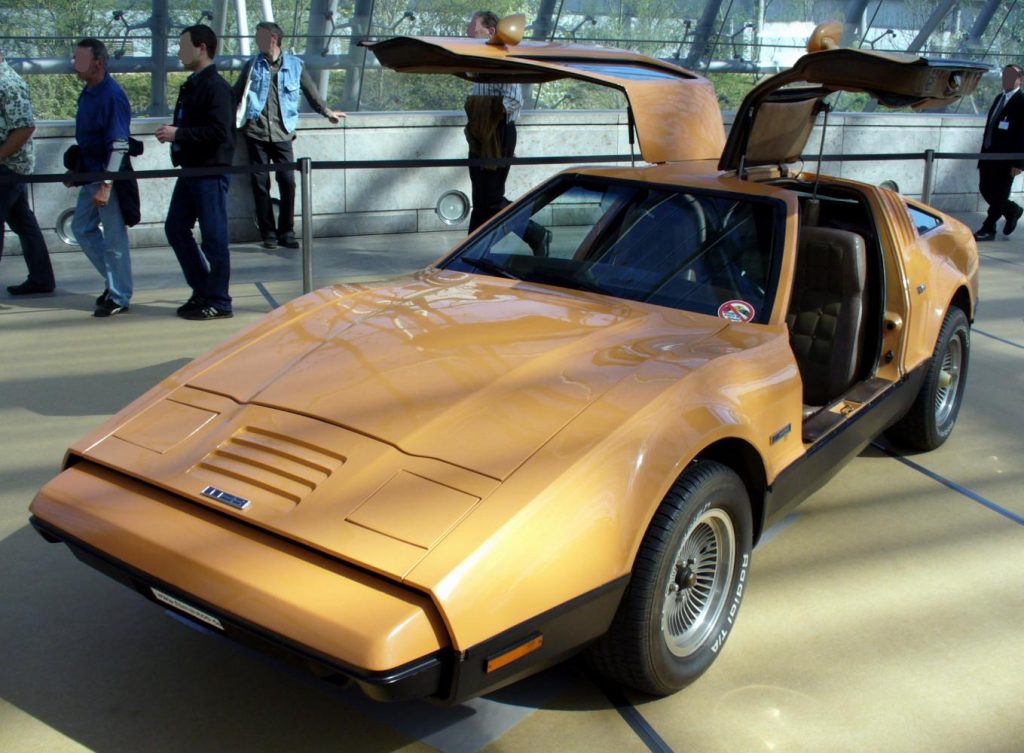
That unusual background is precisely why the SV 1 remains attainable. Buyers willing to embrace its quirks receive a genuinely unique slice of 1970s automotive experimentation.
No modern Mustang GT can replicate the experience of driving something so eccentric and visually dramatic. For enthusiasts wanting conversations at every fuel stop, the Bricklin delivers effortlessly.
- Engine: 5.8-liter Ford Windsor V8
- Torque: 380 lb ft
- Horsepower: 220 hp
- Length/Width: 175 in / 71 in
7. Porsche 928
The Porsche 928 shocked traditional Porsche fans when it debuted because it broke nearly every rule associated with the brand. Instead of a rear-engine layout like the legendary 911, Porsche introduced a front-engine V8-powered grand tourer designed to attract luxury performance buyers.
Many enthusiasts resisted the idea initially, but the 928 eventually earned deep respect for its engineering sophistication and long-distance comfort.
From the outside, the car looked smooth and futuristic compared with angular rivals from the same decade. The rounded nose, integrated bumpers, and pop-up headlights gave the 928 an appearance that still feels modern decades later. Porsche deliberately avoided excessive styling drama. Rather than relying on wings or vents, the car projected confidence through clean proportions and elegant simplicity.
Driving the 928 delivered a completely different sensation than smaller sports cars from the era did. The V8 produced smooth power without the rough aggression associated with American muscle machines.
High-speed stability became one of the car’s greatest strengths. Autobahn cruising suited its personality perfectly because the chassis remained composed even at very high speeds.
Inside, Porsche focused heavily on ergonomics and technology. The dashboard wrapped around the driver, controls felt thoughtfully positioned, and material quality exceeded many competitors’. The cabin also offered enough practicality for genuine touring use, something not every exotic car could claim during the 1970s.
Collectors ignored early 928 models for many years because enthusiasts remained obsessed with the 911. That kept values surprisingly reasonable despite the car’s advanced engineering and impressive performance.
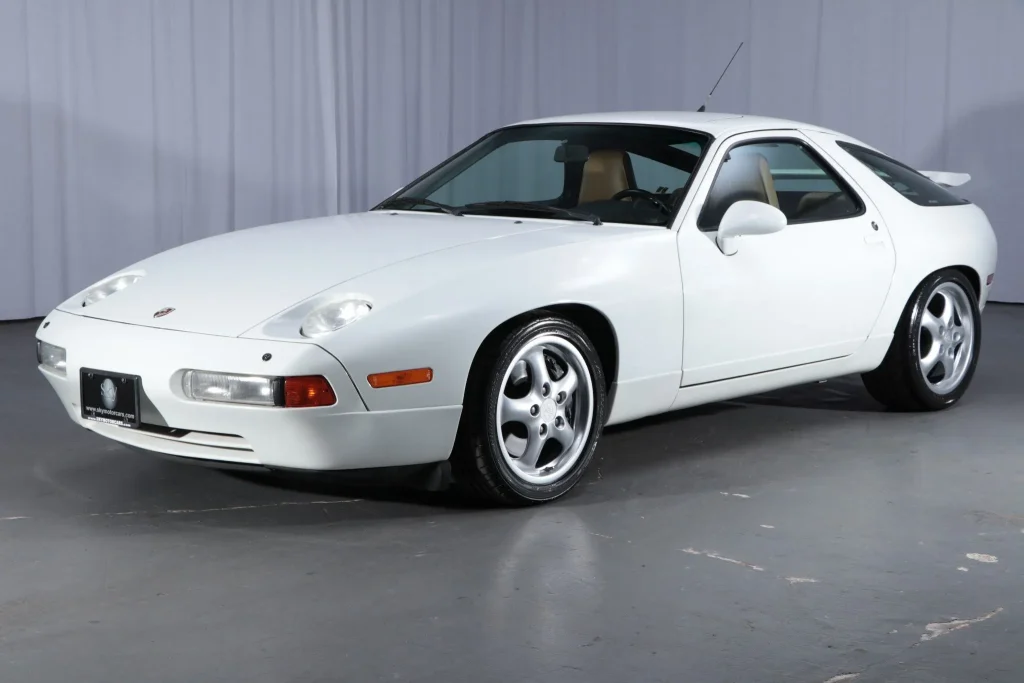
Today, buyers searching for a classic GT with V8 power, everyday usability, and unmistakable German character often discover the 928 still costs less than a modern Mustang GT while delivering a far more distinctive ownership experience.
- Engine: 4.5-liter naturally aspirated V8
- Torque: 267 lb ft
- Horsepower: 219 hp
- Length/Width: 174.8 in / 72.4 in
8. Ferrari Mondial 8
The Ferrari Mondial 8 has spent decades carrying one of the most misunderstood reputations in Ferrari history. Purists criticized its weight, styling proportions, and modest performance compared with more aggressive Ferraris. Yet those criticisms helped create one of the cheapest entry points into ownership of a genuine mid-engine Ferrari.
Unlike many cramped exotics, the Mondial attempted to balance performance with practicality. Ferrari designed the car with usable rear seats, better cabin access, and improved visibility. For buyers wanting something they could actually drive regularly instead of hiding inside a garage, the Mondial offered advantages many rivals ignored completely.
Its styling looked softer and more restrained than wedge-shaped supercars dominating the period. Some enthusiasts disliked that approach at first, though the design has aged gracefully over time. The long side strakes, low nose, and broad rear section still communicate an unmistakable Ferrari identity without appearing exaggerated.
The naturally aspirated V8 remains the highlight of the driving experience. It may not produce terrifying acceleration by modern standards, but the soundtrack transforms every journey into an event. The engine loves revs, and the gated manual transmission provides the mechanical engagement that enthusiasts constantly praise in classic Ferraris.
One reason the Mondial stayed affordable involves maintenance costs. Older Ferraris often intimidate buyers because repairs can become expensive quickly. Since collectors usually chase more famous models first, the Mondial spent years overlooked in the marketplace. That situation now benefits enthusiasts searching for something unique and usable.
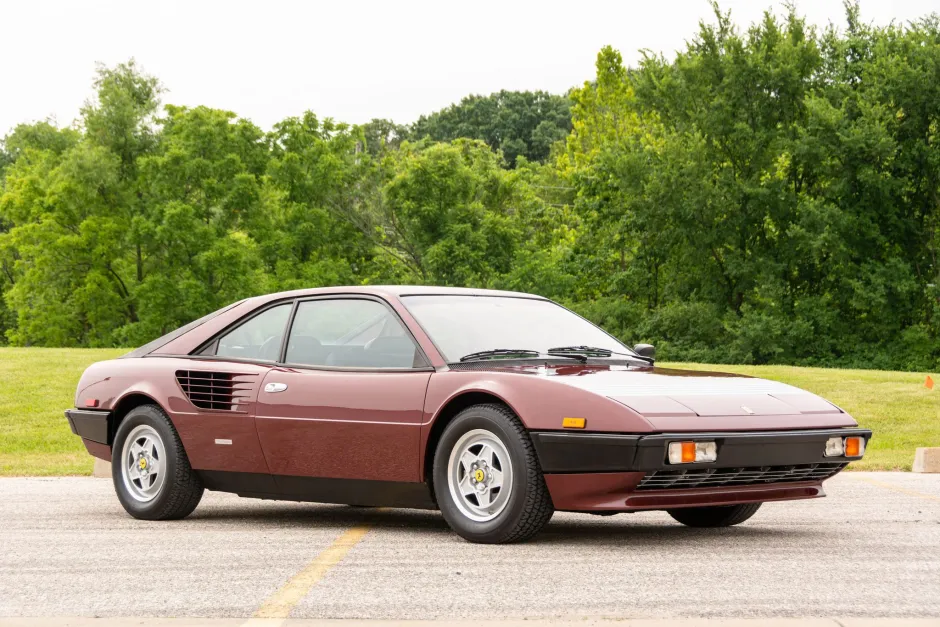
Driving a Mondial today feels refreshingly honest. There are no electronic filters or artificial sound enhancements. Every sensation comes directly from the machine itself, which makes the experience feel vastly different from modern high-performance coupes.
- Engine: 2.9-liter naturally aspirated V8
- Torque: 179 lb ft
- Horsepower: 214 hp
- Length/Width: 179 in / 70.1 in
9. Aston Martin Lagonda
The Aston Martin Lagonda looked like nothing else on the road when it appeared during the late 1970s. At a time when most luxury sedans still carried conservative shapes and traditional interiors, Aston Martin introduced a machine that seemed borrowed from science fiction.
Its impossibly long wedge profile, razor-sharp body lines, and futuristic cabin transformed the Lagonda into one of the boldest automotive experiments ever attempted by a major manufacturer.
People often forget how shocking this car looked when new. The hood stretched endlessly ahead of the driver, while the rear deck sat low and flat like a concept vehicle intended only for auto shows.
It carried the presence of an exotic supercar despite having four doors and a large, luxurious interior. Even decades later, few cars command attention the way a Lagonda does when parked in public.
Inside, Aston Martin attempted something revolutionary. Early models featured digital instrumentation and touch-sensitive controls during an era when most competitors still relied on simple analog gauges and mechanical switches.
The technology proved unreliable at times, yet it demonstrated enormous ambition. Owners were essentially buying one of the most technologically adventurous luxury cars of its generation.
Performance came from Aston Martin’s muscular 5.3-liter V8, delivering smooth acceleration and effortless highway speed. The Lagonda was never intended to behave like a lightweight sports car.
Instead, it specialized in dramatic grand touring with exceptional road presence. Long-distance travel suited the car beautifully because the cabin emphasized comfort, quietness, and exclusivity.
Collector values stayed lower than those of many Aston Martin sports cars because the Lagonda appealed to a niche audience. Maintenance complexity also scared away casual buyers, especially due to the car’s unusual electronics. That hesitation created a rare opportunity for enthusiasts seeking something genuinely different.
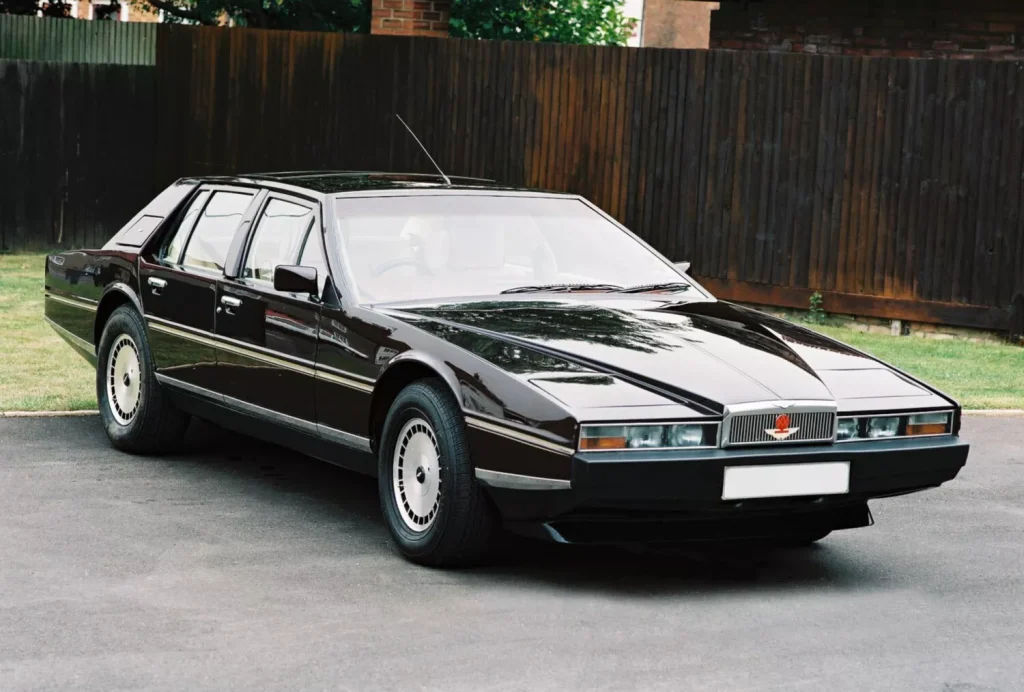
Owning a Lagonda today means possessing one of the automotive world’s boldest statements from the 1970s. It combines luxury, performance, and futuristic styling in a way modern cars rarely dare to attempt.
Surprisingly, some examples remain cheaper than a new Mustang GT despite offering unmatched exclusivity and unmistakable character.
- Engine: 5.3-liter naturally aspirated V8
- Torque: 299 lb ft
- Horsepower: 280 hp
- Length/Width: 205 in / 71.5 in
10. Lamborghini Urraco
The Lamborghini Urraco arrived during a difficult chapter for Lamborghini, yet it represented one of the company’s most ambitious attempts to reach a wider audience.
Instead of building another massive V12 flagship, Lamborghini developed the Urraco as a smaller and more affordable exotic capable of competing with Ferrari’s mid-level sports cars. The idea made sense financially, though the car never achieved the same fame as the Countach or Miura.
Styling played a major role in the Urraco’s appeal. Designed by Marcello Gandini, the body carried sharp lines and compact proportions that perfectly captured 1970s Italian design language.
The front looked low and aggressive, while the rear featured dramatic louvers and muscular haunches that gave the car genuine visual energy. It appeared exotic from every angle without becoming excessively theatrical.
One of the most interesting aspects of the Urraco was its engine configuration. Lamborghini installed a compact V8 behind the seats instead of the enormous V12s associated with the brand.
That decision improved balance and made the car more manageable in everyday driving situations. The engine produced a distinctive high-revving sound completely different from American muscle cars or large-displacement grand tourers.
The cabin reflected classic Italian sports car philosophy. Visibility remained challenging, controls felt slightly eccentric, and interior ergonomics prioritized style almost as much as function. Yet these quirks became part of the ownership experience.
Drivers constantly felt connected to the machine because nothing about the Urraco seemed isolated or artificial.
For years, collectors focused primarily on Lamborghini’s more famous halo cars. The Urraco remained overshadowed, which helped preserve relatively attainable pricing. Mechanical complexity and parts availability also discouraged some buyers, further preventing values from skyrocketing.
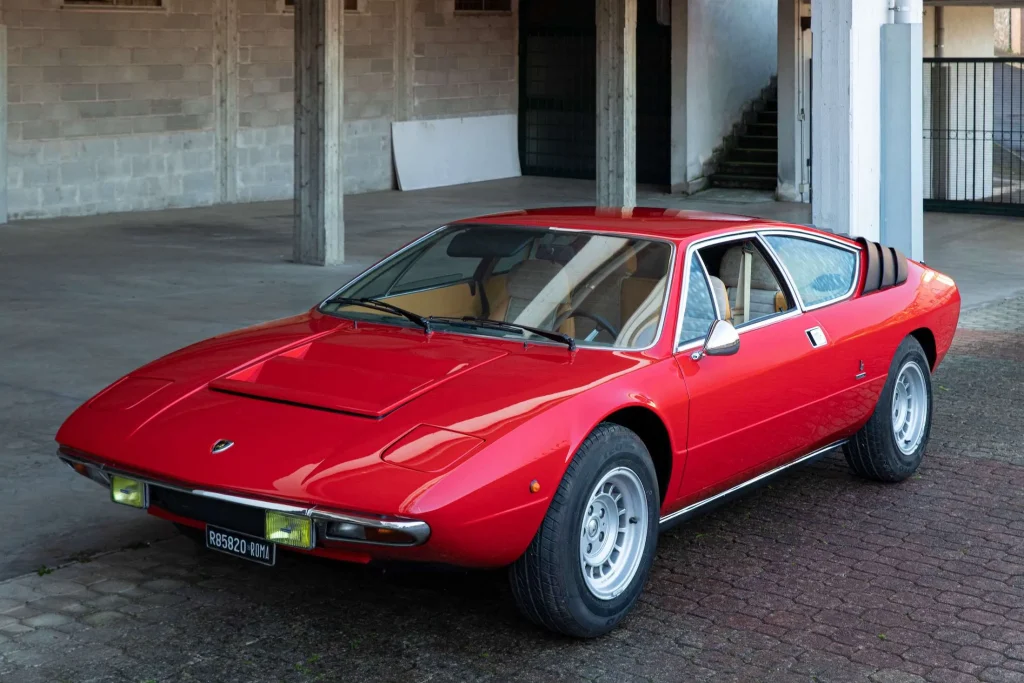
Today, the Urraco stands out because it delivers authentic Lamborghini character without demanding the budget required for a Countach or Miura. It offers rare styling, a charismatic V8, and genuine Italian exotic heritage for less money than many modern performance cars sitting in dealership showrooms.
- Engine: 2.9-liter naturally aspirated V8
- Torque: 195 lb ft
- Horsepower: 247 hp
- Length/Width: 167.3 in / 69.3 in
The 1970s produced an incredible variety of supercars, grand tourers, and exotic performance machines that still capture attention decades later. While many collectors assume every classic performance icon now costs a fortune, several fascinating models remain surprisingly affordable.
Cars like the De Tomaso Pantera, Lotus Esprit S1, and Porsche 928 prove enthusiasts can still buy rare and historically significant vehicles for less money than a modern Ford Mustang GT.
What makes these classics special is not simply speed figures or horsepower numbers. Each one delivers a unique personality shaped by its era. Some rely on massive American V8 engines, while others focus on lightweight engineering or high-revving European performance.
Their cabins feel mechanical and engaging, free from the digital isolation common in modern cars. Even their imperfections add character because drivers experience every vibration, sound, and gear change directly.
Many of these vehicles stayed affordable because they lived in the shadows of more famous rivals or developed reputations for difficult maintenance. That situation now benefits enthusiasts willing to own something different.
Instead of blending into traffic with another new performance coupe, buyers can drive machines filled with history, dramatic styling, and unforgettable road presence. These cars represent a time when manufacturers experimented boldly, creating vehicles that still feel exciting and distinctive half a century later.
Also Read: 10 Safest Cars Under $60,000 With Top Safety Pick Plus
