Police vehicles are among the hardest-working machines on the road. Unlike ordinary commuter cars that spend most of their lives cruising calmly through traffic or sitting parked in driveways, police vehicles face relentless punishment every single day.
They idle for hours during patrol shifts, accelerate aggressively during emergencies, endure rapid braking in urban traffic, and carry heavy electronic equipment that places additional stress on engines, suspensions, and electrical systems. Because of these extreme conditions, police fleet managers cannot afford to make emotional purchasing decisions.
Every vehicle added to a law enforcement fleet must prove itself in durability, reliability, operating cost, performance, safety, maintenance accessibility, and long-term value. One poor purchasing decision can cost taxpayers millions in repair bills, downtime, fuel consumption, and replacement expenses. That is why fleet managers carefully study real-world performance data before selecting patrol vehicles.
Over the years, many cars marketed as capable, affordable, or technologically advanced have completely failed to meet police department expectations. Some suffered from weak transmissions that could not survive constant pursuit driving. Others developed severe electrical issues caused by the enormous power demands of police radios, computers, cameras, and emergency lighting systems.
Certain vehicles looked impressive on paper but lacked the high-speed stability officers need during highway pursuits. In other cases, cramped interiors made it difficult for officers wearing full duty belts and protective gear to enter and exit the vehicle quickly. A patrol car may appear excellent for civilian use, yet become a disaster in police service because law enforcement requirements are far more demanding than normal driving conditions.
Modern police agencies also evaluate total ownership cost more carefully than ever before. Rising fuel prices, tighter municipal budgets, and growing maintenance expenses have forced departments to prioritize vehicles with proven dependability and strong resale value.
Fleet managers routinely reject vehicles that consume excessive fuel, require specialized repairs, or experience frequent breakdowns. Reliability is especially important because every disabled patrol car reduces officer availability and can compromise emergency response times. Departments need vehicles that remain operational around the clock with minimal downtime.
Another major factor is officer safety. Patrol cars must provide excellent crash protection, stable handling, strong braking performance, and predictable behavior under stressful driving conditions. Vehicles with poor visibility, weak structural integrity, or unstable high-speed dynamics are often removed from consideration immediately. Fleet managers understand that patrol officers frequently operate under intense pressure, so the vehicle itself must inspire confidence rather than create additional risks.
This article explores nine cars that police fleet managers generally avoid purchasing due to poor reliability, weak performance, expensive maintenance, limited practicality, or serious operational shortcomings.
While some of these vehicles may still satisfy civilian owners in certain situations, they often fail to meet the punishing standards required for law enforcement duty. Understanding why these cars are rejected offers valuable insight into what truly matters in professional fleet management and why some vehicles simply cannot handle the demands of police work.
- Engine options: 2.0L inline 4, 2.4L inline 4, 1.4L turbo inline 4
- Horsepower: 160 hp (2.0L), 184 hp (1.4L turbo), up to 184 hp (2.4L)
- Torque: 145 lb-ft (2.0L), 184 lb-ft (1.4L turbo), 171 lb-ft (2.4L)
- Length: about 183.9 inches
- Width: about 72.0 inches
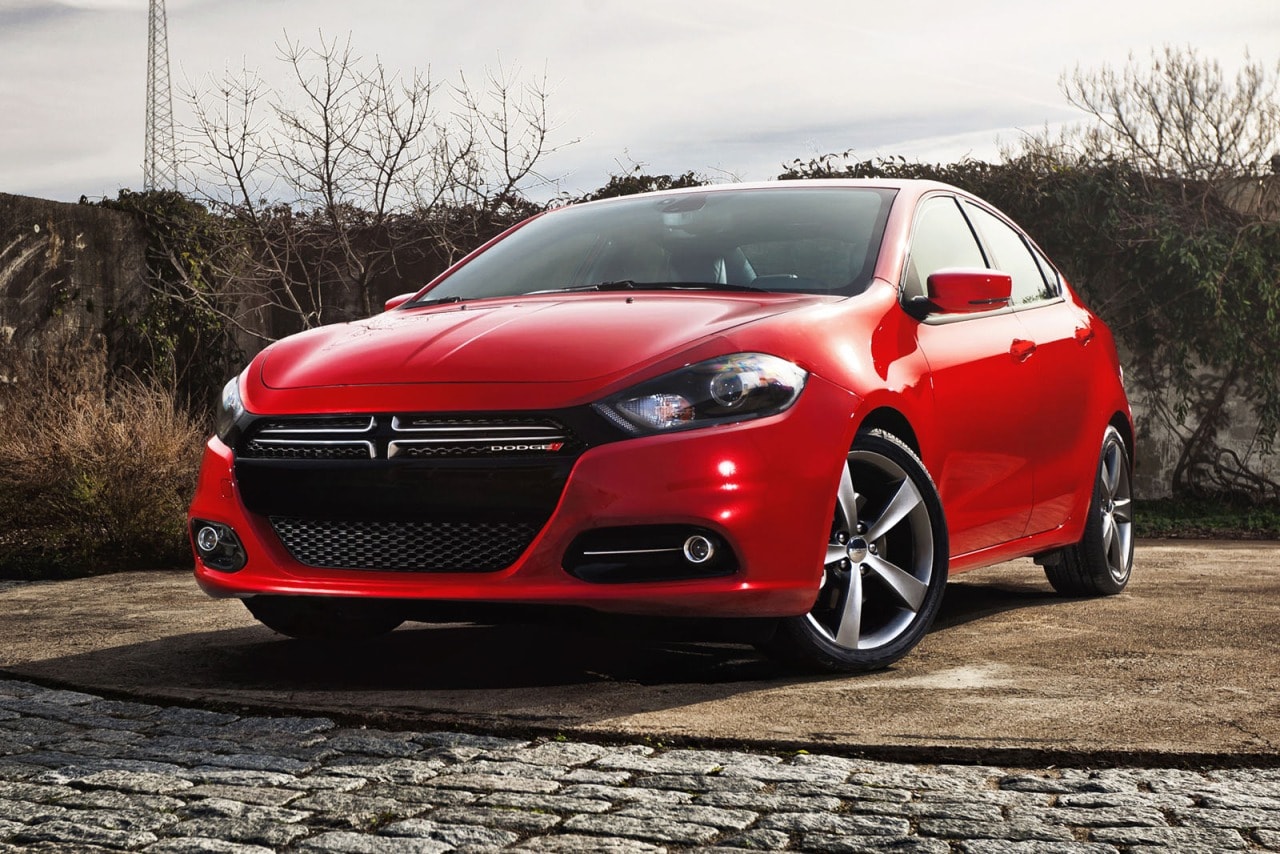
1. Dodge Dart
The Dodge Dart entered the market with ambitious goals. Chrysler hoped the compact sedan would compete successfully against popular economy cars while delivering modern styling and respectable efficiency. On paper, the vehicle seemed like a practical option for municipal use because of its affordable price and compact dimensions.
However, police fleet managers quickly discovered that the Dart lacked many qualities required for serious patrol operations. The vehicle struggled to establish a reputation for long-term reliability, and several departments found it unsuitable even for administrative fleet duty.
One of the biggest problems involved the transmission. Many Dart models experienced rough shifting, delayed engagement, and premature transmission failures. Police vehicles spend much of their time accelerating aggressively in stop-and-go traffic, which places tremendous strain on drivetrains.
Fleet managers reported concerns about durability under extended law enforcement use, especially during urban patrol operations. Repair costs added up quickly, and downtime became a recurring issue in fleets that experimented with the model.
Interior practicality also proved disappointing for law enforcement purposes. Patrol officers carry radios, computers, firearms, medical kits, and numerous other tools inside the vehicle. The Dodge Dart simply lacked the interior space needed for modern policing equipment.
Officers wearing duty belts often found entry and exit uncomfortable, particularly during long shifts. Rear seat room was limited as well, reducing prisoner transport practicality. Fleet managers usually prefer vehicles that maximize cabin versatility, and the Dart failed to deliver in that area.
Performance shortcomings created additional concerns. The base engine options felt underpowered when carrying heavy police equipment, and acceleration suffered noticeably compared with purpose-built patrol vehicles. Police departments need cars capable of merging rapidly into traffic and maintaining stability during emergency driving situations. The Dart was never engineered for high-stress fleet applications, and that weakness became obvious under demanding use.
- Engine options: 1.4L turbo inline 4, 1.8L inline 4 (older models)
- Horsepower: 153 hp (1.4L turbo)
- Torque: 177 lb-ft (1.4L turbo)
- Length: about 181.0 inches
- Width: about 70.7 inches
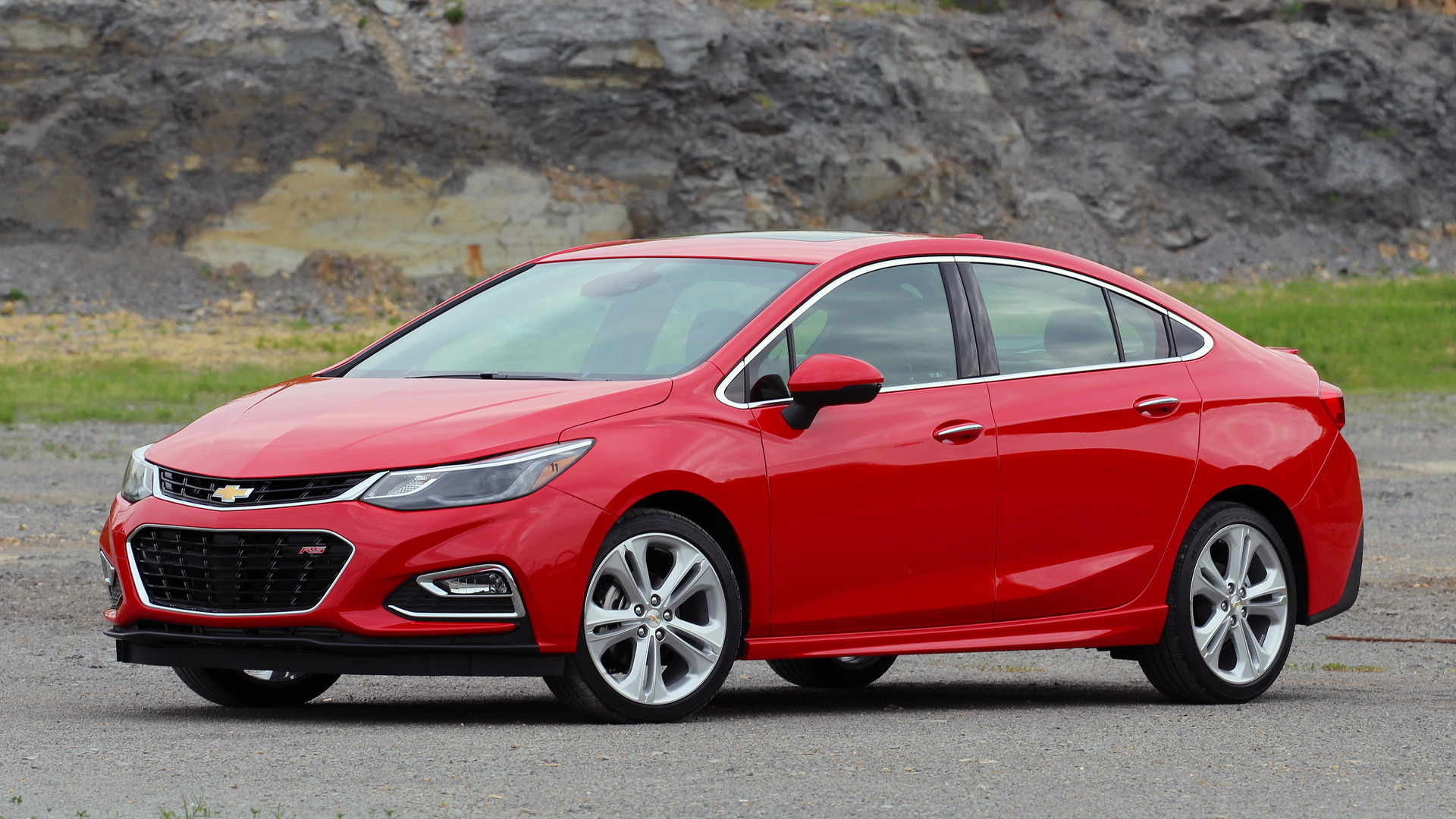
2. Chevrolet Cruze
The Chevrolet Cruze became popular among civilian buyers because of its fuel efficiency, quiet ride, and modern technology features. General Motors positioned it as an economical compact sedan capable of delivering strong value in urban commuting environments.
Some municipalities initially considered the Cruze for administrative duties and low-intensity fleet use. However, police fleet managers soon realized the vehicle presented several significant weaknesses that made it a poor candidate for demanding law enforcement operations.
Reliability concerns appeared early in the vehicle’s lifecycle. Numerous Cruze models suffered from cooling system failures, turbocharger issues, water pump leaks, and engine overheating problems. These issues became especially problematic in fleet environments where vehicles accumulate high mileage rapidly.
Police departments cannot afford repeated maintenance interruptions because every unavailable vehicle affects patrol coverage and operational readiness. Fleet managers generally avoid vehicles known for recurring mechanical failures, particularly when repairs become expensive over time.
The small turbocharged engines also struggled under heavy fleet usage. Patrol cars endure extensive idling combined with sudden acceleration and aggressive driving. Such operating conditions place tremendous stress on compact turbocharged powertrains.
Many departments determined the Cruze lacked the long-term durability needed for continuous law enforcement service. Engine reliability became a serious concern once mileage increased, leading many fleet supervisors to reject the model entirely.
Cabin size represented another major disadvantage. Modern police work requires extensive onboard technology, including mounted computers, radios, weapon storage systems, and emergency equipment. The Cruze offered limited interior room compared with larger sedans or SUVs commonly used in policing.
Officers often found the seating position cramped while wearing full duty gear. Quick entry and exit are essential during emergencies, and the Cruze failed to provide the spacious layout preferred by most departments.
- Engine options: 2.0L inline 4 (most common)
- Horsepower: 160 hp
- Torque: 146 lb-ft
- Length: about 178.5 inches
- Width: about 71.8 inches
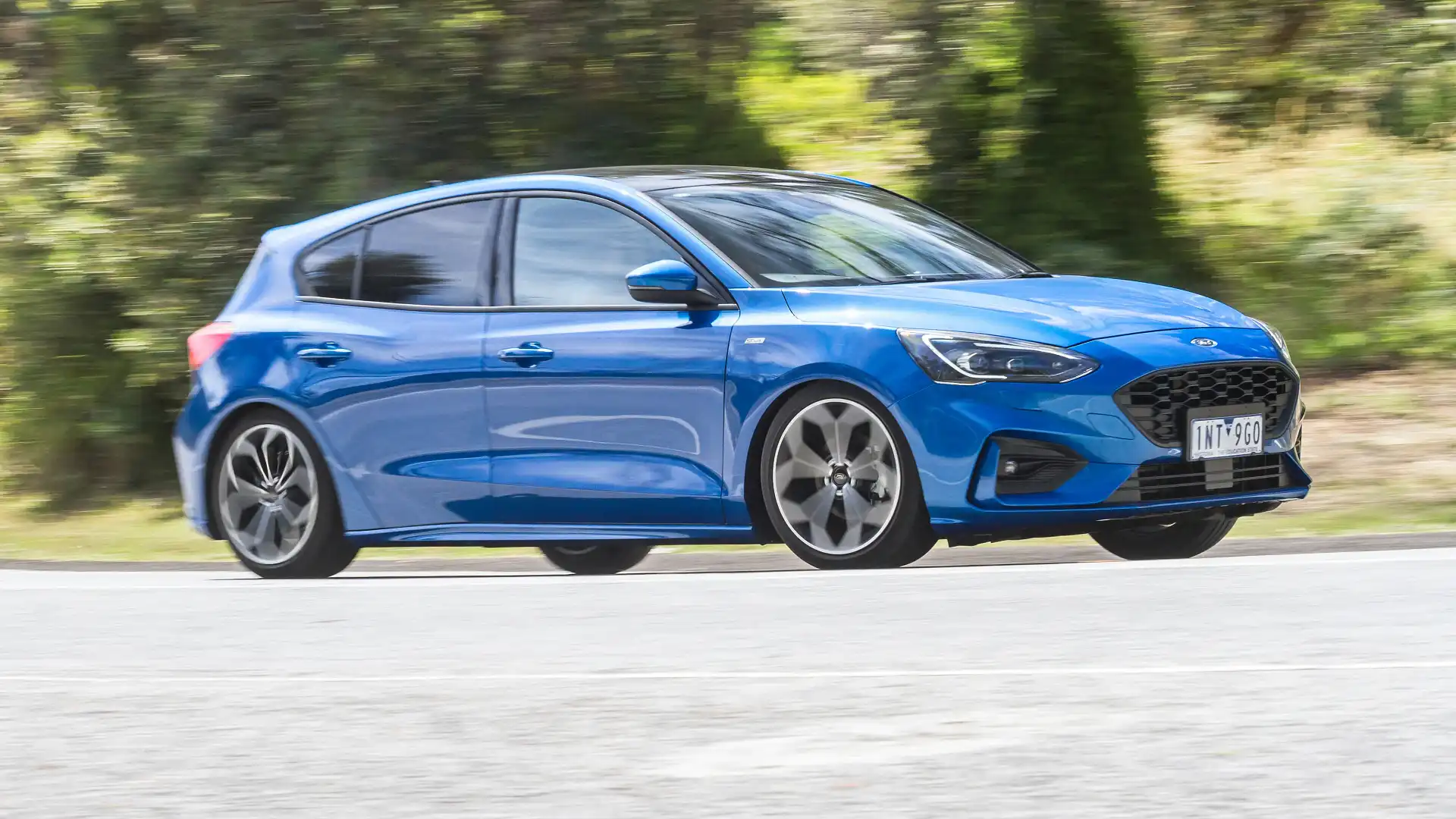
3. Ford Focus
The Ford Focus enjoyed years of popularity among civilian drivers because of its responsive handling, compact dimensions, and modern design. In many markets, it became one of Ford’s best-selling small cars. Despite this success, police fleet managers largely avoided the Focus for serious law enforcement use due to widespread reliability concerns and operational limitations that became impossible to ignore in demanding municipal service.
One of the most notorious issues involved the PowerShift automatic transmission found in many Focus models. Drivers frequently complained about shuddering, hesitation, rough shifting, and premature transmission wear. In police applications, where vehicles endure constant acceleration and stop-and-go operation, these problems became even more severe.
Fleet managers prioritize drivetrain reliability above almost everything else because transmission failures create substantial repair costs and remove vehicles from active service. The Focus quickly developed a reputation for transmission instability that damaged confidence across fleet operations.
Interior space represented another major weakness. Police officers require roomy cabins capable of accommodating body armor, duty belts, communication equipment, and mounted technology systems.
The compact dimensions of the Focus made it difficult to install modern police equipment comfortably. Officers often reported discomfort during extended patrol shifts, especially when entering and exiting the vehicle repeatedly throughout the day.
Performance capability presented additional concerns. While the Focus delivered acceptable handling for ordinary commuting, it lacked the power reserves and high-speed confidence required for emergency response work.
Police departments need vehicles capable of maintaining composure during pursuits and rapid highway travel. The Focus felt underpowered once loaded with officers and equipment, limiting its effectiveness in operational scenarios.
- Engine options: 2.5L inline 4, 3.5L V6 (older trims)
- Horsepower: 182 hp (2.5L), 270 hp (3.5L V6)
- Torque: 180 lb-ft (2.5L), 251 lb-ft (3.5L V6)
- Length: about 191.5 inches
- Width: about 72.0 inches
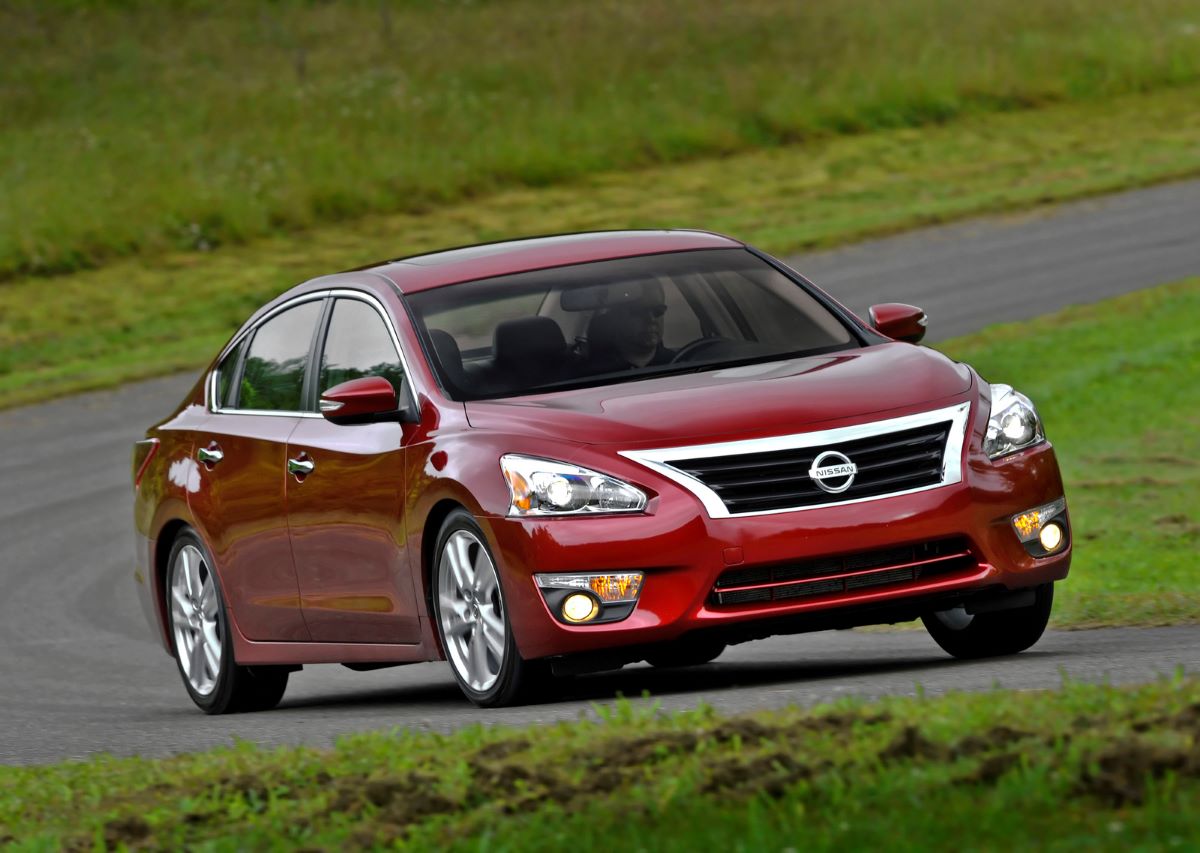
4. Nissan Altima
The Nissan Altima has long been a strong seller in the midsize sedan market thanks to its comfortable ride, attractive styling, and good fuel economy.
Many consumers appreciate the car as a practical family sedan for everyday transportation. However, police fleet managers have generally avoided purchasing the Altima for law enforcement duty because of significant concerns regarding durability, transmission reliability, and operational suitability.
The most serious issue involves the continuously variable transmission, commonly known as the CVT. Nissan faced years of criticism over CVT reliability problems across several models, and the Altima became one of the most discussed examples.
Police vehicles experience constant acceleration, hard braking, and prolonged idling that place exceptional stress on transmissions. Fleet managers found the CVT design poorly suited for the harsh realities of police driving. Reports of overheating, slipping, delayed response, and premature failure created major concerns for departments evaluating long-term operating costs.
Performance under emergency conditions also disappointed many evaluators. While the Altima delivers acceptable acceleration for civilian commuting, police departments require vehicles with strong high-speed stability and predictable handling characteristics.
Fleet testing often revealed that the Altima lacked the robust pursuit capability necessary for active patrol use. Steering feel and braking performance were considered less confidence-inspiring compared with purpose-built police vehicles.
Interior durability became another issue during fleet evaluations. Civilian-oriented cabins often struggle to withstand the constant wear associated with law enforcement work. Officers repeatedly entering and exiting the vehicle with heavy equipment can accelerate interior deterioration significantly.
Some fleet supervisors reported concerns about seat wear, trim durability, and long-term toughness. Police departments typically prefer vehicles built with simpler and more rugged interiors capable of enduring years of abuse.
- Engine options: 2.4L inline 4, 3.6L V6
- Horsepower: 184 hp (2.4L), 295 hp (3.6L V6)
- Torque: 173 lb-ft (2.4L), 262 lb-ft (3.6L V6)
- Length: about 192.3 inches
- Width: about 73.6 inches
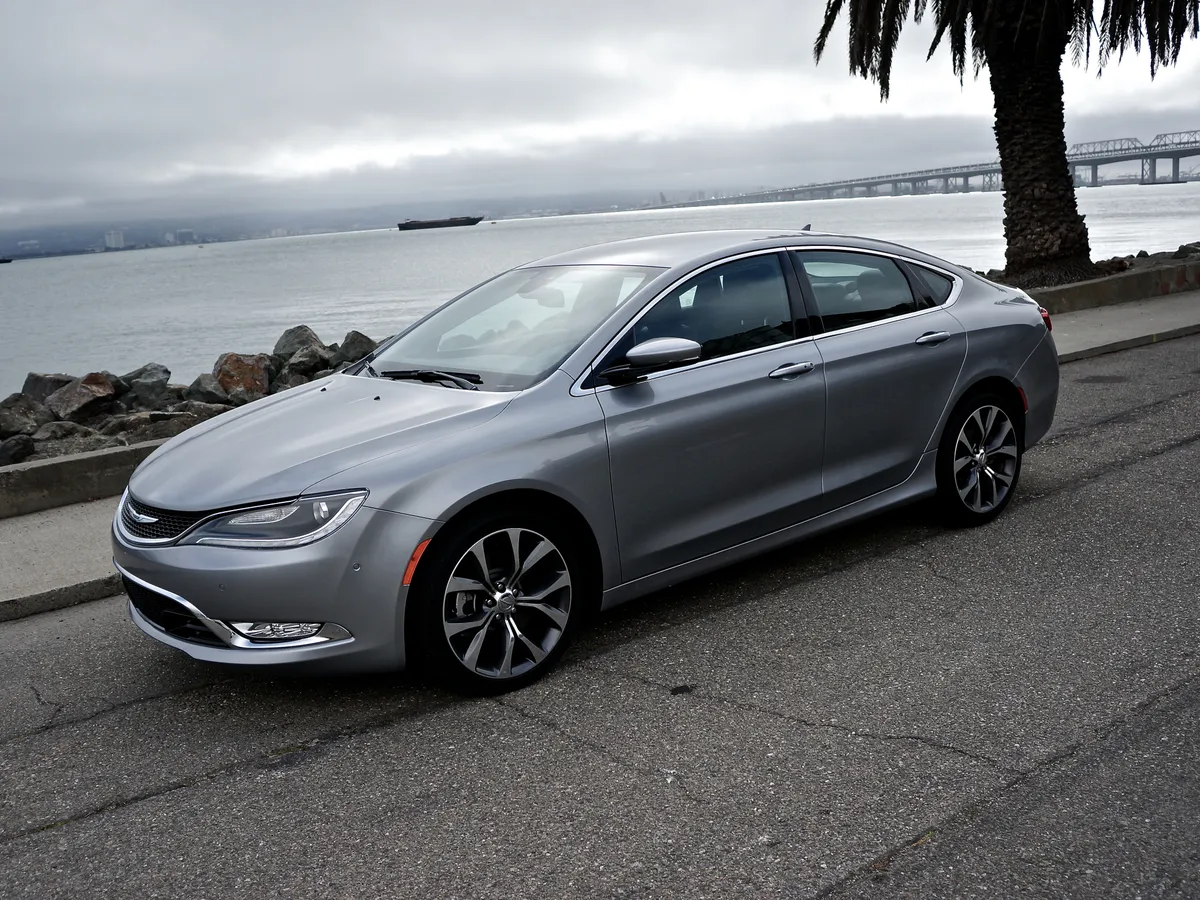
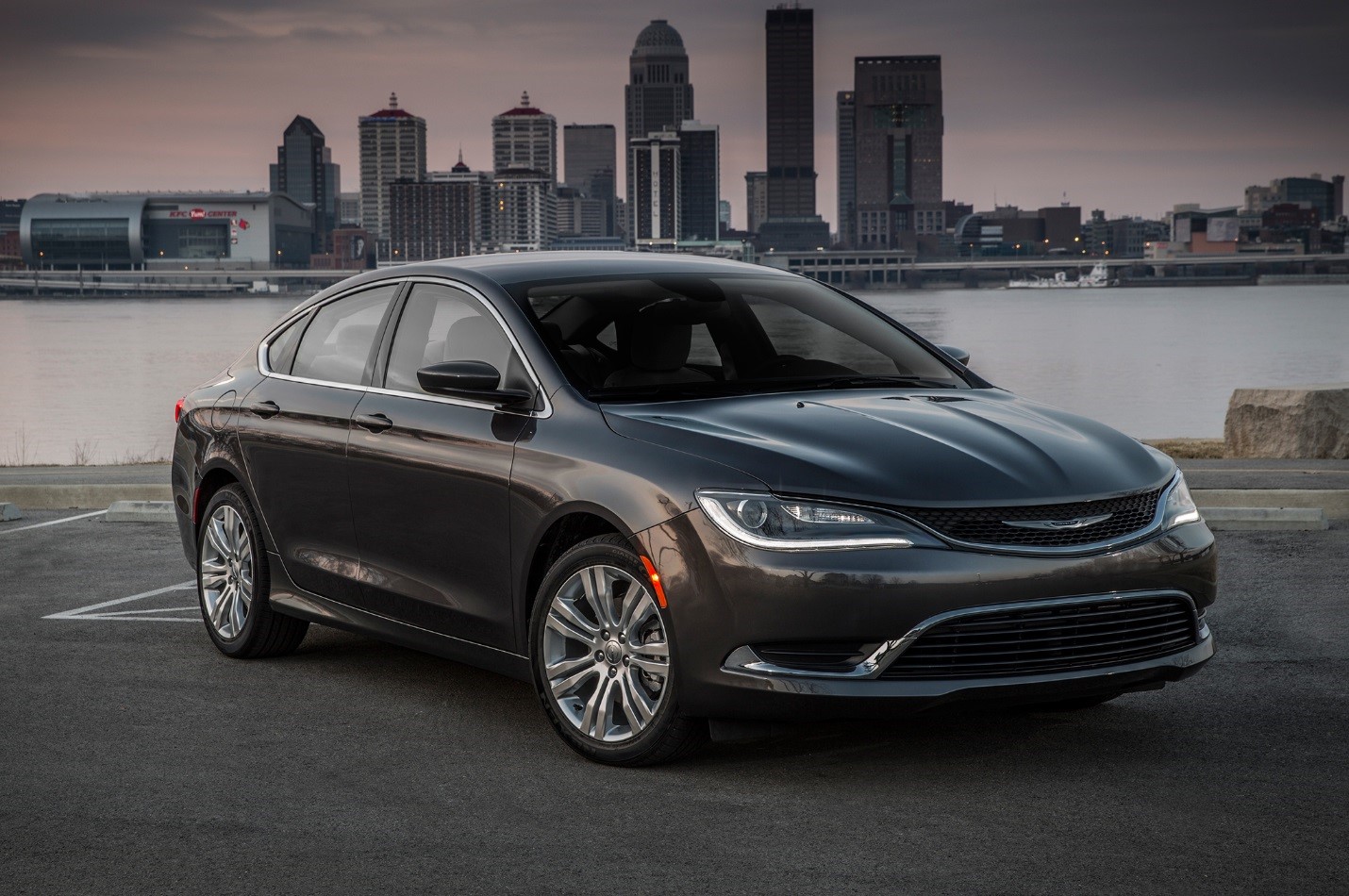
5. Chrysler 200
The Chrysler 200 was introduced as a stylish midsize sedan intended to compete with established rivals in the family car segment. Chrysler emphasized modern technology, upscale design, and available All Wheel Drive to attract buyers seeking comfort and sophistication.
Despite these ambitions, the vehicle earned a troubled reputation among many automotive experts and fleet operators. Police departments that evaluated the Chrysler 200 quickly discovered several major flaws that made it unsuitable for demanding law enforcement work.
Transmission problems represented one of the biggest concerns. The nine-speed automatic transmission used in many Chrysler 200 models became infamous for rough shifting, hesitation, unpredictable gear selection, and software-related drivability issues.
Police vehicles require immediate throttle response and consistent performance during emergencies. Fleet managers found the transmission behavior frustrating and potentially dangerous in high-pressure situations where officers needed reliable acceleration.
Reliability concerns extended beyond the transmission. Some models experienced electrical problems involving infotainment systems, sensors, and battery performance. Electrical reliability is critically important in police fleets because emergency lighting, communication systems, and onboard computers rely heavily on stable electrical operation. Frequent malfunctions increase downtime and maintenance costs while reducing confidence in the vehicle.
Performance limitations further weakened the Chrysler 200’s appeal. Although higher trim levels provided respectable power for civilian driving, the chassis lacked the rugged durability expected in police operations.
Suspension systems and braking components were not engineered for constant aggressive use. During fleet evaluations, the vehicle often struggled to match the durability standards required for patrol applications.
- Engine options: 1.4L inline 4
- Horsepower: 101 hp
- Torque: 98 lb-ft
- Length: about 139.6 inches
- Width: about 64.1 inches
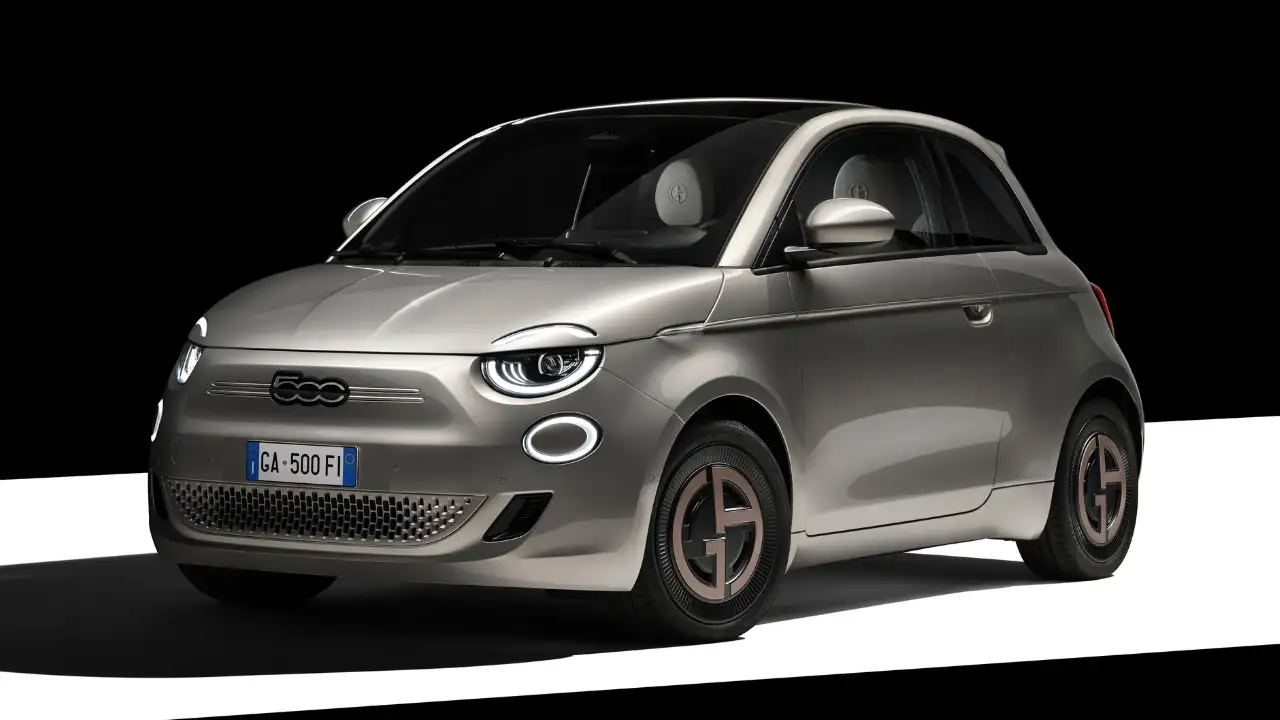
6. Fiat 500
The Fiat 500 gained popularity among urban drivers thanks to its compact size, retro-inspired styling, and impressive maneuverability in crowded city environments. For civilian commuters seeking easy parking and distinctive design, the little hatchback offered undeniable charm.
However, police fleet managers almost universally rejected the Fiat 500 as a serious fleet vehicle because of severe limitations in durability, practicality, and operational capability.
The first major issue involved size. Police vehicles must carry officers, emergency equipment, radios, computers, medical supplies, and often detained individuals. The Fiat 500 simply lacked the interior space required for modern policing. Officers wearing full tactical gear struggled to fit comfortably inside the vehicle, and installing standard police equipment proved nearly impossible without sacrificing functionality.
Performance shortcomings also became immediately apparent. Although the Fiat 500 handled urban commuting reasonably well, it lacked the power and stability necessary for emergency response driving.
Police vehicles need strong acceleration, reliable braking, and confident highway performance under stressful conditions. The lightweight Fiat struggled to deliver the level of control and durability required for pursuit-capable operations.
The vehicle’s limited cargo capacity also reduced practicality. Police departments require room for cones, medical kits, rifles, protective equipment, and other operational gear. The Fiat 500 provided very little usable storage space compared with larger sedans and SUVs commonly used in law enforcement fleets. This limitation significantly reduced operational flexibility for departments considering compact vehicles.
- Engine options: 0.9L turbo inline 3 (common modern versions)
- Horsepower: 89 hp
- Torque: 100 lb-ft
- Length: about 106.1 inches
- Width: about 65.5 inches
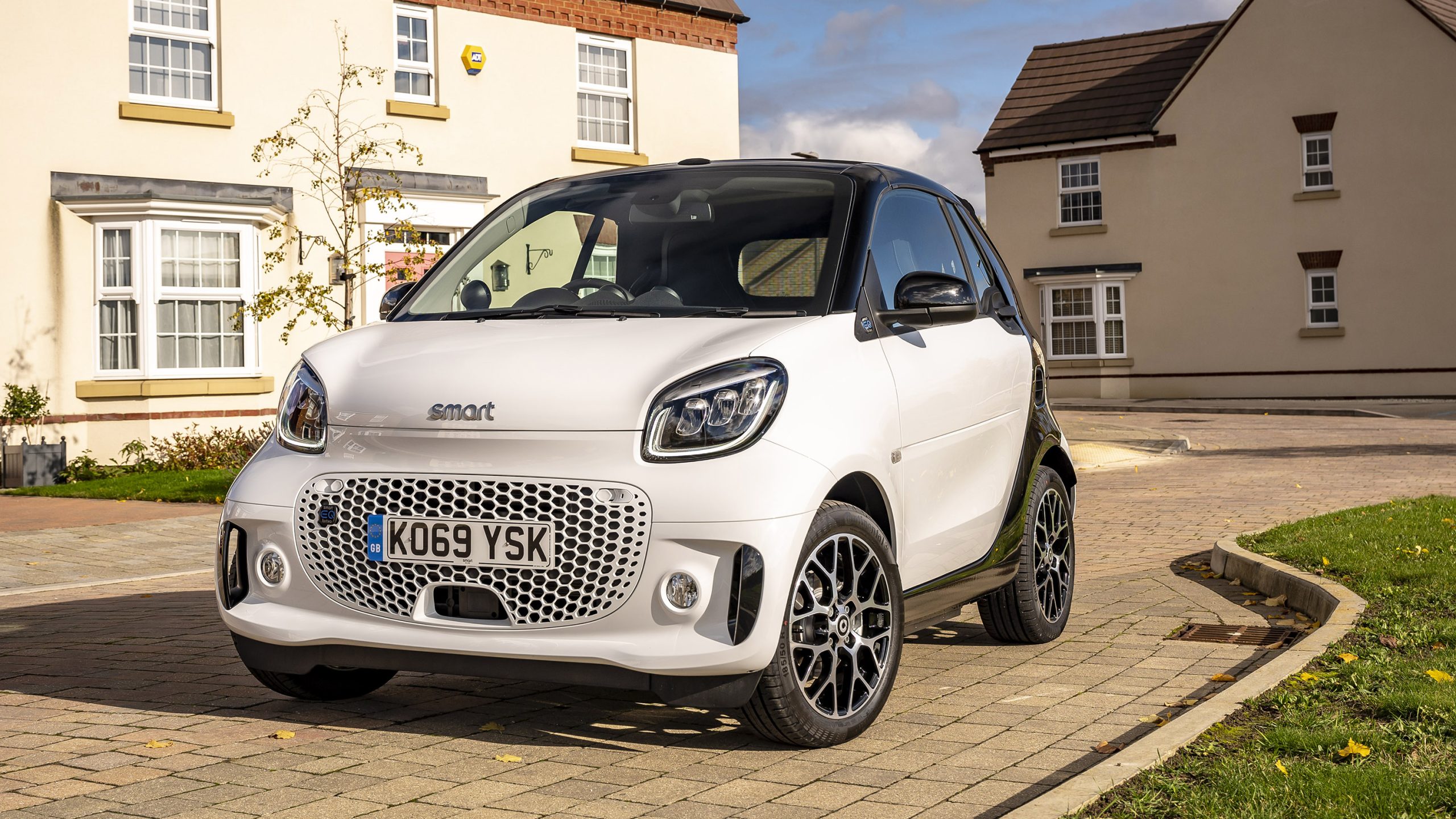
7. Smart Fortwo
The Smart Fortwo stands out as one of the smallest production cars ever sold in many global markets. Designed primarily for dense urban environments, the vehicle emphasized parking convenience, fuel efficiency, and compact mobility.
While its unique appearance attracted attention from city drivers, police fleet managers had virtually no interest in adopting the Smart Fortwo for professional law enforcement service due to overwhelming operational disadvantages.
The most obvious limitation involved size. Police vehicles serve as mobile workstations that must accommodate officers, communication systems, emergency equipment, and various operational tools. The Smart Fortwo barely provides enough room for two passengers under normal circumstances, making it entirely impractical for standard patrol duties. There is no realistic space for partitions, computer mounts, weapon storage, or prisoner transport systems.
Practicality problems extended beyond cabin space. The vehicle’s minimal cargo capacity severely restricted equipment storage options. Police departments require room for medical supplies, protective gear, traffic control devices, and emergency tools. The Smart Fortwo offered virtually no flexibility for carrying operational equipment efficiently.
Even maintenance logistics created complications. Some specialized components and limited service accessibility increased repair complexity compared with mainstream fleet vehicles. Municipal maintenance departments prefer standardized platforms with readily available parts and established service procedures. The Smart Fortwo failed to align with those priorities.
Police fleet managers viewed the Smart Fortwo as entirely unsuited for real law enforcement work. While it excelled in urban parking convenience and fuel economy for civilian drivers, its extreme size limitations, weak performance, limited durability, and operational impracticality made it one of the least viable vehicles imaginable for police fleet service.
- Engine options: 1.2L inline 3
- Horsepower: 78 hp
- Torque: 74 lb-ft
- Length: about 151.4 inches
- Width: about 65.6 inches
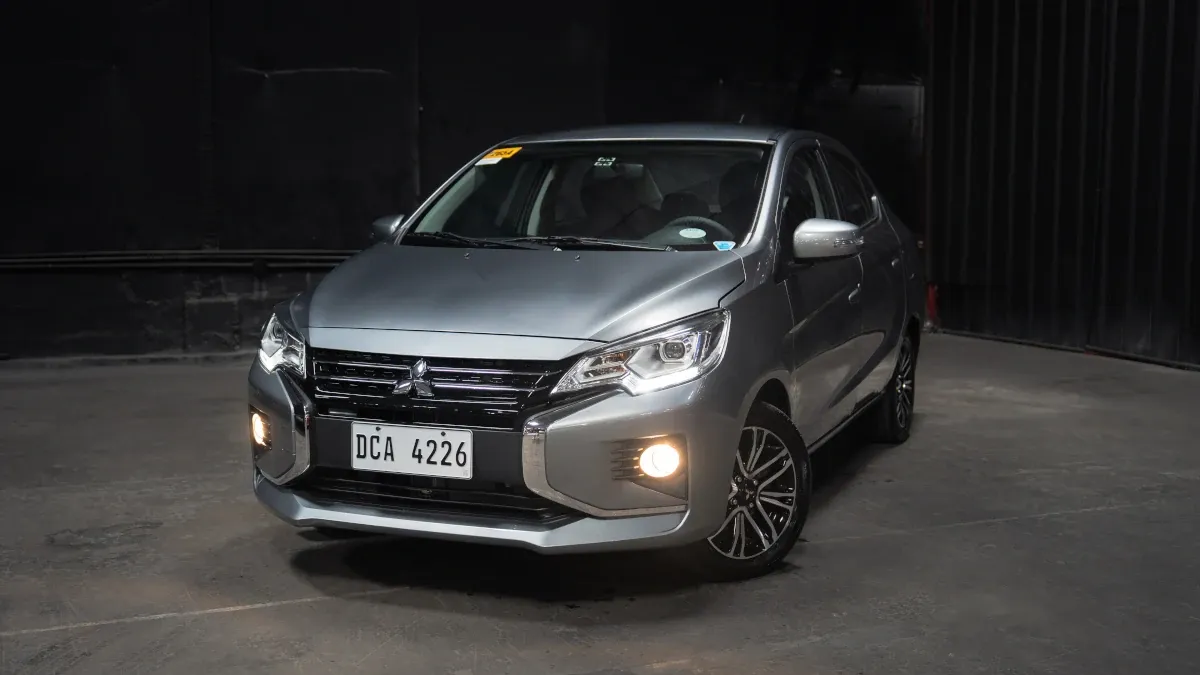
8. Mitsubishi Mirage
The Mitsubishi Mirage is often marketed as one of the most affordable new cars available in many markets. Buyers attracted to low purchase prices and impressive fuel economy sometimes consider it a practical transportation solution. However, police fleet managers generally avoid the Mirage because its cost-saving design compromises durability, performance, comfort, and operational effectiveness in ways that make it unsuitable for professional law enforcement use.
One major issue involves engine performance. The Mirage uses a very small engine focused primarily on maximizing fuel efficiency rather than delivering strong acceleration.
Police vehicles frequently need rapid throttle response during emergency situations, traffic enforcement, and highway merging. Fleet evaluators found the Mirage painfully underpowered once loaded with officers and equipment. Its limited performance capability created obvious concerns regarding officer safety and operational readiness.
Cabin quality and durability also disappointed many fleet observers. The Mirage was engineered as a budget-oriented economy car, and interior materials reflected that mission. Police use subject vehicles to constant wear from heavy gear, repeated entry and exit, and nonstop operation.
Fleet managers questioned whether the Mirage could survive years of demanding municipal service without excessive interior deterioration and mechanical fatigue.
Safety perceptions also influenced purchasing decisions. Although the Mirage satisfies basic regulatory standards, many police agencies favor heavier and more robust vehicles capable of providing greater protection during collisions. Officers routinely encounter hazardous traffic conditions, making structural confidence a major factor in fleet selection.
For these reasons, the Mitsubishi Mirage rarely appears in serious law enforcement discussions. While the car offers exceptional affordability and fuel economy for civilian commuters, its weak performance, limited durability, cramped interior, and budget-focused engineering make it poorly suited for the demanding realities of police fleet operations.
- Engine options: 1.6L inline 4
- Horsepower: 108 hp
- Torque: 105 lb-ft
- Length: about 169.7 inches
- Width: about 66.7 inches
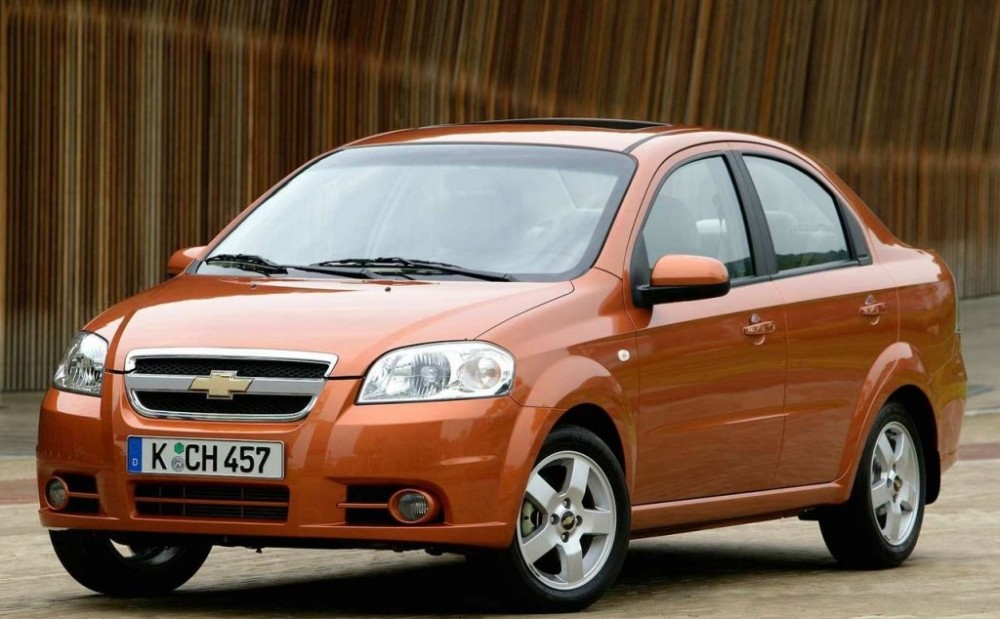
9. Chevrolet Aveo
The Chevrolet Aveo was introduced as an affordable subcompact car intended to provide economical transportation for budget-conscious consumers. Although its low price attracted some buyers, the vehicle developed a reputation for mediocre build quality and underwhelming performance.
Police fleet managers quickly dismissed the Aveo as unsuitable for professional law enforcement duty because of numerous operational shortcomings and reliability concerns.
Engine performance represented one of the first major problems. The Aveo’s small engine struggled to deliver adequate acceleration even under normal driving conditions.
Once equipped with police gear and additional electrical equipment, the vehicle became even less responsive. Police departments require vehicles capable of rapid acceleration and confident highway merging during emergencies. Fleet evaluators found the Aveo severely lacking in this critical area.
Build quality concerns further damaged the vehicle’s reputation. Some models experienced premature wear involving suspension components, interior materials, and electrical systems. Police fleets place extraordinary stress on vehicles through constant operation and rough usage patterns.
Fleet managers generally avoid cars with questionable durability records because repair costs and downtime can become financially unsustainable over time.
Interior space and comfort also proved inadequate for patrol work. Officers carry extensive gear that requires roomy seating arrangements and accessible storage areas. The cramped cabin of the Aveo made it difficult to install modern police technology systems effectively. Long patrol shifts became uncomfortable, especially for taller officers wearing full duty equipment.
The Chevrolet Aveo ultimately became another example of a civilian economy car unable to satisfy the intense demands of law enforcement operations.