
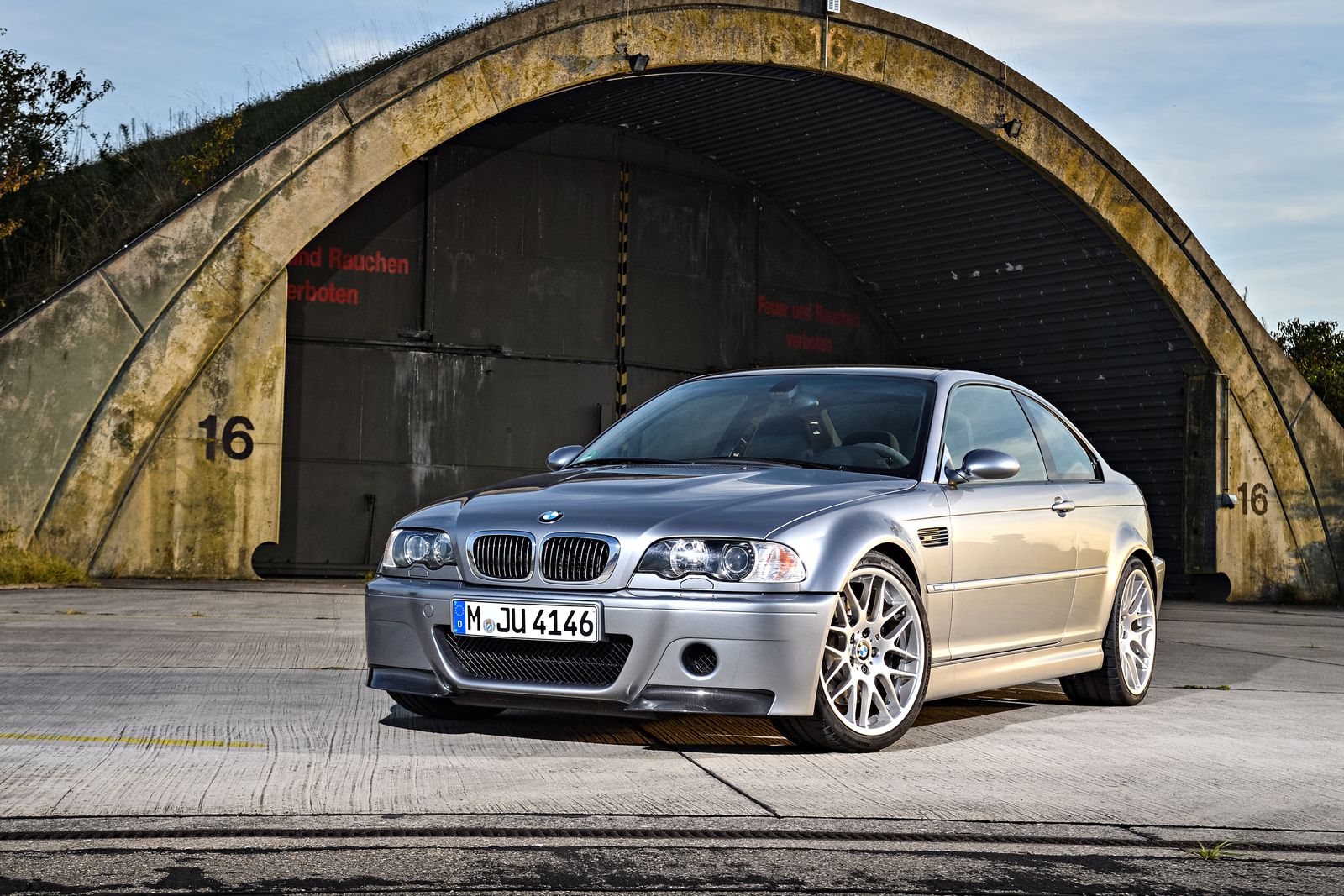
Speed has long been tied to the character of the BMW M3. From its first appearance, each generation has expressed performance in a way that reflects the priorities of its time, the tools available to engineers, and the expectations placed on a sports sedan. Discussions often focus on balance through corners, steering feel, or engine personality, yet straight-line acceleration offers a clear reference point.
The run from zero to sixty miles per hour removes promotional language and directs attention to how well power reaches the ground, how ratios are chosen, and how effectively the car leaves a standstill. Placing M3 generations side by side using zero-to-sixty figures is not about reducing them to simple measurements.
It helps show how development progressed across different eras, revealing moments where technology changed the approach and periods where driver involvement carried greater weight than outright pace. Earlier cars depended heavily on mechanical layout and skill behind the wheel. Later versions brought electronic systems, forced induction, and quicker shifting gearboxes that reshaped speed access. Each phase reflected a distinct view of what a performance saloon should deliver.
This article arranges ten BMW M3 generations from the slowest to the quickest using commonly accepted factory data and independent testing from their respective periods. Each section explains how acceleration fits into the broader driving character instead of standing alone as a headline figure.
As the list advances, the path from mechanical simplicity to modern precision becomes easier to understand. The discussion starts with the models that laid the foundation and moves forward to the point where technology redefined expectations.
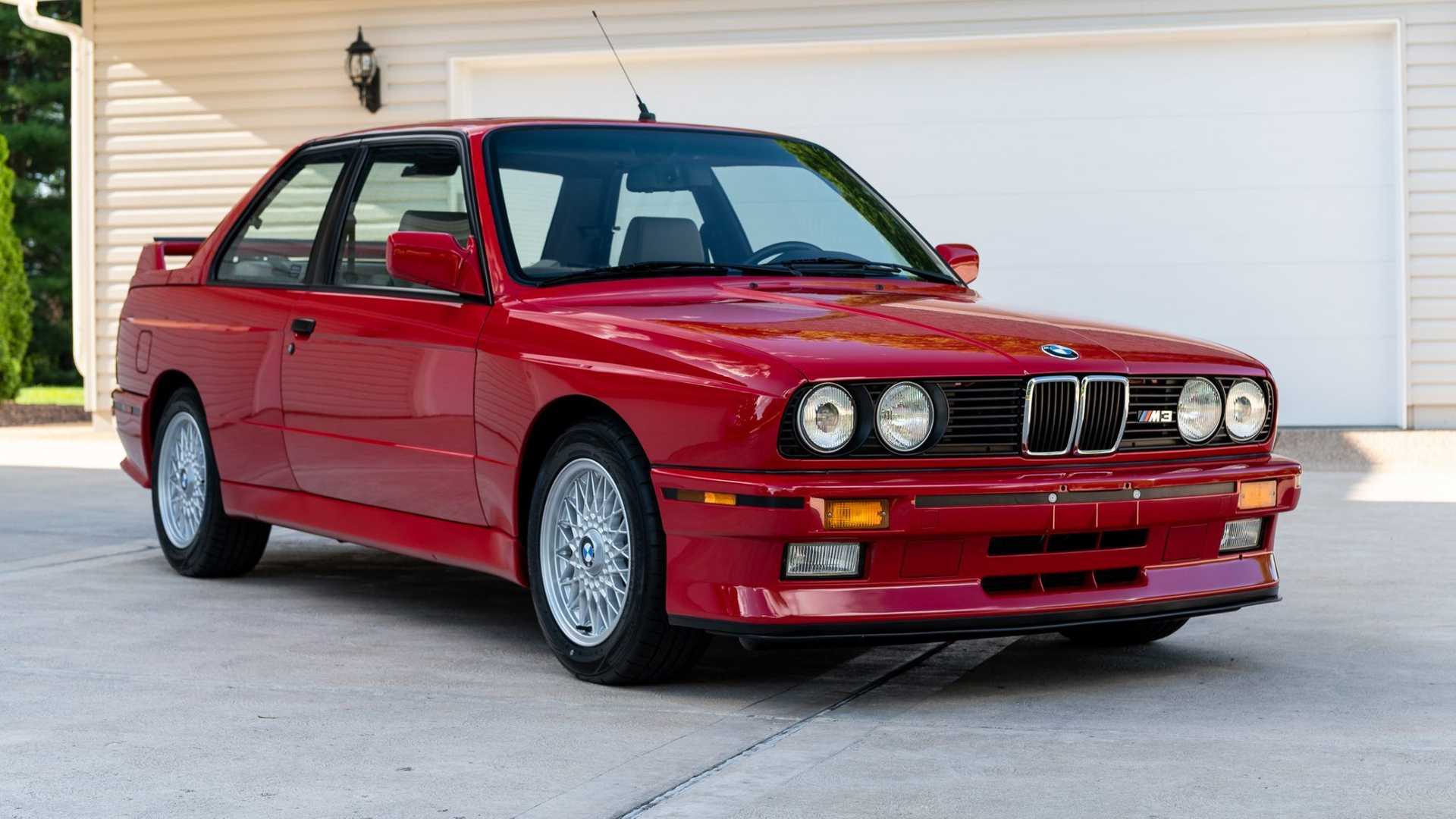
1. BMW M3 E30 (1988 to 1991)
- Engine: 2.3L naturally aspirated inline 4
- Horsepower: 192 hp
- Torque: 170 lb-ft
- Dimensions: Length 4345 mm, Width 1680 mm
Homologation requirements shaped the BMW M3 E30, and acceleration was never its primary mission. Built to dominate touring car racing, this first-generation M3 approached performance from a different direction. The four-cylinder engine, while high-revving and responsive, prioritized balance and durability over brute force. As a result, the sprint to sixty miles per hour landed around the mid-six-second range, depending on market and specification.
Engine output hovered near 192 horsepower in early European form, with slight variations across regions. Power delivery encouraged drivers to keep the revs high, rewarding commitment rather than casual throttle use. Launching hard demanded skill, as traction relied entirely on mechanical grip and driver finesse. No electronic aids stepped in to smooth mistakes. Every tenth of a second depended on timing and precision.
Transmission gearing also played a role in its acceleration profile. Close ratios helped maintain momentum, yet first gear did not deliver explosive off-the-line response. Instead, the car felt alive once moving, where its light weight and rigid chassis allowed it to gather speed smoothly. Straight line urgency mattered less than how rapidly it could transition from braking to acceleration through corners.
Chassis balance defined the experience more than numbers ever could. With minimal mass over the nose and a near-perfect distribution, the E30 M3 carried speed in ways later cars struggled to replicate. That advantage showed itself on winding roads and circuits rather than drag strips. Zero to sixty times rarely impressed on paper, yet the car often outpaced more powerful rivals in real driving situations.
Viewed today, its acceleration feels modest, yet context matters. At the time, few compact sedans delivered similar engagement. The E30 M3 established the template, proving that driving involvement could outweigh straight-line performance. Its position at the bottom of this ranking reflects evolution, not failure.
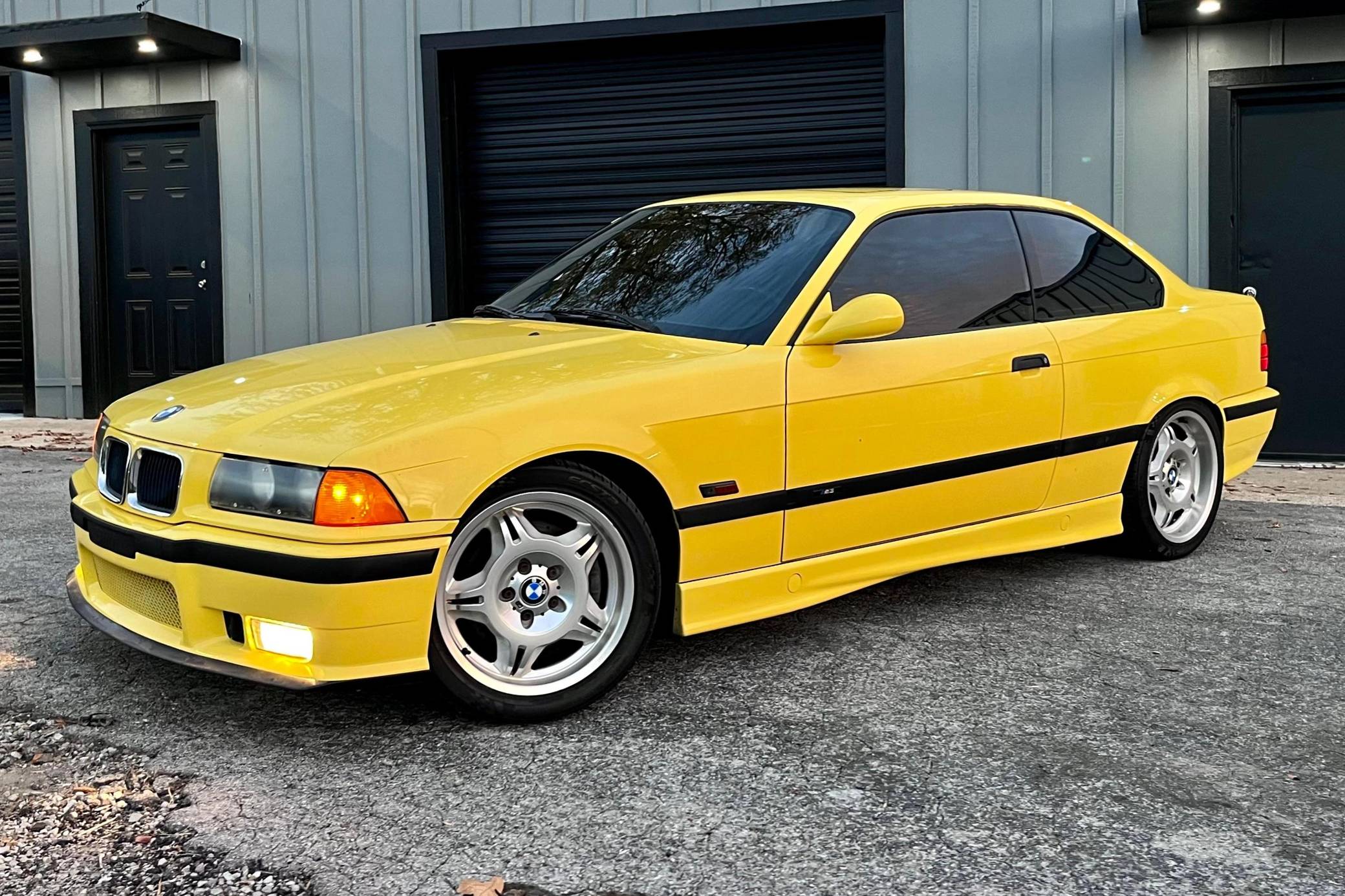
2. BMW M3 E36 (1995 to 1999)
- Engine: 3.2L naturally aspirated inline 6
- Horsepower: 321 hp
- Torque: 258 lb-ft
- Dimensions: Length 4435 mm, Width 1710 mm
Growth defined the BMW M3 E36, both in size and ambition. Moving away from its race-bred predecessor, this generation aimed to blend performance with broader appeal. A six-cylinder engine replaced the earlier four, bringing smoother power delivery and increased output. Acceleration improved, though it remained secondary to balance and refinement.
European versions produced up to 321 horsepower, while other markets received slightly detuned configurations. Zero to sixty times settled in the low five-second range, representing a clear step forward from the E30. Torque arrived earlier, reducing the need to chase redline constantly. Launching required less effort, and everyday driving felt more relaxed.
Weight gain accompanied this evolution. Added comfort, safety equipment, and sound insulation softened the car’s character slightly. Straight line speed benefited from extra power, yet mass limited dramatic gains. Manual transmissions remained the primary choice, keeping driver involvement intact but placing responsibility for clean launches squarely on the operator.
Traction improved thanks to wider tires and refined suspension geometry. The car felt more planted during acceleration, especially on imperfect surfaces. Wheelspin still appeared when pushed, though it remained predictable rather than abrupt. These traits made its acceleration easier to access without removing the sense of participation.
This generation marked a philosophical adjustment. BMW aimed to create a performance sedan that could satisfy daily use without sacrificing excitement. Zero to sixty times reflected that balance. Faster than before, yet not obsessed with records, the E36 M3 bridged two eras.
Also Read: 7 BMW E30 Variants Ranked by Collector Value
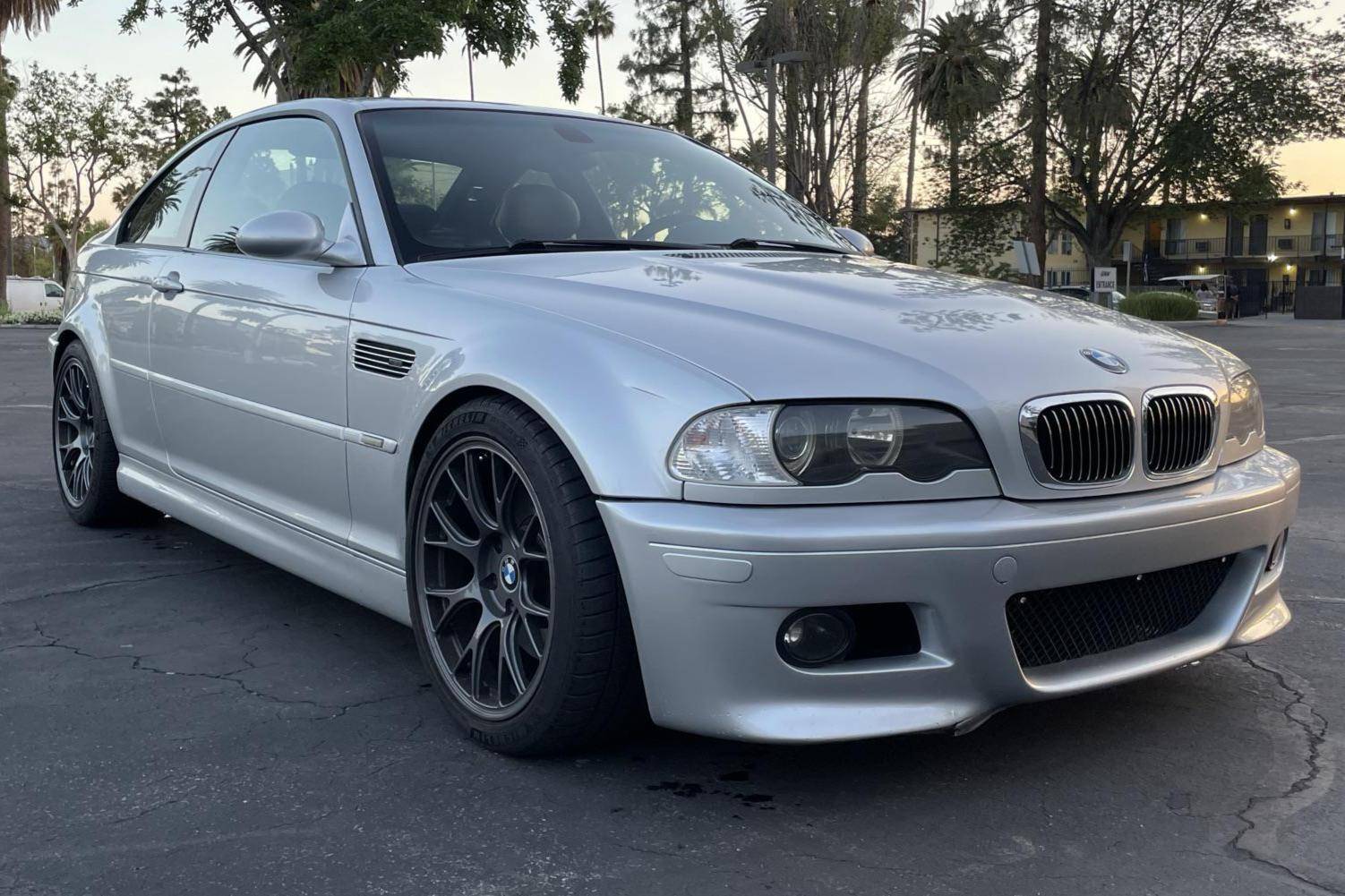
3. BMW M3 E46 (2001 to 2006)
- Engine: 3.2L naturally aspirated inline 6
- Horsepower: 333 hp
- Torque: 262 lb-ft
- Dimensions: Length 4490 mm, Width 1780 mm
Emotional connection played a stronger role in the identity of the BMW M3 E46 than in any generation before it. This model arrived at a time when BMW placed high value on balance, mechanical clarity, and driver confidence. Rather than chasing extreme figures, the E46 focused on delivering performance in a manner that felt natural and approachable. That philosophy shaped how its acceleration was perceived and appreciated.
At the centre of this experience sat the naturally aspirated inline six engine. Producing 333 horsepower at launch and slightly more in later versions, the engine delivered power in a smooth, rising manner. Throttle response felt immediate, allowing the driver to control launches with precision rather than force. Acceleration built progressively, creating trust between car and driver.
Zero to sixty times settled comfortably in the low five-second range, with well-executed runs dipping just below that mark under favourable conditions. Traction management contributed meaningfully to this consistency. Suspension tuning allowed the rear wheels to maintain grip during hard acceleration without constant electronic interference.
Manual transmission models demanded deliberate technique, rewarding clean clutch work and careful throttle modulation. The SMG automated gearbox offered quicker moves and slightly faster sprint figures, though some drivers found its behaviour less refined during everyday use.
Weight discipline supported these gains. Compared with later generations, the E46 carried less mass, which helped preserve agility during acceleration and directional changes. Straight line speed never disrupted the car’s balance. Instead, it complemented a chassis that remained composed under load. This harmony made the E46 feel confident rather than aggressive when accelerating.
Sound also shaped perception. The engine note rose sharply as revs climbed, enhancing the sense of urgency even when numbers appeared modest by modern standards. Acceleration felt engaging because it involved the senses fully, not because it overwhelmed them.
The E46 did not attempt to dominate through raw speed. Its strength lay in how naturally performance blended into the driving experience. That measured approach explains its placement here. Progress was clear, yet restraint remained part of its character.
4. BMW M3 E92 (2008 to 2013)
- Engine: 4.0L naturally aspirated V8
- Horsepower: 414 hp
- Torque: 295 lb-ft
- Dimensions: Length 4615 mm, Width 1805 mm
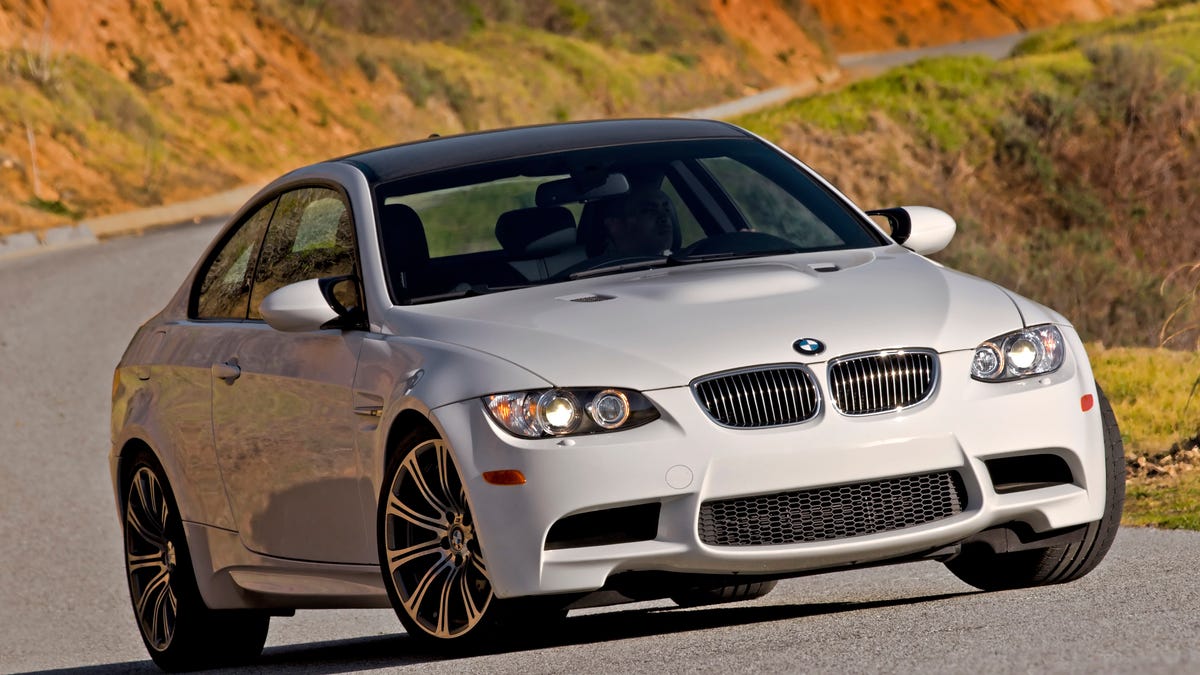
A different direction became clear with the arrival of the BMW M3 E92. For the first time, the model moved away from its traditional six-cylinder setup and adopted a naturally aspirated V8 engine. This decision placed greater focus on power delivery and presence, altering how speed shaped the M3 driving experience. Acceleration took on a more dramatic character, setting this generation apart from what came before.
The new engine delivered 414 horsepower, representing a meaningful step up from the previous model. Power was concentrated higher in the rev range, encouraging drivers to push the engine harder to access its full potential. As the revs climbed, acceleration grew stronger and more urgent. Reaching sixty miles per hour now took place in the high four-second bracket, showing clear progress in straight-line performance.
Starting from a standstill required careful throttle control. Torque could momentarily overwhelm the rear tyres if inputs were rushed or uneven. Drivers who learned to manage this balance were rewarded with strong and steady acceleration. Models equipped with the dual clutch transmission offered quicker gear changes and more repeatable results, reducing dependence on perfect timing. Manual versions retained their appeal but demanded greater precision to match the same figures.
The introduction of the V8 added extra mass, which influenced the car’s behaviour. While straight-line pace improved, some of the light, nimble feel of earlier versions gave way to a more settled character. Speed became a central part of the car’s identity, supported by a chassis adjusted to cope with the higher output. Suspension tuning helped maintain stability during hard acceleration, even with the added weight.
Engine sound played a major role in shaping the experience. The V8 produced a sharp, high-revving note that intensified the sense of speed. Each rise in revs was accompanied by a distinctive tone that made acceleration feel more intense than the numbers alone suggested. The sound added emotion to every hard run, reinforcing the car’s performance focus.
5. BMW M3 F80 (2015 to 2018)
- Engine: 3.0L twin turbocharged inline 6
- Horsepower: 425 hp
- Torque: 406 lb-ft
- Dimensions: Length 4671 mm, Width 1877 mm
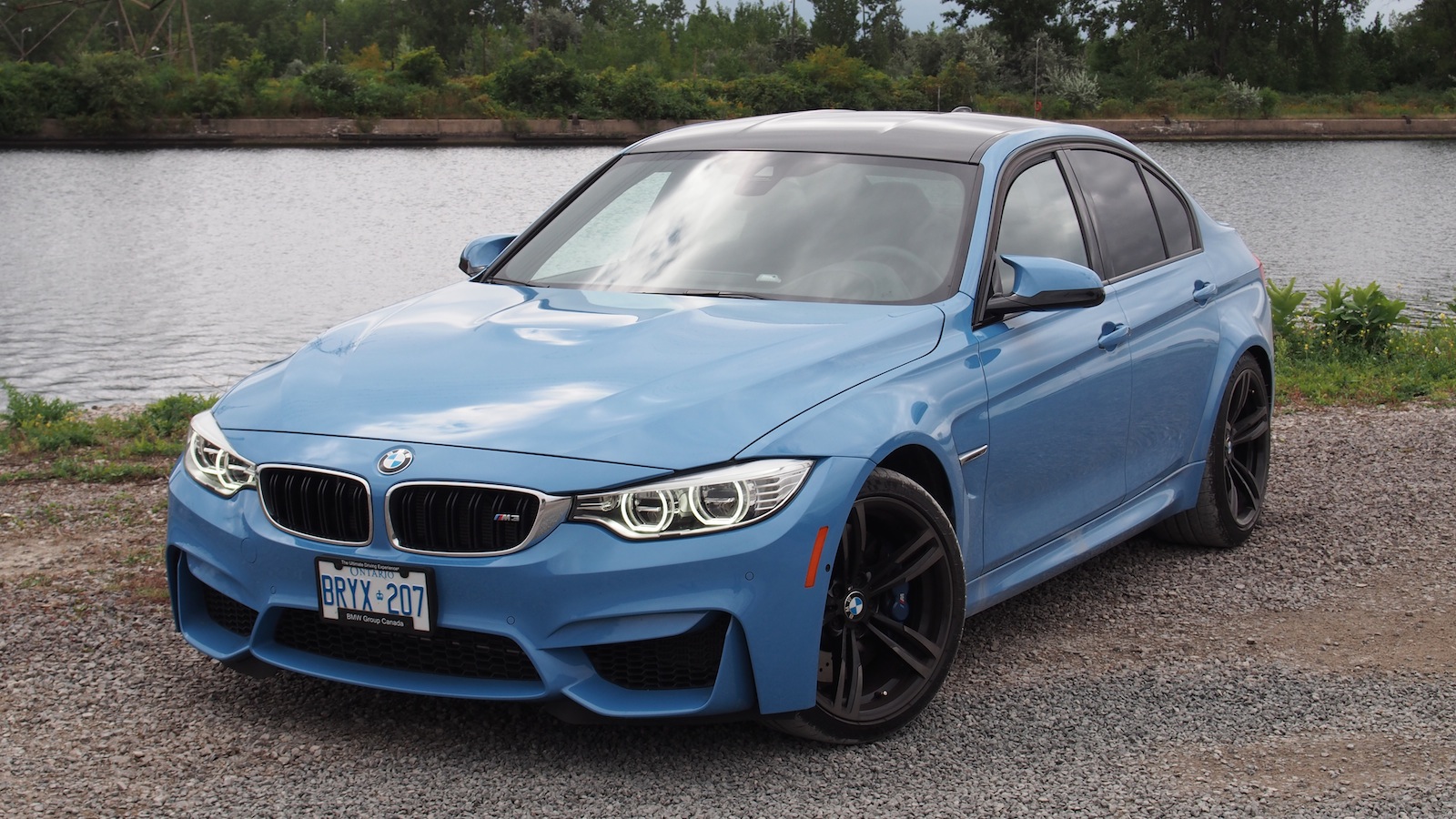
A fundamental transformation shaped the BMW M3 F80. Turbocharging replaced natural aspiration, altering how power reached the wheels and how quickly the car could gather speed. This decision brought immediate results, redefining acceleration expectations for the badge.
The twin turbocharged inline six produced strong torque from low engine speeds. That characteristic changed the launching experience completely. Zero to sixty times dropped into the low four-second range, with certain configurations approaching the high three-second bracket. Acceleration no longer depended on revs alone. Power arrived early and forcefully, reducing the effort required to achieve rapid movement.
Throttle response felt sharp, though electronic management played a greater role than before. Traction control systems worked actively to manage torque delivery, ensuring grip during hard starts. Dual clutch transmissions delivered rapid, seamless movements that preserved momentum. Manual versions remained available, offering engagement while sacrificing small increments of speed.
Weight reduction strategies supported these gains. Lightweight materials offset added turbo hardware, preserving balance during acceleration. Straight line speed felt effortless rather than dramatic. The car surged forward with little drama, reflecting a more modern interpretation of performance.
Acceleration became accessible. Drivers no longer need a precise technique to achieve strong figures. This ease marked a clear departure from earlier generations, where skill influenced results more heavily. The F80 represented a decisive step toward modern performance standards. Speed became a defining feature rather than a supporting one. Its ranking reflects this transition, closing one chapter while opening another.
6. BMW M3 E46 CSL (2004)
- Engine: 3.2L naturally aspirated inline 6
- Horsepower: 360 hp
- Torque: 273 lb-ft
- Dimensions: Length 4490 mm, Width 1780 mm
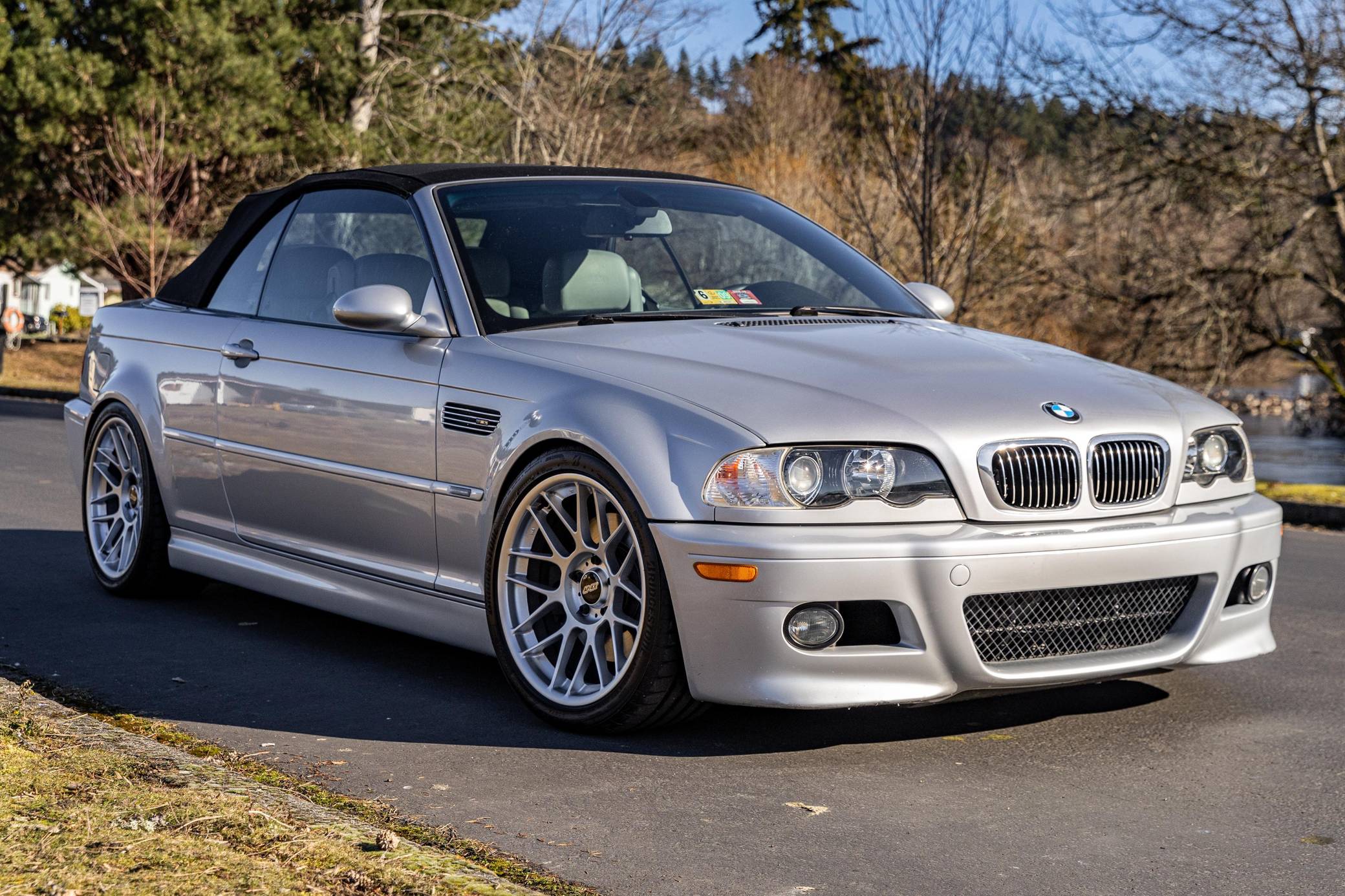
Lightweight philosophy pushed the BMW M3 E46 CSL into a different performance category compared to the standard E46. Built with a strict focus on reducing mass, this limited production model altered how quickly power translated into motion. Acceleration benefited directly from weight savings rather than raw output gains, placing its zero-to-sixty time in the high four-second range.
Engine tuning received careful attention. Output rose modestly to 360 horsepower, yet throttle response sharpened dramatically. Carbon fiber intake components improved airflow, creating faster engine reaction to driver input. Each press of the accelerator produced immediate results, giving the impression of greater speed than numbers alone suggested.
Transmission choice played a decisive role. The SMG II gearbox arrived as standard, programmed with more aggressive move logic than the regular E46. Gear changes occurred rapidly under full load, reducing interruption during acceleration runs. Launch execution improved, though driver familiarity remained essential for repeatable results.
Weight reduction is defined as an advantage. Thinner glass, stripped interior elements, and extensive carbon fiber usage lowered curb weight by over two hundred pounds. That reduction enhanced every aspect of performance, including acceleration, braking, and responsiveness. Straight line speed gained clarity, free from unnecessary inertia.
Chassis calibration complemented this approach. Suspension tuning allowed firmer control under load, keeping tires planted during hard launches. Traction management intervened less intrusively, trusting the driver more than electronics. Acceleration in the E46 CSL felt purposeful rather than dramatic. Speed built cleanly and quickly, reflecting intent rather than excess. Its position here acknowledges how thoughtful engineering can rival brute force.
7. BMW M3 F80 Competition (2018)
- Engine: 3.0L twin turbocharged inline 6
- Horsepower: 444 hp
- Torque: 406 lb-ft
- Dimensions: Length 4671 mm, Width 1877 mm
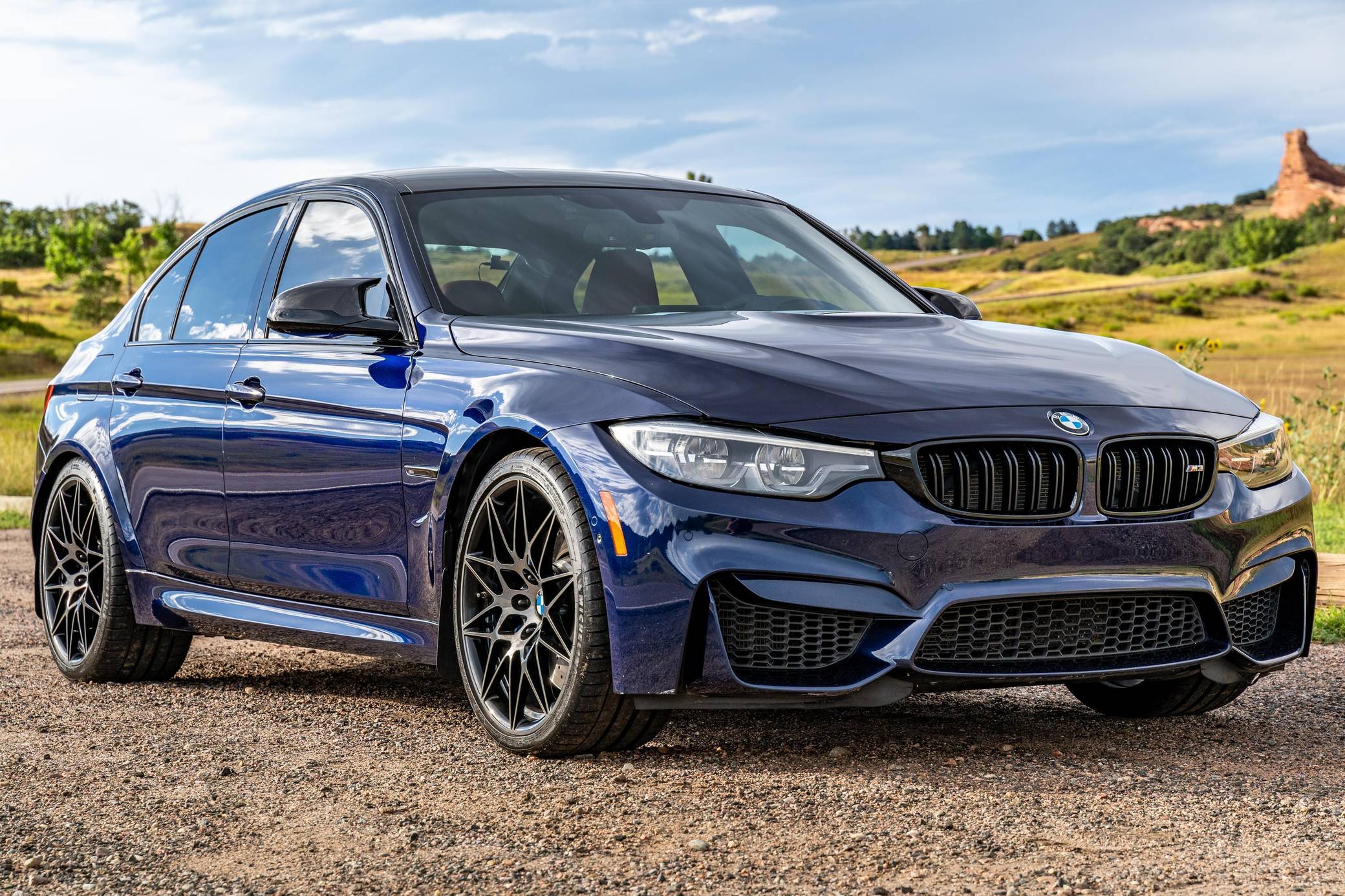
Refinement characterised the BMW M3 F80 Competition released for the 2018 model year. Engineers worked from a strong base, yet their attention centred on measured improvements rather than radical change. Calibration updates, suspension revisions, and careful mass management combined to produce clear gains in straight-line pace without disrupting balance. The approach kept the car approachable while delivering sharper responses.
Acceleration benefited from software changes applied to the twin turbocharged six-cylinder engine. These adjustments improved throttle interpretation, allowing power to build smoothly from low engine speeds. Reaching sixty miles per hour required less effort, with times moving closer to four seconds flat under ideal conditions. Consistency improved, helping drivers reproduce strong starts without unwanted wheel spin or hesitation. Present.
Output rose to four hundred and forty-four horsepower, a modest increase that focused on usability. Torque delivery felt progressive, reducing sudden surges that could challenge traction. Turbo response tightened, cutting delay during hard launches. The engine rewarded precise inputs, responding cleanly when the driver demanded immediate movement. This behaviour supported repeatable acceleration runs on road and track settings alike.
Transmission logic played an important role in the car’s sprint ability. Dual clutch programming favoured rapid engagement, holding boost pressure between ratios. Gear changes arrived with firmness, reducing interruptions in forward motion. A manual option remained available for traditionalists, yet the automated system delivered quicker results during full-throttle starts. Both choices benefited from engine tuning that supported early thrust.
Suspension work enhanced traction during hard acceleration. Revised geometry kept the rear tyres engaged with the surface under load. Electronic systems intervened with subtlety, allowing strong power application before correction. Drivers could apply the throttle earlier when exiting slow sections.
8. BMW M3 G80 (2021)
- Engine: 3.0L twin turbocharged inline 6
- Horsepower: 473 hp
- Torque: 406 lb-ft
- Dimensions: Length 4794 mm, Width 1903 mm
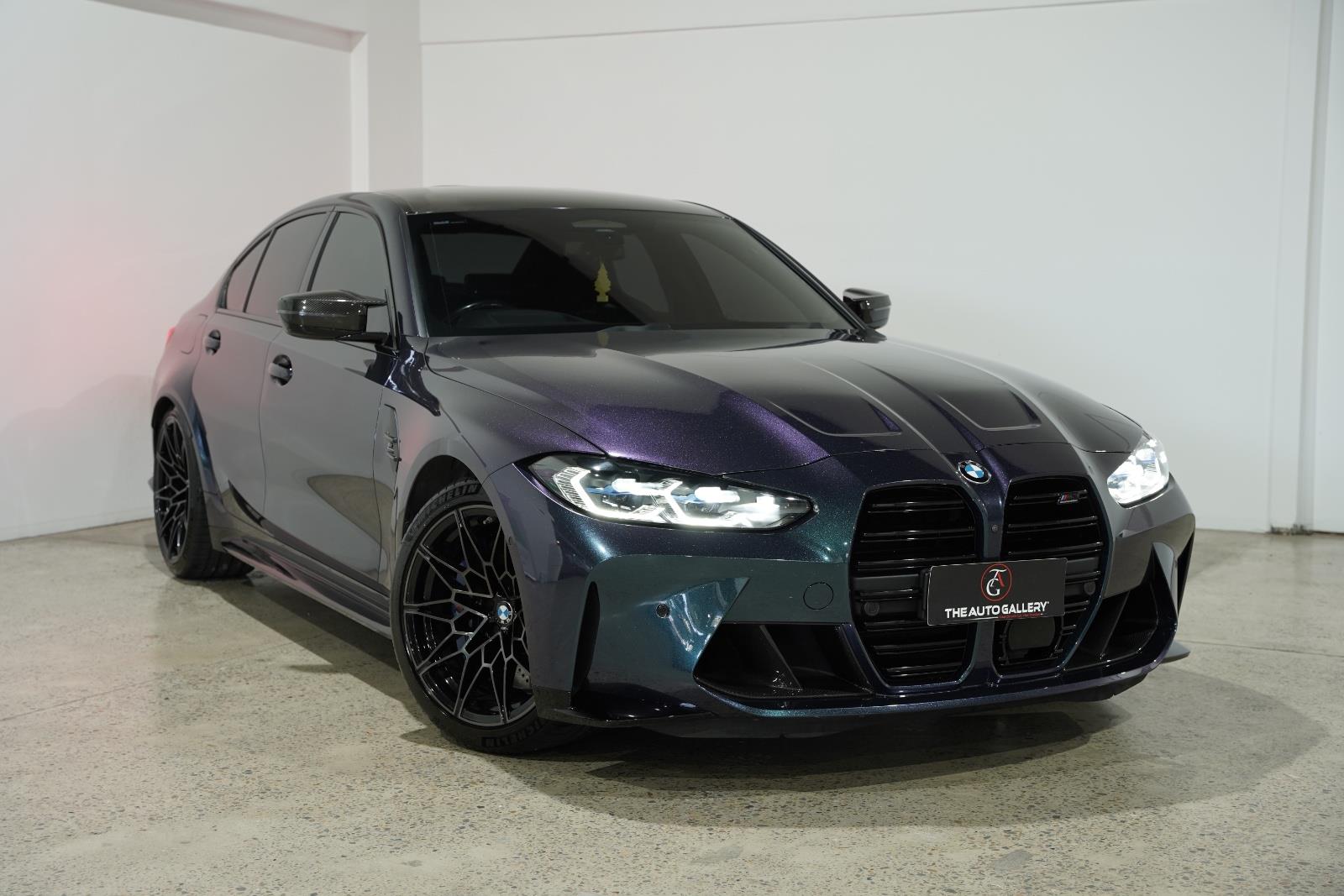
Change defined the BMW M3 G80 introduced for the 2021 model year. A fresh platform supported advances in powertrain and electronics. Engineers focused on delivering strong acceleration with greater stability. Rear-drive versions achieved impressive sprint times when equipped correctly. The goal centred on speed that remained manageable. This direction reshaped expectations for a four-door performance saloon from the
brand. Power output rose to four hundred and seventy-three horsepower. Improved cooling supported sustained use. Turbochargers delivered a boost with reduced delay. Torque arrived early, helping the car launch hard from a standstill. Drivers needed less preparation to achieve quick starts.
The engine responded cleanly to inputs. Such behaviour made acceleration feel authoritative yet controlled on public roads and circuits. Transmission choices included a traditional manual and an eight-speed automatic. Automatic setups benefited from quick ratio changes. Launch programming optimised power delivery.
Manual versions favoured driver involvement. However, the automatic produced faster times. Ratio changes kept the engine within its strong range. This helped maintain momentum during short bursts. Both options shared calibration that supported firm starts without drama.
Body structure gained rigidity. Additional strength allowed suspension components to work accurately. Under hard acceleration, tyres remained in contact with the surface. Traction systems balanced mechanical grip and electronics. Intervention felt smooth, helping the car move forward cleanly. Drivers could apply the throttle earlier. This behaviour supported confidence during aggressive starts. The chassis managed power without sudden correction or hesitation.
Weight increased when compared with earlier generations. Engineers addressed this through higher output. Straight line pace benefited from the extra power. Acceleration felt decisive despite the added mass. Balance remained controlled. The car avoided feeling heavy during launch.
Stability aided driver trust. This combination helped deliver strong results on measured runs. Power and control worked together effectively on varied surfaces today.
9. BMW M3 G80 Competition (2022)
- Engine: 3.0L twin turbocharged inline 6
- Horsepower: 503 hp
- Torque: 479 lb-ft
- Dimensions: Length 4794 mm, Width 1903 mm
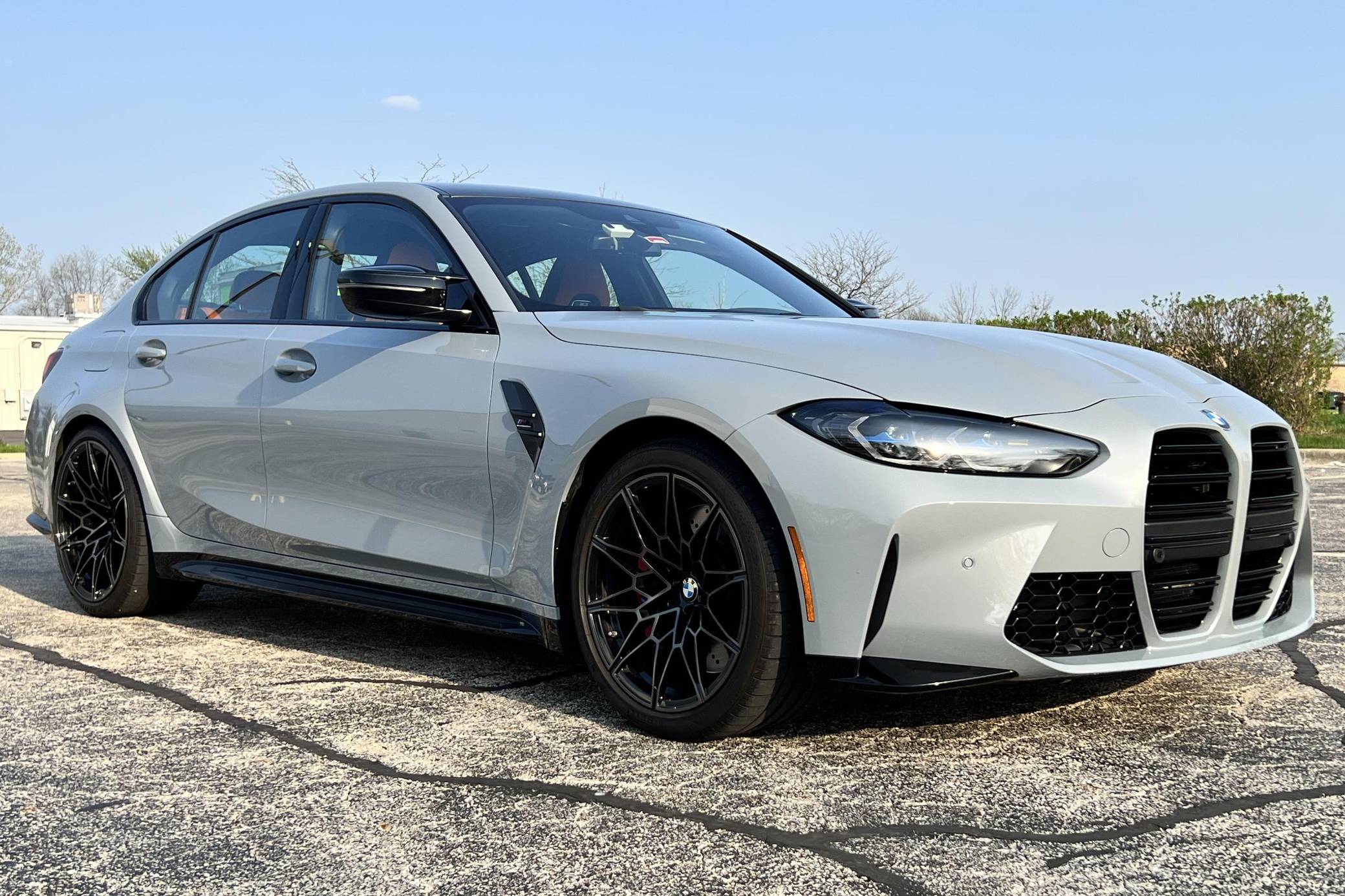
The 2022 BMW M3 G80 Competition arrived as a refined extension of an already respected performance sedan, shaped by deliberate mechanical and electronic recalibration. Engineers focused on extracting greater output from the twin turbocharged inline six engine, achieving a figure of 503 horsepower.
This increase reshaped acceleration behaviour, pushing the vehicle deeper into high-performance territory while maintaining the composure expected from a premium sports saloon. From a stationary position, the car delivered rapid forward motion, reducing the sprint to sixty miles per hour to a figure close to three and a half seconds, a measure once reserved for exotic machinery.
Throttle behaviour benefited from revised engine control software that sharpened response across the rev range. Power delivery felt immediate rather than progressive, with turbochargers responding swiftly to driver input. Pressing the accelerator resulted in direct propulsion, creating confidence during overtaking and strong launches from rest. This responsiveness removed hesitation and allowed the driver to modulate speed precisely, whether in controlled traffic or open road conditions.
Launch control technology played an important role in translating output into movement. The system regulated wheel slip efficiently, allowing repeated hard starts without mechanical strain or erratic behaviour. Each launch felt consistent, reinforcing the sense that high acceleration was not restricted to rare moments but could be accessed reliably. The rear-driven layout required careful balance, yet electronic assistance ensured traction remained steady under demanding conditions.
Suspension settings received measured reinforcement to support stronger acceleration forces. Springs and dampers were tuned to manage weight transfer more effectively, keeping the rear planted during aggressive starts. Tyre contact with the road surface remained stable, limiting unnecessary intervention from stability control. This calibration allowed momentum to build smoothly rather than being interrupted by corrective measures.
Also Read: 10 Modded BMWs That Outrun Stock Lamborghinis
10. BMW M3 G80 Competition xDrive (2023)
- Engine: 3.0L twin turbocharged inline 6
- Horsepower: 503 hp
- Torque: 479 lb-ft
- Dimensions: Length 4794 mm, Width 1903 mm
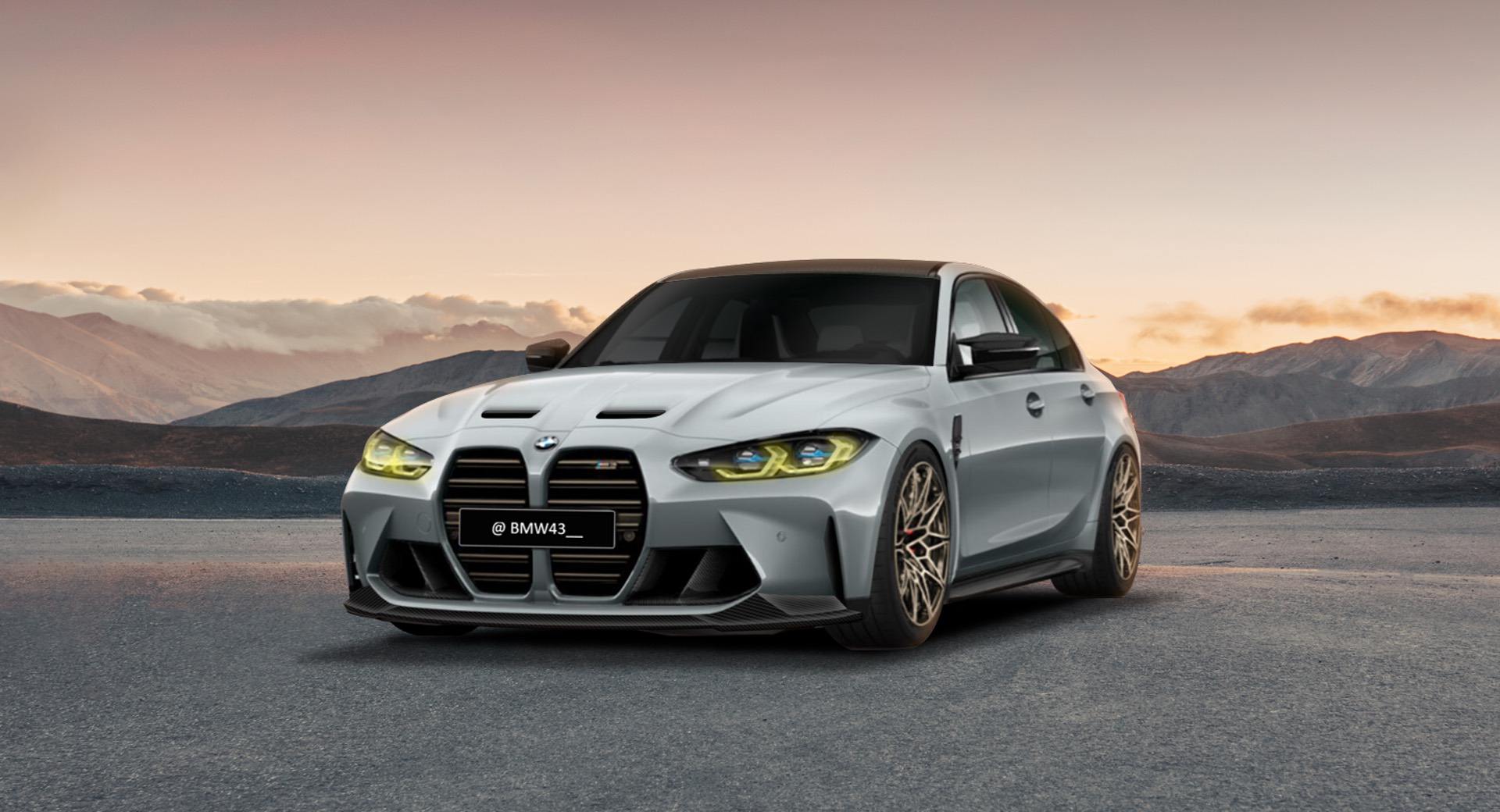
The 2023 BMW M3 G80 Competition xDrive marked a turning point in the model lineage through the adoption of an All Wheel Drive system. This addition reshaped acceleration potential, allowing the vehicle to apply its full output from a standstill with minimal loss of traction. Zero to sixty times approached the three-second range under favourable conditions, establishing this version as the quickest M3 produced at the time of release.
Engine output mirrored that of the rear-driven Competition, yet the method of power distribution transformed performance delivery. Torque was shared across all four wheels, enabling the car to surge forward with authority. Wheelspin was reduced dramatically, and launches felt composed even on less-than-perfect surfaces.
This consistency allowed drivers to experience strong acceleration without extensive technique or ideal road conditions. The xDrive system maintained a rear-focused character while adding front axle support when required. Torque allocation adjusted continuously, responding to grip levels and throttle input.
During hard acceleration, power flowed seamlessly to the wheels best positioned to use it. This intelligent distribution prevented disruption, allowing speed to build steadily and predictably. Chassis tuning accounted for the additional components associated with All Wheel Drive.
Although mass increased slightly, suspension calibration managed this effectively. Body control remained firm, and steering feedback retained clarity. Drivers could place the car accurately even during aggressive acceleration, preserving confidence as speeds rose rapidly.
Electronic coordination played a central role in achieving this performance level. Launch control, traction management, and drivetrain software worked in harmony. Systems responded with precision, supporting acceleration without abrupt interference. The result was a driving experience that felt deliberate rather than dramatic, prioritising control alongside speed.
