
The Dodge Charger has lived several different lives across American automotive history. Some generations focused on raw muscle car aggression, while others leaned toward luxury, family practicality, or modern performance technology.
That constant reinvention is exactly why Charger owners remain so passionate about the badge decades after the first model appeared in the 1960s. Few American cars have managed to survive changing fuel crises, shifting regulations, and evolving buyer expectations while still retaining a recognizable identity.
Owner satisfaction with the Charger usually comes down to a combination of reliability, styling, comfort, emotional attachment, and driving experience. Certain generations developed a cult following because they balanced power with usability better than their rivals of the same era.
Others earned praise for their durability and ability to deliver thrilling performance without becoming difficult to live with every day. At the same time, some Chargers became icons simply because they represented a perfect snapshot of American car culture during their period.
What makes ranking Charger generations especially interesting is that buyers from different eras wanted completely different things. A 1968 Charger owner often valued aggressive styling and V8 sound above practicality.
Someone purchasing a 2006 Charger cared more about interior room, highway comfort, and modern safety technology. Later Hellcat owners embraced absurd horsepower figures that transformed the Charger into one of the wildest sedans ever sold.
This ranking focuses specifically on owner satisfaction rather than auction prices or collector hype. Some generations succeeded because they aged gracefully and remained dependable for decades.
Others earned loyalty because they delivered unforgettable driving memories. From classic Coke-bottle-muscle machines to supercharged modern monsters, these seven Charger generations stand out for leaving owners genuinely happy long after the initial purchase excitement fades.
Also Read: 10 Motorcycles With Bigger Engines Than Most Cars
1. 1968 to 1970 Dodge Charger Second Generation
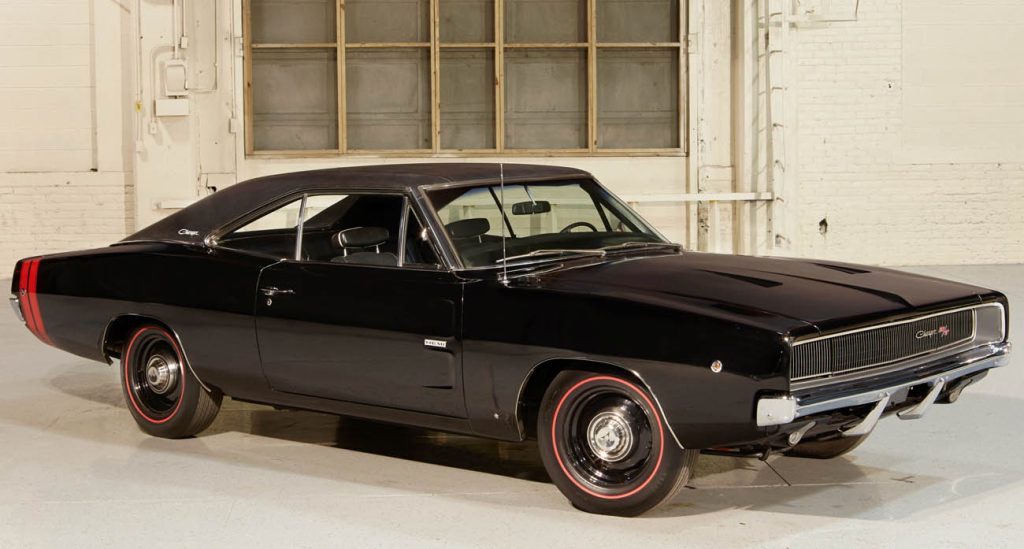
The second-generation Charger is the version most enthusiasts immediately picture when the name comes up in conversation. Dodge completely redesigned the car for 1968, giving it hidden headlights, flowing body lines, and a dramatic fastback shape that looked aggressive even when parked.
Owners consistently rank this generation near the top because it combined unmistakable styling with serious big-block performance during the height of the muscle car era.
One major reason for its high satisfaction levels comes from how timeless the design remains. Even decades later, people still stop to admire these Chargers at gas stations and car meets.
Many owners say the car feels special every time they drive it because the shape carries so much presence. Unlike some muscle cars that became dated, the second-generation Charger still looks muscular and elegant at the same time.
Performance also played a huge role in owner loyalty. Buyers could choose engines ranging from respectable small block V8s all the way to legendary 426 Hemi power.
The R/T trims became especially popular because they offered brutal acceleration without sacrificing daily drivability for the time. Owners often describe these cars as raw and mechanical in a way modern vehicles cannot replicate.
Hollywood exposure strengthened the Chargers’ legacy even more. Appearances in films and television helped keep enthusiasm alive through multiple generations of car fans. That continued popularity boosted parts availability and aftermarket support, making restoration projects easier compared to many competitors from the same period.
Despite the praise, owners admit these Chargers require patience. Fuel economy is terrible, older electrical systems can become frustrating, and rust remains a constant concern.
Yet many enthusiasts happily accept those flaws because the emotional payoff outweighs the inconveniences. Few classic American cars create such a strong connection between driver and machine.
- Engine: 7.0-liter 426 Hemi V8
- Torque: 490 lb ft
- Horsepower: 425 hp
- Length/Width: 208 in / 76.1 in
2. 2015 to 2023 Dodge Charger Seventh Generation Facelift
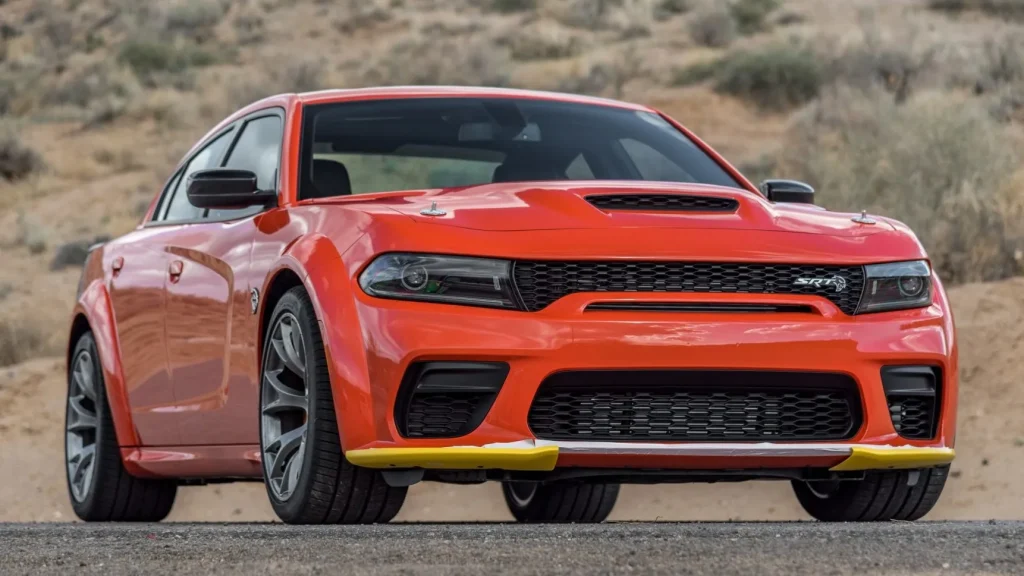
Modern Charger owners often point to the 2015 facelift generation as the perfect blend of classic American muscle attitude and modern practicality. Dodge redesigned the exterior with sharper styling while massively expanding the performance lineup.
This era introduced some of the most outrageous sedans ever sold, including the Hellcat and Redeye models that pushed horsepower into supercar territory.
What surprised many buyers was how usable these Chargers remained despite their extreme power. Owners frequently mention that the car could handle commuting duties during the week and still dominate drag strips on weekends.
The large cabin, roomy rear seats, and comfortable ride helped separate the Charger from many cramped performance cars. Families could realistically use one every day without feeling punished by stiff suspension setups.
The soundtrack also became a defining part of ownership satisfaction. Dodge engineered the supercharged V8 models to sound violent under acceleration, giving drivers an emotional experience few modern vehicles can match.
Owners constantly mention cold starts, highway pulls, and tunnel runs as moments that made the purchase worthwhile.
Technology improvements helped this generation earn a broader appeal. The Uconnect infotainment system gained praise for being simple and responsive compared to competitors. Reliability also improved compared to earlier modern Chargers, especially with regular maintenance. Many owners logged high mileage without serious drivetrain issues.
Another reason satisfaction remained high was the sense of occasion attached to these cars. Dodge openly embraced excess during an industry shift toward downsized turbocharged engines and electrification. Buyers appreciated owning something unapologetically loud and powerful before regulations began reshaping the automotive world.
Fuel costs and tire expenses definitely frustrated some owners, particularly on Hellcat models. Insurance rates could also become painfully high. Yet most buyers considered those sacrifices acceptable because no rival sedan delivered the same mixture of comfort, straight-line speed, and personality.
- Engine: 6.2-liter Supercharged Hemi V8
- Torque: 650 lb ft
- Horsepower: 717 hp
- Length/Width: 200.8 in / 75 in
3. 2006 to 2010 Dodge Charger Sixth Generation
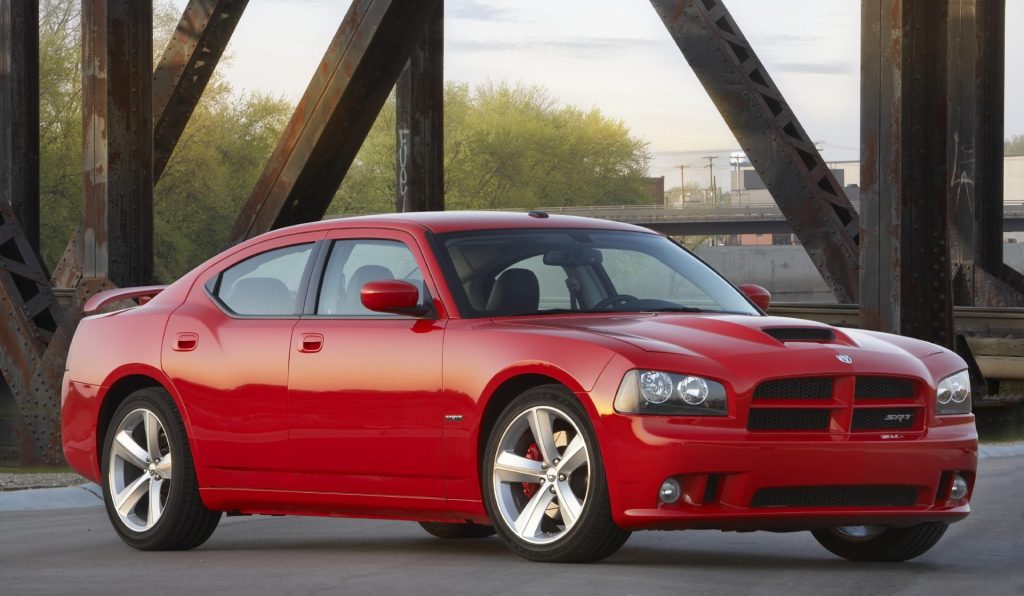
When Dodge revived the Charger name for the 2006 model year, reactions were mixed at first because the car returned as a four-door sedan instead of a traditional coupe.
Purists complained loudly, yet many actual owners ended up extremely satisfied once they experienced what the new Charger offered in daily driving situations. Over time, this generation earned respect for successfully bringing muscle car character into a practical modern package.
One of the strongest advantages was comfort. Owners frequently praised the roomy interior, supportive seats, and relaxed highway ride quality.
Long road trips felt easy compared to smaller sports sedans, and families appreciated having enough rear seat space for adults without sacrificing aggressive styling. The Charger stood out because it looked intimidating while remaining genuinely useful every single day.
The available Hemi V8 models transformed the ownership experience. Drivers loved the instant torque delivery and classic V8 rumble that many competitors lacked during the late 2000s.
Even base V6 versions gained popularity because they offered decent reliability and lower ownership costs while still carrying the same bold exterior design. Police departments also adopted Chargers heavily, which unintentionally boosted the car’s tough reputation among regular buyers.
Another important factor behind owner satisfaction was durability. Many sixth-generation Chargers accumulated high mileage with relatively few catastrophic problems if maintenance schedules were followed properly.
Parts availability stayed strong thanks to shared Chrysler platform components, helping repair costs remain manageable compared to imported performance sedans.
The styling aged better than critics originally predicted. Large crosshair grilles, muscular fenders, and wide body proportions gave the car road presence that many modern sedans still struggle to match.
Owners often mention how the Charger maintained attention-grabbing looks without becoming overly flashy or complicated.
There were weaknesses, of course. Interior materials disappointed some buyers, especially on lower trims, where plastics felt cheap. Early infotainment systems also became outdated quickly.
Still, many owners stayed loyal because the Charger delivered a uniquely American mix of practicality, comfort, and V8 excitement that competitors could not fully duplicate during that era.
- Engine: 6.1-liter Hemi V8
- Torque: 420 lb ft
- Horsepower: 425 hp
- Length/Width: 200.1 in / 74.5 in
4. 1971 to 1974 Dodge Charger Third Generation
The third-generation Charger arrived during a difficult transition period for American performance cars. Emissions regulations, rising insurance costs, and the looming fuel crisis forced manufacturers to rethink muscle car formulas.
Despite those challenges, many owners still developed a strong affection for these Chargers because they delivered comfort, distinctive styling, and solid street performance wrapped into one dramatic package.
Unlike the sharper second-generation cars, the 1971 redesign introduced curvier lines and a more luxurious appearance. Hidden headlights disappeared, replaced by a split grille design that gave the Charger a wider face.
Some traditionalists initially resisted the styling changes, but owners eventually appreciated how unique the car looked compared to rivals from the early 1970s. The long hood and flowing rear section gave the car a substantial presence on American highways.
This generation appealed strongly to drivers wanting a blend of muscle and comfort. Interiors became quieter and more refined than earlier Chargers, making the car easier to live with during everyday driving.
Many owners enjoyed the softer suspension tuning because it handled rough roads better than harsher late-1960s muscle cars. The Charger gradually evolved from a raw street machine into a grand touring-style cruiser.
Performance remained respectable during the early years of this generation. Buyers could still order potent big block engines, including the legendary 440 Magnum. Although horsepower numbers started declining because of changing measurement standards and emissions equipment, the cars still delivered satisfying low-end torque that owners loved.
Collectors today often appreciate these Chargers because they represent the final chapter before the true muscle car era faded away. Enthusiasts enjoy the balance between vintage styling and improved comfort. Restoration communities also remain active, helping owners find replacement parts and technical support.
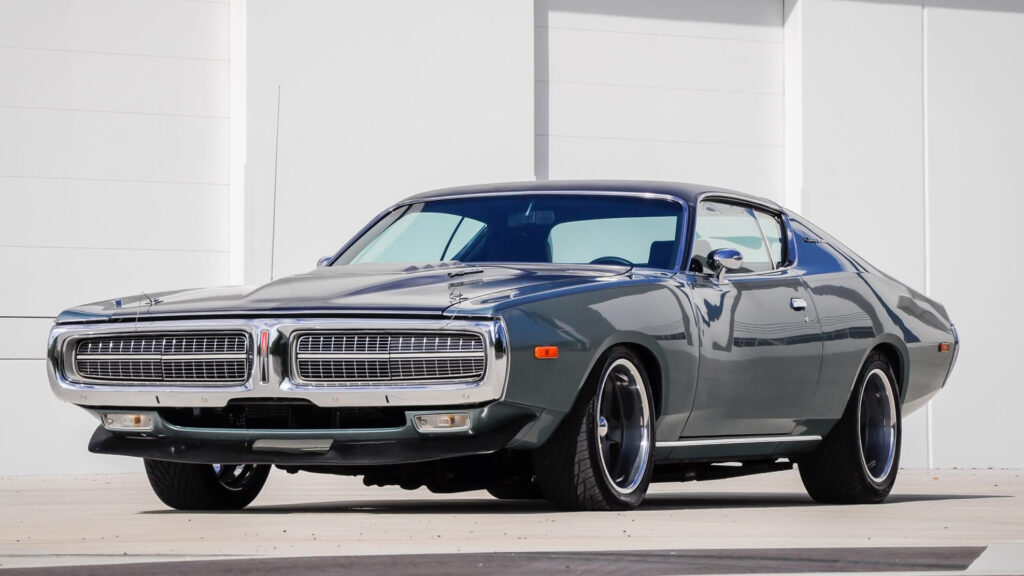
Fuel economy was undeniably poor, and later models lost some performance due to stricter regulations. Rust protection also remained weak by modern standards. Yet owners who embrace the character of 1970s American cars usually speak very positively about the driving experience and distinctive personality these Chargers continue to offer decades later.
- Engine: 7.2-liter 440 Magnum V8
- Torque: 490 lb ft
- Horsepower: 370 hp
- Length/Width: 209 in / 77.1 in
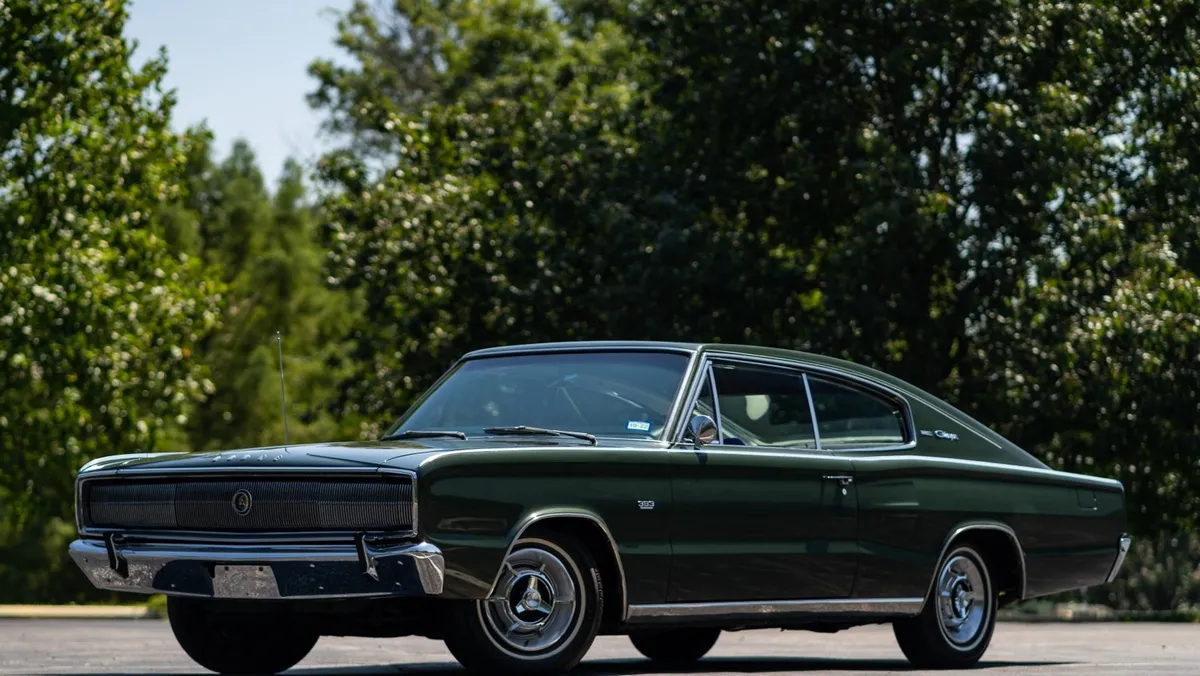
5. 1966 to 1967 Dodge Charger First Generation
The first-generation Dodge Charger introduced the world to a completely different type of performance car for the brand. Instead of creating a stripped-down muscle machine immediately, Dodge blended sporty fastback styling with upscale interior features and strong V8 options.
Owners who appreciate this generation often describe it as one of the most underrated classic Mopars because it carries a personality very different from the later Chargers that became famous worldwide.
One aspect that continues attracting enthusiasts is the futuristic styling. The full-width grille, hidden headlights, and sweeping fastback roofline gave the Charger a concept car appearance during the mid-1960s.
At night, the electroluminescent gauges inside the cabin created an atmosphere that felt unusually advanced for the period. Many owners still mention the dashboard design as one of the coolest interiors ever installed in an American car from that era.
The first generation also offered practicality that many muscle cars lacked. The rear seats folded down into a large cargo area, making the Charger more useful for road trips or weekend travel.
Buyers appreciated having performance and utility together without sacrificing visual drama. That versatility helped owners form stronger long-term attachments to the car.
Driving impressions differed noticeably depending on engine choice. Smaller V8 versions felt smooth and comfortable, while the legendary 426 Hemi transformed the Charger into a serious street machine capable of embarrassing rivals at stoplights.
Owners often praise how stable the car feels on highways because of its long wheelbase and substantial size.
Another reason satisfaction remains high is exclusivity. Compared to later Charger generations, far fewer first-generation cars survived.
Enthusiasts enjoy bringing something uncommon to classic car gatherings instead of parking beside endless copies of more mainstream muscle cars. The rarity gives owners a stronger sense of individuality.
The drawbacks are familiar to most vintage car enthusiasts. Parts availability can become challenging, electrical systems sometimes behave unpredictably, and restoration costs continue climbing every year.
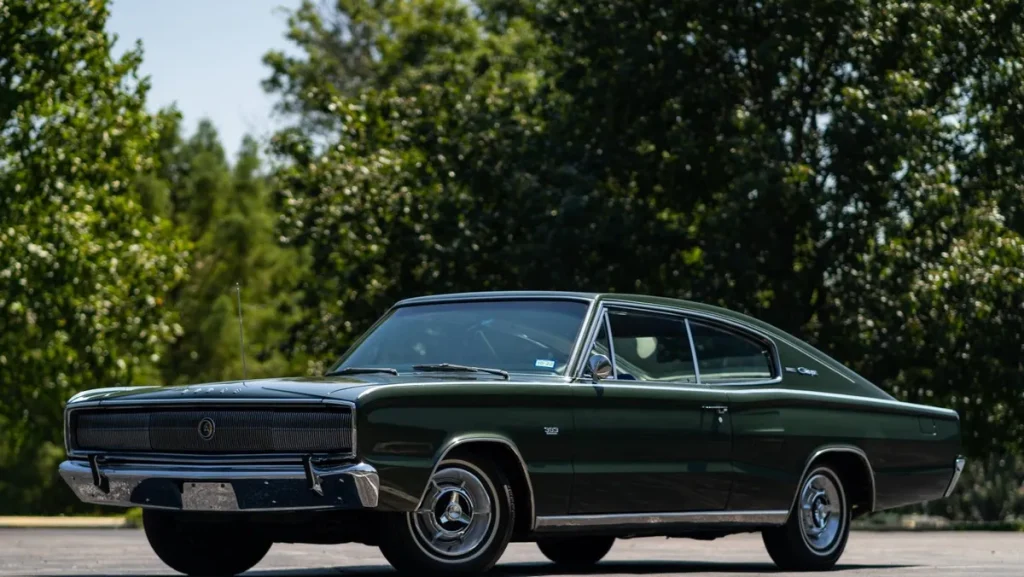
Yet owners who love unusual classic American cars often consider the first-generation Charger one of the brand’s hidden gems because it successfully blended luxury, performance, and distinctive styling before the muscle car wars truly exploded.
- Engine: 7.0-liter 426 Hemi V8
- Torque: 490 lb ft
- Horsepower: 425 hp
- Length/Width: 203.6 in / 76.6 in
6. 1982 to 1987 Dodge Charger Shelby Generation
The 1980s Charger rarely receives the same attention as the thunderous V8 generations that came before or after it, but owners of the Shelby-tuned front-wheel-drive Chargers remain surprisingly loyal to these compact performance cars.
During an era shaped by fuel economy concerns and changing consumer priorities, Dodge partnered with Carroll Shelby to inject excitement into a platform that could have easily become forgettable.
Many owners admire this generation because it feels completely different from traditional Chargers. Instead of focusing on brute force, the Shelby Charger emphasized lightweight agility, turbocharged efficiency, and affordable performance.
Drivers often describe the car as playful and energetic, especially on winding roads where its smaller size becomes an advantage rather than a limitation.
The turbocharged four-cylinder engines helped create strong owner satisfaction during the 1980s performance drought. While V8 power figures across the industry declined sharply, the Shelby Charger delivered respectable acceleration without crushing fuel bills.
Younger buyers especially appreciated being able to access sporty performance without paying the insurance costs associated with larger muscle cars.
Styling also contributed to the car’s appeal. Aggressive graphics, sporty wheels, hood scoops, and Shelby branding gave the Charger a distinctive personality that stood apart from ordinary economy hatchbacks of the time.
Owners enjoyed driving something that looked rebellious during a decade dominated by increasingly conservative vehicle designs.
Inside the cabin, simplicity became one of the strengths. The straightforward controls and lightweight construction made the driving experience feel mechanical and connected.
Enthusiasts who enjoy analog performance cars often praise how direct the steering and throttle responses feel compared to heavily computerized modern vehicles.
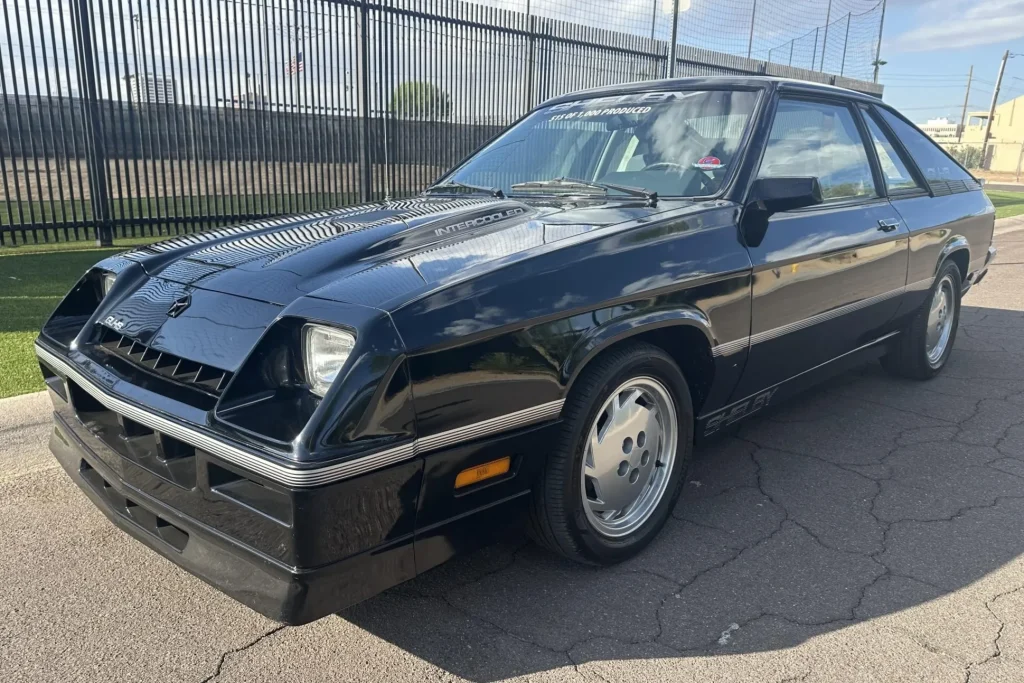
Of course, this generation remains controversial among traditional Charger fans because it abandoned rear-wheel-drive V8 muscle completely. Build quality could also be inconsistent, and turbocharged engines demanded careful maintenance to remain reliable long term.
Despite those flaws, loyal owners appreciate the Shelby Charger for keeping the performance spirit alive during a difficult automotive period when many exciting American cars disappeared entirely.
- Engine: 2.2-liter turbocharged inline 4
- Torque: 170 lb ft
- Horsepower: 174 hp
- Length/Width: 175.8 in / 66 in
7. 2011 to 2014 Dodge Charger Seventh Generation Early Models
The 2011 redesign marked a turning point for the modern Dodge Charger because it corrected many of the complaints owners had about the earlier sixth-generation cars.
Dodge engineers focused heavily on improving interior quality, refining the suspension, and giving the Charger a more muscular appearance that connected better with its historic roots. For many owners, this generation finally achieved the balance between modern sedan practicality and authentic American muscle personality.
One of the first things buyers noticed was the dramatic improvement inside the cabin. Earlier Chargers received criticism for hard plastics and uninspired layouts, but the 2011 redesign introduced softer materials, improved seats, better technology integration, and a far more attractive dashboard.
Owners who upgraded from the previous generation frequently described the difference as night and day. The cabin suddenly felt competitive with more expensive rivals while still maintaining the Charger’s bold character.
Exterior styling also became far more aggressive. Dodge redesigned nearly every body panel, creating a sleeker profile with wider shoulders and sharper details. The full-width rear taillight quickly became one of the Charger’s signature design features.
Owners appreciated that the car looked intimidating without becoming overly complicated or futuristic. It retained a classic muscle sedan appearance during a time when many competitors adopted softer and less memorable styling themes.
Performance satisfaction increased substantially as well. The return of the legendary 392 Hemi V8 in the Charger SRT8 gave enthusiasts a car that felt genuinely exciting again. Acceleration was violent for such a large sedan, yet the suspension tuning remained comfortable enough for daily driving duties.
Owners constantly praised the ability to carry passengers comfortably while still delivering high straight-line speed whenever demanded.
Even V6 versions earned positive feedback because the Pentastar engine provided solid reliability and respectable power.
Many buyers who did not need V8 performance still enjoyed the Charger’s spacious interior, confident highway behavior, and commanding road presence. This broad appeal helped the generation become successful across multiple types of customers instead of targeting only hardcore enthusiasts.
Long-distance comfort became another major strength. Owners often mention highway cruising as one of the Charger’s best qualities because the seats remained supportive and the cabin stayed relatively quiet at higher speeds.
The large trunk and roomy rear seating also made the car practical for family use, road trips, and daily commuting without sacrificing personality.
Another reason owner satisfaction remained high involved the emotional side of the vehicle. During the early 2010s, many manufacturers moved toward smaller turbocharged engines and increasingly generic sedan designs.
Dodge instead doubled down on loud V8 engines, rear-wheel drive performance, and aggressive styling cues inspired by classic muscle cars. Buyers appreciated that commitment because the Charger felt unapologetically American in both attitude and execution.
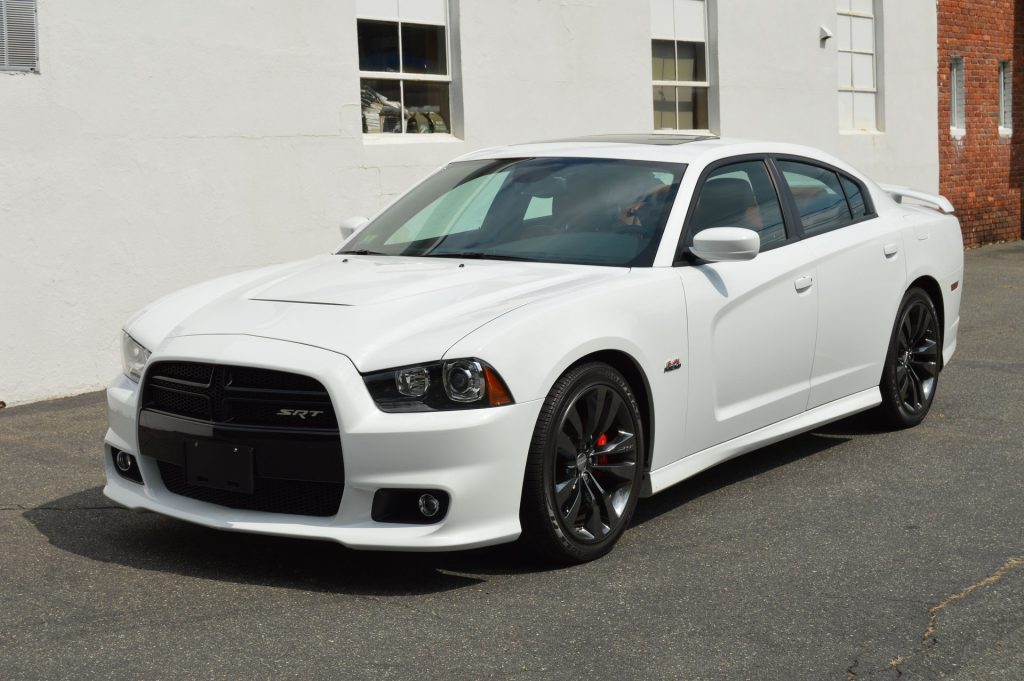
The generation was not perfect. Some owners experienced electronic glitches, fuel economy remained mediocre on V8 models, and certain interior trim pieces aged poorly over time.
Still, most enthusiasts considered those flaws manageable because the Charger delivered something many competitors lacked completely: genuine character.
Drivers formed strong emotional attachments to these cars because they combined practicality, comfort, and old-school muscle spirit in a way few modern sedans ever managed.
- Engine: 6.4-liter 392 Hemi V8
- Torque: 470 lb-ft
- Horsepower: 470 hp
- Length/Width: 199.9 in / 75 in
Also Read: 10 Chinese Cars That Are Better and Cheaper Than Luxury Cars
