
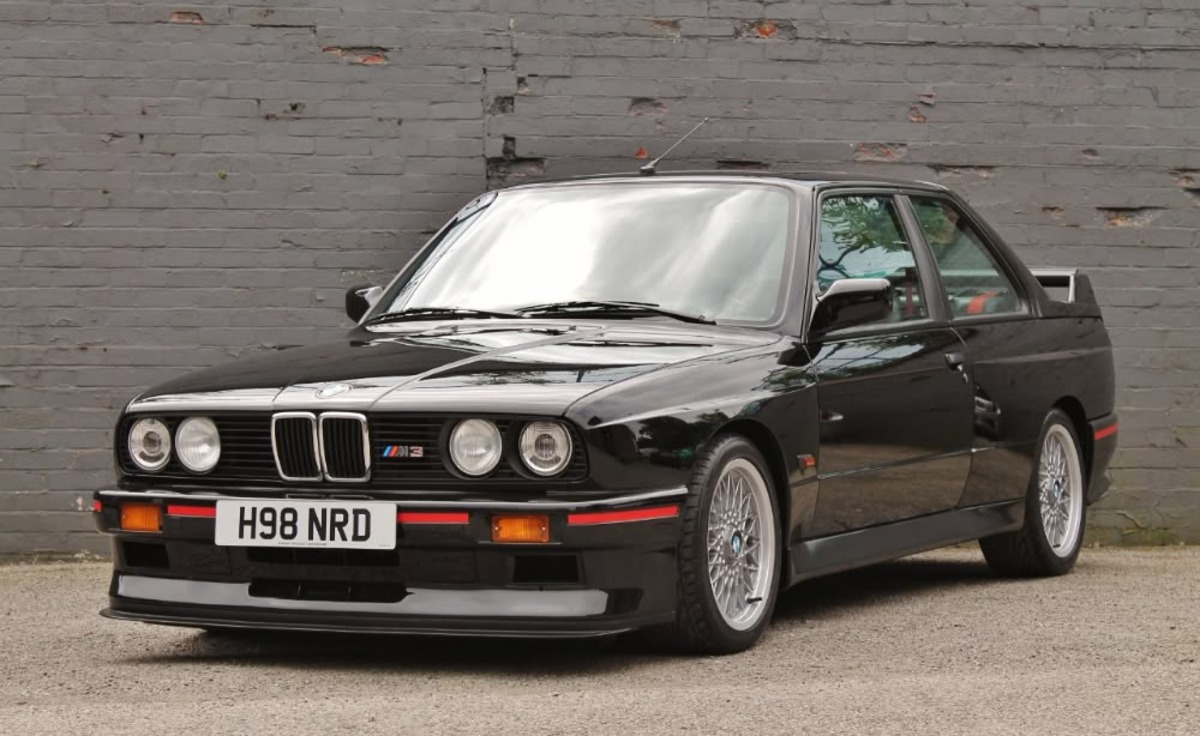
The BMW E30 has become one of the most respected and collectible performance car platforms ever produced by the German brand. Built between the early 1980s and early 1990s, the E30 represented a period when BMW focused heavily on lightweight engineering, balanced handling, driver engagement, and mechanical simplicity.
Decades later, collectors continue chasing the best E30 variants because these cars deliver an experience that modern performance vehicles often struggle to replicate.
Part of the E30’s growing collector value comes from its versatility. BMW offered the platform in several body styles and trim levels, ranging from efficient daily drivers to homologation-inspired race machines.
That variety created different tiers of desirability within the collector market. Some variants became valuable because of low production numbers. Others earned their reputation through motorsport success, distinctive styling, or legendary engines.
The E30 also arrived during a golden era for analog driving. These cars lacked the heavy electronic interference common in modern vehicles, allowing drivers to feel deeply connected to steering inputs, throttle response, and chassis movement.
Enthusiasts consistently praise the E30 for delivering precise feedback while remaining usable on normal roads. That balance helped many variants transition from affordable used cars into serious collector investments.
Condition plays a huge role in modern E30 values because many examples were heavily modified, raced, or neglected during the late 1990s and early 2000s.
Clean original cars now command enormous premiums, especially limited production versions with documented histories and factory equipment intact. Collectors increasingly value authenticity, making untouched survivors far more desirable than poorly modified project cars.
Another reason these BMWs continue rising in value involves timeless styling. The sharp body lines, compact proportions, and restrained design language aged remarkably well compared to many vehicles from the same period.
Enthusiasts admire how the E30 manages to look sporty, elegant, and purposeful without relying on oversized grilles or aggressive aerodynamic gimmicks.
This ranking focuses specifically on collector value rather than simple driving enjoyment. Every E30 has dedicated fans, but certain variants stand clearly above the rest because of rarity, motorsport heritage, investment potential, and long-term desirability among serious BMW enthusiasts.
Also Read: 10 Motorcycles With Bigger Engines Than Most Cars
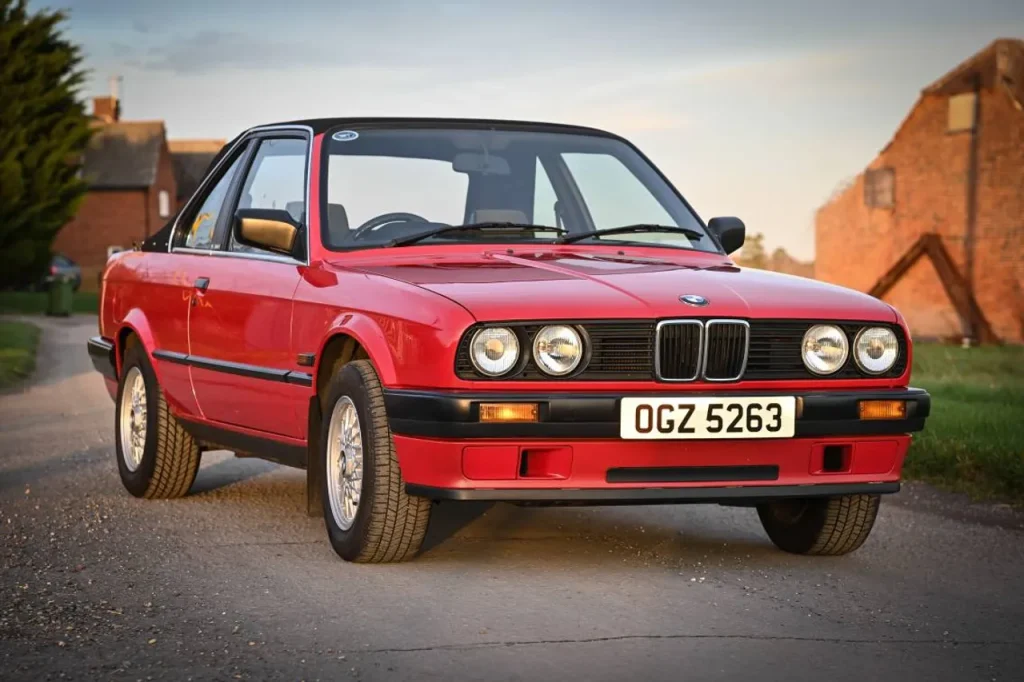
1. BMW E30 318i
The 318i sits at the bottom of collector value rankings among E30 variants, but that does not mean it lacks importance within BMW history.
In fact, many enthusiasts first entered the E30 world through the affordable and approachable 318i before moving toward more expensive models later. The car developed a loyal following because it offered classic BMW balance and styling at a lower ownership cost than six-cylinder variants.
Unlike the high-performance E30 models dominating auction headlines today, the 318i focused more on efficiency and lightweight agility. Owners often appreciated the simpler driving dynamics because the smaller four-cylinder engine reduced front-end weight.
On winding roads, the car felt nimble and responsive rather than brutally fast. Many drivers actually preferred the playful nature of the lighter setup compared to the heavier six-cylinder trims.
Collector demand remains relatively modest because production numbers were high and performance figures stayed conservative. For years, these cars served as inexpensive daily transportation or entry-level project vehicles.
As a result, countless examples were modified heavily, neglected, or dismantled for parts. Clean, unmodified survivors are becoming harder to locate, slowly improving collector interest in recent years.
Another reason the 318i remains less valuable involves perception. Many collectors prioritize prestige, and the smaller engine lacks the excitement associated with legendary BMW inline six motors. Buyers searching for investment-grade E30S usually gravitate toward sportier trims with stronger motorsport connections or limited production histories.
Still, the 318i deserves respect for preserving the pure fundamentals that made the E30 platform famous. Steering feel remained excellent, visibility was outstanding, and the compact dimensions created confidence in city traffic or narrow back roads.
Enthusiasts who value analog simplicity often enjoy these cars more than far more powerful modern vehicles loaded with technology.
The affordability of the 318i also helped maintain an active enthusiast community. Owners frequently restored or modified these cars themselves because mechanical layouts stayed relatively simple compared to newer BMWs.
That hands-on ownership experience strengthened emotional attachment even when collector values remained lower than premium E30 variants.
While the 318i may never achieve the astronomical prices commanded by rarer E30S, interest continues growing as collectors realize surviving stock examples are becoming increasingly uncommon. It remains one of the purest and most accessible gateways into classic BMW ownership.
- Engine: 1.8-liter Inline 4
- Torque: 119 lb ft
- Horsepower: 134 hp
- Length/Width: 170.3 in / 64.8 in
2. BMW E30 325e
The BMW 325e followed a very different philosophy compared to the high-revving performance image many enthusiasts associate with the E30 platform today.
During the fuel-conscious 1980s, BMW created the “eta” engine specifically to deliver better efficiency and low-end torque rather than aggressive top-end power. Because of that unusual focus, the 325e developed a unique reputation among collectors and enthusiasts.
At first glance, many buyers mistakenly assume the 325e lacks excitement entirely. The engine produced modest horsepower figures compared to later E30 performance trims, and the low redline surprised drivers expecting traditional BMW sport sedan behavior.
Yet owners who understood the car’s purpose often appreciated its relaxed and smooth driving characteristics. Instead of demanding constant high RPM operation, the 325e delivered strong torque in normal everyday driving situations.
Collector value stayed relatively low for years because enthusiasts usually preferred the sharper 325i models. The 325e lacked the high-revving personality that became central to BMW’s sporty image during the late 1980s and early 1990s.
Many examples also suffered neglect because they were treated as ordinary, used commuter cars rather than future collectibles.
Recently, however, attitudes have started changing. Some collectors now appreciate the 325e because it represents a fascinating snapshot of BMW engineering during an era shaped by fuel economy concerns and tightening emissions regulations.
The car feels different from nearly every other E30 variant, giving it a niche appeal among enthusiasts interested in unusual automotive history.
Another factor supporting collector interest involves rarity in clean condition. Since many 325e cars were heavily driven and poorly maintained, untouched survivors with original interiors and factory paint are increasingly difficult to find.
Enthusiasts who value authenticity have started paying closer attention to these overlooked variants.
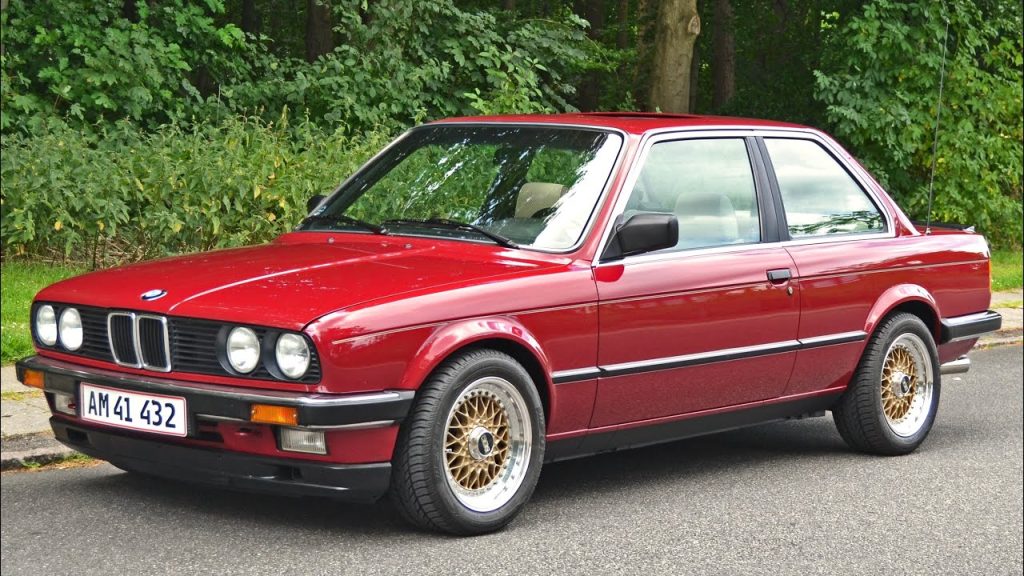
Driving a well-preserved 325e today feels surprisingly satisfying, calm, and mature. The engine produces smooth torque delivery, the steering remains communicative, and the chassis still carries the balanced character that made the E30 platform famous worldwide. Owners often describe the car as relaxing rather than aggressive.
The 325e will probably never reach the collector heights of limited-production E30 icons, but its historical significance and growing rarity continue to strengthen its position in the classic BMW market.
- Engine: 2.7 liter Inline 6
- Torque: 170 lb ft
- Horsepower: 121 hp
- Length/Width: 170.3 in / 64.8 in
3. BMW E30 325i Convertible
The E30 325i Convertible occupies an interesting position in the collector market because it combines classic BMW driving dynamics with open-air touring character. For many years, collectors prioritized hardtop coupes and performance-focused trims instead, leaving the convertible models relatively affordable.
That situation changed dramatically once enthusiasts began appreciating how well-preserved E30 convertibles captured the atmosphere of 1980s European luxury motoring.
Unlike stripped-down sports cars focused entirely on lap times, the 325i Convertible emphasized style, comfort, and enjoyable cruising.
Owners loved driving with the top down on coastal roads or through city streets while still enjoying BMW’s signature balance and responsive steering feel. The inline-six engine produced smooth power delivery that matched the relaxed personality of the convertible perfectly.
One reason the collector value keeps increasing involves production quality. BMW engineered the convertible carefully rather than treating it like a rushed aftermarket conversion.
Structural reinforcements improved rigidity, and the folding roof mechanism felt refined for its era. Many owners still praise how solid the car feels compared to contemporary convertibles from other manufacturers.
The 325i engine also plays a major role in desirability. Enthusiasts consistently admire BMW’s naturally aspirated inline six motors because they combine smoothness, reliability, and engaging throttle response.
In convertible form, owners could hear the engine note more clearly with the roof lowered, making the driving experience feel even more immersive.
Condition matters enormously with these cars today. Sun exposure damaged many interiors over the years, while neglected soft tops often became expensive restoration headaches.
Rust also remains a concern in older examples, especially around floor pans and wheel arches. Because so many convertibles suffered cosmetic deterioration, pristine survivors now command impressive premiums among collectors.
Another factor increasing value is nostalgia. The E30 convertible became closely associated with successful young professionals during the late 1980s and early 1990s. Decades later, many enthusiasts who admired these cars in their youth finally have the financial ability to purchase clean examples, increasing demand steadily.
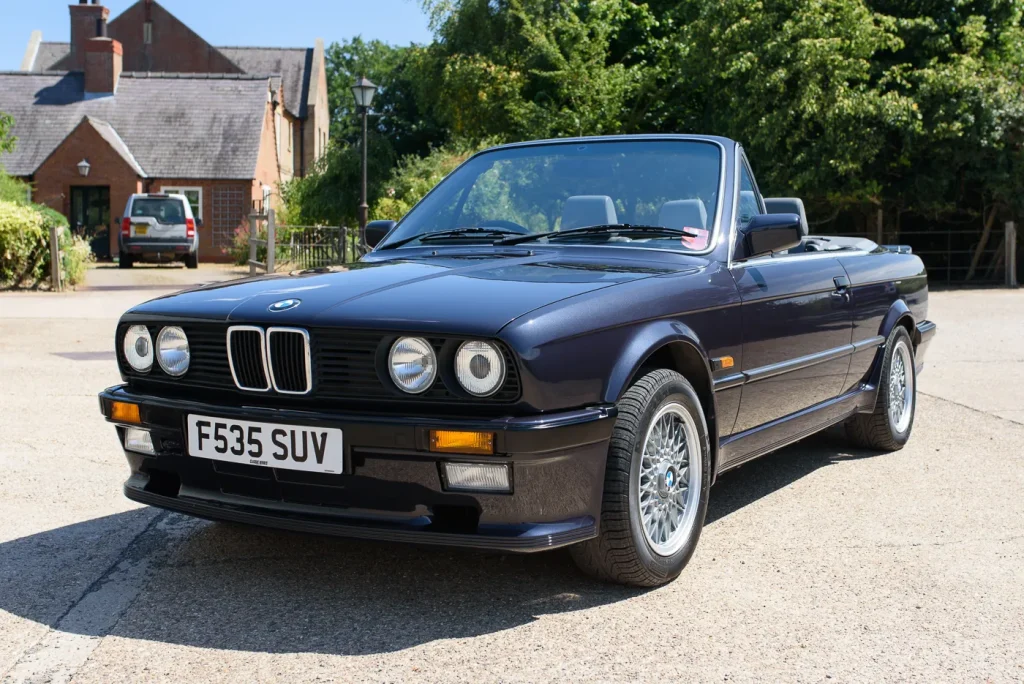
Collectors also appreciate how usable the 325i convertible remains today. Visibility stays excellent, the compact dimensions make parking easy, and maintenance remains simpler than newer BMW models overloaded with electronics. The car feels mechanical and engaging without becoming exhausting to drive regularly.
Although it lacked the hardcore motorsport image of certain E30 variants, the 325i Convertible earned growing collector respect by delivering timeless styling, analog driving pleasure, and relaxed sophistication in one highly desirable package.
- Engine: 2.5-liter inline 6
- Torque: 164 lb ft
- Horsepower: 168 hp
- Length/Width: 170.3 in / 64.8 in
4. BMW E30 325is
The 325is represents one of the smartest purchases within the E30 collector world because it delivers much of the driving excitement enthusiasts love without reaching the extreme prices attached to rarer M models.
During the late 1980s, this trim earned admiration for blending sporty suspension tuning, aggressive styling details, and BMW’s excellent inline six engine into a highly balanced package.
Unlike standard E30 variants focused mainly on comfort or efficiency, the 325is targeted drivers who genuinely enjoyed spirited driving. BMW equipped the car with sport seats, upgraded suspension components, limited-slip differential options, and aerodynamic enhancements that gave it a sharper personality both visually and mechanically.
Owners often describe the 325is as the sweet spot of the regular E30 lineup because it captured the essence of BMW sports sedan engineering without unnecessary complexity.
Collector interest increased significantly as E30 values climbed across the board. Enthusiasts unable to afford M3 prices began searching for alternatives that still offered authentic analog BMW character.
The 325is quickly gained popularity because it retained excellent balance, communicative steering, and responsive power delivery while remaining far more attainable than top-tier collector variants.
The driving experience remains one of the strongest reasons behind the car’s rising value. The naturally aspirated inline six engine loves revving, producing smooth acceleration accompanied by a distinctive mechanical soundtrack.
Combined with the relatively lightweight chassis, the car feels alive in corners without requiring extreme speeds to stay entertaining. Owners consistently praise the sense of connection modern performance cars sometimes lack completely.
Visual appeal also helped the 325is age gracefully. Subtle spoilers, sportier wheels, and tasteful body additions gave the car a more aggressive appearance without becoming exaggerated. Many collectors appreciate how restrained the design remains compared to modern performance vehicles filled with oversized grilles and unnecessary styling drama.
Original examples have become increasingly difficult to locate because many 325is cars were modified heavily during the tuner culture boom of the late 1990s and early 2000s. Suspension alterations, engine swaps, and aftermarket body kits permanently changed countless examples.
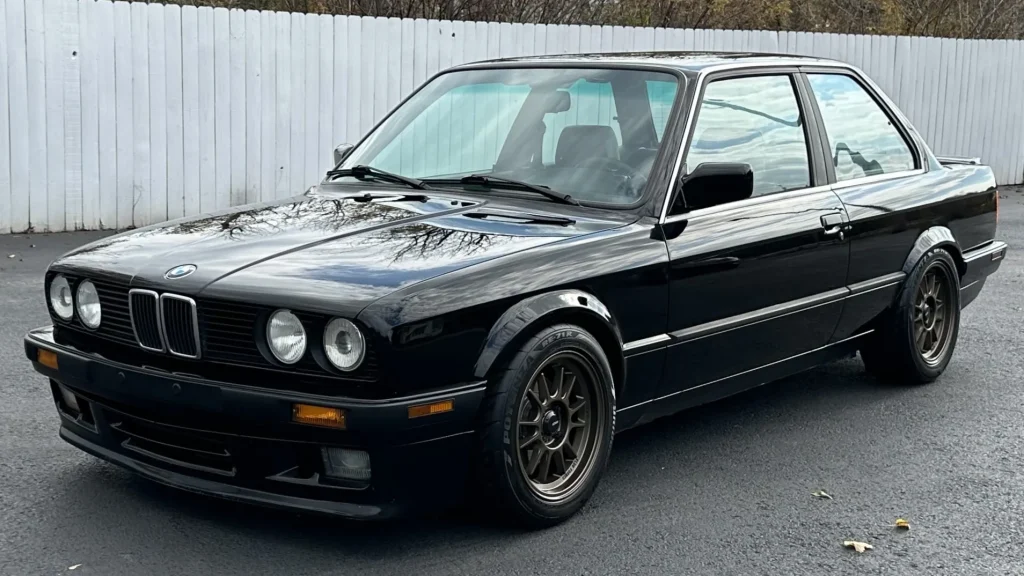
As a result, collectors now pay strong premiums for stock cars with documented service history and factory equipment intact.
The 325is may not possess the exclusivity of homologation specials, but it earned lasting respect because it perfectly represented BMW’s traditional formula of lightweight engineering, balanced handling, and rewarding driver engagement.
- Engine: 2.5-liter inline 6
- Torque: 164 lb ft
- Horsepower: 168 hp
- Length/Width: 170.3 in / 64.8 in
5. BMW E30 320is
The BMW E30 320is occupies one of the strangest and most fascinating corners of E30 collector history. Many enthusiasts call it the “Italian M3” because BMW essentially created a smaller displacement version of the legendary M3 specifically for markets where large engine taxes punished buyers financially.
Italy and Portugal received this special model, and few people outside hardcore BMW circles understood how unique it truly was for many years.
At first glance, the 320is looked fairly restrained compared to the dramatic box flares and racing-inspired styling of the E30 M3. That understated appearance became part of the car’s charm later among collectors.
Underneath the subtle exterior, however, BMW installed a detuned version of the famous S14 engine used in the M3. Instead of 2.3 liters, the engine displaced 2.0 liters to avoid harsh taxation brackets while still preserving much of the M3’s aggressive personality.
Driving impressions immediately separated the 320is from ordinary E30 variants. The engine loved high RPM operation, producing sharp throttle response and a raw mechanical soundtrack that enthusiasts still praise today.
Owners frequently describe the car as energetic and involving because the lighter engine setup maintained excellent chassis balance while encouraging drivers to work through the rev range constantly.
Collector value remained surprisingly low for years simply because many buyers did not know the car existed. Unlike the globally recognized M3, the 320is stayed hidden within a few European markets.
As international collectors began researching rare E30 variants more deeply, demand started climbing quickly. Enthusiasts realized the 320is offered a driving experience remarkably close to the M3 while remaining significantly rarer in production numbers.
Another reason collectors admire the 320is is its purity. The car avoided excessive luxury equipment and focused heavily on performance fundamentals.
Lightweight construction, close-ratio gearing, and motorsport-influenced engineering gave it a serious personality despite the understated appearance. Owners appreciated driving something genuinely special without attracting the constant attention that followed M3 ownership.
Finding an authentic, unmodified 320is today has become extremely difficult. Many examples lived hard lives because drivers treated them as sporty daily transportation rather than future collectibles. Rust, mileage, and aftermarket modifications reduced the surviving pool dramatically over the decades.
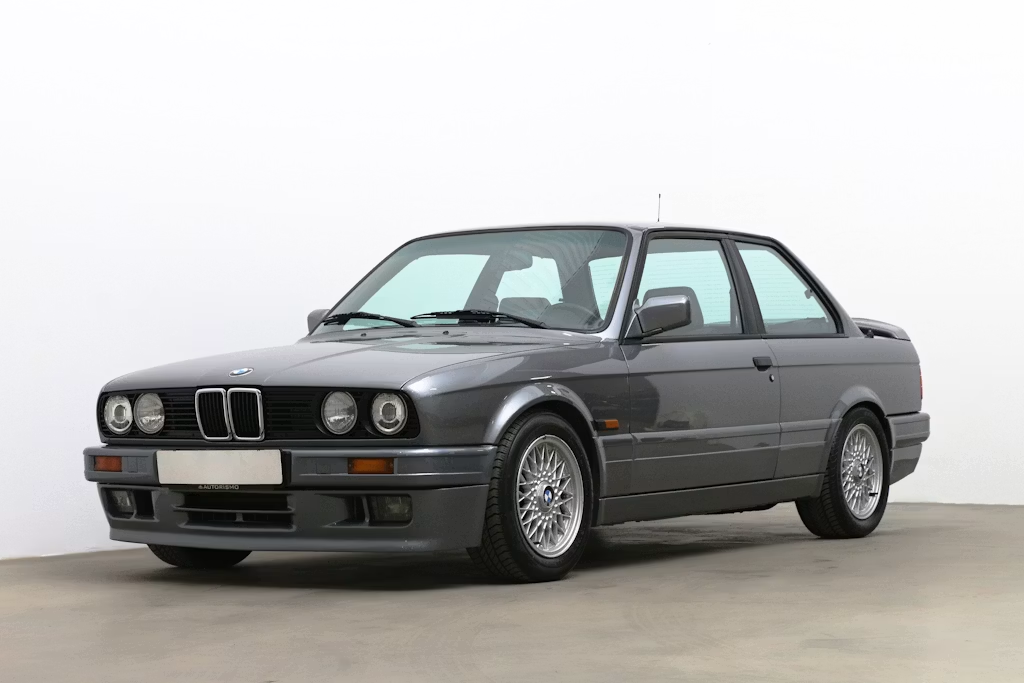
As collector awareness continues growing, the 320is has transformed from an obscure curiosity into one of the most respected hidden gems within BMW history.
Its combination of rarity, motorsport engineering, and understated styling makes it increasingly desirable among enthusiasts seeking something different from mainstream collector icons.
- Engine: 2.0 liter S14 Inline 4
- Torque: 155 lb ft
- Horsepower: 192 hp
- Length/Width: 170.3 in / 64.8 in
6. BMW E30 Alpina B6 3.5 S
The Alpina B6 3.5 S represents what happened when BMW’s already impressive E30 platform received attention from one of Germany’s most respected performance specialists.
Alpina transformed the standard E30 into a brutally fast grand touring machine by installing a much larger six-cylinder engine and refining nearly every aspect of the car. Today, collectors view the B6 3.5 S as one of the rarest and most desirable non-M E30 variants ever produced.
Unlike the high-revving, precision-focused M3, the Alpina followed a completely different philosophy. Instead of emphasizing lightweight motorsport balance above everything else, Alpina concentrated on effortless torque, high-speed comfort, and exclusivity.
The massive 3.5-liter inline six delivered performance figures that shocked enthusiasts during the late 1980s. In straight-line acceleration, the B6 could embarrass many larger sports cars from the same era.
Owners often describe the driving experience as muscular yet refined. The engine produced enormous low-end pulling power, allowing the car to surge forward with very little effort.
At highway speeds, the B6 felt exceptionally stable and relaxed, perfectly matching Alpina’s grand touring identity. The suspension tuning balanced comfort and precision more carefully than many hardcore sports cars of the period.
Collector demand remains extremely strong because production numbers stayed incredibly limited. Alpina built these cars in very small quantities, and many enthusiasts never even saw one in person.
Authenticity matters enormously because original Alpina wheels, interior details, body components, and numbered plaques contribute heavily to market value today.
The styling also played a major role in long-term desirability. Classic Alpina striping, distinctive multi-spoke wheels, subtle aerodynamic additions, and elegant interiors created a sophisticated appearance that aged beautifully. Collectors admire how the B6 looks aggressive without becoming excessive or flashy.
Another factor pushing values upward is rarity combined with usability. Unlike stripped-out race-focused specials, the Alpina still functioned wonderfully as a road car.
Owners could comfortably travel long distances while enjoying performance levels far beyond ordinary E30 variants. That blend of luxury and speed made the B6 feel extremely special during its era and continues attracting collectors decades later.
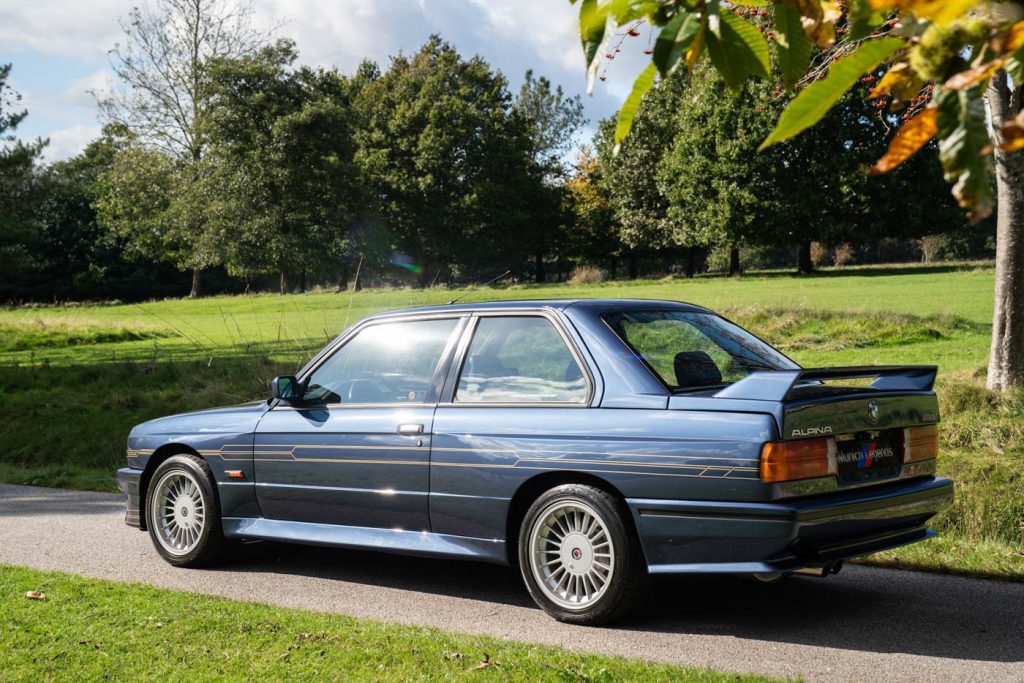
Maintenance can become challenging because certain Alpina-specific components are difficult and expensive to source. Buyers also need careful documentation to confirm authenticity since cloned replicas exist within the collector market.
Yet genuine examples remain highly sought after because they represent one of the most exclusive and charismatic interpretations of the E30 platform ever created.
- Engine: 3.5-liter inline 6
- Torque: 254 lb ft
- Horsepower: 254 hp
- Length/Width: 170.3 in / 64.8 in
7. BMW E30 M3 Sport Evolution
The BMW E30 M3 Sport Evolution stands at the absolute peak of E30 collector value because it represents the final and most advanced version of one of the greatest homologation specials ever built.
Created so BMW could remain competitive in touring car racing, the E30 M3 already carried legendary status long before collector prices exploded worldwide. The rare Sport Evolution variant upgraded that reputation even further through limited production numbers, enhanced engineering, and direct motorsport pedigree.
BMW developed the Sport Evolution in 1990 as the ultimate evolution of the E30 M3 platform. Only a very small number were produced, immediately making the car special even before collectors recognized its long-term significance.
Unlike ordinary luxury coupes designed mainly for comfortable transportation, the Sport Evolution existed because BMW wanted sharper performance on racetracks across Europe. That purpose gave the car an authenticity many modern performance vehicles struggle to replicate.
The upgraded S14 engine became one of the generation’s defining features. Increased displacement and revised tuning delivered stronger performance while preserving the razor-sharp throttle response enthusiasts loved.
Owners frequently describe the engine as intense and mechanical, demanding driver involvement at all times. The car rewarded skill rather than relying on electronic systems to create speed artificially.
Visually, the Sport Evolution separated itself from regular M3 models through adjustable aerodynamic elements, deeper front splitters, lightweight components, and unique styling details.
Collectors admire the purposeful appearance because every modification served a functional racing-related goal instead of existing purely for decoration. The widened fenders and aggressive stance remain iconic among performance car enthusiasts decades later.
Driving a Sport Evolution today still feels special because the car constantly communicates with the driver. Steering feedback stays exceptionally precise, chassis balance feels predictable yet lively, and the relatively lightweight construction creates the agility modern performance cars often cannot match.
Owners praise the sensation of being directly connected to the machine rather than filtered through layers of technology.
Collector demand skyrocketed once enthusiasts fully realized how historically important the E30 M3 had become. The Sport Evolution sits at the very top because it combines rarity, racing heritage, and engineering excellence in one package.
Auction values climbed dramatically as wealthy collectors competed for clean examples with original paint, matching-numbers drivetrains, and complete documentation.
Another reason values remain so strong involves cultural significance. The E30 M3 dominated touring car championships and helped establish BMW M as a performance powerhouse globally.
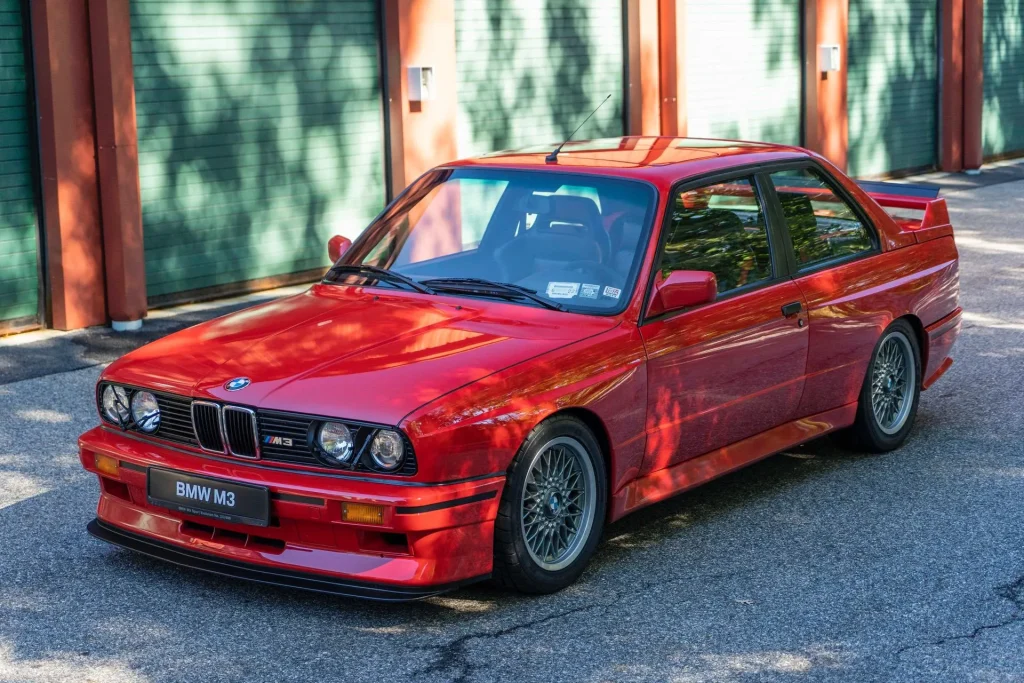
The Sport Evolution became the ultimate symbol of that golden era. Enthusiasts view the car not simply as transportation but as a milestone in automotive history, representing a time when manufacturers built road cars directly connected to racing ambitions.
Very few E30 variants possess the same mixture of prestige, rarity, and motorsport authenticity. That combination secured the Sport Evolution’s place as the most valuable and respected E30 collector model ever produced.
- Engine: 2.5-liter S14 Inline 4
- Torque: 177 lb ft
- Horsepower: 238 hp
- Length/Width: 168.9 in / 66.7 in
Also Read: 10 Chinese Cars That Are Better and Cheaper Than Luxury Cars
