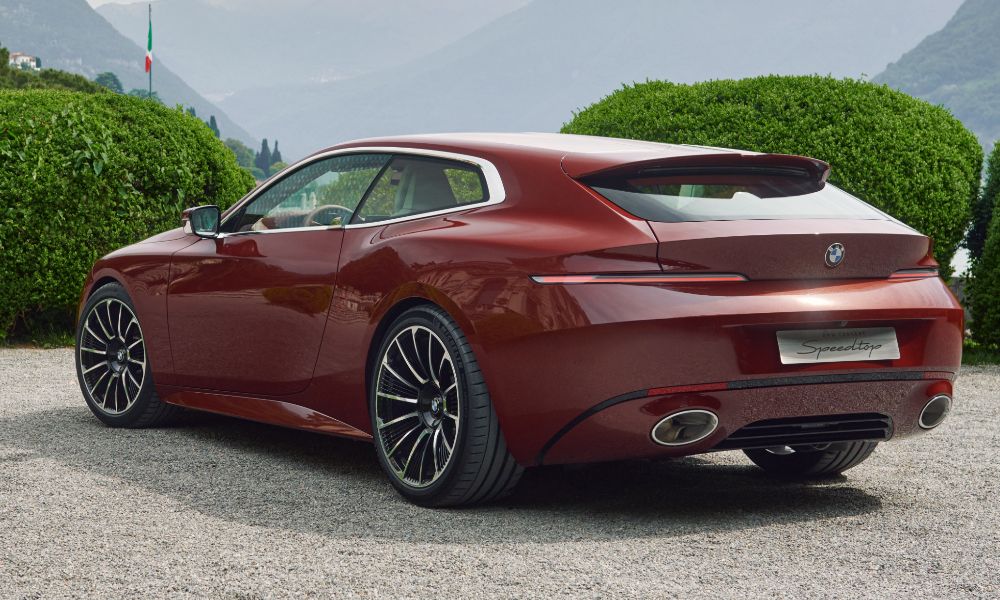
BMW has officially confirmed that its dramatic new BMW Speedster will be produced in an ultra-limited run of just 70 units worldwide, instantly transforming the striking machine into one of the rarest and most exclusive vehicles the company has ever offered to customers.
The announcement arrived shortly after the Speedtop captured major attention among enthusiasts and collectors for its unusual design, blending grand touring luxury with exotic shooting brake proportions and handcrafted styling details rarely seen in modern BMW production vehicles.
According to reports surrounding the reveal, pricing is expected to climb well beyond the 500,000 euro range before options and customization, placing the Speedtop firmly inside the ultra-luxury collector market normally occupied by limited Ferrari, Aston Martin, Bentley, and Rolls-Royce creations. Deliveries are expected to begin in 2027.
The tiny production cap immediately upgraded the Speedtop from an interesting concept into a future collector’s trophy.
With only 70 examples planned globally, demand is expected to exceed availability almost instantly, particularly among wealthy collectors already focused on acquiring rare internal combustion luxury cars before stricter emissions regulations permanently reshape the automotive market.
BMW appears fully aware of that market opportunity. The company has spent recent years expanding its ultra-premium strategy through limited-production halo vehicles, special heritage-inspired designs, and increasingly exclusive M division offerings.
The Speedster represents perhaps the clearest example yet of BMW intentionally moving deeper into the world of collectible automotive art rather than simply mass-producing luxury transportation. The car itself feels dramatically different from the company’s mainstream lineup.
Low-slung proportions, elongated rear styling, sculpted bodywork, and a highly emotional design language separate the Speedtop from the oversized SUVs and digitally heavy sedans dominating modern luxury markets. The result is a car that appears designed less around practicality and more around emotional presence and exclusivity.
That formula has become increasingly valuable. Wealthy collectors now compete aggressively for limited production vehicles that combine rarity, historical significance, and distinctive design.
Many buyers view such cars not only as transportation but also as investments and status symbols. The Speedtop enters that world directly.
Also Read: 10 Cars That Failed Their First Year and Got Discontinued
The Shooting Brake Design Makes the Speedtop Stand Out
One reason the Speedtop generated such strong reactions involves its body style. Modern automotive design has become heavily dominated by SUVs, crossovers, and aggressive performance sedans.
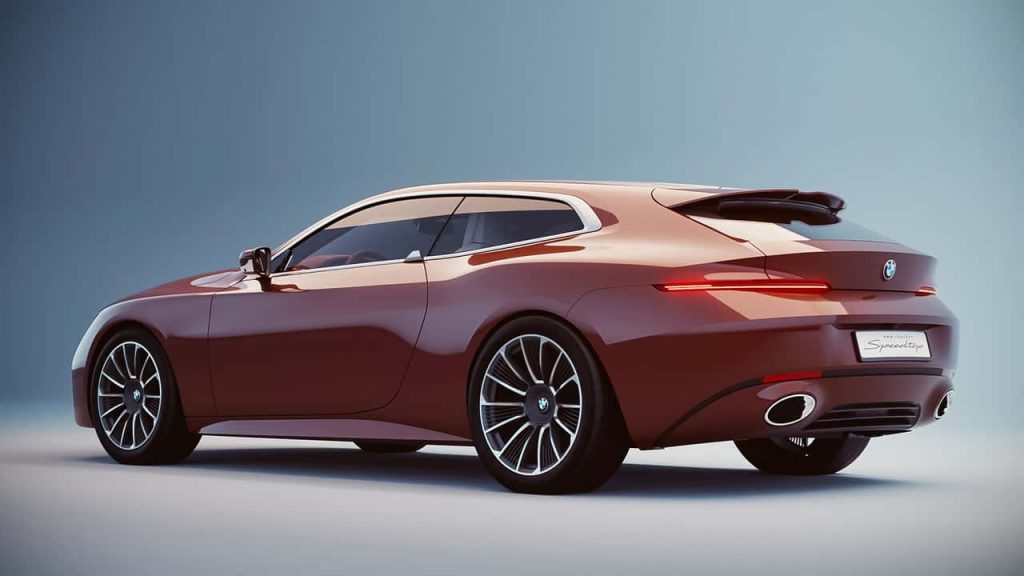
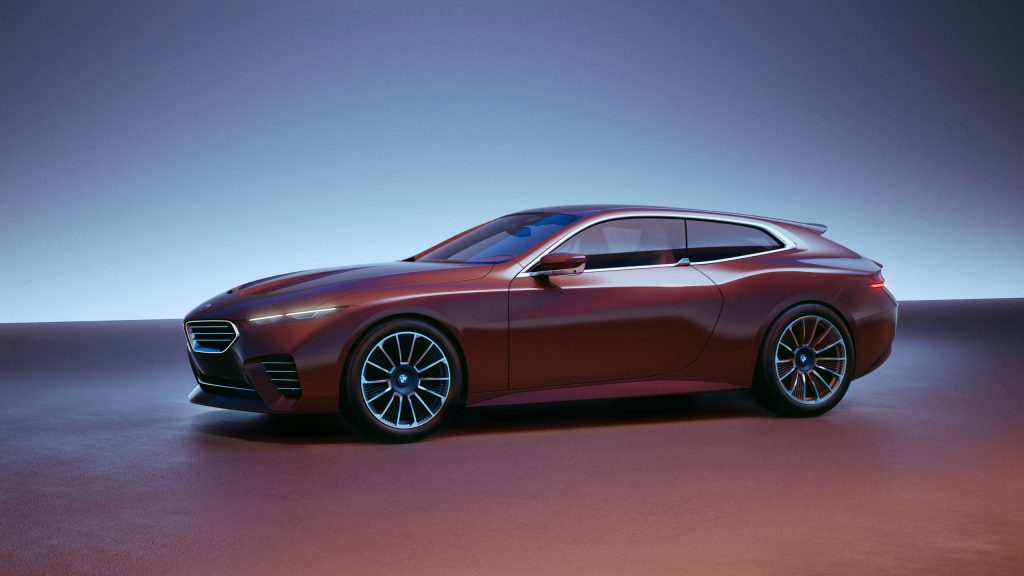
The Speedtop instead embraces the increasingly rare shooting brake formula, combining sports car proportions with an extended rear cargo section inspired by classic European grand touring vehicles. The result feels both nostalgic and futuristic simultaneously.
Shooting brakes historically occupied a unique place in automotive culture. Originally tied to luxury sporting estates and high-end touring cars, the design blended elegance, performance, and practicality in ways traditional coupes could not. Over time, however, the body style became increasingly uncommon as SUVs overtook much of the luxury market.
BMW’s decision to revive the format instantly gave the Speedtop a more emotional identity. The long roofline, muscular rear haunches, aggressive front fascia, and sculpted profile create a shape far more dramatic than typical modern BMW products.
Enthusiasts immediately compared the car to some of the most admired European grand tourers from previous decades.
Many collectors appreciated that the Speedtop looked handcrafted and artistic rather than purely aerodynamic or technology-driven. The design also signals something larger happening across the luxury car market.
As electrification and software integration push many vehicles toward similar digital experiences, ultra-wealthy buyers increasingly seek cars with personality, rarity, and emotional character.
Limited production vehicles with unconventional styling often generate stronger enthusiasm than mass-market luxury products loaded mainly with screens and automated systems. BMW appears to understand that shift clearly.
The Speedtop prioritizes visual drama and exclusivity in ways rarely attempted by mainstream manufacturers today. It feels designed specifically for collectors who already own multiple high-performance vehicles and now want something far more distinctive inside their garages.
BMW Is Expanding Deeper Into the Ultra-Luxury Collector Market
The Speedtop also reflects BMW’s growing ambition to compete more aggressively in the ultra-exclusive collector automobiles world.
For decades, BMW built its reputation around performance sedans, sports coupes, and premium daily drivers rather than ultra-limited handcrafted collector vehicles.
While the company produced iconic halo cars like the M1 and certain rare M division specials, rivals such as Ferrari, Aston Martin, and Bentley traditionally dominated the high-end exclusivity market. That strategy is changing.
Modern luxury buyers increasingly value rarity as much as performance itself. Automakers have discovered that ultra-limited production runs can generate enormous profit margins while strengthening brand prestige globally.
BMW’s recent special projects show the company moving intentionally toward that business model. The Speedtop follows a broader industry trend where manufacturers create low-volume vehicles targeted almost entirely at collectors and high-net-worth clients.
These cars often feature bespoke materials, custom craftsmanship, limited availability, and emotional storytelling designed to increase desirability. The financial logic is powerful.
A vehicle produced in extremely small numbers can command extraordinary pricing while requiring far less mass market production pressure. Scarcity itself becomes part of the product.
Collectors understand this dynamic very well. Limited production Ferraris, Porsche specials, rare Aston Martins, and unique coachbuilt vehicles frequently appreciate over time, especially when tied to significant design moments or important transitions in automotive history.
The Speedtop may benefit from similar attention. The car arrives during a period when the industry is rapidly shifting toward electrification, making ultra-exclusive internal combustion luxury vehicles feel increasingly special and potentially irreplaceable.
Some collectors already view modern high-performance gasoline-powered grand tourers as future historical artifacts representing the final era before widespread electrification transforms the luxury market completely. BMW’s timing, therefore, appears very deliberate.
Exclusivity Is Becoming More Important Than Raw Performance
The Speedtop’s appeal also highlights how the luxury automotive market itself is evolving. For years, high-end manufacturers competed aggressively through horsepower numbers, acceleration figures, and top-speed claims.
Today, nearly every exotic performance car delivers astonishing speed beyond what most owners can realistically use on public roads.
As a result, exclusivity has become far more valuable. Collectors and wealthy buyers increasingly chase vehicles that feel unique, emotionally engaging, and difficult to obtain rather than simply fast.
Limited production runs, custom craftsmanship, and historical significance now influence desirability as much as engineering specifications.
The Speedtop fits directly into that environment. Its value comes not only from performance potential but also from the fact that only 70 people worldwide will own one. That rarity creates immediate prestige and long-term collector interest.
The estimated price reinforces that positioning. Crossing the half-million euro threshold places the Speedtop firmly inside a category where buyers are often less concerned with practicality or value comparisons. Instead, they focus on exclusivity, design, emotional appeal, and investment potential.
BMW appears increasingly comfortable operating inside that space. The company understands that modern luxury customers often seek experiences and identity statements rather than simple transportation. Ultra-limited cars provide exactly that.
The Speedtop also benefits from arriving during a period of growing frustration with mainstream automotive design. Many enthusiasts criticize modern vehicles for becoming overly digital, oversized, and visually similar due to regulations and aerodynamic requirements.
The Speedtop pushes against that trend. Its dramatic proportions and handcrafted atmosphere feel intentionally emotional in a market increasingly dominated by screens, software, and efficiency targets. That emotional factor may become one of the car’s strongest selling points.
The Speedtop Could Become a Future BMW Legend
Although production will not begin until 2027, the BMW Speedster already appears positioned to become one of the brand’s most talked-about modern creations.
The combination of extreme rarity, dramatic styling, ultra-luxury pricing, and collector-focused production gives the car an aura rarely associated with contemporary BMW models.
Enthusiasts have already begun discussing the Speedtop alongside some of the company’s most iconic low-volume projects from previous eras. Its importance extends beyond sales numbers.
The Speedtop demonstrates BMW’s willingness to embrace emotion, craftsmanship, and exclusivity at a time when much of the automotive industry feels increasingly focused on software ecosystems and regulatory compliance.
The car reminds enthusiasts that design passion and collector culture still matter deeply within the luxury market. For collectors, securing one of the 70 units will likely become highly competitive.
Many examples may disappear immediately into private collections, climate-controlled garages, and investment portfolios long before the public ever sees them on the road. That scarcity alone could push values even higher once deliveries begin.
The car also symbolizes a broader transition happening throughout the industry. As electrification accelerates, vehicles like the Speedtop may represent some of the final ultra-exclusive grand touring machines powered by traditional performance engineering philosophies. Collectors understand that possibility, which only increases demand further.
BMW clearly intends the Speedtop to exist as more than a simple limited edition model. It is a statement piece. A showcase of design freedom, exclusivity, and luxury ambition from a company increasingly interested in competing at the absolute highest levels of automotive prestige.
With only 70 examples planned worldwide, the Speedtop is unlikely to become a common sight anywhere. That is precisely the point.