
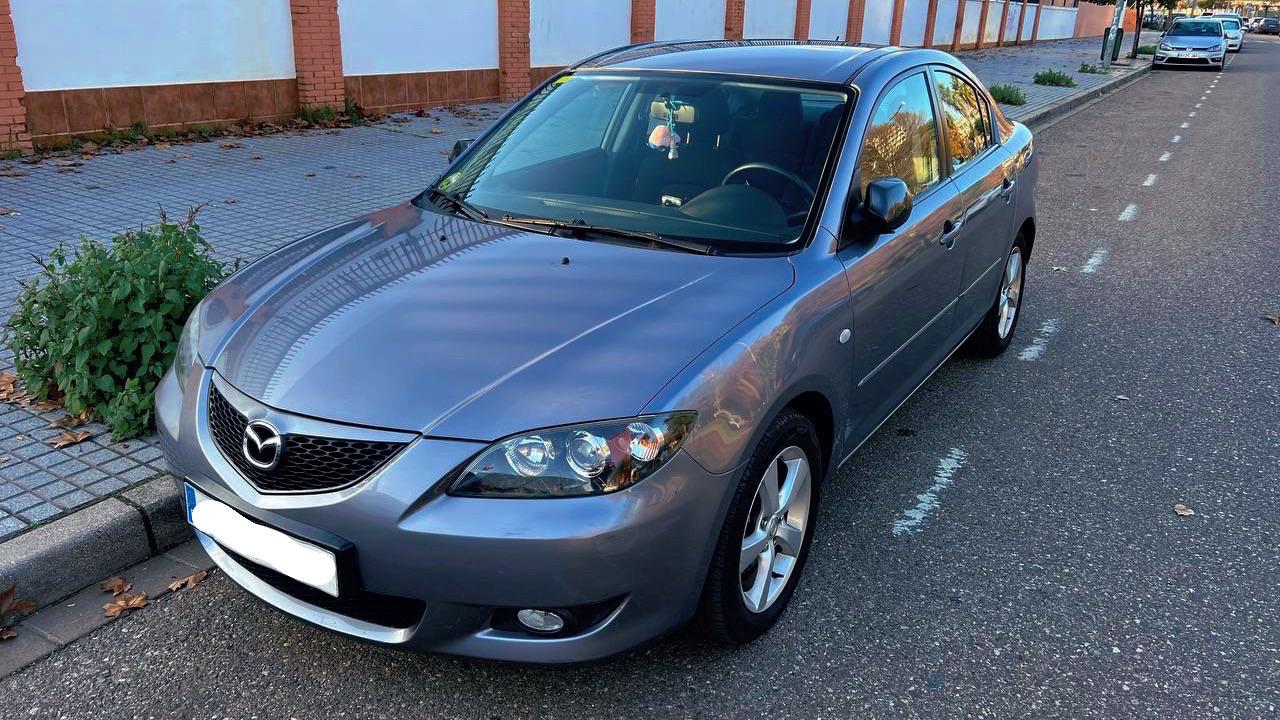
Compact cars rarely inspire long debates, yet the Mazda 3 has managed to do exactly that since its debut. This model has passed through several redesigns, each shaped by changing buyer expectations, engineering priorities, and market pressure. Some versions earned praise for balance and durability, while others struggled with reliability questions or design decisions that did not age well.
Because the nameplate has remained consistent for two decades, it is easy to assume that every Mazda 3 delivers the same experience. That assumption does not hold up once ownership records, mechanical issues, and long-term satisfaction come into view.
Ranking the Mazda 3 by generation requires more than first impressions. Real-world ownership data, service bulletins, and long-term reliability reports paint a clearer picture of how each version performs after years on the road. Certain generations shine due to dependable powertrains and thoughtful engineering. Others suffer from recurring problems that can frustrate owners long after the showroom experience fades.
This guide sorts six Mazda 3 generations from weakest to strongest based on reliability trends, ownership experience, build quality, and how well each version holds up with age. The aim here is clarity for shoppers, enthusiasts, and owners curious about how their car stacks up.
Each section focuses on one generation at a time, covering mechanical strengths, common issues, driving character, and ownership considerations. By the time this ranking reaches its top entry, the reasons behind each placement should feel grounded and practical rather than driven by nostalgia or marketing claims.
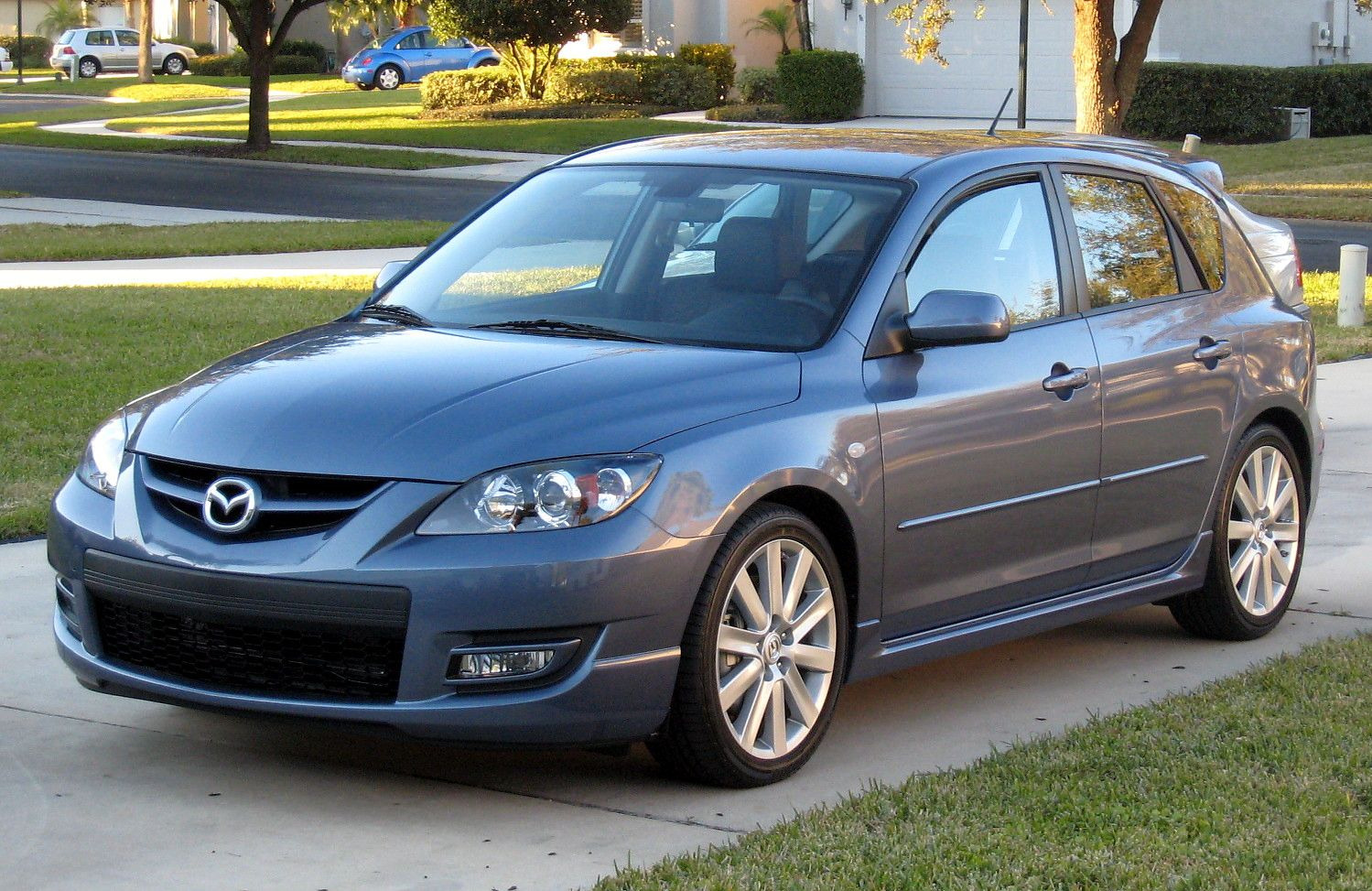
1. Mazda 3 First Generation (2004 to 2009)
The first-generation Mazda 3 arrived with strong intentions and immediately positioned itself as a driver-focused alternative within the compact segment. At launch, it offered sharp styling, responsive steering, and a level of involvement that appealed to buyers who wanted more than basic transportation.
Early impressions were positive, yet long-term ownership revealed limitations tied closely to the era in which it was built. As years passed and mileage climbed, weaknesses became harder to ignore, shaping the reputation this generation carries today. Corrosion issues stand out as the most serious concern. Many examples developed rust far earlier than expected, affecting wheel arches, rocker panels, subframes, and suspension mounting points.
Exposure to road salt accelerated the problem, but even vehicles in milder climates were not immune. Cosmetic rust quickly became structural in severe cases, raising safety concerns and repair costs that often exceeded the value of the car. This single factor has removed many first-generation Mazda 3 models from the road entirely.
Mechanical reliability also presented challenges. Early automatic transmissions were prone to rough engagement and delayed shifting as wear accumulated. Some owners reported slipping or inconsistent behavior that required costly repairs. Manual transmissions avoided many of these issues, though clutch components wore faster than anticipated, especially in city driving.
Suspension systems required frequent attention, with bushings, ball joints, and control arms wearing out sooner than expected. These repairs, while not catastrophic individually, added up as time went on. Interior quality reflected cost-saving decisions common during the mid 2000s. Hard plastics dominated the cabin, and many surfaces faded or cracked with age.
Seat fabrics showed wear quickly, particularly on the driver’s side. Switchgear lost tactile quality, and interior rattles became common complaints. Electrical faults emerged as vehicles aged, including failing window regulators, malfunctioning instrument lighting, and inconsistent audio system behavior. Such issues rarely left drivers stranded, yet they contributed to ongoing inconvenience.
Despite these drawbacks, driving dynamics remained a defining strength. Steering offered direct feedback, and the chassis felt eager during cornering. Many owners appreciated how connected the car felt compared with rivals of the same period. Ride quality is balanced firmness and control, making the car enjoyable on winding roads. Fuel economy aligned with expectations of its time, though later generations improved efficiency considerably.
Viewed today, this generation represents the foundation of the Mazda 3 story. It introduced a compelling formula but lacked the durability required for lasting success. Buyers considering one now usually do so based on price alone, accepting repair demands as part of ownership. Compared with later versions, its weaknesses place it firmly at the bottom of the ranking.
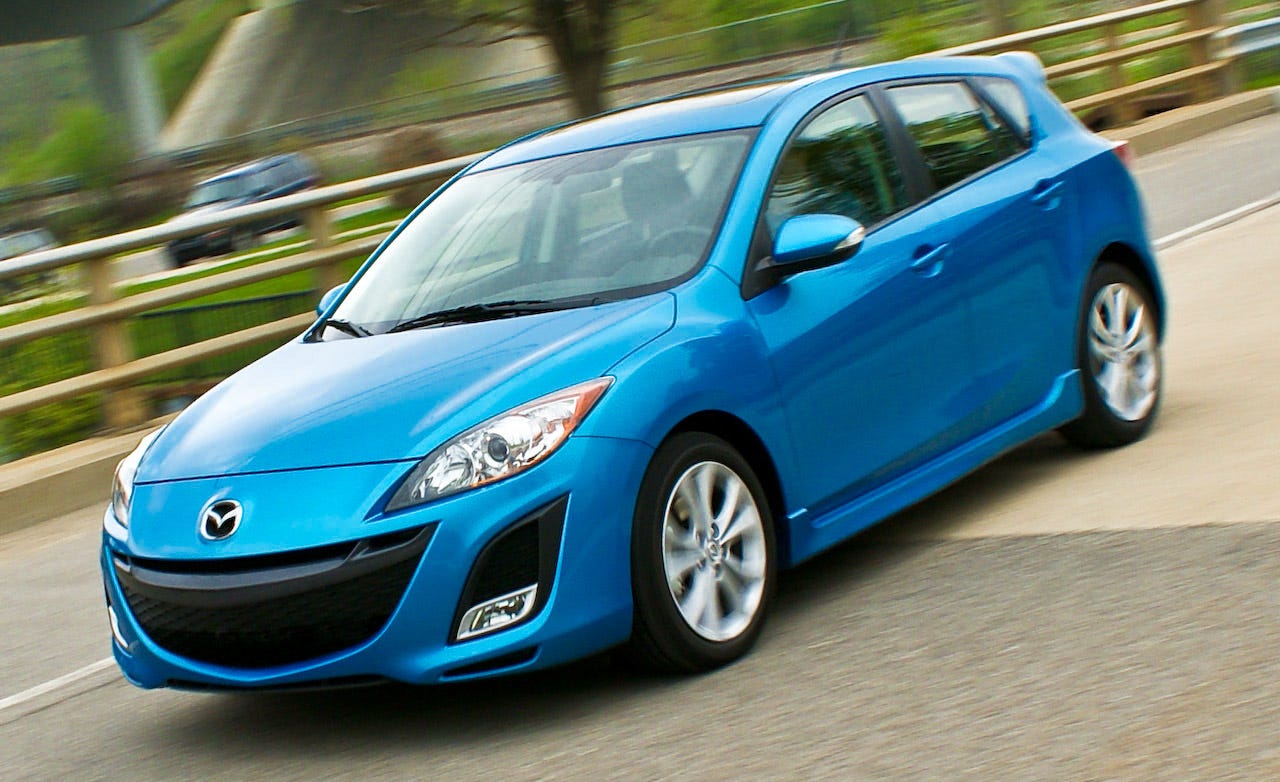
2. Mazda 3 Second Generation (2010 to 2013)
The second-generation Mazda 3 attempted to correct the shortcomings of its predecessor while retaining the engaging personality that attracted early buyers. Mazda revised styling, upgraded safety features, and refined mechanical components. These changes produced a car that felt more polished on the surface, though deeper reliability concerns still influenced ownership experience.
Engine performance improved across the lineup. Four-cylinder engines delivered smoother power delivery and better efficiency than earlier versions. Throttle response felt more controlled, and highway driving became more relaxed. Automatic transmissions showed better durability, though some owners continued to report harsh shifting as mileage increased. Manual transmissions remained reliable, with clutch life depending largely on driving style and maintenance habits.
Interior updates made the cabin more visually appealing. Dashboard designs appeared more modern, and control layouts improved usability. Materials resisted wear better than the first generation, though quality still fell short of later Mazda standards. Door panels and seat upholstery showed aging under heavy use, and infotainment systems from this era now feel slow and outdated by current expectations.
Ride comfort improved noticeably. Suspension tuning absorbed rough pavement more effectively, reducing harshness during daily driving. Handling remained confident, maintaining the model’s reputation for driver engagement. Brake systems lasted longer, cutting down on frequent service needs. Steering feel remained accurate, though slightly less raw than before.
Reliability records for this generation varied depending on production year. Early models experienced recalls related to power steering systems and fuel components. These issues raised concerns but were addressed through manufacturer fixes. Later production years benefited from these corrections, making them more dependable choices within this generation. Even so, maintenance demands remained higher than those of later Mazda 3 versions.
Ownership costs reflected these realities. Routine servicing stayed manageable, but unexpected repairs occurred more often than ideal. Electrical issues appeared less frequently than before, though sensors and auxiliary systems still caused frustration for some owners. Build quality consistency improved, yet it had not reached the level Mazda would later achieve.
This second generation suits buyers seeking affordability paired with decent driving manners. It delivers noticeable improvement over the original but stops short of long-term excellence. Its placement acknowledges progress while recognizing lingering durability concerns that limit its appeal compared with newer iterations.
Also Read: 5 Mazda Miata Generations Ranked by Driver Enjoyment
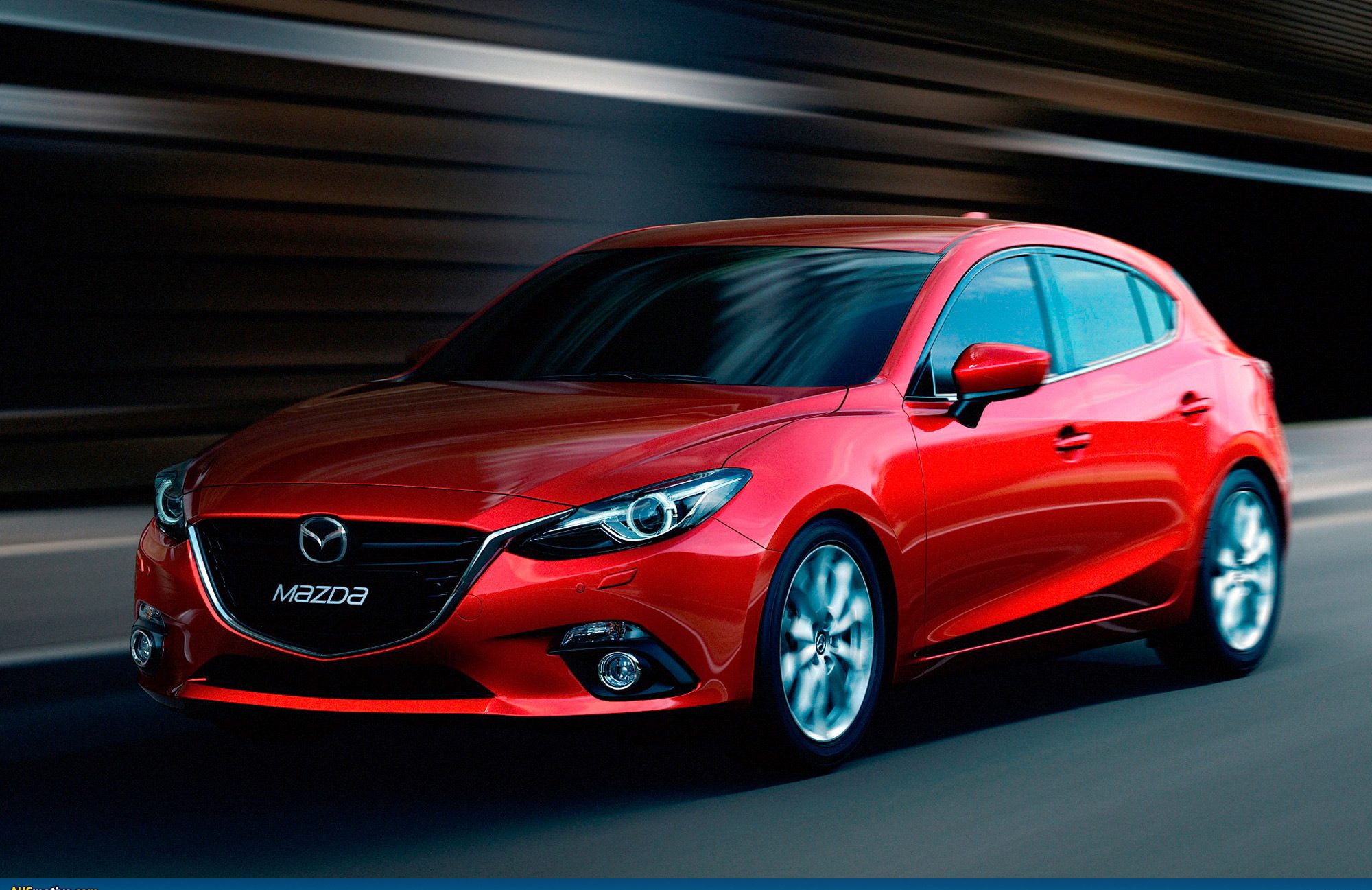
3. Mazda 3 Third Generation Early Years (2014 to 2016)
A full redesign introduced the third-generation Mazda 3 and changed how the model was perceived. Mazda moved away from heavy platform sharing and invested more deeply in its own engineering direction. This decision affected everything from body structure to powertrain tuning.
Buyers immediately noticed that the car felt more unified, both mechanically and visually, compared with earlier versions. The design looked cleaner, the proportions felt intentional, and the driving experience showed clear planning rather than compromise.
Under the hood, the introduction of Skyactiv gasoline engines became a defining feature. These engines focused on efficiency without sacrificing usable power. Real-world fuel consumption often matched or exceeded official ratings, which appealed to drivers focused on long-term ownership costs. Engine response felt smooth and predictable, making daily driving easier.
Reports of major engine failures during these years remained limited, helping this generation gain a reputation for mechanical stability. Automatic transmissions showed improved behavior compared with prior versions, while manual gearboxes delivered consistent engagement with minimal complaints.
Interior execution represented another step forward. Materials used throughout the cabin felt more durable, and assembly quality improved. Dashboards resisted cracking, seat fabrics aged better, and switchgear retained a solid feel even after years of use.
Mazda also simplified the interior layout, which reduced clutter and made controls easier to learn. Infotainment systems marked a noticeable upgrade, introducing larger displays and better integration with smartphones. Early software versions did frustrate some owners due to occasional freezing or slow response, though dealership updates addressed most complaints.
From behind the wheel, this Mazda 3 struck a comfortable balance. Steering provided clear feedback without requiring constant correction. Suspension tuning absorbed rough pavement effectively while remaining composed during quick lane changes or winding roads.
This dual personality helped the car appeal to commuters and drivers who valued engagement. Noise insulation improved as well, making highway travel quieter than in earlier generations. These refinements made long drives less tiring and more enjoyable.
Ownership records reveal a few recurring concerns. Some drivers reported brake components wearing faster than expected, particularly on early production models. Electrical issues appeared occasionally, often involving sensors or infotainment controls.
These problems rarely immobilized the car, but they added inconvenience. Importantly, such issues tended to appear in isolated cases rather than widespread patterns. As a package, the early third-generation Mazda 3 demonstrated genuine progress. Reliability improved, design aged gracefully, and driving satisfaction increased.
While minor first-year issues prevented a spotless record, the gains outweighed the drawbacks. This period marked the moment when the Mazda 3 transitioned from being simply competitive to being genuinely respected within the compact segment.
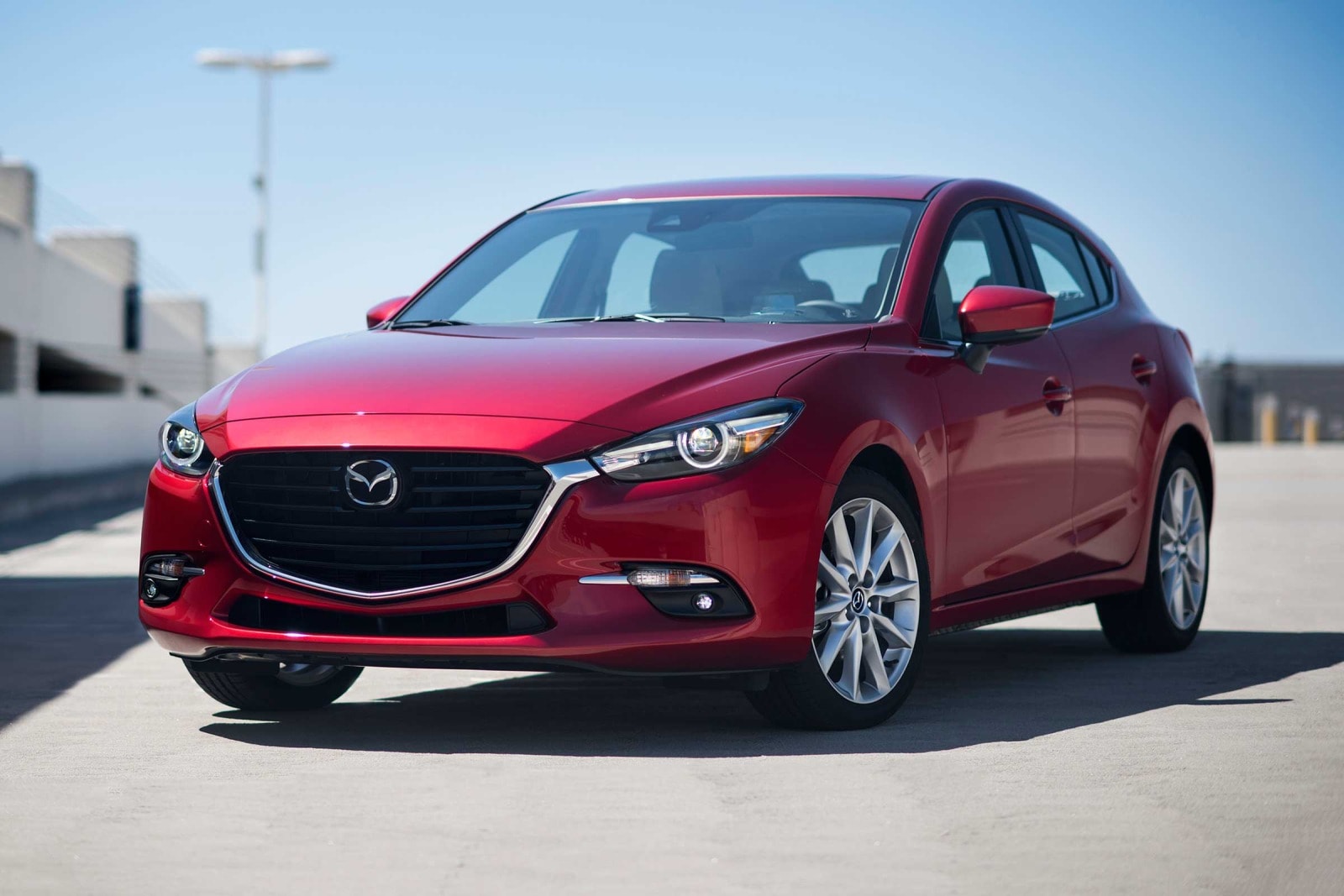
4. Mazda 3 Third Generation Later Years (2017 to 2018)
By the later years of the third generation, Mazda had refined the formula with care. Lessons learned from earlier production informed updates that targeted known weaknesses. These improvements resulted in a version of the Mazda 3 that delivered consistent ownership satisfaction and reduced long-term frustration.
Mechanical dependability improved further during this phase. Engines maintained their efficiency and smooth operation, while reports of drivetrain issues declined. Transmission calibration felt more polished, delivering cleaner shifts in both city traffic and highway cruising.
Brake systems benefited from component updates that extended service life, reducing replacement frequency. Suspension parts also showed better durability, contributing to lower maintenance demands. Inside the cabin, refinement continued. Materials used for seats, dashboards, and door panels resisted wear more effectively.
Mazda improved sound insulation, lowering road and wind noise at cruising speeds. Infotainment systems responded more quickly, addressing earlier complaints about lag. Control layouts remained intuitive, helping drivers focus on the road rather than menu navigation.
Safety features expanded during these years. Advanced driver assistance systems became more widely available, including blind spot monitoring, lane alerts, and adaptive cruise control on certain trims. These systems operated smoothly, adding reassurance without interfering with driver input. Reliability of electronic safety components remained strong, avoiding the nuisance faults that affected some competitors.
Driving feel remained a highlight. Steering response stayed accurate, while ride quality balanced firmness and comfort. The car felt stable at higher speeds and composed during quick maneuvers. Fuel efficiency remained strong, keeping running costs predictable. This consistency appealed to drivers planning extended ownership.
Service records from this period show fewer unexpected repairs. Routine maintenance accounted for most visits, which reinforced confidence among owners. Electrical complaints declined, and build quality consistency improved across assembly plants.
For buyers prioritizing dependability paired with an engaging drive, the later third generation Mazda 3 stands out. It represents the point where Mazda successfully refined earlier improvements into a well-rounded product. This placement reflects reliability growth and a polished ownership experience that holds up well years after release.
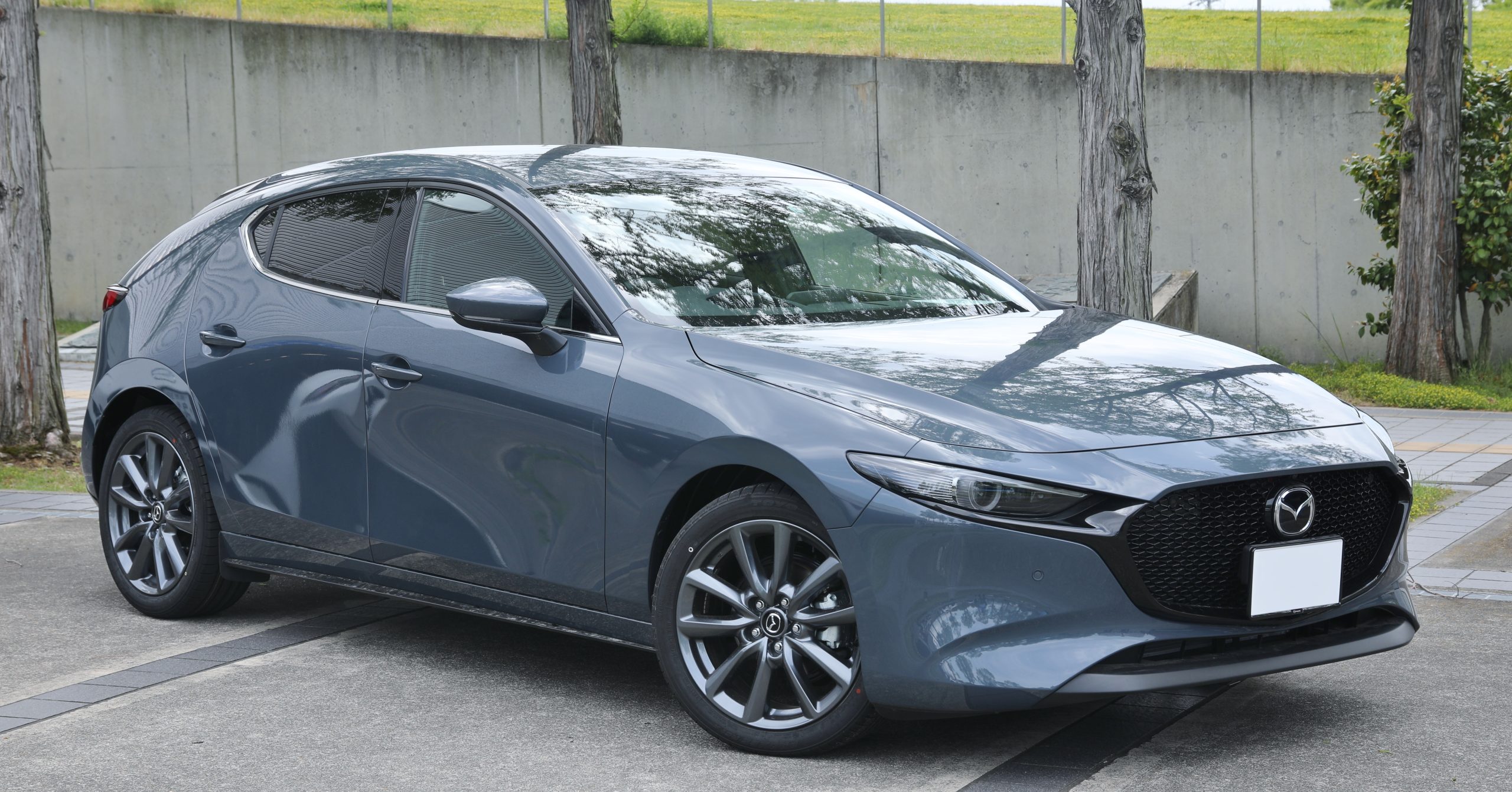
5. Mazda 3 Fourth Generation Early Years (2019 to 2020)
The fourth-generation Mazda 3 arrived with a design approach that emphasized elegance and restraint. Mazda aimed to push the compact car into a more premium space, focusing on form, material quality, and driving comfort. Early models demonstrated this ambition clearly, even as a few growing pains appeared.
Powertrain performance continued the strengths established earlier. Skyactiv engines delivered consistent efficiency and smooth acceleration. Throttle response felt refined, and engine noise remained subdued under normal driving. Automatic transmissions impressed with predictable behavior, while manual options retained solid engagement.
Reports of serious mechanical issues remained uncommon during these years. Interior quality reached a new level. Soft-touch surfaces appeared across the cabin, and assembly precision improved noticeably. Seats offered better support, and control interfaces felt deliberate.
Infotainment systems featured improved graphics and functionality, though some owners experienced early software glitches. Updates resolved most concerns, restoring smooth operation. Ride quality shifted toward comfort. Suspension tuning softened slightly, favoring daily usability over sharp handling.
This approach suited a wider audience, particularly drivers spending long hours on highways. Steering remained accurate, though less sporty than prior versions. Noise isolation improved further, contributing to a calm cabin environment. Ownership feedback from this period reflects strong satisfaction.
Maintenance needs stayed predictable, and build quality consistency improved. A few technology-related complaints appeared, yet they rarely affected core drivability. These early fourth-generation models set the groundwork for what followed.
They delivered premium touches, dependable mechanics, and refined comfort. Minor software adjustments kept them from absolute perfection, yet their strengths placed them near the top of the Mazda 3 hierarchy.
Also Read: 10 Used Mazdas That Offer Toyota Reliability Without the Used Market Markup
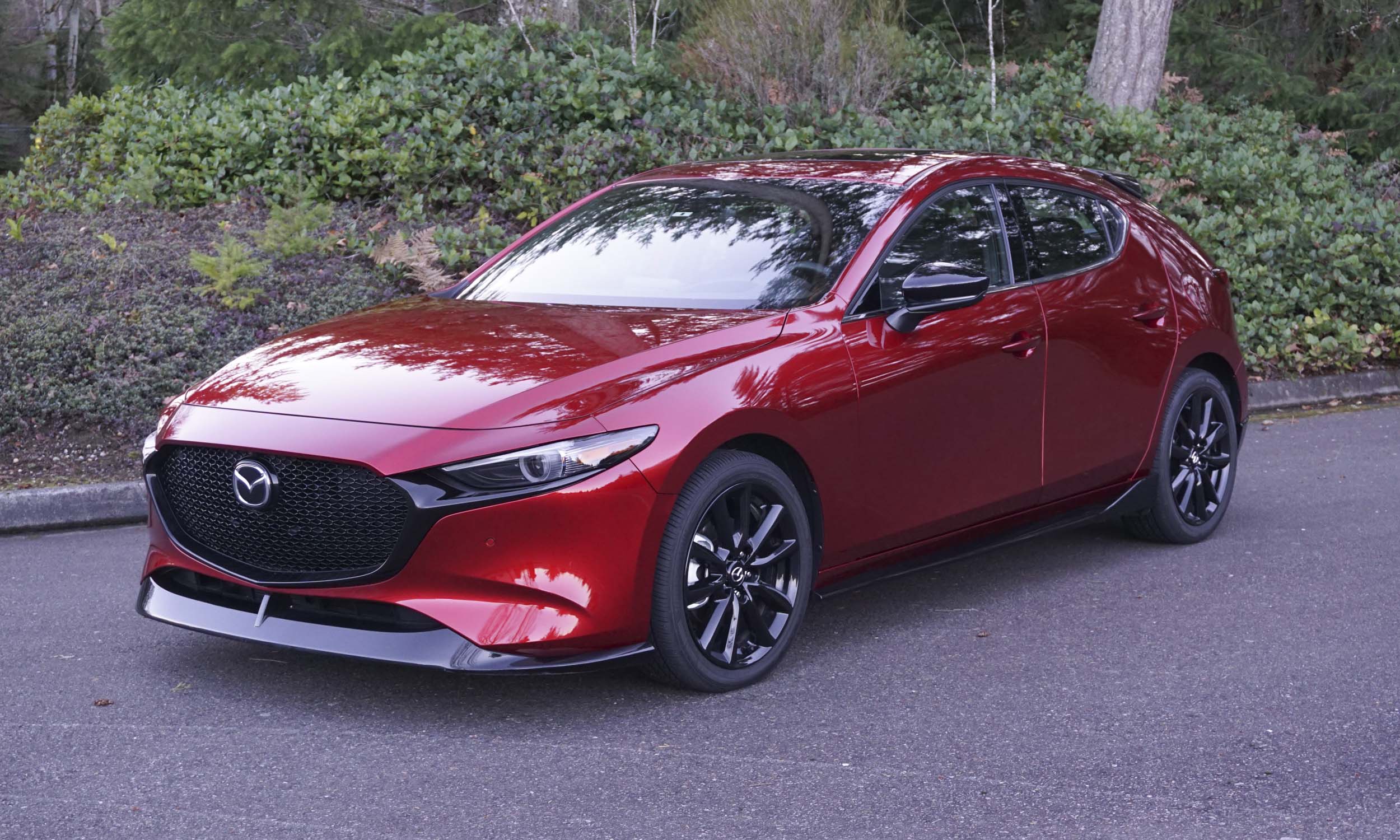
6. Mazda 3 Fourth Generation Later Years (2021 to Present)
Maturity defines the latter phase of the fourth-generation Mazda 3. By this stage, Mazda had refined nearly every aspect of the car, addressing early concerns while building on an already strong foundation. This version stands as the most complete expression of the nameplate, combining durability, comfort, technology, and driving satisfaction in a way earlier models only hinted at.
Powertrain reliability ranks among the strongest qualities of this generation. The Skyactiv four-cylinder engines used during these years demonstrate consistent performance across high-mileage examples. Owners report smooth operation, stable fuel efficiency, and minimal oil consumption when routine service schedules are followed.
Automatic transmissions shift cleanly without hesitation, while manual gearboxes maintain tight engagement even after extended use. Reports of major drivetrain failures remain rare, giving this version an edge in long-term ownership confidence. Interior construction reaches a level that feels intentionally premium rather than cost-driven. Mazda focused on material selection, assembly precision, and ergonomic layout.
Soft touch surfaces resist wear, seat bolstering holds shape as time goes on, and cabin noise remains well controlled. Infotainment systems operate with improved responsiveness compared with earlier software versions, reducing frustration during daily use. Controls feel intuitive, minimizing distraction behind the wheel.
Driving character reflects careful tuning rather than raw aggression. Steering provides accurate feedback without feeling demanding. Suspension calibration balances ride comfort with composure during cornering, making the car equally suited to commuting and longer trips.
Road imperfections are absorbed smoothly, yet the chassis maintains stability at highway speeds. Braking performance remains predictable and consistent, contributing to driver confidence. Safety technology expands further in these later years. Driver assistance features operate reliably, enhancing awareness without becoming intrusive.
Lane support systems, adaptive cruise control, and collision mitigation functions work as intended, supporting modern expectations. These features add reassurance for daily driving without compromising the driving experience. Maintenance requirements remain manageable.
Routine service intervals align with industry standards, and parts availability supports reasonable ownership costs. Compared with older generations, this version demands fewer unexpected repairs. Electrical systems show strong durability, reducing nuisance issues that can affect long-term satisfaction.
Resale value reflects these strengths. Later fourth-generation models retain value better than earlier Mazda 3 versions, indicating strong demand and buyer confidence. Used examples attract attention from shoppers seeking reliability paired with refined design. This market response reinforces the model’s standing as the best iteration to date.
Design language also plays a role in this placement. Exterior styling avoids excessive trends, helping it age gracefully. Clean lines and restrained detailing prevent the car from feeling dated too quickly. This visual restraint supports long-term appeal, an important factor for owners planning extended use.
Ownership feedback consistently highlights satisfaction rather than compromise. Drivers appreciate the balance between comfort, efficiency, and engagement. Complaints appear infrequently and tend to involve minor preferences rather than mechanical faults. This pattern sets the later fourth generation apart from earlier entries in the ranking.
Placing this version at the top reflects cumulative improvement rather than a single breakthrough. Mazda applied lessons learned from prior generations and refined them carefully. The result delivers dependable performance, thoughtful design, and a cohesive driving experience. For buyers seeking the strongest Mazda 3 available, this generation stands as the clear choice.
