
Economy cars are usually associated with fuel efficiency, affordability, and practical transportation rather than excitement. Most buyers entering the compact-car segment prioritize low ownership costs, reliability, and daily usability above all else.
Yet throughout automotive history, a few economy cars managed to surprise enthusiasts by delivering handling characteristics normally associated with dedicated sports cars.
These vehicles succeeded because engineers focused on lightweight construction, sharp steering, balanced suspension tuning, and driver engagement instead of simply chasing horsepower numbers.
Many proved that excellent handling does not require massive engines or exotic price tags. In fact, lighter economy cars often feel more playful and responsive than heavier performance machines because they communicate more clearly with the driver.
Front-wheel-drive hatchbacks became especially important in this category. Manufacturers discovered that compact dimensions and low curb weight could create incredibly agile handling when combined with proper chassis tuning.
Some economy cars developed cult followings because they felt alive on twisty roads while still remaining practical enough for commuting and daily errands.
Japanese manufacturers played a huge role in popularizing affordable cars with sports-car-like dynamics. Brands such as Honda, Mazda, Toyota, and Nissan consistently built compact vehicles emphasizing steering feel and chassis balance.
European companies also contributed heavily by creating small hatchbacks with surprisingly refined road manners and responsive handling.
Another reason these cars became beloved involves accessibility. High-performance sports cars often intimidate casual drivers with enormous horsepower and expensive maintenance. Economy cars with excellent handling allow enthusiasts to enjoy cornering precision and driving involvement at realistic speeds and affordable operating costs.
This article looks at seven economy cars that delivered handling characteristics far beyond what their affordable pricing suggested.
Some became icons among driving enthusiasts, while others quietly earned respect through exceptional chassis tuning and everyday usability. Each one demonstrated that true driving enjoyment comes from balance, agility, and communication rather than simply raw power or luxury branding.
Also Read: BMW M 1000 RR Isle of Man TT Limited Edition Revealed
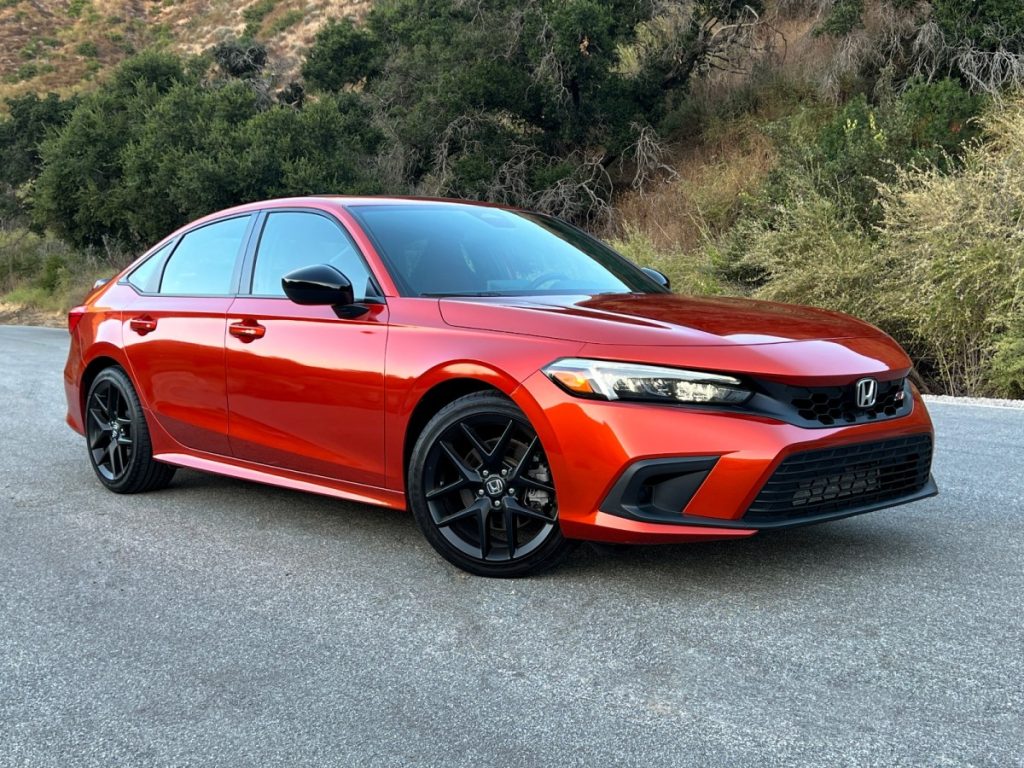
1. Honda Civic Si
The Honda Civic Si became one of the most respected affordable performance cars ever built because it consistently delivered sports-car-like handling without sacrificing practicality or reliability. While many economy cars focused purely on low operating costs, Honda engineered the Si to provide genuine driver involvement alongside everyday usability.
One of the car’s greatest strengths involved chassis balance. The Civic Si felt incredibly agile thanks to its lightweight construction and carefully tuned suspension.
Drivers immediately noticed how eagerly the car changed direction through corners compared to ordinary compact sedans. Steering response felt sharp and predictable, helping the car communicate road conditions clearly.
Honda also understood that handling enjoyment depends heavily on driver confidence. The Civic Si remained approachable even for inexperienced enthusiasts because it behaved progressively at the limit. Instead of feeling intimidating or unpredictable, the car encouraged drivers to push harder and improve their skills gradually.
The manual transmission became another major part of the Si’s identity. Honda produced some of the best manual gearboxes in the automotive industry, and the Civic Si benefited tremendously from precise shifter action and short gear throws.
Combined with a high-revving engine, the car created an engaging driving rhythm rarely found in affordable vehicles.
Suspension tuning balanced comfort and sportiness impressively well. The Civic Si handled twisty roads with enthusiasm while still remaining comfortable enough for commuting and long highway trips. Some sports cars sacrificed practicality entirely for performance, but the Honda maintained strong everyday usability.
Front-wheel-drive cars traditionally struggled with understeer during aggressive driving, yet Honda minimized those weaknesses effectively through intelligent suspension geometry and limited-slip differential systems on certain generations. Skilled drivers could attack corners aggressively while maintaining excellent control.
The car’s relatively modest power output actually contributed to its charm. Instead of relying on overwhelming acceleration, the Civic Si rewarded momentum driving and precise cornering techniques. Enthusiasts often appreciated this because they could enjoy the car fully at legal road speeds without constantly risking dangerous situations.
Reliability and low ownership costs further strengthened the Civic Si’s reputation. Owners could drive the cars hard regularly without facing catastrophic maintenance expenses associated with exotic sports cars.
The Civic Si proved that affordable economy cars could deliver genuine sports-car handling when engineers prioritized balance, steering feel, and driver engagement above raw horsepower figures.
- Engine: 1.5L Turbo Inline 4
- Torque: 192 lb-ft
- Horsepower: 200 HP
- Length/Width: 184 inches / 70.9 inches
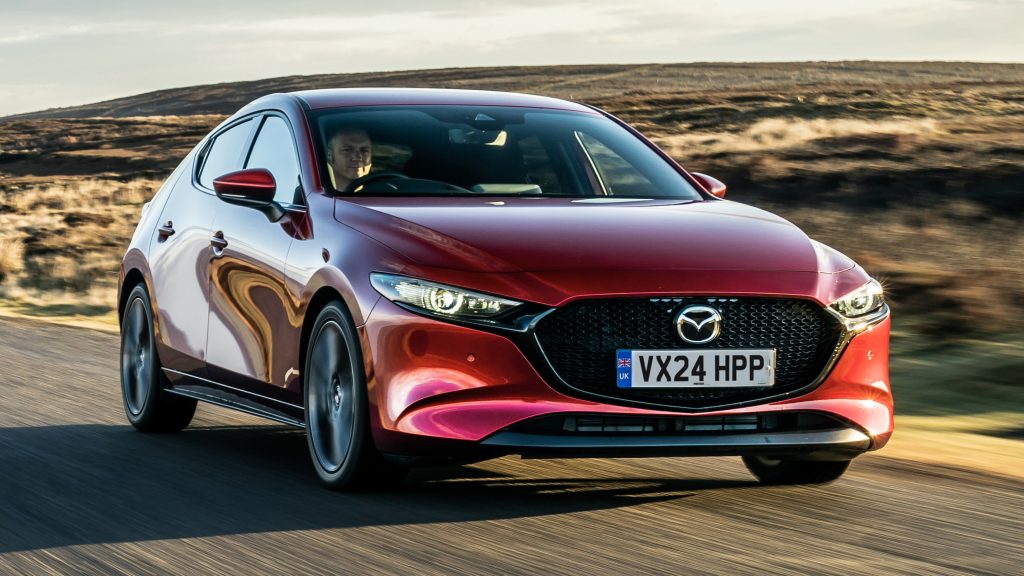
2. Mazda3 Hatchback
Mazda built the Mazda3 Hatchback with a philosophy rarely seen in the economy-car segment. Instead of treating driving enjoyment as secondary to practicality, the company focused heavily on steering precision, chassis refinement, and balanced road manners.
The result became one of the most sophisticated handling compact cars available at mainstream pricing.
The Mazda3 immediately feels different from many economy rivals because of its steering. Mazda engineers tuned the system carefully to provide natural weight and excellent communication without becoming artificially heavy. Drivers can sense how the front tires interact with the road surface, creating a connection often missing in modern, affordable cars.
Another major strength involves body control. The Mazda3 remains remarkably composed through corners, resisting excessive body roll while maintaining ride comfort during everyday driving. Many compact cars feel nervous or disconnected during aggressive cornering, but the Mazda behaves with maturity and confidence.
Mazda also prioritized lightweight responsiveness instead of excessive power. While some competitors chased headline horsepower figures, the Mazda3 focused on creating smooth transitions and predictable balance. This philosophy made the car enjoyable on winding roads where precision mattered more than straight-line acceleration.
The hatchback body style further improved the driving experience by adding practicality without significantly increasing weight or reducing agility. Drivers gained useful cargo space while still enjoying compact dimensions ideal for city driving and tight roads.
Interior quality also contributed indirectly to the car’s sports-car-like personality. The driving position feels low and focused, helping drivers feel integrated with the chassis rather than sitting above it like many crossovers. Controls operate with precision, reinforcing the car’s refined character.
Mazda also carefully refined the suspension to balance comfort with responsiveness. The car handles rough pavement confidently without feeling overly soft or detached, allowing the Mazda3 to stay composed through quick directional changes while remaining comfortable enough for everyday commuting.
Many automotive journalists compared the Mazda3’s handling favorably against entry-level European sports sedans costing significantly more. That praise reflected how effectively Mazda emphasized driving dynamics in a segment increasingly dominated by numb transportation appliances.
The Mazda3 Hatchback demonstrates that economy cars do not need extreme horsepower or aggressive styling to feel sporty.
Through intelligent engineering and obsessive attention to steering and chassis tuning, Mazda created a compact car capable of delivering genuine sports-car handling characteristics at an affordable price.
- Engine: 2.5L Inline 4
- Torque: 186 lb-ft
- Horsepower: 191 HP
- Length/Width: 175.6 inches / 70.7 inches
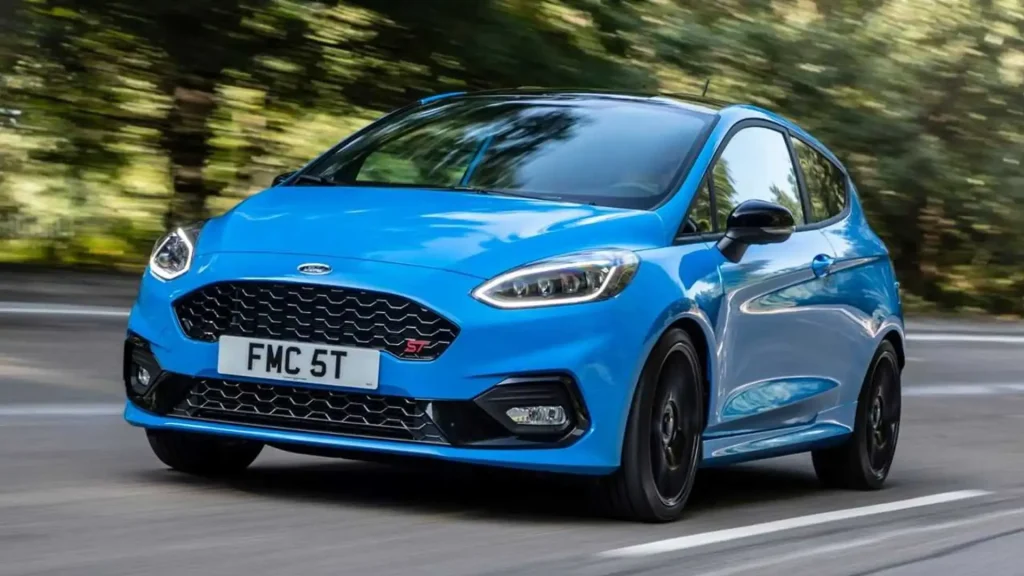
3. Ford Fiesta ST
The Ford Fiesta ST became one of the greatest surprises in the modern hot-hatch world because it transformed a tiny economy car into a machine capable of delivering genuine sports-car excitement.
Few people expected an affordable subcompact hatchback to develop such a passionate following among driving enthusiasts, yet the Fiesta ST earned enormous respect almost immediately after launch.
One of the biggest reasons behind its success involved weight. The Fiesta ST remained incredibly light compared to larger performance cars, allowing it to feel playful and responsive in nearly every driving situation. Drivers could throw the car into corners aggressively without fighting excessive mass or sluggish reactions.
Ford engineered the suspension specifically for enthusiastic driving. The car rotated eagerly during cornering and displayed a level of agility rarely found in affordable front-wheel-drive hatchbacks. Many reviewers praised the Fiesta ST because it encouraged drivers to attack twisty roads with confidence rather than simply commuting quietly.
Steering feel also became a defining characteristic. The wheel responded quickly and communicated road conditions effectively, helping drivers place the car precisely through corners. Some expensive modern sports cars struggle to provide this level of directness due to heavy electronic filtering, yet the Fiesta ST felt refreshingly alive.
Another major advantage involved approachability. The turbocharged engine delivered strong low-end torque without becoming overwhelming, allowing drivers to use most of the car’s performance regularly. Instead of depending on huge horsepower numbers, the Fiesta ST focused on momentum, balance, and driver engagement.
The car’s short wheelbase added even more personality. Rapid direction changes felt effortless, and experienced drivers often enjoyed lifting off the throttle mid-corner to help rotate the chassis. That playful behavior gave the Fiesta ST a character many larger performance cars lacked completely.
Ford also avoided overcomplicating the experience. The manual transmission felt mechanical and satisfying, while the cabin maintained practical economy-car usability despite the performance upgrades. Owners could commute comfortably during the week before attacking mountain roads on weekends.
Track enthusiasts frequently praised the car because it rewarded skill rather than brute-force power. Drivers learned how to maximize corner speed, braking technique, and weight transfer instead of relying purely on acceleration to achieve fast lap times.
The Fiesta ST proved that sports-car handling depends more on intelligent engineering and lightweight agility than expensive hardware or giant engines. Ford created a compact economy hatchback capable of delivering some of the purest driving enjoyment available at any price point.
- Engine: 1.6L Turbo Inline 4
- Torque: 202 lb-ft
- Horsepower: 197 HP
- Length/Width: 159.7 inches / 67.8 inches
4. Volkswagen GTI
The Volkswagen GTI helped define the hot-hatch category because it demonstrated how an affordable, practical hatchback could also deliver sophisticated sports-car handling. Since its introduction, the GTI consistently balanced comfort, practicality, and driving excitement better than almost any competitor in the compact economy segment.
Unlike some aggressive performance hatchbacks focused purely on raw excitement, the GTI approached handling with refinement and maturity. Volkswagen engineers tuned the chassis carefully to create a car that felt stable and composed during everyday driving while still becoming highly entertaining on twisty roads.
One of the GTI’s greatest strengths involves steering precision. Inputs feel smooth and progressive rather than nervous or exaggerated.
Drivers can place the car accurately through corners, building confidence quickly, even during spirited driving. That predictability helped the GTI appeal to both experienced enthusiasts and newcomers alike.
The GTI’s suspension setup is another standout feature, blending comfort and agility with remarkable success. Unlike many compact performance cars that sacrifice ride quality for sharper handling, the GTI stays comfortable on uneven pavement while still feeling planted and controlled when pushed hard through corners.
Turbocharged power delivery also suits the chassis perfectly. Strong midrange torque allows the GTI to accelerate confidently out of corners without requiring constant high-RPM driving. The engine feels flexible and responsive in real-world conditions, making the car enjoyable during both city commuting and canyon-road driving.
Another reason the GTI gained such a loyal following involves practicality. Rear-seat space, cargo capacity, and everyday usability remained excellent despite the sporty character. Owners could comfortably use the car for work, shopping, road trips, and family duties without sacrificing driving enjoyment completely.
Volkswagen also emphasized interior quality more heavily than many economy competitors. The cabin materials, seating position, and control layout often felt closer to entry-level luxury cars than ordinary compact hatchbacks. That refinement enhanced the car’s premium sports-hatch personality.
The GTI became especially respected because it never relied on extreme styling or massive horsepower to create excitement. Instead, Volkswagen focused on balanced engineering and subtle sophistication. Skilled drivers appreciated how naturally the car responded during hard driving rather than feeling artificially aggressive.
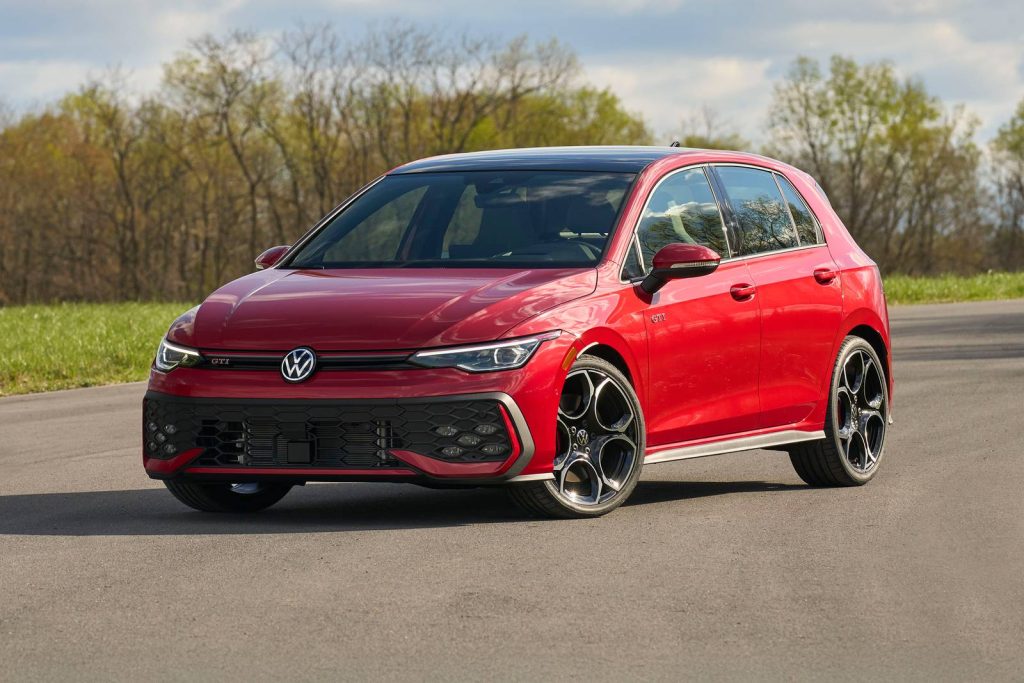
Over multiple generations, the GTI consistently proved that economy cars could deliver genuine sports-car handling without abandoning comfort or practicality. It became one of the most influential affordable performance cars ever created and remains a benchmark for balanced driving dynamics in the compact segment.
- Engine: 2.0L Turbo Inline 4
- Torque: 273 lb-ft
- Horsepower: 241 HP
- Length/Width: 168.8 inches / 70.4 inches
5. Toyota Corolla XRS
The Toyota Corolla built its reputation primarily through reliability, fuel economy, and dependable transportation rather than driving excitement.
That made the Corolla XRS especially surprising because Toyota transformed its normally conservative compact sedan into a genuinely entertaining performance-oriented economy car with unexpectedly sharp handling characteristics.
At the center of the XRS experience sat a high-revving engine derived from Toyota’s performance engineering partnerships.
Unlike ordinary economy-car engines focused purely on efficiency, the XRS motor encouraged drivers to chase higher RPM ranges where the car suddenly felt energetic and alive. That personality shift gave the Corolla a completely different character from the calm commuter image most buyers expected.
Handling became the real revelation, however. Toyota upgraded the suspension substantially with firmer tuning, improved damping, and sportier chassis calibration.
The car responded quickly to steering inputs and remained impressively stable through corners. Drivers accustomed to numb economy sedans often found the XRS shockingly capable on winding roads.
Another factor helping the car feel sporty involved its relatively lightweight construction. Without excessive bulk or oversized dimensions, the Corolla XRS maintained excellent agility during rapid direction changes. Drivers could carry momentum confidently through corners instead of depending mainly on straight-line acceleration.
The manual gearbox also played a huge role in shaping the driving experience. Its precise, mechanical feel made every shift satisfying, strengthening the car’s enthusiast-focused character. Paired with the high-revving engine, it encouraged a level of driver involvement that was uncommon among affordable compact sedans.
Toyota also avoided making the XRS visually excessive. The car maintained subtle sporty styling instead of dramatic wings and aggressive body kits. Enthusiasts appreciated that understated appearance because the car behaved far more aggressively than it looked.
One of the XRS’s most impressive qualities involved reliability under enthusiastic driving. Many affordable performance cars develop expensive maintenance issues once driven hard regularly, but the Toyota maintained much of the durability associated with the Corolla name. Owners could enjoy spirited driving without constantly worrying about mechanical disasters.
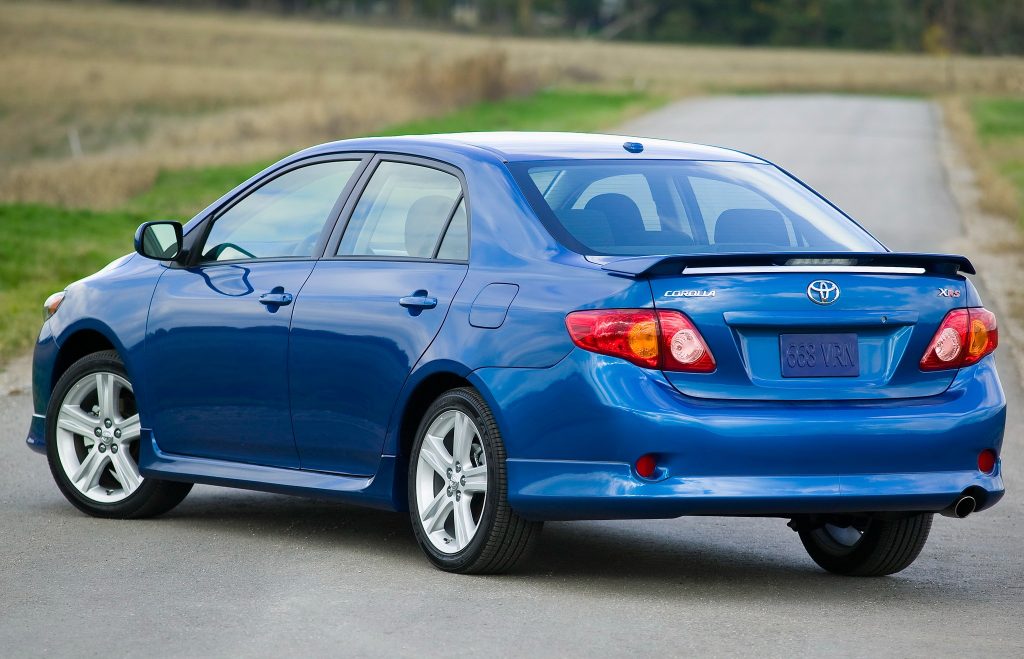
The XRS also delivered a well-judged suspension setup that balanced performance and comfort. Although noticeably firmer than a standard Corolla, it still handled everyday commuting with ease, giving drivers sharper, sportier dynamics without making long drives uncomfortable.
The Corolla XRS proved that even one of the world’s most practical economy cars could become genuinely exciting with the right engineering focus. Toyota created a hidden performance gem that delivered far sharper handling than most buyers ever expected from a Corolla badge.
- Engine: 2.4L Inline 4
- Torque: 162 lb-ft
- Horsepower: 158 HP
- Length/Width: 176 inches / 69.3 inches
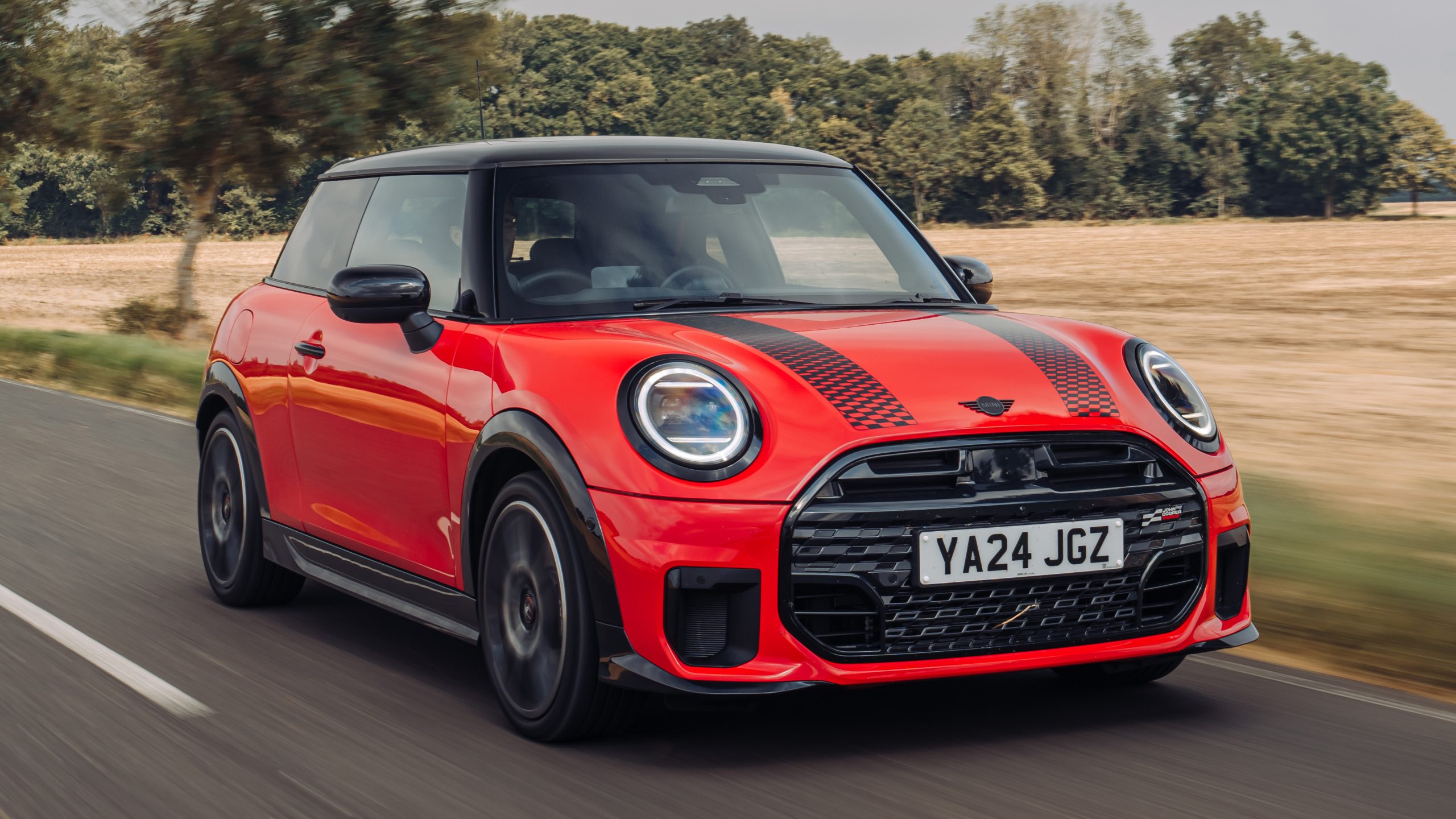
6. Mini Cooper S
The Mini Cooper S became famous for delivering handling characteristics that felt far more like a go-kart or lightweight sports coupe than a traditional economy hatchback.
Although compact dimensions helped practicality in crowded cities, those same proportions also created one of the most playful and responsive driving experiences available at an affordable price.
Mini engineers focused heavily on agility and driver involvement from the beginning. The short wheelbase and wide stance allowed the Cooper S to change direction with remarkable quickness. Drivers often described the car as feeling eager to attack corners rather than simply tolerate them.
Steering response became one of the Mini’s defining traits. The wheel reacted instantly to driver inputs, helping the car feel alive and connected at all times. Some larger sports cars actually felt slower and less responsive during tight-road driving despite significantly higher horsepower figures.
The turbocharged engine added another layer of excitement. Strong midrange torque gave the Cooper S lively acceleration perfectly suited to the lightweight chassis. Instead of overwhelming the front tires with excessive power, the engine complemented the car’s balance and playful handling beautifully.
The Mini also kept body roll impressively in check, staying composed and stable through aggressive cornering. This gave drivers greater confidence during quick directional changes, while the car’s compact dimensions made tight roads and city driving feel especially lively and engaging.
Another major strength involved personality. Many modern economy cars feel generic and isolated from the driver, but the Cooper S constantly communicated road texture, weight transfer, and tire grip. Enthusiasts appreciated that sense of involvement because it made ordinary driving situations feel engaging.
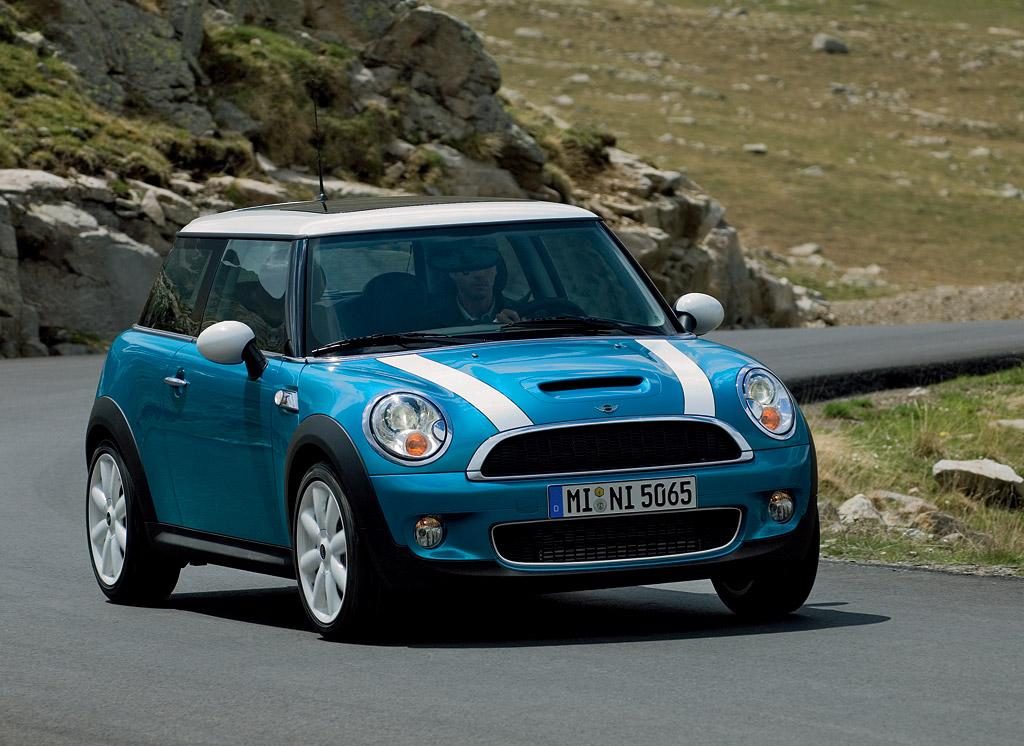
The interior also reinforced the sporty atmosphere. Low seating position, compact dimensions, and driver-focused controls created a cockpit-like sensation uncommon in affordable hatchbacks. Even simple errands felt more exciting because of how the car interacted with the driver.
Mini also managed to combine everyday practicality with an engaging driving experience. Despite its playful personality and sharp handling, the car still offered usable rear seats and practical hatchback cargo space, allowing owners to commute, travel, and handle daily errands without sacrificing comfort or versatility.
The Cooper S demonstrated that sports-car handling does not require massive size or huge engines. Through lightweight engineering, quick steering, and aggressive chassis tuning, Mini built an affordable hatchback capable of delivering driving excitement rivaling much more expensive performance cars.
- Engine: 2.0L Turbo Inline 4
- Torque: 206 lb-ft
- Horsepower: 189 HP
- Length/Width: 159.1 inches / 68 inches
7. Nissan Sentra SE-R Spec V
The Nissan Sentra SE-R Spec V became one of the most underrated performance economy cars of the early 2000s because it combined compact practicality with genuinely aggressive sports-car-inspired handling.
While many competitors focused mainly on appearance packages and mild suspension upgrades, Nissan engineered the Spec V to feel raw, responsive, and enthusiast-oriented from behind the wheel.
The car’s biggest strength came from its sharp chassis tuning. Steering felt direct, body roll stayed controlled, and the suspension delivered impressive cornering confidence for an affordable front-wheel-drive sedan.
Drivers quickly noticed the car encouraged aggressive driving rather than discouraging it with soft economy-car behavior.
The lightweight Sentra also benefited from a high-performance engine that injected plenty of character into the driving experience. Its strong midrange torque delivered quick, energetic acceleration, often catching larger performance cars off guard on tighter roads. Paired with a close-ratio six-speed manual gearbox, the setup kept the engine in its sweet spot and made spirited driving feel even more engaging.
Nissan also equipped the Spec V with performance-focused upgrades, including larger brakes, sport seats, limited-slip differential hardware, and stiffer suspension tuning. These changes transformed the ordinary Sentra platform into a car capable of handling twisty roads with real confidence and balance.
Unlike expensive sports cars requiring massive budgets, the SE-R Spec V delivered accessible driving excitement to younger enthusiasts and everyday drivers. It remained affordable to buy, practical for commuting, and relatively simple to maintain while still feeling genuinely sporty.
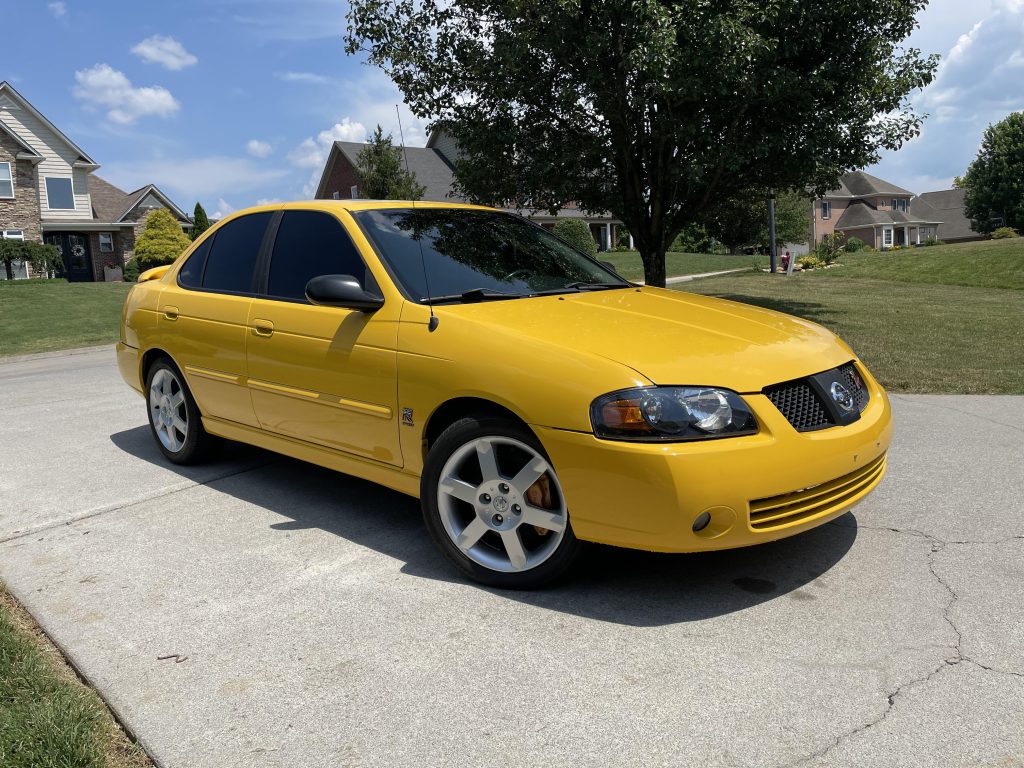
The aggressive suspension could feel firm on rough pavement, but enthusiasts appreciated the sharper handling trade-off. The car behaved with energy and urgency rarely found in compact economy sedans of its era.
The Sentra SE-R Spec V proved that affordable cars could still provide authentic driver engagement when manufacturers prioritized steering feel, lightweight agility, and chassis precision over luxury features or excessive technology.
- Engine: 2.5L Inline 4
- Torque: 180 lb-ft
- Horsepower: 175 HP
- Length/Width: 177.5 inches / 67.3 inches
Also Read: 10 Cars That Failed Their First Year and Got Discontinued
