
Muscle cars once defined freedom, rebellion, and personality on American roads. During their golden decades, these machines mixed bold styling with engines that favored attitude as much as acceleration. Time, however, has a way of reshuffling attention.
Certain models stayed in the spotlight, while others faded quietly despite having real substance. Today, rising prices of famous nameplates have pushed curious buyers to search beyond the usual choices, and that search often leads to forgotten corners of American performance history.
Hidden among used listings and private garages sit cars that delivered power, presence, and personality without earning lasting recognition. Some arrived during market confusion, others wore misunderstood designs, and a few suffered from branding mistakes that buried their strengths. None of that erased their value.
Each still offers a driving experience rooted in torque, sound, and unmistakable American attitude. Even better, many remain attainable, especially compared with headline-grabbing classics whose prices climbed far beyond reach. Buying one of these overlooked machines is not about nostalgia alone.
Ownership brings mechanical honesty, simple layouts, and engines built for real roads rather than laboratory numbers. These cars reward involvement, sound alive under throttle, and stand apart at shows filled with predictable choices. For drivers who want character without chasing auction trends, forgotten muscle offers a refreshing direction.
This guide highlights eight American muscle cars that slipped through history’s cracks yet deserve renewed attention. Each delivers genuine performance credentials, distinct design identity, and long-term ownership appeal. Part One focuses on four standouts that quietly carried muscle spirit forward during uncertain eras. Every section looks beyond surface reputation and explains why these machines deserve a second look today.
1. AMC Javelin SST 1971
- Engine: 401 cu in V8
- Horsepower: up to 330 hp
- Torque: about 430 lb-ft
- Length: 191.8 in
- Width: 71.9 in
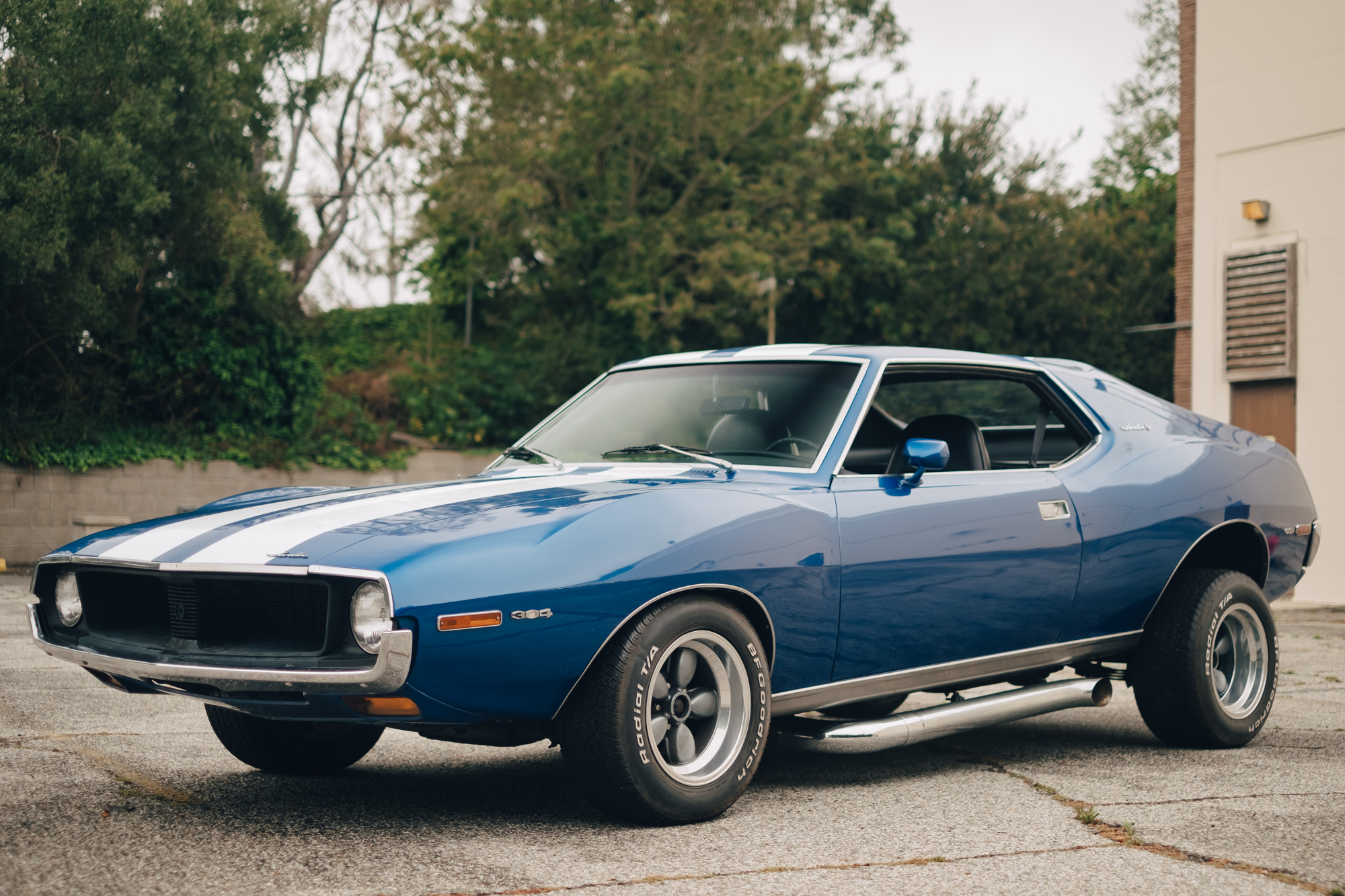
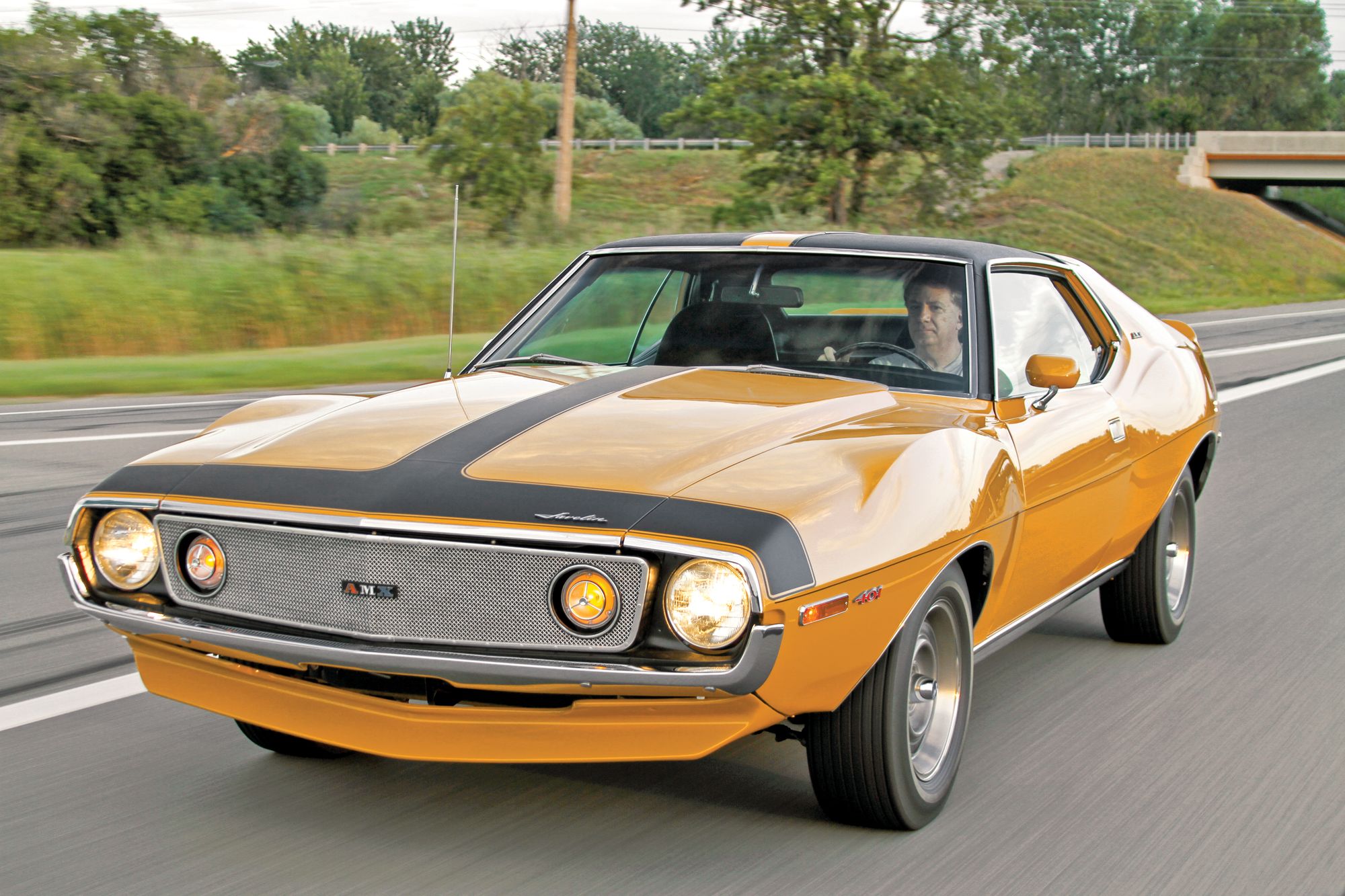
American Motors Corporation never enjoyed the marketing power of Detroit’s largest brands, yet ambition ran deep within its engineering teams. The 1971 AMC Javelin SST arrived during a fiercely competitive period, bringing sharp styling and serious performance intent.
Its long hood, short deck proportions, and aggressive stance reflected a desire to challenge established rivals on equal footing. Buyers who chose the SST trim received a package designed to balance comfort with muscle credentials, making the car suitable for daily use while still delivering excitement.
Engine options defined the Javelin’s appeal. A range of V8 choices allowed buyers to select power levels that rivaled competitors from larger manufacturers. The available 401 cubic inch V8 stood as a genuine heavyweight, producing strong torque and effortless highway speed.
Acceleration felt immediate, driven by a powerband tuned for real-world conditions rather than brochure numbers. Rear wheel drive and a solid chassis gave the car predictable handling that rewarded confident inputs. Interior presentation focused on function without sacrificing flair.
Bucket seats provided proper support, while clear instrumentation placed emphasis on engine information rather than decorative excess. Materials reflected early 1970s standards, yet assembly quality often exceeded expectations. Owners frequently remark on how well-preserved cabins remain after decades of use, especially compared with rivals that suffered faster interior wear.
Racing involvement strengthened the Javelin’s credibility. Success in Trans Am competition proved the platform could withstand punishment while maintaining balance. Those lessons filtered into road cars through suspension tuning and structural improvements.
Driving a Javelin SST today feels connected and mechanical, free from filters that dull modern performance cars. Steering communicates clearly, throttle response feels honest, and the exhaust note carries weight without artificial enhancement. Market perception continues to undervalue this model. Collectors often overlook AMC products, creating opportunities for buyers willing to step outside familiar brands.
Parts availability remains solid due to shared components and dedicated enthusiast networks. Maintenance stays manageable, particularly for mechanically inclined owners. Rising interest suggests prices may climb, yet current values still reflect a gap between reputation and reality.
Ownership offers distinction without sacrificing usability. Parked beside mainstream muscle, the Javelin attracts curiosity rather than comparison. Its combination of power, rarity, and motorsport roots gives it lasting appeal. For buyers seeking authenticity and character, the 1971 AMC Javelin SST stands as a strong reminder that performance history includes more than the usual names.
2. Pontiac GTO 2004
- Engine: 5.7L LS1 V8
- Horsepower: 350 hp
- Torque: 365 lb-ft
- Length: 189.8 in
- Width: 72.4 in
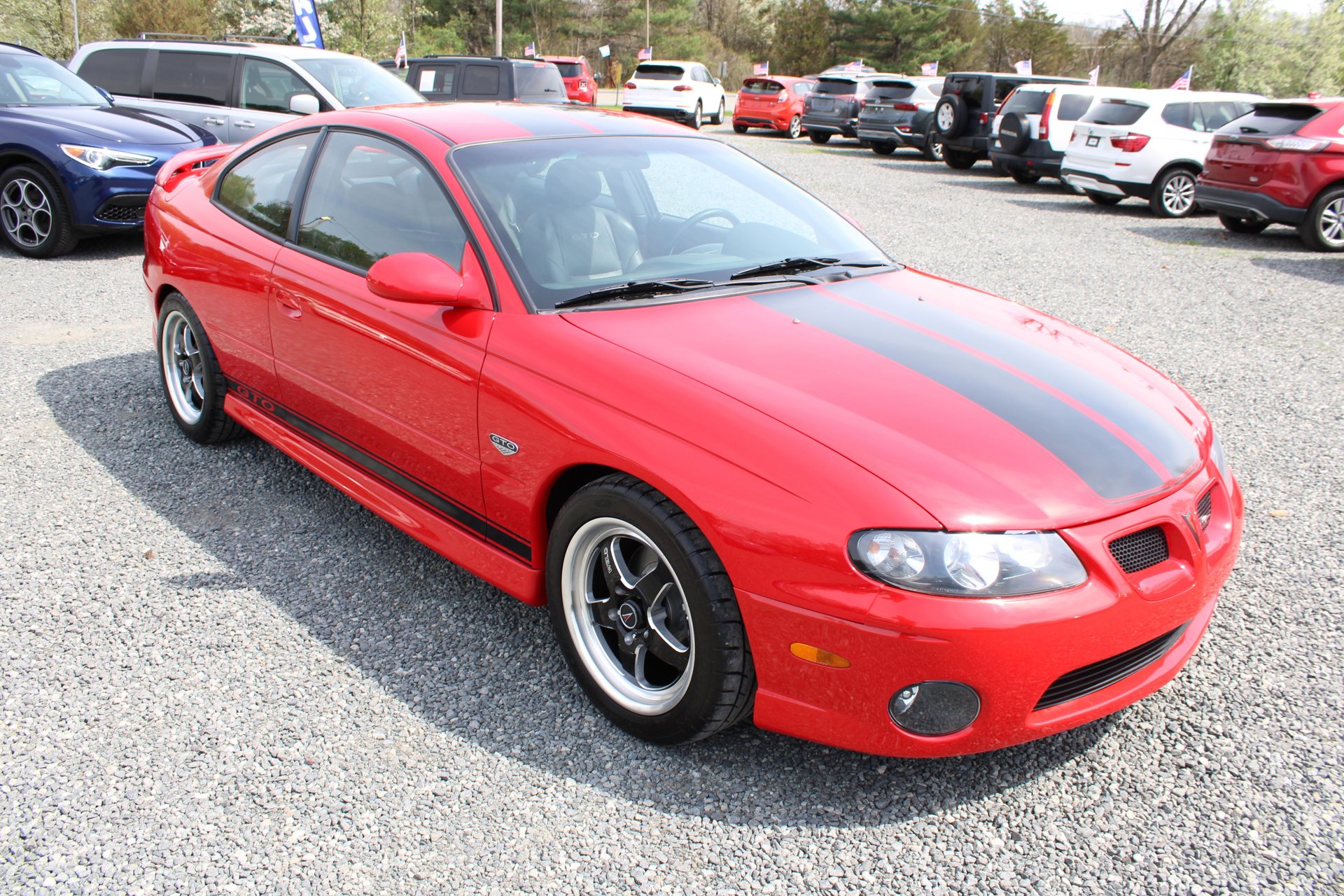
Pontiac’s decision to revive the GTO name in 2004 came with controversy. Instead of retro styling, the company chose a restrained design based on an Australian platform. Many buyers expected visual drama and dismissed the car at first glance. Beneath that conservative exterior lived a machine built around serious performance intent. Time has been kind to this approach, allowing the car’s strengths to speak louder than its initial reception.
Power came from a 5.7-liter LS1 V8 producing 350 horsepower. This engine delivered smooth, relentless acceleration paired with impressive reliability. Throttle response felt immediate, supported by a soundtrack that reflected genuine displacement rather than synthetic tuning. Available manual and automatic transmissions handled power confidently, giving drivers flexibility without compromising engagement.
Chassis tuning leaned toward balance instead of brute force alone. Independent rear suspension improved composure during spirited driving, while weight distribution allowed predictable corner behavior. Highway cruising revealed another side of the GTO, with stable tracking and refined ride quality. This dual nature made it suitable for long trips as well as enthusiastic weekend drives.
Interior design favored simplicity. Supportive seats, clear gauges, and logical controls defined the cabin. Materials aged gracefully, avoiding the brittle plastics that plagued many early 2000s interiors. Sound insulation struck a smart balance, allowing engine presence without overwhelming conversation. Build quality reflected the platform’s origins, delivering solidity uncommon among domestic coupes of the era.
Public misunderstanding kept resale values low for years. That situation now benefits buyers seeking performance without inflated pricing. Parts availability remains excellent due to LS engine popularity, reducing ownership anxiety. Modifications range from mild upgrades to substantial builds, supported by a massive aftermarket ecosystem.
Driving a 2004 GTO today feels refreshingly direct. No exaggerated styling cues distract from the experience. Instead, the car delivers honest power, composed handling, and understated confidence. For drivers willing to look beyond surface impressions, this model offers exceptional value. History may have judged it harshly at launch, yet time reveals a muscle car built with substance rather than nostalgia.
Also Read: 8 Forgotten Muscle Cars From 1980s
3. Chevrolet Monte Carlo SS 1986
- Engine: 5.0L V8 (LG4)
- Horsepower: 180 hp
- Torque: 235 lb-ft
- Length: 200.4 in
- Width: 71.8 in
By the middle of the 1980s, American performance cars existed under heavy pressure from emissions rules, fuel economy targets, and changing buyer expectations. Chevrolet responded to this climate with a careful rethinking of what muscle could represent during that period.
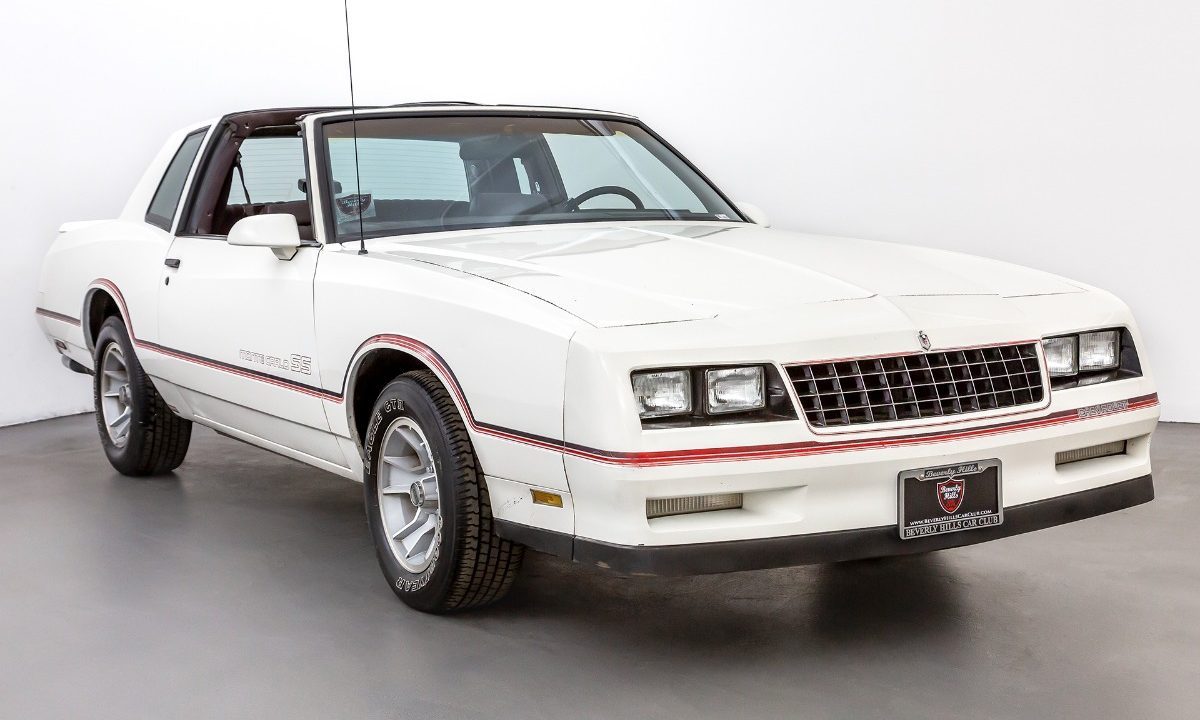
The 1986 Monte Carlo SS emerged as a polished expression of restraint, blending visual authority with mechanical simplicity while remaining usable for daily driving. Rather than chase raw output figures, the car focused on balance, presence, and endurance.
Styling played a major role in establishing its identity. The aerodynamic nose, sloped rear glass, and bold SS graphics delivered purpose without excess decoration. These elements were not purely cosmetic. They reflected lessons drawn from stock car racing, where the Monte Carlo had become a familiar sight.
This racing connection shaped both appearance and stability, especially at higher cruising speeds, giving the road car added credibility. Power came from a 5.0 litre V8 configured for torque delivery and dependable operation. Output figures appear restrained when viewed through a modern lens, yet the driving experience told a fuller story.
Throttle response felt immediate, and low-speed pull suited everyday use. Rear wheel drive preserved traditional proportions, while suspension calibration favored predictable behavior rather than aggressive stiffness. This made the car approachable, even for drivers without performance experience.
Steering response remained light, helping maneuverability in urban settings. Highway manners felt composed, supported by a long wheelbase that reduced nervous movement at speed. Braking performance matched expectations for the era, providing consistency rather than a sharp bite. The Monte Carlo SS delivered confidence through familiarity, relying on proven engineering instead of experimentation.
Interior design reflected 1980s priorities. Wide seats, generous legroom, and a relaxed driving position encouraged long journeys. Controls followed logical placement, reducing distraction. Large windows improved visibility, contributing to a sense of openness. Material quality exceeded assumptions often applied to cars from this period, with many examples retaining structural integrity decades later.
Public opinion often groups cars from this era under a single label, dismissing them as compromised. That view overlooks how effectively the Monte Carlo SS adapted to its environment. It represented survival through adjustment rather than retreat. Because of this perception gap, values remain accessible, attracting buyers who appreciate authenticity rather than hype.
Ownership today favors individuals who value mechanical clarity. Parts availability remains strong due to shared components and continued interest from racing communities. Restoration projects remain realistic, supported by reproduction parts and specialist knowledge.
The 1986 Chevrolet Monte Carlo SS stands as evidence that American muscle did not disappear during challenging years. It changed shape, refined its purpose, and waited patiently for renewed appreciation.
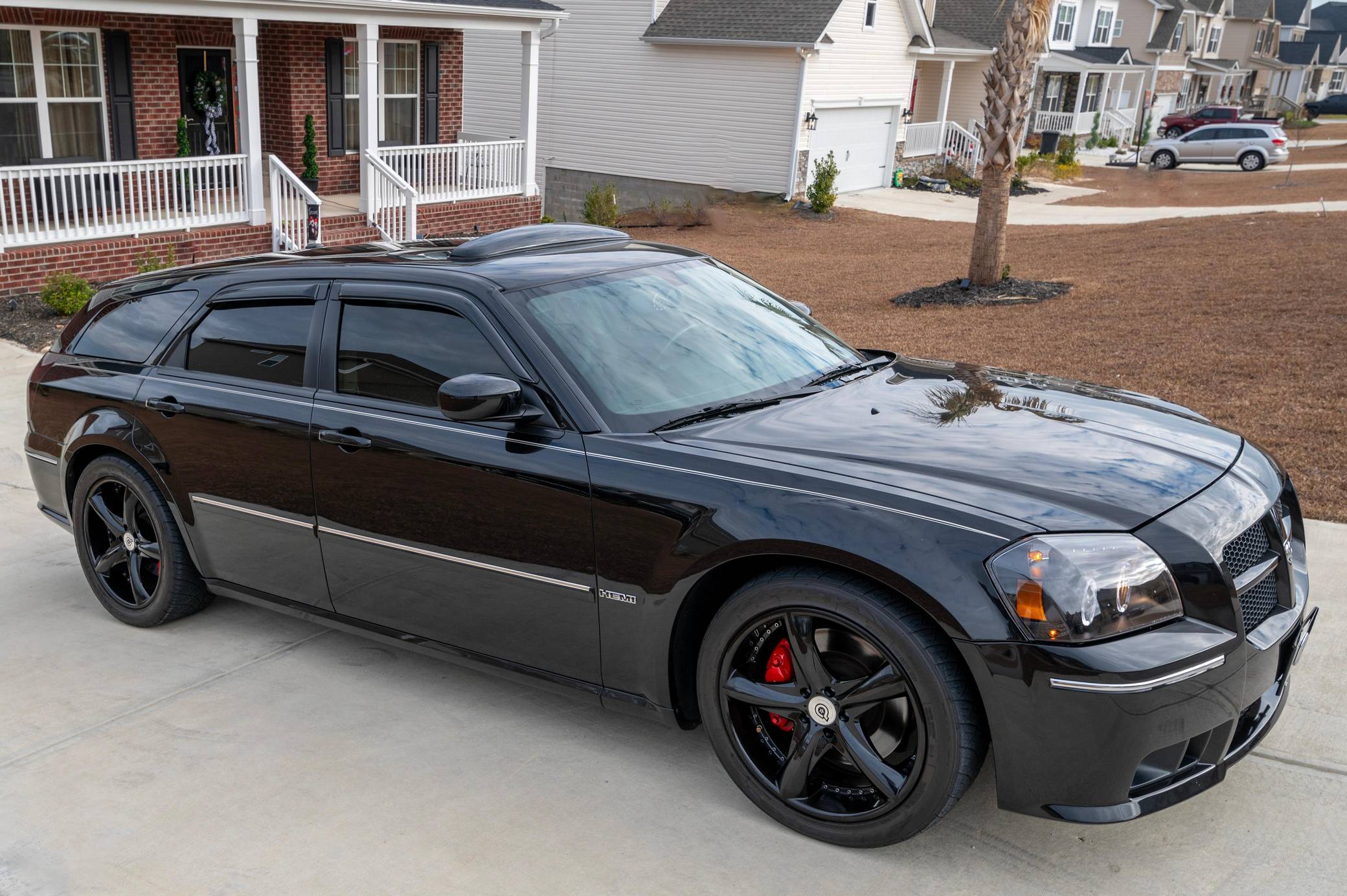
4. Dodge Magnum SRT8 2006
- Engine: 6.1L HEMI V8
- Horsepower: 425 hp
- Torque: 420 lb-ft
- Length: 197.7 in
- Width: 74.1 in
Performance wagons rarely receive attention within American muscle discussions, yet Dodge chose to challenge convention with confidence. The 2006 Magnum SRT8 arrived as a deliberate statement that utility and power could coexist without apology. Its long roof silhouette, wide stance, and assertive front design communicated strength before the engine even started. This vehicle rejected traditional categories and demanded evaluation on its own terms.
At the heart of the Magnum SRT8 sat a 6.1 litre HEMI V8 producing output that matched its appearance. Acceleration felt immediate, supported by a deep exhaust tone that reinforced its intent. Rear wheel drive preserved classic performance dynamics, while suspension tuning balanced grip with everyday comfort. Straight-line pace placed the car alongside respected performance coupes of its time.
Practical advantages defined much of its appeal. Expansive cargo capacity allowed the Magnum to function as a genuine utility vehicle without sacrificing excitement. This dual purpose attracted buyers who wanted space without abandoning performance. Interior presentation aligned with SRT standards, offering supportive seating, purposeful instrumentation, and durable materials. Build quality reflected the collaborative engineering period within the Chrysler organization, delivering a more refined feel than earlier Dodge efforts.
Public reaction struggled to settle on a clear identity. Some viewed the wagon format as incompatible with muscle ideals, while others overlooked its capabilities due to unfamiliar styling. This uncertainty limited sales, contributing to its quiet exit from the market. That same factor now benefits buyers seeking rarity without inflated pricing.
Driving impressions reveal a confident machine suited to varied conditions. Highway travel feels stable and relaxed, aided by long wheelbase composure. Braking performance inspires trust, while throttle response remains eager during spirited use. Curved roads highlight a surprising balance, demonstrating that size does not automatically diminish control.
Maintenance considerations remain manageable. Shared components with other Chrysler performance models simplify servicing, and the HEMI platform enjoys broad aftermarket support. Reliability remains strong when routine care is respected, making long-term ownership realistic rather than daunting.
The 2006 Dodge Magnum SRT8 rewards those willing to look beyond tradition. It offers power, practicality, and distinction without relying on nostalgia. For drivers seeking a performance car that defies expectation while delivering genuine capability, this wagon stands ready for rediscovery.
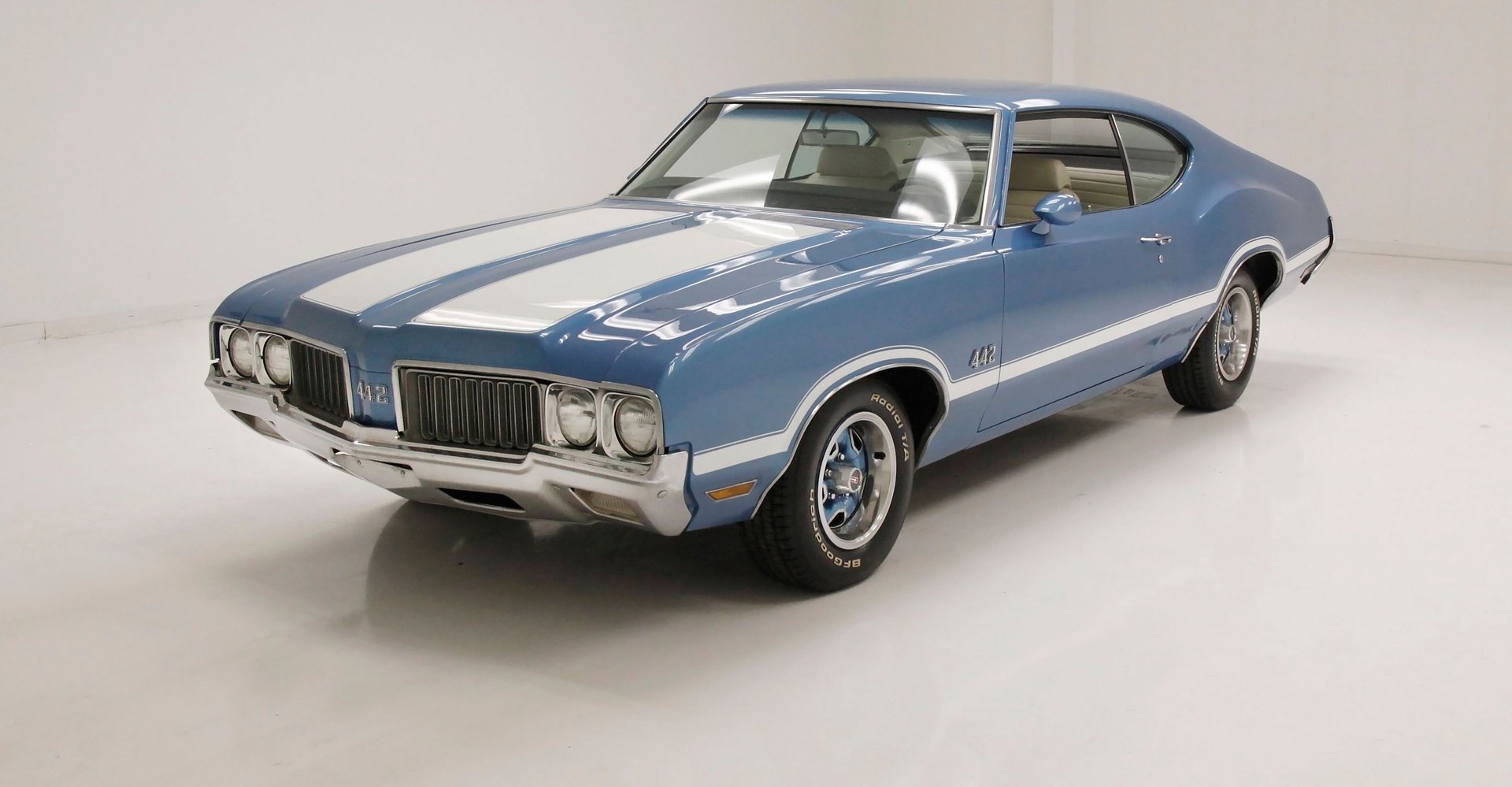
5. Oldsmobile Cutlass 442 1970
- Engine: 455 cu in Rocket V8
- Horsepower: 365 hp
- Torque: 500 lb-ft
- Length: 201.3 in
- Width: 75.0 in
Strength, confidence, and quiet authority defined Oldsmobile’s position during the height of the muscle era. The 1970 Oldsmobile Cutlass 442 represented that philosophy with clarity. Rather than chasing youthful flash, this car projected maturity through proportion, engineering discipline, and measured aggression.
Long before branding hype took over performance marketing, the 442 earned its reputation through substance delivered on pavement. Under the hood sat the 455 cubic inch Rocket V8, an engine built for torque rather than theatrical revving. Output figures mattered less than delivery.
Acceleration arrived smoothly and forcefully, pressing occupants into wide seats without drama. Street driving favored this approach, allowing quick passes and relaxed cruising with minimal effort. Throttle response felt deliberate, reinforcing a sense of control instead of chaos.
Suspension tuning leaned toward balance. Unlike harsher competitors, the Cutlass 442 managed to remain composed on uneven roads while still responding confidently when pushed. Steering feels encouraged to take long drives rather than short bursts. This made the car appealing to buyers who wanted performance without fatigue. Ride quality remained a strong point, especially for a machine carrying serious displacement.
Interior design reflected Oldsmobile’s identity. Materials leaned upscale for the period, with thoughtful placement of gauges and comfortable seating surfaces. Controls operated with reassuring weight, and cabin noise stayed restrained even under acceleration. These qualities aged well, allowing preserved examples to feel inviting decades later rather than dated or crude.
Market memory often places Oldsmobile in a quieter corner of muscle history. That perception has kept the Cutlass 442 from reaching the pricing heights of similar era rivals. For buyers today, that gap creates opportunity. Restoration support remains strong, supported by shared GM components and active specialist suppliers. Ownership does not require heroic effort, only respect for proper maintenance.
Driving a 1970 Cutlass 442 today delivers a sense of confidence missing from many modern performance cars. Power feels abundant yet controlled. Presence commands attention without shouting. This model rewards those who value balance, authority, and mechanical honesty. Among classic muscle choices, it stands as a refined alternative worthy of renewed attention.
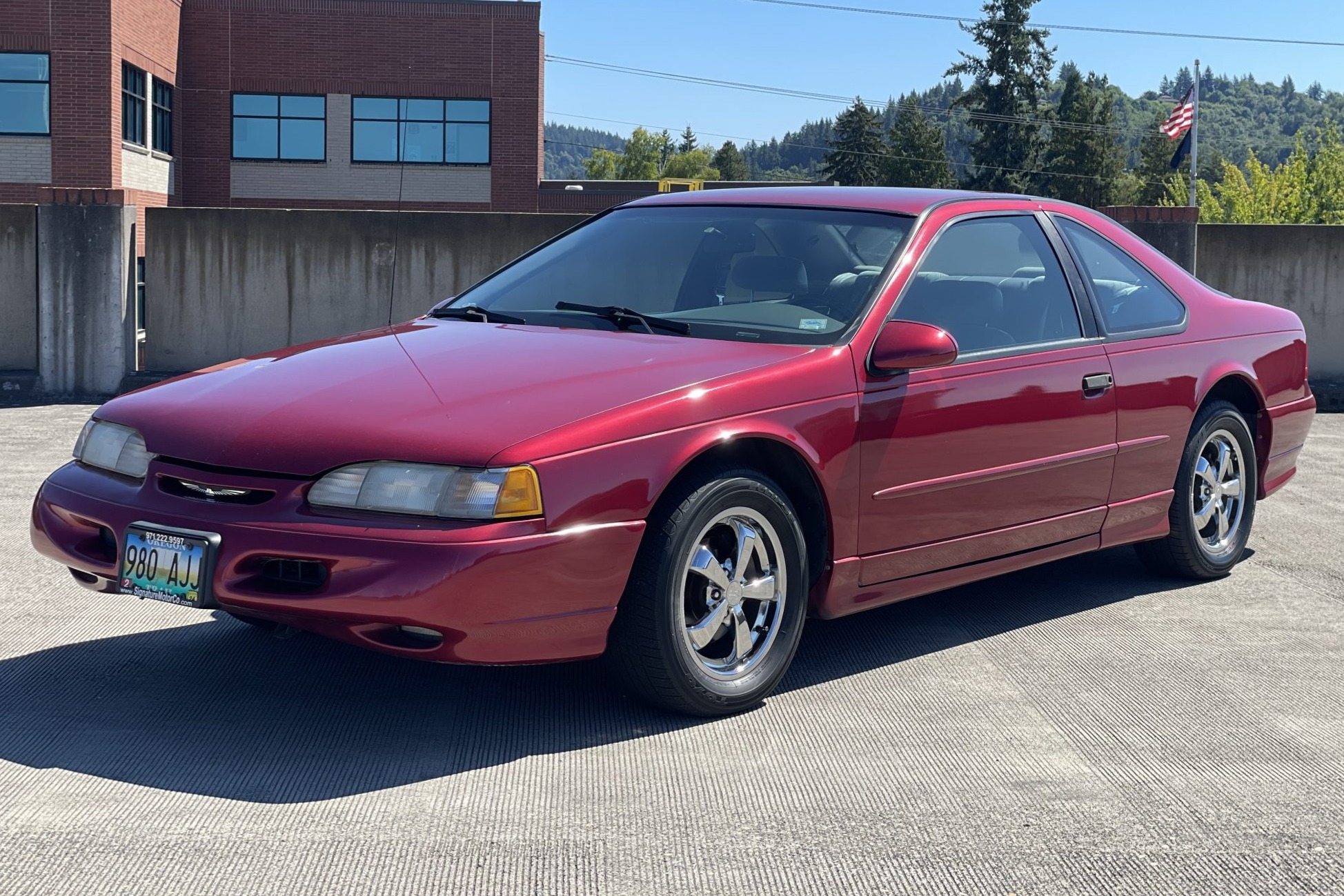
6. Ford Thunderbird Super Coupe 1995
- Engine: 3.8L Supercharged V6
- Horsepower: 230 hp
- Torque: 330 lb-ft
- Length: 200.3 in
- Width: 72.7 in
Ford’s Thunderbird Super Coupe from the mid 1990s arrived during a transitional period for American performance. Muscle branding faded, replaced by technology-driven experimentation. The Super Coupe embraced that change, blending forced induction with personal luxury design. The result was a car misunderstood in its time, yet deeply impressive today.
Power came from a supercharged 3.8-liter V6 rather than a traditional V8. Purists dismissed this choice early, yet performance figures told a different story. Acceleration proved strong, aided by an immediate boost response and broad torque delivery. The engine felt eager without relying on excessive displacement. Paired with a manual transmission, the Super Coupe rewarded skilled inputs with satisfying engagement.
Chassis engineering stood out. Independent rear suspension improved ride control and corner stability, separating the car from older layouts. Long wheelbase proportions delivered highway confidence, while suspension tuning prevented float or wallow. This combination made the Thunderbird an excellent long-distance performer capable of spirited driving when conditions allowed.
Interior execution leaned toward comfort with purpose. Supportive seats, clear instrumentation, and thoughtful sound insulation created a refined environment. Controls felt solid, and materials aged better than many domestic interiors of the era. Driver focus remained intact without sacrificing convenience features expected in a premium coupe.
Public confusion limited sales success. Buyers unsure whether the Super Coupe fit muscle or luxury categories often looked elsewhere. That indecision benefits modern shoppers. Prices remain reasonable, and rarity adds appeal. Maintenance demands respect, especially for supercharger components, yet parts support remains available through dedicated communities.
Driving impressions reveal a car ahead of its time. Power delivery feels smooth, steering is precise, and braking is confidence-inspiring. The Thunderbird Super Coupe suits drivers who appreciate engineering nuance over stereotypes. As forgotten performance cars gain renewed interest, this Ford stands ready for reevaluation.
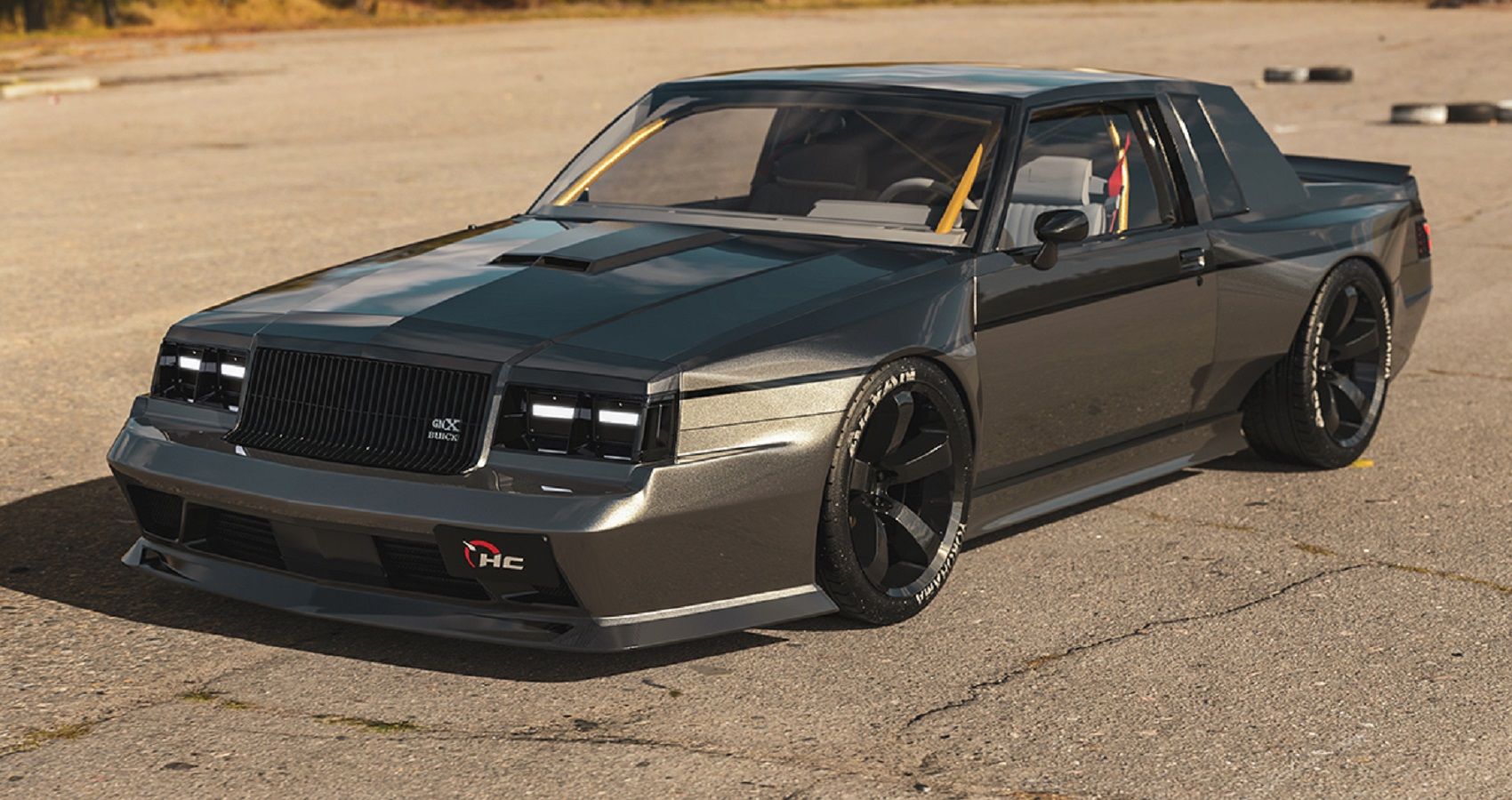
7. Buick GNX 1987
- Engine: 3.8L Turbocharged V6
- Horsepower: 276 hp
- Torque: 360 lb-ft
- Length: 200.8 in
- Width: 71.7 in
Buick does not usually dominate discussions about American muscle, yet the 1987 GNX occupies a respected position earned through discipline, precision, and measured engineering. This vehicle emerged during a period when performance identity was changing within General Motors, and Buick chose a restrained but highly effective path.
Rather than rely on visual aggression or oversized displacement, the GNX delivered its message through engineering results that spoke clearly to those who understood performance beyond appearance. Production numbers were intentionally limited, giving the GNX an immediate sense of rarity.
That scarcity was not created for marketing theatre alone but reflected the specialised nature of the car. Buick partnered with McLaren Performance Technologies to refine the platform, resulting in a vehicle that differed meaningfully from the standard Grand National.
Dark exterior treatment concealed intent, allowing the GNX to operate without drawing unnecessary attention while delivering serious capability on demand. Power delivery defined the GNX experience. A turbocharged 3.8-litre V6 produced output that challenged larger V8 competitors of its era.
Acceleration arrived early and decisively, driven by strong torque characteristics rather than high-rev theatrics. This approach allowed the GNX to perform exceptionally well in straight-line testing, placing it among the fastest American production vehicles of its time. Performance figures altered perceptions around turbocharging and cylinder count within domestic performance engineering.
Chassis and drivetrain revisions played a critical role. Reinforced rear axle components, revised suspension geometry, and improved traction management transformed how power reached the ground. Launch behaviour remained composed, reducing wheelspin and enhancing consistency. These changes delivered confidence rather than drama, rewarding drivers who valued control and predictability under acceleration.
Interior execution followed a restrained philosophy. Dark finishes, purposeful instrumentation, and limited decorative elements reinforced the car’s serious character. Comfort was sufficient for regular use, though performance priorities shaped design decisions. Cabin presentation avoided excess, aligning with the GNX identity as a machine focused on results rather than display.
Ownership today carries responsibility. Turbocharged systems demand knowledgeable care, and proper servicing determines long-term satisfaction. Support networks remain active, sustained by enthusiasts who understand the car’s technical depth. Market values have increased steadily as historical importance receives broader recognition, yet the GNX remains valued for authenticity rather than fashion.
Driving a GNX produces a distinct impression. Acceleration feels urgent yet controlled, accompanied by subdued sound that heightens the sense of surprise. This Buick challenged assumptions during its era and continues to do so decades later. Memory may overlook it in casual conversation, but its engineering achievement remains firmly established.
Also Read: 10 Forgotten Muscle Cars From 1960 to 2000
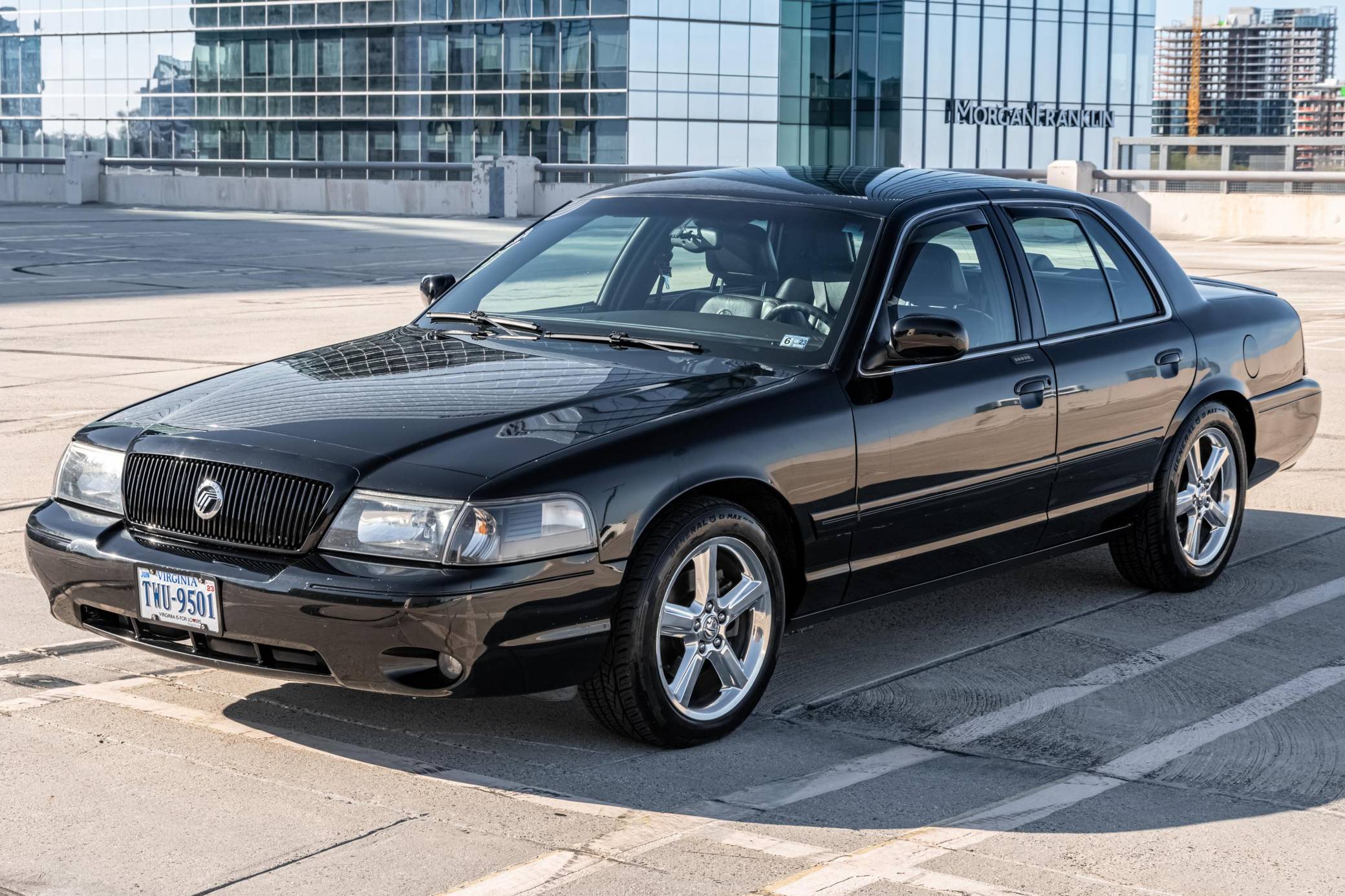
8. Mercury Marauder 2003
- Engine: 4.6L DOHC V8
- Horsepower: 302 hp
- Torque: 318 lb-ft
- Length: 212.0 in
- Width: 78.2 in
Mercury’s final high-performance sedan arrived without fanfare, yet the 2003 Marauder represented a carefully considered interpretation of modern American muscle. Developed during a period when full-size sedans prioritized comfort above excitement, the Marauder introduced power and presence into a segment that had grown conservative. Visual restraint combined with mechanical substance defined its appeal.
Exterior presentation relied on proportion and detail rather than ornamentation. Dark paintwork, lowered stance, and wide wheels created authority without excess styling cues. Subtle badging reinforced exclusivity while preserving a mature appearance. Buyers seeking strength without flamboyance found a vehicle aligned with understated confidence.
Engine selection reflected thoughtful intent. A 4.6-litre dual overhead cam V8 derived from performance-focused Ford platforms delivered smooth, reliable output. Power delivery favoured refinement rather than aggression, providing strong acceleration without abrupt behaviour. Rear wheel drive configuration preserved traditional dynamics, allowing drivers to manage output predictably under varying conditions.
Chassis tuning supported the car’s dual purpose. Suspension calibration balanced control with ride comfort, ensuring suitability for extended journeys while maintaining composure during spirited driving. Brake upgrades improved stopping confidence, and long wheelbase stability enhanced highway behaviour. Despite its substantial size, the Marauder responded with assurance, avoiding the detached feel common to large sedans of its era.
Interior design prioritised space and comfort. Seating offered generous support, while cabin layout emphasized clarity and ease of use. Materials reflected early 2000s standards yet resisted premature wear better than expected. Noise isolation contributed to a calm driving environment, reinforcing the Marauder’s identity as a capable cruiser rather than a raw performance tool.
Sales performance remained modest. Mercury’s declining brand presence limited exposure, leaving the Marauder overlooked during its production run. That limited recognition now benefits buyers seeking value. Shared mechanical components with other Ford models simplify parts sourcing, and reliability remains strong when routine servicing is respected.
Driving impressions reveal a balanced character. Power arrives smoothly, steering feels honest, and road presence commands quiet respect. Practicality remains intact, supported by ample interior space and daily usability. This sedan suits individuals who appreciate performance blended with restraint. As attention returns to overlooked American performance vehicles, the Mercury Marauder stands prepared for renewed appreciation.
