
Few American cars carry the cultural weight of the Chevrolet Corvette. Since 1953, it has been the benchmark by which American performance is measured, the car that every sports car enthusiast has an opinion about, and the vehicle that General Motors has periodically reinvented with enough conviction to change how the automotive world thinks about what an American sports car can be.
Not every generation got it right. Some Corvette eras were genuinely brilliant, producing cars that competed with European sports cars at a fraction of the price and delivered driving experiences that defined what performance felt like for an entire decade.
Other eras were compromised by corporate budget pressures, emissions regulations that strangled power output, and design decisions that aged poorly in ways that seemed avoidable even at the time. Ranking six Corvette generations from worst to best is not an exercise in nostalgia management.
It is an honest assessment of what each generation delivered relative to what it promised, what the market offered at the same price point during the same era, and what the Corvette’s own standards demanded of itself as America’s sports car.
A Corvette that disappoints against a baseline of what a Corvette should be is a worse outcome than a Corvette that simply was not as refined as its European competitors, because the brand carries expectations that cannot be separated from the evaluation.
This ranking covers all six production generations, from the original C1 through the current mid-engine C8. Each generation receives a complete, honest assessment of its strengths, its failures, its engineering context, and its place in the Corvette story. Part One covers generations ranked sixth through fourth. Part Two covers third through first. Read both sections for the complete picture.
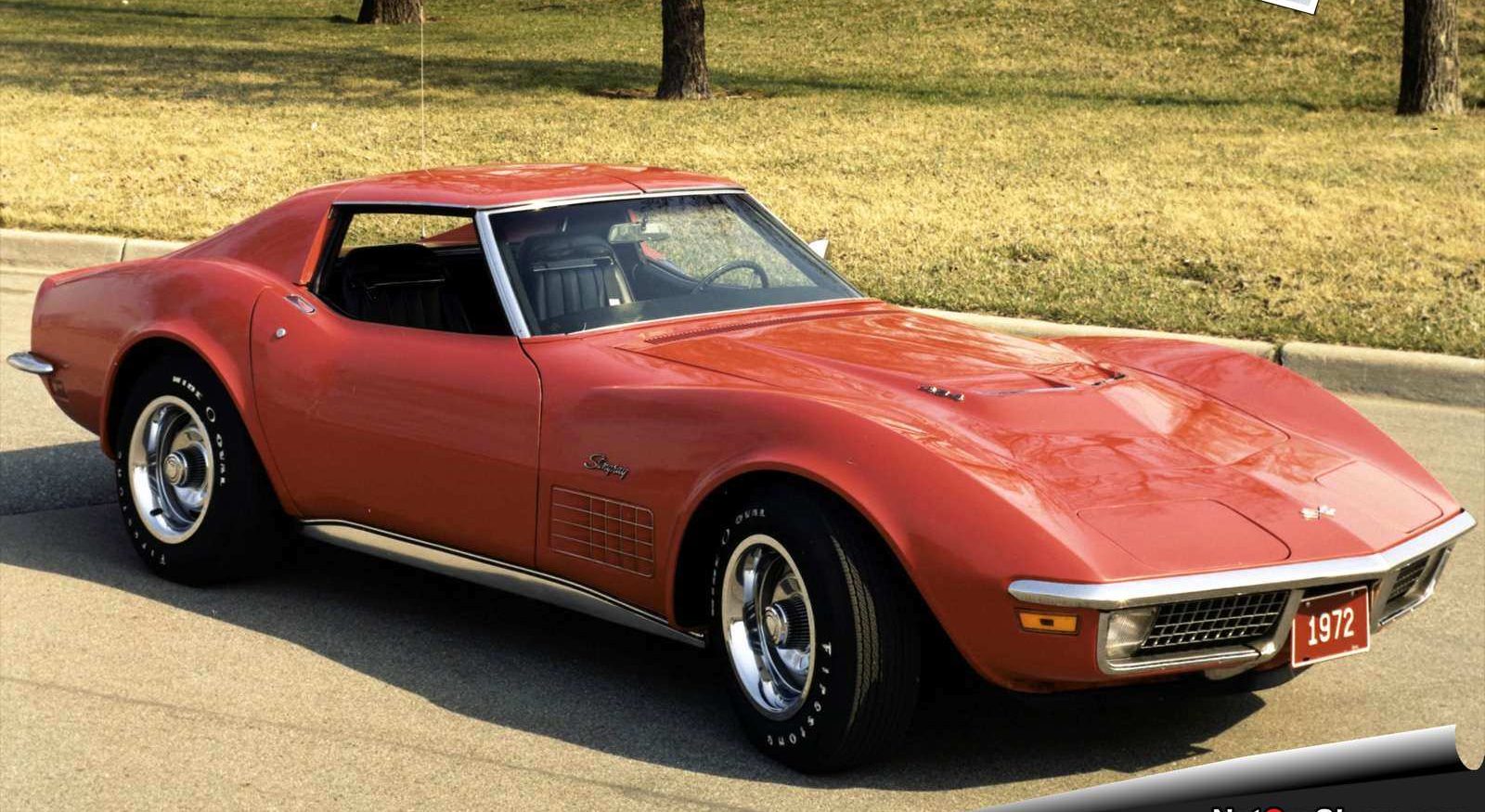
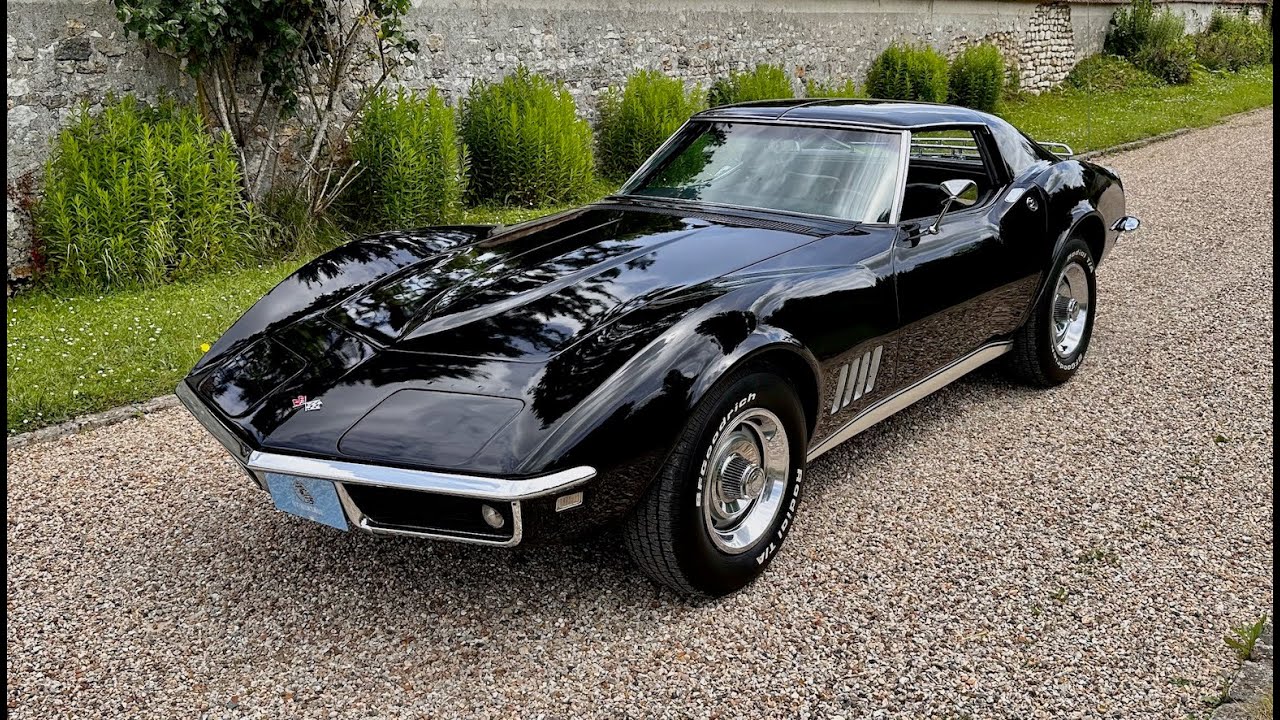
1. C3 Corvette Stingray (1968 to 1982)
- Engine: 5.7L V8 (varied across years, small-block)
- Horsepower: 165 hp to 370 hp (LT1/L88 peak variants)
- Torque: approx. 270 lb-ft to 380 lb-ft, depending on model year
- Length: approx. 4,640 mm (182.7 in)
- Width: approx. 1,750 mm (68.9 in)
This generation sits at the bottom due to the impact of emissions regulations, declining horsepower, and aging engineering. Early models showed promise, but the later years struggled to deliver true performance. You can still mention standout versions like the L88 or LT1, but as a full generation, it falls short of Corvette expectations.
Ranking any Corvette last requires acknowledging context, and the C3 Corvette Stingray’s context was genuinely terrible for performance cars. Federal emissions regulations, insurance industry pressure, and the fuel crises of 1973 and 1979 compressed horsepower figures across the American performance car industry in ways that affected every manufacturer simultaneously.
Chevrolet was not uniquely incompetent during this era. It was operating in a hostile regulatory and economic environment that forced compromises on every vehicle it sold with a performance designation. That context acknowledged, the C3 Stingray represents the weakest generation in Corvette history for reasons beyond the horsepower compression that affected all competitors equally.
Design decisions that prioritized visual drama over ergonomic function produced a cabin that was cramped, hot, and difficult to see out of in a way that drivers of competing European sports cars did not experience. Cockpit temperatures in summer driving were legendary among C3 owners in a way that reflected design choices that could have been different, rather than engineering limitations that were unavoidable.
1975 through 1980 model years produced what enthusiasts have since labeled the dark period of C3 ownership. Net horsepower figures for the base 350 cubic inch V8 reached a low of 165 horsepower in 1975, which placed the Corvette in acceleration performance territory that domestic sedans were approaching at a fraction of the Stingray’s purchase price.
A sports car that a family sedan can nearly keep pace with has a fundamental problem that no amount of Coke-bottle styling can resolve. Structural rigidity in the C3 was another area where the platform showed its age as the production run extended.
Birdcage chassis design accumulated known flexibility issues as mileage built, and the extended production run from 1968 through 1982 meant that later examples were built on engineering that had been current a decade earlier, without the updates that would have kept it competitive.
Wind noise, water infiltration, and body flex on older C3 examples were ownership realities that buyers accepted because the Corvette’s cultural status was not contingent on those factors being absent. Bright spots within the C3 era exist and deserve acknowledgment.
1969 L88 and ZL1 examples produced before emissions regulations fully landed represent genuine performance artifacts that collectors prize for legitimate mechanical reasons. The 1970 LT1 small-block configuration produced 370 horsepower in a year before the compression ratio reductions that followed in subsequent model years.
Early C3 examples carry genuine performance credentials that the mid-period cars cannot share. But ranking a generation requires evaluating the full production run rather than its best moments, and the C3’s full run includes too many compromised years to place it anywhere other than last in this ranking.
C3 Stingray styling, separated from performance evaluation, remains among the most dramatic in Corvette history. Profile proportions and interior design details that Zora Arkus-Duntov’s team produced in 1968 influenced sports car design globally, and C3 body shape elements appear in dozens of subsequent vehicles as clear design DNA references.
Styling legacy does not compensate for performance legacy, but it explains why the C3 era maintains passionate supporters despite the ranking its engineering places it in.
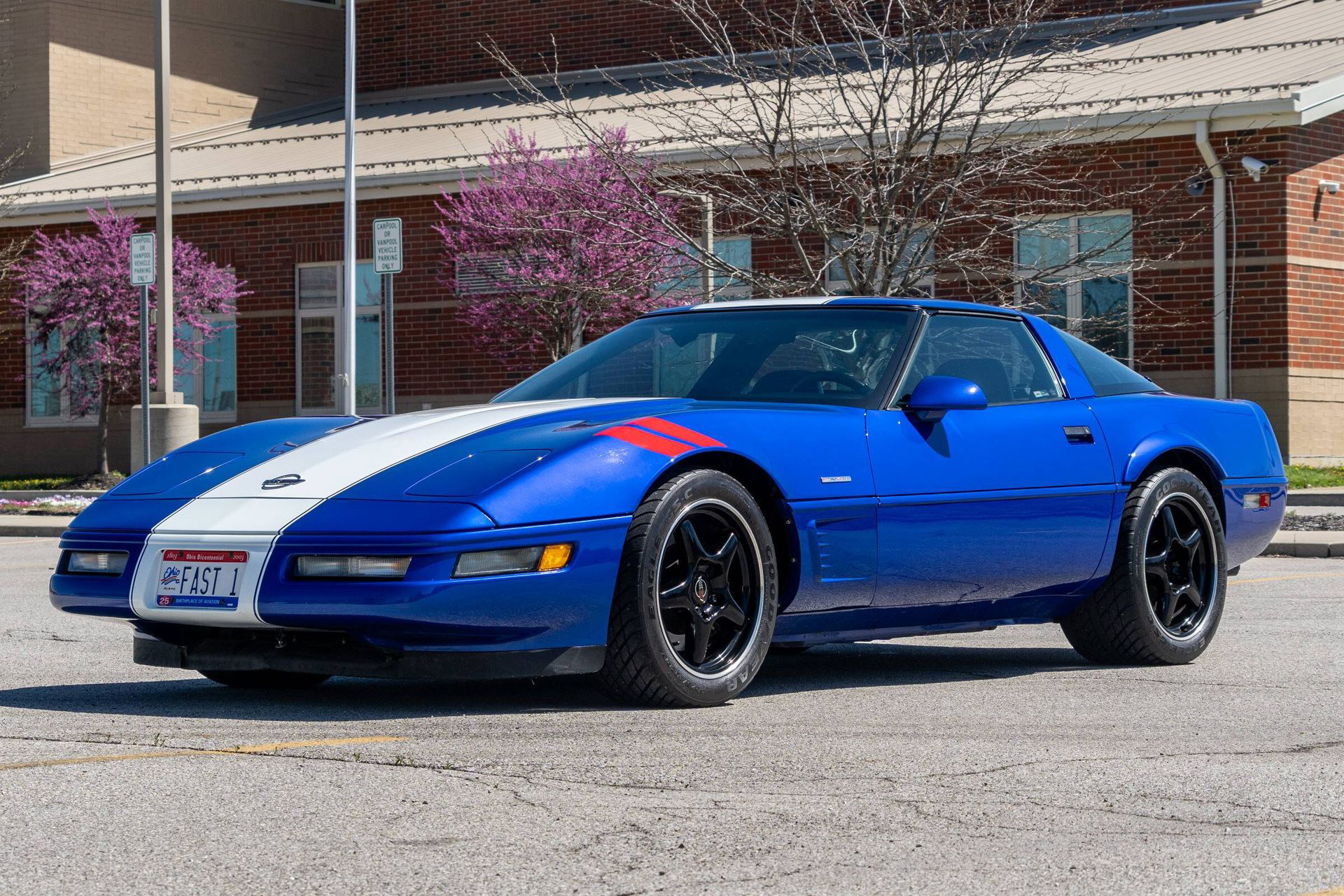
2. C4 Corvette ZR-1 Coupe (1984 to 1996)
- Engine: 5.7L LT5 DOHC V8 (ZR-1 variant)
- Horsepower: 375 hp to 405 hp
- Torque: 370 lb-ft
- Length: approx. 4,450 mm (175.0 in)
- Width: approx. 1,800 mm (70.7 in)
The C4 marked a serious attempt at rebuilding Corvette’s performance credibility. Handling improved, and technology advanced, yet the early models lacked refinement. High-performance versions like the ZR-1 showed what the platform could achieve, though inconsistency across the generation keeps it from ranking higher.
C4 Corvette generation arrived in 1984 after a production gap year and represented Chevrolet’s genuine attempt to rebuild the Corvette’s performance credibility after the C3’s compromised middle era. Base LT1 V8 engine recovered power output to levels that made the C4 genuinely quick by 1984 standards, and the new chassis architecture represented a real engineering investment rather than continued reliance on aging bones.
C4 ZR-1 Coupe, specifically introduced for 1990 with the Lotus-developed LT5 DOHC V8 producing 375 horsepower and later upgraded to 405 horsepower, delivered straight-line performance that could engage European sports cars in a way the late C3 era never could.
ZR-1 designation transformed the C4’s performance image in ways that the standard LT1 engine alone could not have accomplished. 0-60 mph times in the 4.5-second range and top speed capability above 170 mph placed the ZR-1 in Ferrari and Porsche territory for performance comparison purposes, and at a purchase price dramatically below European alternatives.
Automotive media coverage of the ZR-1’s performance numbers changed how European manufacturers thought about American competition in the sports car segment, which was exactly the cultural result that Chevrolet had intended. Identity crisis within the C4 era stemmed from a design language that arrived in 1984 looking contemporary and aged toward the end of its production run in ways that its European competitors did not experience equally.
Pop-up headlights, body proportions that reflected mid-1980s sports car design conventions, and an interior that improved across the production run but never matched the exterior’s performance ambitions created a vehicle that felt more cohesive in early production than in later years when the design’s age became apparent relative to newer competitors.
Electrical system complication introduced during the C4 era created ownership reliability concerns that overshadowed the mechanical platform’s genuine improvements. Electronic systems from early 1980s GM production that were integrated into a sports car application produced fault patterns that owners and technicians found difficult to diagnose without specialized equipment.
Well-maintained examples with documented service histories avoided most of these concerns, but the platform’s electrical sensitivity created an ownership anxiety that mechanical reliability alone did not generate. C4 ZR-1 value recovery in the collector market reflects an accurate assessment of what the car delivered when operating correctly.
Clean, low-mileage examples with the 405-horsepower LT5 engine and documented service histories represent genuine collector value that the mid-period C4 generation does not equally share. ZR-1 specifically earns its reputation through engineering ambition that the broader C4 lineup approached but did not match.
Also Read: 8 Forgotten ’80s Performance Cars That Out-Engineered Their Rivals In 2026
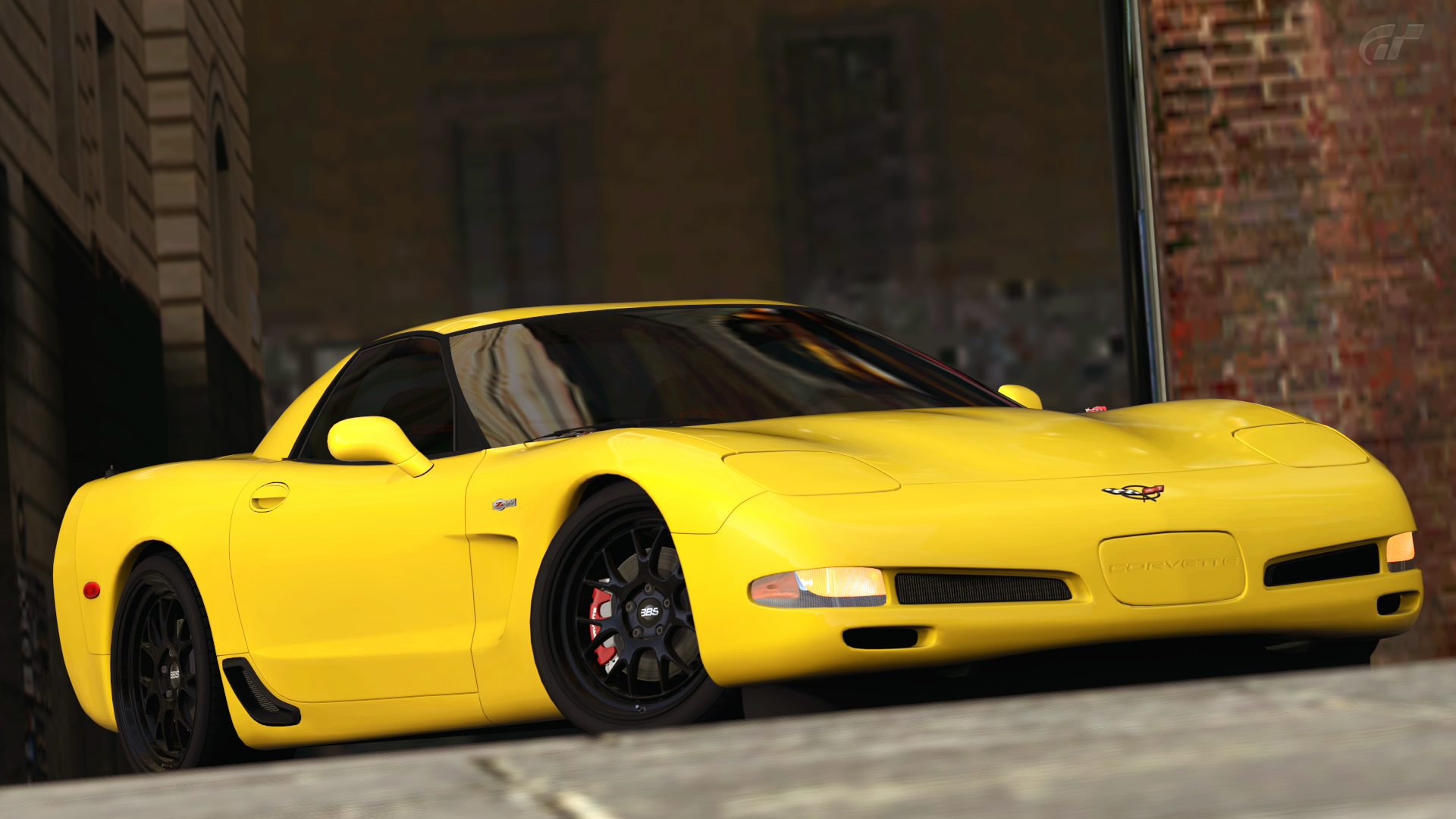
3. C5 Corvette Z06 Hardtop (1997 to 2004)
- Engine: 5.7L LS6 V8
- Horsepower: 385 hp to 405 hp
- Torque: 385 lb-ft
- Length: approx. 4,430 mm (174.5 in)
- Width: approx. 1,870 mm (73.6 in)
A major turning point for Corvette. The introduction of the LS engine platform and improved chassis design brought genuine performance credibility. The C5 Z06 stands out as the highlight, showing that Corvette could compete globally, not just domestically.
C5 Corvette generation represents the moment when General Motors committed engineering resources to the Corvette at a level that produced something genuinely world-class rather than domestically impressive. C5 Z06 Hardtop, introduced for 2001 with the LS6 V8 producing 385 horsepower and upgraded to 405 horsepower for 2002 through 2004, combined a lightweight aluminum structure, fixed-roof coupe body for maximum rigidity, and a purpose-built suspension calibration that delivered track performance previously reserved for dedicated race cars with street registrations.
LS6 V8 engine architecture represented a fundamental engineering rethink of the American pushrod V8 that the C5 generation pioneered. Aluminum block and heads reduced weight dramatically compared to the iron-block predecessors, and LS6-specific internal components, including higher-compression pistons, improved cylinder head flow, and aggressive camshaft profiles, produced power output through mechanical efficiency rather than displacement increases.
Small-block engineering philosophy applied with genuine sophistication produced a package that Chevrolet could sell at a production car price while delivering performance that purpose-built European engines of the same era could match only at much higher displacement and cost.
C5 Z06 Hardtop’s fixed roof contributed directly to chassis rigidity numbers that convertible and targa-top alternatives could not approach. Birdcage hydroformed frame structure combined with the fixed roof created a platform stiff enough that suspension engineers could calibrate spring rates, damper settings, and anti-roll bar dimensions without the compliance budget that softer structures require.
The result was a car that could be set up for track use through factory options and maintained street manners across a broader range of conditions than European sports cars at equivalent prices. Magnesium engine cradle and titanium exhaust system on the Z06 reflected weight reduction discipline that European sports car manufacturers applied to exotic platforms and that American manufacturers had not previously brought to production vehicles at the C5’s price point.
Dry weight of approximately 3,115 pounds for the Z06 Hardtop produced a power-to-weight ratio that placed the car in genuine supercar performance territory by 2001 standards, which was a development that the European press acknowledged with the kind of genuine surprise that validated everything Chevrolet’s engineering team had been working toward.
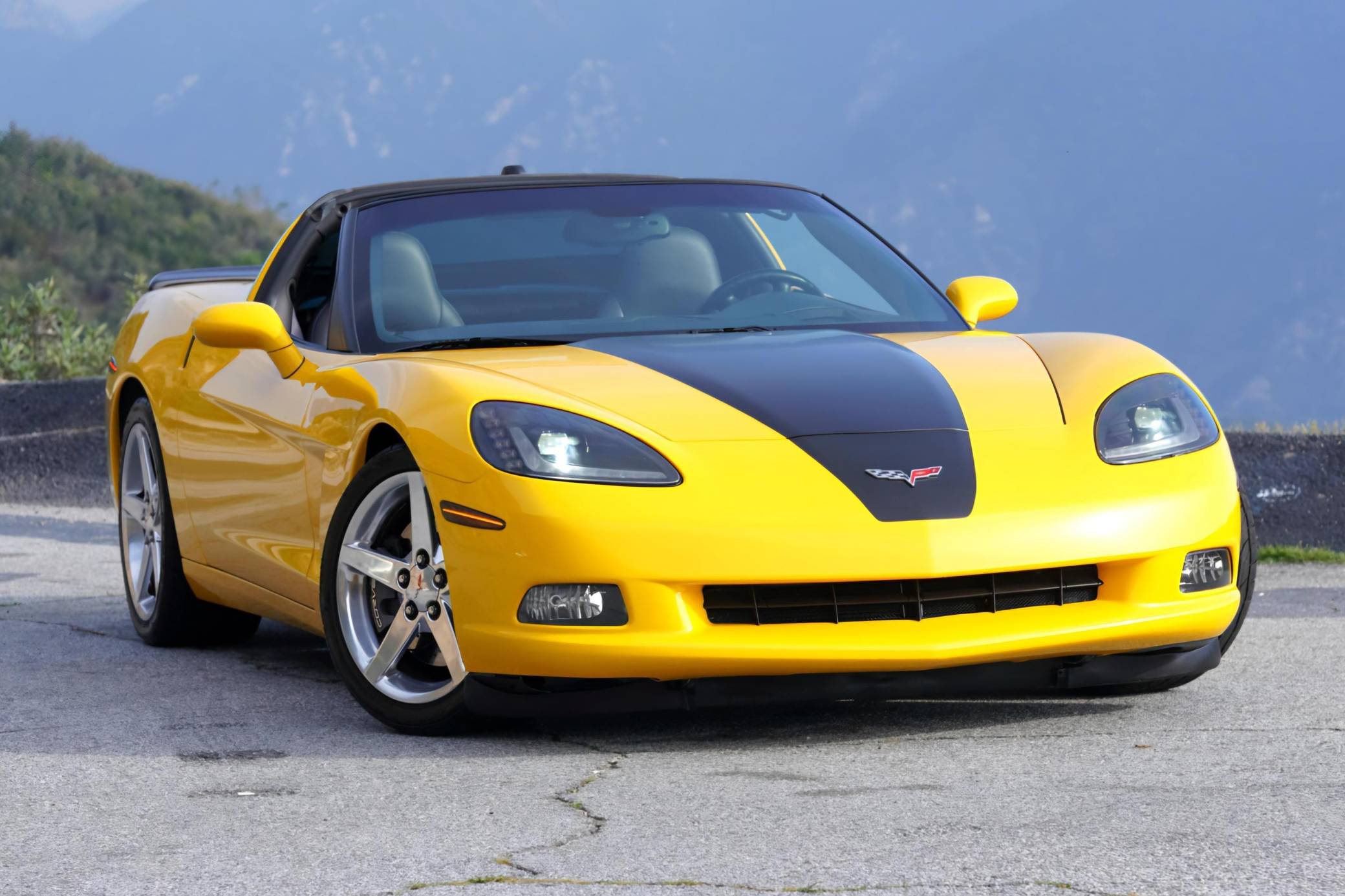
4. C6 Corvette Z06 Carbon Edition (2005 to 2013)
- Engine: 7.0L LS7 V8
- Horsepower: 505 hp
- Torque: 470 lb-ft
- Length: approx. 4,460 mm (175.6 in)
- Width: approx. 1,920 mm (75.6 in)
This generation refined everything introduced in the C5. Better materials, improved power, and more advanced technology pushed performance further. The C6 Z06 and later high-performance variants demonstrated track-ready capability while maintaining usability on the road.
The C6 Corvette generation took the engineering foundation that C5 established and refined every dimension of it with greater resources, more sophisticated tooling, and the benefit of feedback from C5 owners and racing programs that had stress-tested the previous platform across millions of miles and countless competition events.
C6 Z06 Carbon Edition represents the C6 generation’s highest expression, combining the aluminum-frame Z06 platform with Carbon Package aerodynamic and weight reduction content that produced one of the most capable production Corvettes built before the mid-engine transition.
LS7 7.0-liter naturally aspirated V8 engine in the C6 Z06 produces 505 horsepower and 470 pound-feet of torque without forced induction, a specification that reflected the depth of development GM’s small-block V8 program had achieved by 2006.
Seven-liter displacement combined with free-breathing cylinder heads, a dry-sump lubrication system that allowed lower engine placement, and a titanium connecting rod and intake valve specification previously reserved for racing applications produced an engine whose character matched its output numbers. LS7’s 7,000 RPM redline was extraordinary for a pushrod V8 and delivered a power band breadth that turbocharged alternatives with higher peak figures could not replicate across the full RPM range.
Carbon Package content on the Z06 Carbon Edition added an exposed carbon fiber hood, front splitter, rear spoiler, and roof panel that reduced mass and improved aerodynamic downforce simultaneously. Weight reduction through carbon fiber application was not cosmetic in the Z06 Carbon Edition but reflected genuine engineering priority around the handling improvements that every pound removed from a vehicle’s mass delivers.
Track-focused buyers who specified the Carbon Package received aerodynamic and mass benefits that improved both lap times and driver confidence during sustained high-speed driving. Six-speed manual transmission with active rev matching on later C6 Z06 examples gave drivers electronic assistance for heel-toe downshifts that improved consistency without removing the engagement of a conventional manual drivetrain.
Rev matching on downshifts eliminated the possibility of driver-induced chassis upset during braking while maintaining the mechanical connection between driver and vehicle that automatic alternatives eliminate. That balance between electronic support and mechanical engagement defined the C6 Z06’s philosophy across its full option range.
Magnetic Ride Control suspension, available across the C6 lineup and standard on higher trim levels, used magnetorheological fluid dampers that could adjust stiffness in milliseconds based on road surface input. Ride quality during normal driving on the C6 Z06 with Magnetic Ride Control was substantially more compliant than the suspension’s track performance capability implied, which allowed the Z06 to serve as a legitimate dual-purpose vehicle across regular road use and track days without requiring owners to choose between comfort and capability through separate vehicle ownership.
C6 Z06 Carbon Edition values in the collector market have appreciated from their post-production low points as the generation’s strengths have become more apparent in historical perspective. Clean examples with low mileage and factory Carbon Package content represent huge investment potential alongside genuine daily and weekend driving capability that few vehicles at equivalent prices combine as successfully.
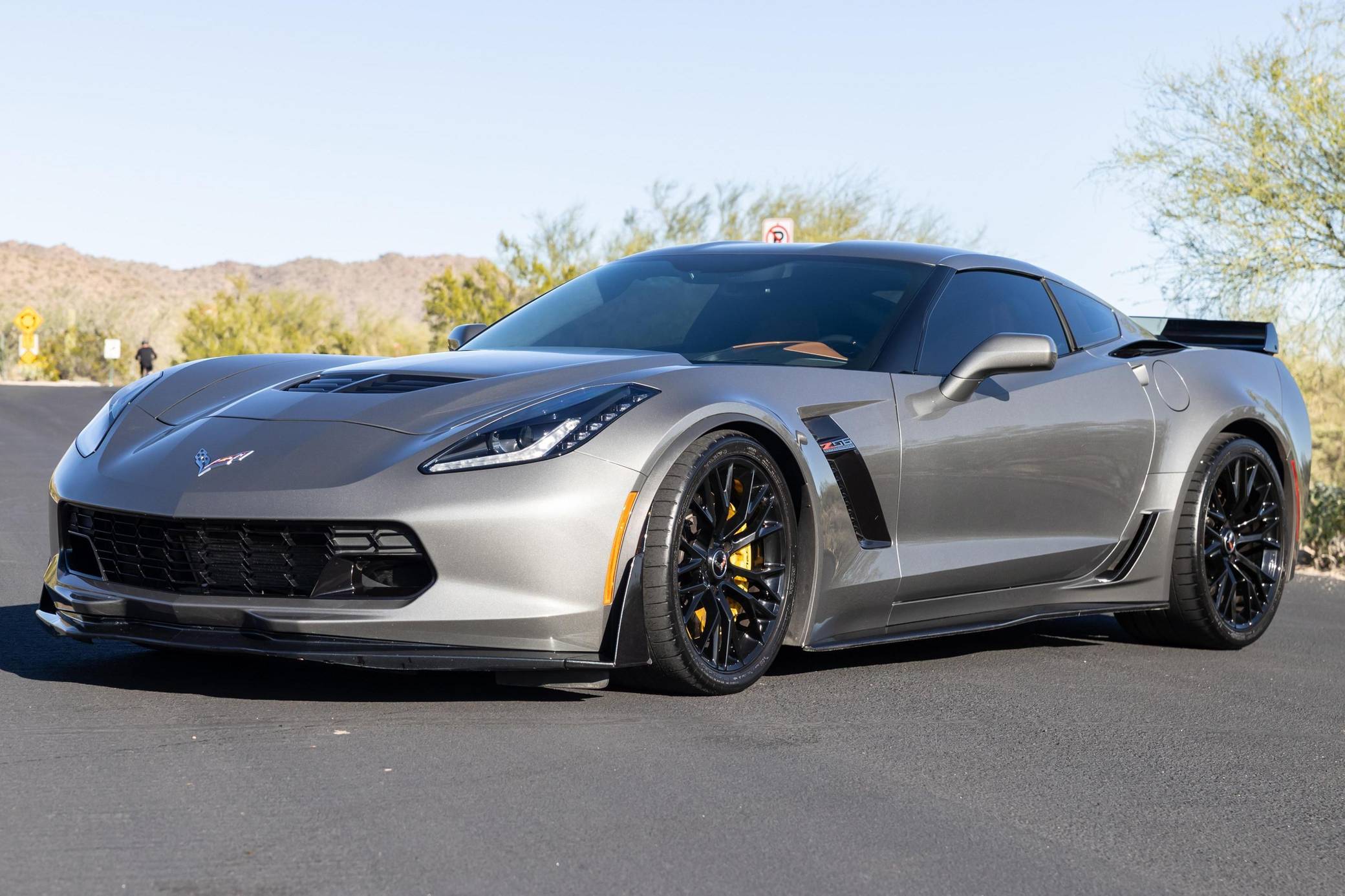
5. C7 Corvette Z06 Coupe With Z07 Performance Package (2015 to 2019)
- Engine: 6.2L LT4 supercharged V8
- Horsepower: 650 hp
- Torque: 650 lb-ft
- Length: approx. 4,480 mm (176.3 in)
- Width: approx. 1,880 mm (74.0 in)
A careful assessment of front-engine Corvette development reveals that the C7 Corvette Z06 Coupe with Z07 Performance Package represents the most refined and complete expression of that engineering philosophy. Its design communicates intent with clarity, combining aggressive aerodynamics with purposeful detailing, while its underlying mechanical systems deliver performance that rivals that of vehicles priced far above it.
This model stands as evidence that disciplined engineering can achieve exceptional results without abandoning practicality. An examination of its powertrain shows a deliberate focus on immediate response and sustained output. The supercharged LT4 6.2-liter V8 engine produces 650 horsepower and 650 pound-feet of torque, supported by a Roots-type positive displacement supercharger that delivers boost from low engine speeds.
Acceleration feels immediate, with torque available across the rev range, allowing the driver to access performance without delay. Such responsiveness creates a driving experience that remains consistent whether the vehicle is operated at moderate speeds or under demanding conditions.
Attention to chassis engineering further strengthens its capability. The dry-sump lubrication system enables a lower engine position, improving weight distribution and preserving stability during high-speed driving. The Z07 Performance Package introduces Michelin Pilot Sport Cup 2 tires, carbon ceramic braking systems, and a carbon fiber aerodynamic package that includes a front splitter and rear wing.
Each component contributes to improved grip, braking consistency, and aerodynamic balance, allowing the vehicle to maintain composure during aggressive driving. Performance testing provides measurable evidence of its capability. Recorded lap times at demanding circuits place the C7 Z06 Z07 alongside, and in some cases ahead of, vehicles such as the Ferrari 458 Italia, Lamborghini Aventador, and Porsche 911 Turbo S. Achieving such results within a comparatively accessible price range demonstrates the effectiveness of its engineering approach.
Transmission options provide flexibility for different driving preferences. A seven-speed manual gearbox offers direct engagement and reinforces the traditional connection between driver and machine. An eight-speed paddle-shift automatic transmission delivers rapid gear changes that enhance performance consistency. Each option serves a distinct purpose without diminishing the vehicle’s entire capability.
Braking performance reflects equal attention to detail. Carbon ceramic rotors provide strong stopping power and maintain effectiveness under repeated use. Pedal response remains consistent, even when temperatures rise during extended driving sessions. Such reliability supports driver confidence and ensures that performance remains predictable under demanding conditions.
Consideration of its position within Corvette history highlights its importance. The C7 Z06 Z07 integrates lessons learned from earlier generations and applies them with precision, resulting in a vehicle that balances power, control, and usability. It represents the highest point reached by the front-engine configuration before the transition to a new architectural direction. Its achievement lies not only in raw performance but in the completeness of its execution.
Also Read: 10 Best Performance Cars for People Living in States With Cold Climates
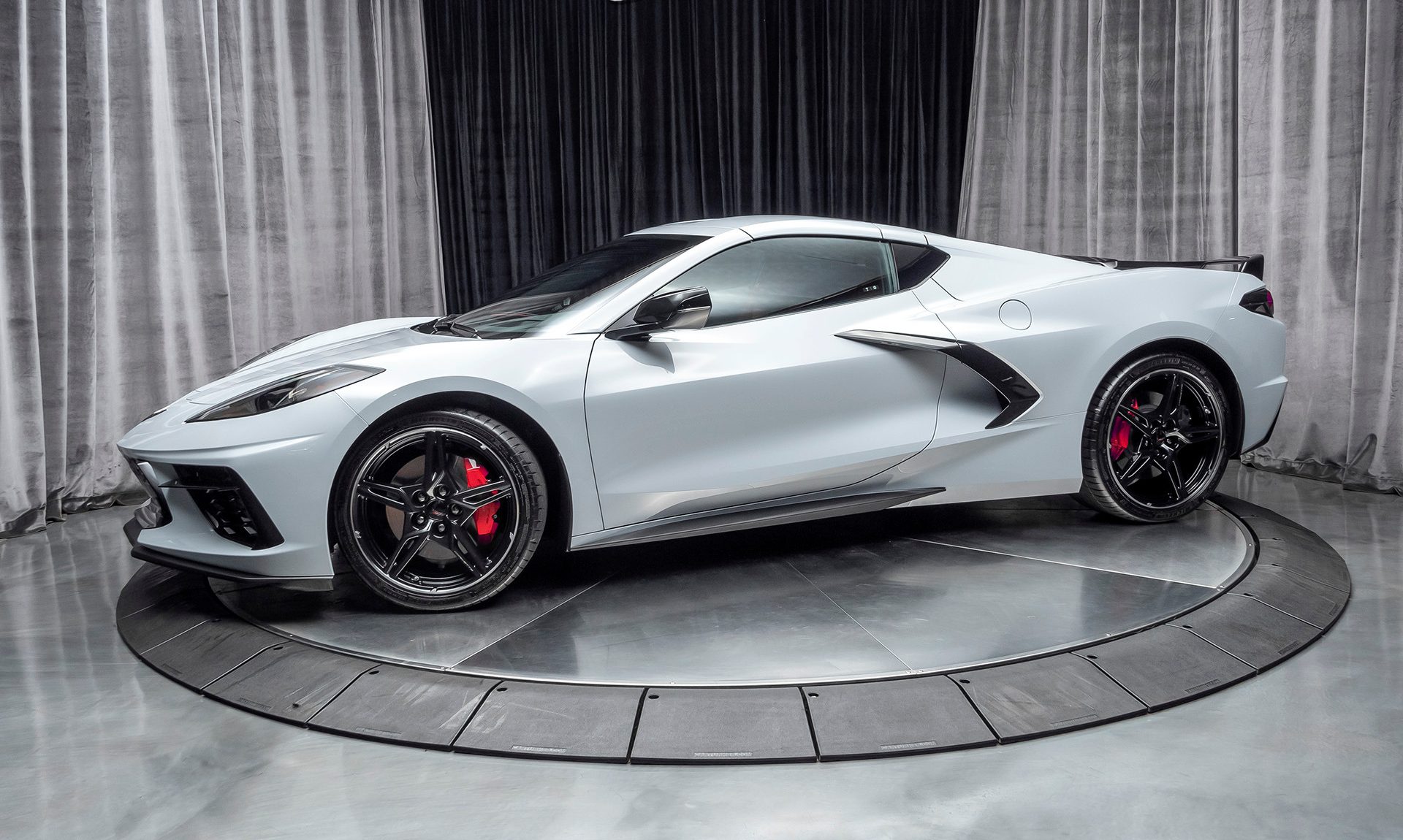
6. C8 Corvette Stingray Z51 Coupe (2020 to Present)
- Engine: 6.2L LT2 V8 (mid-engine layout)
- Horsepower: 490 hp (up to 495 hp with performance exhaust)
- Torque: 465 lb-ft
- Length: approx. 4,630 mm (182.3 in)
- Width: approx. 1,940 mm (76.1 in)
A transition to a mid-engine layout marked a defining moment in Corvette development, and the C8 Corvette Stingray Z51 Coupe demonstrates the practical benefits of that decision. By repositioning the engine behind the driver, the vehicle achieves improved balance and traction characteristics, allowing it to deliver performance that aligns more closely with established supercar standards. This structural change introduces a new direction while maintaining the identity associated with the Corvette name.
An evaluation of its mechanical configuration reveals a clear emphasis on balance. The LT2 6.2-liter naturally aspirated V8 engine produces strong output while benefiting from its central placement within the chassis. Weight distribution moves closer to an optimal ratio, enhancing stability during acceleration and cornering. The Z51 Performance Package adds upgraded brakes, performance tires, and an electronic limited-slip differential, ensuring that available power is applied efficiently.
Transmission technology represents another area of advancement. The eight-speed dual-clutch transmission provides rapid gear changes with minimal interruption to power delivery. This system operates with a level of precision that supports consistent acceleration and improved lap times. While some drivers may prefer manual engagement, the dual-clutch system aligns with the vehicle’s performance objectives by delivering efficiency and responsiveness.
Acceleration figures reinforce its capability. Achieving rapid sprint times places the C8 Stingray Z51 within the performance range of vehicles that traditionally occupy a higher price category. This capability reflects a continuation of the Corvette philosophy, where strong performance is delivered without excessive cost escalation.
Suspension technology contributes to both comfort and control. Magnetic Ride Control adapts to changing conditions, adjusting damping characteristics to suit different driving scenarios. The vehicle can maintain composure during spirited driving while remaining comfortable during regular use. This adaptability supports its dual role as both a performance machine and a practical road vehicle.
Interior design reflects a modern approach to driver interaction. Digital displays present vehicle information clearly, while the cockpit layout emphasizes driver focus. Materials and construction quality demonstrate improvement compared to earlier generations, supporting a more refined driving environment.
Consideration of its place within the ranking requires recognition of its developmental stage. The C8 Stingray Z51 establishes a strong foundation for future variants, yet it represents the beginning of a new engineering direction rather than its final expression.
Its capabilities are substantial, and its design introduces possibilities that earlier configurations could not achieve. Its position reflects both its current performance and the potential that lies ahead within the same platform.
